Industry Briefing
A single destination for timely, editor-curated robotics news from around the world.

France Validates C-UAS Package for Rafale Fighters to Target Shahed-Type Drones
France has confirmed the validation of a Counter-Unmanned Aerial System (C-UAS) package for its Rafale fighters. This package enables the aircraft to engage Shahed-type attack drones using 68mm rockets, enhancing their operational capabilities in drone warfare. The implementation of this C-UAS package is significant as it addresses the growing threat posed by drones in modern combat scenarios. By equipping Rafale fighters with the ability to target these unmanned aerial vehicles, France aims to bolster its defense strategy and ensure air superiority against emerging aerial threats. Looking ahead, the focus will be on the operational deployment of this C-UAS capability within the French Air Force. No further timeline was disclosed at the time of publication.
News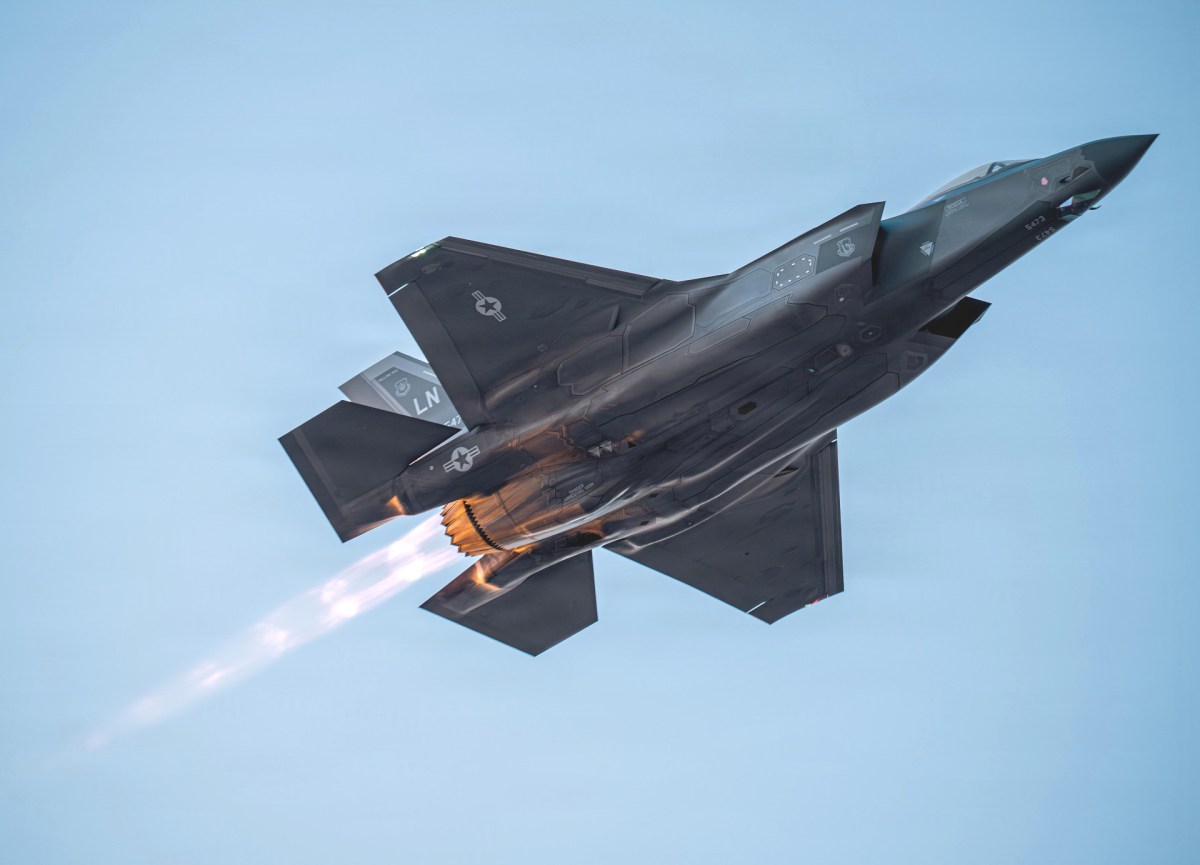
U.S. State Department Approves Sale of 48 F-35 Fighters to Saudi Arabia
The U.S. State Department has approved the potential sale of 48 F-35 Lightning II Joint Strike Fighters to Saudi Arabia, valued at approximately $24.3 billion. This decision comes as Saudi Arabia faces ongoing conflict with Houthi rebels in Yemen and signifies a significant shift in U.S. policy regarding arms exports to Arab nations. This sale is crucial for enhancing Saudi Arabia's defense capabilities and interoperability with U.S. and NATO forces, despite concerns from Israel about regional military balance. The State Department emphasized that the sale will not disrupt the military equilibrium in the region, as it aims to support U.S. foreign policy and national security objectives by bolstering a key ally in the Gulf. Looking ahead, the implications of this deal could influence Saudi Arabia's defense posture and its relations with Israel, particularly in the context of the Abraham Accords. No further timeline was disclosed at the time of publication.
Air Air Forces Around The Globe F-35 Fighters Middle East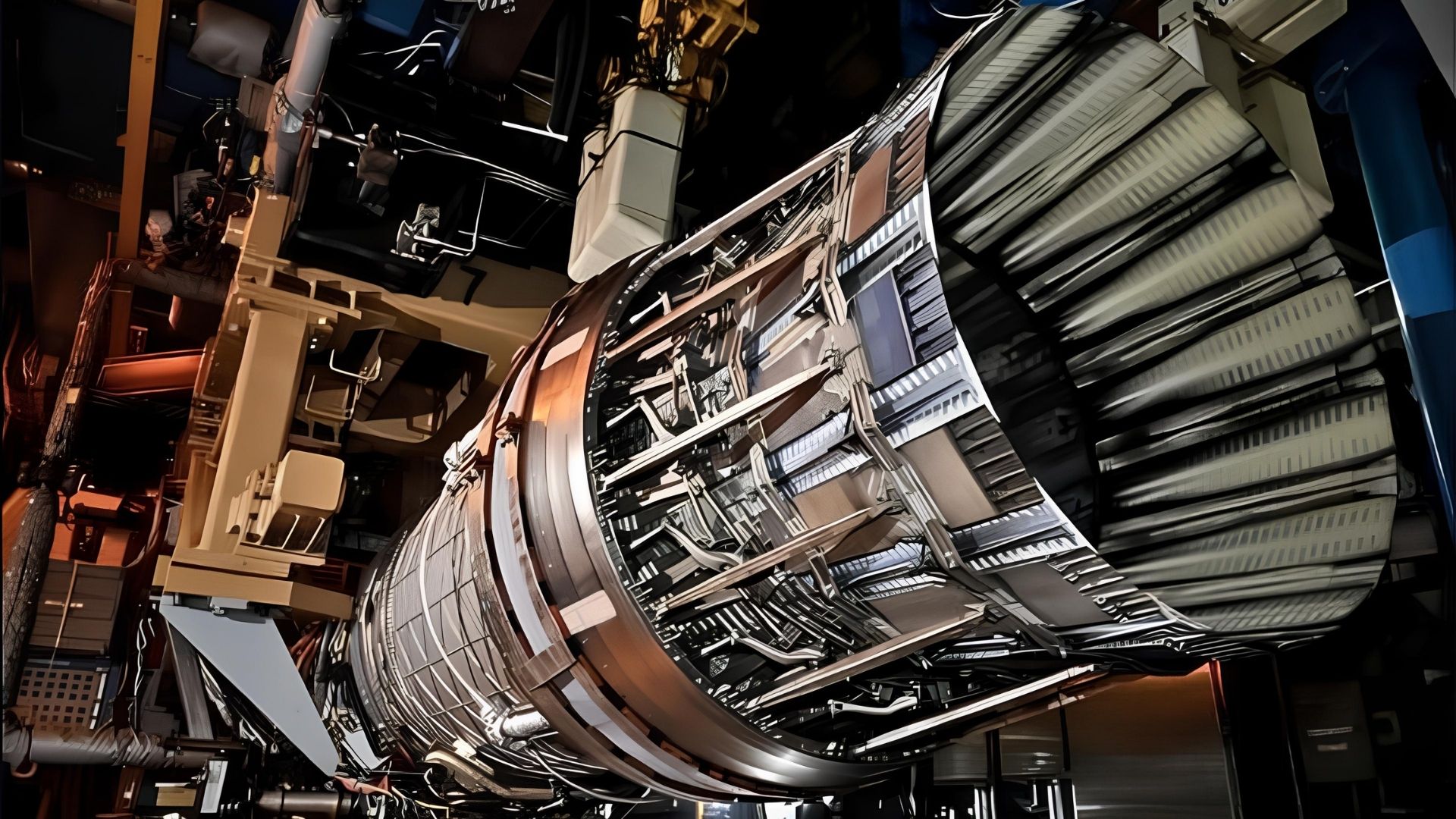
Hermeus Licensed by Pratt & Whitney to Manufacture F100-PW-229 Fighter Engines
Pratt & Whitney has granted aerospace startup Hermeus a license to produce F100-PW-229 turbofan engines, establishing a new U.S. production source for this widely utilized fighter engine. This agreement allows Hermeus to manufacture the F100 under Pratt & Whitney’s standards while employing its rapid-build manufacturing techniques, enhancing domestic engine capacity and bolstering the U.S. defense industrial base. The F100-PW-229, operational since 1992, has accumulated over 30 million flight hours and powers aircraft for 23 air forces. The agreement addresses Hermeus's need to integrate engine manufacturing closer to its Quarterhorse unmanned aircraft production, reducing reliance on external suppliers. CEO Zach Shore indicated that production levels will depend on customer demand, positioning Hermeus as a licensed manufacturer rather than a new engine developer. With the U.S. Air Force projecting peak demand for F100 engines to exceed 180 annually by fiscal year 2034, this partnership is timely. It aims to enhance manufacturing innovation and supply-chain resilience, providing Pratt & Whitney with additional capacity and reducing dependence on a single production source. No further timeline was disclosed at the time of publication.
Military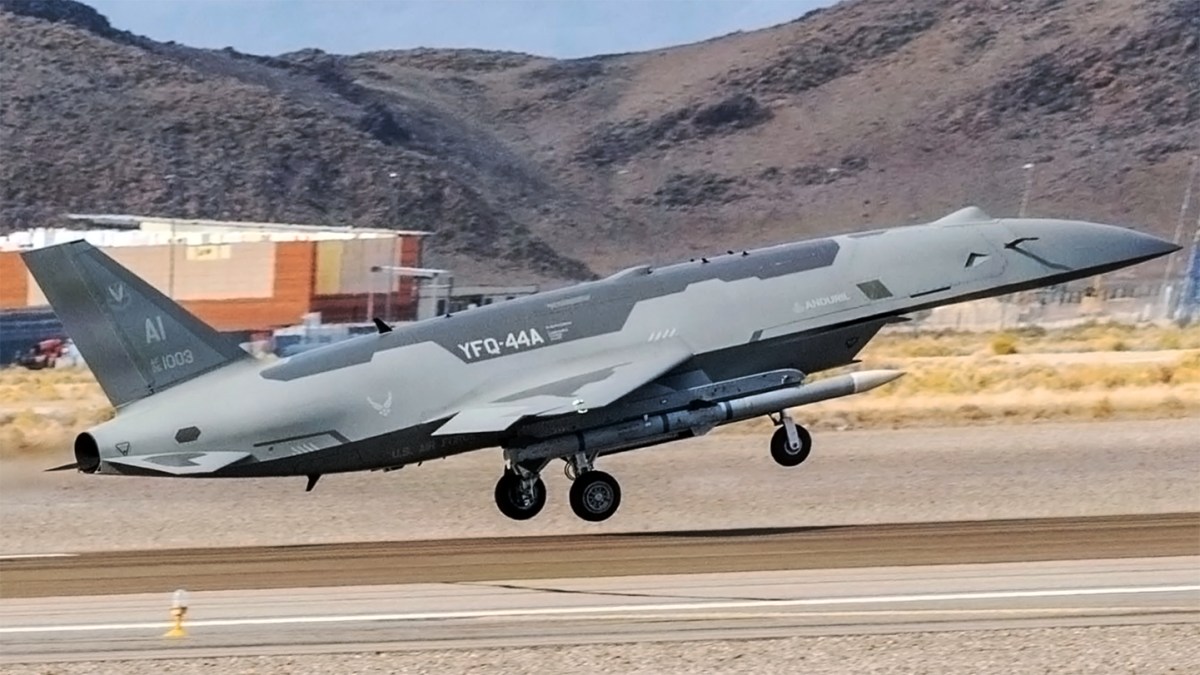
Anduril's YFQ-44A Fury CCA Completes Formation Flights with F-35 Fighters
Anduril's YFQ-44A Fury Collaborative Combat Aircraft (CCA) has successfully flown in formation with F-35 fighters during U.S. Air Force testing. This significant development was revealed by Anduril executives Jason Levin and Aaron Simpson at the Air & Space Forces Air, Space and Cyber Symposium. The flights took place in July at Creech Air Force Base, Nevada, as part of an exercise with the Air Force’s Experimental Operations Unit. This testing marks a crucial advancement in the Air Force's Collaborative Combat Aircraft program, which aims to integrate low-cost autonomous aircraft with crewed fighters in contested airspace. Although the F-35 did not control the Fury during these flights, the testing involved the Fury operating under its Mission Autonomy system, demonstrating the potential for future manned-unmanned teaming. Looking ahead, Anduril is progressing towards what it calls “quarterback integration,” allowing crewed aircraft to direct autonomous ones. Executives indicated that significant developments in this area are expected in the coming weeks or months, with live flying anticipated as part of the integration process. The specifics of how an F-35 will control the Fury are still under development, focusing on human-machine interface integration.
Air Collaborative Combat Aircraft Drones Loyal Wingman News & Features Unmanned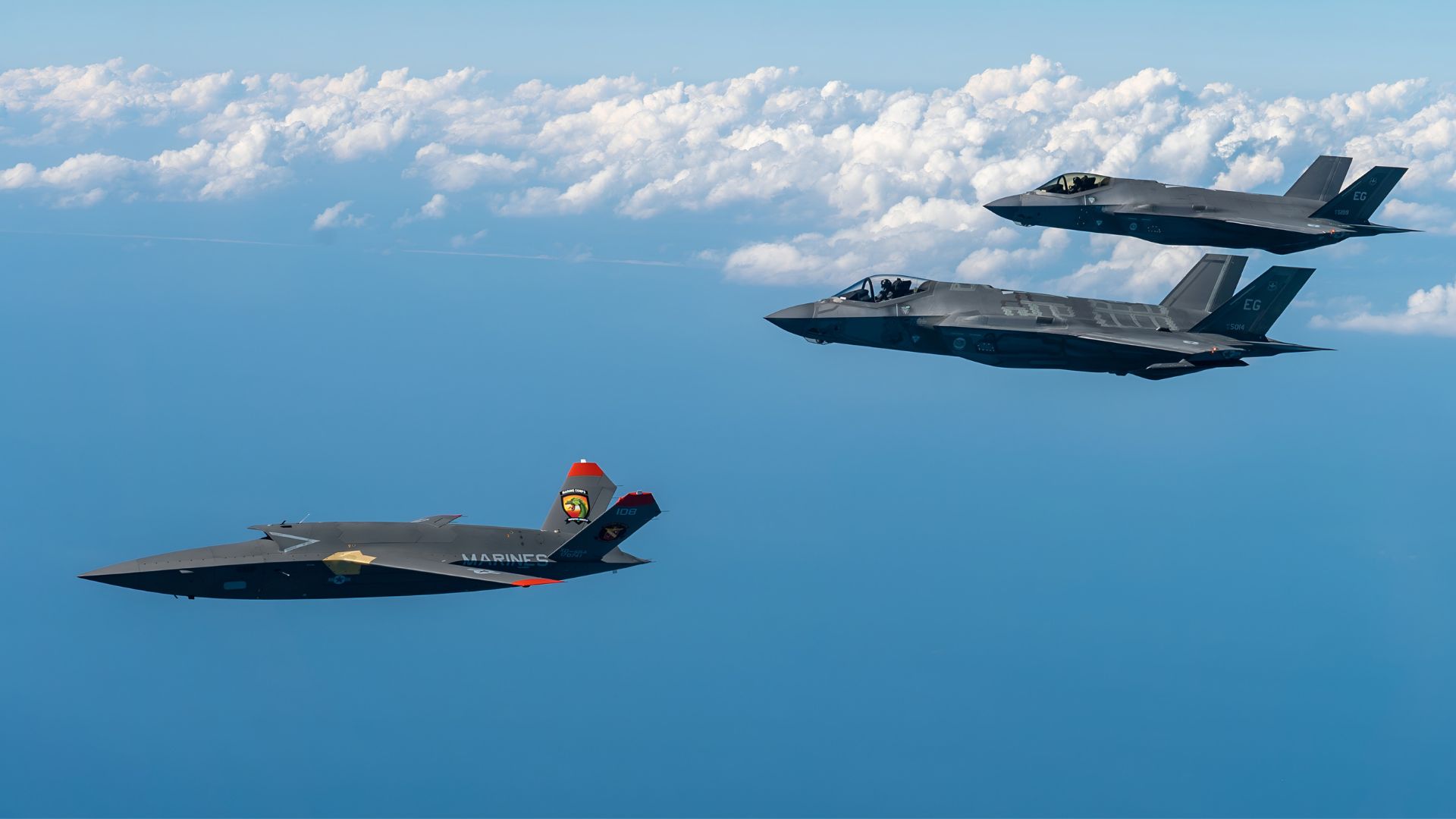
Kratos Defense's Valkyrie Drone Completes Successful Flight with F-35 Fighters
The US military is advancing towards integrating uncrewed aircraft with advanced fighter jets, specifically the F-35 and F/A-18. Kratos Defense & Security Solutions has showcased its XQ-58A Valkyrie drone's capabilities during a recent flight test in Southern California, where it successfully operated alongside Marine Corps fighters. This demonstration is significant as it highlights the potential for autonomous aircraft to enhance mission capabilities in contested airspaces. The Valkyrie's successful launch from a zero-length system and its ability to transition control between different systems underscore the importance of interoperability in military operations. Looking ahead, Kratos plans to scale production of the Valkyrie, aiming for over 150 unmanned aircraft systems by 2026. The ongoing collaboration with Northrop Grumman for the MUX TACAIR program will further adapt the Valkyrie for advanced missions, emphasizing the need for open-architecture systems in modern military aviation.
Military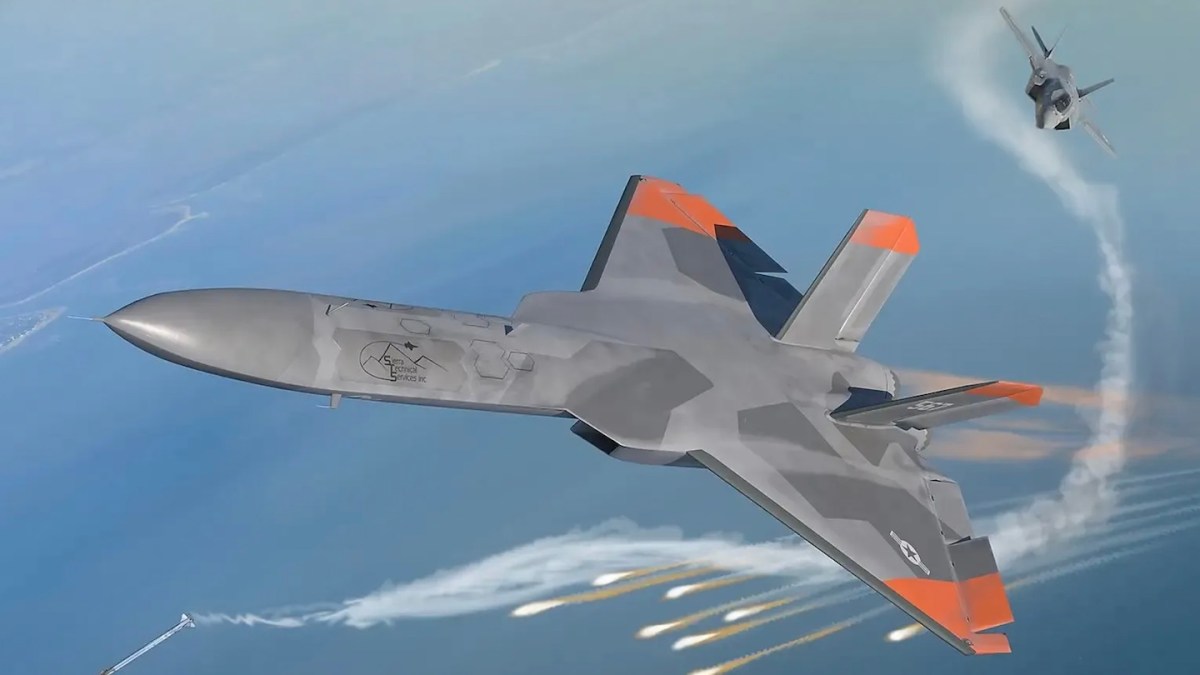
U.S. Air Force Seeks New Family of Expendable Target Drones for Diverse Threat Simulation
The U.S. Air Force is pursuing a new family of aerial targets designed to replicate a wide range of airborne threats, including stealth fighters and UAV swarms. This initiative aims to create realistic yet cost-effective targets that can be routinely used and destroyed during testing, as outlined in a recent Request for Information (RFI). The Air Force's requirements emphasize the need for these targets to be inexpensive and simple to manufacture, allowing them to be treated as expendable. This marks a shift from existing aerial targets like the QF-16, which is based on a converted fighter aircraft. The new targets are expected to leverage commercial technologies and manufacturing methods to enhance scalability and reduce costs. The proposed systems will cater to various threat categories, with specific requirements for advanced fighter aircraft, including supersonic capabilities and advanced radar cross-section profiles. Responses to the RFI are due by September 28, and the Air Force is particularly interested in non-traditional solutions that can offer advantages over legacy systems.
Air Air Forces Drones News & Features U.S. Air Force
Lockheed Martin Enhances Decision Advantage for Warfighters with Advanced Missile Defense Systems
Lockheed Martin is addressing the urgent need for commanders to access trustworthy mission data instantaneously. In modern warfare, the ability to quickly interpret intelligence reports is critical, as every moment spent analyzing information can provide adversaries with an opportunity to act. The company is engineering decision advantage through integrated capabilities, ensuring that secure information translates into a tactical edge. The Space-Based Infrared System (SBIRS) has been a cornerstone of U.S. missile warning and tracking, showcasing Lockheed Martin's expertise in this domain. The introduction of the Next-Generation OPIR GEO (NGG) aims to enhance sensing capabilities against emerging threats, including hypersonic weapons. Built on the LM2100 Combat Bus™, NGG is designed for advanced survivability, ensuring that critical information is delivered where it is needed most. Lockheed Martin's Transport Layer satellites, utilizing the LM50 bus, are pivotal in providing secure, low-latency communications that facilitate rapid data distribution across the force. As the U.S. Space Force develops a Resilient Missile Warning/Missile Tracking layer in MEO, Lockheed Martin is competing for the Epoch 2 contract, demonstrating its commitment to advancing missile defense architecture and maintaining operational superiority.
Space Sponsored Post GEO Lockheed Martin Lockheed Martin Space MEO
GE Aerospace and Magellan Aerospace Plan Engine Overhaul Capability for Gripen E in Canada
GE Aerospace and Magellan Aerospace have signed a memorandum of understanding to establish maintenance, repair, and overhaul capabilities in Canada for the F414-GE-39E engine, which powers the Saab JAS 39 Gripen E fighter. This agreement, announced on July 22, is contingent upon the Canadian government selecting the Gripen E for the Royal Canadian Air Force's fleet. The establishment of this capability is significant as it aims to enhance the Royal Canadian Air Force's operational readiness by providing in-country engine sustainment services. This move would reduce reliance on foreign maintenance networks and improve access to repair capacity during high operational demand periods. The initiative also aligns with Canada's goal to strengthen its domestic defense industrial base. Looking ahead, if the Gripen E is chosen, Magellan Aerospace will be positioned to deliver advanced engine maintenance services, fostering a skilled workforce and technical expertise in Canada. No further timeline was disclosed at the time of publication.
Military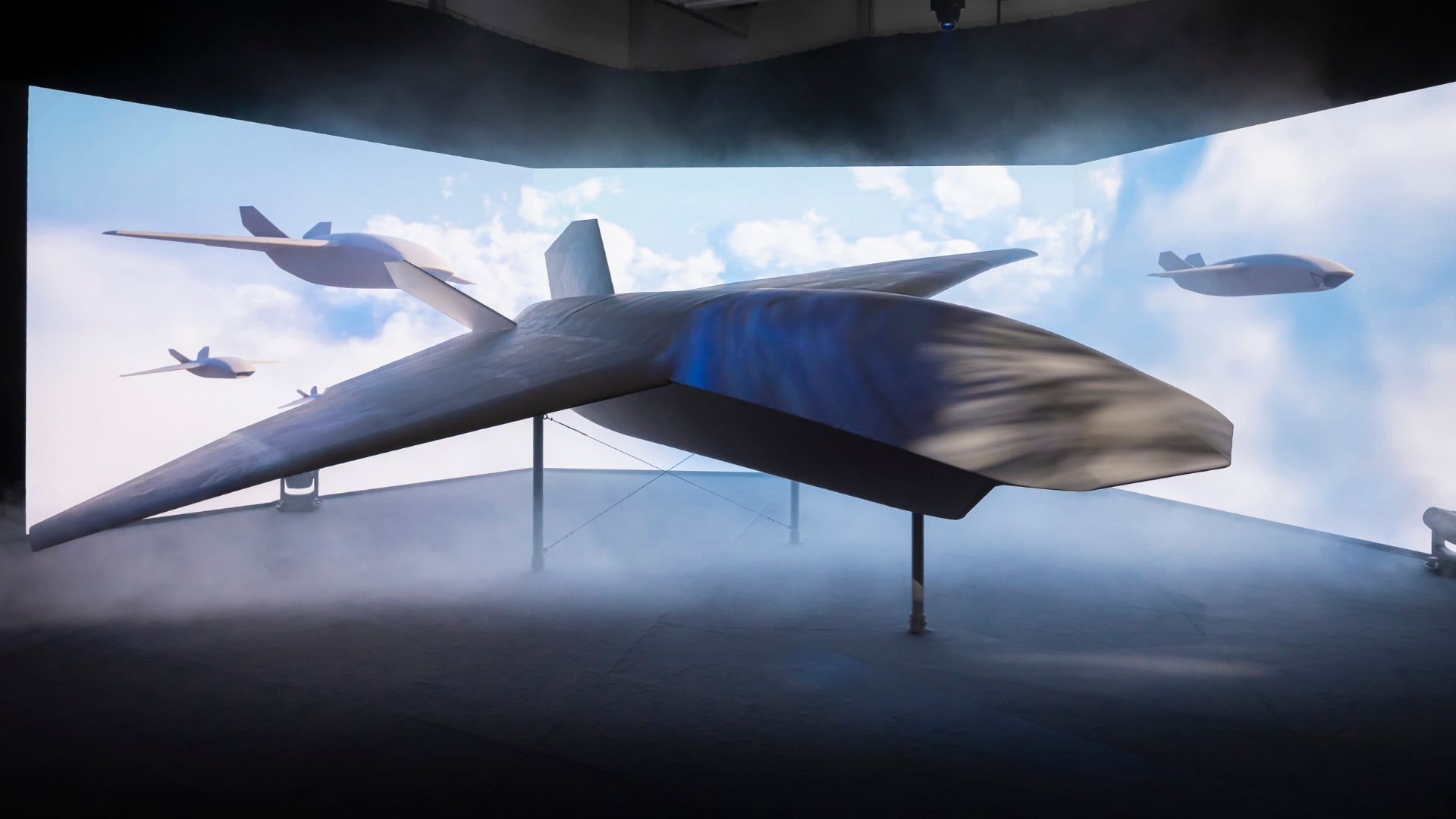
BAE Systems Unveils UK's First Autonomous Combat Drone, Brontanax, at Farnborough Airshow
BAE Systems has launched the UK's first autonomous Collaborative Combat Aircraft (CCA), named Brontanax, at the Farnborough International Airshow. This aircraft is designed to operate alongside crewed fighter jets like the Eurofighter Typhoon, enhancing combat capabilities through missions such as electronic warfare and precision strikes. The introduction of Brontanax is significant as it represents a major advancement in the UK's defense strategy, supported by a £300 million investment from the government through the Storm Fighter program. This initiative aims to establish a sovereign CCA capability for the Royal Air Force, positioning the UK as a leader in next-generation combat aviation in Europe. Looking ahead, ground testing of Brontanax will commence at BAE Systems' Warton facility, with flight trials expected to begin in UK airspace next year. If development proceeds as planned, the aircraft could be operational with the Royal Air Force by the end of the decade, marking a pivotal moment in military aviation technology.
Military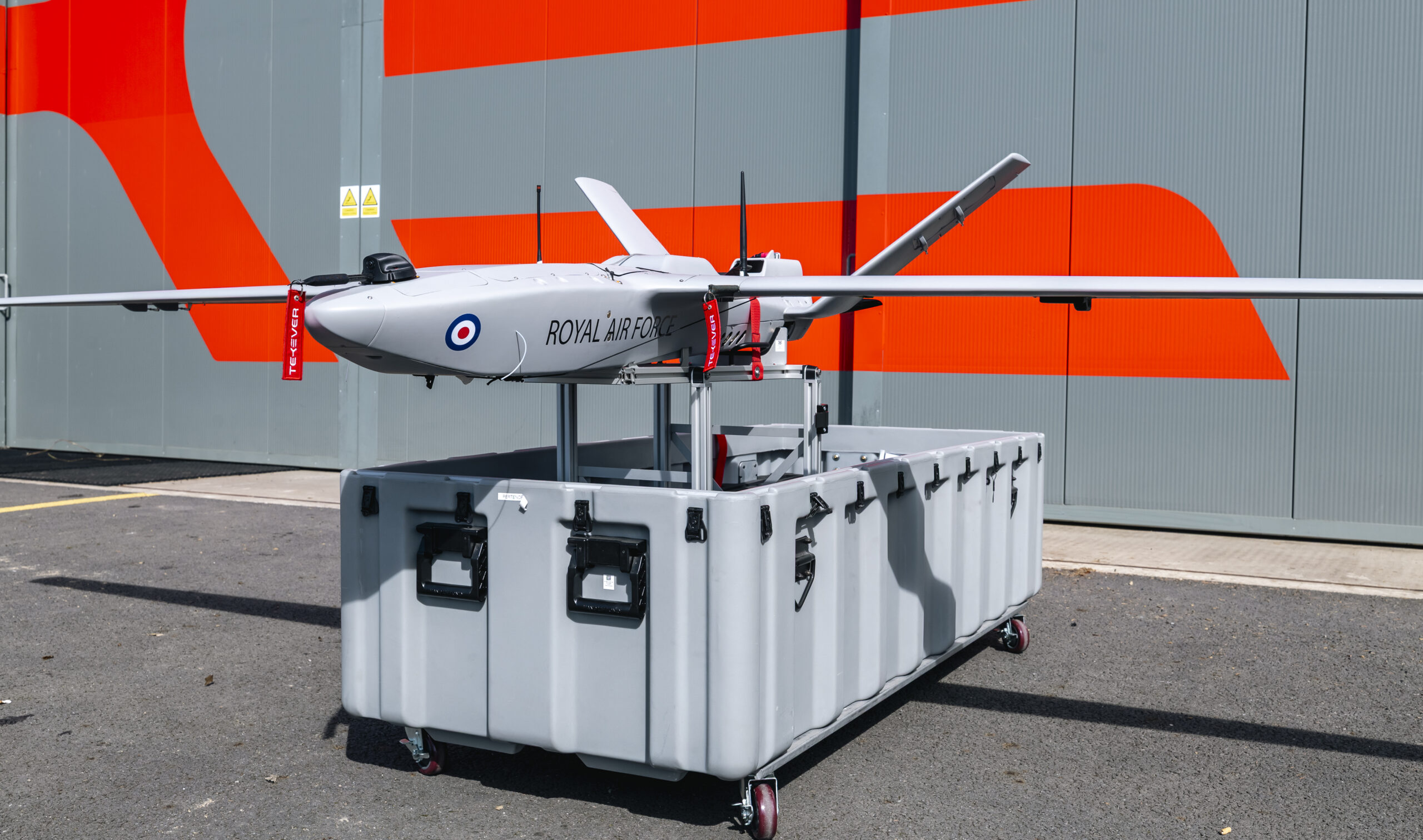
Drones, fighters, armored vehicles: Highlights from the UK’s Defence Investment Plan
The UK government has announced a significant investment of £5 billion aimed at advancing autonomous systems as part of its defense strategy. This initiative, outlined in the latest Defense Investment Plan (DIP), emphasizes the development of a “hybrid navy” that integrates cutting-edge technology into naval operations. The funding is intended to enhance the capabilities of the armed forces, reflecting a broader trend towards modernization and innovation in military operations. The push for these autonomous systems is driven by the need to adapt to evolving security challenges and to maintain a competitive edge in defense capabilities. The plan is set to reshape the future of the UK’s naval forces, ensuring they are equipped to address contemporary threats effectively.
Global Land Warfare Naval Warfare AH-64E Apache Army Challenger 3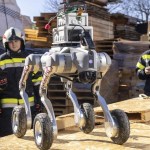
Four-legged robot dog spots hazardous toxins before firefighters enter danger zones
A groundbreaking four-legged robot dog, engineered to identify toxic substances, is poised to serve as a first responder in hazardous situations. Developed by a team of researchers and engineers, this innovative technology aims to enhance safety protocols in environments where chemical exposure poses significant risks. The robot's deployment is anticipated to occur in the coming months, with trials set to take place in various industrial settings and disaster response scenarios. The motivation behind this advancement stems from the increasing need for effective monitoring and rapid response to chemical spills and leaks, which can have dire consequences for both human health and the environment. By utilizing advanced sensors and artificial intelligence, the robot dog can navigate challenging terrains and provide real-time data on toxic substance levels, allowing human responders to make informed decisions. As the project progresses, the team is focused on refining the robot's capabilities and ensuring its reliability in real-world applications. This initiative represents a significant step forward in the integration of robotics into emergency response, potentially revolutionizing how hazardous situations are managed and mitigating risks associated with toxic exposures.
AI and RoboticsRobotics needs a service framework.
RSF defines a common language for robot service capability, lifecycle operations, certification pathways, and service-provider networks.
Join the RobotToday community on LinkedIn
Daily robotics news, in-depth analysis, conference highlights, and discussions with professionals worldwide.