Industry Briefing
A single destination for timely, editor-curated robotics news from around the world.

AI Models Map the Colorado River’s Hard Choices
As the Colorado River faces a critical water crisis, projections indicate that 2026 could be its worst year on record, with flows down 20% from 2000 levels. This alarming situation has prompted negotiations among seven U.S. states over water-sharing agreements to collapse twice, leading the federal government to consider imposing its own plan. The U.S. Bureau of Reclamation, responsible for managing the river's operations, is utilizing advanced machine learning tools and millions of simulations to forecast streamflow and assess reservoir strategies. These technologies are enhancing decision-making processes by providing clearer insights into the consequences of various water management strategies. In addition to Reclamation's efforts, researchers from institutions like Metropolitan State University of Denver and Utah State University are developing forecasting systems that leverage satellite data and deep learning to issue drought warnings and analyze the river's interdependencies. However, despite these advancements, the models are limited by historical data that may not accurately reflect the current and future conditions of the river, particularly during droughts. While improved forecasting tools are fostering discussions among stakeholders, the fundamental challenge remains: determining how to allocate the diminishing water resources fairly. Experts warn that the impending cuts will significantly impact agriculture and communities reliant on the river, underscoring the need for human judgment in navigating the complex moral and economic implications of the crisis. Despite the challenges, there is cautious optimism that these tools are facilitating dialogue among the parties involved.
Colorado-river Drought Environmental-policy Climate-change Simulations Evolutionary-algorithm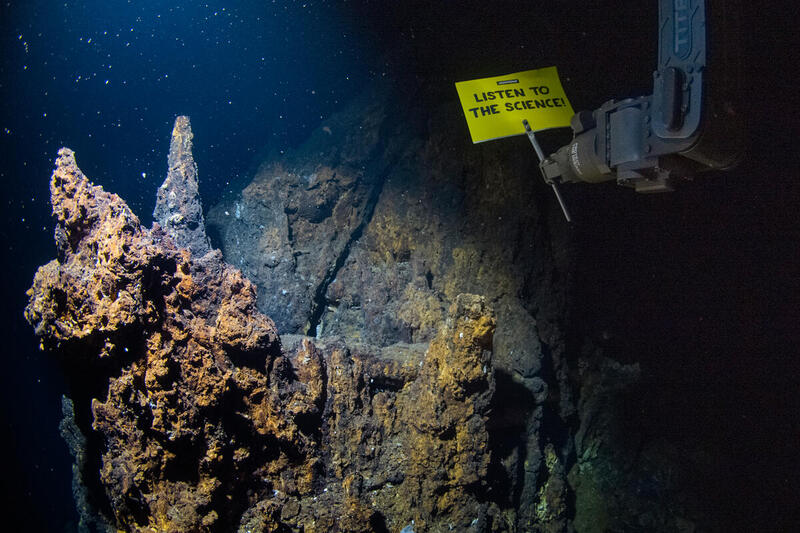
Greenpeace robot stages deepest-ever seabed protest
In a groundbreaking initiative, Greenpeace has launched an underwater robot to conduct a scientific survey of vulnerable deep-sea ecosystems along the Arctic Mid-Ocean Ridge. This event marks the deepest banner protest ever executed from the seabed, occurring at a depth of 2,300 meters. The robot displayed a powerful message urging global leaders to heed scientific advice, stating, “LISTEN TO THE SCIENCE!” The campaign aims to raise awareness about the urgent need for action to protect these unexplored marine environments. Dr. Sandra Schöttner, a key figure in the initiative, emphasized the importance of scientific research in informing policy decisions regarding environmental conservation. This innovative protest not only highlights the threats facing deep-sea ecosystems but also seeks to galvanize international attention and action on climate change and marine protection.
Environment News Arctic Ocean automation news autonomous underwater vehicles climate change
New drone imaging system finds hidden underwater bombs with remarkable accuracy
Researchers at the University of Miami Rosenstiel School have developed an innovative airborne imaging technique that enhances the ability to monitor and study marine ecosystems. This groundbreaking method, unveiled recently, utilizes advanced aerial technology to capture high-resolution images of oceanic environments, enabling scientists to assess the health of coral reefs and other vital habitats more effectively. The technique aims to address the growing concerns over climate change and its impact on marine biodiversity. By providing detailed visual data from the sky, researchers can identify changes in ecosystems and track the effects of environmental stressors over time. This advancement is expected to play a crucial role in conservation efforts and inform policy decisions aimed at protecting marine life.
Science
UN enforces global safety rules for fully autonomous vehicles, effective January 2027
Major automotive markets worldwide have united to establish a unified set of regulations aimed at enhancing safety and environmental standards in the industry. This collaborative effort, announced recently, involves key players from regions including North America, Europe, and Asia, who recognize the need for a cohesive framework to address the challenges posed by climate change and technological advancements in vehicle manufacturing. The initiative was unveiled during an international automotive summit held in Tokyo, where industry leaders and policymakers gathered to discuss the future of transportation. The decision to create a standardized set of rules stems from the increasing complexity of regulations across different markets, which has led to confusion and inefficiencies for manufacturers and consumers alike. By harmonizing these regulations, stakeholders aim to streamline compliance processes, reduce costs, and promote innovation in electric and autonomous vehicles. The new framework is expected to facilitate smoother trade and enhance consumer confidence in vehicle safety and environmental impact. The collaborative approach signifies a shift towards greater cooperation among nations, reflecting a shared commitment to sustainable development and the advancement of the automotive sector. As the industry evolves, this initiative is seen as a crucial step in ensuring that all markets can adapt to future challenges while maintaining high standards for safety and environmental protection.
AI and Robotics Transportation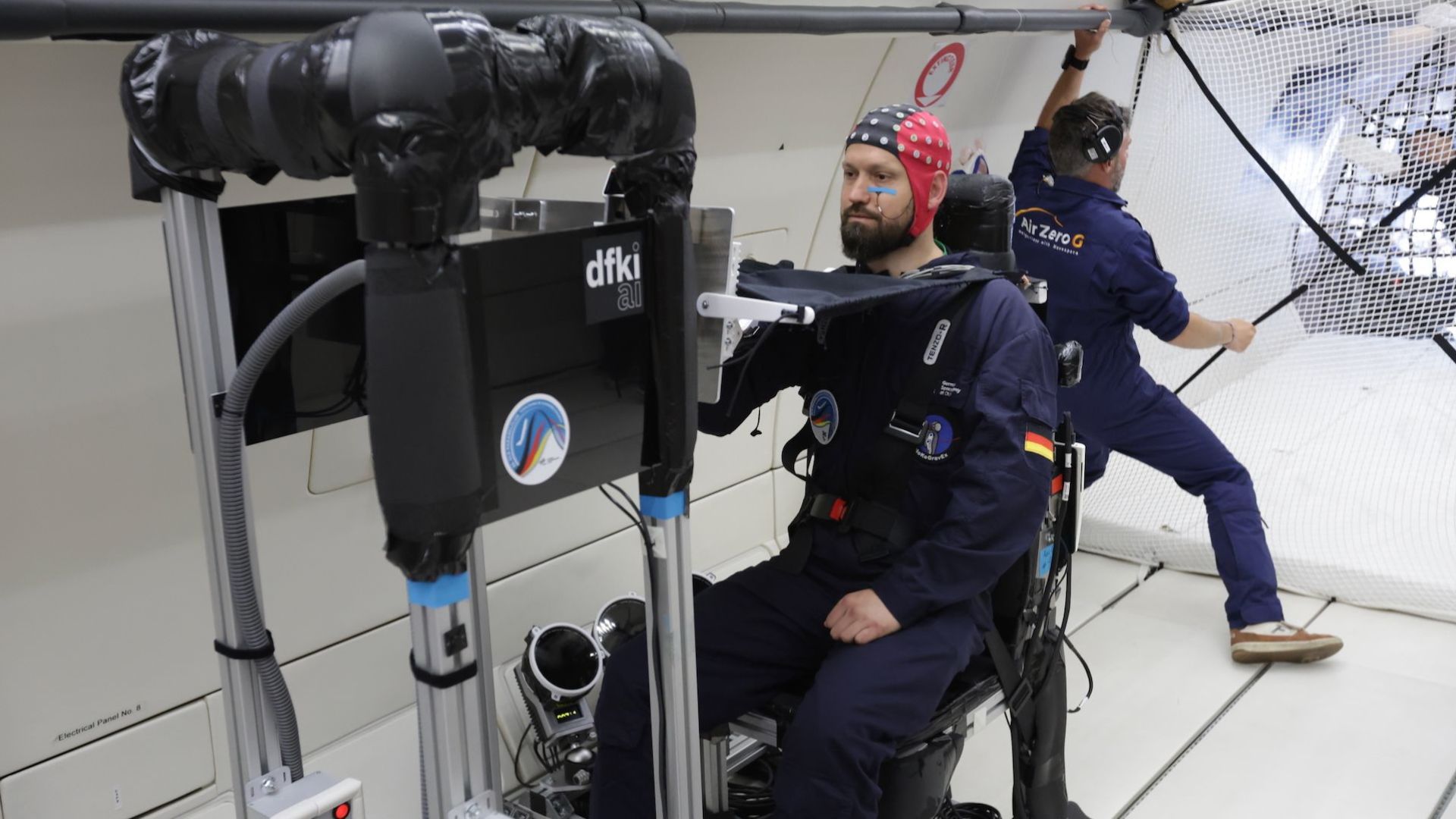
Robotic suit simulates weightlessness on Earth to improve astronaut motor skills
Researchers from the German Research Center for Artificial Intelligence (DFKI) and the University of Duisburg-Essen have unveiled a groundbreaking study that explores the potential of artificial intelligence in enhancing urban planning. This research, published on October 15, 2023, aims to address the growing challenges of urbanization by integrating AI technologies into city development strategies. The study focuses on how AI can analyze vast amounts of data related to traffic patterns, environmental impacts, and population growth to create more efficient and sustainable urban environments. By employing advanced algorithms, the researchers demonstrate that AI can predict future urban needs and optimize resource allocation, ultimately leading to improved quality of life for residents. The motivation behind this initiative stems from the increasing pressure on cities worldwide to adapt to rapid population growth and climate change. As urban areas expand, traditional planning methods often fall short, necessitating innovative solutions that AI can provide. Through a series of simulations and case studies, the researchers illustrate the practical applications of their findings, showcasing how AI-driven insights can inform decision-making processes for city planners and policymakers. This collaborative effort highlights the importance of interdisciplinary approaches in tackling complex urban issues, paving the way for smarter, more resilient cities in the future.

Material Demand Shapes Robot and Drone Manufacturing
Recent research has highlighted the supply risks associated with critical materials necessary for the development of autonomous machines. Conducted by a team of experts in materials science, the study emphasizes the urgent need for sustainable solutions to ensure the continued growth of this emerging technology sector. The findings, released in October 2023, reveal that reliance on certain materials poses significant challenges, potentially hindering innovation and production. To address these concerns, the researchers propose a multifaceted approach that includes innovative techniques for material sourcing and enhanced recycling processes. By focusing on sustainability, the study aims to mitigate supply chain vulnerabilities and promote responsible consumption of resources. The implications of this research are particularly relevant for manufacturers and policymakers in the autonomous technology industry, as they seek to balance the demand for advanced materials with environmental considerations. As the industry evolves, the integration of these strategies could play a crucial role in fostering resilience and ensuring the long-term viability of autonomous machines. The research serves as a call to action for stakeholders to prioritize sustainable practices in material management, ultimately paving the way for a more secure and environmentally friendly future in technology development.

The Biggest Catalyst for Tesla Stock in History Could Trigger in Just 3 Months
A significant event unfolded recently as a coalition of environmental organizations, including Greenpeace and the World Wildlife Fund, gathered in New York City to advocate for stronger climate action. This rally took place on October 15, 2023, coinciding with the United Nations Climate Change Conference. Activists and concerned citizens united to demand immediate measures to combat climate change, emphasizing the urgency of the crisis and the need for governments to commit to more ambitious carbon reduction targets. The coalition highlighted the alarming rise in global temperatures and the increasing frequency of extreme weather events as key motivators for their demonstration. Participants engaged in speeches, marches, and the distribution of informational materials to raise awareness and pressure policymakers to take decisive action. The event aimed to galvanize public support and influence international negotiations, underscoring the critical role of collective action in addressing the climate emergency.
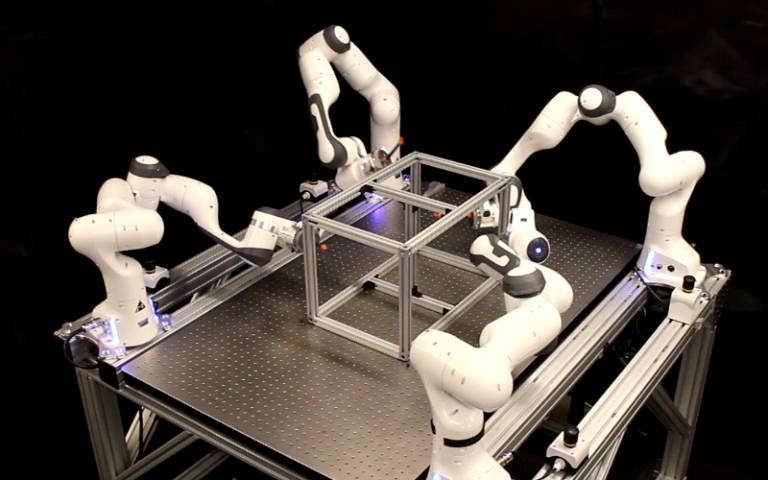
Design, Modeling, and Validation of Multi‐Segmental Adaptive Pipeline Robots in Complex Pipeline Environments
In May 2026, the Journal of Field Robotics published a significant study exploring advancements in robotic technology. Researchers from various institutions collaborated to investigate the applications of autonomous robots in diverse fields, including agriculture, disaster response, and environmental monitoring. The study highlights the increasing importance of robotics in enhancing efficiency and safety in these sectors, driven by the need for innovative solutions to complex challenges. By employing cutting-edge algorithms and machine learning techniques, the researchers demonstrated how these robots can operate in unpredictable environments, making them invaluable tools for future operations. The findings aim to inform policymakers and industry leaders about the potential of robotics to transform traditional practices and improve outcomes across multiple domains.
RESEARCH ARTICLE
The Magic of Trade-Ins: How Shanghai Will Refresh Your Living Room by 2026
In 2026, Shanghai will implement a new policy aimed at encouraging consumers to exchange their old appliances for subsidies, promoting the adoption of modern, energy-efficient products. This initiative is designed to improve daily living standards while simultaneously supporting a circular economy by recycling outdated devices into valuable resources. By incentivizing the trade-in of older appliances, the city aims to reduce energy consumption and waste, ultimately contributing to environmental sustainability. The program reflects Shanghai's commitment to fostering innovation and responsible consumption among its residents.
Home Appliances Energy Efficiency Circular Economy Smart Technology
Nekton’s Oliver Steeds OBE Honoured on Dynamic Opening Day at Oceanology International
Oliver Steeds OBE, a leading figure in ocean exploration and marine technology, was honored during the opening keynote of Oceanology International (Oi26), which commenced its largest edition to date. The event, held on a dynamic first day, emphasized the critical importance of the ocean as a pressing frontier in contemporary environmental discussions. Steeds highlighted the urgent need for innovation and collaboration in marine exploration to address the challenges facing ocean ecosystems. The conference gathered industry leaders, researchers, and policymakers to share insights and advancements, aiming to foster a collective effort in marine conservation and technology development.
oceanology international
CREATE Lab Studies Effects of Steelmaking in the Mon Valley
A recent report from Carnegie Mellon University’s CREATE Lab highlights the impact of steelmaking on economic opportunities and environmental conditions in southwestern Pennsylvania. By integrating employment and demographic data with sophisticated air pollution modeling, the study investigates the correlation between jobs at steelmaking facilities and the long-term economic landscape of the Mon Valley, a collection of municipalities in the region. The findings aim to shed light on the dual role of steelmaking in shaping both the local economy and environmental health, offering insights that could inform future policy decisions and community planning.
Research Uncategorized
National Oceanography Centre joins UK–led HydroGNSS ‘New Space’ mission for Global Science
A new low-cost Earth Observation mission, developed with the assistance of the National Oceanography Centre (NOC), has successfully been launched into orbit. This mission aims to enhance the monitoring of environmental changes and provide valuable data for scientific research and policy-making. The launch took place recently, marking a significant advancement in affordable space technology. By utilizing innovative approaches and streamlined processes, the mission is designed to deliver high-quality observational data while minimizing costs. This initiative reflects a growing trend in the space industry towards more accessible and efficient satellite missions, ultimately contributing to better understanding and management of Earth's resources.
national oceanography centre (noc) hydrognss ‘new space’ mission for global science
OCEANS 2025 Great Lakes Heads to Chicago for a Landmark Marine and Freshwater Technology Conference
The global ocean and freshwater community is set to gather in Chicago from September 29 to October 2, 2025, for OCEANS 2025 Great Lakes, hosted at the renowned Navy Pier. This event will attract a diverse group of experts, innovators, policymakers, and students, all focused on discussing the latest advancements in marine and freshwater technology, research, and sustainable practices. The choice of location highlights the significance of the Great Lakes region, one of North America’s most vital freshwater areas, emphasizing the importance of collaboration in addressing environmental challenges and promoting sustainable management of aquatic resources.
oceans 2025 great lakes events conference
Ocean Robotics Planet Magazine Issue 43 is out NOW!
A new report has been released by a team of researchers from the University of California, highlighting significant advancements in renewable energy technologies. The findings were published on October 15, 2023, during a conference held in San Francisco, aimed at addressing the urgent need for sustainable energy solutions amid rising climate concerns. The researchers emphasized the importance of these innovations in reducing carbon emissions and combating climate change, showcasing various breakthroughs in solar and wind energy efficiency. The report outlines how these technologies can be implemented on a larger scale to meet global energy demands while minimizing environmental impact. By collaborating with industry leaders and policymakers, the team aims to accelerate the adoption of these renewable solutions, ultimately contributing to a more sustainable future.
ocean robotics planet magazine rov planet magazine issue 43 2025
Ocean Robotics Planet Buyer's Guide 2025
A new report has been released by the World Health Organization (WHO) detailing the global impact of climate change on public health. The document, published on October 10, 2023, highlights alarming trends in health risks associated with rising temperatures, air pollution, and extreme weather events. The report emphasizes that vulnerable populations, particularly in low-income countries, are disproportionately affected due to limited resources and inadequate healthcare systems. The WHO urges governments worldwide to take immediate action to mitigate climate change and protect public health. This includes implementing policies aimed at reducing greenhouse gas emissions, promoting sustainable practices, and enhancing healthcare infrastructure to better prepare for climate-related health challenges. The findings underscore the urgent need for a coordinated global response to address the intertwined crises of climate change and health, as the effects are expected to worsen in the coming years if no significant measures are taken. This comprehensive analysis serves as a call to action for policymakers, health professionals, and communities to prioritize environmental health and work collaboratively towards sustainable solutions that safeguard both the planet and public health.
ocean robotics planet buyer's guide 2025 rov/auv parts & equipment suppliersRobotics needs a service framework.
RSF defines a common language for robot service capability, lifecycle operations, certification pathways, and service-provider networks.