

Industry Briefing
A single destination for timely, editor-curated robotics news from around the world.

Elon Musk Claims AI and Robots Will Double Global Economy in Under Ten Years
On September 9, Elon Musk announced via X that AI and robots will more than double the global economy in less than ten years. This bold claim suggests a significant shift in economic growth expectations, challenging the current baseline of approximately 3% annual growth. The implications of Musk's assertion are profound, as it requires an annual growth rate of around 7.2% to achieve a clean double of the global GDP, which is projected to reach $126 trillion by 2026 according to the International Monetary Fund. Such a dramatic increase in economic output could influence investment strategies, educational pursuits, and job security perceptions. As the conversation around automation and economic growth continues, stakeholders should monitor how these ambitious forecasts impact market behaviors and policy decisions. No further timeline was disclosed at the time of publication.

Zhejiang Company Secures Angel Investment for Low-Altitude Economy Solutions
A Zhejiang-based company, established in 2025, has developed three vertical takeoff drones and a low-altitude AI operating system within a year. The company secured exclusive angel funding from Chi Zi Fund, although the amount remains undisclosed. According to reports, Chi Zi Fund's founding partner, Chen Weijin, expressed confidence in the company's potential to build a usable infrastructure for the low-altitude economy. Unlike many drone manufacturers, the company focuses on its ARC OS 1.0, an AI operating system set to launch in January 2026. This system aims to eliminate the need for human pilots, enabling multiple drones to collaborate autonomously and manage issues independently. The system supports voice commands, 3D modeling, intelligent path planning, and proactive safety decisions, and has already been validated in agricultural and logistics scenarios in Togo and Malaysia. As the low-altitude economy sees significant financing trends, the company’s angel investment indicates that Chi Zi Fund is betting on the potential of its operating system to become a standard rather than just its drone production capabilities. However, the company faces challenges, including a lack of public data on the reliability of its technology in real industrial scenarios, and the need to secure a major client in China to fully realize its operational framework.
Drone Technology AI Operating Systems Low-Altitude Economy Autonomous Systems
Lan Xiaohuan Discusses China's Data Economy, Robotics, and AI Landscape
Lan Xiaohuan, an economics professor at China Europe International Business School, has authored the bestselling book, How China Works: An Introduction to China’s State-led Economic Development. In his discussions, he highlights the economic factors contributing to China's significant trade surplus and advocates for an enhanced social safety net. Xiaohuan emphasizes the importance of public data infrastructure in shaping the competitive landscape of artificial intelligence, particularly in relation to the United States. His insights reflect the critical role that data plays in driving innovation and economic growth within China. As the conversation around AI and robotics continues to evolve, observers should pay attention to how China's strategies in public data utilization may influence global technological advancements. No further timeline was disclosed at the time of publication.

SEW-EURODRIVE Launches PxG Economy Series for Cost-Effective Servo Gear Units
SEW-EURODRIVE has unveiled the PxG economy series, enhancing its planetary servo gear unit portfolio. This new series introduces three performance classes—P1.G, P2.G, and P3.G—designed for machine builders and OEMs seeking affordable servo solutions for standard industrial automation applications. The introduction of the PxG economy series is significant as it allows customers to align gear unit performance more closely with specific application requirements. This flexibility helps avoid unnecessary specifications for precision, torque capacity, or load capability, as noted by Anecia Hoffield, servo product manager at SEW-EURODRIVE. Looking ahead, the PxG economy series is designed for applications with low to medium technical demands, including packaging equipment and assembly machinery. No further timeline was disclosed at the time of publication.
Actuators / Motors / Servos Assembly Logistics Manufacturing Motion Control News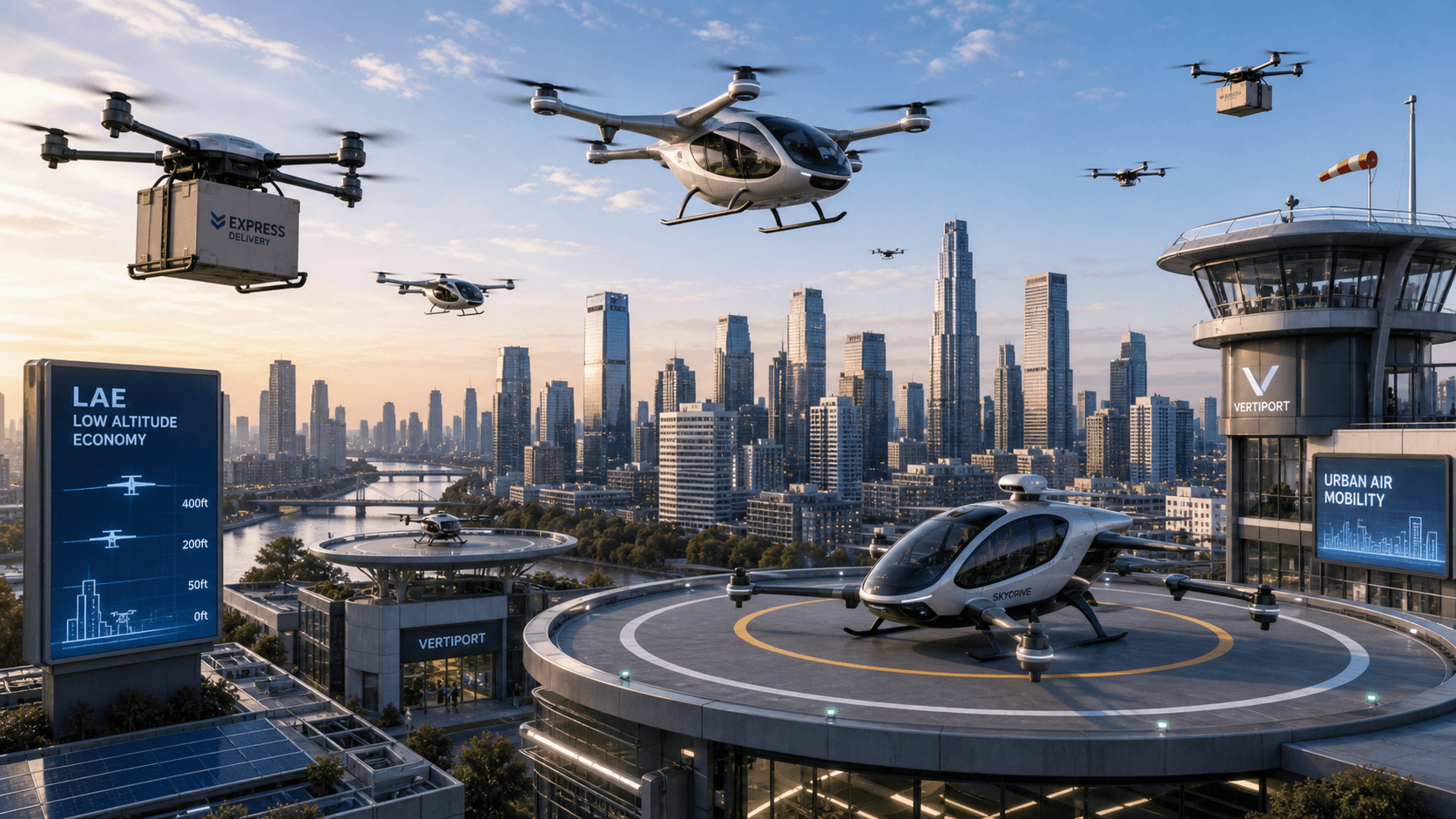
Low-Altitude Economy Experiences Rapid Growth with Logistics Drones and eVTOL Aircraft
The low-altitude economy is entering a significant growth phase as logistics drones, eVTOL aircraft, and airspace management systems converge. This convergence is marked by the commercialization of delivery drones and inspection robots, which are at the forefront of this emerging market. This development is crucial as it signifies an inflection point for the industry, highlighting the increasing demand for efficient logistics solutions and advanced airspace management. The integration of these technologies is expected to enhance operational capabilities and streamline delivery processes in various sectors. Looking ahead, stakeholders should monitor advancements in airspace management infrastructure and the deployment of logistics drones and eVTOL aircraft. No further timeline was disclosed at the time of publication.
Industry
NEURA Robotics Closes Record $1.4 Billion Series C Led by Tether for Machine Economy Development
NEURA Robotics, a German cognitive robotics firm, has successfully closed a Series C financing round of up to $1.4 billion, marking the largest capital raise for a full-stack robotics company. This funding, led by Tether, reflects significant global confidence in the development of general-purpose 'Physical AI'. The investment will enable NEURA to drive serial production and aims for multi-million robot deployments by 2030, with an order book already exceeding $1 billion. Additionally, the funds will support the expansion of NEURA Gyms, designed to enhance the training of robots in real-world environments. A notable aspect of this funding round is Tether's integration of its financial infrastructure into NEURA's robots, allowing them to process transactions autonomously. This partnership, along with contributions from major players like Amazon and Qualcomm, highlights the technological advancements necessary for the future of humanoid robotics. No further timeline was disclosed at the time of publication.
David Reger Neura Robotics Europe Market Tether Neura Gym
New Company Secures Essential Asset for Low-altitude Economy Amid AI Concerns
A newly established company has acquired a crucial asset for the low-altitude economy, addressing a significant gap in the market. This development highlights the growing importance of innovative solutions in the sector, particularly as traditional businesses adapt to new technologies. As AI continues to evolve, the implications for industries and society at large remain a key area of focus, with many organizations still struggling to achieve profitability despite widespread adoption.
Robotics Automation AI
Process Tempo Unveils Jupiter 6.0 for Streamlining Enterprise Workflows in AI Economy
Process Tempo has announced the general availability of Jupiter 6.0, its latest low-code application development platform. This new release is designed to facilitate the transition of enterprise workflows from AI experimentation to active operations, enabling organizations to leverage AI more effectively. The significance of Jupiter 6.0 lies in its ability to empower organizations with tools that allow for faster application design, connection, and visualization without the need for coding. This advancement is crucial as businesses increasingly seek to integrate AI into their operations and enhance productivity. Looking ahead, it will be important to monitor how organizations adopt Jupiter 6.0 and the impact it has on their operational efficiency. No further timeline was disclosed at the time of publication.

China's CZ-10B Rocket Recovery Achieves 60-70% Cost Reduction, Ushering in Reusable Era
China's CZ-10B rocket has successfully demonstrated net-based recovery, marking a significant shift towards reusable rocket technology. This achievement is expected to reduce launch costs by 60-70%, transforming the landscape of the space economy. The move from disposable to reusable rockets is crucial as it aligns with the growing demand for cost-effective space access in both commercial and government sectors. This paradigm shift indicates a maturation of the space economy, which is approaching a trillion-yuan valuation. Looking ahead, the implications of this technology could reshape future space missions and investments. No further timeline was disclosed at the time of publication.
Industry
Tesla Faces $2.76 Billion Loss as Carbon Credit Sales Decline After Regulatory Changes
Tesla's revenue from automotive regulatory credits has drastically decreased, bringing in only $146 million in Q2 2026 compared to $400 million to $500 million per quarter in 2025. This decline follows the Working Families Tax Cuts Act, which eliminated penalties for automakers not meeting Corporate Average Fuel Economy (CAFE) standards, rendering Tesla's fuel economy credits nearly worthless. The significance of this change is profound, as it marks the end of a lucrative revenue stream that peaked at $2.76 billion in fiscal 2024. The U.S. Department of Transportation's plans to eliminate the CAFE credit trading program by model year 2028 further threaten Tesla's financial stability. The shift in regulatory stance, influenced by the Trump administration, has led to a reduction in profit margins, with Tesla's automotive gross margin dropping to 16.9% in Q2 2026 from over 20% in previous quarters. Looking ahead, the impact of these regulatory changes on Tesla's profitability will be critical to monitor. The company's net income has already seen a 5% decline year-over-year, totaling approximately $1.11 billion this quarter. No further timeline was disclosed at the time of publication.

Chinese Heavy-Lift Drones Airlift Flood Victims in Guangxi Amid Safety Protocols
In Guangxi, China, heavy-lift drones have been deployed to rescue flood victims by airlifting individuals, defying standard safety protocols. This operation highlights the capabilities of the trillion-yuan low-altitude economy, which is becoming increasingly significant in emergency response scenarios. The use of these drones marks a pivotal moment in the integration of aerial technology into disaster management, showcasing their potential to save lives in critical situations. The significance of this operation lies in its demonstration of the industrial capacity within China's low-altitude economy, which is estimated to be worth trillions of yuan. By utilizing drones for rescue missions, authorities are not only addressing immediate humanitarian needs but also paving the way for future applications of drone technology in various sectors. This incident underscores the evolving landscape of aerial logistics and emergency response, emphasizing the need for updated safety regulations to accommodate such innovations. Looking ahead, the continued use of heavy-lift drones in rescue operations may lead to further advancements in drone technology and regulatory frameworks. No further timeline was disclosed at the time of publication, but the success of these missions could prompt increased investment and development in the low-altitude economy, potentially transforming how emergency services operate in the future.
Technology
A Survey of Dynamic Wireless Power Transfer for Persistent UAV Transportation in Low‐Altitude Economy: The Field–Motion Framework
A recent study published in the Journal of Field Robotics highlights advancements in robotic technology aimed at enhancing agricultural efficiency. Researchers from various universities collaborated to develop an innovative robotic system designed to automate crop monitoring and management tasks. This study, released in early October 2023, emphasizes the growing need for sustainable farming practices amid increasing global food demands. The robotic system utilizes advanced sensors and artificial intelligence to assess crop health, optimize irrigation, and reduce pesticide usage. By integrating these technologies, the researchers aim to support farmers in making data-driven decisions that can lead to higher yields and lower environmental impact. The project was conducted in various agricultural settings, showcasing its adaptability to different crops and farming methods. The motivation behind this initiative stems from the challenges faced by the agricultural sector, including labor shortages and the need for more efficient resource management. By automating routine tasks, the robotic system not only addresses these issues but also promotes sustainable agricultural practices that are essential for future food security. As the agricultural landscape continues to evolve, this research represents a significant step towards the integration of robotics in farming, potentially transforming how crops are cultivated and managed in the years to come.
SURVEY ARTICLE
The Global Digital Economy Conference opens in Beijing, and Xiaoyu Intelligent Manufacturing launches the industry's first industrial embodied intelligent welding robot, with a standard version starting at a price of 1 ...
The Global Digital Economy Conference commenced in Beijing, showcasing significant advancements in technology and innovation. During the event, Xiaoyu Intelligent Manufacturing unveiled the industry's first industrial embodied intelligent welding robot, marking a notable milestone in automation and manufacturing capabilities. The standard version of this cutting-edge robot is priced starting at 1 million yuan. This launch reflects the growing trend towards integrating intelligent systems in industrial processes, aimed at enhancing efficiency and productivity in the sector. The conference serves as a platform for industry leaders and innovators to discuss the future of the digital economy and the role of advanced technologies in shaping it.
Robotics Automation AI
German Economy Calls for Faster Humanoid Robotics Adoption
A recent survey reveals that 82% of respondents believe humanoid robots will play a crucial role in driving future innovation. Conducted in October 2023, the study highlights the growing public interest in the potential of humanoid robotics across various sectors. Participants expressed optimism about the technology's ability to enhance productivity, improve efficiency, and address labor shortages in industries such as healthcare, manufacturing, and customer service. The findings suggest that as advancements in artificial intelligence and robotics continue, society may increasingly rely on humanoid robots to tackle complex challenges and foster economic growth. This shift reflects a broader trend towards automation and the integration of intelligent systems into everyday life, prompting discussions about the implications for the workforce and ethical considerations surrounding the use of such technology.
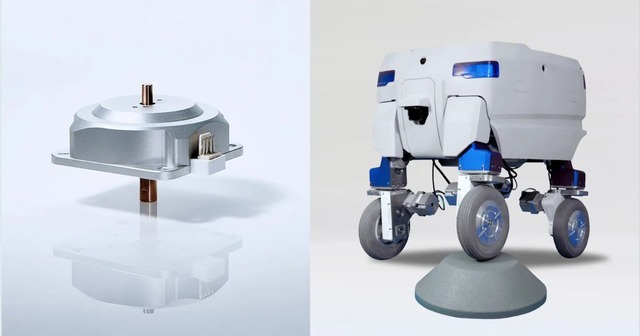
Piezo Sonic wins Ministry of Economy award for ultrasonic motors and physical AI supporting AMR in global market.
Piezo Sonic Co., Ltd. has been recognized by the Small and Medium Enterprise Agency of the Ministry of Economy, Trade and Industry as one of the "300 Small and Medium Enterprises and Small Business Operators Poised to Take Flight in 2025" in the overseas expansion category. The award ceremony took place on May 29, 2026, where the company received its accolade for its efforts in promoting international business growth. This recognition highlights Piezo Sonic's commitment to expanding its market presence beyond Japan, showcasing its innovative approach and potential for global impact.
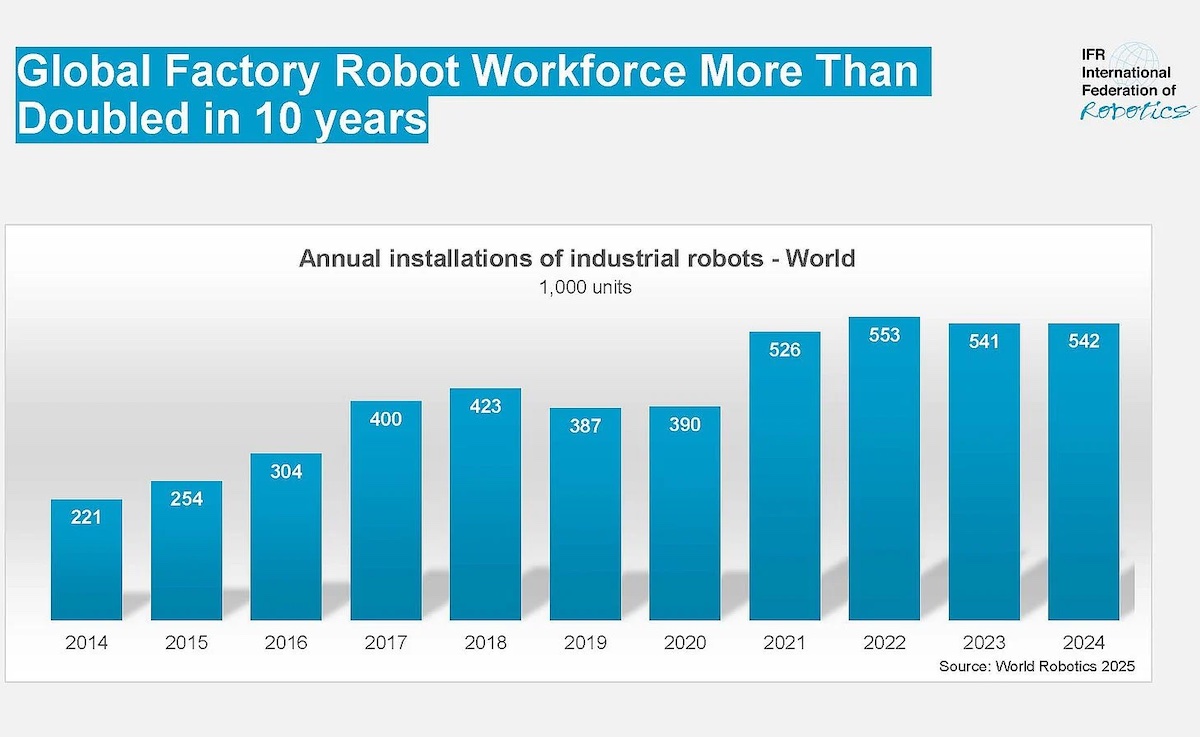
Modernizing the global economy with industrial robotics is needed but not inevitable
A recent column highlights the increasing adoption of service robotics alongside the rising demand for industrial automation, which is encountering significant challenges. The piece emphasizes the necessity of modernizing the global economy through the integration of industrial robotics. However, it also points out that this transformation is not guaranteed, suggesting that while the potential for advancement exists, various obstacles must be addressed to achieve widespread implementation. The commentary reflects on the current state of the robotics industry and the complexities involved in evolving industrial practices to meet contemporary economic needs.
Analysis China Defense / Security Educational Industrial Robots Manufacturing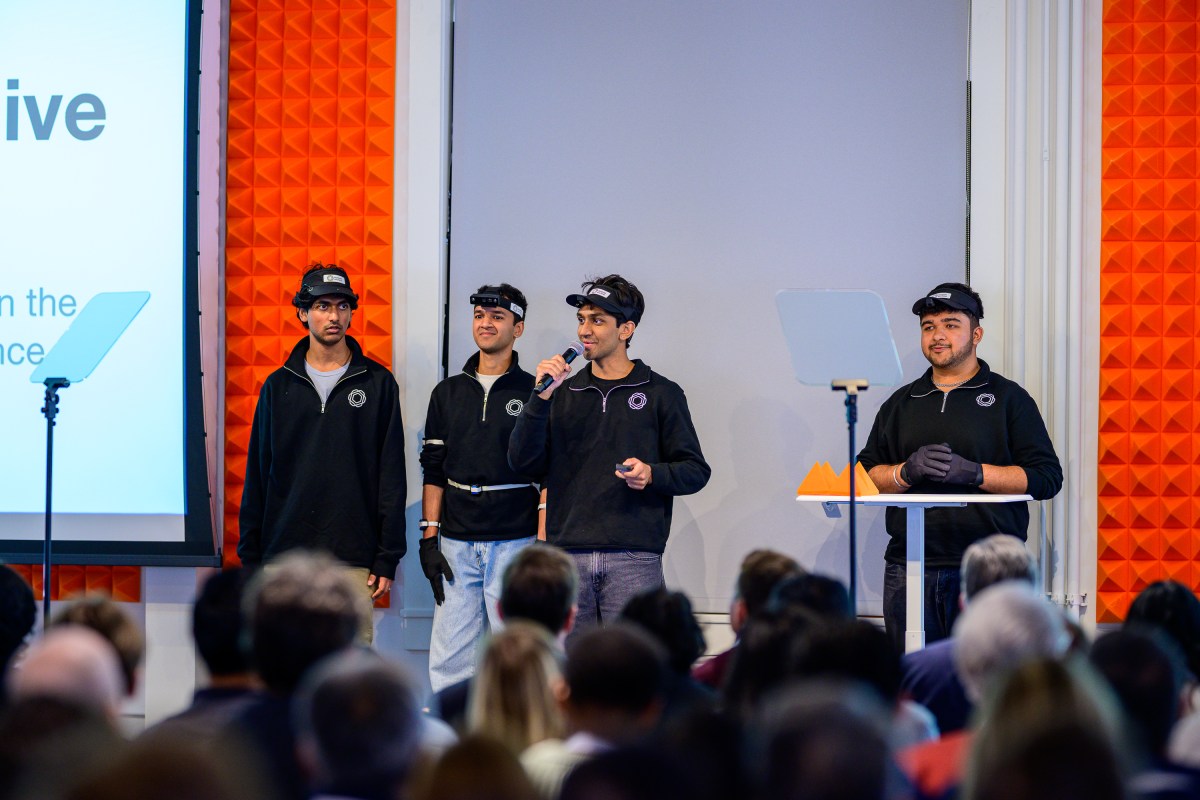
This startup is betting India’s gig economy can train the world’s robots
Human Archive, a startup established by researchers from Berkeley and Stanford, is engaging gig workers in India to wear camera-equipped caps and sensor devices. This initiative aims to gather real-world physical training data, which is increasingly sought after by AI and robotics laboratories. By leveraging the capabilities of gig workers, the company is addressing the growing demand for diverse and comprehensive datasets necessary for advancing technology in these fields. The project highlights the intersection of innovative research and practical application, as it seeks to enhance the development of AI and robotics through firsthand data collection.
AI robots wing vc physical ai Human Archive
Smart Robots: Transforming Elderly Care in China's Silver Economy
As China's aging population continues to increase, the demand for innovative solutions in elderly care is becoming more pressing. In response to this challenge, smart robots are gaining prominence as essential tools in transforming the sector. These advanced technologies are designed to alleviate labor shortages and improve the efficiency of care services. By assisting with daily activities, monitoring health, and offering emotional companionship, these robots are poised to revolutionize the elderly care industry. The integration of robotics into this field reflects a significant shift towards leveraging technology to meet the needs of an aging society.
Elderly Care Healthcare Robotics Smart Technology AI Solutions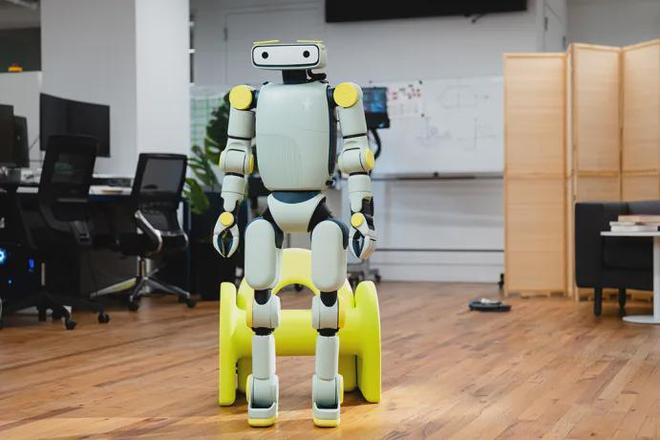
Amazon Acquires Sprout, Betting on the Trillion-Dollar Market of Humanoid Robots and 'Emotional Economy'
Amazon has finalized its acquisition of Fauna Robotics, the company known for developing the humanoid robot Sprout, which focuses on safety and emotional interaction. This strategic move signifies Amazon's commitment to expanding its presence in the personal robotics sector, shifting its focus from primarily enhancing logistics to exploring applications within home environments. The acquisition reflects Amazon's ambition to innovate in the realm of robotics, potentially transforming how consumers interact with technology in their daily lives.
Humanoid Robots Personal Robotics AI Emotional Interaction Home Automation
Barclays Research Expects Humanoid Robots to Fundamentally Reshape the Real Economy
In its latest Equity Gilt Study, Barclays Research analysts have unveiled insights into a transformative phase of automation characterized by the emergence of physical artificial intelligence. This 71st edition of the study highlights how humanoid robots are expanding the capabilities of AI beyond traditional digital tasks, integrating into various sectors of the real economy. The report, reflecting data up to October 2023, underscores the potential implications of this technological shift for investment strategies and economic dynamics. As industries adapt to these advancements, the study aims to provide stakeholders with a comprehensive understanding of the evolving landscape driven by automation and robotics.
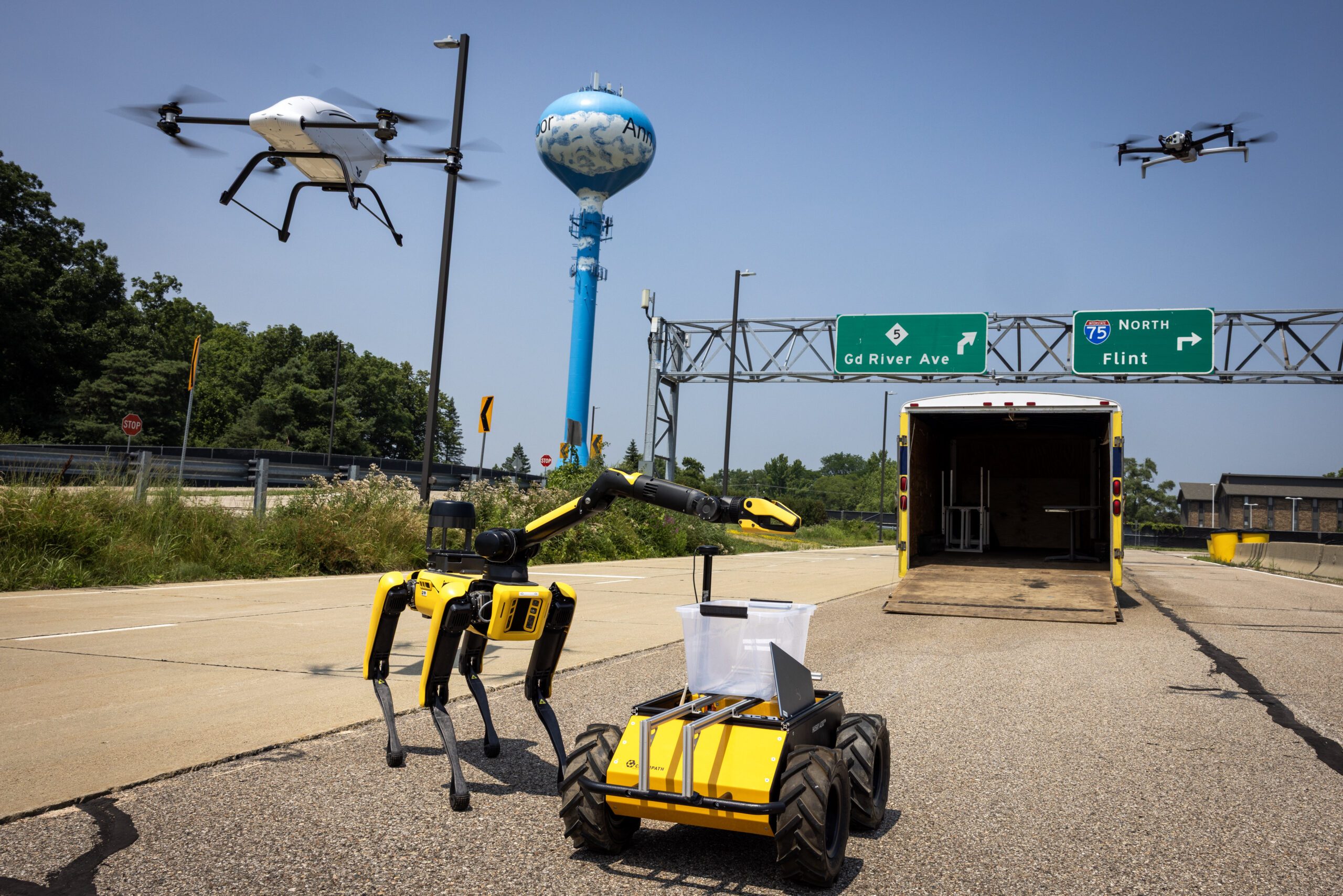
Michigan’s Bet on the Low Altitude Economy: How M Air Connects Aerospace Innovation and Detroit Manufacturing
At XPONENTIAL 2026, leaders from the University of Michigan presented a forward-looking vision aimed at establishing the state as a key player in the low altitude economy, particularly in the realms of drones and advanced air mobility (AAM). This initiative seeks to leverage Michigan's aerospace innovations alongside Detroit's robust industrial manufacturing capabilities. The discussion highlighted the potential for Michigan to become a central hub for these emerging technologies, emphasizing the synergy between cutting-edge aerospace developments and the region's manufacturing expertise.
Advanced Air Mobility Aerospace Applications Autonomous DL Exclusive Drone Manufacturing
From car and phone to tractor owners, a populist wave is rising to end the 'captive' repair economy
Political candidates throughout the United States are increasingly incorporating "right to repair" legislation into their platforms as part of their affordability messaging. This movement, gaining traction ahead of upcoming elections, aims to empower consumers by allowing them to repair their own devices and equipment rather than relying solely on manufacturers. Advocates argue that such legislation would not only reduce costs for consumers but also promote sustainability by extending the lifespan of products. As candidates seek to resonate with voters concerned about rising expenses, the push for right to repair is becoming a focal point in their campaigns. The growing public interest in this issue reflects a broader demand for consumer rights and economic fairness in the face of corporate practices.
How to expand the US economy
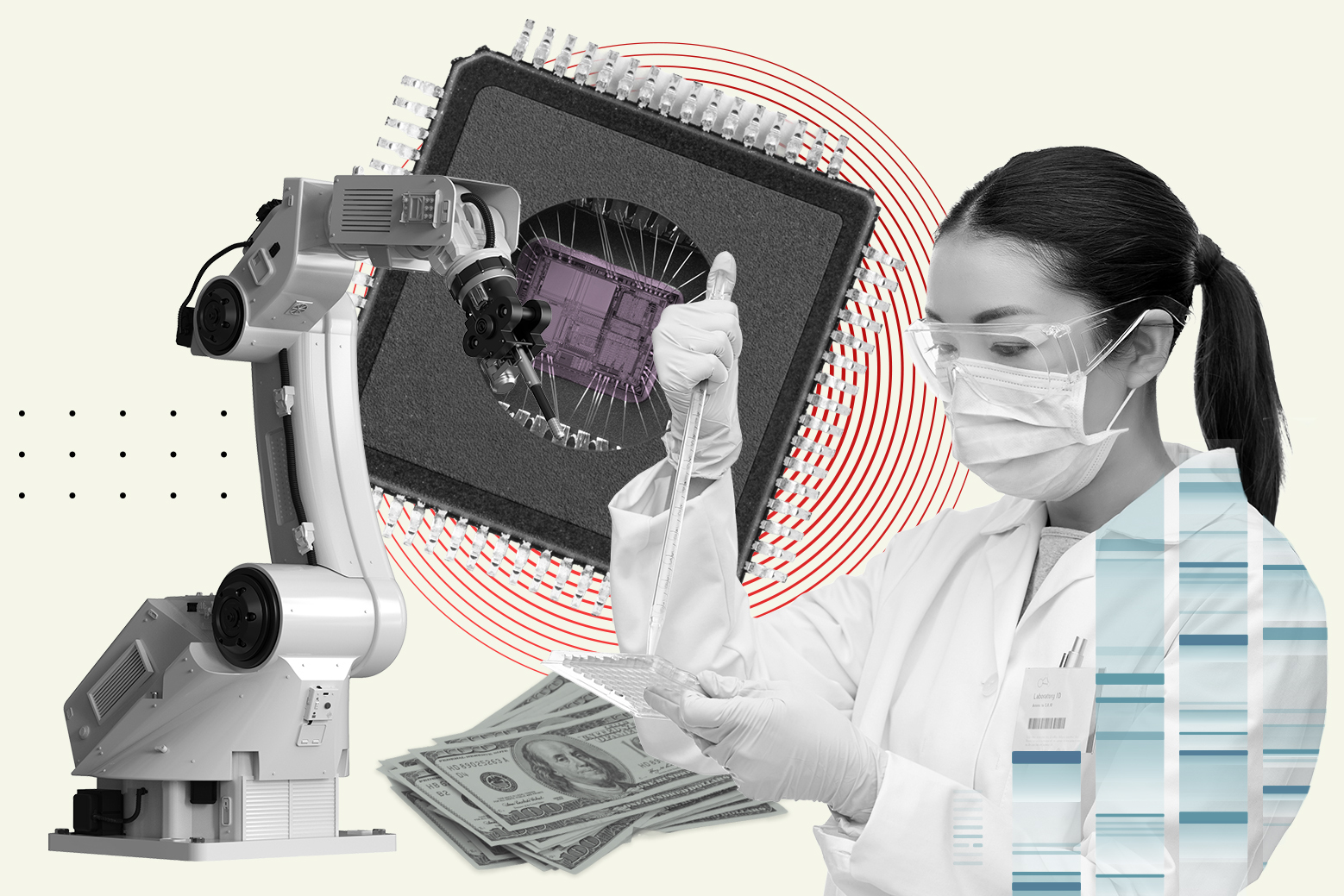
MIT faculty are exploring critical areas of innovation in their latest initiative, “Priority Technologies,” aimed at enhancing American prosperity and security for the present and future. The program, which focuses on identifying and developing technologies that can significantly impact the nation’s economic and strategic landscape, seeks to address pressing challenges and opportunities in various sectors. By fostering collaboration among researchers, industry leaders, and policymakers, the initiative aims to create a roadmap for technological advancements that will benefit the country in the coming decades. This effort underscores the importance of proactive engagement in technology development to ensure that the United States remains competitive and secure in an increasingly complex global environment.
Books and authors Faculty Innovation and Entrepreneurship (I&E) Technology and society Technology and policy Bioengineering and biotechnology
Crypto industry sees AI-driven agent economy as next growth driver
At Hong Kong’s Web3 Festival, officials are looking ahead to the potential integration of artificial intelligence agents into the evolving landscape of cryptocurrency and traditional finance. Scheduled to take place soon, the festival aims to explore how these AI agents, capable of perceiving their surroundings and making autonomous decisions, can leverage the unique advantages of cryptocurrency. The rapid growth and mainstream acceptance of digital currencies highlight the need for tools that can enhance the economic capabilities of AI. By facilitating instant cross-border transactions, cryptocurrency could play a crucial role in unlocking the full potential of these intelligent systems, paving the way for a new era of financial innovation.

Import AI 447: The AGI economy; testing AIs with generated games; and agent ecologies
A recent exploration into the concept of superintelligence arcologies has sparked interest among futurists and urban planners. This innovative idea envisions self-sustaining, high-density urban environments that integrate advanced artificial intelligence to enhance living conditions and resource management. The discussion gained momentum in October 2023, as experts gathered at a technology conference to examine the potential benefits and challenges of such developments. Proponents argue that superintelligence arcologies could address pressing global issues, including climate change, urban overcrowding, and resource scarcity. By leveraging AI, these structures could optimize energy use, waste management, and transportation systems, creating a more sustainable urban ecosystem. The integration of smart technology would allow for real-time data analysis, enabling residents to make informed decisions about their environment. Critics, however, caution against the risks associated with relying heavily on AI for urban living. Concerns about privacy, security, and the potential for systemic failures in such complex systems were highlighted during the discussions. The feasibility of constructing these arcologies also raises questions about economic viability and societal acceptance. As the conversation continues, researchers and developers are exploring various models and designs for superintelligence arcologies, aiming to create prototypes that could be tested in real-world scenarios. The outcome of these efforts could significantly shape the future of urban living, potentially transforming cities into interconnected, intelligent habitats that prioritize sustainability and quality of life.

From High Seas to High Streets: China’s Humanoid Gig Economy Takes Off
Humanoid robots are transitioning from research environments to practical applications within the burgeoning "robot gig economy" and specialized 7S retail stores. This shift is occurring as the industry seeks to establish sustainable revenue streams, primarily through entertainment and rental services. As of October 2023, companies are increasingly leveraging these robots to enhance customer experiences and provide unique entertainment options, marking a significant evolution in how robotic technology is utilized in everyday settings. The move towards commercialization reflects a growing recognition of the potential for humanoid robots to contribute to various sectors, paving the way for innovative business models and opportunities in the future.
Market China AGIBOT Wuhan
OECD’s Claire Jolly to Reveal Critical Priorities for a Sustainable Future Ocean Economy in Keynote Speech at Oi26
Claire Jolly, the Lead of the Ocean Economy programme at the OECD, is set to address Oceanology International 2026, where she will emphasize the urgent need for enhanced global collaboration to harness the potential of a sustainable ocean economy. Scheduled for the event, Jolly will unveil insights from a significant new biennial report titled "The Ocean Economy at A Glance," which aims to guide policymakers in addressing the challenges posed by ongoing global forces affecting ocean health. This initiative underscores the OECD's commitment to fostering sustainable practices in ocean management and economic development.
oecd
Import AI 442: Winners and losers in the AI economy; math proof automation; and industrialization of cyber espionage
A recent debate among AI researchers has emerged regarding the nature of superintelligence, with experts divided on whether it represents a sudden phase change or a gradual evolution in artificial intelligence capabilities. This discussion gained momentum during a conference held in San Francisco in early October 2023, where leading figures in the field gathered to share insights and predictions about the future of AI. Proponents of the phase change theory argue that superintelligence will manifest abruptly, resulting from a breakthrough in AI development that could dramatically surpass human cognitive abilities. They warn that such a sudden leap could pose significant risks if not properly managed. Conversely, those advocating for the gradual shift perspective believe that advancements in AI will unfold incrementally, allowing society to adapt and implement necessary safeguards over time. The motivation behind this debate stems from the increasing integration of AI technologies into various sectors, raising concerns about ethical implications, safety, and the potential for unintended consequences. As AI systems become more sophisticated, understanding the trajectory of their development is crucial for policymakers, researchers, and the public. This ongoing discourse highlights the need for comprehensive strategies to address the challenges posed by advanced AI, regardless of whether its evolution is abrupt or gradual. As the conversation continues, experts emphasize the importance of collaboration across disciplines to ensure that the benefits of superintelligence can be harnessed while minimizing risks.

New marine science course to bolster the blue economy
The Scottish Association for Marine Science (SAMS) in Oban, in collaboration with the University of the Highlands and Islands (UHI), has launched a new undergraduate Masters program aimed at equipping students for careers in the blue economy. The Applied Marine Science MSci program builds upon the existing BSc (Hons) Marine Science degree, incorporating additional training focused on employability skills. This five-year course includes a year of practical experience with industry partners in various sectors, including aquaculture, marine technology, scientific diving, conservation, and marine renewables. The initiative addresses the growing demand for a skilled workforce as the blue economy continues to expand in Scotland and across the UK.

EVENT: Oceanology International Drives Innovation to Power the Future Ocean Economy
Oceanology International, a premier event for ocean science, engineering, and technology, is set to take place at London’s ExCeL from March 10 to 12, 2026. This gathering aims to unite professionals from various sectors, including offshore energy, ocean observation, and defense, fostering innovation and collaboration within the global ocean community. The 2026 edition will focus on showcasing groundbreaking solutions that are shaping the future of ocean exploration, enhancing environmental monitoring, and promoting sustainable marine operations. Attendees can expect three days filled with networking opportunities and insightful discussions that highlight the latest advancements in ocean-related technologies and practices.
events oceanology international innovation ocean economy
Blue Water Autonomy Emerges From Stealth to Usher in New Era of Autonomous Ships and Modernize the Maritime Economy
Blue Water Autonomy, Inc., a technology firm focused on developing autonomous vessels for the U.S. Navy, has officially revealed its operations after a period of secrecy. The company announced it has secured $14 million in seed funding from investors including Eclipse, Riot, and Impatient Ventures. This funding will support the creation of a fully unmanned and easily producible ship designed to undertake a variety of missions on the open ocean. The announcement marks a significant step in the advancement of maritime technology, aiming to enhance naval capabilities while reducing the need for human crew members in potentially hazardous environments.
blue water autonomy autonomous ships
NOC Launches New Innovation Hub to Power Ocean Tech and Blue Economy
The National Oceanography Centre (NOC) in the UK has launched a new Innovation Hub in Southampton, aimed at fostering advancements in ocean technology. This initiative, unveiled recently, seeks to bolster sustainable growth within the blue economy, which encompasses industries related to the ocean and marine resources. By providing a collaborative space for researchers, entrepreneurs, and industry leaders, the hub is expected to drive innovation and facilitate the development of cutting-edge solutions to address pressing ocean-related challenges. The establishment of the Innovation Hub reflects a commitment to harnessing scientific expertise and technological advancements to promote environmental sustainability and economic resilience in marine sectors.
noc innovation hub ocean tech blue economyRobotics needs a service framework.
RSF defines a common language for robot service capability, lifecycle operations, certification pathways, and service-provider networks.
Join the RobotToday community on LinkedIn
Daily robotics news, in-depth analysis, conference highlights, and discussions with professionals worldwide.







