Industry Briefing
A single destination for timely, editor-curated robotics news from around the world.
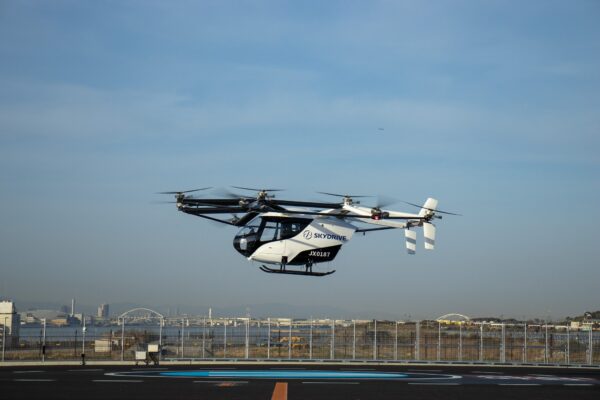
SkyDrive Conducts Successful SD-05 Flights in Yamaguchi for 2028 Tourism Initiative
SkyDrive Inc. successfully conducted two demonstration flights of its SD-05 eVTOL aircraft in Yamaguchi Prefecture on July 13, 2026. These flights were part of a test aimed at showcasing the aircraft's potential for tourism, with a commercial launch planned for 2028. The flights simulated a scenic tour over the Seto Inland Sea, highlighting the seamless transition from ground transport to air travel. The significance of these flights lies in their demonstration of SkyDrive's commitment to urban air mobility and tourism integration. Witnessed by notable figures including Yamaguchi Prefecture's governor and the president of Suzuki Motor Corporation, the flights operated autonomously, emphasizing safety and efficiency. The successful execution of these flights marks a critical step toward the company's goal of launching commercial eVTOL services by 2028. Looking ahead, SkyDrive aims to enhance its eVTOL infrastructure further, with plans to collaborate with rail partners for integrated travel solutions. While tourism is a primary focus, the company envisions broader applications of eVTOL technology, including disaster relief and emergency medical services. No further timeline was disclosed at the time of publication.
Advanced Air Mobility Drone News Drone News Feeds Japan Drone Industry Japan Drone News News
New Autonomous Drone System Maps Volcanic Gases to Predict Eruptions
Researchers at the Technical University of Munich (TUM) have developed an autonomous measurement system that utilizes drones and lasers to map volcanic gas concentrations with a low measurement error of approximately 5%. This innovative system aims to enhance volcanic eruption forecasting by tracking the ratio of carbon dioxide to sulfur dioxide, providing insights into subterranean volcanic processes. The significance of this technology lies in its potential to prevent natural disasters by offering accurate measurements of volcanic gases. Traditional methods have faced challenges due to background emissions and equipment damage from corrosive plumes. TUM's solution involves a ground station that shoots a laser through gas clouds, allowing for precise data collection while keeping equipment safe from harsh conditions. Looking ahead, TUM plans to further automate the measurement and mapping processes, incorporating artificial intelligence to interpret the data. This advancement could lead to safer volcanic forecasting, particularly on the Aeolian island of Vulcano, which remains in an active degassing phase despite not having experienced a major eruption since the late 19th century.
Science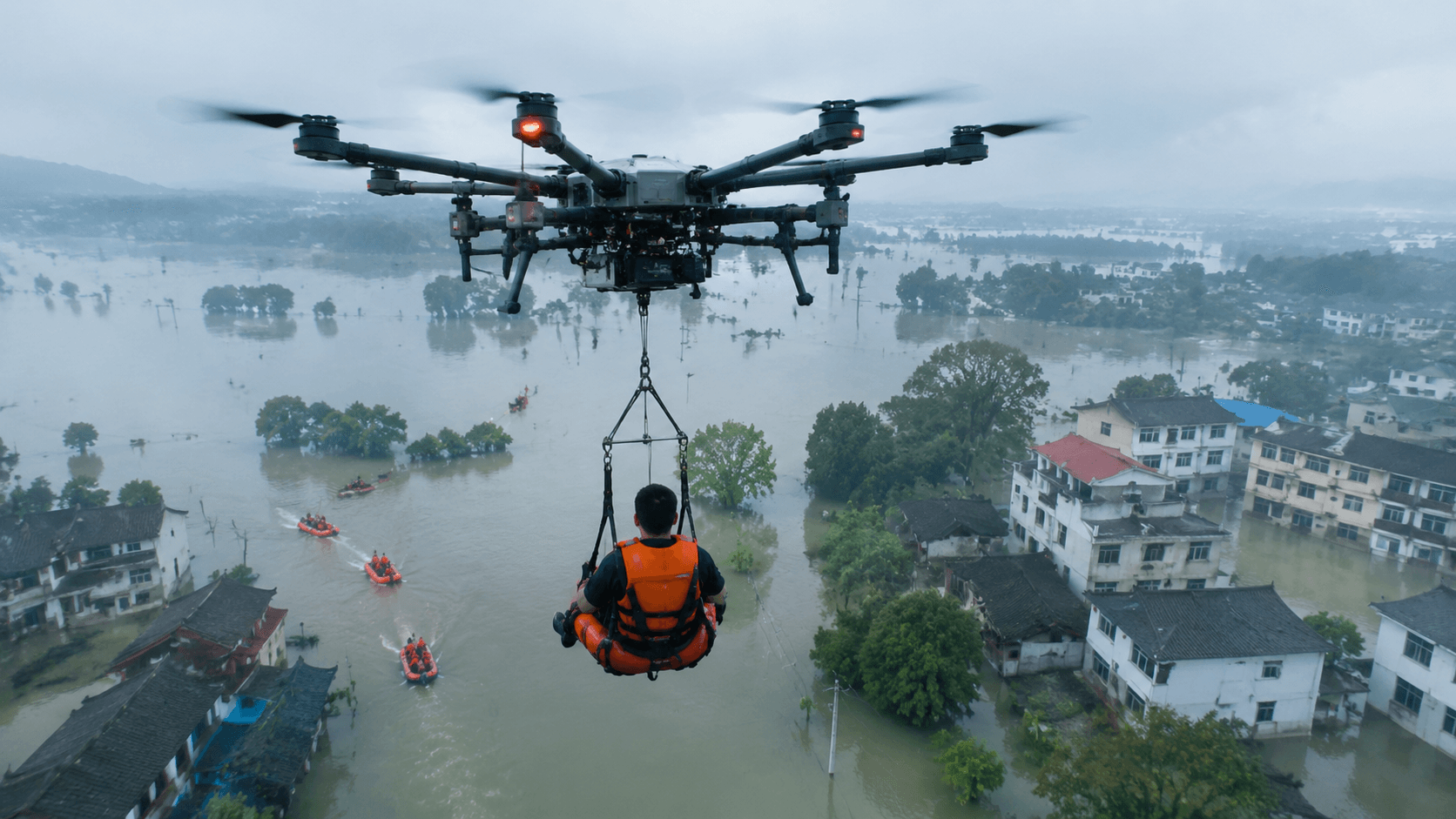
Chinese Heavy-Lift Drones Airlift Flood Victims in Guangxi Amid Safety Protocols
In Guangxi, China, heavy-lift drones have been deployed to rescue flood victims by airlifting individuals, defying standard safety protocols. This operation highlights the capabilities of the trillion-yuan low-altitude economy, which is becoming increasingly significant in emergency response scenarios. The use of these drones marks a pivotal moment in the integration of aerial technology into disaster management, showcasing their potential to save lives in critical situations. The significance of this operation lies in its demonstration of the industrial capacity within China's low-altitude economy, which is estimated to be worth trillions of yuan. By utilizing drones for rescue missions, authorities are not only addressing immediate humanitarian needs but also paving the way for future applications of drone technology in various sectors. This incident underscores the evolving landscape of aerial logistics and emergency response, emphasizing the need for updated safety regulations to accommodate such innovations. Looking ahead, the continued use of heavy-lift drones in rescue operations may lead to further advancements in drone technology and regulatory frameworks. No further timeline was disclosed at the time of publication, but the success of these missions could prompt increased investment and development in the low-altitude economy, potentially transforming how emergency services operate in the future.
Technology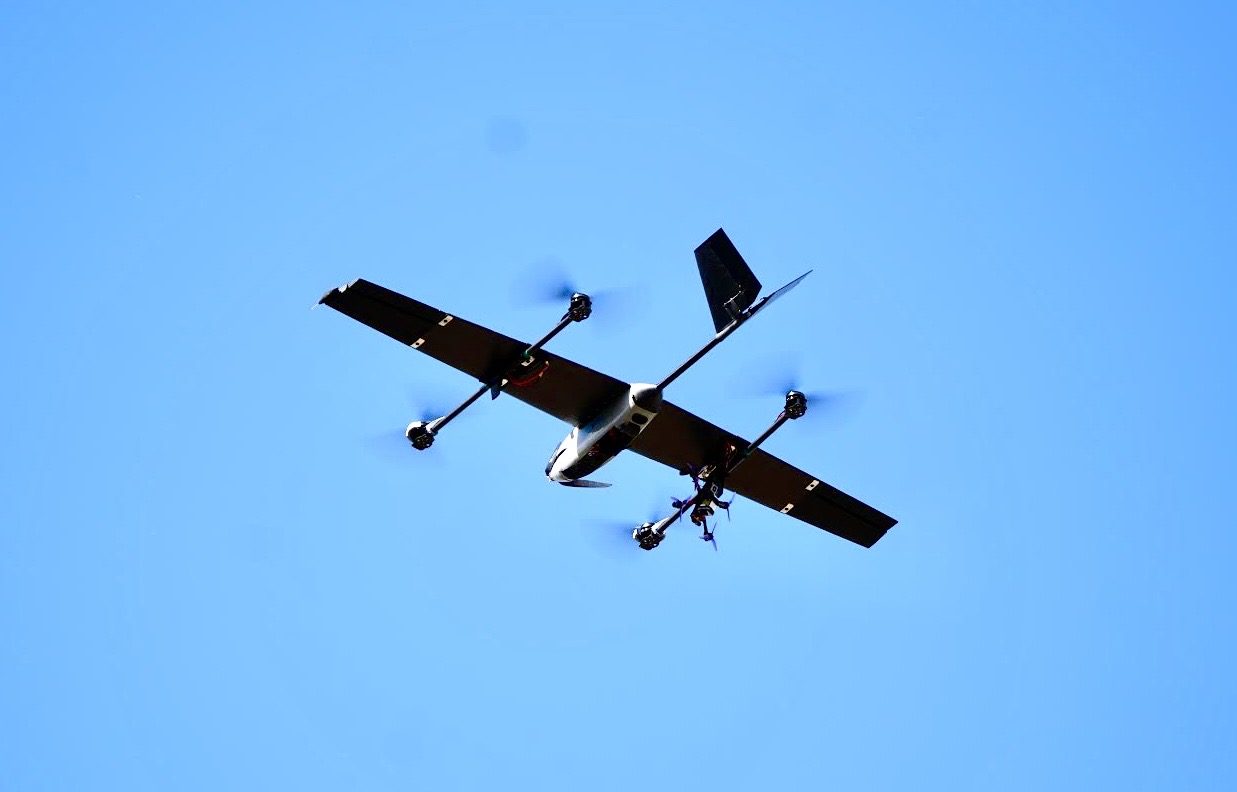
As Disaster Risks Grow, WingXpand and Verizon Explore New Tools for Emergency Response
WingXpand, a St. Louis-based company, has announced a collaboration with Verizon Frontline and emergency response teams to investigate innovative tools aimed at enhancing disaster assessment and community resilience. This initiative comes in response to the increasing frequency of severe weather events impacting communities across the United States. By leveraging drone and autonomous aircraft technologies, the partnership seeks to improve emergency response capabilities and support affected areas more effectively. The exploration of these advanced tools is part of a broader effort to address the growing risks associated with natural disasters.
Applications Disaster Response Drone News Drone News Feeds Drones in the News emergency response
CVS, SkyfireAI, and Thales Outline Drone-Based Healthcare Response Network at XPONENTIAL 2026
At the XPONENTIAL 2026 conference held in Detroit this week, CVS Health unveiled plans for “CVS Air Response,” a pioneering drone-enabled network aimed at enhancing healthcare logistics and emergency response. Collaborating with SkyfireAI and Thales Aerospace, CVS Health highlighted the potential of drones in improving disaster resilience and healthcare delivery. The panel discussion emphasized the innovative use of drone technology to address urgent medical needs, showcasing how these advancements could transform emergency response efforts in healthcare settings.
Applications Delivery DL Exclusive Drone News Drone News Feeds News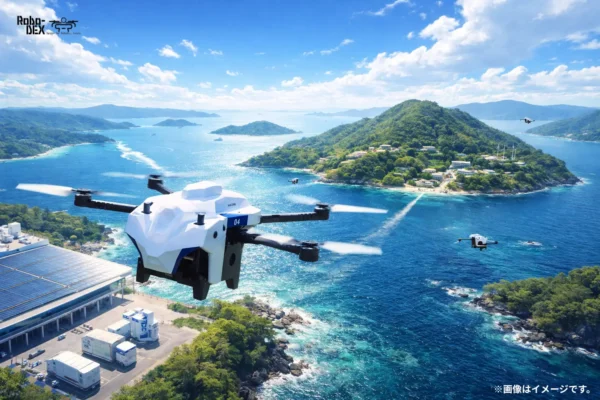
Robodex and Tokyu Land Open Japan’s First Hydrogen Drone Port in Hiroshima
Robodex and Tokyu Land Corporation have announced the opening of Japan's first permanent hydrogen drone port along the Seto Inland Sea coast. This innovative facility aims to enhance connectivity between Hiroshima's mainland and the nearby islands, including Osakikamijima. The collaboration between the two companies marks a significant step in the development of drone technology, leveraging hydrogen as a sustainable fuel source. The port is expected to facilitate efficient transportation and logistics in the region, promoting economic growth and technological advancement.
Advanced Air Mobility Delivery Drone News Drone News Feeds drone technology Japan Drone Industry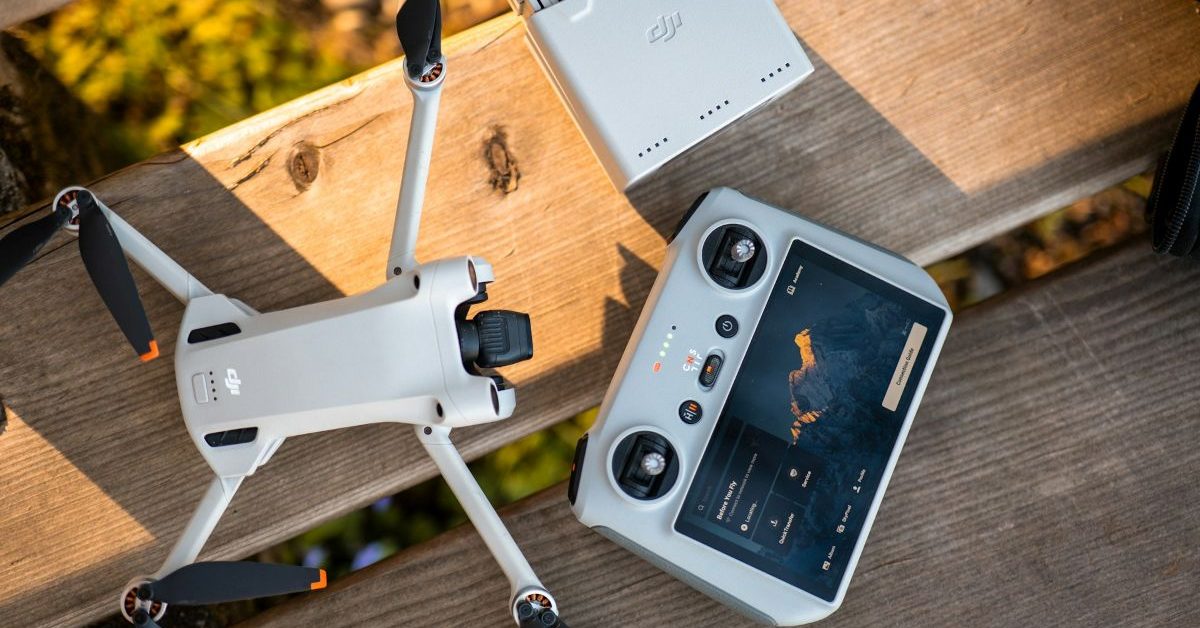
DJI, Autel drones cleared for firmware updates until 2029
The Federal Communications Commission (FCC) has temporarily halted its decision to include DJI and Autel equipment on its Covered List, alleviating concerns among drone operators about the potential obsolescence of their equipment. This move, announced earlier this month, was seen as a significant relief for the US drone industry, which feared that the designation could render thousands of functional drones unsupported and pose operational and cybersecurity challenges. The FCC's pause allows for further consideration of the implications of this decision, ensuring that drone operators can continue to use their equipment without immediate disruption.
News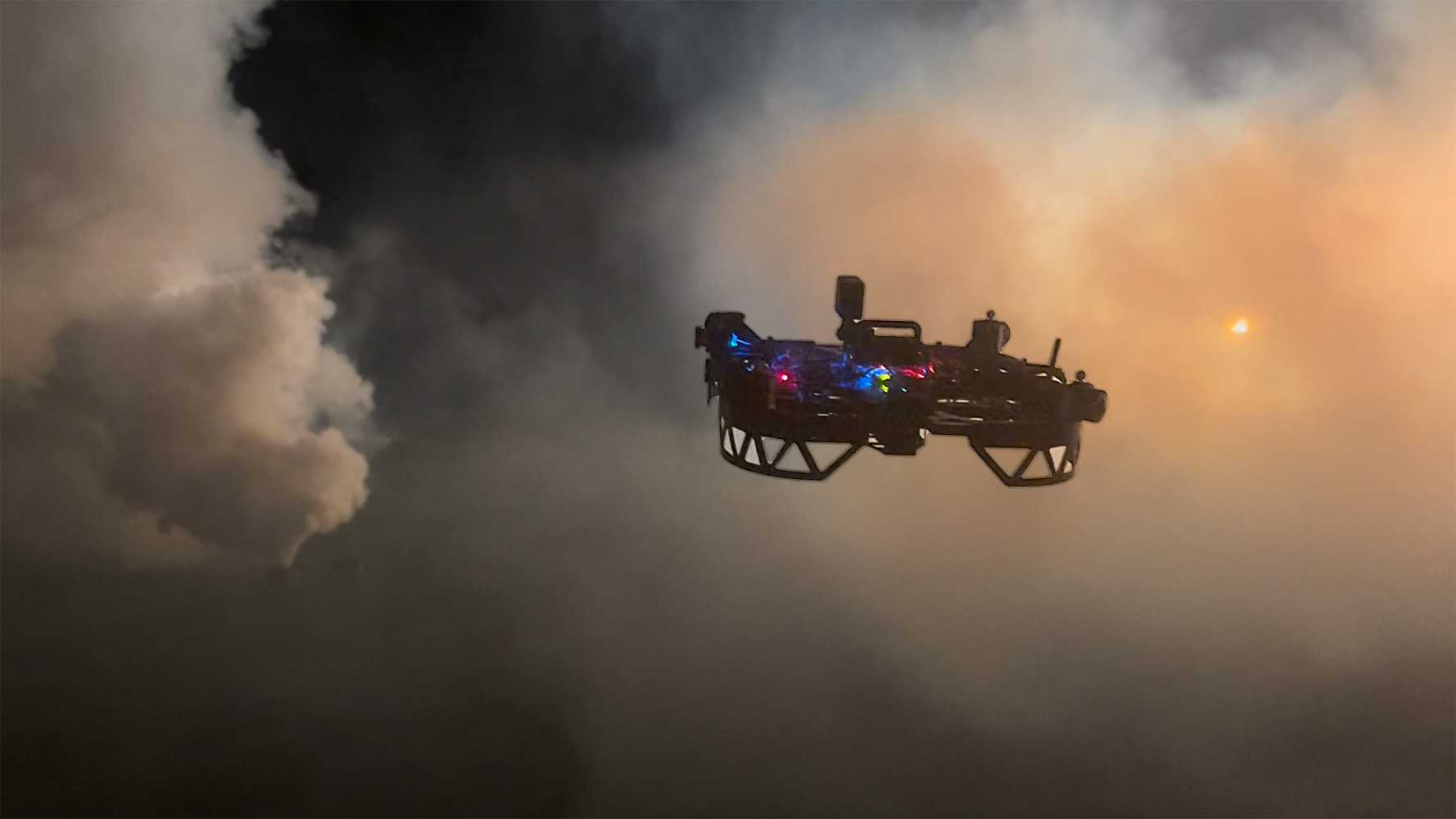
Robotics Institute Developing Drones To Fight Wildfires
Researchers at Carnegie Mellon University's Robotics Institute are developing drones aimed at combating wildfires, a project inspired by the brown haze that enveloped Pittsburgh and other U.S. cities last summer. This haze was a result of unprecedented wildfires in Canada, which served as a stark reminder of the growing threat posed by such natural disasters. The initiative seeks to enhance firefighting capabilities and mitigate the impacts of wildfire smoke on urban areas. By leveraging drone technology, the Robotics Institute aims to improve monitoring and response efforts during wildfire events, ultimately contributing to better environmental management and public safety.
Uncategorized
MIT’s 6 mW chip lets tiny drones see and map their surroundings in real time
Researchers at the Massachusetts Institute of Technology (MIT) have unveiled a groundbreaking low-power chip designed to enhance the capabilities of small drones and robots. This innovative technology, introduced in October 2023, aims to facilitate the construction of complex structures by enabling these machines to work collaboratively and autonomously. The development is driven by the need for more efficient and sustainable solutions in various fields, including construction and disaster response. By equipping drones and robots with this advanced chip, the team has demonstrated how these devices can communicate and coordinate their actions effectively, thereby significantly improving their operational efficiency. The research highlights the potential for such technology to revolutionize the way we approach tasks that require precision and teamwork in environments that are challenging for human workers.
Innovation
Robotic Assistance in Natural Disasters and Human-Caused Crises
The Synergise research and development consortium is conducting its first integrated system field test to evaluate new technological solutions, including robots, drones, sensors, localization systems, wearables, and communication platforms. This test is taking place at a training ground in Botkyrka, Sweden, where the consortium aims to assess the effectiveness of these technologies in realistic operational environments. The initiative is driven by the need to enhance response capabilities for natural disasters and human-made crises, showcasing how advanced technology can aid in emergency situations.
Allgemein Newsarchiv Servicerobotik
Open-source framework lets drones dodge obstacles in milliseconds while minimizing travel time
In the wake of a catastrophic earthquake, researchers are exploring the use of unpiloted aerial vehicles (UAVs) to assist in rescue operations by navigating through collapsed structures. These UAVs are designed to create detailed maps of disaster zones, providing critical information that can help rescuers locate and reach survivors more efficiently. However, the implementation of this technology presents significant challenges, as the autonomous drones must be capable of rapidly adjusting their flight paths to avoid unexpected obstacles while maintaining their intended course. The development of such advanced UAV systems aims to enhance emergency response efforts and improve outcomes in disaster scenarios.
Robotics
A Ground Mobile Robot for Autonomous Terrestrial Laser Scanning‐Based Field Phenotyping
A recent study published in the Journal of Field Robotics highlights advancements in autonomous navigation systems for drones, showcasing their potential applications in various industries. Conducted by a team of researchers from leading universities, the study was released in early October 2023. The research took place in multiple test environments, including urban areas and rural landscapes, to evaluate the drones' performance in diverse conditions. The motivation behind this study stems from the increasing demand for efficient and reliable drone technology in sectors such as agriculture, logistics, and disaster response. By enhancing the drones' ability to navigate complex terrains and avoid obstacles, the researchers aim to improve operational safety and effectiveness. The team employed a combination of machine learning algorithms and real-time data processing to develop a robust navigation framework. This innovative approach allows drones to make autonomous decisions based on their surroundings, significantly reducing the need for human intervention. The findings suggest that these advancements could lead to more widespread adoption of drones, ultimately transforming how various industries operate. As the technology continues to evolve, the researchers emphasize the importance of ongoing testing and refinement to ensure that these autonomous systems can be safely integrated into everyday use. The study not only contributes to the academic field but also sets the stage for practical applications that could enhance efficiency and safety across multiple sectors.
RESEARCH ARTICLE
Japan's Shimizu bets on humanoid robots to tackle construction labor crunch
Artificial intelligenceJapan's Shimizu bets on humanoid robots to tackle construction labor crunchCompany eyes fiscal 2030 for robots that can walk around, paint and coat wallsShimizu is testing out the ability of this robot from China's Unitree to patrol construction sites on foot. (Photo by Kohei Okuyama)KOHEI OKUYAMAJuly 8, 2026 05:02 JSTTOKYO -- Japanese general contractor Shimizu plans to introduce AI-powered humanoid robots at its construction sites by around fiscal 2030, aiming to have them handle such work as painting and plastering in a bid to alleviate the industry's severe labor shortages, Nikkei has learned.Read NextArtificial intelligenceJapan eyes AI-powered comeback in factory robot race with China, EuropeConstructionJapan builders turn down big projects because of labor crunch: pollArtificial intelligenceJapan backs SoftBank-led AI models with up to $6.2bn in chasing US, ChinaBusiness dealsJapan's Shimizu to buy Okinawa-based builder focused on US military basesTechnologyVideo game engines find new homes in construction and retailBusiness dealsJapan builder Obayashi buys peer Multiplex Global for $540mLatest on Artificial intelligenceArtificial intelligenceCan China and US find common ground on AI governance in Geneva?Artificial intelligenceJapan weighs AI-powered disaster relief distributionArtificial intelligenceChinese AI usage by US firms soared after Mythos restrictionsSponsored ContentAbout Sponsored ContentThis content was commissioned by Nikkei's Global Business Bureau.

Translational bottlenecks for biohybrid microrobots
In a groundbreaking study published in the June 2026 issue of Science Robotics, researchers from leading universities have unveiled a new robotic system designed to assist in disaster relief efforts. This innovative technology aims to enhance the efficiency and effectiveness of rescue operations in the aftermath of natural disasters. The research team, comprised of experts in robotics and emergency management, conducted extensive field tests to evaluate the robot's capabilities in various simulated disaster scenarios. These tests demonstrated the robot's ability to navigate challenging terrains, locate survivors, and deliver essential supplies, significantly improving response times compared to traditional methods. The motivation behind this development stems from the increasing frequency and severity of natural disasters worldwide, which necessitates advanced solutions to aid first responders. By integrating artificial intelligence and machine learning, the robotic system can adapt to dynamic environments and make real-time decisions, thereby optimizing rescue strategies. The study's findings highlight the potential for robotics to transform disaster response, offering a promising tool for humanitarian efforts. As the world faces escalating climate-related challenges, this innovative approach could play a crucial role in saving lives and mitigating the impact of future disasters.
Focus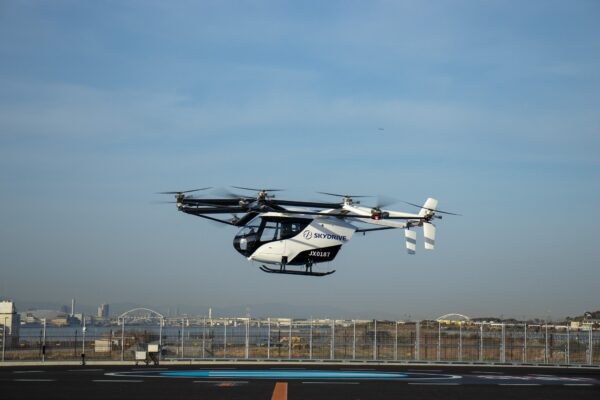
SkyDrive Signs First Japanese Helicopter Operator for SD-05 eVTOL
Tohoku Air Service (TAS), a subsidiary of Tohoku Electric Power, has entered into a letter of intent with SkyDrive for the acquisition of one SKYDRIVE SD-05 electric vertical takeoff and landing (eVTOL) aircraft. The agreement, announced on May 13, 2026, marks a significant milestone as it establishes TAS as the first helicopter operator in Japan to commit to the SKYDRIVE model. The delivery of the eVTOL is anticipated for 2028, reflecting SkyDrive's strategy to expand its presence in the aviation market. This partnership underscores the growing interest in innovative air mobility solutions within Japan's transportation sector.
Advanced Air Mobility Drone News Multi-rotor News Urban Air Mobility VTOL
GFT‐VINS: Robust Visual–Inertial Localization via Geometric Feature Track Selection
A recent study published in the Journal of Field Robotics highlights advancements in autonomous navigation systems for drones, showcasing their potential applications in various industries. Conducted by a team of researchers from leading universities, the study was released in early October 2023. The research took place in multiple test environments, including urban areas and rural landscapes, to evaluate the drones' performance in diverse conditions. The motivation behind this study stems from the increasing demand for efficient and reliable drone technology in sectors such as agriculture, logistics, and disaster response. By improving navigation systems, the researchers aim to enhance the operational capabilities of drones, allowing them to perform complex tasks with greater accuracy and safety. The study utilized a combination of machine learning algorithms and real-time data processing to enable drones to navigate autonomously, avoiding obstacles and adapting to changing environments. The findings suggest that these advancements could significantly reduce the need for human intervention, leading to more efficient operations and expanded use cases for drones in the future.
RESEARCH ARTICLE
European researchers developed energy-efficient machine vision inspired by human eyesight and the brain
Researchers have developed advanced technology that empowers intelligent robots and drones to function autonomously during rescue missions, particularly in the aftermath of earthquakes. This innovation is significant as it allows these machines to operate without the need for constant network connectivity or reliance on heavy batteries, which can hinder their effectiveness in emergency situations. The breakthrough, achieved through extensive data training up to October 2023, aims to enhance the efficiency and reliability of search and rescue operations in disaster-stricken areas. By equipping these devices with the ability to navigate and make decisions independently, the technology promises to improve response times and increase the chances of saving lives when traditional communication methods may be compromised.
Robotics needs a service framework.
RSF defines a common language for robot service capability, lifecycle operations, certification pathways, and service-provider networks.