Industry Briefing
A single destination for timely, editor-curated robotics news from around the world.
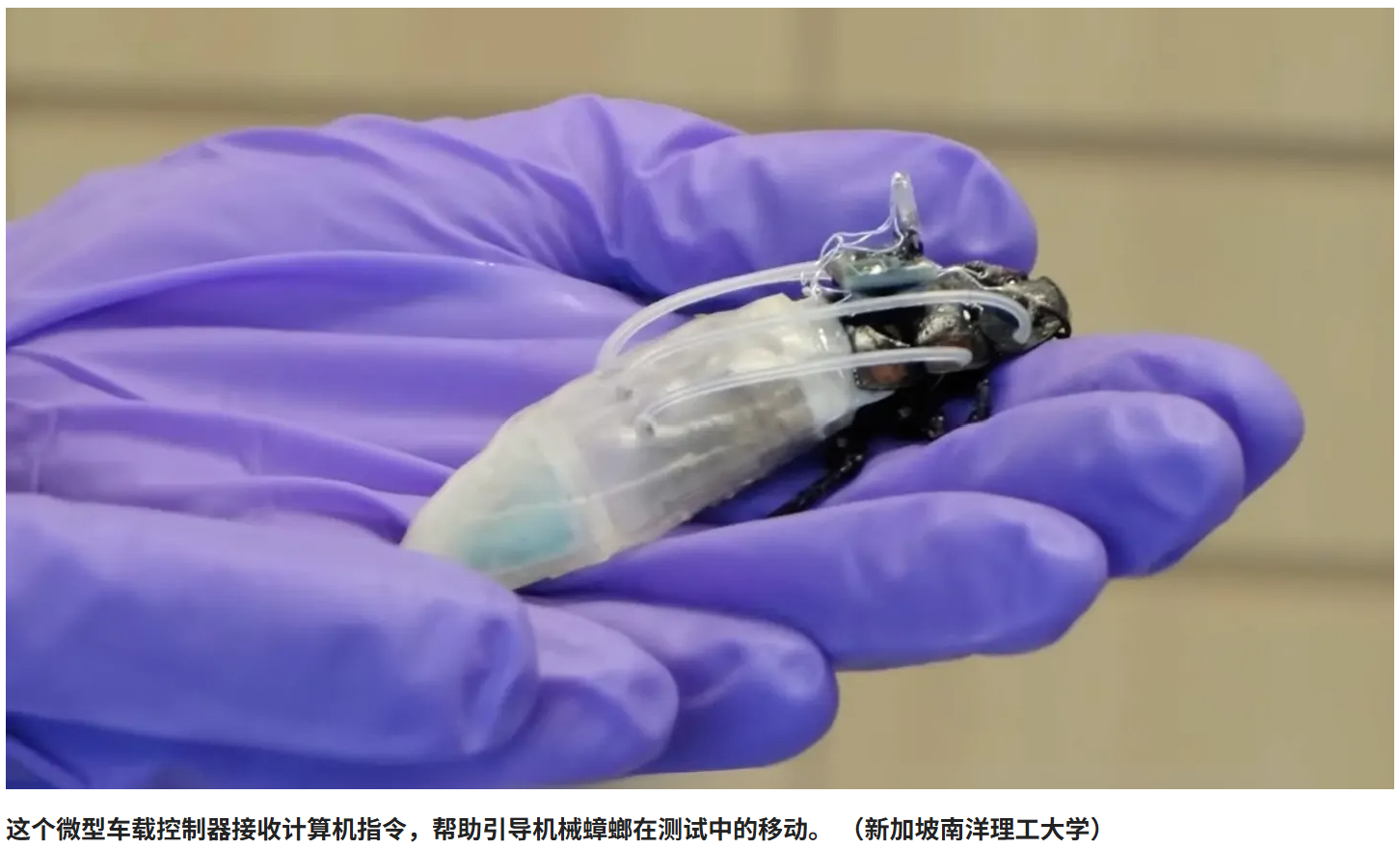
Cyborg Cockroaches Equipped for Underwater Rescue Operations
Researchers from Nanyang Technological University in Singapore and Waseda University in Japan have developed a unique application for cyborg Madagascar hissing cockroaches. By outfitting these insects with miniature diving suits, they can now navigate underwater for up to three hours, providing innovative solutions for disaster rescue operations. This advancement is significant as it combines living organisms with electronic devices, allowing the cockroaches to utilize their own muscle and nervous systems for movement. Unlike purely mechanical robots, these cyborg cockroaches have a lower energy consumption, making them more efficient for tasks in challenging environments, such as underwater scenarios. The research team is currently enhancing these cyborg cockroaches with miniature sensors, cameras, and advanced navigation systems. In the future, they may be deployed in disaster situations like floods or earthquakes to access hard-to-reach areas, helping rescue teams locate trapped individuals. No further timeline was disclosed at the time of publication.
Cyborg Insects Disaster Rescue Technology Underwater Robotics Microelectronics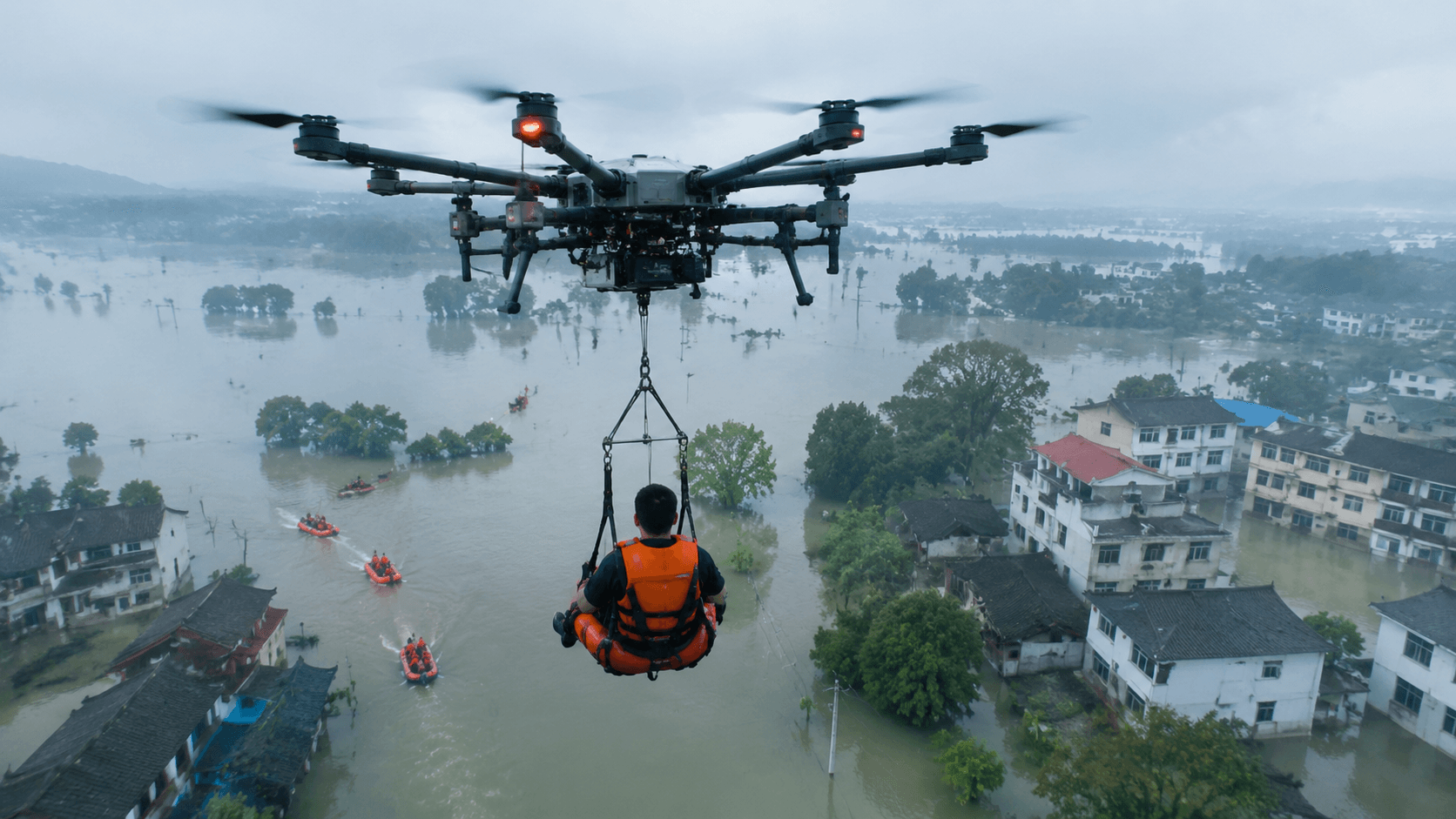
Chinese Heavy-Lift Drones Airlift Flood Victims in Guangxi Amid Safety Protocols
In Guangxi, China, heavy-lift drones have been deployed to rescue flood victims by airlifting individuals, defying standard safety protocols. This operation highlights the capabilities of the trillion-yuan low-altitude economy, which is becoming increasingly significant in emergency response scenarios. The use of these drones marks a pivotal moment in the integration of aerial technology into disaster management, showcasing their potential to save lives in critical situations. The significance of this operation lies in its demonstration of the industrial capacity within China's low-altitude economy, which is estimated to be worth trillions of yuan. By utilizing drones for rescue missions, authorities are not only addressing immediate humanitarian needs but also paving the way for future applications of drone technology in various sectors. This incident underscores the evolving landscape of aerial logistics and emergency response, emphasizing the need for updated safety regulations to accommodate such innovations. Looking ahead, the continued use of heavy-lift drones in rescue operations may lead to further advancements in drone technology and regulatory frameworks. No further timeline was disclosed at the time of publication, but the success of these missions could prompt increased investment and development in the low-altitude economy, potentially transforming how emergency services operate in the future.
Technology
A diving suit for cyborg cockroaches could enhance search-and-rescue operations
Researchers from NTU Singapore and Waseda University have created an innovative flexible "diving suit" designed for cyborg cockroaches, allowing these insects to navigate underwater and in low-oxygen environments for as long as three hours. The findings, published today in Nature Communications, highlight the potential for utilizing cyborg insects in search-and-rescue operations, particularly in disaster-stricken areas where traditional robots may struggle to operate due to obstacles like flooded debris or partially submerged locations. This advancement could significantly enhance rescue efforts in challenging environments, showcasing the intersection of biology and technology in addressing real-world problems.
Robotics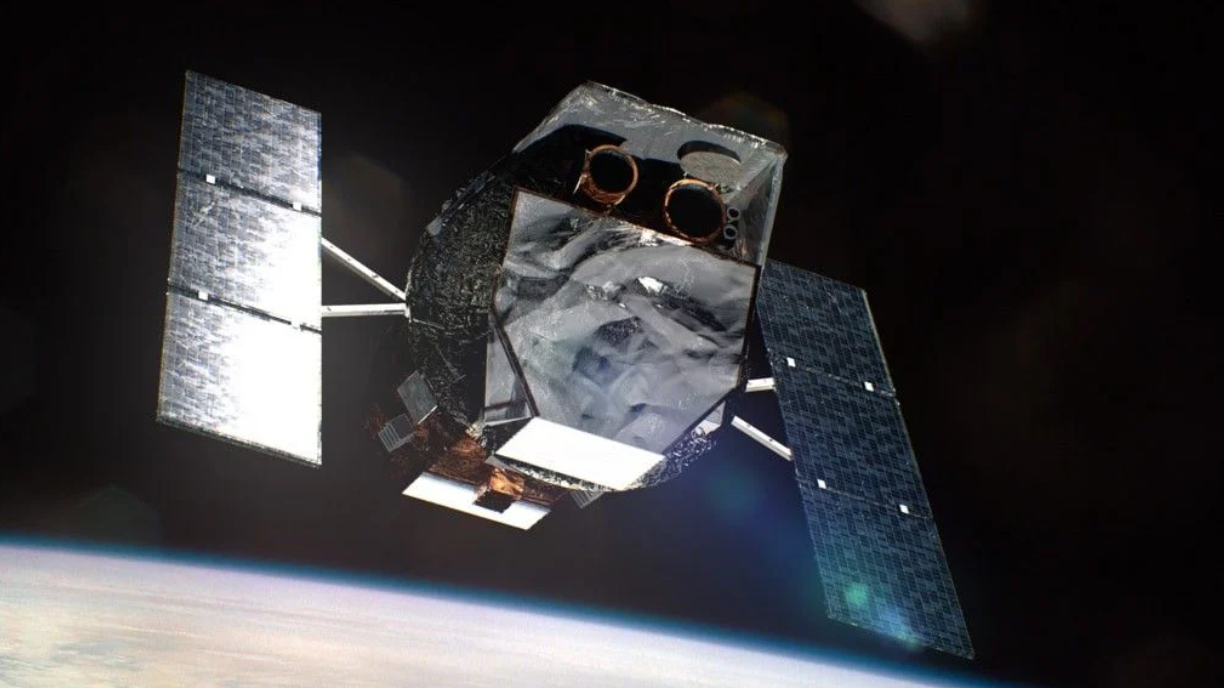
Three-Arm Robot to Rescue NASA's $500 Million Telescope in Space
Katalyst Space Technologies, a startup, has unveiled a three-arm robot spacecraft named LINK, designed to rescue NASA's Swift Observatory, which is currently at risk of re-entering the atmosphere and burning up. The initiative is backed by a $30 million contract and aims to capture and reposition the telescope into a safer orbit. This mission represents a notable advancement in space maintenance technology and underscores the intensifying competition in satellite servicing between the United States and China.
Space Robotics Satellite Servicing Aerospace Technology NASA Space Exploration
Drone rescue highlights US Navy's autonomous push
The recent deployment of a sea drone to rescue two U.S. Army aviators, reportedly downed by Iranian forces, highlights the increasing significance of unmanned vessels in the United States' naval strategies. Analysts noted that this incident, which took place on Wednesday, reflects a shift in military operations, emphasizing the role of advanced technology in modern warfare. The use of a sea drone not only showcases the capabilities of remote-operated vehicles but also illustrates the U.S. commitment to safeguarding its personnel in hostile environments. As tensions in the region escalate, the integration of such innovative tools into military operations may become a crucial factor in future engagements.
Robotics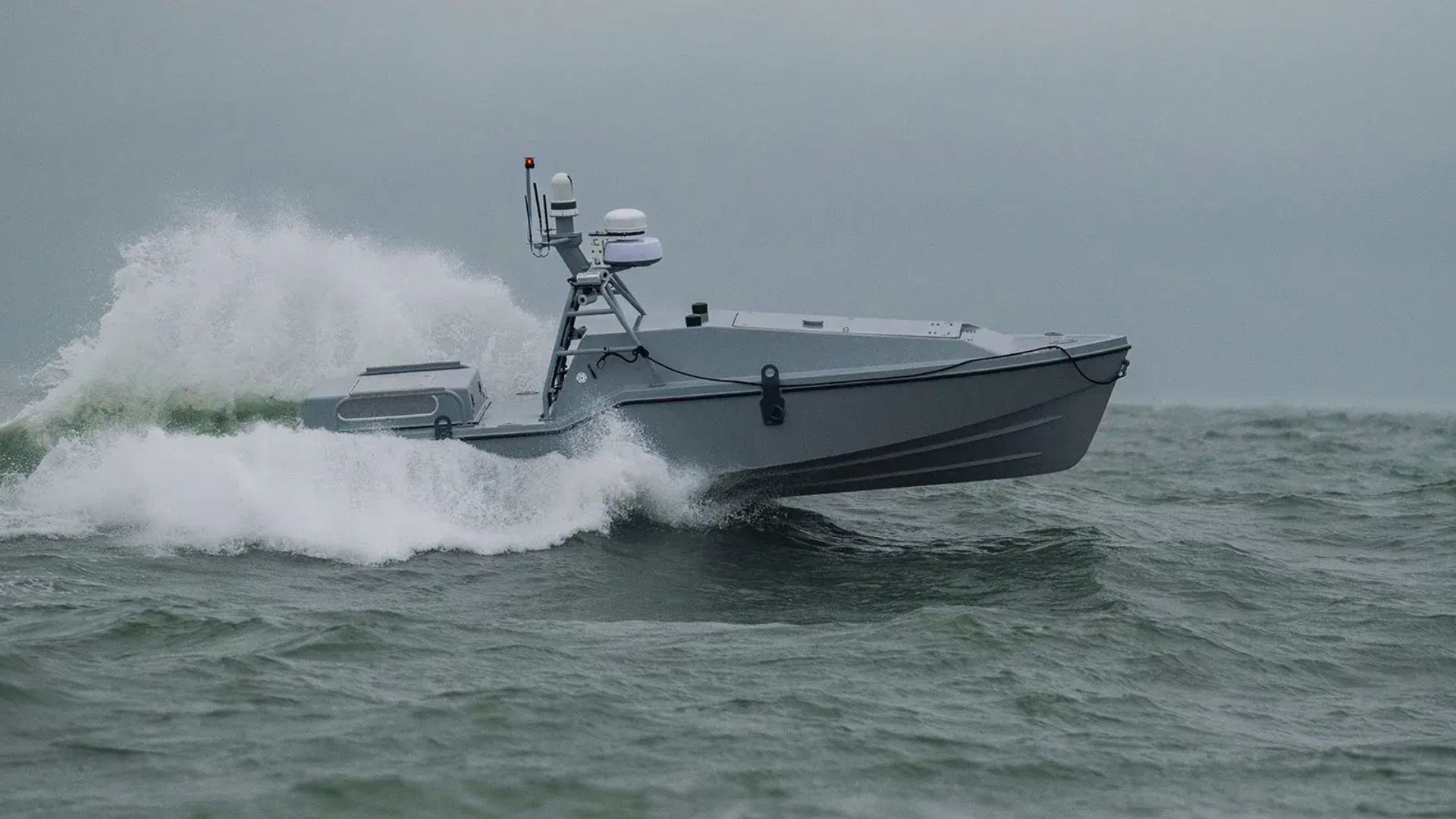
First-ever drone boat rescue: US Navy vessel pulls out two downed pilots from sea
A U.S. Navy unmanned surface vessel successfully conducted a rescue operation for two Army pilots whose AH-64 Apache helicopter had crashed. The incident occurred on a training mission off the coast of California on Tuesday. The unmanned vessel, equipped with advanced technology, was able to locate the pilots quickly and facilitate their safe retrieval from the water. This operation highlights the increasing role of unmanned systems in military rescue missions, showcasing their effectiveness in enhancing operational capabilities and ensuring the safety of personnel in distress. The successful rescue underscores the collaborative efforts between the Navy and Army in conducting joint operations and responding to emergencies in challenging environments.
Military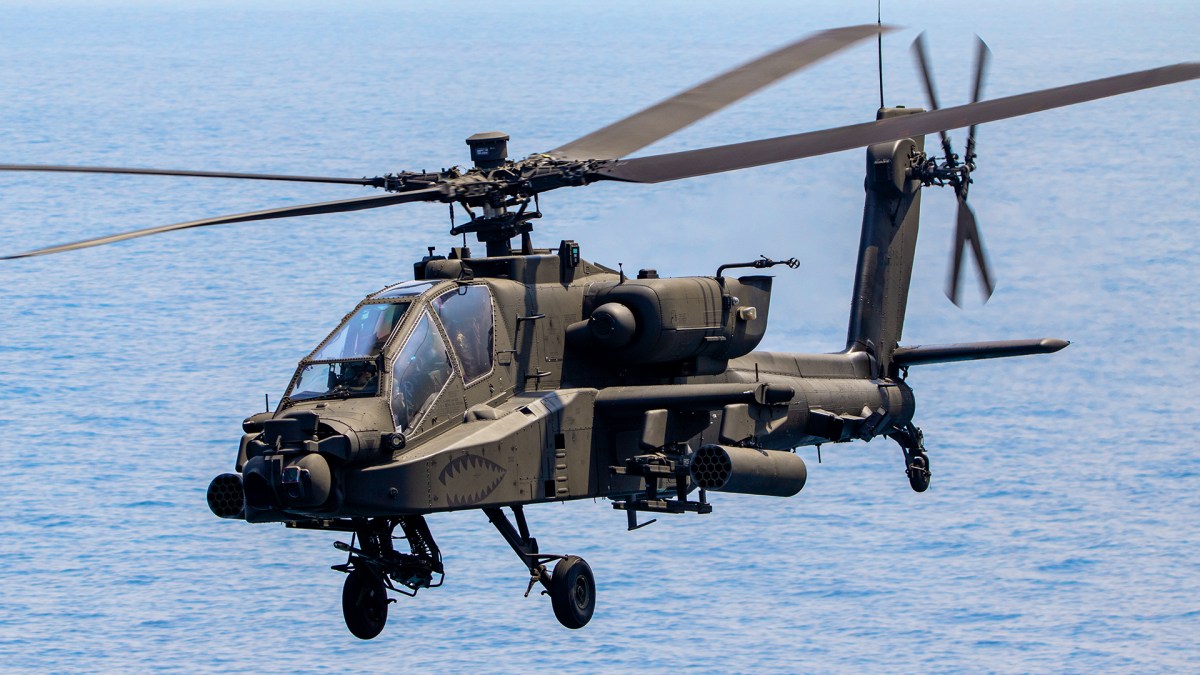
AH-64 Apache Crew Rescued By Drone Boat After Going Down Near Strait Of Hormuz
In a groundbreaking development, an uncrewed surface vessel successfully recovered the crew of an AH-64 Apache helicopter that had gone down near the Strait of Hormuz. This incident marks the first known instance of such a drone boat being utilized for aircrew recovery, signaling a significant advancement in military rescue operations. The event underscores the evolving role of autonomous technology in enhancing operational capabilities and safety for aircrews in challenging environments. As military forces increasingly integrate unmanned systems into their strategies, this successful recovery operation may pave the way for future applications of drone technology in various rescue and support missions.
News & Features AH-64 Air Around The Globe Helicopters Iran
Robotic Assistance in Natural Disasters and Human-Caused Crises
The Synergise research and development consortium is conducting its first integrated system field test to evaluate new technological solutions, including robots, drones, sensors, localization systems, wearables, and communication platforms. This test is taking place at a training ground in Botkyrka, Sweden, where the consortium aims to assess the effectiveness of these technologies in realistic operational environments. The initiative is driven by the need to enhance response capabilities for natural disasters and human-made crises, showcasing how advanced technology can aid in emergency situations.
Allgemein Newsarchiv Servicerobotik
Scania Launches Battery-Electric CrewCab for Rescue Vehicles
Scania has introduced its inaugural battery-electric CrewCab, designed specifically for fire, airport, and civil rescue operations. This innovative vehicle was unveiled in October 2023, marking a significant step towards sustainable emergency response solutions. The CrewCab aims to enhance operational efficiency while reducing environmental impact, aligning with the growing demand for greener technologies in the emergency services sector. By integrating advanced electric powertrain technology, Scania is addressing the challenges faced by rescue operations in urban environments, where emissions and noise pollution are critical concerns. The launch reflects Scania's commitment to providing cutting-edge solutions that meet the needs of modern emergency services while promoting sustainability.

Bat-inspired drones could improve search and rescue ops in dark
A researcher at Worcester Polytechnic Institute (WPI) is pioneering innovative drone navigation technology inspired by the echolocation abilities of bats. This development, which aims to enhance the precision and efficiency of drone operations, is particularly relevant in environments where GPS signals are weak or unavailable. The project is currently underway, with the researcher utilizing advanced algorithms to replicate the way bats navigate through complex surroundings. By studying the natural mechanisms of bat echolocation, the team hopes to create drones that can autonomously maneuver in challenging conditions, potentially transforming applications in various fields such as search and rescue, agriculture, and environmental monitoring. This research not only seeks to improve drone functionality but also aims to contribute to the broader understanding of biological navigation systems.

DAS‐SLAM: A Novel Visual‐Inertial SLAM System in Dynamic Environments Integrating Object Detection Network and Scene Flow Technology
A recent study published in the Journal of Field Robotics explores the advancements in robotic technology and its applications in various fields. Researchers from leading universities conducted the study to assess how these innovations can enhance efficiency and safety in industries such as agriculture, construction, and disaster response. The findings, released in early October 2023, highlight the potential of autonomous robots to perform tasks that are hazardous for humans, thereby reducing risks and improving productivity. The research team utilized a combination of field tests and simulations to evaluate the performance of different robotic systems in real-world scenarios. Their work emphasizes the importance of integrating artificial intelligence and machine learning to enable robots to adapt to dynamic environments. As industries increasingly seek automation solutions, this study provides valuable insights into the future of robotics and its role in transforming traditional practices. The motivation behind this research stems from the growing demand for innovative technologies that can address labor shortages and enhance operational capabilities. By showcasing successful implementations of robotic systems, the study aims to encourage further investment and development in this rapidly evolving field. The implications of these findings could lead to significant changes in how industries approach tasks that require precision and safety, ultimately paving the way for a more automated future.
RESEARCH ARTICLE
Why Automating the Diagnostics Lab Won’t Rescue a Weak Validation Process
Lab automation is increasingly being recognized for its significant business advantages, particularly in the context of rising test volumes that have put pressure on laboratory staff. The integration of robotic sample handling, automated liquid handlers, and comprehensive specimen tracking systems has proven to enhance throughput, reduce manual errors, and alleviate the strain on a workforce facing growing demands. As of October 2023, the technology has matured, and its benefits have become evident, leading to a rapid acceleration in adoption across various laboratories. This transition marks a pivotal move beyond experimental applications, positioning lab automation as a crucial component in modern laboratory operations.
Business Health Science AI in diagnostics analytical validation assay development
NASA prepares to launch rescue to save telescope from falling to Earth
A $30 million salvage operation is set to commence this week, featuring the launch of a robotic lifesaver designed to assist in recovery efforts. The initiative aims to address the challenges posed by recent maritime incidents, reflecting a growing commitment to enhancing safety and efficiency in salvage operations. The deployment of advanced technology underscores the urgency of the situation and the need for innovative solutions in maritime recovery. As the operation unfolds, stakeholders are hopeful that the robotic system will significantly improve the chances of successful salvage and recovery.
Deep Reinforcement Learning Based Autonomous Decision‐Making for Cooperative Uncrewed Aerial Vehicles: A Search and Rescue Real World Application
A recent study published in the Journal of Field Robotics highlights advancements in autonomous robotic systems designed for agricultural applications. Researchers from various institutions collaborated to develop innovative algorithms that enhance the efficiency and precision of robotic farming equipment. The findings, released in early October 2023, emphasize the growing importance of automation in agriculture, particularly in response to labor shortages and the need for sustainable farming practices. The research was conducted in multiple agricultural settings, showcasing how these robotic systems can adapt to different crop types and environmental conditions. By integrating machine learning and sensor technology, the robots are capable of performing tasks such as planting, weeding, and harvesting with minimal human intervention. This development aims to address the challenges faced by farmers, including the rising costs of labor and the increasing demand for food production. The study underscores the potential for these autonomous systems to revolutionize the agricultural sector, making it more efficient and environmentally friendly. As the agricultural industry continues to evolve, the implementation of such technologies could lead to significant improvements in productivity and sustainability.
RESEARCH ARTICLE
The Shifting Paradigms of Disaster Robotics Three Decades of Research
A recent study published in the Journal of Field Robotics highlights advancements in robotic technology aimed at improving agricultural efficiency. Researchers from a leading university conducted experiments over the past year, focusing on the integration of autonomous robots in crop monitoring and management. The trials took place in various agricultural settings across the Midwest, where the team sought to address the growing challenges of labor shortages and the need for sustainable farming practices. The motivation behind this research stems from the increasing demand for food production and the necessity to optimize resource use in agriculture. By employing cutting-edge robotics, the researchers aimed to demonstrate how these machines can enhance precision in tasks such as planting, watering, and pest control. The study involved deploying multiple robotic prototypes equipped with advanced sensors and AI algorithms to gather data and perform tasks autonomously. Results from the trials indicate that the use of these robots not only improved operational efficiency but also reduced the environmental impact of farming activities. The findings suggest that integrating robotics into agricultural practices could be a viable solution to meet the demands of a growing population while promoting sustainable farming methods. As the agricultural sector continues to evolve, this research paves the way for further innovations in the use of robotics to support food production and resource management.
RESEARCH ARTICLE
Improved Target Detection in Unmanned Aerial Vehicles Search and Rescue via V‐Circular Trajectory Optimization
The Journal of Field Robotics has recently published an early view article highlighting significant advancements in robotic technology. Researchers from various institutions collaborated to explore innovative applications of robotics in field environments, aiming to enhance efficiency and safety in agricultural practices. This study, released in October 2023, emphasizes the growing importance of automation in addressing labor shortages and improving productivity in the agricultural sector. By integrating advanced sensors and artificial intelligence, the team demonstrated how robots can autonomously navigate complex terrains and perform tasks such as planting, harvesting, and monitoring crop health. The findings suggest that these technological advancements could revolutionize traditional farming methods, ultimately leading to more sustainable agricultural practices.
RESEARCH ARTICLE
CVS, SkyfireAI, and Thales Outline Drone-Based Healthcare Response Network at XPONENTIAL 2026
At the XPONENTIAL 2026 conference held in Detroit this week, CVS Health unveiled plans for “CVS Air Response,” a pioneering drone-enabled network aimed at enhancing healthcare logistics and emergency response. Collaborating with SkyfireAI and Thales Aerospace, CVS Health highlighted the potential of drones in improving disaster resilience and healthcare delivery. The panel discussion emphasized the innovative use of drone technology to address urgent medical needs, showcasing how these advancements could transform emergency response efforts in healthcare settings.
Applications Delivery DL Exclusive Drone News Drone News Feeds News
Danish Startup Launches 10K Drone Sensor for Wide-Area Search, Surveillance, and Mine Detection
A Danish start-up has introduced a groundbreaking sensor system designed to enhance marine rescue operations. This innovative technology enables drone-equipped teams to efficiently search vast areas of water for capsized boats and individuals in distress. By utilizing high-resolution imagery transmitted from the drones, rescue teams can pinpoint critical details in challenging conditions. The launch of this advanced 10K drone sensor aims to improve search and surveillance capabilities, as well as facilitate mine detection, thereby addressing urgent needs in maritime safety. The initiative reflects the start-up's commitment to leveraging cutting-edge technology to support emergency responders in their vital work.
Applications DL Exclusive Drone News Drone News Feeds drone technology Europe Drone Industry
Wukong1000 AUVs: Design, Cooperative Implementation, and Experimental Validation
A recent study published in the Journal of Field Robotics has unveiled significant advancements in robotic navigation systems. Researchers from a leading robotics institute conducted the study to enhance the efficiency and accuracy of autonomous robots in complex environments. The findings, released in early October 2023, highlight innovative algorithms that allow robots to better interpret and navigate their surroundings, particularly in dynamic settings such as urban areas or disaster sites. The motivation behind this research stems from the increasing demand for reliable robotic systems capable of performing tasks in unpredictable conditions, which are essential for applications ranging from search and rescue operations to automated delivery services. By employing advanced machine learning techniques, the team was able to improve the robots' decision-making processes, enabling them to adapt to changing environments in real-time. This breakthrough not only promises to enhance the functionality of existing robotic systems but also paves the way for future developments in the field of autonomous technology. The research team is optimistic that these improvements will lead to wider adoption of robotic solutions across various industries, ultimately contributing to safer and more efficient operations in challenging scenarios.
RESEARCH ARTICLE
Chassis Pose Kinematic Model and Control for Terrestrial Mobile Robots With Active Flippers
The Journal of Field Robotics has published an EarlyView article highlighting recent advancements in robotic technology. Researchers from various institutions have collaborated to explore innovative applications of robotics in fields such as agriculture, search and rescue, and environmental monitoring. This study, released in October 2023, emphasizes the growing importance of autonomous systems in enhancing efficiency and safety across these sectors. The research team conducted extensive field tests to demonstrate how robots can perform complex tasks, such as crop monitoring and disaster response, with minimal human intervention. By integrating artificial intelligence and machine learning, the robots are designed to adapt to dynamic environments, showcasing their potential to revolutionize traditional practices. The motivation behind this research stems from the increasing demand for automation in response to labor shortages and the need for more effective solutions to global challenges. The findings underscore the necessity for continued investment in robotic technology to address pressing issues such as food security and disaster management. As the field of robotics continues to evolve, this publication serves as a critical resource for professionals and researchers aiming to leverage these advancements for practical applications. The collaborative effort reflects a commitment to pushing the boundaries of what is possible in robotics, paving the way for future innovations that could significantly impact various industries.
RESEARCH ARTICLE
Do people feel safe in a robot’s presence?
In a groundbreaking study published in the June 2026 issue of Science Robotics, researchers from a leading university have unveiled a new robotic system designed to assist in disaster response efforts. The innovative technology, which combines advanced artificial intelligence with agile mobility, aims to enhance the efficiency and effectiveness of rescue operations in environments that are hazardous or difficult to navigate. The research team conducted extensive field tests in various simulated disaster scenarios, demonstrating the robot's ability to traverse challenging terrains and perform critical tasks such as locating survivors and delivering supplies. These tests were carried out in collaboration with emergency response organizations to ensure real-world applicability. The motivation behind this development stems from the increasing frequency and severity of natural disasters, which necessitate improved response mechanisms to save lives and minimize damage. By integrating cutting-edge robotics with emergency protocols, the researchers hope to provide first responders with a powerful tool that can operate in conditions that are unsafe for human intervention. This advancement in robotic technology represents a significant step forward in disaster management, showcasing how innovation can be harnessed to address pressing global challenges. The study highlights the potential for future enhancements and the importance of ongoing collaboration between scientists and emergency services to refine these systems for practical use in real-world situations.
Editors' Choice
Translational bottlenecks for biohybrid microrobots
In a groundbreaking study published in the June 2026 issue of Science Robotics, researchers from leading universities have unveiled a new robotic system designed to assist in disaster relief efforts. This innovative technology aims to enhance the efficiency and effectiveness of rescue operations in the aftermath of natural disasters. The research team, comprised of experts in robotics and emergency management, conducted extensive field tests to evaluate the robot's capabilities in various simulated disaster scenarios. These tests demonstrated the robot's ability to navigate challenging terrains, locate survivors, and deliver essential supplies, significantly improving response times compared to traditional methods. The motivation behind this development stems from the increasing frequency and severity of natural disasters worldwide, which necessitates advanced solutions to aid first responders. By integrating artificial intelligence and machine learning, the robotic system can adapt to dynamic environments and make real-time decisions, thereby optimizing rescue strategies. The study's findings highlight the potential for robotics to transform disaster response, offering a promising tool for humanitarian efforts. As the world faces escalating climate-related challenges, this innovative approach could play a crucial role in saving lives and mitigating the impact of future disasters.
Focus
A Season‐Robust Long‐Term Localization Method Using Trunk Semantic Features in Dynamic Orchard Environments
In a recent study published in the Journal of Field Robotics, researchers explored advancements in robotic navigation systems, highlighting significant developments in autonomous technology. The findings, released in June 2026, reveal innovative algorithms that enhance the ability of robots to navigate complex environments without human intervention. This research was conducted by a team of engineers and computer scientists at a leading robotics institute, aiming to address challenges faced in real-world applications such as disaster response and exploration. The study emphasizes the importance of improving robotic autonomy to increase efficiency and safety in various fields, including search and rescue operations, agricultural automation, and urban planning. By employing cutting-edge machine learning techniques, the researchers demonstrated how robots can better interpret sensory data and adapt to dynamic surroundings. The implications of this research are profound, as it paves the way for more reliable and versatile robotic systems capable of operating in unpredictable conditions. As industries increasingly turn to automation, these advancements could significantly impact the future of robotics, making them indispensable tools in both everyday tasks and critical missions.
RESEARCH ARTICLE
Shape-morphing metamaterials with continuous relearning
In a groundbreaking study published in the May 2026 issue of Science Robotics, researchers from a leading robotics institute have unveiled a new autonomous robotic system designed to assist in disaster response efforts. The innovative technology aims to enhance the efficiency and effectiveness of rescue operations in the aftermath of natural disasters, such as earthquakes and floods. The research team, comprised of experts in robotics and emergency management, conducted extensive field tests in various simulated disaster scenarios to evaluate the robot's capabilities. These tests demonstrated the system's ability to navigate challenging terrains, locate survivors, and deliver essential supplies, significantly reducing response times. The motivation behind this development stems from the increasing frequency and severity of natural disasters worldwide, which necessitate improved response strategies. By integrating advanced artificial intelligence and machine learning algorithms, the robotic system can adapt to dynamic environments and make real-time decisions, ultimately saving lives. The study highlights the potential for collaboration between technology and emergency services, showcasing how robotics can play a crucial role in humanitarian efforts. As the world grapples with the impacts of climate change, this innovation represents a significant step forward in preparing for and responding to future crises.
Editors' Choice
Open-source framework lets drones dodge obstacles in milliseconds while minimizing travel time
In the wake of a catastrophic earthquake, researchers are exploring the use of unpiloted aerial vehicles (UAVs) to assist in rescue operations by navigating through collapsed structures. These UAVs are designed to create detailed maps of disaster zones, providing critical information that can help rescuers locate and reach survivors more efficiently. However, the implementation of this technology presents significant challenges, as the autonomous drones must be capable of rapidly adjusting their flight paths to avoid unexpected obstacles while maintaining their intended course. The development of such advanced UAV systems aims to enhance emergency response efforts and improve outcomes in disaster scenarios.
Robotics
No-code automation: One video guide instructs three completely different robots
A research team at the Federal Technology Institute of Lausanne (EPFL) in Switzerland has unveiled an innovative robotic system designed to assist in search and rescue operations. This groundbreaking development was announced on October 15, 2023, during a press conference held at the institute's headquarters in Lausanne. The motivation behind creating this advanced robotic technology stems from the increasing need for efficient and effective tools in emergency response situations, particularly in challenging environments where human rescuers may face significant risks. The robotic system is equipped with state-of-the-art sensors and artificial intelligence capabilities, allowing it to navigate complex terrains and identify victims in disaster-stricken areas. By simulating various emergency scenarios, the research team demonstrated the robot's ability to operate autonomously while providing real-time data to human operators. This integration of robotics into search and rescue missions aims to enhance the safety and efficiency of rescue efforts, ultimately saving more lives. The EPFL team emphasizes that this technology could revolutionize the way emergency services respond to crises, particularly in remote or hazardous locations. As the project progresses, further testing and collaboration with emergency response teams are planned to refine the robot's capabilities and ensure its practical application in real-world situations.
Fuzzy Based Control Strategy and Dynamic Torque Adjustment in a Four Wheeled Coconut Tree Climber
A recent study published in the Journal of Field Robotics highlights advancements in autonomous robotics technology, focusing on the development of new algorithms that enhance navigation capabilities in challenging environments. Conducted by a team of researchers from various universities, the study was released in early October 2023. The research aims to address the increasing demand for efficient robotic systems that can operate in complex terrains, such as disaster-stricken areas or remote locations. By improving the algorithms that guide these robots, the team hopes to facilitate better decision-making processes, enabling robots to adapt to unpredictable conditions in real-time. The study involved extensive field tests, where the robots were deployed in simulated disaster scenarios to evaluate their performance. The results demonstrated significant improvements in navigation accuracy and obstacle avoidance, showcasing the potential for these technologies to be utilized in real-world applications. This research not only contributes to the field of robotics but also emphasizes the importance of innovation in enhancing the capabilities of autonomous systems, ultimately aiming to improve safety and efficiency in various sectors, including search and rescue operations.
RESEARCH ARTICLE
A Field‐Adaptive Mechanical Weeding System Coupling Oscillating Pneumatic Mechanism With Deep Learning for Intra‐Row Weed Control in Lettuce
The Journal of Field Robotics has published an early view article highlighting recent advancements in autonomous robotic systems. Researchers from leading universities and technology firms presented their findings on October 15, 2023, during a virtual conference focused on robotics innovation. The study emphasizes the growing importance of these systems in various sectors, including agriculture, search and rescue, and environmental monitoring. The motivation behind this research stems from the increasing demand for efficient and reliable robotic solutions capable of operating in complex environments. By integrating advanced artificial intelligence and machine learning algorithms, the researchers demonstrated how these autonomous systems can enhance operational capabilities and decision-making processes. The article details various case studies showcasing successful implementations of robotic technologies, illustrating their potential to revolutionize traditional practices. The findings suggest that as technology continues to evolve, the integration of autonomous robots will become crucial in addressing global challenges, such as food security and disaster response. This publication marks a significant contribution to the field of robotics, providing insights into future trends and encouraging further exploration of autonomous systems' applications. Researchers and industry professionals are urged to collaborate and innovate, ensuring that the benefits of these technologies are realized across multiple domains.
RESEARCH ARTICLE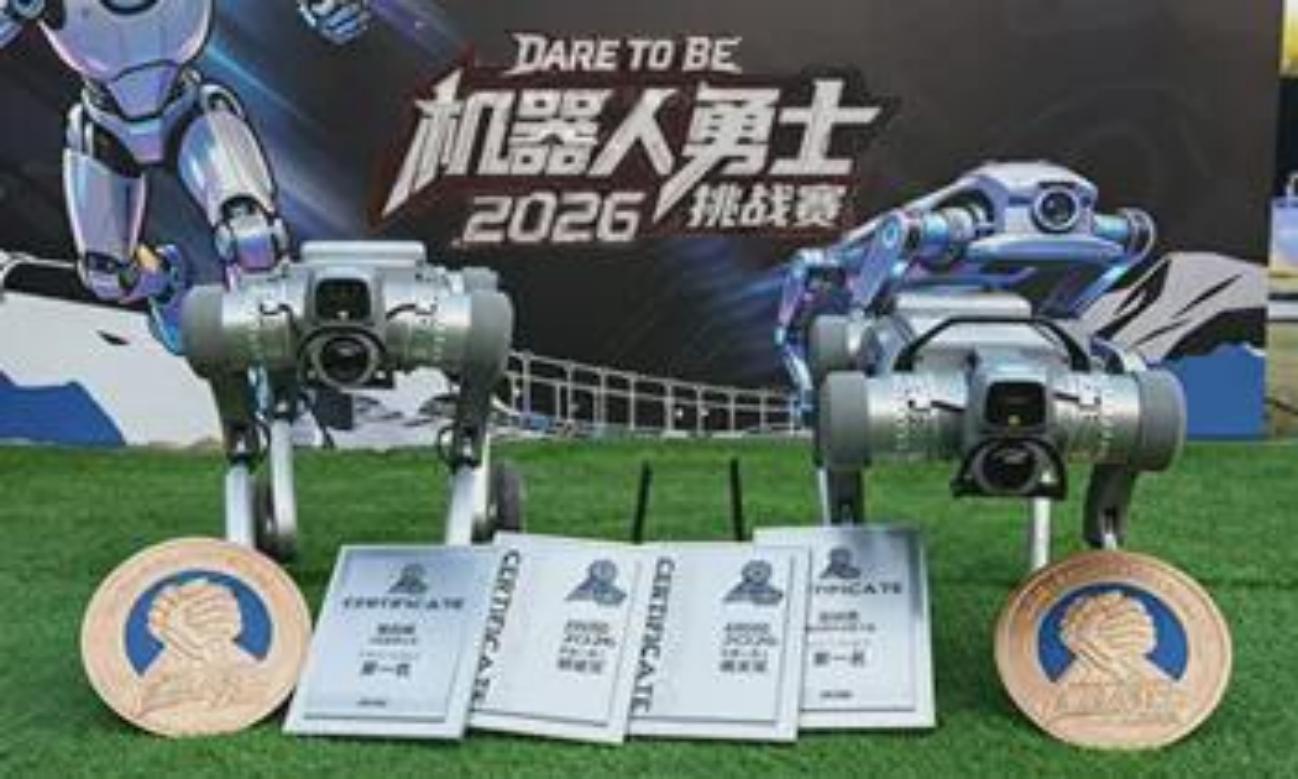
Technological Domination! Galileo Robotics Wins Double Championship and Four Awards at the 2026 Robot Challenge
Galileo Robotics, a company based in Tianjin, celebrated a significant achievement at the 2026 Robot Warrior Challenge by securing victories in both the quadruped and wheeled robot categories. The event, which focused on testing robotic capabilities in simulated disaster rescue scenarios, took place recently and drew attention to the advancements in robotic technology. In addition to their category wins, Galileo Robotics also earned the Speed Award and the Zero Error Award, underscoring the precision and efficiency of their designs. This success not only highlights the company's innovative approach but also demonstrates their readiness to meet industry demands in emergency response situations.
Robotics Disaster Response AI Technology Industrial Automation
AI-guided snakebot unlocks rolling move that doubles speed per unit power
Researchers are developing snake-like robots designed to enhance rescue operations in challenging environments. These innovative machines, characterized by their slender bodies, are capable of maneuvering through narrow spaces, traversing uneven terrain, and even navigating water surfaces. This technology is particularly promising for disaster response in earthquake-prone regions, such as Japan, where traditional rescue methods may be hindered by debris and hazardous conditions. By enabling access to areas that are dangerous for human rescuers, these robots have the potential to significantly improve survival rates and expedite recovery efforts following natural disasters. The ongoing advancements in robotics aim to create more effective tools for emergency responders, ultimately contributing to saving lives in critical situations.
Robotics
Nonlinear Optimal and Multi‐Loop Flatness‐Based Control for Dual‐UAV Cooperative Load Transportation
In the May 2026 issue of the Journal of Field Robotics, researchers published a comprehensive study examining advancements in robotic technology and its applications in various fields. The study highlights innovative developments in autonomous systems, focusing on their integration into agriculture, search and rescue operations, and environmental monitoring. Conducted by a team of experts in robotics and engineering, the research aims to address the growing demand for efficient and reliable robotic solutions in response to global challenges such as food security and disaster management. The findings reveal how these technologies can enhance productivity and safety while minimizing human risk in hazardous environments. The publication underscores the importance of interdisciplinary collaboration in advancing robotic capabilities, showcasing case studies that illustrate successful implementations of these systems in real-world scenarios. By detailing the methodologies employed in the research, the authors provide insights into the future trajectory of robotics, emphasizing the potential for further innovation and application. This study not only contributes to the academic discourse on robotics but also serves as a valuable resource for industry professionals seeking to leverage these technologies for practical solutions. The ongoing evolution of robotics is positioned as a critical factor in addressing pressing societal needs, making this research timely and relevant.
RESEARCH ARTICLE
Coverage Route Planner of Ground Rovers Considering Hilly Terrains
A recent study published in the Journal of Field Robotics highlights advancements in autonomous robotics technology. Researchers from a leading university conducted experiments to enhance the navigation capabilities of robots in complex environments. The study, released in early October 2023, took place in various outdoor settings, including forests and urban areas, to assess the robots' performance in real-world scenarios. The motivation behind this research stems from the growing need for effective robotic systems that can operate independently in unpredictable conditions, such as disaster response or search and rescue missions. By employing advanced algorithms and machine learning techniques, the team aimed to improve the robots' ability to interpret their surroundings and make real-time decisions. The findings indicate significant improvements in the robots' navigation accuracy and efficiency, demonstrating their potential for practical applications. This research not only contributes to the field of robotics but also paves the way for future innovations that could enhance human safety and operational effectiveness in various industries.
RESEARCH ARTICLE
European researchers developed energy-efficient machine vision inspired by human eyesight and the brain
Researchers have developed advanced technology that empowers intelligent robots and drones to function autonomously during rescue missions, particularly in the aftermath of earthquakes. This innovation is significant as it allows these machines to operate without the need for constant network connectivity or reliance on heavy batteries, which can hinder their effectiveness in emergency situations. The breakthrough, achieved through extensive data training up to October 2023, aims to enhance the efficiency and reliability of search and rescue operations in disaster-stricken areas. By equipping these devices with the ability to navigate and make decisions independently, the technology promises to improve response times and increase the chances of saving lives when traditional communication methods may be compromised.

MIT engineers design an aerial microrobot that can fly as fast as a bumblebee
Researchers have developed a tiny robot that mimics the speed and agility of insects, with the potential to assist in search-and-rescue missions. This innovative technology, unveiled in October 2023, aims to enhance emergency response efforts by navigating through challenging environments where traditional rescue methods may falter. The robot's design incorporates advanced mechanics and sensors, enabling it to maneuver quickly and efficiently in tight spaces, such as collapsed buildings or disaster-stricken areas. By leveraging the natural movement patterns of insects, the team hopes to create a reliable tool that can locate survivors and deliver essential supplies in critical situations. This breakthrough represents a significant advancement in robotics, combining engineering and biology to address urgent humanitarian needs.
New research enables a robot to chart a better course
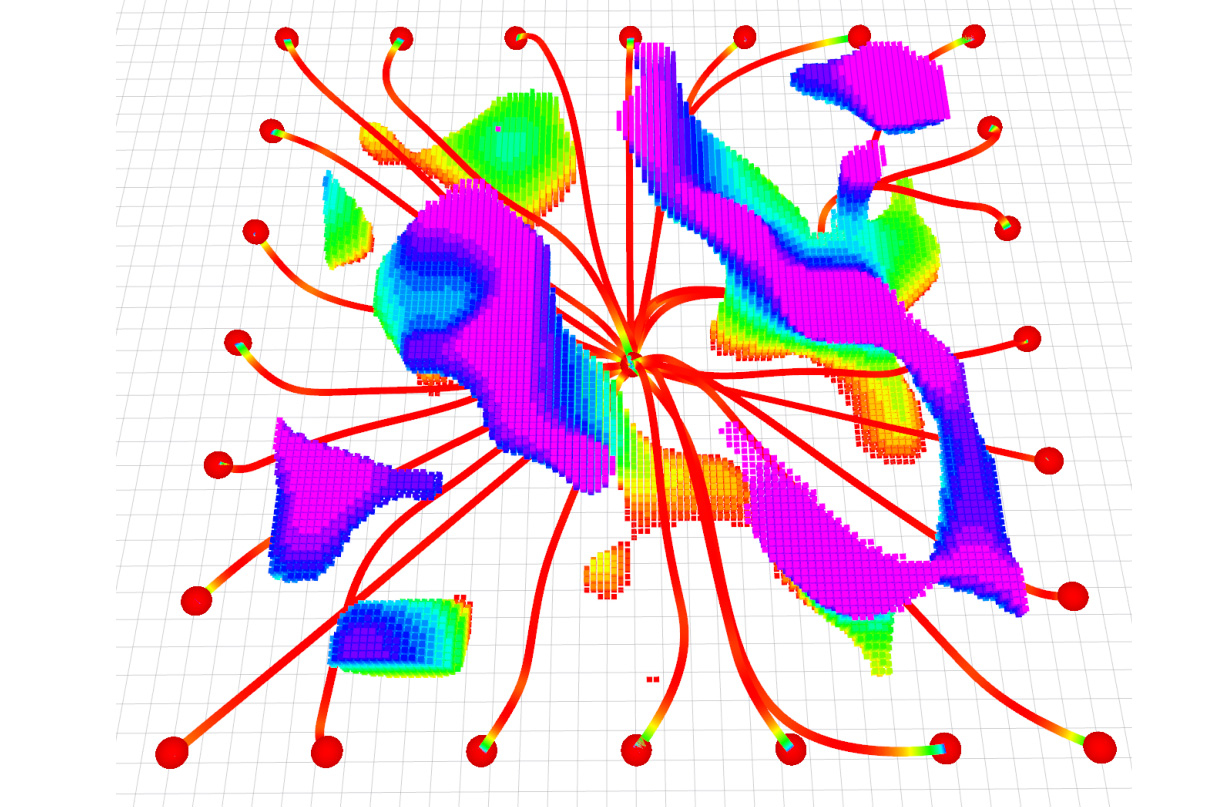
A new open-source system called “MIGHTY” has been developed to enhance efficiency in disaster recovery and parcel delivery by creating optimized travel routes. This innovative technology generates smooth path plans that significantly reduce travel time while effectively navigating around obstacles. The system aims to address the challenges faced during emergencies and improve logistics operations. By leveraging advanced algorithms, MIGHTY is designed to facilitate quicker responses in critical situations, ultimately aiming to save lives and resources. The initiative is expected to be particularly beneficial in areas prone to natural disasters, where timely assistance is crucial.
Research Computer science and technology Algorithms Drones Robotics Autonomous vehicles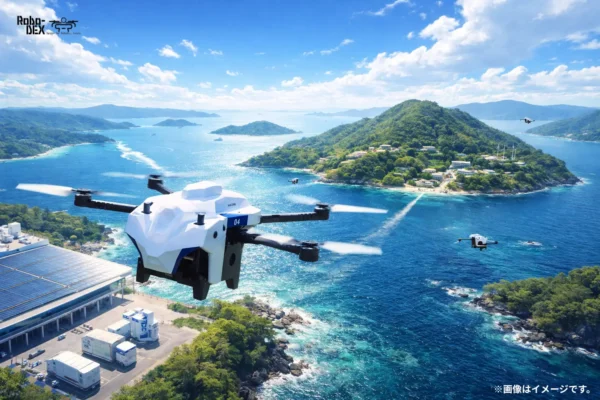
Robodex and Tokyu Land Open Japan’s First Hydrogen Drone Port in Hiroshima
Robodex and Tokyu Land Corporation have announced the opening of Japan's first permanent hydrogen drone port along the Seto Inland Sea coast. This innovative facility aims to enhance connectivity between Hiroshima's mainland and the nearby islands, including Osakikamijima. The collaboration between the two companies marks a significant step in the development of drone technology, leveraging hydrogen as a sustainable fuel source. The port is expected to facilitate efficient transportation and logistics in the region, promoting economic growth and technological advancement.
Advanced Air Mobility Delivery Drone News Drone News Feeds drone technology Japan Drone Industry
New Autonomous Drone System Maps Volcanic Gases to Predict Eruptions
Researchers at the Technical University of Munich (TUM) have developed an autonomous measurement system that utilizes drones and lasers to map volcanic gas concentrations with a low measurement error of approximately 5%. This innovative system aims to enhance volcanic eruption forecasting by tracking the ratio of carbon dioxide to sulfur dioxide, providing insights into subterranean volcanic processes. The significance of this technology lies in its potential to prevent natural disasters by offering accurate measurements of volcanic gases. Traditional methods have faced challenges due to background emissions and equipment damage from corrosive plumes. TUM's solution involves a ground station that shoots a laser through gas clouds, allowing for precise data collection while keeping equipment safe from harsh conditions. Looking ahead, TUM plans to further automate the measurement and mapping processes, incorporating artificial intelligence to interpret the data. This advancement could lead to safer volcanic forecasting, particularly on the Aeolian island of Vulcano, which remains in an active degassing phase despite not having experienced a major eruption since the late 19th century.
Science
New Birdlike Robot Mimics Diving Birds with Swimming and Flying Capabilities
A new birdlike robot has been developed that can swim underwater and transition into flight without the need for paddling. This innovative design mimics the natural behaviors of various diving birds, such as loons and gulls, which are known for their dual capabilities. The robot's ability to seamlessly switch between swimming and flying represents a significant advancement in biomimetic robotics. This technology is significant as it opens up new possibilities for aerial and aquatic exploration, potentially enhancing search and rescue operations, environmental monitoring, and wildlife observation. By emulating the mechanics of birds that can both swim and fly, the robot could improve efficiency in navigating diverse terrains and conditions. The integration of these functionalities could lead to more versatile robotic applications in various industries. Future developments to watch include enhancements in the robot's propulsion systems and control mechanisms to improve its performance in both environments. No further timeline was disclosed at the time of publication, but ongoing research in biomimetic designs may yield additional breakthroughs in the near future.
Robotics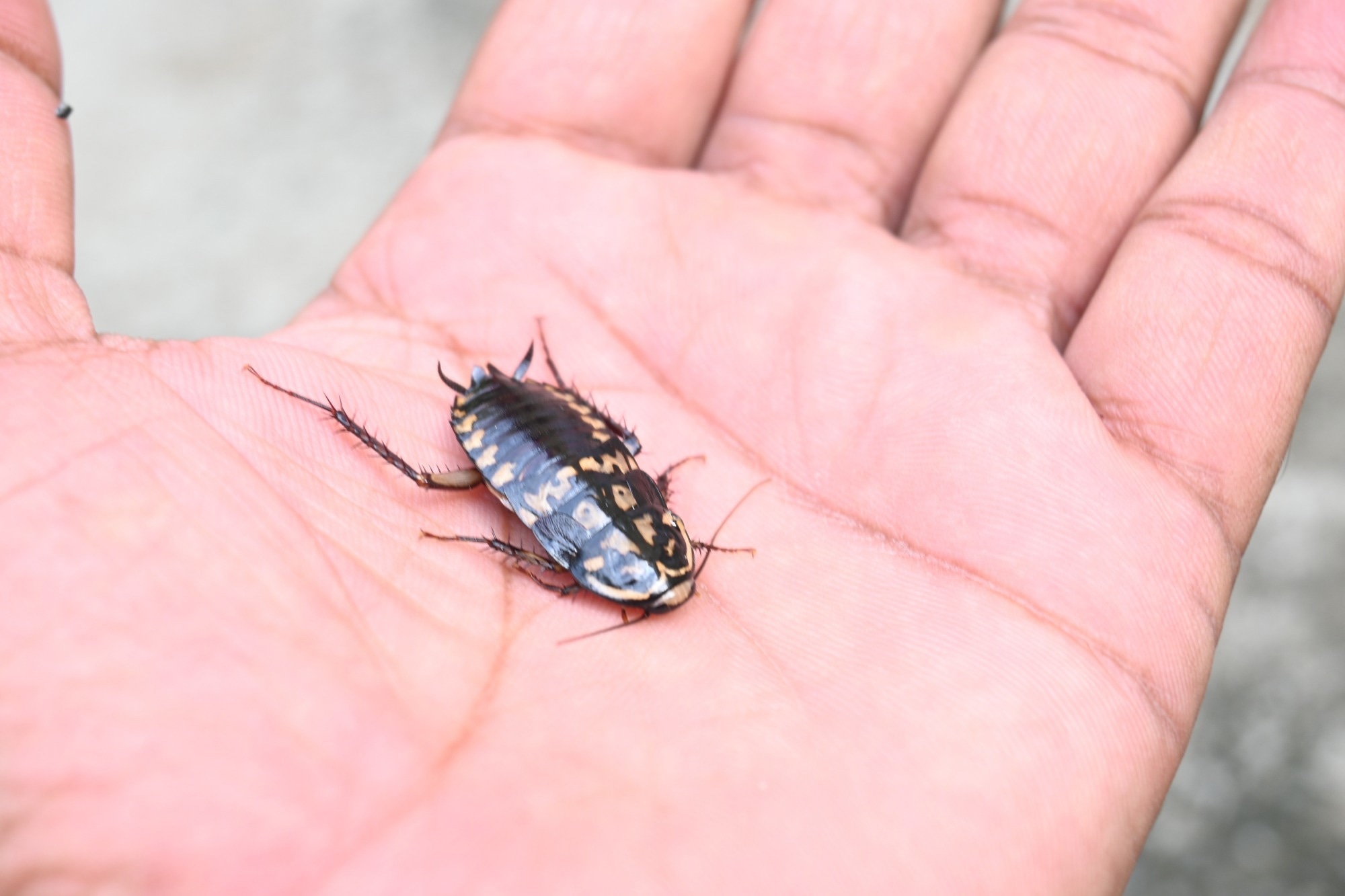
Cyborg Cockroaches Equipped with Diving Suits Achieve Three-Hour Submersion
Researchers have developed a miniature diving suit for cyborg cockroaches, allowing them to navigate both land and water environments. This innovation enables the cockroaches to survive underwater for up to three hours, showcasing their amphibious locomotion capabilities. The study highlights the potential applications of biohybrid systems in hazardous environments, where traditional robots may struggle to operate effectively. The significance of this development lies in its implications for search and rescue operations, environmental monitoring, and exploration of submerged terrains. By integrating biological organisms with robotic technology, researchers aim to enhance the adaptability and functionality of robotic systems in challenging conditions. This approach could lead to advancements in the field of biohybrid robotics, where living organisms and machines work in tandem. Looking ahead, the research team is expected to explore further enhancements to the diving suit's design and functionality. No further timeline was disclosed at the time of publication, but ongoing studies may reveal additional capabilities or applications for these cyborg cockroaches in various operational scenarios.
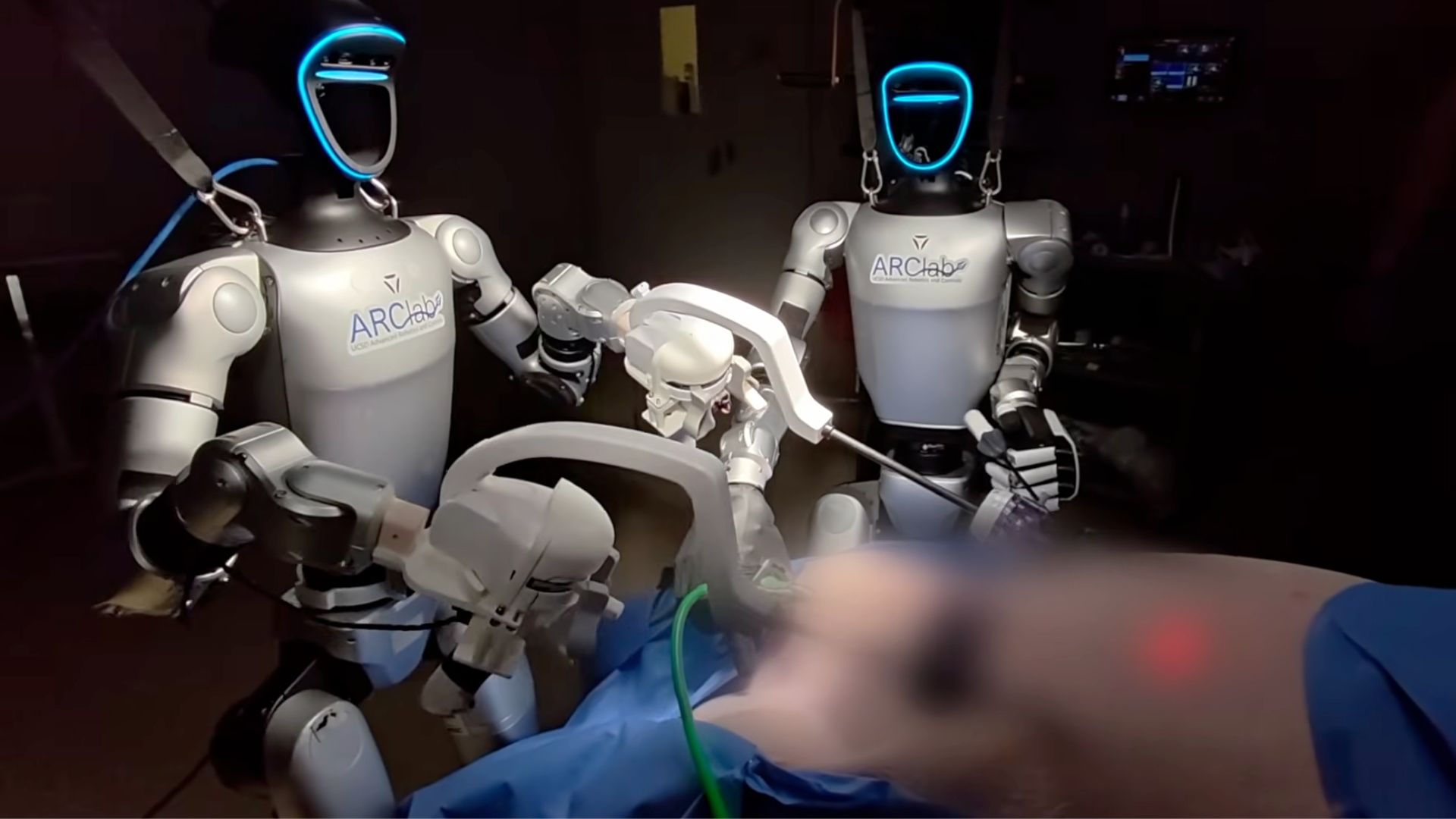
World’s first surgery using teleoperated humanoid robots conducted by US team
A team of researchers has made a groundbreaking advancement by successfully employing teleoperated humanoid robots to carry out two complex tasks. This achievement marks a significant milestone in robotics, showcasing the potential for remote-controlled machines to perform intricate functions that were previously thought to be the domain of human operators. The experiments took place in a controlled environment, allowing the researchers to meticulously assess the robots' capabilities and refine their performance. The motivation behind this innovative project stems from the desire to enhance efficiency and safety in various industries, particularly in situations where human presence may be risky or impractical. By leveraging advanced teleoperation technology, the researchers demonstrated that humanoid robots could effectively mimic human movements and decision-making processes, paving the way for future applications in fields such as disaster response, healthcare, and manufacturing. The successful execution of these tasks not only highlights the progress in robotic technology but also opens new avenues for research and development, potentially transforming how we approach complex operations in challenging environments. As the team continues to refine their methods, the implications of this work could lead to widespread adoption of teleoperated robots in various sectors, ultimately improving productivity and safety for human workers.
AI and Robotics
A Ground Mobile Robot for Autonomous Terrestrial Laser Scanning‐Based Field Phenotyping
A recent study published in the Journal of Field Robotics highlights advancements in autonomous navigation systems for drones, showcasing their potential applications in various industries. Conducted by a team of researchers from leading universities, the study was released in early October 2023. The research took place in multiple test environments, including urban areas and rural landscapes, to evaluate the drones' performance in diverse conditions. The motivation behind this study stems from the increasing demand for efficient and reliable drone technology in sectors such as agriculture, logistics, and disaster response. By enhancing the drones' ability to navigate complex terrains and avoid obstacles, the researchers aim to improve operational safety and effectiveness. The team employed a combination of machine learning algorithms and real-time data processing to develop a robust navigation framework. This innovative approach allows drones to make autonomous decisions based on their surroundings, significantly reducing the need for human intervention. The findings suggest that these advancements could lead to more widespread adoption of drones, ultimately transforming how various industries operate. As the technology continues to evolve, the researchers emphasize the importance of ongoing testing and refinement to ensure that these autonomous systems can be safely integrated into everyday use. The study not only contributes to the academic field but also sets the stage for practical applications that could enhance efficiency and safety across multiple sectors.
RESEARCH ARTICLE
Japan's Shimizu bets on humanoid robots to tackle construction labor crunch
Artificial intelligenceJapan's Shimizu bets on humanoid robots to tackle construction labor crunchCompany eyes fiscal 2030 for robots that can walk around, paint and coat wallsShimizu is testing out the ability of this robot from China's Unitree to patrol construction sites on foot. (Photo by Kohei Okuyama)KOHEI OKUYAMAJuly 8, 2026 05:02 JSTTOKYO -- Japanese general contractor Shimizu plans to introduce AI-powered humanoid robots at its construction sites by around fiscal 2030, aiming to have them handle such work as painting and plastering in a bid to alleviate the industry's severe labor shortages, Nikkei has learned.Read NextArtificial intelligenceJapan eyes AI-powered comeback in factory robot race with China, EuropeConstructionJapan builders turn down big projects because of labor crunch: pollArtificial intelligenceJapan backs SoftBank-led AI models with up to $6.2bn in chasing US, ChinaBusiness dealsJapan's Shimizu to buy Okinawa-based builder focused on US military basesTechnologyVideo game engines find new homes in construction and retailBusiness dealsJapan builder Obayashi buys peer Multiplex Global for $540mLatest on Artificial intelligenceArtificial intelligenceCan China and US find common ground on AI governance in Geneva?Artificial intelligenceJapan weighs AI-powered disaster relief distributionArtificial intelligenceChinese AI usage by US firms soared after Mythos restrictionsSponsored ContentAbout Sponsored ContentThis content was commissioned by Nikkei's Global Business Bureau.
Design and Motion Control of a Propeller–Leg Hybrid Multimodal Underwater Adhesion Robot
The Journal of Field Robotics has published an early view article that explores advancements in robotic technology and its applications in various fields. This publication, released in October 2023, highlights the innovative research conducted by a team of engineers and scientists aiming to enhance the efficiency and capabilities of robotic systems. The study focuses on the integration of artificial intelligence and machine learning to improve navigation and decision-making processes in autonomous robots. Researchers conducted extensive field tests to evaluate the performance of these systems in real-world environments, demonstrating significant improvements over previous models. The findings are expected to impact industries such as agriculture, manufacturing, and disaster response, where robotic assistance can lead to increased productivity and safety. This research underscores the growing importance of robotics in addressing complex challenges and advancing technological solutions across multiple sectors.
RESEARCH ARTICLE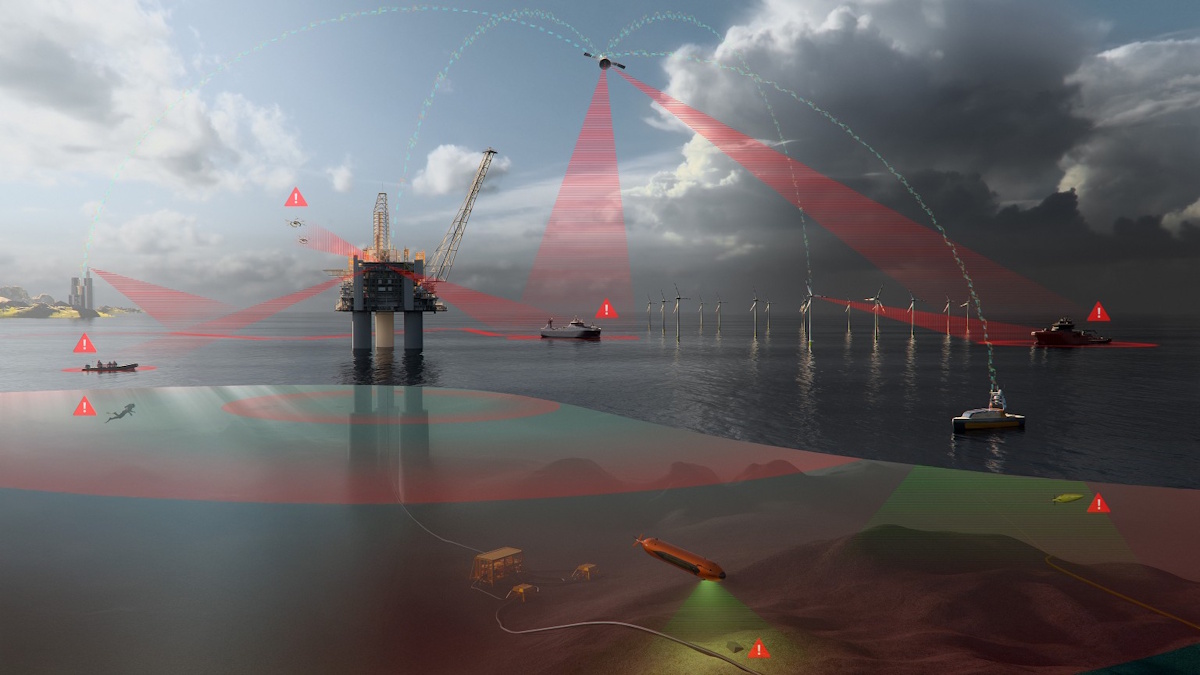
KONGSBERG Wins Contract for Underwater Surveillance of Critical Infrastructure
KONGSBERG has secured a contract to deliver advanced technologies aimed at protecting critical infrastructure, including oil and gas installations and energy grids. The project, which focuses on underwater surveillance, is for an undisclosed international customer and highlights the increasing demand for robust security solutions in a volatile geopolitical environment. The significance of this contract lies in its emphasis on early threat detection and prevention, essential for safeguarding high-value assets. KONGSBERG's technology supports a range of applications, including situational awareness and monitoring, which are crucial for maintaining operational resilience against various threats such as cyber-attacks and natural disasters. Looking ahead, KONGSBERG's ongoing commitment to infrastructure protection will be critical as the market evolves from recognizing needs to implementing effective solutions. No further timeline was disclosed at the time of publication, but the contract underscores the company's capability to address the growing demand for security in critical sectors.
kongsberg contract critical infrastructure protection
Research on Harvesting Robots for Fragile Fruit: A Review
A recent study published in the Journal of Field Robotics highlights advancements in autonomous robotics technology. Researchers from a leading robotics institute conducted experiments to improve the navigation and decision-making capabilities of robots in complex environments. The study, released in early October 2023, took place in various outdoor settings, including forests and urban areas, to test the robots' adaptability to different terrains. The motivation behind this research stems from the growing demand for autonomous systems in sectors such as agriculture, disaster response, and urban planning. By enhancing the robots' ability to process real-time data and make informed decisions, the team aims to increase their efficiency and reliability in real-world applications. Through a combination of machine learning algorithms and sensor integration, the researchers developed a new framework that allows robots to better interpret their surroundings and respond to dynamic changes. This innovative approach not only improves navigation but also enables robots to collaborate more effectively with human operators. The findings from this study are expected to pave the way for more sophisticated autonomous systems, ultimately contributing to the advancement of robotics technology and its integration into everyday life.
SURVEY ARTICLE
Robots that can identify materials and map unknown environments could aid nuclear and defense sectors
Researchers at the University of Surrey are developing advanced robots capable of surpassing human vision, creating live 3D maps of unfamiliar environments, and determining the composition of various objects. This innovative technology, which is currently in development, has the potential to revolutionize several fields, including nuclear inspection, rail and building safety, and search and rescue operations in combat zones. By enhancing robotic capabilities, the team aims to improve safety and efficiency in critical situations where human intervention may be risky or impractical. The project highlights the university's commitment to pioneering research that addresses real-world challenges through cutting-edge technology.
Robotics
MIT’s 6 mW chip lets tiny drones see and map their surroundings in real time
Researchers at the Massachusetts Institute of Technology (MIT) have unveiled a groundbreaking low-power chip designed to enhance the capabilities of small drones and robots. This innovative technology, introduced in October 2023, aims to facilitate the construction of complex structures by enabling these machines to work collaboratively and autonomously. The development is driven by the need for more efficient and sustainable solutions in various fields, including construction and disaster response. By equipping drones and robots with this advanced chip, the team has demonstrated how these devices can communicate and coordinate their actions effectively, thereby significantly improving their operational efficiency. The research highlights the potential for such technology to revolutionize the way we approach tasks that require precision and teamwork in environments that are challenging for human workers.
Innovation
DJI’s latest wildlife success story is hard to ignore
Every spring in Germany, a critical race unfolds between wildlife rescuers and farming machinery as young fawns take refuge in tall grass, making them nearly invisible to those preparing to mow their fields. This instinctual behavior, which helps the fawns evade predators, poses a significant risk during the mowing season. For years, dedicated volunteers have scoured meadows in teams, meticulously searching for these hidden animals to rescue them before the cutting begins. However, the introduction of drones is revolutionizing this effort. With advanced aerial technology, rescuers can now cover larger areas more efficiently, significantly increasing the chances of locating and saving the fawns. This innovative approach not only enhances the effectiveness of wildlife rescue operations but also raises awareness about the challenges faced by young animals during the mowing season. As the spring mowing period approaches, the collaboration between technology and conservation efforts highlights a growing commitment to protecting wildlife in agricultural landscapes across Germany.
News
Design and Testing of a Minimal Configuration Underwater Micro‐Glider: Automating Lake and Reservoir Monitoring
The Journal of Field Robotics has recently published an early view article highlighting advancements in robotic technology and its applications in various fields. This publication, which became available in October 2023, showcases innovative research conducted by a team of engineers and scientists from leading universities and research institutions. The article focuses on the development of autonomous robots designed for complex tasks in environments such as agriculture, disaster response, and exploration. The research aims to address the growing need for efficient and reliable robotic systems capable of operating in challenging conditions, driven by the increasing demand for automation in various industries. Through rigorous testing and experimentation, the authors detail the methodologies employed in creating these advanced robotic systems, emphasizing their potential to enhance productivity and safety. The findings presented in this publication are expected to contribute significantly to the ongoing discourse on the future of robotics and its integration into everyday life. As the field of robotics continues to evolve, this early view article serves as a timely reminder of the transformative impact that innovative technologies can have on society, paving the way for further research and development in the coming years.
RESEARCH ARTICLE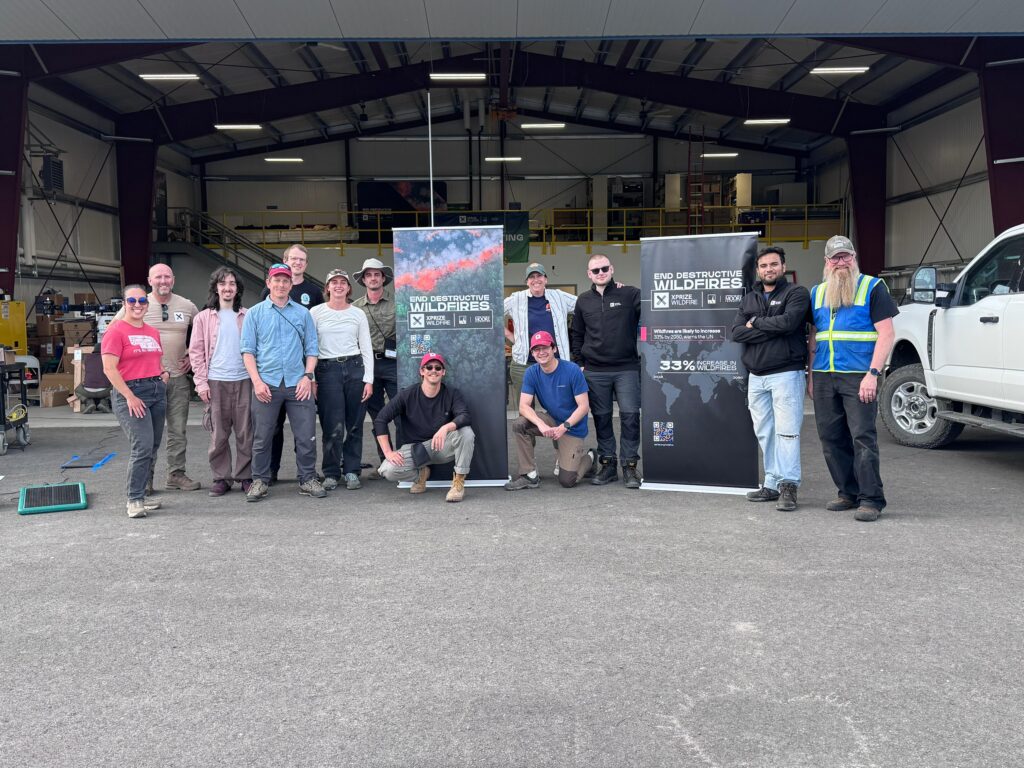
AURA Foresight Reaches Global XPRIZE Wildfire Finals in Alaska
AURA Foresight, a team dedicated to developing autonomous technology for wildfire prevention, has been named a finalist in the XPRIZE Wildfire Autonomous Wildfire Response competition. Out of more than 130 global competitors, AURA Foresight stands out as one of only four teams remaining in the prestigious contest. This recognition highlights the team's innovative approach to addressing the escalating threat of wildfires, aiming to implement solutions that can effectively halt these disasters before they escalate. The competition, which emphasizes the importance of technological advancements in environmental protection, showcases AURA Foresight's commitment to creating impactful change in wildfire management.
Robotics needs a service framework.
RSF defines a common language for robot service capability, lifecycle operations, certification pathways, and service-provider networks.