

Industry Briefing
A single destination for timely, editor-curated robotics news from around the world.
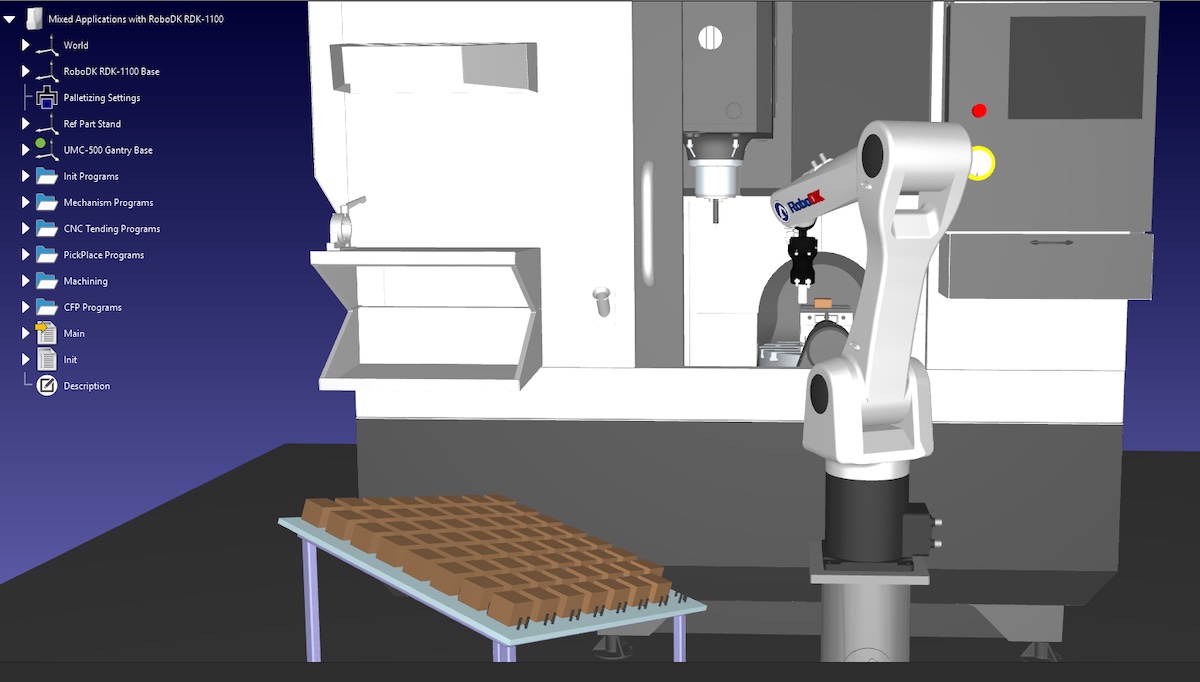
Utilizing Digital Twin Technology for Automation Exploration Before Capital Investment
RoboDK has introduced digital twin and offline programming software that enables users to test robots from over 1,400 brands, facilitating the search for optimal automation solutions. This innovation is crucial as manufacturers face challenges in adopting automation due to the complexity of selecting the right robots and peripherals amidst economic uncertainties. The significance of digital twin technology lies in its ability to alleviate the apprehensions associated with initial automation investments. By allowing manufacturers to simulate various robot configurations and layouts, digital twins provide a clearer understanding of potential operational efficiencies and integration capabilities, which is vital for informed decision-making. Looking ahead, companies should monitor the adoption of digital twin software as a strategic tool for automation exploration. This technology not only aids in visualizing robotic systems but also enhances the planning process, potentially leading to more successful automation implementations without the fear of vendor lock-in or inadequate ROI assessments. No further timeline was disclosed at the time of publication.
Manufacturing Motion Control News Opinion Software / Simulation cnc
PIA Automation Develops BMW E-Drive Assembly Line Featuring 46 Robots and Digital Twin Technology
PIA Automation is constructing a highly automated assembly line for E-Drive units at the BMW Group facility in Steyr, Austria. This project includes 78 processing stations, 27 robotic cells, and 46 industrial robots spread over 5,600 square meters across two levels, marking one of PIA Automation's largest undertakings to date. The significance of this assembly line lies in its role in the transition to electric mobility, which necessitates advanced automation, robotics, and quality monitoring systems. Although electric drivetrains have fewer mechanical components than traditional combustion engines, their assembly is complex and requires precise coordination, making automation essential for efficiency and accuracy. Looking ahead, the commissioning of the final sections of the production line is scheduled for 2027. PIA Automation's use of digital twin technology and Virtual Commissioning aims to streamline the development process by identifying potential issues early, thereby reducing costly modifications during physical commissioning and enhancing overall project reliability.
Automation Engineering Manufacturing News austria automotive manufacturing
Delta Enhances Production Line Digital Twins with AI and Reduces Defect Detection Time
Delta has improved its production line digital twins by integrating AI technology, which significantly enhances simulation precision and efficiency. This advancement is crucial for smart manufacturing as it allows for more accurate modeling of production processes, ultimately leading to better operational outcomes. The integration of NVIDIA's Defect Image Generation skill has enabled Delta to reduce the development time for defect detection models for new products from three months to just two weeks. This reduction in time is vital for manufacturers looking to quickly adapt to market demands and improve product quality. Looking ahead, it will be important to monitor how Delta continues to leverage AI in its smart manufacturing solutions and the impact of these technologies on overall production efficiency. No further timeline was disclosed at the time of publication.

Exploring Digital Lockout/Tagout Benefits with Schmersal's Devin Murray
In a recent podcast, Devin Murray, safety manager at Schmersal, discussed the advantages of digital lockout/tagout methods. The conversation highlighted the prevalent applications of this safety tactic and the impact of increasing network complexity on its effectiveness. Additionally, the podcast addressed the role of standards in supporting lockout/tagout practices and the emergence of new capabilities as tools evolve. The insights shared by Murray are significant as they underscore the importance of adapting lockout/tagout strategies in the context of automation. As industries increasingly embrace digital solutions, understanding how these changes affect safety protocols is crucial for maintaining workplace safety and compliance. The discussion also emphasizes the need for continuous improvement in safety practices to keep pace with technological advancements. Listeners should keep an eye on the evolving landscape of lockout/tagout strategies, particularly as new tools and capabilities are introduced. The integration of digital solutions into safety practices may lead to enhanced efficiency and effectiveness in managing energy control, which is vital for safe operations in automated environments. No further timeline was disclosed at the time of publication.
Factory / Control
Digital twins, software maturity and other automation trends
Manufacturers are increasingly adopting AI-powered simulation technology and advanced robotics software, which are becoming more powerful and cost-effective. This shift is occurring as companies seek to enhance efficiency and productivity in their operations. The trend has gained momentum in recent months, reflecting a broader industry move towards automation and smart manufacturing solutions. By integrating these technologies, manufacturers aim to streamline processes, reduce costs, and improve overall performance. As a result, the landscape of manufacturing is evolving, with businesses leveraging innovative tools to remain competitive in a rapidly changing market.

JTEKT to showcase automation and digital integration solutions for manufacturing at "ROBOT TECHNOLOGY JAPAN 2026."
JTEKT Corporation will participate in the upcoming "ROBOT TECHNOLOGY JAPAN 2026," scheduled to take place from June 11 to June 13, 2026, at the Aichi Sky Expo. The event is organized by News Digest Co., Ltd. This exhibition aims to showcase advancements in robotics technology and foster collaboration within the industry. JTEKT's involvement highlights its commitment to innovation and leadership in the robotics sector.

How to Build a Digital Foundation for Your Robotics and Automation Strategy
A robust digital infrastructure is essential for the successful implementation of automation initiatives, according to industry experts. They emphasize that such a foundation enables these initiatives to scale effectively, adapt to changing needs, and achieve optimal performance. However, without this critical framework, many automation efforts tend to falter, failing to realize their full potential. This insight comes as organizations increasingly seek to enhance operational efficiency through automation, highlighting the importance of investing in a strong digital backbone to support these transformative efforts.
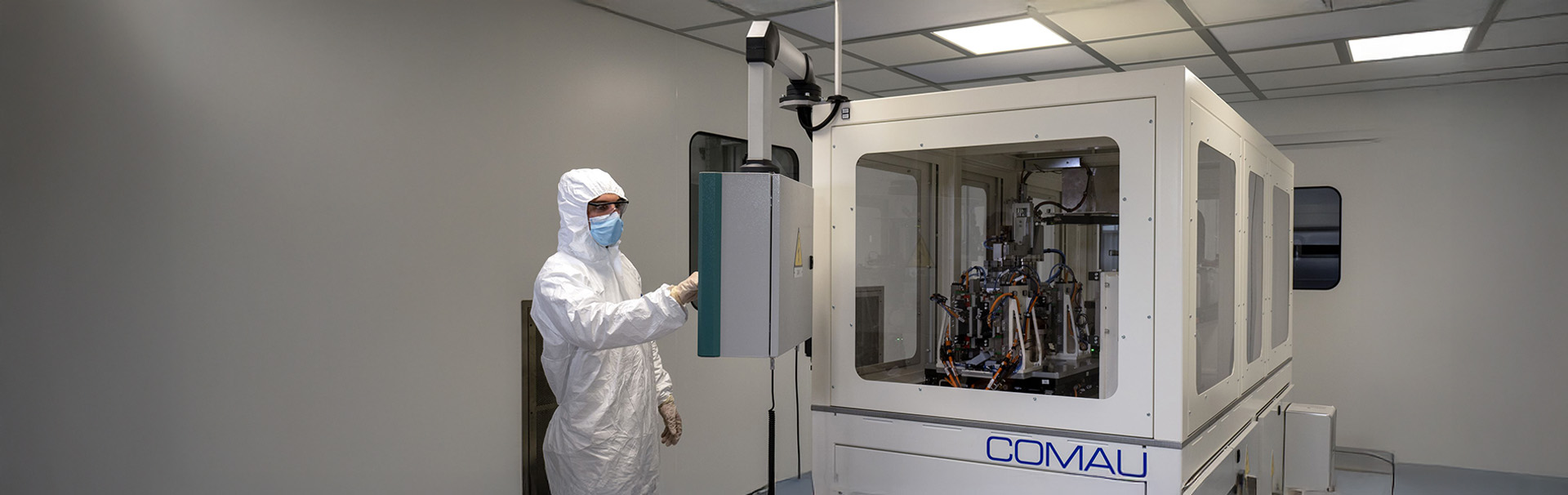
EIB: €50 million to Comau for research and development in robotics, advanced automation and digital technologies for various industrial sectors
The European Investment Bank (EIB) has announced a significant financial commitment of €50 million to Comau, a leading company in the field of robotics and advanced automation. This funding, aimed at bolstering research and development efforts, will focus on innovative technologies in robotics and digital automation. The investment is part of the EIB's broader strategy to support technological advancement and enhance competitiveness within the European Union. The funding agreement was finalized in October 2023, with the intention of fostering growth and innovation in the manufacturing sector, particularly as industries increasingly rely on automation to improve efficiency and productivity. Through this partnership, Comau aims to leverage the financial support to accelerate its R&D initiatives, ultimately contributing to the evolution of smart manufacturing solutions across Europe.
Robotics needs a service framework.
RSF defines a common language for robot service capability, lifecycle operations, certification pathways, and service-provider networks.
Join the RobotToday community on LinkedIn
Daily robotics news, in-depth analysis, conference highlights, and discussions with professionals worldwide.







