Industry Briefing
A single destination for timely, editor-curated robotics news from around the world.
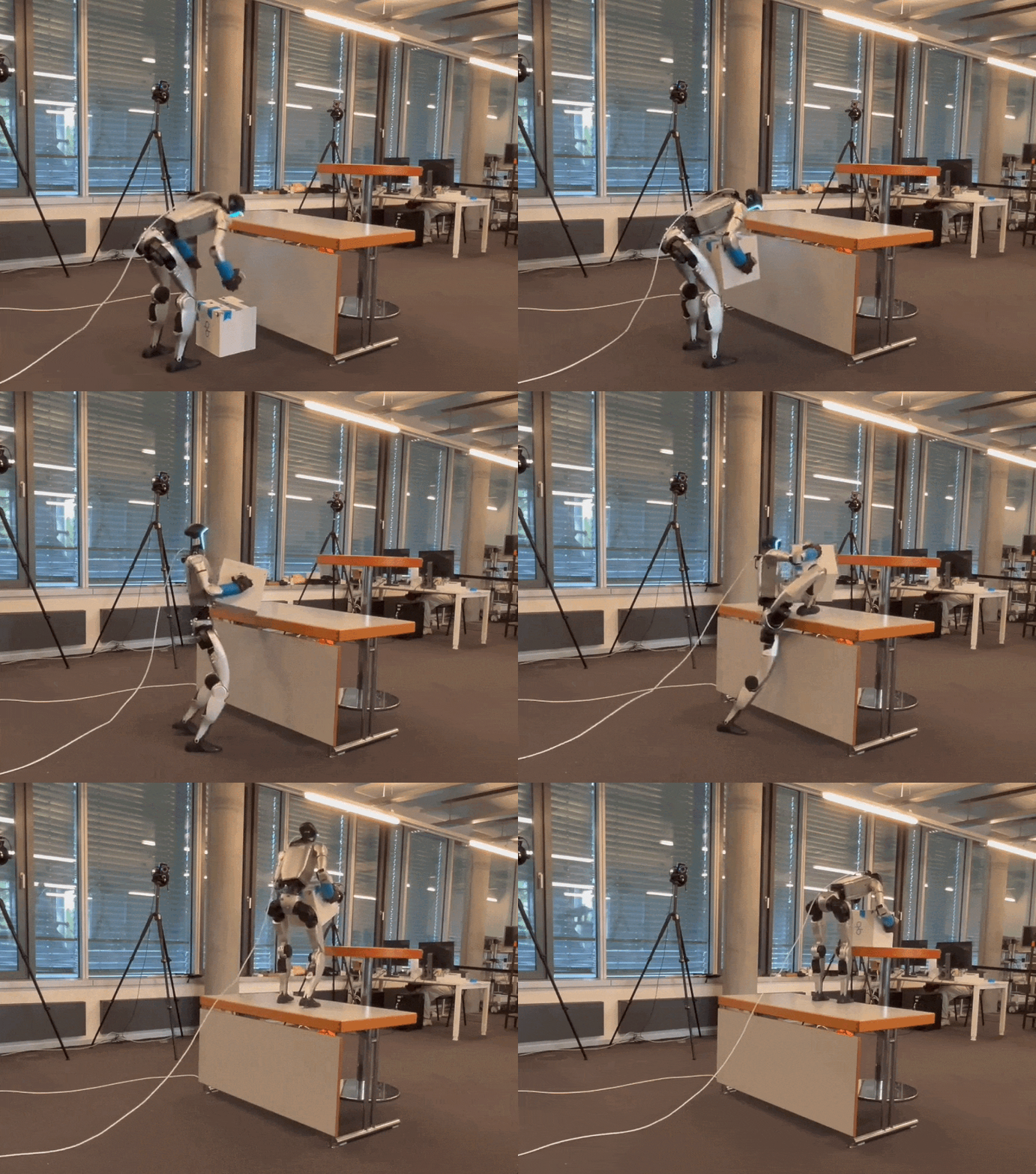
Video Friday: Robotic Motion Discovery Reveals Unusual Behaviors
IEEE Spectrum robotics has released its latest edition of Video Friday, showcasing an array of innovative robotics videos and announcing upcoming events in the field. Notable events include RSS 2026 in Sydney from July 13-17, the Summer School on Multi-Robot Systems in Prague from July 29 to August 4, and Actuate 2026 in San Francisco on August 18-19. Among the featured videos is MotionDisco, a framework that autonomously discovers complex humanoid loco-manipulation motions, highlighting the challenges of coordinating fluid movements across multiple joints. Additionally, the Human Support Robot (HSR) from Toyota is demonstrated in real home environments, assisting residents with daily tasks, showcasing the potential for robots to become long-term companions. Other highlights include the MIDAS Hand, an open-source robotic hand designed for manipulation and research, and a novel flight maneuver by a bipedal robot that showcases advanced aerial control. The European Space Agency shares a timelapse of Dextre, a robotic handyman, efficiently unloading equipment in space, while ROBOTIS introduces AI Sapiens, which learns humanoid motions using just a smartphone camera. In a collaborative effort, LUMOS Robotics has launched Project EDGE, inviting global innovators to explore humanoid robotics, while Sphero emphasizes its educational products designed to nurture computational thinking from early childhood through high school. These developments illustrate the rapid advancements and collaborative spirit within the robotics community.
Humanoid-robots Video-friday Quadruped-robots Robot-videos Home-robots Dexterity
MIT’s ultrasound wristband could teach humanoid robots human hand skills
Researchers have developed an innovative wearable device aimed at enhancing the dexterity of humanoid robots, potentially allowing them to perform tasks with greater human-like precision. This breakthrough was announced in October 2023, as scientists continue to explore ways to improve robotic functionality and interaction in various settings. The device integrates advanced sensors and actuators, enabling robots to mimic the intricate movements of human hands. The motivation behind this development stems from the increasing demand for robots in industries such as healthcare and manufacturing, where fine motor skills are essential for tasks like surgery or assembly. By equipping robots with this new technology, researchers hope to bridge the gap between human and robotic capabilities, leading to more effective collaboration in the workplace. The project highlights the ongoing advancements in robotics and the potential for these machines to take on more complex roles in society.
AI and Robotics
Precise aggressive aerial maneuvers with sensorimotor policies
In a groundbreaking study published in the June 2026 issue of Science Robotics, researchers from leading universities have unveiled a new robotic system designed to assist in complex surgical procedures. This innovative technology aims to enhance precision and reduce recovery times for patients undergoing surgery. The research team, comprised of experts in robotics and medicine, conducted extensive trials over the past two years to refine the system's capabilities. The trials were held at various hospitals, allowing for real-world testing and feedback from surgical teams. The motivation behind this development stems from the increasing demand for minimally invasive surgical options, which can lead to better patient outcomes. By integrating advanced robotics with surgical techniques, the team hopes to address challenges faced by surgeons, such as limited visibility and dexterity during operations. The robotic system employs state-of-the-art sensors and AI algorithms to assist surgeons in real-time, providing them with enhanced control and accuracy. Initial results from the trials indicate a significant reduction in surgery time and improved patient recovery rates, suggesting that this technology could revolutionize surgical practices. As the medical community anticipates further advancements, the researchers are optimistic about the potential for widespread adoption of this robotic system in operating rooms around the world, paving the way for a new era in surgical care.
Research Article
Octopus-inspired robotic arm uses distributed tactile sensors for adaptive grip
Engineers have successfully created a robotic arm inspired by the sensory capabilities of the octopus. This innovative development aims to enhance robotic dexterity and adaptability in various applications, including medical procedures and complex manufacturing tasks. The project, which has been in the works for several years, showcases the potential of biomimicry in advancing technology. Researchers conducted extensive studies on the octopus's unique nervous system and flexible limbs to replicate its remarkable ability to manipulate objects with precision. The robotic arm is designed to mimic these characteristics, allowing for greater flexibility and sensitivity compared to traditional robotic systems. This breakthrough, unveiled at a technology conference earlier this month, represents a significant step forward in robotics, potentially transforming how machines interact with their environment and perform intricate tasks.

MIT researchers channel AI to turn hand gestures into robot training data
Researchers have developed an innovative method to enhance the capabilities of humanoid robots, particularly in tasks such as grasping objects. This advancement involves the use of a specialized ultrasound wristband worn by a human instructor, which captures the intricate movements of muscles, tendons, and ligaments beneath the skin. By analyzing this data, the robots can learn to replicate these movements more effectively. The initiative, which began in late 2023, aims to improve the dexterity and functionality of robots in various applications, from manufacturing to personal assistance. The ultrasound technology provides real-time feedback, allowing the robots to adjust their movements based on the instructor's actions. This approach not only enhances the robots' ability to perform complex tasks but also opens new avenues for human-robot interaction. The research is being conducted at a leading robotics lab, where experts are focused on bridging the gap between human-like movement and robotic precision. By mimicking the natural motion of human hands, the robots are expected to achieve greater efficiency and adaptability in their operations. This breakthrough could significantly impact industries that rely on automation, making robots more versatile and capable of handling delicate tasks that require a human touch.
Robotics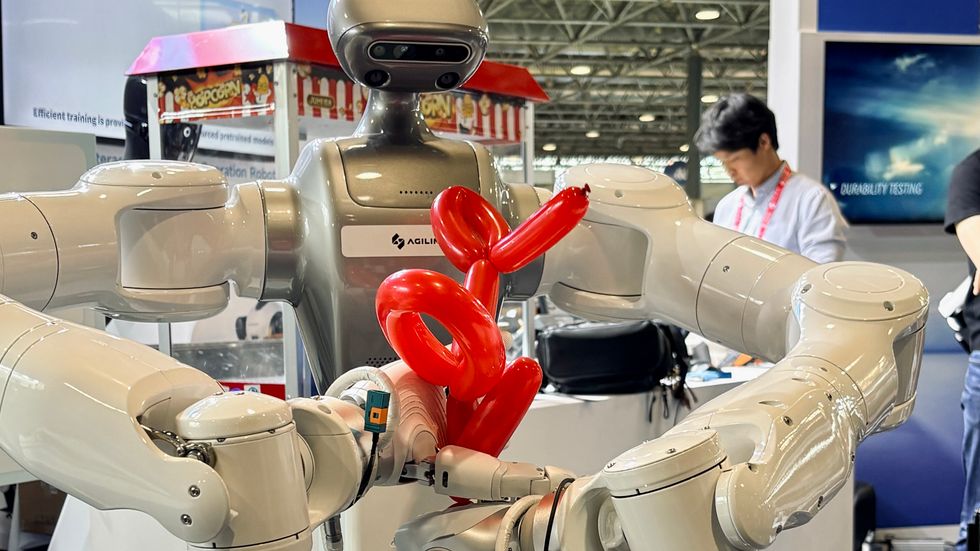
Beyond Dexterity: Why Contact May Define the Next Era of Robotics
At the 2026 IEEE International Conference on Robotics (ICRA) in Vienna, AGILINK showcased a captivating demonstration of robotic dexterity by creating a balloon dog, which drew significant attention from attendees. This seemingly playful task is recognized in the robotics community as a complex manipulation challenge due to the balloon's lightweight and highly deformable nature. The demonstration highlighted the intricate balance between motion and contact intelligence, essential for successful robotic manipulation. AGILINK's approach involved mapping the actions of professional balloon artists to robotic hands, allowing the robot to learn both successful manipulation sequences and recovery strategies during failures. This dual focus on motion and contact intelligence is crucial, as maintaining stable interaction with the balloon is as important as executing the correct sequence of actions. In conjunction with the balloon dog demonstration, AGILINK introduced the OmniHand 3 Ultra-M, a dexterous robotic hand designed to enhance contact intelligence through advanced sensing and faster response capabilities. The hand features 20 active degrees of freedom and a direct-drive architecture, enabling precise force regulation and tactile sensing across its surface. The significance of these advancements extends beyond balloon animals, addressing broader challenges in robotics related to unstable and deformable interactions, such as delicate assembly and household tasks. As robotics research increasingly prioritizes interaction dynamics, AGILINK's innovations may pave the way for more effective manipulation in unpredictable real-world environments.
Humanoid-robots Physical-ai Dexterous-hands Direct-drive-actuation Robotic-manipulation Reinforcement-learning
RLWRLD and Nvidia launch DexBench to standardize humanoid robot dexterity
RLWRLD, a company specializing in physical AI, has partnered with Nvidia to establish new industry standards for humanoid robot artificial intelligence. This initiative, announced recently, aims to enhance the capabilities of humanoid robots through three key components. The first is DexBench, a universal benchmark designed to assess dexterity performance in robotic systems. The second component focuses on creating a standardized data framework for training robots in dexterous manipulation. Lastly, the collaboration will ensure deep integration with Nvidia's open-source platforms, Isaac Lab and Isaac Lab-Arena, facilitating advanced development and testing of robotic technologies. This initiative is set to advance the field of robotics by providing essential tools and standards for evaluating and improving robot dexterity and functionality.
Computing Software automation news DexBench dexterous manipulation embodied ai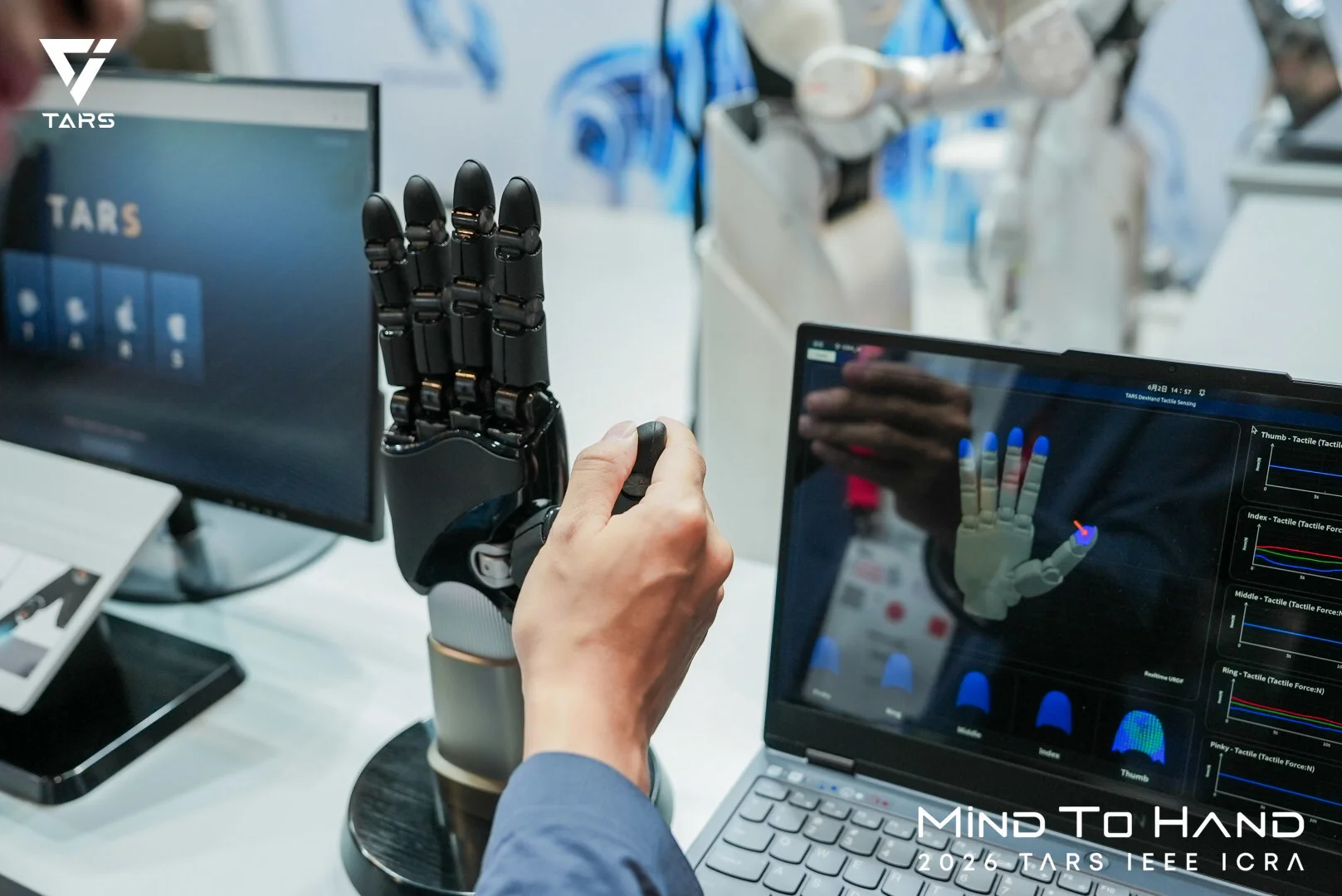
China’s TARS Debuts Humanoid Robotic ‘DexHand’
TARS, a Chinese humanoid robotics company, has unveiled its latest innovation, the DexHand robotic hand, during a demonstration at the ICRA 2026 conference held in Vienna last week. This advanced system aims to closely mimic the structure and movement of the human hand, showcasing its capabilities through real-time sign-language gestures and mirror-control interactions. The demonstration highlighted the platform's dexterity, emphasizing TARS's commitment to advancing human-robot interaction and enhancing the functionality of robotic systems.
AI AI Use Cases Robotics Uncategorized China DexHand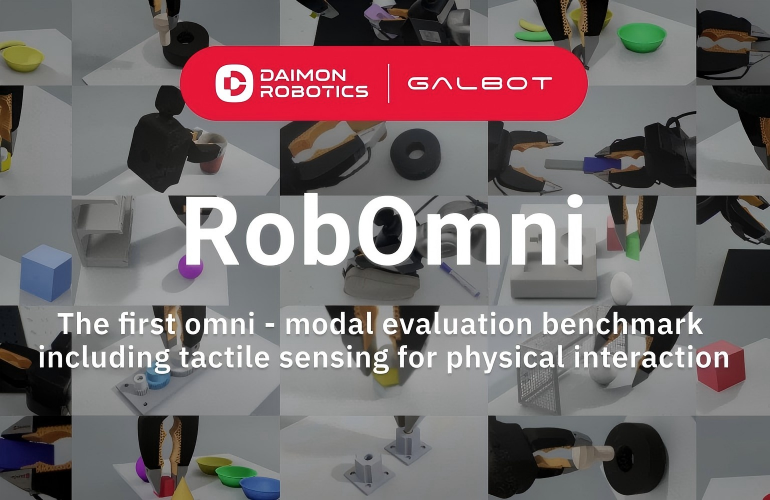
Daimon Robotics and Galbot jointly launches RobOmni for benchmarking tactile perception and dexterous manipulation
Daimon Robotics and Galbot have announced the launch of RobOmni, a new platform designed to benchmark tactile perception and dexterous manipulation in the field of embodied AI. This development marks a significant shift from traditional vision-centric approaches to a more comprehensive understanding of physical interactions. The collaboration aims to enhance the capabilities of robots in performing complex tasks that require fine motor skills and sensitivity to touch. The launch event took place recently, highlighting the growing importance of tactile feedback in robotics and its applications across various industries. By integrating advanced tactile sensing technologies, RobOmni is set to provide researchers and developers with the tools needed to push the boundaries of robotic dexterity and perception.
Sponsored Content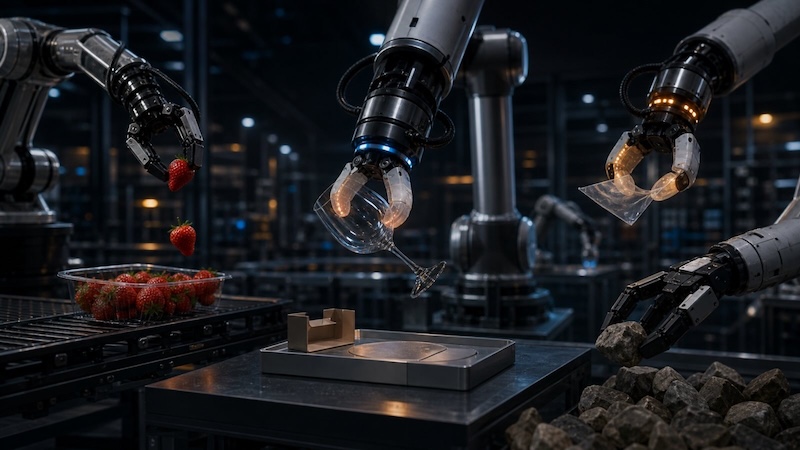
Kirisense wins funding to develop robotic fingertips that can sense touch and slip
Kirisense, a UK robotics startup, has received funding from the Henry Royce Institute to advance its development of tactile sensing technology aimed at enhancing robots' sense of touch to more closely resemble that of humans. This initiative, part of the Henry Royce Institute’s Industrial Collaboration Programme, is being executed in collaboration with the University of Sheffield. The project will concentrate on creating robotic fingertips that can provide a more nuanced and sensitive interaction with their environment, potentially revolutionizing the field of robotics by improving the dexterity and functionality of robotic systems.
News Sensors advanced automation advanced materials artificial intelligence automation news
Scientists show predictable training can outperform complex robot learning data
Researchers are making significant strides in developing robots capable of manipulating objects with human-like dexterity, a challenge that has long posed difficulties in the field of robotics. This advancement is crucial as it could enhance the ability of robots to perform complex tasks in various settings, including homes, hospitals, and manufacturing plants. The ongoing work, which has gained momentum in recent months, is taking place in laboratories across the globe, where teams are experimenting with advanced algorithms and machine learning techniques. The motivation behind this research stems from the increasing demand for robots that can assist in everyday tasks, improve efficiency in industrial processes, and provide support in healthcare environments. By mimicking the intricate movements of the human hand, researchers aim to create robots that can handle delicate objects and perform tasks that require precision and adaptability. To achieve this, scientists are employing a combination of innovative hardware designs and sophisticated software programming. They are utilizing sensors and artificial intelligence to enable robots to learn from their interactions with various objects, refining their skills over time. This iterative learning process is essential for developing robots that can operate effectively in unpredictable environments. As the field progresses, the implications of these advancements could revolutionize how robots are integrated into daily life, making them more versatile and capable of performing a wider range of functions. The ongoing research highlights the potential for robots to not only assist but also enhance human capabilities in numerous domains.

Consistency, not complexity, is the key to teaching robots dexterity, new research suggests
Researchers in the field of robotics are making significant strides in teaching robots to manipulate objects with humanlike dexterity, a challenge that has persisted for years. This endeavor involves enabling robots to perform complex tasks such as rotating objects in-hand and coordinating multiple arms to handle bulky items. These tasks demand constant adjustments in grip, contact, and motion, which have proven difficult to program effectively and to demonstrate through human teleoperation. The advancements in this area are crucial for improving the functionality and versatility of robotic systems, potentially transforming industries that rely on precise manipulation, such as manufacturing and healthcare. As of October 2023, ongoing research continues to explore innovative methods to enhance robotic dexterity, paving the way for more sophisticated applications in the future.
Robotics
Interview with Yoshike: Honda's robotic research continues with a new multi-fingered hand surpassing human dexterity.
Honda Research Institute showcased its latest multi-fingered robotic hand at the Humanoids Summit Tokyo 2026, held in Takanawa, Tokyo. This event highlighted the ongoing evolution of Honda's humanoid robotics, continuing the legacy of its renowned ASIMO robot. The demonstration aimed to illustrate Honda's commitment to advancing robotics technology and exploring future possibilities in human-robot interaction. The innovative design of the robotic hand is expected to enhance the functionality and versatility of humanoid robots, marking a significant step in the company's research and development efforts.

XELA Robotics to Unveil New Major Tactile Sensor Capabilities at Automate 2026
Researchers have successfully developed advanced robotic fingertips equipped with sensitive nails, enabling precise grasping of extremely thin objects. This innovative technology, which was unveiled recently, features a universal manipulation interface that enhances the robot's ability to interact with various items. Additionally, the system includes improved magnetic interference compensation, allowing for more reliable handling of fragile objects. The advancements aim to address challenges in robotic dexterity and manipulation, making these robotic fingertips suitable for a range of applications, from delicate assembly tasks to intricate surgical procedures. This breakthrough represents a significant step forward in robotics, potentially transforming industries that require high precision and care in handling lightweight and fragile materials.

This DIY Bipedal Robot Used Pneumatic “Air-Muscles” Instead of Motors
In 1987, British photographer Richard Greenhill, driven by a passion for robotics, initiated a weekly gathering in his attic to develop a life-size humanoid robot, the Shadow Walker, capable of performing practical tasks like carrying luggage. Unable to secure support from his startup, Intergalactic Robots, Greenhill enlisted the help of a group of DIY enthusiasts, known as the Shadow Group, who met every Wednesday to work on the project, fueled by homemade spaghetti dinners. With contributions from robotics expert David Buckley, the team designed the robot using a simplified skeletal structure and pneumatic "air-muscles" for movement, aiming to achieve balance and mobility. Despite their efforts, the Shadow Walker struggled to walk, ultimately failing to compete effectively at the 1st International Robot Olympics held in Glasgow in September 1990, where it was outperformed by other entries. The Olympics showcased over 50 robots from various countries, highlighting both the advancements and limitations in robotics at the time. While the Shadow Walker did not succeed in its primary goal, it laid the groundwork for future developments in robotics. In 1997, the Shadow Group transitioned into a registered company, Shadow Robot, which now focuses on creating advanced robotic hands, reflecting a shift from walking robots to specialized dexterity in robotic technology. Despite significant progress in robotics, the journey toward creating truly functional humanoid robots continues.
Past-forward Type-departments Humanoid-robots Shadow-robot Walking-robots Pneumatic-robots
TorqueAGI Announces Collaborations with NVIDIA, John Deere, and Dexterity to Advance Physical AI for Enterprise-Grade Robots
TorqueAGI has announced a strategic partnership with NVIDIA, John Deere, and Dexterity to enhance the deployment of Physical AI technologies in real-world applications. This collaboration aims to leverage the advanced computing capabilities of NVIDIA, the agricultural expertise of John Deere, and the automation solutions provided by Dexterity to create innovative AI-driven systems. The initiative, which was unveiled in October 2023, seeks to address the growing demand for intelligent automation across various industries, particularly in agriculture and manufacturing. By combining their strengths, the partners intend to accelerate the development and implementation of AI solutions that can improve efficiency, productivity, and decision-making processes in physical environments. This partnership marks a significant step forward in the integration of AI into everyday operations, paving the way for smarter, more responsive systems that can adapt to real-time challenges.
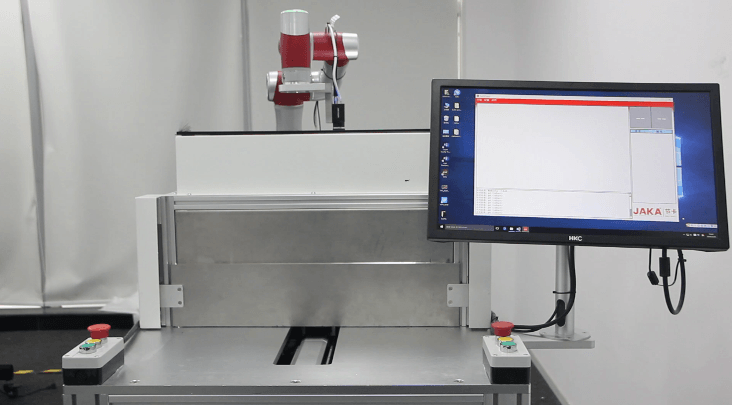
N Degrees of Freedom: Understanding the Versatility of the Articulated Robot Arm
JAKA Robotics is revolutionizing industrial automation with its advanced articulated robots, particularly the JAKA S5 model, which offers exceptional versatility and dexterity. These collaborative robots feature multiple degrees of freedom, allowing them to perform intricate tasks with high precision, making them essential in industries such as assembly, welding, and packaging. The JAKA S5 is equipped with a built-in force sensor that enables multi-dimensional force perception, crucial for delicate operations like flexible grasping and gluing. Its articulated design allows access to confined spaces, enhancing its utility for tasks that traditional robots struggle with, such as welding in tight corners. These robots are designed for seamless integration into existing workflows, requiring no installation or configuration, which minimizes downtime and accelerates startup times. Additionally, features like singularity protection enhance reliability and safety, reducing the risk of operational errors. As industries evolve, the demand for adaptable automation solutions grows. JAKA's articulated robots empower companies to streamline processes, improve safety, and maintain high production quality while reducing labor costs. By embracing this innovative technology, businesses can enhance their operational efficiency and redefine their manufacturing capabilities, positioning themselves at the forefront of industrial automation.
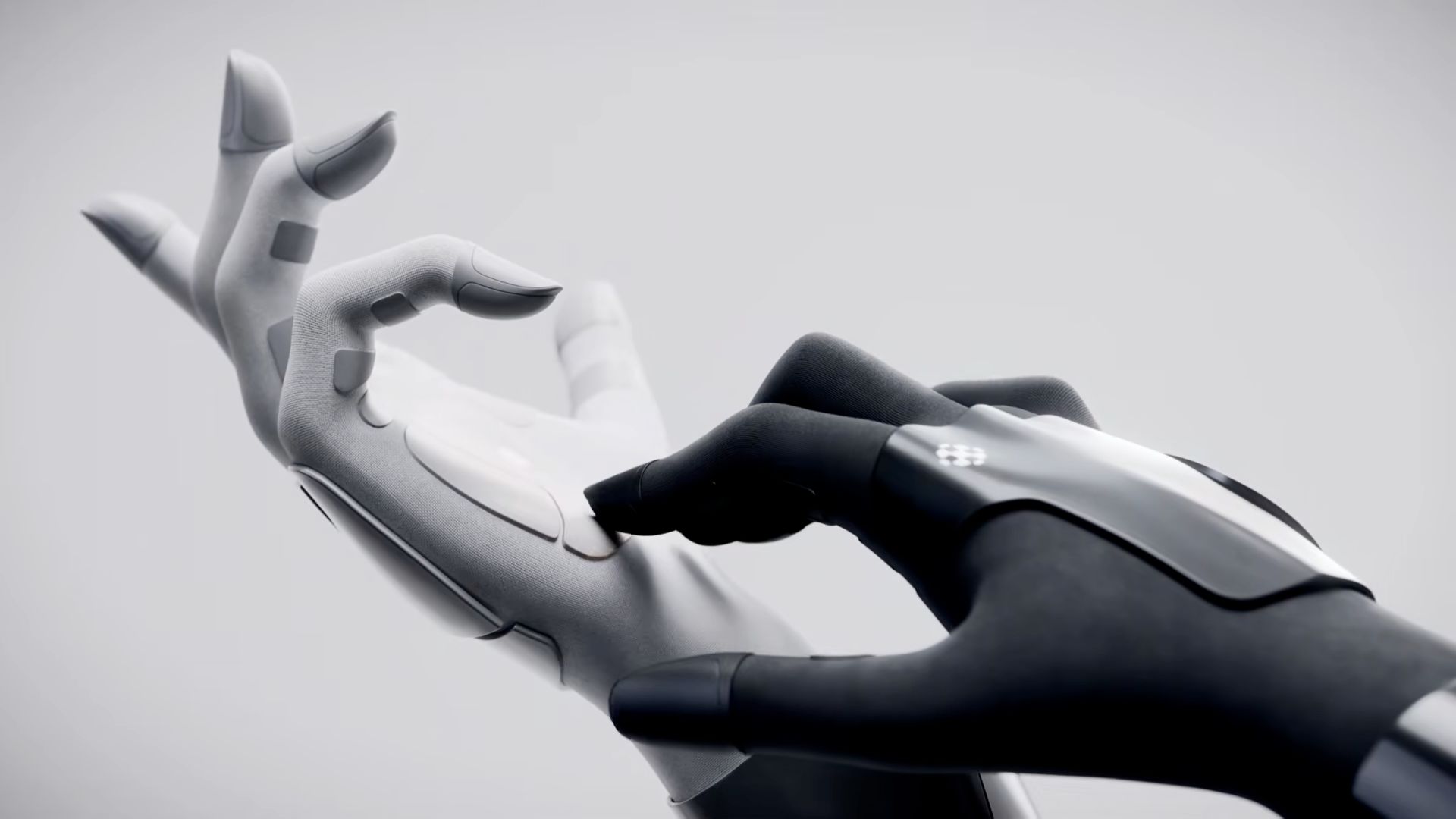
China’s new robotic hand combines hybrid actuation for smarter robot manipulation
Chinese robotics company Xynova has introduced its second-generation dexterous hand, designed to enhance the capabilities of humanoid robots. The unveiling took place recently, showcasing advancements in robotic technology that aim to improve the dexterity and functionality of robots in various applications. This innovation is part of Xynova's ongoing commitment to push the boundaries of robotics, addressing the growing demand for more sophisticated and versatile robots in industries such as manufacturing, healthcare, and service. The new hand features improved grip strength and precision, enabling robots to perform complex tasks with greater ease. By advancing robotic dexterity, Xynova seeks to facilitate the integration of humanoid robots into everyday environments, ultimately enhancing human-robot collaboration.
Acceptance of humanoid robots: A psychological perspective
In a groundbreaking study published in the May 2026 issue of Science Robotics, researchers have unveiled a new robotic technology designed to assist in complex surgical procedures. This innovative system, developed by a team at a leading robotics institute, aims to enhance precision and reduce recovery times for patients undergoing surgery. The research team conducted extensive trials over the past year, testing the robotic system in various surgical environments to assess its effectiveness and safety. Their findings indicate that the robotic assistant can significantly improve surgical outcomes by providing surgeons with enhanced dexterity and real-time data analysis during operations. The motivation behind this development stems from the increasing demand for advanced surgical techniques that minimize invasiveness while maximizing efficiency. By integrating cutting-edge robotics into the operating room, the researchers hope to address challenges faced by surgeons and improve patient care. The study's implications are far-reaching, as it not only showcases the potential of robotics in medicine but also sets the stage for future innovations in surgical technology. As the healthcare industry continues to evolve, this robotic system could become a standard tool in operating rooms worldwide, ultimately transforming the landscape of surgical procedures.
Focus
Xynova Unveils Hybrid-Driven Gen-2 Dexterous Hand for Humanoid Robots
Xynova has unveiled its second-generation hybrid-driven dexterous hand, aimed at enhancing the manipulation capabilities of humanoid robots to perform real-world tasks with human-like intelligence. This innovative technology represents a significant advancement in robotics, allowing for more precise and adaptable interactions with various objects and environments. The release, which took place in October 2023, underscores Xynova's commitment to pushing the boundaries of robotic dexterity and intelligence. By integrating advanced engineering and artificial intelligence, the company seeks to address the growing demand for robots that can seamlessly integrate into everyday life and work alongside humans.
HumanoidRobotics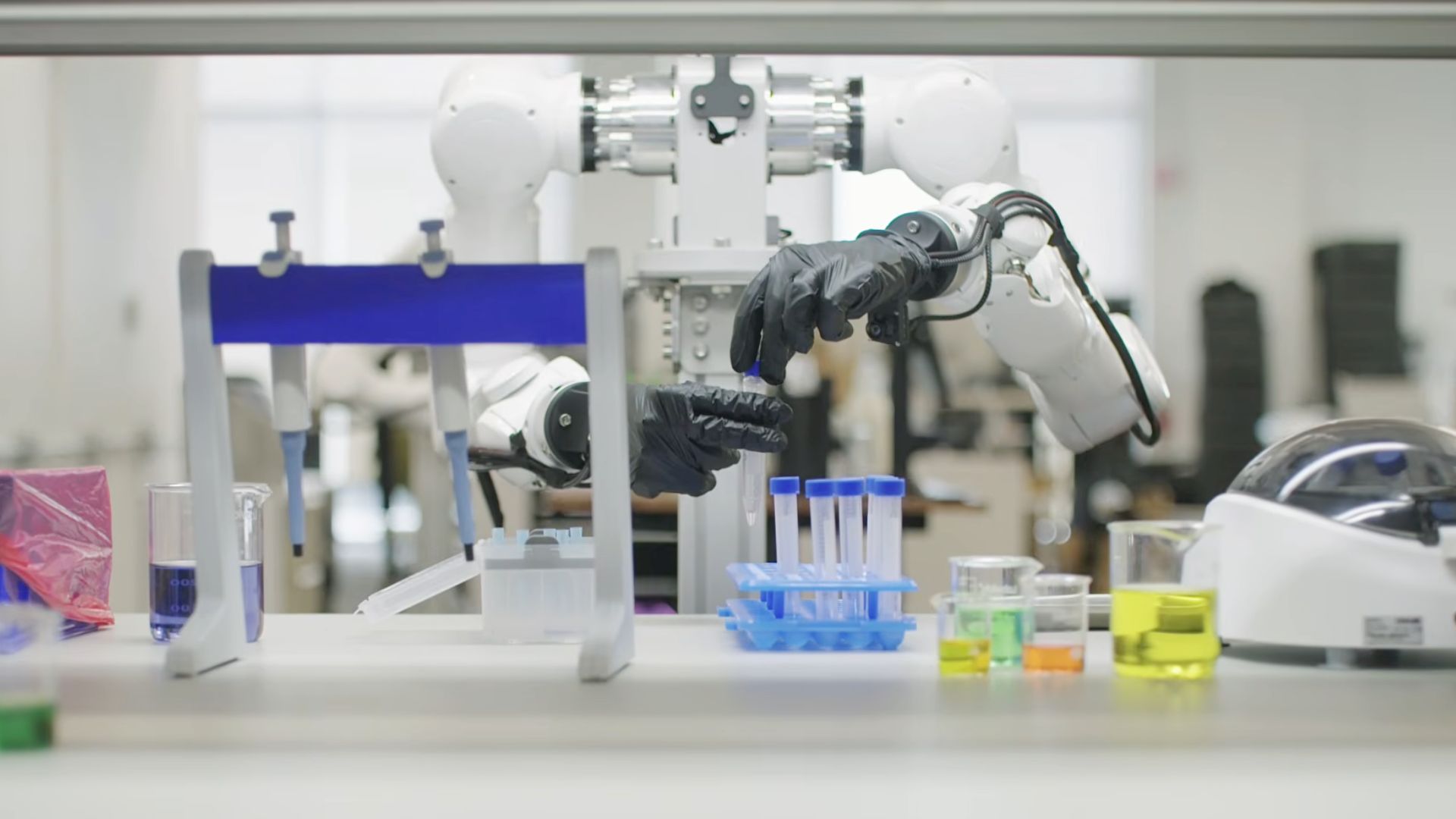
Video: Genesis’ smart robotic brain enables human-level manipulation and scalable training
Genesis AI has introduced GENE-26.5, an advanced robotic brain aimed at enabling robots to achieve human-level physical capabilities. The announcement was made during a technology conference held in San Francisco on October 15, 2023. This innovative development is part of Genesis AI's ongoing efforts to enhance robotic functionality and adaptability in various environments. By integrating sophisticated algorithms and machine learning techniques, GENE-26.5 is designed to improve robots' dexterity and decision-making processes, potentially transforming industries such as manufacturing, healthcare, and logistics. The launch of GENE-26.5 reflects the company's commitment to pushing the boundaries of artificial intelligence and robotics, paving the way for more intuitive and efficient machines that can work alongside humans.
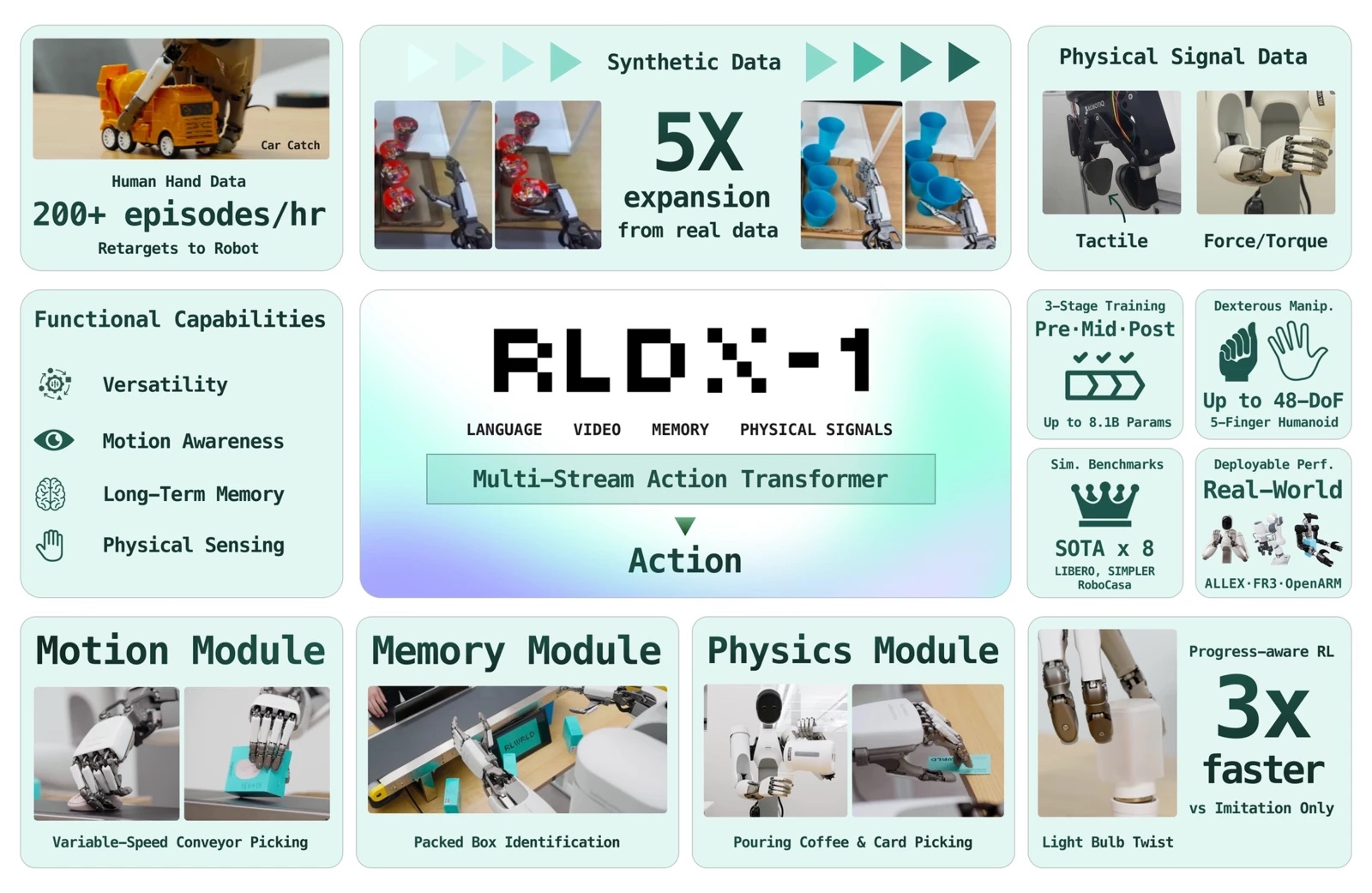
RLWRLD releases RLDX-1, a dexterity-first foundation model for robot hands
RLWRLD has unveiled its latest innovation, the RLDX-1, a foundation model designed specifically for robotic hands. This new model aims to enhance dexterity by incorporating features such as context memorization and force sensing, which are often absent in current robotic models. The release of RLDX-1 marks a significant advancement in the field of robotics, addressing critical limitations that have hindered the performance of robotic hands.
Artificial Intelligence Artificial Intelligence / Cognition Design / Development Development Tools / SDKs / Libraries Grippers Human Robot Interaction / Haptics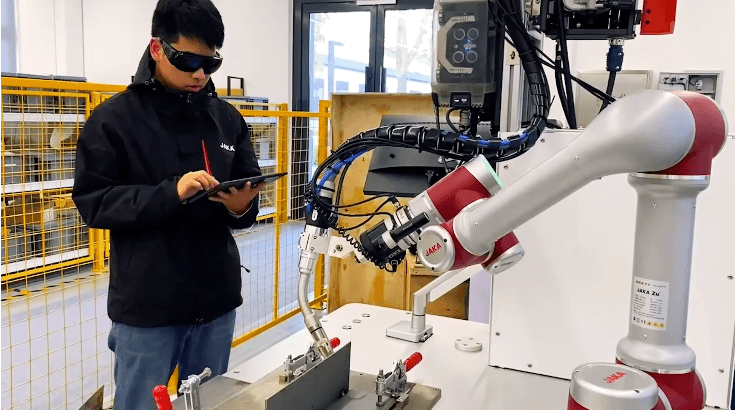
What Do Industrial Robot Arms Do? Functions in Modern Manufacturing
In the evolving landscape of modern manufacturing, industrial robot arms have emerged as essential components, revolutionizing production processes across various sectors, including automotive and pharmaceuticals. These advanced mechanical systems, designed to replicate human dexterity, offer unmatched precision, endurance, and payload capacity, enabling manufacturers to achieve unprecedented efficiency. Equipped with versatile "End-of-Arm Tooling" (EOAT), these robots perform a range of tasks, from picking and placing delicate electronic components to executing precise welding and material removal. Their ability to maintain consistent quality and reduce waste makes them invaluable in heavy industry. Furthermore, advancements in automation have led to the integration of 2D and 3D vision systems, allowing robots to adapt to their environment, detect defects, and handle unsorted parts, transforming them from simple tools into intelligent collaborators. Leading the charge in this industrial revolution is JAKA, a company that has developed the JAKA Zu and Pro series of robot arms. These models exemplify flexibility and ease of deployment, designed for seamless transitions between tasks such as screw driving and inspection. With user-friendly wireless control and graphical programming via the JAKA App, manufacturers can optimize their production lines without requiring extensive coding knowledge. JAKA's innovative solutions provide a compact and efficient alternative to traditional automation, empowering businesses to enhance their operational capabilities and reach their full potential.
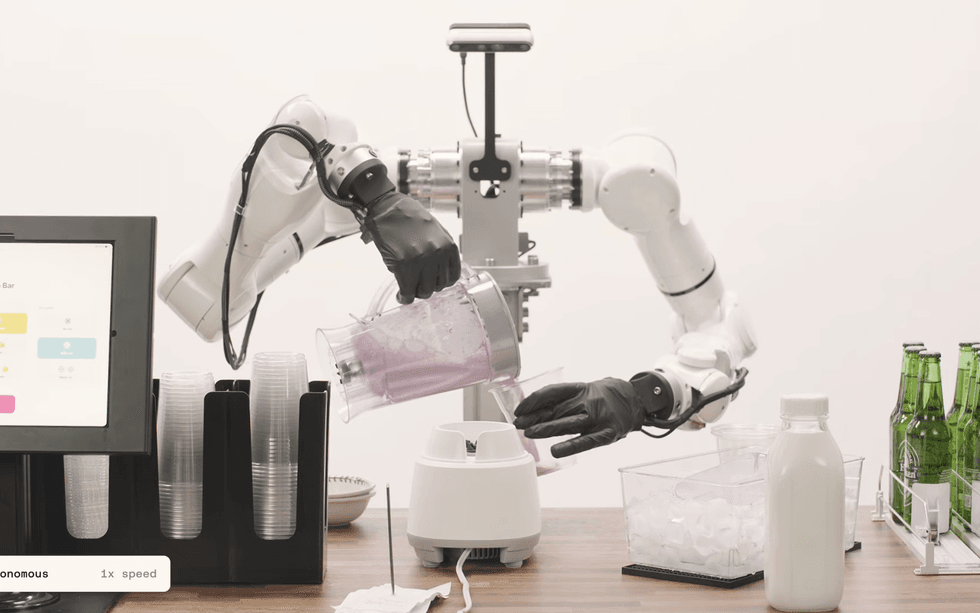
Video Friday: AI Gives Robot Hands Human-Like Dexterity
IEEE Spectrum robotics has released its weekly roundup of notable robotics videos, along with a calendar of upcoming robotics events scheduled for 2026. Key events include ICRA 2026 in Vienna from June 1-5, and the Summer School on Multi-Robot Systems in Prague from July 29 to August 4. Among the highlights is the introduction of GENE-26.5, an AI brain that enables robots to perform complex tasks such as cooking, conducting lab experiments, and playing the piano, showcasing significant advancements in robotic capabilities. Another featured robot, Labububot, is a unique creation that critiques social robots through its design, merging various pop culture elements into a single entity. In other developments, NASA's Jet Propulsion Laboratory is testing next-generation helicopter rotor blades on Mars, achieving speeds that exceed Mach 1 in a simulated Martian atmosphere. Additionally, Boston Dynamics is balancing commercial interests with robotics research through its Atlas robot, while the Robomechanics Lab has introduced Sally, a magnetic-wheeled robot designed for inspecting steel structures, capable of navigating challenging interior corners. These innovations reflect the ongoing evolution in robotics, driven by advancements in AI and engineering, as the field continues to explore new applications and capabilities.
Humanoid-robots Video-friday Manipulation Robot-videos Autonomous-robots Quadruped-robots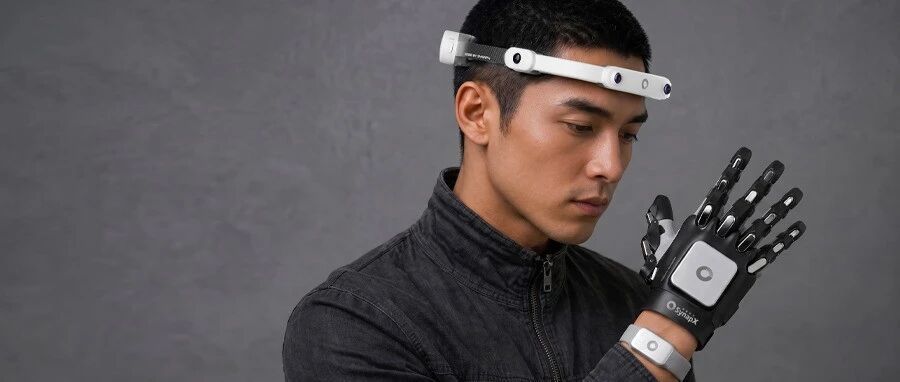
SynapX Launches SYNData: Multimodal Data Collection System for Embodied AI Era
SynapX has unveiled SYNData, an innovative multimodal data collection system designed to enhance dexterous manipulation capabilities in robotics. This cutting-edge system integrates ego vision, electromyography (EMG) signals, and data from exoskeleton gloves, facilitating the scalable collection of human manipulation data essential for advancing robot learning. The launch of SYNData aims to bridge the gap between human dexterity and robotic functionality, providing researchers and developers with comprehensive tools to improve robotic performance. This development is particularly significant as it addresses the growing demand for more sophisticated and adaptable robotic systems in various applications.
Robotics
Figure AI's robots can make a bed faster than you
Figure AI has unveiled a video showcasing two humanoid robots collaborating to make a bed, a task that challenges their coordination, vision, and dexterity. This demonstration highlights the advancements in robotics technology, particularly in the realm of complex, everyday activities. The video was released recently, emphasizing the capabilities of these robots in performing tasks that require a high level of precision and teamwork. As the field of artificial intelligence continues to evolve, such innovations aim to enhance the functionality of robots in domestic settings, potentially transforming how household chores are approached in the future.
AI Tech Startups robotics figure humanoid-robots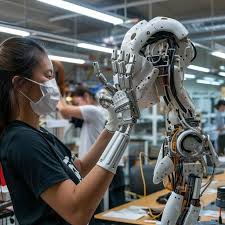
SynapX Launches SYNData: Multimodal Data Collection System for Embodied AI Era
SynapX has introduced SYNData, an innovative multimodal data collection system designed to enhance dexterous manipulation capabilities. Launched recently, this system integrates ego vision, electromyography (EMG) signals, and data from exoskeleton gloves, facilitating the scalable collection of human manipulation data essential for advancing robot learning. The development aims to improve the interaction between humans and robots, ultimately contributing to more sophisticated robotic applications in various fields. By harnessing diverse data sources, SYNData promises to provide valuable insights that can drive the evolution of robotic dexterity and functionality.
Robotics
Sixth sense: Robot uses human-like touch awareness for camera-free navigation
Researchers at the National University of Singapore have unveiled an innovative soft robot system designed to enhance human-robot interaction. This groundbreaking development, announced on October 15, 2023, aims to improve the safety and effectiveness of collaborative tasks in various environments, including healthcare and manufacturing. The motivation behind this project stems from the growing need for robots that can work alongside humans without posing risks. Traditional robots often lack the flexibility and adaptability required for close collaboration, which can lead to accidents or inefficiencies. The new soft robot system addresses these challenges by utilizing advanced materials and design techniques that allow for greater dexterity and a more human-like touch. The research team achieved this by integrating soft actuators that mimic the movements of human muscles, enabling the robot to perform delicate tasks with precision. This technology not only enhances the robot's ability to interact safely with humans but also opens up new possibilities for applications in fields such as rehabilitation, where gentle handling is crucial. As the demand for collaborative robots continues to rise, this development represents a significant step forward in creating machines that can seamlessly integrate into human environments, ultimately improving productivity and safety. The researchers are optimistic that their soft robot system will pave the way for more advanced human-robot partnerships in the future.

Watch: Genesis AI demonstrates humanoid robot with human-level dexterity
Genesis AI has introduced GENE-26.5, a cutting-edge AI model touted as a robotic brain, designed to enhance various applications in artificial intelligence. The announcement was made recently, showcasing the model's capabilities and potential impact on the industry. This development comes as part of Genesis AI's ongoing commitment to advancing AI technology and providing innovative solutions to meet the growing demands of businesses and consumers alike. By leveraging extensive data and advanced algorithms, GENE-26.5 aims to improve decision-making processes and automate tasks across multiple sectors. The launch reflects the company's strategic focus on pushing the boundaries of AI research and development, positioning itself as a leader in the rapidly evolving tech landscape.
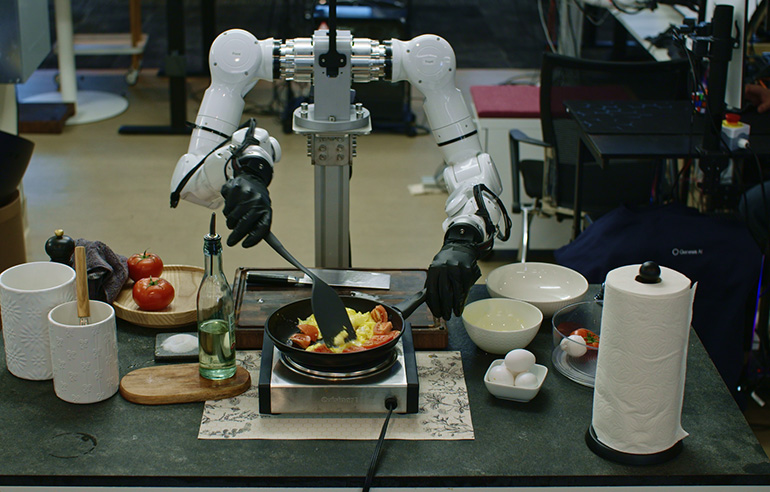
Genesis AI introduces GENE-26.5 model for more dexterous robot manipulation
Genesis AI has unveiled its latest innovation, the GENE-26.5 foundation model, which incorporates an advanced data engine alongside a proprietary robotic hand designed to enhance dexterity in robotic manipulation. This development aims to push the boundaries of robotic capabilities, enabling more precise and versatile movements. The introduction of the GENE-26.5 model marks a significant advancement in the field of robotics, reflecting the company's commitment to leveraging cutting-edge technology to improve robotic functionality. The announcement was made recently, highlighting the potential applications of this model in various industries where enhanced manipulation is crucial.
Arms / Manipulators Artificial Intelligence Artificial Intelligence / Cognition End Effectors / Grippers Grippers Humanoids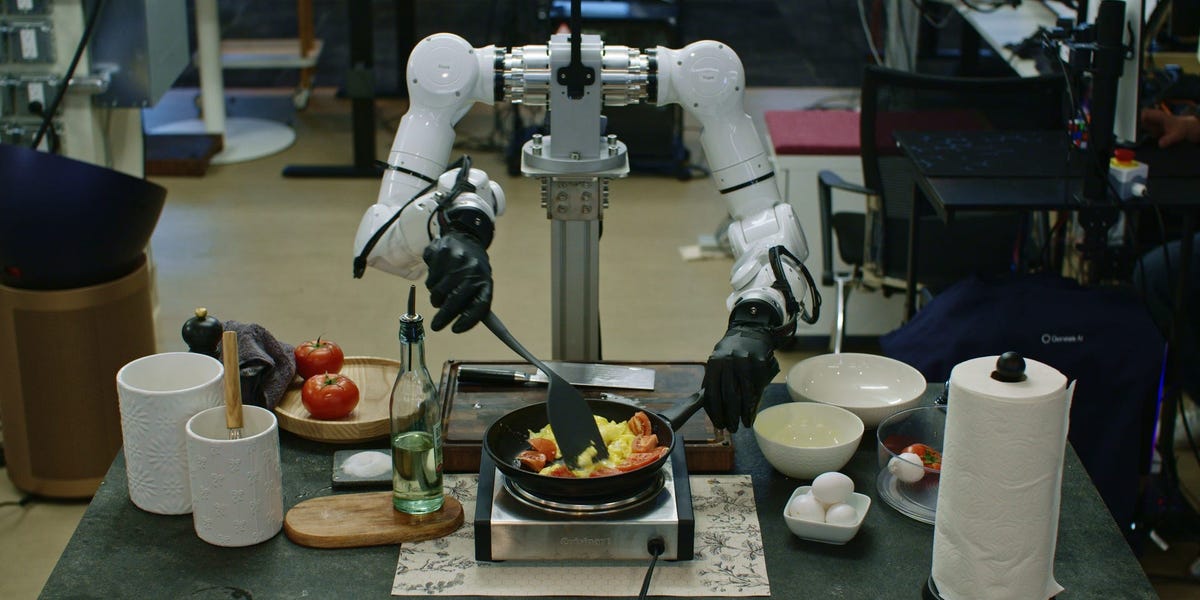
Take a look at these hands: Genesis AI says it taught a robot to cook and play piano close to human-level performance
Genesis AI has announced the development of advanced robotic hands that exhibit dexterity and performance comparable to that of human hands. CEO Zhou Xian revealed this breakthrough during a recent presentation, highlighting the company's commitment to pushing the boundaries of artificial intelligence and robotics. The announcement comes as part of Genesis AI's ongoing efforts to innovate within the tech industry and enhance the capabilities of robotic systems. This advancement could have significant implications for various sectors, including manufacturing, healthcare, and service industries, where precision and adaptability are crucial. The technology is expected to be further refined and tested in the coming months, with the potential for commercial applications in the near future.
Tech robots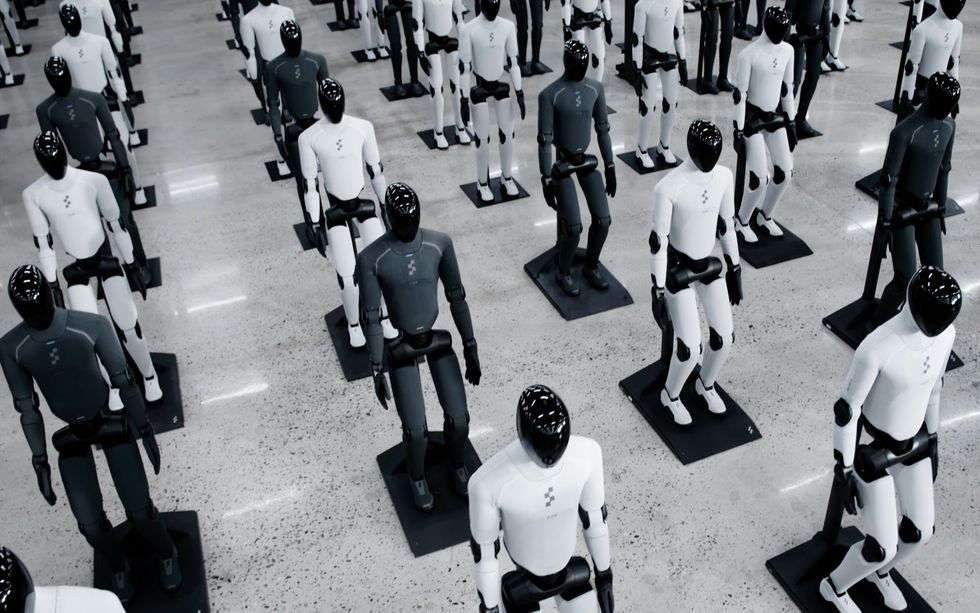
Video Friday: Figure, 1X Ramp Up Humanoid Robot Production
IEEE Spectrum robotics has released its weekly roundup of notable robotics videos and upcoming events, including major conferences like ICRA 2026 in Vienna and RSS 2026 in Sydney. A significant development in humanoid robotics has occurred with the opening of the NEO Factory in Hayward, California, which is now producing robots at a rate of 55 per week. This facility, which spans 58,000 square feet and employs over 200 staff, allows for complete in-house manufacturing, enhancing safety and efficiency. The first consumer robots are expected to ship in 2026, marking a pivotal step toward the realization of general-purpose home robots. In other news, NASA continues its exploration of Mars with two rovers, Perseverance and Curiosity, studying different geological eras of the planet. Meanwhile, the Chinese-made Unitree G1 humanoid robots are gaining traction in the U.S. tech landscape, being utilized by companies like OpenAI and Nvidia, raising questions about their implications for security and privacy. Additionally, advancements in robotics are showcased through various projects, including a surgical robot designed to streamline Neuralink implant procedures and a tactile-enabled humanoid manipulation system that enhances dexterity and stability in real-world tasks. As robotics technology evolves, experts are also exploring how autonomous systems make decisions in unpredictable environments, emphasizing the importance of AI in coordinating complex operations.
Humanoid-robots Video-friday Robot-videos Robot-manipulation Industrial-robots Robot-hands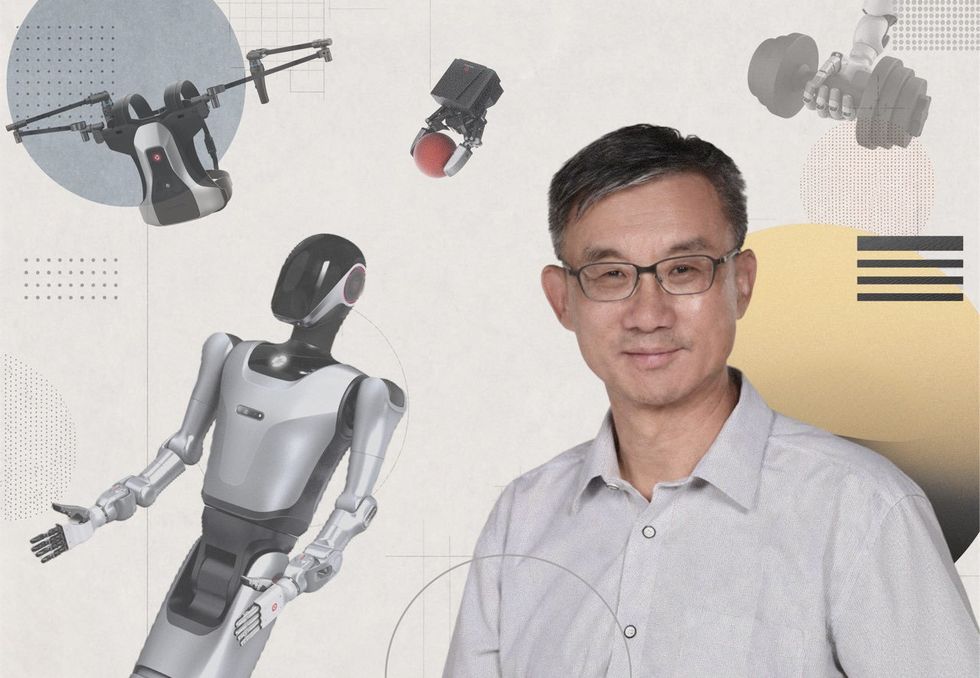
DAIMON Robotics Wants to Give Robot Hands a Sense of Touch
In April 2023, DAIMON Robotics, a Hong Kong-based company, launched Daimon-Infinity, touted as the world's largest omni-modal robotic dataset for physical AI. This extensive dataset, which includes high-resolution tactile sensing data from over 80 real-world scenarios and 2,000 human skills, aims to enhance robot manipulation capabilities across various tasks, from household chores to industrial assembly lines. The initiative is backed by collaborations with prominent partners, including Google DeepMind, Northwestern University, and the National University of Singapore. Prof. Michael Yu Wang, co-founder and chief scientist of DAIMON, emphasized the importance of tactile feedback in improving robotic dexterity, advocating for a shift from the traditional Vision-Language-Action (VLA) model to a more integrated Vision-Tactile-Language-Action (VTLA) framework. This transition is crucial for enabling robots to perform complex manipulation tasks effectively, especially in environments where visual data alone is insufficient. Recognizing a significant data gap in the robotics industry, DAIMON has committed to open-sourcing 10,000 hours of its dataset to support broader research and development efforts. The company aims to accelerate the deployment of embodied AI by providing high-quality tactile data, which is essential for training robots to interact with their surroundings more naturally and effectively. As the robotics landscape evolves, DAIMON's innovative approach positions it as a key player in advancing the capabilities of humanoid robots in real-world applications.
Type-sponsored Factory-robots Tactile-sensing Ai-models Embodied-intelligence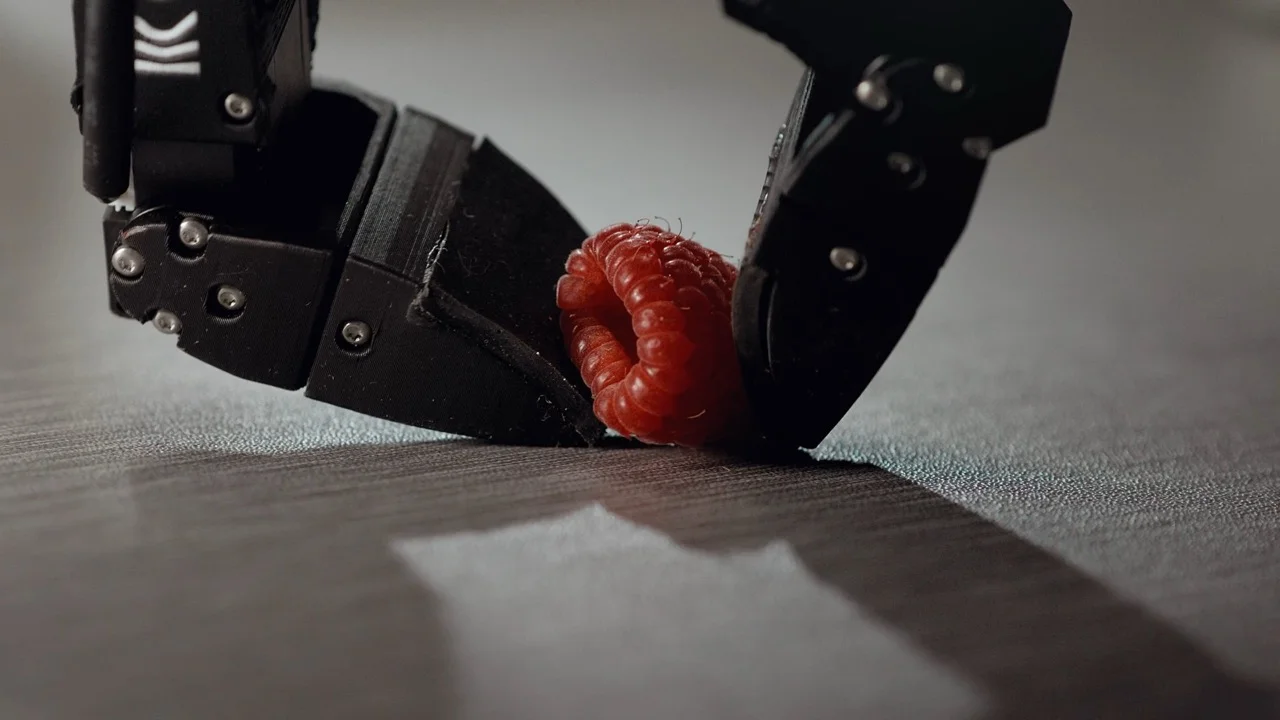
The Era of Eka: New Startup Unveils Vision-Force-Action Model to Crack Dexterity
A team of former researchers from MIT and DeepMind has established Eka Robotics, unveiling a groundbreaking "Vision-Force-Action" (VFA) foundation model. This innovative technology harnesses the power of simulation and tactile sensing to enable robots to perform tasks with superhuman speed and remarkable physical intelligence. The launch marks a significant advancement in robotics, aiming to enhance the capabilities of machines in various applications. By integrating advanced sensory data with real-time decision-making, Eka Robotics seeks to revolutionize how robots interact with their environments. The initiative reflects a growing trend in the tech industry to develop more sophisticated and responsive robotic systems, addressing the increasing demand for automation across multiple sectors.
US Eka Robotics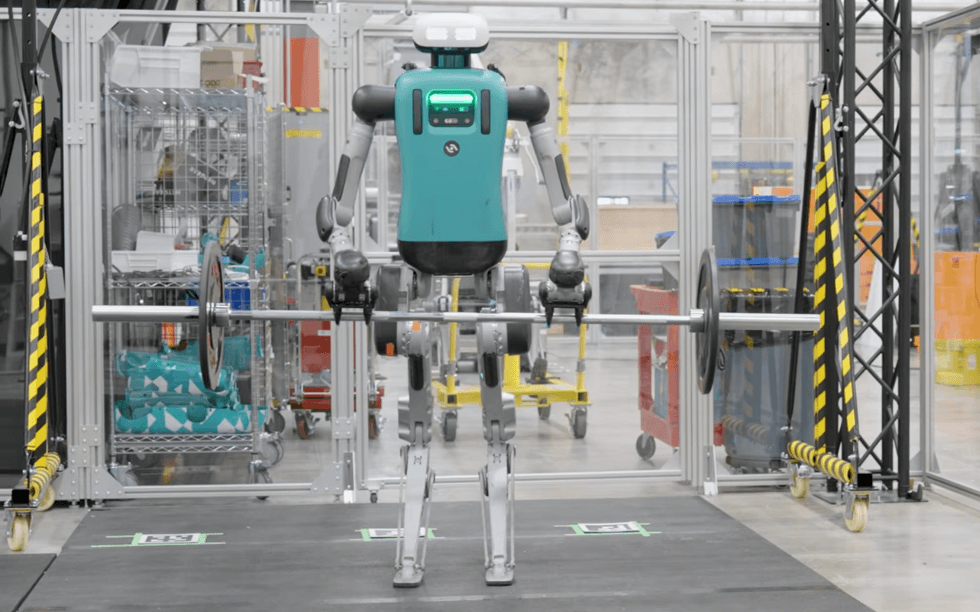
Video Friday: Digit Learns to Deadlift
IEEE Spectrum robotics has released its latest edition of "Video Friday," showcasing a selection of innovative robotics videos and announcing upcoming events in the field. The events include the International Conference on Robotics and Automation (ICRA) scheduled for June 1-5, 2026, in Vienna, the Robotics Science and Systems (RSS) conference from July 13-17, 2026, and a Summer School on Multi-Robot Systems taking place from July 29 to August 4, 2026, in Prague. Among the featured videos, researchers are training the robot Digit to perform a deadlift with a 65-pound object, emphasizing the importance of whole-body coordination and resilience in its actuators. This training allows for the development of a policy that enables Digit to execute a dynamically balanced lift in real-world scenarios. Additionally, Gatlin Robotics has introduced its first commercial showcasing robots in action as part of its Robot-as-a-Service (RaaS) contract. Dexterity highlights the expressive potential of motion intelligence in robotics, while Harvard researchers present a swarm of simple antlike robots capable of constructing and dismantling structures through adaptive group behavior. Lastly, a project from Michigan Robotics demonstrates a microcombustion actuator that rapidly inflates to launch colorful water droplets, challenging conventional notions about the capabilities of soft actuators. These advancements reflect the ongoing evolution and application of robotics technology across various domains.
Industrial-robots Humanoid-robots Video-friday Swarm-robotics Dancing-robot Bipedal-robots
UniX AI introduces Panther, the world's first service humanoid robot to enter real household deployment, powered by its differentiated wheeled dual-arm architecture
A groundbreaking advancement in robotics has been unveiled with the introduction of the Panther, a wheeled dual-arm humanoid robot. This innovative machine is equipped with the world's first mass-produced eight-degree-of-freedom (8-DoF) bionic arms, enhancing its dexterity and functionality. Additionally, the Panther features an adaptive intelligent gripper mounted on a high-degree-of-freedom joint platform, allowing for versatile handling of various objects. The robot's design includes an omnidirectional four-wheel steering and four-wheel drive (4WS+4WD) chassis, enabling it to navigate complex environments with ease. This development marks a significant step forward in robotic technology, aimed at improving automation and efficiency in various industries. The Panther was revealed to the public in October 2023, showcasing its capabilities at a technology expo. The motivation behind its creation stems from the growing demand for advanced robotic solutions that can perform tasks traditionally handled by humans, particularly in sectors such as manufacturing, logistics, and healthcare. By integrating cutting-edge engineering with adaptive technology, the Panther is set to redefine the role of robots in everyday operations, paving the way for a future where humans and machines work side by side more effectively.
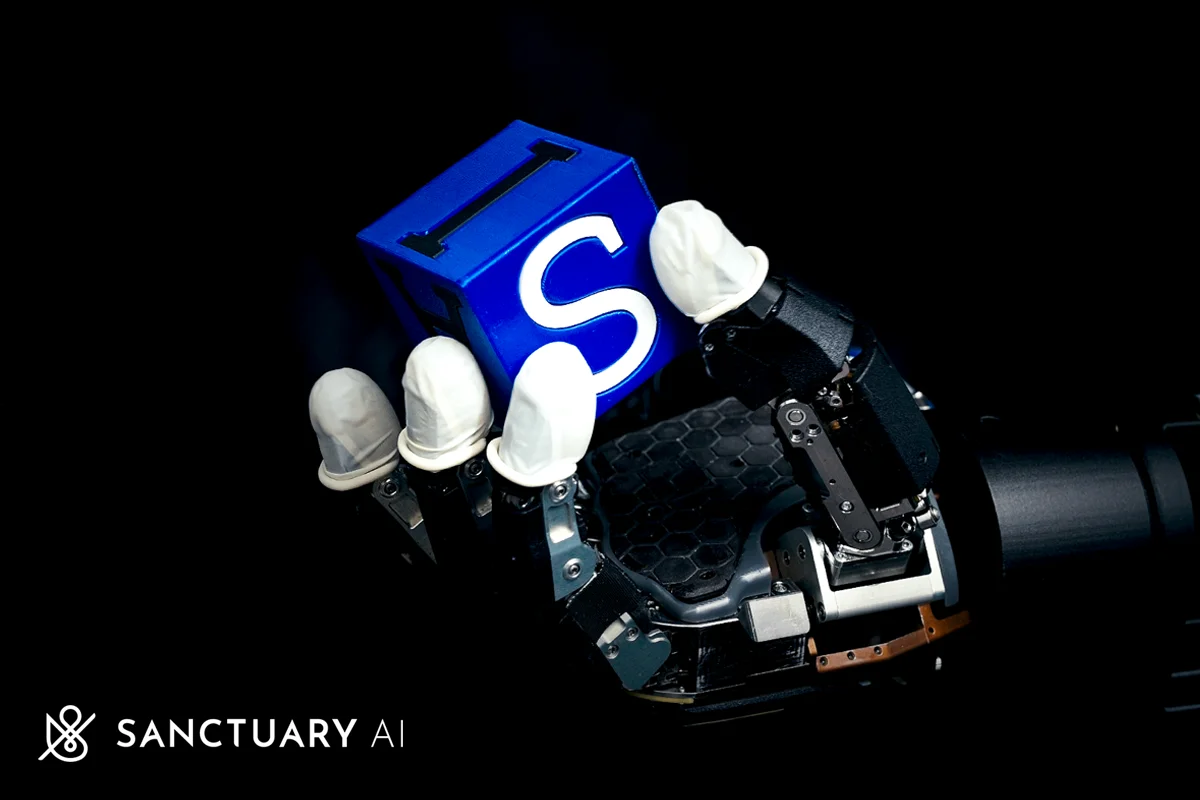
Sanctuary AI Achieves "Zero-Shot" Sim-to-Real Milestone for Hydraulic Dexterous Hands
Sanctuary AI has achieved a significant breakthrough in robotics by successfully demonstrating zero-shot transfer for in-hand manipulation. This innovative technique enables a policy that was entirely trained in a simulated environment to effectively reorient physical objects using actual hardware, without the need for any real-world fine-tuning. The demonstration showcases the potential for advanced robotic systems to operate seamlessly in real-world scenarios, leveraging training data and algorithms developed up to October 2023. This advancement could pave the way for more efficient and adaptable robotic applications across various industries, enhancing automation and precision in tasks that require dexterity and manipulation.
Canada hand sanctuary-ai hands North America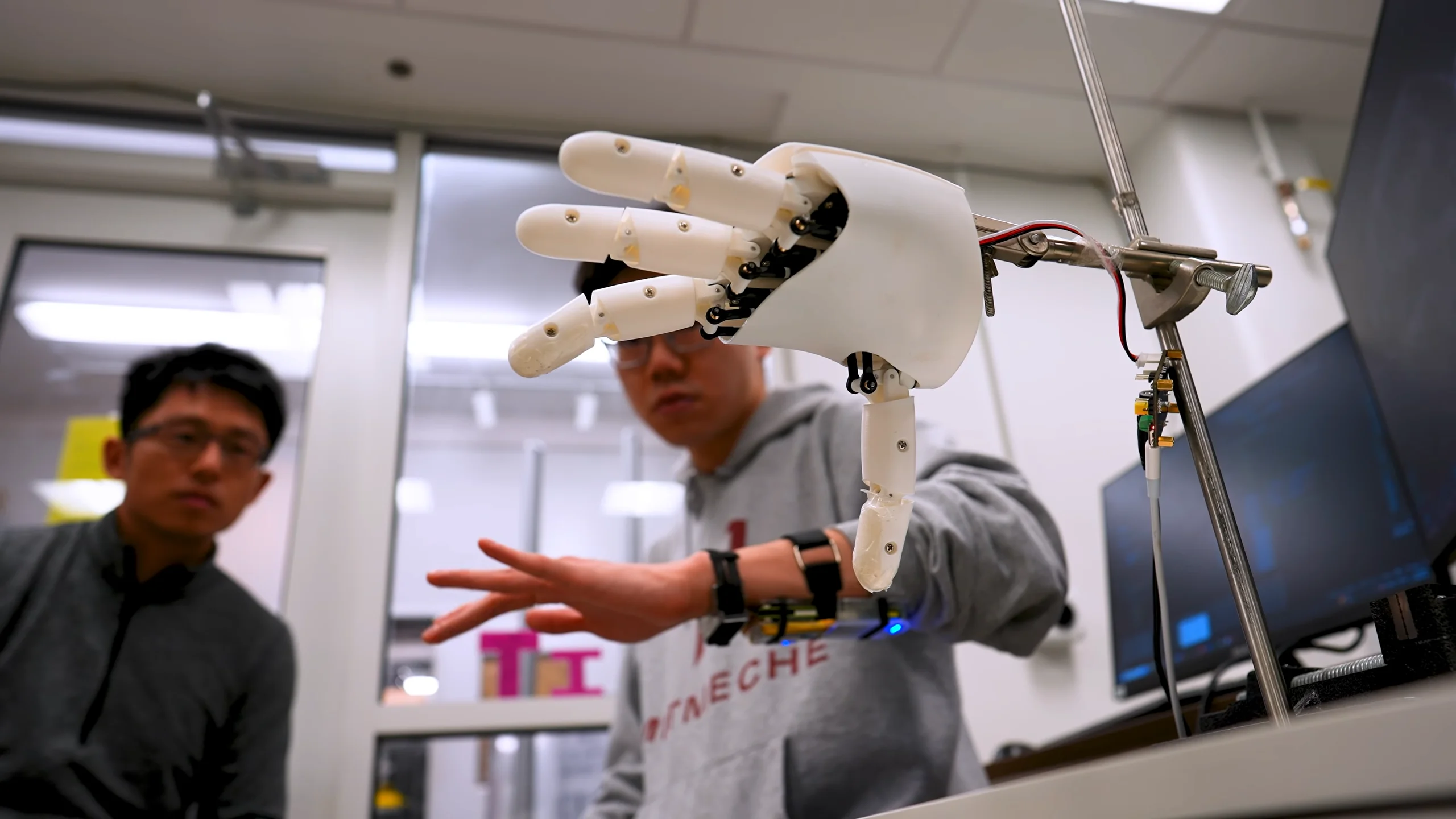
The Puppet Strings of AI: MIT’s Ultrasound Wristband Predicts Hand Dexterity
Engineers at the Massachusetts Institute of Technology (MIT) have unveiled a groundbreaking wearable ultrasound wristband designed to monitor hand movements by capturing images of internal muscle and tendon activity. This innovative technology aims to address the significant data bottlenecks that currently hinder humanoid teleoperation, a field where precise control and feedback are crucial. The wristband's development comes in response to the growing demand for more effective remote manipulation systems, particularly in robotics and telemedicine. By utilizing ultrasound imaging, the device provides real-time insights into muscular and tendinous functions, enhancing the ability to operate humanoid robots with greater accuracy. This advancement could pave the way for improved applications in various sectors, including healthcare and remote work, where effective hand movement tracking is essential.
MIT hand hands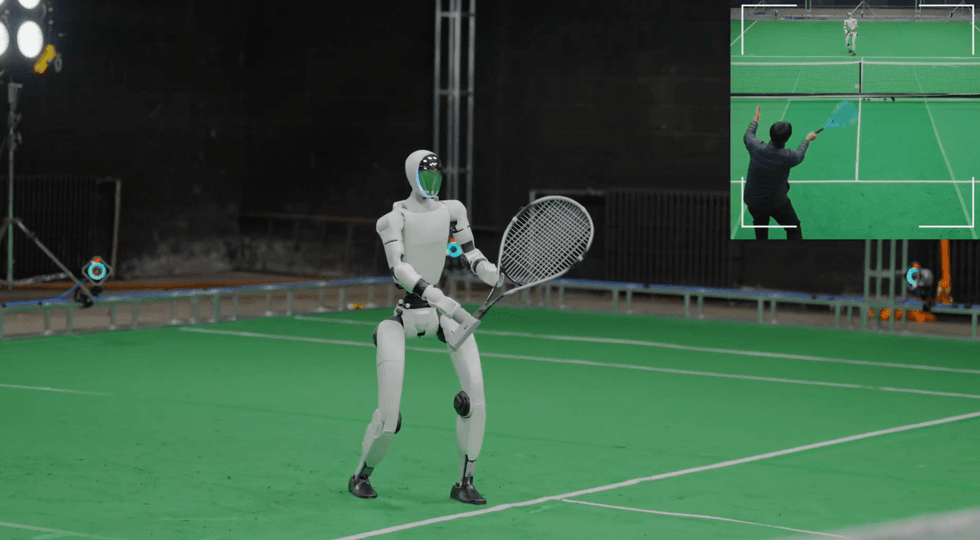
Video Friday: Humanoid Learns Tennis Skills Playing Humans
IEEE Spectrum robotics has released its latest edition of Video Friday, showcasing a variety of innovative robotics videos and announcing upcoming events in the field. Notable events include the International Conference on Robotics and Automation (ICRA) scheduled for June 1-5, 2026, in Vienna, and a Summer School on Multi-Robot Systems from July 29 to August 4, 2026, in Prague. Among the featured advancements, researchers have developed LATENT, a system designed to teach humanoid robots tennis skills by learning from imperfect human motion data. This innovation addresses the challenges of replicating human-like athleticism in robotics. Additionally, a breakthrough has been achieved in robotic manipulation, with a robot successfully peeling an apple using dual dexterous hands, showcasing significant progress in bimanual tasks. The development of MoDE-VLA, a control system that integrates vision, language, force, and touch data, further enhances the robot's ability to perform complex tasks with stability and precision. This shared-autonomy approach allows human operators to guide robots in executing intricate movements. In other highlights, collaborations between Tesollo and Hanyang University have led to advancements in robotic hand technology, while the Fluent Robotics Lab at the University of Michigan is set to present a paper on operational PR2 robots. The KAIST DRCD Lab has also demonstrated the capabilities of its humanoid robot, trained through deep reinforcement learning. As robotics continues to evolve, these innovations reflect the ongoing efforts to bridge the gap between human-like dexterity and robotic functionality.
Humanoid-robots Video-friday Robot-locomotion Nvidia Robot-manipulation Quadruped-robots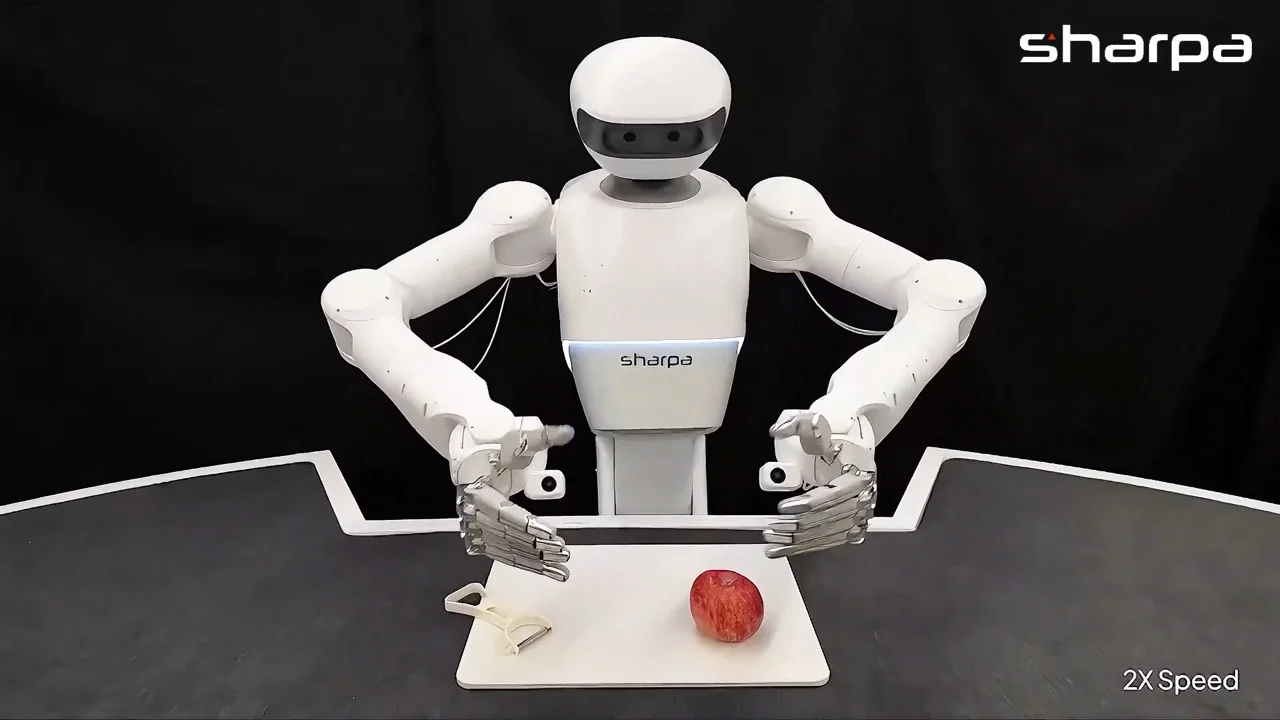
The Apple Peeling Milestone: How Sharpa’s "MoDE-VLA" Unlocks Bimanual Dexterity
Sharpa Robotics has introduced an innovative hierarchical framework designed to enhance complex manipulation tasks that require contact-rich interactions. This new system integrates shared-autonomy data collection with a sophisticated "mixture-of-experts" AI model, enabling robots to perform intricate operations more effectively. The announcement was made in October 2023, showcasing the company's commitment to advancing robotic capabilities in various applications. By leveraging this cutting-edge technology, Sharpa Robotics aims to improve the efficiency and precision of robotic manipulation, addressing the growing demand for automation in industries that rely on complex physical tasks.
SharpaWave hand Sharpa Robotics hands Singapore
RJ Scaringe Unveils Mind Robotics: A $500M Bet on 'Captured Distribution' for Industrial AI
RJ Scaringe, the founder of Rivian, has officially launched Mind Robotics, a new startup that seeks to merge traditional automation with human-like dexterity in industrial applications. The venture is supported by prominent investors Accel and Andreessen Horowitz (a16z). This initiative aims to address the growing demand for more adaptable and efficient robotic solutions in various industries. By leveraging advanced technology, Mind Robotics intends to enhance automation capabilities, making them more versatile and capable of performing complex tasks that require a level of finesse typically associated with human workers. The announcement marks a significant step in Scaringe's ongoing commitment to innovation in the robotics sector.
RJ Scaringe Mind Robotics Rivian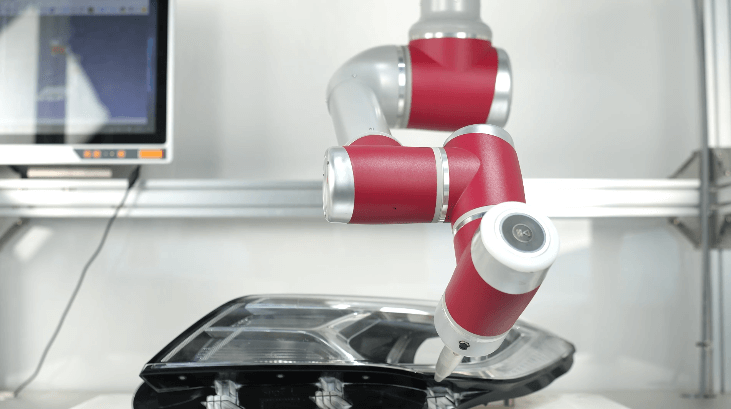
What is the Most Flexible Robot Arm?
JAKA, a leader in robotics, has unveiled its JAKA S5 series, a highly flexible robotic arm designed to meet the demands of modern manufacturing. This innovative arm, which features a six- or seven-axis design, offers mechanical dexterity that allows it to navigate complex environments and perform tasks with precision. The JAKA S5 integrates advanced control systems, including built-in force sensors, enabling it to execute sensitive operations such as precision insertions with consistent accuracy. The lightweight and compact design of the JAKA S5 allows for easy installation in confined spaces and quick deployment across various tasks, significantly reducing downtime. Its zero-installation, zero-configuration setup facilitates rapid relocation, making it ideal for dynamic production lines. Moreover, the JAKA S5 is engineered for user accessibility, featuring intuitive hand-guided teaching and graphical interfaces that allow operators without specialized training to quickly program new tasks. This combination of advanced mechanics, rapid deployment, and user-friendly software positions the JAKA S5 as a versatile assistant capable of adapting to evolving production needs. By integrating these elements, JAKA emphasizes that true flexibility in robotics goes beyond mere mechanical specifications, aiming to enhance operational agility and reduce integration costs in the manufacturing sector.
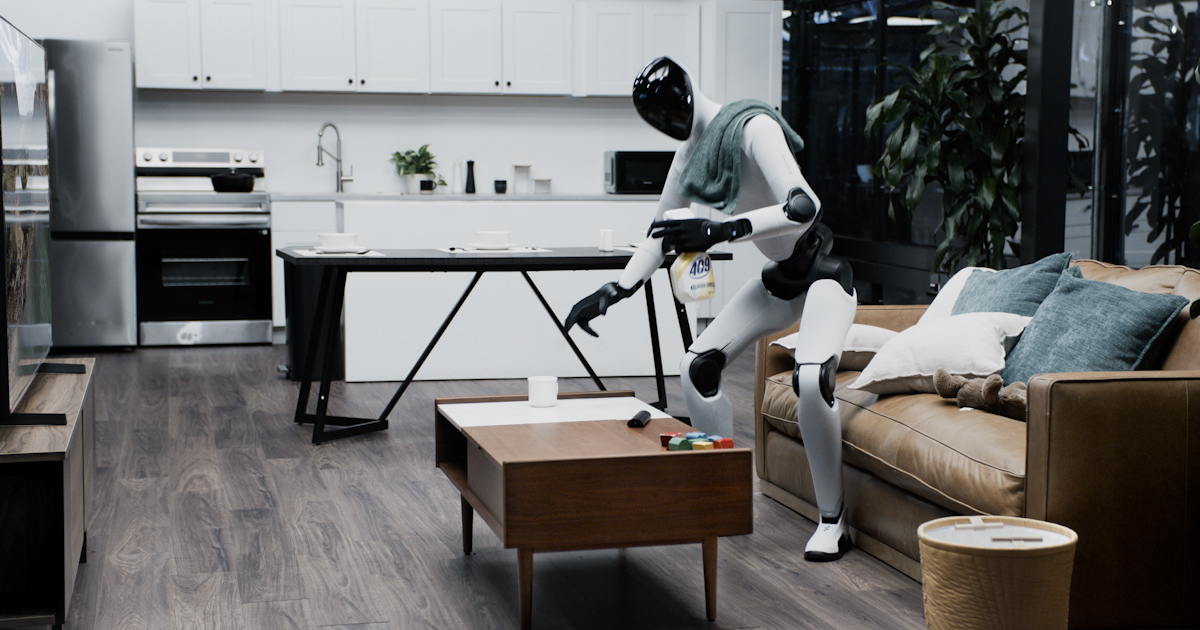
Helix 02 Living Room Tidy
Helix 02, an innovative home robot, has recently showcased its advanced capabilities in autonomously tidying living rooms. By effectively combining locomotion, dexterity, and real-time planning, the robot demonstrates a significant leap towards achieving scalable humanoid intelligence for everyday household tasks. This development highlights Helix 02's ability to learn new tasks through data, marking a notable progression in the field of robotics. The demonstration underscores the potential for such technology to transform domestic chores, making them more efficient and manageable for users.
robotics home automation artificial intelligence humanoid robots machine learning
Flexible Robot Path Planning: How to Adapt to Changing Workpiece Geometry
JAKA, a leader in robotics technology, is addressing the challenges of automated finishing processes, particularly in polishing applications where workpiece dimensions can vary. Traditional robots, which rely on fixed programming, often struggle to maintain quality when faced with different part geometries. To overcome this limitation, JAKA has developed a flexible robotic system that intelligently adapts its polishing path in real time, ensuring consistent quality across diverse production batches. This innovative approach integrates advanced sensory technology, such as vision systems and laser scanners, which capture the actual geometry of each workpiece. The robot's control system then compares this data to the ideal CAD model, allowing for dynamic adjustments in its trajectory. JAKA's proprietary force control technology further enhances this adaptability by maintaining optimal contact pressure, compensating for minor deviations in part shape. To simplify the user experience, JAKA's systems feature intuitive graphical off-line programming software that enables operators to easily import new CAD models and generate tool paths with minimal reprogramming. The compact and lightweight design of JAKA's robotic arms facilitates quick repositioning for different production lines, while standardized communication protocols allow for swift integration of various sensors, reducing downtime. By combining mechanical dexterity, integrated perception, and intelligent control algorithms, JAKA is transforming polishing robots from rigid tools into adaptive partners. This advancement ensures high-quality finishing standards, even as product designs evolve, ultimately benefiting manufacturers in high-mix production environments.

The Gearbox Trap: Origami Robotics and 1X Clash Over the Future of Manipulation
Origami Robotics has released a technical critique highlighting that high-ratio gearboxes are a significant barrier to achieving greater dexterity in robotics. This assertion has led to an unusual hardware disclosure from Bernt Børnich, the CEO of 1X, who responded to the critique. The discussion surrounding this issue is particularly timely, as advancements in robotics are increasingly sought after in various industries. The critique emphasizes the need for innovation in gearbox technology to enhance robotic performance and functionality, suggesting that overcoming this bottleneck could lead to substantial improvements in robotic applications. Børnich's hardware reveal aims to address these concerns and showcase potential solutions to the challenges identified by Origami Robotics.
Origami Robotics 1X-technologies Scott Walter hand hands Bernt Børnich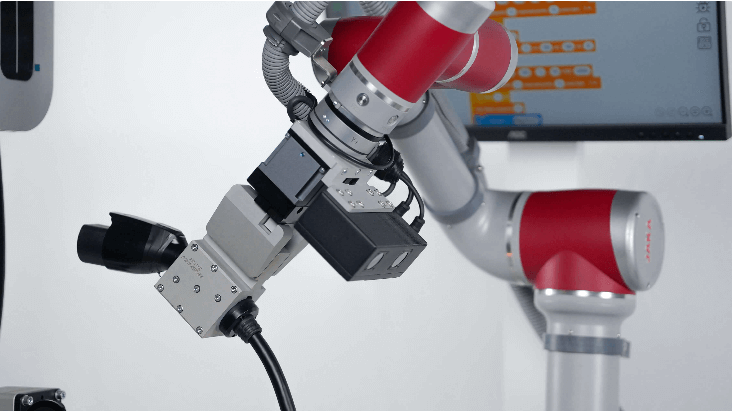
Mastering the Programming of a Jointed Arm Robot for Non-Linear Tasks
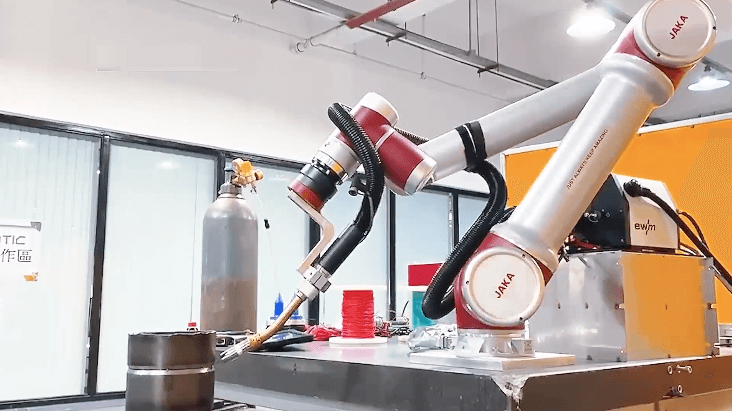
JAKA, a leader in robotic technology, has developed advanced programming solutions for 6-axis robot arms, enabling them to navigate complex, non-linear trajectories with precision. Traditionally, programming such intricate paths has been a challenge, often requiring tedious point-by-point teaching that can lead to jerky movements. To address this, JAKA has integrated intuitive software interfaces that allow operators to program the robotic arms using graphical tools and drag-and-drop methods, significantly simplifying the process. The innovative design of the 6-axis robot arm provides the necessary dexterity to maneuver around obstacles and follow curves smoothly. JAKA’s precision control technology ensures that the arm can accurately interpolate motion between points, resulting in fluid movements essential for tasks like welding and sealing. Additionally, features such as waypoint recording and path smoothing algorithms help translate human-guided motions into repeatable programs. Safety and reliability are paramount in dynamic operations. JAKA's robotic arms are equipped with advanced sensors that enable real-time path corrections based on force feedback and vision input, ensuring consistent performance even in unpredictable environments. With multiple safety mechanisms in place, the robotic arms can operate safely alongside human workers. By combining cutting-edge mechanical design, intelligent software, and robust safety features, JAKA aims to make the programming of complex robotic tasks accessible and efficient, empowering programmers to fully exploit the capabilities of their 6-axis robot arms in various production settings.
Why Are 6-Axis Robot Arms Important for Precision Automation Users?
JAKA, a specialist in collaborative robotics, has emphasized the critical role of six-axis robot arms in precision automation. These advanced robotic arms, designed to mimic the full range of motion of a human arm, offer unparalleled dexterity and flexibility necessary for complex tasks such as assembly and machine tending. By utilizing six points of rotation, these robots can position tools at precise angles, ensuring accuracy in operations like component insertion and sealant application. The company highlights that the efficiency of six-axis robots significantly enhances processes in machine tending and logistics. For instance, these robots can seamlessly handle tasks such as retrieving raw parts from conveyors, operating machinery, and managing finished components, thereby maximizing equipment uptime. Their compact design and user-friendly programming capabilities allow for quick deployment across multiple production lines, effectively addressing manual labor challenges. Moreover, JAKA prioritizes accessibility in automation, offering intuitive programming tools that enable users to leverage the full capabilities of the six-axis design without requiring extensive coding knowledge. This approach not only facilitates the replacement of manual labor but also allows teams to focus on higher-value tasks, making advanced precision automation more attainable. In summary, JAKA's six-axis robot arms are essential for precision users seeking to enhance production efficiency and product quality, providing the necessary dexterity to transform intricate operations into reliable automated processes.
The Human Scale: NVIDIA’s EgoScale Unlocks High-Dexterity Robotics via 20,000 Hours of Human Video
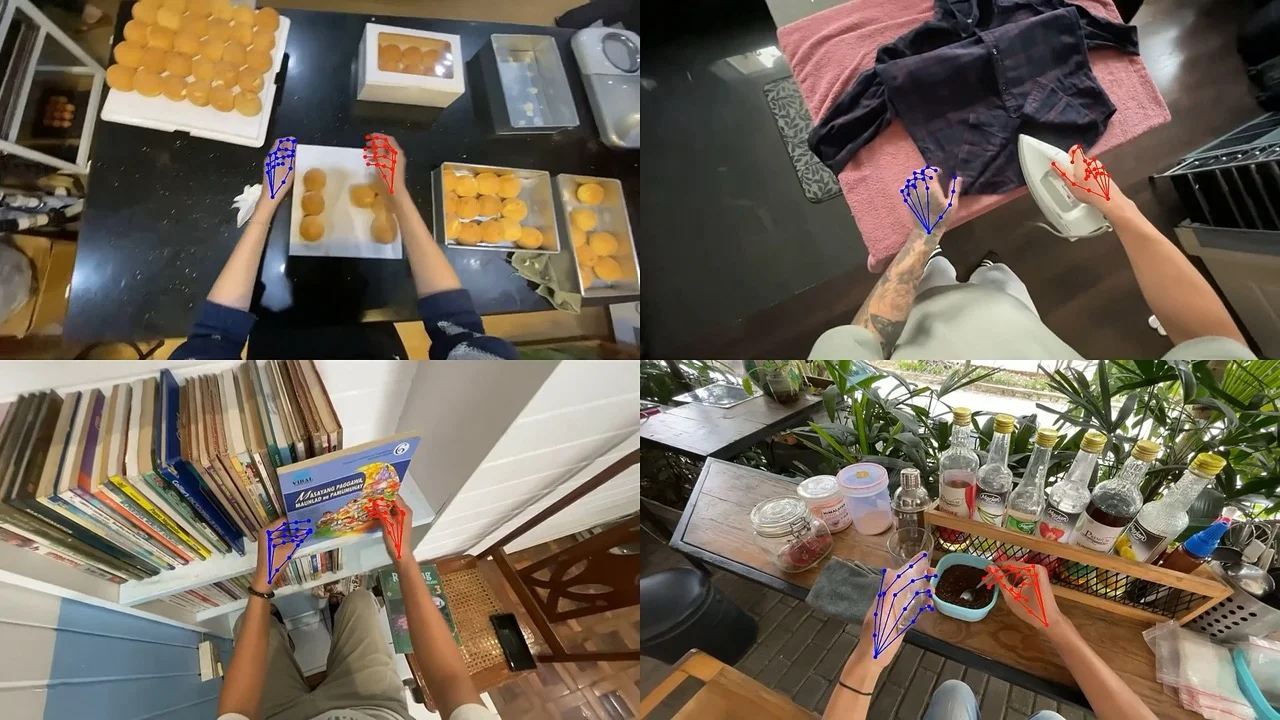
NVIDIA researchers have introduced EgoScale, an innovative framework designed to enhance robotic capabilities in complex manipulation tasks. This development utilizes an extensive dataset comprising 20,854 hours of egocentric human activity, allowing robots to learn intricate skills with minimal reliance on direct robot-in-the-loop data. The announcement was made recently, showcasing how EgoScale can significantly improve the efficiency and effectiveness of robotic training processes. By harnessing this vast dataset, the framework aims to bridge the gap between human-like dexterity and robotic performance, ultimately advancing the field of robotics and its applications in various industries.
NVIDIA SharpaWave open-source Research Sharpa Robotics
Reversible, detachable robotic hand redefines dexterity
Researchers at the École Polytechnique Fédérale de Lausanne (EPFL) are exploring the limitations of human hand design to enhance robotic dexterity. In a study led by Celia Luterbacher, the team highlights that while human hands, with their opposable thumbs and intricate joint structures, are often viewed as the epitome of dexterity, they are not the most efficient design. The research, conducted in 2025, aims to identify the evolutionary constraints that have shaped human hands over time and to apply these insights to develop more advanced robotic hands. By analyzing the mechanics and functionality of human hands, the researchers hope to create robotic systems that can perform tasks with greater precision and adaptability. This innovative approach could significantly impact fields such as robotics, prosthetics, and automation, ultimately leading to more effective and versatile robotic applications.

Video: Figure Offers First Look at 7th-Gen Hand Aiming for "Human Parity"
Brett Adcock, the CEO of Figure, recently unveiled a preview of the company's latest innovation, the 7th-generation robotic hand. This advanced device features enhanced capabilities, including thumb rotation and the ability for fingers to move apart and together, demonstrating significant improvements in dexterity and functionality. The announcement highlights Figure's commitment to pushing the boundaries of robotics technology, aiming to improve human-robot interaction and expand the potential applications of robotic hands in various fields.
Brett Adcock US Figure Figure-03 hand hands