

Industry Briefing
A single destination for timely, editor-curated robotics news from around the world.

U.S. Departments of Energy and Defense Showcase Automated Manufacturing at IMTS 2026
Leaders from the U.S. Departments of Energy and Defense will showcase live production and flight demonstrations of quadcopter drones and the 11-foot-tall Aires Tide test flight vehicle at The International Manufacturing Technology Show 2026. This event will highlight how advanced manufacturing technologies can enhance the speed and flexibility of U.S. defense production. The demonstration, taking place at the AMT Emerging Technology Center, will feature a full-scale manufacturing cell developed by the DOE’s Manufacturing Demonstration Facility at Oak Ridge National Laboratory. This cell integrates automation with both subtractive and additive manufacturing to produce quadcopter airframes, which will be flown in a secured area, showcasing the potential of these technologies in national security applications. Looking ahead, the project exemplifies the Genesis Mission, a DOE initiative aimed at leveraging AI and advanced computing for rapid scientific discovery and national security solutions. No further timeline was disclosed at the time of publication.
Factory / Design
Rapta Secures $8 Million Funding to Enhance AI Quality Assurance in Defense Manufacturing
Rapta has successfully raised $8 million to further develop its AI-driven quality assurance and manufacturing intelligence platform tailored for defense and aerospace sectors. The funding round was co-led by Voyager Capital and Access Venture Partners, with contributions from several other investors. This financial boost will enable Rapta to expand the deployment of its Manufacturing Intelligence Platform, which integrates computer vision and production data to enhance quality tracking and process performance. The significance of this funding lies in Rapta's technology, which is already utilized by five of the ten largest U.S. defense contractors. By addressing challenges such as quality issues and fragmented data in production environments, Rapta's platform aims to streamline operations without necessitating a complete overhaul of existing technology infrastructures. This approach is particularly crucial in industries with stringent compliance requirements, where accurate documentation and traceability are vital. Looking ahead, Rapta's focus will be on leveraging the new funding to enhance its platform's capabilities and expand its market presence. The addition of Voyager and Access Venture Partners' representatives to its board is expected to provide valuable guidance during this critical phase. No further timeline was disclosed at the time of publication.
AI AI Funding & Investment Robotics Access Venture Partners BVC DeepWork Capital
Wingcopter Unveils All-Electric Wingcopter 262 for Tactical Reconnaissance in Defense Sector
Wingcopter has launched the all-electric Wingcopter 262, featuring a wingspan of 262 centimeters (103 inches) and a tactical range of 150 kilometers (93 miles). This new vertical take-off and landing aircraft is designed for defense and security applications, offering up to six hours of flight endurance and a maximum takeoff weight of 10 kilograms (22 pounds). The introduction of the Wingcopter 262 is significant as it enhances reconnaissance capabilities with AI-enabled cameras and resilient navigation for GNSS-denied environments. The aircraft's modular battery system allows for quick mission readiness, making it suitable for persistent aerial surveillance in tactical operations. Wingcopter's experience in unmanned aircraft development underpins this innovative platform. Looking ahead, Wingcopter's new business unit, Wingcopter Security and Defence, aims to expand its portfolio in the defense sector, including logistics and reconnaissance. The company is also collaborating with TAF Industries to support drone production in Ukraine. No further timeline was disclosed at the time of publication.
Defense Drone News Drone News Feeds Military News
Canada and Ukraine Sign Long-Term Pact to Boost Drone Production and Security Collaboration
Canada has launched a new national Defence Drone Initiative Marketplace (DDIM) to enhance its security partnership with Ukraine. This initiative aims to increase drone production, reflecting a commitment to strengthen defense capabilities between the two nations. The establishment of the DDIM is significant as it underscores Canada's dedication to supporting Ukraine amid ongoing security challenges. By fostering collaboration in drone technology, both countries aim to bolster their defense strategies and enhance operational effectiveness in addressing threats. Looking ahead, the focus will be on the outcomes of this initiative and how it influences defense production capabilities. No further timeline was disclosed at the time of publication.
News
Army Grants $465M Contract to AeroVironment for First High-Energy Laser Production
The Army has awarded AeroVironment (AV) a $464.8 million contract for the Enduring-High Energy Laser (E-HEL) program, marking the first production contract for a high-energy laser weapon. This program aims to enhance the Army's capabilities to counter unmanned systems effectively, as stated by Gen. Christopher LaNeve, the acting chief of staff. The contract will enable the delivery of AV's LOCUST X3 laser counter-drone systems, which are designed to operate in various combat environments. This contract is significant as it introduces production-directed energy systems for the first time in U.S. history, according to AV's vice president of directed-energy systems, John Garrity. The E-HEL system, powered by electric energy, is capable of defeating drones at a lower cost compared to traditional kinetic weapons. AV is expected to deliver initial capabilities within the year and scale production significantly in the coming months. Looking ahead, the Army plans to deploy dozens of LOCUST X3 systems across combatant commands globally. The system is designed to counter drone threats, including those from Group 3 drones weighing up to 1,320 pounds. No further timeline was disclosed at the time of publication.
Land Warfare Aerovironment Army Counter UAS cUAS directed energy Drones
Challenges Faced by Precision Gear Manufacturers Amid Rising Humanoid Robot Production
On August 25, 2026, Zhongda Lide (002896.SZ) reported its semi-annual results, revealing a revenue of 597 million yuan, a 15.61% increase. However, net profit dropped by 40.09% to 27.78 million yuan, with a significant decline in gross margin. Despite the rising production of humanoid robots, the company faces intense price competition in the precision gear sector, particularly affecting its profitability. The importance of this situation lies in the fact that while humanoid robot shipments are increasing, the demand for precision gears is not keeping pace with supply. The price of harmonic reducers has plummeted from over 3,000 yuan during the import monopoly to around 1,000 yuan, leading to significant pressure on profit margins. This price war is exacerbated by the growing production capacity of reducers, which is outstripping the demand from the humanoid robot market. Looking ahead, the year 2026 marks the beginning of mass production for humanoid robots, yet the domestic reducer capacity is already set at a million units. This mismatch in supply and demand dynamics suggests that price competition will continue to be a normalized phenomenon rather than a temporary promotional activity. Companies like Zhongda Lide, which focus on cost-effective solutions, are likely to experience the most significant pressure on profitability in this competitive landscape.
Precision Gears Humanoid Robots Robotics Supply Chain Automation Components
Mecca Pact: A Comprehensive Defense Agreement Enhancing Turkish Industry and Trilateral Ecosystem
The Mecca Pact, involving Saudi Arabia, Turkey, and Pakistan, is being recognized as more than just an arms-export agreement. Experts emphasize its broader implications for defense collaboration among the three nations. This agreement is significant as it aims to strengthen the defense capabilities of the participating countries while fostering a trilateral ecosystem that could enhance regional security and economic cooperation. The pact is expected to drive advancements in the Turkish defense industry, benefiting from shared technologies and resources. Looking ahead, stakeholders will be monitoring the implementation of the Mecca Pact and its impact on defense production and collaboration among Saudi Arabia, Turkey, and Pakistan. No further timeline was disclosed at the time of publication.
Air Warfare Global Land Warfare air defense Air Force Army
ARM Institute Issues Project Call for U.S. Defense Manufacturing Technology Innovations
The ARM Institute has launched Project Call 27-01, inviting proposals for technologies aimed at enhancing U.S. defense manufacturing capabilities. This initiative seeks innovations in areas such as metalwork, drones, munitions, and shipbuilding, with a focus on dual-use technologies that can benefit both military and civilian sectors. This project call is significant as it aligns with the U.S. Department of War's (DoW) objectives to improve defense manufacturing efficiency and reduce costs. The ARM Institute emphasizes the importance of validated transition plans that include government stakeholders, which can facilitate smoother integration into the DoW's commercial industrial base and organic industrial base. Looking ahead, concept papers must be submitted by September 16, 2026, with a series of deadlines leading up to the final project execution beginning February 1, 2027. The ARM Institute aims to foster collaboration and innovation within its community of over 500 members, addressing funding and engineering challenges in defense technology development.
Artificial Intelligence Autonomous Mobile Robots (AMRs) Collaborative Robots Defense / Security Drones Manufacturing
Hadrian Secures $1.37 Billion to Enhance U.S. Defense and Aerospace Manufacturing
Hadrian Automation announced the successful acquisition of $1.37 billion in equity financing aimed at bolstering domestic manufacturing capabilities for U.S. military and aerospace sectors. CEO Chris Power emphasized the critical role of production in national defense, stating that the funding will facilitate the development of advanced factories and enhance the workforce needed for America’s industrial resurgence. The funding will enable Hadrian to expand its manufacturing footprint and invest in new technologies, including AI and robotics, to meet the growing demand for reliable U.S. manufacturing. With a focus on building 'Factories of the Future,' Hadrian aims to compete with China's industrial capabilities and deliver complete mission-critical systems efficiently. Looking ahead, Hadrian plans to open additional factories and diversify its production lines, including munitions and autonomous systems. The company is also committed to creating a new workforce model by hiring and training skilled professionals to integrate advanced technologies on the factory floor. No further timeline was disclosed at the time of publication.
Aerospace Automation Defense / Security Financial Investments Manufacturing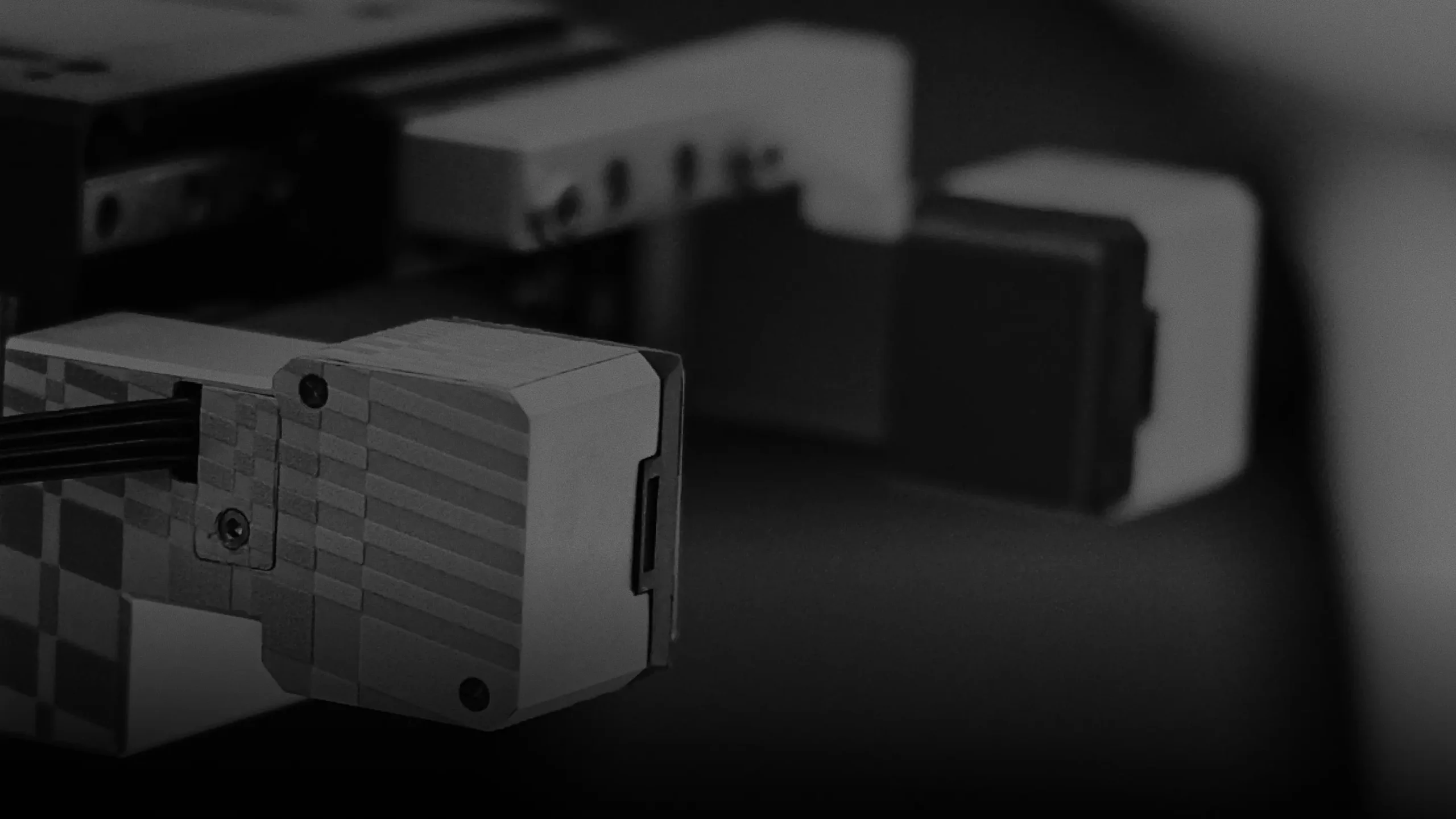
Yimu Tech Secures Over RMB1 Billion for Tactile Sensing Development and Production
Yimu Tech, a Chinese company specializing in tactile sensing hardware and software, has successfully raised over RMB1 billion in a Series E financing round. This funding elevates the company's valuation to over RMB10 billion and was supported by various leading RMB and USD funds, along with industrial investors. The significance of this financing lies in Yimu Tech's focus on developing tactile sensing materials, chips, algorithms, and models specifically for robotic applications. The newly acquired capital will facilitate further research and development efforts, as well as enhance the mass production capabilities and order fulfillment for its production lines. Looking ahead, stakeholders should monitor Yimu Tech's advancements in tactile sensing technology and its impact on the robotics industry. The company's commitment to innovation and production scalability will be crucial as it aims to meet growing demand in the market. No further timeline was disclosed at the time of publication.
News Feed
Carnegie Mellon University Showcases Innovations in Defense Manufacturing at 2026 Summit
Carnegie Mellon University (CMU) presented several new partnerships and technologies at the 2026 Pennsylvania Defense and Innovation Summit. This event took place from July 14-15 at the U.S. Army War College in Carlisle, Pennsylvania, and was hosted by U.S. Senator David McCormick. The summit highlighted CMU's commitment to advancing defense manufacturing and military education through innovative research and collaboration. These efforts are crucial for enhancing the capabilities of the defense sector and ensuring that military personnel are equipped with the latest technologies. Looking ahead, stakeholders in the defense industry should monitor CMU's ongoing initiatives and partnerships that may emerge from this summit. No further timeline was disclosed at the time of publication.
Announcements
AGIBOT to Livestream Humanoid Robots from Active Production Line in 2026
AGIBOT, a Chinese embodied AI developer, has announced a six-day global livestream scheduled from June 23 to June 28, 2026. The broadcast will originate from Longcheer Technology's Nanchang factory, showcasing multiple humanoid robots in action within a live consumer electronics mass-production environment. This initiative marks a significant shift in how robotics firms validate their technologies, moving away from edited promotional content to real-time demonstrations. AGIBOT's livestream aims to counter critiques of lab-based testing by illustrating the capabilities of its humanoid robots in handling the complexities of a commercial factory floor, where operational consistency and efficiency are crucial. As the livestream approaches, industry observers will be keen to see if AGIBOT's robots can maintain their claimed throughput of 310 units per hour and a success rate exceeding 99% during the extended public audit. This event represents a critical moment for AGIBOT as it seeks to establish its technology's reliability in real-world applications.
livestream China AGIBOT
Raytheon Secures $20.7B Pentagon Contract to Boost AMRAAM Missile Production to 1,900 Annually
Raytheon has secured a multiyear U.S. defense contract valued at up to $20.7 billion, aimed at ramping up AMRAAM missile production to a record 1,900 units per year. This five-year agreement, awarded on September 25, is part of the U.S. Department of War's Arsenal of Freedom initiative, which seeks to enhance American weapons manufacturing capabilities. The significance of this contract lies in its potential to meet the increasing demand for missile inventories from the U.S. military and its allies. Raytheon has already seen a near doubling of AMRAAM output in 2025 compared to 2024, highlighting the missile's critical role in beyond-visual-range air combat and its integration into the NASAMS air-defense system. Looking ahead, Raytheon is focused on expanding its manufacturing capacity and ensuring a steady supply chain to support the ambitious production goals. The company is also considering international co-production opportunities as it navigates the complexities of increasing missile output while maintaining quality and efficiency in its operations. No further timeline was disclosed at the time of publication.
Military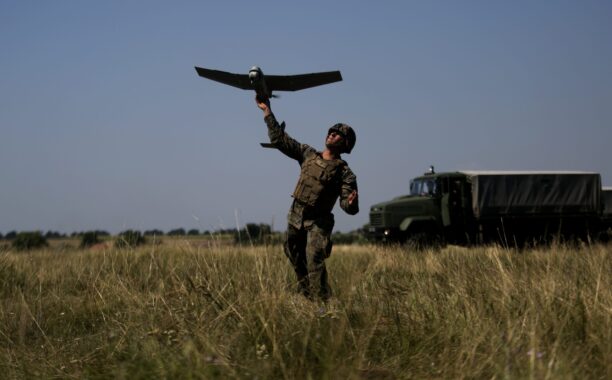
Ukraine and U.S. Move Towards Drone Defense Agreement to Enhance Production and Testing
Ukraine is poised to finalize a drone defense agreement with the United States, which aims to enhance the testing and production of Ukrainian defense technology in the U.S. Although the deal has not been officially signed, discussions have been ongoing since July, indicating a strong commitment to collaboration between the two nations. This proposed agreement is significant as it underscores Ukraine's expanding role in the international defense industry, evidenced by its existing partnerships with countries like Denmark, Norway, and Qatar. These collaborations highlight Ukraine's capabilities in drone production and defense technology, which are increasingly recognized on a global scale. Looking ahead, the key milestone will be the signing of the agreement and the subsequent public disclosure of the terms regarding testing, production, and support of the drone systems. The successful execution of this deal could further solidify Ukraine's influence in defense technology and enhance its strategic partnerships with the U.S. and other nations.
Applications Defense defense Drone News Drone News Feeds News
SimActive CEO Discusses Evolving Defense Mapping Workflows at INTERGEO 2023
At the INTERGEO show in Munich, SimActive CEO Philippe Simard highlighted the increasing importance of speed, usability, and data integration in defense mapping. He emphasized that the value lies not just in the maps themselves but in the actionable information derived from them, particularly in defense scenarios where timely decisions are crucial. Simard pointed out that the geospatial industry is evolving to provide tools that automate the extraction of intelligence from mapping data. This shift is vital for defense organizations, which often face rapidly changing conditions on the ground. He noted that while drones have simplified data collection, processing speed remains a bottleneck, with many products taking too long to deliver actionable insights. Looking ahead, Simard indicated that the demand for rapid, accurate mapping solutions will continue to grow, especially for applications like damage assessment and line-of-sight analysis. He stressed that while speed is essential, accuracy remains critical, albeit with different standards depending on the application, particularly in defense contexts.
Applications Defense defense DL Exclusive Drone News Drone News Feeds
Anduril Warns Production of FQ-44 Fury Drones Delayed Without FY27 Budget Approval
Anduril officials have stated that production of the FQ-44 Fury drones cannot begin until the fiscal year 2027 budget is approved by Congress. The Air Force awarded production contracts to Anduril and General Atomics in June for Collaborative Combat Aircraft, but funding is crucial for Anduril to start work. The urgency of the situation is underscored by the recent passing of a continuing resolution that maintains government spending at FY26 levels, restricting new program work. Erin Simpson, Anduril’s vice president for strategy execution, emphasized that while the company has invested in a new production facility and is preparing for production, they cannot proceed without the necessary procurement dollars. Looking ahead, Air Force Secretary Troy Meink announced expectations for 500 CCA drones by 2032, although details on the initial production numbers remain undisclosed. Anduril is currently developing Fury prototypes at its Arsenal-1 facility, which has the capacity to produce 150 aircraft annually, but current orders do not meet that threshold. No further timeline was disclosed at the time of publication.
Air Warfare Congress 2027 defense appropriations AFA 2026 Air Force Anduril
NVIDIA's AI Factory Achieves Power Efficiency with Emerald AI's Conductor Platform
In August, Silicon Valley Power prompted an AI factory to adjust its power consumption, showcasing the capabilities of Emerald AI's Conductor platform. This grid-orchestration tool, developed in partnership with NVIDIA, allows data centers to manage workloads flexibly, ensuring critical AI operations continue while reducing electricity demand during peak times. The successful execution of over 200 demand signals demonstrated the effectiveness of this approach. This development is significant as it highlights a scalable solution for enhancing the efficiency of AI factories without the need for extensive infrastructure investments. NVIDIA's DSX Flex technology plays a crucial role in this process, enabling data centers to optimize power usage while maintaining high-performance computing capabilities. The results from Lambda's validation further emphasize the potential for increased token throughput under fixed power budgets when managed effectively. Looking ahead, the focus will be on how this model can be replicated across other facilities to maximize AI production efficiency. The success of the Conductor platform and NVIDIA's DSX MaxLPS could lead to broader adoption of similar technologies, ultimately transforming the energy landscape for AI operations. No further timeline was disclosed at the time of publication.

UBTECH Launches Liuzhou Super Smart Factory for Humanoid Robot Production
UBTECH has officially commissioned its Liuzhou plant, which spans approximately 14,000 square meters. The facility features a production takt time of around 10 minutes and includes dedicated lines for the Walker S and Cruzr humanoid robots. Additionally, the factory employs robots-building-robots logistics and a Siemens digital-twin stack, targeting an annual output of over 10,000 units. This development is significant as it marks a major step in UBTECH's efforts to enhance its production capabilities for humanoid robots. The integration of advanced technologies and efficient logistics systems is expected to streamline operations and improve overall productivity. With a focus on high-volume manufacturing, UBTECH aims to solidify its position in the competitive robotics market. Looking ahead, industry observers will be keen to see how the new factory impacts UBTECH's production efficiency and market share. The ambitious target of producing more than 10,000 units annually will be a key performance indicator for the company. No further timeline was disclosed at the time of publication.

Teledyne Secures $15.4 Million Contract to Boost European Drone Production
Teledyne Energetics UK, a division of Teledyne Technologies, has secured a $15.4 million contract with a European defense technology manufacturer. This agreement aims to supply specialist energetics for advanced unmanned systems, facilitating the transition of next-generation drone programs from development to large-scale production. The contract is significant as it aligns with Europe's efforts to enhance its own drone capabilities and reduce reliance on external supply chains. Teledyne's role involves providing critical components that ensure the reliability and safety of unmanned systems, which are increasingly vital in modern warfare. Looking ahead, Teledyne anticipates that the initial contract could evolve into a relationship exceeding $50 million as production needs grow. Deliveries are commencing immediately, and the company is poised to expand its regional manufacturing capacity to support European drone makers in scaling production effectively.
News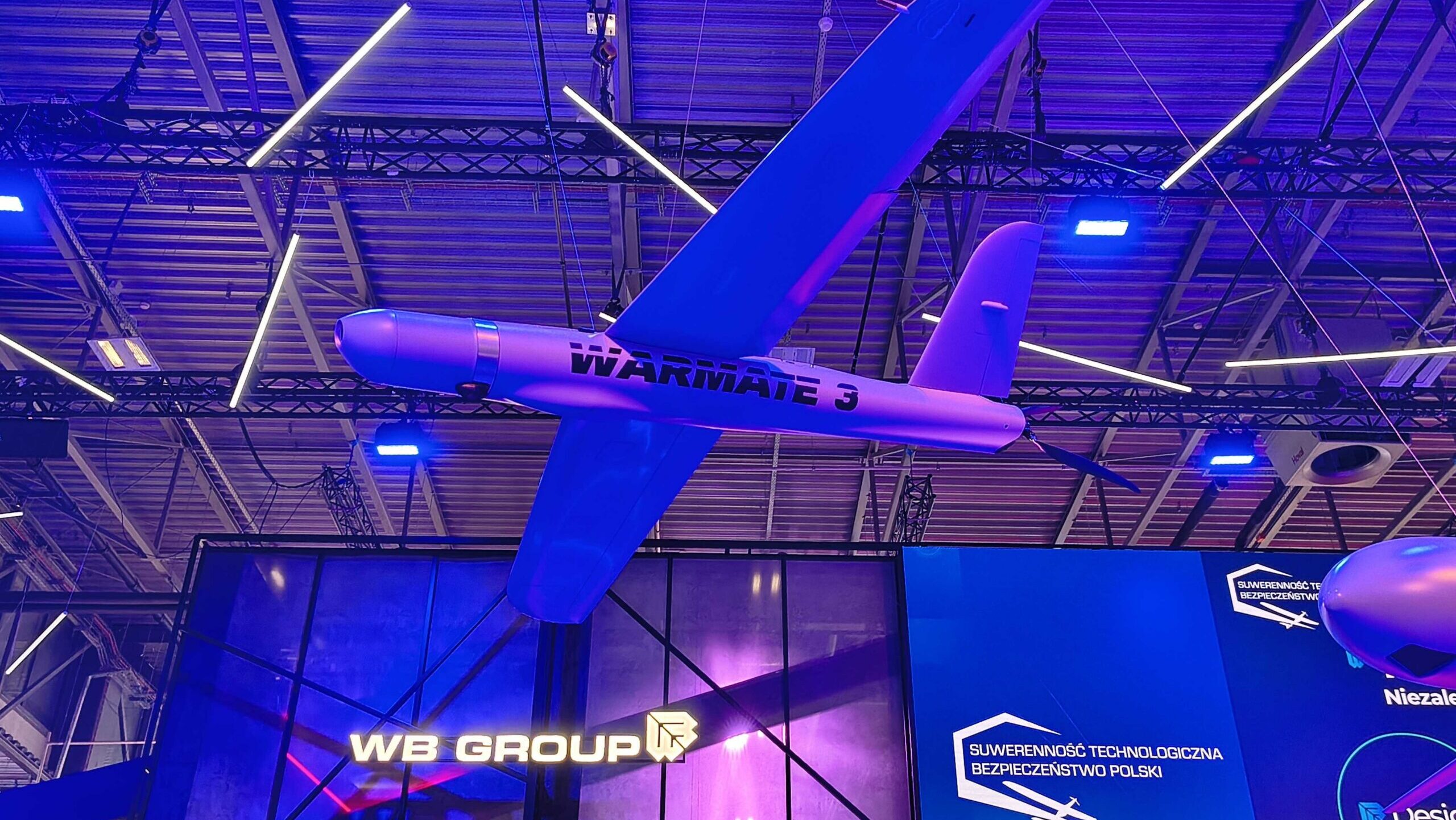
Poland and Canada Sign Defense Cooperation Agreement and Drone Deal
Poland and Canada have formalized a defense cooperation agreement aimed at strengthening bilateral relations, particularly in military training and joint exercises. The agreement was signed by Poland’s Minister of National Defence Władysław Kosiniak-Kamysz and Canadian Minister David J. McGuinty during the MSPO trade show. This partnership highlights Canada's interest in acquiring Polish military equipment, showcasing a shift in Poland's international defense posture. The significance of this agreement lies in its potential to enhance collaboration between the two nations' defense industries and improve military readiness. Polish soldiers are set to participate in Arctic drills in Canada, emphasizing the commitment to joint training efforts. Additionally, the agreement builds on existing cooperation, including the deployment of approximately 2,000 Canadian personnel in Latvia, where Polish forces also contribute to NATO's eastern flank security. Looking ahead, both countries are expected to finalize a drone deal that includes various platforms from WB Group, such as FlyeEye mini-drones and Warmate loitering munitions. This development marks a transition for Poland from a defense equipment purchaser to a producer, reflecting its evolving role in the European defense landscape amid ongoing geopolitical tensions.
Air Warfare Global Air Force canada MSPO 2026 NATO
BigWave Robotics Partners with Space Factory to Deploy Humanoid Robots in Construction by 2026
BigWave Robotics, a South Korean AI company, has announced a partnership with modular housing manufacturer Space Factory to deploy humanoid robots in housing production starting in 2026. This initiative marks a significant shift in the construction industry, which has traditionally relied on human expertise, as robots begin to automate complex tasks such as insulation installation. The entry of humanoid robots into the construction sector is crucial as it addresses labor shortages and enhances production efficiency amid rising housing demands. Modular housing, which involves factory prefabrication and on-site assembly, is increasingly seen as a solution to expedite housing construction, and the integration of robotics is expected to further advance this trend towards smart manufacturing. Looking ahead, the success of humanoid robots in various industries will depend on their cost, reliability, and efficiency. While BigWave Robotics is focusing on the construction sector, the broader implications of this technology could lead to its application in logistics, energy maintenance, and public facility management, marking a new era in industrial automation.
Humanoid Robots Construction Automation Smart Manufacturing Modular Housing AI Technology
LG Electronics Advances Humanoid Robot Actuator Production Plans Amid Industry Shift
As artificial intelligence technology progresses, the humanoid robot industry is transitioning from proof-of-concept to commercialization. The focus of competition is shifting from showcasing complete robots to the core components that drive scalability. Actuators, which connect the robot's control system to its mechanical structure, are becoming a key area of investment. Recently, LG Electronics announced its commercialization plan for humanoid robot actuators at the IFA 2026 exhibition, revealing plans to establish an automated production line in Changwon, South Korea, to supply its AXIUM series integrated actuators globally. This move indicates LG's transition from a consumer electronics company to a core supplier in the robotics sector, aiming to secure a critical position in the future humanoid robot supply chain. The actuator's performance and cost significantly impact the robot's mobility, stability, and commercialization costs, as a standard humanoid robot typically requires around 30 actuators, which can account for 60% to 70% of the total cost. The competition in the humanoid robot industry will not only revolve around mechanical structures but also the integration of hardware and software capabilities, necessitating industry collaboration to address challenges in power, perception, computation, and algorithms.
Humanoid Robots Actuators AI Technology Robotics Supply Chain
XPENG Launches Production of World's First Advanced Humanoid Robot with Official Facility Commissioning
XPENG has officially launched its humanoid robot production lines, successfully completing the manufacturing of the world's first advanced humanoid robot. This milestone signifies a significant transition from research and development prototyping to actual production-line manufacturing. The achievement is crucial as it demonstrates XPENG's capabilities in humanoid robotics, potentially influencing the future of automation and robotics in various sectors. The autonomous walking of the humanoid robot off the production lines showcases advancements in technology and manufacturing processes. Looking ahead, industry observers will be keen to see how XPENG's humanoid robot performs in real-world applications and how it impacts the competitive landscape of robotics. No further timeline was disclosed at the time of publication.

Xpeng Launches Automated Production Line for Humanoid Robots with High-Level Capabilities
Xpeng has successfully activated an automated production line dedicated to humanoid robots, marking a significant milestone in robotics. The company claims that the first high-level general-purpose humanoid robot has completed its assembly and autonomously walked off the production line. This production line is engineered for mass production, boasting an automation rate exceeding 80% in its essential processes. The establishment of this production line is crucial as it positions Xpeng to meet the growing demand for humanoid robots in various sectors. With plans to initiate volume production by the end of 2026, Xpeng aims to deliver these advanced robots to both domestic and international markets starting in 2027. This move highlights the company's commitment to innovation and leadership in the robotics industry. Looking ahead, stakeholders should monitor Xpeng's progress toward its production and delivery timelines. The successful launch of this automated line could set a precedent for other companies in the robotics sector, potentially influencing market dynamics and technological advancements. No further timeline was disclosed at the time of publication.
News Feed
Europe's First Humanoid Robot Production Facility Launches Operations in Serbia
On August 29, the first humanoid robot mass production facility in Europe officially commenced operations in Šabac, Serbia. This factory, built by the global automotive parts supplier Minth Group from Jiaxing, Zhejiang, features core technology provided by Zhiyuan Robotics. The factory's first humanoid robot showcased its capabilities, including organizing clothes, playing chess, and dancing, during an interaction with Serbian President Aleksandar Vučić. This development is significant as it positions Serbia as a pioneer in the large-scale production of humanoid robots in Europe, creating nearly 5,000 jobs according to President Vučić. The initial investment for the factory is €20 million, covering approximately 3,000 square meters, focusing on the assembly and performance testing of humanoid robots and robotic dogs. The factory aims to produce over 5,000 robots annually, with plans for a robotics industrial park in Serbia that could reach an annual capacity of 20,000 units. Looking ahead, the factory is set to deliver 500 humanoid robots this year, with the first batch intended for use at the 2027 Belgrade Expo. The Serbian government plans to procure around 80 robots for various services at the Expo. As production ramps up, Minth Group aims to apply these robots in industrial settings, enhancing efficiency and safety by replacing hazardous manual labor.
Humanoid Robots Robotics Manufacturing Automation Technology AI Industrial Robotics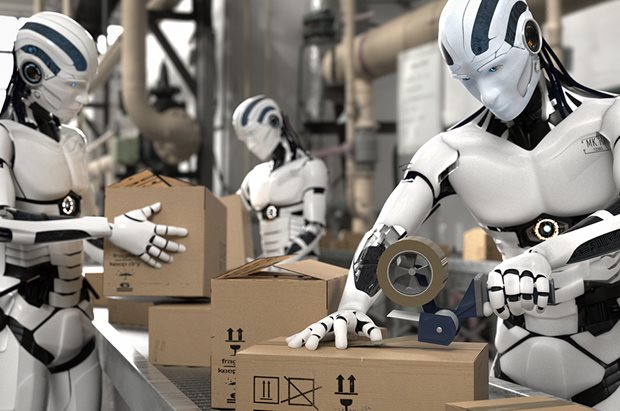
Qatar's $4.5B KC-46A Aircraft Deal and New Trilateral Defense Pact Explained
In the latest Middle East Defense Digest, a potential $4.5 billion sale of four KC-46A refueling aircraft to Qatar is highlighted. This deal signifies a strategic enhancement of Qatar's military capabilities, reflecting the ongoing defense collaboration between the U.S. and Qatar. The significance of this sale lies in its potential to bolster Qatar's defense infrastructure amid regional tensions. Additionally, the anticipated increase in Turkish Hürjet exports and the establishment of the U.S. military's Falcon Strike drone task force underscore a broader trend of military modernization and cooperation in the region. Looking ahead, the newly announced trilateral defense pact involving Saudi Arabia, Turkey, and Pakistan could invigorate the defense industries of these nations. No further timeline was disclosed at the time of publication.
Global Middle East Business & Industry Europe Falcon Strike Hurjet
Transitioning from Manual Loading to Automated Machining: A CNC Production Upgrade Guide
Manufacturers are increasingly pressured to enhance production efficiency, leading many CNC shops to consider automation. However, transitioning from manual loading to automation is complex and involves more than just replacing operators with robots. Factors such as loading time, tool changes, and part flow must be optimized to ensure high machine utilization. Stabilizing the machining process is crucial before implementing robotic loading or unattended production. This gradual approach allows manufacturers to minimize manual intervention and prepare their equipment for future automation. The primary benefit of automation lies not only in labor reduction but also in minimizing machine idle time between cycles, which can significantly enhance productivity. As manufacturers focus on improving process reliability, they can extend production hours and achieve greater consistency in output. The ultimate goal is to maximize the value generated by CNC machines, ensuring they operate efficiently and effectively throughout the production cycle. No further timeline was disclosed at the time of publication.
Engineering Manufacturing automated machining cnc automation cnc machines cnc machining
Galbot's Journey Towards Integrating Embodied AI Robots in Industrial Production Lines
Galbot, a Chinese embodied AI robotics company, is advancing the integration of robots into industrial production environments. Founded in May 2023, the company has raised over RMB 2.4 billion ($360 million) in funding, with a valuation exceeding RMB 22 billion ($3.27 billion). Galbot's G1 robot features a mobile platform and dual-arm manipulation system, enabling it to adapt to various tasks in flexible manufacturing scenarios. The demand for robots that can perform complex tasks in dynamic environments is growing as manufacturing shifts towards greater flexibility and intelligence. Traditional industrial robots, which are typically fixed and perform repetitive tasks, are being challenged by the need for more adaptable solutions. Galbot's innovations, including the G1 and S1 robots, aim to address these challenges by providing greater mobility and efficiency in manufacturing processes. As the embodied AI sector gains momentum, Galbot's focus on industrial applications positions it well for future growth. The company is set to play a significant role in transforming production methods, allowing robots to take on hazardous and repetitive tasks while collaborating with human workers to enhance productivity and safety. No further timeline was disclosed at the time of publication.
Up and Comers AI Highlight News Robotics
Neros Technologies Secures $250 Million to Enhance Defense Drone Production by 2026
Neros Technologies announced the successful completion of a $250 million Series C funding round, elevating its valuation to $2.5 billion. The funding aims to expedite the development and production of its defense drones, including the Archer AI and Bandit models, which are set for deployment by the end of 2026. This funding is crucial as Neros seeks to fulfill its ambitious goal of producing 1 million drones annually, a mission that remains unchanged despite the expanding range of capabilities and mission sets. The company has secured significant contracts with the U.S. Army, Marine Corps, and various allied nations, positioning itself as a key player in the defense drone market amid rising global demand. Looking ahead, Neros Technologies plans to leverage this capital to enhance its drone manufacturing capabilities, particularly in response to the ongoing conflicts in Ukraine, Gaza, and Iran. The company aims to deliver advanced drone solutions that provide credible deterrence and support military operations effectively.
Defense / Security Drones Financial Investments Markets / Industries News
Florida Firm Haddy Utilizes Robotic Arms for 3D Printed TF-179 Drone Boat Production
Haddy, a Florida-based manufacturing company, has successfully produced the TF-179 Drone Boat using large-format robotic 3D printing. This innovative approach highlights the integration of additive manufacturing into maritime and defense sectors, allowing for faster production and more complex designs compared to traditional methods. The significance of this development lies in the evolving landscape of maritime manufacturing, where digital production technologies enable the rapid creation and modification of specialized vessels. Haddy's use of industrial robotic arms not only enhances production efficiency but also shortens development cycles, which is crucial for adapting to the dynamic requirements of unmanned maritime systems. Looking ahead, Haddy's advancements in robotic manufacturing indicate a growing demand for specialized maritime platforms within the US defense sector. As the company continues to refine its capabilities, the focus will likely remain on producing unmanned vessels that meet the changing operational needs of defense applications. No further timeline was disclosed at the time of publication.
Innovation
SpaceX Plans Lunar Factories with Robotic Assistance for Starmind Satellite Production
During SpaceX's quarterly earnings call on August 4, Elon Musk announced plans to establish factories on the moon, utilizing robots for heavy lifting. This initiative aims to support the production of Starmind AI satellites, with a goal of deploying a million-satellite constellation in Earth's orbit and beyond. Musk emphasized the significance of off-Earth manufacturing, stating that robots will play a crucial role in scaling up lunar production. The factories will focus on creating essential components like solar panels and radiators for the Starmind satellites, which are expected to revolutionize space intelligence capabilities. Looking ahead, Musk's vision includes launching locally manufactured Starmind satellites from the moon using electromagnetic mass drivers. While specific details about the robotic workforce remain undisclosed, the use of Tesla's Optimus robots is anticipated. No further timeline was disclosed at the time of publication.
The moon Astronomy Solar System
Choosing Between Job Tracking and Production Intelligence for Manufacturing Success
The digitization of the shop floor has become essential for small and mid-sized manufacturers, transitioning from a luxury to a necessity. The choice of software significantly impacts operational futures, raising the question of whether to address immediate execution issues or to establish a foundation for future growth. This distinction highlights the difference between basic job tracking and comprehensive production intelligence. Steelhead Technologies and OnRamp Solutions exemplify this choice, each catering to different manufacturing needs at various stages of a company's development. Steelhead focuses on immediate shop floor execution, making it suitable for operations that prioritize daily coordination. In contrast, OnRamp is designed for long-term planning and integration across business functions, enabling manufacturers to scale effectively without relying on disconnected systems. Evaluating these platforms involves understanding their core philosophies and how they align with operational goals. The decision ultimately reflects a trade-off between tactical solutions for immediate needs and strategic platforms for broader enterprise integration. No further timeline was disclosed at the time of publication.
Digital Automation Industry Manufacturing digital manufacturing factory automation finite capacity scheduling
Japanese Startups Enter Defense Drone Market Amid Domestic Manufacturing Push
Japanese startups are increasingly engaging in defense drone production, driven by Prime Minister Sanae Takaichi's initiative to reduce reliance on China and bolster local manufacturing capabilities. This shift highlights the strategic importance of drones in modern warfare, as evidenced by the P1-SUN Long Interceptor Drone developed by Ukrainian company SkyFall. The move into defense drones is significant as it reflects Japan's broader defense strategy and the growing recognition of the need for self-sufficiency in military technology. With companies like Anduril and Terra Drone exploring opportunities in Japan, the landscape for defense technology is evolving, potentially leading to enhanced collaboration and innovation in the sector. Looking ahead, the focus will be on how these startups can establish themselves in a competitive market and the potential partnerships that may arise. No further timeline was disclosed at the time of publication.

Hellbender Relocates Headquarters and Expands Manufacturing in Pittsburgh to Boost Physical AI Production
Hellbender, a physical AI infrastructure company, has relocated its global headquarters to the Roundhouse at Hazelwood Green and expanded its manufacturing operations at Mill 19. This strategic move is anticipated to create over 500 jobs in the Pittsburgh area over the next five years, addressing the rising demand for essential hardware and software in physical AI. The expansion is significant as it positions Hellbender to become the only fully US-owned and domestically manufactured Tier 1 supplier for physical AI. This development not only enhances Hellbender's operational capacity but also reinforces Pittsburgh's status as a national leader in robotics and artificial intelligence. Looking ahead, Hellbender aims to leverage its new facilities to attract top talent and foster collaborations with early-stage companies. No further timeline was disclosed at the time of publication.
Factories Infrastructure News ai hardware ai manufacturing edge ai
L3Harris Secures Contracts with DOD and Lockheed Martin to Enhance Missile Component Production
L3Harris has secured new contracts with the Department of Defense (DOD) and Lockheed Martin to expand its production capabilities for missile components. This includes the solid rocket boost motors for the THAAD interceptor, manufactured at facilities in Huntsville, Alabama, and Camden, Arkansas, as well as the Liquid Divert and Attitude Control Systems produced in Los Angeles. These contracts are significant as they build on previous agreements awarded to major defense contractors like Lockheed Martin, Boeing, and Honeywell Aerospace. The PAC-3 missile system, crucial for the U.S. Army, is also part of this expansion, with Lockheed Martin receiving a $4.7 billion contract to increase production, which includes the Attitude Control Motors and Lethality Enhancer solid rocket motors. Looking ahead, L3Harris is investing billions to enhance its manufacturing capabilities, including the establishment of a new advanced propulsion campus in Virginia and the expansion of its PAC-3 campus in Camden. The company is also working on integrating advanced manufacturing technologies, such as AI-driven automated inspection systems, to meet the growing demand from the Pentagon.
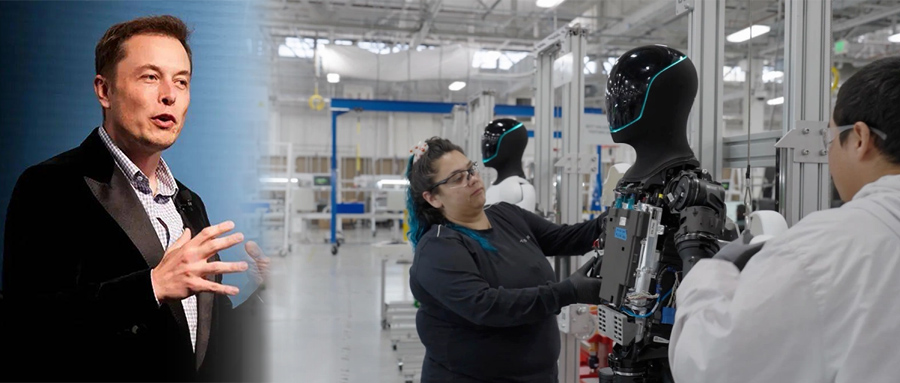
Tesla Transitions Fremont Factory from Model S/X Production to Optimus Robot Development
On July 22, 2026, Tesla announced in its Q2 shareholder update that the Model S/X production line at the Fremont factory has been decommissioned to make way for the installation of the first-generation Optimus production line, which is expected to begin operations soon. The first batch of robots will enter the Optimus Academy for data collection training, while construction at the Texas Gigafactory is progressing. This shift signifies Tesla's strategic pivot towards robotics, despite initial perceptions that it indicates a withdrawal from high-end vehicle production. The Model S/X line had a low output, with only 8,822 units produced in Q2, representing less than 3% of total deliveries. The transformation is seen as a cost-effective way to utilize existing facilities, as the Fremont site has the necessary infrastructure for rapid conversion. Looking ahead, the Fremont line's focus will be on validating assembly processes rather than achieving mass production. The Texas facility is still under construction, with production expected to ramp up by summer 2027. As Tesla invests heavily in its robotics initiative, the financial implications are significant, with a reported operating profit decline and increased capital expenditures aimed at expanding capabilities across various projects, including Optimus.
Robotics AI Manufacturing Electric Vehicles
Re:Build Manufacturing Launches US-Made Lithium-Ion Battery Packs for UAVs
Re:Build Manufacturing has initiated direct commercial sales of its new lithium-ion battery packs designed for unmanned aerial vehicles (UAVs). This product line includes the Core, Power, and Performance series, which cater to various energy configuration needs. The launch is part of a broader manufacturing expansion at the company's Pennsylvania facility, aimed at producing Group 1, Group 2, and Group 3 unmanned aircraft systems (UAS). The introduction of these battery packs is significant as it addresses supply chain vulnerabilities in domestic aerospace hardware. UAV developers, particularly in dual-use, public safety, and military sectors, face stringent procurement regulations regarding component origins. Re:Build's assembly protocol utilizes non-FEOC battery cells to ensure compliance with National Defense Authorization Act (NDAA) procurement frameworks, thus enhancing the reliability of UAV operations. Looking ahead, Re:Build Manufacturing is set to provide dedicated engineering support for custom energy storage solutions, including Battery Management System (BMS) development. The company's advanced manufacturing facility in New Kensington, spanning 175,000 square feet, is designed to facilitate the transition from UAV prototyping to mass production, addressing common scaling challenges in the industry. No further timeline was disclosed at the time of publication.
Military
T3 Defense Secures 60% Ownership in Israeli Drone Manufacturer Project35
T3 Defense has successfully acquired a 60% stake in Project35, an Israeli firm focused on drone technology. This acquisition highlights T3 Defense's commitment to expanding its capabilities in the drone sector, particularly in the development of aerial interceptors and counter-uncrewed aerial vehicle systems. The significance of this acquisition lies in T3 Defense's strategic move to enhance its portfolio in the rapidly evolving drone industry. By integrating Project35's expertise in drone manufacturing and C-UAV systems, T3 Defense aims to strengthen its position in the market and respond to increasing demand for advanced aerial technologies. Looking ahead, industry observers will be keen to see how T3 Defense leverages this acquisition to innovate and expand its product offerings. No further timeline was disclosed at the time of publication.
News
SpaceX's Starmind Targets AI Labs with $6.3 Billion Compute Contracts
SpaceX's Starmind is designed to provide wholesale AI compute services to businesses, particularly AI labs and cloud customers, rather than individual consumers. The service operates similarly to AWS, where users benefit from applications running on Starmind without direct subscriptions. The compute capacity of a single AI1 satellite is comparable to one NVIDIA GB300 rack, emphasizing its enterprise-grade capabilities. The significance of Starmind lies in its positioning as a potential fourth hyperscaler, joining the ranks of AWS, Microsoft Azure, and Google Cloud. The Reflection AI contract, valued at $150 million per month, exemplifies the enterprise-focused model, with total payments potentially reaching $6.3 billion through 2029. This contract highlights the growing demand for AI compute resources, particularly from AI-native startups and labs. Looking ahead, the focus will remain on securing additional enterprise contracts as Starmind expands its offerings. No consumer-facing products or subscriptions have been announced, and the current strategy is to cater to businesses with substantial AI workloads. No further timeline was disclosed at the time of publication.

SpaceX's Starmind Project: Supplier Strategy and Chip Manufacturing Plans for 2026
SpaceX's Starmind project, aimed at deploying up to 1 million AI satellites, was filed with the FCC on January 30, 2026. The initiative is designed to minimize reliance on external suppliers, with CEO Elon Musk stating that current chip production capabilities only meet 2% of the projected needs. The first satellite, AI1, is set for prototype launches in early 2027, featuring a 70-meter wingspan and a modular payload system that allows for interchangeable chips from various suppliers. The significance of Starmind lies in its ambitious supply chain strategy, which seeks to transition from external hardware suppliers to a fully integrated Musk-owned facility by 2028. The Gigasat manufacturing site in Bastrop, Texas, is expected to be operational by the end of 2027, with plans for high-volume production of the D3 chip, specifically designed for space applications. This approach aims to consolidate chip manufacturing processes under the Terafab joint venture, which has an estimated initial investment of $55 billion. Looking ahead, the next milestone for Starmind is the launch of AI1 prototypes in early 2027, while the full-scale chip production at Terafab is projected to ramp up significantly thereafter. However, analysts express skepticism regarding the feasibility of achieving Musk's ambitious compute goals, which may require substantial investment and time to establish the necessary manufacturing capabilities.
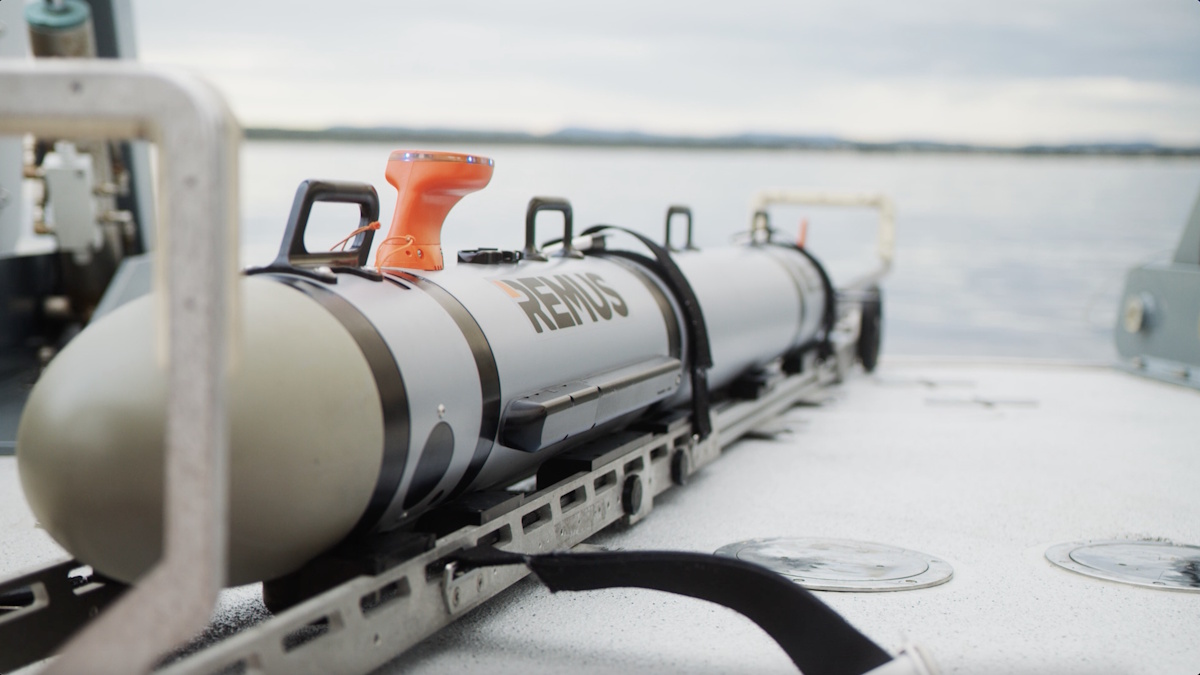
HII Secures Option Year Contract for 200 U.S. Navy Lionfish Undersea Vehicles
HII has been awarded an option year production contract for the U.S. Navy's Lionfish small unmanned undersea vehicle (SUUV), which is based on the REMUS 300 platform. This contract, announced on June 7, 2026, continues the momentum of the Lionfish program, which achieved a significant milestone with the completion of its 42nd vehicle at HII’s Pocasset facility by the end of 2025. The five-year program could scale to a total of 200 vehicles, with a contract value exceeding $347 million. The Lionfish SUUV is designed for various undersea warfare missions, including mine countermeasures, intelligence, surveillance and reconnaissance (ISR), anti-submarine warfare, and electronic warfare operations. The U.S. Navy's decision to exercise this option year contract reflects confidence in the platform's operational performance and adaptability, as stated by Duane Fotheringham, president of HII’s Unmanned Systems group. Looking ahead, HII aims to enhance the capabilities of the Lionfish program to meet evolving mission requirements for sailors and marines. No further timeline was disclosed at the time of publication, but the continued investment in this program indicates a strong commitment to advancing autonomous systems in naval operations.
hii contract award u.s. navy lionfish unmanned undersea vehicle uuv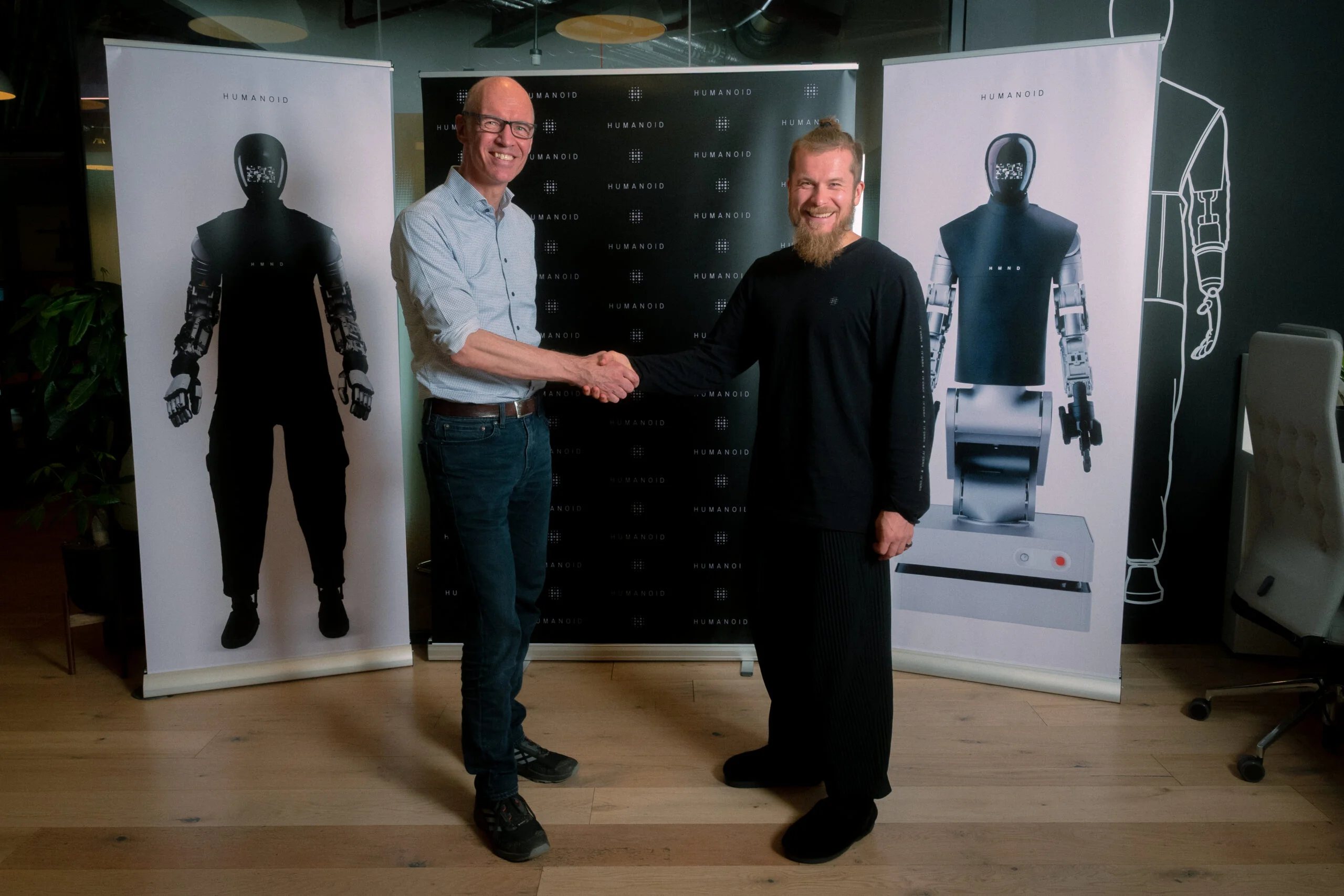
Humanoid Partners with Bosch for Scaled Manufacturing of HMND 01 in Europe
UK-based robotics startup Humanoid has announced a significant manufacturing partnership with Bosch, marking a transition from low-volume prototypes to large-scale production for the European market. This agreement follows a successful proof-of-concept completed in March 2026 at Bosch's facility in Bühl, Germany, where the HMND 01 platform demonstrated its capability in complex intralogistics tasks. The partnership is crucial for Humanoid as it bridges the gap between POC validation and large-scale deployment, aligning with the startup's roadmap. Bosch will provide strategic oversight through a 'Design for Excellence' framework, optimizing the HMND 01's design and production costs to ensure economic viability. The collaboration is set to enhance the robot's capabilities with Bosch technologies, indicating a potential competitive landscape with Humanoid's other partner, Schaeffler. Looking ahead, Humanoid plans to launch its first production-intent hardware in Q3 2026. The integration of Bosch's advanced components into future HMND 01 iterations could significantly impact the robot's performance and market positioning, making this partnership one to watch closely in the evolving robotics landscape.
Europe Bosch HMND-01 Humanoid
Amprius Technologies Secures $75M Grant to Transform EV Battery Line for Drone Production
The U.S. Department of War has granted Amprius Technologies up to $75 million to convert an electric vehicle battery production line into a facility for drone batteries. This retrofit, located in Fremont, California, aims to produce high-energy-density cells for unmanned aerial systems, with a projected capacity of 12 million cells annually by early 2028. This initiative is significant as it aligns with domestic sourcing requirements under the National Defense Authorization Act, ensuring that the U.S. can meet its defense needs with locally produced batteries. The total conversion project is estimated to cost around $100 million, which includes the federal grant and investments from Amprius and its South Korean manufacturing partner. Looking ahead, the converted facility will enhance Amprius’ manufacturing network and provide defense customers with access to NDAA-compliant batteries at higher volumes. No further timeline was disclosed at the time of publication.
Military
Tesla's Optimus Robot Faces Manufacturing Challenges in Production Goals
Tesla's humanoid robot, Optimus, is reportedly struggling with production challenges, requiring human assembly for its hands. The company aims to produce 20,000 units weekly but has only managed several hundred per week due to manufacturing snags, particularly in aligning smaller parts precisely. This situation is significant as it highlights the complexities involved in transitioning automotive production lines to robotics manufacturing. The Optimus robots, while lighter and equipped with more cameras, still rely on manual labor for assembly, indicating that Tesla has yet to overcome key hurdles in automation. Looking ahead, Tesla plans to lease the Optimus robots initially and gather training data to enhance their capabilities. However, the current reliance on human assembly and the slow production rate may hinder their broader deployment. No further timeline was disclosed at the time of publication.
Electric Cars News Robot Tech Tesla Transportation
US Manufacturing Faces Chip Shortages and Rare Earth Production Challenges: IndustryWeek Review
In the latest edition of IndustryWeek's Weekly Review, key topics included the ongoing shortage of memory chips and the revival of rare earth production in the U.S. The report highlights that the chip supply constraint could hinder progress and increase costs for American consumers, raising concerns within the manufacturing sector. The significance of these issues is underscored by the potential impact on the overall financial performance of companies listed in the IW U.S. 500. Following a decline in 2024, the financial metrics for these companies stabilized last year, indicating a critical moment for the industry as it navigates these supply challenges. Looking ahead, the manufacturing community is urged to monitor developments in both chip production and rare earth mining, especially as the U.S. seeks to reduce reliance on foreign sources. No further timeline was disclosed at the time of publication.
Leadership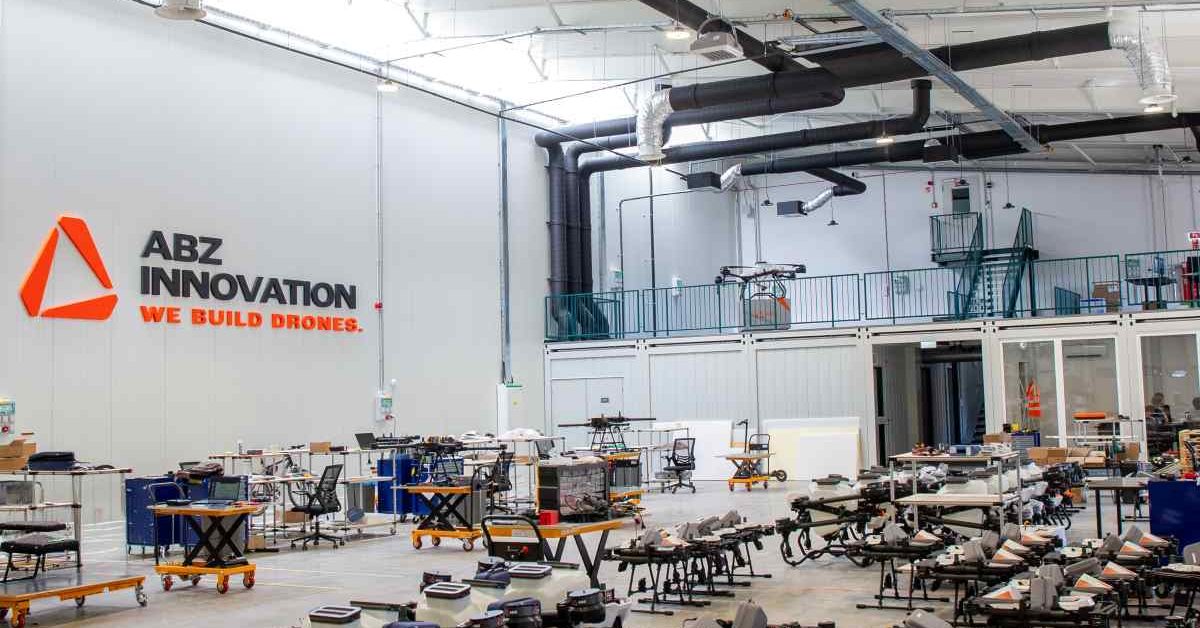
ABZ Innovation Launches Major Drone Manufacturing Facility in Hungary
ABZ Innovation has inaugurated a new drone manufacturing facility in Szentendre, Hungary, which is among the largest dedicated civilian drone production sites in Europe. This expansion is driven by increasing demand for drones in various sectors, including agriculture and industrial cleaning, with the company aiming for a threefold production increase by 2026 and further doubling in 2027. The new facility, approximately four times larger than ABZ Innovation's previous site, will serve as the company's global production hub, emphasizing European manufacturing and after-sales support. The company's drone systems are already deployed in over 40 countries, with a focus on four main product families: L-Series, S-Series, C-Series, and M-Series, catering to precision spraying, seed spreading, industrial cleaning, and cargo operations. As ABZ Innovation continues to grow, the importance of its C-Series for industrial cleaning is notable, becoming the fastest-growing product line. The company is committed to providing a comprehensive support infrastructure for professional drone operators, ensuring data sovereignty and operational efficiency in mission-critical civilian applications. No further timeline was disclosed at the time of publication.
News
Japan Plans Defense Subsidies to Boost Domestic Drone and Ammunition Production Capacity
Japan is set to introduce defense subsidies aimed at enhancing domestic production capabilities for critical items such as drones and ammunition. This initiative is part of a broader strategy to ensure that the country can meet its national security needs in times of crisis, particularly in light of increasing regional threats. The significance of these subsidies lies in their potential to attract new suppliers and support existing ones, thereby strengthening Japan's defense industrial base. As the geopolitical landscape evolves, the ability to produce essential military supplies domestically becomes increasingly vital for national security. Looking ahead, stakeholders will be monitoring the implementation of these subsidies and their impact on Japan's defense capabilities. No further timeline was disclosed at the time of publication.
PDW CEO Emphasizes Domestic Drone Production and Component Manufacturing for U.S. Military
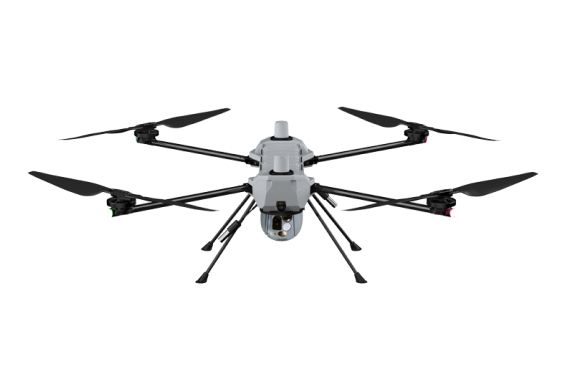
James Slider, CEO of PDW Holdings, highlighted the necessity of establishing domestic production for drones and their critical components to support the U.S. military. He emphasized that while America excels in innovation, the real challenge lies in scaling production effectively. PDW has secured a conditional loan of up to $820 million from the Department of War to enhance domestic manufacturing capabilities. The urgency for U.S. drone production is underscored by the ongoing conflict in Ukraine, which has shown the importance of rapid drone deployment and the need for resilient supply chains. Slider pointed out that the U.S. must learn from Ukraine's strategy, as innovation alone does not equate to capability without production. The reliance on foreign supply chains for essential drone components poses significant risks to U.S. defense readiness. Looking ahead, the focus will be on increasing domestic manufacturing to reduce dependence on foreign sources, particularly for critical components like rare-earth magnets. Slider's comments reflect a broader industry concern about maintaining a robust supply chain to ensure the U.S. military can effectively respond to emerging threats. No further timeline was disclosed at the time of publication.
DL Exclusive Drone News Drone News Feeds Dual Use Feature 1 News
GE Aerospace Secures $2.9 Billion Contract for F/A-18 Engine Parts and Production Expansion
The Pentagon has awarded GE Aerospace a contract valued at nearly $2.9 billion to supply parts for the F414 engine, which powers the Navy's F/A-18 Super Hornet and EA-18G Growler. This performance-based logistics contract is set to run until August 2031, focusing on outcome-based payments. This contract is significant as GE Aerospace navigates the production of both the larger F414 engines for the Navy's aging fleet and the older F404 engines for the Air Force's T-7 Red Hawk training jet. The company anticipates doubling its F404 production output over the next five years, reflecting a strategic shift in its manufacturing focus. Looking ahead, GE is exploring innovative production methods, including additive manufacturing, to enhance the efficiency and cost-effectiveness of its engine components. As demand for military aircraft, such as Boeing's F-15EX, increases, GE aims to overcome supply chain challenges while ramping up its manufacturing capabilities.
Air Warfare Air Force Amy Gowder Boeing Defense Innovation Unit DIU EA-18G
Robots Transforming the Challenges of Automotive Glass Manufacturing
Automotive glass manufacturing has long been plagued by high breakage rates and manual handling challenges. A typical 1.5-meter laminated windshield blank, weighing around 20 kilograms, is difficult to automate due to its unpredictable flexing and fragility. However, advancements in robotics are changing the landscape, with robots now effectively replacing human labor in handling these delicate materials. The shift towards automation in automotive glass production is significant as it addresses the costly inefficiencies associated with manual processes. Historically, factory managers tolerated high breakage rates, but the introduction of articulated robots and vision-guided cobots is enhancing precision in handling glass. These robots utilize custom end-effectors with vacuum cups and real-time pressure monitoring to ensure safe transfer, minimizing the risk of shattering. As the industry continues to evolve, the integration of advanced robotics in glass manufacturing is expected to improve production efficiency and reduce costs. The current generation of robots is closing the gap in handling unsupported sheets, which could lead to further innovations in the automation of other challenging materials. No further timeline was disclosed at the time of publication.
Engineering Manufacturing Materials Robotics automotive glass automotive glass manufacturingRobotics needs a service framework.
RSF defines a common language for robot service capability, lifecycle operations, certification pathways, and service-provider networks.
Join the RobotToday community on LinkedIn
Daily robotics news, in-depth analysis, conference highlights, and discussions with professionals worldwide.







