Industry Briefing
A single destination for timely, editor-curated robotics news from around the world.

Siemens collaborates with Databricks and FFT to enhance production data with AI insights.
Siemens has unveiled a new edge-to-cloud integration in collaboration with Databricks, a leading Data and AI company, and its long-time automation partner, FFT Produktionssysteme. This innovative partnership aims to streamline the connection of production data directly to enterprise AI, eliminating the need for complex IoT middleware. By facilitating this direct integration, Siemens and its partners intend to empower industrial customers to transform their production data into actionable insights, thereby enhancing the scalability of industrial AI solutions on a global scale. This initiative underscores the growing importance of data-driven decision-making in the manufacturing sector, enabling companies to leverage advanced analytics for improved operational efficiency and competitiveness.
Artificial Intelligence Automation Industry News artificial intelligence cloud computing
Simple edge analytics for machines and equipment
Coligo is assisting companies in their transition to digitalization within the operational technology (OT) sector. The platform aims to simplify the implementation of edge analytics for machinery and equipment, enhancing operational efficiency and data-driven decision-making. This initiative is particularly relevant as industries increasingly seek to modernize their processes and leverage technology for improved performance. By providing accessible tools and support, Coligo is positioning itself as a key player in facilitating this digital transformation.
Allgemein Automation
Simple edge analytics for machines and systems
Coligo, a platform dedicated to aiding companies in their transition to digitalization within operational technology (OT) environments, has introduced a new solution for simplifying edge analytics for machines and equipment. This initiative aims to enhance the efficiency and effectiveness of industrial operations by providing businesses with accessible tools for data analysis. The announcement highlights Coligo's commitment to supporting organizations in navigating the complexities of digital transformation, particularly in the manufacturing sector. The development is part of a broader trend towards integrating advanced analytics into industrial processes to drive innovation and improve productivity.
Allgemein Automation
Large Tabular Models Excel Where LLMs Fail
A new generative AI model, known as NEXUS, has emerged from the startup Fundamental, which recently secured $275 million in funding. Launched on February 5, 2026, NEXUS is designed to analyze structured data, a task that traditional large language models (LLMs) like ChatGPT and Claude struggle with. While LLMs excel in generating human-like text and images, they falter when faced with complex tabular data, which is crucial for businesses across various sectors, including finance and healthcare. Fundamental's CEO, Jeremy Fraenkel, explained that LLMs are not suited for structured data due to their reliance on sequential input, making them less effective for tasks requiring deterministic predictions, such as fraud detection. In contrast, NEXUS utilizes a large tabular model (LTM) that directly models the structure of tabular data, allowing for more accurate reasoning and predictions. The development of NEXUS involved training on billions of tables, using a mix of proprietary and public datasets while ensuring customer data confidentiality. This innovative model has already been integrated into Amazon Web Services' SageMaker platform, enhancing its accessibility for businesses handling sensitive data. As the demand for effective data analysis solutions grows, other companies, including Feedzai and Google, are also developing similar technologies. Experts predict that the future of data processing will increasingly rely on automated systems, combining the strengths of LLMs and LTMs to improve efficiency and accuracy in data analysis.
Data-analytics Llms Foundation-models Databases
New tech keeps power grids stable as data centers put more strain on electricity
Researchers at Sandia National Laboratories have unveiled a groundbreaking software platform designed to enhance the management of distributed energy resources. This innovative tool aims to optimize the integration of renewable energy sources into existing power grids, addressing the growing demand for sustainable energy solutions. The announcement was made on October 10, 2023, during a technology showcase at the laboratory's facilities in Albuquerque, New Mexico. The motivation behind this development stems from the increasing need for efficient energy management systems that can accommodate the variable nature of renewable energy sources, such as solar and wind. By utilizing advanced algorithms and real-time data analytics, the platform enables utilities and energy providers to better predict energy supply and demand, ultimately leading to a more reliable and resilient power infrastructure. The software operates by aggregating data from various energy sources and employing machine learning techniques to enhance decision-making processes. This allows for improved coordination among energy producers, consumers, and grid operators, facilitating a smoother transition to a more sustainable energy landscape. As the world moves towards cleaner energy solutions, this platform represents a significant step forward in harnessing the potential of distributed energy resources.
AI and Robotics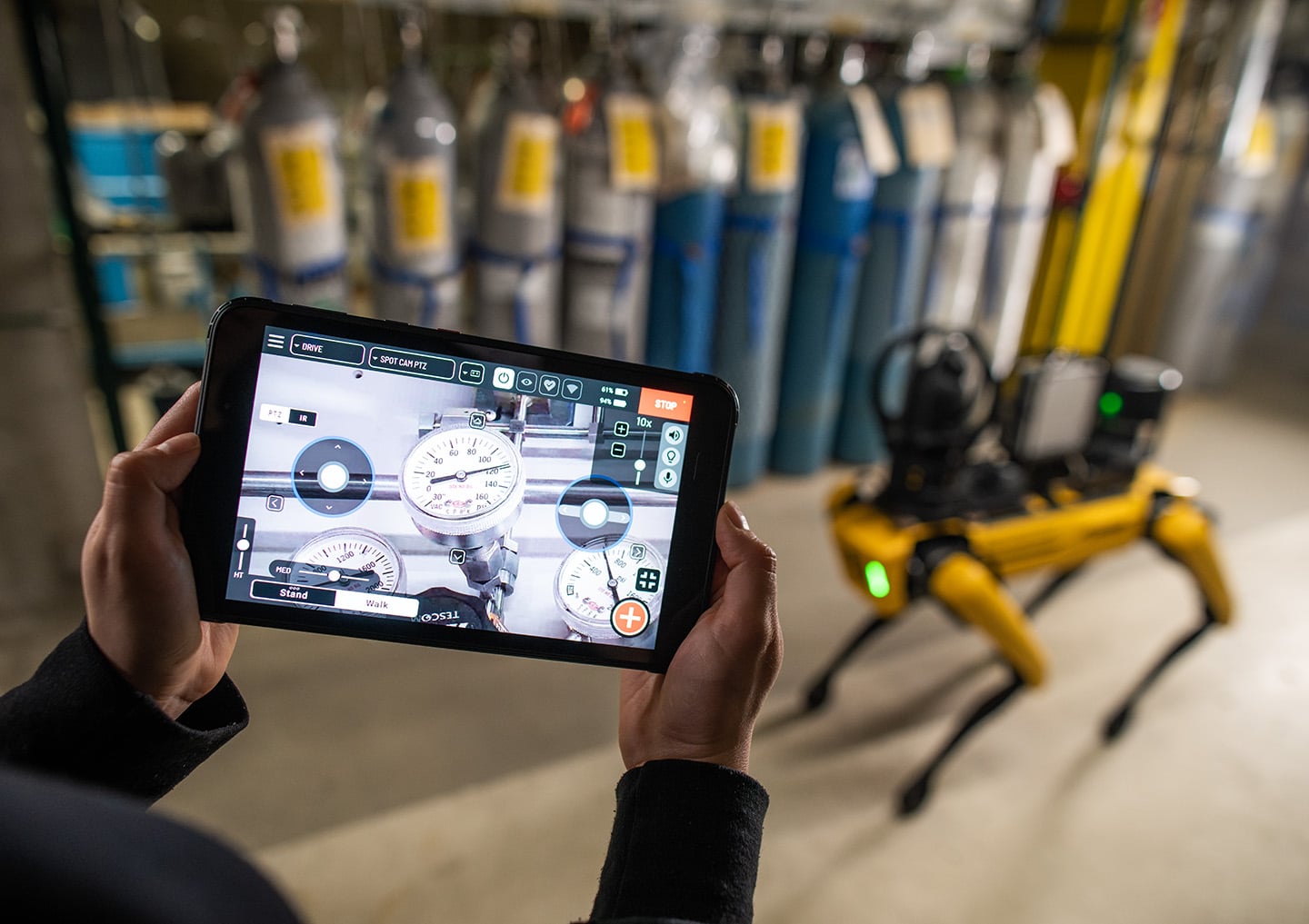
The Data Driving Asset Reliability | Boston Dynamics
Recent advancements in automation and real-time data collection are significantly transforming asset reliability across various industries. This shift, which has gained momentum in recent months, is particularly evident in sectors where operational efficiency is crucial. By leveraging these technologies, companies are effectively reducing instances of unplanned downtime, which can lead to costly interruptions in production. The integration of automated systems allows for continuous monitoring of equipment and processes, enabling organizations to identify potential issues before they escalate into major problems. This proactive approach not only enhances the reliability of assets but also streamlines operations, ultimately leading to improved productivity and cost savings. As industries increasingly adopt these innovative solutions, the focus on data-driven decision-making is becoming paramount. By harnessing real-time insights, businesses can make informed choices that optimize performance and minimize risks associated with equipment failure. This trend underscores the importance of embracing technological advancements to stay competitive in a rapidly evolving marketplace. Overall, the ongoing transformation driven by automation and data analytics is reshaping how companies manage their assets, ensuring a more resilient and efficient operational framework.

Transforming Data Science With NVIDIA RTX PRO 6000 Blackwell Workstation Edition
In response to the increasing demands of data science, PNY Technologies has introduced the NVIDIA RTX PRO 6000 Blackwell Workstation Edition, a powerful solution designed to enhance the efficiency of data preparation, scaling, and processing for massive datasets. As traditional CPU-based systems struggle to keep pace with modern AI and analytics workflows, this workstation offers accelerated computing performance that seamlessly integrates into enterprise environments. The launch of the RTX PRO 6000 comes at a time when data scientists face significant challenges, including the complexity of data preparation and the rapid growth of data volumes, which often leads to suboptimal downsampling practices. With the demand for advanced AI hardware outstripping supply, PNY's workstation aims to fill this gap by providing real-time rendering, rapid prototyping, and collaboration capabilities. Equipped to support up to four NVIDIA RTX PRO 6000 GPUs, this workstation delivers data center-level performance directly to users' desktops, enabling them to handle extensive datasets and perform advanced visualizations efficiently. The system is optimized for AI workflows, leveraging NVIDIA's software stack to facilitate zero-code-change acceleration for Python-based tasks and support over 100 AI applications. By offloading compute tasks from data centers and minimizing reliance on cloud resources, organizations can enhance security and reduce costs. The RTX PRO 6000 Blackwell Workstation Edition is positioned as a transformative tool for data scientists, streamlining the entire data science pipeline from preparation to model deployment, and significantly boosting productivity and innovation in enterprise-ready AI development.
Artificial-intelligence Computing Data-science Gpu-acceleration Ai-workstations Nvidia
Huaqin Technology and Zhengxing Innovation Reach Strategic Cooperation to Build an Industrial Physical Intelligence "Data Foundation and Smart Brain" Together.
Huaqin Technology and Zhengxing Innovation have announced a strategic cooperation aimed at developing a comprehensive industrial physical intelligence framework, which they refer to as a "Data Foundation and Smart Brain." This partnership, revealed on October 10, 2023, is set to take place in China, where both companies will leverage their technological expertise to enhance data-driven decision-making processes within the industrial sector. The collaboration seeks to address the growing demand for advanced data analytics and intelligent systems, enabling businesses to optimize operations and improve efficiency. By integrating their resources and knowledge, Huaqin Technology and Zhengxing Innovation aim to create innovative solutions that will drive the future of industrial intelligence.
Robotics Automation AI
Gong Hongjia and Lu Qiming's favored myoelectric wristband begins to compete for embodied data collection entry.
Gong Hongjia and Lu Qiming have launched a myoelectric wristband that is set to compete in the growing market for embodied data collection. This innovative device aims to capture and analyze muscle activity data, providing users with insights into their physical performance and health metrics. The wristband is designed for a wide range of applications, from fitness tracking to rehabilitation, appealing to both athletes and individuals seeking to monitor their well-being. The product's introduction comes at a time when there is increasing demand for wearable technology that can deliver personalized health data. With advancements in sensor technology and data analytics, the myoelectric wristband is positioned to leverage these trends effectively. The competition in this sector is intensifying as more companies recognize the potential of embodied data to enhance user experiences and outcomes. Gong and Lu's venture reflects a broader shift towards integrating technology with human physiology, aiming to empower users with actionable insights. As the market evolves, the success of their wristband will depend on its ability to differentiate itself through accuracy, user-friendliness, and the value of the data it provides.
Robotics Automation AI
Comprehensive Task Coverage and Real Data-Driven! SenseTime Launches Smart Convenience Store Robot
SenseTime has introduced the SenseMartGo robot convenience store, marking a significant step in the integration of artificial intelligence into retail. The company plans to expand this innovative shopping model across various cities by 2026. Utilizing advanced AI and data analytics, the SenseMartGo store promises to enhance the shopping experience while achieving notable operational efficiency. This launch not only showcases SenseTime's commitment to technological advancement in retail but also aims to capture a growing market interested in automated shopping solutions. As the demand for convenient and efficient shopping options rises, SenseTime's initiative positions it as a leader in the evolving landscape of retail technology.
Retail Robotics AI Technology Smart Stores Data Analytics
HK‐MEMS, a Multi‐Sensor Data Set With MEMS LiDAR on Degenerate and Dynamic Urban Scenarios
In May 2026, the Journal of Field Robotics published a significant study focusing on advancements in robotic technology. Researchers from various institutions collaborated to explore innovative applications of robotics in field environments, aiming to enhance efficiency and safety in agricultural practices. The study highlights the integration of artificial intelligence and machine learning to improve the decision-making processes of autonomous robots. Conducted in diverse agricultural settings, the research emphasizes the growing need for automation in response to labor shortages and the increasing demand for food production. By employing advanced sensors and data analytics, the robots demonstrated improved performance in tasks such as planting, harvesting, and monitoring crop health. The findings are expected to influence future developments in agricultural robotics, potentially leading to widespread adoption of these technologies in the industry. As the global population continues to rise, the study underscores the importance of leveraging robotics to meet food security challenges while promoting sustainable farming practices.
RESEARCH ARTICLE
From R&D to Data Analysis, AI Is Rewriting How Game Companies Operate
YOOZOO Interactive deploys AI agents across 75% of its workforce, using Tencent Cloud WorkBuddy to transform game development from coding to global marketing analytics.
Industry
Beyond the Drone: Percepto’s New Platform Brings AI to Infrastructure Inspections
Percepto has unveiled its next-generation inspection software at the InnovateEnergy Week conference, which is currently taking place in The Woodlands, Texas. This new platform aims to enhance the capabilities of energy companies, particularly in the oil, gas, and electric utility sectors, by providing actionable data that is crucial for their operations. The launch reflects the industry's growing need for advanced technology to optimize infrastructure inspections and improve efficiency. By integrating artificial intelligence into their inspection processes, Percepto seeks to revolutionize how companies manage and analyze their energy resources, ultimately supporting their production goals.
Applications Drone News Drone News Feeds Drones in the News Energy infrastructure
Automated Online Investing: How Technology Helps You Build Wealth Passively
Automated online investing is revolutionizing wealth-building strategies for individuals by streamlining the investment process. This innovative approach alleviates the burdens of manual tracking, trade timing, and emotional decision-making, allowing investors to depend on sophisticated systems that manage the majority of the work. As a result, more people are gaining access to investment opportunities, fostering a more inclusive financial landscape. This transformation, driven by advancements in technology and data analytics, is reshaping traditional investment practices and empowering individuals to grow their wealth with greater ease and efficiency.
Business Financials & Investments AI investing algorithmic investing artificial intelligence automated online investing
144 GPUs per rack: Dell launches new server for massive supercomputing tasks
Dell has unveiled a cutting-edge high-density AI and supercomputing server, aimed at enhancing computational capabilities for enterprises and research institutions. This launch took place on October 10, 2023, at the company's annual technology conference in Austin, Texas. The new server is engineered to address the growing demand for advanced processing power in fields such as artificial intelligence, machine learning, and data analytics. The motivation behind this development stems from the increasing need for efficient and powerful computing solutions that can manage complex workloads and large datasets. Dell's latest offering is designed to optimize performance while minimizing energy consumption, aligning with the industry's push towards sustainability. The server incorporates innovative technologies, including advanced cooling systems and modular designs, allowing for scalability and flexibility in various operational environments. By providing organizations with the tools necessary to accelerate their AI initiatives, Dell aims to solidify its position as a leader in the supercomputing market. This strategic move not only responds to current technological trends but also anticipates future demands in high-performance computing.
AI and Robotics
Autonomous Asset Optimization? Honeywell Redesigns Making this a Reality
A company is advancing its efforts to enhance autonomous asset optimization for manufacturers by leveraging data foundations and predictive technologies. This initiative aims to streamline operations and improve efficiency within the manufacturing sector. By integrating advanced data analytics and predictive modeling, the company seeks to empower manufacturers to make informed decisions that can lead to significant cost savings and operational improvements. The focus on these technologies comes at a time when the industry is increasingly looking for innovative solutions to adapt to evolving market demands and challenges. Through this strategic approach, the company is positioning itself as a leader in the drive towards smarter manufacturing practices.
Factory / Plant Maintenance
IERA Award 2026 Goes to Flying Warehouse Robots by Verity from Switzerland
Verity, a leading technology company, has been acknowledged for its innovative development and successful market launch of a cutting-edge warehouse intelligence system. This recognition comes as the company aims to enhance operational efficiency and streamline logistics processes within the supply chain sector. The system, which leverages advanced data analytics and artificial intelligence, was officially unveiled in October 2023, positioning Verity at the forefront of warehouse management solutions. The initiative is part of Verity's broader strategy to address the growing demand for smarter, more efficient inventory management in an increasingly competitive market. By integrating real-time data insights, the warehouse intelligence system is designed to optimize inventory tracking, reduce operational costs, and improve overall productivity for businesses.
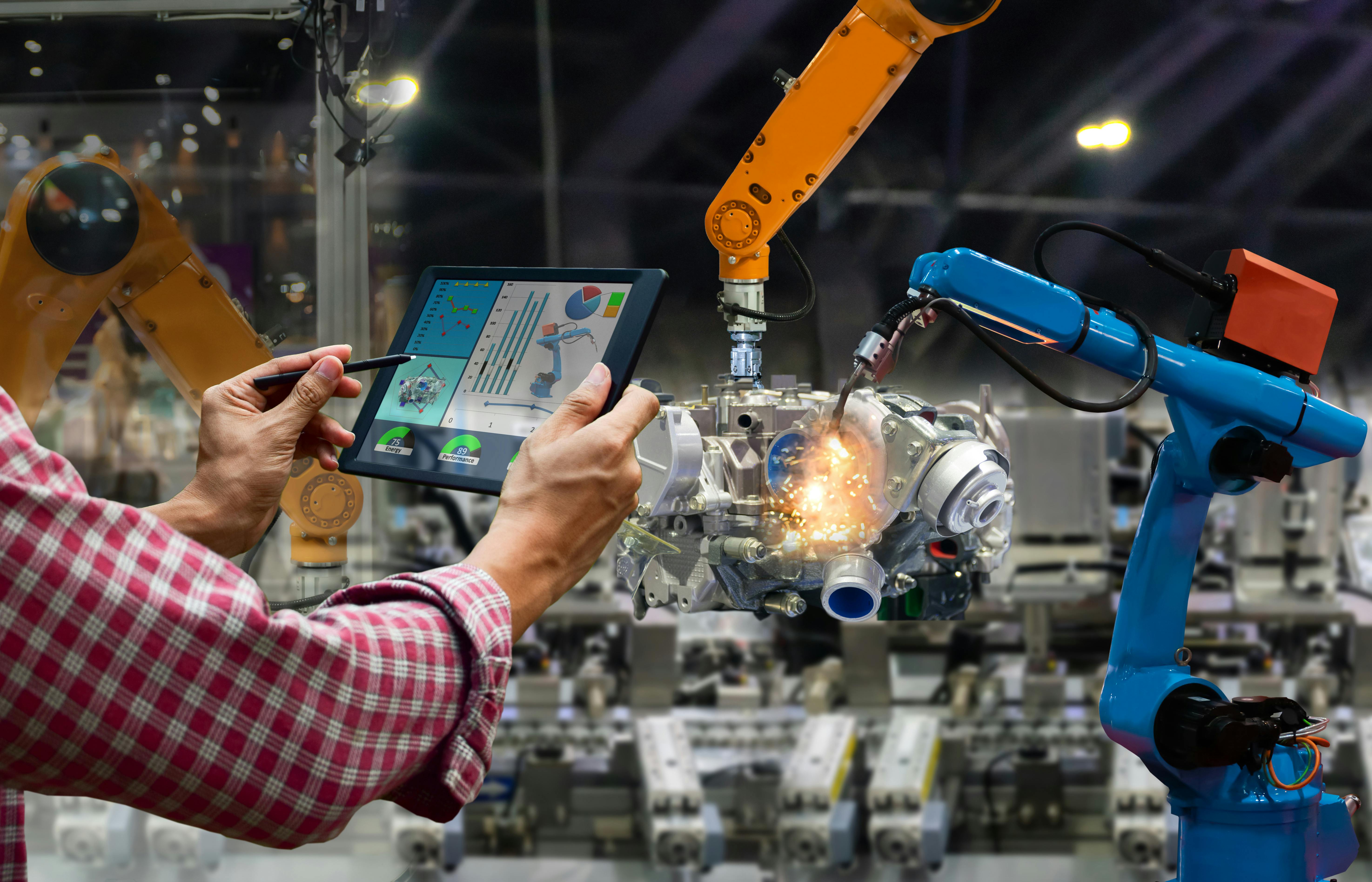
How to Get Predictive Maintenance Off the Ground
Matt Bernhard from TwinThread and Michael Cooper from Rockwell Automation recently discussed the transformative potential of predictive maintenance in a session aimed at industry professionals. The event, held in October 2023, focused on practical strategies for organizations looking to implement predictive maintenance solutions effectively. Both experts emphasized the importance of leveraging data analytics to enhance operational efficiency and reduce downtime. They provided actionable insights on how companies can initiate their predictive maintenance journey, highlighting the need for a structured approach to data collection and analysis. The discussion underscored the growing significance of predictive maintenance in optimizing asset management and driving innovation across various sectors.
Factory / Plant Maintenance
Anthropic unveils Claude Fable 5, opening Mythos-class capabilities to all users
Anthropic has launched its most advanced artificial intelligence system to date, marking a significant milestone in the field of AI development. The unveiling took place recently, showcasing the company's commitment to pushing the boundaries of AI technology. This new system is designed to enhance various applications, reflecting the growing demand for sophisticated AI solutions across industries. The motivation behind this launch stems from the increasing need for more capable and reliable AI systems that can assist in complex tasks and decision-making processes. By leveraging extensive data and advanced algorithms, Anthropic aims to address these challenges and provide users with a powerful tool for innovation and efficiency. The rollout of this AI system is expected to impact sectors such as healthcare, finance, and education, where advanced analytics and automation can drive significant improvements. As the technology continues to evolve, Anthropic is positioning itself as a leader in the competitive AI landscape, striving to create systems that are not only advanced but also ethical and aligned with human values.
AI and Robotics
Smooth Motor Advances Across Robotics and Intelligent Automation Industries Through 30 Years of Rapid Engineering Response
As product development cycles shorten and system complexity increases, the industry faces growing demands for efficient validation, long-term reliability, and cost control. This trend has emerged as companies strive to meet the evolving expectations of consumers and stakeholders. The pressure to innovate rapidly while ensuring quality and affordability has prompted organizations to adopt new strategies and technologies. By leveraging advanced data analytics and streamlined processes, businesses aim to enhance their product offerings and maintain competitiveness in a fast-paced market. The ongoing shift underscores the necessity for adaptability and efficiency in an environment where both time and resources are limited.

The Gap Between Tracking and Execution
As companies navigate the evolving landscape of supply chain management, the focus is shifting towards maintaining accurate and aligned product identity across their networks. This next phase, anticipated to unfold in the coming months, will challenge organizations to enhance their operational strategies to ensure that product information remains consistent and actionable. The ability to execute these strategies effectively will be crucial for businesses aiming to optimize their supply chains and meet the demands of a competitive market. By leveraging advanced technologies and data analytics, companies can improve transparency and traceability, ultimately driving efficiency and customer satisfaction. The emphasis on product identity is expected to reshape supply chain practices, making it a pivotal aspect of business operations in the near future.

US team combines digital twins, VR to boost lunar robot performance for future missions
Researchers at the University of Colorado Boulder are pioneering the use of digital twin technology to enhance environmental monitoring and management. This innovative approach involves creating virtual replicas of physical systems, allowing scientists to simulate and analyze real-world conditions in real time. The project, which commenced in late 2023, aims to address pressing environmental challenges by providing more accurate data and predictive insights. Located in Boulder, Colorado, the initiative seeks to improve understanding of climate change impacts and resource management by integrating advanced modeling techniques with real-time data collection. The motivation behind this research stems from the urgent need to develop effective strategies for sustainability and resilience in the face of environmental degradation. By employing sensors and data analytics, the researchers are able to create dynamic models that reflect current environmental conditions, enabling stakeholders to make informed decisions. This method not only enhances the accuracy of environmental assessments but also facilitates proactive responses to potential ecological threats. The team at CU Boulder is collaborating with various stakeholders, including government agencies and conservation organizations, to ensure that the findings are applicable and beneficial for real-world applications.

Powering the next era of AI in manufacturing: Why it’s time to upgrade to the NVIDIA RTX PRO 4500 Blackwell Workstation Edition
NVIDIA has unveiled its latest advancements in manufacturing technology, showcasing how artificial intelligence and digital twins can significantly accelerate innovation in the industry. This announcement was made during a recent event held in October 2023, where industry leaders gathered to explore cutting-edge solutions. The integration of AI and digital twin technology aims to enhance efficiency and streamline processes within manufacturing operations. By leveraging NVIDIA's Blackwell architecture, companies can expect improved data processing capabilities that facilitate real-time decision-making and predictive analytics. This transformation is poised to not only boost productivity but also drive competitive advantage in an increasingly fast-paced market.

Robot.com Launches R-ads, Redefining Out-of-Home Advertising With Its Autonomous Robot Media Network
Robot.com has unveiled R-ads, an innovative advertising platform that transforms autonomous robots into a measurable out-of-home media network. Launched on May 21, 2026, the platform aims to enhance physical advertising by making it as accountable as digital formats. This initiative follows the company's successful execution of over 100 brand activations across more than 20 countries, including high-profile events such as sports leagues and global tech conferences. R-ads operates on the premise that interactive advertising can significantly boost engagement. With over 500 robots currently deployed in various settings, including campuses and city streets, the platform has completed 2.5 million tasks. Judah Longgrear, co-founder of Robot.com, emphasized that R-ads combines the reach of traditional billboards with the interactive capabilities of robots, allowing brands to measure every impression effectively. The platform offers a self-serve advertising suite that includes moving robots, vehicle wraps, and digital screens, enabling campaigns to launch in minutes with real-time analytics. Notably, R-ads recently partnered with the Ad Council for a 15-day activation in Miami, coinciding with National Heatstroke Prevention Day. This campaign utilized the robots' digital displays due to venue restrictions, generating over 147,000 impressions within the first four days. Robot.com’s CEO, Felipe Chavez, highlighted that R-ads exemplifies the multifunctionality of robots, which can deliver, advertise, and collect data, ultimately making robotic technology more accessible and economically viable.

Quiz: Industrial Connectivity Trends
Recent developments in industrial networks are significantly transforming the landscape of manufacturing connectivity. As companies increasingly adopt advanced technologies, the integration of Internet of Things (IoT) devices and cloud computing is reshaping how manufacturers communicate and operate. This shift is particularly evident in the ongoing evolution of smart factories, which leverage real-time data to enhance efficiency and productivity. The changes are occurring across various sectors, with a notable emphasis on automation and data analytics. By October 2023, many manufacturers have begun to implement these technologies to streamline operations and reduce costs. The push for greater connectivity is driven by the need for improved supply chain management and the ability to respond swiftly to market demands. Experts highlight that the transition to more interconnected systems is not merely a trend but a necessary adaptation to remain competitive in a rapidly changing global market. Manufacturers are increasingly recognizing the importance of collaboration and data sharing among partners to optimize processes and innovate products. As this transformation continues, the implications for workforce dynamics and skill requirements are becoming apparent. Companies are investing in training programs to equip employees with the necessary skills to thrive in this new environment. The ongoing evolution of industrial networks is poised to redefine traditional manufacturing paradigms, fostering a more agile and responsive industry capable of meeting the challenges of the future.
Process / Communication
Stop Losing Money to Process Variability with These Proven Multi-Variable Process Control Strategies
Food manufacturers are increasingly turning to advanced Model Predictive Control (MPC) systems to enhance their operational efficiency. These sophisticated systems enable companies to optimize complex production processes, significantly reduce waste, and ensure consistent product quality. As the industry faces growing pressure to improve sustainability and meet consumer demands for high-quality products, the adoption of MPC technology has become a strategic priority. By leveraging real-time data and predictive analytics, manufacturers can make informed decisions that streamline operations and minimize resource consumption. This trend is expected to continue as companies seek innovative solutions to remain competitive in a rapidly evolving market.
Process / Control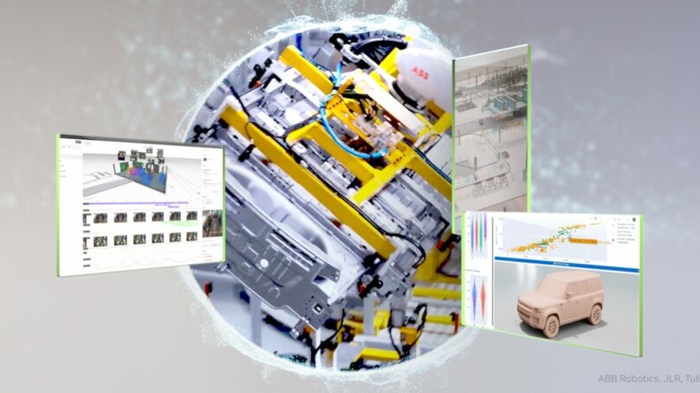
Into the Omniverse: Manufacturing’s Simulation-First Era Has Arrived
In a significant shift for the manufacturing industry, experts are challenging the long-standing reliance on real-world testing as the sole reliable method for product validation. Traditionally, the design-build-test cycle has been anchored in the belief that only through physical testing can products be adequately assessed for performance and safety. However, with advancements in technology and data analytics, industry leaders are advocating for a more integrated approach that incorporates virtual simulations and predictive modeling. This evolution aims to enhance efficiency, reduce costs, and accelerate the development process. As manufacturers increasingly adopt these innovative methodologies, the landscape of product testing is poised for transformation, potentially leading to safer and more reliable products reaching the market faster than ever before. This paradigm shift is gaining momentum as companies seek to adapt to the demands of a rapidly changing market and consumer expectations.

Alibaba’s Qwen AI is coming to cars, allowing drivers to order food and book hotels by voice
Alibaba is set to launch its Qwen AI technology across various car brands, enhancing the driving experience with innovative hands-free features. This initiative allows drivers to seamlessly order meals and manage deliveries directly from their vehicles, promoting convenience and safety on the road. The rollout is expected to take place in the coming months, as the company aims to integrate advanced artificial intelligence into everyday driving scenarios. By leveraging its expertise in AI and data analytics, Alibaba seeks to transform how drivers interact with their vehicles, making tasks that typically require manual input more efficient and accessible. This move aligns with the growing trend of smart technology in the automotive industry, as companies increasingly prioritize user-friendly solutions that enhance mobility.

Sunday Robotics Raises $165M to Transition from Demos to Real-World Deployment
Sunday Robotics, now valued at $1.15 billion, is intensifying its commitment to a "data-first" approach as it prepares to deliver its Memo robot to consumers by Thanksgiving. The company aims to leverage advanced data analytics to enhance the functionality and user experience of its robotic technology. This strategic move reflects Sunday Robotics' ambition to establish a strong presence in the home automation market, catering to the growing demand for innovative household solutions. With the anticipated rollout, the company is poised to make a significant impact in the industry, capitalizing on the increasing interest in smart home devices.
Sunday Robotics US fundraising Memo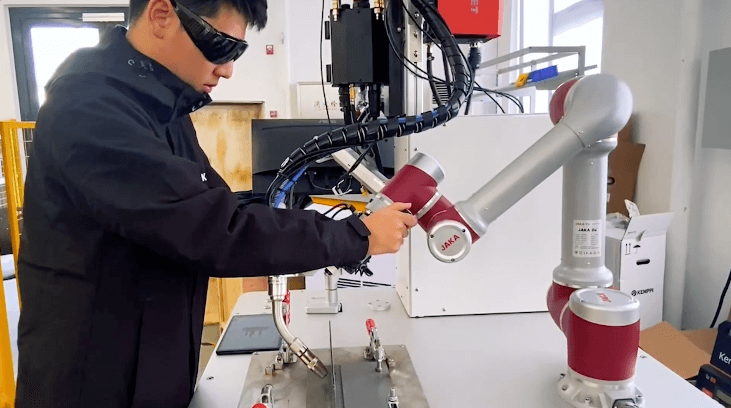
Top 5 Trends of the Industrial Robotics Solutions Industry in 2026 (Focus on AI & Cloud)
The automation sector is witnessing significant advancements, particularly in industrial robotics, as companies like JAKA adapt to evolving demands for flexibility, intelligence, and connectivity. As the industry heads toward 2026, five key trends are shaping the future of robotic solutions. Manufacturers are increasingly focusing on adaptive and accessible automation, enabling easier deployment and reconfiguration of sophisticated systems. JAKA is leading this shift with user-friendly interfaces that allow shop-floor personnel to quickly set up industrial welding robots, minimizing downtime and skill barriers. Another trend is the growth of cloud-connected system management, which facilitates centralized monitoring and data analytics across multiple robotic arms. This connectivity allows manufacturers to optimize maintenance and streamline operations, particularly in welding applications where real-time tracking of consumable usage is crucial. Artificial intelligence is also playing a pivotal role, moving beyond vision inspection to enhance real-time process control. JAKA's AI-enhanced welding robots can make instantaneous adjustments, improving efficiency and reducing rework by compensating for material variations. The expansion of human-robot collaboration is evident as collaborative robots (cobots) become smarter and more integrated into workflows. JAKA's cobots assist operators in welding tasks, allowing humans to focus on quality inspection and decision-making, thereby boosting productivity. Lastly, the integration of digital twin technology is gaining traction, enabling manufacturers to simulate robotic processes without disrupting production. JAKA's compatibility with simulation platforms allows for pre-validation of welding paths, reducing debugging time and accelerating return on investment. These trends underscore a shift toward more connected and intelligent automation, with JAKA committed to developing user-centric solutions that meet the demands of the smart factory era.

Qingche Intelligent's RoboPocket Kicks Off the Year with Over Hundreds of Orders in the First Month
In 2026, Qingche Intelligent launched its innovative data collection product, RoboPocket, which quickly gained traction in the market by securing hundreds of orders within its first month. This portable device is designed to simplify the data collection process, enabling users to gather information effortlessly. The introduction of RoboPocket aims to revolutionize the traditional methods of data collection by focusing on real-time quality control and providing model-driven insights. This advancement reflects Qingche Intelligent's commitment to enhancing data management and analytics for a wide range of users.
Data Collection AI Technology Smartphone Integration Real-time Analytics
Viral Demand Surges Create New Challenge for Supply Chains
Retailers and supply chains are facing unprecedented challenges due to the rapid rise of viral product trends, which are leading to sudden spikes in consumer demand. As these trends emerge, businesses are compelled to enhance their inventory management and visibility to keep pace with the shifting market dynamics. This urgency is particularly pronounced as consumers increasingly expect immediate availability of trending products. To address these challenges, companies are adopting advanced data analytics and real-time tracking systems, allowing them to respond more swiftly to fluctuations in demand. This proactive approach not only helps in maintaining stock levels but also in optimizing supply chain operations, ensuring that retailers can meet customer expectations effectively. The ongoing evolution of consumer behavior, driven by social media and online platforms, continues to reshape the retail landscape, prompting businesses to innovate and adapt in order to thrive in a competitive environment.

Study: Most Consumers Influenced by Viral Trends
A recent study reveals that a significant majority of consumers are swayed by viral trends, leading to sudden spikes in demand that place considerable strain on retail fulfillment and supply chains. This research highlights the growing impact of social media and online platforms in shaping consumer behavior, particularly in the wake of the pandemic. As trends rapidly gain traction, retailers are finding it increasingly challenging to keep up with the fluctuating demands of consumers, which can result in stock shortages and delayed deliveries. The findings underscore the necessity for businesses to adapt their supply chain strategies to better respond to these unpredictable shifts in consumer interest. By leveraging data analytics and enhancing inventory management, retailers can mitigate the risks associated with viral trends and ensure more efficient fulfillment processes. This study serves as a crucial reminder of the evolving landscape of consumerism, where the influence of digital trends can significantly alter purchasing patterns almost overnight.

Nemotron Labs: How AI Agents Are Turning Documents Into Real-Time Business Intelligence
In today's fast-paced business environment, companies are grappling with the challenge of extracting valuable insights from a diverse array of documents, such as reports, presentations, PDFs, web pages, and spreadsheets. As organizations strive to remain competitive, the ability to analyze and interpret this vast amount of information has become increasingly crucial. The need for effective data management and analysis tools has intensified, prompting businesses to seek innovative solutions that can streamline the process of uncovering actionable insights. This trend highlights the growing importance of data literacy and the integration of advanced technologies in decision-making processes. As companies navigate this complex landscape, the demand for skilled professionals who can harness these insights is also on the rise, shaping the future of business intelligence and analytics.

Mission-Critical Automation: Ensuring Uninterrupted Operations Through Robust Power Management
Effective power management in facilities necessitates meticulous planning and the integration of various technologies and techniques for optimal oversight. This comprehensive approach involves assessing energy consumption patterns, implementing advanced monitoring systems, and utilizing energy-efficient solutions to enhance overall energy use. By employing strategies such as real-time data analytics and automated control systems, facilities can significantly reduce energy waste and improve operational efficiency. The focus on seamless power management is driven by the need to lower operational costs and minimize environmental impact, making it a critical consideration for businesses aiming to achieve sustainability goals. As organizations increasingly prioritize energy efficiency, the adoption of these innovative practices is expected to grow, leading to more sustainable and economically viable operations.

PlanBlue and Orpheus Ocean Join Forces to Advance Sustainable Seafloor Intelligence into the Deep Sea
PlanBlue and Orpheus Ocean have formed a strategic partnership aimed at enhancing sustainable seafloor intelligence in the deep sea. This collaboration, announced recently, seeks to leverage advanced technologies and data analytics to promote environmental sustainability and better understand marine ecosystems. By combining their expertise, the two organizations aim to address critical challenges facing ocean health and biodiversity. The partnership reflects a growing commitment to innovative solutions that can support conservation efforts and sustainable ocean management.
planblue orpheus ocean sustainable seafloor intelligence deep sea
Unlocking Warehouse Agility with Purpose-Built AI
In a significant advancement in technology, intelligent robots are now being developed to learn and adapt in real-time, enhancing their effectiveness in various industries. These innovations are complemented by AI-powered orchestration platforms that leverage predictive analytics and data-driven decision-making to optimize operations. This evolution in robotics and artificial intelligence is expected to transform workflows and improve efficiency across sectors. As organizations increasingly adopt these technologies, the focus is on harnessing their capabilities to streamline processes and drive productivity. The integration of such advanced systems is anticipated to reshape the landscape of work, making it essential for businesses to adapt to these changes to remain competitive in the market.

Device Insight and MakinaRocks combine their expertise for Industrial AI solutions
Munich-based IoT and Data Analytics firm Device Insight, part of the KUKA Group since 2019, has announced a strategic partnership with South Korean AI startup MakinaRocks. This collaboration, unveiled on January 22, 2025, aims to enhance the integration of AI-driven solutions within production environments. By combining their expertise, the two companies seek to set new standards in industrial digitalization, ultimately facilitating a more efficient and innovative approach to manufacturing processes.
Small-AI Models Gain Traction Around the World
One morning in 2019, Adebayo Alonge was in a Cape Town hotel room, preparing to demonstrate his startup’s AI answer to a serious problem in African health care: counterfeit medication, which kills thousands of people across the continent every year.The RxScanner is a handheld spectrometer that scans a pill with infrared light, then sends the item’s molecular profile to an AI model equipped with a pharmaceutical database. In seconds, the AI identifies the medication from its molecular profile—or reports that it’s phony.Pharmacies were using the system in more than a dozen countries, including Ghana, Kenya, Myanmar, and Alonge’s native Nigeria. But that morning in South Africa, it didn’t work. “I was shocked,” Alonge says.The spectrometer connected to the AI model—but the data center was 14,000 kilometers away and bandwidth was limited. “Our server was in the United States, and just to get the result of a single scan was taking me over 5 minutes.”So Alonge immediately asked his engineers to shrink the AI model down to a smaller, low-power, unconnected version that could run entirely on his Android phone. They produced it 2 hours later, and that saved the demo.More importantly, the work birthed a new version of his device, which can authenticate a pill in places without broadband, computers, or even reliable electricity. It also turned Alonge into an advocate for this kind of “small AI.”Small AI for Global Health Care AccessSmall AI is a far cry from wealthy nations’ colossal large language models (LLMs), hyperscale data centers, multibillion-dollar investments, and debates about AI consciousness. But for millions of people around the world, the only AI that matters, and often the only kind available, is small. (According to a World Bank Report issued in November, only 0.7 percent of internet users in the world’s poorest countries have used ChatGPT, compared to a quarter of all internet users in the most developed nations.)“Most people are discussing AI from the LLM/generative side. But that needs a lot of computing power, electricity, massive data, and skilled people to manage it,” Ajay Banga, president of the World Bank, said last January at the World Economic Forum, in Davos. “Outside the developed world, other than maybe India and China, very few countries have that combination.”By contrast, small AI can deliver useful, even life-saving services to people in areas that have none of those things, Banga said. In India, where the government’s AI plans call for more development of small AI, many such systems are working for farmers.For example, a drone-based system developed by Bala Murugan and colleagues at the Vellore Institute of Technology, in India, takes photos of cashew plants and quickly identifies those with splotches that indicate disease. All the processing takes place on the drone itself, so there’s no need for a computer on-site, nor for a connection to a central server.Using small language models trained for a specific problem, and sometimes running on cheap, low-power devices, other small-AI implementations have been developed to identify ant infestations in a Uruguayan vineyard, detect the presence of malaria-carrying mosquitoes in a number of nations, and run electrocardiograms from an Arduino device in parts of Brazil that lack access to more complex equipment.“This is the most important area in AI nowadays,” says Marcelo José Rovai, a professor at the Institute of Engineering and Information Systems at the Federal University of Itajubá, in Brazil, who was involved in all three projects. “It’s growing very fast.”Low-Power, Small-AI Models on Devices Small AI models can run on a variety of low-power devices, including [from left to right] an Arduino Nano 33 BLE Sense, a Seeed Wio Terminal, and an Arduino Portenta.Moez AltayebFor Alonge, Rovai, and other advocates, small AI is not just “a promising trend,” as that November World Bank report calls it. It may be, in the long term, the form of AI that will touch the most lives and remain sustainable after some of the giant models become too costly for most users.“I think the future of AI is not like one giant model, at a center. I think it’s millions of small, precise models deployed at the edge, each one solving like a specific problem, a specific context,” Alonge says. This is partly because much of humanity—including people in parts of rich countries as well as the developing world—lives without access to cutting-edge frontier models. But, he says, it’s also because those models are not sustainable.“If someone is not subsidizing it, most people will not be able to afford those models. So those of us who are said to be small-AI developers are the ones who will have to build for the majority of the world,” Alonge says.There is no strict definition of “small AI,” but people often use the term for language models with at most a few billion parameters. (Compare that to cutting-edge models, which can include more than a trillion.) That’s small enough to run directly on a phone or a Raspberry Pi. That’s what allows these applications to run on devices without a connection to a data center and use only a few watts of power, often supplied by a battery or a solar panel.Despite their small footprint, these models aren’t fundamentally different technology from that of gigantic AI models, Rovai says. Many instances of small language models were created the same way the phone-based version of Alonge’s pharmaceuticals scanner was—by “pruning” large models, or removing the parameters that weren’t involved in the task. The result is a system that’s less capable generally but still very good at the specific job it was pruned for, Rovai says. A lighter version of RxAll’s RxScanner spectrometer sends its results to an AI model run locally on a phone to check that a drug’s molecular signature is genuine.RxAllOther small models are created by “distillation.” They are trained to mimic a large model, until their performance approaches that of their “teacher,” Rovai says. In other cases, a larger model’s precision is reduced, for example, so that a model run on 32-bit architecture can run on 8-bit designs. In situations where the machine learning application is being used to classify data or predict patterns (like an ant infestation), it’s trained from the beginning on a small device, not derived from a larger model at all. Running all these small, specialized systems is becoming easier, Rovai says, for two reasons.The first reason is that hardware is getting better and more capable while using less power, he says. This means more and more phones can run small AI—especially those equipped with neural processing units, which are specialized chips that handle AI tasks like facial recognition and changing the brightness, shadows, or contrast in a photo.In 2025, slightly more than a third of all smartphones shipped worldwide were capable of running generative AI, and that figure will reach 45 percent by the end of this year, according to the technology research firm Counterpoint. By the end of next year, slightly more than half of all smartphones will be able to run a small AI model.The second reason Rovai cites is the shrinking footprint of language models. Both Google DeepMind’s Gemma 4 (released in April) and Alibaba’s Qwen 3.5 are “fantastic” for small AI, Rovai says. Both models are “open weight,” meaning users can adjust the connections between parameters to suit their needs. This makes it easy, for example, “to take a lot of data from, say, the milk industry and retrain the model specifically on that,” Rovai says.Rovai illustrated these reasons on a Zoom call, using one of his most recent experiments. Holding up a device, he says, “This is the new Arduino UNO Q—a US $50 device with a Qualcomm chipset. I’m running a language model here, which collects data from sensors and analyzes that data to detect tiny pools of water where mosquitoes might be breeding. It takes 3 watts to run it.”Support for Small-AI DevelopmentConvinced that millions of people are already benefiting from these kinds of applications, the World Bank now actively promotes small AI with grants, mentorship programs, financing, technical advice, and models of government policies that are friendly for small-AI development. For example, in Rwanda, the World Bank is backing a government program to help low-income households get devices that can run AI.All that said, no one claims that large language models are going away entirely. To create a generative AI that can run on a phone or other small device requires the architectural insights, data processing, and results of a larger model, Rovai says. “We need the big models to create these smaller models.” And for all that small AI can benefit people without access to big AI, the technology can’t solve the larger problems of development and digital inequality, Alonge says. Implementing small AI won’t allow nations to escape the challenge of creating an ecosystem to support AI: reliable power, a supply chain that works, and an educational system that develops the talents needed to create AI tools.Though his drug-scanning system can run for days on a phone with no connection, “you still want to be able to enable periodic syncing for updates with new signatures for the medications and analytics,” Alonge says. “And even when you are using batteries, reliable power is important. That phone battery is not going to last forever.”In many parts of the world, the future of small AI isn’t assured, he says. “It works, and many places will eventually need to use it. The question is whether or not the political actors are wise enough to invest in infrastructure to support it long term.”
Small-language-models Artificial-intelligence Llms
New drone technology uses nature-inspired signals to predict failures before crashes
Researchers from Delft University of Technology and Wageningen University & Research have unveiled a groundbreaking method aimed at enhancing sustainable agriculture. This innovative approach, introduced on October 15, 2023, focuses on optimizing crop yields while minimizing environmental impact. The study, conducted in the Netherlands, seeks to address the pressing challenges of food security and climate change. By integrating advanced data analytics and machine learning techniques, the researchers have created a system that analyzes soil health, weather patterns, and crop performance. This method allows farmers to make informed decisions regarding planting schedules, irrigation, and fertilization, ultimately leading to more efficient resource use and reduced waste. The motivation behind this research stems from the urgent need to adapt agricultural practices to meet the demands of a growing global population while preserving natural ecosystems. The team believes that their findings could significantly contribute to the development of resilient farming systems that can withstand the effects of climate variability. As the agricultural sector faces increasing scrutiny over its environmental footprint, this innovative method represents a promising step toward achieving a balance between productivity and sustainability. The researchers are hopeful that their work will inspire further advancements in agricultural technology and practices, paving the way for a more sustainable future in food production.
Innovation
Top 7 AI Agent Platforms for Industrial Manufacturing in 2026
The manufacturing sector is undergoing a significant digital transformation, marked by substantial investments in Internet of Things (IoT) sensors, Manufacturing Execution Systems (MES), industrial analytics, and predictive maintenance solutions over the past decade. This shift has provided manufacturers with unparalleled operational visibility, enabling real-time monitoring of equipment, production lines, quality metrics, and material flows. Despite these advancements, production managers continue to face challenges in optimizing processes and improving efficiency. The integration of these technologies aims to enhance productivity and streamline operations, ultimately driving the industry towards a more data-driven future.
AI agents Manufacturing ai agents autonomous manufacturing digital manufacturing ERP integration
More Skilled, More Ubiquitous & More Safe: Automating Robot Safety
In a significant evolution of workplace safety protocols, the industrial sector is transitioning from traditional static safety measures to a more dynamic and intelligent approach. This shift, driven by advancements in technology and an increasing emphasis on proactive risk management, aims to enhance safety standards and reduce workplace accidents. As industries adapt to these changes, the integration of real-time data analytics and smart monitoring systems is becoming essential. This transformation is not only improving the safety of workers but also fostering a culture of continuous improvement in safety practices. The move towards an active safety framework is expected to reshape the future of industrial operations, making them safer and more efficient.
Factory / Robotics
FAA Modernizes Airspace Management as Demand Grows Across Aviation Sectors
The Federal Aviation Administration (FAA) has partnered with Air Space Intelligence (ASI) to enhance the management of the National Airspace System (NAS) amid increasing demand from airlines, cargo operators, and new aviation sectors. This modernization initiative, announced in June 2026, aims to address the complexities of airspace management as the aviation industry continues to evolve. By leveraging advanced technologies and data analytics, the FAA seeks to improve efficiency and safety within the NAS, ensuring it can accommodate the growing needs of various aviation stakeholders.
Drone News Drone News Feeds FAA News Selected - FAA and Regulations AAM
At Automate, VisionNav Robotics to Showcase Autonomous Material Handling Solutions and Intelligent Vision Technologies
A leading logistics technology company is set to showcase its latest innovations in warehouse automation at an upcoming industry trade show. The event, scheduled for next month in Chicago, will feature the company's autonomous precision stacking solution, designed to enhance efficiency in material handling. Additionally, attendees will have the opportunity to explore the capabilities of a new counterbalance truck, which aims to improve safety and productivity in warehouse operations. The company will also present its advanced warehouse visibility platform, which provides real-time data analytics to optimize inventory management and streamline operations. This initiative reflects the company's commitment to addressing the growing demand for automation and efficiency in the logistics sector, driven by the need for businesses to adapt to rapidly changing market conditions and consumer expectations. By integrating cutting-edge technology into their offerings, the company aims to empower warehouses to operate more effectively and reduce operational costs.

10 Best Traffic Management and Queueing Solutions for High-Traffic Websites in 2026
A sudden surge in web traffic led to the collapse of a server, causing significant disruptions for users and raising concerns among the technical team. The incident unfolded as analytics data displayed alarming spikes, prompting immediate panic and a flurry of communication via Slack among staff members. Concurrently, social media platforms, particularly X (formerly Twitter), saw a growing backlash from frustrated users. This situation underscores the critical importance of effective traffic management strategies to prevent such failures in the future. The incident serves as a reminder of the challenges faced by online services in handling unexpected demand and the need for robust infrastructure to maintain user satisfaction.
Business Software Akamai automation news cloud infrastructure Cloudflare
Cubic wins Italian Army SIM 2.0 live training modernisation contract
Cubic Defense has been awarded a contract by the Italian Army to enhance its live training capabilities and implement data-driven methodologies throughout its operations. This initiative aims to modernize the army's training processes, ensuring that personnel are equipped with advanced skills and knowledge. The contract reflects a growing trend among military forces to leverage technology and data analytics to improve training effectiveness and operational readiness. The collaboration is expected to take place over the coming months, with Cubic Defense providing innovative solutions tailored to the specific needs of the Italian Army.
News
Efficient and Adaptive Autonomous Guidance and Control of Planetary Rover With Improved Traction Controller and Dynamic Cost Map
In June 2026, the Journal of Field Robotics published a significant study highlighting advancements in robotic technology aimed at enhancing agricultural efficiency. Researchers from various institutions collaborated to develop innovative robotic systems capable of performing tasks such as planting, monitoring crop health, and harvesting. This initiative responds to the growing demand for sustainable farming practices and the need to address labor shortages in the agricultural sector. The study, which spans pages 2848 to 2866 in the journal’s fourth issue, showcases how these robots utilize artificial intelligence and machine learning to adapt to diverse farming environments. By integrating advanced sensors and data analytics, the robotic systems can make real-time decisions, optimizing resource use and minimizing environmental impact. The research team conducted extensive field trials across multiple agricultural settings, demonstrating the robots' effectiveness in improving yield and reducing operational costs. The findings are expected to influence future agricultural policies and practices, promoting the adoption of technology in farming to ensure food security in an increasingly challenging climate. This groundbreaking work not only illustrates the potential of robotics in agriculture but also underscores the importance of interdisciplinary collaboration in addressing global challenges.
FIELD REPORT
China’s new humanoid robot joins officers to handle street management tasks
China has initiated its first urban management enforcement pilot program, which aims to enhance city governance through the collaboration of human officers and advanced technology. This innovative program was launched in several major cities, including Beijing and Shanghai, on October 15, 2023. The initiative seeks to address urban challenges such as traffic management, waste disposal, and public safety by integrating human oversight with smart surveillance systems and data analytics. The motivation behind this program is to improve the efficiency and effectiveness of urban management, ultimately leading to a better quality of life for residents. By employing a combination of on-the-ground officers and high-tech tools, the program is designed to streamline operations, allowing for quicker responses to urban issues. This approach not only aims to enhance enforcement capabilities but also to foster a more cooperative relationship between citizens and authorities. As cities continue to grow and face increasing demands, this pilot program represents a significant step towards modernizing urban governance in China, setting a precedent for future initiatives that may be adopted nationwide.

GameChange Solar Partners with Raptor Maps to Deliver First Integrated Solar Tracker Monitoring + Robotic Inspection System
GeniusVision and Raptor Maps have announced a strategic integration aimed at enhancing the efficiency of solar asset management. This collaboration, revealed in October 2023, seeks to significantly reduce operational costs while simultaneously improving the long-term performance of solar energy systems. By combining their advanced technologies, the two companies aim to provide solar operators with more comprehensive data analytics and insights, enabling better decision-making and optimized asset performance. The integration is expected to streamline operations, making it easier for solar energy providers to monitor and manage their assets effectively. This initiative reflects a growing trend in the renewable energy sector, where innovative partnerships are increasingly seen as essential for driving down costs and maximizing the potential of solar energy.
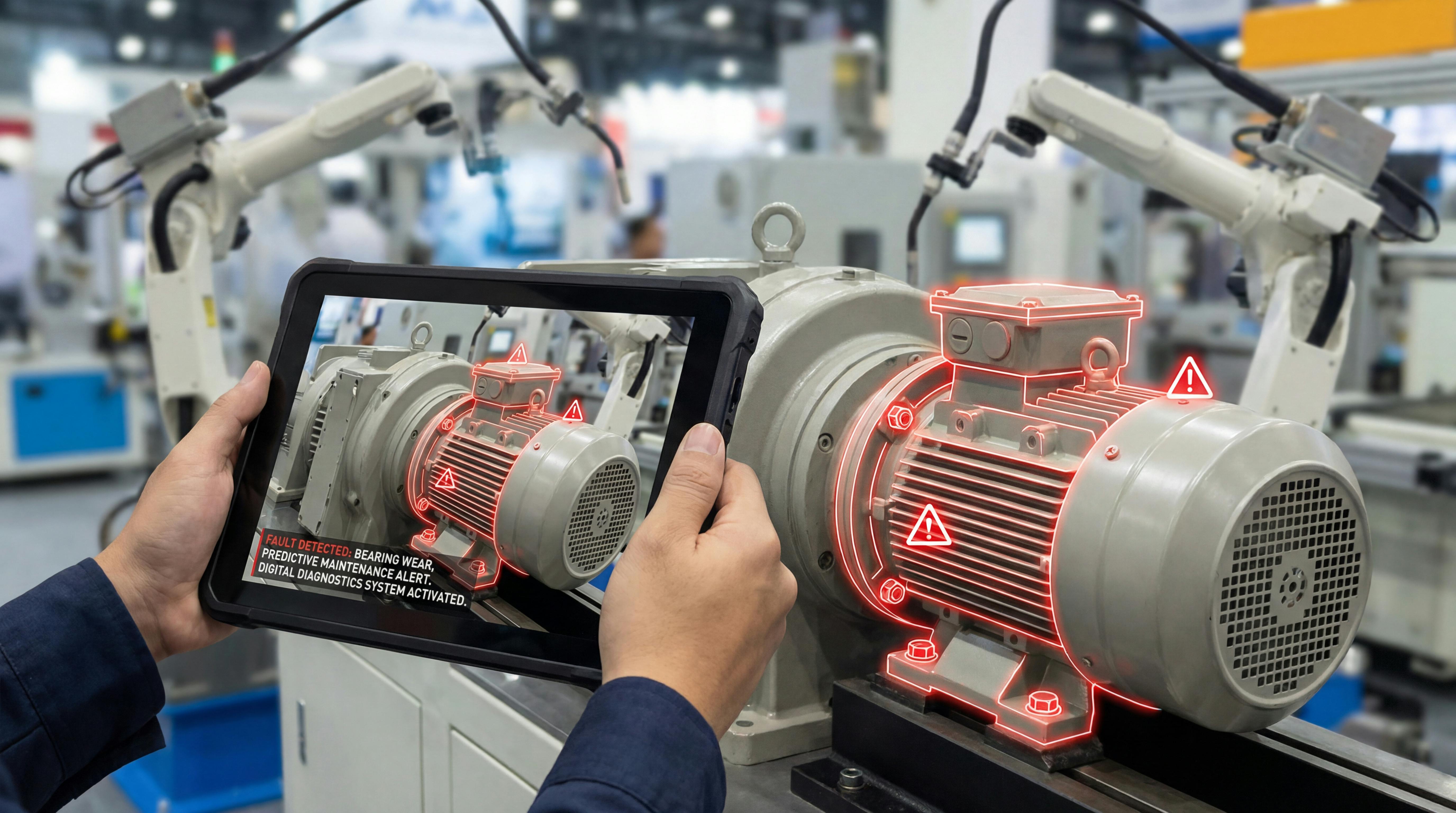
How Modern Drive Technologies Are Solving Industry’s Toughest Precision Challenges
Industry experts from Beckhoff and Siemens have highlighted the significant role of advanced technologies such as smart diagnostics, digital twins, and predictive maintenance in enhancing the accuracy of industrial machinery while minimizing downtime. This discussion took place during a recent industry conference, where the experts shared insights on how these innovations are transforming manufacturing processes. The integration of smart diagnostics allows for real-time monitoring of machinery, enabling operators to identify potential issues before they escalate. Digital twins, which create virtual replicas of physical assets, facilitate better understanding and optimization of machinery performance. Meanwhile, predictive maintenance strategies leverage data analytics to forecast equipment failures, ensuring timely interventions and reducing unexpected breakdowns. These advancements are crucial as industries strive to improve efficiency and reduce operational costs in an increasingly competitive market. By adopting these technologies, companies can not only enhance productivity but also extend the lifespan of their equipment, ultimately leading to significant cost savings. The collaboration between Beckhoff and Siemens exemplifies the industry's commitment to innovation and the continuous improvement of manufacturing practices.
Factory / MotionRobotics needs a service framework.
RSF defines a common language for robot service capability, lifecycle operations, certification pathways, and service-provider networks.