Industry Briefing
A single destination for timely, editor-curated robotics news from around the world.

Kinetix AI Introduces KAI Halo to Enhance Data Infrastructure for Robotics
As the robotics industry enters a phase of large-scale development, a critical question arises: how long does it take for newly collected real-world data to translate into actionable capabilities for robots? The data journey, from collection to deployment, is complex and any delays can hinder progress. Kinetix AI is addressing this challenge by connecting every stage of data production rather than simply expanding data volume. The Kai Ego Dataset has amassed over 100,000 hours of first-person multimodal data, covering more than 2,000 atomic skills across various real-world scenarios such as homes, retail, hotels, and factories. This dataset captures the nuances of continuous tasks, allowing robots to learn complex behaviors rather than isolated actions. It integrates diverse information, including visual data, body posture, and motion semantics, providing a unified data foundation for cross-domain transfer. KAI Halo, a standardized data collection tool developed by Kinetix AI, addresses common issues encountered in real data production, such as occlusion and data quality fluctuations. By employing a four-way fisheye global shutter RGB camera and a 200Hz IMU, KAI Halo synchronizes multiple perspectives, enabling a comprehensive reconstruction of human actions and interactions with the environment. No further timeline was disclosed at the time of publication.
Embodied Intelligence Data Infrastructure Robotics AI Data Processing
Woan Robotics Wins 45 Million Yuan Smart Data Infrastructure Project to Accelerate Real-World Data Loop Construction
Woan Robotics has announced a significant contract valued at around 45 million yuan for an AI ecological innovation community project in Shenzhen. This initiative aims to establish a robust data infrastructure that supports embodied intelligence, which will improve data collection and management across various real-life applications. The project is expected to enhance the integration of AI technologies into everyday scenarios, fostering innovation and efficiency in the region.
Embodied Intelligence Data Infrastructure Robotics AI Smart Home Solutions
Data Infrastructure: The Next Battleground for Embodied Intelligence
The embodied intelligence sector is experiencing significant advancements, driven by the need for enhanced robotics and robust data infrastructure. As companies compete to create platforms that allow robots to learn from real-world data, the demand for high-quality training data has become increasingly critical for the industry's development. This race to innovate is reshaping the landscape of robotics, emphasizing the importance of effective data utilization in fostering growth and improving the capabilities of intelligent systems. With these developments occurring in late 2023, the sector is poised for transformative changes that could redefine how robots interact with their environments.
Embodied Intelligence Robotics Data Infrastructure AI Training Machine Learning
Mibee Technology and Zhangjiang Group Form Strategic Partnership for Embodied Data Infrastructure
Mibee Technology has entered into a strategic cooperation agreement with Zhangjiang Group to advance embodied intelligence data technology. This collaboration, announced recently, seeks to tackle significant industry challenges, including data shortages and the high costs associated with data collection. By combining Zhangjiang's innovative ecosystem with Mibee's expertise in data services, the partnership aims to foster the growth of the robotics industry in Shanghai. The initiative reflects a commitment to enhancing technological capabilities and addressing critical issues within the sector.
Embodied Intelligence Data Infrastructure Robotics AI Technology
Breaking the Data Drought in Physical AI: Can Maniformer Define the Era of Embodied Intelligence as a 'Data Infrastructure Provider'?
On April 16, 2026, Maniformer unveiled a groundbreaking one-stop physical AI data service platform in Shanghai, marking a significant advancement in the field of embodied intelligence. This innovative platform aims to tackle the pressing issue of data scarcity that has hindered the development of intelligent robotics. Central to this initiative is the MEgo series hardware, designed to facilitate efficient data collection processes. By enabling robots to seamlessly transition from simulated environments to real-world applications, Maniformer's launch is poised to enhance the capabilities and deployment of AI-driven technologies across various industries.
Physical AI Data Infrastructure Robotics Data Collection Embodied Intelligence
Yao Maoqing Discusses the Evolution of Physical AI Through Model and Data Integration
On July 19, during the 2026 World Artificial Intelligence Conference, Yao Maoqing, Senior Vice President and President of the Embodied Business Division at Zhiyuan, shared insights on the technological pathways for scaling physical AI. Zhiyuan has developed a three-phase training architecture of 'pre-training, post-training, and continuous learning' to advance its VLA and WAM technology routes towards the unified World Reasoning Action Model (WRAM). The integration of data is facilitated by Mifeng Technology, which utilizes the MEgo series of collection terminals and the MEgo Engine governance platform to create a comprehensive physical AI data infrastructure. This infrastructure supports data collection, governance, training, and deployment feedback, ensuring that real-world data continuously enhances model evolution. The collaborative model and data iteration system has already been validated in real industrial scenarios. Yao emphasized that 'models determine the starting point, while data defines the outcome.' He expressed the ambition of Zhiyuan and Mifeng to collaborate with the global academic community, industry, and developer ecosystem to accelerate the evolution of physical AI in real-world applications. No further timeline was disclosed at the time of publication.
Physical AI Data Infrastructure Machine Learning AI Development
Investment Surge in Embodied Intelligence Data Providers Amid Robotics Financing Boom
Hexinju Technology, a company based in Suzhou, has successfully raised millions in Series A funding to enhance data infrastructure aimed at training robots. This investment comes at a time when the robotics industry is experiencing significant growth, highlighting the increasing demand for high-quality, multimodal data derived from real-world interactions. In response to this critical challenge, Hexinju plans to develop a comprehensive platform designed for data collection, processing, and evaluation. By doing so, the company seeks to establish itself as a pivotal player in the rapidly expanding field of embodied intelligence.
Embodied Intelligence Data Infrastructure Robotics AI Training Data Services
How World Models and VLA Can Be Implemented: Insights from Top Experts in Embodied Intelligence
At the 2026 Zhangjiang Embodied Intelligence Supply Chain Conference, a roundtable discussion brought together leading experts in robotics to explore the critical role of world models in embodied intelligence. The event highlighted various industry challenges, particularly the necessity for robust data infrastructure and the integration of visual-language-action models with world models. Experts emphasized that high-quality data and innovative technological solutions are essential for advancing the field. The conference served as a platform for addressing these pressing issues, aiming to foster collaboration and drive progress in robotics and artificial intelligence.
Embodied Intelligence World Models Robotics Data Infrastructure AI Integration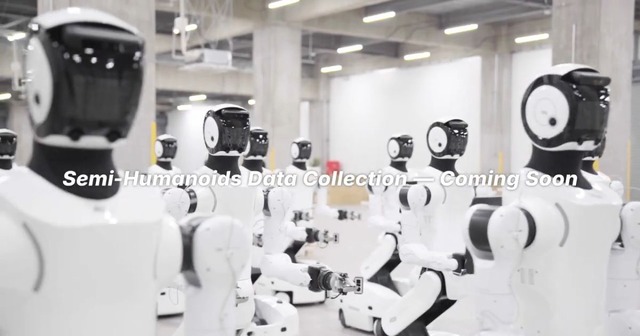
AIRoA collects 80,000 hours of robot operation data through industry-academia collaboration for physical AI infrastructure.
The AI Robot Association (AIRoA) released a YouTube video on May 29, 2026, showcasing a groundbreaking initiative titled "A Massive Collaborative Physical AI Data Initiative." The video highlights the ongoing operations of robots across various universities and research institutions, illustrating the accumulation of a global data infrastructure. This initiative aims to enhance the development of artificial intelligence by creating a comprehensive database that supports collaborative research and innovation in robotics. Through this project, AIRoA seeks to foster advancements in AI technology and improve its applications in real-world scenarios.
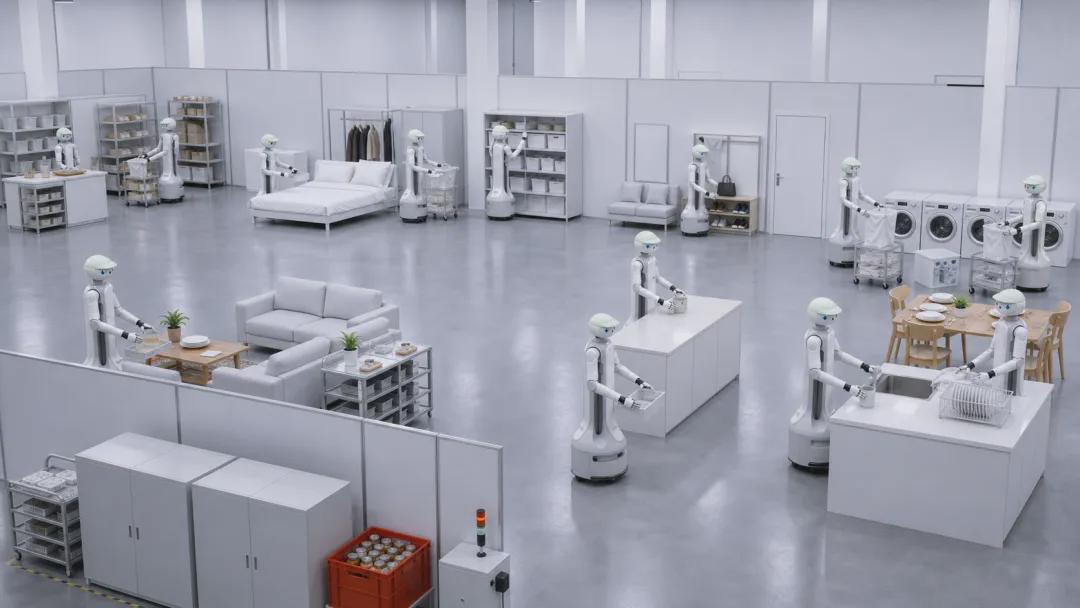
Major Order for Home Robotics Marks New Era of Real-World Delivery in Embodied Intelligence
Li Zhichen, CEO of Woan Robotics, has highlighted the crucial role of high-quality real-world data in advancing the competition for embodied intelligence. The company recently announced a significant order for a home robotics project, which represents a key milestone in the development of its data infrastructure. Additionally, Woan Robotics has achieved an impressive 99% success rate with its newly developed action model. This accomplishment positions the company advantageously in a market where the lack of quality data poses a major barrier to entry, underscoring its commitment to innovation and excellence in robotics.
Embodied Intelligence Home Robotics Data Infrastructure AI Models
The Shift in Physical AI: Qunke Technology Develops a Simulation Data Production Line
Qunke Technology has introduced a pioneering solution to tackle the pressing shortage of high-quality 3D training data, which is vital for the advancement of the physical AI industry. As leading companies in embodied intelligence shift their focus from model architecture to data infrastructure, Qunke's innovative simulation data production line aims to fill this gap. The company’s efforts have been recognized at the European Conference on Computer Vision (ECCV), where three of its groundbreaking research papers were accepted. These contributions are expected to set new benchmarks in the fields of spatial intelligence and data synthesis, further propelling the development of AI technologies.
Embodied Intelligence Simulation Data 3D Training Data AI Benchmarking
Peking University team develops new generation data acquisition device using EMG wristband, backed by Gong Hongjia, Lu Qi, and overseas
The SnowOrigin team, composed of researchers from Peking University, has secured investments from notable figures including Gong Hongjia and Lu Qi, as well as overseas institutions. This innovative team focuses on surface electromyography (sEMG) technology to develop a new generation of human control data collection solutions, utilizing wearable devices like neural wristbands and panoramic headsets, along with their proprietary Neural Math Hybrid (NMH) AI decoding model. As the fields of embodied intelligence and Physical AI rapidly evolve, there is an increasing demand for high-quality human control data. Current mainstream data collection methods, such as first-person video and motion capture, often fail to capture critical information about the intent and nuances of human actions. SnowOrigin's wearable devices aim to bridge this gap by integrating muscle and neural signal decoding technologies to create structured data that includes posture, force, and micro-control, thereby supporting the training of robots and world models. Founder Qin Xu emphasized that unlike traditional lab-based motion capture systems, their wearable solutions are cost-effective, lightweight, and suitable for long-term use without disrupting daily activities. The team is advancing two commercialization pathways: enhancing human-robot interaction for AI devices and building a foundational data infrastructure for Physical AI applications. With a strong academic background and a commitment to innovation, SnowOrigin is positioned to lead in the emerging market for embodied data collection, having already made significant strides in real-time decoding of sEMG signals into actionable insights. As the demand for comprehensive interaction data grows, the team is poised to capitalize on this shift in paradigm.

Korea’s biggest manufacturers back Config, the TSMC of robot data
Samsung, Hyundai, and LG have made significant investments in a promising startup aiming to establish itself as the foundational data infrastructure for the robotics industry. This strategic move, announced recently, highlights the growing interest of major South Korean conglomerates in the robotics sector, which is poised for rapid expansion. The investments are part of a broader trend where established companies seek to leverage innovative technologies to enhance their competitiveness and drive future growth. By supporting this startup, the three tech giants aim to capitalize on the increasing demand for advanced robotics solutions across various industries. The collaboration is expected to facilitate the development of robust data systems that will support the evolving needs of robotics applications, ultimately positioning these companies at the forefront of the technological revolution.
Robotics Startups Config LG Tech Ventures physical ai robotics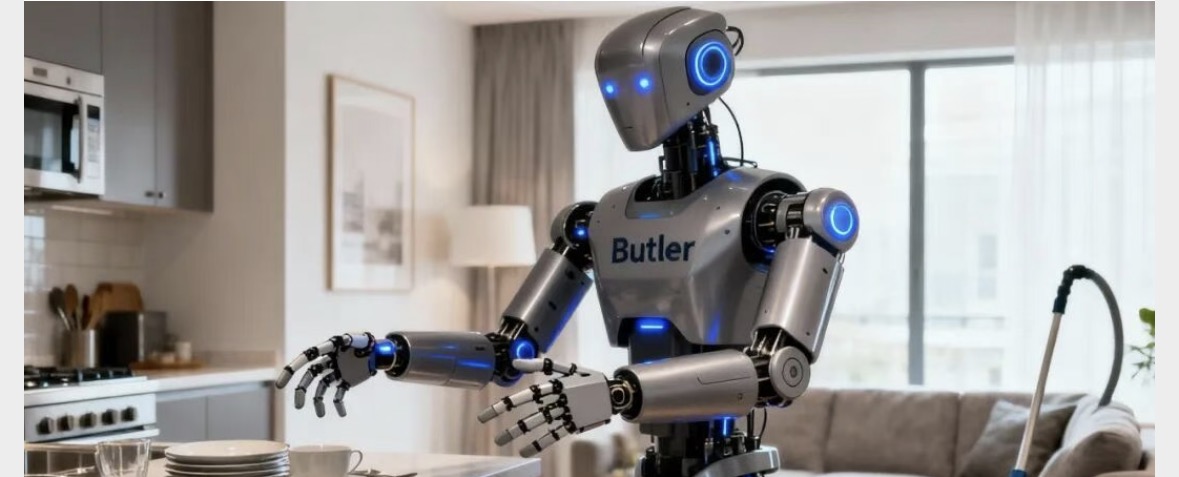
When AI Moves into the Physical World: How is Technology Realized, How are Applications Implemented, and How is Business Established?
In a recent exploration of the integration of artificial intelligence into tangible environments, experts gathered to discuss the realization of technology, the implementation of applications, and the establishment of businesses leveraging AI. This event took place in October 2023, highlighting the growing significance of AI in various sectors. Industry leaders emphasized the transformative potential of AI, not only in enhancing operational efficiency but also in creating innovative products and services that cater to evolving consumer demands. The discussions focused on the practical steps necessary for businesses to successfully adopt AI technologies, including the need for robust data infrastructure, skilled personnel, and strategic partnerships. Participants shared insights into successful case studies, illustrating how companies have effectively navigated the challenges of integrating AI into their operations. As the landscape of technology continues to evolve, the importance of understanding the implications of AI in the physical world becomes increasingly critical. This event served as a platform for fostering collaboration among stakeholders, aiming to drive forward the adoption of AI solutions that can address real-world problems and enhance productivity across various industries.
Robotics Automation AI
NVIDIA Partners With Microsoft on Unified Stack for Agentic AI Deployment, From Windows Devices to Cloud to Local
NVIDIA and Microsoft have announced a significant advancement in artificial intelligence, highlighting the arrival of what they term the "agentic AI moment." This development emphasizes that realizing the full potential of AI technology necessitates not only sophisticated models but also the integration of high-speed hardware, secure operational environments, and a responsive data infrastructure. The companies are focusing on optimizing AI models for extended reasoning capabilities, which are crucial for complex decision-making processes. This collaboration aims to enhance the efficiency and effectiveness of AI applications, paving the way for more intelligent and autonomous systems in various sectors. The initiative underscores the importance of a comprehensive approach to AI development, combining cutting-edge technology with robust security measures to foster innovation.
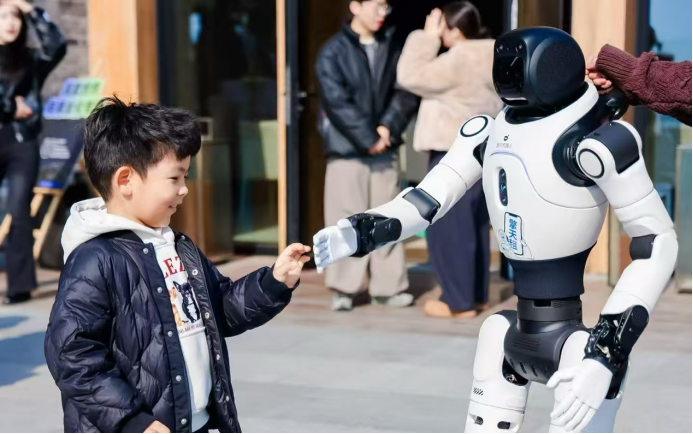
Established for 90 days, three rounds of financing, hundreds of millions in revenue, is humanoid robot leasing really a trend?
The Beijing Humanoid Robot Innovation Center, designated as China's "national team" for embodied intelligent robots, is spearheading advancements in core technologies and establishing a self-sustaining industrial ecosystem. Since its inception, the center has focused on fulfilling national strategic objectives. Recently, it launched an embodied intelligent robot data and training base, marking a significant enhancement in the country’s capabilities in this field. This facility not only provides a robust data infrastructure but also leads the development of the nation’s first data collection standards for embodied intelligence. By offering specialized services and generating high-quality data, the center aims to facilitate the integration of humanoid robots into various sectors and households. This initiative is part of China's broader strategy to foster new productive forces and achieve technological self-reliance during a pivotal shift from "perceptual intelligence" to "embodied intelligence."
Robotics Automation AI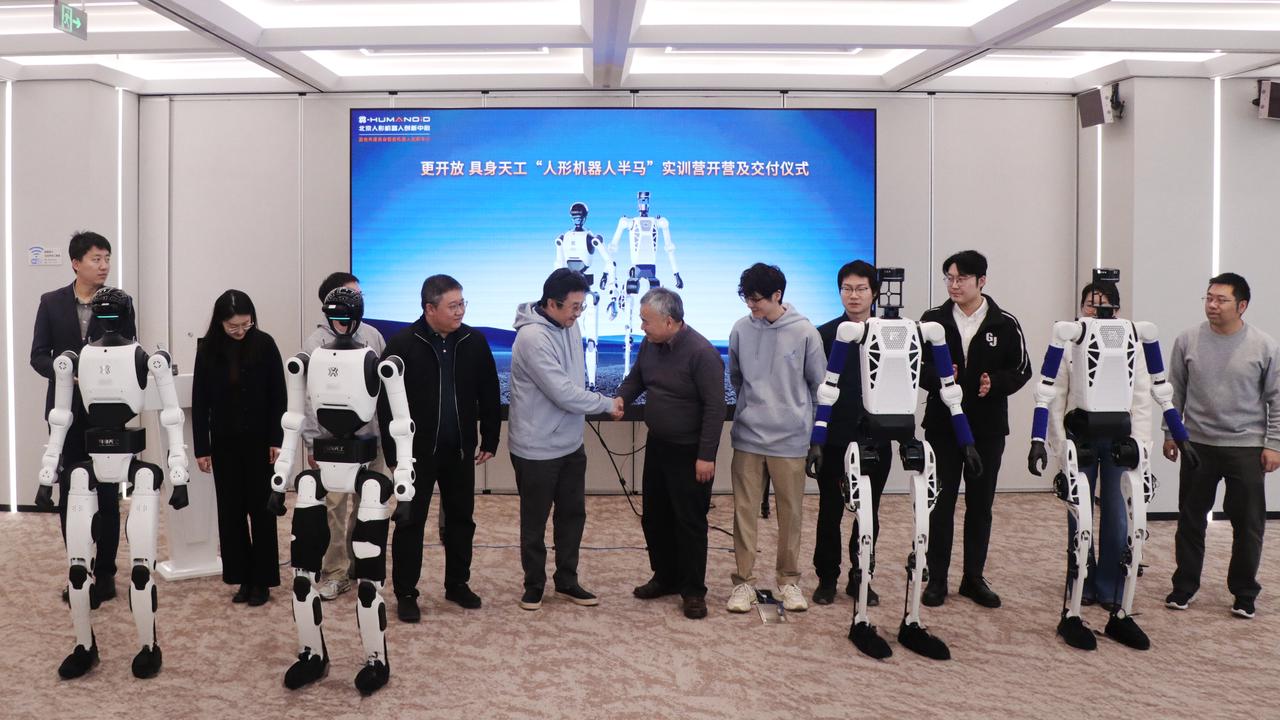
Beijing Humanoid Holds Robot Half Marathon Cooperation Delivery Ceremony to Explore the Limits of Embodied Intelligent Technology with Open Source Ecology
The Beijing Humanoid Robot Innovation Center, designated as China's "national team" for embodied intelligent robots, is spearheading advancements in core technologies and developing an independent industrial ecosystem. Since its establishment, the center has focused on aligning with national strategies to enhance China's global competitiveness. Recently, it inaugurated a data and training base for embodied intelligent robots, marking a pivotal step beyond physical capabilities. This initiative aims to position China as a leader in data strategy within the emerging field of embodied intelligence. The center is set to provide extensive, high-quality data infrastructure essential for the industry, while also leading the creation of China's first standards for data collection in this domain. By offering specialized services and generating valuable data, the center is poised to facilitate the integration of humanoid robots into various sectors and households. This effort is expected to accelerate the development of new productive forces and foster technological self-reliance in China. As the landscape of artificial intelligence evolves from "perceptual intelligence" to "embodied intelligence," the demand for high-quality data becomes increasingly critical to drive innovation and growth in the sector.
Robotics Automation AI
AI Adoption in Mid-Market Manufacturing Faces Significant Challenges
A recent report by Kaufman Rossin highlights the struggles of mid-market manufacturers in adopting AI technologies. While these companies are experimenting with AI, widespread deployment remains uncommon due to inadequate data infrastructure and legacy systems. Only 27% of manufacturing firms have a data warehouse, and 45% still rely on siloed data, making it difficult to leverage AI effectively. The urgency for digital transformation is increasing as manufacturers face pressure from customers to digitize and automate operations. However, many industrial companies lack the foundational data capabilities necessary for successful AI integration. The report reveals that 73% of manufacturing firms are still in the testing phase of AI implementation, with none operating AI as a core business function. Looking ahead, the challenge for mid-market manufacturers will be to overcome these barriers and build the necessary data infrastructure to support AI initiatives. As the demand for digital solutions continues to grow, companies must prioritize data governance and integration to fully realize the potential of AI technologies. No further timeline was disclosed at the time of publication.
Factory / Digital Transformation
Japan Pioneered Humanoid Robots—Can It Now Catch China?
“In the future, the relationship between humans and robots will deepen, and the distinction between them will probably disappear.” This prediction, from one of the attendees at the recent Humanoids Summit in Tokyo, might have been unremarkable had it not come directly from an android that was first introduced to the world 20 years ago. Geminoid HI-6 is the sixth-generation of a robot originally designed in 2006. The mechanical twin of Osaka University professor Hiroshi Ishiguro, Geminoid HI-6 is now equipped with a large language model trained on Ishiguro’s own writings and interviews. It has advanced conversational skills and can even have a chat with its creator, an eerie spectacle. But at the Humanoids Summit, Geminoid was one of the few humanoid robots from Japan, the country that pioneered the form factor.While the event in Tokyo only had about 40 robots on display, Chinese systems outnumbered Japanese by roughly three to one. Some Japanese robotics firms were even using Chinese robots in their own technology demonstrations, something that would have been unthinkable in the recent past—one Japanese engineer described the situation as “sad.” The conference was a stark reminder of how Japan has ceded its early lead in humanoid robot development to overseas competitors, and the challenge it now faces to secure a place in an ecosystem increasingly dominated by general-purpose robots powered by AI. Twenty-five years ago, Japan was turning out groundbreaking humanoids that were showstopping in their abilities, but they were not commercialized as practical machines in any meaningful way. Heavily influenced by science fiction and lacking practical applications, they were mostly expensive technology demonstrations that were eventually mothballed. What Japan retains, however, is robotics design and know-how, which it must leverage to be a key player in the rapidly evolving humanoid ecosystem. Learning to Walk—Then Standing StillTo anyone who has seen recent videos of Chinese humanoids doing kung-fu and synchronized acrobatics, as well as half-marathon races, China’s remarkable progress in the field is nothing new. At the Humanoids Summit, Toyota showed a video of its latest basketball-playing robot, and Honda exhibited its latest robot hand, but the full-scale humanoids on the floor were mostly Chinese–the kid-size K1 machines from Booster Robotics of Beijing were dancing to Michael Jackson tunes. The full-scale G1 humanoid from Unitree Robotics of Hangzhou was also doing demos. “You cannot sell these bipedal systems in Japan for safety and compliance reasons,” says Shuichi Nagao, a frequent visitor to China as CTO of Omakase Robotics, a division of Zeals, a Japanese humanoid robot developer. Omakase was exhibiting a G1 modified with an external PC controller, a dextrous hand, a suction-cup manipulator and a sensor “hat” with an extra speaker, mic and camera. “In China, the government is pushing humanoid development. They didn’t have an industry 20 years ago. The people pushing it are young, in their 20s and 30s. It’s a really different mentality out there,” says Nagao. “Big players in Japan are still looking for use cases for humanoids. In China, they’re already doing mass production and reducing the cost, so other countries can’t compete with them anymore.”Another Japanese company showing off G1 bots was summit sponsor GMO AI & Robotics, a subsidiary of Japanese internet company GMO. It’s using the robots in partnership with Japan Airlines to load and unload cargo containers at Tokyo’s Haneda airport. The cargo project is a trial—like many other humanoid experiments—but the fact that Chinese machines have penetrated so far into Japan’s ecosystem upends a long history. In 1973, scientists at Waseda University in Tokyo built WABOT-1, considered the first full-scale humanoid robot and capable of slow bipedal locomotion, grasping objects and simple communication. It inspired Honda’s groundbreaking Asimo humanoid, but it was never commercialized. Asimo was eventually retired in 2022, the year ChatGPT was released. Two years later, Unitree’s G1 went on sale for US $16,000. China’s High Torque Technology Co. showed off its Mini Pi biped, customized with an anime-inspired head, at Humanoids Summit in Tokyo. The regular version is priced at $3,500. Tim HornyakSupply and DemandJapan’s development of humanoids happened before practical applications or widespread demand were in place, but bad timing is only part of the story—Japan also has a history of developing technologies that might appeal to domestic consumers but not necessarily those overseas. For example, decades after they first appeared, its highly engineered, multifunction toilets have only recently found a following abroad. Japan’s humanoid prowess was partly built on the back of its legendary industrial automation, yet even that stronghold has eroded. Ani Kelkar, a partner from McKinsey & Company in Boston who produces analytical reports about the robotics industry, told the summit audience that while Japan occupied the top spot in the world in manufacturing robot density (the number of multipurpose industrial robots in operation per 10,000 employees) from at least 1994 to 2009, it then slipped to second in 2014, third in 2019 and fifth in 2024. In that year, South Korea was at the top of the leaderboard with a robot density of 1,220 compared to Japan’s 446. The International Federation of Robotics estimates China now has the most operational industrial robots in the world, with around 2 million total units, approximately 4.5 times more than Japan. “The annual installation numbers are impressive too: 54 percent of all robots installed worldwide in 2024 were deployed in China,” the IFR said in a release in April 2026. “I think the loss of Japanese leadership is more to do with the rise of China as a manufacturing powerhouse including for sectors that Japan had high export levels,” Kelkar said in an email interview. “The recovery has not yet happened as Japan ‘missed’ the rapid acceleration in AI for robotics and is now playing catchup.”How Japan Can Adapt Kelkar believes Japan has a US $100 billion opportunity in general-purpose robotics, which are machines that can perform a wide variety of tasks, and it cannot rely on the slower-growing industrial robot market, which is centered on factory machines that do one simple and predictable task like welding car parts. He points to a McKinsey white paper suggesting that while Japan has much of the hardware and technology experience needed to support general purpose robot development, it must change its strategy to capture more share in AI, software, data collection and robotics platforms.Tetsuya Ogata is a professor of engineering and director of the Institute for AI and Robotics at Waseda University, the birthplace of humanoids in Japan. He briefed the summit on how a nonprofit he chairs, the AI Robot Association (AIRoA), is working with Toyota and other members to develop foundational technologies for collaborative use. For instance, AIRoA has collected some 80,000 hours of data on remote operation of mobile manipulators, and Ogata believes it’s the largest dataset of its kind. Using the data, it built and verified Vision-Language-Action (VLA) models, and it has also started data collection for dual-arm mobile manipulation. In an interview, Ogata acknowledged Japan’s struggle to find its place in the changing landscape. “The world of AI is inherently a game of scale,” says Ogata. “Therefore, Japan’s absolute prerequisite is to secure a competitive baseline of scale—in data, computing resources, and talent. Beyond that, what I consider most critical is a mindset shift: rather than trying to hoard scale within a single nation or company, we must grow stronger by collaborating with a diverse ecosystem of domestic and international players.” Specifically, this means creating a ‘collaborative domain’ to address data—the single biggest bottleneck—through industry-wide cooperation rather than data-siloing. By collectively nurturing a pre-competitive, shared data infrastructure and foundation model, individual companies can then compete on top of it with their own applications. “By offering this open ‘data ecosystem’ to the world, we can engage global players and establish a ‘third pole’ alongside the US and China,” says Ogata. “I believe this is how Japan can reclaim its global presence.”In 1999, Japan introduced the world’s first mobile internet services platform. But being first didn’t turn Japan into a smartphone manufacturing or design center—it’s now merely a supplier of parts to other countries who are leading the smartphone industry. If Japan can avoid a repeat of that experience and successfully deregulate, diversity, and commercialize its original humanoid dreams, it stands a better chance of influencing the direction of the industry and reaping billions in value. As automobiles and electronics were pillars of Japan’s industrial strategy in the last century, Japan could make humanoid robots one of its key value generators in the 21st century, an approach that would not only deliver economic benefits but give Japan greater clout in how the industry will evolve. Just like Japanese cars, electronics, and even toilets, Japanese humanoids could stand for craftsmanship and reliability. It’s a legacy that Japan can’t afford to give up.
Japan Robotics Humanoids Humanoid-robots
Boden Intelligence Secures Hundreds of Millions in Funding to Enhance Physical AI Infrastructure
Boden Intelligence, a prominent player in the Physical AI infrastructure sector, has secured hundreds of millions in funding through a series of successful investment rounds. This financial boost will support the company's mission to create a comprehensive ecosystem for the training and validation of real-world AI applications. By shifting the focus from traditional model-based competition to enhancing real-world capabilities, Boden aims to position itself as a significant contributor to the rapidly evolving AI landscape. The company plans to leverage innovative centers and automated data engines to achieve its goals, marking a pivotal step in the advancement of AI technologies.
Physical AI Data Infrastructure AI Training Robotics Automation
New Infrastructure for Humanoid Robot Training Set to Surge by 2026
On June 8, the Ministry of Industry and Information Technology, alongside the State-owned Assets Supervision and Administration Commission, unveiled a collaborative initiative aimed at advancing humanoid robot training by 2026. This initiative seeks to establish practical training environments and validate applications in critical scenarios, signaling a transformative shift towards a data-driven infrastructure. The move is expected to redefine the humanoid robotics industry and enhance its competitive dynamics, reflecting a commitment to innovation and technological advancement in this rapidly evolving field.
Humanoid Robots Robot Training AI Data Infrastructure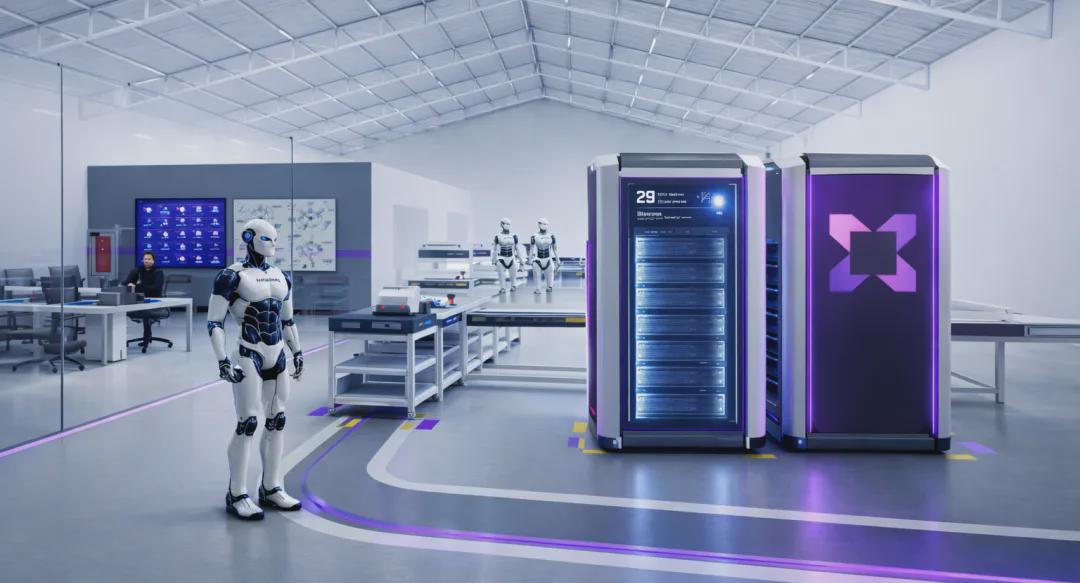
Qingyan Precision Secures Funding to Drive Physical AI Infrastructure Development
Qingyan Precision, a spin-off from Tsinghua University, has successfully secured hundreds of millions in its latest funding round to bolster its advancements in physical artificial intelligence. The company is dedicated to revolutionizing automotive testing by developing a comprehensive engineering system that gathers and analyzes real-world data. With more than 2,000 data collection nodes already in operation, Qingyan Precision is positioning itself as a significant contributor to the industrial AI sector. This funding will enable the firm to enhance data-driven decision-making processes within the manufacturing industry, further establishing its role in the evolving landscape of technology and engineering.
Physical AI Industrial Automation Data Infrastructure Engineering Systems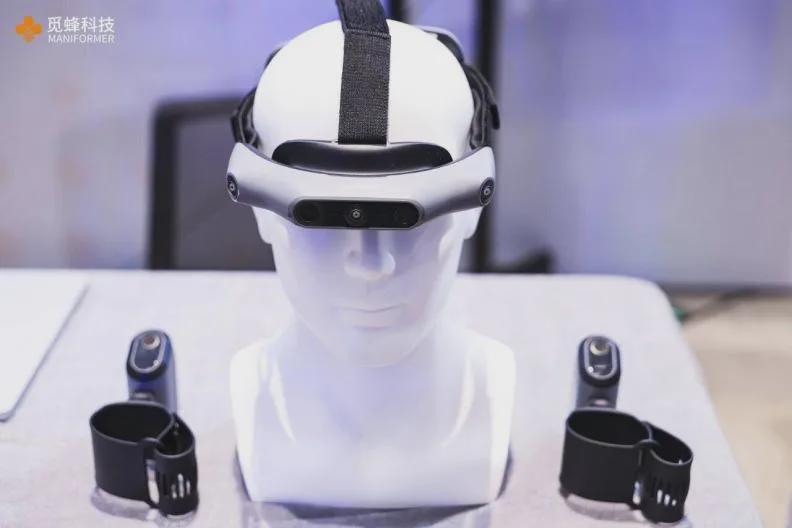
Bee Technology Aims to Solve Robotics Data Challenges Starting with a Cup
Bee Technology is making strides in the robotics sector by tackling the challenges of teaching robots to execute physical tasks, such as picking up objects. The company has recently obtained substantial funding to advance its MEgo series, which encompasses both hardware and data processing technologies. This initiative aims to establish a robust data supply chain essential for developing embodied intelligence in robots. By prioritizing high-quality physical AI data, Bee Technology is positioning itself as a key player in the industry, targeting businesses that depend on reliable data for training and optimizing their robotic models.
Embodied Intelligence Robotics Data Infrastructure AI Data Collection MEgo Hardware Data Processing Technology
BridgeDP Robotics Launches Comprehensive Motion Data Factory
BridgeDP Robotics has unveiled its new 'Comprehensive Motion Data Factory,' a facility designed to tackle the existing data gap in motion control. This launch, which took place recently, aims to facilitate the collection of high-quality motion data on a large scale. By establishing a closed-loop system that encompasses data design, collection, processing, training, and feedback, the initiative is crucial for the advancement of the company's universal motion control platform. The facility is expected to enhance the capabilities of motion control technologies, ultimately contributing to more sophisticated applications in various industries.
Motion Control Data Collection Robotics Artificial Intelligence Data Infrastructure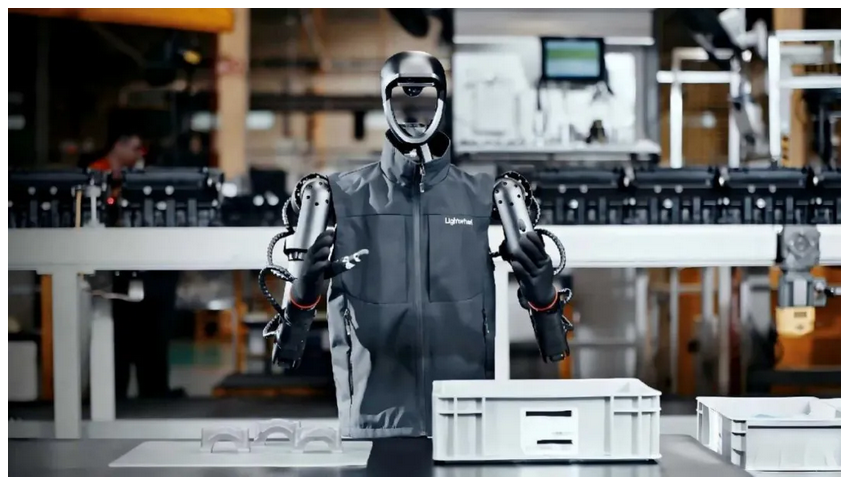
Funding of 1 Billion Yuan! Former NVIDIA Simulation Head Launches Startup, Creating the World's First Embodied Data Unicorn
Guanglun Intelligent Technology has achieved a significant milestone by securing 1 billion yuan in funding, marking its status as the first unicorn in the embodied data sector. This funding will support the company's efforts in advancing its innovative physical simulation engine and comprehensive model evaluation system. These technologies are designed to enhance the capabilities of humanoid robots, pushing the boundaries of what is possible in robotics through sophisticated data analysis and simulation techniques. The investment underscores the growing interest and potential in the field of embodied data, positioning Guanglun at the forefront of this emerging industry.
Embodied Intelligence Physical Simulation AI Data Infrastructure Robot Development
The Rise of Enterprise AI Agents: Is Your Infrastructure Prepared for the Shift?
Enterprise AI agents are transitioning from laboratory environments to corporate systems, enabling them to track workflows, generate reports, and make decisions across various applications. This shift enhances operational speed and service quality but also places significant demands on existing technical infrastructures. The importance of robust AI agent infrastructure cannot be overstated, as it must accommodate fluctuating workloads, ensure secure access, and maintain data integrity. Without a solid foundation, AI agents may excel in pilot programs but struggle with reliability when integrated into live systems with larger datasets and user bases. Looking ahead, organizations must prioritize capacity planning guided by reporting and internal deadlines. As AI agents require organized and accurate data access to function effectively, businesses must establish clear rules for data retrieval and management. No further timeline was disclosed at the time of publication.
AI agents Infrastructure agentic ai ai agents AI infrastructure API integration
SpaceX Proposes 1 Million AI Satellites to Address Ground Data Center Constraints
On January 30, 2026, SpaceX filed with the FCC to launch up to 1 million AI compute satellites, positioning orbital data centers as a solution to the increasing demand for AI computing power. Ground data centers are facing significant challenges, with energy consumption projected to reach approximately 1,050 TWh in 2026, making them the fifth-largest electricity consumer globally. The demand for new data center capacity is outpacing the growth of power generation infrastructure, leading to a critical bottleneck in the grid system. The significance of this initiative lies in the structural constraints faced by ground data centers, including power delivery limitations, high water consumption, and local opposition to new projects. The Uptime Institute's 2026 outlook identifies power as the primary constraint on data center growth, with capacity clearing prices in the PJM grid skyrocketing to $329.17/MW, driven by data center expansion. Additionally, cooling requirements are becoming increasingly unsustainable, with facilities consuming vast amounts of water, further complicating their operational viability. Looking ahead, SpaceX's orbital AI compute initiative aims to circumvent these challenges by leveraging the advantages of space, such as continuous solar power and minimal local opposition. The first AI prototypes are expected to launch in early 2027, with operational deployments planned for 2028. No further timeline was disclosed at the time of publication.

Lightwheel AI Raises New Round to Build Physical AI Data and Simulation Infrastructure
A Beijing-based startup has successfully secured new funding to enhance its data and evaluation infrastructure focused on physical artificial intelligence, embodied intelligence, and world models. This investment aims to bolster the company's capabilities in developing advanced technologies that integrate AI with real-world applications. The funding round, which took place recently, reflects growing interest in the potential of AI to transform various industries. By improving its infrastructure, the startup seeks to position itself as a leader in the evolving landscape of intelligent systems, ultimately contributing to more sophisticated and effective AI solutions.
AI
NVIDIA and Noetra Corp. Launch Japan's First National AI Infrastructure for Physical AI
NVIDIA has partnered with Noetra Corp. to establish the NVIDIA Vera Rubin AI factory, featuring 13,750 NVIDIA Vera CPUs and 27,500 NVIDIA Rubin GPUs. This initiative, supported by Japan’s AI and industrial leaders, represents the world’s first national AI infrastructure dedicated to physical AI, enhancing the country’s capabilities across various sectors including manufacturing and healthcare. The establishment of this AI factory is significant as it aims to strengthen Japan's AI ecosystem and support the FRONTia Project, which focuses on developing multimodal foundation models for AI robotics and physical AI. The collaboration is expected to leverage Japan's manufacturing expertise and real-world industrial data to create reliable AI models that can address global social challenges. Looking ahead, the AI factory is designed to support the training of trillion-parameter-scale AI models, positioning Japan to capture over 30% of the global AI robotics market by 2040. As the factory expands, it will provide organizations with access to advanced AI environments, paving the way for innovations in intelligent manufacturing and robotics.

AI agents enhance autonomous inspections, revamping manual approval processes for drones and ground robots by DataRobot, Chevron, and NVIDIA.
DataRobot has announced a collaboration with Chevron U.S.A. Inc., a subsidiary of Chevron Corporation, to implement agent-based AI in edge environments. This partnership aims to enhance autonomous patrol and inspection operations at Chevron facilities. By leveraging advanced AI technology, the initiative seeks to improve operational efficiency and safety in the company's infrastructure.
Performance per Watt: Key Metric for AI Infrastructure Efficiency and Profitability
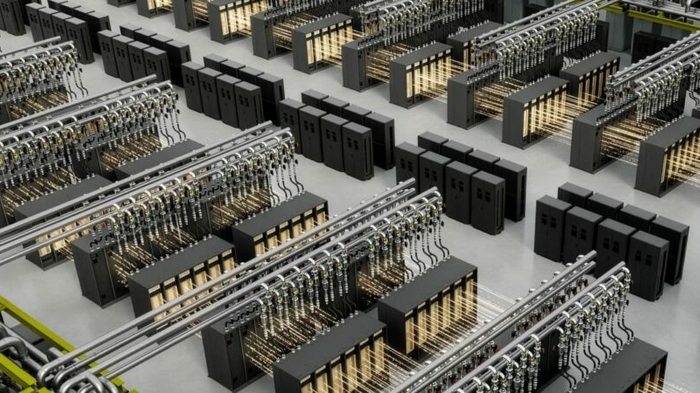
Power constraints are critical for AI infrastructure, influencing revenue and profitability based on token generation within a fixed power budget. Performance per watt emerges as a vital metric, reflecting real-world results and shaping the scalability of AI factories in a power-limited environment. The NVIDIA Blackwell NVL72 platform exemplifies this metric, delivering the highest performance per watt and enabling organizations to maximize revenues while minimizing token costs. As AI models evolve, the need for architectural optimizations becomes essential, with the latest NVIDIA GB300 NVL72 achieving up to 25 times the performance per watt compared to previous generations. Looking ahead, NVIDIA's Vera Rubin platform aims to enhance energy efficiency further, while tools like DynoSim help teams optimize their performance. The ongoing improvements in software and the design of rack-scale systems highlight the importance of engineering rigor in managing the complexities of AI factory operations. No further timeline was disclosed at the time of publication.
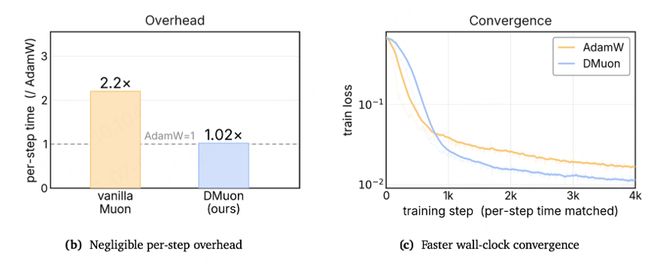
Variable Launches DMuon Optimizer to Improve Distributed Muon Model Infrastructure Efficiency by 30%
Variable Robotics has introduced the DMuon optimizer, enhancing the distributed Muon model infrastructure's efficiency by approximately 30%. This new optimizer addresses the additional computational and communication costs associated with using Muon in distributed training, which previously resulted in an end-to-end step time 2.2 times longer than AdamW. The significance of DMuon lies in its ability to maintain the faster convergence benefits of the Muon optimizer while reducing the end-to-end step time to just 1.02 times that of AdamW. This improvement is achieved through fine-grained communication optimization, computation-aware load balancing, and a high-performance kernel system, making DMuon a viable option for embodied model training without requiring changes to parameter update rules or training frameworks. Looking ahead, DMuon is expected to become a new default choice for embodied model training, as it effectively mitigates the redundant computations and communication overhead that previously hindered Muon's performance in distributed environments. No further timeline was disclosed at the time of publication.
Neural Network Optimization Distributed Training Machine Learning Infrastructure AI Models
Alipay Introduces AI Open Platform to Enhance Ant Group's AI Commerce Infrastructure
Alipay has launched an AI open platform that enables merchants to package their services as plug-ins for AI agents. This initiative is part of Ant Group's strategy to enhance its AI commerce infrastructure, which has been developed over the past three months. The introduction of this platform is significant as it allows for greater integration of services across various devices, including phones, cars, and terminals. This move is expected to streamline commerce and improve user experiences, aligning with the growing trend of AI-driven solutions in the financial technology sector. Looking ahead, it will be important to monitor how merchants adopt this platform and the impact it has on their service offerings. No further timeline was disclosed at the time of publication.
Technology
SpaceX's Starship V3 Plans for 1 Million Starmind Satellites by 2030
SpaceX's Starship V3 is set to revolutionize satellite deployment, aiming to launch 1 million Starmind satellites by 2030. The spacecraft can carry over 100 tonnes to low Earth orbit (LEO), significantly more than the Falcon 9's capacity. As of May 2026, Starship has completed 12 flights, with the next mission scheduled for late July 2026, focusing on operational payloads including AI1 prototypes in early 2027. This ambitious plan is crucial for expanding orbital compute capacity, targeting an annual addition of 100 GW through a million tonnes of satellite hardware. SpaceX's strategy hinges on achieving a launch cadence of approximately 12,000 flights, equating to about three launches per day. The company has invested over $15 billion in the Starship program, with expectations to begin payload deliveries in the second half of 2026, starting with Starlink V3 satellites. Looking ahead, the successful deployment of the Starmind constellation will depend on Starship's ability to meet its cost targets of $10–20 million per flight. If achieved, this would make launching satellites more economical than building ground data centers. The next significant milestone will be the launch of AI1 prototypes in early 2027, with full-scale deployments commencing in 2028 from the new Gigasat factory in Texas.
Astribot and Bodon Intelligence Forge Strategic Partnership for AI Robot Deployment
On June 10, Astribot and Bodon Intelligence revealed a strategic partnership focused on a significant order of AI robots. This collaboration is set to create a 'real-world data engine' by 2026, which aims to improve the deployment and operational efficiency of embodied intelligence. The initiative will leverage innovative data collection and model training techniques to enhance the capabilities of AI systems in practical applications.
AI Robotics Data Infrastructure Embodied Intelligence Automation Machine Learning
Beyond the Drone: Percepto’s New Platform Brings AI to Infrastructure Inspections
Percepto has unveiled its next-generation inspection software at the InnovateEnergy Week conference, which is currently taking place in The Woodlands, Texas. This new platform aims to enhance the capabilities of energy companies, particularly in the oil, gas, and electric utility sectors, by providing actionable data that is crucial for their operations. The launch reflects the industry's growing need for advanced technology to optimize infrastructure inspections and improve efficiency. By integrating artificial intelligence into their inspection processes, Percepto seeks to revolutionize how companies manage and analyze their energy resources, ultimately supporting their production goals.
Applications Drone News Drone News Feeds Drones in the News Energy infrastructure
Tesla's Optimus Robots to Support Starmind Satellite Production, Not Maintenance
Tesla's Optimus robots will not be used to repair Starmind satellites in orbit, as confirmed by recent statements from Elon Musk. Instead, these robots are intended to assist in the construction and operation of the Terafab chip manufacturing facility in Texas. The AI1 satellites, designed to disintegrate upon reentry, highlight the company's swap-and-replace strategy rather than traditional maintenance practices. This approach is significant as it reflects a broader trend in satellite management, where mass-produced satellites are replaced rather than repaired. The economics of servicing missions are prohibitive, with the cost of launching a replacement satellite being significantly lower than conducting a repair mission. This model aligns with SpaceX's operational history, where rapid replacement of satellites is more efficient than attempting to maintain them in orbit. Looking ahead, the focus will remain on the production capabilities of the Gigasat factory, which is expected to support the continuous replacement of satellites. No further timeline was disclosed at the time of publication, but the demand for rapid satellite turnover suggests a robust future for Optimus robots in terrestrial manufacturing rather than in-space servicing.

The Orbital Data Center Hype Machine Is Already in Orbit
At the World Economic Forum in Davos this January, SpaceX founder Elon Musk announced plans to establish orbital data centers in space, predicting that they will become the most cost-effective solution for artificial intelligence (AI) within two to three years. Following this declaration, SpaceX submitted an application to the Federal Communications Commission for a constellation of up to 1 million satellites in low Earth orbit, aimed at supporting this ambitious project. However, experts caution that the logistics of deploying such a vast number of satellites are daunting. Currently, there are approximately 14,500 active satellites in orbit, with SpaceX's Starlink making up two-thirds of that total. To launch 1 million satellites, SpaceX would need to conduct over 16,000 dedicated launches, a feat that could take decades given current launch capacities. Challenges also extend to the technical feasibility of cooling advanced computing hardware in space, as highlighted by the difficulties faced by startups like Starcloud, which has struggled to operate even a single GPU in orbit. Concerns have been raised about the potential for increased space debris and the impact on astronomical observations. Despite these hurdles, analysts suggest that the push for orbital data centers is driven by the growing demand for AI computing power and the need for energy-efficient solutions. While Musk's timelines may be optimistic, industry experts believe that the concept is gaining traction, with major players beginning to invest in the necessary infrastructure to explore the viability of space-based data centers.
Orbital-data-centers Satellites Spacex Elon-musk Starcloud Ai
Manifold AI Secures Nearly 1 Billion in Pre-A Financing Within One Year
Manifold AI has secured nearly 1 billion yuan in its sixth round of financing, achieved within a year. This funding round, primarily led by state-owned and industry capital investors, underscores the growing recognition of world model technology in the market. The substantial investment reflects a robust demand for embodied intelligence applications across diverse sectors, including e-commerce logistics and manufacturing.
World Models Embodied Intelligence AI Technology Data Infrastructure Robotics
Microsoft’s AI data center push is colliding with its clean power goals
Microsoft's ambitious plans to expand its data center operations are jeopardizing its commitment to clean energy initiatives. The tech giant is facing scrutiny as it seeks to increase its data center footprint, which could conflict with its established goals for sustainable power usage. As the company accelerates its infrastructure development, concerns have arisen regarding the environmental impact and the ability to source renewable energy to meet its growing energy demands. This situation is unfolding amid a broader industry trend where the demand for cloud services continues to surge, prompting companies like Microsoft to invest heavily in new facilities. The challenge lies in balancing rapid growth with the need to adhere to environmental standards and commitments, raising questions about the future of corporate responsibility in the tech sector.
Climate data centers Microsoft net zero renewable energy
Fugro Partners with DTACT and Ubotica to Launch a Data Fusion and Intelligence Platform
Fugro has formed a strategic partnership with DTACT, a high-tech software firm, and Ubotica, a pioneer in AI-driven satellite intelligence, to create an innovative data fusion and intelligence platform. This collaboration aims to equip government organizations with essential information to enhance national security and protect vital underwater infrastructure. The initiative underscores the growing importance of advanced technology in safeguarding critical assets and responding to emerging security challenges.
fugro partnership dtact ubotica data fusion platform
Physical AI’s looming data rights battle: Interview with Kate Shen of Anaxi Labs
As artificial intelligence technology advances and integrates more into everyday life, industry experts are shifting their focus from the capabilities of robots and AI models to the ownership of the data that powers these innovations. This growing concern has emerged as a critical topic among stakeholders, prompting discussions about data rights and the implications for both developers and users. The conversation is gaining momentum as the demand for vast datasets to train AI systems increases, raising questions about privacy, consent, and the ethical use of information. As the AI landscape evolves, understanding data ownership will be essential for shaping future regulations and ensuring fair practices in the burgeoning field of physical AI.
Artificial Intelligence Features AI compliance ai governance AI infrastructure AI regulation
Meta is building its first big Canadian data center as AI expansion crosses the border
Meta is set to establish its inaugural large-scale data center in Canada, marking a significant step in the company's expansion of artificial intelligence capabilities beyond the United States. The announcement comes as part of Meta's broader strategy to enhance its infrastructure to support AI technologies. This development is expected to create numerous jobs and stimulate local economies, reflecting the growing demand for data processing and storage solutions. The data center will be located in a yet-to-be-disclosed area in Canada, with construction anticipated to begin in the near future. Meta's investment underscores its commitment to harnessing AI advancements while also addressing the increasing need for robust data management systems in the tech industry.
SpaceX Launches Starmind Project for 1 Million AI Satellites by 2028
SpaceX has officially named its orbital AI infrastructure project 'Starmind,' which aims to deploy a constellation of up to 1 million satellites. This initiative, confirmed by Elon Musk on June 22, 2026, will enable AI inference directly in space, utilizing solar energy rather than terrestrial power sources. The first satellite, designated AI1, was unveiled on June 8, 2026, and is designed to operate in sun-synchronous orbits. The significance of Starmind lies in its potential to overcome the limitations faced by ground-based data centers, such as land, power, and water constraints. By running AI computations in orbit, Starmind can provide a more efficient solution to the growing demand for AI computing power. The project leverages the existing Starlink infrastructure for data transmission, distinguishing its function from Starlink's internet relay capabilities. Looking ahead, SpaceX plans to begin hardware deployment with the AI1 satellite, while full-scale production and deployment of the satellite constellation are targeted for 2028. As of now, no Starmind satellites have been launched, and further engineering challenges remain to be addressed, particularly regarding the scalability of the satellite design.

New tech keeps power grids stable as data centers put more strain on electricity
Researchers at Sandia National Laboratories have unveiled a groundbreaking software platform designed to enhance the management of distributed energy resources. This innovative tool aims to optimize the integration of renewable energy sources into existing power grids, addressing the growing demand for sustainable energy solutions. The announcement was made on October 10, 2023, during a technology showcase at the laboratory's facilities in Albuquerque, New Mexico. The motivation behind this development stems from the increasing need for efficient energy management systems that can accommodate the variable nature of renewable energy sources, such as solar and wind. By utilizing advanced algorithms and real-time data analytics, the platform enables utilities and energy providers to better predict energy supply and demand, ultimately leading to a more reliable and resilient power infrastructure. The software operates by aggregating data from various energy sources and employing machine learning techniques to enhance decision-making processes. This allows for improved coordination among energy producers, consumers, and grid operators, facilitating a smoother transition to a more sustainable energy landscape. As the world moves towards cleaner energy solutions, this platform represents a significant step forward in harnessing the potential of distributed energy resources.
AI and Robotics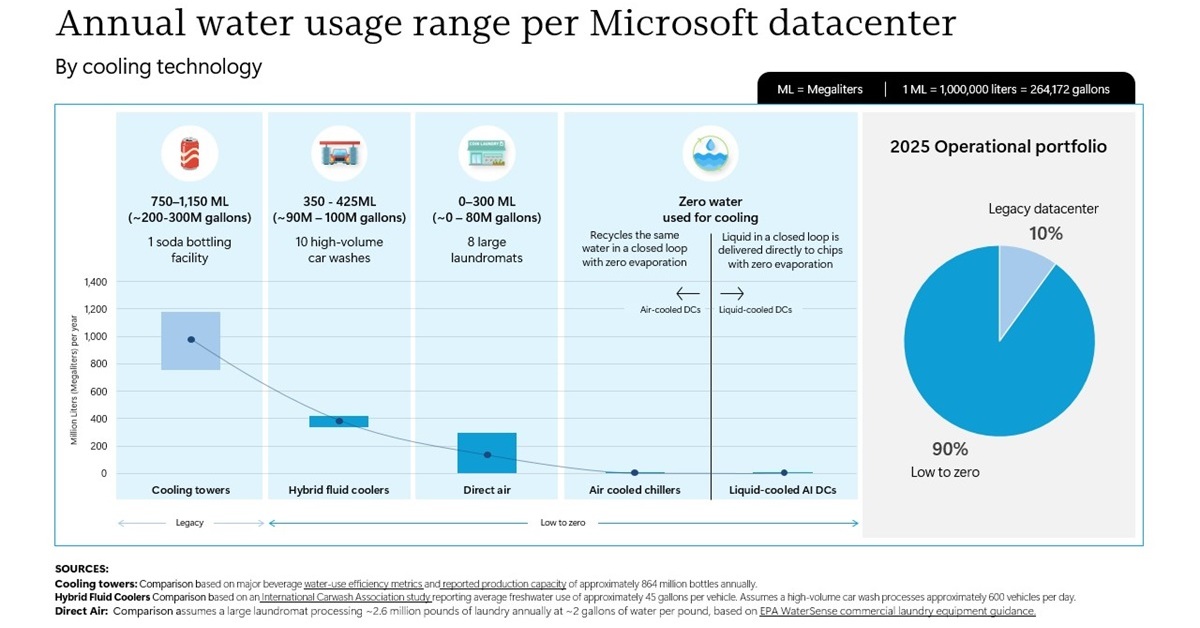
Is "Dehydration Cooling" the Future for Data Centers in the AI Era? Insights from Microsoft's Waterless Cooling Strategy.
Microsoft has announced new water conservation measures for its data centers in response to the growing demand for AI and cloud services. The tech giant aims to achieve water positivity by 2030, targeting a 90% improvement in water usage efficiency compared to initial levels. To support this goal, Microsoft plans to implement waterless cooling systems in its latest facilities and utilize rainwater, thereby promoting sustainable infrastructure operations.

Robotics Infrastructure Startup XDOF Emerges from Stealth with $70M in Funding
XDOF has officially launched after securing $70 million in funding to create infrastructure for robot foundation models. The company aims to develop essential datasets, robotic systems, and software tools that will enable robotics firms and research institutions to enhance the capabilities of physical AI systems. This significant investment comes from prominent venture capital firms, including Thrive Capital, Andreessen Horowitz, Spark Capital, Lux, and WnderCo. The funding will support XDOF's mission to advance the field of robotics and artificial intelligence, addressing the growing demand for more sophisticated and efficient robotic solutions.
AI AI Funding & Investment Robotics Amazon Andreessen Horowitz Carnegie Mellon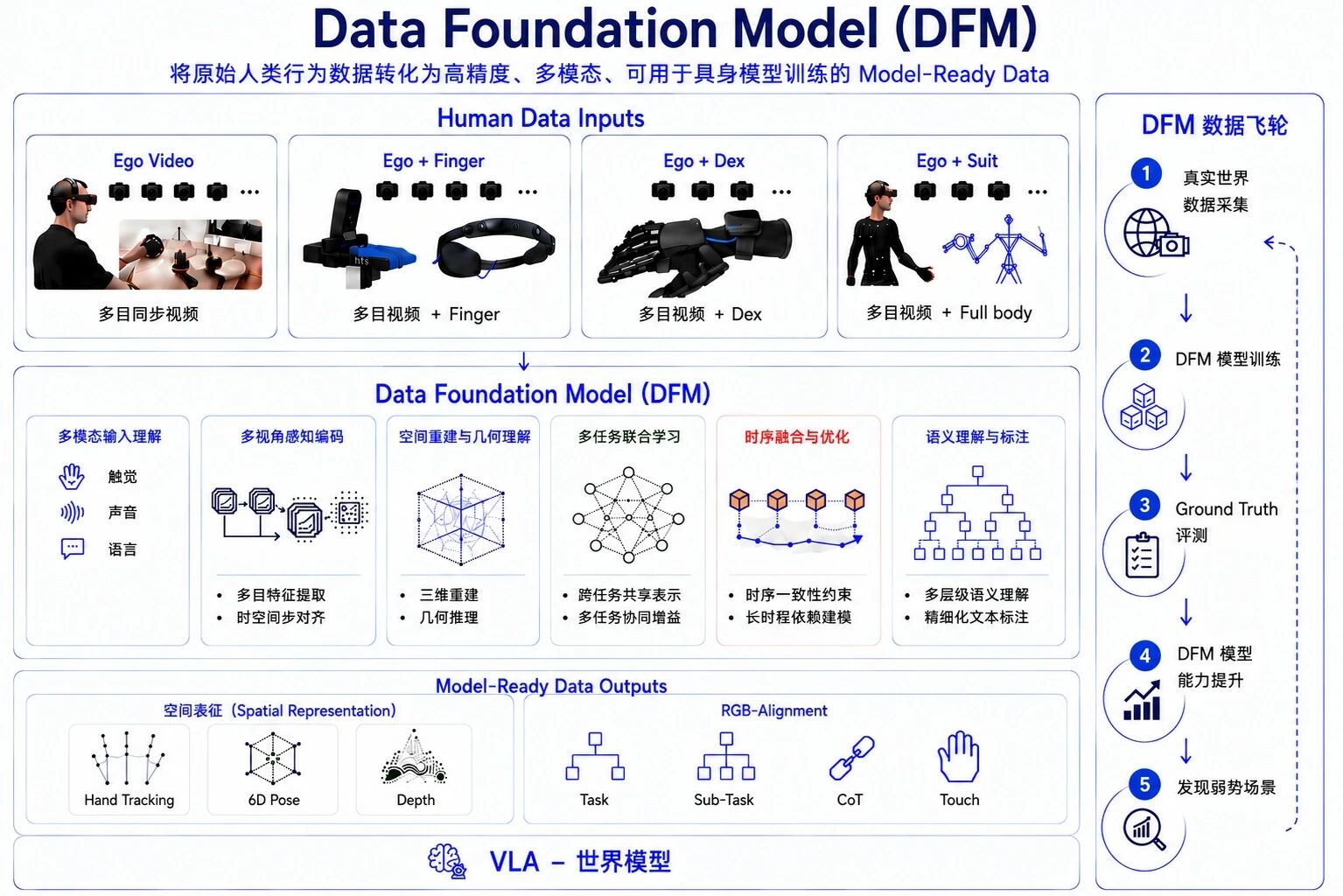
Why Human Data Requires a Data Foundation Model
Human Data is confronting significant challenges in effectively embodying intelligence, prompting the development of a Data Foundation Model (DFM). This innovative framework aims to convert raw human data into high-quality, multi-modal, and task-ready formats, thereby enhancing data accuracy, efficiency, and scalability for training embodied models. The DFM is designed to provide a robust infrastructure that facilitates data integration and understanding while allowing for continuous evolution. By addressing these critical issues, the DFM seeks to improve the overall effectiveness of data utilization in various applications.
Human Data Data Foundation Model Embodied Intelligence Multi-modal Data Data Processing
Canadian pension giant joins race to fund India’s AI-fueled data center boom
Canada's largest pension fund is set to acquire an 8.2% stake in CtrlS, a prominent technology company that manages over 15 data centers throughout India. This strategic investment underscores the pension fund's commitment to expanding its portfolio in the technology sector, particularly in the rapidly growing data center market in India. The acquisition is expected to enhance CtrlS's capabilities and support its expansion plans, reflecting the increasing demand for data services in the region. The deal is anticipated to be finalized in the coming months, marking a significant step for both the Canadian pension fund and CtrlS as they navigate the evolving landscape of technology infrastructure.
AI Enterprise Canada Pension Plan Investment Board CPP Investments CtrlS
Blackstone-Backed AirTrunk Pledges $30B for Indian AI Data Center Expansion
AirTrunk, an Australian data center operator supported by Blackstone, has unveiled a significant $30 billion investment plan aimed at developing 5 gigawatts of data center capacity in India by 2030. This initiative marks one of the largest infrastructure commitments in the country’s burgeoning artificial intelligence sector. The announcement followed a meeting between AirTrunk's Chief Executive Robin Khuda and Indian Prime Minister Narendra Modi, underscoring the strategic importance of this investment in bolstering India's technological infrastructure and supporting its growing demand for data processing capabilities.
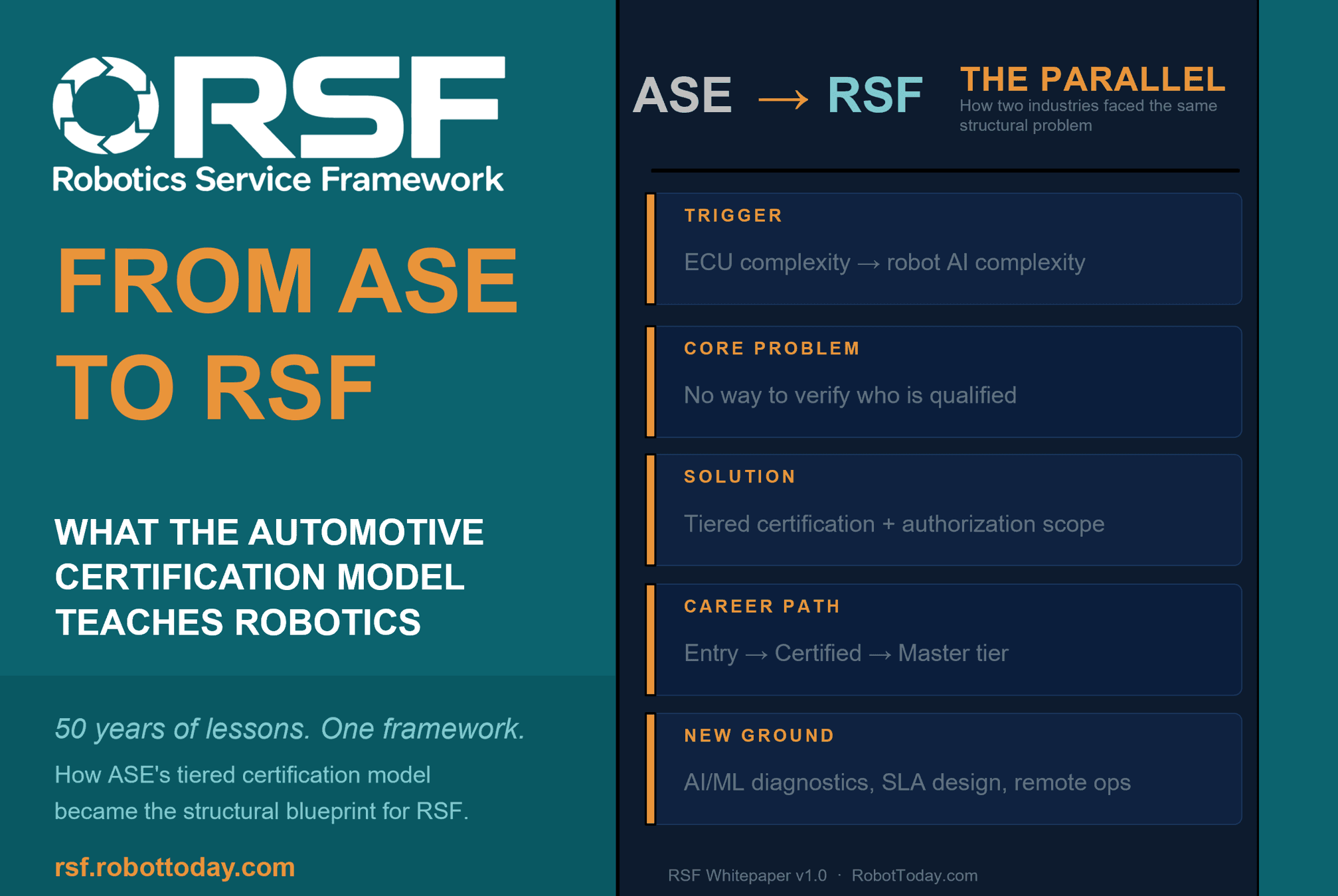
UncategorizedRobotics needs a service framework.
RSF defines a common language for robot service capability, lifecycle operations, certification pathways, and service-provider networks.