Industry Briefing
A single destination for timely, editor-curated robotics news from around the world.
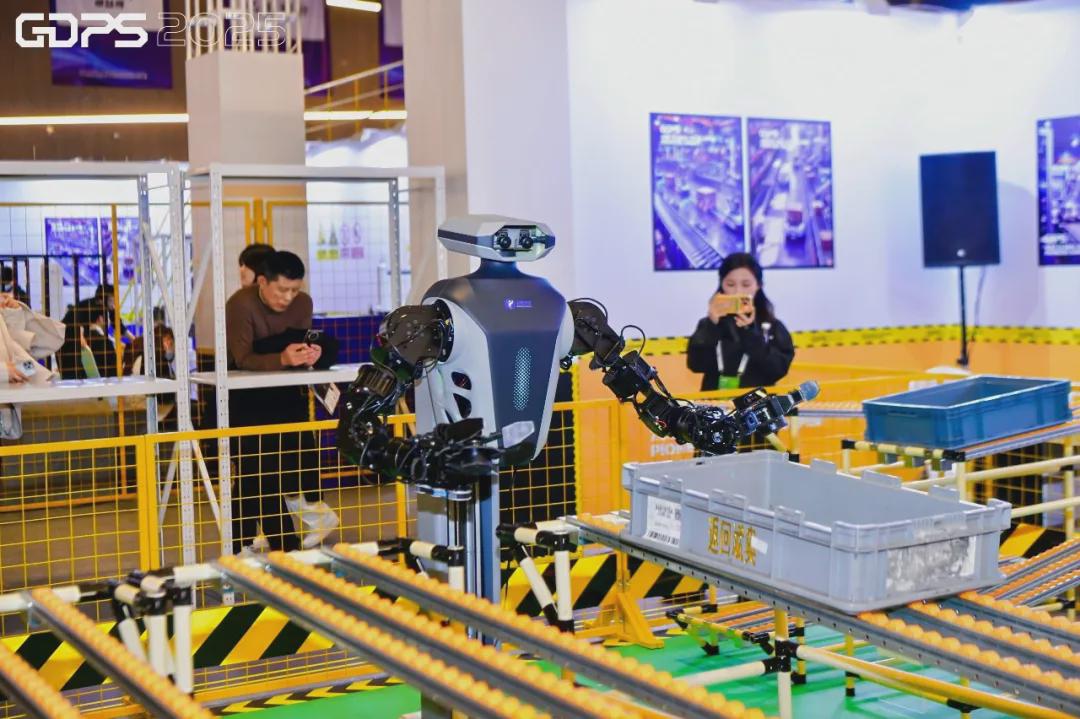
Over 100 Million in Funding! How Lingyu Intelligent Turns Robots into 'Data Collection Factories'?
Lingyu Intelligent has successfully raised nearly 100 million yuan in angel funding to improve its data collection systems and cloud collaboration architecture. This financial boost will enable the company to focus on transforming robots into efficient data production machines. The initiative aims to tackle the pressing issue of insufficient high-quality real-world data, which is essential for training advanced intelligent models. By enhancing its technological capabilities, Lingyu Intelligent seeks to contribute significantly to the development of artificial intelligence and machine learning applications.
Robotics Data Collection Artificial Intelligence Machine Learning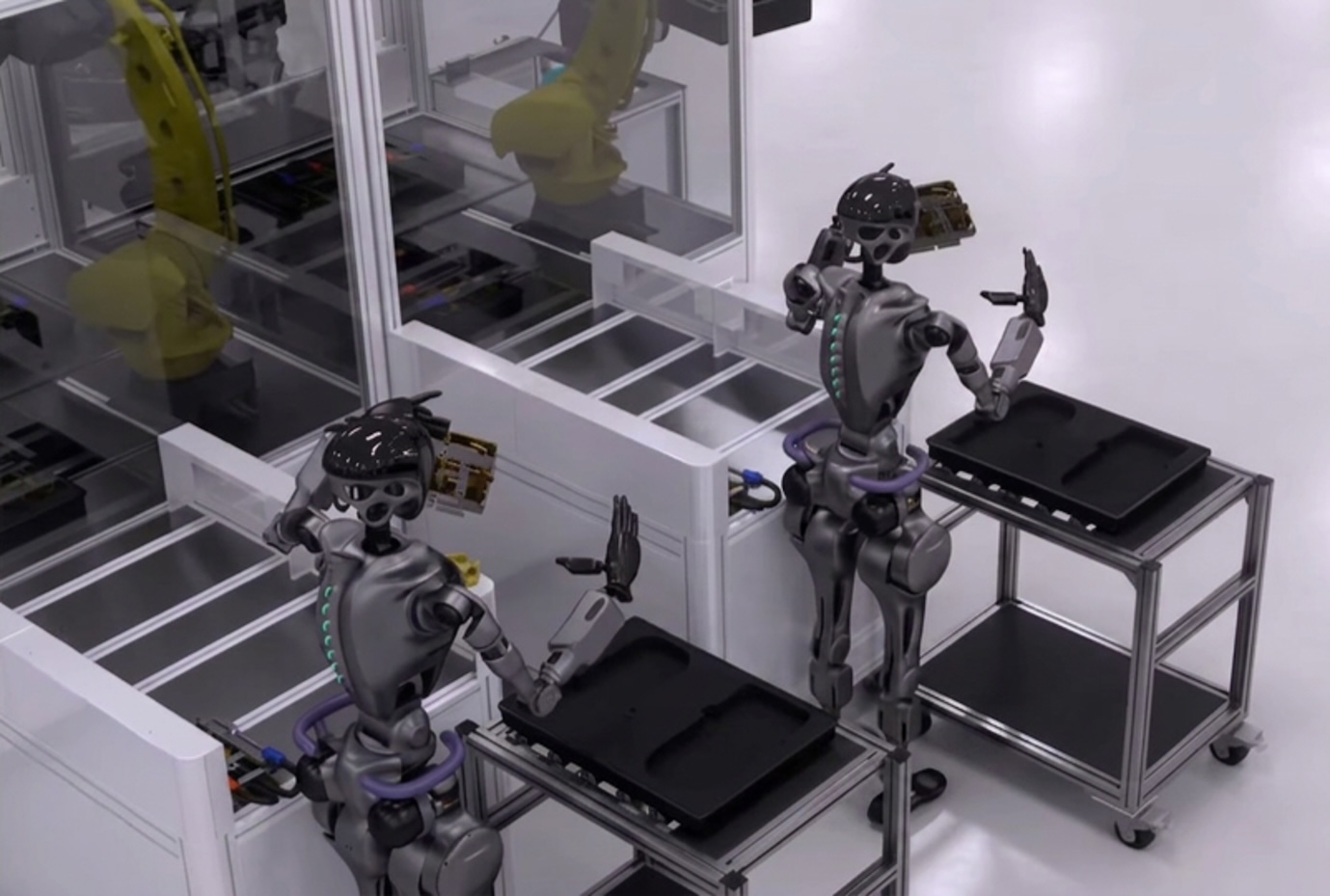
SpaceX Proposes 1 Million AI Satellites to Address Ground Data Center Constraints
On January 30, 2026, SpaceX filed with the FCC to launch up to 1 million AI compute satellites, positioning orbital data centers as a solution to the increasing demand for AI computing power. Ground data centers are facing significant challenges, with energy consumption projected to reach approximately 1,050 TWh in 2026, making them the fifth-largest electricity consumer globally. The demand for new data center capacity is outpacing the growth of power generation infrastructure, leading to a critical bottleneck in the grid system. The significance of this initiative lies in the structural constraints faced by ground data centers, including power delivery limitations, high water consumption, and local opposition to new projects. The Uptime Institute's 2026 outlook identifies power as the primary constraint on data center growth, with capacity clearing prices in the PJM grid skyrocketing to $329.17/MW, driven by data center expansion. Additionally, cooling requirements are becoming increasingly unsustainable, with facilities consuming vast amounts of water, further complicating their operational viability. Looking ahead, SpaceX's orbital AI compute initiative aims to circumvent these challenges by leveraging the advantages of space, such as continuous solar power and minimal local opposition. The first AI prototypes are expected to launch in early 2027, with operational deployments planned for 2028. No further timeline was disclosed at the time of publication.

Chinese Internet Association Launches AI Agent Data Protection Pact with Major Firms
The China Internet Association has introduced a self-regulatory agreement focused on personal information protection for AI agents during a forum in Beijing. Major companies including Baidu, Tencent, Alibaba, and Volcengine are among the initial signatories of this pact, which aims to establish standards for the collection, processing, and usage of personal data by AI agents as their services proliferate across various internet platforms. This initiative is significant as it seeks to address growing concerns regarding data privacy and security in the rapidly evolving landscape of AI technologies. By standardizing practices, the pact aims to enhance consumer trust and ensure responsible handling of personal information, which is crucial as AI agents become increasingly integrated into daily online interactions. Looking ahead, the China Internet Association also unveiled a separate self-regulatory pact for mini-program ecosystems, signed by Tencent, Ant Group, and Baidu, among others. This indicates a broader commitment to data protection across different digital services. No further timeline was disclosed at the time of publication.
News Feed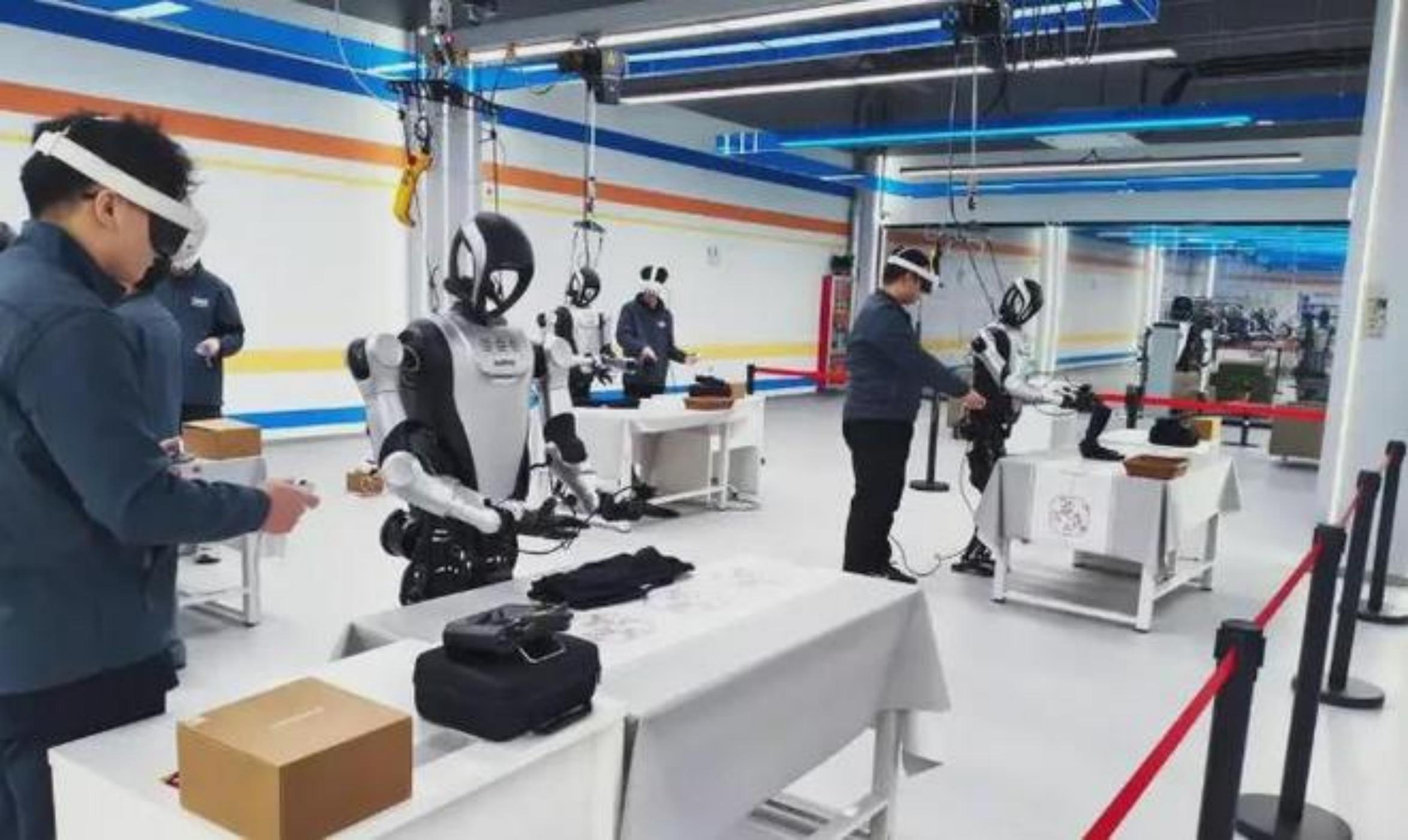
Building a Highway for Embodied Intelligence: From Data Collection to Ecosystem Development, Leju's Training Ground 2.0
Leju has introduced an innovative training ground model designed to enhance embodied intelligence in robotics through improved data collection efficiency and consistency. This initiative, which emphasizes the importance of real-world data application, aims to create a robust ecosystem that significantly advances robotic capabilities. By focusing on gathering and utilizing data effectively, Leju seeks to drive forward the development of intelligent systems that can better interact with their environments. The model represents a strategic effort to harness data as a critical resource in the ongoing evolution of robotics, positioning Leju at the forefront of this technological advancement.
Embodied Intelligence Data Collection Robotics AI Ecosystem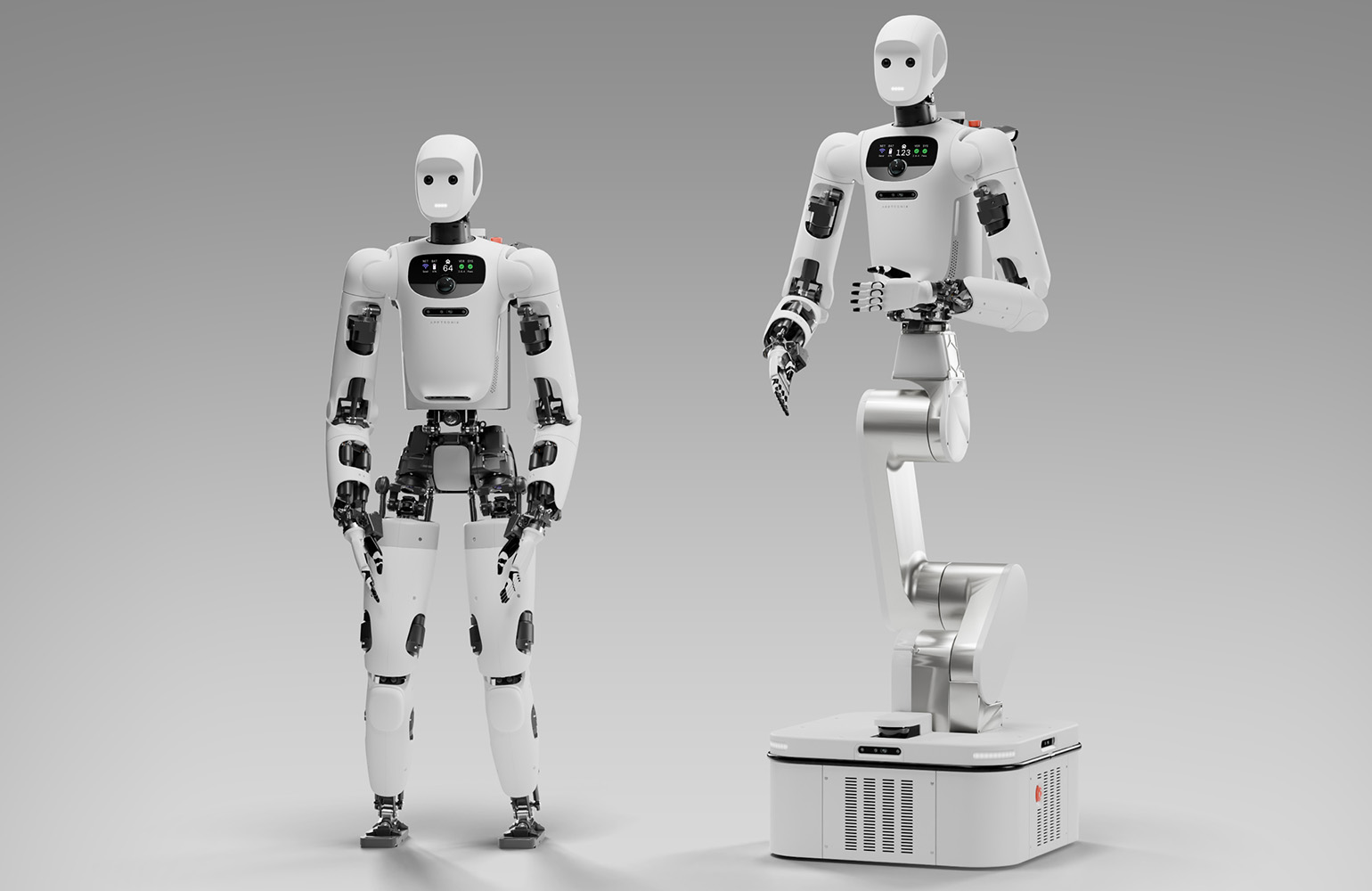
Apptronik unveils Apollo 2 and a flagship data collection and training facility
Apptronik has introduced Apollo 2, a cutting-edge data collection and training platform designed to facilitate continuous learning through its deployment. This innovative system aims to enhance the capabilities of robotic technologies by providing a robust environment for data gathering and training processes. The announcement highlights Apptronik's commitment to advancing robotics and artificial intelligence, reflecting the growing demand for sophisticated training tools in these fields. The unveiling of Apollo 2 marks a significant step forward in the company's efforts to improve the efficiency and effectiveness of robotic systems.
Artificial Intelligence Artificial Intelligence / Cognition Design / Development Humanoids News Robots / Platforms
SynapX Launches SYNData: Multimodal Data Collection System for Embodied AI Era
SynapX has unveiled SYNData, an innovative multimodal data collection system designed to enhance dexterous manipulation capabilities in robotics. This cutting-edge system integrates ego vision, electromyography (EMG) signals, and data from exoskeleton gloves, facilitating the scalable collection of human manipulation data essential for advancing robot learning. The launch of SYNData aims to bridge the gap between human dexterity and robotic functionality, providing researchers and developers with comprehensive tools to improve robotic performance. This development is particularly significant as it addresses the growing demand for more sophisticated and adaptable robotic systems in various applications.
Robotics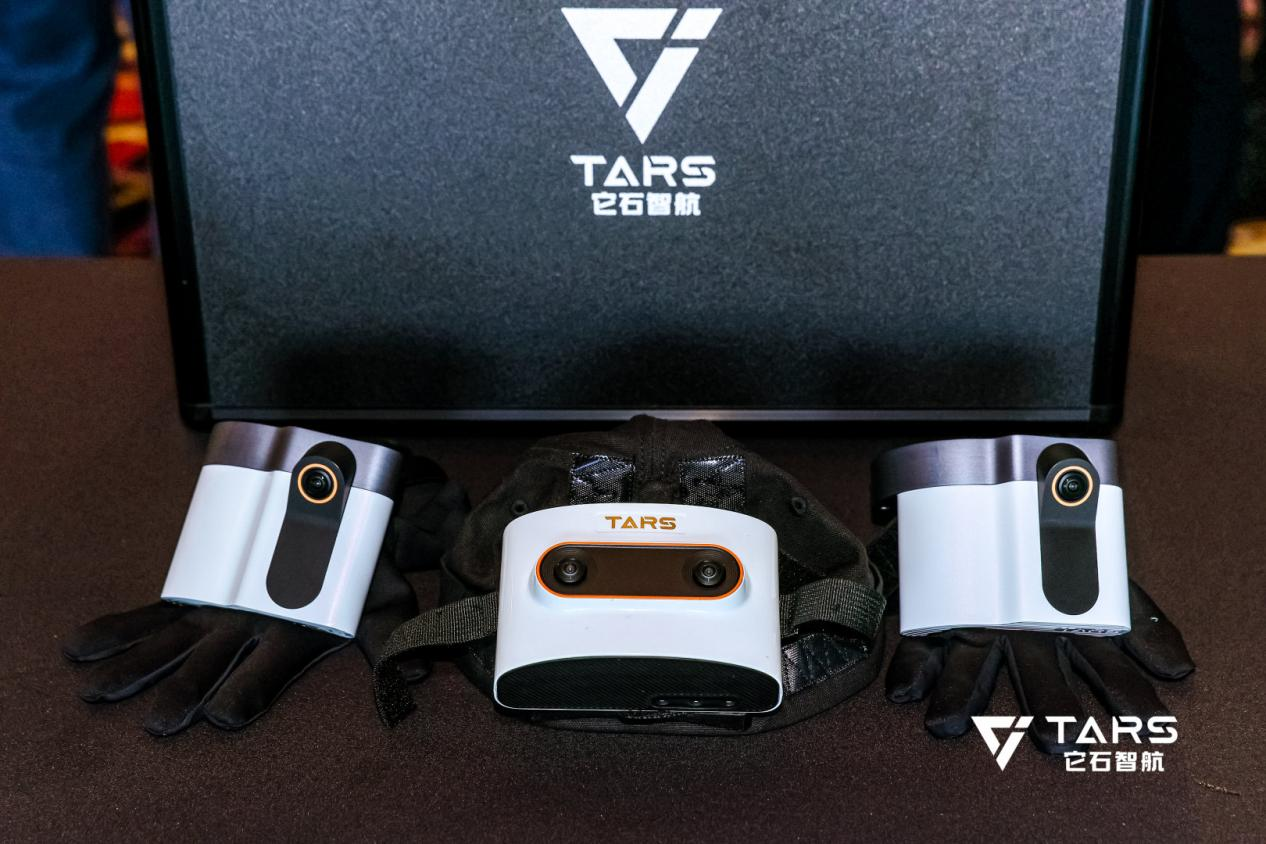
From Embroidery to Wiring Harness: It Shizhi Navigation's SenseHub Unveils the World's First 'Working' Embodied General Model at AWE
At the 2026 Shanghai AWE, It Shizhi Navigation unveiled its cutting-edge SenseHub, a wearable intelligent data collection system designed to tackle significant challenges in data acquisition within the robotics industry. This innovative technology facilitates the evolution of humanoid robots, allowing them to move beyond pre-programmed actions to undertake autonomous tasks by leveraging high-quality, real-world data. The introduction of SenseHub marks a pivotal advancement in enhancing the capabilities of robotic systems, aiming to improve their efficiency and adaptability in various applications.
Wearable Technology Data Collection Systems Humanoid Robots Embodied Intelligence Robotics
Terradepth and EIVA Partner to Automate Subsea Data Collection-to-Cloud
EIVA and Terradepth have announced a partnership aimed at enhancing subsea data workflows through the integration of Terradepth's Absolute Ocean platform with EIVA's NaviSuite software. This collaboration, revealed today, seeks to automate the entire process of data transfer from subsea operations to clients, thereby simplifying complex workflows for users without specialized expertise. The integration is designed to facilitate quicker decision-making, provide immediate access to data, and significantly reduce turnaround times for subsea projects.
terradepth eiva partnership automation subsea data collection-to-cloud
Zivariable Launches QUANXTA Zero Series for Data Collection Without Ontology
Zivariable has launched the QUANXTA Zero series, a new line of products aimed at improving data collection processes. Unveiled recently, these devices are designed to facilitate efficient data gathering for model training without the need for ontology. The QUANXTA Zero series promises to enhance data quality through automated labeling and seamless integration into an extensive data service pipeline. This innovation not only boosts the efficiency of data collection but also significantly reduces associated costs, making it a valuable tool for organizations seeking to optimize their data management strategies.
Data Collection AI Models Robotics Automation
"Breaking Through the 'Data Wall'! Independent Variable Releases QUANXTA Zero Series, Full-Stack Players Redefine Embodied Intelligent Data Collection..."
Independent Variable has announced the launch of its QUANXTA Zero Series, a groundbreaking advancement in embodied intelligent data collection. This release aims to address the challenges posed by the so-called "data wall," which has hindered effective data utilization in various sectors. The unveiling took place in October 2023, showcasing the innovative capabilities of the new series designed to enhance data gathering and analysis processes. The QUANXTA Zero Series is positioned to redefine how full-stack players in technology and data management approach the collection and interpretation of data. By integrating advanced technologies, Independent Variable seeks to empower organizations to overcome existing barriers and harness the full potential of their data assets. This initiative reflects a growing demand for more efficient and intelligent data solutions, driven by the need for businesses to make informed decisions based on comprehensive data insights. The launch is expected to attract significant interest from industries looking to enhance their data strategies and improve operational efficiencies.
Robotics Automation AI
India's $1/hour Data Collection Model Gains Popularity
A novel data collection model is emerging in India, utilizing head-mounted cameras worn by workers to capture first-person footage. This innovative approach, spearheaded by the teenage founders of Egolab AI, has garnered significant attention and was recently acquired by a US company, highlighting its growing importance in the industry. Additionally, the startup Human Archive has successfully raised $8.2 million to enhance this data collection method. This initiative not only aims to provide valuable data for artificial intelligence training but also offers workers an opportunity to earn supplementary income. The combination of technology and economic support is positioning these startups at the forefront of a transformative movement in data collection.
Data Collection AI Training Wearable Technology Gig Economy
JD Launches China's Largest Embodied Intelligence Data Collection Base in Suqian
JD Group, in partnership with the Suqian government, has inaugurated China's first community dedicated to embodied intelligence data collection. This innovative initiative, which was launched recently, aims to collect over 10 million hours of real-life behavioral data from more than 100,000 participants across diverse sectors such as logistics and healthcare. The project utilizes JD Group's proprietary technology, the JoyEgoCam, to enhance the training of intelligent models. By gathering extensive data, the initiative seeks to improve the development of AI applications, ultimately contributing to advancements in various industries.
Embodied Intelligence Data Collection Smart Devices AI Training
Gong Hongjia and Lu Qiming's favored myoelectric wristband begins to compete for embodied data collection entry.
Gong Hongjia and Lu Qiming have launched a myoelectric wristband that is set to compete in the growing market for embodied data collection. This innovative device aims to capture and analyze muscle activity data, providing users with insights into their physical performance and health metrics. The wristband is designed for a wide range of applications, from fitness tracking to rehabilitation, appealing to both athletes and individuals seeking to monitor their well-being. The product's introduction comes at a time when there is increasing demand for wearable technology that can deliver personalized health data. With advancements in sensor technology and data analytics, the myoelectric wristband is positioned to leverage these trends effectively. The competition in this sector is intensifying as more companies recognize the potential of embodied data to enhance user experiences and outcomes. Gong and Lu's venture reflects a broader shift towards integrating technology with human physiology, aiming to empower users with actionable insights. As the market evolves, the success of their wristband will depend on its ability to differentiate itself through accuracy, user-friendliness, and the value of the data it provides.
Robotics Automation AI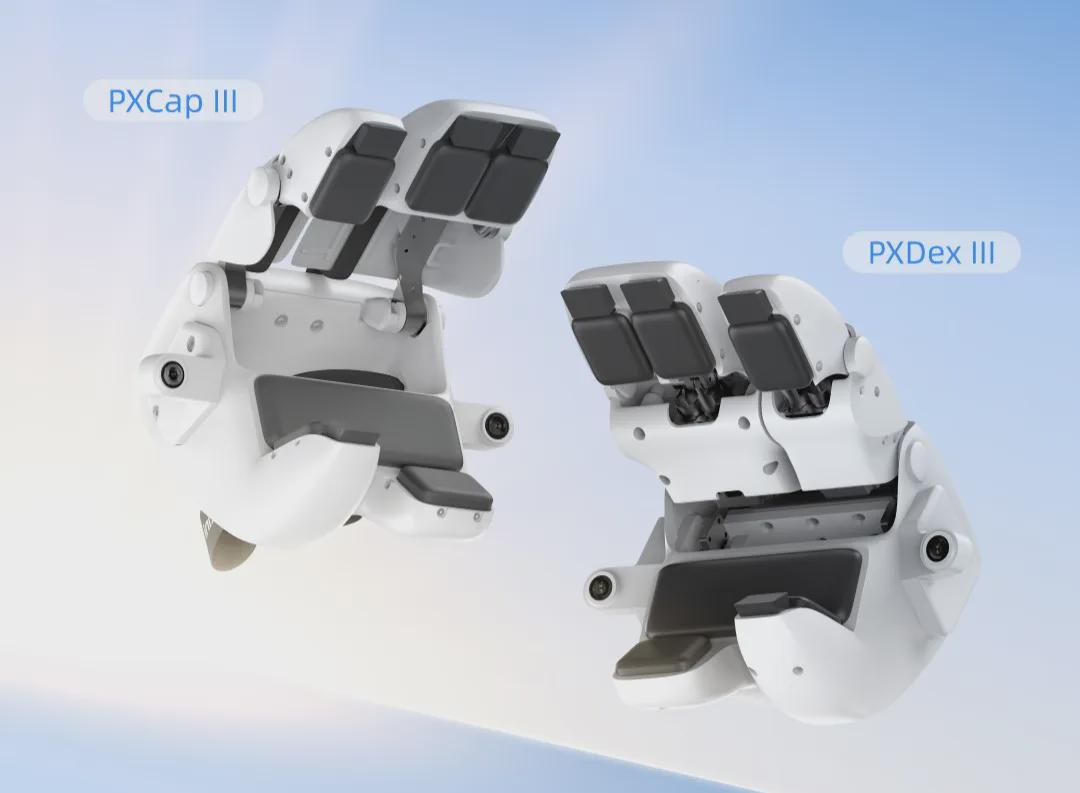
PaXini Launches World's First Mass-Produced Data Collection and Execution System PXCap III × PXDex III
PaXini has introduced its latest technological advancements, the PXCap III data collection gloves and the PXDex III execution end-effector, which together represent a significant leap in the integration of data capture and robotic execution. This innovative dual-end system aims to improve data quality for embodied intelligence by addressing the persistent structural discrepancies that have historically existed between data collection devices and robotic execution. The launch of these products is expected to facilitate the seamless deployment of high-quality data, enhancing the efficiency and effectiveness of robotic applications.
Data Collection Robotic Systems Embodied Intelligence Sensor Technology
SynapX Launches SYNData: Multimodal Data Collection System for Embodied AI Era
SynapX has introduced SYNData, an innovative multimodal data collection system designed to enhance dexterous manipulation capabilities. Launched recently, this system integrates ego vision, electromyography (EMG) signals, and data from exoskeleton gloves, facilitating the scalable collection of human manipulation data essential for advancing robot learning. The development aims to improve the interaction between humans and robots, ultimately contributing to more sophisticated robotic applications in various fields. By harnessing diverse data sources, SYNData promises to provide valuable insights that can drive the evolution of robotic dexterity and functionality.
Robotics
Why traditional robotics data collection is obsolete and what replaces it
Eric Chan has highlighted Rhoda AI's groundbreaking strategy in the field of robotics, emphasizing the company's use of video data to enhance the scalability and efficiency of machine learning processes. In a recent discussion, Chan pointed out that traditional methods of data collection in robotics have become outdated, necessitating a shift towards more advanced techniques. This innovative approach not only streamlines the learning process for robots but also addresses the limitations of conventional data gathering methods. The insights shared by Chan underscore the importance of adapting to new technologies in order to improve robotic capabilities and performance.
Artificial Intelligence Business Resources News Opinion Podcast Robots / Platforms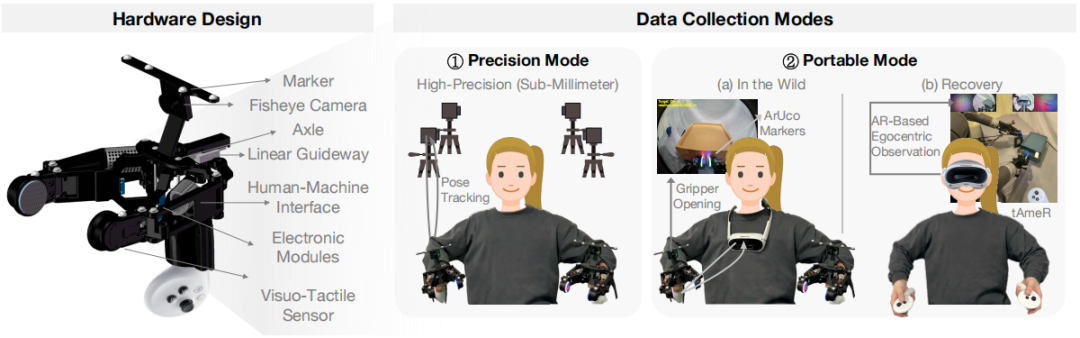
Sub-Millimeter Tactile Control and 100% Reproduction! HKU and Fudan University Launch TAMEn to Solve Data Collection Challenges for Dual-Handed Robots
Researchers from the University of Hong Kong (HKU), in collaboration with Fudan University and other institutions, have unveiled the TAMEn tactile perception manipulation engine. This innovative technology is designed to tackle significant challenges associated with dual-handed robotic tasks. By seamlessly integrating visual and tactile data collection, the TAMEn engine enhances the precision and adaptability of robots, enabling them to perform complex manipulation tasks more effectively. The development of this engine marks a significant advancement in robotics, potentially transforming how robots interact with their environment and improving their functionality in various applications.
Tactile Robotics Dual-Handed Manipulation Data Collection Technology Robotics Research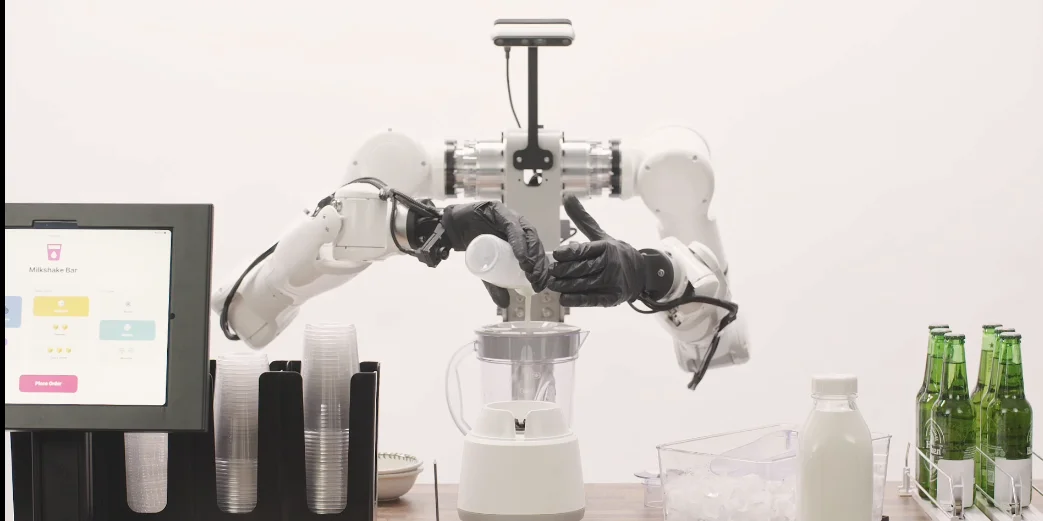
Genesis AI Unveils Foundation Model, Hand & Data Collection System to Develop Human-Level Physical Manipulation for Robotics
Genesis AI has introduced a groundbreaking robotics foundation model named GENE-26.5, accompanied by a proprietary robotic hand and a data collection system aimed at enhancing the ability of robots to learn complex physical tasks by observing human behavior. This innovative system seeks to tackle the challenges associated with gathering substantial amounts of usable training data necessary for teaching robots to perform intricate tasks effectively. The unveiling of GENE-26.5 marks a significant advancement in the field of robotics, as it promises to streamline the learning process for robots, making them more adept at mimicking human actions.
AI AI Use Cases Robotics Eclipse Eric Schmidt Foundation AI Model for Robotics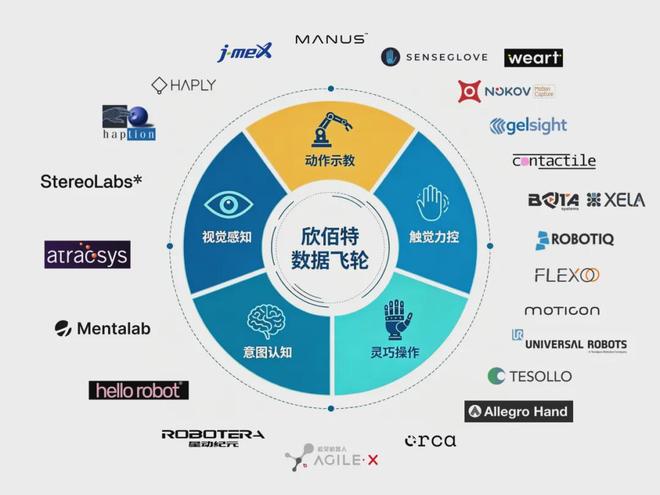
Say Goodbye to Data Scarcity and Selection Challenges! Xinbai Te Unveils Comprehensive Data Collection Solutions for Embodied Intelligence
The 3rd China Embodied Intelligence and Humanoid Robotics Industry Conference is set to take place on April 18, where Xinbai Te Technology will unveil its partnership with UR Robotics. This collaboration aims to present a comprehensive robotic data collection solution, highlighting advancements in visual perception, motion teaching, and tactile control. The event promises to showcase the latest innovations in the field, reflecting the growing interest and investment in robotics and artificial intelligence technologies.
Robotic Data Collection Embodied Intelligence Collaborative Robots AI Technology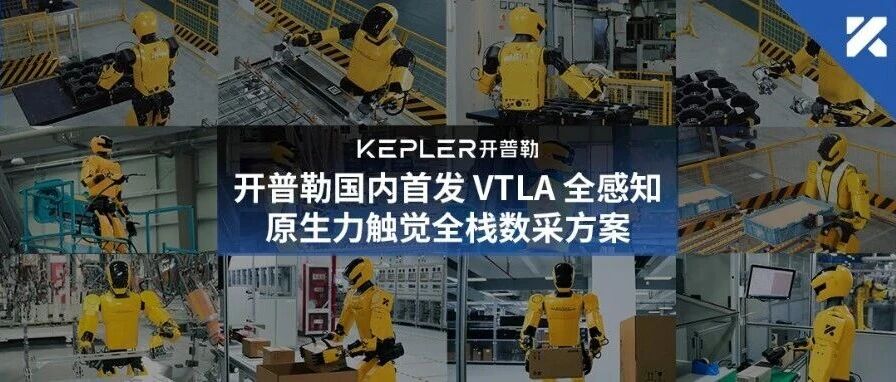
China's First Launch! This Innovative Data Collection Solution Enables Robots to Evolve While Working
Kepler Robotics has introduced the Kepler-OmniTac™ solution, marking a significant advancement in robotic technology as the first native VTLA all-perception model in China. This innovative system enables robots to gather tactile data while functioning in real industrial environments, representing a pivotal shift from traditional visual-based systems to a more integrated OmniVTLA approach. The development aims to enhance the physical interaction capabilities of robots, allowing for more effective and nuanced operations in various industrial settings.
Industrial Robots Data Collection Solutions Tactile Sensing AI Robotics Technology
Hand Tracking Streamer: A Practical Bridge from Quest Hand Tracking to Robotics Teleoperation and Data Collection
In the field of research, the integration of high-fidelity hand-telemetry systems is frequently achieved through the use of specialized coding and tailored interfaces. These solutions are typically designed to function effectively within the confines of a specific laboratory setup, a particular machine, or a singular demonstration. This approach, while effective in isolated environments, raises concerns about scalability and adaptability across different research contexts. As researchers strive for more versatile and universally applicable systems, the reliance on bespoke solutions may hinder collaboration and innovation in the broader scientific community. The ongoing challenge is to develop standardized frameworks that can accommodate diverse setups while maintaining the high fidelity required for accurate telemetry data.

Changingtek Robotics Launches High-Precision Tactile Sensing Data Collection Hand, Uhand
A new compact unit has been developed, featuring a highly sensitive tactile array that boasts a spatial resolution of 2.34 taxels per square centimeter. This advanced technology is capable of detecting forces ranging from 0 to 160 Newtons, with an impressive sensing precision of 0.1 Newtons. The innovation aims to enhance applications in robotics and automation, providing more accurate and responsive interaction with various surfaces and objects. With training data available up to October 2023, this breakthrough represents a significant step forward in tactile sensing technology, potentially transforming how machines perceive and interact with their environments.

Klein Marine Systems Introduces MANTIS UUV with SmartArray Technology™ for Autonomous Underwater Missions
Klein Marine Systems, recognized as a global leader in advanced side scan sonar and underwater imaging technology, has unveiled its latest innovation, the MANTIS UUV. This integrated multi-channel side scan sonar system is specifically designed to enhance unmanned underwater vehicles by providing high-quality imaging and onboard processing capabilities. The announcement was made today, highlighting the company’s commitment to improving underwater exploration and data collection. The MANTIS UUV aims to streamline integration processes, making it a valuable tool for various applications in marine research and industry.
klein marine systems mantis uuv smartarray technology™ uuv auv
ACUA Ocean and RS Aqua Sign MoU to Accelerate Remote Deployment of Long-Endurance and Persistent Ocean Acoustic Data Gathering AI Systems
ACUA Ocean has entered into a Memorandum of Understanding with RS Aqua, a company focused on advancing ocean exploration and conservation through innovative technology and expertise. This partnership aims to enhance the discovery and understanding of marine environments, ultimately contributing to their protection. The agreement was formalized recently, signaling a commitment from both organizations to collaborate on initiatives that leverage their respective strengths in oceanic research and technology. By combining resources and knowledge, ACUA Ocean and RS Aqua seek to address pressing challenges facing the oceans and promote sustainable practices in marine management.
acua ocean rs aqua mou ocean acoustic data gathering ai
Without Real Data, How Can We Discuss Embodied Intelligence? Pacini Provides the Ultimate Answer with a Cluster of 100,000 Square Meters of Factories
In a bid to overcome the challenges faced by embodied AI, researcher Pacini is pioneering a novel strategy aimed at improving the technology's effectiveness through the use of real-world data. Recognizing the critical issue of data scarcity in the industry, Pacini is establishing a network of super data collection factories designed to generate high-quality, multimodal datasets. This initiative is expected to significantly enhance the generalization capabilities of AI systems, allowing them to perform better in diverse real-world scenarios. By focusing on the integration of comprehensive data sources, Pacini's approach seeks to propel the advancement of embodied AI, addressing a fundamental barrier to its widespread application.
Embodied AI Data Collection Artificial Intelligence Robotics Machine Learning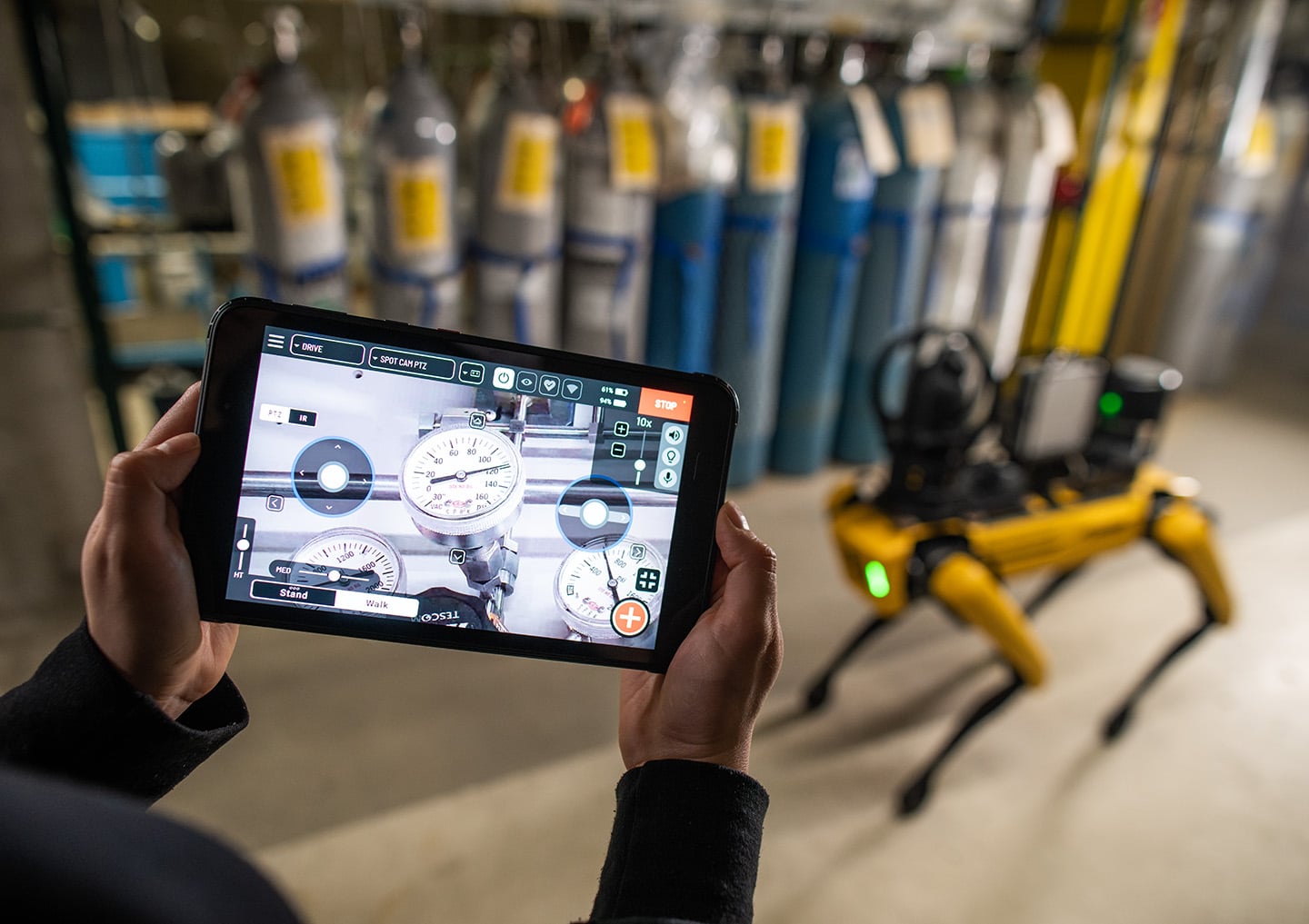
The Data Driving Asset Reliability | Boston Dynamics
Recent advancements in automation and real-time data collection are significantly transforming asset reliability across various industries. This shift, which has gained momentum in recent months, is particularly evident in sectors where operational efficiency is crucial. By leveraging these technologies, companies are effectively reducing instances of unplanned downtime, which can lead to costly interruptions in production. The integration of automated systems allows for continuous monitoring of equipment and processes, enabling organizations to identify potential issues before they escalate into major problems. This proactive approach not only enhances the reliability of assets but also streamlines operations, ultimately leading to improved productivity and cost savings. As industries increasingly adopt these innovative solutions, the focus on data-driven decision-making is becoming paramount. By harnessing real-time insights, businesses can make informed choices that optimize performance and minimize risks associated with equipment failure. This trend underscores the importance of embracing technological advancements to stay competitive in a rapidly evolving marketplace. Overall, the ongoing transformation driven by automation and data analytics is reshaping how companies manage their assets, ensuring a more resilient and efficient operational framework.

What Data Tesla Optimus Could Collect — And How People Feel About It (2026)
Recent findings reveal that a significant majority of individuals, approximately 92%, express concerns regarding the extensive data collection capabilities of home automation systems, particularly those utilizing advanced AI like Optimus. These systems are designed to monitor every room with cameras, maintain constant audio surveillance through always-on microphones, and create detailed floor plans of residences. The growing apprehension stems from privacy issues and the potential misuse of personal information. As technology continues to advance, experts emphasize the need for stricter regulations and transparency regarding data handling practices to protect consumers. This discussion is particularly relevant as more households adopt smart home technologies, raising questions about the balance between convenience and privacy.

General Oceans Enters Purchase Agreement with MRV Systems
General Oceans has announced the acquisition of MRV Systems, a company specializing in long-duration, autonomous data collection, which will enhance its capabilities in underwater technology. This strategic move, finalized recently, adds approximately 22 employees and expands General Oceans' presence in the United States with offices in San Diego, Wood Dale, and Seattle. The acquisition aligns with General Oceans' growth strategy, allowing for increased collaboration between MRV and the company’s existing brands, thereby leveraging the Group’s global capabilities. This transaction is part of General Oceans' ongoing efforts to strengthen its market position through a series of successful acquisitions.
general oceans purchase agreement mrv systems
Orbbec Unveils Robot-Free Data Collection Hardware Platform to Help Customers Capture Real-World Demonstrations for Physical AI at Scale
Leveraging its deep expertise in and broad product portfolio of robotics and AI vision, Orbbec is one of the few industry providers that combines advanced multi-sensor calibration and synchronization technologies, a full-stack vision product portfolio, and global-scale manufacturing and delivery capabilities.

The Role of Risk Calculations in Building More Reliable Automated Trading Systems
The Bank for International Settlements has raised concerns about the reliability of fast trading systems, highlighting the growing prevalence of automated and algorithmic trading in financial markets. This shift has underscored the necessity for robust risk controls to manage the complexities associated with these trading strategies. As financial institutions increasingly rely on automated systems, the importance of thorough evaluation and development of these strategies becomes paramount. The bank emphasizes that the key to success in this environment lies in leveraging accurate data and effective risk management practices.
Business Investments algorithmic trading Automated trading systems CFD calculator Drawdown analysis
As AI Reshapes Global Energy Systems, Melbourne Leads Through Engineering Collaboration
As artificial intelligence (AI) rapidly expands, it is driving a significant increase in global electricity demand, presenting urgent challenges for energy systems. Melbourne, Australia, is positioning itself as a leader in addressing these issues, with a focus on the infrastructure necessary to support AI's growth. By 2035, data centers in Australia are expected to consume up to 11 percent of the nation's electricity, raising concerns about generation and system reliability. The University of Melbourne is at the forefront of this initiative, with interdisciplinary research aimed at developing energy systems that can meet the demands of AI. The Melbourne Energy Institute is exploring how various energy technologies interact, while facilities like the Smart Grid Lab allow for real-time simulations of power systems. This integrated approach is essential for designing resilient and efficient energy systems that can adapt to new patterns of demand. Victoria's advanced energy ecosystem, which includes renewable generation and battery storage, is crucial for balancing digital growth with sustainability. The collaboration between researchers, industry, and policymakers is vital for creating future energy systems that are affordable and resilient. Looking ahead, Melbourne will host the IEEE PES Generation Transmission and Distribution Asia 2027 Conference, bringing together global experts to address the evolving challenges in power systems. This event underscores Melbourne's commitment to fostering international collaboration and innovation in energy solutions, reinforcing its role as a key player in the global energy transition.
Artificial-intelligence Australia Energy-systems University-of-melbourne Ai-data-centers Power-grid
Physical AI’s looming data rights battle: Interview with Kate Shen of Anaxi Labs
As artificial intelligence technology advances and integrates more into everyday life, industry experts are shifting their focus from the capabilities of robots and AI models to the ownership of the data that powers these innovations. This growing concern has emerged as a critical topic among stakeholders, prompting discussions about data rights and the implications for both developers and users. The conversation is gaining momentum as the demand for vast datasets to train AI systems increases, raising questions about privacy, consent, and the ethical use of information. As the AI landscape evolves, understanding data ownership will be essential for shaping future regulations and ensuring fair practices in the burgeoning field of physical AI.
Artificial Intelligence Features AI compliance ai governance AI infrastructure AI regulation
Peking University team develops new generation data acquisition device using EMG wristband, backed by Gong Hongjia, Lu Qi, and overseas
The SnowOrigin team, composed of researchers from Peking University, has secured investments from notable figures including Gong Hongjia and Lu Qi, as well as overseas institutions. This innovative team focuses on surface electromyography (sEMG) technology to develop a new generation of human control data collection solutions, utilizing wearable devices like neural wristbands and panoramic headsets, along with their proprietary Neural Math Hybrid (NMH) AI decoding model. As the fields of embodied intelligence and Physical AI rapidly evolve, there is an increasing demand for high-quality human control data. Current mainstream data collection methods, such as first-person video and motion capture, often fail to capture critical information about the intent and nuances of human actions. SnowOrigin's wearable devices aim to bridge this gap by integrating muscle and neural signal decoding technologies to create structured data that includes posture, force, and micro-control, thereby supporting the training of robots and world models. Founder Qin Xu emphasized that unlike traditional lab-based motion capture systems, their wearable solutions are cost-effective, lightweight, and suitable for long-term use without disrupting daily activities. The team is advancing two commercialization pathways: enhancing human-robot interaction for AI devices and building a foundational data infrastructure for Physical AI applications. With a strong academic background and a commitment to innovation, SnowOrigin is positioned to lead in the emerging market for embodied data collection, having already made significant strides in real-time decoding of sEMG signals into actionable insights. As the demand for comprehensive interaction data grows, the team is poised to capitalize on this shift in paradigm.

X Square Robot Open-Sources XRZero-G0 to Scale Robot Learning with Interfaces, Data Quality and Ratios
A new framework named XRZero-G0 has been introduced to enhance the quality of data collection and training for embodied artificial intelligence, eliminating the need for robotic assistance. This innovative approach aims to streamline the process of gathering high-quality data, which is crucial for developing advanced AI systems. The framework was unveiled in October 2023, reflecting ongoing advancements in AI technology and data collection methodologies. By focusing on robot-free data collection, XRZero-G0 seeks to address challenges related to the dependency on physical robots, thereby making the training of AI more efficient and accessible. The initiative is expected to significantly impact the field of AI research and development, potentially leading to more robust and versatile AI applications across various industries.
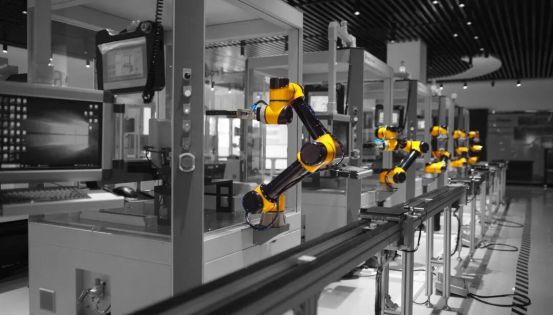
Data: The Cornerstone of Embodied Intelligence Evolution
JiCui ZhiZao has unveiled groundbreaking technologies in XR remote operation and master-slave arm mapping, which are pivotal for the advancement of embodied intelligent robots. These innovations facilitate the collection of high-quality interaction data, essential for training intelligent models. By improving the precision of data acquisition, JiCui ZhiZao aims to enhance the autonomy and decision-making capabilities of robots. This development is particularly significant as the demand for advanced robotic systems continues to grow, driven by various industries seeking to automate processes and improve efficiency. The introduction of these technologies marks a notable step forward in the field of robotics, promising to transform how robots interact with their environments and perform complex tasks.
Embodied Intelligence Data Collection XR Remote Operation Robot Training Collaborative Robots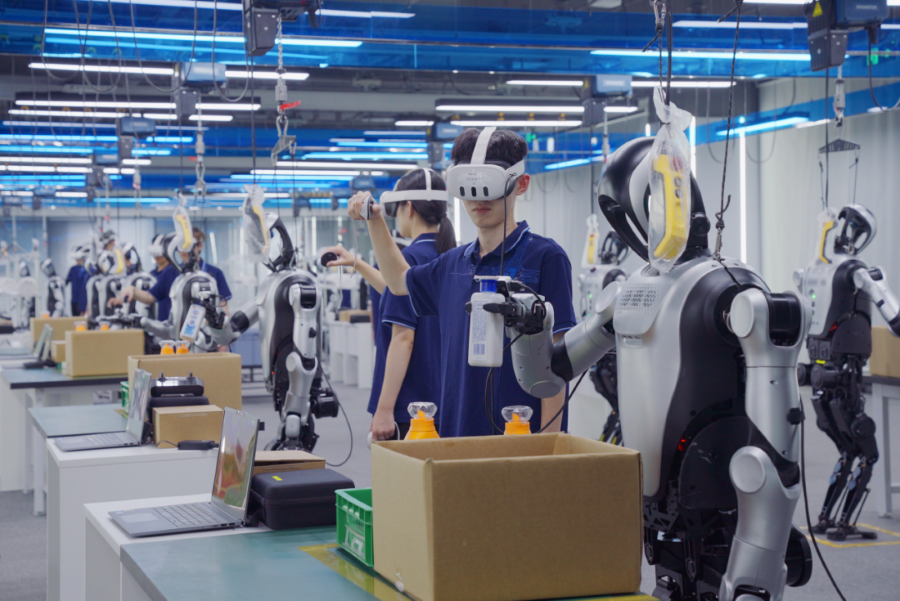
Annual Production of 25 Million Real Machine Data: This Company is Building a 'Data Oilfield' for Humanoid Robots
Yushu Technology is tackling the pressing issue of inadequate high-quality data in the humanoid robot industry by creating extensive real data sets and automated labeling systems. This initiative, aimed at enhancing data collection processes, is set to transform the landscape of humanoid robot intelligence. By establishing innovative training grounds, Yushu Technology seeks to expedite the development and sophistication of humanoid robots, ultimately contributing to advancements in artificial intelligence. The company's efforts are crucial in addressing the current limitations faced by the sector, which relies heavily on robust data for training and improving robotic capabilities.
Humanoid Robots Data Collection AI Machine Learning Robotics Infrastructure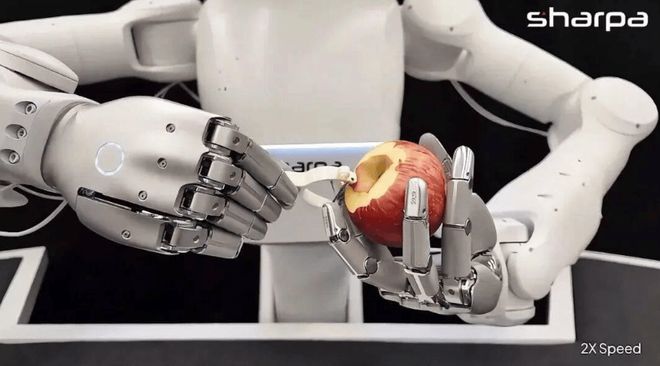
What is the Best Solution for Collecting Robotic Hand Movement Data?
Researchers in a robotic lab are grappling with significant challenges in gathering effective training data for a highly dexterous robotic hand. Despite utilizing advanced hardware, their current data collection methods have proven inadequate, resulting in low success rates for even basic tasks. This situation highlights the limitations of existing tools and underscores the urgent need for innovative solutions to improve data collection processes. The findings emphasize the critical role that robust training data plays in enhancing the performance of robotic systems, calling for a reevaluation of methodologies to advance the field of robotics.
Robotic Hands Data Collection AI Training Robotics Research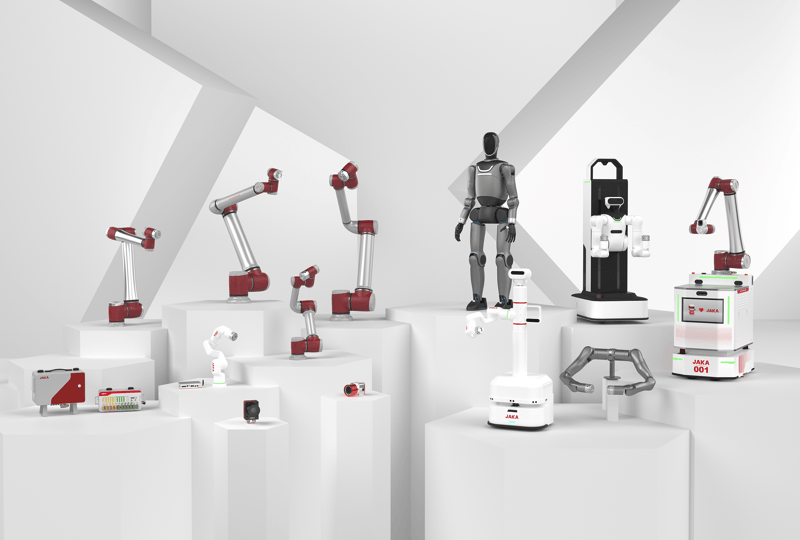
Beyond Cobots: Integrating Robotic Automation with AGVs and IIoT Systems
In recent years, manufacturing has experienced a significant transformation as companies shift from standalone automation to interconnected and flexible systems. JAKA, a leader in collaborative robot technology, has observed this evolution, where production environments are increasingly designed around coordinated robots, autonomous guided vehicles (AGVs), and Industrial Internet of Things (IIoT) platforms. This transition enables automation to adapt dynamically to real production conditions while ensuring safety and flexibility in workplaces that prioritize human interaction. Initially, collaborative robots were embraced for their ability to work safely alongside human operators, facilitating smoother automation processes. As their applications have matured, integrating these robots with AGVs and IIoT systems has become a logical progression. This integration allows for synchronized material handling and processing tasks, enhancing efficiency. IIoT connectivity further supports real-time data exchange, enabling predictive maintenance and improved process visibility, which is crucial for maintaining flexibility in production lines. AGVs play a pivotal role in extending automation beyond fixed workstations. When connected through IIoT infrastructure, these vehicles and robots can share crucial information, reducing idle time and manual interventions while enhancing workflow traceability. This coordination not only boosts operational efficiency but also increases transparency, allowing for continuous optimization and informed decision-making. To facilitate this integrated approach, JAKA has developed the Ai12, a collaborative robot designed for easy deployment through wireless teaching and graphical programming. This technology enhances safety and adaptability, allowing for seamless human-robot interaction. JAKA envisions a future where industrial robotic automation is not merely a collection of isolated machines but a cohesive system that evolves with production demands, fostering smarter and more responsive industrial environments.

Meta is building its first big Canadian data center as AI expansion crosses the border
Meta is set to establish its inaugural large-scale data center in Canada, marking a significant step in the company's expansion of artificial intelligence capabilities beyond the United States. The announcement comes as part of Meta's broader strategy to enhance its infrastructure to support AI technologies. This development is expected to create numerous jobs and stimulate local economies, reflecting the growing demand for data processing and storage solutions. The data center will be located in a yet-to-be-disclosed area in Canada, with construction anticipated to begin in the near future. Meta's investment underscores its commitment to harnessing AI advancements while also addressing the increasing need for robust data management systems in the tech industry.

New tech keeps power grids stable as data centers put more strain on electricity
Researchers at Sandia National Laboratories have unveiled a groundbreaking software platform designed to enhance the management of distributed energy resources. This innovative tool aims to optimize the integration of renewable energy sources into existing power grids, addressing the growing demand for sustainable energy solutions. The announcement was made on October 10, 2023, during a technology showcase at the laboratory's facilities in Albuquerque, New Mexico. The motivation behind this development stems from the increasing need for efficient energy management systems that can accommodate the variable nature of renewable energy sources, such as solar and wind. By utilizing advanced algorithms and real-time data analytics, the platform enables utilities and energy providers to better predict energy supply and demand, ultimately leading to a more reliable and resilient power infrastructure. The software operates by aggregating data from various energy sources and employing machine learning techniques to enhance decision-making processes. This allows for improved coordination among energy producers, consumers, and grid operators, facilitating a smoother transition to a more sustainable energy landscape. As the world moves towards cleaner energy solutions, this platform represents a significant step forward in harnessing the potential of distributed energy resources.
AI and Robotics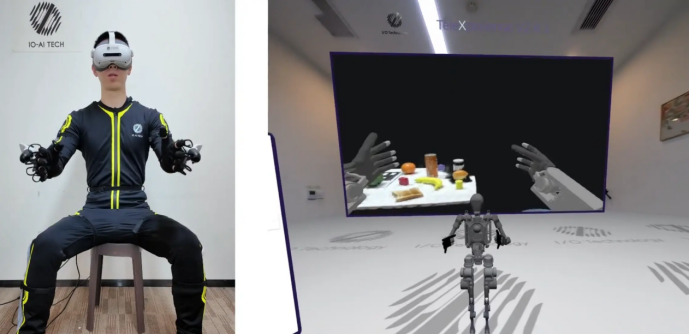
Data-Driven Unicorns: $2 Billion Valuation in Robotics Without Profit
In response to the growing demand for effective robot training, companies in the robotics sector are increasingly prioritizing the generation of high-quality multimodal training data over the mere construction of robots. This shift highlights a significant trend towards recognizing data as a vital resource for enhancing embodied intelligence in robotics. Several firms have successfully secured substantial funding to develop innovative solutions that cater to this emerging need. As the industry evolves, the focus on data-driven approaches is expected to play a crucial role in advancing the capabilities of robotic systems, marking a transformative phase in the field.
Robotics Data Training VR Technology AI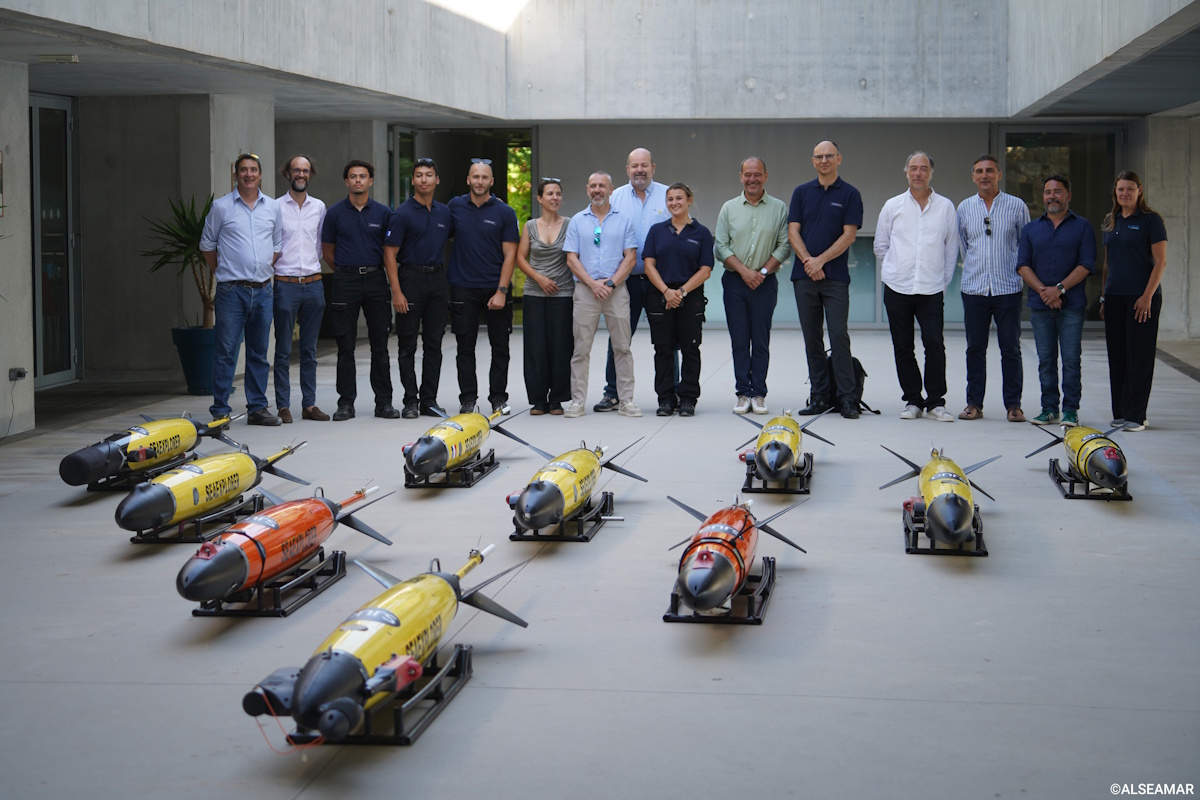
CNRS Deploys Ten SEAEXPLORER Autonomous Gliders for Mediterranean Ecosystem Research
In mid-June 2026, the CNRS deployed ten SEAEXPLORER autonomous underwater gliders in the Ligurian Sea as part of Mission 6 under France's 2030 funding plan. This initiative aims to create a comprehensive environmental data atlas for the northwestern Mediterranean, focusing on the impacts of human activities on marine ecosystems. The gliders will operate for one month, diving to depths of 1,000 meters and equipped with sensors to monitor underwater noise and ocean currents. The deployment is significant as it represents a strategic effort by the French government to enhance industrial competitiveness and develop next-generation technologies for deep-sea exploration. By utilizing coordinated fleets of autonomous gliders and advanced sensing technologies, researchers aim to better understand the dynamics of marine ecosystems and the effects of climate change, maritime traffic, and ocean acidification. This innovative approach will facilitate the study of plankton distribution and biodiversity through methods such as environmental DNA monitoring. Looking ahead, the next phases of Mission 6 will involve additional deployments in the Gulf of Lion in 2028 to test new sensors, followed by operations in French Polynesia between 2028 and 2029. These efforts will further expand the capabilities of autonomous underwater vehicles in marine research, with no further timeline disclosed at the time of publication.
autonomous gliders cnrs exploration mediterranean marine ecosystems
Karst Exploration With Robots: Fontaine de Nîmes Data Set
The Journal of Field Robotics has published a new study that explores advancements in autonomous robotic systems. This research, released in early October 2023, highlights innovative techniques that enhance the navigation and operational capabilities of robots in various environments. Conducted by a team of researchers from leading universities, the study aims to address the growing demand for efficient robotic solutions in industries such as agriculture, manufacturing, and disaster response. The motivation behind this research stems from the increasing complexity of tasks that robots are expected to perform, necessitating improved algorithms and sensor technologies. By employing advanced machine learning methods and real-time data processing, the researchers demonstrated significant improvements in the robots' ability to adapt to dynamic surroundings and make autonomous decisions. The findings from this study are expected to have a substantial impact on the future development of robotic systems, paving the way for more reliable and versatile applications. As industries continue to seek automation solutions, this research provides valuable insights into the potential of robotics to enhance productivity and safety across various sectors.
FIELD REPORT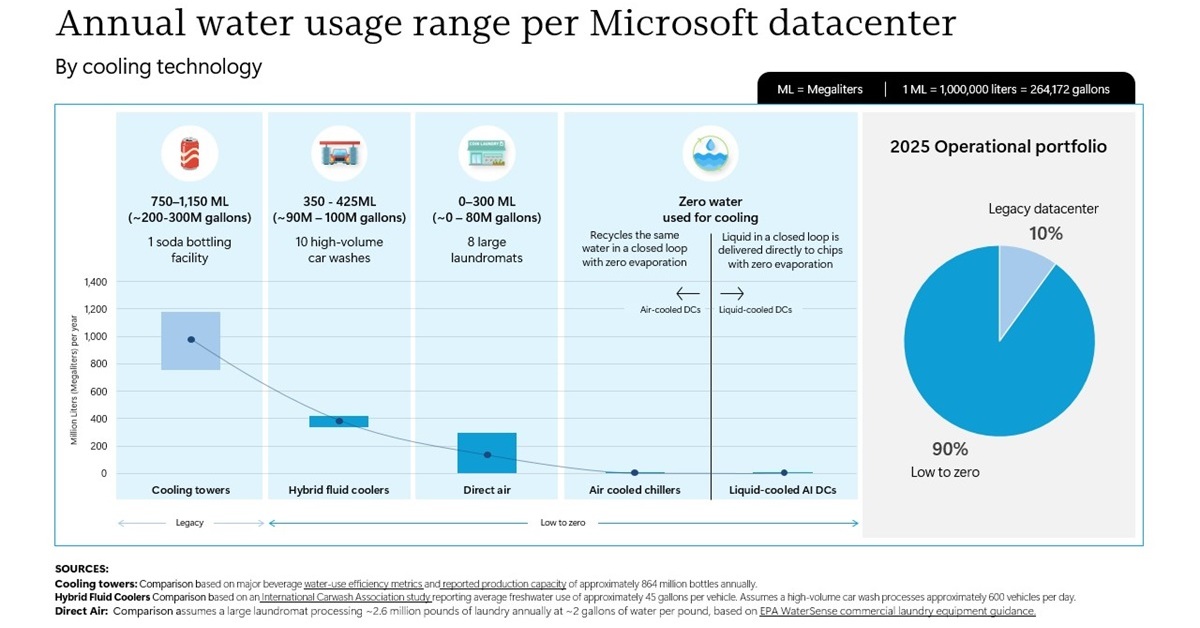
Is "Dehydration Cooling" the Future for Data Centers in the AI Era? Insights from Microsoft's Waterless Cooling Strategy.
Microsoft has announced new water conservation measures for its data centers in response to the growing demand for AI and cloud services. The tech giant aims to achieve water positivity by 2030, targeting a 90% improvement in water usage efficiency compared to initial levels. To support this goal, Microsoft plans to implement waterless cooling systems in its latest facilities and utilize rainwater, thereby promoting sustainable infrastructure operations.

Mibee Technology and Zhangjiang Group Form Strategic Partnership for Embodied Data Infrastructure
Mibee Technology has entered into a strategic cooperation agreement with Zhangjiang Group to advance embodied intelligence data technology. This collaboration, announced recently, seeks to tackle significant industry challenges, including data shortages and the high costs associated with data collection. By combining Zhangjiang's innovative ecosystem with Mibee's expertise in data services, the partnership aims to foster the growth of the robotics industry in Shanghai. The initiative reflects a commitment to enhancing technological capabilities and addressing critical issues within the sector.
Embodied Intelligence Data Infrastructure Robotics AI Technology
Investment Surge in Embodied Intelligence Data Providers Amid Robotics Financing Boom
Hexinju Technology, a company based in Suzhou, has successfully raised millions in Series A funding to enhance data infrastructure aimed at training robots. This investment comes at a time when the robotics industry is experiencing significant growth, highlighting the increasing demand for high-quality, multimodal data derived from real-world interactions. In response to this critical challenge, Hexinju plans to develop a comprehensive platform designed for data collection, processing, and evaluation. By doing so, the company seeks to establish itself as a pivotal player in the rapidly expanding field of embodied intelligence.
Embodied Intelligence Data Infrastructure Robotics AI Training Data Services
Bridging the gap between legacy data and AI
ScikIQ is addressing a critical challenge faced by mid-market enterprises by offering solutions to unify their fragmented data across various legacy systems. This initiative aims to enable these businesses to effectively deploy operational artificial intelligence (AI). By streamlining data integration, ScikIQ empowers organizations to enhance their operational efficiency and leverage AI technologies for improved decision-making and performance. The company's efforts come at a time when many enterprises are struggling to harness the full potential of their data, which is essential for staying competitive in an increasingly digital landscape.
Artificial Intelligence Startups Gaurav Shinh ScikIQ Startup spotlight Triton Investment Advisors
Lightwheel AI Raises New Round to Build Physical AI Data and Simulation Infrastructure
A Beijing-based startup has successfully secured new funding to enhance its data and evaluation infrastructure focused on physical artificial intelligence, embodied intelligence, and world models. This investment aims to bolster the company's capabilities in developing advanced technologies that integrate AI with real-world applications. The funding round, which took place recently, reflects growing interest in the potential of AI to transform various industries. By improving its infrastructure, the startup seeks to position itself as a leader in the evolving landscape of intelligent systems, ultimately contributing to more sophisticated and effective AI solutions.
AI
BridgeDP Robotics Launches Comprehensive Motion Data Factory
BridgeDP Robotics has unveiled its new 'Comprehensive Motion Data Factory,' a facility designed to tackle the existing data gap in motion control. This launch, which took place recently, aims to facilitate the collection of high-quality motion data on a large scale. By establishing a closed-loop system that encompasses data design, collection, processing, training, and feedback, the initiative is crucial for the advancement of the company's universal motion control platform. The facility is expected to enhance the capabilities of motion control technologies, ultimately contributing to more sophisticated applications in various industries.
Motion Control Data Collection Robotics Artificial Intelligence Data Infrastructure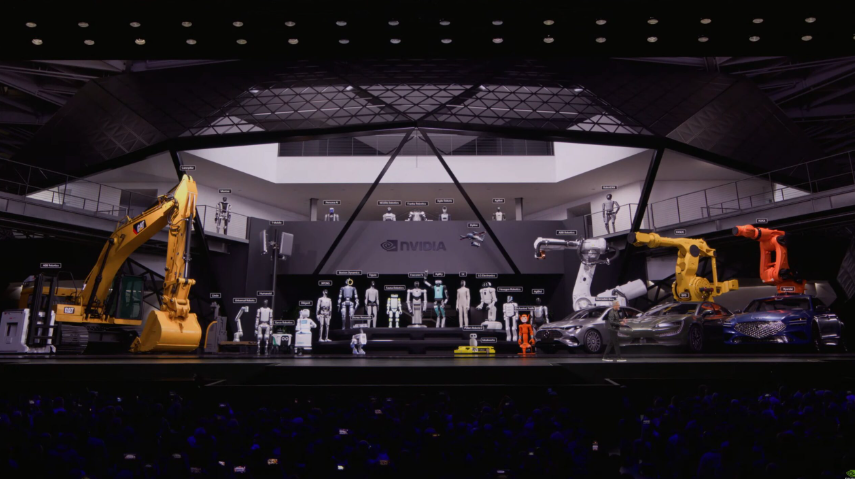
GTC 2026: NVIDIA Aims to Transform Robotics Data Challenges into Computational Solutions
At the GTC 2026 conference, NVIDIA unveiled its latest innovation in robotics, the Olaf robot, highlighting its commitment to 'Physical AI'. This initiative seeks to revolutionize the way data is collected for robotic development by shifting from costly real-world data acquisition to the use of simulation and synthetic data generation. By leveraging these advanced techniques, NVIDIA aims to enhance the creation of intelligent robots that can be applied across multiple industries, thereby streamlining processes and reducing expenses associated with traditional data collection methods.
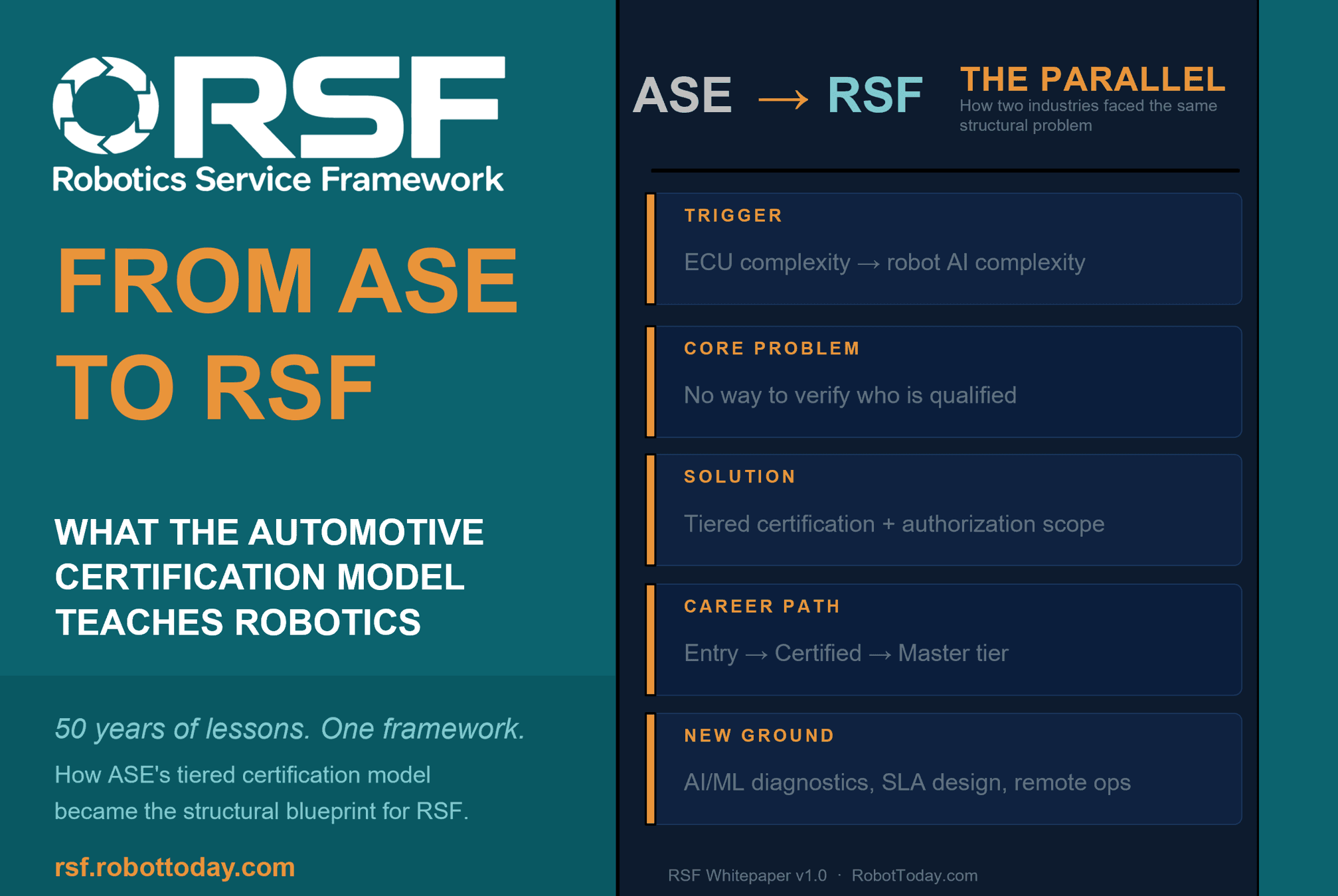
Robotics Artificial Intelligence Simulation Technology Industrial AutomationRobotics needs a service framework.
RSF defines a common language for robot service capability, lifecycle operations, certification pathways, and service-provider networks.