Industry Briefing
A single destination for timely, editor-curated robotics news from around the world.

What lessons is Ideal learning to catch up with FSD V14?
The competitive landscape of the intelligent driving industry has undergone significant changes in recent years, shifting from hardware specifications to advanced model development. Companies are increasingly recognizing that merely having larger models is insufficient for achieving generational advantages; instead, the integration of models, data, computing power, and chips into a continuous iterative loop is becoming crucial. This realization has prompted many automakers to invest in in-house research and development. Tesla has established a comprehensive ecosystem that spans data collection, training infrastructure, and self-developed chips, while Chinese companies like Li Auto, Xpeng, and NIO are also deepening their technological foundations. Li Auto has introduced its self-developed Mach M100 chip in its L8 and L9 models, which it views as a significant advancement in AI technology. In a recent discussion with Li Auto's autonomous driving and chip leaders, they emphasized that the industry should focus on the practical problems these investments aim to solve rather than merely the existence of in-house development. They outlined their strategies to achieve performance comparable to Tesla's Full Self-Driving (FSD) system, highlighting the importance of safety, efficiency, and comfort in user experience. As the industry moves towards higher levels of autonomy, the integration of vision and language models is seen as essential for developing systems that can handle complex, unforeseen scenarios. The executives noted that achieving higher levels of autonomy (L3 and L4) requires models that can reason and think like humans, underscoring the growing significance of language in AI systems. Overall, the conversation revealed the industry's focus on enhancing AI capabilities through innovative chip design and data utilization, aiming for a future where autonomous driving technology can meet the challenges of real-world driving conditions.
Smart Hand valued at $1 billion after 5 months, achieves profit in first quarter; DeepSeek plans to double all departments.
On June 26, 2026, Wuliangye announced the removal of Zeng Zongqin from his position as chairman due to his inability to fulfill his duties. The decision was made during the company's annual shareholder meeting, where a proposal to appoint Deng Min as the new chairman was approved. Zeng's departure, effective immediately, will not affect the company's operations, as he held no shares and had no outstanding commitments. In Yantai, JD Pharmacy has established a new company, JD Pharmacy (Yantai) Co., Ltd., with a registered capital of 100,000 RMB. The company, fully owned by JD Pharmacy (Qingdao) Chain Co., Ltd., will engage in retailing pharmaceuticals and providing medical device services. SpaceX, led by Elon Musk, plans to launch a new Starlink mobile service in the U.S. and develop its own ground mobile network, aiming to compete with major carriers like Verizon, AT&T, and T-Mobile. He Xiaopeng announced on June 25 that XPeng Motors is set to expand globally, with the second-generation VLA model expected to enter international markets by 2027, coinciding with new EU regulations on autonomous driving. Meanwhile, Lingqiao Shou, a company spun off from Zhiyuan Robotics, has achieved a valuation of $1 billion within just five months of its establishment, following significant funding rounds. Beijing Tongrentang Medical and Health Investment Co. plans to raise up to HKD 671.6 million through an IPO in Hong Kong, with shares priced between HKD 5.48 and HKD 6.21, expected to begin trading on July 7. Lastly, DeepSeek announced plans to double its workforce across all departments, while Apple reported a surge in memory demand due to the rapid expansion of AI data centers, presenting challenges for the electronics industry.

Zhang Yaqin: AI is not a bubble, but AI companies are.
In June, during an interview at the Tsinghua Wuxi Research Institute's Intelligent Industry Innovation Center, Academician Zhang Yaqin discussed the current state of AI investment and entrepreneurship, suggesting a more cautious approach to the rapidly growing sector. Zhang, who founded the Tsinghua University Intelligent Industry Research Institute (AIR) five years ago, noted that while AIR has successfully incubated ten companies with a combined valuation of 150 billion yuan, its primary focus remains on research rather than commercialization. Zhang, a prominent figure in AI and a fellow of the IEEE, likened the current AI investment climate to the internet boom of 1998-1999, emphasizing the importance of sustainable growth and cautioning against the potential for market bubbles. He highlighted the need for new AI algorithms to enhance efficiency and pointed out that while the AI sector holds significant long-term potential, many early-stage companies may face challenges in proving their viability. Every June, AIR hosts the "Taihu Dialogue" in Wuxi, fostering discussions on AI advancements. Zhang expressed concerns about the risks associated with high valuations and the necessity for a focused approach in startups. He emphasized that while funding is crucial, it should not overshadow the importance of developing robust products and technologies. Looking ahead, Zhang identified "physical AI" as a key area for development by 2026 and outlined the challenges of creating robots capable of performing complex tasks in real-world environments. He underscored the importance of collaboration between academia and industry to cultivate talent and drive innovation in AI, while also addressing the ethical and safety risks associated with advanced AI systems.
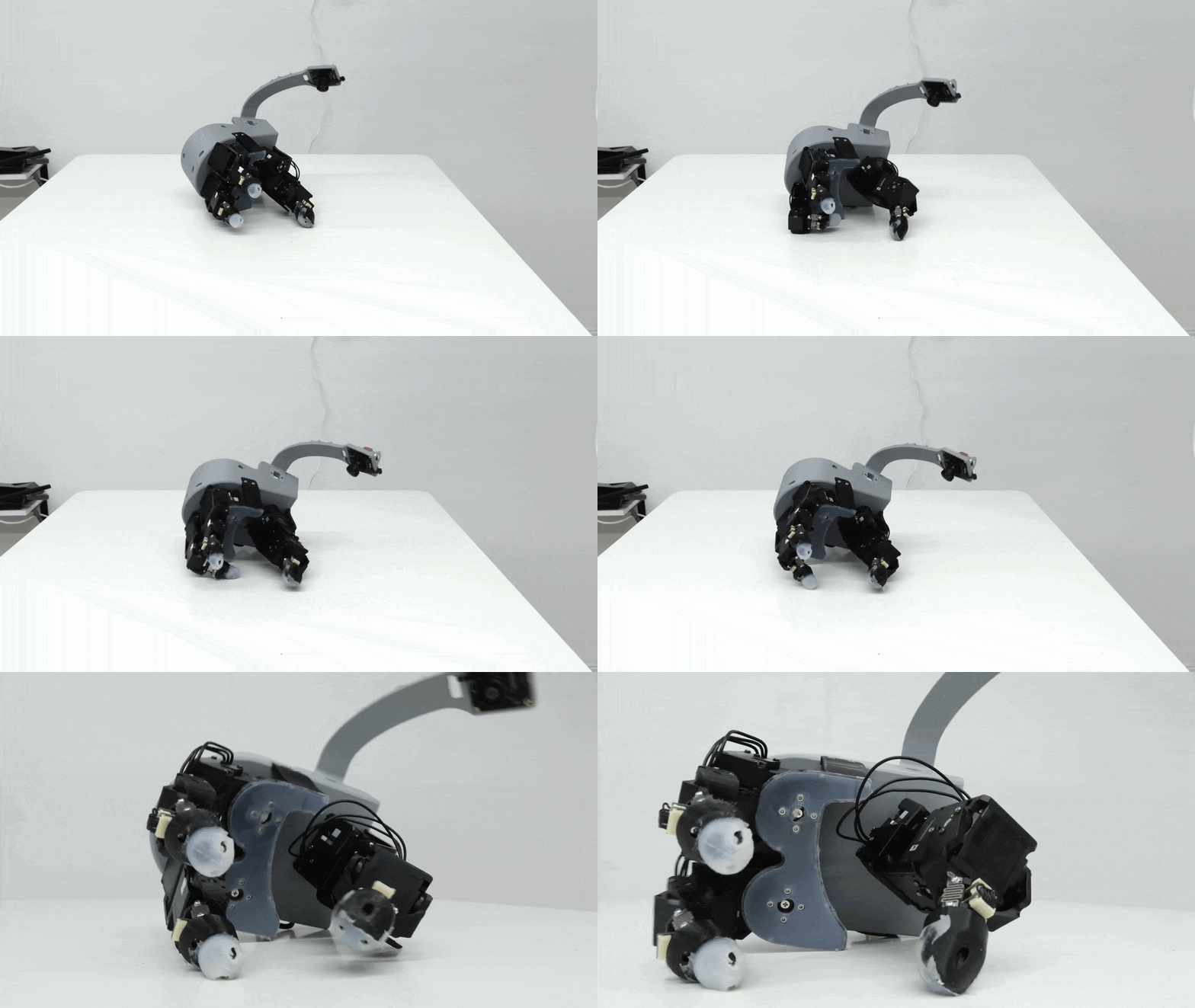
Video Friday: Give Robots a Hand
IEEE Spectrum robotics has released its latest edition of "Video Friday," showcasing a collection of innovative robotics videos along with a calendar of upcoming robotics events scheduled for 2026. The events include the RSS conference in Sydney from July 13-17, the Summer School on Multi-Robot Systems in Prague from July 29 to August 4, Actuate in San Francisco on August 18-19, and IROS in Pittsburgh from September 27 to October 1. Among the featured videos, Pulkit Agrawal from MIT CSAIL discusses his "SoftMimic" approach to enhancing robot safety around humans. The DARPA Lift Challenge, taking place from August 6-9 at the National Museum of the US Air Force, invites public participation. Notable demonstrations include Agility Robotics' Digit, which showcases advanced footstep planning to navigate obstacles, and DEEP Robotics' aggressive firefighting robot. Additionally, the potential for AI-driven robots to understand whale behavior and communication is explored by Harvard SEAS Professor Stephanie Gil. The edition also highlights discussions with Rodney Brooks, the creator of the Roomba, about the future of robotics. The content aims to engage the robotics community and stimulate interest in technological advancements and their applications.
Humanoid-robots Video-friday Robot-hands Quadruped-robots Robot-videos Firefighting-robots
Teradar enters paid evaluation program with German automaker for terahertz vehicle sensing technology
Teradar, a company specializing in terahertz (THz) vision technology, has initiated a paid technical evaluation program with a leading German automotive manufacturer. This collaboration aims to assess Teradar's innovative sensing technology for potential integration into advanced driver assistance systems (ADAS) and autonomous driving platforms. The evaluation will specifically target challenging scenarios where traditional sensing technologies, including cameras, radar, and lidar, may face limitations. By exploring the capabilities of THz technology, both Teradar and the automotive manufacturer seek to enhance the safety and efficiency of future automotive systems.
Components Design Engineering adas advanced driver assistance systems automation news
Elroy Air’s Cargo Drone Bet
Elroy Air, a company focused on revolutionizing logistics through long-range cargo drones, is set to go public with an estimated valuation of around $1 billion. CEO Andrew Clare discussed the company's innovative heavy-payload aircraft during an appearance on Bloomberg Open Interest. He emphasized the strategic timing for entering public markets, citing increasing demand in the defense sector and the necessity for automation in U.S. supply chains as key factors driving the company's growth. Clare believes that the current landscape presents a unique opportunity for Elroy Air to scale its operations and replace traditional delivery trucks with advanced drone technology.
ON Semi tanks 20% following Synaptics deal as CEO defends core business
On Semiconductor has announced a significant expansion of its addressable market, projecting an increase of $30 billion through its pivot into physical artificial intelligence (AI). This strategic move aims to enhance the company's offerings and capitalize on the growing demand for AI technologies. The announcement comes as the company seeks to position itself at the forefront of innovation in the semiconductor industry. By integrating physical AI into its product lineup, On Semi is responding to evolving market needs and the increasing reliance on advanced technologies across various sectors. This expansion reflects the company's commitment to driving growth and maintaining competitiveness in a rapidly changing technological landscape.

Robotaxis drive miles just to get cleaned and charged; this new startup wants to fix that
Aseon Labs, a startup that emerged from Y Combinator's spring 2026 cohort, has successfully secured $10 million in funding. The investment round was led by Crane Venture Partners, among other contributors. This financial boost is aimed at advancing Aseon Labs' innovative projects and expanding its operations in the tech industry. The funding announcement comes as the company seeks to leverage its recent developments and enhance its market presence.
Startups Transportation Aseon Labs autonomous vehicles crane venture partners Exclusive
US robotics installations rebounded in 2025, on track for more growth: IFR
Global demand for robotics is surging, particularly driven by the automotive and electronics sectors, with significant deployments occurring primarily in China, Japan, and South Korea. Meanwhile, the United States is experiencing an increase in robotics applications, particularly in food production and supply chain services. This trend highlights the growing reliance on automation across various industries, as companies seek to enhance efficiency and productivity in response to evolving market needs.

Roundtable: We Celebrate Adventure - Sooner, Smaller, and Deeper | 36Kr WAVES 2026 New Wave
In 2026, the investment landscape in China is witnessing a significant shift as artificial intelligence (AI) transitions from a conceptual technology to a mainstream industry force. The WAVES 2026 conference, hosted by 36Kr and AnYun, took place over two days in the Liangcang Creative Park in Panyu, Guangzhou, under the theme "This Summer." The event brought together top investors, industry leaders, and emerging entrepreneurs to explore key sectors such as AI, hard technology, healthcare, and international expansion through 14 in-depth roundtable discussions and numerous independent speeches. Prominent figures in the venture capital sector, including Liu Yuan from ZhenFund, Xu Shi from Shanhang Capital, Lin Haizhuo from Zhuoyuan Asia, and Xu Zhihao from Mingshi Capital, shared insights on the challenges and opportunities in early-stage investments. They discussed the current state of angel investments, which account for only 1.9% of the total equity market, emphasizing the need for a deeper understanding of the evolving technology landscape and the importance of backing resilient founders who can adapt to rapid changes. The conference highlighted the critical role of early-stage investors in identifying promising startups and supporting them through various funding rounds, despite the inherent risks and uncertainties. As the AI revolution continues to unfold, the dialogue among industry experts underscored the necessity of fostering innovation and collaboration to drive China's technological future.
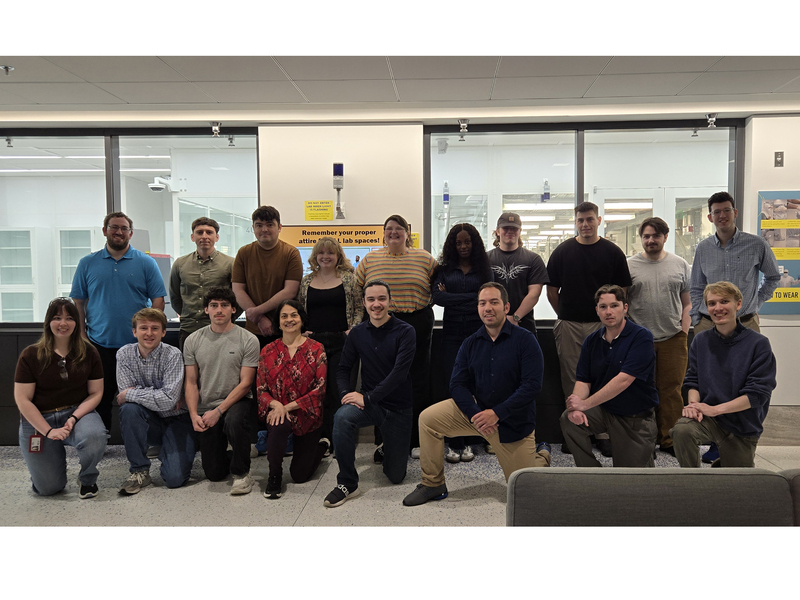
Students from across the Northeast step inside MIT.nano’s cleanroom
A hands-on boot camp is currently underway, aimed at teaching integrated photonics to students from community and four-year colleges in the region. This educational initiative, which focuses on practical skills and knowledge in the rapidly evolving field of photonics, is designed to equip participants with the necessary tools to excel in this technology-driven industry. The program is taking place in local educational institutions, fostering collaboration and learning among students from diverse backgrounds. By providing this training, organizers hope to enhance the workforce's capabilities and address the growing demand for expertise in integrated photonics. The boot camp emphasizes experiential learning, allowing students to engage directly with the technology and gain valuable insights into its applications and implications.
Materials Research Laboratory MIT.nano Education, teaching, academics STEM education Manufacturing Industry
Automation is Leaving the Factory Floor and Moving into the Back Office
For decades, automation has primarily been associated with industrial settings, such as factories and warehouses, where robots and programmable systems efficiently managed repetitive physical tasks. However, recent developments indicate a significant shift in the application of automation beyond traditional environments. As of late 2023, various sectors are increasingly integrating automation into diverse areas, including service industries and everyday consumer interactions. This expansion is driven by the need for enhanced efficiency and precision, as organizations seek to reduce labor costs and improve productivity. The transition is facilitated by advancements in technology, which allow for more sophisticated automation solutions that can adapt to a wider range of tasks. As businesses recognize the potential benefits, the conversation around automation is evolving, highlighting its growing presence in non-industrial contexts.
Automation Business Industry ai agents artificial intelligence automation news
German Economy Calls for Faster Humanoid Robotics Adoption
A recent survey reveals that 82% of respondents believe humanoid robots will play a crucial role in driving future innovation. Conducted in October 2023, the study highlights the growing public interest in the potential of humanoid robotics across various sectors. Participants expressed optimism about the technology's ability to enhance productivity, improve efficiency, and address labor shortages in industries such as healthcare, manufacturing, and customer service. The findings suggest that as advancements in artificial intelligence and robotics continue, society may increasingly rely on humanoid robots to tackle complex challenges and foster economic growth. This shift reflects a broader trend towards automation and the integration of intelligent systems into everyday life, prompting discussions about the implications for the workforce and ethical considerations surrounding the use of such technology.

DEEPX and Sixfab Launch 'DEEPX AI HAT' to Drive Edge Physical AI on Raspberry Pi
A new partnership has emerged to enhance the Raspberry Pi ecosystem by providing high-performance, low-power AI acceleration. This initiative aims to eliminate the reliance on cloud services for real-time inference, particularly benefiting applications in robotics and smart automation. The collaboration has introduced a production-ready Starter Kit and software development kits (SDKs) designed to lower entry barriers for developers worldwide. By making these tools accessible, the partnership seeks to empower a broader range of innovators to integrate advanced AI capabilities into their projects, fostering growth and development within the global tech community.

Liquid AI's smallest model yet LFM2.5-230M beats models 4X its size at data extraction, can run 'anywhere'
Liquid AI, a company founded by former MIT computer scientists, has unveiled its latest AI language model, LFM2.5-230M, which is designed for efficient data extraction and local deployment on devices such as smartphones and laptops. Released today, this 230-million-parameter model is noted for its ability to run on various hardware platforms, outperforming larger models like Alibaba's Qwen3.5 and Google's Gemma 3 in specific benchmarks. Targeting developers and engineers, LFM2.5-230M operates under a dual-use commercial license, allowing free access for individuals and companies with annual revenues below $10 million, while larger enterprises must secure a paid agreement. The model distinguishes itself by utilizing the LFM2 architecture, enabling high inference speeds with a minimal memory footprint, making it suitable for edge computing. Liquid AI's launch reflects a broader industry shift towards architectural efficiency rather than sheer parameter counts, as major AI firms focus on models with hundreds of billions of parameters. The LFM2.5-230M is specifically tailored for lightweight data extraction tasks, allowing businesses to automate processes without relying on costly cloud services. In practical applications, the model has been successfully deployed in a humanoid robot, demonstrating its capability to process complex commands efficiently. Available immediately on platforms like Hugging Face, LFM2.5-230M aims to revolutionize how enterprises manage data extraction, moving away from traditional, rigid systems to more adaptable AI-driven solutions.
Technology
ON Semiconductor strikes $7 billion deal for Synaptics in physical AI push
ON Semiconductor announced that a recent deal will increase its total addressable market by $30 billion, bringing the total to $243 billion by 2030. This strategic move reflects the company's commitment to expanding its footprint in the semiconductor industry, capitalizing on growing demand for advanced technologies. The announcement underscores ON Semiconductor's efforts to enhance its competitive position and drive future growth in an evolving market landscape.

US: Digit robot maker Agility seeks $620m boost through landmark SPAC listing
Agility Robotics, a company specializing in advanced robotics technology, is poised to go public through a significant merger with a special purpose acquisition company (SPAC), valuing the deal at $2.5 billion. This strategic move is expected to enhance the company's visibility and access to capital, enabling it to accelerate its growth and innovation in the robotics sector. The announcement comes amid a growing interest in automation and robotics, driven by increasing demand across various industries. The merger is anticipated to be finalized in the coming months, positioning Agility Robotics to capitalize on emerging market opportunities and further develop its cutting-edge robotic solutions.
AI and Robotics
Automated Online Investing: How Technology Helps You Build Wealth Passively
Automated online investing is revolutionizing wealth-building strategies for individuals by streamlining the investment process. This innovative approach alleviates the burdens of manual tracking, trade timing, and emotional decision-making, allowing investors to depend on sophisticated systems that manage the majority of the work. As a result, more people are gaining access to investment opportunities, fostering a more inclusive financial landscape. This transformation, driven by advancements in technology and data analytics, is reshaping traditional investment practices and empowering individuals to grow their wealth with greater ease and efficiency.
Business Financials & Investments AI investing algorithmic investing artificial intelligence automated online investing
Microsoft lifts price of Xbox consoles due to soaring component costs
Microsoft has announced a price increase for its Xbox game consoles, a decision that follows a similar move by Apple, which recently raised prices for its MacBooks and iPads. The timing of Microsoft's announcement aligns closely with Apple's adjustments, suggesting a broader trend in the tech industry regarding pricing strategies. This decision is likely driven by rising production costs and market dynamics, as companies seek to maintain profit margins amid economic pressures. The price hikes are expected to take effect in the coming weeks, impacting consumers looking to purchase new gaming hardware. As both tech giants navigate these changes, the implications for consumers and the competitive landscape in the gaming and electronics markets remain to be seen.

Waymo Registers German Entity for Future European Expansion
Waymo, the autonomous vehicle subsidiary of Alphabet Inc., is set to launch its driverless robotaxi service in Germany, marking a significant step in the company's international expansion efforts. This initiative aims to broaden Waymo's operational footprint beyond the United States, where it has already established a presence in several cities. The decision to enter the German market reflects the growing demand for innovative transportation solutions in Europe and the company's commitment to advancing autonomous technology. Waymo plans to implement its service through a carefully structured rollout, ensuring compliance with local regulations and addressing safety concerns associated with driverless vehicles. This expansion highlights the increasing competition in the autonomous driving sector as companies seek to capture a share of the emerging global market for self-driving transportation.

Why Does a Bank Need a Chief Scientist?
Prem Natarajan, formerly the head of Alexa AI at Amazon, has transitioned to the role of Chief Scientist at Capital One, a leading financial institution serving over 100 million customers. This move comes as the landscape of artificial intelligence (AI) research shifts from large tech companies to industry-specific applications, particularly in finance, where the challenges are more complex and require a nuanced understanding of customer needs and regulatory constraints. Capital One has long been recognized for its data-driven approach, having invested heavily in cloud technology to create a robust data ecosystem. This infrastructure supports innovative AI research aimed at solving real-world problems, such as real-time fraud detection and personalized customer interactions. Unlike many banks that view AI merely as a tool, Capital One is establishing a scientific community focused on developing impactful AI solutions. Natarajan emphasizes the importance of “destination-back thinking,” where the team envisions ideal customer experiences and works backward to identify necessary scientific advancements. This methodology, combined with a commitment to continuous learning and a unique cloud-first architecture, allows Capital One to tackle challenges that are often overlooked by traditional financial institutions. The bank's efforts have garnered recognition, with Capital One being ranked as a leader in AI talent and innovation, accounting for a significant portion of AI patents in the financial sector. Through partnerships with academic institutions and a focus on agentic AI systems, Capital One aims to enhance financial services for millions, positioning itself at the forefront of AI advancements in the industry.
Ai-research Agentic-ai Financial-services Tech-careers Type-sponsored Financial-technology
Tesla and Waymo duel in the robotaxi race — but the company spending the most builds no cars at all
Tesla and Waymo are competing in the rapidly evolving robotaxi market, with Tesla focusing on its own fleet of autonomous vehicles while Waymo continues to expand its ride-hailing services. As of spring 2026, Tesla has deployed approximately 20 driverless Model Y vehicles in Texas cities like Austin, Dallas, and Houston, but its ambitious Cybercab project is still in the early stages of production, with significant revenue not expected until 2027. Meanwhile, Waymo has achieved a notable milestone with half a million weekly rides, highlighting the disparity in progress between the two companies. Investors are increasingly scrutinizing the financial viability of these ventures, as both Tesla and Uber, which is pursuing a different strategy by investing in autonomous technology rather than owning the vehicles, have made substantial commitments to self-driving initiatives. Uber recently invested nearly $500 million in the startup Nuro, aiming to integrate autonomous taxis into its network. This investment is part of a broader strategy that includes partnerships with various companies to deploy thousands of autonomous vehicles in the coming years. As the market evolves, the competition between Tesla's vertically integrated approach and Uber's model of leveraging partnerships raises questions about the future of robotaxis and the potential for profitability in this emerging sector. With both companies facing challenges and delays, the race for dominance in the robotaxi space is far from over.

Tesla Bulls Push Wild Robotaxi Theory, But Gary Black Says The SpaceX Merger Talk Makes No Sense At All
Investor Gary Black of The Future Fund LLC has dismissed claims from Tesla supporters suggesting that CEO Elon Musk is intentionally delaying the rollout of the company's Robotaxi service to facilitate a merger with Space Exploration Technologies Corp (SpaceX). In a post on X on June 25, 2026, Black labeled these theories as "absurd," highlighting the significant dilution that would arise from a stock-for-stock merger given the differing valuations of both companies. He also raised concerns about potential governance issues stemming from such a transaction. Black expressed caution regarding Tesla's future, citing declining earnings estimates and the impending commoditization of autonomous driving technology. His comments come amid heightened scrutiny of Tesla following a recent fatal crash in Texas, which resulted in the death of a 76-year-old woman. The incident has led to a $1 million lawsuit against Tesla, with claims that the vehicle was operating on Autopilot, a notion Musk has denied. The National Highway Traffic Safety Administration and the National Transportation Safety Board are currently investigating the matter.

Trump admin proposes axing brake-pedal requirement for AVs in a boost for Tesla
The Department of Transportation has proposed a significant regulatory change that would eliminate the requirement for brake pedals in vehicles intended solely for operation by automated driving systems. This initiative aims to streamline the design of autonomous vehicles, potentially accelerating their development and deployment. The announcement comes as part of ongoing efforts to adapt existing transportation regulations to better accommodate advancements in technology. By removing the brake-pedal requirement, the Department seeks to encourage innovation in the automotive industry and enhance the safety and efficiency of future transportation solutions. The proposal is currently under review, with stakeholders from various sectors invited to provide feedback on the implications of this change.
Government & Policy Transportation autonomous vehicles robotaxis Tesla zoox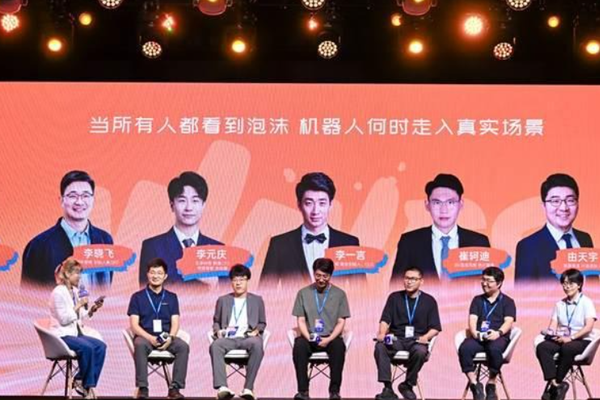
Roundtable: When Will Robots Enter Real Scenarios Amid Widespread Bubble Awareness?
In 2026, the investment landscape in China is witnessing a significant shift as artificial intelligence (AI) transitions from a conceptual technology to a driving force in various industries. The WAVES 2026 conference, hosted by 36Kr and AnYun, took place in Guangzhou's Panyu district, bringing together top investors, industry leaders, and emerging entrepreneurs to explore the evolving landscape of AI, hard technology, and healthcare through 14 in-depth roundtable discussions and numerous independent speeches. Prominent figures in the field, including CEOs and CTOs from leading tech companies, gathered to discuss the potential of embodied intelligence—a rapidly growing sector attracting substantial investment. The discussions highlighted the challenges and opportunities within this domain, particularly regarding the commercialization of robotics and AI technologies. Participants shared insights on the current state of the market, with some companies already generating revenue through innovative applications of AI in various sectors. However, concerns about market bubbles and the sustainability of investments were also raised, emphasizing the need for a deeper understanding of the underlying business models and real-world applications. As the conference concluded, the consensus among attendees was that while the industry is still in its infancy, the potential for growth and innovation remains vast, driven by a new generation of entrepreneurs eager to redefine the future of technology in China.

New ceramic solid-state battery for military, aerospace tech survives 302°F heat
A research team from Tsinghua University in China has successfully developed a compact, all-ceramic solid-state lithium-ion battery. This innovative battery design aims to enhance safety and efficiency in energy storage solutions. The announcement was made recently, highlighting the potential of this technology to address common issues associated with traditional lithium-ion batteries, such as flammability and limited lifespan. By utilizing an all-ceramic structure, the researchers believe they can significantly improve the performance and stability of batteries, making them more suitable for various applications, including electric vehicles and portable electronics. The team's work represents a significant advancement in battery technology, driven by the growing demand for safer and more efficient energy storage options in an increasingly electrified world.
Energy
Underwater robots that are always on call pave the way for pipeline and cable security
As economic activity in ocean spaces continues to rise, there is an increasing demand for regular monitoring and inspection of underwater infrastructure, including pipelines, cables, and installations. This need is driven by the growing complexity of global security concerns, which necessitate enhanced surveillance capabilities. Autonomous underwater vehicles (AUVs) are emerging as vital tools in this effort, offering advanced monitoring solutions that can operate in challenging environments. Furthermore, there is a pressing requirement for greater understanding of the seabed and oceanic regions to support sustainable development and security measures. As stakeholders seek to address these challenges, the integration of AUV technology is expected to play a pivotal role in ensuring the safety and integrity of underwater assets.
Robotics
Agreenculture acquires Chouette to add agronomic intelligence to autonomous machines
French autonomous-machinery specialist Agreenculture has announced its acquisition of Chouette, a company known for its AI-driven agronomic analysis tailored for viticulture. This strategic move, revealed recently, aims to integrate Agreenculture’s advanced autonomy technology with Chouette’s sophisticated crop-monitoring algorithms. The collaboration is set to enhance the development of machines capable of operating independently while also interpreting field observations. This initiative reflects a growing trend in the agricultural sector to leverage artificial intelligence for improved efficiency and precision in farming practices.
Autonomous/semi-autosteering systems agricultural robots agronomists autonomous technology crop monitoring vineyard robots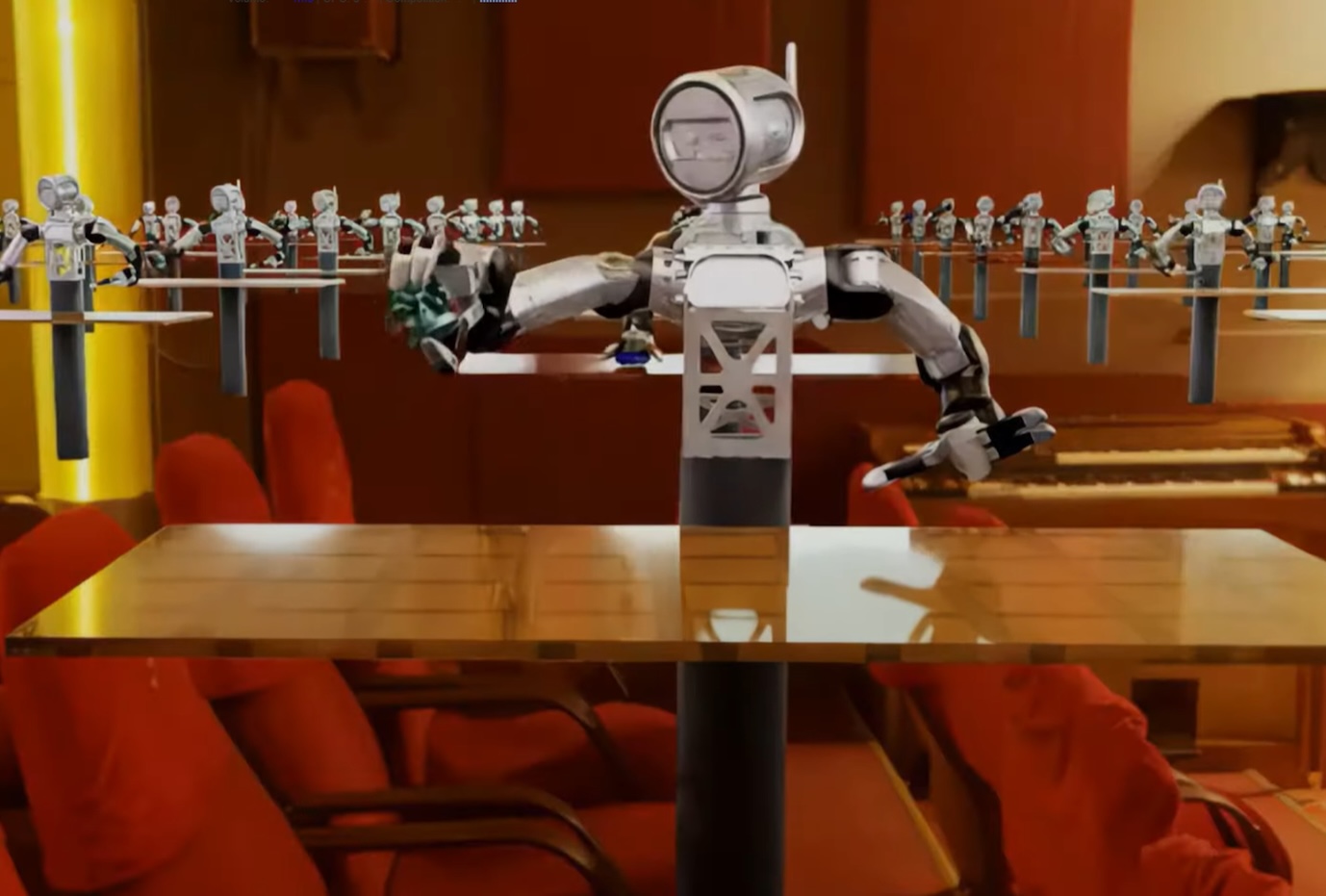
Linear System Identification and Control of a Low‐Cost High‐Performance Omnidirectional Marine Surface Vehicle for Swarming Applications
The Journal of Field Robotics has published an early view article highlighting advancements in robotic technology aimed at enhancing agricultural efficiency. Researchers from various institutions collaborated on this study, which was released in October 2023. The article focuses on the development of autonomous robots designed to optimize crop management and reduce labor costs in farming practices. This initiative is driven by the increasing demand for sustainable agricultural solutions amid a growing global population. The team employed cutting-edge artificial intelligence and machine learning techniques to enable robots to perform tasks such as planting, monitoring crop health, and harvesting with minimal human intervention. Field tests conducted in diverse agricultural settings demonstrated the robots' effectiveness in improving yield while minimizing resource usage. The findings suggest that integrating robotics into farming could significantly address labor shortages and enhance food production efficiency. As the agricultural sector faces mounting pressures from climate change and economic constraints, this research underscores the potential of technology to transform traditional farming methods and promote sustainability.
RESEARCH ARTICLE
Qualcomm vs. Nvidia and drones vs. dogs
Qualcomm has made significant strides in the semiconductor industry, unveiling its ambitious data center chip roadmap during its annual investor day in New York on June 25, 2026. CEO Cristiano Amon highlighted the company's new AI accelerator platform and innovative chip architecture known as high-bandwidth compute (HBC), which aims to enhance AI processing by reducing data travel distances and energy consumption. This announcement comes amid a busy day for the tech sector, where Nvidia's CEO Jensen Huang reaffirmed the long-term demand for AI infrastructure, and Micron reported strong earnings, alleviating investor concerns about a potential "AI bubble." Qualcomm's focus on the China market is particularly noteworthy, as the country accounted for 46% of its revenue in 2025. Amon indicated that the company is designing chips tailored for Chinese customers while adhering to U.S. export controls. This strategic move aims to leverage Qualcomm's existing relationships with Chinese smartphone manufacturers to expand its data center business. Meanwhile, Nvidia's AI chips have seen a dramatic price increase in China's black market, driven by strong demand and U.S. export restrictions. The price of Nvidia's flagship DGX B300 server has surged to over 8 million yuan ($1.1 million), reflecting the ongoing challenges in accessing these sought-after technologies. In a separate development, Australian farmers are increasingly turning to drones and AI technologies for livestock management, potentially replacing traditional herding dogs. This shift highlights the evolving landscape of agricultural practices as new generations of farmers adopt innovative solutions to enhance efficiency in managing livestock.

AGIBOT Brings APC 2026 to Thailand, Building a Professional Partner Ecosystem to Accelerate Local Deployment of Embodied AI
AGIBOT has officially launched the AGIBOT Partner Conference 2026 in Thailand, aiming to create a professional partner ecosystem that will expedite the integration of embodied AI and humanoid robots in various sectors. This initiative, in collaboration with VST ECS (Thailand), represents a pivotal step in AGIBOT's dedication to boosting local technological engagement and productivity through cutting-edge AI solutions. The conference serves as a platform for industry leaders to discuss advancements and foster partnerships that will drive innovation in the region.
Embodied AI Robotics Technology Partnership Industrial Automation Productivity Solutions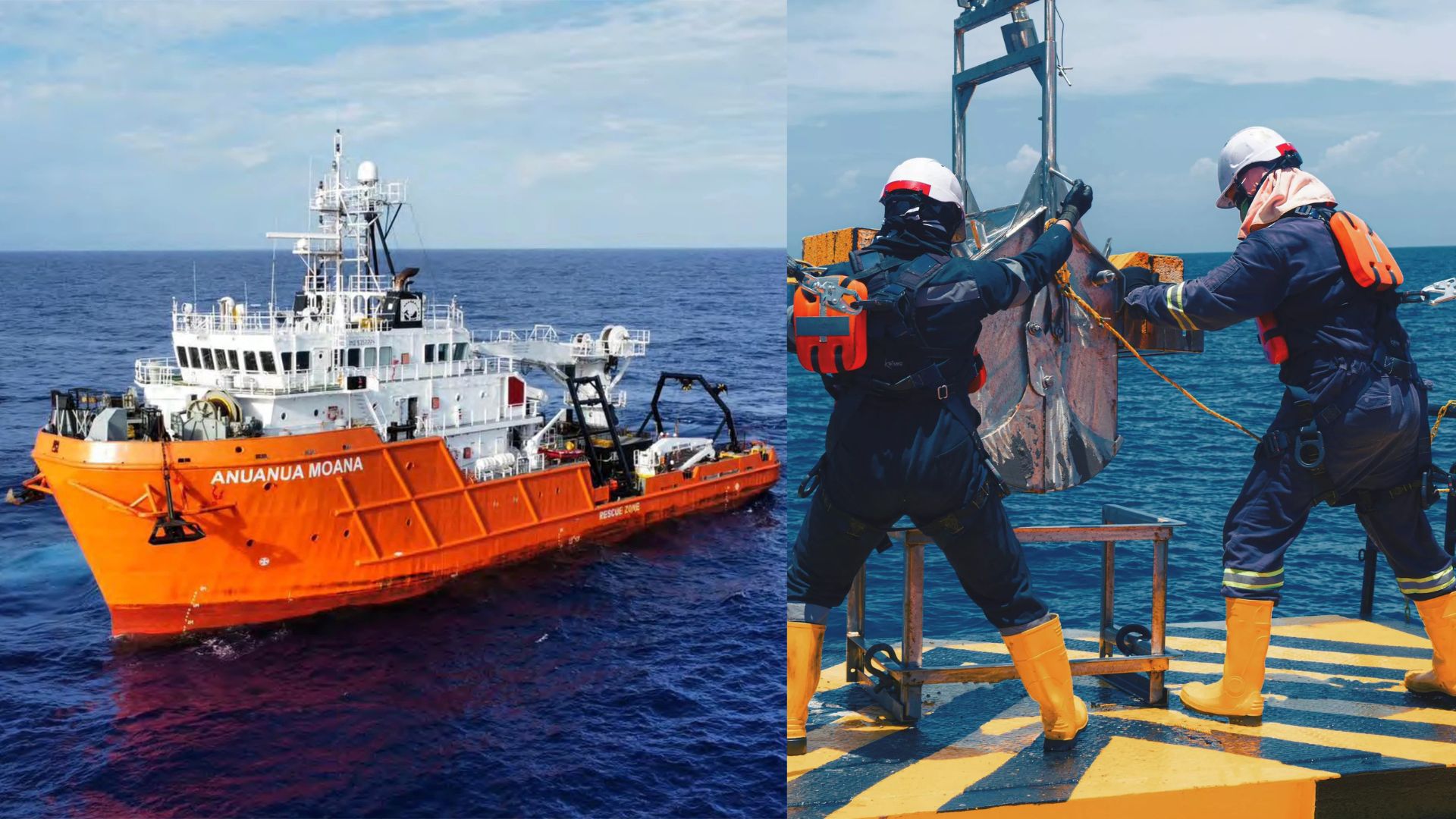
Major American deep-sea expedition delivers 4,059 samples across 53 survey sites
American Ocean Minerals Corporation (AOMC) has successfully completed a significant deep-sea environmental research initiative aimed at assessing the impact of mineral extraction on marine ecosystems. The project, which took place over the past several months, focused on various locations in the Pacific Ocean known for their rich mineral deposits. This research is part of AOMC's broader commitment to sustainable practices in the mining industry, driven by the increasing demand for critical minerals used in technology and renewable energy solutions. By conducting thorough environmental assessments, AOMC seeks to ensure that its operations do not adversely affect marine life or habitats. The findings from this extensive study will inform future mining practices and regulatory compliance, as the company aims to balance economic development with environmental stewardship. AOMC plans to share the results with stakeholders and the scientific community to foster transparency and collaboration in the pursuit of responsible ocean resource management.
Science
The memory chip crunch is paying off for this US company
In a remarkable financial turnaround, a leading company reported a fourfold increase in revenue, reaching $41.45 billion compared to the same quarter last year. This surge in earnings was accompanied by a significant rise in profit, which soared from $1.88 billion to an impressive $28.2 billion year-over-year. The dramatic growth can be attributed to a combination of strategic initiatives, increased market demand, and effective cost management. These results highlight the company's robust performance and resilience in a competitive landscape, showcasing its ability to capitalize on emerging opportunities and drive substantial financial gains.
AI Hardware earnings In Brief memory chip shortage Micron
Reservoir acquires Contain to scale agtech startups
Reservoir has announced its acquisition of the agriculture finance platform Contain, with the aim of enhancing the growth of AI-driven startups in the agtech sector. As part of this strategic move, Nicola Kerslake, the founder of Contain, has been appointed as a general partner. This acquisition, which underscores Reservoir's commitment to advancing agricultural technology, is expected to leverage Contain's expertise in financing to support the scaling of innovative agricultural solutions. The deal was finalized recently, reflecting a growing interest in the intersection of technology and agriculture, particularly in the wake of increasing demands for sustainable farming practices.
Agriculture Investments Mergers & Acquisitions News Startups Reservoir
Agility Robotics to Go Public Through $2.5 Billion Merger with Churchill Capital Corp XI
A significant transaction is set to establish the first publicly listed company in the United States focused exclusively on humanoid robotics, which has demonstrated successful commercial applications. This landmark move is anticipated to enhance the visibility and investment potential of humanoid technology, reflecting growing interest in automation and robotics across various industries. The deal is expected to be finalized in the coming months, positioning the company as a leader in the rapidly evolving market for humanoid solutions. By leveraging proven technologies and existing deployments, the new entity aims to attract investors and drive innovation in the field, capitalizing on the increasing demand for advanced robotic systems.

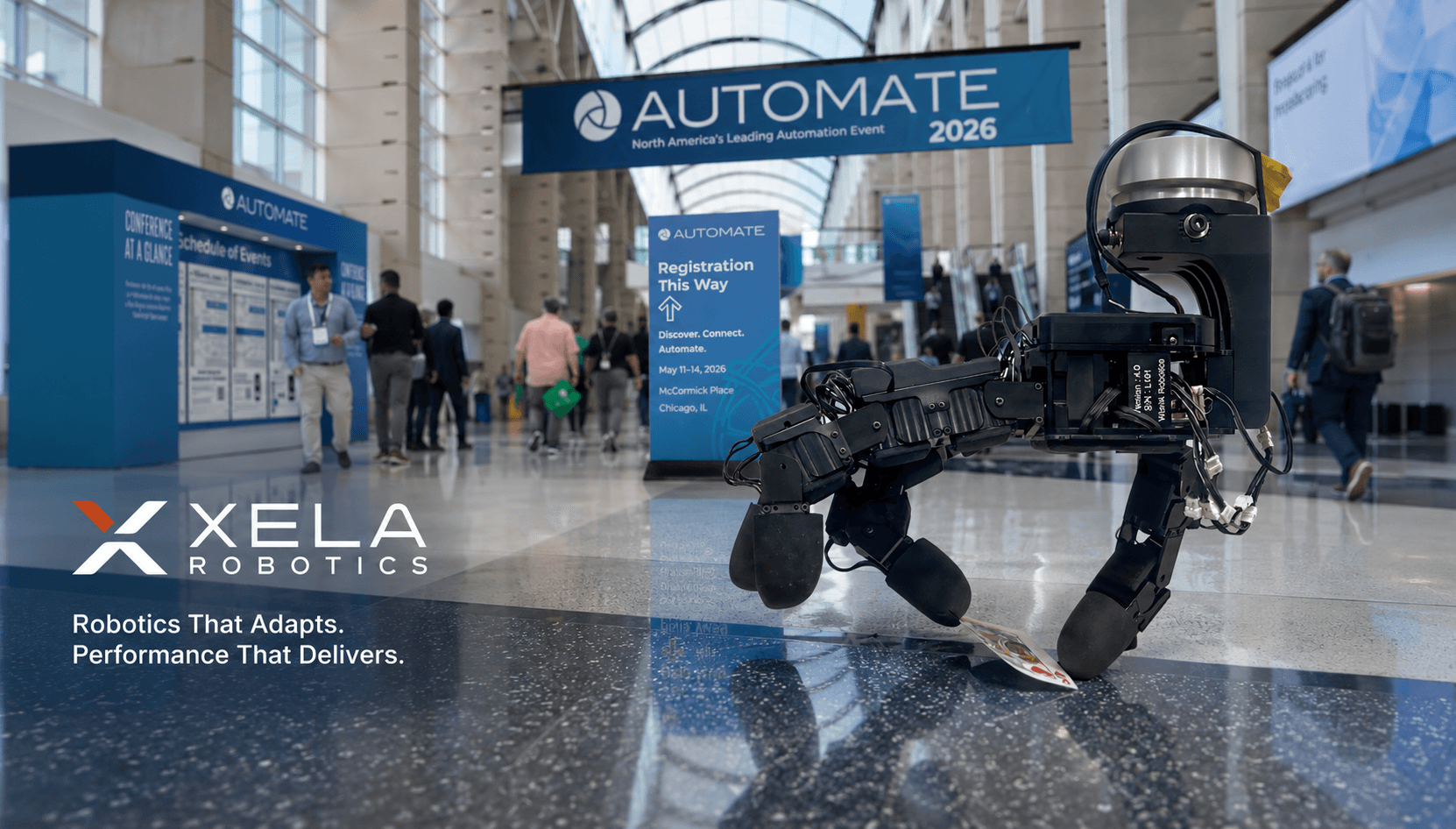
DexRobot Unveils Full Dexterous Hand Series and New DexTele Teleoperation System at Automate 2026
At this year's exhibition, a dedicated Humanoid Robot Pavilion highlights the increasing emphasis on AI-driven industrial automation. This event serves as a prime platform for DexRobot to showcase its latest advancements in robotic manipulation and high-fidelity data acquisition. The demonstration aims to illustrate how these technologies are not only becoming practical and affordable but also ready for real-world application. The focus on integrating AI into industrial processes underscores the growing trend of automation in various sectors, reflecting the industry's commitment to innovation and efficiency.
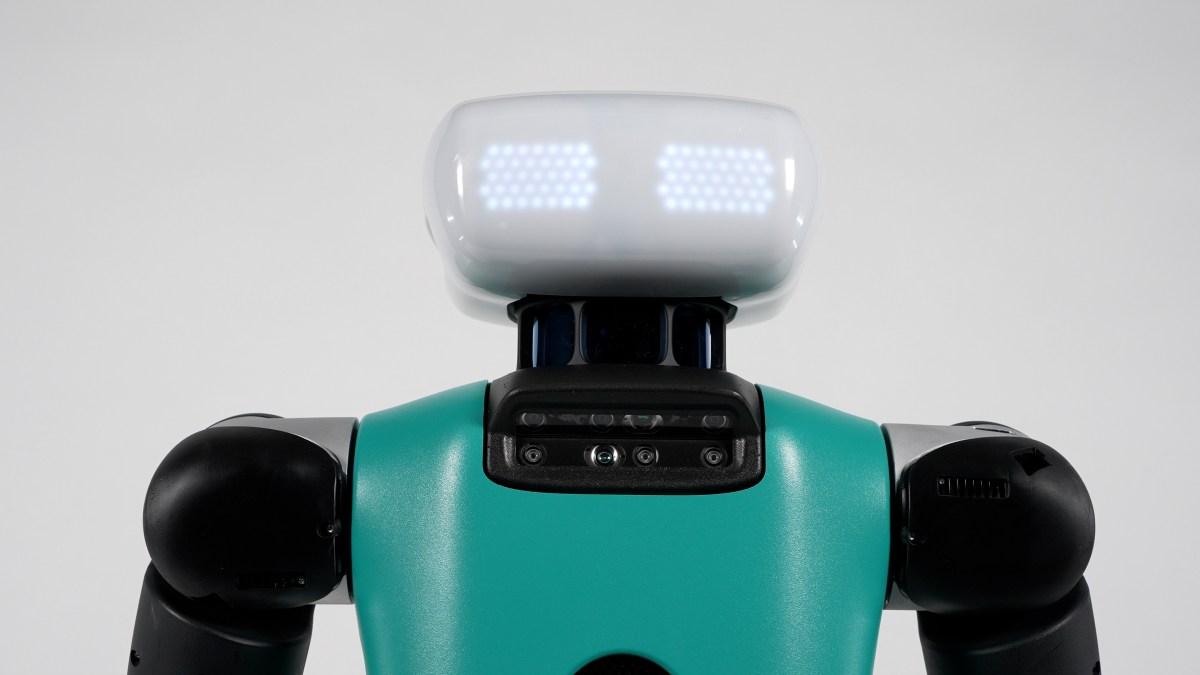
Agility Robotics plans to go public via SPAC in a $2.5B deal
Agility Robotics, a humanoid robotics startup that originated from Oregon State University in 2015, is anticipating significant financial success with projected proceeds of $620 million. This forecast reflects the company’s growth and innovation in the robotics sector, highlighting its advancements in humanoid technology. The expected revenue underscores the increasing demand for robotics solutions across various industries, driven by a push for automation and enhanced efficiency. As the company continues to develop its products, it aims to solidify its position as a leader in the rapidly evolving field of robotics.
AI Robotics agility robotics In Brief spac merger
Embodied AI: Industrial Manufacturing’s Answer to the Great Margin Squeeze
Companies are increasingly turning to embodied AI-enabled robotics to combat the challenges of the “great margin squeeze” in manufacturing. This innovative technology allows for a transition to high-mix manufacturing, enabling faster changeovers and minimizing disruptions that can halt production lines. By integrating these advanced robotic systems, businesses can enhance operational efficiency without the need to expand their engineering resources. This shift is particularly crucial as manufacturers seek to adapt to changing market demands while maintaining profitability. The adoption of AI-driven robotics is seen as a strategic move to streamline processes and improve overall productivity in a competitive landscape.

Roundtable Discussion: Hey? AI! This Month, This Year, and Next Five Years of AI | 36Kr WAVES 2026 New Wave
In 2026, the investment landscape in China is witnessing a significant transformation as artificial intelligence (AI) evolves from a mere technical concept to a driving force in various industries. The WAVES 2026 conference, organized by 36Kr and AnYun, took place in Guangzhou's Panyu district, gathering top investors, industry leaders, and emerging entrepreneurs to explore the implications of AI and hard technology on the future of innovation. Over two days, the event featured 14 in-depth roundtable discussions and numerous independent presentations, focusing on key sectors such as AI, hard technology, international expansion, and healthcare. During the conference, industry experts discussed the rapid pace of AI development, highlighting how companies are now experiencing frequent valuation updates and financing rounds. Investors shared insights on the changing dynamics of funding, with many companies securing multiple rounds of financing within months, a stark contrast to previous trends. The conversation also touched on the implications of regulatory challenges, particularly concerning AI models and their accessibility. Participants emphasized the importance of stability and reliability in AI applications, as well as the need for a deep understanding of specific industries to successfully implement AI solutions. The discussions underscored a growing interest in physical AI applications, with expectations for commercialization in sectors like pharmaceuticals and materials science within the next few years. As the AI landscape continues to evolve, investors are increasingly focused on identifying unique opportunities and fostering innovative solutions that address real-world challenges.
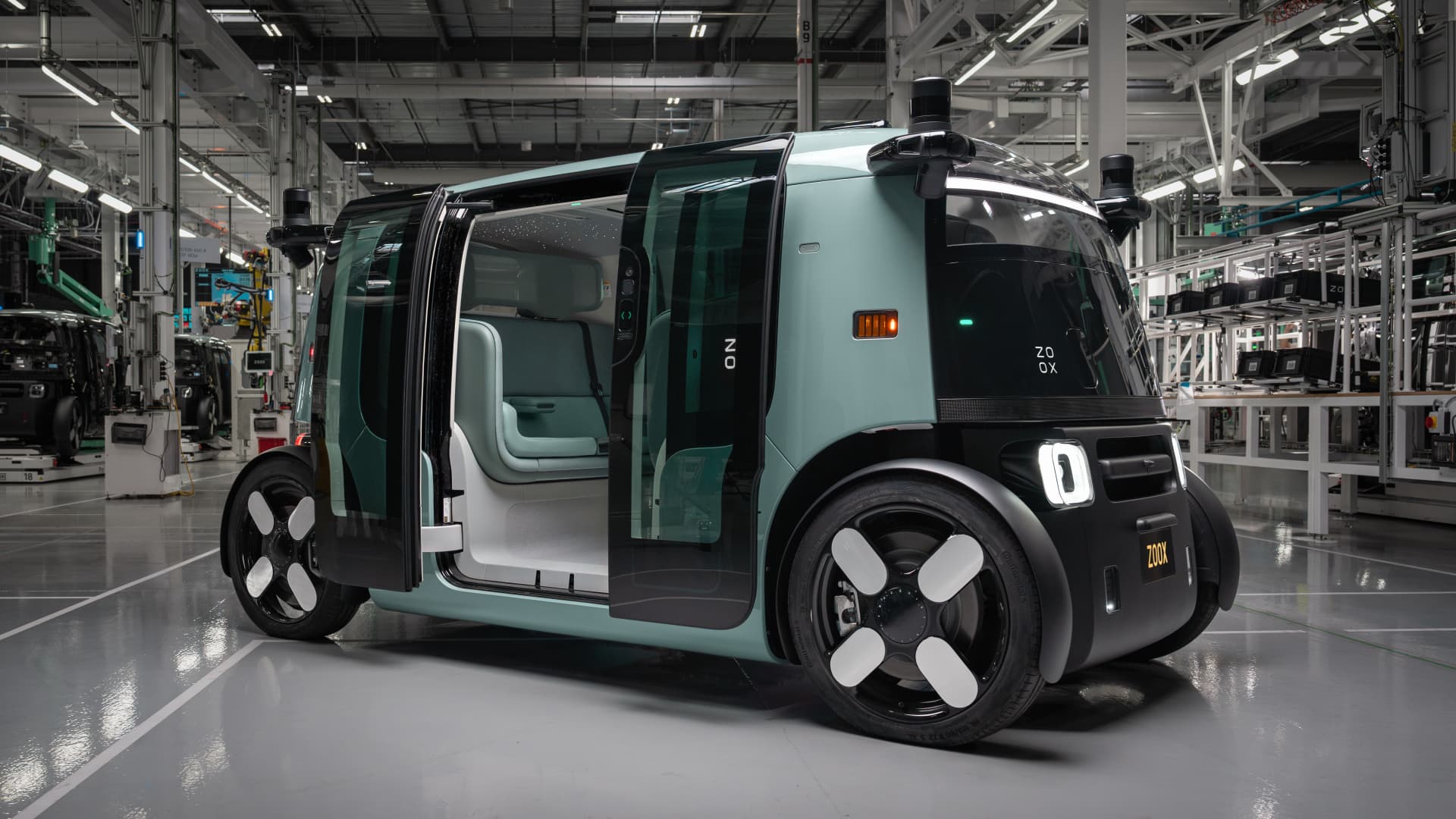
Amazon's Zoox unveils redesigned robotaxi ahead of upcoming expansion
Zoox, the autonomous vehicle division of Amazon, is set to enhance its robotaxi services as it plans to expand into new markets and introduce paid rides. The company aims to improve its technology and operational capabilities to meet growing demand for innovative transportation solutions. This strategic move comes as Zoox prepares to transition from a testing phase to a commercial model, allowing users to access rides for a fee. The expansion reflects Amazon's commitment to advancing its presence in the autonomous vehicle sector and capitalizing on the increasing interest in self-driving technology.

AI Is Designing Radio Chips That Humans Couldn’t Even Imagine
Researchers at Princeton University have made significant strides in the design of radio-frequency integrated circuits (RFICs), a critical component for advancing wireless technologies such as 5G, autonomous vehicles, and satellite communications. Utilizing reinforcement learning and inverse design techniques, the team has developed a method to create RFICs from scratch, drastically reducing design time and achieving record performance levels. This innovative approach leverages AI to navigate the complex design space of RFICs, traditionally seen as an art requiring years of expertise. By employing machine learning algorithms, the researchers can generate novel circuit layouts that outperform existing designs while minimizing the time taken for development. The project, which began after the success of AI in games like Go, aims to overcome the limitations of conventional RFIC design, which has remained largely artisanal. The researchers emphasize the need for large, shared datasets and open ecosystems to further enhance AI's capabilities in understanding electromagnetic and circuit behaviors. As the demand for advanced RFICs grows, the potential for AI-driven design to revolutionize the field is becoming increasingly apparent. The findings have attracted attention within the RF community, sparking discussions about the future of AI in circuit design and the importance of collaboration between AI researchers and chip designers to unlock new possibilities in technology.
Machine-learning Ic-design Chip-design Rf Rfic
London’s First Uber (UBER) Robotaxis Expected in Months, Reuters Reports
Uber Technologies, Inc. is set to introduce its first robotaxis in London within the next few months, pending regulatory approval. This initiative, reported by Reuters, will allow users to sign up for rides in autonomous vehicles equipped with AI technology developed by British startup Wayve. Initially, these robotaxis will have trained operators behind the wheel to oversee operations, marking a significant milestone as the first opportunity for the public to hail an autonomous vehicle in the UK, according to Wayve's VP of commercial and operations, Kaity Fischer. In a related development, Uber has also partnered with Israel-based Autobrains to launch a robotaxi program in Munich, utilizing Nvidia's Drive Hyperion platform. This collaboration aims to enhance autonomous ride-hailing services across Europe by integrating Uber's mobility network with Autobrains' advanced AI driving system. As Uber continues to innovate in the transportation sector, it remains focused on providing reliable, efficient, and affordable mobility solutions through the introduction of autonomous vehicles.
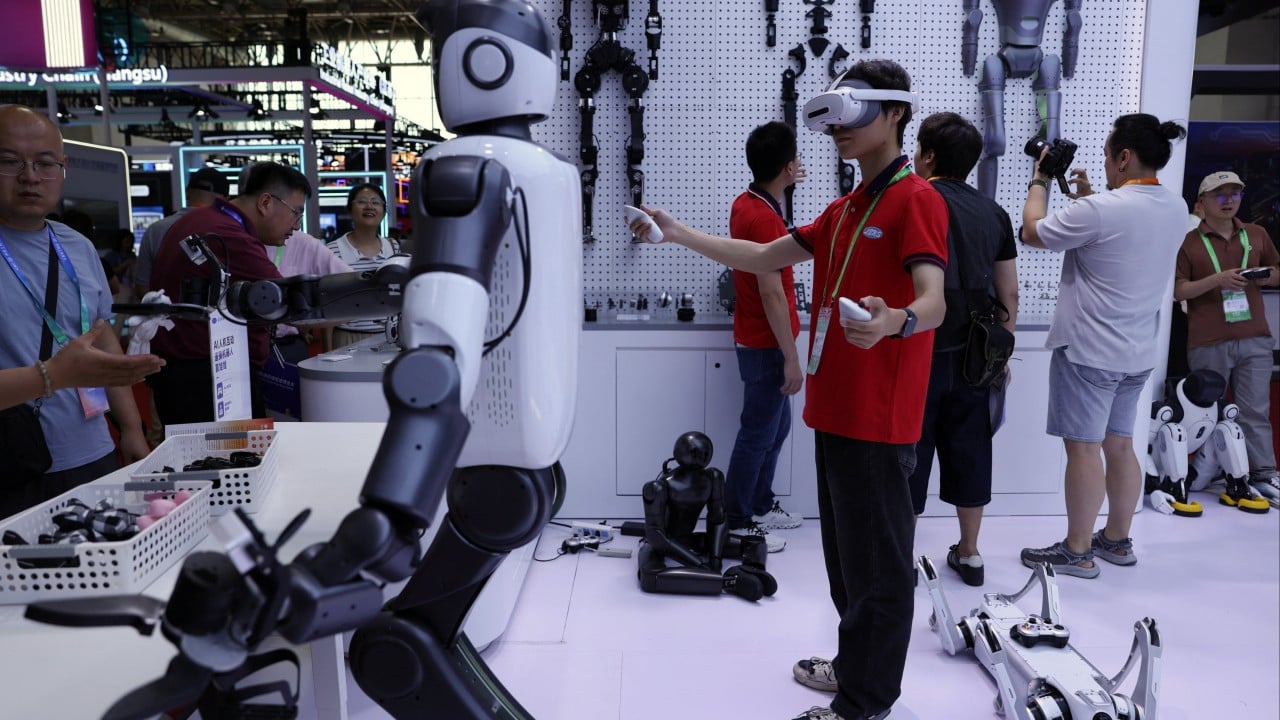
Morgan Stanley raises China humanoid robot shipment forecast to 50,000 units
Morgan Stanley has significantly increased its forecast for humanoid robot shipments in China, now estimating 50,000 units for this year, up from a previous projection of 28,000. This adjustment, announced in a report on Tuesday, is attributed to factors such as commercial validation, supportive government policies, and positive supply-chain developments that are driving the adoption of humanoid robots. The investment bank had initially raised its estimate to 28,000 units in January, reflecting a growing interest among Chinese companies, including electric-vehicle manufacturer Xpeng, which have unveiled plans for mass production of these robots.
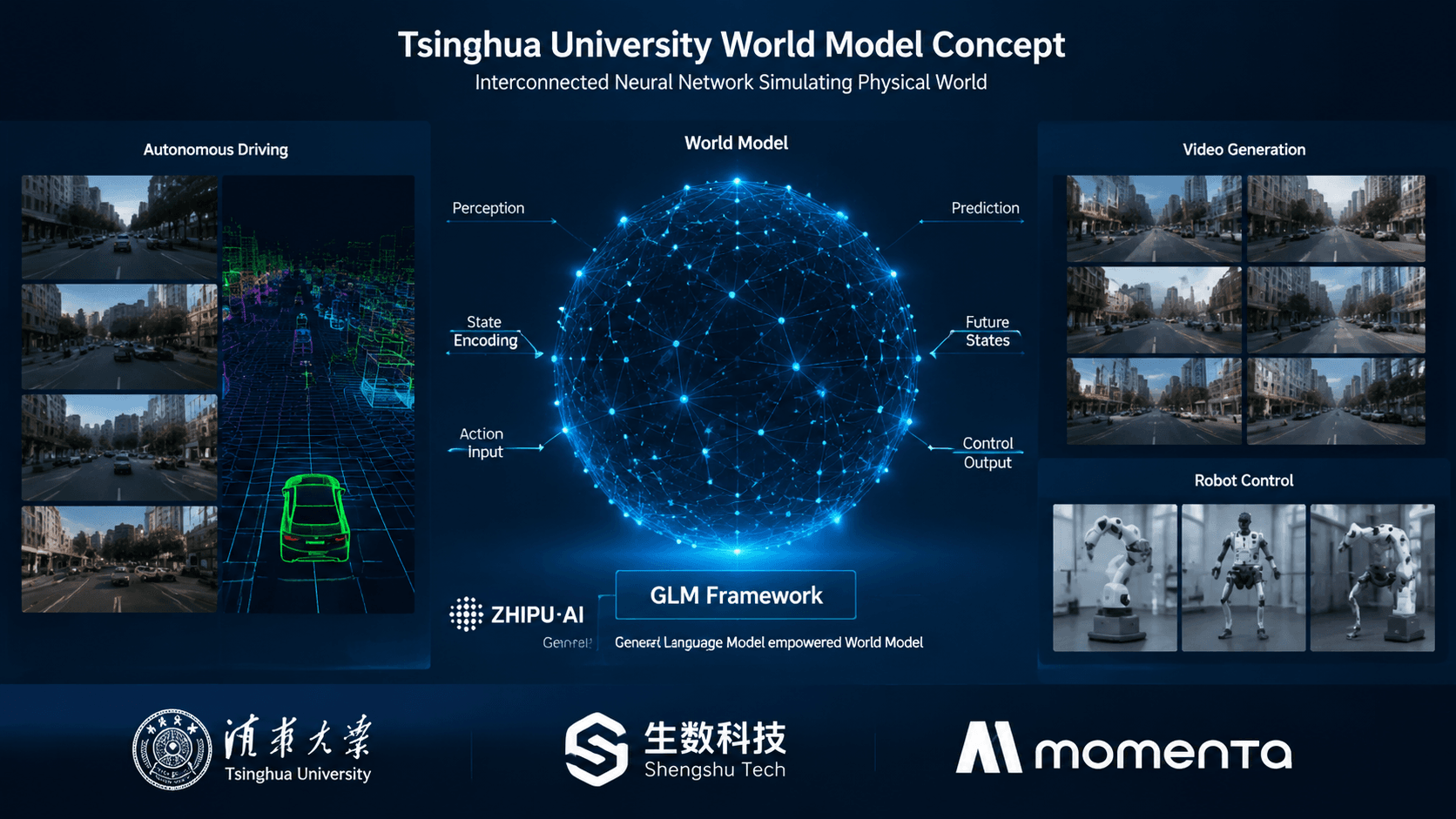
Tsinghua Ecosystem Sets Its Sights on World Models as the Next AI Frontier
Tsinghua University-affiliated companies, including Zhipu AI, Shengshu Tech, and Momenta, are advancing their research and development efforts in world models, focusing on applications in video processing, robotics, and autonomous driving. These initiatives are part of a broader push to enhance artificial intelligence capabilities and improve the efficiency and effectiveness of automated systems. The companies aim to leverage cutting-edge technology to address real-world challenges and contribute to the rapidly evolving landscape of AI. With a commitment to innovation, these firms are positioning themselves at the forefront of the AI revolution, seeking to establish a competitive edge in the global market.
AI
Learning flight navigation like a honey bee
In June 2026, a groundbreaking study published in Science Robotics highlights significant advancements in robotic technology aimed at enhancing human-robot collaboration. Researchers from leading universities and tech companies have developed a new generation of robots equipped with advanced artificial intelligence, enabling them to perform complex tasks alongside human workers more efficiently. This initiative is driven by the increasing demand for automation in various industries, particularly in manufacturing and healthcare, where precision and reliability are paramount. The study outlines how these robots can adapt to dynamic environments, learn from human interactions, and improve their performance over time, thereby reducing the risk of workplace accidents and increasing productivity. The research team conducted extensive field tests in factories and hospitals to evaluate the robots' capabilities in real-world scenarios. The results demonstrated a marked improvement in task execution speed and accuracy when robots and humans worked in tandem, showcasing the potential for these technologies to transform traditional workflows. As industries continue to evolve, the implications of this research could lead to a new era of collaboration between humans and machines, addressing labor shortages and enhancing operational efficiency. The findings underscore the importance of ongoing innovation in robotics, paving the way for future developments that could redefine the nature of work across various sectors.
Editors' Choice
Morgan Stanley doubles China humanoid robot shipment forecast as commercialization accelerates
Morgan Stanley has significantly upgraded its forecast for China's humanoid robotics market, citing an accelerated pace of early commercial deployment in practical applications. The investment bank's revised outlook reflects growing confidence in the sector, driven by advancements in technology and increasing demand for automation across various industries. This shift comes as companies in China begin to integrate humanoid robots into their operations, enhancing efficiency and productivity. The report highlights a transformative period for the robotics industry in China, suggesting that the market is on the verge of substantial growth as businesses seek innovative solutions to meet evolving challenges.
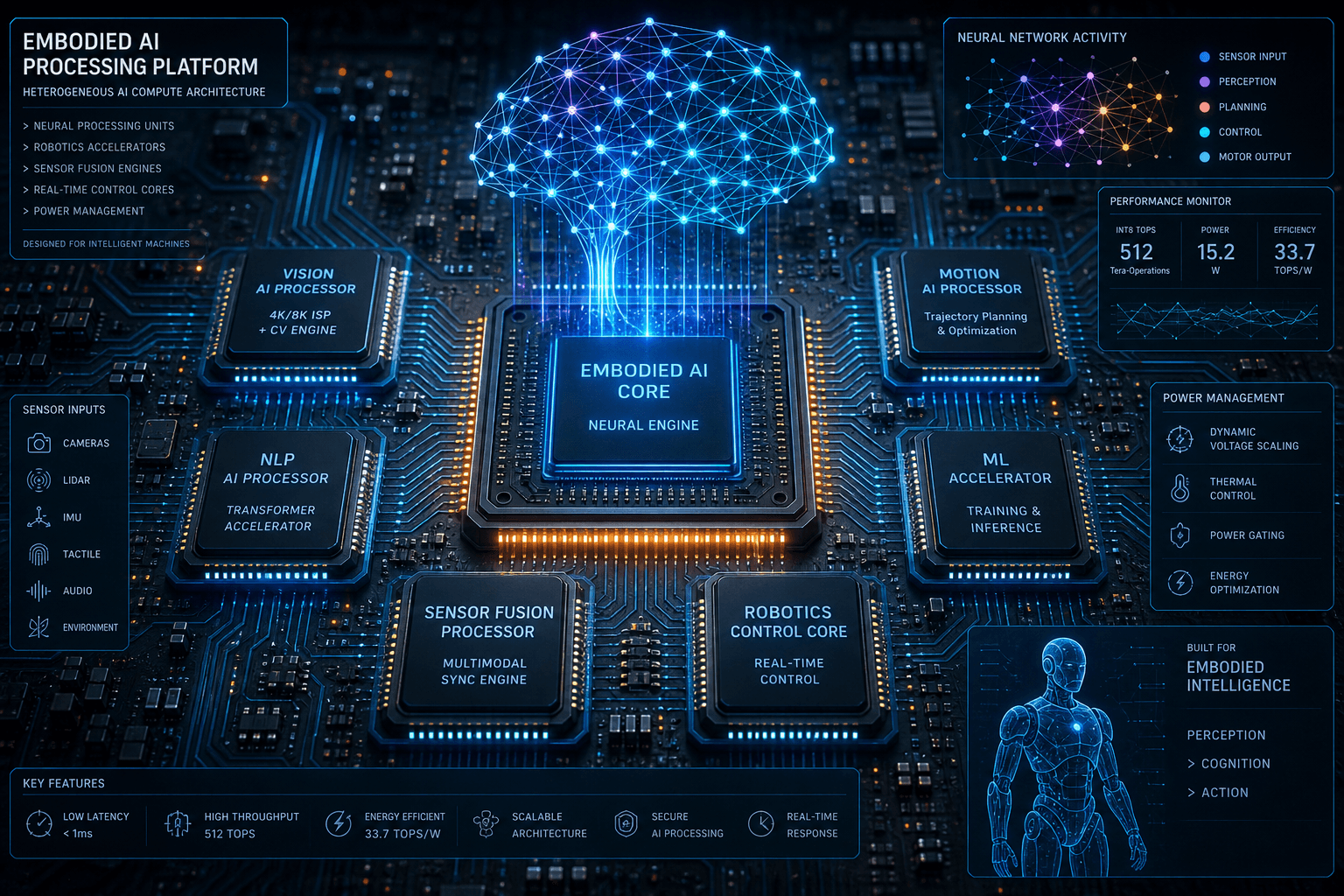
Embodied AI Chip Market Heats Up as Multiple Players Race for Dominance
The embodied AI chip market is experiencing rapid growth as various companies compete for leadership in this emerging sector. As of October 2023, advancements in artificial intelligence and robotics have fueled the demand for specialized chips that enhance machine learning capabilities and improve efficiency in automated systems. Major tech firms and startups alike are investing heavily in research and development to create innovative solutions that cater to diverse applications, from autonomous vehicles to smart home devices. This surge in competition is driven by the increasing need for more sophisticated AI technologies that can process data in real-time and adapt to changing environments. As players in the market strive to differentiate their products, collaborations and partnerships are becoming common strategies to accelerate development and gain a competitive edge. The race for dominance in the embodied AI chip market is expected to intensify, with significant implications for the future of technology and automation.
AI
NatPower and Tesla Strike 25 GWh European Battery Storage Deal
NatPower has entered into a multi-year agreement with Tesla to supply and deploy over 25 gigawatt-hours of battery energy storage systems in European markets, with initial projects set for Italy and the United Kingdom. Announced on June 23, 2026, the partnership will see Tesla provide its Megapack technology, along with engineering, procurement, construction services, and energy trading optimization via its Autobidder platform. The projects, which will be owned and operated by NatPower, aim to streamline project development, financing, construction, and energy trading, facilitating large-scale battery deployment. The first phase includes five projects and is part of a larger initiative targeting over 100 GWh of storage capacity. NatPower anticipates that the full program could yield between $4 billion and $5 billion in construction value and generate over $15 billion in revenue over two decades. This agreement underscores the increasing significance of large-scale energy storage in Europe, driven by rising electricity demand, renewable energy integration, and the growth of data centers. As Europe seeks to enhance grid reliability and meet decarbonization goals, substantial storage additions will be necessary in the coming years. Tesla has established itself as a leading supplier of utility-scale battery systems, while NatPower continues to expand its role in energy infrastructure development. The storage assets from this agreement will provide essential grid balancing services and support electricity-intensive customers, including industrial facilities and data centers. NatPower CEO Fabrizio Zago emphasized the shift towards large-scale execution, while Tesla Energy Vice President Mike Snyder highlighted the integration of Tesla's capabilities to expedite battery deployments across Europe.

China’s medical AI breaks ground as surgical robot wins EU approval, model tops benchmark
Chinese medical AI has achieved significant advancements, highlighted by the entry of a teleoperated surgical robot into the European Union market and a clinical-grade model surpassing a key healthcare benchmark established by OpenAI. On Monday, Shanghai MicroPort MedBot announced that its Toumai Remote robot, designed for remote laparoscopic surgeries, has received the CE mark, a certification required for market access in the EU, as reported in its filing to the Hong Kong stock exchange. This development underscores the growing influence of Chinese innovations in the global healthcare technology sector, driven by the increasing demand for advanced surgical solutions that enhance precision and accessibility. The successful certification of the Toumai Remote robot marks a pivotal step in expanding its operational capabilities and improving patient outcomes in surgical procedures across Europe.
Robotics needs a service framework.
RSF defines a common language for robot service capability, lifecycle operations, certification pathways, and service-provider networks.