Industry Briefing
A single destination for timely, editor-curated robotics news from around the world.
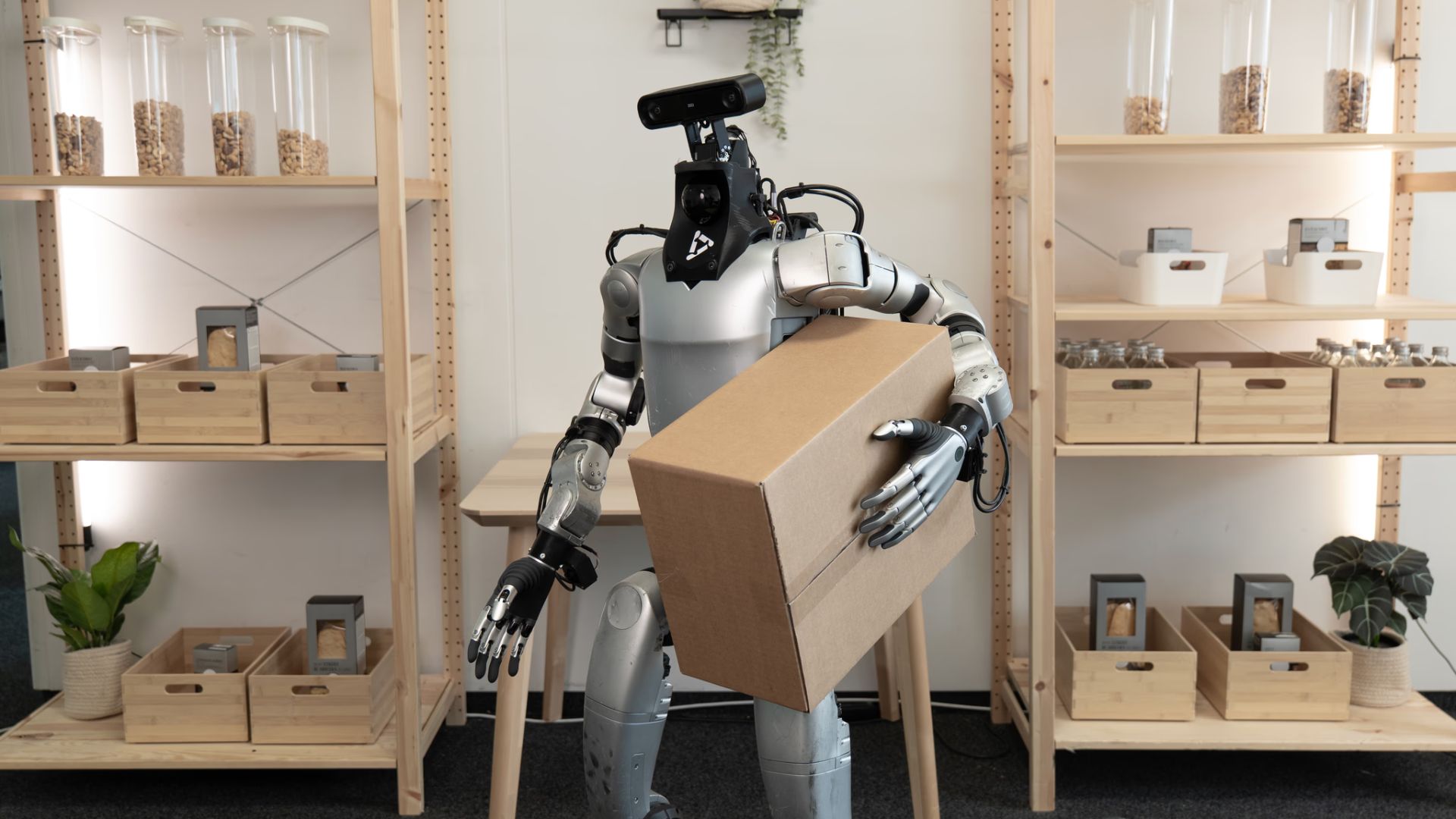
Video: New AI model gives humanoid robots 90 percent success in complex missions
Flexion Robotics has launched Reflect v1.0, an innovative robotics intelligence platform designed to enhance the capabilities of humanoid robots. This groundbreaking technology was unveiled recently, showcasing its potential to revolutionize the interaction between humans and robots. The platform integrates advanced machine learning algorithms, allowing robots to learn from their environments and adapt their behaviors accordingly. The introduction of Reflect v1.0 aims to address the growing demand for more intelligent and responsive robotic systems in various sectors, including healthcare, education, and customer service. By equipping humanoid robots with this sophisticated intelligence, Flexion Robotics seeks to improve efficiency and effectiveness in tasks that require human-like interaction. The development process involved extensive research and collaboration with experts in artificial intelligence and robotics, ensuring that the platform meets the needs of diverse applications. As the robotics industry continues to evolve, Reflect v1.0 positions Flexion Robotics at the forefront of innovation, paving the way for a future where humanoid robots can seamlessly integrate into everyday life.
AI and Robotics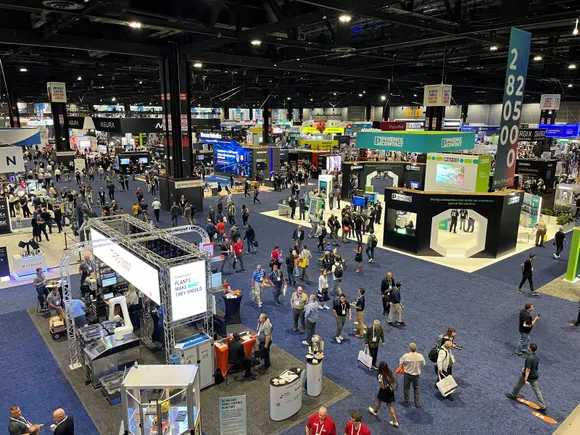
Humanoid hype, surging investor capital and the state of industrial robots
Executives at Automate recently convened to explore the future of robotics, highlighting advancements in bipedal prototypes and the rising demand for automation across various industries. The discussions, which took place during a key industry event, emphasized the increasing accessibility of robotic technologies for manufacturers of all sizes. This focus on innovation aims to address the evolving needs of the market and enhance operational efficiencies. By fostering collaboration and sharing insights, industry leaders are seeking to drive the adoption of robotics, ultimately transforming manufacturing processes and improving productivity.

June's Strawberry Moon serves up a low-hanging treat for skywatchers worldwide. Here are our favorite photos
On June 3, 2023, stargazers around the globe were captivated by the sight of the full moon, which rose low in the sky, creating a breathtaking celestial spectacle. This event drew the attention of astronomy enthusiasts and casual observers alike, who shared their stunning photographs of the moon's ascent. The June full moon, often referred to as the "Strawberry Moon," is traditionally associated with the strawberry harvest season, adding a layer of cultural significance to the astronomical phenomenon. Observers took to social media to showcase their images, highlighting the beauty of the night sky and the communal joy of witnessing such natural wonders.
Stargazing
LandSpace's Zhuque-3 Static Fire Test Succeeds as Commercial Aerospace Scales Up
LandSpace's Zhuque-3 reusable rocket successfully completed a static fire test on October 15, 2023, at the Dongfeng Commercial Aerospace Innovation Zone. This milestone is significant for the company as it advances its efforts in developing reliable and cost-effective space launch solutions. The static fire test, which involves igniting the rocket's engines while it remains secured to the ground, is a crucial part of the testing process to ensure the vehicle's performance and safety before its first flight. This achievement underscores LandSpace's commitment to innovation in the aerospace sector and positions the company to contribute to the growing demand for satellite launches and space exploration initiatives.
Industry News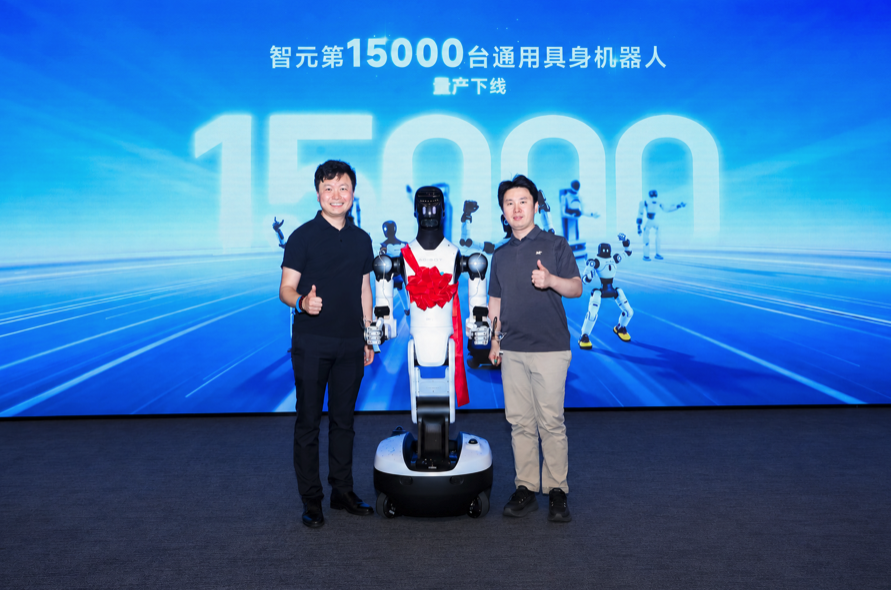
Agibot reaches new milestone as its 15,000th humanoid robot rolls off production line
Agibot, a prominent player in the field of embodied AI and robotics, has celebrated a significant achievement with the production of its 15,000th robot, the Agibot G2. This latest model, designed specifically for industrial applications and real-world operational tasks, underscores the company's commitment to advancing robotics technology. The milestone follows the successful rollouts of the 5,000th and 10,000th robots, highlighting Agibot's rapid growth and innovation in the sector. The announcement was made recently, showcasing the company's ongoing efforts to enhance productivity and efficiency in various industries through advanced robotic solutions.
Humanoids News agibot Agibot G2 ai robotics automation
Sabanto Inc. and Verdant Robotics Announce Technical Integration of Autonomous Tractor Operation with SharpShooter Plant-Level Precision Application
A new integrated solution has been developed that combines two systems, allowing for fully autonomous field work in agriculture. This innovation enables tasks ranging from navigation to plant-level application to be performed without the need for an operator in the cab. The advancement represents a significant leap in agricultural technology, streamlining operations and enhancing efficiency in the field. The system is designed to operate seamlessly, reflecting the latest advancements in automation and data integration. This development is expected to transform farming practices, reducing labor costs and increasing productivity.

Why Every Robot Teleoperation Team Eventually Outgrows WebRTC
WebRTC is proving to be a vital tool for robotics teams, enabling them to quickly demonstrate their innovations. However, challenges arise once the robots transition from laboratory settings to real-world applications. As organizations utilize WebRTC, they face the inevitable question of when they will outgrow the platform and what engineering efforts will be necessary in the upcoming months to adapt and enhance their capabilities. This evolution is crucial for teams aiming to stay competitive in the rapidly advancing field of robotics.

South Korea's WIRobotics unveils simulation model of humanoid "ALLEX," marking a step towards building a physical AI ecosystem.
South Korean robotics company WIRobotics has unveiled a simulation model of its humanoid robot, ALLEX, on June 29, 2026. This announcement coincides with the company's broader initiative to establish a technological roadmap aimed at developing a physical AI ecosystem. By sharing this simulation model, WIRobotics aims to foster innovation and collaboration within the robotics industry, positioning itself as a leader in the advancement of humanoid robotics technology.
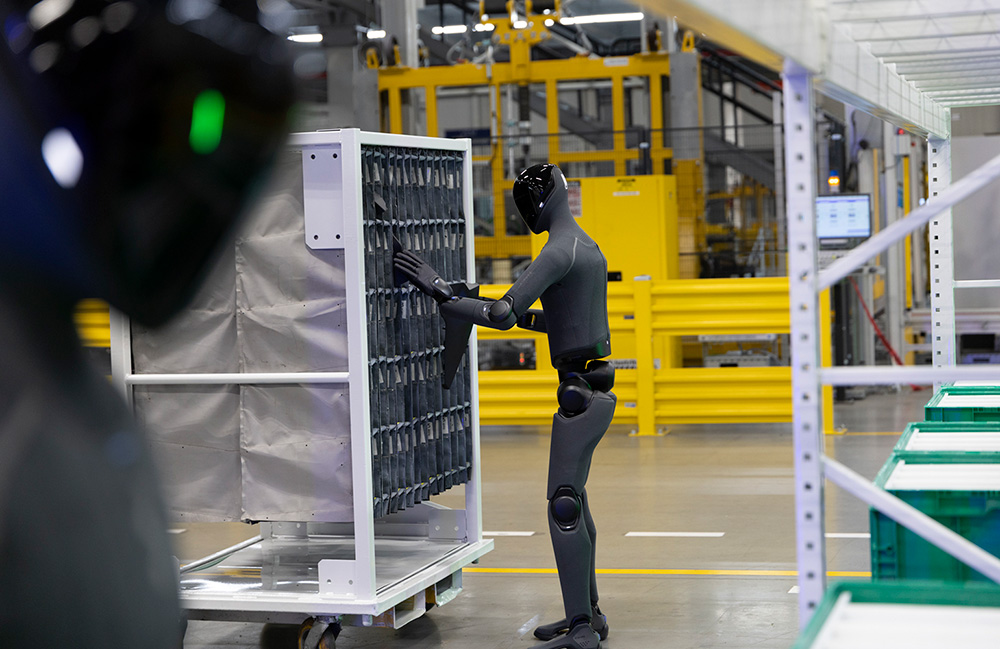
BMW Group deploys Figure 03 humanoid after tests with previous version
In a significant advancement for automotive manufacturing, BMW Group has successfully utilized the Figure 02 robot to aid in the production of over 30,000 X3 vehicles over an 11-month period at its South Carolina facility. This deployment highlights the company's commitment to integrating advanced robotics into its production processes, enhancing efficiency and output. Following extensive testing of the Figure 02, BMW is now set to introduce the next iteration, the Figure 03 humanoid robot, further indicating the company's focus on innovation in manufacturing technology. The initiative not only aims to streamline operations but also reflects a broader trend in the automotive industry towards automation and robotics to meet increasing demand.
Artificial Intelligence Artificial Intelligence / Cognition Assembly Automotive Design / Development Humanoids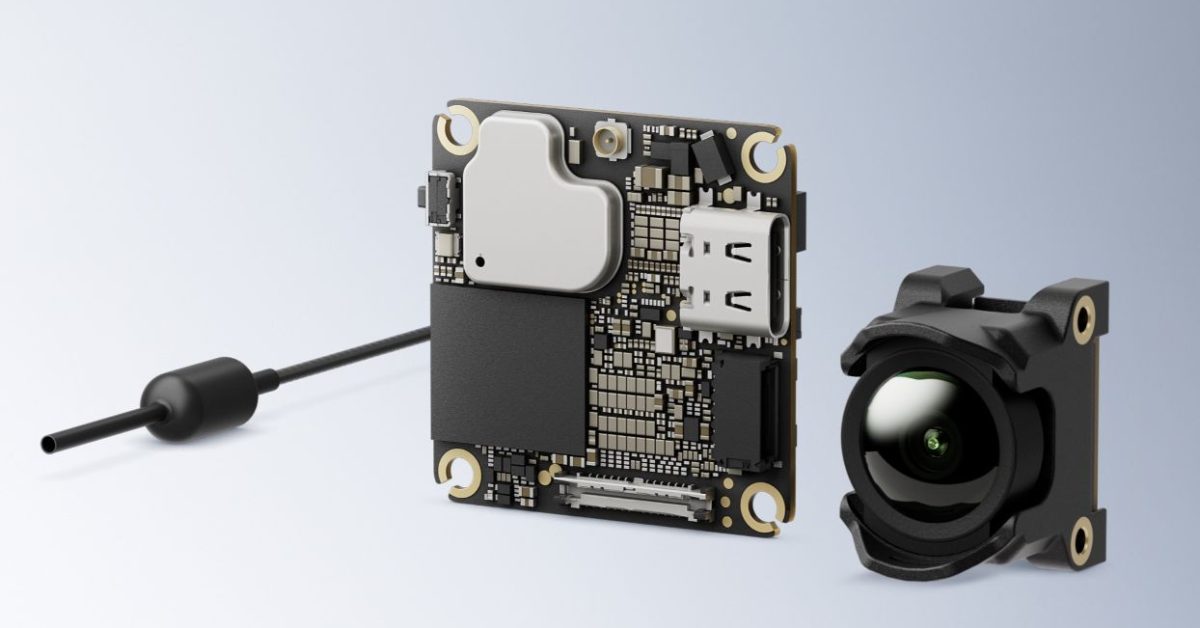
DJI gives tiny FPV drones a much bigger view
DJI has unveiled its latest innovation in the FPV (First Person View) drone market, the O4 Wide Air Unit, which features an ultra-wide lens offering a 159-degree field of view. This new addition enhances the original O4 Air Unit's capabilities while retaining its lightweight design, 4K recording quality, and low-latency digital video transmission. The launch aims to provide drone enthusiasts and filmmakers with a broader perspective, emphasizing the importance of a wider view over merely improving camera specifications. The O4 Wide Air Unit is set to expand creative possibilities for users, making it a significant advancement in DJI's product lineup.
News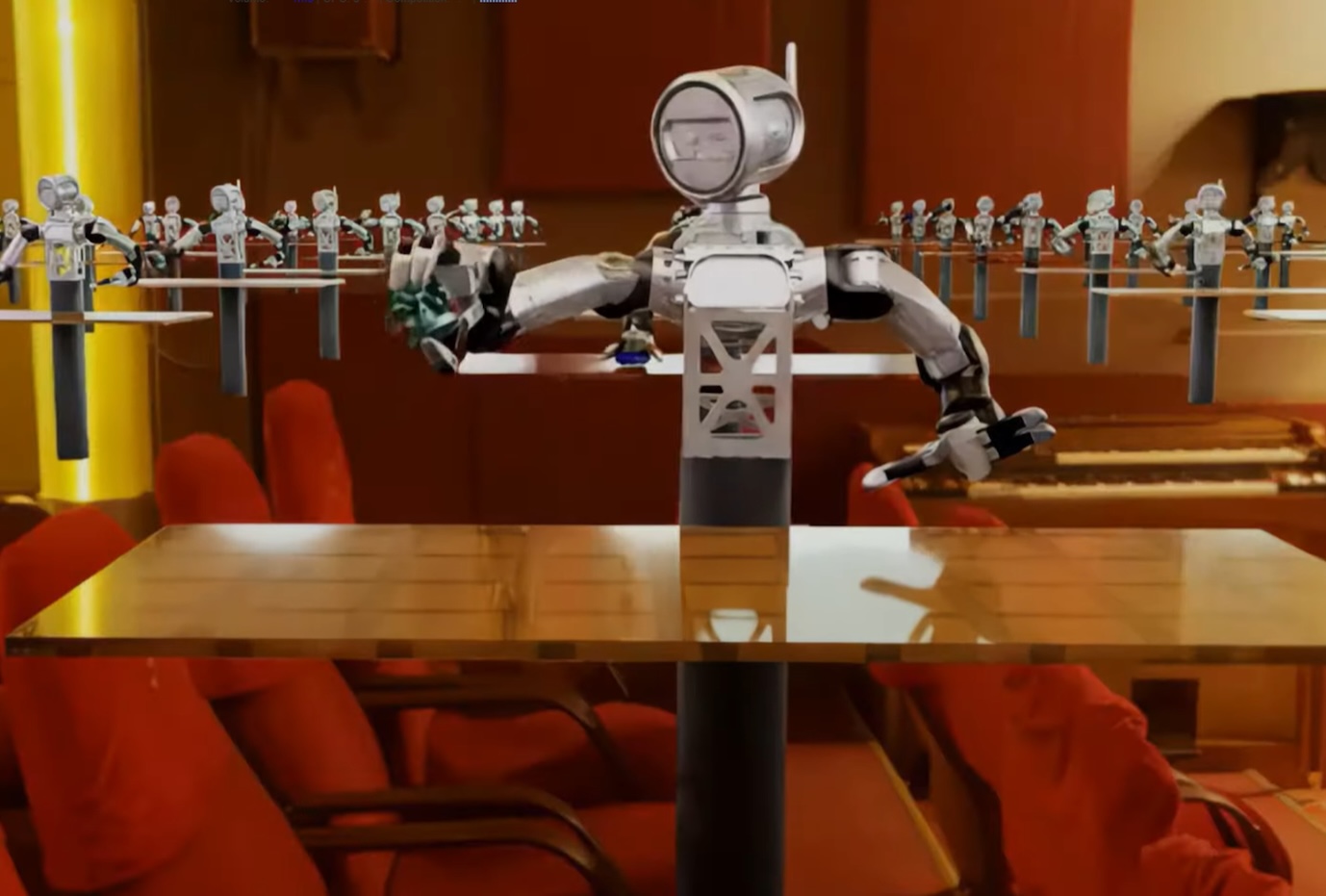
Honeywell Aerospace begins trading as standalone company
Honeywell has revealed plans to restructure its operations by dividing the company into three distinct business segments. This strategic decision, announced in February 2025, aims to enhance operational efficiency and focus on core competencies. The restructuring is part of Honeywell's broader initiative to adapt to changing market demands and improve shareholder value. By creating specialized divisions, the company intends to streamline its processes and better serve its customers across various sectors. This move reflects Honeywell's commitment to innovation and growth in an increasingly competitive landscape.
Air Warfare Pentagon Air Force Business & Industry Honeywell Honeywell Aerospace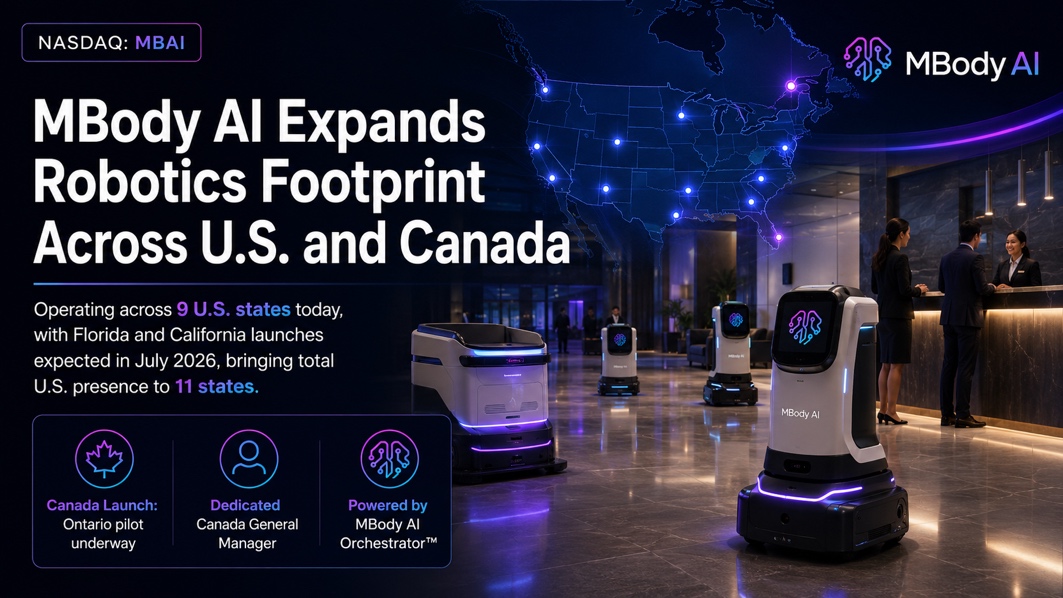
MBody AI expands service robotics operations to eleven states and Canada
MBody AI has expanded its service robotics operations by deploying its hardware-agnostic Orchestrator platform in Florida and California, while also launching a pilot program in Ontario, Canada. This strategic move aims to enhance the company's presence in the rapidly growing robotics market across eleven states and Canada. The deployment is part of MBody AI's initiative to streamline and optimize service robotics, making it accessible and efficient for various applications. The expansion reflects the company's commitment to innovation and meeting the increasing demand for advanced robotics solutions in diverse environments.
Artificial Intelligence Artificial Intelligence / Cognition Autonomous Mobile Robots (AMRs) News Software / Simulation Embodied AI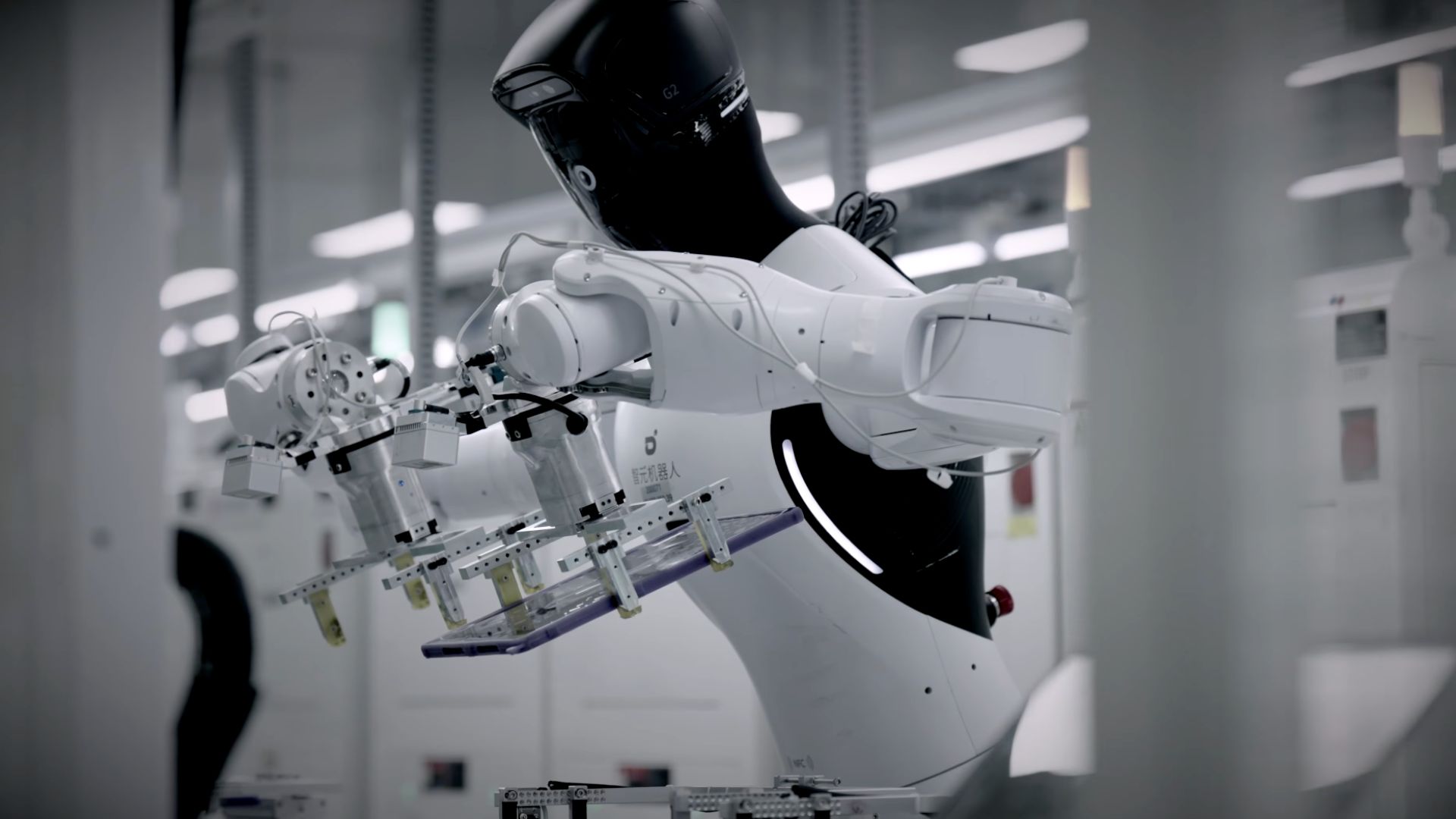
China: Agibot robots hit 99 percent success during six-day live factory demo
AGIBOT, a Chinese robotics company, has successfully conducted a global livestream showcasing its G2 humanoid robots performing a series of autonomous tasks. This event took place recently, highlighting the advancements in robotics technology. The livestream aimed to demonstrate the capabilities of the G2 robots, which are designed to operate independently in various environments. By showcasing their performance to an international audience, AGIBOT seeks to position itself as a leader in the robotics industry and attract potential investors and partners. The event utilized advanced streaming technology to reach viewers worldwide, emphasizing the company's commitment to innovation and global outreach in the field of robotics.
AI and Robotics
MQ-25 Stingray Demonstrator Goes Aboard USS Nimitz For 250th U.S. Anniversary Celebrations
The Navy's T-1 tanker drone demonstrator made a notable appearance on the deck of the USS Nimitz, coinciding with the 250th anniversary celebrations of the United States. This event highlighted the drone's significant size in comparison to its crewed counterparts, showcasing advancements in naval aviation technology. The demonstration underscores the Navy's commitment to integrating unmanned systems into its operations, reflecting a shift towards modernizing its fleet. The USS Nimitz, a key asset in the Navy's carrier strike group, served as the backdrop for this milestone, emphasizing the importance of innovation in maintaining maritime superiority.
Air Carriers MQ-25 Navies Nimitz Class Sea
Innovation Day for Advanced Packaging Automation
Over 160 participants from 87 companies across 30 countries convened at CMC Packaging Automation's headquarters for the annual CID26 – CMC Innovation Day 2026. This year's event, themed ‘Ecosystem,’ focused on advancements in fulfillment automation, systems integration, and right-sized packaging. Attendees included customers, technology partners, policymakers, and industry experts, all united to explore innovative solutions and foster collaboration within the packaging sector. The gathering aimed to address the evolving needs of the industry and promote sustainable practices, highlighting CMC's commitment to driving progress in packaging automation.
Automated Packaging eFulfilment Label and Print Packaging and Ecommerce CMC Fulfilment Automation
Import AI 463: Self-improving robots; a 10k Chinese GPU cluster; and an elegiac essay for the human era
In a recent discussion, historians and scholars gathered to explore the significant periods that frame the current interregnum, a term referring to a gap or pause in governance or authority. The event took place on October 15, 2023, at the National History Museum, where experts aimed to analyze the socio-political transitions that have shaped contemporary society. The motivation behind this gathering stemmed from a growing interest in understanding how historical events influence present-day governance and societal norms. Participants delved into various eras, examining their impacts on current political structures and cultural dynamics. Through a series of presentations and panel discussions, attendees engaged in critical dialogue, sharing insights on how past events can inform future governance. The discussions highlighted the importance of recognizing historical patterns to navigate the complexities of today’s political landscape. This event not only aimed to foster a deeper understanding of historical contexts but also sought to encourage proactive thinking about the future of governance in an increasingly uncertain world.
The Lab Mistake That Might Revolutionize Computing
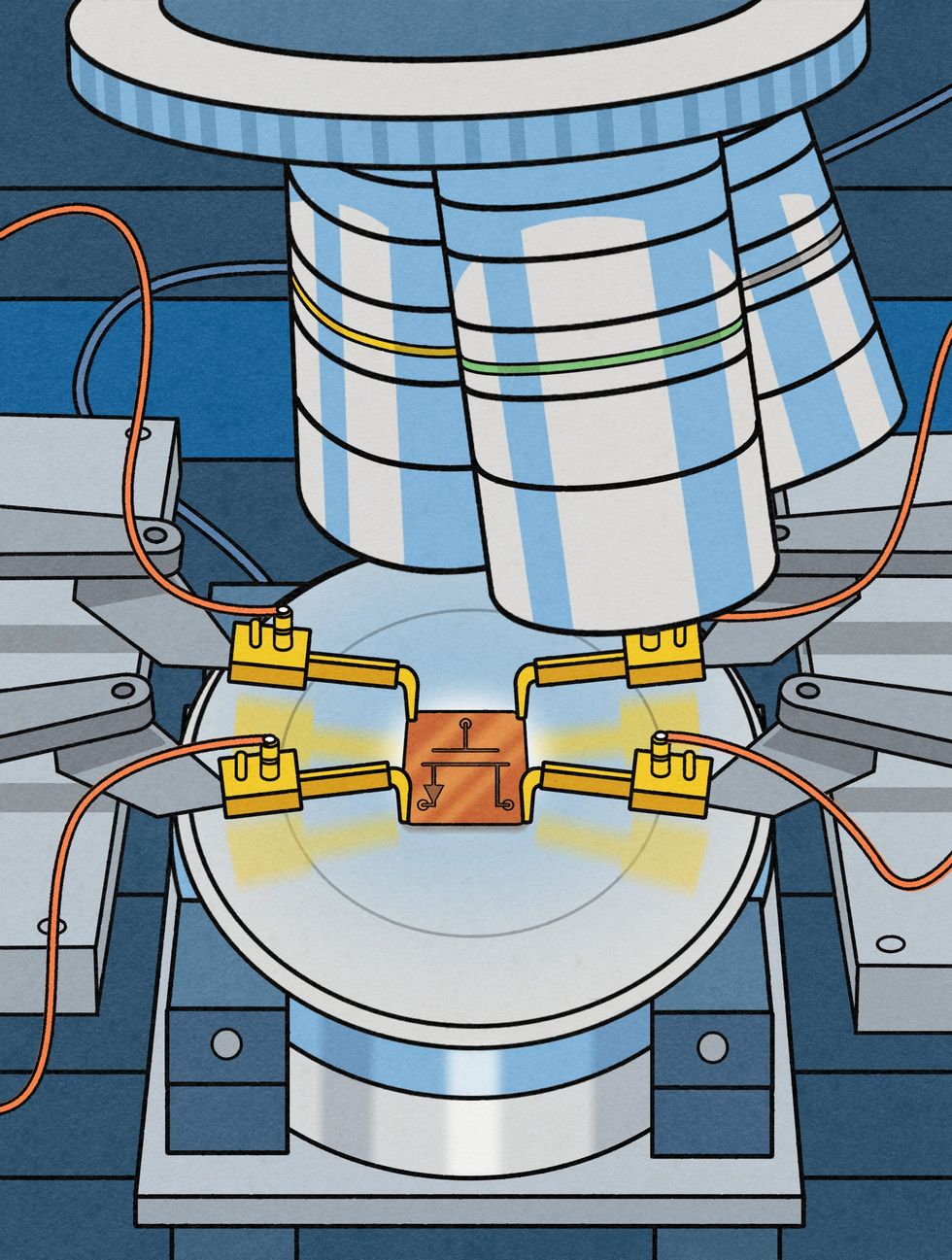
Researchers have made a significant breakthrough in artificial intelligence technology by discovering a new way to create electronic components that mimic the behavior of biological neurons and synapses. This development, which occurred in a laboratory in 2024, could drastically reduce the energy consumption associated with AI applications. Currently, AI systems rely on powerful GPUs housed in data centers, consuming up to 1,000 watts each, which is comparable to household appliances. In contrast, the human brain operates at a fraction of that energy efficiency. The team, led by researchers Mario Lanza and Sebastian Pazos, stumbled upon this innovation while experimenting with metal-oxide-semiconductor field-effect transistors (MOSFETs). They found that by manipulating the bulk terminal of a MOSFET, they could replicate neuron-like behavior, producing sharp current spikes similar to those of biological neurons. This discovery not only allows for the creation of artificial neurons but also enables the development of artificial synapses, leading to a new type of neurosynaptic random-access memory (NSRAM). The implications of this technology are vast, as it could lead to brain-inspired microchips that are more energy-efficient than current GPUs, particularly for smaller-scale AI tasks. The researchers are now focused on refining their models and conducting further simulations to optimize performance. If successful, this innovation could pave the way for a new generation of AI systems that are both powerful and environmentally sustainable.
Neuromorphic-computing Cmos Mosfet Synapse
"Vision Bot completes over 100 million yuan in B++ round financing."
SpeedBot Robotics has successfully secured a significant B++ round of financing, amounting to over 100 million yuan. This funding round was led by the Hunan Sub-Fund of the National Small and Medium Enterprises Fund, managed by Dacheng Caizhi, along with joint investments from Changsha Urban Development. The investment aims to bolster the company’s growth and innovation in the robotics sector, reflecting a strong interest in advancing technology solutions.
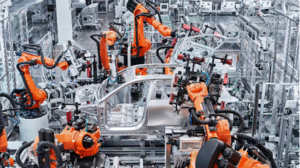
Inside NIO's AI factory, where cars build themselves
In Hefei, China, NIO's F2 electric vehicle plant showcases a fully automated body assembly line, eliminating the need for human labor. The facility is dominated by advanced machinery, particularly German-based KUKA robots, which work in unison to construct aluminum vehicle bodies. One robot expertly positions a door, while another ensures precise alignment using sensors, and additional robots perform welding tasks in mere seconds. This cutting-edge automation reflects the company's commitment to efficiency and innovation in the electric vehicle manufacturing sector, highlighting a significant shift towards robotics in automotive production.
All News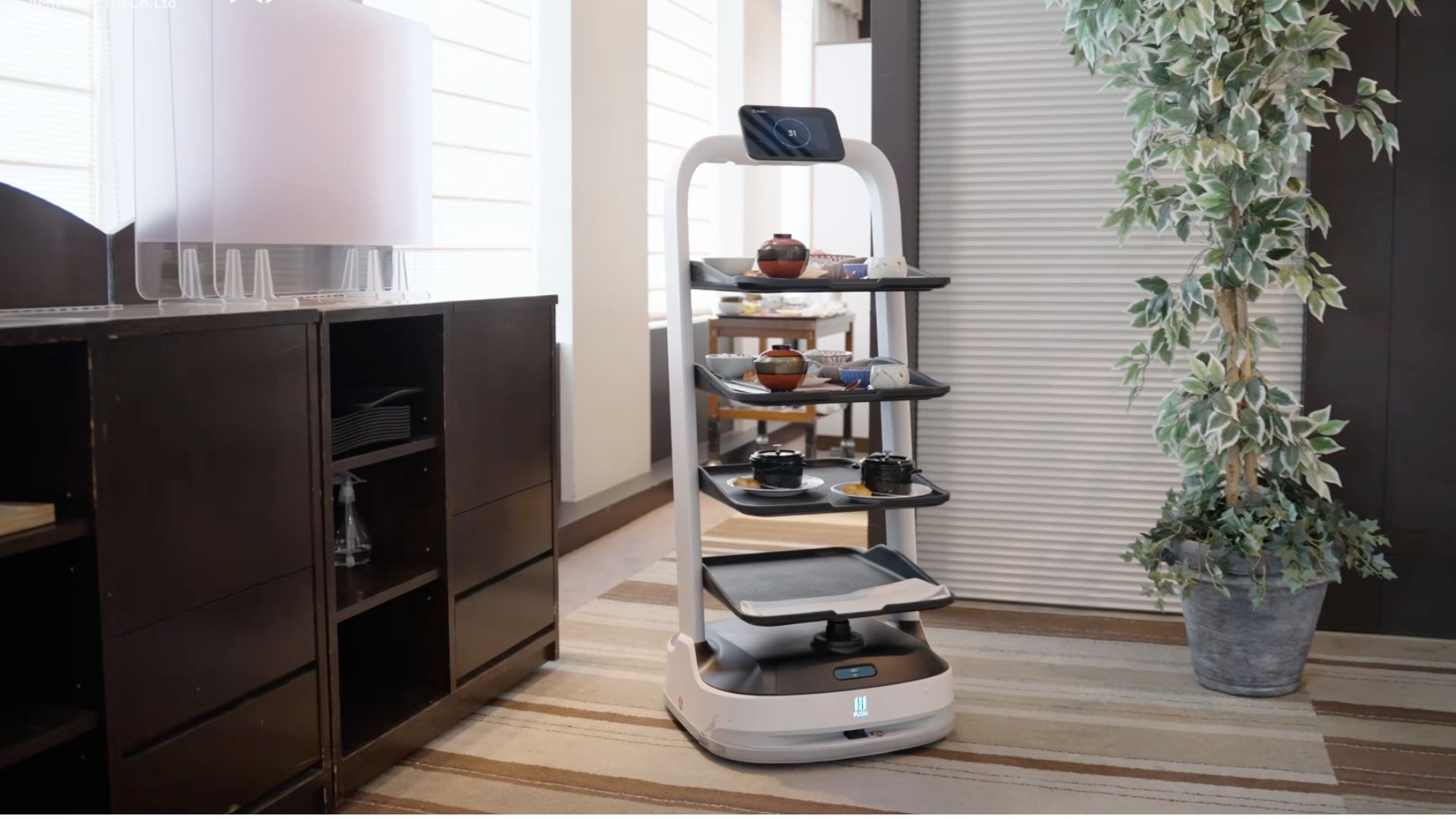
Video: World’s first hotel run entirely by robots set to open in China by 2027
China is set to unveil the world’s first hotel operated entirely by robots, a groundbreaking initiative that aims to revolutionize the hospitality industry. This innovative hotel, located in a major urban center, is scheduled to open its doors in early 2024. The project is driven by advancements in artificial intelligence and automation, reflecting a growing trend towards integrating technology into everyday services. The hotel will feature a range of robotic staff, including receptionists, concierges, and room service providers, all designed to enhance guest experiences while reducing operational costs. By employing robots, the hotel seeks to address labor shortages in the hospitality sector and provide a unique, futuristic experience for visitors. This initiative not only showcases China's commitment to technological innovation but also positions the country at the forefront of the global hospitality market. As the demand for efficient and contactless services increases, the fully automated hotel could serve as a model for future developments in the industry, potentially influencing hotel operations worldwide.
AI and Robotics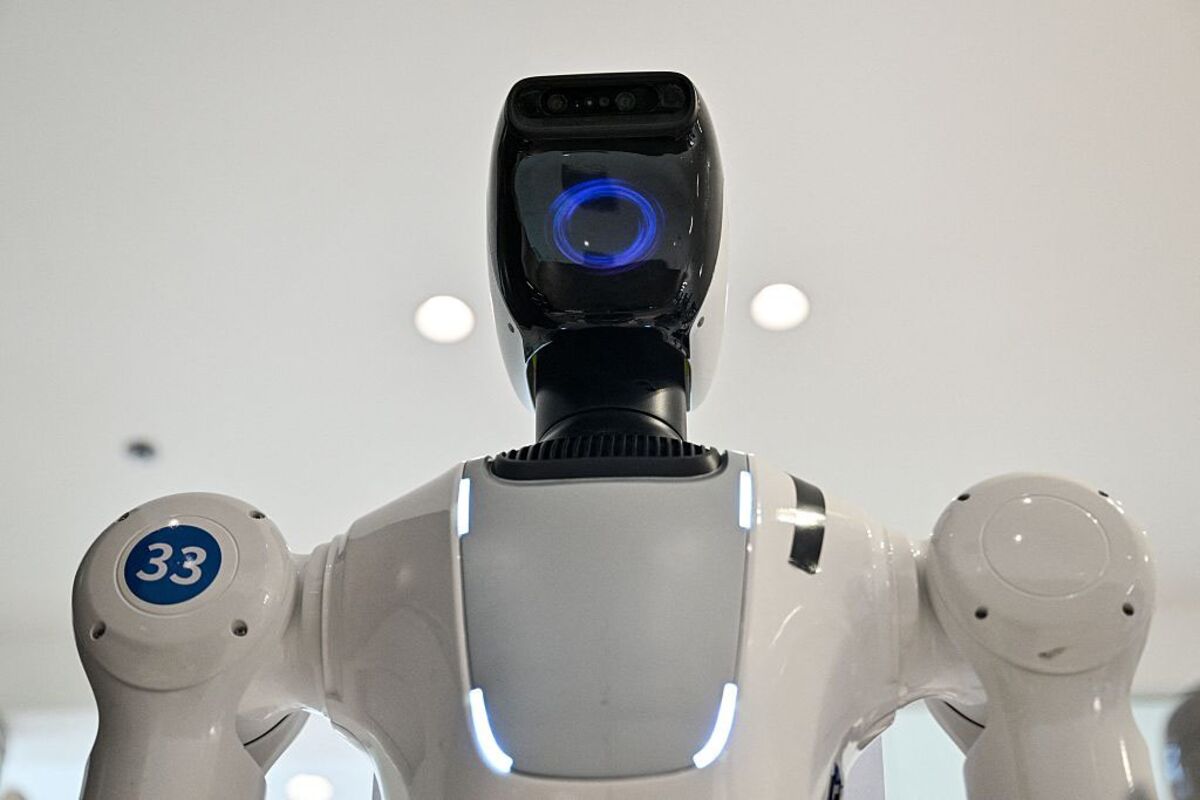
China Births Two Robot Unicorns as Sector Funding Stays Strong
Two Chinese robotics startups have recently achieved valuations exceeding $2.9 billion following successful funding rounds, highlighting a growing interest in the robotics sector. This surge in investment not only reflects the potential of these companies but also underscores China's ambition to enhance its competitive edge against prominent US firms such as Tesla Inc. and Figure AI Inc. The funding is part of a broader strategy to advance technological innovation within the country, aiming to position China as a leader in the global robotics market.
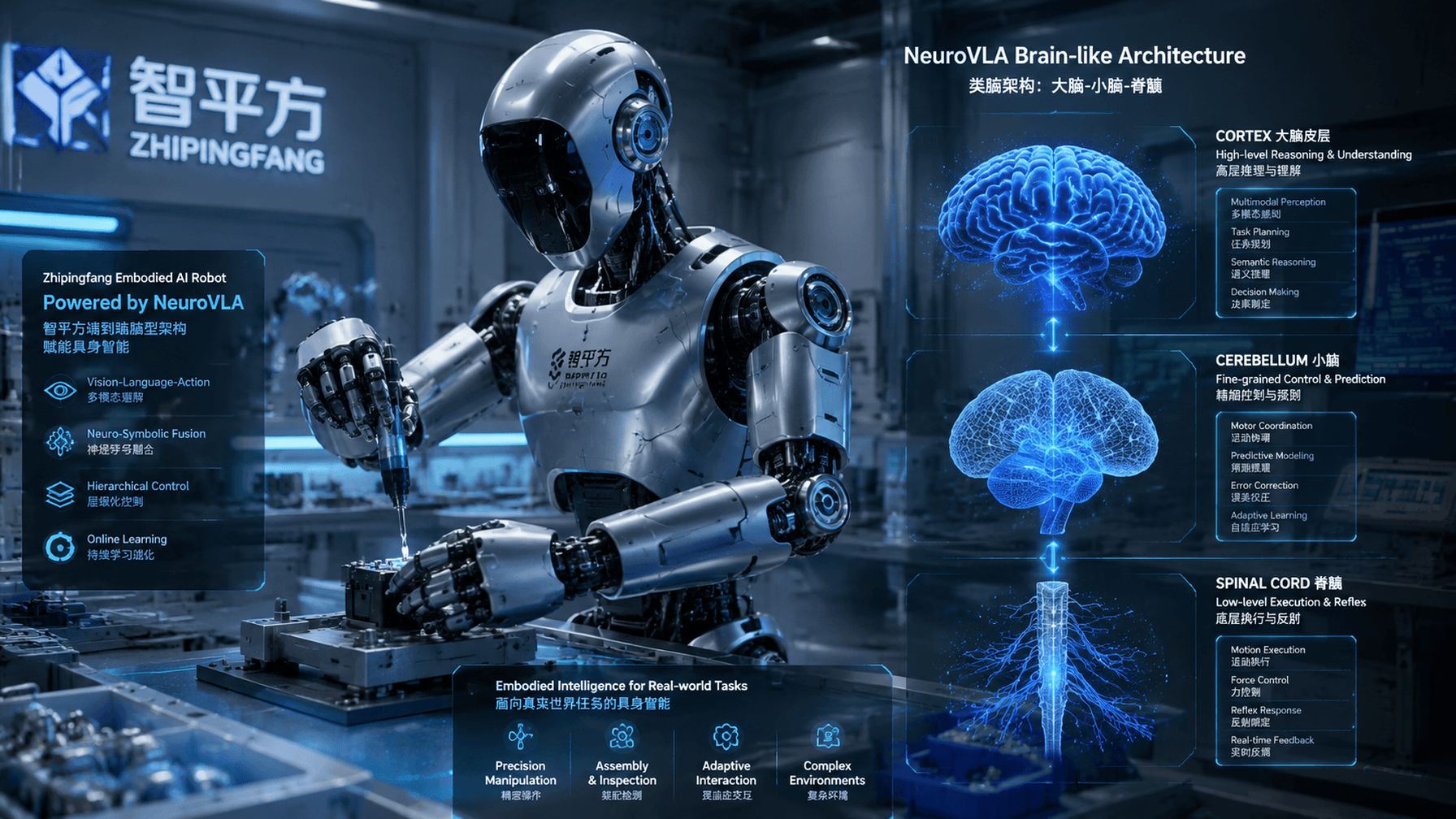
Zhipingfang Hits $2.8B Valuation as Brain-Like AI Era Dawns, Greater Bay Area's First Embodied AI Unicorn
Zhipingfang, a company specializing in embodied artificial intelligence, has successfully raised around 5 billion yuan in new funding. This significant financial boost has propelled the company's total valuation to over 20 billion yuan. The funding is expected to enhance the development of Zhipingfang's innovative NeuroVLA architecture, which is inspired by brain functions. The announcement of this funding round highlights the growing interest and investment in advanced AI technologies, reflecting the industry's potential for future growth and innovation.
Startups
Next-gen aerospace engine components could become more robust with advanced machining capability
A Dallas-based company is enhancing its advanced manufacturing and inspection capabilities in response to increasing market demand. This expansion, announced recently, aims to bolster the company's production efficiency and quality assurance processes. The initiative is part of a broader strategy to meet the needs of clients across various industries, reflecting a significant trend in the manufacturing sector towards automation and precision. By investing in state-of-the-art technology and equipment, the company seeks to position itself as a leader in the competitive landscape of advanced manufacturing. The expansion is expected to create new job opportunities in the Dallas area, contributing to local economic growth while addressing the rising need for high-quality manufacturing solutions.
Innovation
X Square Robot Secures Four Consecutive Financing Rounds, Surpasses US$2.8 Billion Valuation in Push for Physical AI Foundation Models
A new funding initiative has been launched to advance the development of embodied AI foundation models, enhance commercial deployments, and establish integrated robotics infrastructure. This initiative marks a significant collaboration as it is the only embodied AI company supported by all four major Chinese internet technology leaders. The funding aims to accelerate innovation in the field of artificial intelligence and robotics, reflecting a growing interest in integrating AI into practical applications. The initiative is expected to facilitate the creation of advanced AI systems that can interact with the physical world, thereby transforming various industries.

South Korea Unveils Plan to Sustain Lead in AI
South Korea has announced a comprehensive strategy to enhance its position as a global technology leader, with major investments in memory chips, data centers, and robotics spearheaded by industry giants Samsung Electronics Co. and SK Hynix Inc. During a briefing attended by President Lee Jae Myung, executives from both companies outlined their commitment to significant future investments that aim to bolster the nation’s technological infrastructure. The announcement, made in Seoul, underscores the government's push to foster innovation and economic growth in the tech sector, reflecting a broader ambition to secure South Korea's competitive edge in the global market. Further details on the investment plans are anticipated as the companies prepare to elaborate on their strategies.
KSC:000660 KSC:005930
China's Aerospace-Grade Carbon Fiber Breaks Free from Foreign Dependency with Major Production Expansion
Zhongfu Shenying has launched three advanced carbon fiber production lines in Lianyungang, a significant step towards enhancing China's self-sufficiency in aerospace materials. This initiative, unveiled recently, aims to reduce the country's reliance on foreign suppliers, particularly Japan's Toray and various U.S. manufacturers, which have dominated the market for critical aerospace components. By establishing these production lines, Zhongfu Shenying is positioning itself as a key player in the high-performance materials sector, responding to the growing demand for domestic production capabilities in the aerospace industry. This move not only strengthens China's industrial base but also aligns with national objectives to bolster local manufacturing and innovation in strategic sectors.
Technology
Open Models, Closed Environments: Palantir Brings Secure AI to US Agencies With NVIDIA Nemotron
Palantir Technologies unveiled its latest intelligent engine today, emphasizing the significance of open source innovation in the development of artificial intelligence for U.S. government agencies. This new engine leverages NVIDIA's Nemotron open models, highlighting a commitment to utilizing open source software, which has been a foundational element in the evolution of technology. The introduction of this engine aims to enhance the capabilities of government operations by providing advanced AI solutions tailored to meet their specific needs. By integrating open source resources, Palantir seeks to foster collaboration and drive innovation within the AI sector, ultimately benefiting public sector initiatives.

Firefly Aerospace Operates NVIDIA Jetson in Lunar Orbit for the First Time
Palantir Technologies has unveiled a new intelligent engine designed to enhance secure artificial intelligence capabilities for U.S. government agencies. This announcement was made today, highlighting the significance of open-source innovation in the American AI landscape. The new engine leverages NVIDIA's Nemotron open models, aiming to meet the specific needs of federal entities. By integrating these advanced technologies, Palantir seeks to bolster the security and effectiveness of AI applications within closed environments, ensuring that sensitive data remains protected while still benefiting from the flexibility and adaptability of open-source frameworks. This initiative underscores Palantir's commitment to providing robust AI solutions tailored for government use, addressing the growing demand for secure and efficient technological tools in public service.

Claude Meets Blackwell Ultra: Anthropic’s Models Now Run on NVIDIA GB300 in Azure
Anthropic has announced the general availability of its Claude models, which are now hosted on Microsoft Azure and powered by NVIDIA's GB300 Blackwell Ultra GPUs. This development provides enterprises utilizing Azure with an advanced tool to create autonomous and specialized AI solutions. The integration of these models aims to enhance the capabilities of businesses in various domains, enabling them to leverage cutting-edge technology for improved operational efficiency and innovation. The launch reflects a growing trend in the AI sector, where companies are increasingly seeking robust platforms to support their AI initiatives.

Hong Kong raises nearly $44b to lead Asia-Pacific issuance
In the first half of 2026, Hong Kong experienced a significant surge in equity issuance, which increased by 29% to nearly US$44 billion. This growth was primarily driven by the robust performance of battery and circuit-board manufacturers, reflecting a strong demand in these sectors. The rise in equity issuance highlights the region's ongoing economic recovery and investor confidence, particularly in technology and renewable energy industries. The trend suggests that companies are capitalizing on favorable market conditions to raise funds for expansion and innovation, positioning themselves for future growth.
Artificial Intelligence News ai Hong Kong India IPO
Samsung, SK Ready Decade of Spending to Sustain Korea’s AI Lead
South Korea is preparing to announce a significant initiative to enhance its position as a leader in technology. Major companies, including Samsung Electronics Co. and SK Hynix Inc., are expected to reveal plans for substantial investments over the next ten years. These investments will focus on key sectors such as memory chips, data centers, and robotics. The unveiling of this ambitious strategy is anticipated to take place soon, reflecting the country's commitment to advancing its technological capabilities and fostering innovation in these critical industries. This move is seen as a response to the growing global competition in technology and aims to solidify South Korea's role as a central player in the tech landscape.
KSC:000660 KSC:005930
Object‐Enhanced Loop Closing With Semantic Topological Graphs
The Journal of Field Robotics has published new research highlighting advancements in autonomous robotic systems. This study, released in early October 2023, focuses on the integration of artificial intelligence in field robotics, aiming to enhance efficiency and adaptability in various environments. Conducted by a team of researchers from leading universities, the findings demonstrate how these innovations can significantly improve the performance of robots in agricultural, industrial, and exploration applications. The motivation behind this research stems from the growing need for automation in sectors facing labor shortages and the demand for increased productivity. The researchers employed a combination of machine learning algorithms and real-time data processing techniques to develop a prototype that showcases the potential of these autonomous systems. This work not only contributes to the field of robotics but also addresses pressing challenges in modern industries, paving the way for future developments in smart technology.
RESEARCH ARTICLE
A Hybrid Technique for Active SLAM Based on RPPO Model With Transfer Learning
The Journal of Field Robotics has released an EarlyView article highlighting recent advancements in robotic technology. Researchers from various institutions have collaborated to develop innovative algorithms that enhance the efficiency and autonomy of field robots. This significant study, published in October 2023, aims to address the growing demand for automation in agriculture and environmental monitoring. The research focuses on improving the decision-making capabilities of robots operating in complex outdoor environments. By integrating machine learning techniques, the team has demonstrated how robots can better navigate and adapt to changing conditions, ultimately increasing productivity in agricultural practices. The findings are particularly relevant as the industry seeks to optimize resource use and reduce labor costs. The study was conducted across multiple test sites, showcasing the practical applications of these advancements in real-world scenarios. The researchers emphasize that these developments are crucial for meeting the challenges posed by climate change and the need for sustainable farming practices. By enhancing the operational capabilities of field robots, the team hopes to contribute to a more efficient and resilient agricultural sector. This publication marks a significant step forward in the field of robotics, underscoring the potential for technology to transform traditional practices and improve outcomes in various sectors. As the demand for automation continues to rise, the implications of this research could be far-reaching, paving the way for future innovations in robotic applications.
RESEARCH ARTICLE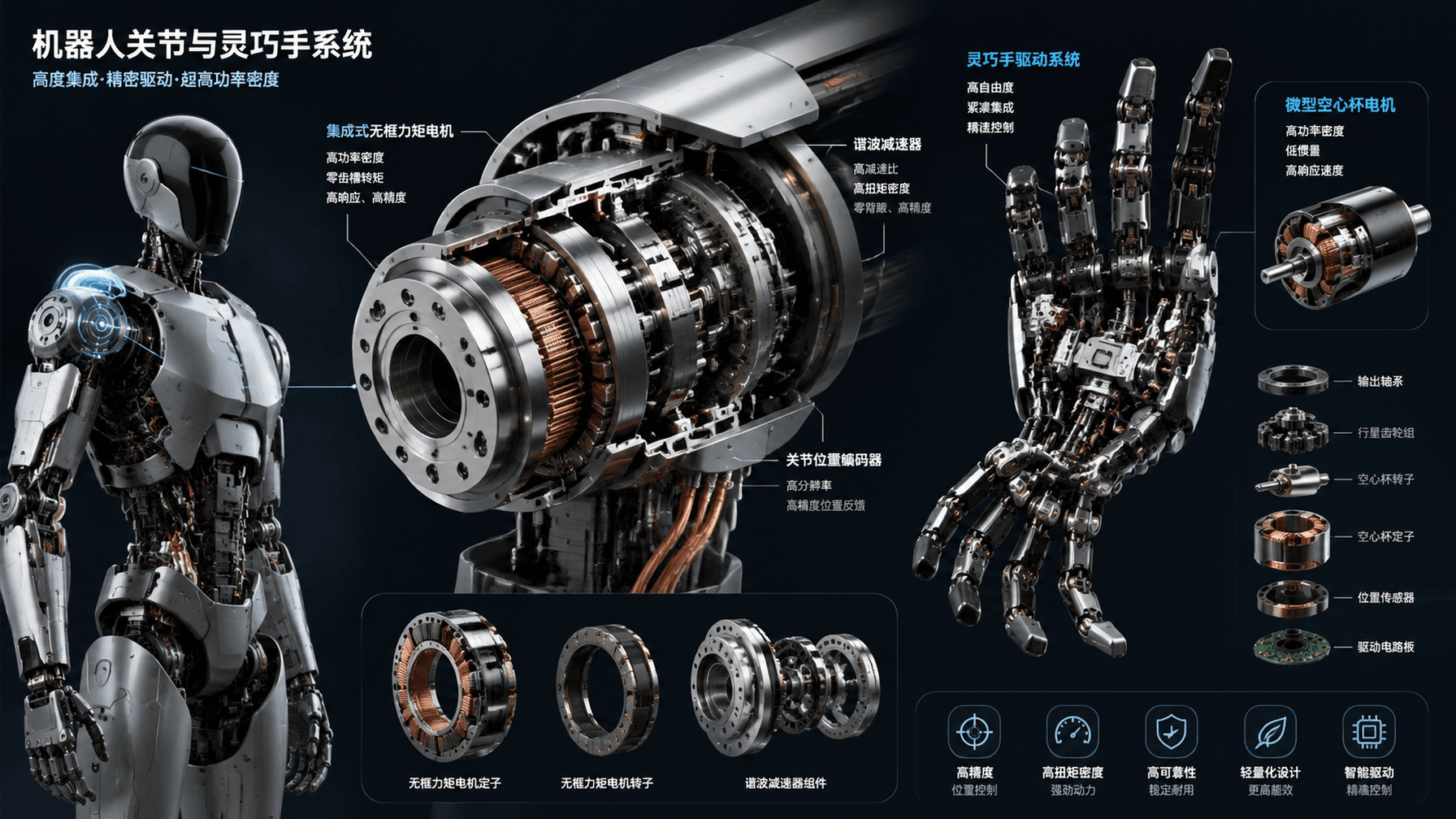
Nearly 20 Chinese Motor Makers Race for Humanoid Robot First-Mover Advantage
In a growing trend within the technology sector, nearly 20 Chinese publicly listed motor companies are actively engaging in the humanoid robot supply chain. This competitive landscape has seen frameless torque motors and hollow cup motors rise to prominence as the leading technical solutions for robotics applications. As the demand for advanced robotics continues to increase, these companies are positioning themselves to capitalize on the burgeoning market, driven by innovations in motor technology that enhance the performance and capabilities of humanoid robots. The developments are occurring against a backdrop of rapid advancements in artificial intelligence and automation, which are reshaping industries and creating new opportunities for growth in the robotics field.
HumanoidRobotics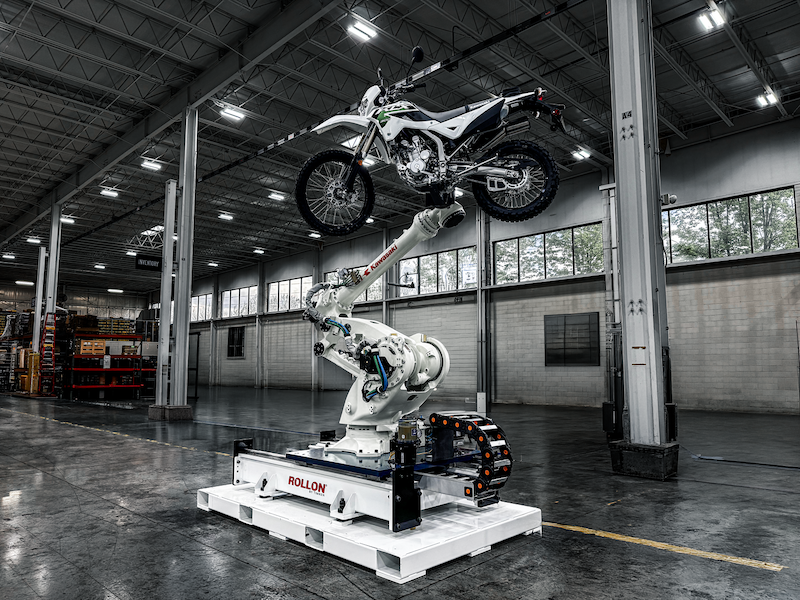
Kawasaki Robotics showcases 8-axis Physical AI robot and intelligent automation technologies at Automate 2026
Kawasaki Robotics unveiled its latest advancements in automation technology at the Automate 2026 trade show held in Chicago. The event, which took place recently, highlighted the transformative impact of robotics, artificial intelligence, machine learning, vision systems, and real-time control on industrial automation. A key feature of the showcase was the introduction of the new “RL030N” robot platform, which boasts eight degrees of freedom and is specifically designed for Physical AI applications. This innovation reflects Kawasaki Robotics' commitment to pushing the boundaries of automation and enhancing operational efficiency across various industries.
Industrial robots News Robotics 8-axis robot Automate 2026 BA013L
Goodwood Festival of Speed unveils Future Lab lineup for 2026
The Goodwood Festival of Speed has revealed the exhibitor lineup for its 2026 Future Lab exhibition, which will showcase innovations from companies and research organizations in fields such as robotics, artificial intelligence, quantum computing, healthcare, space exploration, and digital technologies. Scheduled to take place at the heart of the Festival of Speed, the Future Lab aims to draw over 90,000 visitors, highlighting the event's commitment to promoting cutting-edge advancements. This initiative underscores the festival's role as a platform for technological exploration and engagement within the automotive and broader tech communities.
Events artificial intelligence automation embodied ai formula e Future Lab
Zhang Yaqin: AI is not a bubble, but AI companies are.
In June, during an interview at the Tsinghua Wuxi Research Institute's Intelligent Industry Innovation Center, Academician Zhang Yaqin discussed the current state of AI investment and entrepreneurship, suggesting a more cautious approach to the rapidly growing sector. Zhang, who founded the Tsinghua University Intelligent Industry Research Institute (AIR) five years ago, noted that while AIR has successfully incubated ten companies with a combined valuation of 150 billion yuan, its primary focus remains on research rather than commercialization. Zhang, a prominent figure in AI and a fellow of the IEEE, likened the current AI investment climate to the internet boom of 1998-1999, emphasizing the importance of sustainable growth and cautioning against the potential for market bubbles. He highlighted the need for new AI algorithms to enhance efficiency and pointed out that while the AI sector holds significant long-term potential, many early-stage companies may face challenges in proving their viability. Every June, AIR hosts the "Taihu Dialogue" in Wuxi, fostering discussions on AI advancements. Zhang expressed concerns about the risks associated with high valuations and the necessity for a focused approach in startups. He emphasized that while funding is crucial, it should not overshadow the importance of developing robust products and technologies. Looking ahead, Zhang identified "physical AI" as a key area for development by 2026 and outlined the challenges of creating robots capable of performing complex tasks in real-world environments. He underscored the importance of collaboration between academia and industry to cultivate talent and drive innovation in AI, while also addressing the ethical and safety risks associated with advanced AI systems.
Who Builds the Sky? How Regional Partnerships Are Creating the Infrastructure for Advanced Air Mobility
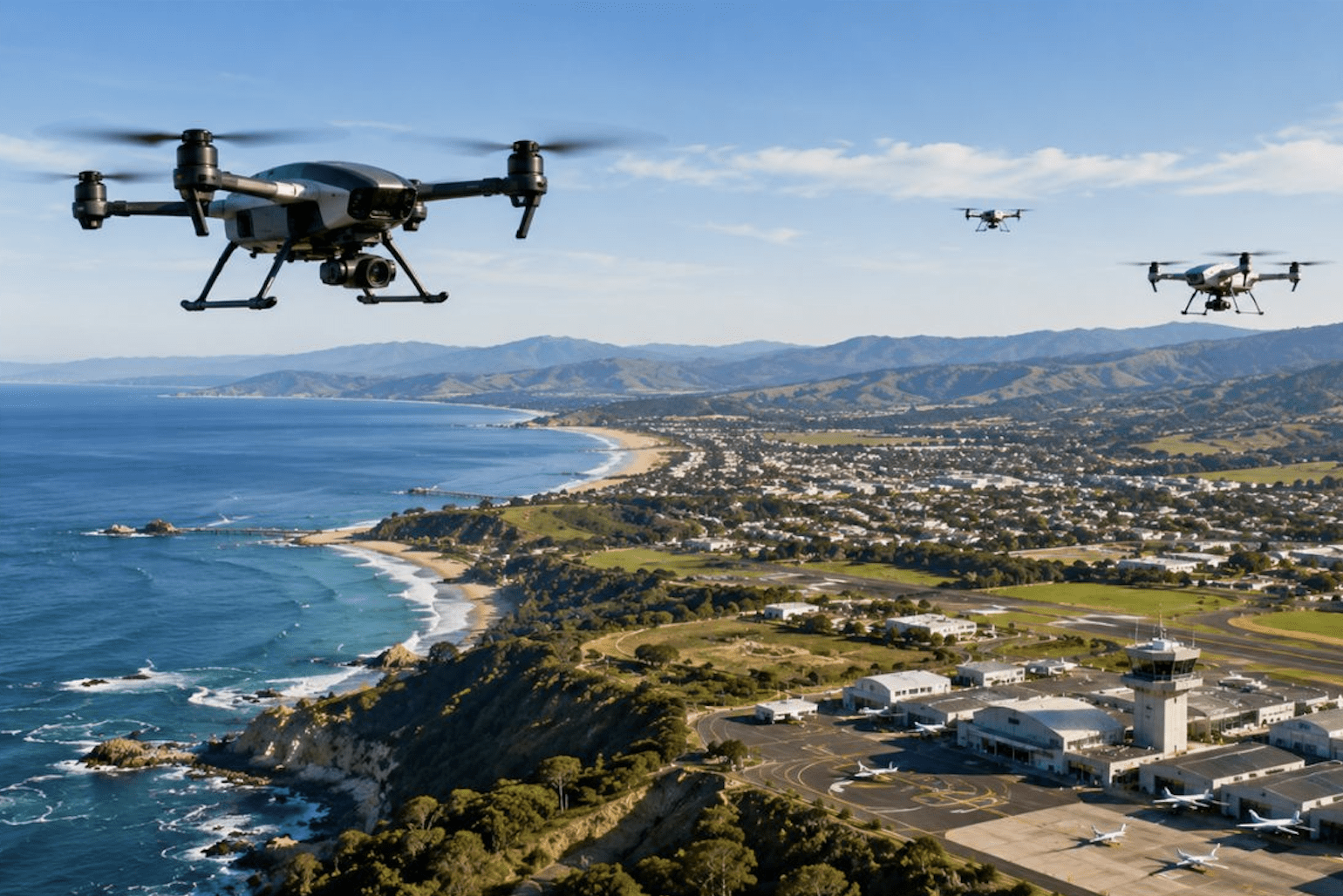
In a recent episode of the Drone Radio Show, Lavera Alexander, Chief Growth Officer of the Monterey Bay Economic Partnership (MBEP), emphasized the critical role of regional collaboration, airport infrastructure, and economic development in shaping the future of advanced air mobility. The discussion highlighted that while aircraft technology is essential, the success of this emerging industry relies heavily on the interconnected efforts of local stakeholders. Alexander's insights reflect a growing recognition that building a robust framework for advanced air mobility requires more than just technological advancements; it necessitates a comprehensive approach that integrates community resources and infrastructure planning. The episode serves as a call to action for regions to work together in fostering an environment conducive to the growth of this innovative sector.
Advanced Air Mobility Aerospace Applications Drone News Drone News Feeds News
ON Semi tanks 20% following Synaptics deal as CEO defends core business
On Semiconductor has announced a significant expansion of its addressable market, projecting an increase of $30 billion through its pivot into physical artificial intelligence (AI). This strategic move aims to enhance the company's offerings and capitalize on the growing demand for AI technologies. The announcement comes as the company seeks to position itself at the forefront of innovation in the semiconductor industry. By integrating physical AI into its product lineup, On Semi is responding to evolving market needs and the increasing reliance on advanced technologies across various sectors. This expansion reflects the company's commitment to driving growth and maintaining competitiveness in a rapidly changing technological landscape.

How Skyways Quietly Built a Global Heavy-Lift Drone Business
Skyways Aviation, an Austin-based company, is expanding its offshore cargo operations in response to evolving U.S. regulations regarding Beyond Visual Line of Sight (BVLOS) drone operations. The company has focused on building a global heavy-lift drone business, distinguishing itself from competitors that often emphasize their technological innovations. This strategic expansion comes as Skyways prepares for the next phase of BVLOS regulations, which are expected to enhance operational capabilities and open new markets for drone services. By leveraging its expertise in heavy-lift capabilities, Skyways aims to position itself as a leader in the drone logistics sector, addressing the growing demand for efficient cargo transport solutions.
Applications Cargo Defense Delivery Drone News Drone News Feeds
AI in warfare – friend or foe?
Military organizations are increasingly integrating artificial intelligence into various facets of warfare, significantly enhancing their operational capabilities. This shift includes advancements in targeting systems, which utilize AI to improve accuracy and efficiency in combat scenarios. Additionally, training simulations are being revolutionized through AI, providing soldiers with more realistic and adaptive training environments. The use of autonomous drones, powered by AI, is also on the rise, allowing for more strategic and precise missions without direct human intervention. This trend has gained momentum as military leaders recognize the potential of AI to transform traditional warfare tactics. The integration of these technologies is seen as essential for maintaining a competitive edge in modern conflicts. As of October 2023, the focus on AI in military applications reflects a broader commitment to innovation and modernization within defense strategies. The ongoing development and deployment of these technologies are expected to reshape the future of military operations, emphasizing the importance of adapting to rapidly evolving technological landscapes.
Analyst Comment
Inside Disney’s Push to Upgrade Its Theme Parks With Robots
Disney is actively enhancing its theme parks by integrating advanced robotics technology to improve guest experiences and operational efficiency. This initiative, which began gaining momentum in 2023, aims to modernize attractions and streamline services across various locations, including Disneyland and Walt Disney World. The motivation behind this push is to create a more immersive and engaging environment for visitors while addressing staffing challenges and rising operational costs. By incorporating robots into various roles, Disney seeks to maintain its reputation for innovation and guest satisfaction in an increasingly competitive entertainment landscape. The implementation of robotics involves deploying automated systems for tasks such as guest assistance, maintenance, and even entertainment, allowing human staff to focus on more complex interactions. Disney's investment in this technology reflects a broader trend in the theme park industry, where automation is seen as a solution to enhance efficiency and improve visitor experiences. As Disney continues to roll out these upgrades, the company is committed to ensuring that the integration of robots complements the magical atmosphere that has defined its parks for decades. This strategic move not only aims to elevate the overall guest experience but also positions Disney as a leader in the future of theme park operations.
NYS:DIS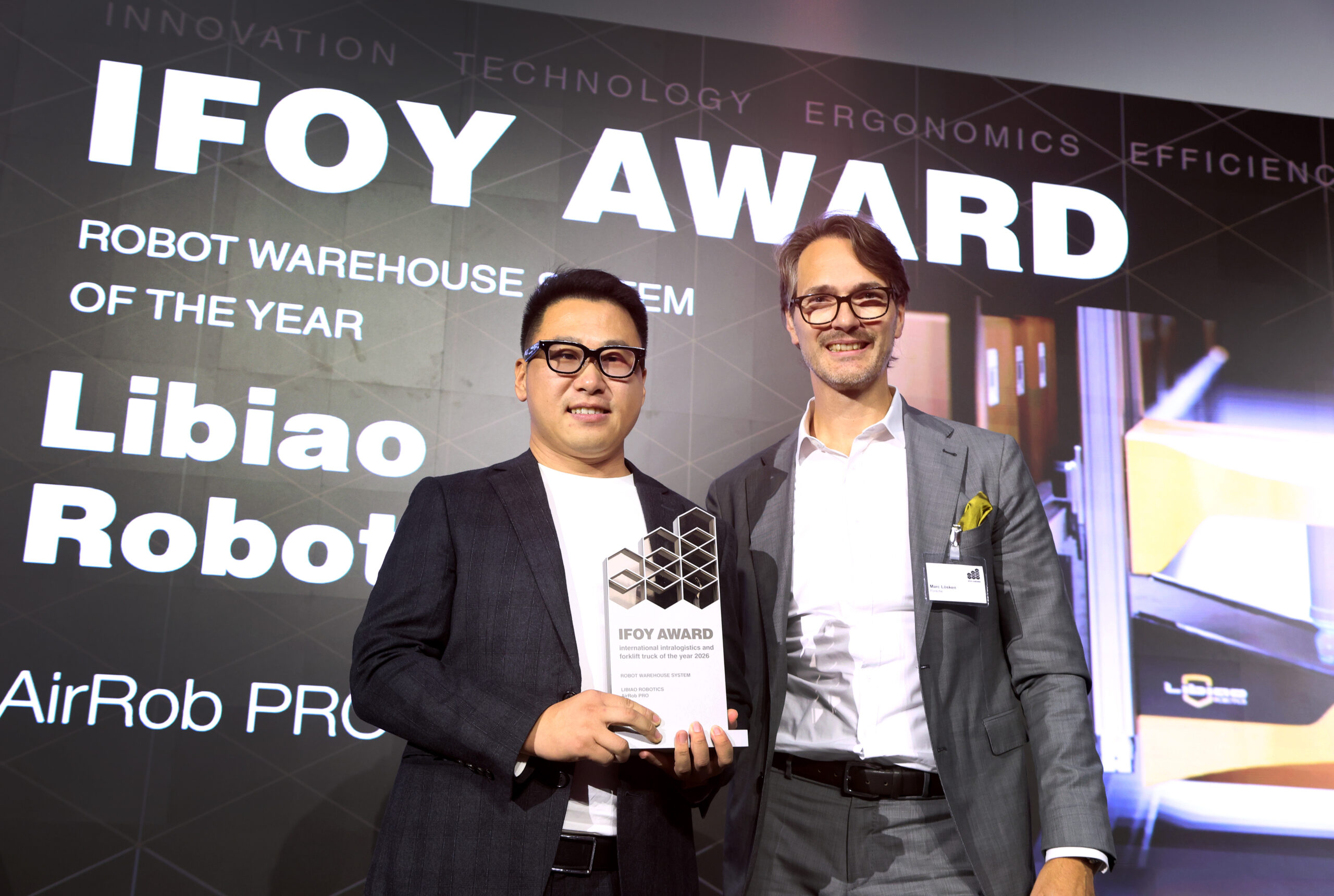
AirRob Pro Wins Award for Libiao
Libiao Robotics has achieved recognition in the global material handling and warehouse automation sector by winning the Robot Warehouse System category at the 2026 International Intralogistics and Forklift Truck of the Year (IFOY) Award. This prestigious accolade was presented during the IFOY AWARD Night, held at the company's headquarters. The award underscores Libiao's commitment to innovation and excellence in robotics technology, highlighting its significant contributions to enhancing efficiency in warehouse operations.
AMR and AGV Automation Systems and Shuttles Conveying and Sortation Materials Handling Robotic Picking AirRob PRO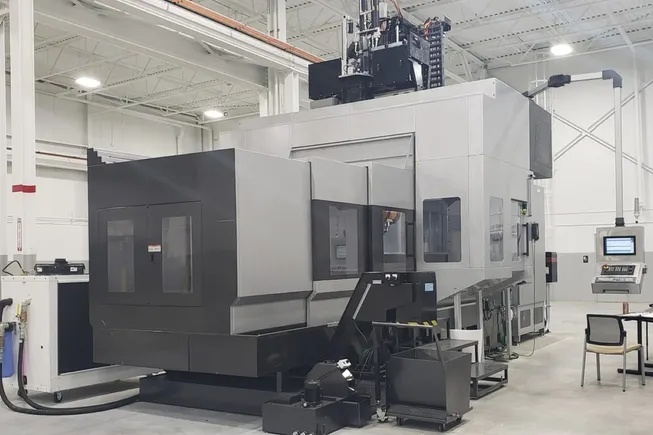
NIST launches MEP pilot program to strengthen industrial base
The National Institute of Standards and Technology (NIST) is launching a new initiative aimed at enhancing the adoption of additive manufacturing technologies for aerospace components while simultaneously developing a domestic supply chain for critical minerals. This program, which is set to invest approximately $20 million in each pilot project, underscores the government's commitment to bolstering the aerospace sector and ensuring a reliable source of essential materials. By focusing on these two key areas, NIST aims to support innovation and competitiveness within the industry, addressing both technological advancements and supply chain vulnerabilities. The initiative reflects a strategic response to the growing demand for advanced manufacturing solutions and the need for secure access to critical resources.

Robot Talk Episode 162 – The robot doctor will see you now
Over the past four decades, the field of medicine has undergone significant transformation due to advancements in robotics, computer vision, and artificial intelligence, particularly in the realm of robot-assisted surgery. These innovative technologies are enhancing the capabilities of healthcare professionals in various areas, including diagnosis, surgical procedures, and rehabilitation. However, as these medical tools become more autonomous, pressing ethical questions have emerged regarding their use and implications in patient care. The ongoing evolution of these technologies prompts a critical examination of the balance between innovation and ethical responsibility in healthcare.
The Small Component Problem Behind More Reliable Industrial Robots
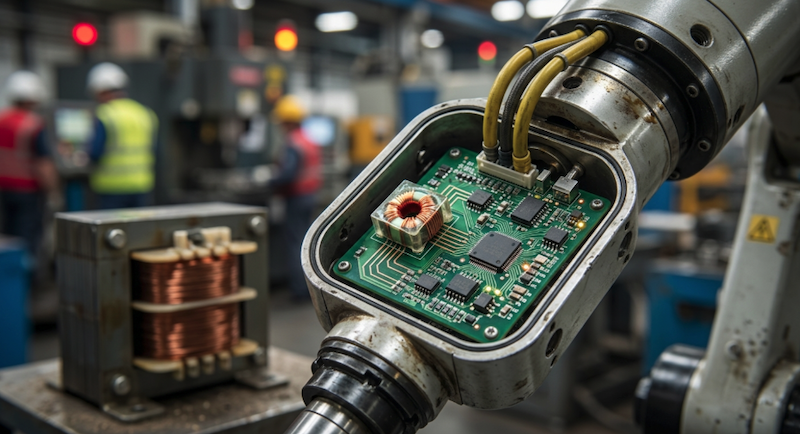
In a groundbreaking development for the manufacturing industry, advanced automation technology is transforming assembly lines and semiconductor packaging facilities. A robotic arm, capable of executing movements with sub-millimeter precision at an impressive rate of 300 cycles per minute, is at the forefront of this innovation. These robotic systems are enhanced by machine vision technology, remote input/output blocks, and sensitive microcontrollers, allowing for seamless coordination and efficiency in production processes. This technological advancement is taking place in various industrial settings, where multiple machines share a common power source through an industrial rail system. The integration of heavy CNC machines into this grid further exemplifies the collaborative nature of modern manufacturing, where precision and speed are paramount. The motivation behind this shift towards automation is to increase productivity and reduce human error in manufacturing processes. By leveraging sophisticated robotics and interconnected systems, companies aim to streamline operations and enhance overall output. As industries continue to adopt these cutting-edge technologies, the future of manufacturing looks increasingly automated and efficient, promising significant advancements in production capabilities.
Components Design Engineering Industrial robots amrs automation news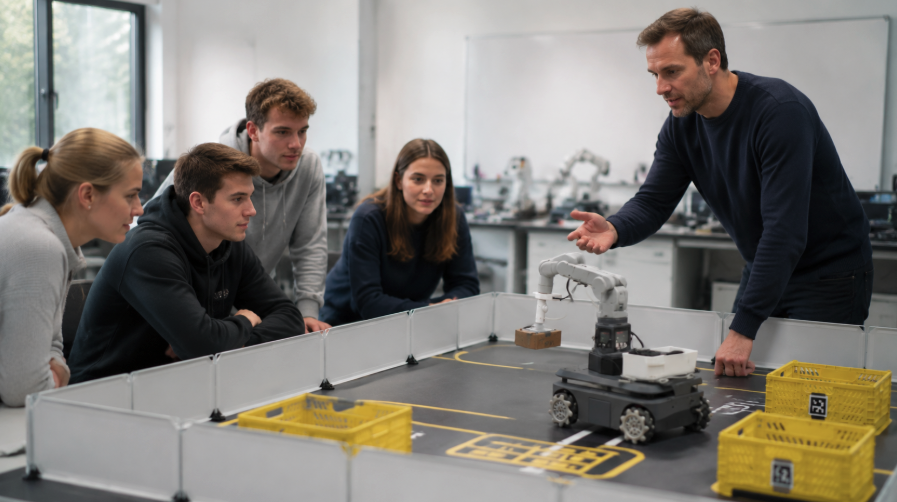
Empowering STEM Education and Research in the Americas: Elephant Robotics Introduces Integrated Educational Robotics Solutions
In recent years, STEM education has seen significant growth, fueled by a rising demand for practical engineering skills, artificial intelligence literacy, and interdisciplinary innovation. Despite this progress, schools, universities, and research laboratories continue to face challenges in creating effective robotics environments. Educators often struggle to integrate various components such as robotic arms, mobile platforms, sensors, and open-source software from multiple sources, complicating the development of comprehensive robotics programs. This ongoing issue highlights the need for streamlined solutions that can enhance the teaching and learning of robotics in educational settings.
Design Research Robotics AI education americas automation news
Roundtable: We Celebrate Adventure - Sooner, Smaller, and Deeper | 36Kr WAVES 2026 New Wave
In 2026, the investment landscape in China is witnessing a significant shift as artificial intelligence (AI) transitions from a conceptual technology to a mainstream industry force. The WAVES 2026 conference, hosted by 36Kr and AnYun, took place over two days in the Liangcang Creative Park in Panyu, Guangzhou, under the theme "This Summer." The event brought together top investors, industry leaders, and emerging entrepreneurs to explore key sectors such as AI, hard technology, healthcare, and international expansion through 14 in-depth roundtable discussions and numerous independent speeches. Prominent figures in the venture capital sector, including Liu Yuan from ZhenFund, Xu Shi from Shanhang Capital, Lin Haizhuo from Zhuoyuan Asia, and Xu Zhihao from Mingshi Capital, shared insights on the challenges and opportunities in early-stage investments. They discussed the current state of angel investments, which account for only 1.9% of the total equity market, emphasizing the need for a deeper understanding of the evolving technology landscape and the importance of backing resilient founders who can adapt to rapid changes. The conference highlighted the critical role of early-stage investors in identifying promising startups and supporting them through various funding rounds, despite the inherent risks and uncertainties. As the AI revolution continues to unfold, the dialogue among industry experts underscored the necessity of fostering innovation and collaboration to drive China's technological future.

Roboverse Reply Impresses at ELROB 2026 With Intelligent Robotic Systems for Critical Missions
From June 15 to 19, a collaboration between a leading technology company and ELP, a specialist in technical equipment for defusing services, showcased impressive performance at an international event. The demonstration highlighted the reliability of their autonomous solutions in real-world conditions, standing out among a competitive field of participants. This partnership aims to advance the capabilities of defusing technology, emphasizing the importance of effective and dependable solutions in critical situations. The successful demonstration serves to reinforce the company's commitment to innovation and excellence in the field.

German Economy Calls for Faster Humanoid Robotics Adoption
A recent survey reveals that 82% of respondents believe humanoid robots will play a crucial role in driving future innovation. Conducted in October 2023, the study highlights the growing public interest in the potential of humanoid robotics across various sectors. Participants expressed optimism about the technology's ability to enhance productivity, improve efficiency, and address labor shortages in industries such as healthcare, manufacturing, and customer service. The findings suggest that as advancements in artificial intelligence and robotics continue, society may increasingly rely on humanoid robots to tackle complex challenges and foster economic growth. This shift reflects a broader trend towards automation and the integration of intelligent systems into everyday life, prompting discussions about the implications for the workforce and ethical considerations surrounding the use of such technology.
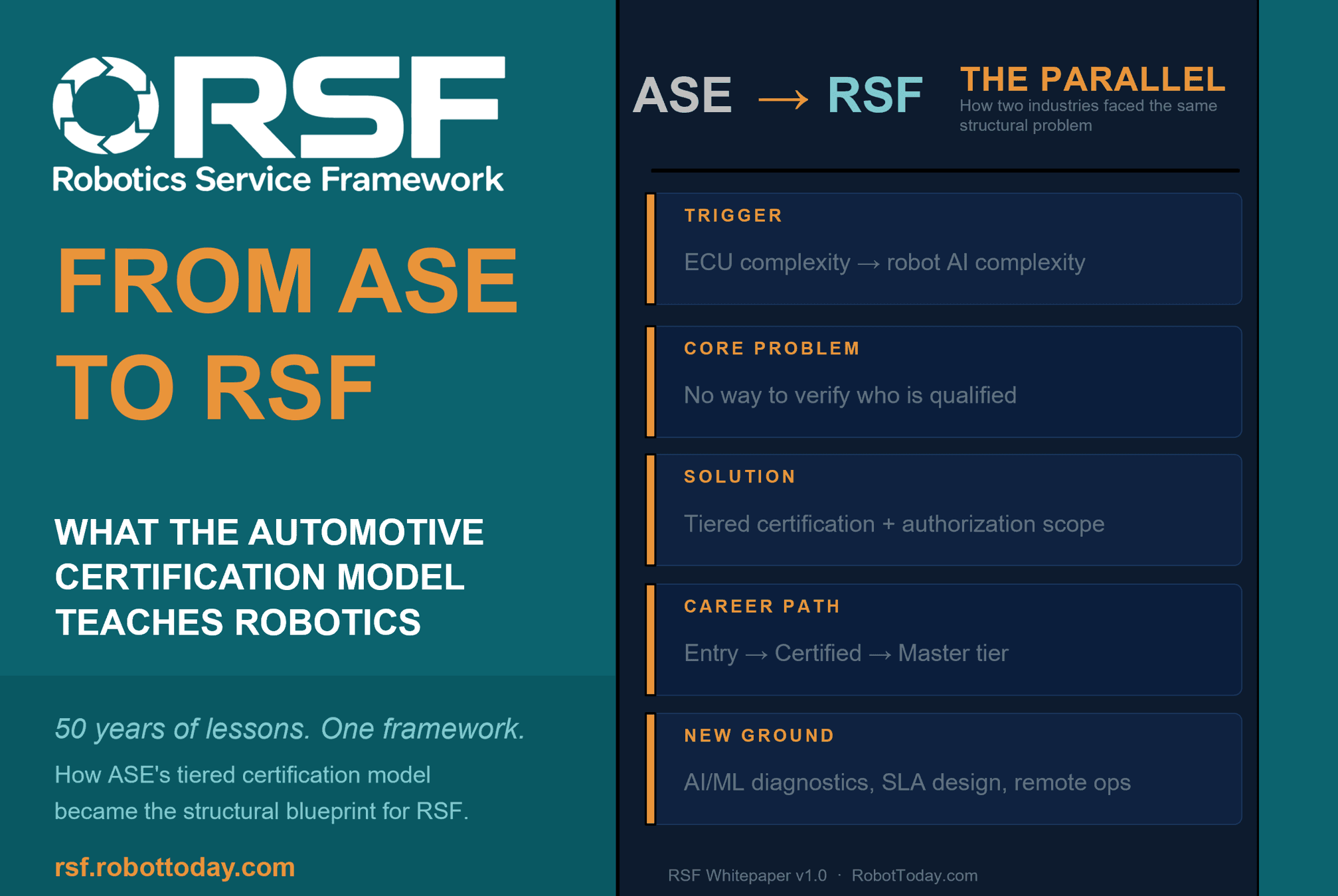
Robotics needs a service framework.
RSF defines a common language for robot service capability, lifecycle operations, certification pathways, and service-provider networks.