Industry Briefing
A single destination for timely, editor-curated robotics news from around the world.

What to Look for When Buying an Oceanfront Condo in Myrtle Beach
The demand for oceanfront condominiums continues to surge as buyers from various parts of the country seek properties that offer immediate access to the beach. This trend highlights a growing interest in coastal living, driven by the allure of scenic views and a desirable lifestyle. Potential homeowners are increasingly recognizing that the value of these properties extends beyond their picturesque locations; they also represent long-term investment opportunities. As the market evolves, savvy buyers are advised to carefully consider their options to ensure they make informed decisions that align with their lifestyle preferences and financial goals.
Culture Economy Beach condos Beachfront property Coastal real estate Condo association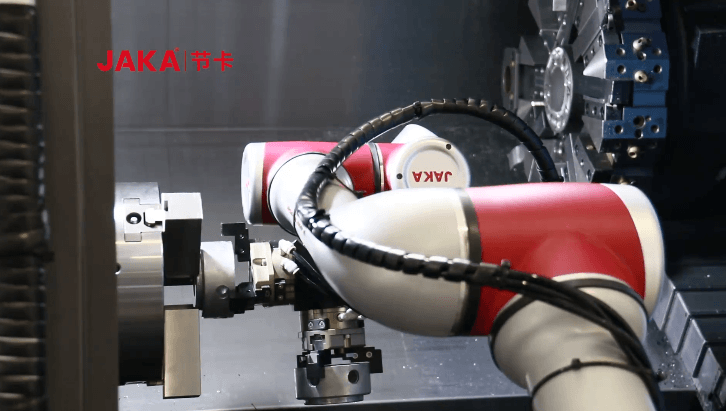
6-Axis Cobot Buying Guide: How to Choose the Best One for Flexible Tasks?
In the realm of modern manufacturing, a company is prioritizing flexibility, precision, and safety by integrating advanced automation technology into its production processes. The firm has chosen the JAKA Zu18, a 6-axis collaborative robot, to enhance operational efficiency and maintain consistent product quality. This robot acts as an extension of the workforce, taking on repetitive and physically demanding tasks, which allows human employees to focus on higher-value activities. The decision to implement the JAKA Zu18 stems from its ability to streamline workflows, reduce human error, and facilitate quick adaptation to changing product demands. Key considerations for selecting the robot included its payload capacity, working radius, precision, and user-friendly programming interface, which enables operators without specialized training to control the system effectively. Seamless integration with existing production lines is another critical factor, as the JAKA Zu18 can be deployed rapidly without disrupting ongoing operations. This adaptability not only reduces worker fatigue but also ensures consistent cycle times, contributing to high-quality output. By investing in the right collaborative robot, the company aims to create a more efficient and safe production environment, ultimately responding swiftly to market changes while minimizing reliance on manual labor.
Cobot Arm Buying Guide: How to Choose the Best One for Flexible Automation?
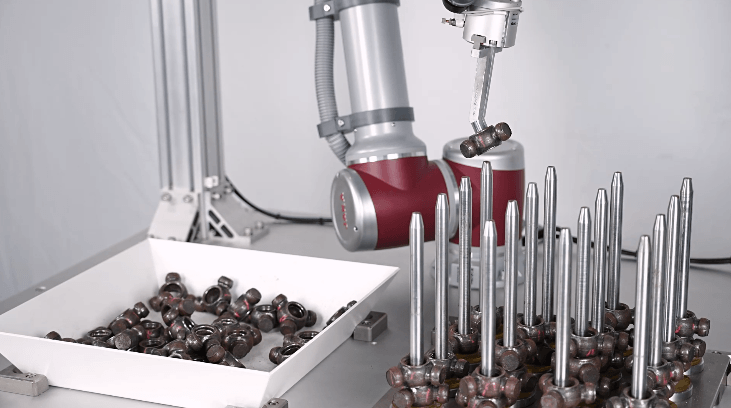
JAKA, a leader in automation solutions, emphasizes the importance of selecting the right cobot or industrial robot arm to enhance productivity in flexible manufacturing environments. The company evaluates specific tasks such as assembly, packaging, and material handling to determine the most suitable automation tools, considering factors like payload capacity, working radius, and operational safety. The JAKA Zu20, for instance, is highlighted for its advanced control algorithms and high-resolution encoders, enabling it to handle heavy workpieces with a reach of 1780 mm and a payload of 20 kg. Its IP65 protection rating ensures reliable operation in challenging industrial conditions, showcasing how technical specifications can influence long-term usability. Deployment flexibility is also a key consideration, with lightweight designs and intuitive programming interfaces significantly reducing setup time. The JAKA Zu20 allows operators to program without specialized coding skills, facilitating integration with existing systems like MES and AGVs. This streamlined approach enables the company to expand automation across multiple production lines while minimizing downtime. By prioritizing precision, adaptability, and ease of deployment, JAKA aims to implement scalable automation strategies that meet evolving manufacturing demands. The company’s commitment to informed decision-making ensures that its automation investments enhance operational safety and efficiency, ultimately supporting its production goals while reducing manual workloads.
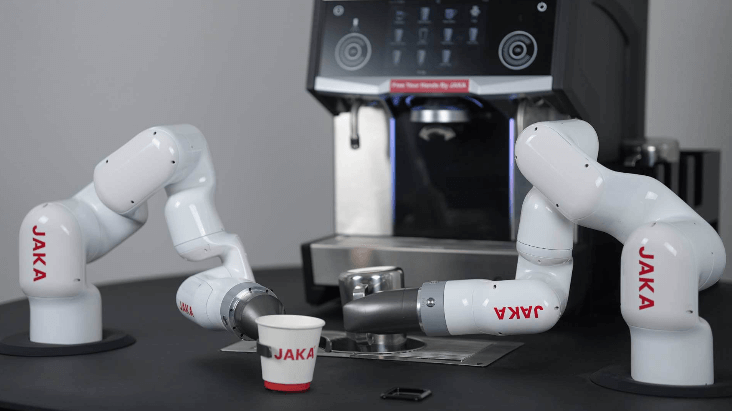
Mini Robot Arm Buying Guide: How to Choose the Best 6-Axis Desktop Model?
In a recent guide, JAKA emphasizes the importance of selecting the right mini robot arm for limited-space environments, particularly for tasks requiring precision on a benchtop scale. The guide outlines how to choose a 6-axis desktop robot arm by focusing on specific payload and reach requirements essential for effective operation. JAKA's MiniCobo is highlighted as an ideal solution, designed to deliver adequate strength and reach while maintaining a compact footprint, facilitating quick deployment in production lines. The selection process also underscores the significance of an intuitive programming environment. JAKA aims to simplify control through graphical interfaces, allowing operators familiar with the tasks to program the robot easily, thus enhancing productivity and adaptability for new processes. Safety is another critical aspect addressed in the guide, as mini robot arms operate in close proximity to personnel. JAKA's robotic arms incorporate features such as built-in force sensing for collision detection and rounded designs to ensure safe operation. Furthermore, the availability of standard communication ports allows seamless integration with other devices, creating an efficient micro workcell. By adhering to these guidelines, businesses can effectively identify a 6-axis desktop robot arm that meets their automation needs, ultimately improving production efficiency and product quality.
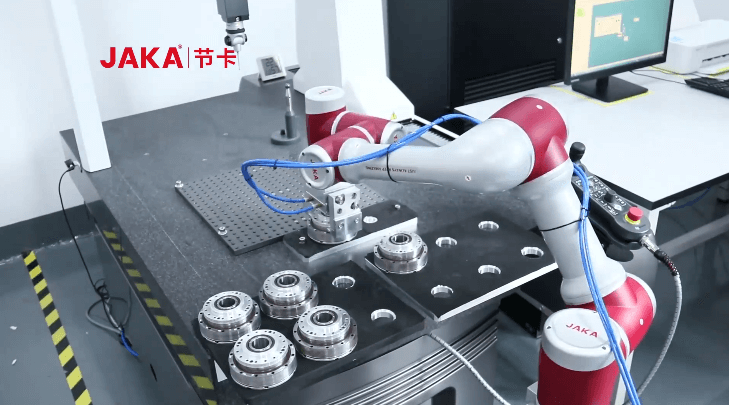
Industrial Cobot Buying Guide: How to Choose the Best One for Your Tasks?
Integrating an industrial collaborative robot (cobot) into production lines is becoming a strategic move for manufacturers aiming to enhance efficiency and long-term value. The JAKA Pro series, designed for diverse applications, offers payloads ranging from 3 to 18 kg and features integrated force-control sensors, making it suitable for demanding environments like welding and damp conditions, thanks to its IP68 protection rating. Key to successful implementation is the robot's ease of use and rapid deployment. The JAKA Pro series allows existing teams to operate the system without the need for specialized programming. Its intuitive teaching methods and quick changeover capabilities streamline operations. Features such as the Load and Go function enable users to quickly load pre-configured welding processes, significantly reducing deployment time. Additionally, a debugging mode facilitates dry-run verification to ensure accuracy before commencing live production. Safety and seamless integration are also critical considerations. The JAKA Pro series includes advanced safety features like force-limiting and collision detection, alongside a safety interlock that communicates with other equipment for reliable operation. Its compatibility with major welding and PLC brands positions it as a versatile component within automated workcells. In summary, selecting the right industrial cobot involves balancing payload, ease of deployment, and safety features. The JAKA Pro series stands out by delivering adaptability, environmental resilience, and user-friendly design, ultimately enhancing productivity and flexibility in manufacturing operations.
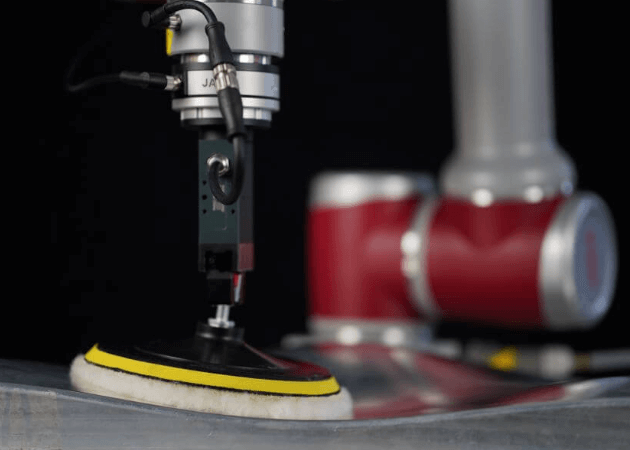
Cobot Polishing Solution Buying Guide: How to Choose the Best One?
JAKA is guiding manufacturers in selecting automated surface finishing solutions, particularly polishing robots, by emphasizing the importance of matching technical specifications to specific application challenges. This initiative aims to help businesses invest wisely in collaborative robot (cobot) technology that promises quality and a strong return on investment. Key considerations include the robot's ability to perform precise, repeatable movements with controlled force, which is essential for achieving high-quality finishes on various surfaces. JAKA's robotic arms utilize advanced motion control technology to maintain accurate positioning and stable force feedback, enabling them to handle complex geometries without causing surface damage. Safety and environmental suitability are also critical factors, as polishing robots often operate in areas with dust and near human workers. JAKA cobots are designed with built-in safety features, such as collision detection and force limitation, ensuring safe operation in challenging conditions. Additionally, ease of programming and integration flexibility are vital for maximizing the value of polishing robots. JAKA emphasizes intuitive programming methods, allowing skilled operators to teach the robot without complex coding. Their cobots are designed to fit seamlessly into existing workstations and connect with other equipment, enhancing versatility and future adaptability. By focusing on these essential criteria, JAKA aims to assist manufacturers in selecting the right cobot solutions that enhance finishing consistency and integrate smoothly into production workflows.
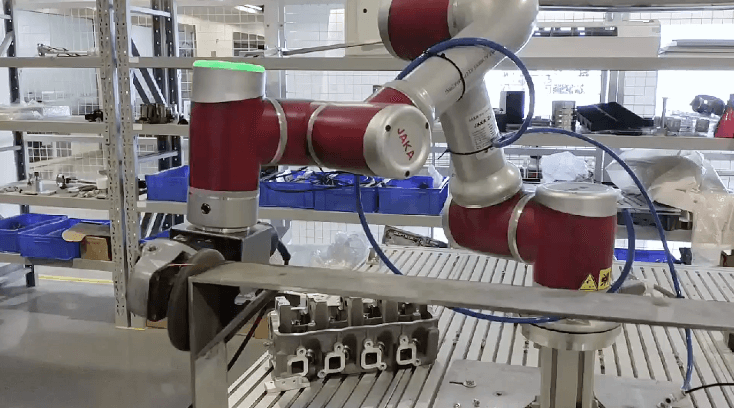
Cobot Polishing Solution Buying Guide: How to Choose the Right One?
JAKA, a leader in robotic solutions, is guiding manufacturers in selecting the ideal automated polishing systems tailored to their specific needs. The company emphasizes that choosing a collaborative robot (cobot) involves more than just mobility; it requires aligning technical capabilities with materials, part shapes, and production objectives. In a recent guide, JAKA highlights key factors for integrating cobots into finishing processes, including the necessity for consistent precision and repeatability in surface finishing. Their robotic platforms are designed for high repeatability and smooth trajectory control, ensuring a flawless finish across all parts. The guide also addresses workspace constraints, advocating for compact and flexible cobots like the JAKA S series, which can adapt to tight layouts and be easily repositioned. This adaptability is crucial as polishing often involves complex shapes and varying part sizes. Additionally, JAKA underscores the importance of force-sensing capabilities, allowing robots to adjust pressure in real-time for optimal polishing results. Safety features are also prioritized, with the S series designed for collaborative operation, enabling safe human-robot interaction in shared workspaces. Finally, JAKA stresses the need for quick deployment and ease of integration, promoting user-friendly technologies that enhance productivity and reduce reliance on manual labor. Their solutions aim to accelerate the return on investment for manufacturers by streamlining the polishing process, ultimately improving production efficiency and product quality.
Robotics needs a service framework.
RSF defines a common language for robot service capability, lifecycle operations, certification pathways, and service-provider networks.
Join the RobotToday community on LinkedIn
Daily robotics news, in-depth analysis, conference highlights, and discussions with professionals worldwide.