

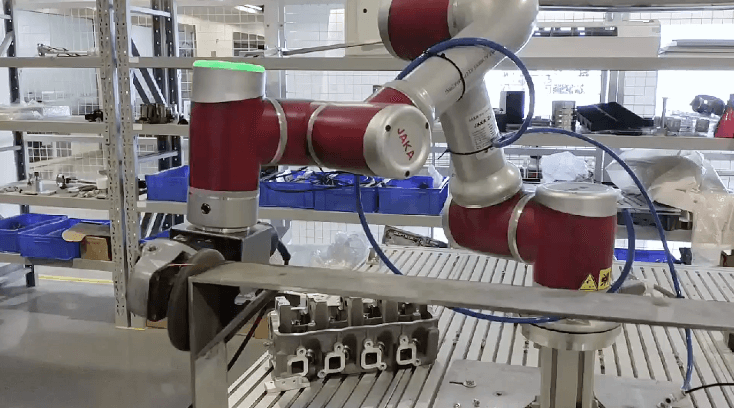
JAKA, a leader in robotic solutions, is guiding manufacturers in selecting the ideal automated polishing systems tailored to their specific needs. The company emphasizes that choosing a collaborative robot (cobot) involves more than just mobility; it requires aligning technical capabilities with materials, part shapes, and production objectives.
In a recent guide, JAKA highlights key factors for integrating cobots into finishing processes, including the necessity for consistent precision and repeatability in surface finishing. Their robotic platforms are designed for high repeatability and smooth trajectory control, ensuring a flawless finish across all parts.
The guide also addresses workspace constraints, advocating for compact and flexible cobots like the JAKA S series, which can adapt to tight layouts and be easily repositioned. This adaptability is crucial as polishing often involves complex shapes and varying part sizes.
Additionally, JAKA underscores the importance of force-sensing capabilities, allowing robots to adjust pressure in real-time for optimal polishing results. Safety features are also prioritized, with the S series designed for collaborative operation, enabling safe human-robot interaction in shared workspaces.
Finally, JAKA stresses the need for quick deployment and ease of integration, promoting user-friendly technologies that enhance productivity and reduce reliance on manual labor. Their solutions aim to accelerate the return on investment for manufacturers by streamlining the polishing process, ultimately improving production efficiency and product quality.
Copyright Notice
This briefing is an independently written summary based on publicly available reporting and is provided for industry information and news discovery. The original report and source publication are credited and linked where applicable. RobotToday does not claim ownership of third-party source material.
Rights concerns? If you believe any material in this briefing infringes your copyright or other rights, please contact [email protected] with the relevant URL and details. We will review the matter and take appropriate action where warranted.




























Leave a comment