Industry Briefing
A single destination for timely, editor-curated robotics news from around the world.
Urban UAV Operations Need More than Drones
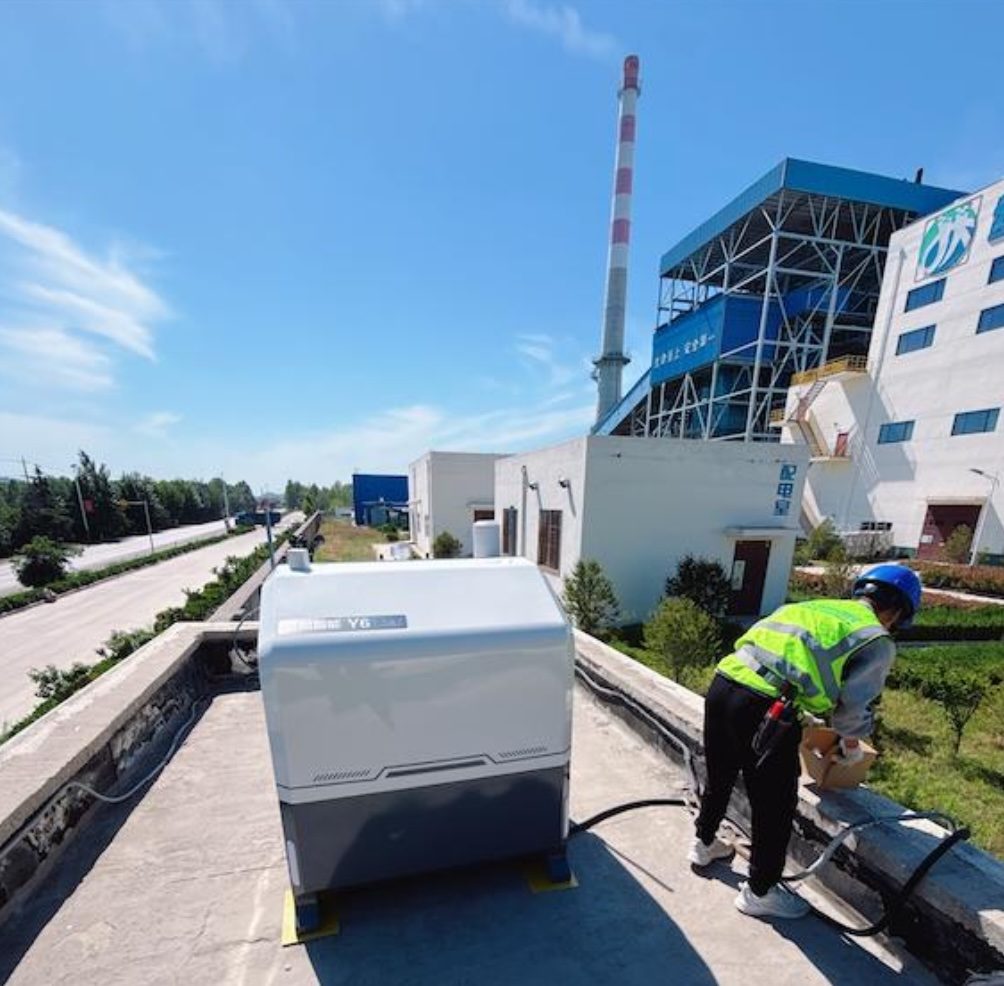
Cloud Century has successfully established over 200 drone docks across China, gaining valuable insights into the requirements for urban drone operations. In a recent commentary, Meng Xu from Cloud Century emphasized that the future of the low-altitude economy hinges on the development of robust infrastructure, the advancement of autonomous operations, the integration of drone docks, and the utilization of AI-assisted operational intelligence. This initiative reflects the growing recognition of the need for comprehensive support systems to enhance the efficiency and effectiveness of urban UAV operations.
Applications DL Exclusive Drone News Drone News Feeds News Research
Powering the Next American Century: US Energy Secretary Chris Wright and NVIDIA’s Ian Buck on the Genesis Mission
During a fireside chat at the SCSP AI+ Expo on Thursday morning, U.S. Energy Secretary Chris Wright and NVIDIA Vice President Ian Buck discussed the pivotal role of artificial intelligence in transforming the energy sector. They emphasized how AI technologies can enhance energy efficiency and optimize resource management, addressing the growing demand for sustainable energy solutions. The conversation highlighted the urgent need for innovation in energy production and consumption, driven by climate change and the quest for greener alternatives. By leveraging AI, the energy industry can better predict consumption patterns, reduce waste, and ultimately build a more resilient energy infrastructure. This dialogue underscores the collaboration between government and technology leaders to harness advanced computing capabilities for a sustainable future.
New Autonomous Drone System Maps Volcanic Gases to Predict Eruptions
Researchers at the Technical University of Munich (TUM) have developed an autonomous measurement system that utilizes drones and lasers to map volcanic gas concentrations with a low measurement error of approximately 5%. This innovative system aims to enhance volcanic eruption forecasting by tracking the ratio of carbon dioxide to sulfur dioxide, providing insights into subterranean volcanic processes. The significance of this technology lies in its potential to prevent natural disasters by offering accurate measurements of volcanic gases. Traditional methods have faced challenges due to background emissions and equipment damage from corrosive plumes. TUM's solution involves a ground station that shoots a laser through gas clouds, allowing for precise data collection while keeping equipment safe from harsh conditions. Looking ahead, TUM plans to further automate the measurement and mapping processes, incorporating artificial intelligence to interpret the data. This advancement could lead to safer volcanic forecasting, particularly on the Aeolian island of Vulcano, which remains in an active degassing phase despite not having experienced a major eruption since the late 19th century.
Science![[Man-ki Kim] Foster dual-use defense tech](/uploads/2026/06/2669837006758506.jpg)
[Man-ki Kim] Foster dual-use defense tech
For much of the 20th century, defense technology evolved within a tightly controlled military-industrial framework, where governments dictated needs, contractors created solutions, and civilian sectors reaped the benefits later. However, this paradigm is shifting. In the contemporary landscape, advancements in technologies such as artificial intelligence, semiconductors, robotics, batteries, cloud computing, autonomous systems, synthetic-aperture radar satellites, and commercial drones are increasingly emerging from the civilian economy. This transformation is reshaping how defense capabilities are developed and integrated, highlighting the growing interdependence between civilian innovations and military applications. As a result, the defense sector is now leveraging these civilian technologies to enhance its operational effectiveness and adaptability in a rapidly changing global environment.
All NewsRobotics needs a service framework.
RSF defines a common language for robot service capability, lifecycle operations, certification pathways, and service-provider networks.