

Industry Briefing
A single destination for timely, editor-curated robotics news from around the world.
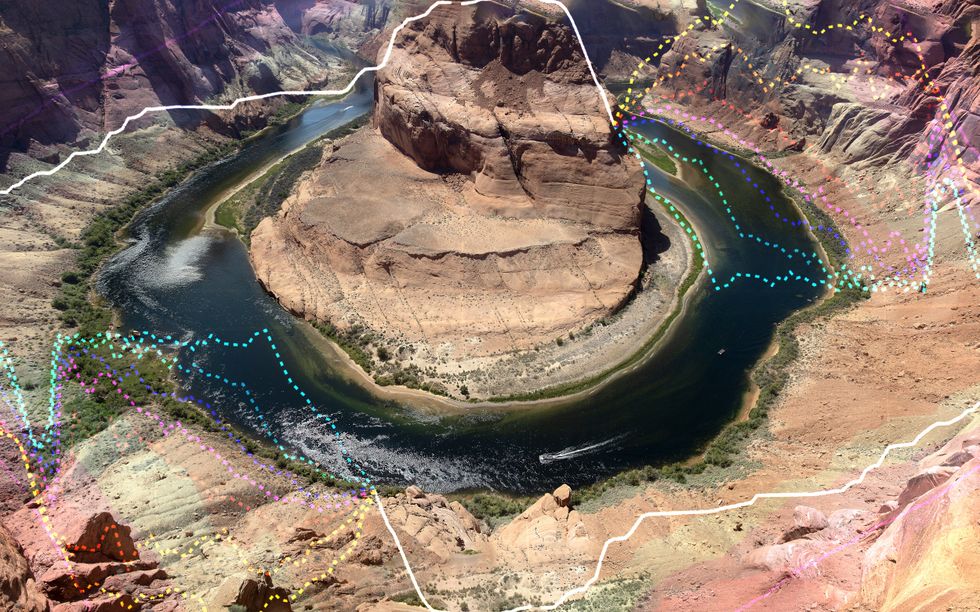
AI Models Map the Colorado River’s Hard Choices
As the Colorado River faces a critical water crisis, projections indicate that 2026 could be its worst year on record, with flows down 20% from 2000 levels. This alarming situation has prompted negotiations among seven U.S. states over water-sharing agreements to collapse twice, leading the federal government to consider imposing its own plan. The U.S. Bureau of Reclamation, responsible for managing the river's operations, is utilizing advanced machine learning tools and millions of simulations to forecast streamflow and assess reservoir strategies. These technologies are enhancing decision-making processes by providing clearer insights into the consequences of various water management strategies. In addition to Reclamation's efforts, researchers from institutions like Metropolitan State University of Denver and Utah State University are developing forecasting systems that leverage satellite data and deep learning to issue drought warnings and analyze the river's interdependencies. However, despite these advancements, the models are limited by historical data that may not accurately reflect the current and future conditions of the river, particularly during droughts. While improved forecasting tools are fostering discussions among stakeholders, the fundamental challenge remains: determining how to allocate the diminishing water resources fairly. Experts warn that the impending cuts will significantly impact agriculture and communities reliant on the river, underscoring the need for human judgment in navigating the complex moral and economic implications of the crisis. Despite the challenges, there is cautious optimism that these tools are facilitating dialogue among the parties involved.
Colorado-river Drought Environmental-policy Climate-change Simulations Evolutionary-algorithm
Germany’s new floating lab to test hydrogen, future ship tech, climate-compatible propulsion
The German Aerospace Center (DLR) marked a significant milestone with the keel-laying ceremony of a new seagoing technology platform. This event took place at the DLR's facility in Hamburg, highlighting the organization's commitment to advancing maritime technology. The platform is designed to support various research initiatives, including climate and environmental studies, by providing a versatile base for scientific exploration at sea. The project aims to enhance Germany's capabilities in ocean research and foster international collaboration in addressing global challenges. The construction of the platform is set to proceed over the coming months, with the DLR emphasizing the importance of innovation in tackling pressing issues such as climate change and sustainable resource management.

AI’s climate impact is much smaller than many feared
Recent research has revealed that artificial intelligence (AI), often perceived as detrimental to the environment, may not be as harmful as previously thought. Conducted by a team analyzing U.S. economic data and AI application across various sectors, the study found that while AI does consume a notable amount of energy at a local level, its overall impact on national and global energy consumption is minimal. Furthermore, the findings suggest that AI could play a pivotal role in advancing green technologies, potentially aiding efforts to combat climate change rather than obstructing them. This research challenges the prevailing narrative surrounding AI's environmental footprint and highlights its potential benefits in promoting sustainable practices.

Greenpeace robot stages deepest-ever seabed protest
In a groundbreaking initiative, Greenpeace has launched an underwater robot to conduct a scientific survey of vulnerable deep-sea ecosystems along the Arctic Mid-Ocean Ridge. This event marks the deepest banner protest ever executed from the seabed, occurring at a depth of 2,300 meters. The robot displayed a powerful message urging global leaders to heed scientific advice, stating, “LISTEN TO THE SCIENCE!” The campaign aims to raise awareness about the urgent need for action to protect these unexplored marine environments. Dr. Sandra Schöttner, a key figure in the initiative, emphasized the importance of scientific research in informing policy decisions regarding environmental conservation. This innovative protest not only highlights the threats facing deep-sea ecosystems but also seeks to galvanize international attention and action on climate change and marine protection.
Environment News Arctic Ocean automation news autonomous underwater vehicles climate change
DJI Introduces EV50 VTOL Cargo Drone with Everest Altitude Record Achievement
DJI has launched the EV50, its inaugural vertical takeoff and landing (VTOL) fixed-wing cargo drone, designed for long-range transport. The drone achieved a remarkable operating altitude of 8,861 meters during a scientific expedition on Mount Everest, surpassing the mountain's peak by 12 meters. Over a 12-day period, the EV50 completed 32 flights, including 12 missions focused on atmospheric monitoring, taking off from Everest Base Camp at 5,200 meters. The significance of the EV50 lies in its ability to facilitate continuous atmospheric observation above 8,000 meters, a feat previously hindered by the limitations of manned expeditions and other aircraft. The drone's all-electric propulsion system allows researchers to gather crucial data on glacier winds and atmospheric conditions, contributing to climate change studies. With a maximum payload of 50 kilograms and a range of 150 kilometers, the EV50 is equipped with advanced features such as dual thermal management systems and an emergency parachute. Looking ahead, the EV50 is expected to be utilized in various applications, including emergency response and logistics in remote areas. No further timeline was disclosed at the time of publication regarding its commercial deployment. This launch marks a significant expansion of DJI's industrial drone offerings, particularly for challenging environments like high-altitude regions.
On the Cusp Content and entertainment E-commerce and New Retail Highlight News
Effectiveness Assessment of Underwater Area Cruise Based on the ADC Method
The Journal of Field Robotics has recently published an article in its EarlyView section, highlighting advancements in robotic technology. Researchers from various institutions collaborated to explore innovative applications of field robotics, focusing on enhancing efficiency in agricultural practices. The study, released in October 2023, emphasizes the growing importance of robotics in addressing global food security challenges. The research team conducted extensive field tests to evaluate the performance of new robotic systems designed for tasks such as planting, harvesting, and monitoring crops. By integrating artificial intelligence and machine learning, these robots aim to optimize resource use and reduce labor costs in farming operations. The findings indicate that implementing these technologies can significantly improve yield and sustainability. This initiative is driven by the urgent need to increase agricultural productivity in the face of a rising global population and climate change impacts. The researchers advocate for further investment in robotic solutions to support farmers and ensure food supply chains remain resilient. The article serves as a call to action for stakeholders in the agricultural sector to embrace technological advancements that can transform traditional farming methods.
RESEARCH ARTICLE
New drone imaging system finds hidden underwater bombs with remarkable accuracy
Researchers at the University of Miami Rosenstiel School have developed an innovative airborne imaging technique that enhances the ability to monitor and study marine ecosystems. This groundbreaking method, unveiled recently, utilizes advanced aerial technology to capture high-resolution images of oceanic environments, enabling scientists to assess the health of coral reefs and other vital habitats more effectively. The technique aims to address the growing concerns over climate change and its impact on marine biodiversity. By providing detailed visual data from the sky, researchers can identify changes in ecosystems and track the effects of environmental stressors over time. This advancement is expected to play a crucial role in conservation efforts and inform policy decisions aimed at protecting marine life.
Science
New drone technology uses nature-inspired signals to predict failures before crashes
Researchers from Delft University of Technology and Wageningen University & Research have unveiled a groundbreaking method aimed at enhancing sustainable agriculture. This innovative approach, introduced on October 15, 2023, focuses on optimizing crop yields while minimizing environmental impact. The study, conducted in the Netherlands, seeks to address the pressing challenges of food security and climate change. By integrating advanced data analytics and machine learning techniques, the researchers have created a system that analyzes soil health, weather patterns, and crop performance. This method allows farmers to make informed decisions regarding planting schedules, irrigation, and fertilization, ultimately leading to more efficient resource use and reduced waste. The motivation behind this research stems from the urgent need to adapt agricultural practices to meet the demands of a growing global population while preserving natural ecosystems. The team believes that their findings could significantly contribute to the development of resilient farming systems that can withstand the effects of climate variability. As the agricultural sector faces increasing scrutiny over its environmental footprint, this innovative method represents a promising step toward achieving a balance between productivity and sustainability. The researchers are hopeful that their work will inspire further advancements in agricultural technology and practices, paving the way for a more sustainable future in food production.
Innovation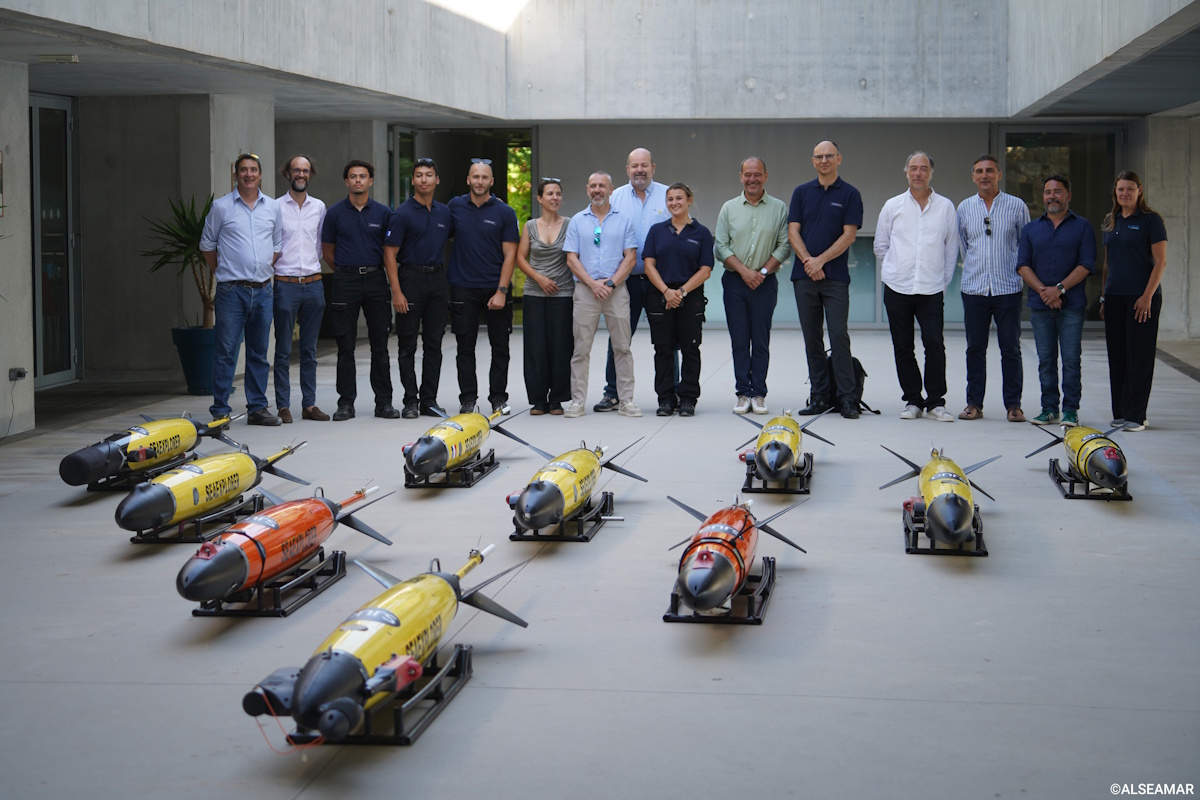
CNRS Deploys Ten SEAEXPLORER Autonomous Gliders for Mediterranean Ecosystem Research
In mid-June 2026, the CNRS deployed ten SEAEXPLORER autonomous underwater gliders in the Ligurian Sea as part of Mission 6 under France's 2030 funding plan. This initiative aims to create a comprehensive environmental data atlas for the northwestern Mediterranean, focusing on the impacts of human activities on marine ecosystems. The gliders will operate for one month, diving to depths of 1,000 meters and equipped with sensors to monitor underwater noise and ocean currents. The deployment is significant as it represents a strategic effort by the French government to enhance industrial competitiveness and develop next-generation technologies for deep-sea exploration. By utilizing coordinated fleets of autonomous gliders and advanced sensing technologies, researchers aim to better understand the dynamics of marine ecosystems and the effects of climate change, maritime traffic, and ocean acidification. This innovative approach will facilitate the study of plankton distribution and biodiversity through methods such as environmental DNA monitoring. Looking ahead, the next phases of Mission 6 will involve additional deployments in the Gulf of Lion in 2028 to test new sensors, followed by operations in French Polynesia between 2028 and 2029. These efforts will further expand the capabilities of autonomous underwater vehicles in marine research, with no further timeline disclosed at the time of publication.
autonomous gliders cnrs exploration mediterranean marine ecosystems
M3RS: Multi‐Robot, Multi‐Objective, and Multi‐Mode Routing and Scheduling
A recent study published in the Journal of Field Robotics highlights the advancements in robotic technology aimed at enhancing agricultural efficiency. Conducted by a team of researchers from various universities, the study was released in October 2023. The research focuses on the integration of autonomous robots in farming practices, particularly in crop monitoring and harvesting tasks. The motivation behind this initiative stems from the growing need for sustainable agricultural solutions to meet the demands of a rising global population. By employing robots equipped with advanced sensors and artificial intelligence, farmers can optimize resource usage, reduce labor costs, and increase crop yields. The researchers conducted field trials across multiple farms, demonstrating how these robotic systems can operate in real-time to assess plant health and identify areas requiring attention. The findings suggest that the implementation of such technologies could revolutionize traditional farming methods, making them more efficient and environmentally friendly. As the agricultural sector faces challenges such as labor shortages and climate change, this innovative approach offers a promising pathway to enhance productivity while minimizing environmental impact. The study underscores the potential of robotics in transforming agriculture, paving the way for future developments in the field.
RESEARCH ARTICLE
A Hybrid Technique for Active SLAM Based on RPPO Model With Transfer Learning
The Journal of Field Robotics has released an EarlyView article highlighting recent advancements in robotic technology. Researchers from various institutions have collaborated to develop innovative algorithms that enhance the efficiency and autonomy of field robots. This significant study, published in October 2023, aims to address the growing demand for automation in agriculture and environmental monitoring. The research focuses on improving the decision-making capabilities of robots operating in complex outdoor environments. By integrating machine learning techniques, the team has demonstrated how robots can better navigate and adapt to changing conditions, ultimately increasing productivity in agricultural practices. The findings are particularly relevant as the industry seeks to optimize resource use and reduce labor costs. The study was conducted across multiple test sites, showcasing the practical applications of these advancements in real-world scenarios. The researchers emphasize that these developments are crucial for meeting the challenges posed by climate change and the need for sustainable farming practices. By enhancing the operational capabilities of field robots, the team hopes to contribute to a more efficient and resilient agricultural sector. This publication marks a significant step forward in the field of robotics, underscoring the potential for technology to transform traditional practices and improve outcomes in various sectors. As the demand for automation continues to rise, the implications of this research could be far-reaching, paving the way for future innovations in robotic applications.
RESEARCH ARTICLE
UCF-led virtual experience research accelerator achieves initial milestones for XR science
An international research consortium, spearheaded by the University of Central Florida (UCF), has unveiled two groundbreaking advancements in renewable energy technology. This announcement was made during a press conference held on October 15, 2023, at the UCF campus in Orlando. The consortium, which includes experts from various institutions across the globe, aims to address the urgent need for sustainable energy solutions in response to climate change and rising global energy demands. The first innovation involves a new type of solar panel that significantly increases energy conversion efficiency, making solar power more viable for widespread use. The second breakthrough focuses on an advanced energy storage system that allows for more efficient and reliable storage of renewable energy, addressing one of the key challenges in the transition to sustainable energy sources. These developments are expected to play a crucial role in reducing carbon emissions and promoting the use of clean energy. By leveraging cutting-edge research and collaboration among leading scientists and engineers, the consortium hopes to accelerate the adoption of renewable energy technologies worldwide. The project exemplifies a commitment to innovation and sustainability, aiming to contribute to a greener future for generations to come.
AI and Robotics
UN enforces global safety rules for fully autonomous vehicles, effective January 2027
Major automotive markets worldwide have united to establish a unified set of regulations aimed at enhancing safety and environmental standards in the industry. This collaborative effort, announced recently, involves key players from regions including North America, Europe, and Asia, who recognize the need for a cohesive framework to address the challenges posed by climate change and technological advancements in vehicle manufacturing. The initiative was unveiled during an international automotive summit held in Tokyo, where industry leaders and policymakers gathered to discuss the future of transportation. The decision to create a standardized set of rules stems from the increasing complexity of regulations across different markets, which has led to confusion and inefficiencies for manufacturers and consumers alike. By harmonizing these regulations, stakeholders aim to streamline compliance processes, reduce costs, and promote innovation in electric and autonomous vehicles. The new framework is expected to facilitate smoother trade and enhance consumer confidence in vehicle safety and environmental impact. The collaborative approach signifies a shift towards greater cooperation among nations, reflecting a shared commitment to sustainable development and the advancement of the automotive sector. As the industry evolves, this initiative is seen as a crucial step in ensuring that all markets can adapt to future challenges while maintaining high standards for safety and environmental protection.
AI and Robotics Transportation
Linear System Identification and Control of a Low‐Cost High‐Performance Omnidirectional Marine Surface Vehicle for Swarming Applications
The Journal of Field Robotics has published an early view article highlighting advancements in robotic technology aimed at enhancing agricultural efficiency. Researchers from various institutions collaborated on this study, which was released in October 2023. The article focuses on the development of autonomous robots designed to optimize crop management and reduce labor costs in farming practices. This initiative is driven by the increasing demand for sustainable agricultural solutions amid a growing global population. The team employed cutting-edge artificial intelligence and machine learning techniques to enable robots to perform tasks such as planting, monitoring crop health, and harvesting with minimal human intervention. Field tests conducted in diverse agricultural settings demonstrated the robots' effectiveness in improving yield while minimizing resource usage. The findings suggest that integrating robotics into farming could significantly address labor shortages and enhance food production efficiency. As the agricultural sector faces mounting pressures from climate change and economic constraints, this research underscores the potential of technology to transform traditional farming methods and promote sustainability.
RESEARCH ARTICLE
Agility Robotics to Go Public Through Merger with Churchill Capital Corp XI
On June 24, 2026, a significant breakthrough in renewable energy technology was announced by a team of researchers at the National Renewable Energy Laboratory in Golden, Colorado. The team unveiled a new solar panel design that boasts a 50% increase in efficiency compared to existing models. This advancement comes in response to the growing demand for sustainable energy solutions amid escalating climate change concerns and the need for reduced carbon emissions. The innovative solar panels utilize a novel material that enhances light absorption and conversion, allowing for greater energy output even in low-light conditions. Researchers conducted extensive testing over the past two years to refine the technology, ensuring it is both cost-effective and scalable for widespread use. This development is expected to play a crucial role in accelerating the transition to clean energy sources, potentially reducing reliance on fossil fuels and contributing to global efforts to combat climate change. The team plans to collaborate with manufacturers to bring the new panels to market within the next year, aiming to make renewable energy more accessible to consumers and businesses alike.

How Storm Season Disrupts Trailer Availability Across Freight Networks
Recent shifts in weather patterns are causing severe weather events to occur in regions that have traditionally been less affected, leading to increased unpredictability in storm behavior. This change is attributed to climate change, which is altering atmospheric conditions and contributing to more extreme weather phenomena. As a result, areas that were once considered safe from such events are now facing challenges that require new preparedness strategies. Meteorologists are emphasizing the need for updated forecasting models to better predict these unpredictable storms and mitigate their impacts on communities.

Design of Tentacle Structure and Dynamic Parameters for a Biomimetic Jellyfish Robot and Investigation on Its Propulsion Performance
A recent study published in the Journal of Field Robotics highlights advancements in autonomous robotics, focusing on their applications in various fields such as agriculture, search and rescue, and environmental monitoring. Conducted by a team of researchers from leading universities, the study was released in early October 2023. The research aims to address the growing demand for efficient and reliable robotic systems that can operate in unpredictable environments. By integrating advanced machine learning algorithms and sensor technologies, the team demonstrated how these robots can navigate complex terrains and perform tasks with minimal human intervention. The findings underscore the potential for autonomous robots to enhance productivity and safety in critical operations, particularly in areas that are hazardous for human workers. The study emphasizes the importance of continued innovation in robotics to meet the challenges posed by climate change and population growth. As the field of robotics evolves, the researchers advocate for collaboration between academia and industry to accelerate the development and deployment of these technologies. The implications of this research could significantly impact various sectors, paving the way for smarter, more adaptable robotic solutions in the near future.
RESEARCH ARTICLE
Can Tesla beat Nvidia? New trademark reveals ambitious ‘megapod’ infrastructure plan
Elon Musk is expanding his vision beyond electric vehicles and humanoid robots, aiming to revolutionize multiple industries through advanced technology. At a recent event, Musk outlined his ambitious plans for the future of transportation, artificial intelligence, and sustainable energy. He emphasized the importance of innovation in addressing global challenges, such as climate change and resource scarcity. Scheduled for implementation over the next few years, Musk's initiatives will take place primarily at Tesla's headquarters in California, where the company is ramping up research and development efforts. By integrating cutting-edge AI and robotics into everyday life, Musk hopes to enhance productivity and improve living standards. The motivation behind these projects stems from Musk's belief in creating a sustainable future and reducing humanity's reliance on fossil fuels. He envisions a world where technology not only serves as a means of transportation but also contributes to a cleaner and more efficient way of living. Through strategic partnerships and investments in new technologies, Musk plans to accelerate the development and deployment of these innovations, making them accessible to a broader audience. As he continues to push the boundaries of what is possible, Musk's endeavors are set to reshape the landscape of various sectors, ultimately aiming to create a more sustainable and technologically advanced society.
AI and Robotics
A Review on Search and Rescue Robots in Complex Scenarios: Key Technologies of Simultaneous Localisation and Mapping
A recent study published in the Journal of Field Robotics highlights the advancements in autonomous robotic systems designed for agricultural applications. Researchers from various institutions collaborated to explore innovative technologies that enhance efficiency and sustainability in farming practices. The findings, released in early October 2023, emphasize the growing need for automation in agriculture to address labor shortages and improve crop yields. The research team conducted extensive field tests to evaluate the performance of these robotic systems in real-world farming scenarios. By integrating artificial intelligence and machine learning, the robots demonstrated the ability to perform tasks such as planting, monitoring, and harvesting with remarkable precision. This technological progress aims to support farmers in overcoming challenges posed by climate change and increasing food demand. The study underscores the importance of developing reliable and cost-effective robotic solutions that can be easily adopted by farmers. As the agricultural sector faces mounting pressures, the implementation of these advanced technologies could significantly transform traditional farming methods, leading to more sustainable practices and enhanced productivity.
SURVEY ARTICLE
New membranes strip 99.8% of heavy hydrocarbons from crude oil to save refining energy
Researchers have developed a groundbreaking class of ultrathin polymer membranes known as Polymers of Locked Intrinsic Microporosity (PLIMs). This innovative material, which emerged from a collaborative effort among scientists, aims to enhance gas separation processes. The announcement was made during a recent conference held in October 2023, where experts gathered to discuss advancements in materials science. The motivation behind creating PLIMs stems from the increasing demand for efficient and sustainable methods in gas separation, which is crucial for various industries, including energy and environmental sectors. The unique structure of these membranes allows for superior performance compared to traditional materials, potentially leading to significant reductions in energy consumption and operational costs. The development process involved extensive research and experimentation to optimize the polymer's properties, resulting in membranes that are not only ultrathin but also exhibit remarkable selectivity for specific gases. This advancement could revolutionize applications such as carbon capture and hydrogen purification, addressing pressing global challenges related to climate change and resource management. As the scientific community continues to explore the potential of PLIMs, the implications for industrial applications and environmental sustainability are becoming increasingly clear, paving the way for a new era in membrane technology.
Innovation
UCF engineers tackle water-to-air flight instability for amphibious drones
Researchers at the University of Central Florida (UCF) are developing an innovative approach to enhance the efficiency of solar energy conversion. This groundbreaking work, which began in early 2023, aims to address the growing demand for sustainable energy solutions amid rising global energy consumption and climate change concerns. The team is focusing on improving the performance of solar cells by utilizing advanced materials and techniques that could significantly increase their energy output. By integrating nanotechnology and novel chemical processes, the researchers hope to create more effective solar panels that can capture and convert sunlight into electricity with greater efficiency than current models. This initiative is part of a broader effort to make renewable energy more accessible and affordable, ultimately contributing to a reduction in reliance on fossil fuels. The findings from this research could have far-reaching implications for the renewable energy sector, potentially leading to more widespread adoption of solar technology in both residential and commercial applications. As the project progresses, the researchers plan to collaborate with industry partners to bring their innovations to market, aiming for practical applications within the next few years. This work not only highlights UCF's commitment to advancing sustainable technologies but also positions the university as a leader in the quest for cleaner energy solutions.
Innovation Science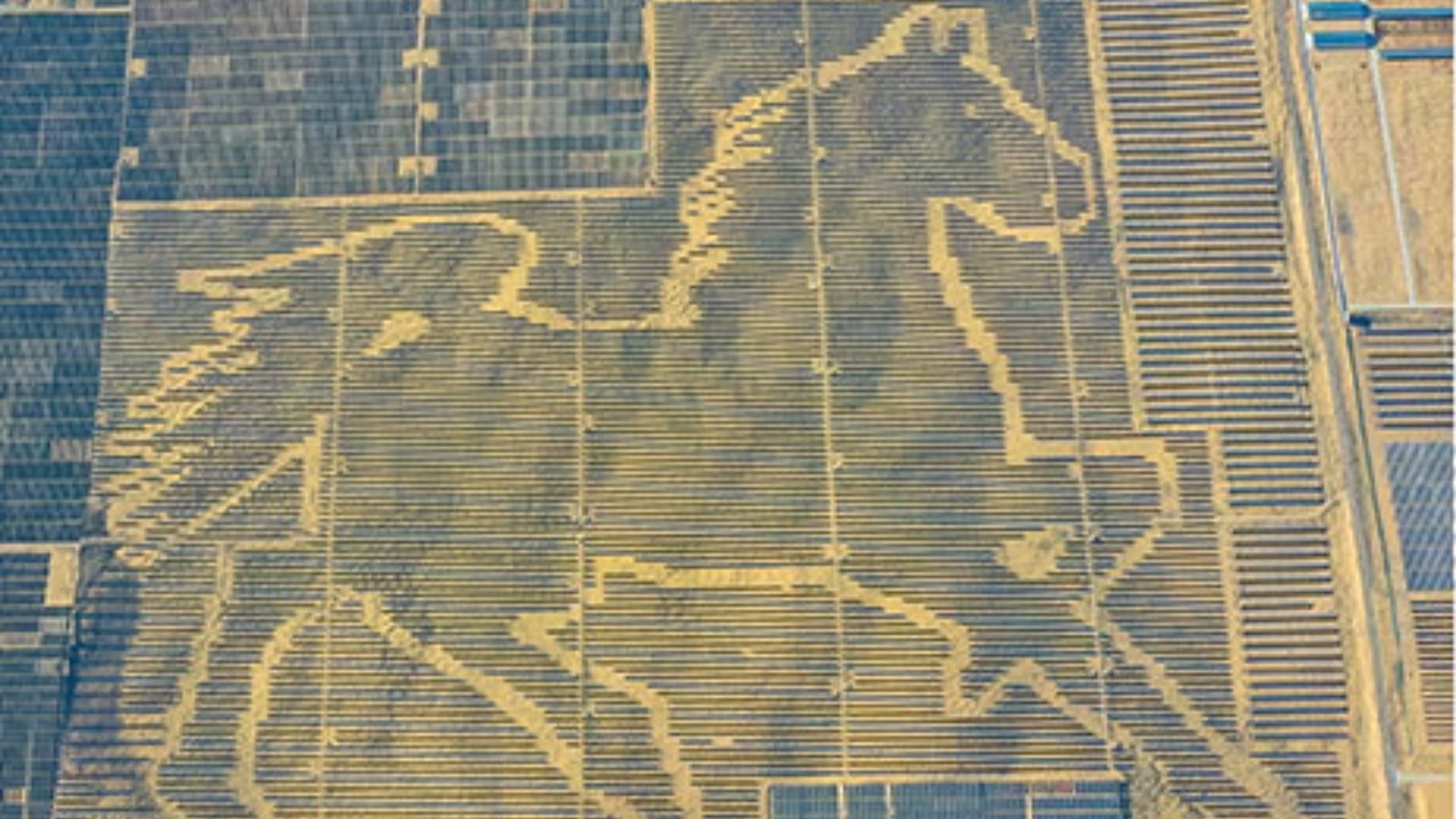
China’s Guinness Record-holding solar horse stretches 250 miles across desert sands
China is poised to enhance its renewable energy landscape with the construction of an extensive solar panel installation, which has been dubbed the ‘Great Wall’ of solar panels. This ambitious project aims to bolster the country's commitment to sustainable energy and reduce reliance on fossil fuels. Set to begin in the coming months, the installation will span several provinces, showcasing China's dedication to harnessing solar power as a primary energy source. The initiative is part of China's broader strategy to achieve carbon neutrality by 2060, addressing both environmental concerns and the growing demand for clean energy. By implementing this vast solar network, the government hopes to not only meet its energy needs but also position itself as a global leader in renewable technology. The project will involve advanced solar technology and innovative construction methods, ensuring efficiency and sustainability throughout its development. As the world increasingly focuses on combating climate change, China's solar panel initiative represents a significant step towards a greener future, potentially setting a precedent for other nations to follow in the pursuit of renewable energy solutions.
Energy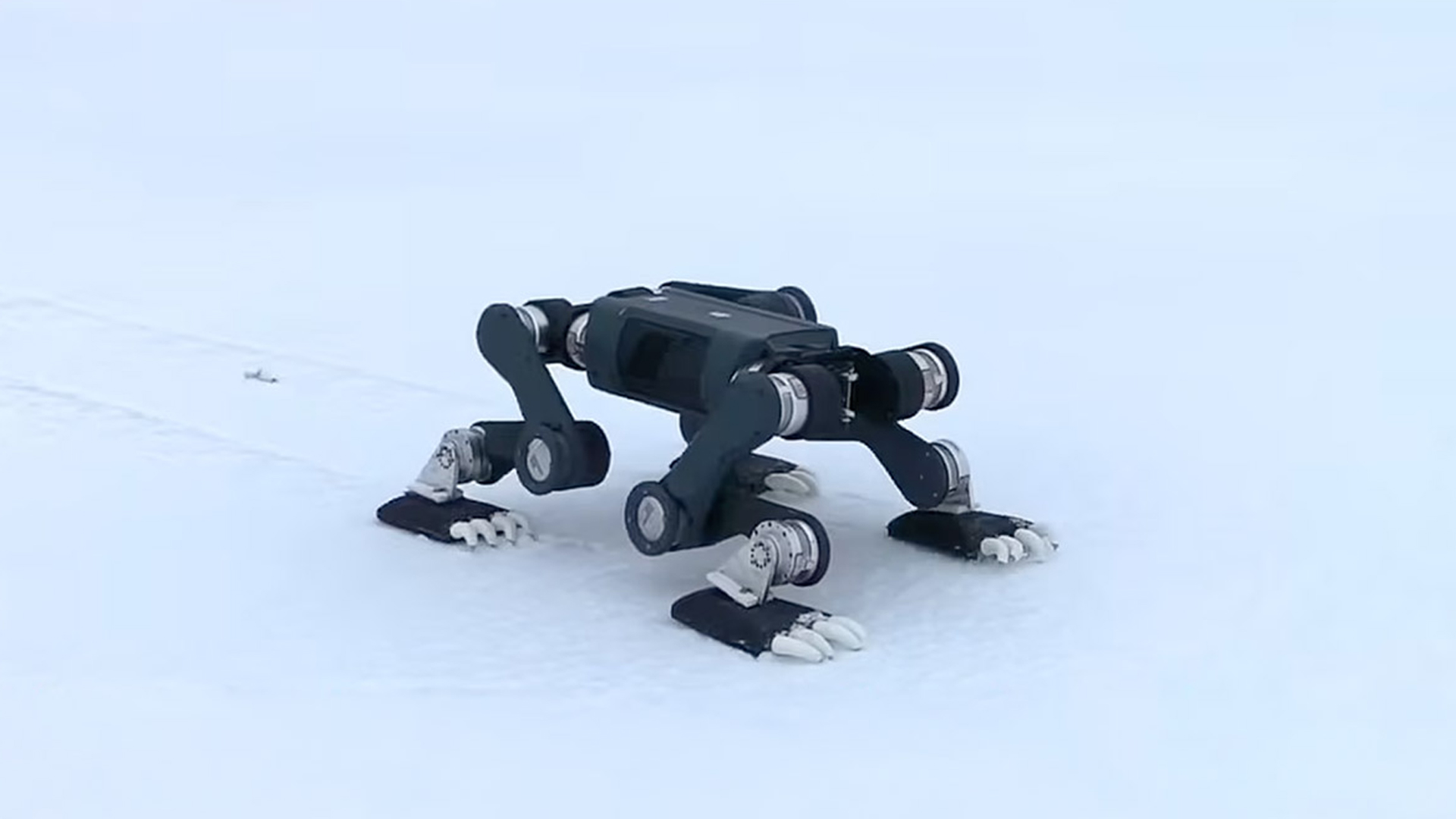
First-ever: Four-legged robot dog successfully walks across treacherous Arctic ice floes
The Arctic, long regarded as one of the most perilous regions on the planet, is facing unprecedented challenges due to climate change and increased human activity. Recent studies reveal that rising temperatures are accelerating ice melt, leading to more accessible shipping routes and resource extraction opportunities. This shift, occurring over the past few years, has prompted nations to stake claims in the region, intensifying geopolitical tensions. In response to these developments, various governments and environmental organizations are advocating for stronger regulations to protect the fragile Arctic ecosystem. The urgency of the situation has led to international discussions aimed at establishing guidelines for sustainable practices in the area. As countries scramble to assert their interests, the potential for conflict looms, raising concerns about the environmental impact and the rights of Indigenous communities. The situation is further complicated by the ongoing effects of global warming, which are expected to exacerbate the challenges faced by the Arctic. Scientists warn that without immediate action, the consequences could be dire, not only for the region but for the entire planet. As the world watches, the Arctic stands at a crossroads, where the balance between economic opportunity and environmental preservation hangs in the balance.
Culture Innovation
DynaSki: A Robust Locomotion Framework for Dynamic Skiing Robot on Challenging Terrains
A recent study published in the Journal of Field Robotics highlights advancements in autonomous robotic systems designed for agricultural applications. Researchers from a leading university conducted the study to address the growing need for efficient farming solutions amid increasing global food demand. The findings, released in early October 2023, provide insights into how these robotic systems can enhance crop monitoring and management. The research was conducted in various agricultural settings, demonstrating the robots' capabilities in navigating complex terrains and performing tasks such as planting, weeding, and harvesting. By employing advanced sensors and machine learning algorithms, the robots can analyze environmental conditions and optimize farming practices, ultimately aiming to increase yield while reducing labor costs. The motivation behind this innovation stems from the challenges faced by farmers due to labor shortages and the need for sustainable farming methods. The study emphasizes the potential of robotics to transform traditional agriculture, making it more resilient and productive in the face of climate change and resource constraints. As the agricultural sector continues to evolve, these findings could pave the way for broader adoption of robotic technologies, enhancing food security and sustainability worldwide.
RESEARCH ARTICLE
Microsoft taps Alt Carbon in sign of India’s growing role in carbon removal
Alt Carbon has announced a significant agreement with Microsoft, marking the culmination of over a year of rigorous scientific review and due diligence. The partnership reflects Microsoft's commitment to enhancing its sustainability initiatives, necessitating additional verification and data-sharing measures to ensure transparency and accountability. This collaboration aims to advance carbon capture technology, aligning with both companies' goals to address climate change effectively. The agreement underscores the importance of thorough evaluation in forming strategic partnerships within the tech and environmental sectors.
Climate Startups Alt Carbon enhanced rock weathering Exclusive Microsoft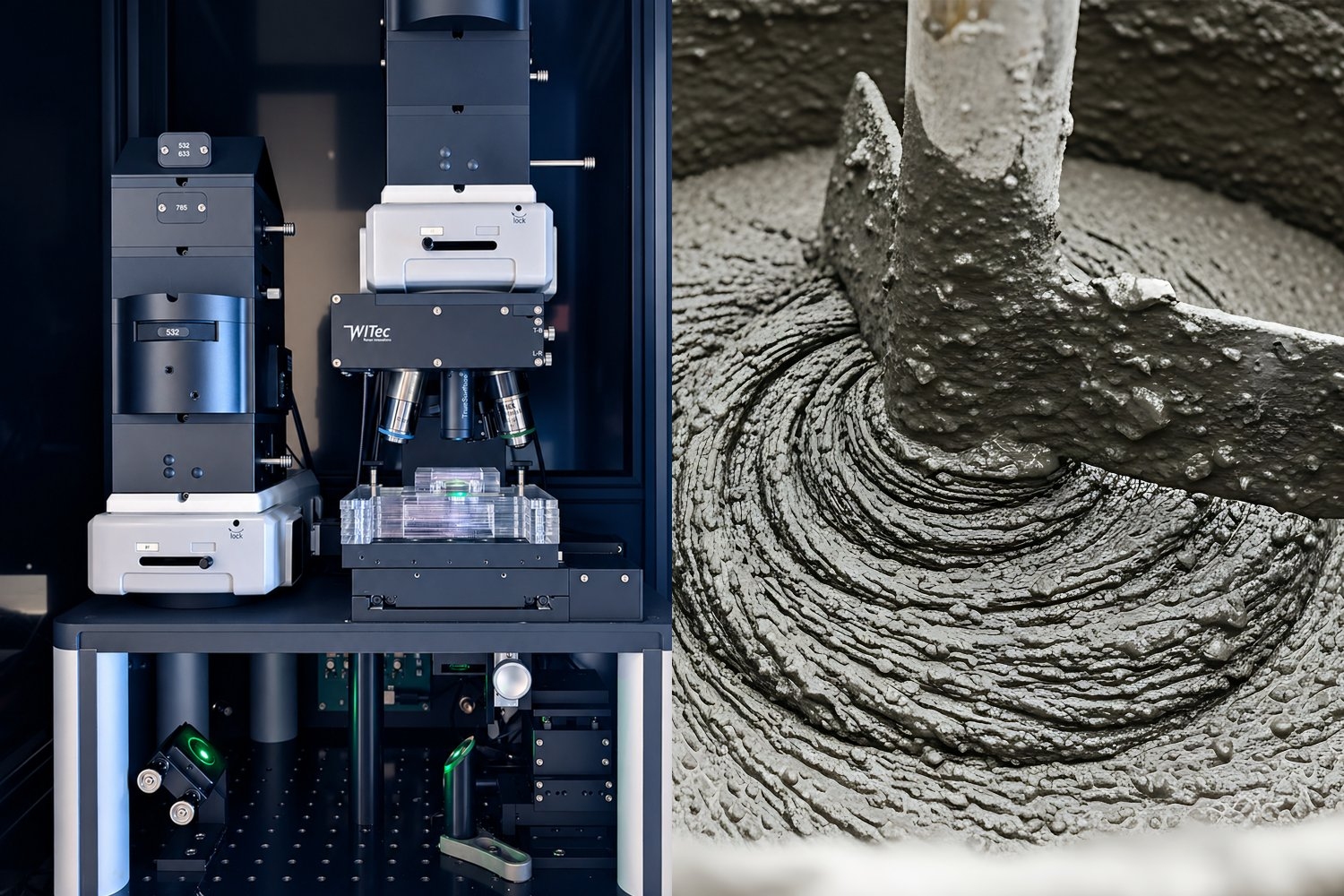
A shot of carbon dioxide rewires how cement sets
Recent research has unveiled the chemical sequence initiated by the injection of carbon dioxide (CO₂) into cement paste, marking a significant advancement in materials science. Conducted by a team of scientists, this study successfully captured a transient intermediate reaction for the first time through the application of real-time Raman spectroscopy. The findings, published in a leading scientific journal, aim to enhance the understanding of cement chemistry and its potential for carbon capture, which is increasingly important in the context of climate change and sustainable construction practices. By elucidating the mechanisms at play during CO₂ injection, the researchers hope to pave the way for more effective strategies in reducing greenhouse gas emissions associated with cement production.
Research Concrete Carbon dioxide Civil and environmental engineering Concrete Sustainability Hub School of Engineering
Cross‐Modal Synergistic Optimization Multi‐Task Segmentation Network for Autonomous Ground Intelligent Agents in Field Environments
A recent study published in the Journal of Field Robotics highlights the advancements in autonomous robotic systems designed for agricultural applications. Researchers from various institutions collaborated to explore innovative technologies that enhance efficiency and sustainability in farming practices. The findings, released in early October 2023, emphasize the growing importance of robotics in addressing labor shortages and increasing productivity in the agricultural sector. The study showcases several case studies where autonomous robots successfully performed tasks such as planting, harvesting, and monitoring crops, demonstrating their potential to revolutionize traditional farming methods. By integrating artificial intelligence and machine learning, these robots can adapt to varying environmental conditions and optimize resource use, ultimately contributing to more sustainable agricultural practices. The motivation behind this research stems from the pressing challenges faced by the agricultural industry, including the need for increased food production to meet global demand and the impact of climate change on farming. The researchers advocate for the adoption of robotic technologies as a viable solution to enhance food security and reduce the environmental footprint of agriculture. Through rigorous testing and evaluation, the study provides insights into the operational capabilities of these autonomous systems, paving the way for further innovations in the field. As the agricultural sector continues to evolve, the integration of robotics is expected to play a crucial role in shaping the future of food production.
RESEARCH ARTICLE
Two Fossa Flat Minima Optimization Algorithm‐Based Enhancement of Ecological Balance Using Carbon‐Neutral Eco‐Robots With Situational Intelligence for Air Quality Monitoring
A recent study published in the Journal of Field Robotics explores advancements in autonomous robotic systems designed for agricultural applications. Conducted by a team of researchers from various universities, the study highlights the growing importance of robotics in enhancing efficiency and sustainability in farming practices. The research, which was completed in October 2023, focuses on the development of robots capable of performing tasks such as planting, weeding, and harvesting crops with minimal human intervention. The motivation behind this research stems from the increasing demand for food production amid a global population surge and the need for sustainable farming methods that reduce environmental impact. By integrating advanced sensors and artificial intelligence, the robots are designed to optimize resource use, reduce labor costs, and improve crop yields. Field tests conducted in various agricultural settings demonstrated the robots' effectiveness in performing tasks traditionally done by human laborers. The study's findings suggest that these autonomous systems could significantly transform the agricultural landscape, making it more efficient and less reliant on chemical inputs. As the agricultural sector faces challenges related to labor shortages and climate change, the research underscores the potential of robotics to address these issues and pave the way for a more sustainable future in food production. The study calls for further investment and development in this technology to fully realize its benefits for farmers and the environment.
RESEARCH ARTICLE
Automated Lawn Maintenance: An Agronomic and Operational Review of Turf Health, Biodiversity, and Field Performance
A recent study published in the Journal of Field Robotics highlights advancements in autonomous robotic systems designed for agricultural applications. Researchers from a leading university conducted the study to explore how these robots can enhance efficiency in farming practices. The research was carried out over the summer of 2023 at various agricultural sites across the Midwest. The motivation behind this initiative stems from the increasing demand for sustainable farming solutions that can address labor shortages and improve crop yields. By integrating advanced sensors and machine learning algorithms, the robots are capable of performing tasks such as planting, monitoring crop health, and harvesting with minimal human intervention. The study involved extensive field tests, where the robots demonstrated their ability to navigate complex terrains and adapt to changing environmental conditions. Results showed a significant increase in productivity compared to traditional farming methods, suggesting that the implementation of these technologies could revolutionize the agricultural sector. As the agricultural industry faces challenges related to climate change and population growth, this research underscores the potential of robotics to provide innovative solutions that promote sustainability and efficiency in food production. The findings are expected to pave the way for further developments in agricultural robotics, ultimately benefiting farmers and consumers alike.
SURVEY ARTICLE
RGPB‐Planner: A Real‐Time Gaussian Potential B‐Spline Trajectory Planner for Unmanned Aerial Vehicles in Complex Environments
A recent study published in the Journal of Field Robotics explores advancements in autonomous robotic systems designed for agricultural applications. Researchers from various institutions conducted the study to address the growing need for efficient farming solutions amid increasing global food demands. The findings, released in early October 2023, highlight innovative technologies that enhance the capabilities of robots in tasks such as planting, harvesting, and monitoring crops. The research was conducted in diverse agricultural settings, showcasing how these robotic systems can adapt to different environments and crop types. By integrating artificial intelligence and machine learning, the robots are able to optimize their performance, reducing labor costs and increasing productivity for farmers. This initiative stems from the urgent necessity to improve agricultural efficiency and sustainability in response to climate change and population growth. The study emphasizes that the implementation of these robotic systems could significantly transform traditional farming practices, making them more resilient and resource-efficient. The research team utilized a combination of field tests and simulations to demonstrate the effectiveness of the robotic technologies, providing a comprehensive analysis of their potential impact on the agricultural sector. As the industry continues to evolve, the insights from this study may pave the way for broader adoption of robotics in farming, ultimately contributing to food security and environmental sustainability.
RESEARCH ARTICLE
The art(s) of laser weeding demystified: laser expert Matthias Lautenschläger explains
Farmers, growers, and contractors worldwide are increasingly turning their attention to laser weeding, a cutting-edge agricultural technique gaining traction in the industry. This innovative method utilizes high-intensity lasers to target and eliminate weeds without harming crops, offering a sustainable alternative to traditional herbicides. As the agricultural sector grapples with rising temperatures and the challenges posed by climate change, the urgency for effective and environmentally friendly solutions has never been greater. Laser weeding not only reduces the reliance on chemical treatments but also minimizes soil disturbance, promoting healthier ecosystems. The growing interest in this technology is evident as more agricultural professionals seek training and information on its implementation. Demonstrations and workshops are being organized globally, showcasing the efficiency and precision of laser weeding systems. As farmers look for ways to enhance productivity while adhering to sustainable practices, laser weeding stands out as a promising solution that addresses both economic and environmental concerns. With the agricultural landscape evolving rapidly, this method could redefine weed management strategies in the years to come.
Smart farming laser weeding machinery precision agriculture weed control
Video: Robot masters air hockey, learns to beat humans without ever touching real table
A group of three students from the University of British Columbia has leveraged their academic knowledge to develop an innovative solution aimed at addressing environmental challenges. Their project, which focuses on sustainable practices, was unveiled during a recent university showcase event held on campus. The students, motivated by a commitment to combat climate change and promote ecological awareness, utilized advanced data analysis and research methodologies to create their initiative. By collaborating with faculty and industry experts, they were able to refine their approach and present a viable strategy that could potentially make a significant impact in the field of environmental sustainability. The initiative not only highlights the students' dedication to their studies but also underscores the importance of integrating academic research with real-world applications to foster positive change.
Multi‐Robot Collaborative Navigation Framework Based on 3D Voronoi Partitioning in Uneven and Unstructured Environments
A recent study published in the Journal of Field Robotics highlights advancements in autonomous robotic systems designed for agricultural applications. Researchers from various institutions collaborated to develop innovative algorithms that enhance the efficiency and accuracy of these robots in crop monitoring and management. The study, released in early October 2023, emphasizes the growing need for automation in agriculture due to labor shortages and the increasing demand for food production. The research was conducted across multiple farms in the Midwest, where the team tested the robots' capabilities in real-world conditions. By integrating machine learning techniques, the robots can now analyze crop health, detect pests, and optimize resource usage, significantly reducing the environmental impact of farming practices. This initiative aims to address the challenges faced by farmers, particularly in light of climate change and the need for sustainable agriculture. The findings suggest that implementing these robotic systems can lead to improved yields and reduced operational costs, ultimately benefiting both farmers and consumers. As the agricultural sector continues to evolve, the integration of such technologies is seen as a crucial step toward a more sustainable future.
RESEARCH ARTICLE
From Flybys to Sample Return: A Review of Space Probes and Robotic Sampling Technologies for Small Bodies
A recent study published in the Journal of Field Robotics highlights advancements in robotic technology aimed at enhancing agricultural efficiency. Researchers from various institutions conducted experiments to assess the effectiveness of autonomous robots in crop monitoring and management. The study, released in early October 2023, took place in diverse agricultural settings across the United States. The motivation behind this research stems from the increasing demand for sustainable farming practices and the need to address labor shortages in the agricultural sector. By integrating advanced robotics, the team aims to provide farmers with innovative tools that can optimize crop yields while minimizing environmental impact. The researchers implemented a series of field tests to evaluate the robots' capabilities in tasks such as soil analysis, pest detection, and irrigation management. The findings indicate that these autonomous systems can significantly reduce the time and labor required for traditional farming methods, ultimately leading to more efficient agricultural practices. This groundbreaking work not only showcases the potential of robotics in transforming agriculture but also emphasizes the importance of technological solutions in meeting the challenges posed by a growing global population and climate change. As the agricultural industry continues to evolve, the integration of robotic technology may play a crucial role in shaping the future of food production.
SURVEY ARTICLE
Waymo to turn retired robotaxi batteries into solar power storage systems
Waymo is repurposing the batteries from its autonomous vehicles to support energy storage solutions. This innovative approach, announced recently, aims to enhance sustainability by utilizing the batteries for grid storage, thereby contributing to renewable energy efforts. The initiative comes as part of Waymo's broader commitment to environmental responsibility and efficient resource management. By integrating these batteries into energy systems, the company hopes to extend their lifecycle and reduce waste, aligning with growing demands for sustainable practices in the tech industry. This development not only underscores Waymo's leadership in autonomous technology but also highlights its proactive stance in addressing climate change challenges.

US team combines digital twins, VR to boost lunar robot performance for future missions
Researchers at the University of Colorado Boulder are pioneering the use of digital twin technology to enhance environmental monitoring and management. This innovative approach involves creating virtual replicas of physical systems, allowing scientists to simulate and analyze real-world conditions in real time. The project, which commenced in late 2023, aims to address pressing environmental challenges by providing more accurate data and predictive insights. Located in Boulder, Colorado, the initiative seeks to improve understanding of climate change impacts and resource management by integrating advanced modeling techniques with real-time data collection. The motivation behind this research stems from the urgent need to develop effective strategies for sustainability and resilience in the face of environmental degradation. By employing sensors and data analytics, the researchers are able to create dynamic models that reflect current environmental conditions, enabling stakeholders to make informed decisions. This method not only enhances the accuracy of environmental assessments but also facilitates proactive responses to potential ecological threats. The team at CU Boulder is collaborating with various stakeholders, including government agencies and conservation organizations, to ensure that the findings are applicable and beneficial for real-world applications.

Design, Development, and Field Testing of a Tomato Bunch Harvesting Robot
The Journal of Field Robotics has recently published an early view article highlighting advancements in robotic technology. This publication, which emerged in October 2023, focuses on the innovative applications of robotics in various fields, including agriculture, search and rescue, and environmental monitoring. Researchers and engineers from leading institutions contributed to the study, aiming to address pressing challenges faced in these sectors. The article emphasizes the importance of integrating advanced algorithms and machine learning techniques to enhance the efficiency and effectiveness of robotic systems. By showcasing real-world applications, the authors illustrate how these technologies can improve productivity and safety, particularly in hazardous environments. The motivation behind this research stems from the increasing demand for automation and precision in industries that require high levels of accuracy and reliability. As global challenges such as climate change and food security become more pronounced, the role of robotics is becoming increasingly vital. Through a combination of theoretical analysis and practical experimentation, the study presents a comprehensive overview of the current state of robotic technology and its potential future developments. This early view article serves as a significant contribution to the ongoing discourse in the field of robotics, paving the way for further innovations that could transform multiple industries.
RESEARCH ARTICLE
NASA Satellites Track Harmful Algae With AI
NASA has developed an artificial intelligence tool that utilizes satellite data to detect harmful algal blooms, a significant environmental concern for coastal communities. This innovative technology aims to enhance response times and improve protective measures for both local economies and ecosystems. By analyzing satellite imagery, the AI can quickly identify the presence of these blooms, which can pose health risks to marine life and humans alike. The initiative is part of NASA's broader commitment to leveraging advanced technology for environmental monitoring and public safety. As coastal areas increasingly face the challenges posed by climate change and pollution, this tool represents a proactive approach to safeguarding vulnerable regions.
Performance Evaluation of Different Laser SLAM Algorithms for Unmanned Mining Vehicles
A recent study published in the Journal of Field Robotics highlights advancements in robotic technology aimed at improving agricultural efficiency. Researchers from a leading university conducted experiments to develop autonomous robots capable of performing tasks such as planting, weeding, and harvesting crops. The study, which took place over the summer of 2023, was conducted on various farms in California, showcasing the robots' adaptability to different agricultural environments. The motivation behind this research stems from the increasing demand for sustainable farming practices and the need to address labor shortages in the agricultural sector. By integrating advanced sensors and artificial intelligence, the robots are designed to optimize crop yields while minimizing resource use. The research team employed a series of field trials to test the robots' performance, collecting data on their effectiveness and efficiency compared to traditional farming methods. Preliminary results indicate that these autonomous systems can significantly reduce labor costs and increase productivity, offering a promising solution for modern agriculture. As the agricultural industry faces challenges such as climate change and population growth, this innovative approach could play a crucial role in ensuring food security and sustainability in the coming years. The findings from this study are expected to pave the way for further developments in agricultural robotics, potentially transforming the way food is produced globally.
SURVEY ARTICLE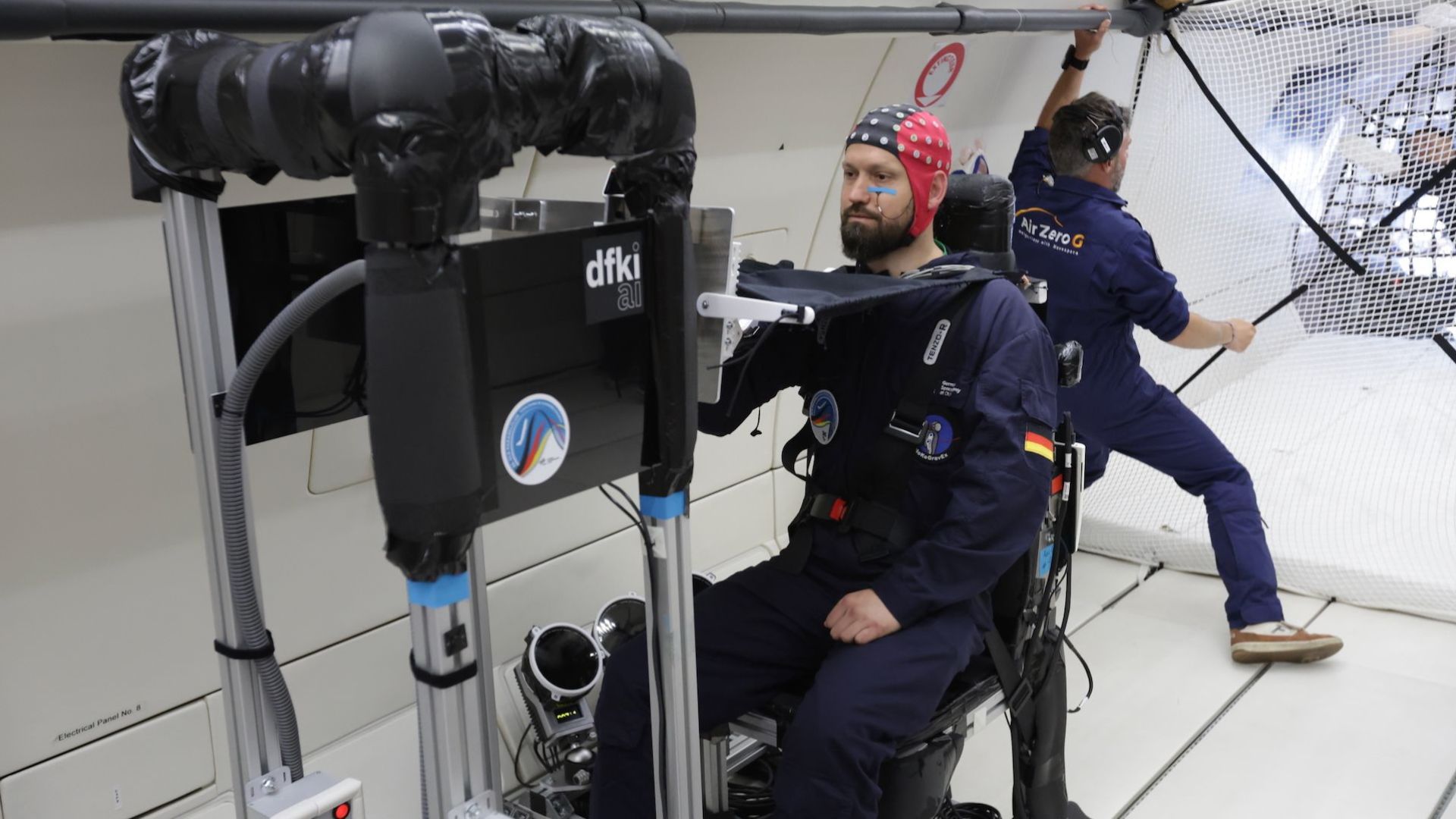
Robotic suit simulates weightlessness on Earth to improve astronaut motor skills
Researchers from the German Research Center for Artificial Intelligence (DFKI) and the University of Duisburg-Essen have unveiled a groundbreaking study that explores the potential of artificial intelligence in enhancing urban planning. This research, published on October 15, 2023, aims to address the growing challenges of urbanization by integrating AI technologies into city development strategies. The study focuses on how AI can analyze vast amounts of data related to traffic patterns, environmental impacts, and population growth to create more efficient and sustainable urban environments. By employing advanced algorithms, the researchers demonstrate that AI can predict future urban needs and optimize resource allocation, ultimately leading to improved quality of life for residents. The motivation behind this initiative stems from the increasing pressure on cities worldwide to adapt to rapid population growth and climate change. As urban areas expand, traditional planning methods often fall short, necessitating innovative solutions that AI can provide. Through a series of simulations and case studies, the researchers illustrate the practical applications of their findings, showcasing how AI-driven insights can inform decision-making processes for city planners and policymakers. This collaborative effort highlights the importance of interdisciplinary approaches in tackling complex urban issues, paving the way for smarter, more resilient cities in the future.

A Novel Crawling Robot Based on the Hexagonal Mesh Structure and Enhanced PID Control Strategy
A recent study published in the Journal of Field Robotics highlights advancements in robotic technology, specifically focusing on the development of autonomous systems designed for agricultural applications. Conducted by a team of researchers from various universities, the study was released in June 2026 and aims to address the increasing demand for efficient farming practices in response to global food shortages. The research team explored innovative robotic solutions that can enhance crop monitoring and management, ultimately improving yield and reducing labor costs. By integrating advanced sensors and machine learning algorithms, these autonomous robots can navigate complex agricultural environments, collect data, and perform tasks such as planting and harvesting with minimal human intervention. This initiative is driven by the need for sustainable agricultural practices, as traditional farming methods struggle to keep pace with population growth and climate change. The findings suggest that implementing such robotic systems could significantly transform the agricultural landscape, making it more efficient and resilient. The study's implications extend beyond immediate agricultural benefits, as it also addresses broader environmental concerns by promoting precision farming techniques that minimize resource waste. As the agricultural sector continues to evolve, the integration of robotics may play a crucial role in ensuring food security for future generations.
RESEARCH ARTICLE
D2GNet: Efficient 6‐DoF Grasp Detection in Cluttered Scenes via Density‐Aware Dual‐Dimensional Graph Networks
A recent study published in the Journal of Field Robotics highlights advancements in robotic technology aimed at enhancing agricultural efficiency. Conducted by a team of researchers from various universities, the study was released in June 2026 and focuses on innovative robotic systems designed to optimize crop management and reduce labor costs. The research team utilized a combination of machine learning algorithms and autonomous navigation systems to develop robots capable of performing tasks such as planting, monitoring, and harvesting crops. This initiative was motivated by the increasing demand for sustainable farming practices and the need to address labor shortages in the agricultural sector. Field tests were conducted in diverse agricultural environments, demonstrating the robots' ability to adapt to varying conditions and improve overall productivity. The findings suggest that integrating robotics into farming not only enhances efficiency but also contributes to more sustainable practices by minimizing resource waste. As the agricultural industry faces challenges related to climate change and population growth, the implementation of these robotic systems could play a crucial role in ensuring food security and promoting environmentally friendly farming methods. The research underscores the potential of robotics to transform traditional agricultural practices, paving the way for a more automated and sustainable future in farming.
RESEARCH ARTICLE
Thermal Cameras and AI Help Ships Steer Clear Of Gray Whales
On May 19, a new AI-based whale detection system was launched in San Francisco Bay, developed by WhaleSpotter, a company based in Somerville, Massachusetts. This initiative, a collaboration among government agencies and scientists, aims to enhance the safety of marine traffic by identifying gray whales in real-time using thermal cameras mounted on Angel Island. The system operates continuously, even at night and in foggy conditions, and alerts nearby vessels to potential whale encounters, allowing them to slow down or change course. The urgency for such technology arises from alarming mortality rates among gray whales, with seven reported deaths in the bay this year alone, and a record 21 fatalities in 2025, primarily due to ship strikes. Scientists attribute the whales' recent detours into the bay to climate change, which has led to record-low sea ice levels and impacted their food sources. As a result, over 100 gray whales have been observed stopping in the bay since 2018, likely seeking nourishment during their long migration from Alaska to Mexico. The WhaleSpotter system has already logged 6,600 whale detections within its first week and a half of operation. While the technology significantly reduces the risk of ship strikes, human verification remains essential to confirm detections and minimize false alarms. Future enhancements aim to further automate the process, ultimately relying more on AI for monitoring marine life.
Cameras Whales Thermal-cameras Artificial-intelligence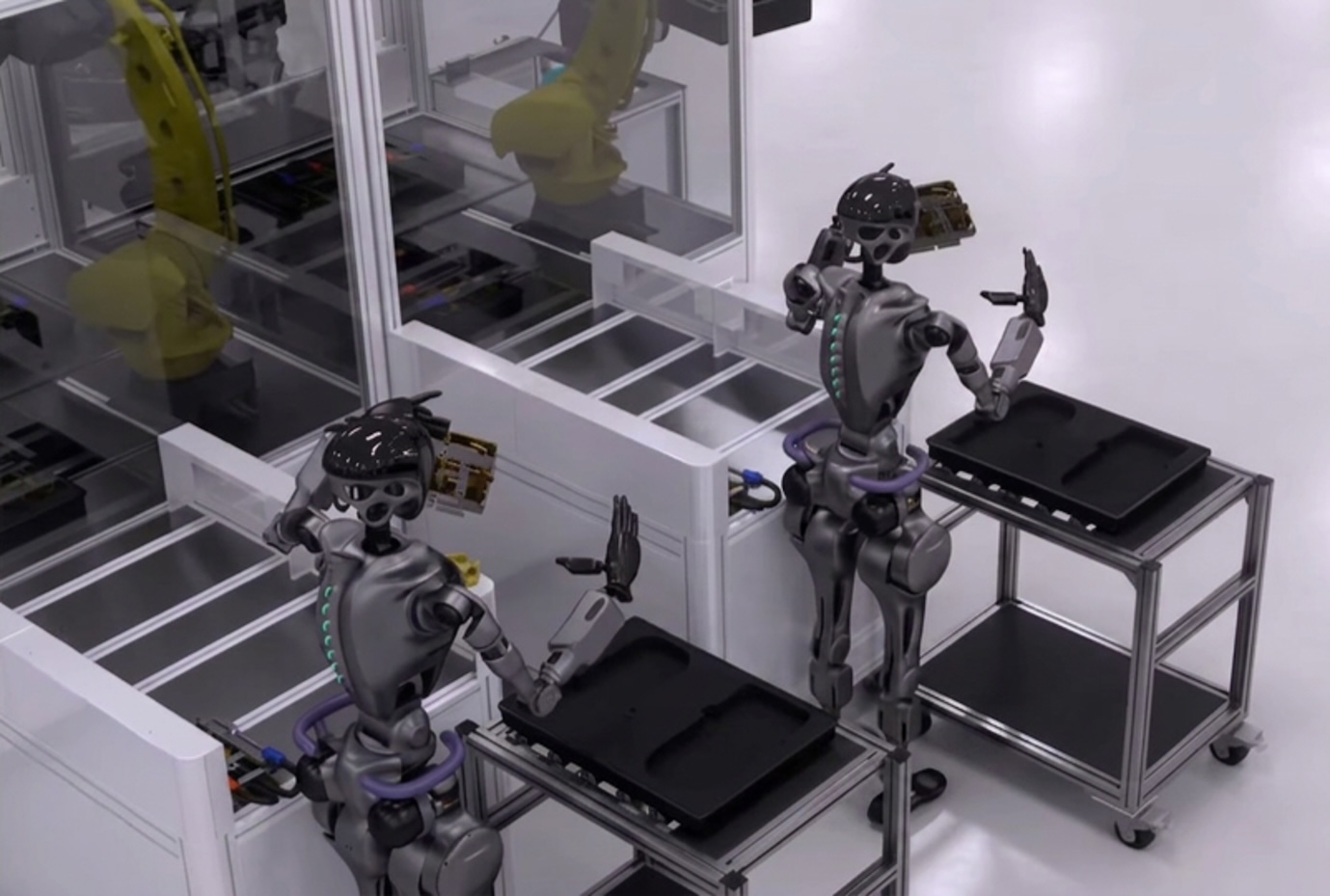
A Depth Control Method for Full Ocean Depth AUV
A recent study published in the Journal of Field Robotics highlights advancements in autonomous robotic systems designed for agricultural applications. Researchers from various institutions conducted the study to address the growing need for efficient farming solutions amid increasing global food demands. The findings, released in early October 2023, showcase innovative technologies that enhance crop monitoring and management through the use of drones and ground-based robots. The research, conducted in diverse agricultural settings, demonstrates how these autonomous systems can optimize resource usage, reduce labor costs, and improve yield quality. By integrating artificial intelligence and machine learning, the robots are capable of analyzing vast amounts of data in real-time, allowing farmers to make informed decisions quickly. This initiative is particularly significant as it responds to the challenges posed by climate change and labor shortages in the agricultural sector. The study emphasizes the potential of robotics to transform traditional farming practices, making them more sustainable and efficient. As the global population continues to rise, the implementation of such technologies could play a crucial role in ensuring food security for the future.
RESEARCH ARTICLE
Shape-morphing metamaterials with continuous relearning
In a groundbreaking study published in the May 2026 issue of Science Robotics, researchers from a leading robotics institute have unveiled a new autonomous robotic system designed to assist in disaster response efforts. The innovative technology aims to enhance the efficiency and effectiveness of rescue operations in the aftermath of natural disasters, such as earthquakes and floods. The research team, comprised of experts in robotics and emergency management, conducted extensive field tests in various simulated disaster scenarios to evaluate the robot's capabilities. These tests demonstrated the system's ability to navigate challenging terrains, locate survivors, and deliver essential supplies, significantly reducing response times. The motivation behind this development stems from the increasing frequency and severity of natural disasters worldwide, which necessitate improved response strategies. By integrating advanced artificial intelligence and machine learning algorithms, the robotic system can adapt to dynamic environments and make real-time decisions, ultimately saving lives. The study highlights the potential for collaboration between technology and emergency services, showcasing how robotics can play a crucial role in humanitarian efforts. As the world grapples with the impacts of climate change, this innovation represents a significant step forward in preparing for and responding to future crises.
Editors' Choice
Compressed AI Models Enable On-Orbit Satellite Intelligence
A team of researchers has reached a significant milestone in the field of artificial intelligence applied to Earth observation. They successfully developed a compressed AI model that operates efficiently within the constraints of satellite hardware. This breakthrough was achieved through innovative techniques that optimize the model's performance while minimizing resource consumption. The advancement is particularly timely, as the demand for effective Earth monitoring solutions continues to grow, driven by climate change and environmental management needs. By enhancing the capabilities of satellite technology, this research aims to improve data collection and analysis for various applications, including disaster response and resource management. The findings were announced recently, highlighting the potential for AI to transform how we observe and understand our planet from space.

Improved ESO‐LOS Guidance Strategy for AUV: Theory and Experiment Validation
A recent study published in the Journal of Field Robotics highlights advancements in autonomous robotic systems designed for agricultural applications. Researchers from various institutions collaborated to develop innovative algorithms that enhance the efficiency of robots in crop monitoring and management. The findings, released in early October 2023, indicate that these robotic systems can significantly improve yield predictions and reduce labor costs for farmers. Conducted in diverse agricultural settings, the research aimed to address the growing need for sustainable farming practices amid increasing global food demands. By employing cutting-edge technology, the team demonstrated how autonomous robots can collect and analyze data more accurately than traditional methods, enabling farmers to make informed decisions about resource allocation and crop health. The study underscores the potential of robotics to transform the agricultural landscape, offering solutions that not only optimize productivity but also promote environmental sustainability. As the agricultural sector faces challenges such as labor shortages and climate change, these advancements in robotic technology could play a crucial role in ensuring food security for future generations.
RESEARCH ARTICLE
2 Undervalued Growth Stocks That I'm Aggressively Buying
A recent report highlights the growing trend of electric vehicle (EV) adoption across the United States, driven by increasing environmental concerns and government incentives. As of October 2023, sales of EVs have surged, with major automakers like Tesla, Ford, and General Motors leading the charge. This shift is particularly evident in urban areas, where consumers are more inclined to embrace sustainable transportation options. The report indicates that federal and state governments have implemented various tax credits and rebates to encourage EV purchases, making them more accessible to a broader audience. Additionally, advancements in battery technology and charging infrastructure have alleviated previous concerns regarding range and convenience, further boosting consumer confidence. Experts predict that the trend will continue to accelerate, with projections suggesting that EVs could make up a significant portion of new car sales by 2030. This shift not only reflects changing consumer preferences but also aligns with broader efforts to reduce carbon emissions and combat climate change. As the market evolves, automakers are investing heavily in research and development to enhance their EV offerings, ensuring they remain competitive in a rapidly changing landscape. The combination of consumer demand, supportive policies, and technological innovations is reshaping the automotive industry, signaling a pivotal moment in the transition to cleaner transportation solutions.
MELI META Amrita Roy
Graphene “Tattoos” for Plants Could Form Neural Networks
Researchers at the University of Texas at Austin have developed an innovative graphene "tattoo" that adheres directly to plant leaves, enabling real-time monitoring of leaf hydration. This breakthrough, published in the journal Nano Letters in February, addresses the limitations of traditional methods that require cutting leaves for moisture assessment. The sensor, which functions like a three-terminal transistor, sends electric pulses into the leaf, allowing it to measure moisture levels without disrupting photosynthesis. Led by associate professor Jean Anne Incorvia and graduate student Utkarsh Misra, the team envisions a future where these sensors could form a neural network across forests, providing critical data on drought and fire risks. The flexible and nearly transparent graphene material allows the tattoo to adapt to the leaf's movements, while its unique properties enable it to act as an artificial synapse, potentially enhancing plant-based computing. The concept emerged from a collaboration with geologist Ashley Matheny, highlighting the practical applications of the technology in agriculture and environmental monitoring. The researchers successfully trained a neural network to classify leaf hydration states, paving the way for more sophisticated plant monitoring systems that could help farmers and forest rangers respond to climate change challenges.
Graphene Agriculture Wildfires Neural-networks
Design and Kinematic Analysis of a Six‐Wheeled Robot With a Passive Suspension for Integrated Terrain Adaptability and Vibration Mitigation
A recent study published in the Journal of Field Robotics highlights advancements in autonomous robotic systems designed for agricultural applications. Researchers from a leading university conducted experiments to assess the effectiveness of these robots in improving crop management and yield. The study, released in early October 2023, took place in various agricultural settings across the Midwest, where the robots were deployed to monitor crop health and optimize resource usage. The motivation behind this research stems from the increasing demand for sustainable farming practices and the need to enhance productivity in the face of climate change challenges. By integrating advanced sensors and machine learning algorithms, the robots are capable of analyzing soil conditions and plant health in real-time, allowing farmers to make informed decisions. The study's findings indicate that the implementation of these autonomous systems can significantly reduce labor costs and increase efficiency in farming operations. As the agricultural sector continues to evolve, this research underscores the potential of robotics to transform traditional farming methods, paving the way for a more sustainable and productive future in agriculture.
RESEARCH ARTICLERobotics needs a service framework.
RSF defines a common language for robot service capability, lifecycle operations, certification pathways, and service-provider networks.







