

Industry Briefing
A single destination for timely, editor-curated robotics news from around the world.
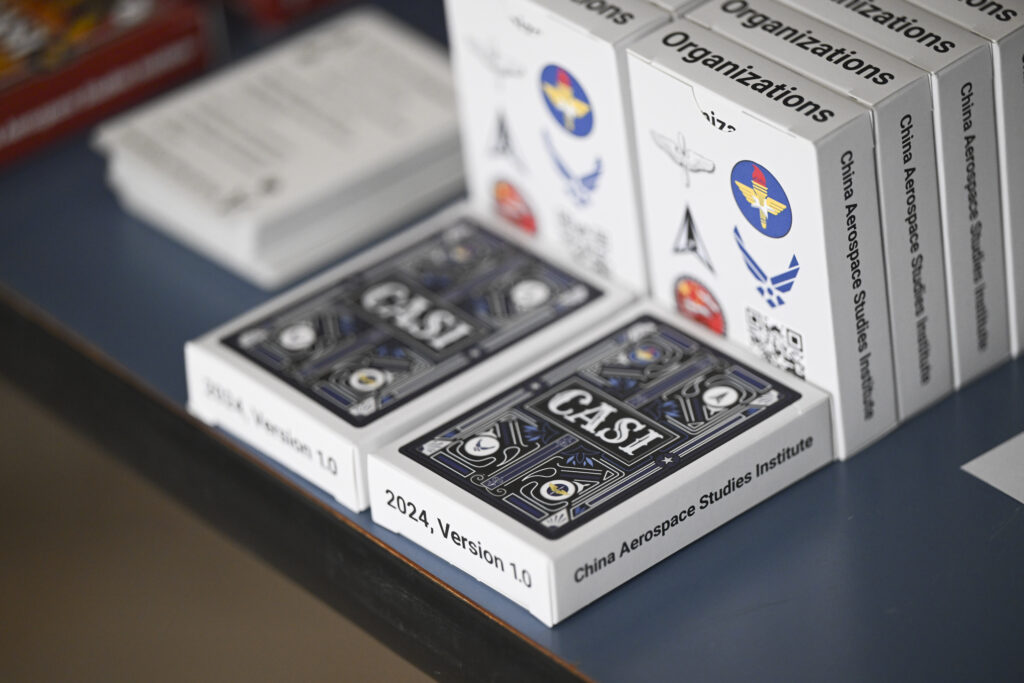
Air Force Confirms Continuation of China Aerospace Studies Institute Amid Civilian Staff Cuts
The Air Force has announced that it will eliminate civilian staff roles at the China Aerospace Studies Institute (CASI) but will not close the organization. An Air Force spokesperson stated that military service members will take over the institute's mission, which focuses on studying Chinese airpower. Affected civilian employees will remain in their positions until further notice and will be considered for reassignment. This decision comes as part of a broader civilian restructure within the Air Force’s Air Education and Training Command. CASI serves as a key think tank that publishes research on China's military capabilities, aiming to inform U.S. military strategy and policy. The institute's latest publication discusses how technologies intended for space exploration may enhance military operations in the Pacific region. As the Air Force navigates these changes, questions arise regarding similar research initiatives within the Army and Navy. While the Naval War College confirmed no anticipated changes at its China Maritime Studies Institute, the status of the Army's China Landpower Studies Center remains unclear. No further timeline was disclosed at the time of publication.
Air Warfare Global Air Education and Training Command Air Force Asia China
Air Force Maintains China Aerospace Studies Institute Despite Director's Concerns
The Air Force has asserted that the China Aerospace Studies Institute (CASI) will continue its operations without civilian personnel. However, Brendan Mulvaney, the director of CASI, expressed skepticism about this claim, stating that the institute's functionality without civilian staff is 'not credible.' This situation highlights the ongoing debate regarding the viability of military think-tanks and their reliance on civilian expertise. Mulvaney's comments suggest that the Air Force's position may overlook critical operational needs, raising questions about the future effectiveness of CASI in providing insights on aerospace developments in China. Observers should monitor how the Air Force addresses these concerns moving forward. The ongoing discussions around CASI's operational structure may influence its ability to contribute meaningfully to U.S. defense strategies regarding China. No further timeline was disclosed at the time of publication.
Air Warfare Air Education and Training Command Air Force Asia China civilian workforce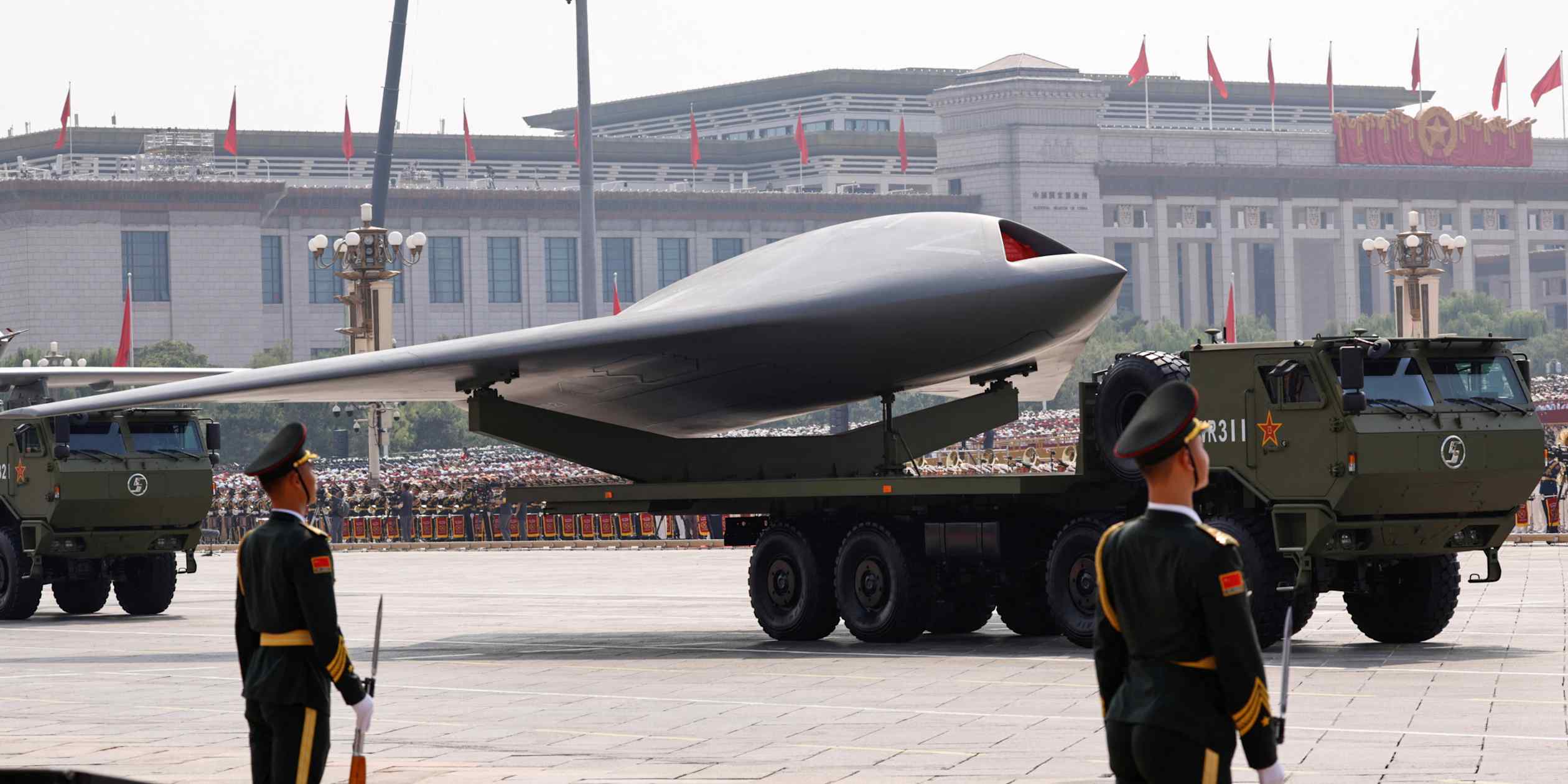
Taiwan's Aerospace Contractor Develops Countermeasures Against China's Drone Advancements
Taiwan's leading aerospace contractor is shifting focus from traditional aircraft manufacturing to developing counter-drone systems. This strategic move comes in response to the increasing capabilities of China's unmanned aircraft systems (UAS), as emphasized by an executive from the company, who highlighted the urgent need for a counter-UAS system. The significance of this development lies in Taiwan's heightened concerns regarding China's aggressive drone development. The shift towards counter-drone technology reflects Taiwan's proactive approach to enhancing its defense capabilities amid rising tensions in the region. The need for a dedicated, low-cost shield against potential threats underscores the urgency of this initiative. Looking ahead, it will be crucial to monitor Taiwan's advancements in counter-drone systems and how these developments may influence regional security dynamics. No further timeline was disclosed at the time of publication.
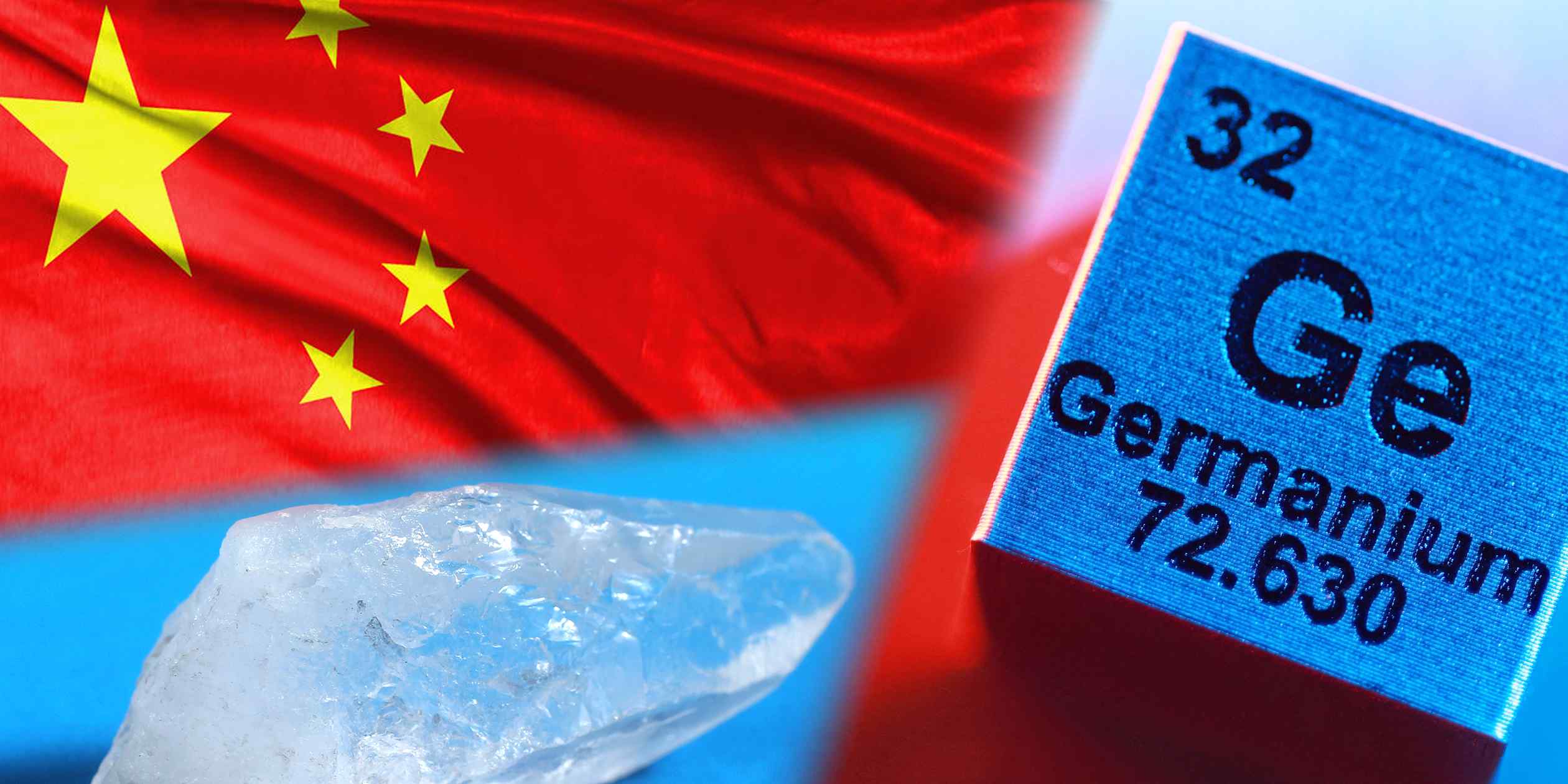
China Restricts Exports of Key Optical and Aerospace Metals to Taiwan
China has begun to restrict or delay exports of essential aerospace and optical materials to Taiwan, leading to significant supply chain disruptions in the region's technology sector. This move affects materials such as germanium and quartz, which are critical for various industries. The implications of these restrictions are profound, as Taiwan relies heavily on these materials for its tech manufacturing processes. The bottlenecks created by these export delays could hinder production capabilities and impact the broader supply chain, which is already under pressure from global economic conditions. Looking ahead, industry stakeholders will need to monitor the situation closely, as further restrictions could exacerbate existing challenges in securing necessary materials. No further timeline was disclosed at the time of publication.

China Achieves Milestone with First Pediatric Dual Artificial Heart Surgery Using Aerospace Technology
A pediatric patient at Tianjin Taida International Cardiovascular Hospital underwent the world's first surgery involving dual fully-implantable artificial hearts. These hearts were custom-engineered from Aerospace Taixin magnetically levitated pumps, marking a significant advancement in pediatric cardiac care. This achievement highlights the growing capabilities of Chinese firms in the ventricular assist device (VAD) market, with five companies now holding six approved products. The use of aerospace-derived technology in medical applications demonstrates the potential for innovation in healthcare, particularly in addressing complex pediatric conditions. Looking ahead, the success of this surgery may pave the way for further advancements in artificial heart technology and its applications in children. No further timeline was disclosed at the time of publication.

Shandong Future Robot and Harbin Institute of Technology Launch VY150 ROV for South China Sea Trials
The VY150 work-class remotely operated vehicle (ROV), developed by Shandong Future Robot in collaboration with Harbin Institute of Technology, embarked on its expedition to the South China Sea on September 28. This advanced ROV is designed to operate at depths of up to 4,500 meters and is equipped with a seven-axis arm for enhanced functionality. The deployment of the VY150 ROV is significant as it represents a step forward in deep-sea exploration technology, showcasing the capabilities of Shandong Future Robot and its partnership with Harbin Institute of Technology. The ability to operate at such depths opens up new possibilities for underwater research and resource management in the South China Sea region. As the trials progress, industry observers will be keen to monitor the performance of the VY150 ROV and its operational capabilities in challenging underwater environments. No further timeline was disclosed at the time of publication.

China's Humanoid Robot Wuji Welcomes Schoolchildren at Robot Training Institute
A group of schoolchildren gathered to witness Wuji, a humanoid robot, serve as a tour guide at a robot school in eastern China. Wuji enthusiastically showcased the institute's goal of developing the future mechanical workforce. This event highlights China's commitment to advancing robotics education and training, aiming to prepare a skilled workforce for the growing automation sector. The presence of humanoid robots like Wuji signifies a shift towards integrating robotics into everyday learning environments. Looking ahead, the focus will be on how such initiatives can influence the future of workforce development in robotics and automation. No further timeline was disclosed at the time of publication.
Robotics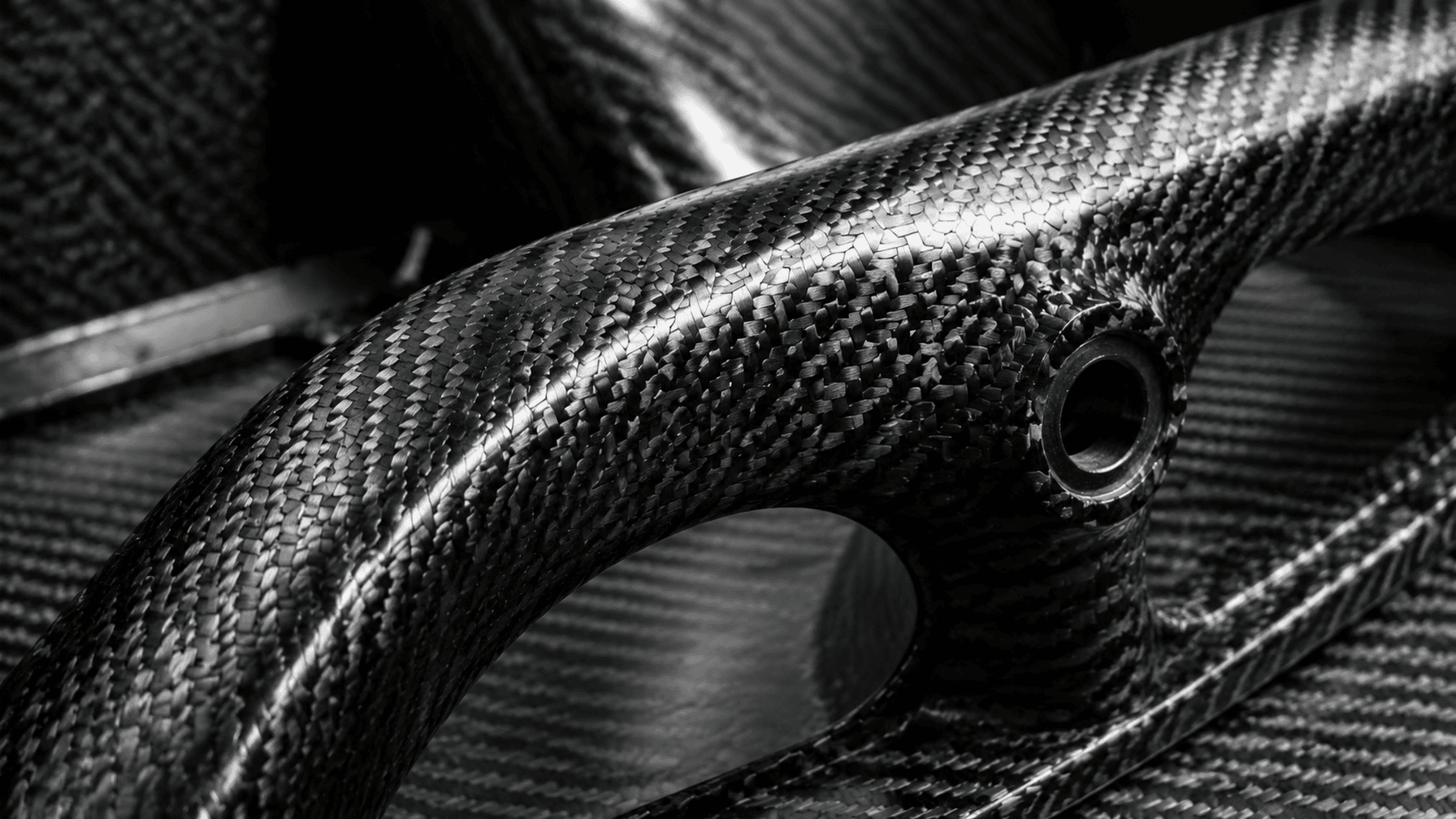
China's Aerospace-Grade Carbon Fiber Breaks Free from Foreign Dependency with Major Production Expansion
Zhongfu Shenying has launched three advanced carbon fiber production lines in Lianyungang, a significant step towards enhancing China's self-sufficiency in aerospace materials. This initiative, unveiled recently, aims to reduce the country's reliance on foreign suppliers, particularly Japan's Toray and various U.S. manufacturers, which have dominated the market for critical aerospace components. By establishing these production lines, Zhongfu Shenying is positioning itself as a key player in the high-performance materials sector, responding to the growing demand for domestic production capabilities in the aerospace industry. This move not only strengthens China's industrial base but also aligns with national objectives to bolster local manufacturing and innovation in strategic sectors.
Technology
China limits trade with 56 US defense, aerospace firms
The U.S. government has implemented a ban on entities involved in the shipping of products manufactured in China to military-linked companies, which include major firms such as Boeing, Anduril, and MP Materials. This decision, announced recently, aims to strengthen national security by preventing potential military advantages that could arise from the exchange of goods between these nations. The measure reflects ongoing concerns about the influence of foreign entities on the U.S. defense supply chain and is part of a broader strategy to safeguard critical technologies. The enforcement of this ban is expected to impact various sectors, particularly those reliant on international trade with China, as the government seeks to tighten regulations around military procurement and partnerships.
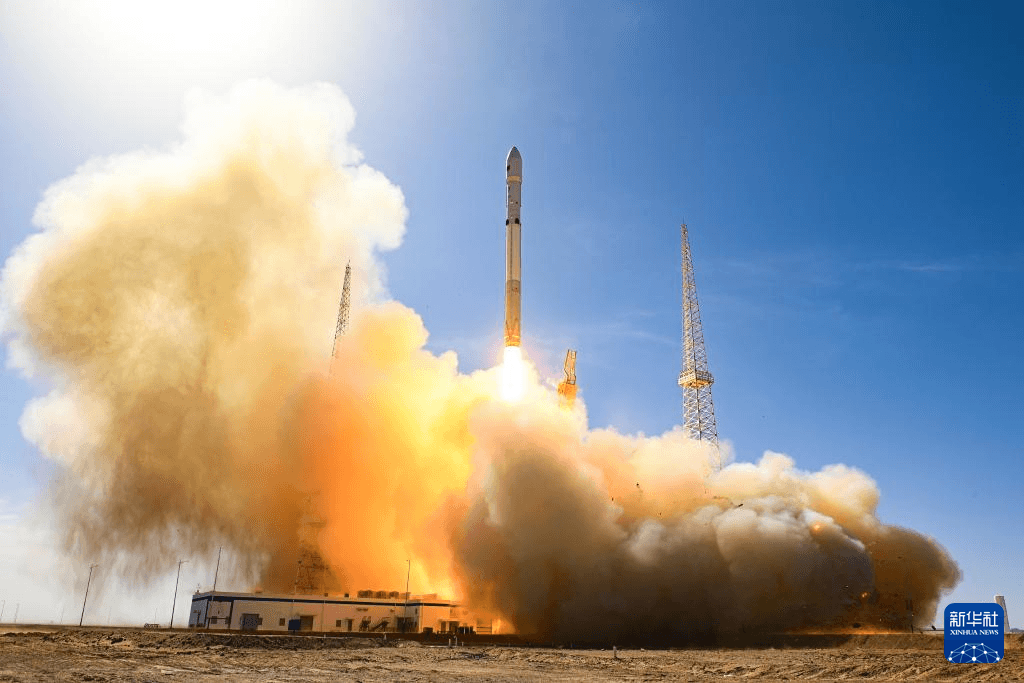
China Achieves Major Breakthroughs in Aerospace, Clean Energy, and Infrastructure
This week, China has made notable advancements across various sectors, including aerospace, clean energy, infrastructure, and advanced manufacturing, showcasing the country's ongoing commitment to technological progress. These breakthroughs reflect China's strategic focus on innovation and development, aiming to enhance its global competitiveness and address pressing domestic challenges. The achievements highlight the effectiveness of China's investment in research and development, as well as its efforts to foster collaboration between government, industry, and academia. As these sectors continue to evolve, China's advancements are expected to play a crucial role in shaping the future of technology and sustainable development on a global scale.
Technology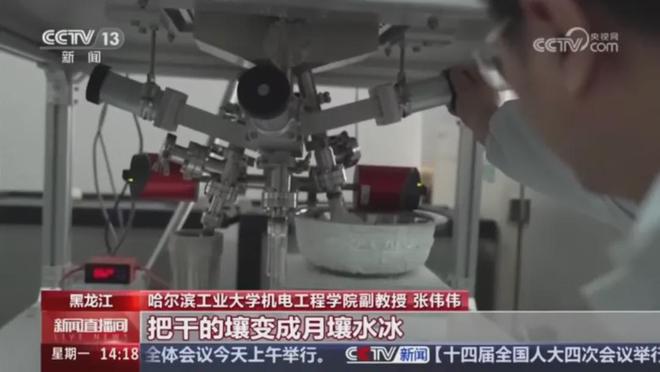
Harbin Institute of Technology Aids Lunar Water Search, China Aims for Global Leadership!
China's Chang'e 7 mission is set to explore the Moon's South Pole-Aitken Basin, with the goal of discovering water ice, a significant milestone that could position China as the first nation to identify water on the lunar surface. Scheduled for launch in the near future, this ambitious mission is supported by the Harbin Institute of Technology, which is contributing advanced technology and research to ensure its success. The exploration of this region is critical, as the presence of water ice could have profound implications for future lunar missions and the potential for human habitation on the Moon.
Lunar Exploration Space Technology Water Ice Detection Deep Space Missions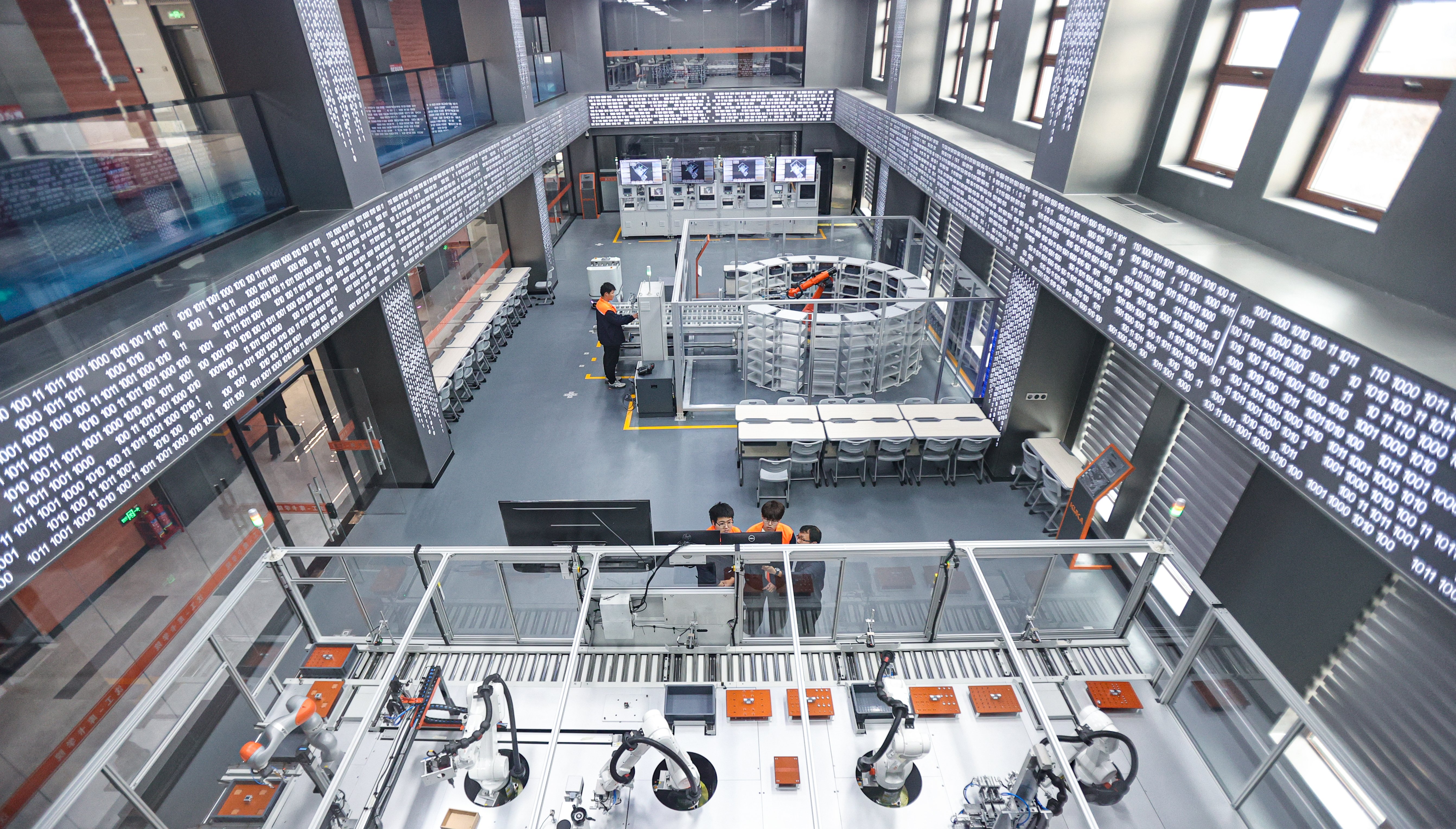
KUKA China cooperates with Shenyang Institute of Technology
The KUKA Institute was inaugurated at the Shenyang Institute of Technology during the 2024 KUKA Robotics School-Enterprise Cooperation Conference. This collaboration between KUKA China and the institute aims to address the evolving technological and industrial demands by educating skilled talent. The initiative marks a significant advancement in fostering cooperation between academia and industry, highlighting the importance of aligning educational programs with the needs of the workforce.
Robotics needs a service framework.
RSF defines a common language for robot service capability, lifecycle operations, certification pathways, and service-provider networks.
Join the RobotToday community on LinkedIn
Daily robotics news, in-depth analysis, conference highlights, and discussions with professionals worldwide.







