

Industry Briefing
A single destination for timely, editor-curated robotics news from around the world.

National Technology Launches Advanced Joint Motor Control Solution with Shenzhen Institute of Advanced Technology
National Technology has announced a new generation of integrated joint motor control solutions for humanoid robots in collaboration with the Shenzhen Institute of Advanced Technology. This solution utilizes the high-performance dual-core MCU N32H785, which integrates drive control, a frameless torque motor, dual absolute encoders, a communication module, and a reducer, addressing the challenges of compact and modular design in robotic systems. The humanoid robot market is experiencing significant growth, with global shipments expected to exceed 50,000 units this year, reflecting a year-on-year increase of over 700%. However, the complexity of joint control remains a critical challenge, as each robot contains numerous joints that must perform motor control, encoder processing, multi-protocol communication, and safety protection within tight spaces. The new solution aims to enhance the performance of joint control systems by separating motor control and communication tasks across two dedicated cores, ensuring real-time performance and stability. As the industry continues to evolve, the focus will be on the successful implementation of this technology in mass production scenarios.
Humanoid Robots Motor Control Robotics Technology Embedded Systems
ARM Institute Issues Project Call for U.S. Defense Manufacturing Technology Innovations
The ARM Institute has launched Project Call 27-01, inviting proposals for technologies aimed at enhancing U.S. defense manufacturing capabilities. This initiative seeks innovations in areas such as metalwork, drones, munitions, and shipbuilding, with a focus on dual-use technologies that can benefit both military and civilian sectors. This project call is significant as it aligns with the U.S. Department of War's (DoW) objectives to improve defense manufacturing efficiency and reduce costs. The ARM Institute emphasizes the importance of validated transition plans that include government stakeholders, which can facilitate smoother integration into the DoW's commercial industrial base and organic industrial base. Looking ahead, concept papers must be submitted by September 16, 2026, with a series of deadlines leading up to the final project execution beginning February 1, 2027. The ARM Institute aims to foster collaboration and innovation within its community of over 500 members, addressing funding and engineering challenges in defense technology development.
Artificial Intelligence Autonomous Mobile Robots (AMRs) Collaborative Robots Defense / Security Drones Manufacturing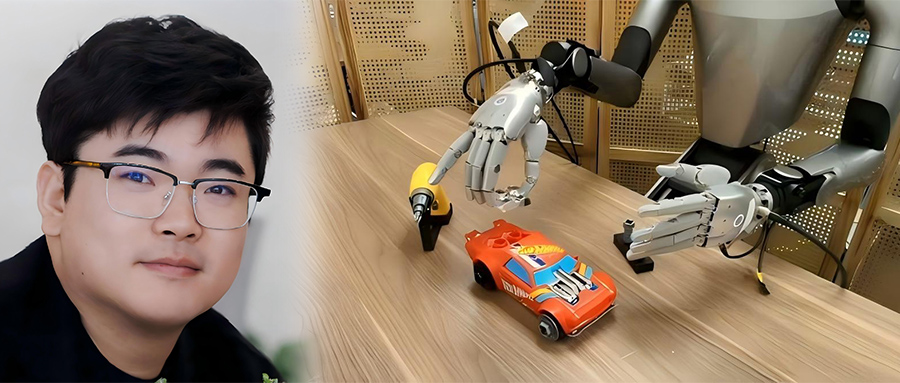
Harbin Institute of Technology Professor Establishes PHANES AI to Advance Tactile Robotics
Professor Yang Shuo from Harbin Institute of Technology (Shenzhen) has founded PHANES AI, focusing on human data, tactile perception, and world model research. The startup aims to enable humanoid robots to perform agile full-body movements. A key challenge identified is the gap in current training data, where visual cues do not capture the tactile feedback necessary for successful robotic operations. This initiative is significant as it addresses the limitations of existing robotic training methodologies, which rely heavily on visual data without incorporating tactile information. Recent studies, including NVIDIA's EgoScale, highlight the importance of first-person human operation data in training robots for complex tasks. By leveraging large amounts of human data combined with minimal real-world data, PHANES AI seeks to enhance the success rate of robots in intricate operations. Looking ahead, PHANES AI plans to develop innovative methods for collecting and scaling tactile data through its EgoTouch system, which integrates visual and tactile information. The startup's approach aims to bridge the gap between visual perception and physical interaction, ultimately improving the capabilities of humanoid robots in real-world applications. No further timeline was disclosed at the time of publication.
Humanoid Robots Tactile Perception Robotics AI Data-Centric AI
SETI Institute Proposes Searching Moon Dust for Microscopic Alien Technology
The SETI Institute has proposed a novel idea to search for microscopic technosignatures in moon dust, which may indicate the presence of alien technology. Led by Affiliate Scientist Lewis Pinault, the research suggests that the moon has been accumulating material from space for billions of years, potentially containing traces of ancient technologies. This initiative is significant as it could enhance our understanding of interstellar dust and its effects on lunar geology. Although the study currently reports no evidence of extraterrestrial technology, it emphasizes that the search for these technosignatures is now scientifically testable, especially with upcoming lunar missions like NASA's Artemis program and China's Chang'e series. Researchers aim to analyze about 35 cubic feet of lunar regolith to investigate the presence of durable artificial materials from past civilizations. The findings could provide insights into how advanced technologies might have left behind microscopic debris embedded in the lunar surface over billions of years.
Search for Life Space Exploration
Mitsubishi Electric and Chiba Institute of Technology to Co-Research and Develop Homegrown Physical AI
A new Co-Creation Center has been established to facilitate the commercialization of artificial intelligence (AI) robotics solutions, targeting both public and private sectors. This initiative, launched in October 2023, aims to bridge the gap between innovative technology and practical application, enhancing operational efficiency and service delivery across various industries. The center will bring together experts from academia, industry leaders, and government representatives to collaborate on developing and implementing cutting-edge AI robotics solutions. By fostering partnerships and sharing resources, the Co-Creation Center seeks to accelerate the adoption of these technologies, ultimately driving economic growth and improving public services. The initiative underscores the growing importance of AI in modern society and its potential to transform how organizations operate.

Italian Institute of Technology Develops Soft Robotic Arm Inspired by Octopus Design
A team from the Italian Institute of Technology (IIT) has developed a soft robotic arm inspired by the octopus, utilizing a distributed perception design philosophy. Unlike traditional robots with centralized control, this arm mimics the octopus's ability to independently sense and respond through its tentacles, allowing for more agile and nuanced movements underwater. This innovation matters as it enhances the speed and simplicity of robotic control, eliminating the need for high-frequency data processing from a central system. The arm's design incorporates optoelectronic sensors and micro-LEDs in each suction cup, enabling real-time assessment of contact direction and force, thus allowing for immediate actions without centralized commands. The soft robotic arm has demonstrated its capabilities in complex environments, accurately grasping fragile objects without visual feedback. Its potential applications include assisting in medical procedures, handling delicate components in manufacturing, and performing underwater archaeology or deep-sea sampling, showcasing the advantages of biological problem-solving approaches in robotics.
Soft Robotics Robotic Arms Biomimicry Underwater Robotics
Karlsruhe Institute of Technology Develops Robotic System for Disassembling Broken Machines
Researchers at the Karlsruhe Institute of Technology (KIT) have developed a robotic disassembly system capable of predicting defects in broken robots and safely dismantling them. This innovative system utilizes a predictive algorithm and robotic manipulators to assess and disassemble malfunctioning devices, ensuring the protection of valuable components during the process. The significance of this development lies in its potential to support a circular economy by enabling the recycling and rebuilding of robotic systems. With over 4 million industrial robots currently in use worldwide, and projections indicating this number could exceed 16 million by 2030, the need for efficient disassembly and recycling methods is becoming increasingly critical as these machines inevitably break down. Looking ahead, the KIT team envisions scaling their system to incorporate multiple robotic arms, each equipped with specialized tools for various disassembly tasks. This could lead to fully automated processes for repairing electronic devices, making it more cost-effective to repair rather than replace broken parts, thereby enhancing sustainability in manufacturing.
Robotics Recycling Industrial-robot Icra Recycling-robots
CATL Backs RoboParty in 500 Million Yuan Funding for Open-Source Bipedal Humanoid Development
RoboParty has successfully raised nearly 500 million yuan through angel and Pre-A funding rounds, with CATL exclusively participating in the Pre-A round. The startup, founded by 22-year-old Huang Yi from Harbin Institute of Technology, focuses on developing an open-source embodied platform featuring the RPO robot. This investment is significant as it highlights the growing interest in robotics and humanoid technology, particularly in the context of open-source development. CATL's involvement underscores the potential for collaboration between battery technology and robotics, which could lead to innovative solutions in the field. Looking ahead, the emphasis will be on how RoboParty leverages this funding to advance its RPO robot and expand its open-source platform. No further timeline was disclosed at the time of publication.
Industry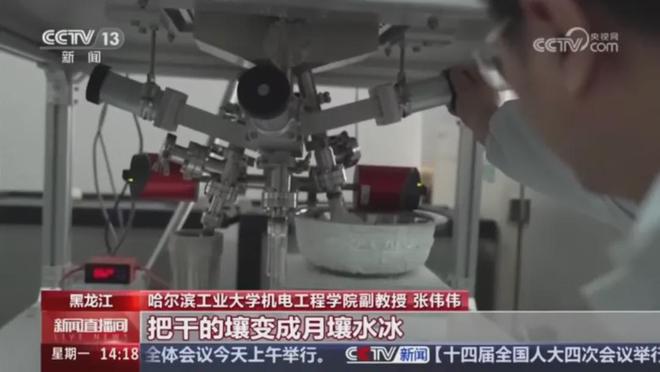
Harbin Institute of Technology Aids Lunar Water Search, China Aims for Global Leadership!
China's Chang'e 7 mission is set to explore the Moon's South Pole-Aitken Basin, with the goal of discovering water ice, a significant milestone that could position China as the first nation to identify water on the lunar surface. Scheduled for launch in the near future, this ambitious mission is supported by the Harbin Institute of Technology, which is contributing advanced technology and research to ensure its success. The exploration of this region is critical, as the presence of water ice could have profound implications for future lunar missions and the potential for human habitation on the Moon.
Lunar Exploration Space Technology Water Ice Detection Deep Space Missions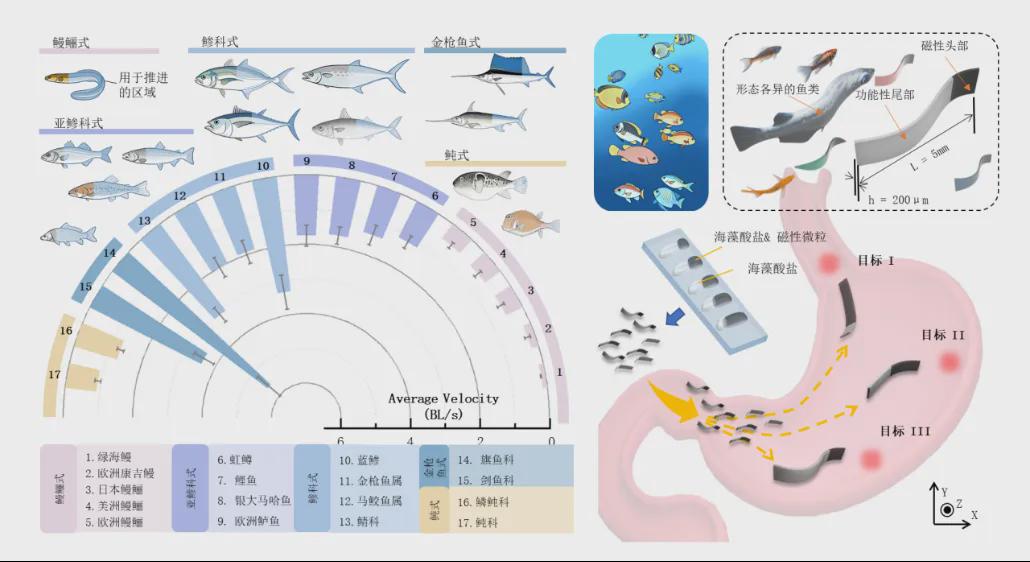
Inspired by Fish Diversity: Beijing Institute of Technology Team Develops Morphology-Encoded Soft Microrobots
A research team at the Beijing Institute of Technology has unveiled a groundbreaking system of soft microrobots that mimic the various swimming styles of fish. This innovative development allows for the selective control of the robots by adjusting their body proportions within a uniform magnetic field. The advancements in this technology hold significant promise for future applications in the biomedical field, potentially enhancing medical procedures and therapies.
Soft Robotics Biomedical Engineering Microrobots Control Systems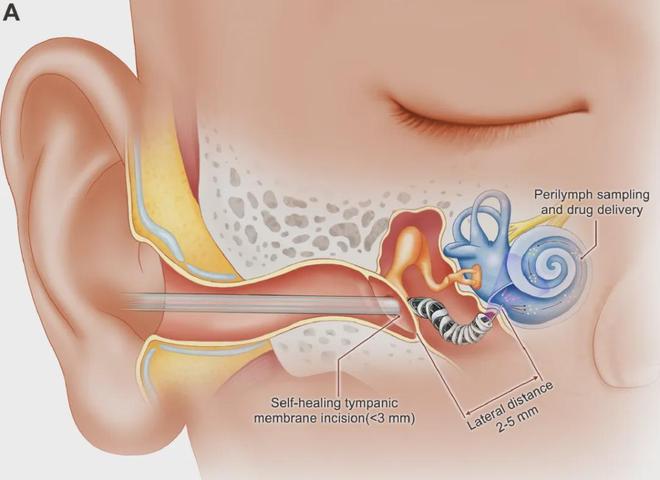
Innovative Minimally Invasive Inner Ear Surgery Robot Developed by Harbin Institute of Technology Team
Researchers at Harbin Institute of Technology have developed a groundbreaking minimally invasive surgical technique for the inner ear, utilizing an innovative robotic system that navigates through the ear canal. This advancement, announced recently, seeks to improve the precision of drug delivery and sampling for patients suffering from inner ear diseases. Traditional surgical methods often face limitations that this new approach aims to overcome, potentially leading to significant improvements in treatment outcomes. The team's work represents a notable step forward in the field of otology, promising to enhance patient care through more effective and less invasive procedures.
Minimally Invasive Surgery Robotic Surgery Medical Robotics Inner Ear Treatment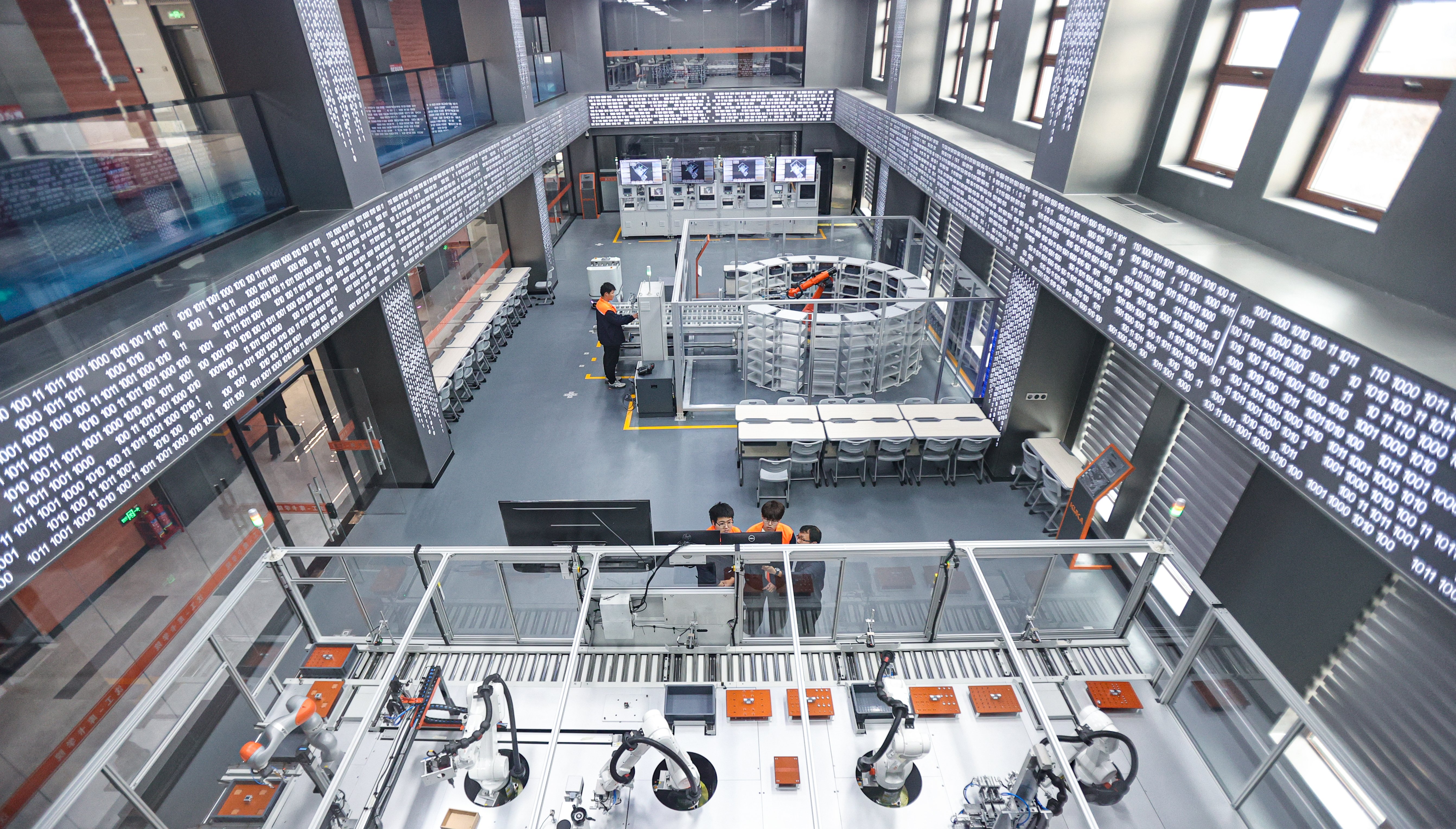
KUKA China cooperates with Shenyang Institute of Technology
The KUKA Institute was inaugurated at the Shenyang Institute of Technology during the 2024 KUKA Robotics School-Enterprise Cooperation Conference. This collaboration between KUKA China and the institute aims to address the evolving technological and industrial demands by educating skilled talent. The initiative marks a significant advancement in fostering cooperation between academia and industry, highlighting the importance of aligning educational programs with the needs of the workforce.
Robotics needs a service framework.
RSF defines a common language for robot service capability, lifecycle operations, certification pathways, and service-provider networks.
Join the RobotToday community on LinkedIn
Daily robotics news, in-depth analysis, conference highlights, and discussions with professionals worldwide.







