Industry Briefing
A single destination for timely, editor-curated robotics news from around the world.
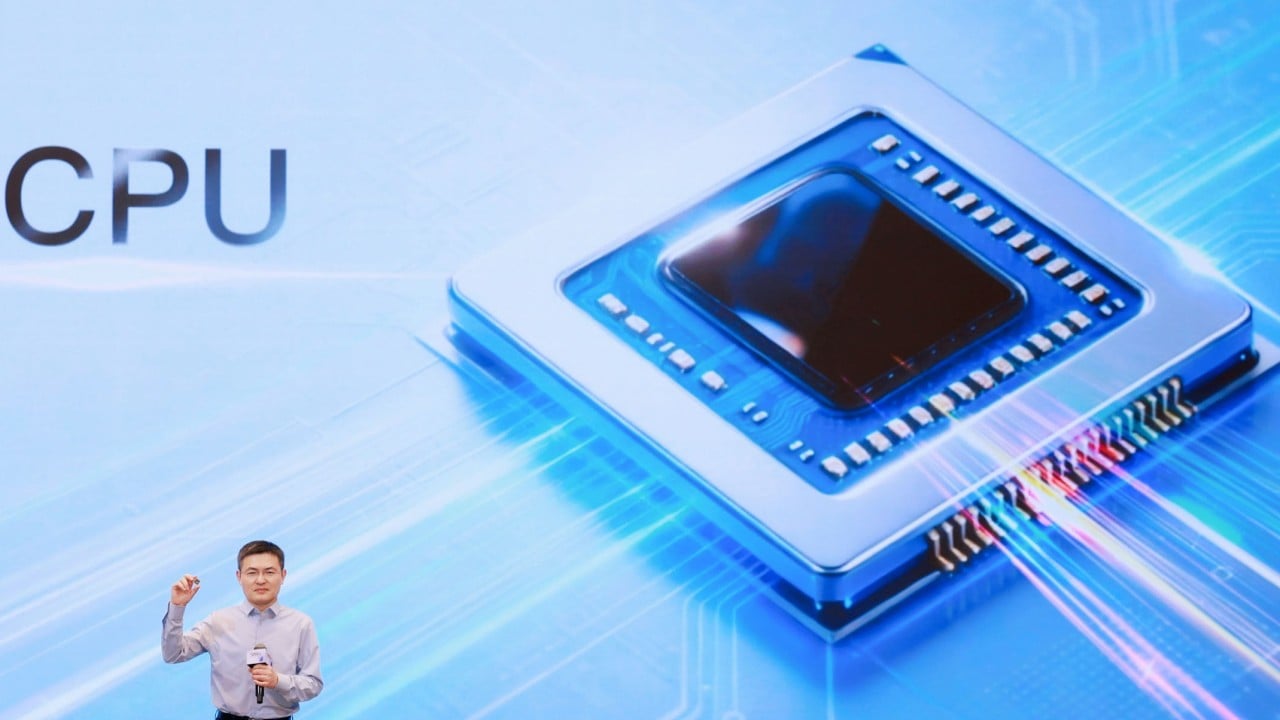
Hygon Information Technology Launches Hygon 1000 Series CPUs for Robotics and Edge AI
Hygon Information Technology has introduced a new line of central processing units (CPUs) aimed at robotics and industrial edge devices. This launch marks the company's strategic move beyond its traditional focus on cloud computing, tapping into the burgeoning market for physical artificial intelligence solutions. The Hygon 1000 series processors are specifically designed for integration into industrial automation systems, including robotics and factory controllers. By enabling local computing and graphics processing, these CPUs aim to enhance the efficiency and performance of embedded devices in various applications. As the demand for edge AI continues to rise, Hygon's entry into this sector is significant. Industry stakeholders should monitor the adoption of the Hygon 1000 series and its impact on the robotics and automation landscape. No further timeline was disclosed at the time of publication.

Hebbian Robotics Releases HFlow 0.2.4 for Robotic Data Quality Control
Hebbian Robotics has launched HFlow 0.2.4, a preliminary version of its open-source tool aimed at robotic data quality control. The software organizes videos, joint states, actions, and timestamps used for training models, while tracking transformations applied to each episode. Robotic teams often accumulate recordings from cameras, sensors, and commands that do not share the same clock, which can degrade learning without visible errors. HFlow aims to replace scattered scripts with a reproducible, observable, and queryable pipeline. It uses MCAP as the primary input and output format, which is natively utilized by ROS 2, and can integrate images, states, actions, and other time series. The latest version also adds support for importing datasets in LeRobot v3 format. Each processing step can execute transformations, checks, annotations, or enrichments written in Python, allowing teams to trace the code that produced an episode and compare versions of checks. The project’s success will depend on its adoption by teams already using ROS 2, MCAP, or LeRobot. HFlow addresses a significant issue: a robotic model cannot sustainably compensate for desynchronized, incomplete, or irreproducible data. By making these defects measurable and auditable, HFlow seeks to shift quality control earlier in the learning pipeline.
RobotsRobotics needs a service framework.
RSF defines a common language for robot service capability, lifecycle operations, certification pathways, and service-provider networks.
Join the RobotToday community on LinkedIn
Daily robotics news, in-depth analysis, conference highlights, and discussions with professionals worldwide.