Industry Briefing
A single destination for timely, editor-curated robotics news from around the world.

indie Launches Edge AI SoC to Power Smarter Perception Systems for Automotive and Humanoids
indie, an automotive solutions innovator based in Aliso Viejo, CA, has announced the launch of its next-generation edge AI system-on-chip (SoC), the iND881, designed to enhance smart camera technology for automotive and robotic applications. Unveiled on June 10, 2026, the iND881 integrates an AI compute engine with indie’s advanced low-latency multi-camera image signal processor (ISP), providing an efficient solution for developers. The iND881 is engineered for low power consumption and real-time responsiveness, featuring a Neural Processing Unit (NPU), a versatile Digital Signal Processor (DSP), and a quad-core ARM Cortex-A53 CPU. This architecture is tailored for demanding edge perception tasks, making it particularly beneficial for advanced driver assistance systems, including driver and occupant monitoring and smart mirrors with blind-spot detection. In addition to automotive applications, the iND881 supports robotics and physical AI automation, facilitating accurate sensing and navigation for autonomous mobile robots. The device's capabilities include multi-channel video compression, high-dynamic-range ISP, and compatibility with various sensor modalities such as infrared and LiDAR, ensuring robust performance in complex environments. The iND881 is ASIL-B compliant and automotive qualified, currently available for sampling. It will be showcased at the upcoming AutoSens and InCabin USA 2026 events. Fred Jarrar, indie's senior vice president, emphasized that the launch not only expands their product portfolio but also positions indie as a comprehensive solutions provider in the edge AI market.
Xpeng prices new tech-packed crossover lower than Tesla Model Y, Xiaomi YU7
Xpeng Motors, a prominent Chinese electric vehicle manufacturer, unveiled its latest midsize crossover, the G7, on Thursday. This new model is designed with advanced features that support Level 3 semi-autonomous driving capabilities, positioning it as a competitive option in the market. Priced lower than rivals like the Tesla Model Y and Xiaomi’s YU7, the G7 aims to attract consumers seeking high-tech automotive solutions without the premium cost. The launch reflects Xpeng's commitment to innovation and its strategy to enhance its presence in the rapidly evolving electric vehicle sector.
News Feed
Daoyuan Technology Partners with Galaxy General to Empower Embodied Intelligence with Automotive-Grade IMU
Daoyuan Technology has announced a strategic partnership with Galaxy General Robotics to develop automotive-grade Inertial Measurement Unit (IMU) modules. This collaboration is set to enhance the precision of speed and posture information in embodied intelligent robots. By integrating advanced IMU technology, the partnership aims to significantly improve balance control and navigation capabilities, particularly in complex dynamic environments. The initiative reflects both companies' commitment to advancing robotics technology and addressing the growing demand for more sophisticated robotic systems in various applications.
IMU Technology Embodied Intelligence Robotics Automotive Solutions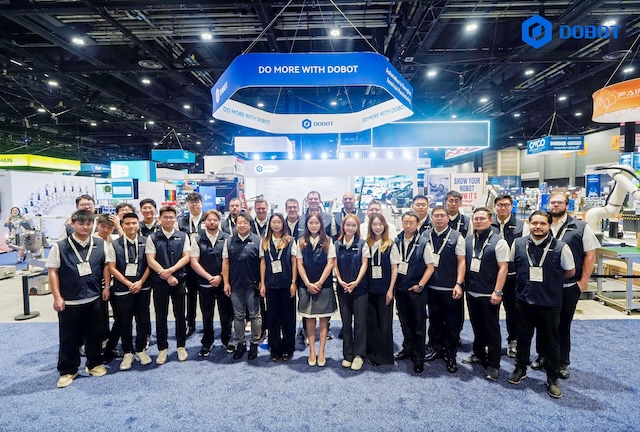
DOBOT Unveils Intelligent Automation Solutions at Automate 2026 to Enhance American Manufacturing
DOBOT showcased its latest intelligent automation solutions at Automate 2026, emphasizing the theme 'DO MORE WITH DOBOT.' The company highlighted how its collaborative robots and AI-powered technologies can enhance efficiency and flexibility in American manufacturing. Key demonstrations included solutions for various industries such as automotive and food & beverage, showcasing the integration of robotics in real-world applications. The significance of DOBOT's presentation lies in its commitment to strengthening American manufacturing through advanced automation. By demonstrating a comprehensive portfolio of application-driven solutions, DOBOT illustrated the potential of intelligent robotics to address industrial challenges and accelerate the transition to smart manufacturing. The showcased technologies aim to improve production processes across sectors, enhancing overall operational efficiency. Looking ahead, DOBOT's focus on integrated automation ecosystems and collaborative robotics indicates a trend towards more accessible and scalable solutions for manufacturers. The company's innovations, including humanoid robots and advanced programming capabilities, suggest a future where human-robot collaboration becomes increasingly seamless. No further timeline was disclosed at the time of publication.
DOBOT Automate 2026 collaborative robots industrial automation automation solutions humanoid robot
Automotive & Spot Welding: Estun Creates “Hard and Soft” Welding Solutions for Automotive Industry
The automotive industry is undergoing significant transformation as it embraces intelligent electric power. This shift is driven by the rapid rise of new energy vehicles, the increasing use of lightweight materials, and consumers' heightened demand for safety and quality. As a result, manufacturers are adapting their production processes to meet these evolving standards. The changes reflect a broader trend towards sustainability and innovation in the sector, highlighting the industry's commitment to addressing environmental concerns while enhancing vehicle performance. This evolution is reshaping the landscape of automotive manufacturing, paving the way for a future where electric and intelligent vehicles dominate the market.
ESTUN AUTOMATION ROBOTICS SERVO SYSTEMS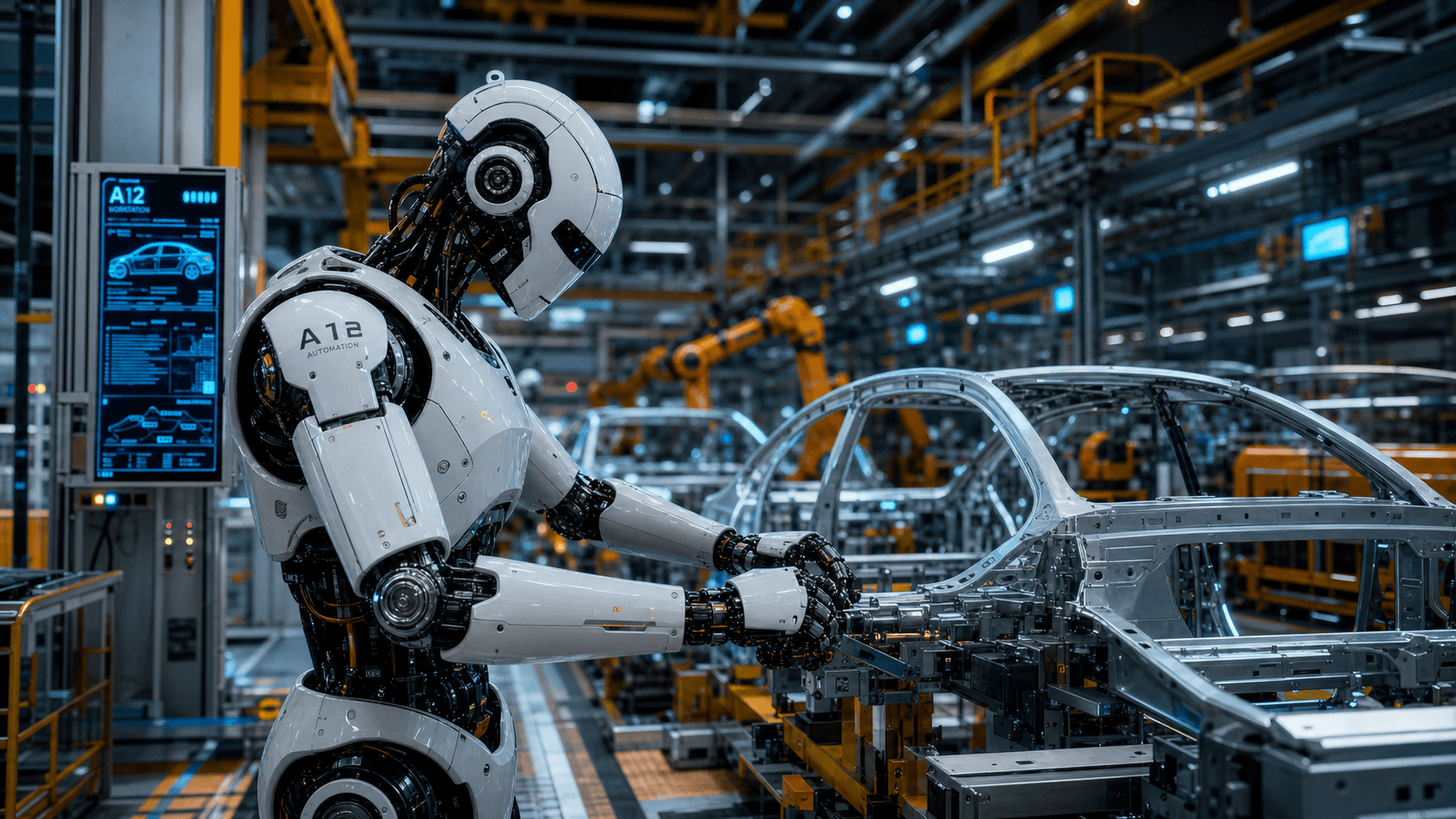
Tsinghua Vehicle School Alums Launch Guangxiang Technology, Raise Hundreds of Millions for Embodied AI in Automotive
Guangxiang Technology, a company incubated by Tsinghua University, has successfully raised hundreds of millions in angel funding to advance its innovative physics-native embodied AI model aimed at revolutionizing automotive manufacturing. This significant financial backing comes as the company seeks to enhance efficiency and precision in the automotive sector through advanced artificial intelligence solutions. The funding round, which reflects growing investor confidence in AI technologies, positions Guangxiang Technology to further develop its cutting-edge applications and expand its market presence. The investment underscores the increasing importance of AI in transforming traditional manufacturing processes, particularly in the automotive industry, where precision and efficiency are paramount.
Startups AI
N Ways Robotic Arms Are Transforming the Automotive Assembly Line
The automotive manufacturing industry is experiencing a significant transformation driven by the integration of advanced robotic arms, particularly collaborative robots, which enhance production efficiency, precision, and flexibility. JAKA, a leader in intelligent manufacturing, is at the forefront of this shift, implementing its robotic technology to address challenges such as low efficiency, inconsistent quality, and high labor costs in automotive assembly. As consumer demand evolves towards smaller batches and diverse product varieties, JAKA's collaborative robots, exemplified by the JAKA S12, offer high-precision adaptive assembly capabilities. With built-in force sensors and a lightweight design, these robots can be quickly deployed on assembly lines, minimizing downtime and adapting to various workpiece shapes and sizes. In the critical welding phase of automotive assembly, JAKA's robotic arms improve quality and efficiency by optimizing the welding process. Their user-friendly configuration interface and safety features ensure reliable operation, while compatibility with various welding machine brands enhances their versatility. Moreover, JAKA's collaborative robots lower the barriers to automation with zero-cost deployment and straightforward operation, allowing companies to implement these systems without specialized technical staff. This innovation not only reduces training costs but also enables manufacturers to quickly adapt to automation in their assembly lines. As the automotive sector increasingly embraces intelligent and flexible manufacturing, JAKA is committed to continuous innovation, providing high-quality robotic solutions that empower enterprises to enhance production efficiency and sustainability in the evolving market landscape.
Surge of 1458%: SUTENG's Robot Business Surpasses Automotive Sector
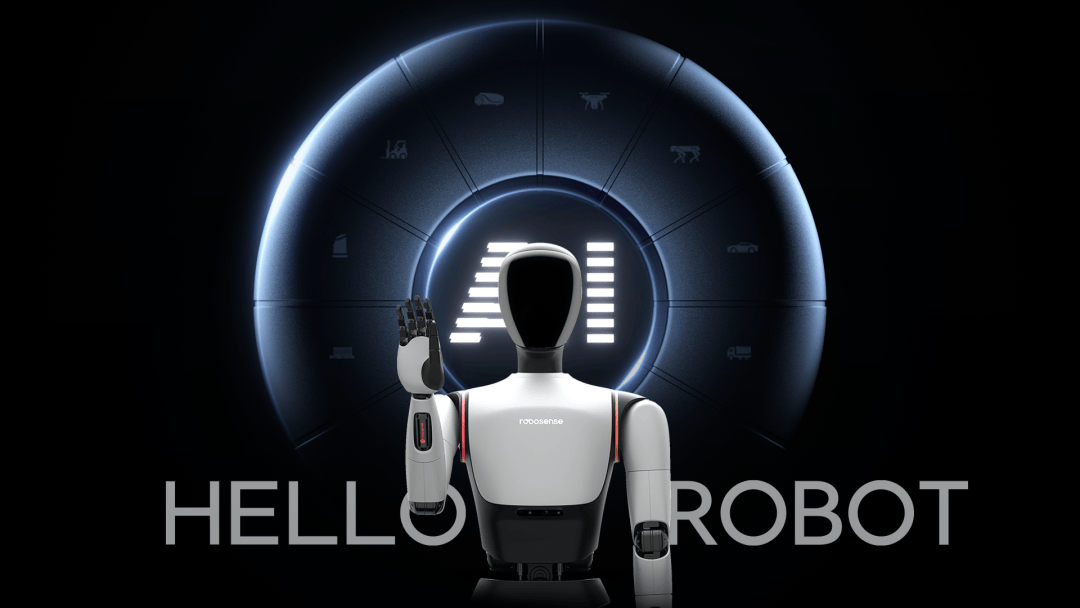
SUTENG has reported an impressive 1458% surge in robot lidar sales, marking a significant milestone as it has outpaced its automotive Advanced Driver Assistance Systems (ADAS) business for the first time. In the first quarter of 2026, the company generated approximately 4.59 billion yuan in total revenue, reflecting a robust growth trajectory in the robotics sector. This remarkable performance is attributed to SUTENG's strategic partnerships with leading robotics firms and its commitment to innovative technology solutions, solidifying its position as a key player in the rapidly advancing robotics market.
Robotics Lidar Technology Automated Solutions AI Smart Robotics
Seegrid Surpasses 20 Million Autonomous Miles, Cementing Its Leadership in Reliable AMR Solutions
Seegrid, a leader in autonomous mobile robot (AMR) solutions, has achieved a significant milestone by surpassing 20 million autonomous miles driven in real-world production environments. This accomplishment, announced on May 11, 2026, highlights Seegrid's strong position in the North American manufacturing, warehousing, and logistics sectors, equating to over 800 circumferences of the Earth. The milestone reflects the deep integration of Seegrid's technology into daily operations of major global manufacturers and logistics companies. CEO Chris Baker emphasized that this achievement validates the reliability of their technology, which has operated without any recordable safety incidents, showcasing the effectiveness of their proprietary vision and LiDAR/SLAM technology. The extensive miles logged in active production settings demonstrate Seegrid's commitment to delivering tangible returns on investment for its customers, which include automotive and e-commerce leaders. As companies face challenges like labor shortages and rising wages, Seegrid's AMRs are positioned as essential components of modern automated workflows, all designed and supported in the U.S. This milestone not only underscores Seegrid's operational excellence but also serves as a foundation for advancing Physical AI, enabling their robots to navigate complex industrial environments with human-like precision. The company expresses gratitude to its customers for their partnership in pushing the boundaries of autonomous material handling.
Sony Semiconductor Solutions and TSMC Plan Partnership to Develop Image Sensors for Physical AI
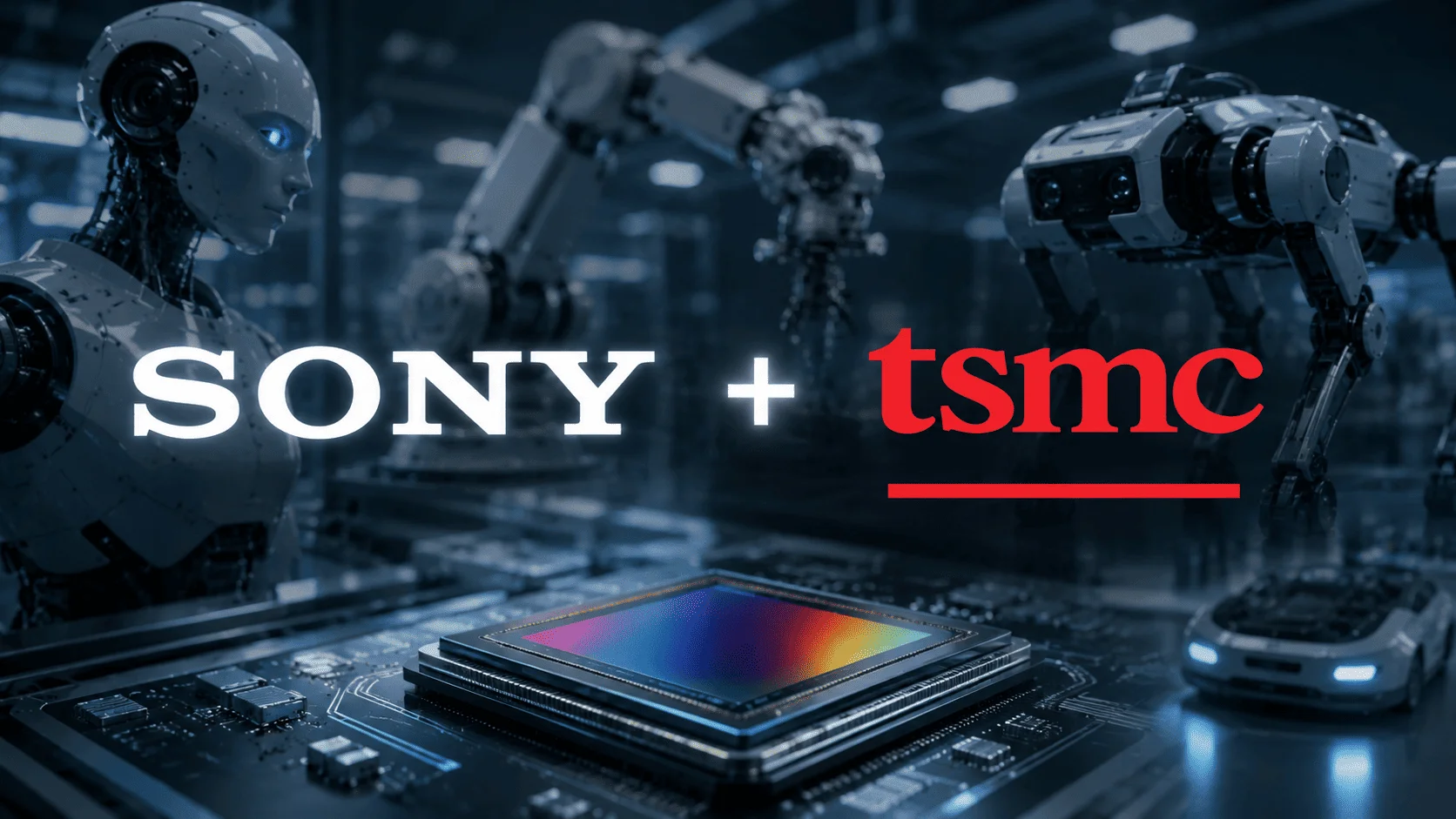
Sony Semiconductor Solutions and Taiwan Semiconductor Manufacturing Company (TSMC) have announced a strategic partnership aimed at developing and manufacturing next-generation image sensors. This collaboration, which was formalized through a non-binding memorandum of understanding, is set to explore future applications in sectors such as robotics, automotive systems, and physical AI. The partnership reflects both companies' commitment to advancing technology in these rapidly evolving fields.
AI AI Funding & Investment Robotics image sensors Japan Physical AI
How Assembly Robots Achieve High-Precision Tolerance in Automotive Manufacturing
In the automotive manufacturing sector, achieving high-precision tolerance is crucial for maintaining quality across large production volumes. As vehicle designs evolve to become more compact and modular, traditional manual assembly processes are increasingly inadequate in ensuring the necessary accuracy during extended shifts. JAKA, a leader in robotic solutions, has identified that integrating automation at key assembly stages can enhance tolerance control and support flexible production planning. The company emphasizes the importance of robotic systems, particularly industrial robot arms, in managing repeatability and process stability. These robots execute predefined trajectories with consistent speed and positioning, significantly reducing variability associated with manual operations. For instance, when used for tasks like gluing, these robots can maintain uniform glue beads and consistent joint dimensions, even amidst changing production schedules. By replacing manual dispensing methods, which often lead to fluctuations in flow rate and application angles, automotive manufacturers can achieve more stable and programmable production processes. JAKA's robotic solutions facilitate precise flow control, minimize material waste, and enhance surface appearance, all while being user-friendly and requiring minimal retraining for operators. Ultimately, JAKA's approach underscores that high-precision tolerance is best achieved through the integration of assembly robots into workflows, thereby reducing human error and maintaining flexibility on the production floor. As automation continues to advance, JAKA aims to provide practical robotic solutions that meet the evolving needs of the automotive industry.
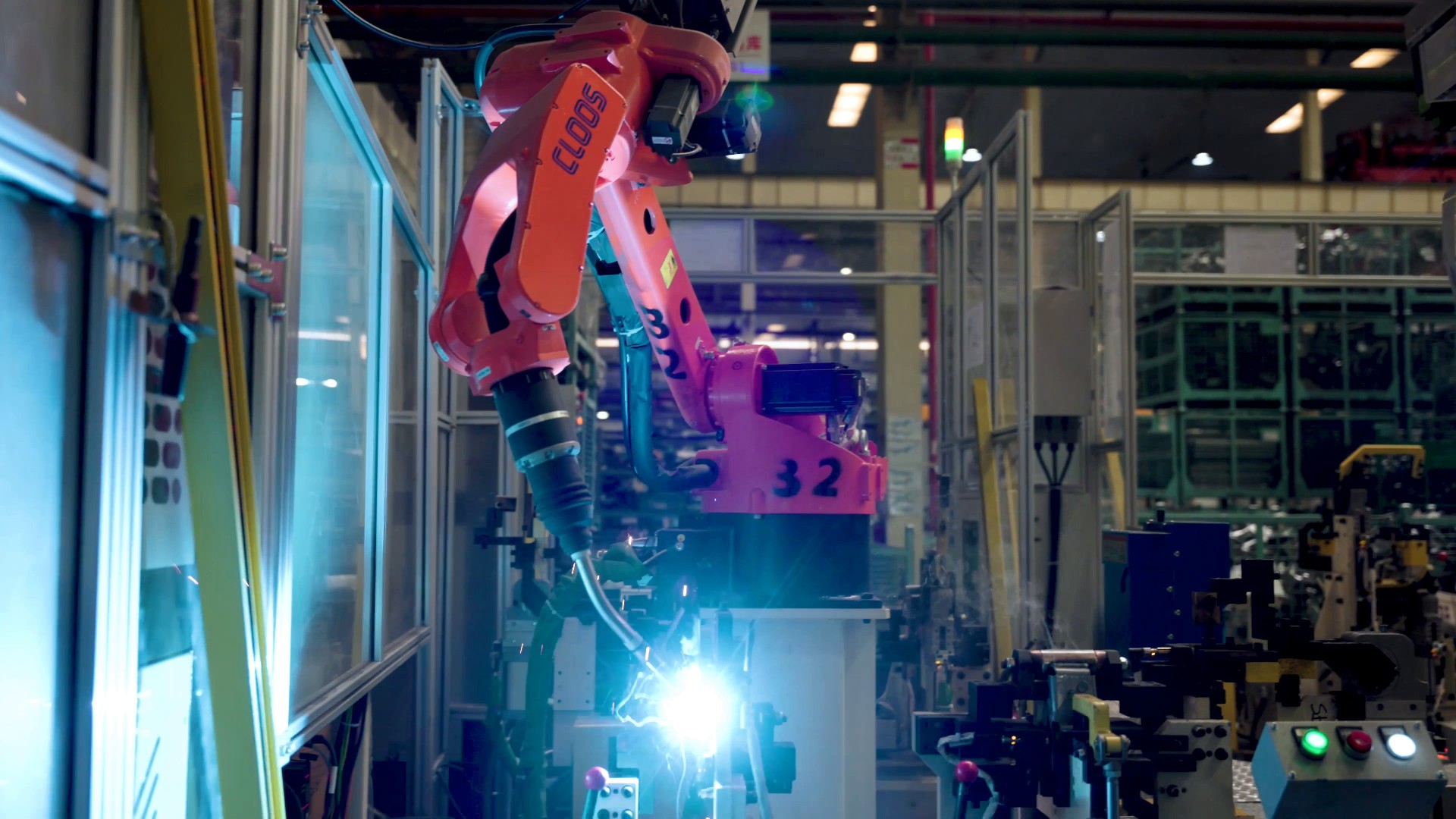
Over 200 Estun Robots Deployed on a Single Production Line: Fully Autonomous Robotic Automotive Parts Welding Line Officially Launched at Scale
In 2025, China solidified its position as a global leader in the new energy vehicle (NEV) industry by producing 16.626 million NEVs, which represented around 74.5% of the world's total NEV output. This remarkable achievement was fueled by advancements in indigenous technologies, exceptional manufacturing efficiency, and a robust automotive equipment sector. The surge in NEV production underscores China's commitment to transitioning towards sustainable transportation solutions and reducing carbon emissions, aligning with global efforts to combat climate change. The country's strategic investments and innovations in the automotive sector have not only bolstered its domestic market but also positioned it as a key player in the international NEV landscape.
ESTUN AUTOMATION ROBOTICS SERVO SYSTEMS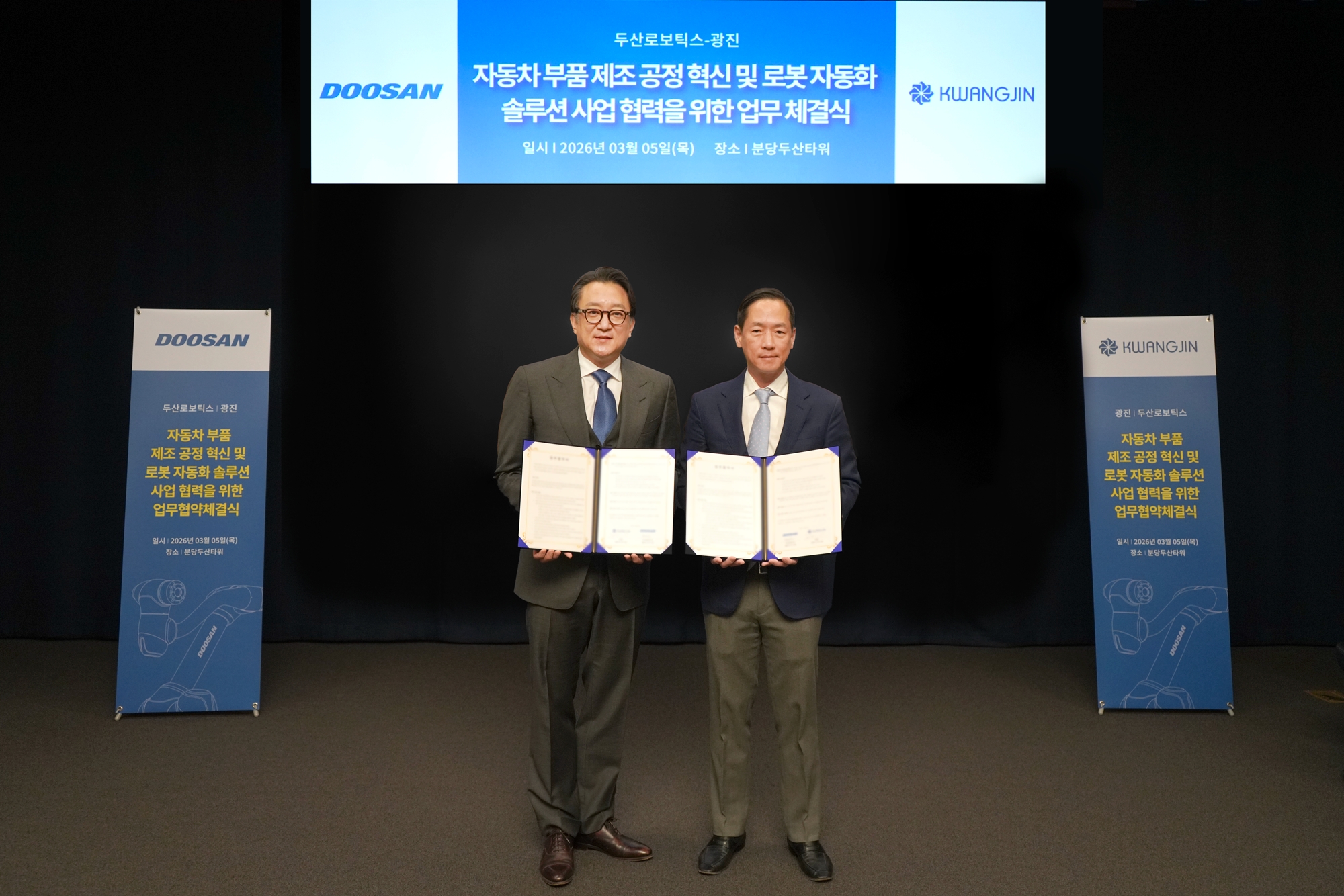
Doosan Robotics to Supply Large-Scale Manufacturing Robot Solutions to Kwangjin Group
Doosan Robotics has entered into a strategic partnership with Kwangjin Group, a global automotive components manufacturer, to supply over 100 manufacturing robot solutions. The agreement was formalized on March 9 at Bundang Doosan Tower in Seongnam, South Korea, through a Memorandum of Understanding (MOU). This collaboration aims to enhance manufacturing process automation and improve quality competitiveness by integrating Doosan's robotic solutions into Kwangjin's production lines. Kwangjin Group, known for its automotive door system components, operates facilities in key markets including the United States, Mexico, India, and Vietnam, serving major clients such as General Motors, Ford, and Volkswagen. The partnership follows Kwangjin's successful implementation of Doosan's technologies in its riveting, assembly, and inspection processes, which resulted in a remarkable reduction of product defect rates to zero. The deployment of these robotic solutions, which can be integrated without altering existing factory layouts, is expected to enhance safety, precision, and productivity while minimizing quality variations. The two companies plan to further their collaboration by developing customized robot solutions for additional manufacturing processes and establishing a joint task force to optimize production environments. Inwon Park, CEO of Doosan Robotics, emphasized the trust in their solutions, particularly after achieving a zero-defect rate, which has solidified this expanded partnership. The collaboration is set to continue evolving, positioning both companies to lead in the global automation market while advancing manufacturing innovation.
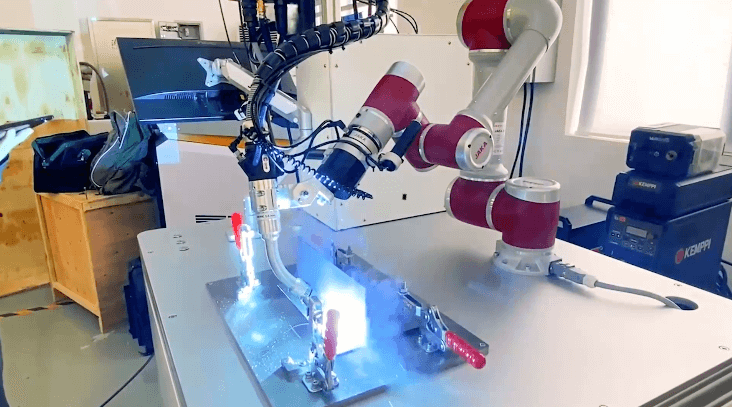
Top Six Applications of 6 Axis Robot Arms in Automotive Manufacturing
In the automotive industry, manufacturers are increasingly integrating six-axis robotic arms into their production processes to enhance efficiency and precision. These advanced jointed arm robots mimic human arm movements, making them ideal for complex tasks beyond simple material transfer. JAKA, a leader in robotic solutions, highlights the significant impact of these robots on assembly lines, particularly in welding, coating, sealing, and component installation. The six-axis robot arm excels in precision welding, maintaining optimal torch angles and travel speeds on intricate vehicle frames. This capability ensures structural integrity through consistent arc and spot welding, with the ability to store multiple programs for high-volume production without fatigue. In coating and sealing applications, the robot arm adeptly maneuvers spray guns to achieve uniform coverage on complex surfaces, reducing overspray and material waste. It can also apply sealants and adhesives with remarkable accuracy, outperforming manual methods. Moreover, the flexibility of these robotic arms is invaluable during assembly, allowing for the precise installation of components like windows, seats, and dashboards in tight spaces. By automating these tasks, the technology alleviates physical strain on workers and minimizes the risk of damage to delicate parts, all while ensuring consistent quality and efficiency on the production line. As the automotive sector evolves, the programmable articulation of six-axis robotic arms is proving essential for executing demanding tasks with reliability, underscoring their role as a crucial element in modern manufacturing systems.
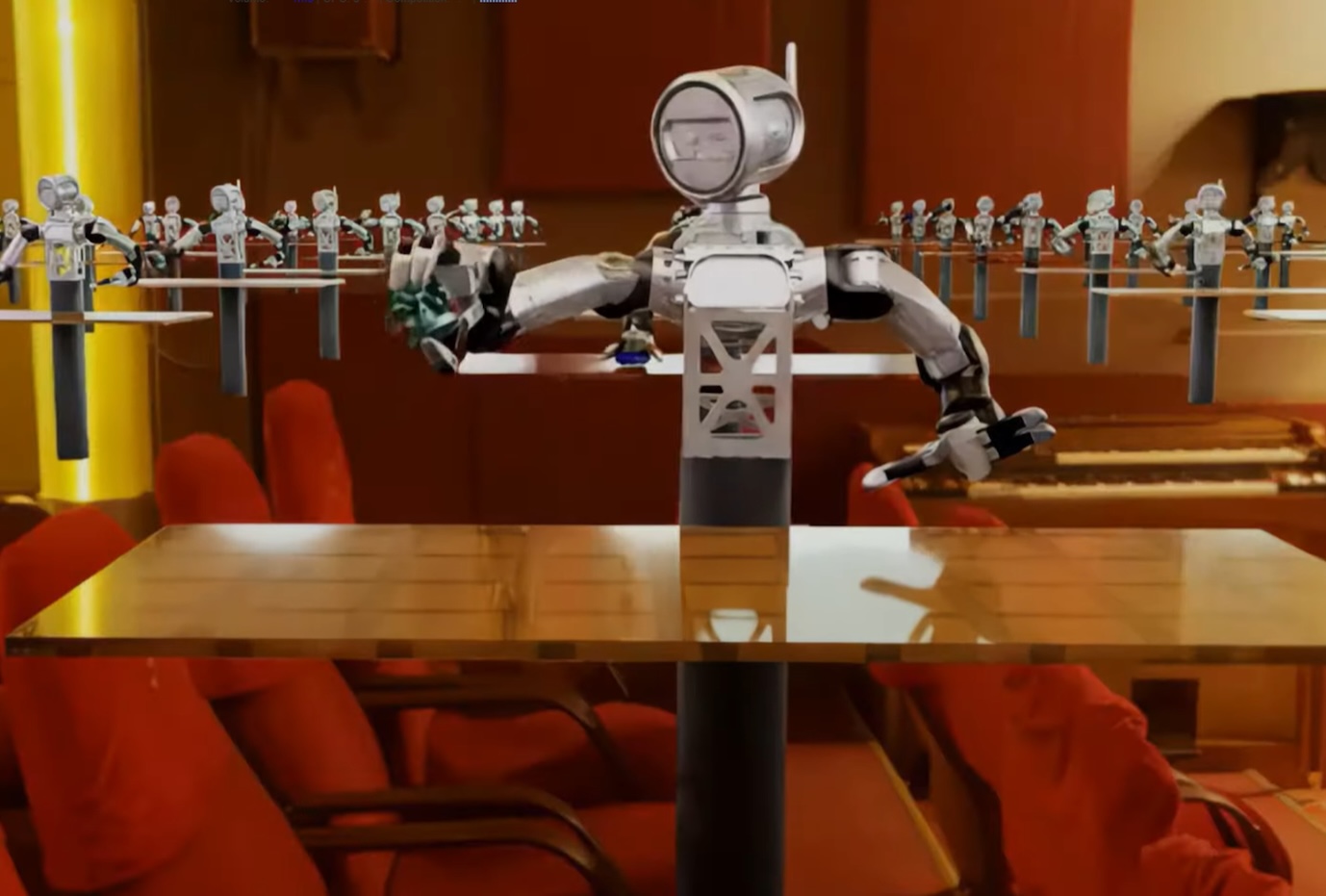
Unlimited "Grinding" Power 〡 ESTUN Robot Automotive Grinding Integrated Solution, Efficiently Covering Full Process Scenarios
In the automotive manufacturing sector, the importance of grinding, polishing, and deburring processes has come under scrutiny due to the challenges posed by traditional manual methods. These critical post-process steps are essential for achieving component precision, surface quality, and safety. However, manual grinding has been associated with hazardous dust exposure, inconsistent quality, and low efficiency, prompting industry leaders to seek innovative solutions. Recent advancements in automated grinding technologies are being explored to address these issues. By integrating robotics and advanced machinery, manufacturers aim to enhance precision and consistency while minimizing health risks for workers. This shift not only promises to improve the overall quality of automotive components but also boosts productivity within the manufacturing process. As the automotive industry continues to evolve, the push for safer and more efficient manufacturing practices is driving the adoption of these new technologies. The transition to automated grinding solutions is expected to reshape the landscape of automotive production, ensuring that safety and quality standards are met more effectively.
ESTUN AUTOMATION ROBOTICS SERVO SYSTEMS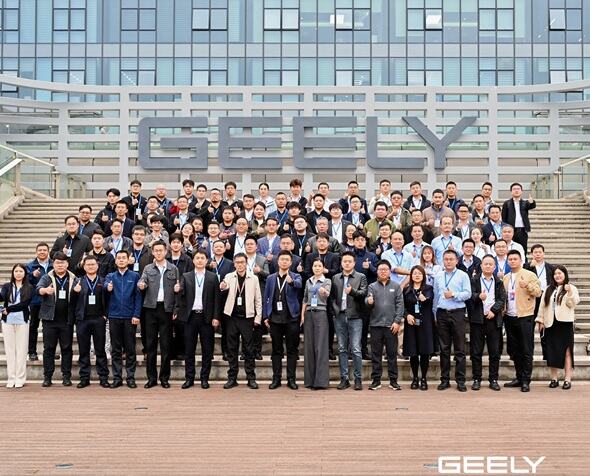
ROKAE Showcases Flexible Cobot Solutions at Geely Auto’s Advanced Manufacturing Technology Expo
ROKAE Robotics showcased its innovative wheeled dual-arm embodied-intelligence robot and a range of flexible collaborative robot solutions at Geely Auto’s inaugural Forward-Looking and Lean Manufacturing Technology Exhibition. The event, aimed at enhancing automotive production, provided attendees with valuable insights into advanced technologies, applications, and industrial upgrades. This debut marks a significant step for ROKAE Robotics in the automotive sector, highlighting the growing importance of automation in manufacturing processes. The exhibition served as a platform for industry leaders to explore cutting-edge solutions that could transform production efficiency and effectiveness.
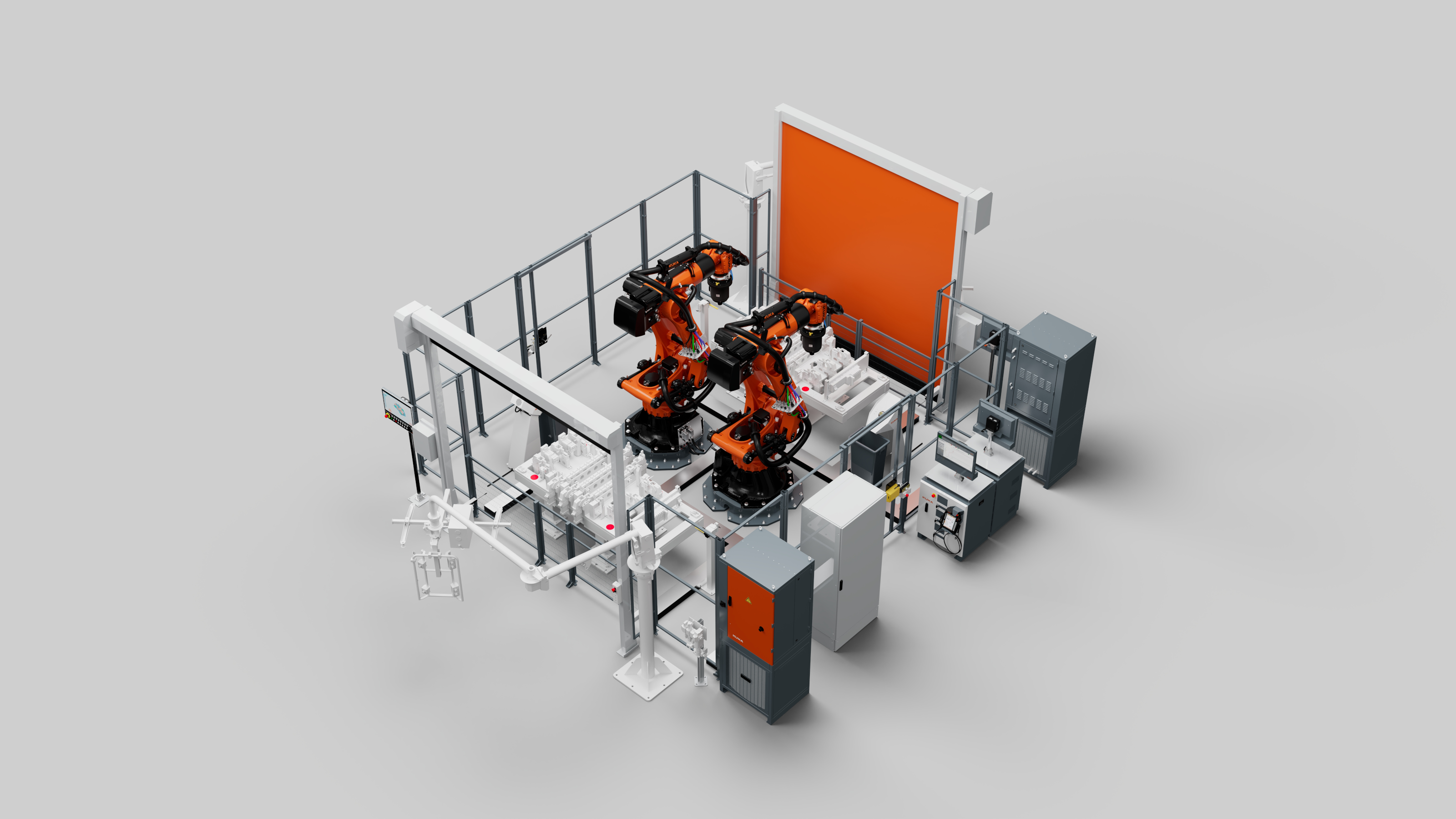
State-of-the-art welding technologies for e-mobility: KUKA receives follow-up order from major automotive manufacturer
KUKA is advancing sustainable mobility through innovative technology by securing a significant follow-up order from a major automotive manufacturer in the United States. This new order includes 12 additional friction welding cells equipped with integrated robots, aimed at supporting the expansion of electric vehicle production. This development comes after KUKA's successful delivery of 23 similar cells last year, highlighting the company's commitment to enhancing efficiency and sustainability in the automotive sector. The strategic partnership underscores the growing demand for electric vehicles and the need for advanced manufacturing solutions to meet this demand.
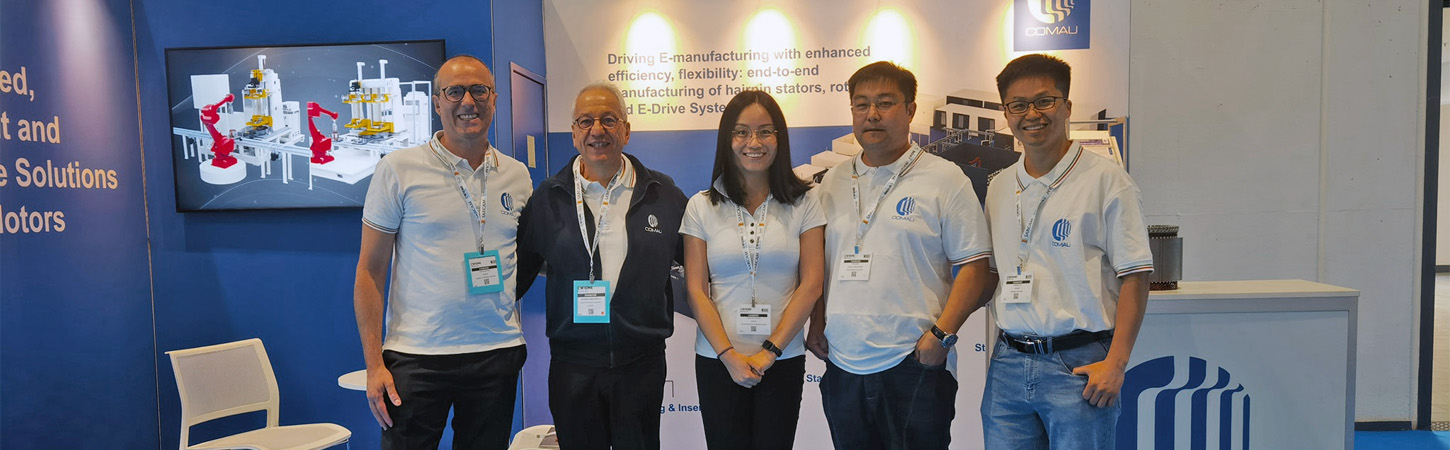
Comau to participate in CWIEME 2025 with advanced solutions for the production of hairpin/minipin stators and innovations for electric drive systems
Comau showcased its innovative cell formation and e-mobility solutions at the Battery Show held in Stuttgart, Germany. The event took place recently, bringing together industry leaders and experts to explore advancements in battery technology. Comau's participation highlights its commitment to enhancing manufacturing processes in the rapidly evolving electric vehicle sector. By presenting their latest technologies, the company aims to address the growing demand for efficient and sustainable energy solutions in the automotive industry. The display included demonstrations of cutting-edge automation and robotics designed to optimize battery production, reflecting Comau's strategic focus on supporting the transition to electric mobility.
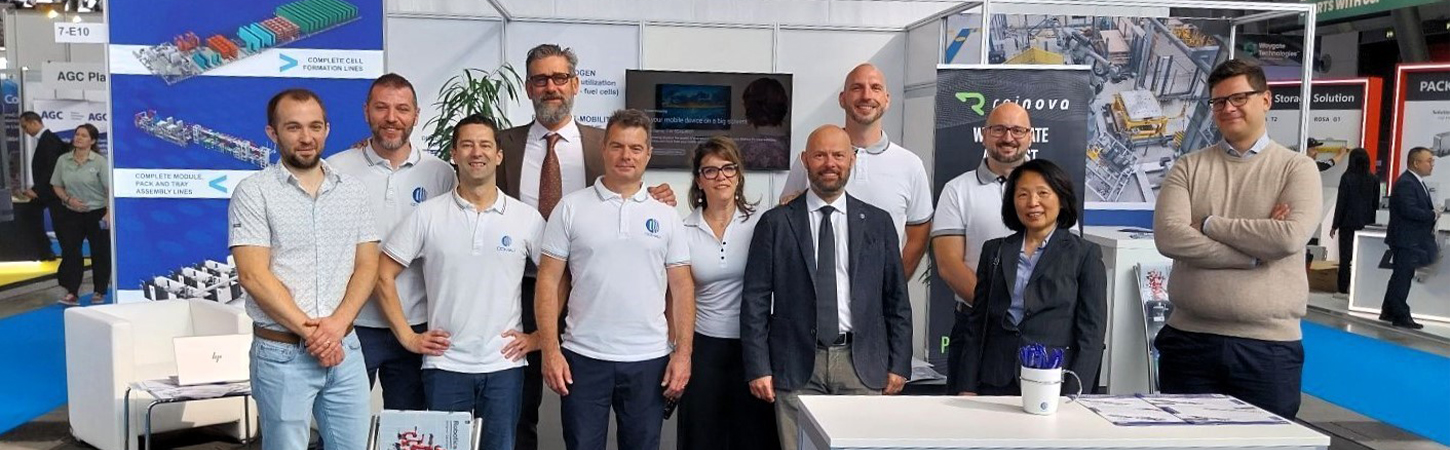
Comau to display its cell formation and new e-mobility solutions at the Battery Show Stuttgart
Comau showcased its innovative cell formation and e-mobility solutions at the Battery Show held in Stuttgart, Germany. The event took place recently, attracting industry leaders and stakeholders interested in advancements in battery technology and electric mobility. Comau's participation highlights the company's commitment to enhancing production processes and supporting the growing demand for sustainable energy solutions. By presenting its latest technologies, Comau aims to demonstrate how its automation and robotics expertise can streamline battery manufacturing, ultimately contributing to the transition towards greener transportation options. The exhibition provided a platform for networking and collaboration among key players in the battery and automotive sectors, emphasizing the importance of innovation in meeting future energy needs.
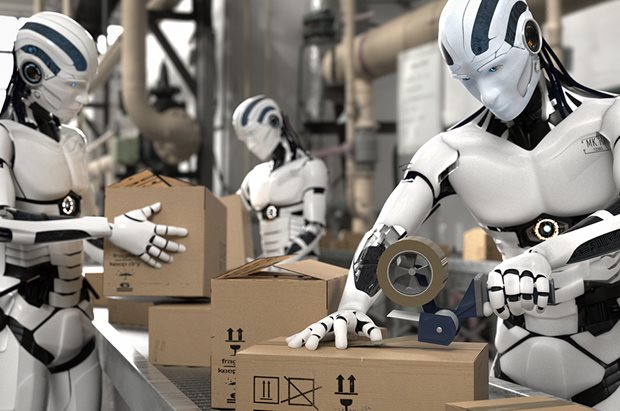
China's First Domestic Heavy-Duty Robotic Automotive Panel Stamping Line by Estun!
In the automotive manufacturing industry, the stamping process is essential for creating body panels like doors, side panels, and engine hoods. However, traditional stamping lines often depend on manual loading and unloading, which leads to inefficiencies and exposes workers to challenging conditions, including excessive noise, high temperatures, and dust. To address these issues, manufacturers are increasingly adopting automated solutions that enhance efficiency and improve workplace safety. By integrating advanced robotics and automation technologies, companies aim to streamline the stamping process, reduce labor costs, and create a more conducive working environment. This shift is not only expected to boost productivity but also to mitigate the health risks associated with manual operations. As the automotive sector continues to evolve, the move towards automation in stamping lines reflects a broader trend of modernization aimed at meeting growing production demands while ensuring worker safety.
ESTUN AUTOMATION ROBOTICS SERVO SYSTEMS
ByteDance Investigates Autonomous Driving Technology for Unmanned Logistics Solutions
ByteDance is currently investigating autonomous driving technology aimed at unmanned logistics, as reported by Chinese media. This initiative is being developed by the world model team within Seed, ByteDance's AI research unit, and is linked to Volcengine’s automotive industry line. The significance of this exploration lies in ByteDance's commitment to advancing large model research, which includes initial forays into physical AI. However, the company has clarified that it does not intend to establish a smart driving business, indicating a focus on research rather than commercial deployment. Looking ahead, it will be important to monitor ByteDance's developments in this area, particularly how their research may influence the logistics sector. No further timeline was disclosed at the time of publication.
News Feed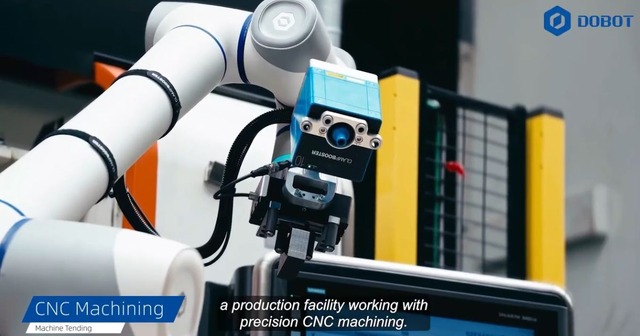
Dobot to showcase collaborative robot use cases in automotive, food, and education at "Automate 2026."
Dobot Robotics has unveiled a promotional video showcasing its products in preparation for the upcoming Automate 2026, one of North America's largest industrial automation trade shows. The video was released on YouTube on June 16, 2026, as part of the company's efforts to highlight its innovations and engage with potential customers ahead of the event. This strategic move aims to enhance visibility and demonstrate the capabilities of Dobot's automation solutions in a competitive market.
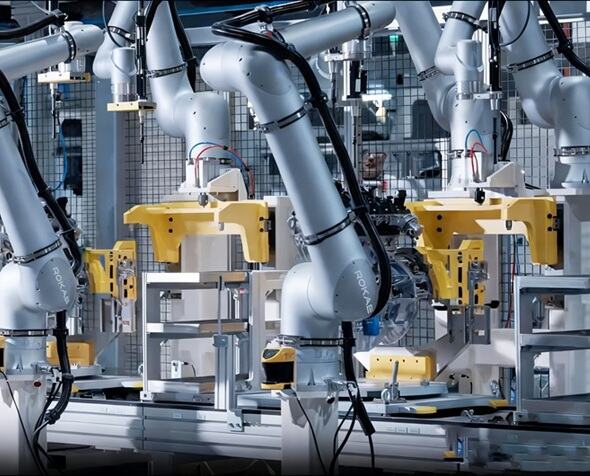
ROKAE Supports SERES with Flexible Automation Solutions
ROKAE Robotics has successfully implemented over 40 CR-series collaborative robots at SERES Power’s Changshou plant, marking a significant advancement in the intelligent manufacturing sector of the new energy vehicle industry. This deployment, which occurred recently, aims to enhance the plant's intelligent final assembly line, achieving full automation in critical production processes. The initiative reflects the growing trend towards automation in manufacturing, driven by the need for increased efficiency and productivity in the rapidly evolving automotive market.

When Factory Logistics Falls Out of Sync with Production: Three Operational Turning Points in Automotive and Chemical Industries
As global manufacturing evolves, companies are increasingly focusing on capacity expansion and automation to enhance productivity. However, with the acceleration of production takt time, a pressing concern arises regarding the ability of factory logistics to support this heightened operational intensity. Industry experts are examining whether current logistics systems can adapt to the demands of faster production cycles, which are essential for maintaining competitiveness in a rapidly changing market. The ongoing developments in manufacturing processes highlight the need for innovative solutions to ensure that logistics can keep pace with the advancements in production technology.
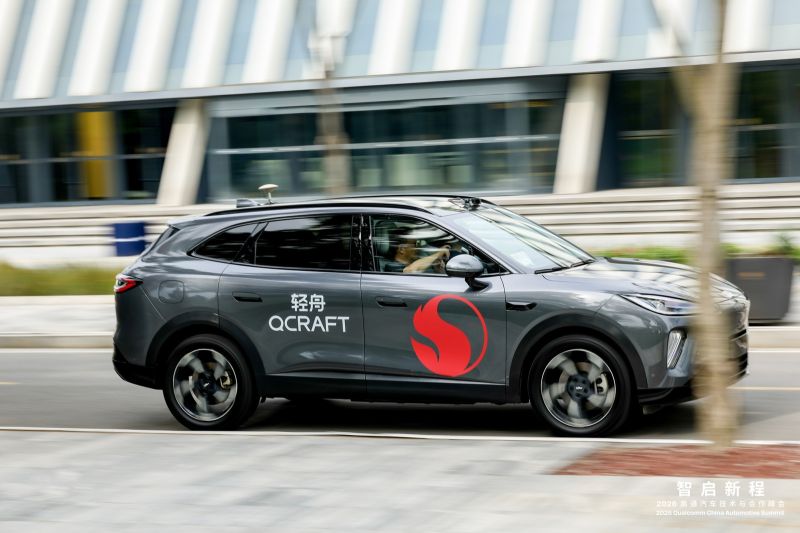
QCraft demonstrates urban NOA on Qualcomm’s latest Snapdragon Ride chip, targets 2026 global mass production
QCraft showcased its urban Navigate-on-Autopilot (NOA) system, powered by Qualcomm’s SA8650P Snapdragon Ride platform, during a live demonstration on June 5 at Qualcomm’s Automotive Technology and Cooperation Summit in Wuxi, China. This event marked a significant step for the autonomous driving company, which is aiming for global mass production of its technology within this year. Attendees had the opportunity to experience live test rides, highlighting the practical applications of QCraft's advancements in autonomous driving. The demonstration underscores the growing collaboration between technology and automotive sectors, as companies like QCraft seek to revolutionize urban transportation through innovative autonomous solutions.
Autonomous Vehicles Computing Technology assisted driving automation news automotive technology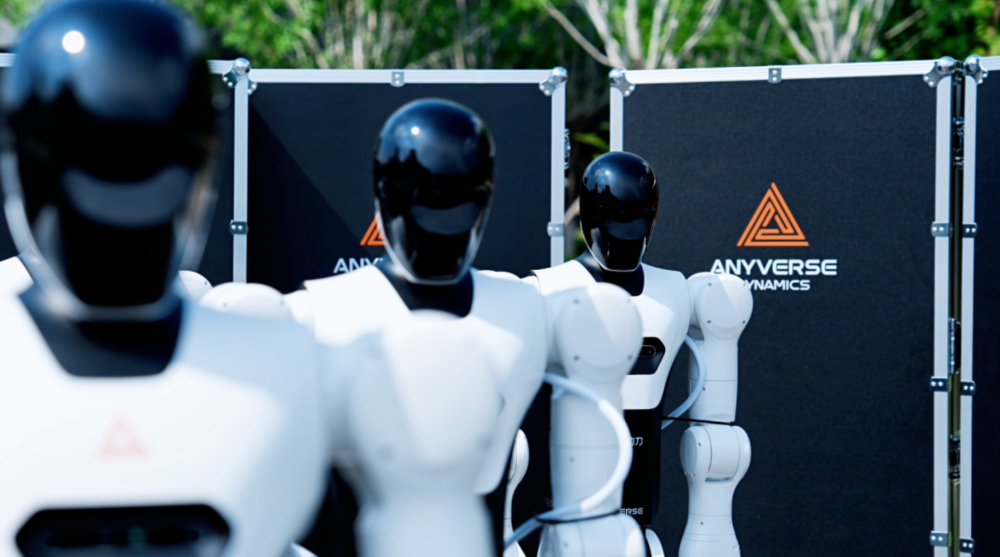
Automakers Seek Reliable Robots for Long-Term Performance Over Flashy Demonstrations
At the 2026 Embodied Intelligence Industry Integration Conference, industry leaders emphasized the need for robots that can operate reliably for extended periods without errors. Executives from companies like Beijing Galaxy General Robotics and Changan Automobile highlighted that automakers prioritize robots capable of consistent performance over flashy capabilities. The discussion revealed that many applications in automotive manufacturing, such as material handling and quality inspection, still lack effective solutions. High labor intensity and safety concerns drive the demand for robots that can maintain precision and efficiency over long operational hours, as noted by industry experts. Looking ahead, the focus will shift towards developing adaptable robots that can quickly integrate into various factory layouts without extensive reprogramming. The concept of 'Design for Robot' was introduced, aiming to reshape factory processes around robotic capabilities. No further timeline was disclosed at the time of publication.
Industrial Robotics Manufacturing Automation Automotive Technology Robotic Process Automation
ByteDance Explores Autonomous Driving with Seed's World Model Team in Charge
ByteDance is venturing into the autonomous driving sector, led by the world model team under Seed, which is part of its strategic research division. This initiative aims to integrate autonomous logistics solutions, leveraging existing technologies and talent from the company’s AI research efforts. The project is currently in its early preparation stages, with ByteDance reportedly engaging with top autonomous driving teams and recruiting skilled professionals in the field. The significance of this move lies in ByteDance's potential to disrupt the autonomous driving industry, especially as the world model has become a technical consensus among leading companies. With its resources and expertise, ByteDance could redefine the landscape of autonomous driving, which is increasingly recognized as a critical application of embodied AI. The company has previously expressed interest in automotive technology, indicating a strategic alignment with the growing demand for intelligent driving solutions. Looking ahead, ByteDance's entry into autonomous driving may enhance its capabilities in embodied intelligence by providing access to valuable real-world data. This data could be instrumental in refining its world models, thereby facilitating advancements in embodied AI applications. As the industry evolves, ByteDance's involvement could significantly impact the competitive dynamics of the autonomous driving sector, especially given its substantial resources and talent pool.
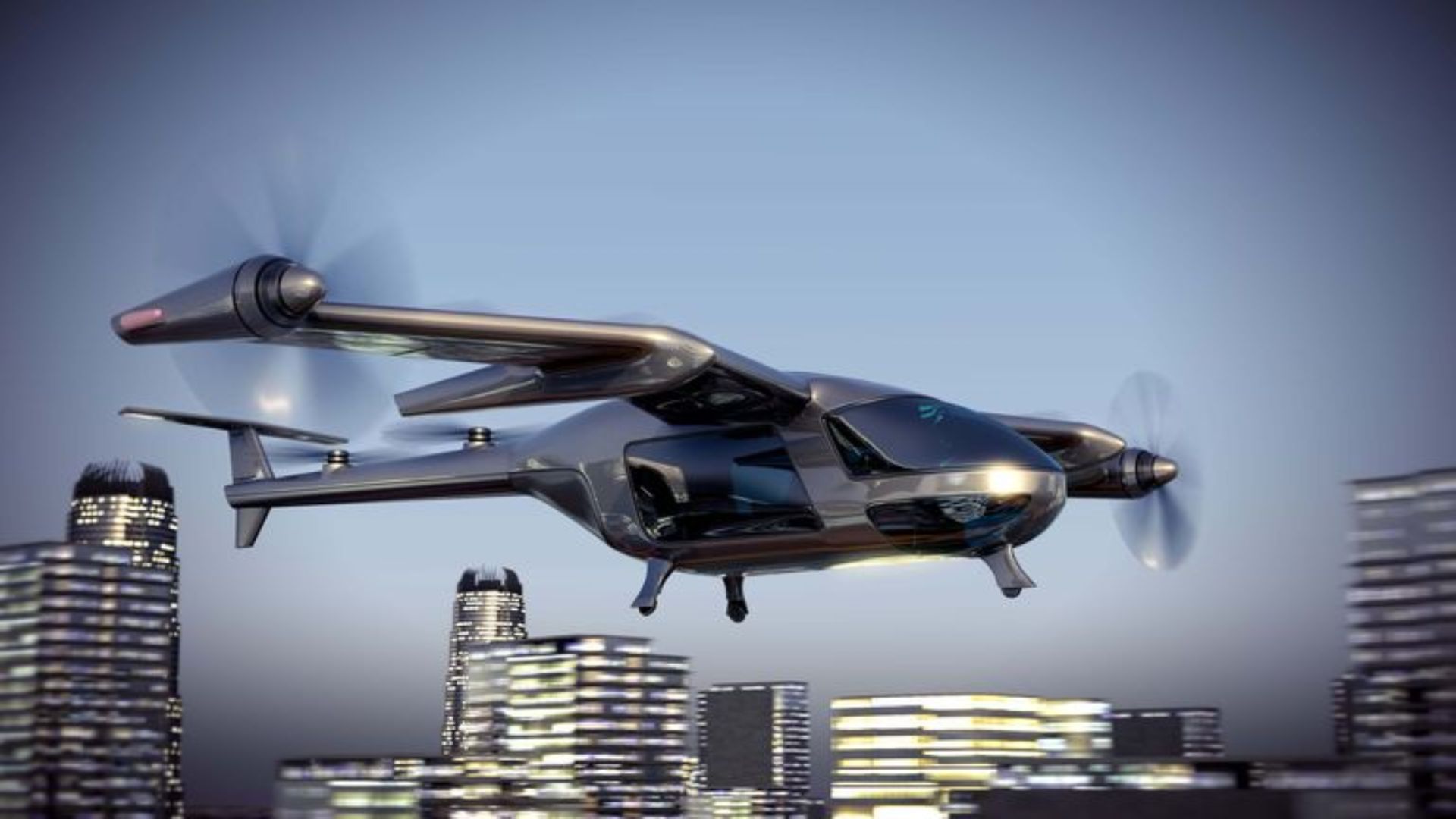
Syensqo Expands Havre de Grace Facility to Boost Aerospace Material Production by 30%
Syensqo, a global aerospace company, is expanding its Havre de Grace facility to enhance its manufacturing capabilities by over 30%. This multi-million-dollar investment aims to strengthen the company's U.S. manufacturing footprint and support the growing demand for advanced material solutions in aerospace, defense, and automotive sectors. The expansion focuses on producing high-performance structural adhesives and surfacing products, crucial for commercial aerospace and space exploration applications. The significance of this expansion lies in Syensqo's commitment to supplying high-performance materials that contribute to safer and more sustainable products across various industries. By reinforcing its global manufacturing network, the company aims to improve supply reliability and efficiency, addressing the increasing customer demand for adhesive and bonding materials. This move is part of Syensqo's broader strategy to lead in advanced materials and sustainable specialty chemicals, particularly in the aerospace sector, which is its largest market. Looking ahead, Syensqo's expansion at the Havre de Grace site marks a pivotal milestone in its growth trajectory. The company is expected to accelerate its efforts in supporting customers as they scale production, particularly in high-performance materials. No further timeline was disclosed at the time of publication, but the investment aligns with Syensqo's ongoing initiatives in electric vehicle batteries and clean energy technologies.
Science
Productive Robotics Equips Manufacturers With Zero Programming End-To-End Automation At IMTS
Productive Robotics, based in Santa Barbara, California, is set to showcase its innovative end-to-end automation solutions at the International Manufacturing Technology Show (IMTS) 2026, taking place on July 1. The company will exhibit at two booths, highlighting its 7-axis OB7 collaborative robots, which require no programming and offer a plug-and-play setup. This technology aims to address acute labor shortages, rising costs, and global competition faced by manufacturers. In Booth #339186, the focus will be on automating metal removal processes, while Booth #237138 will emphasize abrasive machining, sawing, and gear production. Zac Bogart, president of Productive Robotics, emphasized the importance of CNC machining for U.S. manufacturers, particularly in defense, aerospace, and automotive sectors, as well as for reshoring efforts to stabilize supply chains. The demonstrations will include automated vision inspection systems, MIG welding, and laser welding applications, showcasing the versatility of the company's robots. With their unique 7-axis design, these collaborative robots offer enhanced dexterity, allowing them to perform a wide range of tasks without the need for workspace redesign. The user-friendly interface enables operators with no robotics experience to quickly teach the robots tasks, significantly boosting productivity and safety in various manufacturing environments. For more information, visit Productive Robotics' website.
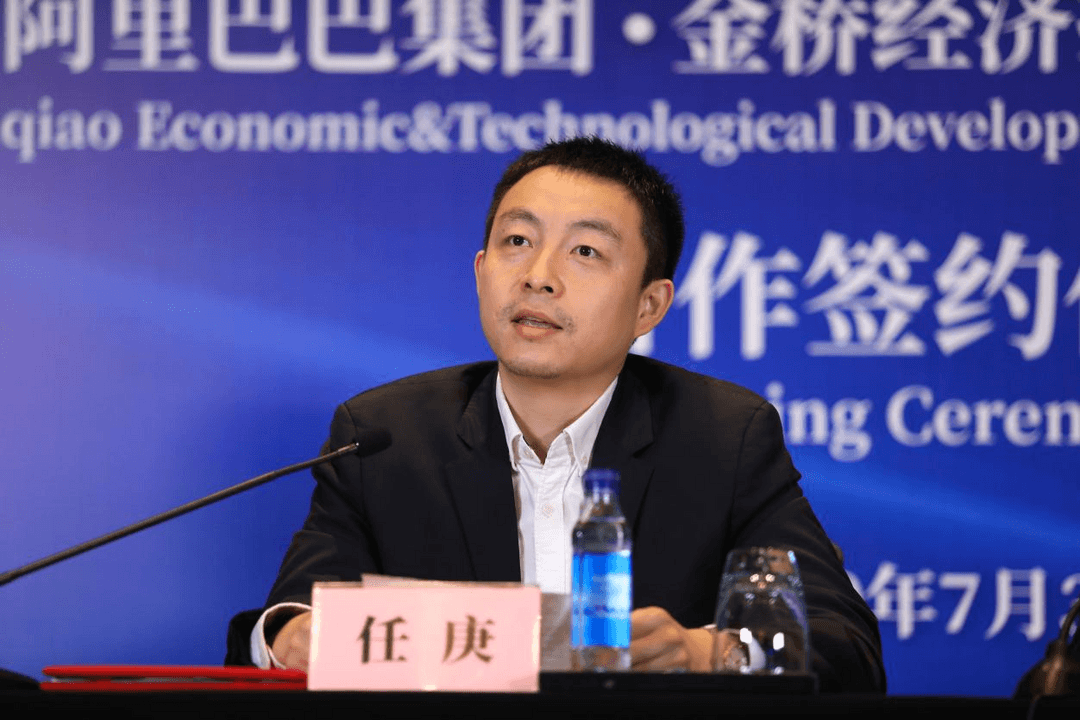
"3 rounds in 90 days with billions involved: What are the bets placed by the former president of Alibaba Cloud and the top position of Ideal Auto?"
In a high-stakes series of financial maneuvers, the former president of Alibaba Cloud and the top executive of Ideal Auto have engaged in three rounds of investment discussions over the past 90 days, involving billions of dollars. This unprecedented collaboration comes as both leaders seek to leverage their expertise in technology and automotive innovation to capitalize on emerging market opportunities. The negotiations, which have unfolded primarily in Beijing and Shanghai, highlight the growing intersection of technology and the automotive sector in China, driven by a surge in demand for electric vehicles and smart transportation solutions. The former Alibaba executive aims to tap into Ideal Auto's advancements in electric vehicle technology, while the Ideal Auto leader is looking to harness Alibaba's vast digital ecosystem to enhance operational efficiency and market reach. The urgency behind these discussions stems from the rapidly evolving landscape of the automotive industry, where companies are racing to innovate and secure their positions in a competitive market. By pooling resources and expertise, both parties hope to create a formidable partnership that can navigate the challenges of this dynamic environment. As the negotiations progress, industry observers are keenly watching for potential outcomes that could reshape the future of both companies, potentially leading to significant advancements in technology integration and market expansion.
Robotics Automation AI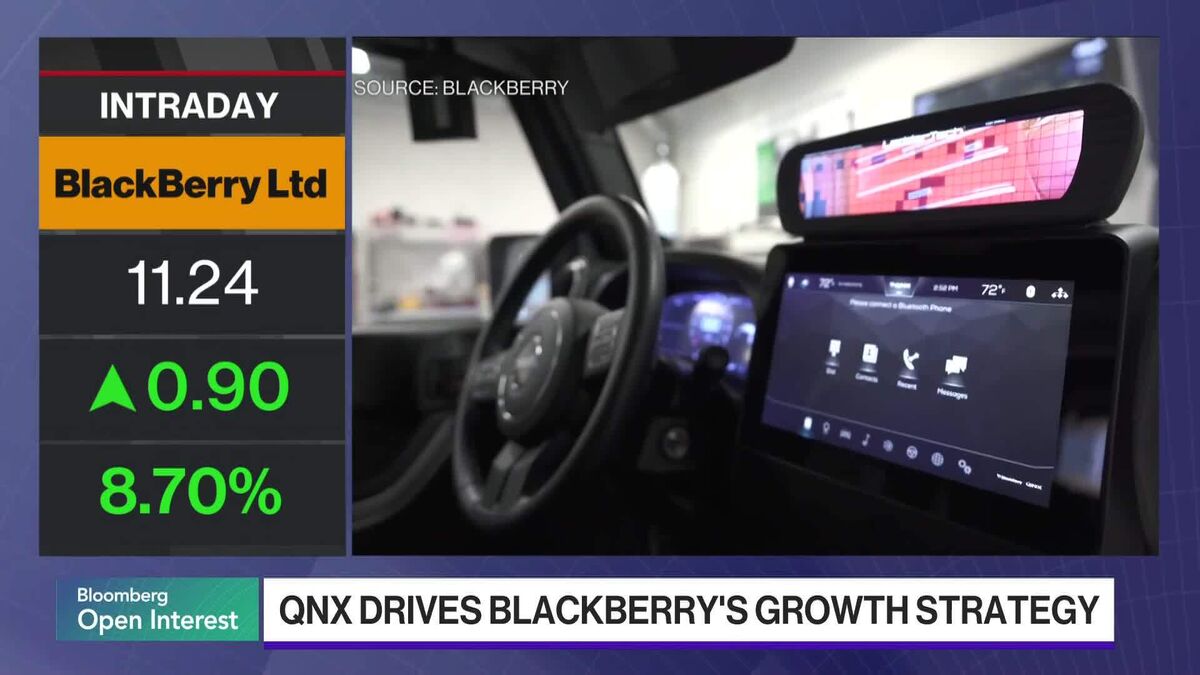
BlackBerry CEO Giamatteo Sees QNX Powering Growth
BlackBerry CEO John Giamatteo recently outlined the company's strategic shift towards becoming a leader in software and infrastructure, focusing primarily on its QNX operating system. During an interview with Bloomberg's Dani Burger and Alpine Saxon Woods Chief Market Strategist Sarah Hunt on "Bloomberg Open Interest," Giamatteo revealed that QNX now powers more than 275 million vehicles worldwide. He emphasized the system's expanding applications beyond automotive, noting its increasing use in robotics, medical devices, and industrial automation. This evolution reflects BlackBerry's commitment to diversifying its technology offerings and adapting to the growing demand for advanced software solutions across various industries.
NMS:NVDA TOR:BB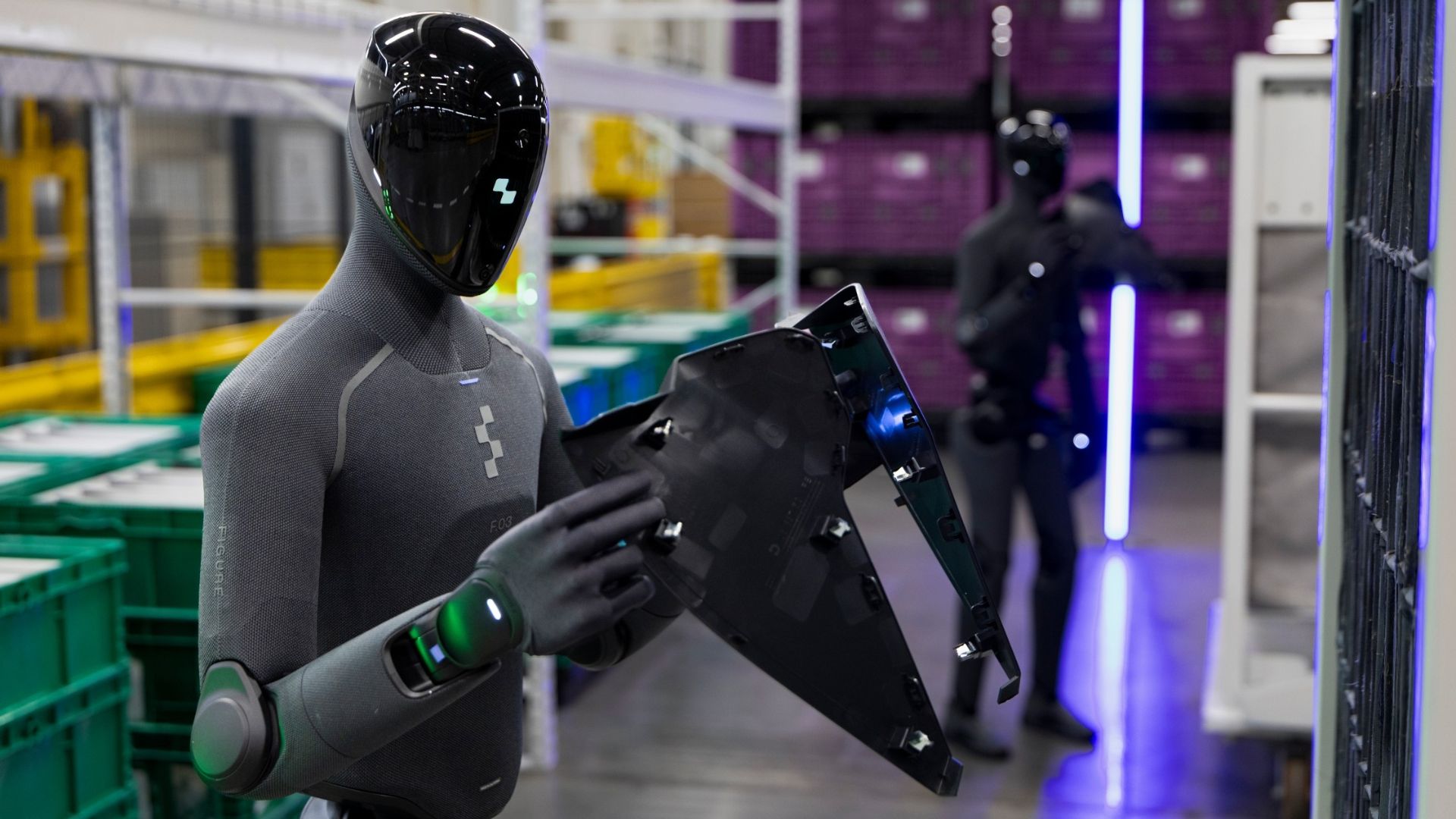
BMW’s smart factory in US gets Figure 03 humanoid robot for advanced logistics work
BMW Group has enhanced its manufacturing processes by integrating next-generation Physical AI technologies. This initiative, announced recently, aims to improve efficiency and precision in production lines. The implementation of these advanced AI systems is taking place at various BMW facilities worldwide, reflecting the company's commitment to innovation and modernization in the automotive industry. By leveraging Physical AI, BMW seeks to streamline operations, reduce costs, and enhance product quality, ultimately responding to the growing demand for smarter manufacturing solutions. The integration process involves upgrading existing machinery and training staff to work alongside AI systems, ensuring a seamless transition into this new era of manufacturing.
AI and Robotics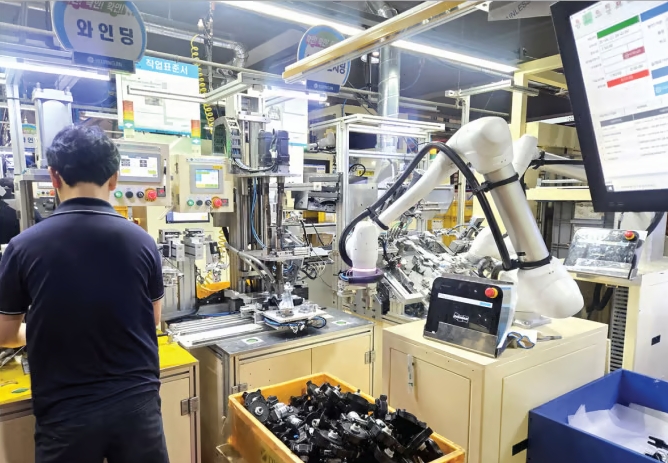
Kwangjin Achieves Near-Zero Defects with Doosan Cobots
Kwangjin Group, a leading automotive-parts manufacturer in South Korea, has significantly enhanced its production processes through the adoption of collaborative robots from Doosan Robotics. This transition, initiated in 2024 due to labor shortages, has transformed the riveting process at its Asan plant in South Chungcheong Province. By employing four Doosan Robotics collaborative robots, Kwangjin has reduced defects in its door-module assembly from approximately 12 defective plates per million to just one or two, effectively nearing zero defects. The robots, capable of lifting module plates and applying consistent pressure, have replaced manual labor, which was prone to errors due to variations in human skill and physical condition. The automation process took about four to six months and required an investment of approximately KRW 1.3 billion. Kwangjin chose Doosan Robotics over competitors due to its superior after-sales support and established technical response systems. The successful implementation of these robots has attracted attention from other Korean automotive manufacturers, who are visiting the Asan facility to observe the technology in action. Kwangjin plans to deploy over 100 collaborative robots across 17 global sites, including in the U.S. and Poland, by 2027. Meanwhile, Doosan Robotics aims to expand its intelligent robotic solutions by integrating AI and motion-control technologies, further solidifying its position in the automotive manufacturing sector.

Trump admin proposes axing brake-pedal requirement for AVs in a boost for Tesla
The Department of Transportation has proposed a significant regulatory change that would eliminate the requirement for brake pedals in vehicles intended solely for operation by automated driving systems. This initiative aims to streamline the design of autonomous vehicles, potentially accelerating their development and deployment. The announcement comes as part of ongoing efforts to adapt existing transportation regulations to better accommodate advancements in technology. By removing the brake-pedal requirement, the Department seeks to encourage innovation in the automotive industry and enhance the safety and efficiency of future transportation solutions. The proposal is currently under review, with stakeholders from various sectors invited to provide feedback on the implications of this change.
Government & Policy Transportation autonomous vehicles robotaxis Tesla zoox
DENSO Exhibits High-Performance Robots at Automate 2026
DENSO, a leading global automotive supplier, is set to showcase its advanced robotics technology at an upcoming industry trade show. The demonstration will feature precision 4-axis and 6-axis robots, as well as collaborative robots designed to enhance manufacturing efficiency. Scheduled for next month in Tokyo, Japan, the event aims to highlight DENSO's commitment to innovation in automation and smart manufacturing solutions. The company seeks to address the growing demand for automation in the automotive sector, driven by the need for increased productivity and reduced labor costs. By integrating cutting-edge robotics into production lines, DENSO aims to streamline operations and improve overall performance in the industry.

Interview with CreateMe CEO Campbell Myers: From stitching to bonding – physical AI could transform the way clothes are made
Apparel manufacturing continues to be one of the most labor-intensive sectors globally, despite advancements in automation in other industries such as automotive and electronics. The difficulty in automating textile production arises from the unique properties of fabric, which can stretch, wrinkle, and shift unpredictably. This complexity has hindered the development of effective robotic solutions for handling soft materials, leaving the apparel industry largely reliant on human labor. As manufacturers seek to improve efficiency and reduce costs, the challenge of integrating automation into textile production remains a significant hurdle.
Engineering Features Manufacturing adhesive bonding apparel automation apparel industry
XPeng Brings Full Physical AI Product Lineup to 2026 GBA Auto Show
XPeng unveiled its comprehensive range of physical AI products at the 2026 GBA Auto Show, emphasizing advancements in autonomous driving and embodied AI technologies that extend beyond conventional electric vehicles. The event, held in the Greater Bay Area, served as a platform for the company to demonstrate its innovative capabilities and commitment to integrating cutting-edge technology into the automotive sector. By showcasing these developments, XPeng aims to position itself at the forefront of the evolving automotive landscape, responding to the growing demand for smarter and more autonomous driving solutions. The exhibition highlighted the company's vision for the future of transportation, where AI plays a pivotal role in enhancing vehicle functionality and user experience.
News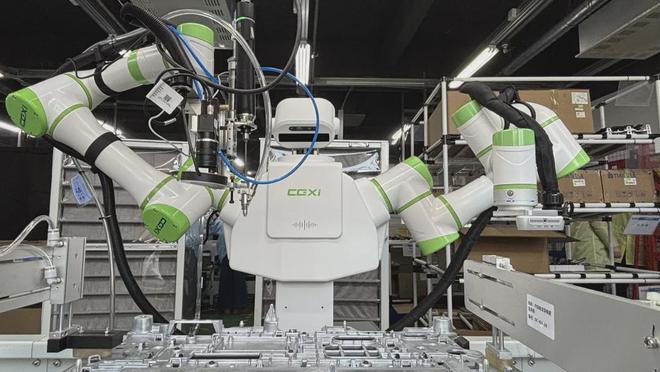
Building a Strong Competitive Edge in the Era of Embodied Intelligence
Changguangxi Intelligent Manufacturing is making significant strides in the field of embodied intelligence by focusing on practical applications rather than theoretical concepts. The company, known for its expertise in collaborative robots and smart components for the automotive industry, is utilizing rigorous automotive standards to improve the reliability and performance of its products. This approach not only positions Changguangxi as a leader in intelligent manufacturing but also addresses the growing demand for advanced automation solutions in various sectors. As the industry evolves, the company's commitment to real-world implementation is set to drive innovation and enhance operational efficiency.
Collaborative Robots Automotive Technology Embodied Intelligence Motion Control
2 Undervalued Growth Stocks That I'm Aggressively Buying
A recent report highlights the growing trend of electric vehicle (EV) adoption across the United States, driven by increasing environmental concerns and government incentives. As of October 2023, sales of EVs have surged, with major automakers like Tesla, Ford, and General Motors leading the charge. This shift is particularly evident in urban areas, where consumers are more inclined to embrace sustainable transportation options. The report indicates that federal and state governments have implemented various tax credits and rebates to encourage EV purchases, making them more accessible to a broader audience. Additionally, advancements in battery technology and charging infrastructure have alleviated previous concerns regarding range and convenience, further boosting consumer confidence. Experts predict that the trend will continue to accelerate, with projections suggesting that EVs could make up a significant portion of new car sales by 2030. This shift not only reflects changing consumer preferences but also aligns with broader efforts to reduce carbon emissions and combat climate change. As the market evolves, automakers are investing heavily in research and development to enhance their EV offerings, ensuring they remain competitive in a rapidly changing landscape. The combination of consumer demand, supportive policies, and technological innovations is reshaping the automotive industry, signaling a pivotal moment in the transition to cleaner transportation solutions.
MELI META Amrita Roy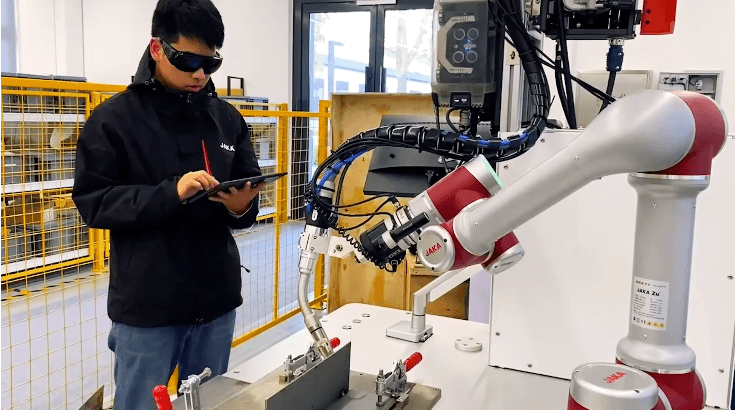
What Do Industrial Robot Arms Do? Functions in Modern Manufacturing
In the evolving landscape of modern manufacturing, industrial robot arms have emerged as essential components, revolutionizing production processes across various sectors, including automotive and pharmaceuticals. These advanced mechanical systems, designed to replicate human dexterity, offer unmatched precision, endurance, and payload capacity, enabling manufacturers to achieve unprecedented efficiency. Equipped with versatile "End-of-Arm Tooling" (EOAT), these robots perform a range of tasks, from picking and placing delicate electronic components to executing precise welding and material removal. Their ability to maintain consistent quality and reduce waste makes them invaluable in heavy industry. Furthermore, advancements in automation have led to the integration of 2D and 3D vision systems, allowing robots to adapt to their environment, detect defects, and handle unsorted parts, transforming them from simple tools into intelligent collaborators. Leading the charge in this industrial revolution is JAKA, a company that has developed the JAKA Zu and Pro series of robot arms. These models exemplify flexibility and ease of deployment, designed for seamless transitions between tasks such as screw driving and inspection. With user-friendly wireless control and graphical programming via the JAKA App, manufacturers can optimize their production lines without requiring extensive coding knowledge. JAKA's innovative solutions provide a compact and efficient alternative to traditional automation, empowering businesses to enhance their operational capabilities and reach their full potential.
Cobot Arms vs. Traditional Industrial Robot Arms: Which Is Better?
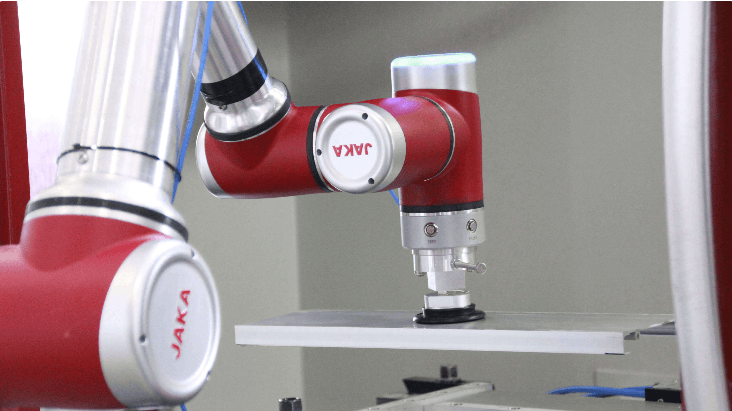
The ongoing debate between collaborative robots (cobots) and traditional industrial automation is reshaping manufacturing strategies as companies assess their specific production needs. While traditional robots excel in high-speed, heavy-duty tasks, they require safety barriers and specialized programming, leading to higher integration costs and a larger factory footprint. In contrast, cobots are designed for flexibility and safety, allowing them to work alongside human operators without the need for fencing. They operate at lower speeds but offer a significantly lower Total Cost of Ownership (TCO) and can be easily reprogrammed and relocated, making them ideal for dynamic production environments. JAKA Robotics is at the forefront of this evolution, promoting the integration of human creativity with robotic precision through their JAKA Zu and Pro series. These systems provide high repeatability comparable to traditional robots while maintaining a safe, fence-free workspace. With an open software ecosystem and user-friendly programming interfaces, JAKA's cobots enable existing staff to manage automation without needing external consultants, thereby accelerating return on investment. Their solutions cater to various industries, including automotive, electronics, and food service, emphasizing safety and efficiency in modern manufacturing.
Why Global Buyers Are Increasingly Choosing Robot Arm China for Automation
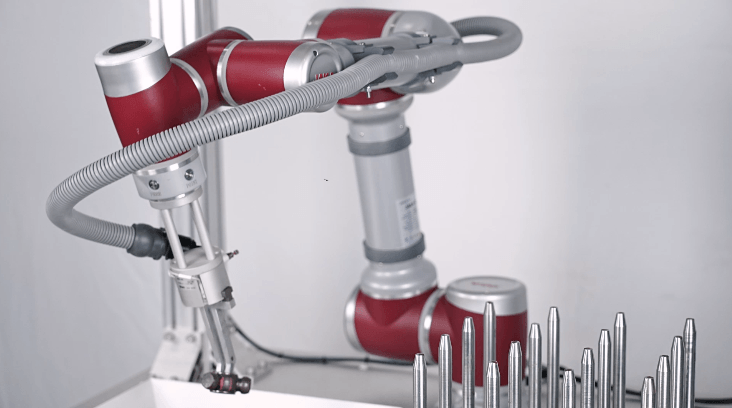
The global industrial sector is experiencing a significant transformation as companies increasingly adopt flexible automation, particularly in China, which has emerged as the largest market for industrial robots. This shift is driven by a growing demand for sophisticated robotic arms that not only offer cost-effectiveness but also advanced adaptability and intelligence to seamlessly integrate into existing production lines. Historically associated with mass production, Chinese manufacturing is now recognized for its technical innovation and research and development in robotics. Local manufacturers are enhancing their technologies to meet stringent international standards, resulting in systems that excel in precision, payload capacity, and software integration. International buyers are attracted to these modern Chinese robotic solutions due to their rapid deployment capabilities and versatility, which are designed to simplify complex automation tasks for small and medium-sized enterprises. By focusing on user-friendly interfaces and modular designs, these robots lower the barriers to automation across various industries, including electronics, automotive, and food processing. Leading this collaborative revolution is JAKA, a global frontrunner in intelligent robotics. The company emphasizes a mission to enhance productivity through its innovative solutions, such as the JAKA Zu Series and S Series. These products boast impressive specifications, including high payload capacities and precise positioning accuracy, making them ideal for delicate tasks. JAKA's "plug-and-play" approach allows its collaborative robots to operate safely alongside human workers without traditional safety barriers, further enhancing their appeal. With a global service network and advanced training programs, JAKA positions itself as a comprehensive partner in automation, ensuring that its technology remains at the forefront of the industry.
Which Robot Is Used in Industries?
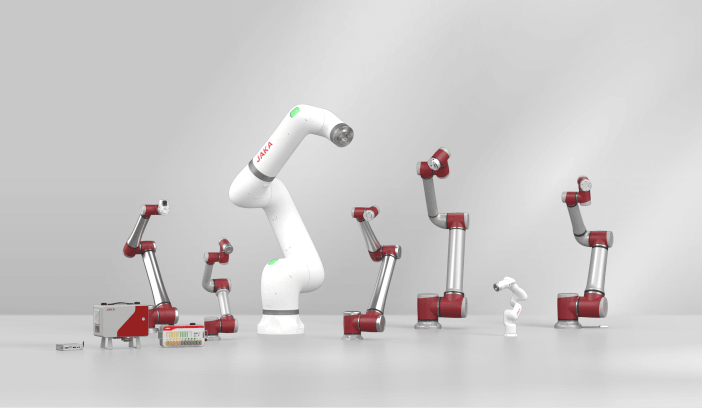
The landscape of modern manufacturing has transformed into a complex ecosystem, where various robotic technologies are tailored to meet specific operational demands. This evolution emphasizes the balance between high-speed automation and flexible human-machine collaboration, particularly in the field of robotics. While traditional automotive production lines continue to utilize large, powerful machines, a new wave of "Smart, Simple, Small" technologies is reshaping the role of industrial robots. Among the primary types of robots currently driving innovation are articulated robots, known for their versatility in tasks such as welding and assembly; SCARA robots, which excel in high-speed pick-and-place operations; and collaborative robots (cobots), the fastest-growing segment that operates safely alongside humans thanks to advanced sensors. JAKA Robotics, established in 2014, has emerged as a leader in this collaborative revolution, focusing on creating "embodied intelligence" that enhances machine interaction with their environments. The company offers a diverse range of robotic solutions tailored to various industries, including the JAKA Zu series for general manufacturing, the precision-focused JAKA A series, and the rugged JAKA Pro series designed for harsh conditions. JAKA distinguishes itself through its commitment to user-friendly technology, introducing wireless mobile apps for robot control to streamline operations. By integrating AI and providing educational platforms, JAKA aims to facilitate rapid returns on investment and simplify the automation process, positioning itself at the forefront of the Industry 5.0 movement.

Brighter Signals Raises €1.6M in Funding for Smart Sensors
Brighter Signals, a Dutch startup specializing in fabric-based sensing technology for vehicles and robotics, has successfully secured €1.6 million in funding to enhance its pilot programs with automotive and industrial partners. The financing round attracted investments from Wake Up Capital and ELOKON Ventures, supplemented by regional innovation funding and a Eurostars grant. This financial boost aims to support the company's expansion efforts and further develop its innovative sensing solutions, which are poised to transform the way vehicles and robotics interact with their environments.
AI AI Funding & Investment Robotics Dutch Enterprise Agency ELOKON Ventures Eurostars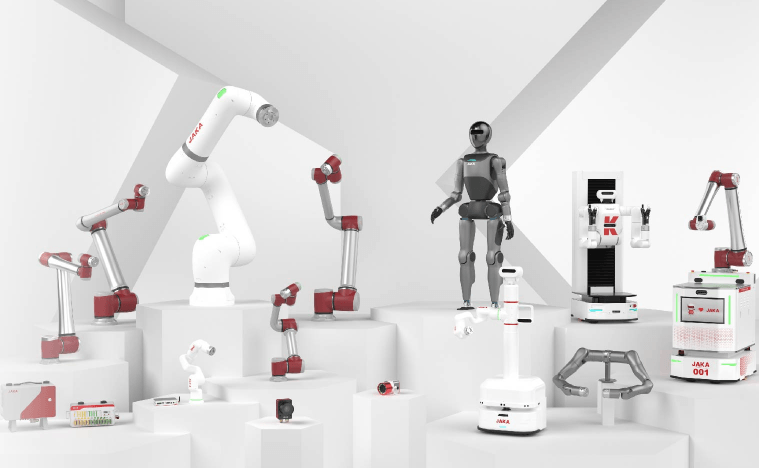
Why Are Collaborative Robots Crucial for SMEs and Industry Giants?
As global manufacturing evolves, the line between manual labor and automation is increasingly blurred. In 2026, a pivotal shift occurs as general industries—including food, consumer goods, and logistics—emerge as the leading sectors driving automation growth, previously dominated by industrial robotics in automotive plants. This transformation is largely attributed to the rise of collaborative robots (cobots), designed to work safely alongside human workers without the need for traditional safety barriers. Small and Medium Enterprises (SMEs) often struggle with the "automation paradox," needing efficiency to compete but lacking the resources for conventional robots. Cobots address this challenge with their compact design and user-friendly, no-code programming, enabling smaller businesses to automate repetitive and hazardous tasks with minimal investment. Meanwhile, larger manufacturers benefit from cobots' flexibility in high-mix, low-volume production environments, where they can efficiently handle tasks like precision dispensing and palletizing. JAKA, a leader in collaborative robotics, emphasizes the importance of robots as reliable partners rather than mere tools. Their JAKA Mini series, weighing under 10kg, is tailored for SMEs, while the JAKA Pro series is built for larger enterprises, offering durability in harsh conditions. Advanced AI and vision systems enhance the robots' ability to interact with their environment, earning the trust of industry giants like Toyota and Schneider Electric. JAKA's solutions aim to facilitate the transition from manual labor to intelligent automation, providing the necessary flexibility and value for the future of Industry 4.0.
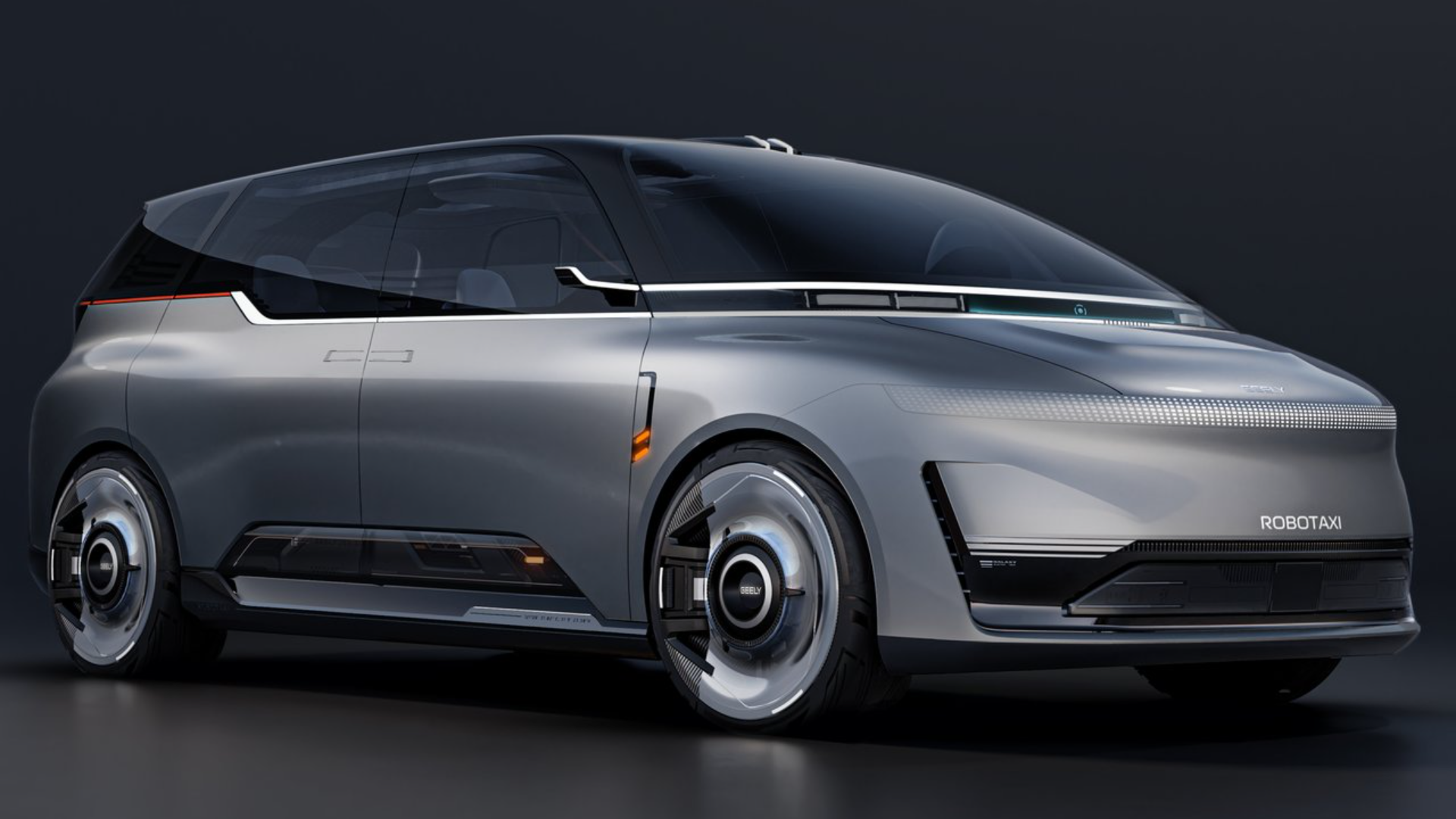
China’s auto giant unveils 1,400 TOPS robotaxi built on human-like reasoning
Chinese automotive giant Geely has unveiled its first purpose-built robotaxi prototype, named the Eva Cab. This innovative vehicle is designed to operate autonomously, marking a significant step forward in the company's efforts to revolutionize urban transportation. The announcement was made during a recent event in Shanghai, where Geely showcased its advancements in autonomous driving technology. The Eva Cab is equipped with advanced sensors and artificial intelligence systems that enable it to navigate complex urban environments safely and efficiently. Geely aims to address the growing demand for sustainable and convenient transportation solutions in densely populated cities, where traditional taxi services often struggle with congestion and accessibility. By introducing the Eva Cab, Geely seeks to position itself as a leader in the rapidly evolving autonomous vehicle market. The company plans to conduct extensive testing of the prototype in various urban settings to refine its capabilities and ensure passenger safety. With this initiative, Geely not only aims to enhance mobility options for city dwellers but also to contribute to reducing traffic-related emissions through the use of electric vehicle technology. As the global automotive industry increasingly shifts towards automation and sustainability, Geely's Eva Cab represents a bold step into the future of transportation, potentially transforming the way people commute in urban areas.
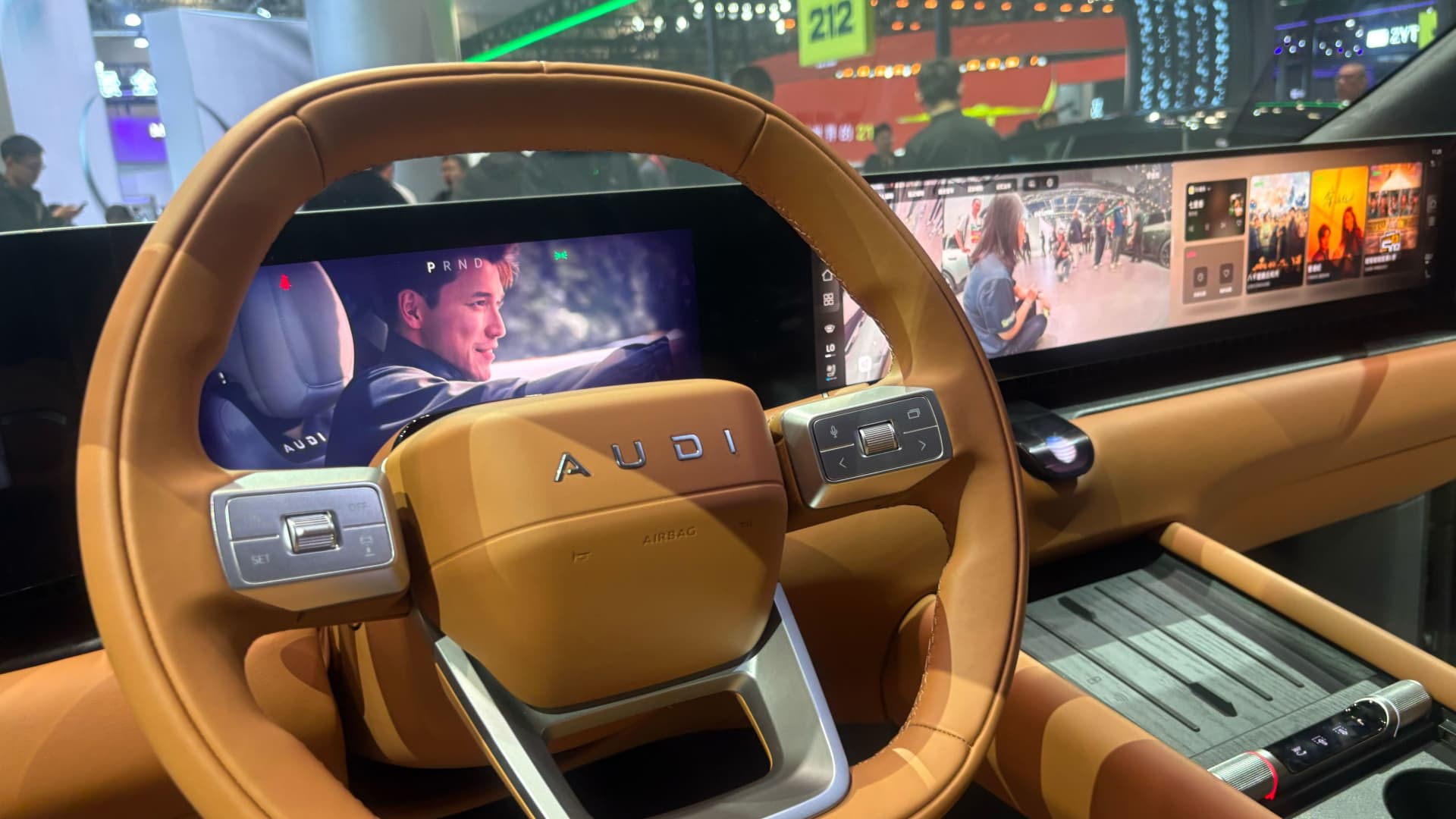
Alibaba’s Qwen AI is coming to cars, allowing drivers to order food and book hotels by voice
Alibaba is set to launch its Qwen AI technology across various car brands, enhancing the driving experience with innovative hands-free features. This initiative allows drivers to seamlessly order meals and manage deliveries directly from their vehicles, promoting convenience and safety on the road. The rollout is expected to take place in the coming months, as the company aims to integrate advanced artificial intelligence into everyday driving scenarios. By leveraging its expertise in AI and data analytics, Alibaba seeks to transform how drivers interact with their vehicles, making tasks that typically require manual input more efficient and accessible. This move aligns with the growing trend of smart technology in the automotive industry, as companies increasingly prioritize user-friendly solutions that enhance mobility.
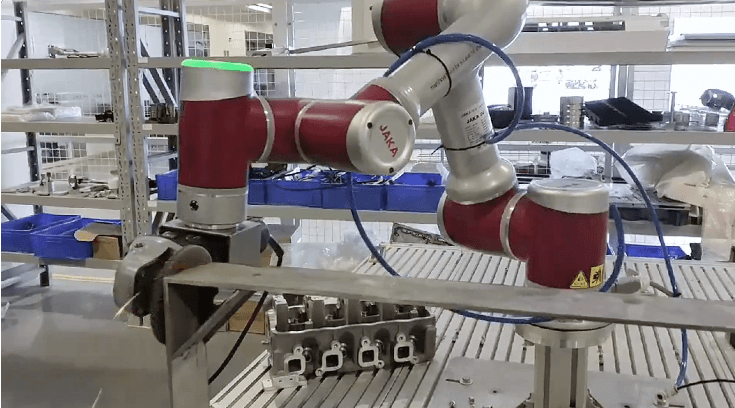
Top 5 Trends of the Industrial Cobot Industry in 2026
The industrial cobot sector is experiencing significant advancements, particularly in 2026, as manufacturers increasingly integrate collaborative robots into their operations. JAKA, a key player in this field, highlights several emerging trends that are shaping the future of robotics and automation. One major trend is the demand for adaptable automation systems. The JAKA Pro5 exemplifies this shift by being highly reprogrammable, allowing manufacturers to efficiently adjust to varying production needs while minimizing downtime and equipment costs. Safety remains paramount, with collaborative robots being deployed to replace human operators in hazardous environments. The JAKA Pro5 enhances workplace safety by performing tasks like polishing and grinding, thereby reducing the risk of accidents and ensuring a safer production environment. Another significant trend is the emphasis on precision and consistent quality. Industrial operators are increasingly relying on cobots to deliver reliable processing outcomes, with the JAKA Pro5 helping to lower defect rates and meet stringent quality standards. Moreover, the integration of smart manufacturing and Industry 4.0 technologies is influencing cobot deployment. The JAKA Pro5 connects seamlessly with production monitoring systems, providing real-time insights that optimize workflows and enhance operational efficiency. Finally, the applications of collaborative robots are expanding across various industries, including electronics, automotive, and food processing. The versatility of the JAKA Pro5 supports this trend, enabling it to perform complex tasks tailored to different production lines. As 2026 unfolds, these trends underscore the evolving role of collaborative robots in enhancing efficiency, safety, and quality within the robotics and automation industry, with JAKA committed to advancing solutions that align with these developments.
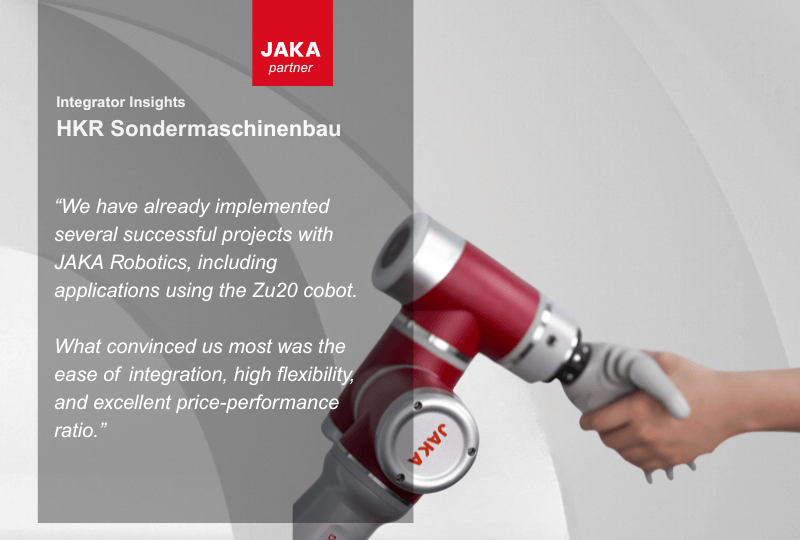
Integrator Insights: HKR Sondermaschinenbau (Austria)
In a recent interview for the Integrator Insights series, Lukas Rebhandl, Managing Director of HKR Sondermaschinenbau GmbH in Austria, discussed the growing importance of automation in manufacturing. The conversation highlighted the challenges faced by companies, including a shortage of skilled labor, rising costs, and the need for consistent product quality. Rebhandl emphasized that automation, particularly through the use of collaborative robots (cobots), can significantly enhance productivity and alleviate the burden of repetitive tasks on employees. HKR Sondermaschinenbau specializes in developing customized automation solutions for various industries, including automotive and food production. The company has successfully implemented projects using JAKA Robotics' Zu20 cobot, which offers flexibility and ease of integration. Rebhandl noted that misconceptions about cobots being limited to simple tasks persist, despite their capability to handle complex applications effectively. The automation market in Austria is robust and expanding, with an increasing awareness of cobots among customers. However, Rebhandl cautioned that companies often underestimate the effort required to analyze their processes before implementation. He recommended starting with a well-defined pilot project to ensure successful integration. HKR's innovative HKR Finish Box, designed for small and medium-sized enterprises, exemplifies the benefits of cobots, providing consistent quality and reducing employee workload. As businesses face labor shortages and competitive pressures, the adoption of cobots presents a practical solution for efficient and flexible automation.
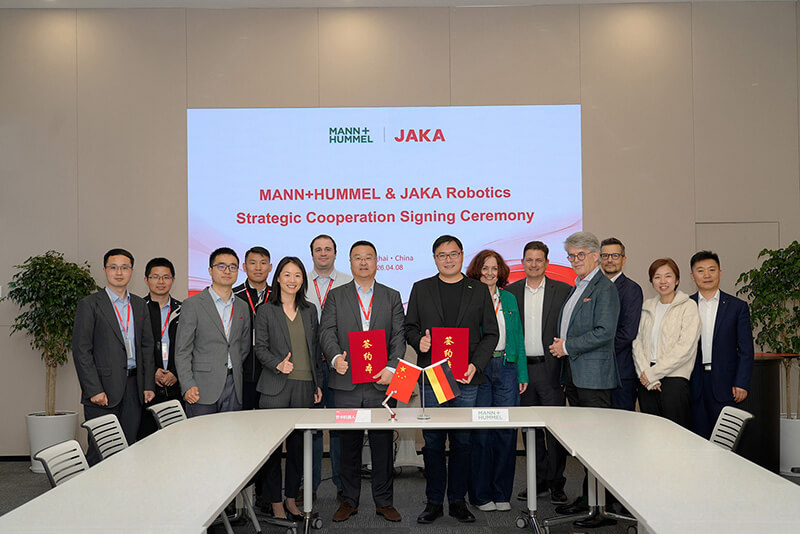
JAKA Robotics and MANN+HUMMEL China Partner to Automate Sustainable Filtration Production
JAKA Robotics, a leader in intelligent robotics, has partnered with MANN+HUMMEL Filter (Shanghai) to enhance smart and sustainable filtration solutions, particularly in the mobility sector. The collaboration aims to integrate JAKA's advanced robotic technology with MANN+HUMMEL's extensive industry knowledge to improve the efficiency of filtration manufacturing processes. This strategic alliance was formalized during a signing ceremony attended by senior executives from both companies, including Kurk Wilks, CEO of MANN+HUMMEL, and Liz Chang, Vice President of JAKA Robotics. The partnership reflects a shared commitment to advancing smart manufacturing practices and aims to contribute to the long-term sustainability of the filtration industry. JAKA Robotics, founded in 2014, has established itself as a global player in the robotics field, serving over 1,500 clients worldwide, including major automotive brands. MANN+HUMMEL, with an 85-year legacy in filtration, is focused on developing innovative solutions for cleaner mobility and environmental applications. This collaboration is expected to accelerate the transition towards energy-efficient filtration technologies, benefiting both companies and the broader industry.
Robotics needs a service framework.
RSF defines a common language for robot service capability, lifecycle operations, certification pathways, and service-provider networks.