Industry Briefing
A single destination for timely, editor-curated robotics news from around the world.
Alibaba Releases Qwen-Robot Series, Its First Embodied AI Model Family
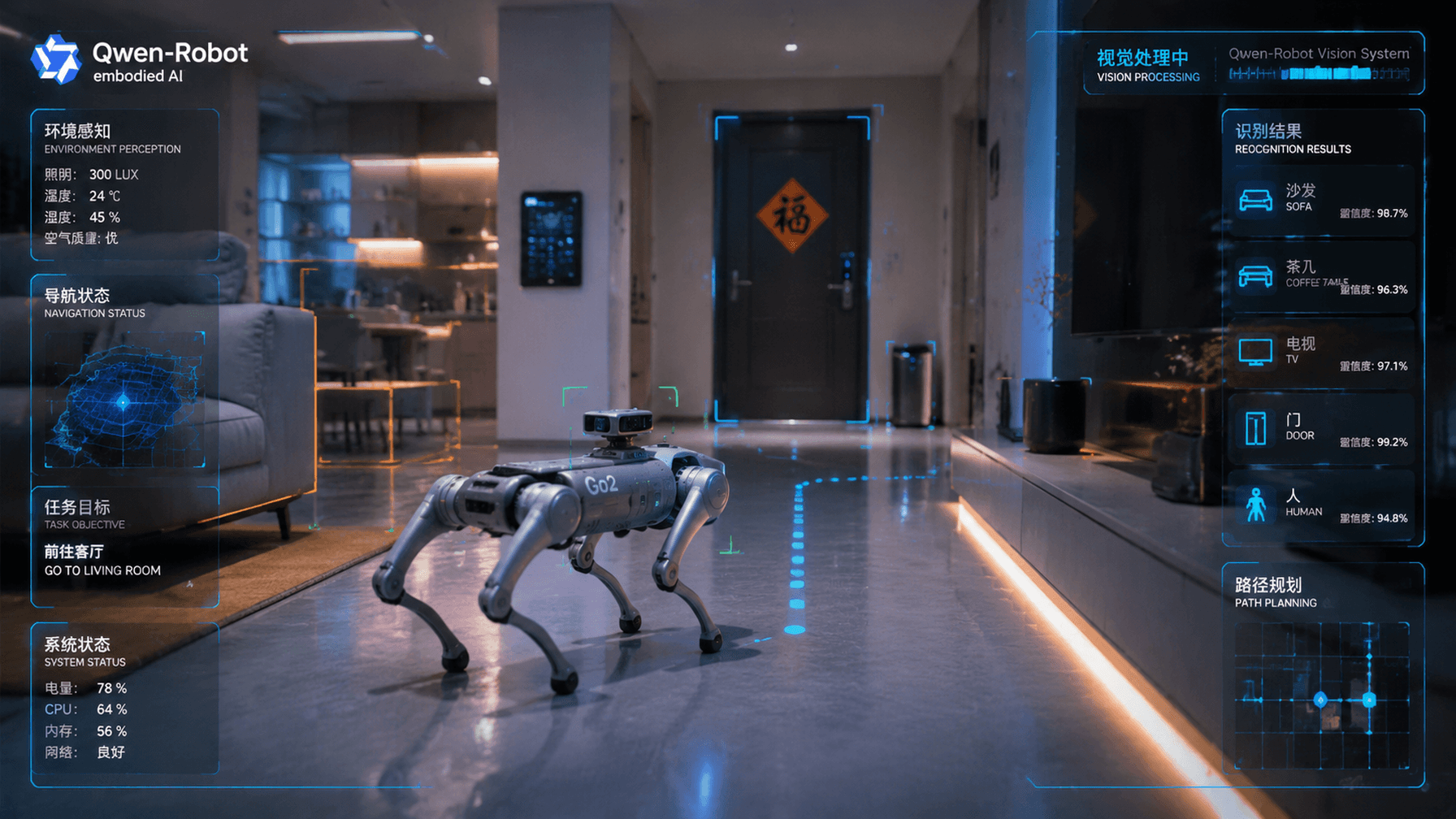
Alibaba has unveiled Qwen-Robot, its inaugural series of embodied AI models designed for navigation, manipulation, and world modeling. This advanced technology can be deployed on the Unitree Go2 quadruped robot, utilizing only a single camera for operation. The launch marks a significant step in the integration of AI with robotics, showcasing Alibaba's commitment to innovation in artificial intelligence. The Qwen-Robot series aims to enhance robotic capabilities in various applications, potentially transforming industries that rely on automated systems. This development comes as part of Alibaba's broader strategy to lead in AI advancements, reflecting the company's ongoing investment in cutting-edge technology.
Robotics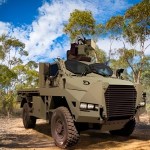
New RapidStriker system uses 360-degree vision and automated fire to neutralize drones
Thales has introduced a new line of advanced battlefield drones as military forces worldwide strive to keep pace with the increasing use of unmanned aerial vehicles in combat. This announcement comes amid growing concerns over the evolving nature of warfare, where drones are becoming a pivotal element on the front lines. The unveiling took place during a defense technology exhibition in Paris, highlighting the company's commitment to enhancing military capabilities in response to modern threats. Thales aims to provide innovative solutions that not only improve operational efficiency but also ensure the safety of personnel in high-risk environments. The new drones are designed to integrate seamlessly with existing military systems, offering enhanced surveillance and combat support. As nations invest heavily in drone technology, Thales's latest offerings reflect the urgent need for armed forces to adapt to these advancements and maintain strategic advantages on the battlefield.
Military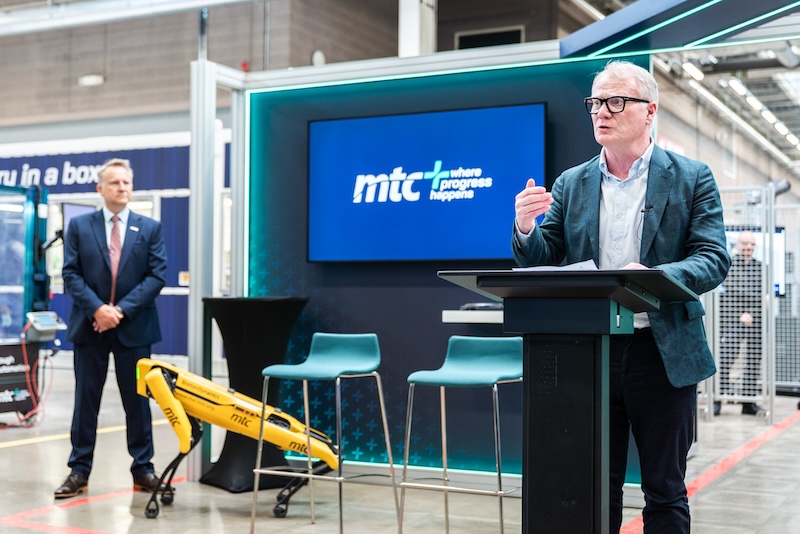
MTC launches new Robot Experience Centre to accelerate UK automation adoption
The Manufacturing Technology Centre (MTC) in the UK has inaugurated a new Robot Experience Centre (REC) at its Ansty Park facility in Coventry. This innovative, vendor-neutral center aims to support UK manufacturers in accelerating the integration of robotics and automation technologies into their operations. By providing a space for manufacturers to explore, test, and validate various robotics solutions, the REC facilitates informed investment decisions. The initiative responds to the growing need for advanced manufacturing solutions, enabling businesses to enhance efficiency and competitiveness in an increasingly automated industry landscape.
News Technology automation news automation training cobots collaborative robots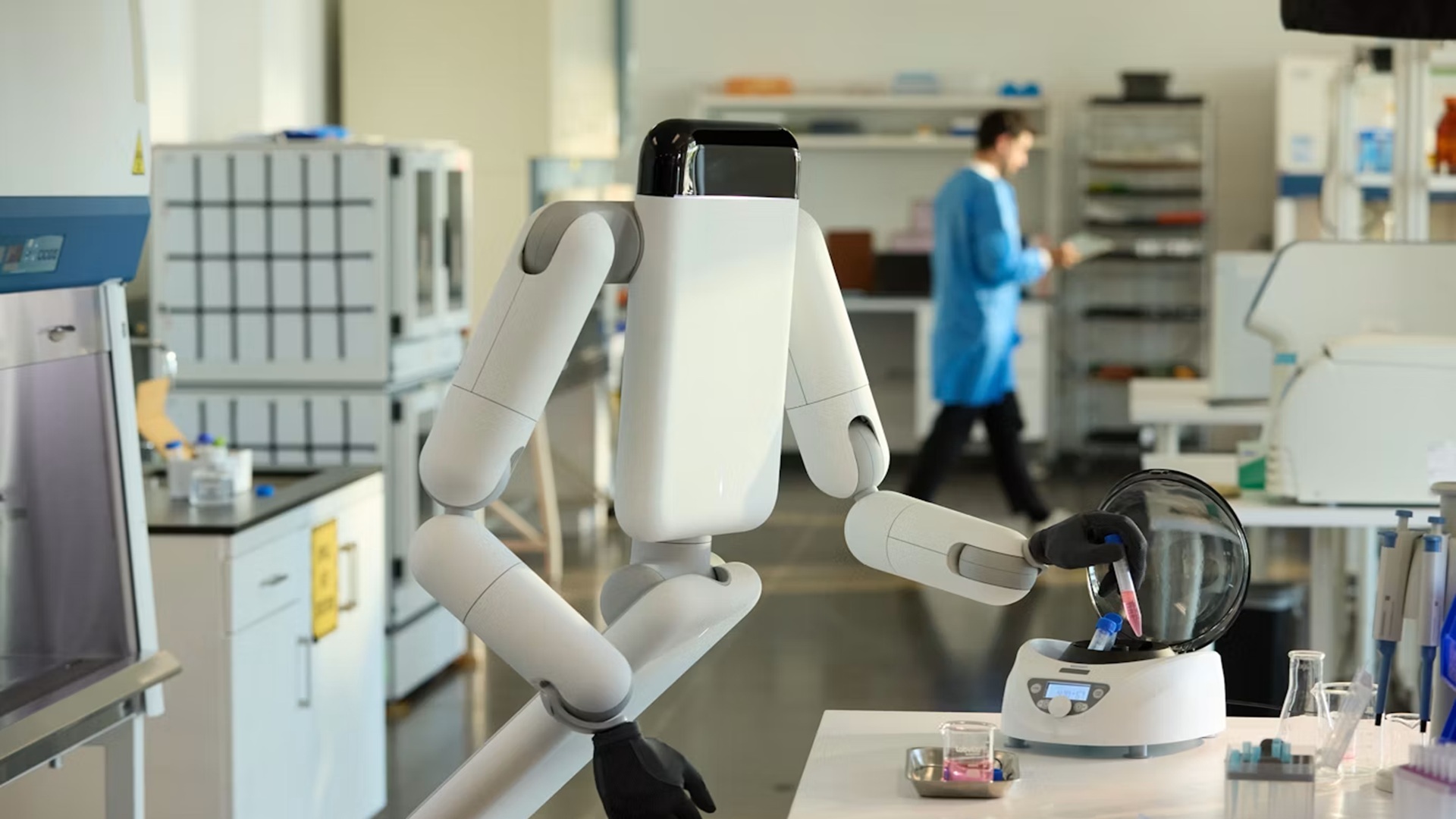
Eno humanoid robot aims to become the general-purpose machine for every workplace
Genesis AI has introduced Eno, its inaugural general-purpose robot, marking a significant step in the company's ambition to advance robotics technology. The unveiling took place recently, showcasing Eno's capabilities designed to perform a variety of tasks across different sectors. This launch is part of Genesis AI's broader strategy to innovate and integrate artificial intelligence into everyday applications, aiming to enhance efficiency and productivity in various industries. By leveraging cutting-edge technology, Eno is expected to address diverse needs, from automation in manufacturing to assistance in healthcare. The development of this robot reflects the growing trend in the tech industry towards creating versatile AI-driven solutions that can adapt to multiple environments and challenges.
AI and Robotics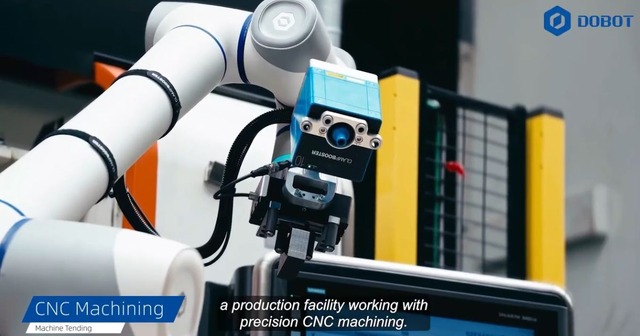
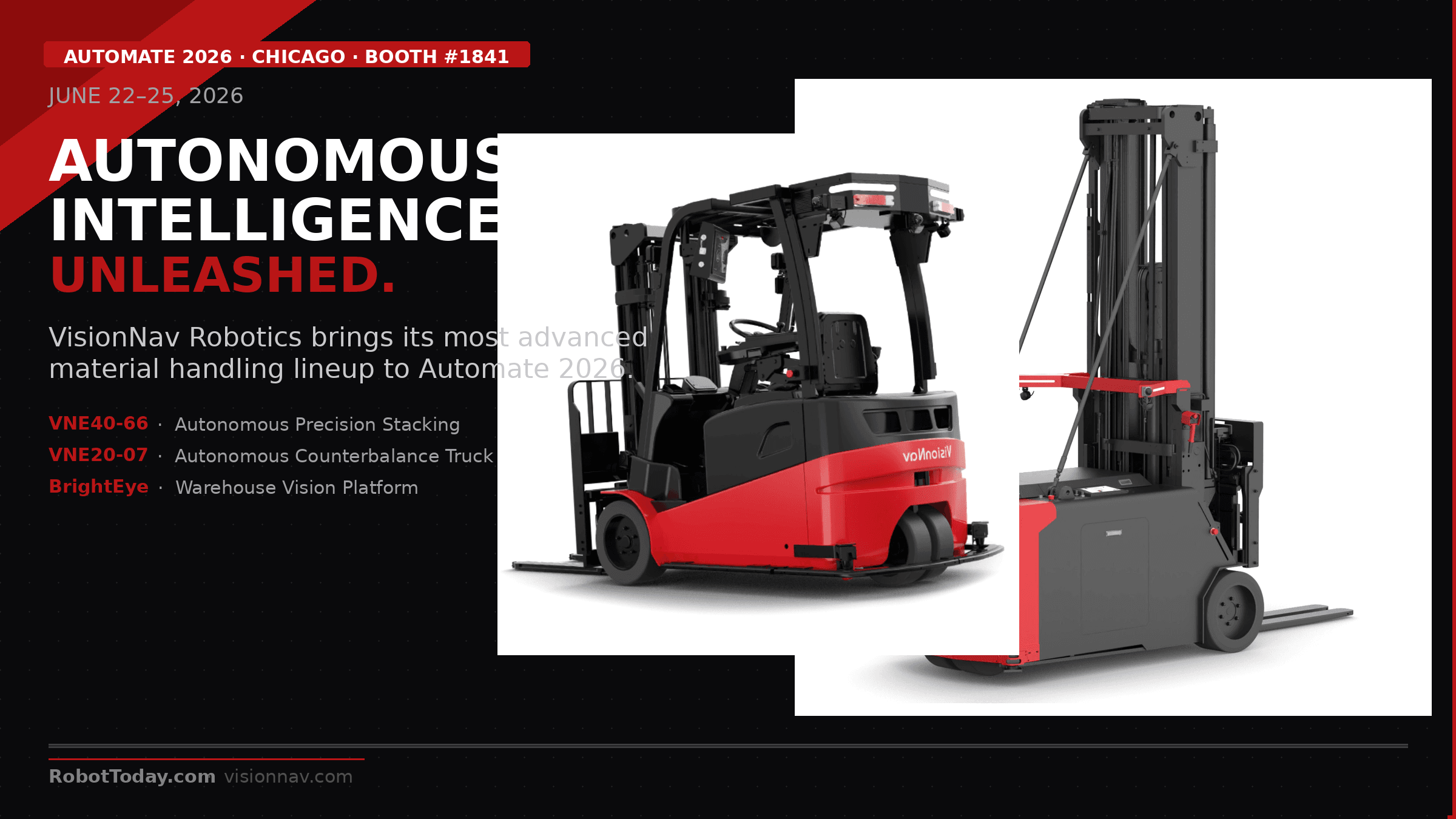
Dobot to showcase collaborative robot use cases in automotive, food, and education at "Automate 2026."
Dobot Robotics has unveiled a promotional video showcasing its products in preparation for the upcoming Automate 2026, one of North America's largest industrial automation trade shows. The video was released on YouTube on June 16, 2026, as part of the company's efforts to highlight its innovations and engage with potential customers ahead of the event. This strategic move aims to enhance visibility and demonstrate the capabilities of Dobot's automation solutions in a competitive market.

The Hidden Lifecycle Challenge Behind Industrial Automation Growth
The rapid advancement of automation is reshaping infrastructure demands across factories and shipping centers. As industries strive to enhance production efficiency, reduce errors, and minimize waste, the integration of smarter technologies has become essential. This shift is characterized by the increasing reliance on robots, artificial intelligence, and self-operating machines, which require sophisticated systems to function effectively. The ongoing evolution in manufacturing and logistics is not only transforming operational processes but also necessitating significant upgrades in infrastructure to support these advanced technologies. As companies adapt to these changes, the focus remains on optimizing the movement of goods and ensuring seamless operations in an increasingly automated environment.
Automation Industry automation infrastructure automation news circular economy data security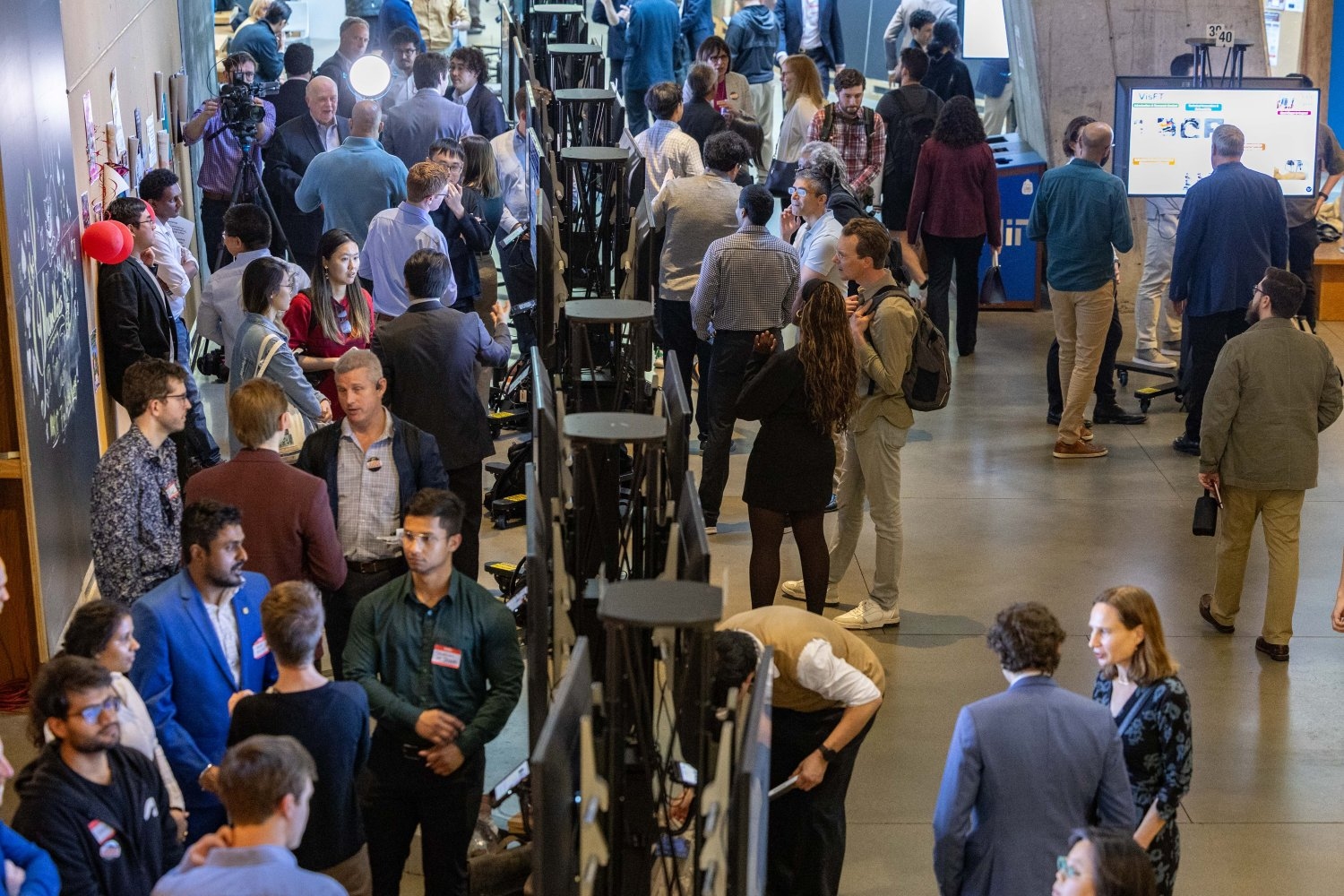
MIT’s Initiative for New Manufacturing builds momentum
In its inaugural year, the Innovative Manufacturing Network (INM) has made significant strides in advancing new manufacturing technologies. The organization has focused on three key areas: research, workforce development, and industry engagement. By fostering collaboration among various stakeholders, INM aims to accelerate the adoption and practical application of these technologies in the manufacturing sector. The initiative is driven by the need to enhance efficiency and competitiveness within the industry, responding to the growing demand for innovation and modernization. Through targeted programs and partnerships, INM is positioning itself as a catalyst for change, ensuring that the latest advancements are effectively integrated into real-world manufacturing processes.
Special events and guest speakers Classes and programs Industry Collaboration Mechanical engineering Manufacturing
Video: Ceiling-mounted DIY robot picks up toys, clothes, and household clutter
An engineer has created an innovative open-source robotic claw that mounts on ceilings, aimed at addressing challenges in various industries. This development, which was unveiled recently, is designed to assist in tasks such as inventory management and warehouse automation. The engineer, motivated by the need for cost-effective and versatile solutions in the automation sector, has made the design freely available to encourage collaboration and further enhancements from the global engineering community. By utilizing readily available materials and components, the project promotes sustainability and accessibility in robotics. The claw's operation involves a series of precise movements controlled by a user-friendly interface, allowing for efficient handling of objects in hard-to-reach spaces. This initiative not only showcases advancements in robotics but also highlights the potential for open-source technology to drive innovation and improve operational efficiency across various fields.
AI and Robotics
Automate 2026 Q&A with DESTACO
At Booth 2218, DESTACO is showcasing an extensive array of technologies aimed at enhancing industrial efficiency. Visitors can explore innovative solutions in robotic gripping, tool changing, workholding, and automation. This exhibition, taking place at a prominent industry event, highlights DESTACO's commitment to improving operational flexibility and simplifying integration processes for manufacturers. By demonstrating these advanced technologies, the company aims to help businesses increase productivity and streamline their operations.
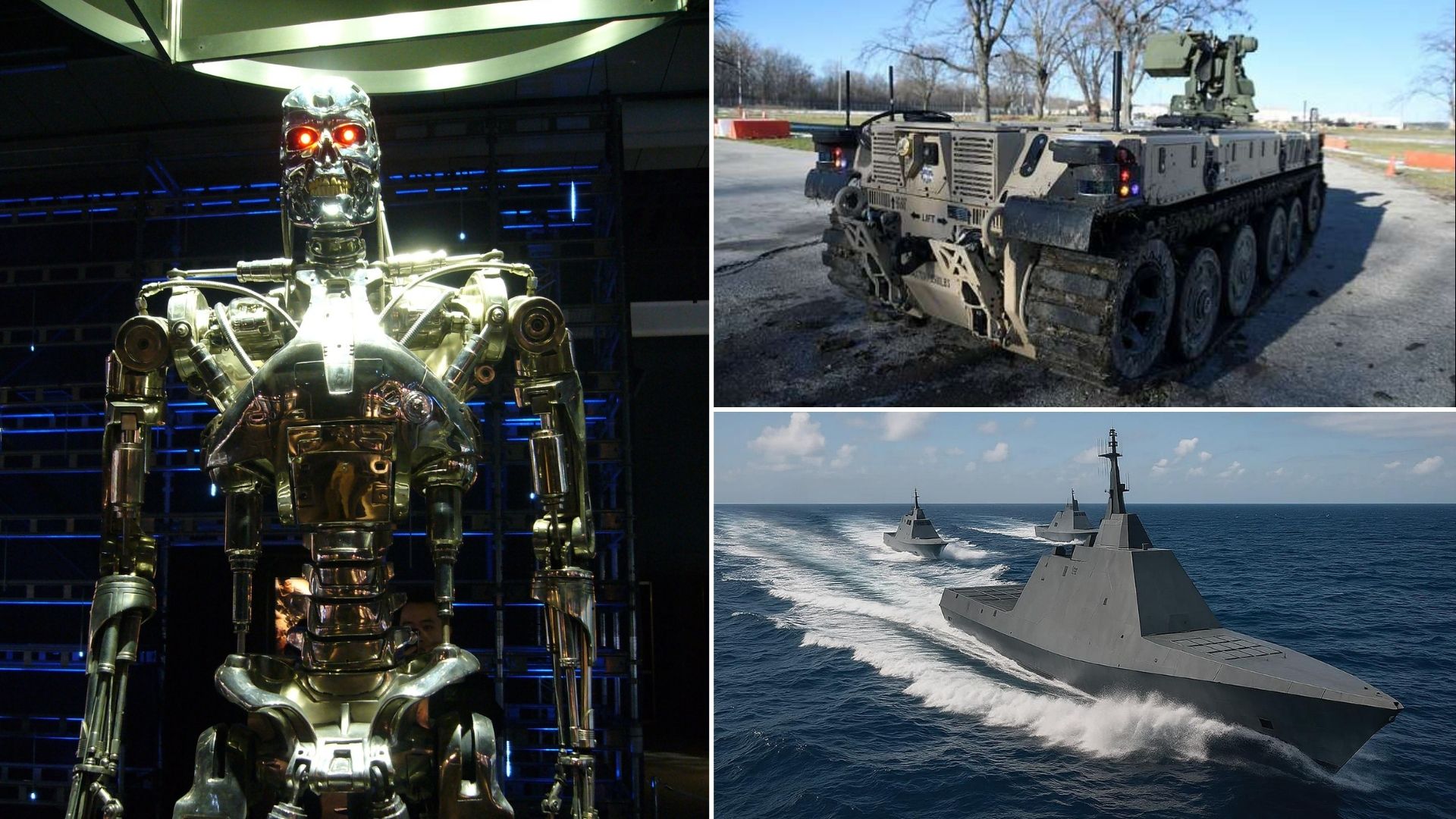
The robot takeover of warfare is already happening and it doesn’t look like Hollywood
The debate over the potential deployment of AI robot soldiers on the battlefield has intensified, raising concerns among military experts and ethicists alike. As nations increasingly explore the integration of artificial intelligence into their armed forces, discussions have emerged regarding the implications of autonomous weapons systems. This dialogue gained momentum in October 2023, as various military organizations and technology firms showcased advancements in robotics and AI capabilities at international defense expos. Proponents argue that AI soldiers could enhance operational efficiency and reduce human casualties in combat scenarios. However, critics warn of the ethical dilemmas posed by machines making life-and-death decisions without human oversight. The potential for misuse and the risk of escalating conflicts through automated warfare are central to these concerns. In response to these challenges, some governments are considering regulations to govern the use of AI in military applications. The ongoing discourse emphasizes the need for a balanced approach that leverages technological advancements while ensuring accountability and ethical standards in warfare. As the conversation evolves, the future of AI in military operations remains uncertain, with stakeholders advocating for careful consideration of the implications of introducing robot soldiers into combat.
Military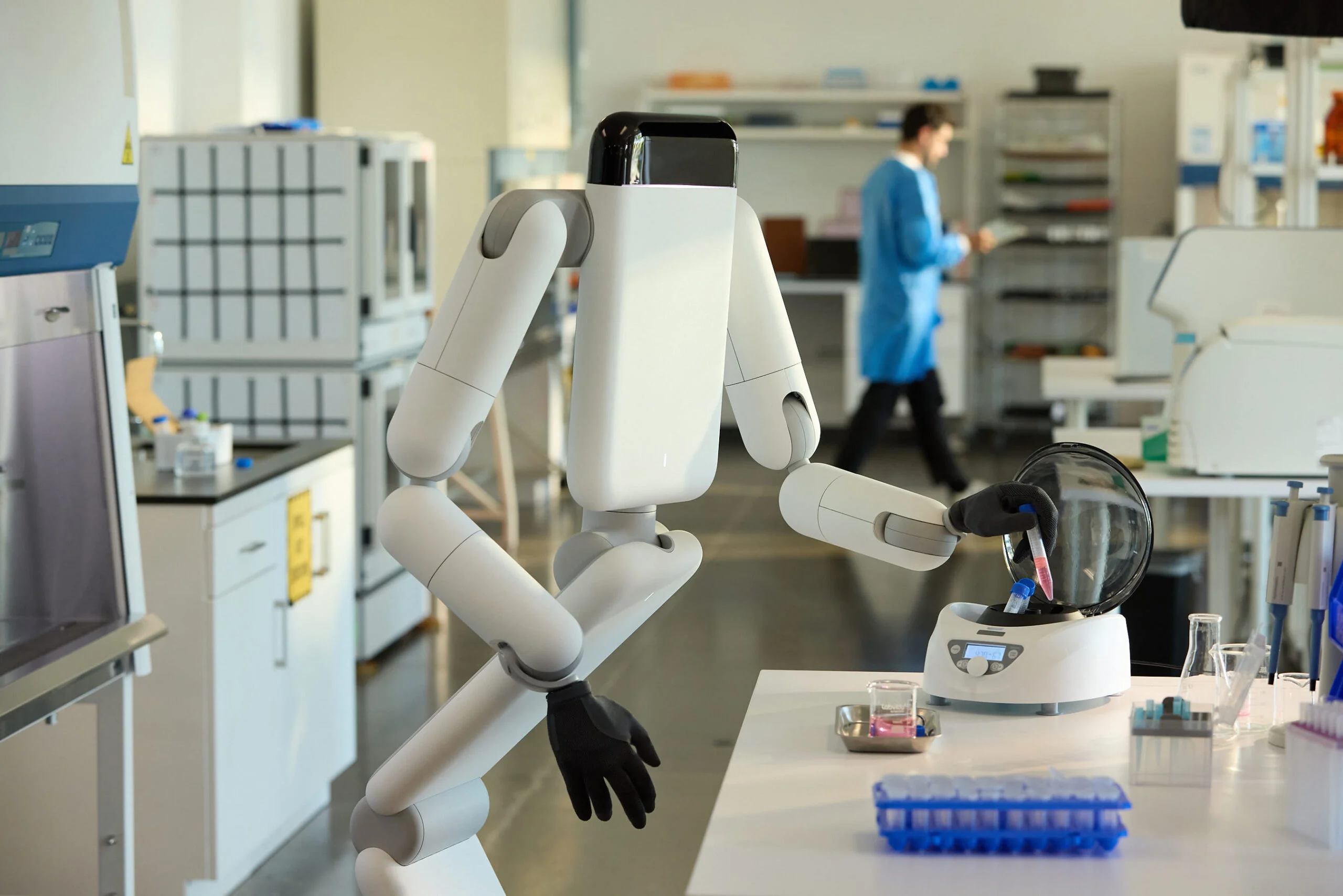
Genesis AI and LG CNS Enter Strategic Partnership to Scale General-Purpose Robotics Across Enterprise Operations
Genesis AI and LG CNS have announced a long-term partnership aimed at assessing and implementing general-purpose robots in manufacturing and logistics sectors across the United States. This collaboration seeks to provide companies globally with a streamlined approach to adopting robotics on an enterprise scale. Zhou Xian, co-founder and CEO of Genesis AI, emphasized the significance of this partnership in facilitating the deployment of advanced robotic solutions. The initiative reflects a growing trend towards automation in various industries, driven by the need for efficiency and innovation in operational processes.
AI AI Funding & Investment AI Use Cases Robotics genseis AI industrial robotics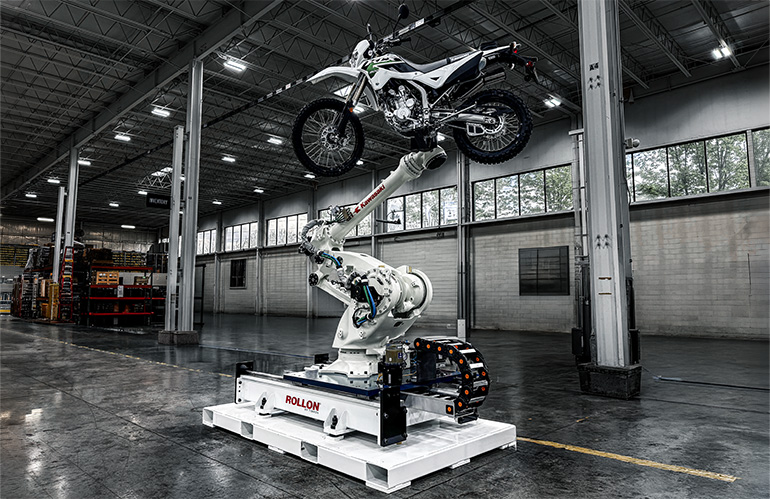
Kawasaki Robotics to debut RL030N physical AI platform at Automate
Kawasaki Robotics is set to unveil its RL030N physical AI platform, along with its 8-DoF robot and Pulseboard inspection technology, at the upcoming Automate event. This showcase, scheduled for later this month, aims to demonstrate the company's vision for intelligent automation solutions. By integrating advanced robotics with AI capabilities, Kawasaki Robotics seeks to enhance operational efficiency and precision in various industries. The introduction of these innovative systems reflects the growing demand for automation technologies that can adapt to complex tasks and improve productivity in manufacturing and beyond.
Arms / Manipulators Artificial Intelligence Automotive Cobot Arms Controllers Events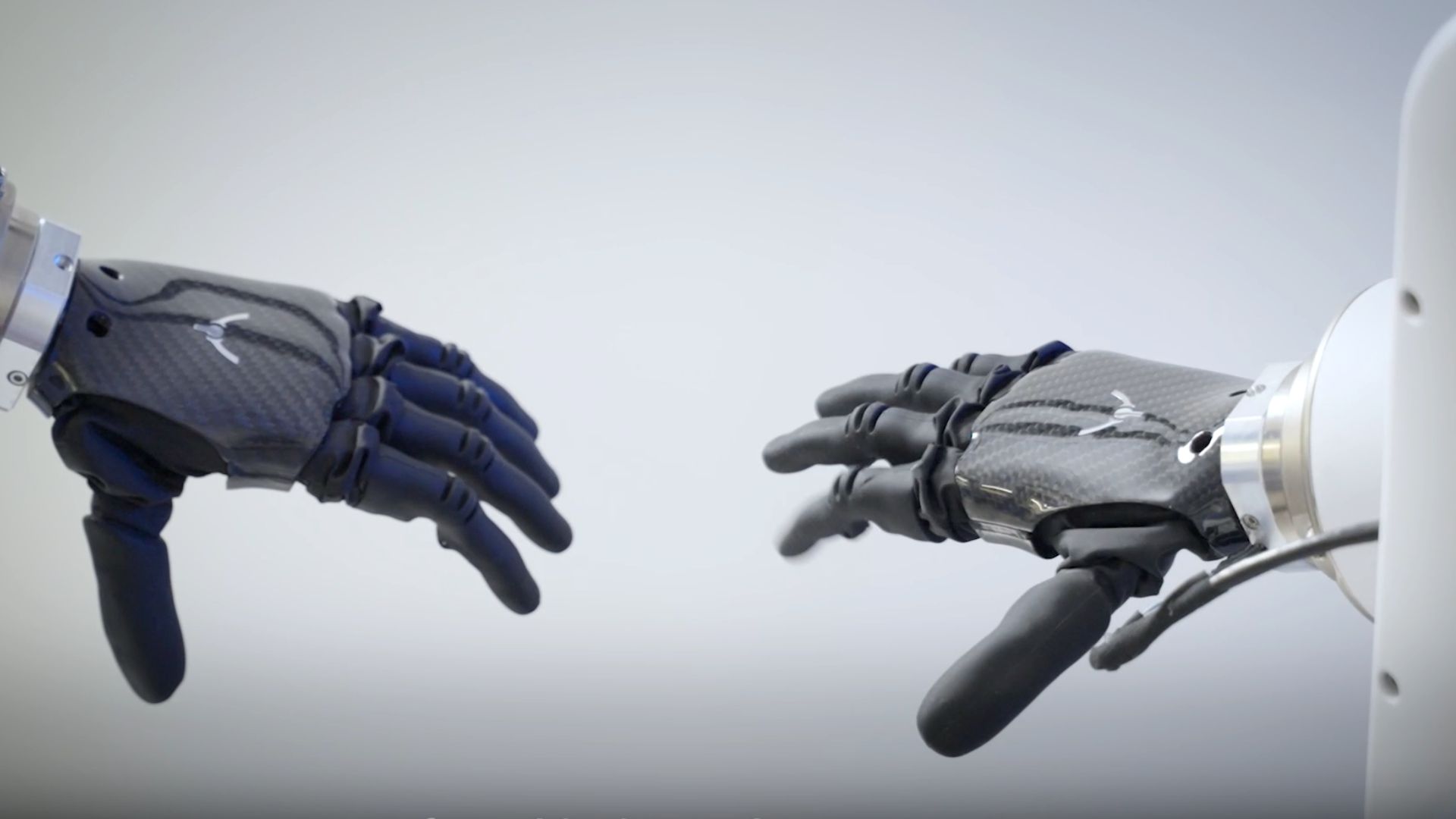
Prosthetic hands’ data helps robots get finer control for precise manipulation
ABB Robotics has announced a collaboration with California-based bionic company PSYONIC to enhance the development of more dexterous robotic systems. This partnership aims to leverage PSYONIC's expertise in bionic technology to create advanced robotic solutions that can perform intricate tasks with greater precision and adaptability. The initiative is part of ABB's ongoing commitment to innovation in robotics, seeking to address the growing demand for versatile robotic applications across various industries. The collaboration was officially unveiled in October 2023, marking a significant step forward in the integration of bionic technology into robotic systems. By combining their strengths, both companies hope to push the boundaries of what is possible in robotic dexterity, ultimately improving efficiency and productivity in sectors such as manufacturing, healthcare, and beyond.
AI and Robotics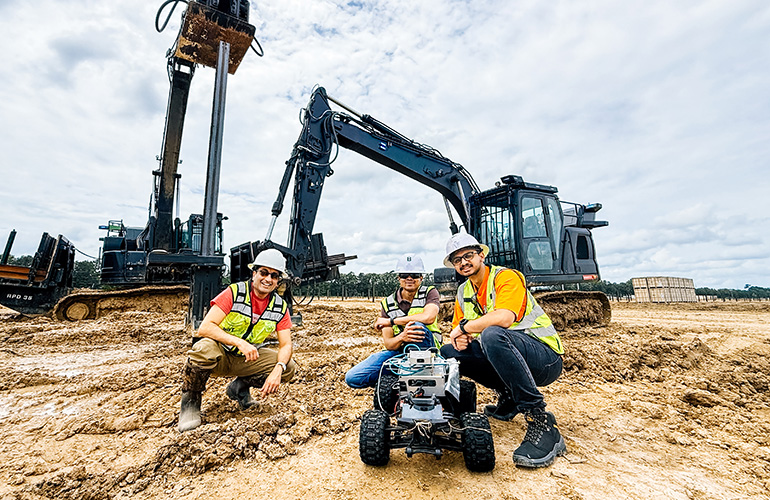
Built Robotics, Penn xLAB to develop physical AI for construction
xLAB and Built Robotics have announced a partnership aimed at enhancing construction site safety through advanced artificial intelligence. This collaboration focuses on capturing additional data to refine AI models that can better predict and mitigate risks in construction environments. The initiative comes at a time when the construction industry is increasingly prioritizing safety measures, driven by the need to reduce accidents and improve operational efficiency. By leveraging innovative technology, the two organizations aim to create a more secure working environment for construction workers. The development of this physical AI is expected to take place over the coming months, with both companies committed to integrating their expertise to achieve significant advancements in the field.
Academia / Research Artificial Intelligence Autonomous Mobile Robots (AMRs) Construction Mining News
People Want Robots in Warehouses and Factories, not Hospitals or Schools, Hexagon Study Finds
A recent study conducted by Hexagon has revealed that both adults and children are increasingly receptive to the integration of robots in the workplace. The findings indicate a growing acceptance of robotic assistance, yet respondents emphasized the importance of establishing clear guidelines regarding the roles and environments in which these machines should operate. The study highlights a nuanced perspective on automation, reflecting a desire for collaboration between humans and robots while ensuring that ethical and practical boundaries are respected. This research, part of Hexagon's global Robot Generation initiative, underscores the evolving attitudes towards technology in professional settings as of October 2023.
Eurosatory 2026: DefSecIntel unveils DroneHive interceptor trailer
DefSecIntel has unveiled DroneHive, an innovative automated multi-cell interceptor trailer designed to enhance aerial defense capabilities. This new system operates in conjunction with the company's advanced EIRSHIELD C2 platform, which is equipped with a variety of sensors for comprehensive situational awareness. The launch took place recently, marking a significant advancement in drone interception technology. The introduction of DroneHive aims to address the growing concerns surrounding unauthorized drone activities and potential threats to security. By automating the interception process, DefSecIntel seeks to improve response times and operational efficiency in protecting sensitive areas. The integration of the EIRSHIELD C2 platform allows for real-time data analysis and decision-making, further bolstering the effectiveness of the interceptor system. This development reflects a broader trend in the defense industry towards leveraging automation and advanced technology to counter evolving aerial threats. As drone usage continues to rise, solutions like DroneHive are becoming increasingly vital for ensuring safety and security in various environments.
News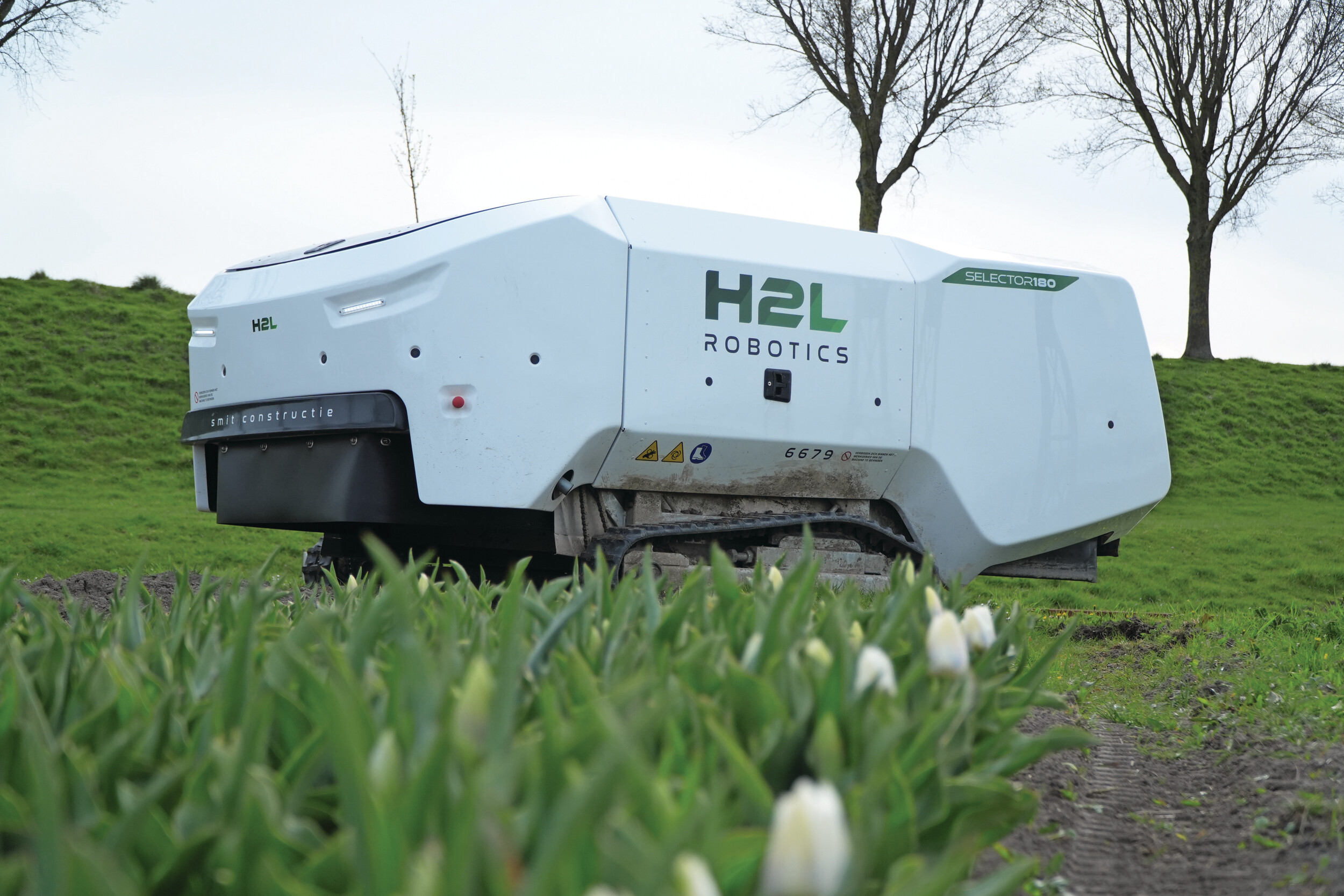
From novelty to necessity: Why tulip growers are betting on robotic disease selection
The H2L Selector, a robotic system for disease selection in tulip production, has transitioned from experimental use to mainstream adoption, with 139 units sold and an average user rating of 4.1 out of 5. This advancement marks a significant step in the integration of technology within the agricultural sector. However, tulip growers emphasize that the broader acceptance of this technology hinges on enhancements in its reliability and performance. As the industry continues to evolve, the focus remains on refining these systems to meet the demands of producers.
Smart farming Brandstof (Energie) Gewasbescherming Precisielandbouw robots
ABB Robotics and PSYONIC Use Human-Generated Data to Advance Robotic Dexterity
ABB Robotics has partnered with California-based bionics company PSYONIC to enhance robotic dexterity and grasping capabilities by utilizing human-generated data from prosthetic use. Announced on June 16, 2026, this collaboration aims to address the significant challenge of replicating human-like dexterity in industrial robotics, which is essential for the development of Autonomous Versatile Robotics (AVR™). By integrating the PSYONIC Ability Hand with ABB's GoFa™ collaborative robot, the two companies will explore how real-world manipulation data can train robots to perform delicate tasks that are typically difficult to automate. This initiative is expected to reduce engineering time by up to 30% and improve productivity, flexibility, and workplace safety across various industries, including automotive, aerospace, packaging, logistics, and life sciences. Marc Segura, President of ABB Robotics, emphasized the importance of bridging the gap between human and robotic dexterity to enable robots to learn and interact with their environments more intuitively. Dr. Aadeel Akhtar, Founder and CEO of PSYONIC, highlighted that the collaboration will leverage high-fidelity data on movement and grip force to enhance robotic performance in complex tasks. The GoFa™ robot will provide the precision necessary for industrial applications, ensuring consistent execution of intricate movements, which is crucial for handling fragile or irregular objects. This partnership represents a significant step towards advancing physical AI in robotics, allowing for more effective collaboration between humans and machines.

IERA Award 2026 Goes to Flying Warehouse Robots by Verity from Switzerland
Verity, a leading technology company, has been acknowledged for its innovative development and successful market launch of a cutting-edge warehouse intelligence system. This recognition comes as the company aims to enhance operational efficiency and streamline logistics processes within the supply chain sector. The system, which leverages advanced data analytics and artificial intelligence, was officially unveiled in October 2023, positioning Verity at the forefront of warehouse management solutions. The initiative is part of Verity's broader strategy to address the growing demand for smarter, more efficient inventory management in an increasingly competitive market. By integrating real-time data insights, the warehouse intelligence system is designed to optimize inventory tracking, reduce operational costs, and improve overall productivity for businesses.

People want robots in warehouses and factories, not hospitals or schools, Hexagon study finds
A recent global study by Hexagon reveals significant attitudes toward robots among adults, highlighting a clear preference for their use in specific tasks. While 68% of respondents favor robots for heavy lifting, only 12% are comfortable with robots taking on caregiving roles. The study, which surveyed adults worldwide, indicates that acceptance of robotic assistance is conditional; for instance, 52% of participants support robots for monitoring hazards, and half would welcome them for cleaning shared spaces or information retrieval. However, a substantial 86% emphasize the necessity of establishing clear guidelines regarding the capabilities and limitations of robots. Interestingly, the research also points to a generational shift in attitudes, with children showing a greater openness to robotic integration in various settings. They are 50% more likely than adults to view robots as "full colleagues" in the workplace, suggesting a growing acceptance of technology in everyday life. This evolving perspective on robotics underscores the importance of addressing concerns and establishing frameworks to facilitate their integration into society.

Cognex CEO to Join AI and Robotics Leaders at Automate 2026 Opening Keynote on the Future of Automation
On Monday, June 22, at 9:00 a.m. CT, industry leaders from FANUC America, Schneider Electric, and Intrinsic will gather in the Grand Ballroom at McCormick Place for a session led by Moschner. The discussion will focus on the transformative forces currently reshaping the manufacturing sector, particularly advancements in artificial intelligence, robotics, and industrial connectivity. Participants will explore the implications of these developments on the workforce, supply chains, and the overall global competitiveness of the industry. This session aims to provide insights into how these technological changes are influencing the future landscape of manufacturing.

Introducing the New Slim Hollow Shaft Encoder for Compact Robotics and Motion Control Applications
The IH520 Series has been introduced as a slim incremental hollow shaft encoder, specifically engineered to deliver accurate motion feedback for compact robotics and motion control applications. This innovative device is particularly suited for environments with restricted space and the need for continuous operation. Key features include a low axial profile, flange mounting, and a hollow shaft design, all of which facilitate straightforward installation. The development of the IH520 Series addresses the growing demand for efficient and reliable motion control solutions in modern robotics.

Genesis AI and LG CNS Enter Industry-First Strategic Partnership to Scale General-Purpose Robotics Across Enterprise Operations
Genesis has announced a strategic partnership with LG CNS to create a scalable deployment model for full-stack robotics tailored for industrial environments. This collaboration aims to enhance automation capabilities across various sectors, addressing the growing demand for efficient and flexible robotic solutions. The initiative was unveiled on October 15, 2023, and will focus on integrating advanced robotics technology into manufacturing and logistics operations. By leveraging LG CNS's expertise in IT services and Genesis's innovative robotics solutions, the partnership seeks to streamline processes and improve productivity in industrial settings. This development reflects a broader trend in the industry towards adopting sophisticated automation technologies to meet evolving operational needs.
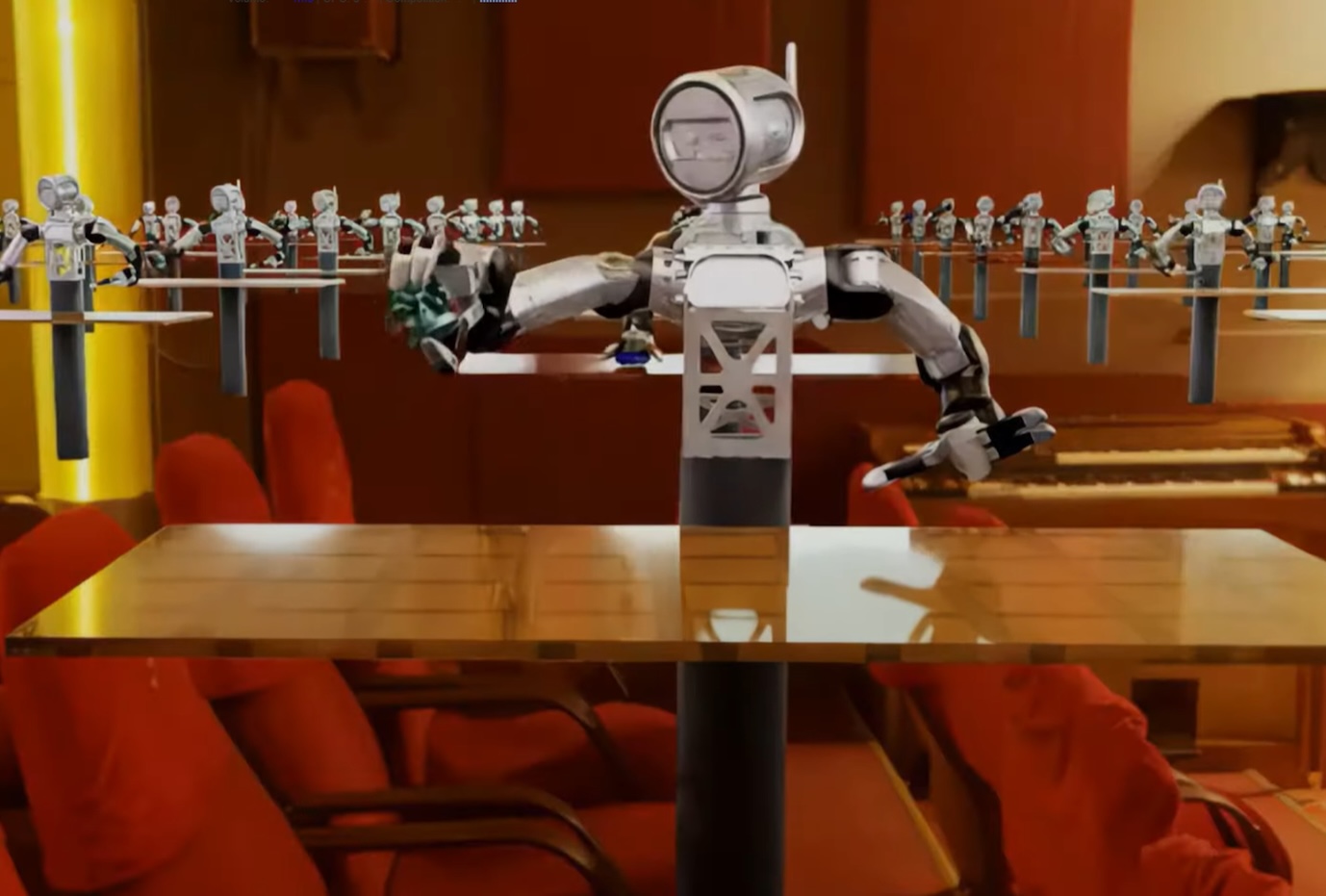
Deep Learning Based Dirt Detection and Cleanliness Evaluation in Autonomous Indian Domestic Concrete Water Tank Cleaning Robot
A recent study published in the Journal of Field Robotics highlights advancements in autonomous robotic navigation. Researchers from a leading robotics institute conducted experiments to enhance the efficiency of robots in complex environments. The study, released in early October 2023, focuses on the integration of advanced algorithms that allow robots to better interpret their surroundings and make real-time decisions. The research was carried out in various challenging terrains, including urban settings and natural landscapes, to test the robots' adaptability. The motivation behind this work stems from the growing demand for autonomous systems in sectors such as agriculture, search and rescue, and urban planning. By improving navigation capabilities, the researchers aim to facilitate the deployment of robots in scenarios where human intervention is limited or dangerous. Through a series of simulations and field tests, the team demonstrated that the new algorithms significantly reduced the time taken for robots to complete tasks while increasing their accuracy in obstacle avoidance. This breakthrough could lead to more reliable and efficient robotic systems, paving the way for wider applications in everyday life. The findings underscore the potential of robotics to transform various industries by enhancing operational efficiency and safety.
RESEARCH ARTICLE
From the “First Export” to “Two Decades of Dedication”:SIASUN and North American Partners Chart a New Blueprint for Smart Manufacturing Cooperation
In 2007, General Motors (GM) initiated a global public tender for mobile robots, marking a significant moment in the emergence of Chinese robotics on the international scene. The tender attracted various companies, but it was SIASUN, a Chinese robotics manufacturer, that successfully secured the contract. This event not only highlighted the growing capabilities of Chinese technology but also set the stage for the country's increasing influence in the global robotics market. Over the past two decades, Chinese firms have continued to innovate and expand their presence, contributing to advancements in automation and robotics worldwide. The collaboration between GM and SIASUN exemplifies how international partnerships can drive technological progress and reshape industries.
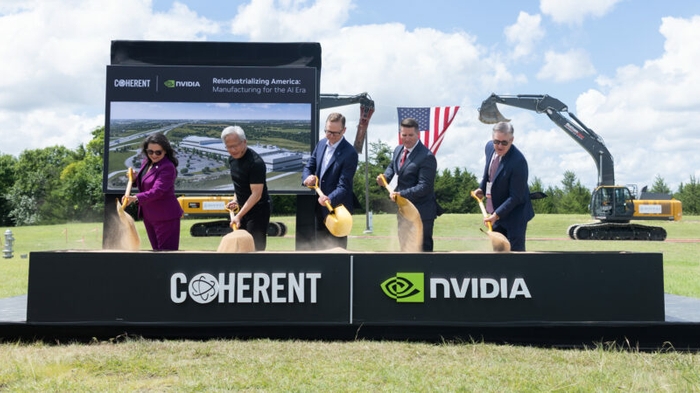
Coherent Breaks Ground on Expanded Texas Facility, Scaling AI’s Optical Backbone
Coherent has officially commenced construction on an expanded manufacturing facility in Sherman, Texas, aimed at enhancing its production capabilities for lasers, optical components, and compound semiconductors essential for artificial intelligence technologies. The groundbreaking event took place today, underscoring the company's commitment to meeting the growing demand for advanced AI infrastructure. By increasing its manufacturing footprint in Texas, Coherent seeks to capitalize on the state's burgeoning tech ecosystem and its strategic position in the AI sector. The expansion is expected to bolster local job creation and contribute to the region's economic growth while positioning Coherent as a key player in the rapidly evolving AI landscape.
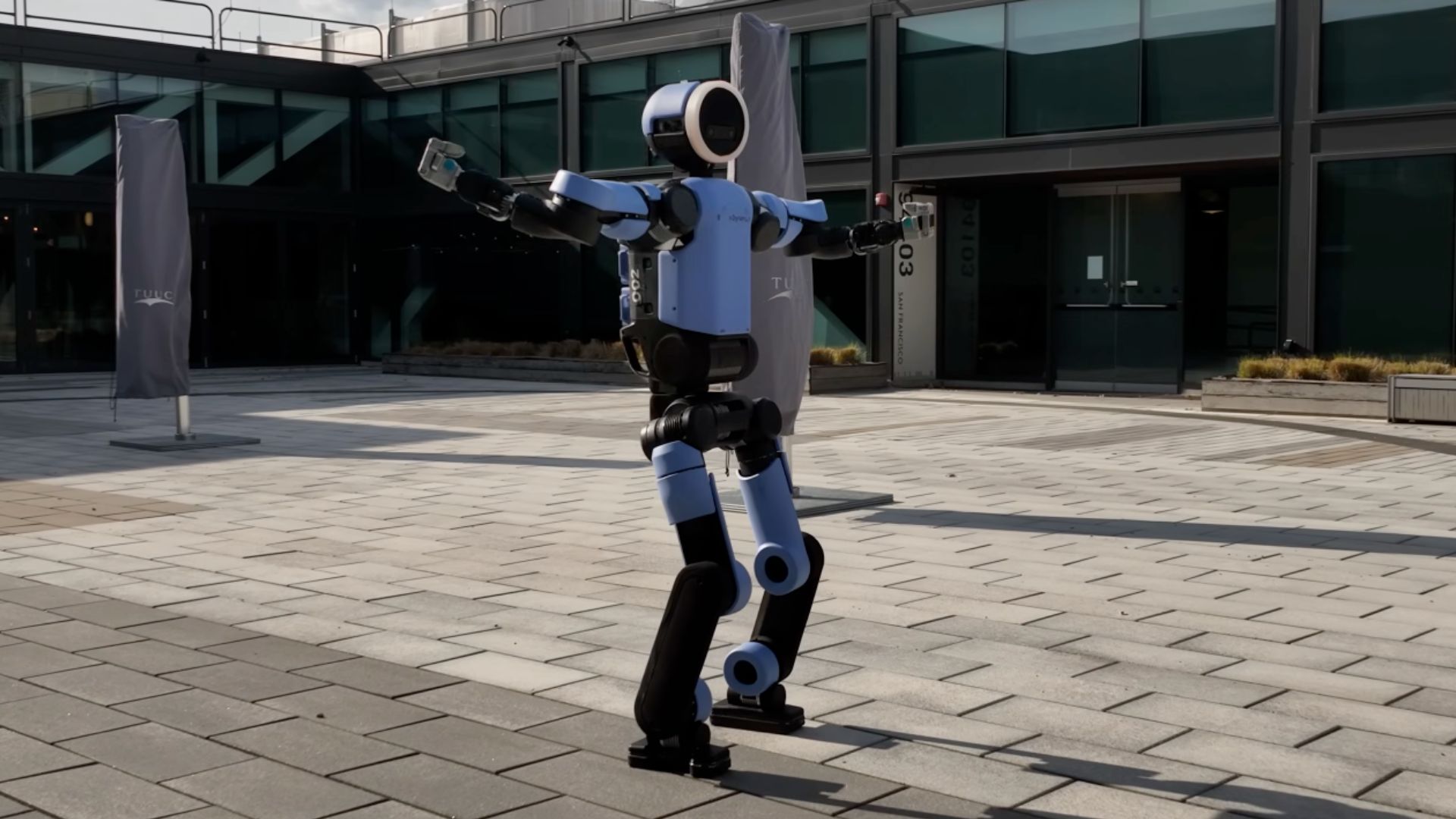
Boston Dynamics Atlas shows signs of general intelligence for factory work, reports say
Recent reports indicate that Boston Dynamics' humanoid robot, Atlas, is nearing the level of autonomy required for practical use in industrial settings. This advancement comes as the company continues to refine Atlas's capabilities, enhancing its ability to navigate complex environments and perform tasks with minimal human intervention. The development is seen as a significant step forward in robotics, potentially transforming various industries by increasing efficiency and safety. Boston Dynamics aims to address the growing demand for automation in sectors such as manufacturing and logistics, where robots can assist in repetitive or hazardous tasks. As the technology progresses, the company is exploring partnerships and pilot programs to facilitate the integration of Atlas into real-world applications.
AI and Robotics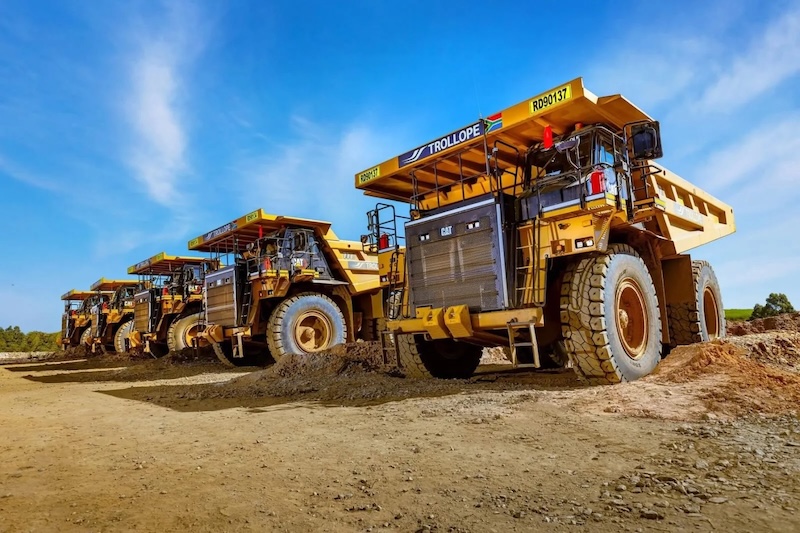
AI, Robotics and Automated Mining: The Future of Excavators and Mining Machinery Parts
The global mining industry is undergoing a significant transformation as it increasingly integrates artificial intelligence, robotics, and full automation into its operations. This shift has led to the widespread adoption of intelligent excavators and driverless mining trucks, which are now considered standard equipment in modern mining practices. These advancements are not only improving operational safety but also significantly boosting production efficiency. As mining machinery evolves, there is a corresponding rise in the standards and demands for high-quality professional mining machinery parts, reflecting the industry's commitment to enhancing performance and reliability in the face of technological change.
Engineering Mining ai in mining automation news autonomous haul trucks autonomous mining equipment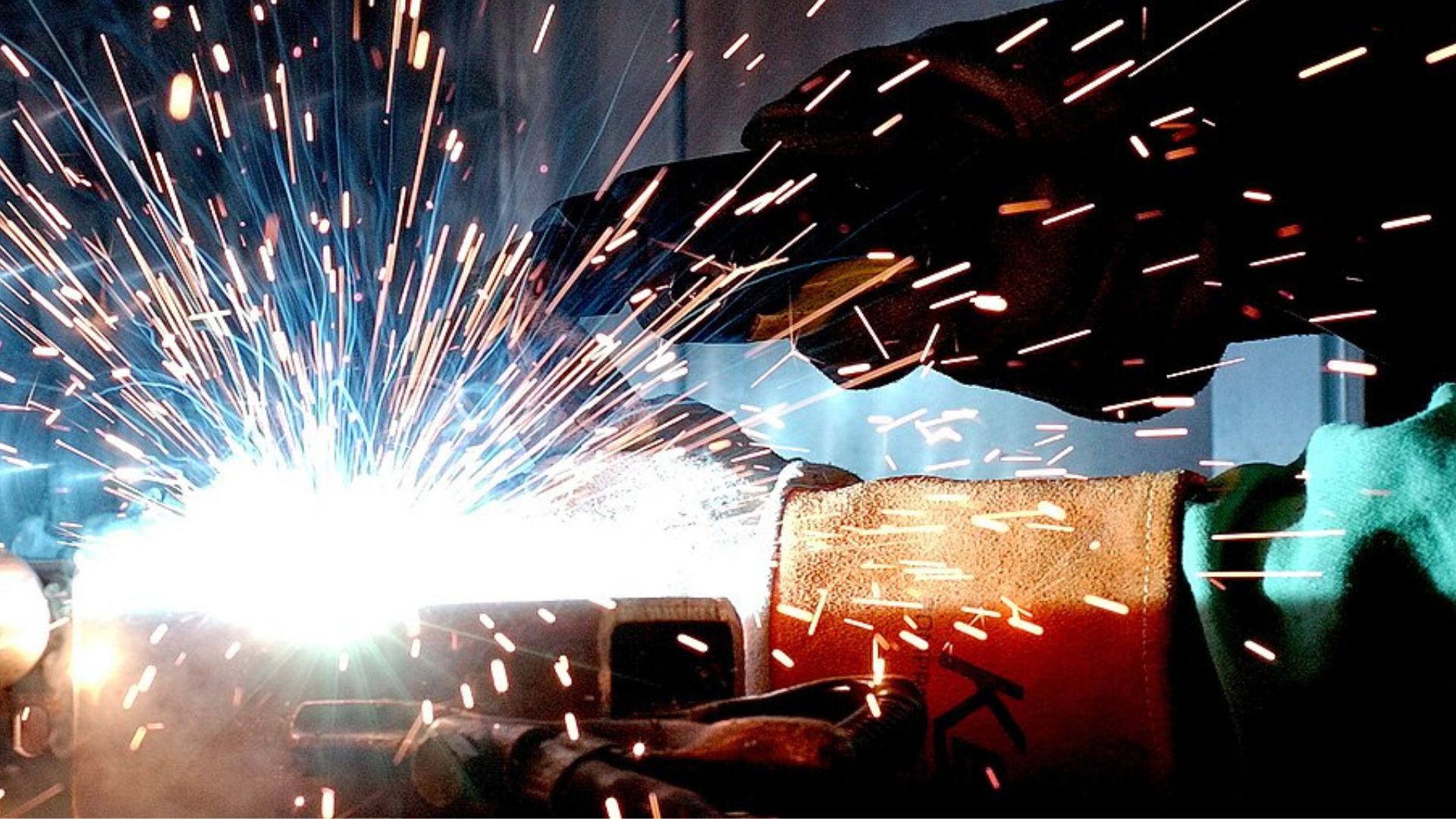
China’s new welding robot cuts 70mm steel, boasts 30-ton capacity, 20-year life
China has successfully launched its first domestically developed AI-driven marine welding system at a smart manufacturing facility. This significant advancement in technology was unveiled recently, marking a milestone in the country's efforts to enhance its manufacturing capabilities. The introduction of this innovative system is aimed at improving efficiency and precision in marine construction, addressing the growing demand for advanced manufacturing solutions in the maritime industry. By integrating artificial intelligence into the welding process, the system is expected to streamline operations, reduce labor costs, and minimize human error. This development reflects China's commitment to leading in smart manufacturing technologies and showcases its ability to produce cutting-edge solutions that can compete on a global scale.
AI and Robotics
Taiwan Excellence Pavilion Brings Edge AI, Robotics and Smart Manufacturing Technology to Automate 2026
Twenty-three Taiwanese companies recently presented their innovative industrial technologies aimed at enhancing real-time automation and connectivity within U.S. manufacturing. This showcase took place as part of a broader initiative to strengthen collaboration between Taiwan and the United States in the manufacturing sector. The event highlighted advancements in automation tools and connected systems designed to improve efficiency and productivity in manufacturing processes. By demonstrating these technologies, the Taiwanese firms aim to address the growing demand for smarter manufacturing solutions in the U.S. market, driven by the need for increased competitiveness and operational efficiency. The presentation underscored the importance of international partnerships in fostering technological advancements and meeting the evolving needs of the manufacturing industry.

Bell-Everman to Run Long-Travel Gantry Robots in Live Demos at Automate 2026
Bell-Everman will showcase its advanced motion control systems, including long-travel gantry robots, at Automate 2026, taking place from June 22 to 25 at McCormick Place in Chicago. In Booth 34036, attendees will witness live demonstrations featuring a ServoBelt™ dual-bridge gantry and a 12-foot beam pick-and-place gantry, both actively operating rather than displayed statically. The demonstrations highlight the company's expertise in multi-axis Cartesian and gantry systems, designed for large-format automation needs. Visitors will have the opportunity to engage with Bell-Everman engineers, who will provide insights on configuring these gantry robots for specific applications. For further details, interested parties can visit bell-everman.com.
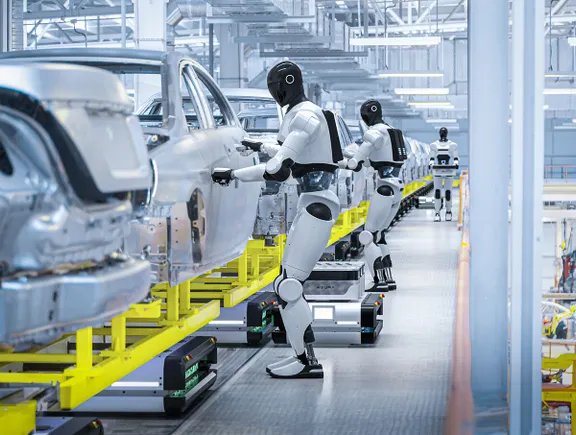
Robotics startup backed by Nvidia, Amazon and others raises $1.4B
Neura has announced plans to utilize new capital to enhance its robot production and deployment across various industries. The initiative aims to expand the company's training and intelligence infrastructure, allowing for more advanced and efficient robotic solutions. This strategic move comes as Neura seeks to strengthen its position in the rapidly evolving robotics market, responding to growing demand for automation and intelligent systems. By increasing production capabilities and improving training resources, Neura intends to meet the needs of diverse sectors and drive innovation in robotic technology.
Samsung's Rainbow Robotics pilots warehouse robot at Coupang
Rainbow Robotics, a subsidiary of Samsung Electronics, has deployed its mobile dual-arm robot, RB-Y1, at a Coupang fulfillment center as part of a trial to assess the robot's capabilities in warehouse operations. The testing, reported by ETNews, focuses on the robot's reliability and efficiency in sorting and moving goods. Should the RB-Y1 demonstrate satisfactory performance, it could lead to a significant order from Coupang. The trial is part of ongoing efforts to enhance automation in e-commerce logistics.
All News
'Dark factory' pioneer Xiangrui Zeng to speak at FAMS 2026
Xiangrui Zeng, a prominent Chinese authority in AI-driven autonomous manufacturing and robotics, is set to deliver a keynote address at the Future AI Mobility Summit 2026, scheduled for later this month in Seoul. The organizing committee announced his participation on Monday. As a professor at the School of Mechanical Science and Engineering at Huazhong University of Science and Technology, Zeng has earned recognition for his pioneering contributions to smart manufacturing and autonomous systems. During the summit, he will present his insights on the future of embodied AI and the development of fully autonomous factories, highlighting the potential advancements in the industry.
All News
Flexiv to Unveil Next-Generation Adaptive Robots at Automate 2026
Enlight and MICO have made their international debut, showcasing advanced whole-body touch sensitivity and physical AI technology aimed at revolutionizing industrial automation. This significant event took place recently, highlighting the growing trend of integrating sophisticated AI solutions into manufacturing processes. The introduction of these technologies is driven by the need for increased efficiency and precision in industrial operations. By utilizing whole-body touch sensitivity, Enlight and MICO enable machines to interact more intuitively with their environments, enhancing productivity and safety. This innovative approach is expected to transform how industries operate, paving the way for smarter and more responsive automation systems.
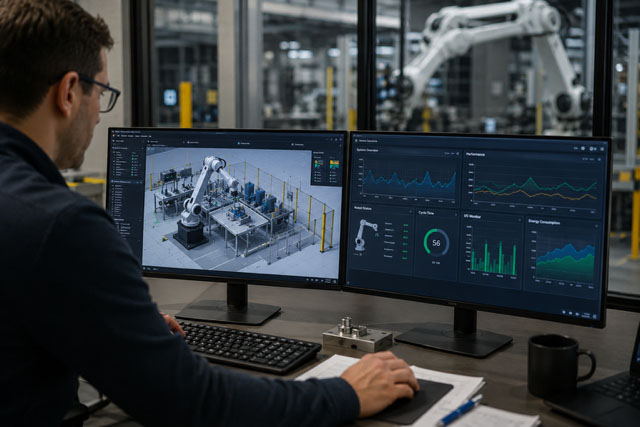
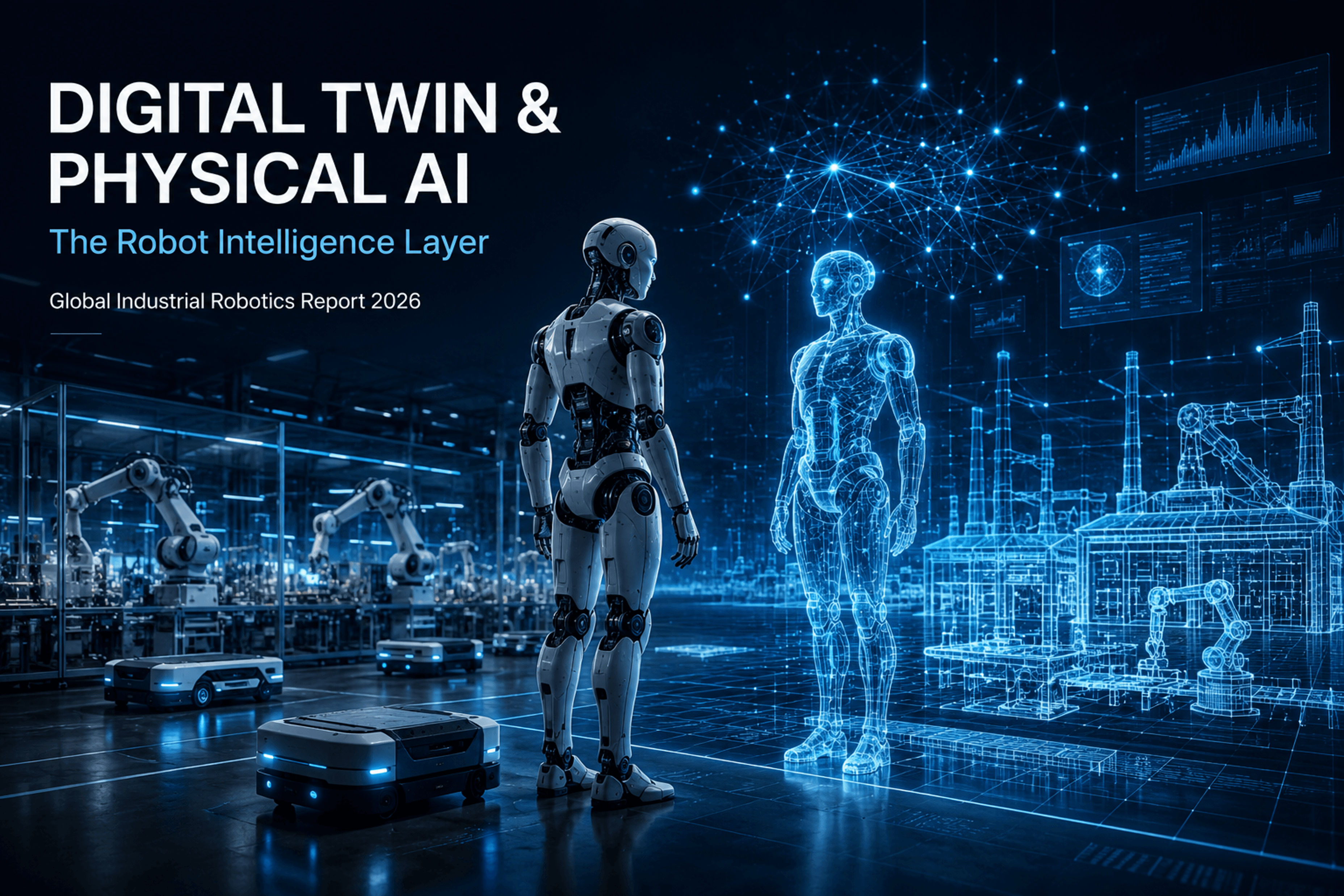
Digital Twins: Transforming the Factories of the Future
As media attention focuses on humanoid robots and generative artificial intelligence, a less flashy yet equally transformative technology is quietly reshaping the global industry: digital twins. This innovative approach is emerging as a crucial element in the ongoing industrial transformation, offering strategic advantages that may rival those of more visible technologies. The concept of digital twins involves creating virtual replicas of physical systems, enabling companies to optimize operations and improve efficiency. This shift is expected to significantly impact the future of manufacturing, positioning digital twins as a foundational component in the evolution of factories worldwide.
À la une IA Industrie Robotique analyse de données industrielles automatisation industrielle.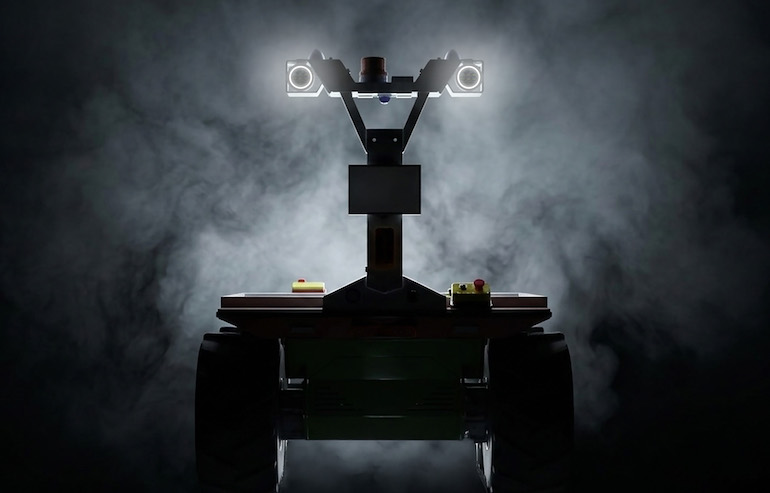
Burro introduces Grande 44 with proven outdoor autonomy built for heavy industry
Burro has unveiled its latest innovation, the Burro Grande 44, a robust autonomous vehicle designed specifically for heavy industry applications. This new model boasts over 1 million hours of real-world operational experience in industrial towing, site logistics, and facilities management. By integrating proven outdoor autonomy, the Burro Grande 44 aims to enhance efficiency and productivity in demanding environments. The introduction of this advanced vehicle marks a significant step forward in the automation of industrial processes, reflecting Burro's commitment to providing reliable and effective solutions for the challenges faced by heavy industry.
Agriculture Artificial Intelligence Autonomous Mobile Robots (AMRs) Construction Logistics Manufacturing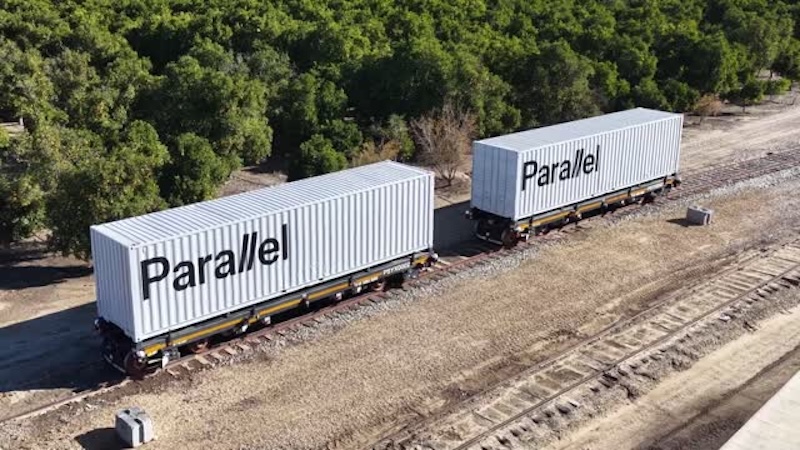
Interview: Parallel Systems CEO Matt Soule on building ‘the world’s first autonomous freight rail system’
In recent years, autonomous trucks have captured significant attention and investment in the freight transportation sector. However, freight rail is also experiencing a transformative shift, as highlighted by Matt Soule, founder and CEO of Parallel Systems. He asserts that autonomous rail technology could revolutionize the industry, offering a promising alternative to traditional freight methods. This development comes at a time when the logistics sector is increasingly seeking innovative solutions to enhance efficiency and reduce costs. As the demand for sustainable and automated transport solutions grows, the freight rail industry is positioning itself to leverage advancements in technology, potentially reshaping the future of cargo movement across the country.
Engineering Features Logistics Transportation ai logistics automation news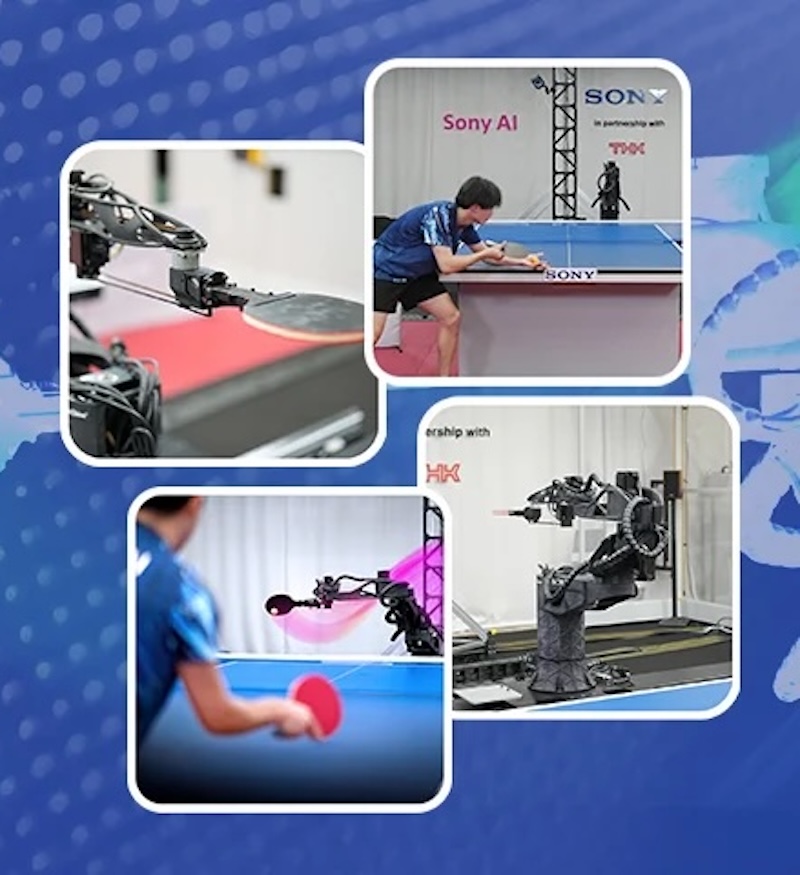
How Sony AI’s table tennis robot is advancing physical AI
Omron and Kuka have showcased their latest advancements in robotics with a table tennis-playing robot, highlighting the innovative potential of industrial robots beyond traditional manufacturing tasks. While these companies have previously demonstrated similar robotic systems, the introduction of a robot capable of playing table tennis captures attention due to its unique application of robotics and artificial intelligence. This development underscores the growing interest among researchers in exploring the capabilities of robots in dynamic environments, where agility and quick decision-making are crucial. The demonstration serves not only as a testament to technological progress but also as a playful reminder of the diverse possibilities that robotics can offer in various fields.
Computing Features Ace robot artificial intelligence automation news Autonomous robots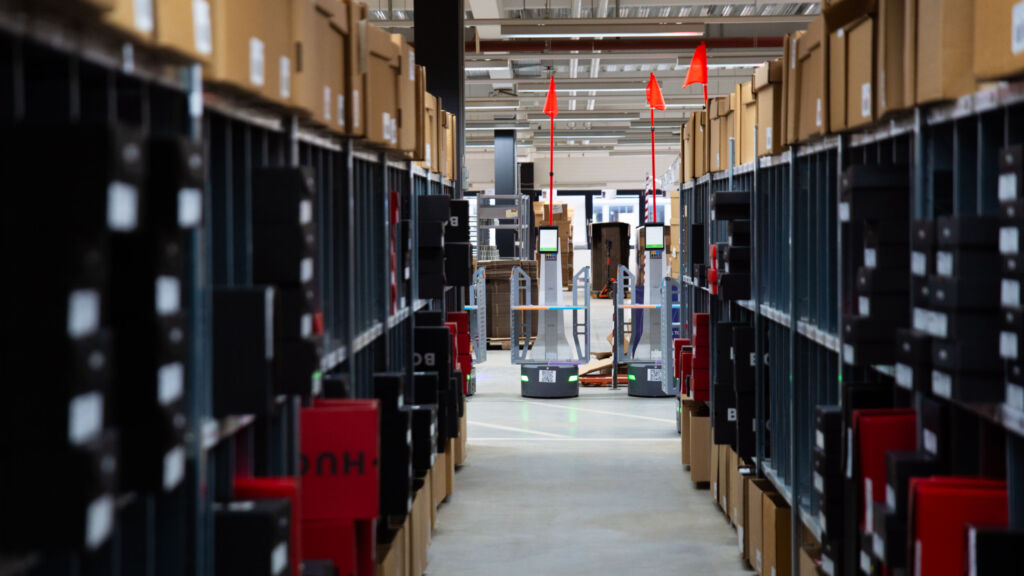
Increased throughput in narrow aisle warehouse
Locus Robotics has announced the successful implementation of its robotics solution at the logistics center of third-party logistics provider ITG, located near Munich Airport. This deployment aims to enhance throughput in the narrow aisle warehouse, showcasing the effectiveness of Locus Robotics' technology in optimizing logistics operations. The initiative reflects the growing demand for automation in supply chain management, as companies seek to improve efficiency and productivity in their warehousing processes.
Allgemein Automation Fördertechnik & Handling Lagerlogistik & Materialfluss Mobile Robotik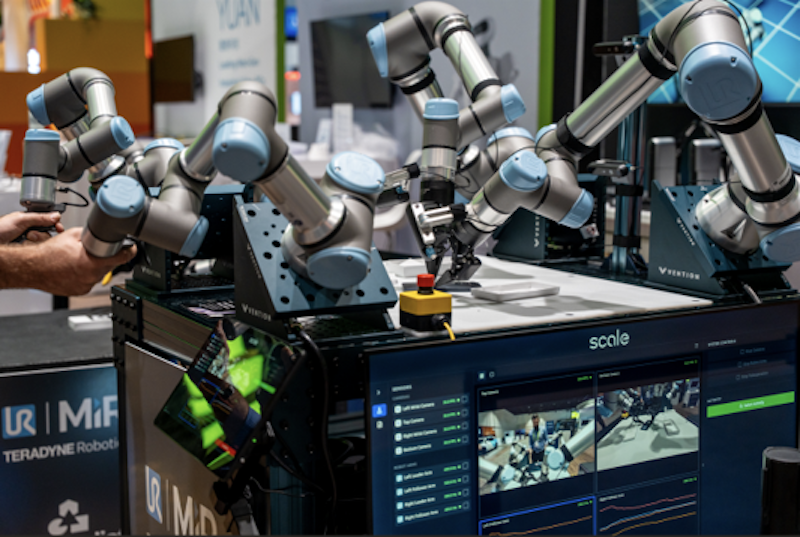
Teradyne Robotics unveils production-ready physical AI applications at Automate 2026
Teradyne Robotics, the parent company of Universal Robots and Mobile Industrial Robots, is set to showcase the impact of physical AI on industrial automation at the Automate 2026 trade show in Chicago from June 22 to 25. At booth #1250, attendees will witness demonstrations highlighting the capabilities of their robotic solutions. Jean-Pierre Hathout, President of the Teradyne Robotics Group, emphasized the significance of these innovations, stating that physical AI is prominently featured in their offerings. The event aims to illustrate how advancements in robotics are revolutionizing the industry and enhancing operational efficiency.
Events Features AI data centers ai robotics Automate 2026 autonomous mobile robots
ASI Releases CEO Playbook for Scaling Autonomy Across Industrial Operations
A new white paper has been released, providing a comprehensive roadmap for organizations looking to transition from pilot programs to full-scale automation. This document, developed by industry experts, aims to guide businesses through the complexities of implementing automated systems effectively. The white paper highlights best practices and strategies that have proven successful in various sectors, emphasizing the importance of a structured approach to automation. Released in October 2023, it addresses the growing demand for efficiency and innovation in the workplace. By outlining key steps and considerations, the white paper serves as a valuable resource for companies eager to enhance their operational capabilities and stay competitive in an increasingly automated landscape.

US scientists’ new electron microscopy tech delivers 10,000x magnification compared to light microscopy
A team of researchers in the United States has developed a groundbreaking technology aimed at enhancing the performance of electron devices. This innovation, unveiled recently, promises to significantly improve the efficiency and capabilities of various electronic components. The research, conducted at a prominent university, addresses the growing demand for faster and more efficient electronic systems in an increasingly digital world. By leveraging advanced materials and innovative engineering techniques, the team has successfully created a method that optimizes electron flow, potentially revolutionizing the electronics industry. This development comes at a crucial time as industries seek to meet the challenges posed by modern technological demands, including the need for better energy efficiency and higher processing speeds. The researchers are now looking to collaborate with industry partners to further refine the technology and explore its applications in commercial products.
Innovation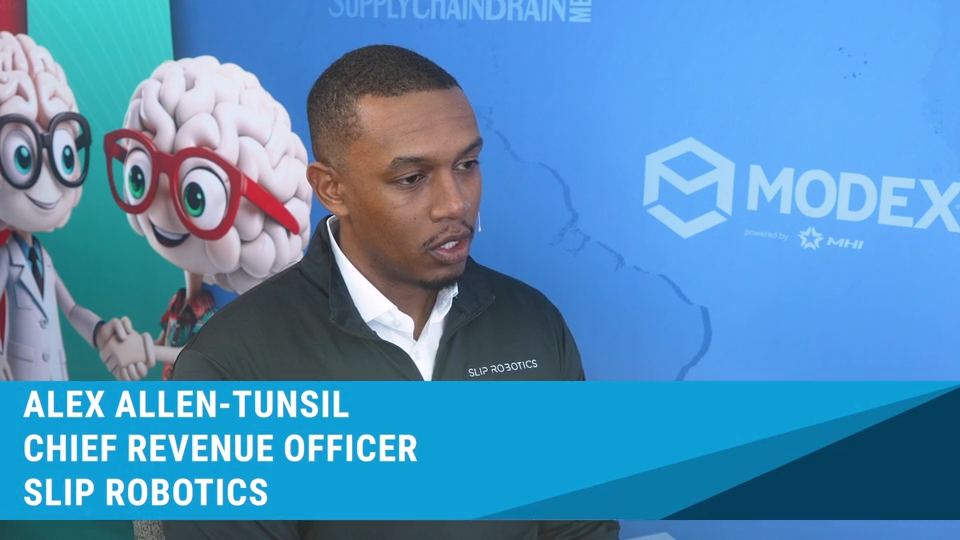
Watch: Bringing the Loading Dock Up to Speed
Alex Allen-Tunsil, the chief revenue officer of Slip Robotics, recently highlighted the significant challenges faced by modern warehouses, particularly focusing on loading docks. During a discussion, he emphasized that these areas have emerged as critical technological pain points, affecting overall operational efficiency. As warehouses increasingly rely on advanced technologies to streamline processes, the loading dock remains a complex hub where delays and inefficiencies can arise. Allen-Tunsil's insights shed light on the urgent need for innovative solutions to address these issues, particularly as the demand for faster and more efficient logistics continues to grow in the industry.

The Test Cell Ecosystem: From Tester Performance to Production Outcomes
In the evolving landscape of semiconductor manufacturing, the focus on tester performance is shifting towards the importance of integration and cross-domain coordination in determining test outcomes. This change is driven by the increasing complexity of semiconductor designs and the need for more efficient testing processes. As manufacturers seek to enhance product quality and reduce time-to-market, the integration of various testing domains has become essential. By fostering collaboration between different testing disciplines, companies can achieve more accurate results and streamline operations. This trend is particularly relevant as the industry faces heightened demands for innovation and competitiveness, making effective testing strategies crucial for success.
Could humanoid robots go from the lab to the factory floor?
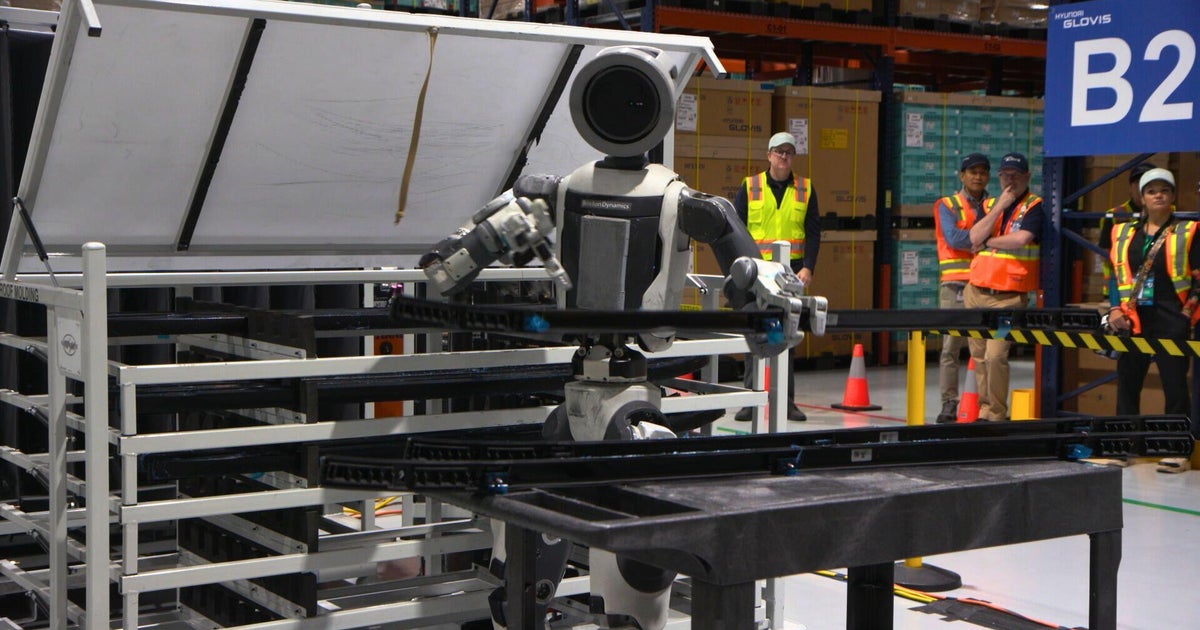
Engineers and computer scientists are advancing the development of AI-powered humanoid robots, with Boston Dynamics recently showcasing its Atlas robot in a demonstration for 60 Minutes. The event highlighted Atlas's ability to learn and perform tasks within a Hyundai factory setting. This initiative aims to enhance automation in manufacturing processes, reflecting a growing trend towards integrating robotics in various industries. By leveraging artificial intelligence, these robots are designed to mimic human actions, potentially improving efficiency and productivity in factory operations. The collaboration between Boston Dynamics and Hyundai underscores the increasing importance of robotics in modern manufacturing, as companies seek innovative solutions to meet evolving production demands.

Will AI-powered humanoid robots someday work alongside us? | 60 Minutes
Engineers and computer scientists at Boston Dynamics are advancing the development of AI-powered humanoid robots, exemplified by their robot Atlas, which is designed to mimic human behavior. In a recent demonstration, the company invited the CBS news program 60 Minutes to observe Atlas as it learned to perform tasks within a Hyundai factory setting. This initiative showcases the potential of robotics to enhance efficiency and productivity in industrial environments. The collaboration between Boston Dynamics and Hyundai reflects a growing trend in the integration of artificial intelligence and robotics in manufacturing processes, aiming to address labor shortages and improve operational capabilities. The demonstration highlights the ongoing efforts to refine the technology, enabling robots to adapt to complex tasks and work alongside human employees effectively.

Deep learning co-design helps scientists project 28-layer 3D images without crosstalk
Engineering researchers at the University of California, Los Angeles (UCLA) have unveiled a groundbreaking three-dimensional printing technology that significantly enhances the production of complex structures. This innovative method, introduced in October 2023, aims to revolutionize various industries by allowing for the rapid and precise fabrication of intricate designs that were previously difficult or impossible to achieve. The researchers' motivation stems from the growing demand for more efficient manufacturing processes that can produce high-quality components while minimizing waste and time. By leveraging advanced materials and techniques, the team has demonstrated that their new approach can streamline production workflows and reduce costs, making it an attractive option for sectors such as aerospace, automotive, and biomedical engineering. This development not only showcases the potential of 3D printing technology but also emphasizes UCLA's commitment to leading research in engineering and technology. The researchers plan to further refine their technique and explore its applications across various fields, aiming to set new standards in manufacturing efficiency and innovation.
Science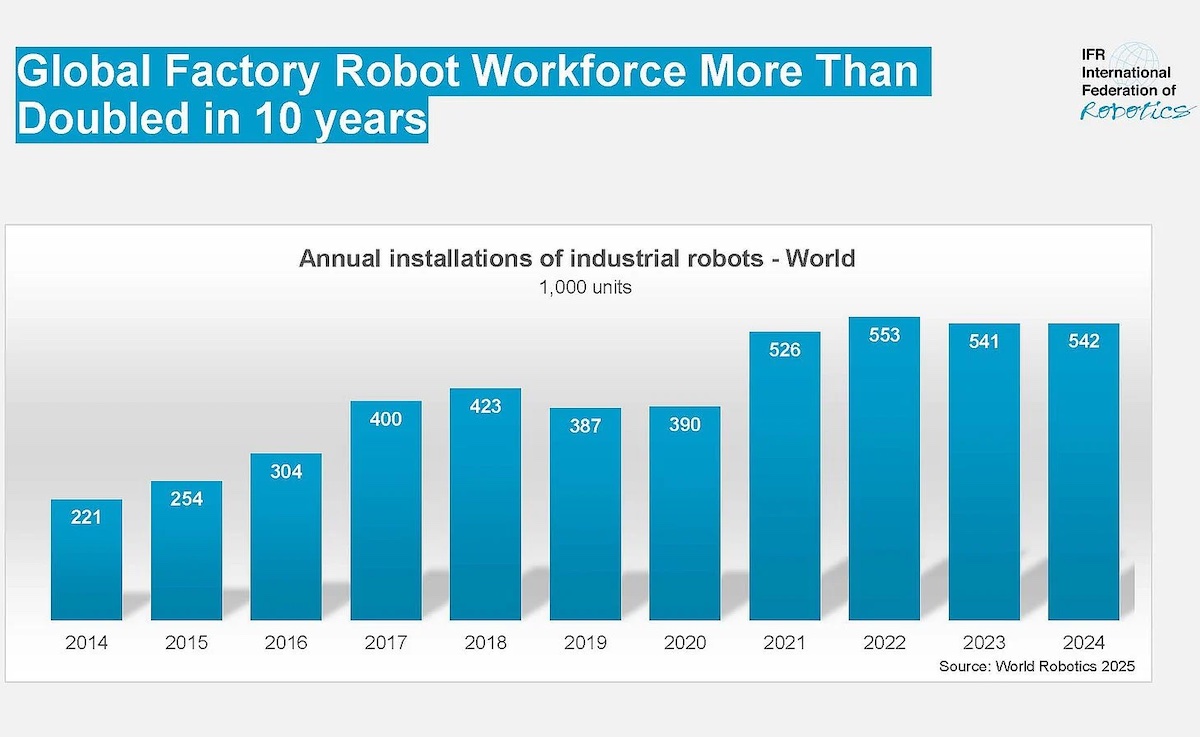
Modernizing the global economy with industrial robotics is needed but not inevitable
A recent column highlights the increasing adoption of service robotics alongside the rising demand for industrial automation, which is encountering significant challenges. The piece emphasizes the necessity of modernizing the global economy through the integration of industrial robotics. However, it also points out that this transformation is not guaranteed, suggesting that while the potential for advancement exists, various obstacles must be addressed to achieve widespread implementation. The commentary reflects on the current state of the robotics industry and the complexities involved in evolving industrial practices to meet contemporary economic needs.
Analysis China Defense / Security Educational Industrial Robots Manufacturing
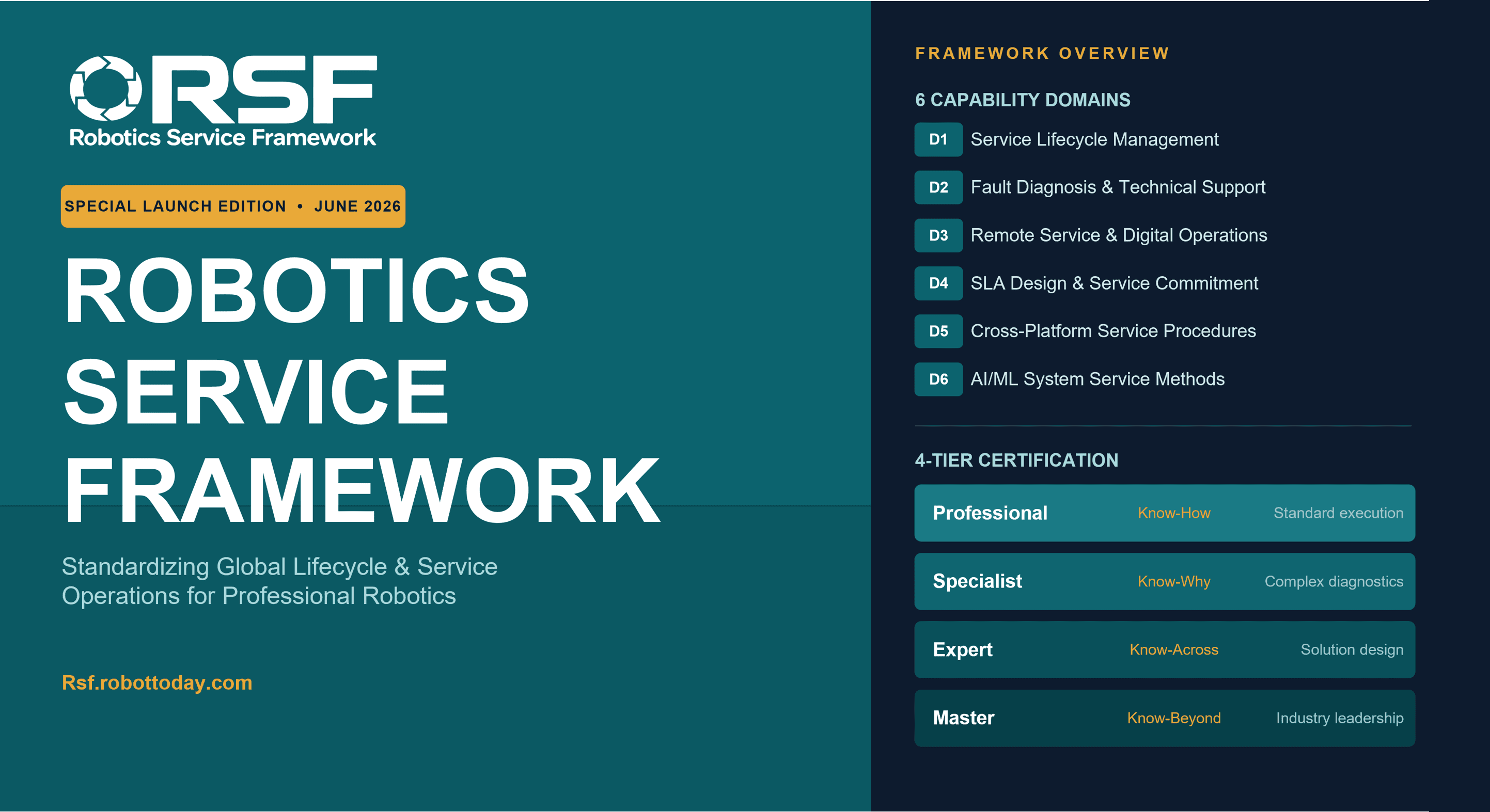
Robotics needs a service framework.
RSF defines a common language for robot service capability, lifecycle operations, certification pathways, and service-provider networks.