

Industry Briefing
A single destination for timely, editor-curated robotics news from around the world.
First Domestic Humanoid Robot Showcases Fully Localized Electronic Architecture
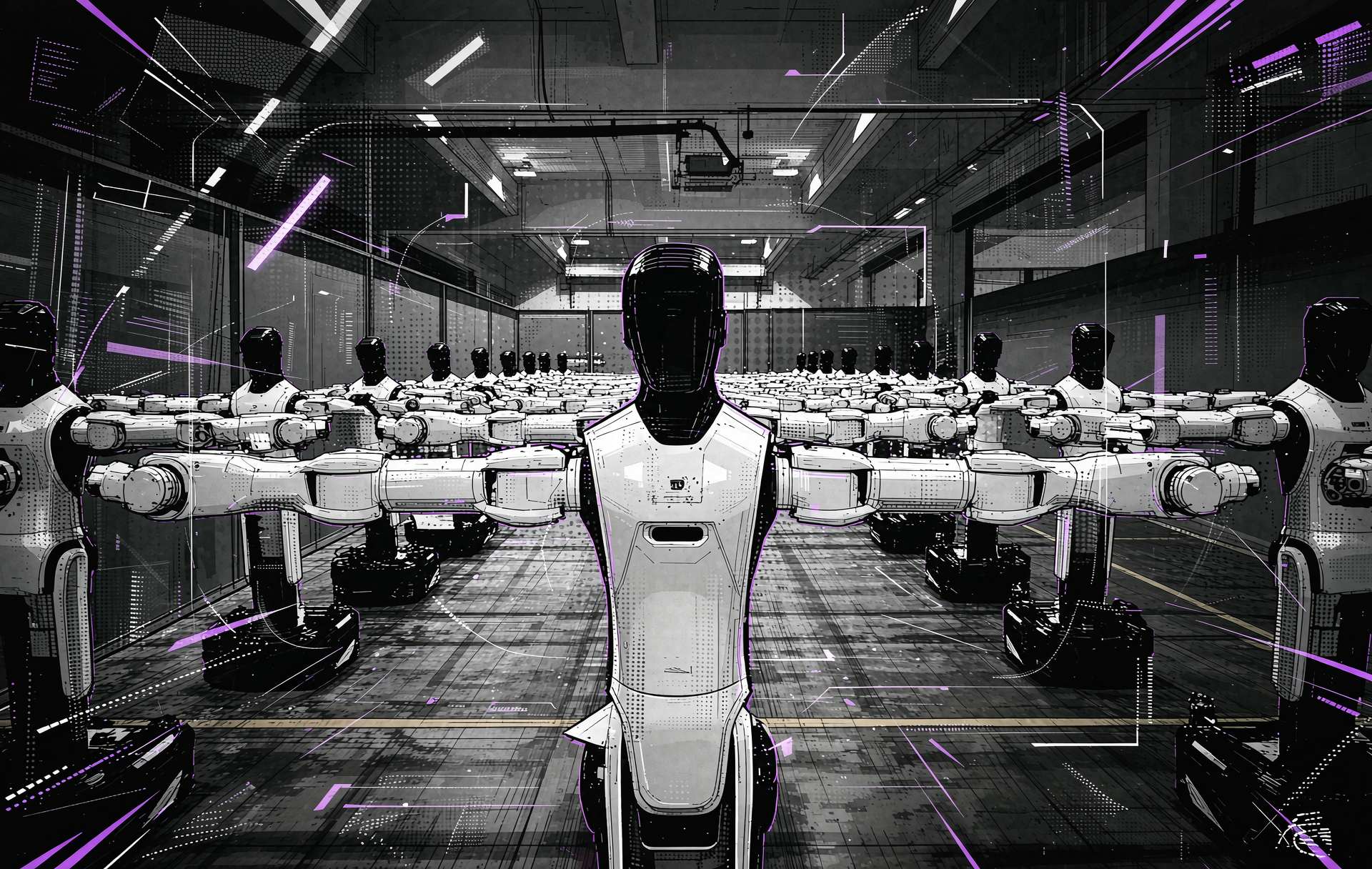
On September 28, the first humanoid robot featuring a fully localized electronic architecture was unveiled in Yichang, Hubei. This innovative architecture, developed by Dongtu Technology, serves as the robot's intelligent nervous system, integrating an operating system, network, software tools, and AI computing chips. The localized architecture is designed to enhance performance and security, offering advantages over traditional foreign solutions. The significance of this development lies in its potential to ensure data transmission and control security within robotics. The fully localized architecture aims to provide a robust safety framework for autonomous robot behavior, preventing disruptions in production and ensuring personnel safety. This initiative reflects a broader industry trend towards self-sufficiency and sovereignty in technology. Looking ahead, the key focus will be on the architecture's adaptability across various robotic platforms and its ability to meet commercial performance, power consumption, and development toolchain requirements. No further timeline was disclosed at the time of publication.
Humanoid Robots AI Robotics Safety Industrial Automation
LimX Dynamics and Kyland Technology Launch First Humanoid with Domestic Electronic Architecture
On September 28, 2026, LimX Dynamics and Kyland Technology introduced a humanoid robot in Yichang, featuring a fully domestic electronic architecture. This architecture integrates Kyland Intewell, AUTBUS, and MaVIEW, boasting microsecond motion control capabilities. The launch of this humanoid is significant as it represents a step forward in domestic robotics technology, showcasing the potential for advanced motion control in humanoid applications. The integration of these technologies aims to enhance the performance and responsiveness of robotic systems in various sectors. Looking ahead, industry observers will be keen to see how this humanoid performs in real-world applications and whether it can meet the ambitious claims of microsecond motion control. No further timeline was disclosed at the time of publication.

Noin Introduces GLOW Architecture for Instant Learning in Robotics
Noin has unveiled the GLOW architecture, a generative learning framework aimed at enhancing robot learning capabilities. This new technology allows robots to learn tasks instantly without the need for extensive data collection or predefined processes, addressing the challenges posed by dynamic real-world environments. GLOW's core innovation lies in its ability to enable robots to learn tasks through a single demonstration, transforming visual input and feedback into actionable tasks. The significance of GLOW is underscored by its potential to revolutionize how robots acquire skills, moving away from traditional methods that require separate strategies for each task. Instead, GLOW aims to equip robots with generalized capabilities that can be applied across various objects, environments, and tasks. This shift could lead to more efficient and adaptable robotic systems, as users will no longer need to break down their requirements into machine instructions. Future developments to watch include Noin's ongoing commitment to advancing the GLOW technology, which integrates visual understanding, spatial reasoning, task planning, and action generation within a unified model. The architecture has already shown promising results in various evaluations, indicating its effectiveness in physical scene understanding and task execution, paving the way for enhanced robotic intelligence and adaptability.
Robotics Generative Learning AI Embodied Intelligence
Understanding Motion Architecture: Beyond Component Specs for Automation Success
In the realm of automation, the integration of motion systems often presents greater challenges than the performance of individual components. While metrics such as torque, speed, and power density are essential, they do not capture the complexities involved in system assembly, commissioning, and troubleshooting. These factors can significantly impact machine delivery timelines and operational efficiency. The importance of considering engineering time alongside traditional performance metrics cannot be overstated. A lower upfront cost for a drive or controller may lead to increased integration time, ultimately delaying production and inflating project costs. Systems that are easier to configure and debug can provide substantial long-term value, even if their initial purchase price is higher. As automation systems grow more sophisticated, the role of software in their performance becomes critical. Engineers must adopt a system-level perspective, focusing on how components communicate and function together. This approach not only streamlines development but also enhances reliability, resulting in reduced maintenance costs and improved production efficiency. No further timeline was disclosed at the time of publication.
Controllers Human Robot Interaction / Haptics Motion Control News Robot Components Software
Landscape Architecture Graduate Transitions to Robot Data Collector Role at Intelligent Company
On September 13, Zhao Yingwei's phone was flooded with messages from classmates and teachers after he was featured in a CCTV interview. Recently hired at an intelligent robotics company, Zhao shared his background in landscape architecture, prompting inquiries on how to enter the robotics field with such a degree. At 25 years old, Zhao's educational journey included a vocational college and a bachelor's degree in landscape architecture. Despite initial enthusiasm, he discovered a bleak job outlook in his field, leading him to seek opportunities in robotics. After applying to several companies, he secured a position as a data collector, where he captures essential data for training robots. Zhao's role involves using a camera-equipped headset and gripper to document everyday tasks, contributing to the development of robotics. He aims to advance within the field by self-learning Linux and Python programming, believing that with determination and available resources, anyone can succeed in this evolving industry. No further timeline was disclosed at the time of publication.
Robotics Data Collection AI Career Transition
Optimizing Mobile Robot Planner Through Hierarchical Architecture and Sim-to-Real Transfer
The Journal of Field Robotics has published an early view article focusing on enhancing mobile robot planners. The study emphasizes the importance of a hierarchical architecture combined with sim-to-real transfer techniques to improve the efficiency and effectiveness of robotic planning systems. This research is significant as it addresses the challenges faced in the deployment of mobile robots in real-world environments. By leveraging hierarchical structures and simulation-based training, the findings aim to bridge the gap between simulated and actual performance, which is crucial for the advancement of autonomous robotics. Looking ahead, the implications of this study could lead to more robust mobile robot planners capable of adapting to dynamic environments. No further timeline was disclosed at the time of publication.
RESEARCH ARTICLE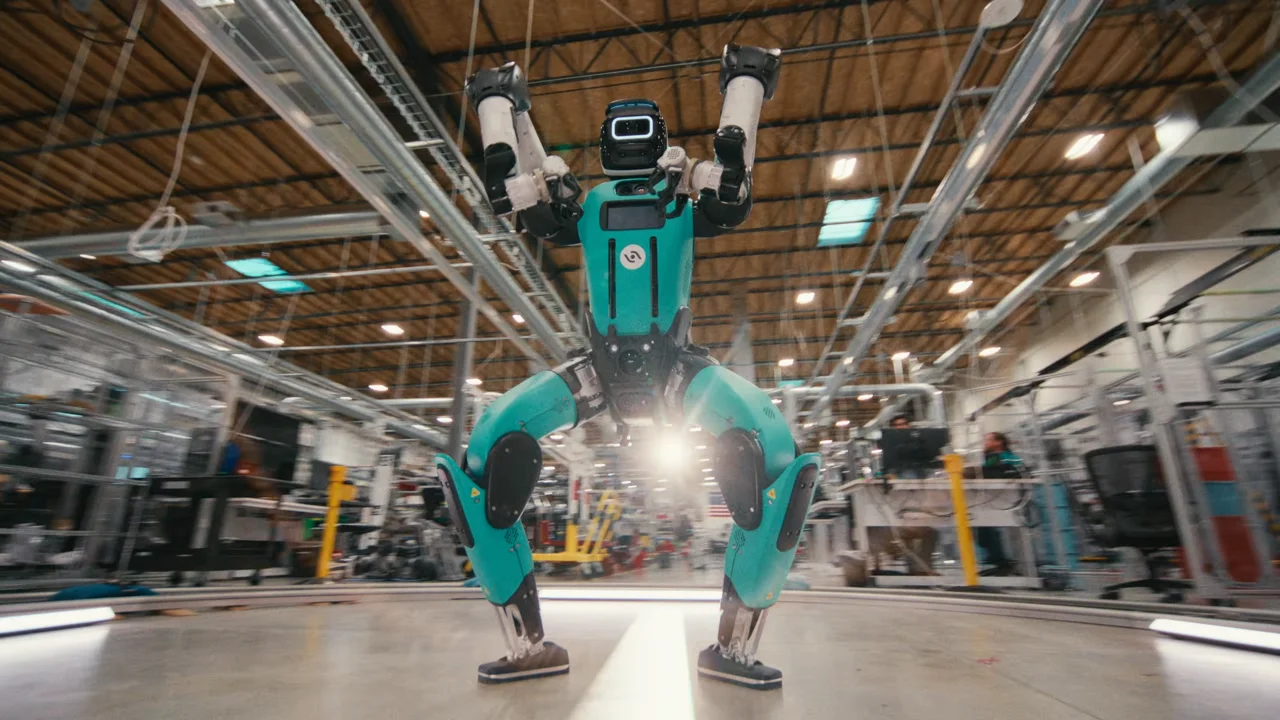
Agility Robotics Reveals Digit 5 Architecture and AI Stack for Enhanced Safety in Factories
Agility Robotics executives, including CEO Peggy Johnson and co-founder Jonathan Hurst, detailed the operational and algorithmic advancements of Digit 5. This humanoid robot aims to eliminate traditional safety barriers in factories, allowing for safer interactions with human workers. Digit 5's design includes 360-degree vision and a controlled descent mechanism to ensure safety when humans enter its operational space. The significance of Digit 5 lies in its potential to transform factory workflows by removing the need for physical barriers that isolate robots from human coworkers. Johnson highlighted that the robot autonomously lowers itself when a human approaches, ensuring a seamless operational flow. This capability is supported by low-latency edge inference technology, which allows for immediate responses to human movements. Looking ahead, Agility's focus on cooperative safety marks a shift in how humanoid robots are integrated into industrial environments. The company is also working on establishing safety standards for mobile robots, as outlined by Kevin Ree, emphasizing the importance of scalable operational safety. No further timeline was disclosed at the time of publication.
US Digit Agility Robotics
The Need for New Automation Architecture in AI Factories
The rise of AI factories is transforming the landscape of industrial automation, necessitating a new architectural approach. Unlike traditional enterprise data centers, AI factories feature significantly higher rack densities, dynamic workloads, and increased power consumption, with rack-scale systems drawing over 120 kW. This shift requires integrated process control and automation strategies to manage complex cooling and power demands effectively. As AI workloads are highly dynamic, the operational challenges faced by AI factories are distinct from those of conventional data centers. Traditional control architectures are inadequate for the rapid fluctuations in power and cooling needs, leading to alarm flooding and maintenance difficulties. Organizations that adapt to these challenges through innovative strategies will gain a competitive edge in the evolving market. Looking ahead, the execution of AI projects is accelerating, with high investments and the urgency to be first to market. This environment compels project teams to finalize designs concurrently with construction, adapting to ongoing changes in equipment availability and supply chain issues. The successful navigation of these complexities will define the future of AI factory operations.

Panmnesia and Meta Propose New Architecture for Coordinated AI Data Center Operations
Panmnesia, in collaboration with Meta, has proposed a new architecture that enables AI data centers to function more like a unified computer rather than a collection of separate machines. This design utilizes Compute Express Link (CXL) to connect CPUs, AI accelerators, and memory across racks, addressing the challenges posed by the increasing complexity of AI models that require extensive data exchange. The significance of this architecture lies in its potential to enhance latency predictability and overall efficiency in data centers. By extending the CXL domain beyond individual racks, the proposed system allows resources to operate as a coordinated unit, significantly reducing unpredictable delays in data movement. This could lead to a substantial decrease in round-trip latency, from microseconds to several hundred nanoseconds, which is crucial for large AI workloads that depend on the collective performance of multiple accelerators. Looking ahead, the architecture could revolutionize how computing resources collaborate within data centers. With the ability to connect a greater number of accelerators and memory devices, the proposed system not only improves performance but also minimizes the impact of individual device failures. No further timeline was disclosed at the time of publication.
AI and Robotics
MIT School of Architecture and Planning Announces Faculty Promotions for 2026
The MIT School of Architecture and Planning has recognized 11 faculty members with promotions effective July 1, 2026, for their significant contributions. Among the promotions, four are in the Department of Architecture, three in the Department of Urban Studies and Planning, and four in Media Arts and Sciences. Dean Hashim Sarkis emphasized the creativity and scholarship these individuals bring to the MIT community. These promotions highlight the school's commitment to enhancing its faculty and research capacity. Notable promotions include Xavi Aguirre and Rosalyne Shieh to associate professors without tenure, and Nida Sinnokrot to associate professor with tenure. Kristel Smentek has been promoted to full professor, showcasing expertise in 18th-century European art and its transcultural contexts. Looking ahead, the work of these newly promoted faculty members will continue to influence various fields, from architecture to urban studies. No further timeline was disclosed at the time of publication.
Faculty Architecture Urban studies and planning Center for Real Estate Media Lab Aeronautical and astronautical engineering
NVIDIA, Google, and Microsoft Collaborate on 800 VDC Power Architecture for AI Compute
NVIDIA, Google, and Microsoft are advancing the 800 VDC power architecture to enhance AI compute performance. This initiative addresses the inefficiencies of traditional AC power delivery by simplifying the conversion process, allowing more power to reach GPUs. The NVIDIA MGX-compatible 800 VDC power rack, set to launch in the second half of 2026, will enable existing facilities to upgrade without overhauling their electrical systems. The significance of this development lies in its potential to maximize compute density while preserving existing investments in infrastructure. By transitioning to a hybrid architecture, operators can scale their AI capabilities without the need for extensive modifications to their current setups. The roadmap includes a centralized power station for dedicated AI environments, expected in 2027, and a facility-scale unit for new designs, ensuring that the power architecture keeps pace with growing compute demands. Looking ahead, the 800 VDC architecture is positioned as a critical component for the future of AI infrastructure, with over 80 companies already contributing to its development. As global investments in AI and data infrastructure are projected to reach $9 trillion by 2040, the readiness of this power architecture will be essential for facilities aiming to meet increasing compute requirements.

WAIC 2026 Highlights: Computing Chips and Supernode Architecture Transform Embodied Intelligence
At the 2026 World Artificial Intelligence Conference (WAIC), the concept of embodied intelligence emerged as a focal point. As attendees engaged with advancements in multimodal large models, a roadmap concerning computing chips, supernode architecture, and AI application deployment began to reshape industry perceptions. A clear consensus is forming that the next phase of competition in embodied intelligence will center on systematic challenges involving computational foundations, infrastructure, and application scenarios rather than merely algorithmic metrics. According to a recent report by CITIC Securities, dedicated computing chips for embodied intelligence are becoming a critical battleground. Unlike general-purpose GPUs, these chips must provide extreme optimization for specific tasks such as low-latency inference, high parallel computing, and multi-sensor fusion. The introduction of supernode architecture indicates a pathway for the large-scale deployment of embodied intelligence, seamlessly connecting cloud, edge, and terminal computing resources to support a comprehensive agent framework that spans perception, decision-making, and execution. The pace of AI application deployment is exceeding expectations, with embodied intelligence technologies rapidly transitioning from laboratories to real-world scenarios, including logistics sorting and home companionship services. Companies like Jieyue Xingchen have achieved initial commercial validation across various verticals, lowering development barriers and accelerating product iteration cycles. As the integration of large language model inference capabilities with robotic motion control deepens, a new 'agent economy' is gradually taking shape. No further timeline was disclosed at the time of publication.
Embodied Intelligence Computing Chips Supernode Architecture AI Applications Industry Innovation
AI Chiplet Architectures Transform Testing Strategies Amid Rising GPU Costs
AI chip designs are increasingly shifting towards 2.5D and 3D chiplet architectures due to lithographic and reticle limitations. This evolution is significantly altering the testing landscape, as the integration of chiplets necessitates new strategies for ensuring quality and performance. The rising costs of GPUs, projected to reach $28,000, underscore the urgency for manufacturers to adopt these advanced architectures. By redefining where testing occurs within the chiplet framework, companies can enhance reliability and reduce costs associated with faulty components. As the industry adapts to these changes, stakeholders should monitor advancements in chiplet technology and testing methodologies. The ongoing evolution in AI chip design will likely influence procurement strategies and investment decisions in the semiconductor sector. No further timeline was disclosed at the time of publication.
Zhuji Power and Dongtu Technology Unveil China's First Humanoid Robot with Domestic Electronics
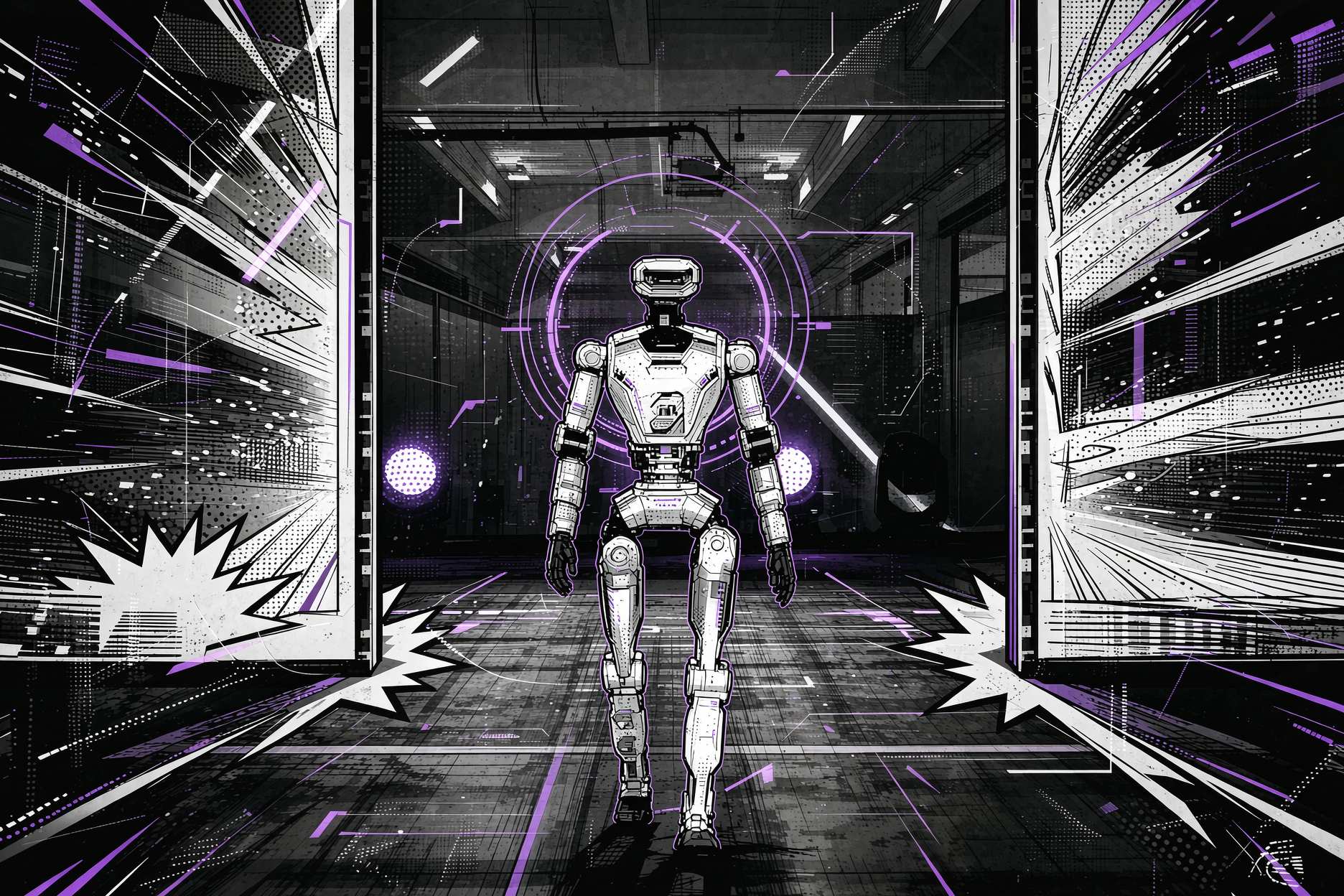
On September 28, 2026, Zhuji Power and Dongtu Technology launched China's first humanoid robot equipped with domestic electronic architecture in Yichang, Hubei. This robot marks a significant advancement in integrating domestic industrial-grade real-time communication capabilities within complex humanoid robotic systems. The importance of this development lies in its potential to enhance the robot's ability to operate autonomously in complex real-world scenarios. Effective communication within the robot's system is crucial for processing the vast amounts of information generated by perception, decision-making, and motion control, directly impacting control precision and task safety. Looking ahead, the focus will be on whether this domestic electronic architecture can be effectively implemented across more robotic platforms, and whether its performance, power consumption, and development toolchain can meet commercial requirements. No further timeline was disclosed at the time of publication.
Humanoid Robots Domestic Electronic Architecture Industrial Automation AI Technology
World's First Intelligent Robot with Domestic Electronics Launches in Yichang
The world's first embodied intelligent robot, featuring fully domestically produced electronic architecture, made its debut in Yichang. This milestone represents a significant advancement in robotics technology, showcasing the capabilities of local manufacturing and innovation. The introduction of this robot is crucial as it highlights the growing trend of self-sufficiency in technology, particularly in the robotics sector. By utilizing domestically produced components, the robot aims to reduce reliance on foreign technology and enhance local expertise in robotics development. Looking ahead, the implications of this launch could influence future robotics projects and investments in China. As the industry evolves, stakeholders will be keen to observe how this robot performs in real-world applications and its potential impact on the global robotics market. No further timeline was disclosed at the time of publication.
Robotics Automation AI
Suxian Micro Unveils TH1100 GPGPU with 100T Computing Power for Embodied AI
Suxian Micro has launched the TH1100 GPGPU, boasting 100 teraflops of computing power specifically designed for embodied artificial intelligence applications. This new product incorporates innovative in-chip compute-storage fusion and AI ROM technology, enhancing its efficiency and performance. The introduction of the TH1100 GPGPU is significant as it represents a leap forward in the capabilities of domestic GPU technology in Tianjin. By utilizing a render-first-then-AI development logic, Suxian Micro aims to address the growing demand for advanced computing solutions in the field of embodied intelligence. Looking ahead, industry observers will be keen to see how the TH1100 GPGPU performs in real-world applications and its impact on the competitive landscape of AI hardware. No further timeline was disclosed at the time of publication.
Technology
Tencent Open-Sources Three Embodied Foundation Models for Enhanced Robot Performance
Tencent has announced the open-source release of three embodied foundation models during the WAIC 2026 event. These models include a Visual Language Model (VLM) designed for scene understanding, the RxBrain cognitive model that facilitates planning with visual states, and the VLA model, which supports continuous action at frequencies between 500 to 1000Hz. This development is significant as it aims to enhance robot reaction speed and cognitive capabilities, addressing critical challenges in robotic performance. The introduction of these models is expected to advance the field of robotics by providing developers with powerful tools to improve the efficiency and effectiveness of robotic systems. Looking ahead, the industry will be keen to observe how these open-source models are adopted and integrated into various robotic applications. No further timeline was disclosed at the time of publication.
Technology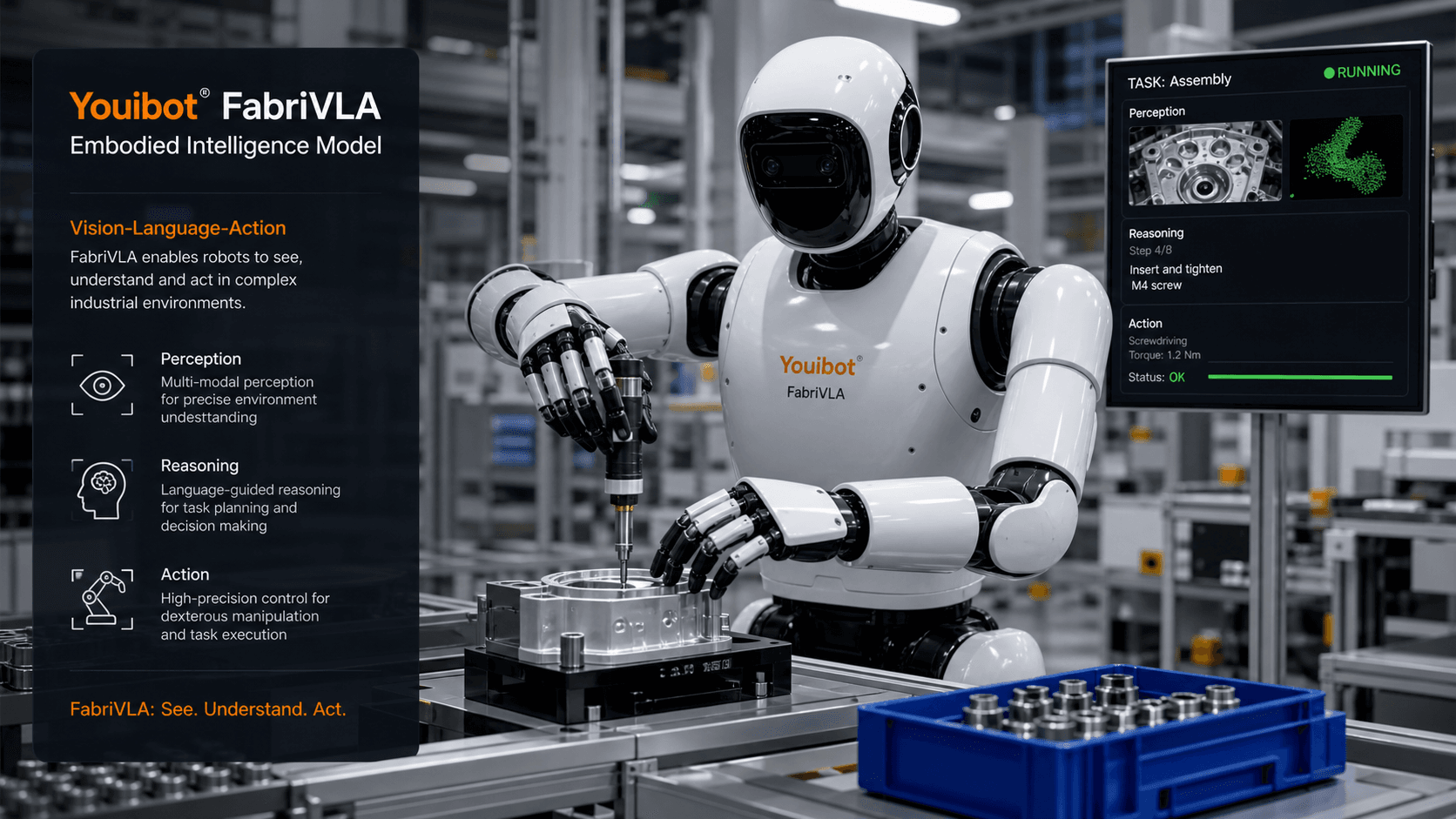
Youibot FabriVLA Surpasses Pi-Zero with 90.0% Tier-Average on Meta-World MT50
Youibot FabriVLA has achieved a remarkable 90.0% tier-average score on the Meta-World MT50 leaderboard, surpassing the previous leader, Pi-Zero, with only 1 billion parameters. This milestone signifies a pivotal shift in the robotics industry from parameter-based competition to a focus on architectural innovation. The achievement is significant as it highlights Youibot's advancements in embodied intelligence, showcasing the potential of more efficient models that do not rely solely on an increase in parameters. The success of FabriVLA could influence future developments in robotics, encouraging other manufacturers to prioritize architectural design over sheer parameter counts. Looking ahead, Youibot has also introduced the Fengxi humanoid robot, which has already garnered 4,000 unit orders. This indicates strong market interest and could lead to further innovations and applications in humanoid robotics. No further timeline was disclosed at the time of publication.
Technology
Palladyne AI Secures Additional $2.9 Million from U.S. Air Force for STRATFI Contract
Palladyne AI has announced that the U.S. Air Force has exercised an option on its STRATFI contract, adding $2.9 million in funding. This brings the total contract value to over $10.6 million, indicating the Air Force's satisfaction with Palladyne IQ™ embodied AI architecture for autonomous robotic systems. The additional funding underscores the U.S. Air Force's confidence in Palladyne AI's capabilities in delivering advanced autonomous solutions. Palladyne AI specializes in embodied AI-powered collaborative autonomy, advanced avionics, and UAVs, making it a key player in defense and industrial technology sectors. Looking ahead, the continued investment in Palladyne AI's technologies suggests a growing demand for autonomous robotic systems within military applications. No further timeline was disclosed at the time of publication.

Om AI Launches VLX Series for Physical AI with Unique Streamlined Architecture
Om AI has introduced the VLX series, the world's first edge-based streaming multimodal model for physical AI, designed to integrate continuous perception, precise localization, and decision-making. This innovative architecture, which emerged from years of focused development, positions Om AI at the forefront of the physical AI sector, which has seen over $6.4 billion in funding in the first quarter of 2026 alone. The significance of the VLX series lies in its ability to provide a cohesive framework that allows various physical devices, such as robots, drones, and security cameras, to transition from passive execution to active scene adaptation. This shift is crucial as the industry moves from digital AI to physical AI, with a growing emphasis on real-world applications and the need for robust, responsive systems. Looking ahead, the industry is expected to witness further advancements in physical AI, particularly as the demand for edge-based intelligent systems increases. Om AI's commitment to developing the VLX series reflects a strategic response to the evolving landscape, with no further timeline disclosed at the time of publication for upcoming milestones or product releases.

Intel reveals new XBM memory architecture patent to reduce AI memory costs by bypassing HBM silicon interposer.
On July 8, Intel revealed a recently filed patent application for a new high-bandwidth memory architecture called Cross-Batch Memory (XBM). This innovative design aims to reduce advanced packaging costs and alleviate the "memory wall" bottleneck faced by AI chips. By eliminating the silicon interposer required for High Bandwidth Memory (HBM) and utilizing UCIe interconnect technology along with an integrated redundancy repair mechanism, XBM enhances efficiency. The patent outlines a back-end transistor (BEOL) DRAM stacking design that maintains packaging dimensions similar to HBM4 while improving scalability and supporting defect repair to boost yield.
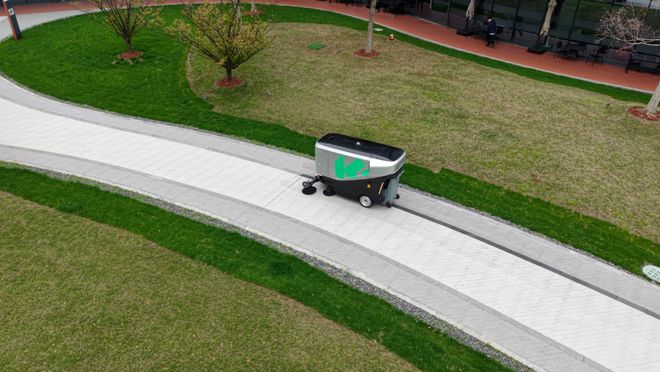
After validation in 40 cities, Kusa publicly reveals the underlying architecture of urban service embodied intelligence for the first time.
Kusa has publicly unveiled its innovative architecture for urban service embodied intelligence, following successful validation in 40 cities. This landmark announcement marks the first time the company has shared the details of its technology, which aims to enhance urban services through intelligent systems. The reveal took place recently, highlighting Kusa's commitment to improving city infrastructure and services. By leveraging data-driven insights and advanced technology, Kusa seeks to address the growing challenges faced by urban environments, ultimately aiming to create smarter, more efficient cities. The initiative is part of a broader movement towards integrating artificial intelligence into urban planning and service delivery, showcasing how technology can play a pivotal role in shaping the future of urban living.
Robotics Automation AI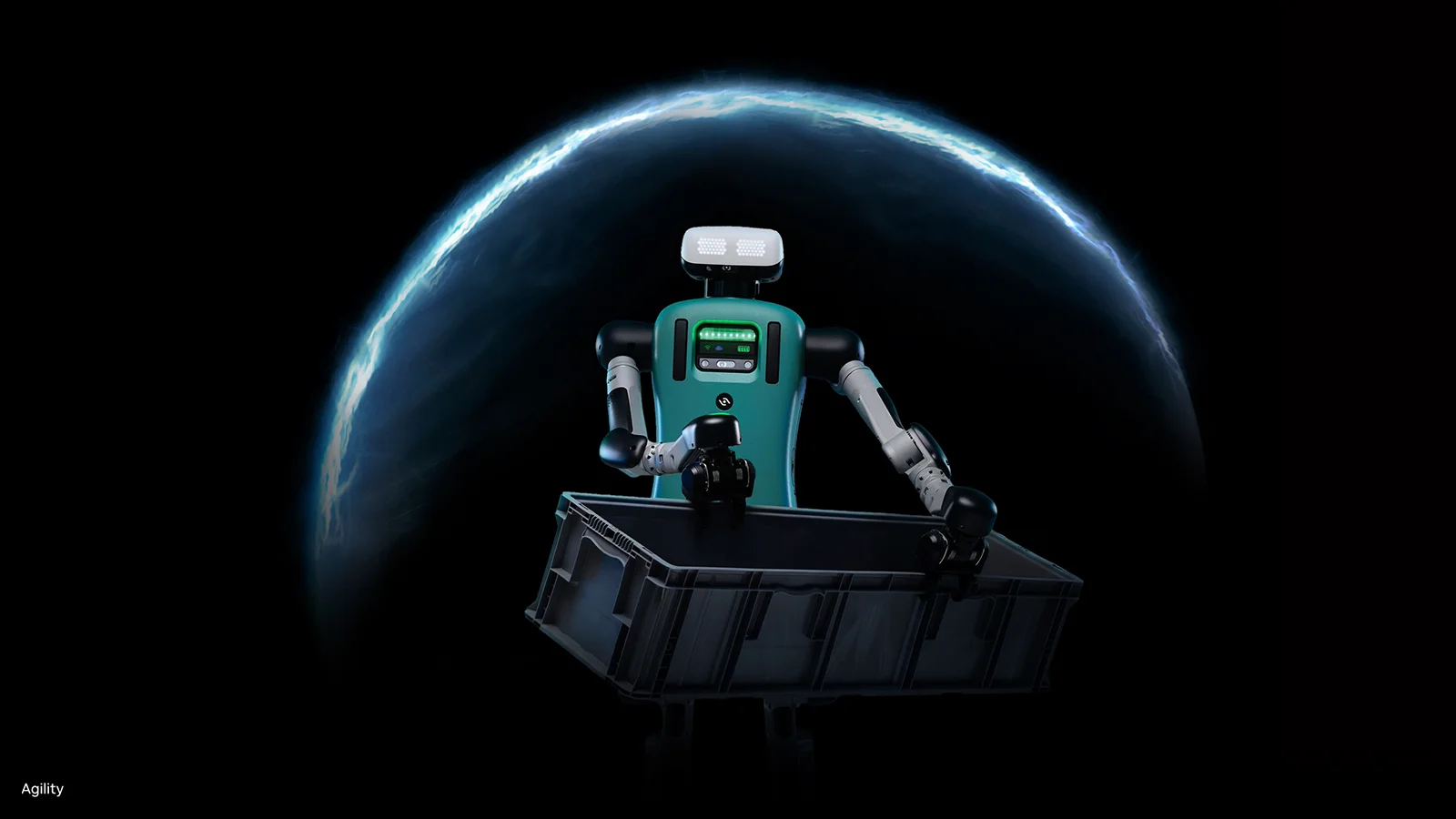
NVIDIA and Agility Robotics Launch Halos, a Comprehensive Safety System for Humanoids
NVIDIA has unveiled NVIDIA Halos for Robotics, a full-stack safety architecture aimed at enhancing the safety of humanoid robots. Agility Robotics, known for its bipedal robot Digit, is the first to integrate this platform, addressing the critical need for robots to work safely alongside humans without physical barriers. This partnership is significant as it responds to the growing scrutiny in the robotics sector regarding safety standards and compliance. With organizations like IEEE working on humanoid standards, NVIDIA's Halos system seeks to provide a certifiable foundation built on extensive experience from its autonomous vehicle programs, which include over 18,000 engineering years of safety development. Looking ahead, Agility Robotics plans to deploy its fifth-generation Digit model, designed for cooperative safety, by late 2026. This model will utilize the NVIDIA IGX Thor platform for human detection and will have a lift capacity aligned with OSHA's guidelines. The company is also preparing for a new funding round to support the scaling of these advanced humanoids.
NVIDIA US safety standards Agility Robotics
UMass Amherst Researchers Developing AI Architecture That Uses a Fraction of the Energy Required by Today’s AI Systems
Researchers at the University of Massachusetts Amherst have unveiled a groundbreaking artificial intelligence architecture aimed at significantly lowering the energy consumption of advanced AI systems while maintaining their learning capabilities. This innovative approach, inspired by brain function, was developed with funding from the U.S. National Science Foundation and the Air Force Office of Scientific Research. By mimicking the efficiency of the human brain, the new architecture seeks to address the growing energy demands associated with AI technologies, which have raised concerns regarding sustainability and environmental impact. The research, which highlights the potential for more eco-friendly AI solutions, could pave the way for advancements in various fields reliant on artificial intelligence, ultimately promoting a more sustainable future for technology.
AI AI Research & Advances Robotics architecture energy consumption Research
Closing the Insight-to-Action Gap: An Integration Architecture for Automated Predictive Maintenance
Recent research highlights that the primary challenge in industrial predictive maintenance is not the inaccuracy of models, but rather the ineffective transition from anomaly detection to actionable response. The study proposes a new integration architecture designed to link machine learning-based anomaly detection systems directly with maintenance execution systems within plants. This innovative approach aims to transform traditional monitoring dashboards into dynamic systems that not only identify issues but also facilitate immediate corrective actions. By addressing the critical gap between detection and response, this integration seeks to enhance operational efficiency and reduce downtime in industrial settings.
Factory / Plant Maintenance
Navy tests MUSV autonomous control and payload architecture across seven prototypes
The US Navy has approved seven submissions for medium unmanned surface vessels (MUSVs) as part of its ongoing efforts to enhance maritime capabilities. This decision, announced recently, marks a significant step in the Navy's initiative to integrate advanced unmanned technologies into its fleet. The approvals come in response to the increasing demand for innovative solutions to address modern naval challenges, including surveillance and reconnaissance missions. By incorporating these unmanned vessels, the Navy aims to improve operational efficiency and reduce risks to personnel. The selected submissions will now move forward in the development process, with the Navy collaborating closely with the respective contractors to ensure successful implementation. This initiative underscores the Navy's commitment to leveraging cutting-edge technology to maintain its strategic advantage in maritime operations.
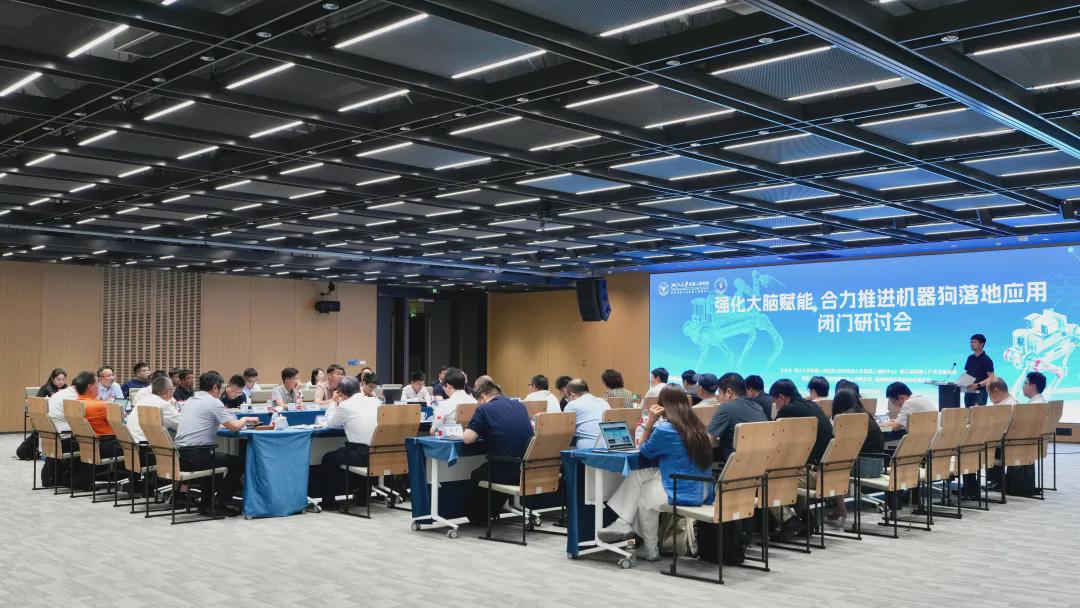
First Public Reveal of 'Infinite Brain': VL²A Architecture Tackles 'Brain Dilemma' at Robotics Application Seminar in Hangzhou
A seminar held in Hangzhou recently brought together experts to discuss advancements in robotic applications, with a particular focus on quadruped robots. The event highlighted the increasing necessity for these robots to possess advanced cognitive capabilities to navigate complex environments effectively. A key development presented during the seminar was the introduction of the VL²A architecture, which incorporates a new logic layer aimed at enhancing decision-making processes. This innovation signifies a pivotal shift towards the practical deployment of robots in various settings, underscoring the ongoing evolution of robotics technology.
Robotics Artificial Intelligence Cognitive Robotics Quadruped Robots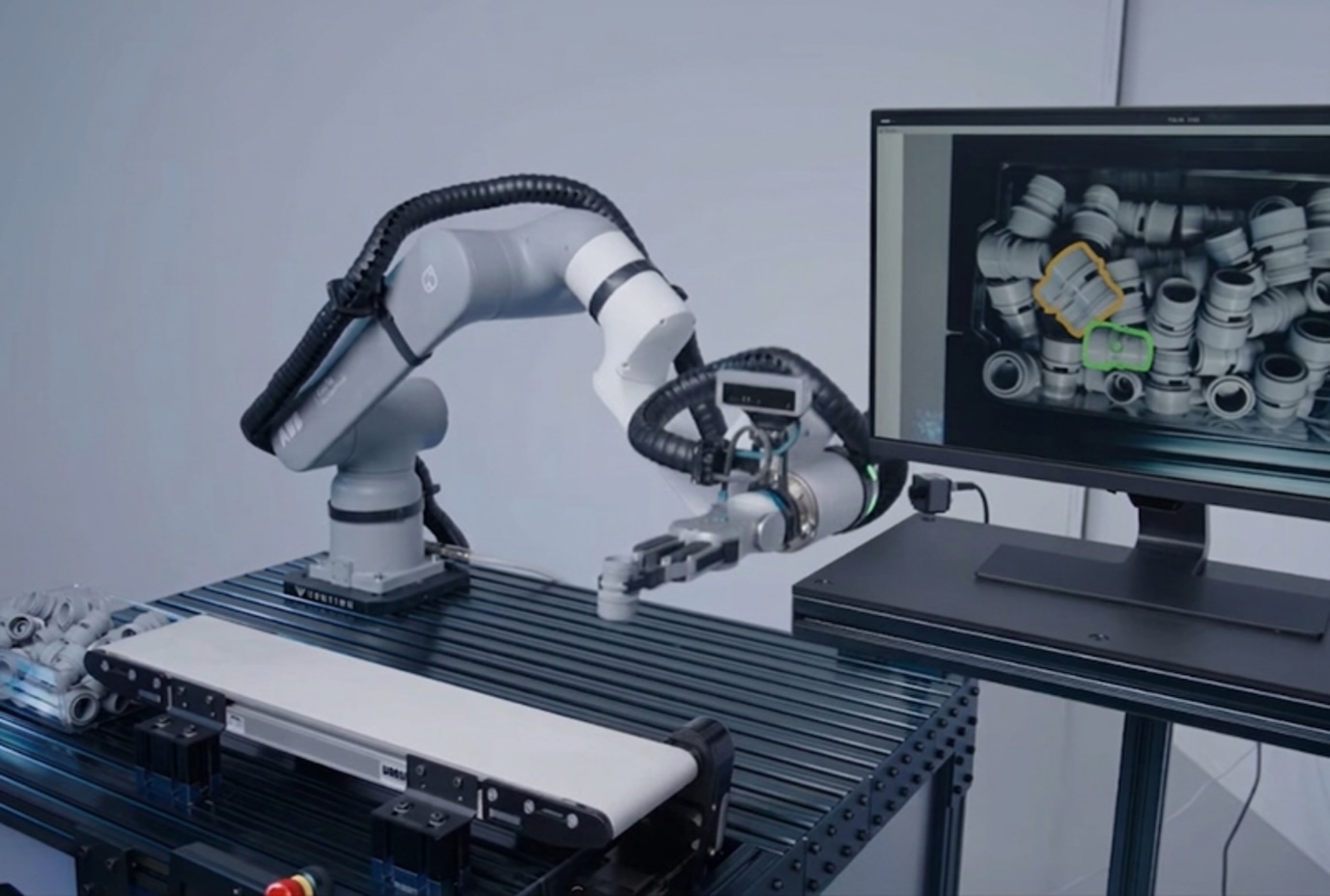
Simulation Platforms for Underwater Robotic Applications: Architectures, Capabilities, and Research Directions
A recent study published in the Journal of Field Robotics highlights advancements in autonomous robotic navigation. Researchers from a leading university conducted experiments to improve the efficiency and accuracy of robots in complex environments. The study, released in early October 2023, focused on various terrains, including urban settings and natural landscapes, to assess how robots can better adapt to their surroundings. The motivation behind this research stems from the increasing demand for autonomous systems in industries such as agriculture, logistics, and disaster response. By enhancing the navigation capabilities of robots, the researchers aim to facilitate their deployment in real-world applications, ultimately improving operational efficiency and safety. The team utilized a combination of machine learning algorithms and sensor technologies to develop a new navigation framework. This innovative approach allows robots to process environmental data in real-time, enabling them to make informed decisions and navigate obstacles more effectively. The findings suggest that these advancements could significantly reduce the time and resources required for robots to complete tasks in unpredictable environments. As the field of robotics continues to evolve, this research represents a crucial step towards more reliable and versatile autonomous systems, paving the way for broader applications in various sectors.
SURVEY ARTICLE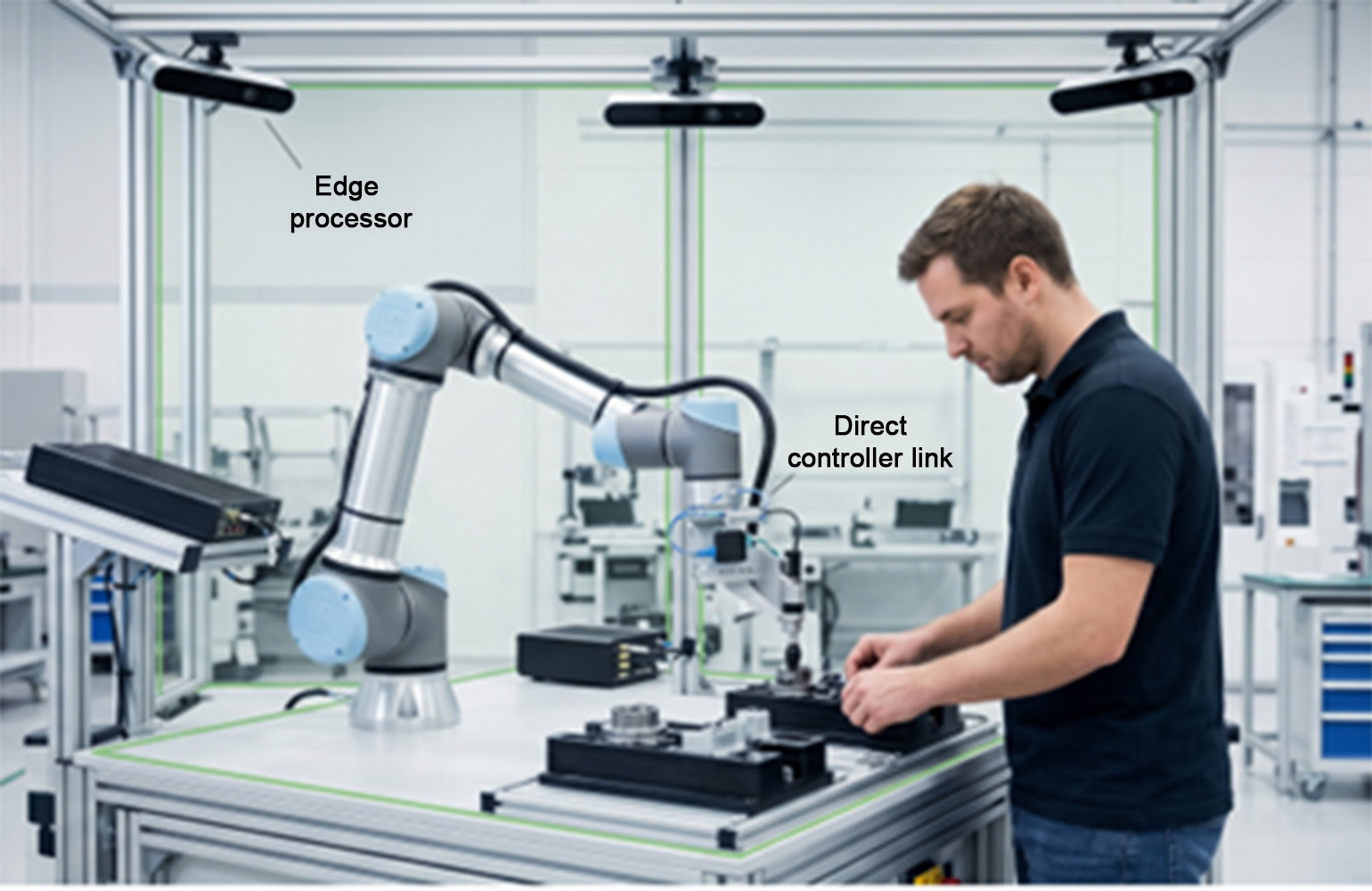
Closing the latency gap: Why physical AI requires edge-first architectures
Madhu Gaganam, the founder and CEO of Cogniedge.ai, emphasized the necessity for the robotics industry to evolve beyond traditional safety measures such as cages and reduced speeds in response to the growing demand for collaborative robots, or cobots. In a recent statement, Gaganam highlighted that the shift towards true cobots requires innovative approaches, particularly the implementation of edge-first architectures to effectively close the latency gap in physical AI applications. This transition is crucial for enhancing the performance and safety of robots working alongside humans. The insights were shared in a piece featured on The Robot Report, underscoring the importance of adapting technology to meet the changing needs of the industry.
6-Axis Artificial Intelligence Artificial Intelligence / Cognition Assembly Collaborative Robots Design / Development
UniX AI introduces Panther, the world's first service humanoid robot to enter real household deployment, powered by its differentiated wheeled dual-arm architecture
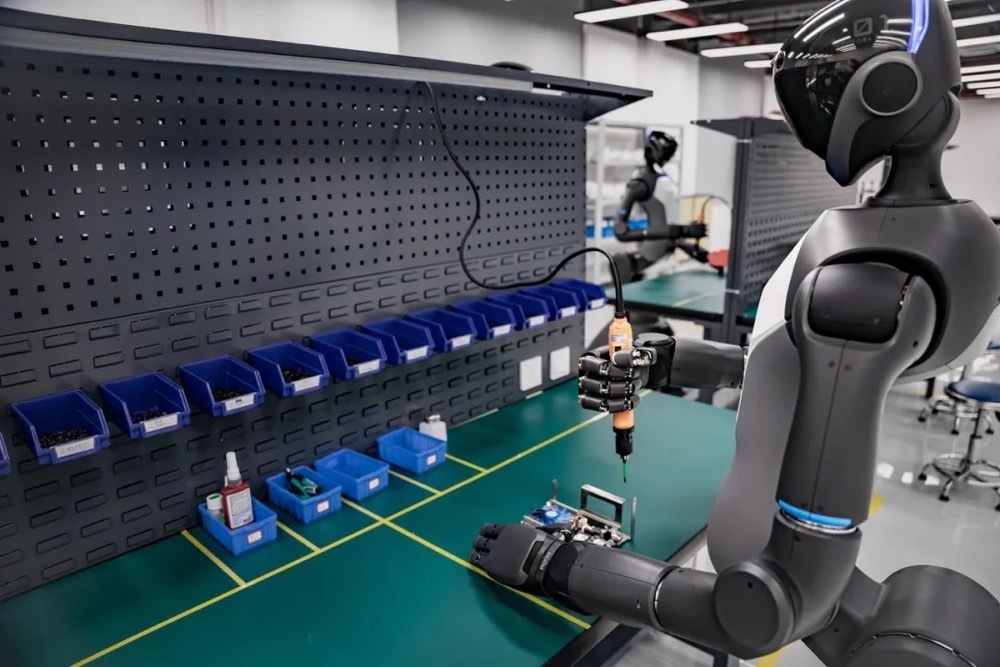
A groundbreaking advancement in robotics has been unveiled with the introduction of the Panther, a wheeled dual-arm humanoid robot. This innovative machine is equipped with the world's first mass-produced eight-degree-of-freedom (8-DoF) bionic arms, enhancing its dexterity and functionality. Additionally, the Panther features an adaptive intelligent gripper mounted on a high-degree-of-freedom joint platform, allowing for versatile handling of various objects. The robot's design includes an omnidirectional four-wheel steering and four-wheel drive (4WS+4WD) chassis, enabling it to navigate complex environments with ease. This development marks a significant step forward in robotic technology, aimed at improving automation and efficiency in various industries. The Panther was revealed to the public in October 2023, showcasing its capabilities at a technology expo. The motivation behind its creation stems from the growing demand for advanced robotic solutions that can perform tasks traditionally handled by humans, particularly in sectors such as manufacturing, logistics, and healthcare. By integrating cutting-edge engineering with adaptive technology, the Panther is set to redefine the role of robots in everyday operations, paving the way for a future where humans and machines work side by side more effectively.
Advanced Deep Learning Architecture for Real‐Time Online Train Tread Segmentation and Wear Detection
In May 2026, researchers published a study in the Journal of Field Robotics, exploring advancements in robotic technology for agricultural applications. The study focuses on the development of autonomous robots designed to enhance efficiency in crop management and harvesting processes. Conducted by a team of engineers and agricultural scientists, the research highlights the growing need for innovative solutions in the face of labor shortages and increasing food production demands. The team conducted field trials in various agricultural settings to assess the robots' performance and adaptability to different crop types. Their findings indicate that these autonomous systems can significantly reduce labor costs and improve yield quality, addressing both economic and environmental challenges faced by the agriculture sector. The research underscores the potential for robotics to transform traditional farming practices, making them more sustainable and efficient. This study is part of a broader initiative to integrate advanced technologies into agriculture, aiming to support farmers in meeting the global food supply challenges. By leveraging robotics, the researchers hope to pave the way for smarter farming practices that can respond to the dynamic needs of the industry.
RESEARCH ARTICLE
SiaRDFNet: Leveraging Siamese Architecture With ResNet‐DenseNet Fusion for Accurate Root Disease Classification
In May 2026, the Journal of Field Robotics published a significant study examining advancements in autonomous robotic systems. The research, conducted by a team of engineers and scientists, highlights innovative algorithms that enhance navigation and decision-making capabilities in complex environments. This study is particularly relevant as industries increasingly adopt robotics for tasks ranging from manufacturing to disaster response. The findings were presented during a conference held in a major city, where experts gathered to discuss the future of robotics technology. The motivation behind this research stems from the growing need for efficient and reliable robotic solutions to address challenges in various sectors, including logistics and emergency services. By employing advanced machine learning techniques, the researchers demonstrated how these algorithms allow robots to better interpret sensory data and adapt to dynamic surroundings. This breakthrough could lead to more effective deployment of robots in real-world scenarios, ultimately improving operational efficiency and safety. The implications of this research are expected to influence future developments in robotics, paving the way for more sophisticated and autonomous systems.
RESEARCH ARTICLE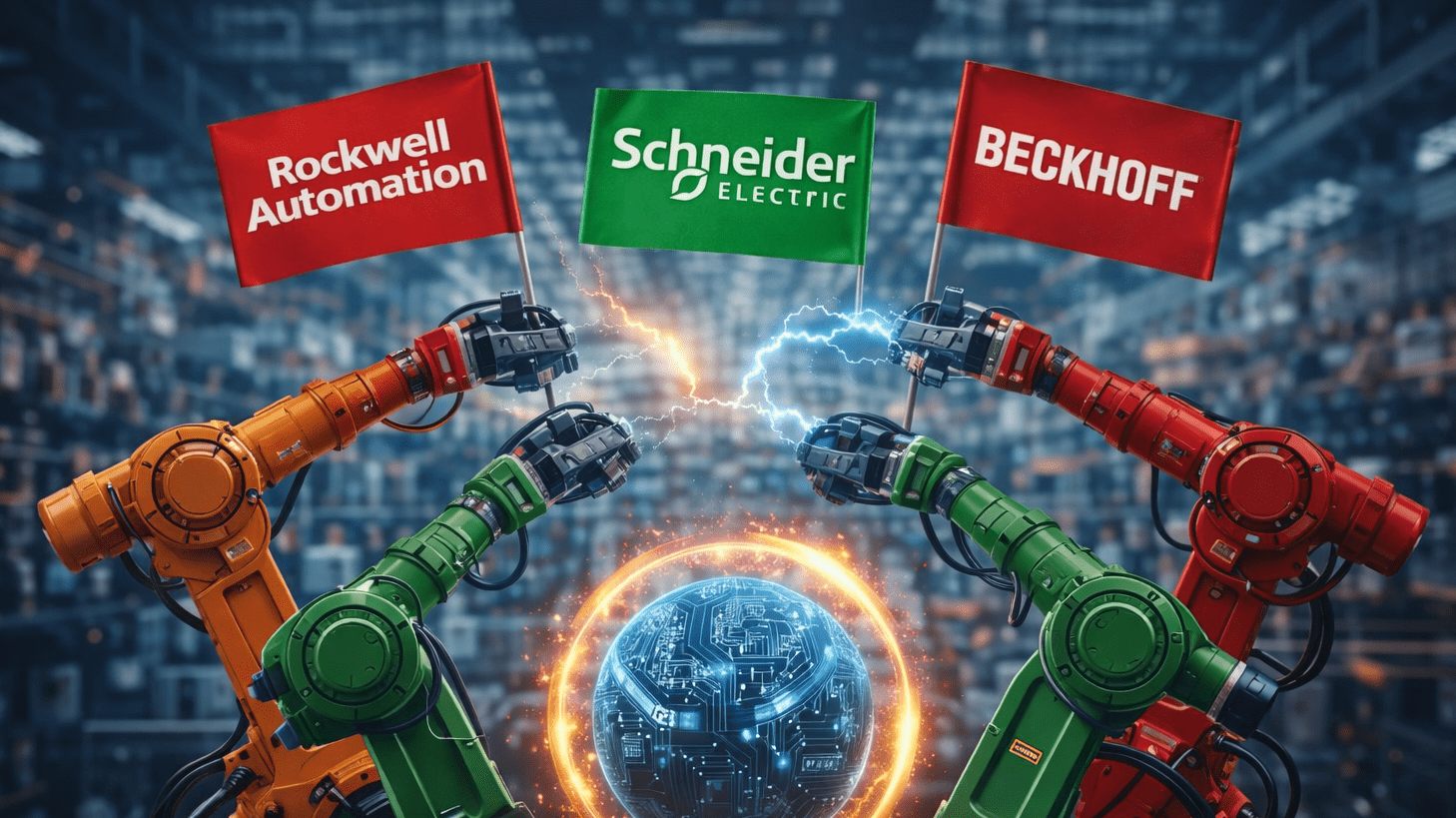
Rockwell, Schneider, Beckhoff : La Guerre des architectures industrielles
In the context of Industry 4.0, the selection of an automation architecture has evolved into a strategic decision that will impact the scalability, cybersecurity, and software agility of manufacturing plants for the next two decades. Rockwell Automation represents the pragmatic strength of the North American approach, while Schneider Electric emphasizes software openness. This shift highlights the growing importance of architecture choices in the industrial sector, as companies navigate the complexities of modern manufacturing environments. The discussion surrounding these architectural strategies underscores the competitive landscape among industry leaders.
À la une Actualités IA Industriel Robotique Architecture Industrielle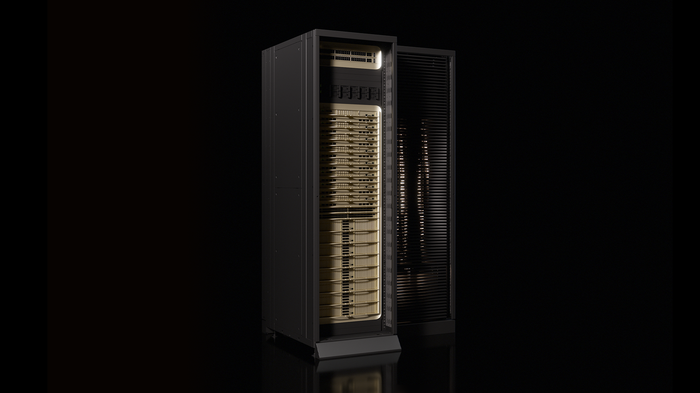
NVIDIA Launches BlueField-4 STX Storage Architecture With Broad Industry Adoption
NVIDIA has unveiled its latest innovation, the BlueField-4® STX, a modular reference architecture designed to facilitate the deployment of accelerated storage infrastructure for enterprises, cloud services, and AI providers. Announced today, this architecture aims to support the long-context reasoning necessary for advanced agentic AI applications. By streamlining the integration of storage solutions, NVIDIA seeks to enhance the capabilities of organizations looking to leverage AI technologies effectively. This development reflects the company's commitment to advancing AI infrastructure and addressing the growing demands of data-intensive applications in various sectors.

How GaN Technology is Reshaping the Power System Architecture of Humanoid Robots
The humanoid robot market is experiencing significant growth, with projections indicating that the number of units will reach 51,000 by 2026. This surge is largely attributed to advancements in Gallium Nitride (GaN) technology, which plays a crucial role in improving power efficiency and control within these robots. The integration of GaN technology addresses key challenges related to miniaturization and thermal management, enabling more sophisticated and compact designs. As the demand for humanoid robots increases across various sectors, the ongoing development of these technologies is expected to drive further innovation and expansion in the market.
Humanoid Robots Power Systems GaN Technology Robotics AI
NVIDIA and Coherent Announce Strategic Partnership to Develop Optics Technology to Scale Next-Generation Data Center Architecture
NVIDIA and Coherent Corp. have entered into a multiyear strategic agreement aimed at enhancing advanced optics technologies. This collaboration will focus on expanding manufacturing capacity and advancing research and development efforts to support the evolution of next-generation artificial intelligence. The partnership, announced today, underscores both companies' commitment to pushing the boundaries of technology in a rapidly evolving market. By leveraging their combined expertise, NVIDIA and Coherent aim to drive innovation that will significantly impact the AI landscape.

Real‐Time Detection of Undesired Human Interventions in Robotic Work Cells Using a Convolutional Neural Network‐Based Novel Architecture and Reliability Analysis With Explainable Artificial Intelligence
A recent study published in the Journal of Field Robotics highlights advancements in autonomous robotic systems designed for agricultural applications. Researchers from various institutions conducted the study to explore how these technologies can enhance efficiency and productivity in farming practices. The findings, released in early October 2023, indicate that the integration of robotics in agriculture not only streamlines operations but also addresses labor shortages faced by the industry. The research was carried out in diverse agricultural settings, showcasing the adaptability of robotic systems to different crops and farming techniques. By employing sensors and artificial intelligence, these robots can perform tasks such as planting, monitoring crop health, and harvesting with precision. The motivation behind this innovation stems from the need to increase food production while minimizing environmental impact and labor costs. As farmers face growing challenges from climate change and a declining workforce, the study emphasizes the potential of robotics to transform traditional farming methods. The researchers advocate for further investment in robotic technologies to ensure sustainable agricultural practices and improve overall food security. This study marks a significant step towards the future of farming, where automation plays a crucial role in meeting the demands of a growing global population.
RESEARCH ARTICLE
Mercedes-Benz Unveils New S-Class Built on NVIDIA DRIVE AV, Which Enables an L4-Ready Architecture
Mercedes-Benz is celebrating 140 years of automotive innovation with the introduction of a new S-Class model, specifically designed for the era of artificial intelligence. This latest vehicle integrates advanced safety features with NVIDIA’s cutting-edge autonomous driving platform, creating a Level 4-ready architecture aimed at enhancing driver trust and safety. The launch underscores the company's commitment to pioneering technology in the automotive industry, reflecting its ongoing efforts to adapt to the rapidly evolving landscape of vehicle automation. This initiative not only highlights Mercedes-Benz's legacy of innovation but also positions the brand at the forefront of the future of mobility.

CES 2026: Roborock releases the world's first robotic vacuum with wheel-leg architecture as it joins hands with Real Madrid Football Club
At CES 2026, Roborock made headlines with the introduction of the Saros Rover, a groundbreaking robotic vacuum featuring a unique wheel-leg architecture that enables it to navigate stairs and slopes with remarkable agility. This innovative product marks a significant advancement in robotic cleaning technology. In addition to the Saros Rover, Roborock announced a strategic partnership with Real Madrid Football Club, further enhancing its brand visibility and market reach. The company also expanded its smart cleaning product lineup with the launch of the Saros 20 and the RockMow X1 LiDAR, showcasing its commitment to innovation in home and garden maintenance solutions.
Robotics Smart Home Consumer Electronics AI Technology Partnerships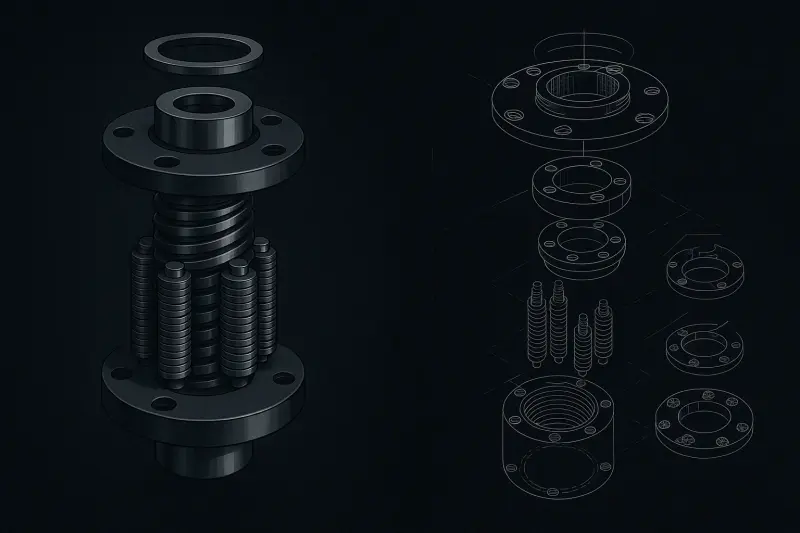
Actuator Architecture Sparks Debate: Figure CEO Refutes Claim of Using Planetary Roller Screws
Brett Adcock, CEO of Figure, has publicly countered a claim made by Fast Company regarding the technology used in his company's humanoid robots. The article suggested that Figure employs planetary roller screws, a type of linear actuator, in its designs. Adcock clarified that Figure actually utilizes rotary actuators, sparking a significant discussion within the field of humanoid robotics about the merits of direct rotary drive versus linear actuators that incorporate screws and linkages. This debate has been further elaborated on by robotics expert Scott Walter, emphasizing the ongoing exploration of design choices that could impact the future of robotic functionality and performance.
Tesla Figure Neura Robotics Agility Robotics XPeng ApptronikRobotics needs a service framework.
RSF defines a common language for robot service capability, lifecycle operations, certification pathways, and service-provider networks.
Join the RobotToday community on LinkedIn
Daily robotics news, in-depth analysis, conference highlights, and discussions with professionals worldwide.







