Industry Briefing
A single destination for timely, editor-curated robotics news from around the world.
MIT's JARVIS Challenge Explores AI's Role in Jet Engine Engineering
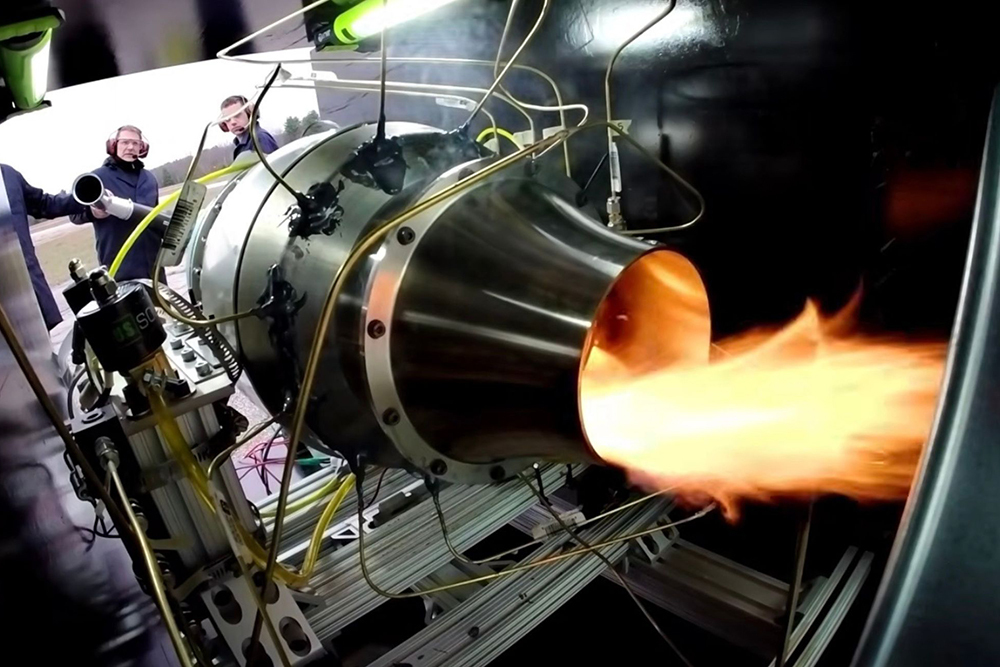
The JARVIS Challenge, held at MIT, investigated the potential of AI in designing and building jet engines. Over four weeks, undergraduate teams utilized AI tools to create a small gas turbine engine, aiming for a thrust of 50-100 pounds. Professor Zolti Spakovszky emphasized that while AI can enhance hardware engineering, human engineering judgment remains crucial. This initiative is significant as it highlights the evolving relationship between AI and engineering, particularly in safety-critical domains. With support from MIT Lincoln Laboratory and corporate sponsors like Safran and Voyager Technologies, students had unprecedented access to AI resources, fostering an environment of innovation and exploration. Looking ahead, the challenge showcased the importance of integrating AI into engineering workflows. As students learned to navigate AI's capabilities and limitations, it raises questions about the future of engineering education and the skills required in a rapidly changing technological landscape. No further timeline was disclosed at the time of publication.
Classes and programs Contests and academic competitions Students Undergraduate STEM education Artificial intelligence
Palladyne AI Executes $4.2 Million U.S. Air Force Contract to Advance Swarming Capabilities for Integrated Cross-Domain Operations
Palladyne AI Executes $4.2 Million U.S. Air Force Contract to Advance Swarming Capabilities for Integrated Cross-Domain Operations Visit http://www.palladyneai.com for further information Palladyne AI’s SwarmOS™ platform to support satellite integration, marking a major expansion of its multi-domain autonomy and ISR capabilities across space, air, maritime, and land 07/07/26, 06:15 AM | Mobile Robots, Other Topics | Palladyne AI Corp. Palladyne AI Corp. (NASDAQ: PDYN and PDYNW) ("Palladyne AI"), a developer of artificial intelligence software for robotic platforms in the defense and commercial sectors, today announced that it has executed the previously announced contract awarded by the Air Force Research Laboratory (AFRL) to solve one of the most persistent challenges in modern defense operations—how to make different autonomous systems work together as one coordinated team. The "Hierarchical Adaptive Networked Game-Theoretic Integration of Multiple Echelons (HANGTIME)" contract will address this need. More Headlines A3's Automate 2026 Breaks Records as Demand for Robotics, AI and Automation Grows NVIDIA and Hugging Face Bring New Models and Frameworks to LeRobot for the Open Robotics Community ABB Robotics completes its AI-powered Visual SLAM AMR portfolio with new autonomous forklift UMA Unveils Its Vision for the Next Generation of Humanoid Robots Robbyant Unveils LingBot-Depth 2.0 and LingBot-Vision to Redefine Robotic Spatial Perception Articles Unleash AI Innovation: The Power of NVIDIA RTX PRO 6000 Blackwell Workstation Edition Fueled by PNY-Supplied GPUs Automate 2026 Q&A with DESTACO Automate 2026 Q&A with Roboteon Advances in Robots to See & Interpret within Warehouse Environments Building Resilient Fulfillment Networks with Robotics and Real-Time Logistics Data Today, drones, ships, and satellites often operate largely independently, limiting how quickly warfighters can see and respond to threats. HANGTIME will utilize Palladyne AI's patented SwarmOS™ software platform—the defense variant of the Palladyne™ Pilot embodied AI software—as the baseline technology to bridge that gap, connecting disparate systems so they can share intelligence, adapt to changing conditions, and act in sync across domains, including space, air, maritime, and land. By integrating satellites for the first time, this project also extends Palladyne AI's technology from the ground to orbit, enabling faster, more informed decision-making and coordinated mission execution, turning tactical commanders into strategic commanders by giving them more cross-domain intelligence, surveillance, and reconnaissance (ISR) capabilities than ever before. "Our collaboration with AFRL showcases what's next for autonomous operations," said Ben Wolff, President and CEO, Palladyne AI. "This isn't about replacing humans—it's about giving them sharper, faster insight. By connecting satellite, aerial, and ground systems using the patented SwarmOS embodied AI platform as a foundational technology, we're helping the warfighter make better decisions in real time and stay one step ahead on the battlefield." "The HANGTIME project is a breakthrough that unites high-altitude assets and situational unmanned systems into one coordinated sensor network—delivering a major advantage for the defense industry," said Dr. Denis Garagic, Chief Technology Officer, Palladyne AI. "For the first time, a single AI framework can coordinate assets across multiple domains, including satellites. That means these systems can now think and act together as a team, sharing what they see and learning as conditions change." "The HANGTIME effort represents a critical step in multi-domain autonomy for coordinated execution in challenging environments," said Caleb Williams, Program Manager, AFRL/RIEA. For more information on Palladyne AI and its patented collaborative autonomy software, including SwarmOS, please visit www.palladyneai.com. For more information about AFRL, please visit www.afrl.af.mil. About Palladyne AI Palladyne AI is a U.S.-based technology company developing patented embodied artificial intelligence, collaborative autonomy solutions, advanced avionics, autonomous systems, advanced UAV engineering services, and precision-manufactured components for defense and industrial markets. Palladyne AI delivers secure, American-developed and operated platforms designed to meet the stringent requirements of U.S. government and public-sector customers, including data sovereignty, security, and compliance. Palladyne AI's embodied AI is designed to operate in complex, contested, and high-risk environments, enabling distributed tasking, human-on-the-loop decision-making, degraded-communications resilience, and multi-domain coordination. Its platform-agnostic autonomy stack combines real-time sensor fusion, adaptive AI models, and edge-native orchestration—without vendor lock-in—to support autonomous and collaborative systems across air, ground, maritime, and industrial domains w
In Russian military parade meant to project power, analysts see ‘real vulnerability’
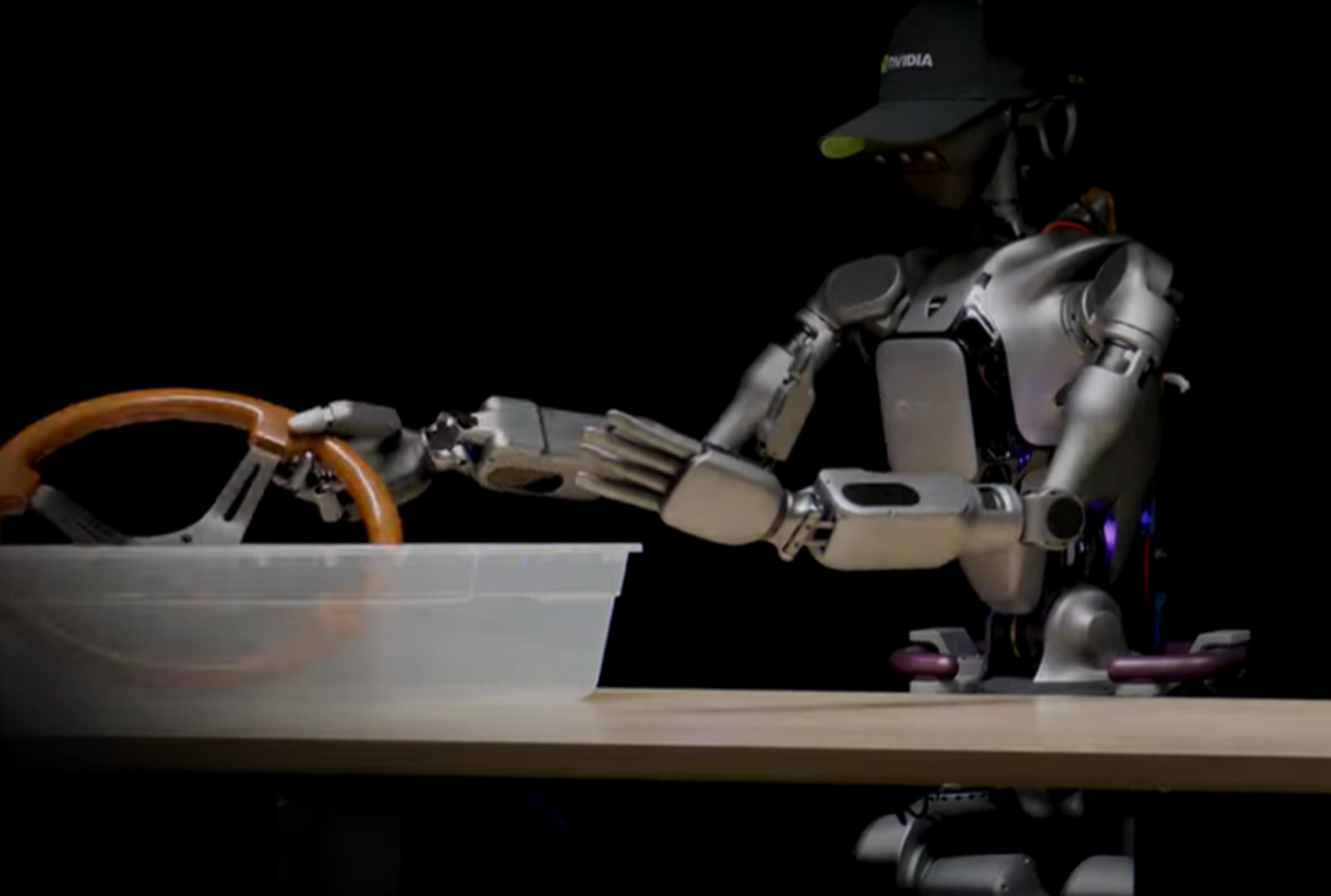
Timothy Ash from Chatham House expressed concerns regarding the growing unease in Moscow about the sustainability of the current political climate, particularly highlighted by recent events in Red Square. His remarks, made during an interview with Breaking Defense, suggest that the atmosphere in the Russian capital reflects a deeper nervousness among officials and citizens alike. This sentiment comes amid ongoing tensions and challenges facing the Russian government, raising questions about its stability and future direction.
All Domain Global Threats Drones Europe NATO
Anduril Partners with Kraken Technology Group on Small USVs
Recent developments in naval warfare have highlighted the critical need for advanced unmanned systems, as traditional strategies are becoming obsolete. The U.S. Navy, facing evolving threats, is seeking small unmanned surface vessels (USVs) capable of carrying flexible payloads over 1,000 pounds, sustaining prolonged operations, and being produced quickly. Navy Secretary John Phelan emphasized this urgency during a Senate Armed Services Committee hearing, stating that future conflicts cannot be won with outdated platforms. He underscored the importance of rapidly producing and integrating unmanned systems across air, surface, and subsurface domains to ensure success in modern warfare. The current domestic offerings, however, do not meet these requirements, prompting a reevaluation of the Navy's capabilities and production strategies.
anduril partnership kraken technology group small usvs
EUROATLAS and Rheinmetall Partner to Integrate GREYSHARK AUVs into Coastal Defense Systems
EUROATLAS, a Bremen-based company specializing in advanced defense technologies, has formed a strategic partnership with Rheinmetall, Germany's leading international defense systems supplier, with support from Stockholm's Mimir Group. The collaboration aims to integrate EUROATLAS's autonomous underwater vehicle, GREYSHARK™, into Rheinmetall's Battlesuite™, a modular and AI-enabled digital platform designed to manage multi-domain defense systems. This integration, announced recently, will enhance coastal defense capabilities by utilizing Battlesuite™ as the digital backbone for Rheinmetall's maritime operations infrastructure. The partnership reflects a growing emphasis on advanced technology in defense strategies, particularly in addressing maritime security challenges.
euroatlas rheinmetall greyshark auvs coastal defense systems
Rajant Health (RHI) and Chord Robotics Expand Cowbell Platform to Enable Scalable, Multi-Domain Collaborative Autonomy
Rajant Health (RHI) and Chord Robotics have announced an expanded partnership to enhance their Cowbell platform, introducing advanced "Flying Cowbell" capabilities aimed at enabling scalable, multi-domain collaborative autonomy. This collaboration, revealed on May 22, 2026, integrates RHI's Kinetic Mesh® networking with Chord Robotics' TEMPO™ software, facilitating real-time control of mixed fleets operating across air, land, and sea. The "Flying Cowbell" system transforms mobile nodes, including unmanned aerial systems (UAS) and unmanned surface vehicles (USVs), into active participants in a distributed compute and autonomy framework. This architecture allows for distributed workload execution, dynamic cluster formation, and transport-agnostic operations, even in connectivity-constrained environments. The partnership aims to address the need for persistent coverage and dynamic mission adaptation in complex scenarios where traditional infrastructure may be lacking. By leveraging Rajant's InstaMesh® networking capabilities alongside TEMPO, operators can manage heterogeneous fleets effectively, ensuring that each vehicle can make independent decisions while collaborating seamlessly. RHI's CEO, Robert J. Schena, emphasized that the initiative represents a shift from static infrastructure to a mobility-native system, while Chord Robotics' CEO, James Cooney, highlighted the potential for scaling autonomous fleets in challenging environments. Together, the companies are poised to redefine collaborative autonomy in unmanned systems, enhancing operational efficiency and adaptability.

ASELSAN at SAHA 2026: Introducing next-generation multi-domain defense systems
At the SAHA 2026 exhibition, ASELSAN introduced its latest defense portfolio, showcasing a comprehensive and integrated defense architecture. This innovative framework combines electronic warfare, counter-unmanned aerial vehicle (UAV) systems, and capabilities for both airborne and naval operations. The unveiling highlights ASELSAN's commitment to advancing military technology and enhancing operational efficiency in response to evolving security challenges. By integrating these diverse capabilities, the company aims to provide a unified solution that meets the complex demands of modern defense environments.
Global Naval Warfare Sponsored Post Air Force Army Aselsan
Enhanced Unscented Kalman Filter With Time‐Varying Attenuation Factor for Cross‐Domain Unmanned Surface Vehicle/Autonomous Underwater Vehicle Tracking Using Time‐Direction of Arrival Measurements
The Journal of Field Robotics has recently published an early view article highlighting advancements in robotic technology. This publication, which became available in October 2023, focuses on innovative applications of robotics in various fields, including agriculture, search and rescue, and environmental monitoring. Researchers and engineers are increasingly motivated to enhance robotic capabilities to address complex challenges and improve efficiency in these sectors. The article outlines the methodologies employed in developing these advanced robotic systems, emphasizing the integration of artificial intelligence and machine learning. By showcasing successful case studies and ongoing projects, the journal aims to inform and inspire further research and collaboration within the robotics community.
RESEARCH ARTICLE
Kinetix AI Introduces KAI Halo to Enhance Data Infrastructure for Robotics
As the robotics industry enters a phase of large-scale development, a critical question arises: how long does it take for newly collected real-world data to translate into actionable capabilities for robots? The data journey, from collection to deployment, is complex and any delays can hinder progress. Kinetix AI is addressing this challenge by connecting every stage of data production rather than simply expanding data volume. The Kai Ego Dataset has amassed over 100,000 hours of first-person multimodal data, covering more than 2,000 atomic skills across various real-world scenarios such as homes, retail, hotels, and factories. This dataset captures the nuances of continuous tasks, allowing robots to learn complex behaviors rather than isolated actions. It integrates diverse information, including visual data, body posture, and motion semantics, providing a unified data foundation for cross-domain transfer. KAI Halo, a standardized data collection tool developed by Kinetix AI, addresses common issues encountered in real data production, such as occlusion and data quality fluctuations. By employing a four-way fisheye global shutter RGB camera and a 200Hz IMU, KAI Halo synchronizes multiple perspectives, enabling a comprehensive reconstruction of human actions and interactions with the environment. No further timeline was disclosed at the time of publication.
Embodied Intelligence Data Infrastructure Robotics AI Data Processing
NVIDIA Discusses Evaluating General-Purpose Robot Policies for Real-World Applications
NVIDIA has highlighted the challenges in evaluating general-purpose robot policies as their capabilities advance. The company emphasizes that while current robotics models can follow natural language instructions to manipulate various objects, rigorous evaluation remains a significant hurdle due to the limitations of existing benchmarks. Real-world testing is costly and slow, necessitating effective simulation methods for large-scale evaluations. The importance of this evaluation process lies in the need for robots to generalize their skills beyond memorized setups. NVIDIA points out that many benchmarks suffer from visual and task-domain overlap, which can lead to misleading performance metrics. As models achieve high scores on static task sets, it becomes increasingly difficult to differentiate their true capabilities, raising concerns about the meaningfulness of reported results. Looking ahead, NVIDIA's focus on improving simulation environments and task generation methods is crucial for advancing robotic evaluation. The company aims to address the diagnostic gaps in current benchmarks, which often fail to provide insights into the reasons behind a robot's performance. No further timeline was disclosed at the time of publication.
Artificial Intelligence Artificial Intelligence / Cognition Design / Development Motion Control News Software / Simulation
Nemotron Labs Explores Open Models for Customizable and Trustworthy AI Solutions
Nemotron Labs highlights the advantages of open models in developing specialized AI systems tailored to enterprise needs. By utilizing NVIDIA platforms, businesses can create AI that improves workflows and meets high standards for accuracy and trust. The flexibility of open models allows organizations to customize and control their AI applications, ensuring they align with specific business requirements. The significance of open models lies in their ability to provide enterprises with full ownership and control over their AI systems. Unlike closed models, which limit inspection and tuning, open models enable organizations to evaluate performance against their own data and workflows. This is particularly crucial in sectors like healthcare and legal, where accuracy and transparency are paramount. Looking ahead, companies are increasingly adopting Nemotron to enhance their domain-specific AI capabilities. As enterprises continue to specialize their models, the focus will be on improving efficiency and accuracy through customization. No further timeline was disclosed at the time of publication.
Ondas Acquires DZYNE Technologies for $875.8 Million to Enhance Defense Capabilities
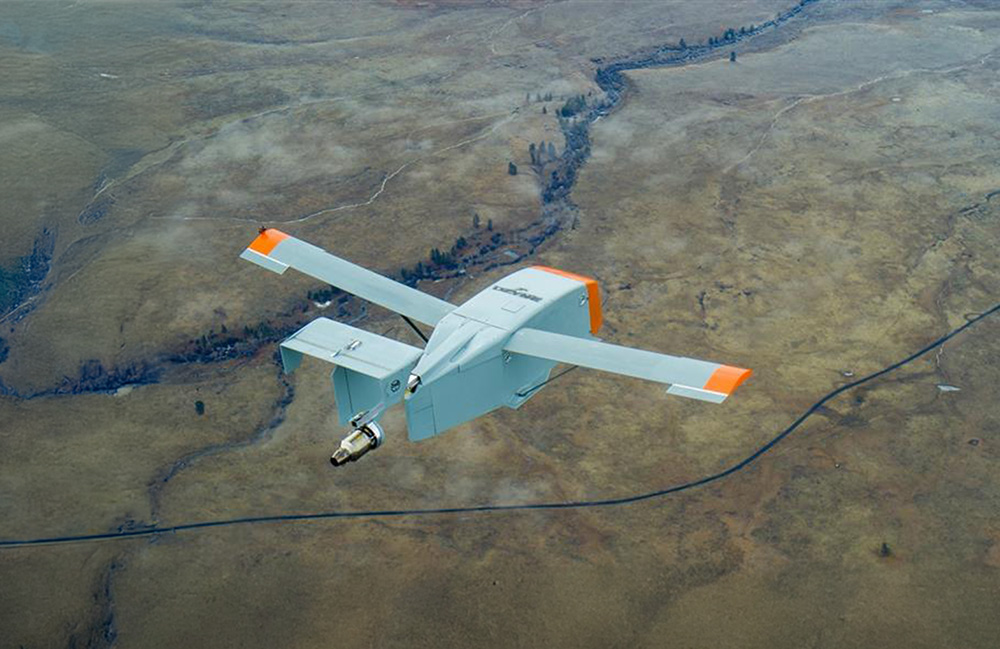
Ondas Inc. has acquired DZYNE Technologies LLC, a defense technology firm based in Irvine, California, for $875.8 million. This acquisition, financed through a cash-and-stock structure, aims to enhance Ondas' capabilities in multi-domain intelligence, surveillance, and reconnaissance (ISR), counter-uncrewed aerial systems (UAS), and autonomous systems to meet the evolving needs of U.S. and allied defense customers. The acquisition is significant as it positions Ondas to leverage DZYNE's advanced technology and engineering talent, which includes long-endurance ISR capabilities and autonomous systems. Eric Brock, chairman and CEO of Ondas, emphasized that the integration of DZYNE's mission-proven technologies will accelerate the development of a next-generation autonomous defense platform, essential for maintaining military advantage in rapidly changing warfare. Looking ahead, Ondas anticipates that DZYNE will generate $191 million in revenue for the full year 2026 and over $300 million in 2027. Ondas is now targeting at least $525 million in revenue for 2026. The integration of DZYNE’s ULTRA and IonStrike systems will expand Ondas' ISR and counter-UAS capabilities, enhancing its portfolio in defense applications.
Aerospace Artificial Intelligence Artificial Intelligence / Cognition Defense / Security Design / Development Drones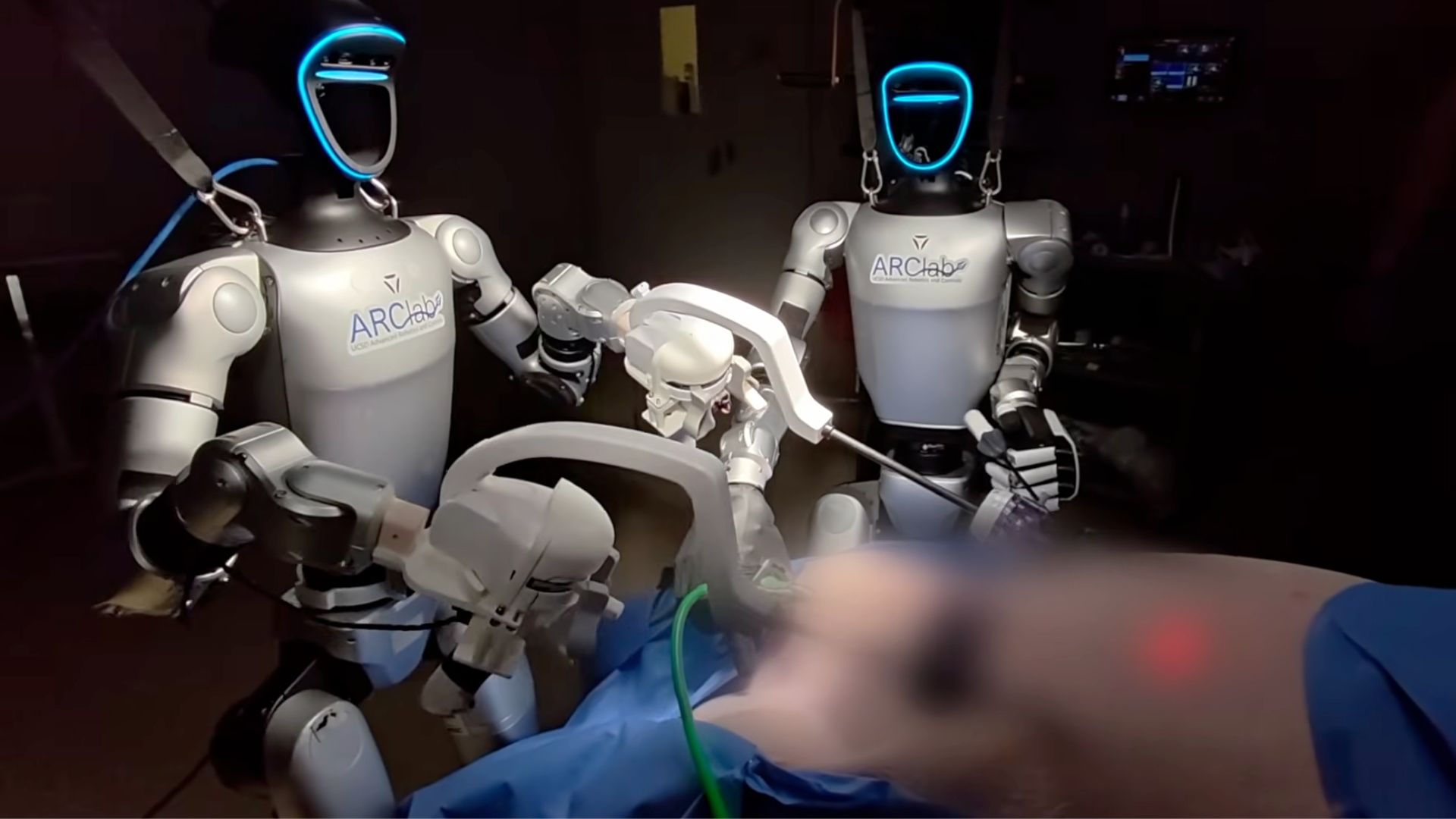
World’s first surgery using teleoperated humanoid robots conducted by US team
A team of researchers has made a groundbreaking advancement by successfully employing teleoperated humanoid robots to carry out two complex tasks. This achievement marks a significant milestone in robotics, showcasing the potential for remote-controlled machines to perform intricate functions that were previously thought to be the domain of human operators. The experiments took place in a controlled environment, allowing the researchers to meticulously assess the robots' capabilities and refine their performance. The motivation behind this innovative project stems from the desire to enhance efficiency and safety in various industries, particularly in situations where human presence may be risky or impractical. By leveraging advanced teleoperation technology, the researchers demonstrated that humanoid robots could effectively mimic human movements and decision-making processes, paving the way for future applications in fields such as disaster response, healthcare, and manufacturing. The successful execution of these tasks not only highlights the progress in robotic technology but also opens new avenues for research and development, potentially transforming how we approach complex operations in challenging environments. As the team continues to refine their methods, the implications of this work could lead to widespread adoption of teleoperated robots in various sectors, ultimately improving productivity and safety for human workers.
AI and Robotics
ABB Robotics completes its AI-powered Visual SLAM AMR portfolio with new autonomous forklift
ABB Robotics completes its AI-powered Visual SLAM AMR portfolio with new autonomous forklift Visit http://go.abb/robotics for further information -The new Flexley Stack F712 extends ABB Robotics’ AI-powered Visual SLAM technology to autonomous forklifts, enabling pallet transport and high-density storage. -Customers can now deploy mixed fleets of Visual SLAM-powered tugs, movers and forklifts on a common navigation, fleet management and software platform. -Powered by ABB Robotics' AMR Studio, the portfolio enables up to 20% faster commissioning while ensuring seamless interoperability and safe, reliable operation. 07/07/26, 07:10 AM | Industrial Robotics, Mobile Robots | ABB Inc. ABB Robotics is expanding its Autonomous Mobile Robotics (AMR) portfolio with the launch of the Flexley® Stack F712, creating a complete interoperable ecosystem across all major Visual SLAM AMR types. Combining autonomous forklifts, tugs and movers on one platform, ABB Robotics enables customers to automate a broader range of material-handling and intralogistics processes. Offering market-leading accuracy, the F712 is designed for demanding material handling, end-of-line storage and warehouse operations across industries including automotive manufacturing, helping increase efficiency, flexibility and scalability. More Headlines A3's Automate 2026 Breaks Records as Demand for Robotics, AI and Automation Grows NVIDIA and Hugging Face Bring New Models and Frameworks to LeRobot for the Open Robotics Community Palladyne AI Executes $4.2 Million U.S. Air Force Contract to Advance Swarming Capabilities for Integrated Cross-Domain Operations UMA Unveils Its Vision for the Next Generation of Humanoid Robots Robbyant Unveils LingBot-Depth 2.0 and LingBot-Vision to Redefine Robotic Spatial Perception Articles Unleash AI Innovation: The Power of NVIDIA RTX PRO 6000 Blackwell Workstation Edition Fueled by PNY-Supplied GPUs Automate 2026 Q&A with DESTACO Automate 2026 Q&A with Roboteon Advances in Robots to See & Interpret within Warehouse Environments Building Resilient Fulfillment Networks with Robotics and Real-Time Logistics Data "Across intralogistics operations, businesses are being asked to process greater volumes in less time, while working with increasingly limited resources," said Marc Segura, President, ABB Robotics. "They are under pressure to move goods faster and with greater flexibility, while labour availability is becoming a critical constraint. As part of our journey to more autonomous and versatile robotics (AVRTM), we have combined advanced vision, mobility and intelligence in the Flexley Stack F712 forklift AMR, completing our scalable, AI-powered AMR portfolio." F712 is versatile, capable of handling multiple load types and sizes - including open and closed pallets, containers or racks- up to 2,000 kg and reaching heights of 8.5 meters. The Flexley Stack AMR F712 joins the Flexley Tug and Flexley Mover in ABB Robotics' growing Visual SLAM AMR portfolio. Applications include intralogistics tasks such as warehouse storage and retrieval, as well as line supply, end-of-line handling, body- and press-shop and drive-in and light buffer in the automotive and industries sector. Unlike conventional AMR forklifts on the market, F712 uses Visual SLAM to map and navigate its environment, eliminating the need for pre-installed infrastructure like markers or reflectors. The AI-enabled Visual SLAM supports the autonomous decisions required to operate in complex, dynamic warehouse operations with a market-leading positional accuracy of ±10 mm. Together with AMR Studio®, this shortens commissioning times by up to 20 percent and creates a versatile and reliable system that can adapt instantly when a warehouse or production floor layout changes. Certified to the latest ISO and ANSI safety standards, Flexley Stack F712 can safely operate at class-leading speeds of up to 1.7 m/s while loaded. F712 is fully integrated with AMR Studio and is VDA5050 compatible, enabling seamless integration with ABB Robotics' Visual SLAM AMRs and existing systems within a unified project. This makes it easy to manage complex projects and integrate different types of mobile robots. The no-code, drag-and-drop software suite supports rapid setup, fleet coordination, traffic management and real-time visualization, allowing ABB Robotics' tugs, movers and forklifts to operate together in the same layout for scalable turnkey automation projects. ABB Robotics as one of the world's leading robotics companies, is the only company with a comprehensive and integrated AI-powered portfolio covering robots, cobots and Autonomous Mobile Robots (AMRs), designed and orchestrated by our value-creating software. We help companies of all sizes and sectors - from automotive to electronics and logistics - to outperform by becoming more resilient, flexible and efficient. ABB Robotics is at the forefront of developing and commercializing a new generation of Autonomous Versatile Robotics

Japan Pioneered Humanoid Robots—Can It Now Catch China?
“In the future, the relationship between humans and robots will deepen, and the distinction between them will probably disappear.” This prediction, from one of the attendees at the recent Humanoids Summit in Tokyo, might have been unremarkable had it not come directly from an android that was first introduced to the world 20 years ago. Geminoid HI-6 is the sixth-generation of a robot originally designed in 2006. The mechanical twin of Osaka University professor Hiroshi Ishiguro, Geminoid HI-6 is now equipped with a large language model trained on Ishiguro’s own writings and interviews. It has advanced conversational skills and can even have a chat with its creator, an eerie spectacle. But at the Humanoids Summit, Geminoid was one of the few humanoid robots from Japan, the country that pioneered the form factor.While the event in Tokyo only had about 40 robots on display, Chinese systems outnumbered Japanese by roughly three to one. Some Japanese robotics firms were even using Chinese robots in their own technology demonstrations, something that would have been unthinkable in the recent past—one Japanese engineer described the situation as “sad.” The conference was a stark reminder of how Japan has ceded its early lead in humanoid robot development to overseas competitors, and the challenge it now faces to secure a place in an ecosystem increasingly dominated by general-purpose robots powered by AI. Twenty-five years ago, Japan was turning out groundbreaking humanoids that were showstopping in their abilities, but they were not commercialized as practical machines in any meaningful way. Heavily influenced by science fiction and lacking practical applications, they were mostly expensive technology demonstrations that were eventually mothballed. What Japan retains, however, is robotics design and know-how, which it must leverage to be a key player in the rapidly evolving humanoid ecosystem. Learning to Walk—Then Standing StillTo anyone who has seen recent videos of Chinese humanoids doing kung-fu and synchronized acrobatics, as well as half-marathon races, China’s remarkable progress in the field is nothing new. At the Humanoids Summit, Toyota showed a video of its latest basketball-playing robot, and Honda exhibited its latest robot hand, but the full-scale humanoids on the floor were mostly Chinese–the kid-size K1 machines from Booster Robotics of Beijing were dancing to Michael Jackson tunes. The full-scale G1 humanoid from Unitree Robotics of Hangzhou was also doing demos. “You cannot sell these bipedal systems in Japan for safety and compliance reasons,” says Shuichi Nagao, a frequent visitor to China as CTO of Omakase Robotics, a division of Zeals, a Japanese humanoid robot developer. Omakase was exhibiting a G1 modified with an external PC controller, a dextrous hand, a suction-cup manipulator and a sensor “hat” with an extra speaker, mic and camera. “In China, the government is pushing humanoid development. They didn’t have an industry 20 years ago. The people pushing it are young, in their 20s and 30s. It’s a really different mentality out there,” says Nagao. “Big players in Japan are still looking for use cases for humanoids. In China, they’re already doing mass production and reducing the cost, so other countries can’t compete with them anymore.”Another Japanese company showing off G1 bots was summit sponsor GMO AI & Robotics, a subsidiary of Japanese internet company GMO. It’s using the robots in partnership with Japan Airlines to load and unload cargo containers at Tokyo’s Haneda airport. The cargo project is a trial—like many other humanoid experiments—but the fact that Chinese machines have penetrated so far into Japan’s ecosystem upends a long history. In 1973, scientists at Waseda University in Tokyo built WABOT-1, considered the first full-scale humanoid robot and capable of slow bipedal locomotion, grasping objects and simple communication. It inspired Honda’s groundbreaking Asimo humanoid, but it was never commercialized. Asimo was eventually retired in 2022, the year ChatGPT was released. Two years later, Unitree’s G1 went on sale for US $16,000. China’s High Torque Technology Co. showed off its Mini Pi biped, customized with an anime-inspired head, at Humanoids Summit in Tokyo. The regular version is priced at $3,500. Tim HornyakSupply and DemandJapan’s development of humanoids happened before practical applications or widespread demand were in place, but bad timing is only part of the story—Japan also has a history of developing technologies that might appeal to domestic consumers but not necessarily those overseas. For example, decades after they first appeared, its highly engineered, multifunction toilets have only recently found a following abroad. Japan’s humanoid prowess was partly built on the back of its legendary industrial automation, yet even that stronghold has eroded. Ani Kelkar, a partner from McKinsey & Company in Boston who produces analytical reports about the robotics industry, told the summit audience that while Japan occupied the top spot in the world in manufacturing robot density (the number of multipurpose industrial robots in operation per 10,000 employees) from at least 1994 to 2009, it then slipped to second in 2014, third in 2019 and fifth in 2024. In that year, South Korea was at the top of the leaderboard with a robot density of 1,220 compared to Japan’s 446. The International Federation of Robotics estimates China now has the most operational industrial robots in the world, with around 2 million total units, approximately 4.5 times more than Japan. “The annual installation numbers are impressive too: 54 percent of all robots installed worldwide in 2024 were deployed in China,” the IFR said in a release in April 2026. “I think the loss of Japanese leadership is more to do with the rise of China as a manufacturing powerhouse including for sectors that Japan had high export levels,” Kelkar said in an email interview. “The recovery has not yet happened as Japan ‘missed’ the rapid acceleration in AI for robotics and is now playing catchup.”How Japan Can Adapt Kelkar believes Japan has a US $100 billion opportunity in general-purpose robotics, which are machines that can perform a wide variety of tasks, and it cannot rely on the slower-growing industrial robot market, which is centered on factory machines that do one simple and predictable task like welding car parts. He points to a McKinsey white paper suggesting that while Japan has much of the hardware and technology experience needed to support general purpose robot development, it must change its strategy to capture more share in AI, software, data collection and robotics platforms.Tetsuya Ogata is a professor of engineering and director of the Institute for AI and Robotics at Waseda University, the birthplace of humanoids in Japan. He briefed the summit on how a nonprofit he chairs, the AI Robot Association (AIRoA), is working with Toyota and other members to develop foundational technologies for collaborative use. For instance, AIRoA has collected some 80,000 hours of data on remote operation of mobile manipulators, and Ogata believes it’s the largest dataset of its kind. Using the data, it built and verified Vision-Language-Action (VLA) models, and it has also started data collection for dual-arm mobile manipulation. In an interview, Ogata acknowledged Japan’s struggle to find its place in the changing landscape. “The world of AI is inherently a game of scale,” says Ogata. “Therefore, Japan’s absolute prerequisite is to secure a competitive baseline of scale—in data, computing resources, and talent. Beyond that, what I consider most critical is a mindset shift: rather than trying to hoard scale within a single nation or company, we must grow stronger by collaborating with a diverse ecosystem of domestic and international players.” Specifically, this means creating a ‘collaborative domain’ to address data—the single biggest bottleneck—through industry-wide cooperation rather than data-siloing. By collectively nurturing a pre-competitive, shared data infrastructure and foundation model, individual companies can then compete on top of it with their own applications. “By offering this open ‘data ecosystem’ to the world, we can engage global players and establish a ‘third pole’ alongside the US and China,” says Ogata. “I believe this is how Japan can reclaim its global presence.”In 1999, Japan introduced the world’s first mobile internet services platform. But being first didn’t turn Japan into a smartphone manufacturing or design center—it’s now merely a supplier of parts to other countries who are leading the smartphone industry. If Japan can avoid a repeat of that experience and successfully deregulate, diversity, and commercialize its original humanoid dreams, it stands a better chance of influencing the direction of the industry and reaping billions in value. As automobiles and electronics were pillars of Japan’s industrial strategy in the last century, Japan could make humanoid robots one of its key value generators in the 21st century, an approach that would not only deliver economic benefits but give Japan greater clout in how the industry will evolve. Just like Japanese cars, electronics, and even toilets, Japanese humanoids could stand for craftsmanship and reliability. It’s a legacy that Japan can’t afford to give up.
Japan Robotics Humanoids Humanoid-robots
Saronic Launches 52-ft Mirage ASV for Maritime Operations in Texas
Saronic has officially launched its first Mirage, a 52-foot Autonomous Surface Vessel (ASV), at its test facility in Galveston, Texas. This vessel joins the existing fleet of the 24-foot Corsair and 180-foot Marauder, marking a significant milestone in Saronic's production capabilities. The Mirage, designed for dual-use, is set to undergo on-water trials following its rapid development from design to launch in under a year. The Mirage ASV boasts impressive specifications, including a top speed exceeding 35 knots, a range of over 2,500 nautical miles, and a payload capacity of 3,500 pounds. This new platform enhances maritime operations for both manned and unmanned teams, supporting missions in maritime domain awareness and security. The vessel operates autonomously or under remote supervision via Saronic's Echelon command-and-control platform, leveraging proven technologies from the company's existing fleet. Looking ahead, Saronic is already working on the next hull of the Mirage, with production capabilities at its Austin headquarters allowing for the manufacture of hundreds of these vessels annually. No further timeline was disclosed at the time of publication, but the rapid development and testing of the Mirage indicate a strong commitment to expanding Saronic's fleet and capabilities in the maritime sector.
saronic mirage usv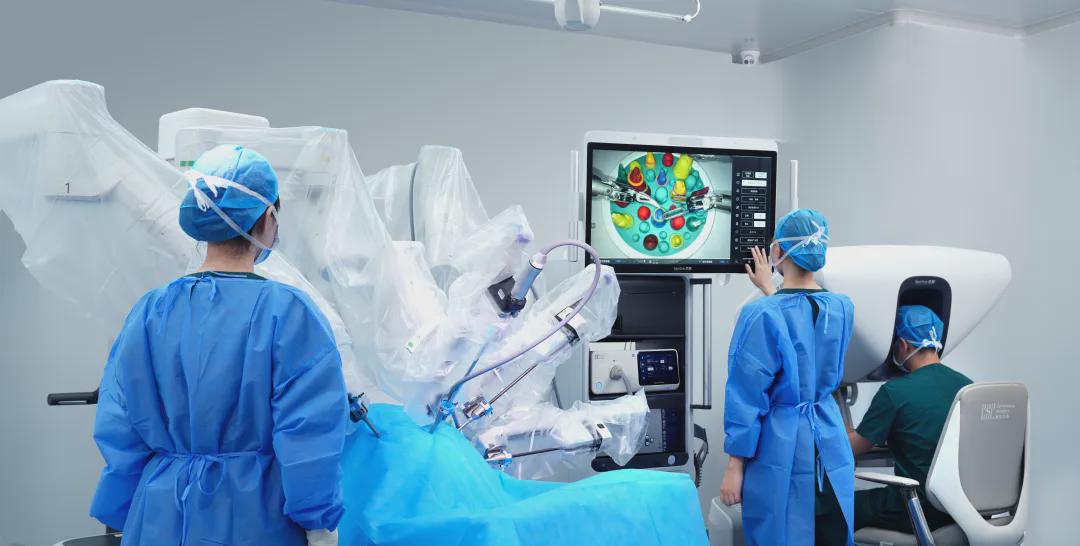
How Conostech is Pioneering Digital Surgery with Surgical Robots
At the Hamlyn Medical Robotics Conference, a significant international challenge demonstrated the integration of AI algorithms in surgical robots, marking a transformative moment in the medical field. The event showcased how surgical robots are evolving into advanced platforms capable of incorporating AI technologies. Among the participants, Conostech's Sentire system emerged as a notable contender, distinguished by its open architecture and strong performance. This positions Conostech as a leading force in the rapidly developing domain of digital surgery, reflecting the industry's shift towards more intelligent and adaptable surgical solutions.
Surgical Robots AI Integration Digital Surgery Medical Robotics
Roundtable: When Will Robots Enter Real Scenarios Amid Widespread Bubble Awareness?
In 2026, the investment landscape in China is witnessing a significant shift as artificial intelligence (AI) transitions from a conceptual technology to a driving force in various industries. The WAVES 2026 conference, hosted by 36Kr and AnYun, took place in Guangzhou's Panyu district, bringing together top investors, industry leaders, and emerging entrepreneurs to explore the evolving landscape of AI, hard technology, and healthcare through 14 in-depth roundtable discussions and numerous independent speeches. Prominent figures in the field, including CEOs and CTOs from leading tech companies, gathered to discuss the potential of embodied intelligence—a rapidly growing sector attracting substantial investment. The discussions highlighted the challenges and opportunities within this domain, particularly regarding the commercialization of robotics and AI technologies. Participants shared insights on the current state of the market, with some companies already generating revenue through innovative applications of AI in various sectors. However, concerns about market bubbles and the sustainability of investments were also raised, emphasizing the need for a deeper understanding of the underlying business models and real-world applications. As the conference concluded, the consensus among attendees was that while the industry is still in its infancy, the potential for growth and innovation remains vast, driven by a new generation of entrepreneurs eager to redefine the future of technology in China.

LG Chem to invest W15tr in chips, robotics, biotech by 2035
LG Chem has announced a significant investment of 15 trillion won (approximately $9.8 billion) in research and development by the year 2035. During a company-wide town hall meeting on Monday, CEO Kim Dong-choon revealed that 70 percent of this funding will be directed towards advancing materials for semiconductors, mobility, and robotics. This strategic move is part of LG Chem's broader initiative to penetrate high-growth sectors and enhance its competitive edge. In addition to these areas, the company will also focus on oncology therapeutics as a key future business domain, reflecting its commitment to innovation and expansion in critical industries.
All News
China's Robotics Industry Sees Multiple Breakthroughs Across Humanoid Robots and Physical AI
China's robotics industry has achieved significant advancements in humanoid robots and physical artificial intelligence, marking a pivotal moment in the sector's development. These breakthroughs were reported in October 2023, showcasing the country's commitment to enhancing its technological capabilities. The innovations include improved mobility and functionality in humanoid robots, which are now capable of performing complex tasks that were previously thought to be the domain of human workers. This progress is driven by a combination of increased investment in research and development, collaboration between universities and tech companies, and a growing demand for automation across various industries. As China aims to position itself as a global leader in robotics, these developments not only highlight the nation's technological prowess but also its strategic focus on integrating AI into everyday applications. The advancements are expected to have far-reaching implications, potentially transforming sectors such as manufacturing, healthcare, and service industries. By leveraging cutting-edge technology, China is setting the stage for a future where robots play an integral role in both the economy and society.
Robotics
Forecasts: France defence market (2026–2035)
The French Armed Forces are set to see a significant increase in acquisition budgets, reflecting a strategic shift to bolster military capabilities across various domains. This expansion comes in response to evolving security challenges and aims to enhance the nation's defense readiness. As of October 2023, projections indicate a notable rise in funding for sectors such as munitions, highlighting the government's commitment to modernizing its military assets. This budgetary growth underscores France's proactive approach to maintaining a robust defense posture amid a changing geopolitical landscape.
Features
Forecasts: France defence market (2026–2035)
The French Armed Forces are set to see a significant increase in acquisition budgets, reflecting a strategic enhancement across all military domains. This budget growth comes in response to evolving defense needs and is particularly notable in sectors such as munitions, which are expected to experience substantial investment. The decision to bolster funding aligns with France's commitment to strengthening its military capabilities amid shifting geopolitical landscapes. The increased financial resources will enable the armed forces to modernize equipment and improve operational readiness, ensuring that they remain effective in addressing contemporary security challenges. This development is part of a broader trend observed in defense spending across Europe, as nations prioritize military preparedness in light of recent global tensions.
Features
NVIDIA Vera CPU Opens the Way for Agentic Scientific AI at Los Alamos National Laboratory
Los Alamos National Laboratory (LANL) is set to enhance its computational capabilities with the development of new supercomputers, named Mission, Vision, and Veritas, in collaboration with HPE and NVIDIA. This initiative aims to harness NVIDIA Vera CPUs to significantly accelerate scientific discovery and advance the integration of agentic AI in scientific research. The project underscores LANL's commitment to leveraging cutting-edge technology to address complex scientific challenges. The supercomputers are expected to play a crucial role in various research domains, facilitating breakthroughs that could have far-reaching implications for science and technology.
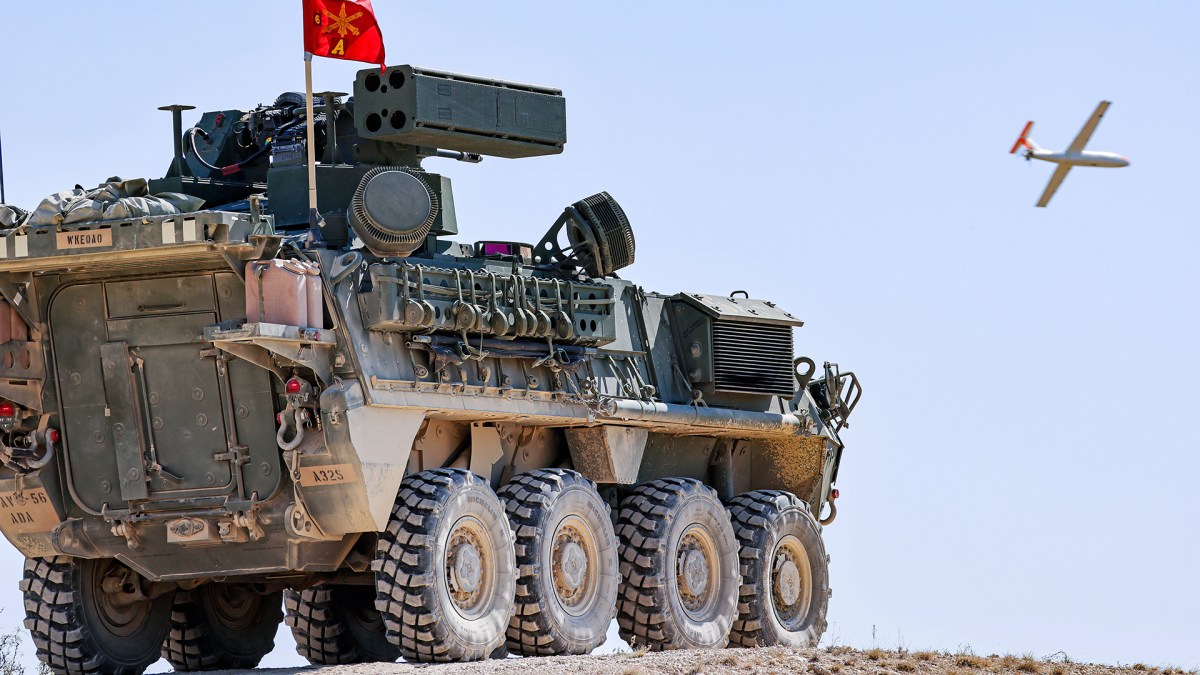
Army’s Newest Unit Aims To “Overwhelm” Adversary With Drones In Pacific Fight
The U.S. Army has established the 7th Infantry Division Multi-Domain Command – Pacific, a new unit designed to integrate drone warfare with the operational strengths of Stryker brigades. This initiative aims to enhance the military's capabilities in the Pacific region, allowing for a more versatile and overwhelming response to potential adversaries. The command will leverage advanced drone technology to support ground operations, providing a strategic advantage in modern warfare. The formation of this unit reflects the Army's commitment to adapting its tactics and resources in response to evolving threats in the region.
Air Armies Around The Globe Drones Indo-Pacific Land
Lockheed’s 10-foot containerized launcher shoots down 1,320-pound attack drone
Lockheed Martin has achieved a significant milestone by successfully intercepting a Group 3 one-way attack drone using its advanced Joint All-Domain Command and Control (JADC2) system. This event took place during a recent test, showcasing the effectiveness of the technology in enhancing defense capabilities. The demonstration was conducted to validate the system's ability to detect, track, and neutralize aerial threats, reflecting the growing importance of counter-drone measures in modern warfare. The successful interception underscores Lockheed Martin's commitment to advancing military technology and improving national security. This achievement not only highlights the company's innovative approach but also addresses the increasing challenges posed by unmanned aerial vehicles in conflict scenarios.
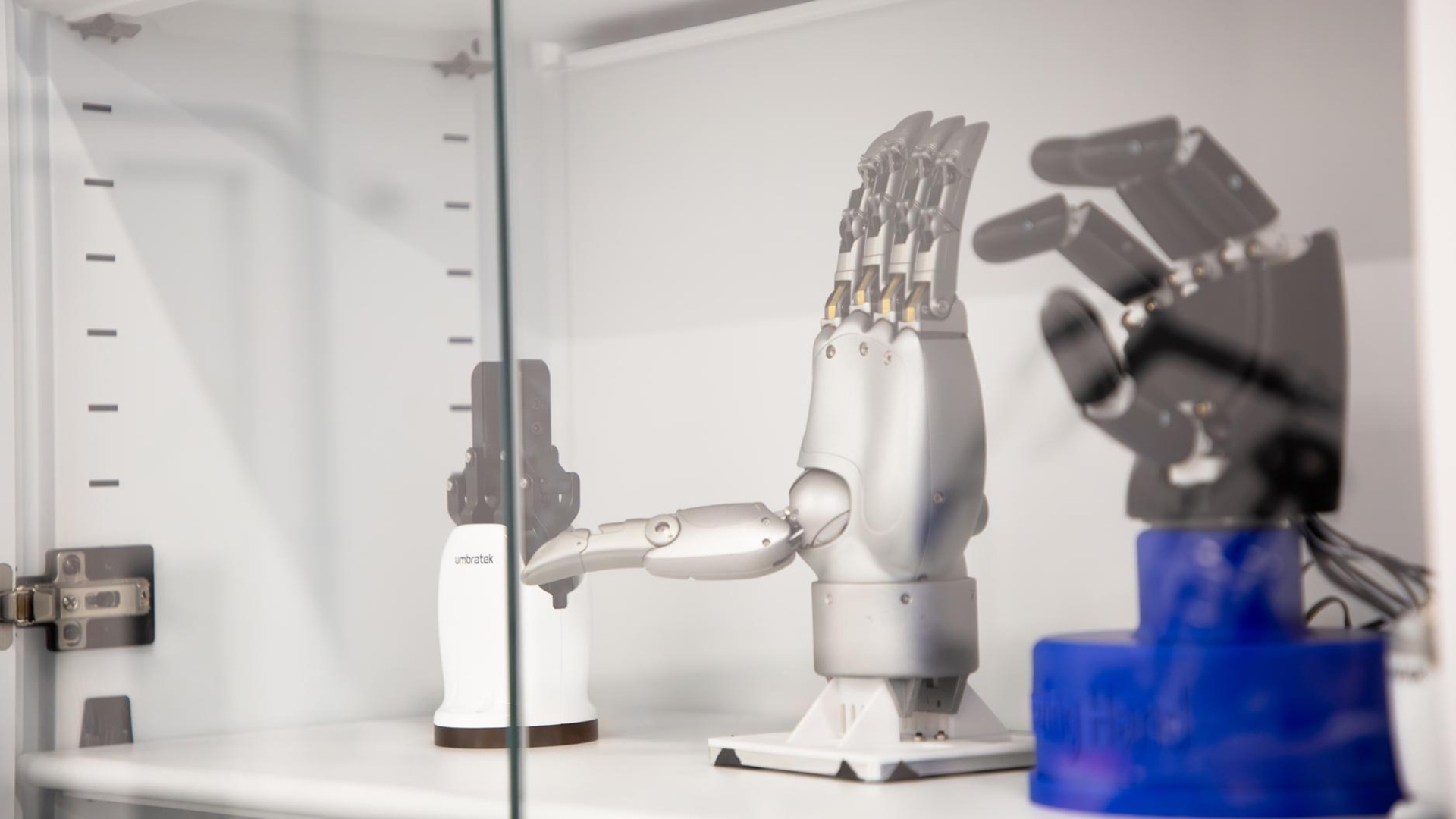
Scientists show predictable training can outperform complex robot learning data
Researchers are making significant strides in developing robots capable of manipulating objects with human-like dexterity, a challenge that has long posed difficulties in the field of robotics. This advancement is crucial as it could enhance the ability of robots to perform complex tasks in various settings, including homes, hospitals, and manufacturing plants. The ongoing work, which has gained momentum in recent months, is taking place in laboratories across the globe, where teams are experimenting with advanced algorithms and machine learning techniques. The motivation behind this research stems from the increasing demand for robots that can assist in everyday tasks, improve efficiency in industrial processes, and provide support in healthcare environments. By mimicking the intricate movements of the human hand, researchers aim to create robots that can handle delicate objects and perform tasks that require precision and adaptability. To achieve this, scientists are employing a combination of innovative hardware designs and sophisticated software programming. They are utilizing sensors and artificial intelligence to enable robots to learn from their interactions with various objects, refining their skills over time. This iterative learning process is essential for developing robots that can operate effectively in unpredictable environments. As the field progresses, the implications of these advancements could revolutionize how robots are integrated into daily life, making them more versatile and capable of performing a wider range of functions. The ongoing research highlights the potential for robots to not only assist but also enhance human capabilities in numerous domains.

Tesla Robotaxi Concerns Under Texas SB 2807
Texas has enacted Senate Bill 2807, which establishes stringent requirements for commercial autonomous vehicles, mandating Level 4 or 5 SAE automation. This legislation poses a significant challenge to Tesla's ambitions in the robotaxi sector, as the company currently lags behind competitors in the state. As of now, Tesla has only 42 authorized autonomous vehicles, while Waymo leads with 577 and AV Ride follows with 317. The new law requires clearly defined Operational Design Domains, which undermines Tesla's strategy for unrestricted robotaxi deployment. Official registration data highlights Tesla's struggles in the Texas autonomous vehicle market, raising concerns about its competitive position. The bill was passed by the 89th Texas Legislature and took effect on May 28, reflecting the state's commitment to regulating the rapidly evolving landscape of autonomous transportation.
TSLA:CA TSLA ZTSL:CA Michael McGrath
High-powered panel discussion: Why aren’t there more women in engineering?
Despite the common adage that "necessity is the mother of invention," women remain largely underrepresented in the field of engineering, a domain traditionally associated with innovation. This gender disparity persists globally, with historical and cultural factors contributing to the scarcity of female engineers. Efforts to address this imbalance are ongoing, as advocates highlight the importance of encouraging young women to pursue careers in engineering and related fields. By fostering an inclusive environment and promoting role models, the aim is to inspire the next generation of female innovators and change the narrative surrounding women in engineering.
Engineering Features automation news confidence gap diversity in engineering engineering careers
The Roboteon Difference
Roboteon is making significant strides in the warehouse automation market with its innovative solutions that emphasize interoperability across various Warehouse Management Systems (WMS) and robotic platforms. The company has developed a comprehensive and functionally-rich platform that encompasses everything from core integration to advanced execution, optimization, and orchestration of tasks. By leveraging artificial intelligence and advanced simulation techniques, Roboteon enhances decision-making and operational efficiency within warehouses. Their deep domain expertise, particularly in integrating robots with existing WMS and automation systems, positions them as a leader in this rapidly evolving sector.
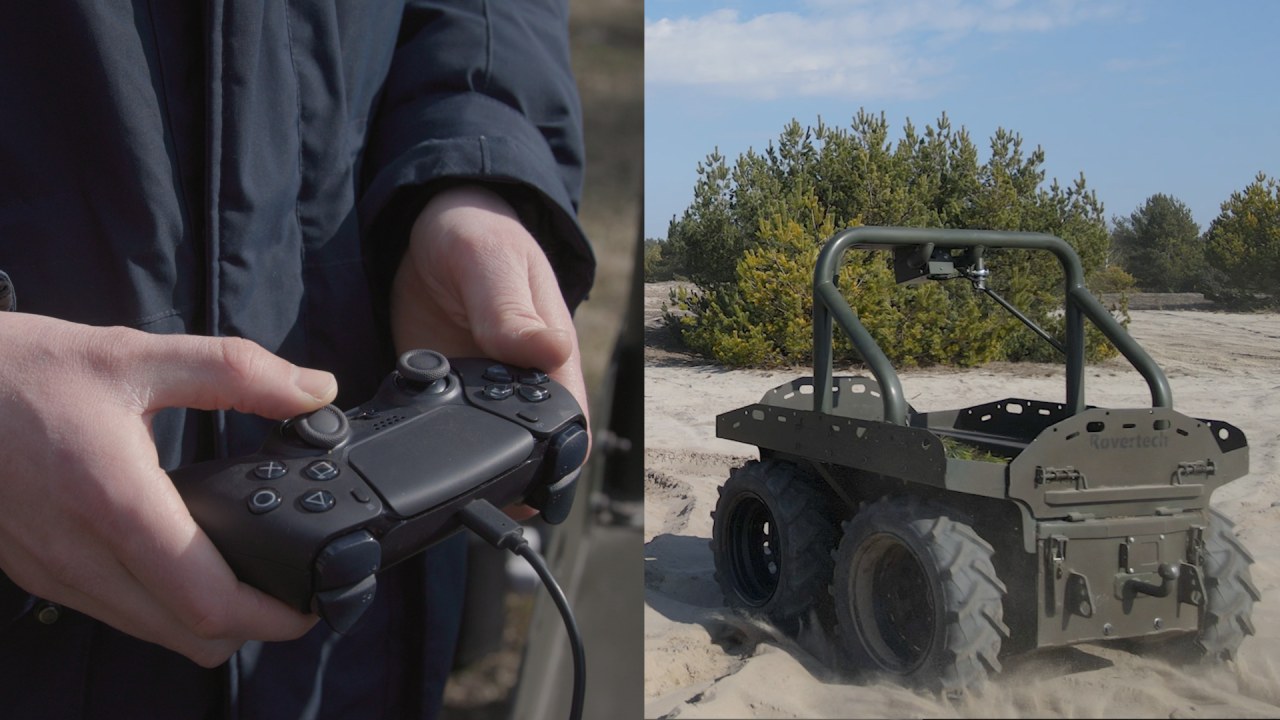
The Ground Drones Rescuing Ukraine’s Wounded From the Front Lines
In Ukraine, a significant transformation is underway as ground drones are increasingly being deployed in combat, marking a pivotal moment in modern warfare. This technological advancement is taking place amidst the ongoing conflict, with Ukrainian forces utilizing these robots to undertake perilous missions that were once the sole domain of human soldiers. The rise of drone warfare is driven by the need for enhanced operational efficiency and reduced risk to personnel in the face of escalating hostilities. As of October 2023, these unmanned vehicles are being employed on various fronts, showcasing their capabilities in reconnaissance, logistics, and direct engagement with enemy forces. The integration of drones into military strategies reflects a broader trend in which nations are adapting to the evolving landscape of warfare, where technology plays a crucial role in shaping outcomes. The Ukrainian military's embrace of drone technology not only highlights its commitment to innovation but also underscores the urgency of maintaining a tactical advantage in a protracted conflict. As these ground drones continue to evolve, they are expected to play an increasingly vital role in the dynamics of the battlefield, fundamentally altering the nature of military engagements in the region.
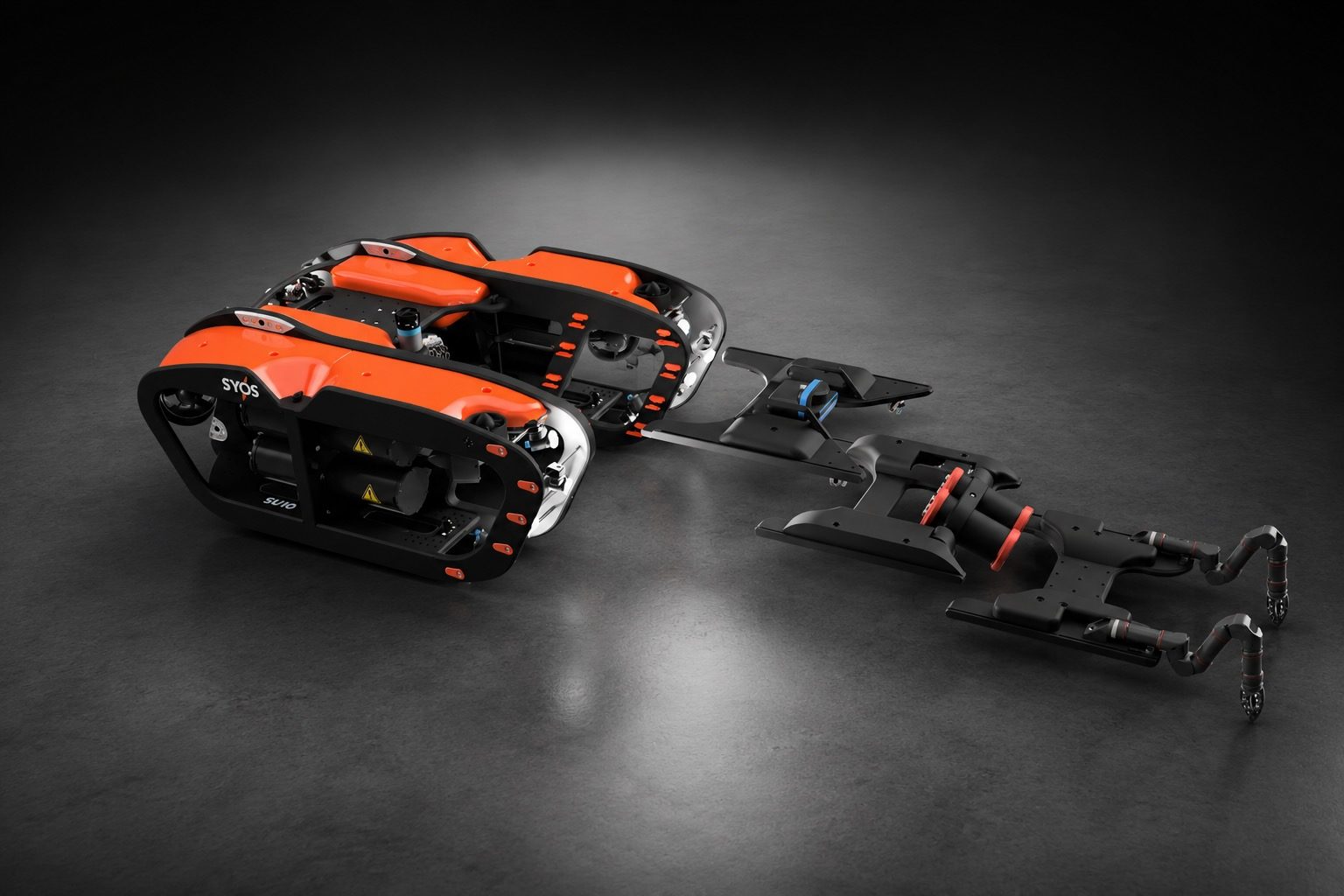
Under the Ice: New SYOS Underwater Drone Targets Maritime Security and Antarctic Exploration
SYOS, an autonomous systems company based in the UK and New Zealand, has unveiled its latest innovation, the SU10 uncrewed underwater vehicle (UUV), aimed at enhancing maritime security and supporting Antarctic exploration. The announcement was made during a recent event, marking a significant expansion of SYOS's portfolio, which previously focused on air and land operations. The introduction of the SU10 allows the company to venture into subsurface missions, addressing the growing demand for advanced technologies in multi-domain operations. This new underwater drone is designed to operate effectively in challenging environments, underscoring SYOS's commitment to developing versatile solutions for both security and exploration purposes.
Applications Arctic Drone News Drone News Feeds Dual Use News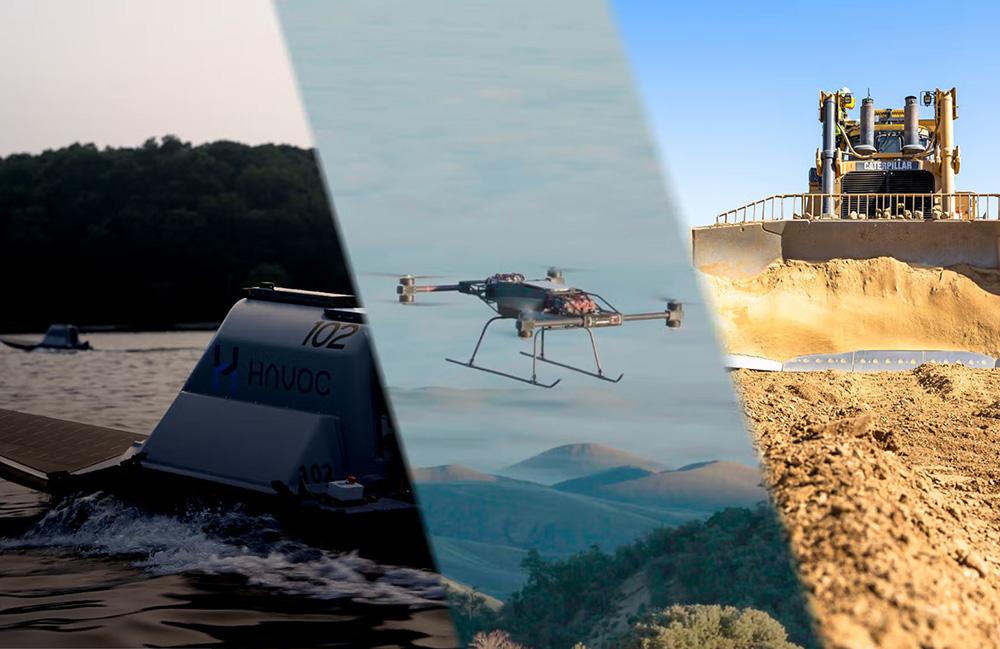
Havoc raises $100M to unify defense autonomy in the land, sea, and air
Havoc, a defense technology company, has announced a significant funding round, securing $100 million to advance its mission of creating unified, all-domain autonomy for national security. This investment comes at a time when the demand for integrated defense solutions across land, sea, and air is becoming increasingly critical. The company aims to leverage this capital to innovate and enhance its technology, addressing the evolving challenges in defense and security. By focusing on a cohesive approach to autonomy, Havoc seeks to meet the urgent needs of national security priorities in an era marked by complex threats and the necessity for seamless operational capabilities.
Artificial Intelligence / Cognition Defense / Security Financial Investments Markets / Industries Mobility / Navigation
Accelerating Chipmaking Innovation for the Energy-Efficient AI Era
Applied Materials is set to revolutionize semiconductor research and development with the opening of its EPIC Center in 2026, marking the largest investment in advanced semiconductor equipment R&D in U.S. history at approximately $5 billion. This initiative aims to address the pressing demands of the AI era, where companies are racing to enhance AI system performance while managing energy consumption. The EPIC Center will facilitate a collaborative environment where engineers and technologists work together from the outset, streamlining the traditional R&D workflow that has become too slow for the rapid advancements required in AI technology. By integrating atomistic modeling, process development, and validation within a shared space, EPIC aims to accelerate the transition from research to high-volume manufacturing. As AI workloads increasingly depend on efficient data movement, the center will focus on optimizing three interconnected domains: logic, memory, and advanced packaging. Innovations such as 3D devices, high-bandwidth memory, and hybrid bonding will be prioritized to enhance energy efficiency and performance per watt. The EPIC model emphasizes the need for a new approach to innovation, breaking down silos and fostering collaboration among industry leaders and academic institutions. This shift is essential to meet the challenges posed by the angstrom era, where the complexity of semiconductor manufacturing demands a more integrated and rapid development process. Through EPIC, Applied Materials aims to lead the charge in delivering the next generation of energy-efficient AI technologies.
Chipmaking Artificial-intelligence Materials-science Semiconductors
Geekplus ESG Progress Recognized by Forbes China: Advancing the Future of Sustainable Logistics
Geek+ has been honored by Forbes China for its dedication to sustainable logistics, highlighting the company's innovative approach to integrating environmental, social, and governance (ESG) principles. CEO Yong Zheng received recognition as an influential business leader in this domain. The company is revolutionizing the logistics industry through the implementation of advanced artificial intelligence and robotics, which has led to notable improvements in efficiency and operational excellence. By focusing on safety and environmental sustainability, Geek+ is setting a new standard in the logistics sector, demonstrating how technology can drive positive change while addressing pressing global challenges.
Sustainable Logistics AI Robotics Supply Chain Management Green Technology Automation Solutions
Maritime Security Summit: Washington DC, USA - July 15-16, 2026
The 2nd Annual Maritime Security Summit, organized by DSI, is set to convene key stakeholders including members of the Department of the Navy (DoN), the U.S. Coast Guard (USCG), port security executives, and marine technical solutions providers. Scheduled to take place in October 2023, this prominent event will focus on the integration of emerging capabilities, tools, and technologies aimed at enhancing maritime dominance and ensuring sustained readiness. Participants will engage in discussions emphasizing the critical role of alliances and partnerships in bolstering Maritime Domain Awareness (MDA) across the nation’s coastlines, ports, and vessels. By fostering collaboration among various sectors, the summit aims to address current challenges and explore innovative solutions to improve maritime security and operational effectiveness.
maritime security summit event defense
Canadian AI Startup Independent Robotics Wins $2.28M Contract to Bring Conversational AI to Multi-Agent Robot Swarms
A new system called IMPAC has been developed to enhance human interaction with complex robotic systems by allowing operators to communicate using natural, conversational language. This innovation aims to simplify the process of managing multi-robot operations, ensuring that they remain synchronized and aligned with their missions. By translating everyday language commands into actionable plans, IMPAC significantly reduces the cognitive burden on users, effectively acting as a force multiplier for existing teams. The system is designed to operate across various environments and domains, making it a versatile tool for improving efficiency and coordination in robotic operations.

Want to hire for your robotics startup? The autonomous vehicle industry is ripe for picking.
Veterans from the autonomous vehicle industry have established a new robotics company, highlighting the significant overlap in skills between the two fields. These industry pioneers shared insights with Business Insider, emphasizing that the expertise gained in developing autonomous vehicles is highly applicable to robotics. Their experience in data analysis, machine learning, and system integration equips them to tackle the challenges faced in the robotics sector. As the demand for advanced robotics solutions continues to grow, these founders aim to leverage their backgrounds to innovate and drive progress in this emerging market. The transition reflects a broader trend of professionals seeking to apply their technical skills across different technology domains, particularly as industries converge and evolve.
Transportation robotaxi robotics hiring
NVIDIA Launches Nemotron 3 Nano Omni Model, Unifying Vision, Audio and Language for up to 9x More Efficient AI Agents
NVIDIA has introduced the Nemotron 3 Nano Omni, an innovative open multimodal AI model designed to enhance the efficiency of AI agent systems. Announced today, this model integrates vision, speech, and language capabilities into a single framework, addressing the common issue of time and context loss that occurs when data is transferred between separate models. By streamlining these processes, the Nemotron 3 Nano Omni aims to improve the performance of AI applications across various domains. This advancement is particularly significant as it allows for more cohesive and contextually aware interactions, marking a notable step forward in the development of AI technologies.
A Field‐Adaptive Mechanical Weeding System Coupling Oscillating Pneumatic Mechanism With Deep Learning for Intra‐Row Weed Control in Lettuce
The Journal of Field Robotics has published an early view article highlighting recent advancements in autonomous robotic systems. Researchers from leading universities and technology firms presented their findings on October 15, 2023, during a virtual conference focused on robotics innovation. The study emphasizes the growing importance of these systems in various sectors, including agriculture, search and rescue, and environmental monitoring. The motivation behind this research stems from the increasing demand for efficient and reliable robotic solutions capable of operating in complex environments. By integrating advanced artificial intelligence and machine learning algorithms, the researchers demonstrated how these autonomous systems can enhance operational capabilities and decision-making processes. The article details various case studies showcasing successful implementations of robotic technologies, illustrating their potential to revolutionize traditional practices. The findings suggest that as technology continues to evolve, the integration of autonomous robots will become crucial in addressing global challenges, such as food security and disaster response. This publication marks a significant contribution to the field of robotics, providing insights into future trends and encouraging further exploration of autonomous systems' applications. Researchers and industry professionals are urged to collaborate and innovate, ensuring that the benefits of these technologies are realized across multiple domains.
RESEARCH ARTICLE
Why Physical AI is Hard
Developing artificial intelligence systems capable of effectively manipulating objects in unstructured environments presents challenges akin to those faced in autonomous driving, a sector that has attracted over $100 billion in investment over the past fifteen years yet remains unresolved. Experts in the field emphasize that the intricacies of creating reliable AI for such tasks mirror the complexities encountered in achieving fully autonomous vehicles. As researchers continue to explore solutions, the urgency to advance AI capabilities grows, driven by the potential applications in various industries. The ongoing efforts highlight the need for innovative approaches and significant funding to overcome the technical hurdles that persist in both domains.
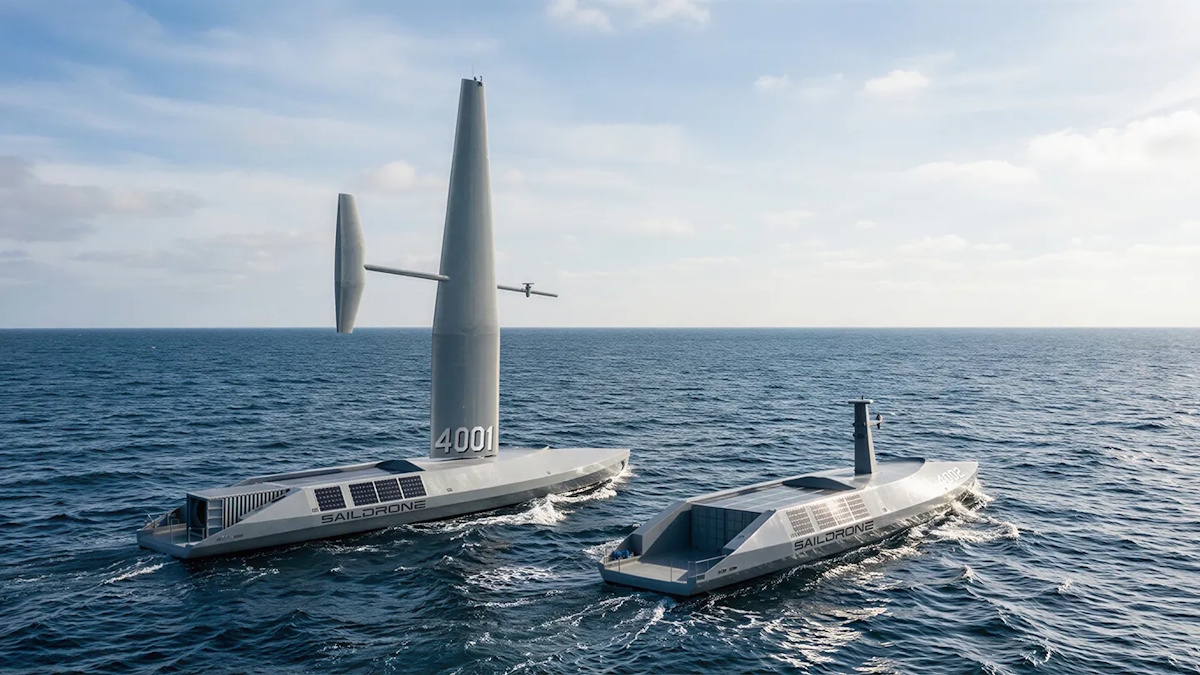
Introducing Saildrone Spectre: Next-generation USV for Anti-submarine Warfare and VLS Strike
The US Navy is grappling with significant challenges in upholding maritime dominance amid escalating global conflicts. As tensions rise in various regions, adversaries are increasingly focusing on strategically vital waterways and essential undersea infrastructure. The Navy's traditional reliance on episodic patrols by manned warships and capital assets proves inadequate for the continuous presence required to safeguard these expansive maritime areas. This situation underscores the urgent need for a more sustainable and effective operational strategy to address the evolving threats in the maritime domain.
saildrone spectre usv anti-submarine warfare (asw) vls strike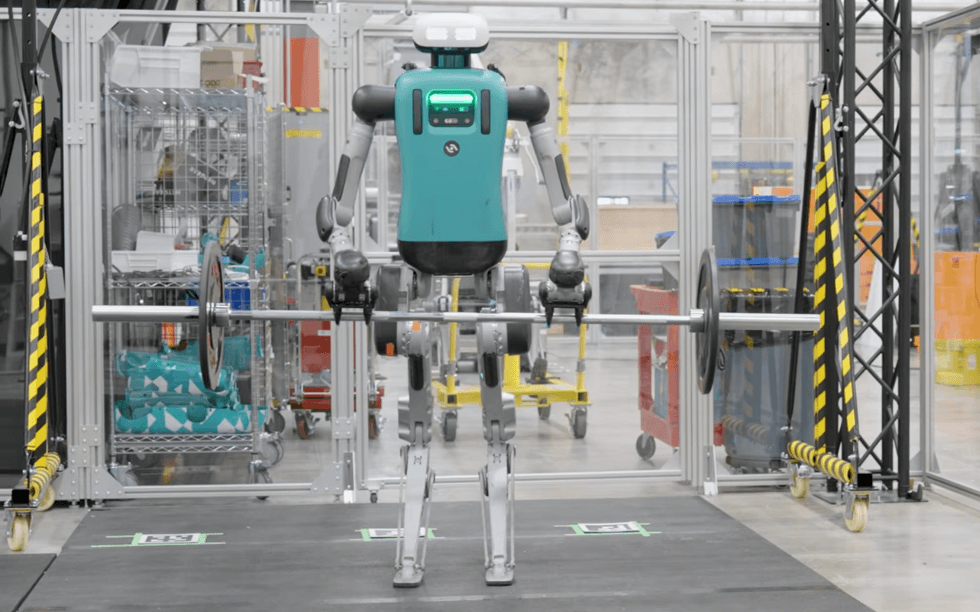
Video Friday: Digit Learns to Deadlift
IEEE Spectrum robotics has released its latest edition of "Video Friday," showcasing a selection of innovative robotics videos and announcing upcoming events in the field. The events include the International Conference on Robotics and Automation (ICRA) scheduled for June 1-5, 2026, in Vienna, the Robotics Science and Systems (RSS) conference from July 13-17, 2026, and a Summer School on Multi-Robot Systems taking place from July 29 to August 4, 2026, in Prague. Among the featured videos, researchers are training the robot Digit to perform a deadlift with a 65-pound object, emphasizing the importance of whole-body coordination and resilience in its actuators. This training allows for the development of a policy that enables Digit to execute a dynamically balanced lift in real-world scenarios. Additionally, Gatlin Robotics has introduced its first commercial showcasing robots in action as part of its Robot-as-a-Service (RaaS) contract. Dexterity highlights the expressive potential of motion intelligence in robotics, while Harvard researchers present a swarm of simple antlike robots capable of constructing and dismantling structures through adaptive group behavior. Lastly, a project from Michigan Robotics demonstrates a microcombustion actuator that rapidly inflates to launch colorful water droplets, challenging conventional notions about the capabilities of soft actuators. These advancements reflect the ongoing evolution and application of robotics technology across various domains.
Industrial-robots Humanoid-robots Video-friday Swarm-robotics Dancing-robot Bipedal-robots
Fusion‐Guided and Distillation‐Optimized Framework for Freespace Detection in Off‐Road Environments
The Journal of Field Robotics has published a new study highlighting advancements in autonomous robotic technologies. Researchers from various institutions collaborated to explore innovative applications of robotics in diverse fields, including agriculture, search and rescue, and environmental monitoring. The findings, released in early October 2023, emphasize the potential of these technologies to enhance efficiency and safety in critical operations. The study showcases how autonomous robots can navigate complex environments and perform tasks with minimal human intervention, driven by the need for improved operational capabilities in challenging conditions. By employing advanced algorithms and machine learning techniques, these robots can adapt to their surroundings and make real-time decisions. The research was conducted across multiple locations, with field tests demonstrating the robots' effectiveness in practical scenarios. The motivation behind this work stems from the increasing demand for automation in various sectors, as industries seek to reduce labor costs and improve productivity. Overall, the study underscores the transformative impact of robotics on traditional practices, paving the way for future innovations that could reshape how tasks are performed across multiple domains.
RESEARCH ARTICLE
GoZTASP: A Zero-Trust Platform for Governing Autonomous Systems at Mission Scale
ZTASP, a cutting-edge assurance and governance platform for autonomous systems, has made significant advancements in ensuring the safety and integrity of operations in real-world environments. This platform integrates various technologies, including drones, robots, sensors, and human operators, into a cohesive zero-trust architecture. Utilizing Secure Runtime Assurance (SRTA) and Secure Spatio-Temporal Reasoning (SSTR), ZTASP continuously monitors system integrity and enforces safety protocols, allowing for resilient operations even in challenging conditions. Recently, ZTASP has achieved operational validation at Technology Readiness Level (TRL) 7, demonstrating its effectiveness in mission-critical scenarios. Key components, such as the Saluki secure flight controllers, have reached TRL 8 and are now actively deployed in customer systems. Originally designed for high-stakes missions, the platform's assurance capabilities are increasingly applicable across various sectors, including healthcare, transportation, and critical infrastructure. This evolution reflects a growing recognition of the need for robust safety measures in diverse operational domains.
Autonomous-systems Drones Sensors Transportation Type-whitepaper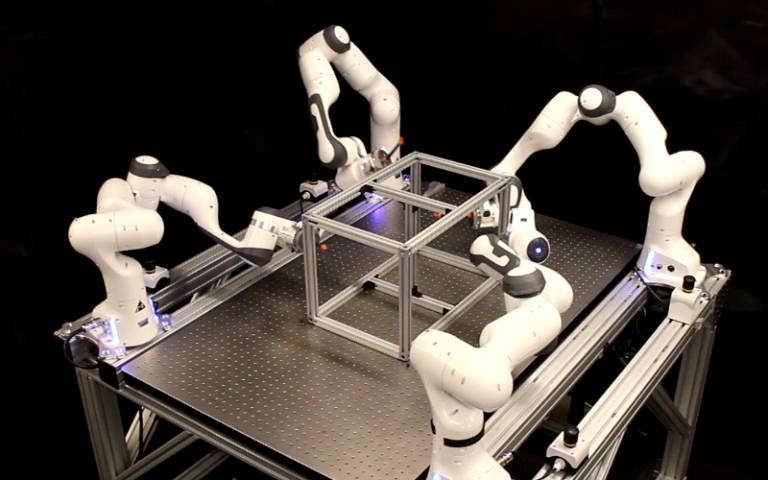
Design, Modeling, and Validation of Multi‐Segmental Adaptive Pipeline Robots in Complex Pipeline Environments
In May 2026, the Journal of Field Robotics published a significant study exploring advancements in robotic technology. Researchers from various institutions collaborated to investigate the applications of autonomous robots in diverse fields, including agriculture, disaster response, and environmental monitoring. The study highlights the increasing importance of robotics in enhancing efficiency and safety in these sectors, driven by the need for innovative solutions to complex challenges. By employing cutting-edge algorithms and machine learning techniques, the researchers demonstrated how these robots can operate in unpredictable environments, making them invaluable tools for future operations. The findings aim to inform policymakers and industry leaders about the potential of robotics to transform traditional practices and improve outcomes across multiple domains.
RESEARCH ARTICLE
Why AI Systems Fail Quietly
Engineers developing distributed AI platforms are facing a new challenge known as "quiet failure," where systems appear operational but produce incorrect outcomes over time. This issue arises as autonomy in software systems increases, complicating traditional methods of monitoring and observability. In late-stage testing, engineers find that while monitoring dashboards indicate a healthy status, users report that the system's decisions are increasingly flawed. For instance, an AI assistant designed to summarize regulatory updates may continue to function technically but rely on outdated information due to a failure to update its document retrieval process. This disconnect highlights the limitations of conventional observability metrics, which focus on uptime and error rates rather than the ongoing alignment of system behavior with intended outcomes. As autonomous systems operate continuously and make decisions based on evolving contexts, engineers must shift their focus from merely ensuring component functionality to actively supervising overall system behavior. This requires the implementation of supervisory control architectures that can monitor and intervene in real-time, preventing behavior drift before it leads to significant issues. The growing prevalence of quiet failures calls for a rethinking of reliability in engineering, emphasizing the need for continuous behavioral monitoring and control. As AI systems become more autonomous, this new approach will likely extend across various domains, transforming how engineers ensure that systems not only function correctly but also remain aligned with their intended purposes over time.
Software-failure Software-reliability Software-engineering Cloud-computing Autonomous-systems
Do you trust me? A framework for making networks of robots and vehicles safer
In an era where technology is increasingly interwoven into daily life, the importance of trust and coordination among interconnected systems has come to the forefront. This principle is evident in various domains, from the natural world, where birds fly in formation, to educational settings, where students collaborate on projects. The rise of networks of connected machines, such as self-driving rideshare fleets and smart power grids, underscores the necessity for these systems to operate seamlessly. As these technologies continue to evolve, ensuring that each component can rely on the others is crucial for their effective functioning and overall success. This growing reliance on interconnected systems highlights the need for robust communication and trust mechanisms to facilitate their development and integration into society.
Robotics
Why Are Large Language Models So Terrible at Video Games?
Recent advancements in large language models (LLMs) have led to significant improvements in various domains, particularly in coding. However, a notable limitation remains: LLMs struggle to play video games effectively. Despite some successes, such as Gemini 2.5 Pro defeating Pokémon Blue in May 2025, these models often perform poorly compared to human players, making frequent mistakes and requiring specialized software to assist them. Julian Togelius, director of New York University’s Game Innovation Lab and co-founder of AI game-testing firm Modl.ai, discussed these challenges in a recent interview with IEEE Spectrum. He highlighted that while coding resembles a well-structured game with clear tasks and immediate feedback, video games present a more complex landscape that LLMs have yet to navigate successfully. Unlike games like chess or Go, which have been mastered by AI through retraining, video games vary significantly in mechanics and input requirements, complicating the development of a general game AI. Togelius pointed out that the lack of comprehensive benchmarks for video games further hinders LLMs' performance. While benchmarks have driven improvements in coding, the diverse nature of video games makes it difficult to establish similar metrics. He noted that current LLMs perform poorly even compared to basic algorithms in gaming contexts, primarily due to insufficient training data and challenges in spatial reasoning. Despite their coding capabilities, LLMs cannot engage in the iterative process of game development, which involves testing and refining gameplay. This disparity raises questions about the future of AI in mastering video games and its implications for broader AI applications.
Llms Artificial-intelligence Video-games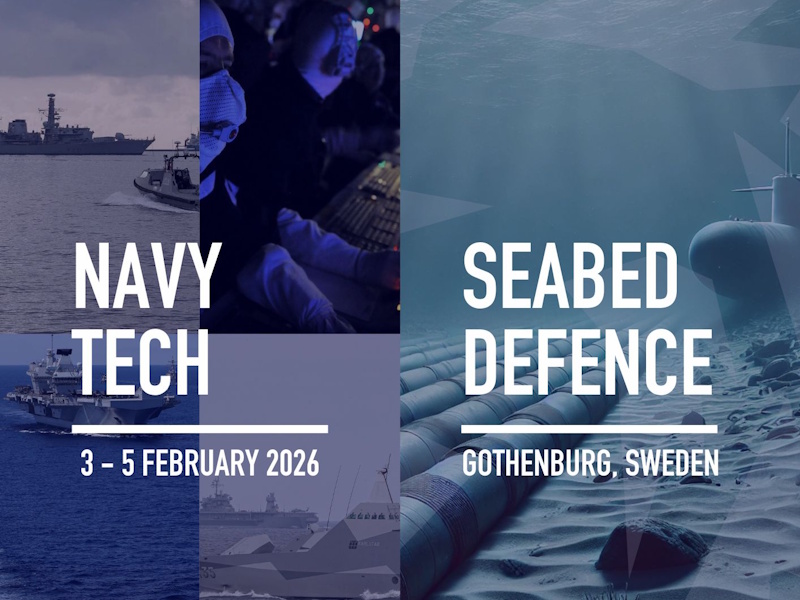
EVENT: Navy Tech & Seabed Defence 2026
Naval forces globally are undergoing significant transformations to address a rapidly changing landscape of threats, which now encompass uncrewed systems, advanced anti-ship weapons, cyber attacks, and electronic warfare, as well as emerging challenges from the seabed. As potential adversaries enhance their capabilities, it has become essential for navies to adapt both physically and conceptually to maintain their operational superiority across all maritime domains, including underwater environments. This evolution is driven by the necessity to counteract the sophisticated tactics employed by peer and near-peer nations, ensuring that naval operations remain effective and resilient in the face of modern warfare complexities.
events navy tech & seabed defence 2026 navy leaders
NVIDIA Rubin Platform, Open Models, Autonomous Driving: NVIDIA Presents Blueprint for the Future at CES
Jensen Huang, the founder and CEO of NVIDIA, delivered a keynote address today at the Fontainebleau Las Vegas, marking the opening of CES 2026. During his speech, Huang emphasized the transformative impact of artificial intelligence, stating that it is increasingly being integrated into various domains and devices. He highlighted how advancements in computing have fundamentally reshaped technology, driven by accelerated developments in AI. Huang's remarks set the tone for the event, showcasing the pivotal role of AI in shaping the future of technology and innovation.
Robotics needs a service framework.
RSF defines a common language for robot service capability, lifecycle operations, certification pathways, and service-provider networks.