Industry Briefing
A single destination for timely, editor-curated robotics news from around the world.
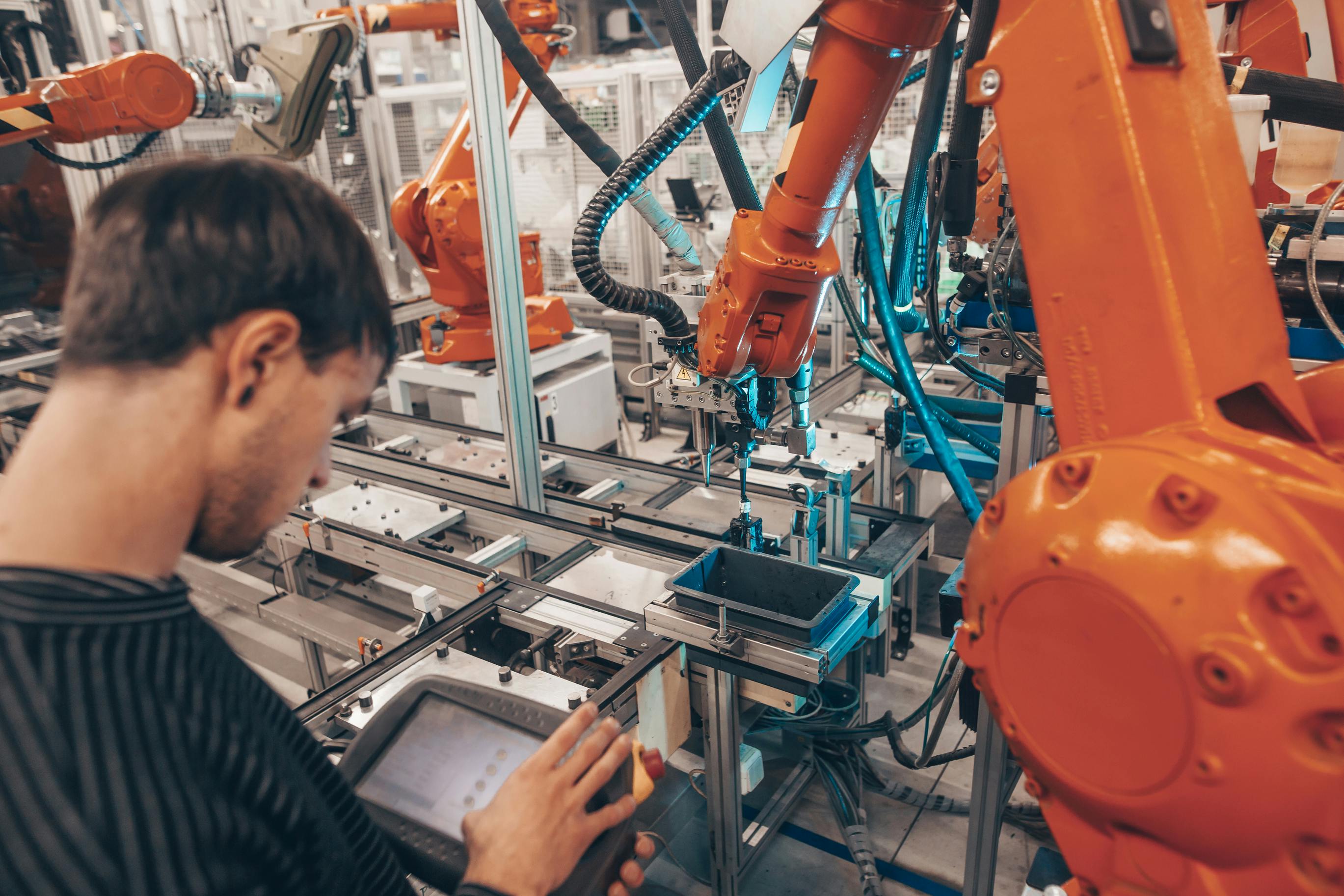
The Challenge of Implementing Spatial and Agentic AI in Smart Factories
Smart factories are equipped with advanced technologies like artificial intelligence, spatial computing, and autonomous robotics, yet many manufacturers are not fully leveraging these capabilities. A 2025 State of AI in Manufacturing Survey reveals that while over 77% of manufacturers have adopted AI, 56% are uncertain about their systems' readiness for complete integration. This indicates that the gap between technology adoption and operational value stems from implementation challenges rather than technological limitations. Spatial AI enables machines to understand and act within three-dimensional environments, while agentic AI allows systems to autonomously pursue goals across workflows. This combination could transform factory operations into dynamic, self-correcting systems. However, the effectiveness of these technologies is hindered by fragmented data ecosystems, where inconsistent and poorly contextualized data leads to misleading AI outputs. The need for a unified data layer is critical for effective smart factory operations. Looking ahead, manufacturers must prioritize the integration of legacy systems and establish shared data standards to fully realize the potential of smart factories. A Deloitte survey indicates that 41% of manufacturing executives plan to invest in automation hardware in the next two years, but these investments will only yield benefits if the underlying data infrastructure is robust enough to support them. No further timeline was disclosed at the time of publication.
Factory / Analytics
CoreWeave Launches NVIDIA Vera Rubin NVL72 Systems for Agentic AI Production
CoreWeave has announced the production availability of NVIDIA Vera Rubin NVL72 systems, designed for AI workloads, during the CoreWeave Fully Connected event in San Francisco. This launch follows nearly a decade of collaboration with NVIDIA, integrating their compute and networking technologies into a cloud optimized for AI applications. The introduction of the Vera Rubin NVL72 systems, along with the NVIDIA Vera CPU, marks a significant advancement in CoreWeave's offerings. Cognition, the applied AI lab, is the first to utilize these systems for production workloads, achieving notable performance improvements in AI-driven software engineering tasks. The collaboration between CoreWeave and NVIDIA has resulted in a robust platform that continues to deliver value across multiple generations of technology. Looking ahead, CoreWeave's deployment of the Vera Rubin NVL72 systems is expected to enhance the capabilities of AI agents, particularly in terms of real-time code generation and complex reasoning tasks. As demand for agentic AI grows, the ability to efficiently scale and optimize workloads will be crucial for enterprises leveraging this technology. No further timeline was disclosed at the time of publication.
Fraunhofer IWU Develops Orcha-3 Platform for Production Technology Using Agentic AI
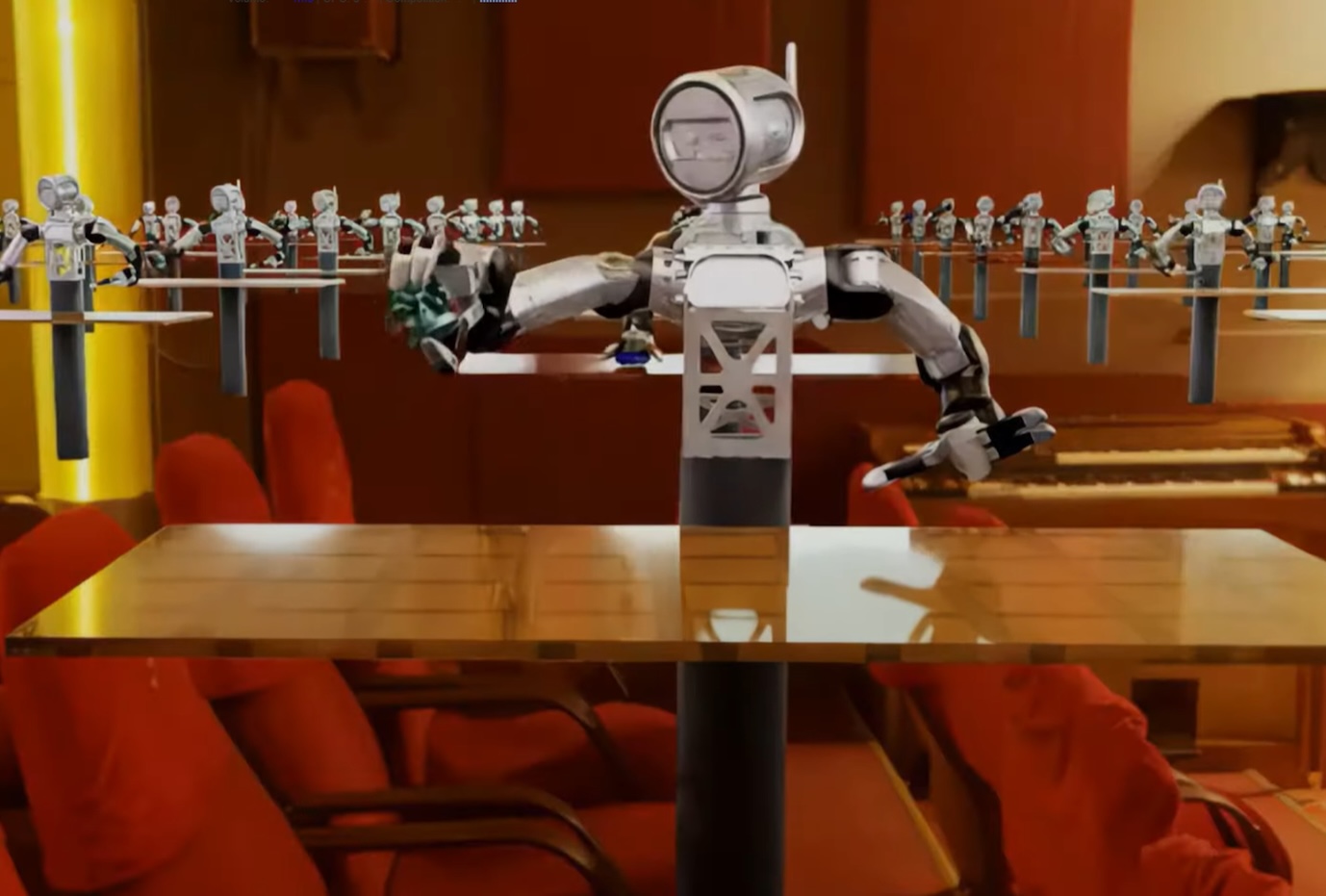
Fraunhofer IWU has developed the Orcha-3 platform, which adapts the approach of popular chatbots like ChatGPT to production technology. This innovation aims to enhance industrial processes by integrating advanced AI capabilities into manufacturing environments. The significance of the Orcha-3 platform lies in its potential to streamline operations and improve efficiency in production settings. By leveraging agentic AI, the platform can facilitate better decision-making and automation, which are crucial for modern manufacturing competitiveness. Looking ahead, the impact of Orcha-3 on the industry will be closely monitored as companies seek to adopt AI-driven solutions. No further timeline was disclosed at the time of publication.
Allgemein Künstliche Intelligenz & maschinelles Lernen Lösungen
Agentic AI Emerges as Essential Partner for Industrial Automation Leaders
Industrial automation leaders are increasingly exploring the integration of AI into their operations, focusing on its role rather than its presence. Agentic AI is positioned as a digital co-worker that complements existing automation, MES, and ERP systems, enhancing the capabilities of planners. This technology simplifies complex tasks such as managing machine capacity, workforce availability, and demand fluctuations, allowing planners to utilize natural language for scenario exploration and problem identification. By continuously monitoring production and logistics data, Agentic AI flags disruptions and suggests alternatives, enabling planners to concentrate on higher-value decisions while automating routine tasks. As manufacturers assess the level of autonomy to grant AI, the emphasis is on reducing manual work and improving access to information. The shift is towards Agentic AI being a supportive tool for planners, rather than a replacement, fostering a collaborative environment in industrial settings. No further timeline was disclosed at the time of publication.
Leaders / Operations Software
Vention Showcases Unified Platform Integrating Physical AI and Agentic AI at IMTS 2026
Vention is set to demonstrate its unified industrial automation platform at IMTS 2026, featuring both Physical AI and Agentic AI. The platform combines these two layers of intelligence to enhance robotics and machine operations, showcasing innovations such as the MachineAgent agentic cell. The significance of this development lies in its potential to streamline manufacturing processes through an interactive, end-to-end automated workflow. Attendees can witness live demonstrations of Physical AI capabilities, including Rapid Operator AI for deep bin picking and goal-driven collision-free path planning, which utilize advanced autonomous perception and robotic motion. Looking ahead, industry professionals should monitor how Vention's integration of these AI technologies influences manufacturing efficiency and automation trends. No further timeline was disclosed at the time of publication.
BitLyft Cybersecurity Unveils Agentic Managed Detection and Response Platform with AIR Engine
BitLyft Cybersecurity has officially launched the BitLyft Agentic Managed Detection and Response (AMDR) platform, which is powered by the company's autonomous security operations platform, BitLyft AIR®. This new offering enhances traditional security measures by not only providing quicker alert summaries but also by actively investigating, resolving, and documenting routine cases. The introduction of AMDR is significant as it allows experienced analysts to maintain control over critical decisions that require human judgment and contextual understanding. This approach aims to streamline security operations while ensuring that complex issues are handled by skilled professionals, thereby improving overall cybersecurity effectiveness. Looking ahead, the focus will be on how AMDR integrates with existing security frameworks and the impact it has on operational efficiency. No further timeline was disclosed at the time of publication.

Manufacturers Embrace Agentic AI Amidst Lack of Governance Plans
Recent research highlights a significant gap in governance as manufacturers increasingly adopt agentic AI technologies. The focus has primarily been on the delay in establishing governance frameworks, yet there is less emphasis on the practical steps needed to address this gap. As AI systems evolve from merely summarizing reports to making autonomous decisions, such as directing robotic actions based on real-time data, the need for effective governance becomes critical. This situation is important because it underscores the challenges manufacturers face in integrating advanced AI capabilities while ensuring responsible use. The transition to agentic AI represents a shift in operational dynamics, where machines are not just tools but decision-makers. Without proper governance, the risks associated with autonomous decision-making could lead to unintended consequences, impacting safety and operational efficiency. Looking ahead, it will be essential to monitor how manufacturers develop and implement governance strategies that align with the capabilities of agentic AI. The ongoing evolution of AI technologies will likely necessitate continuous updates to governance frameworks to ensure they remain effective and relevant. No further timeline was disclosed at the time of publication.
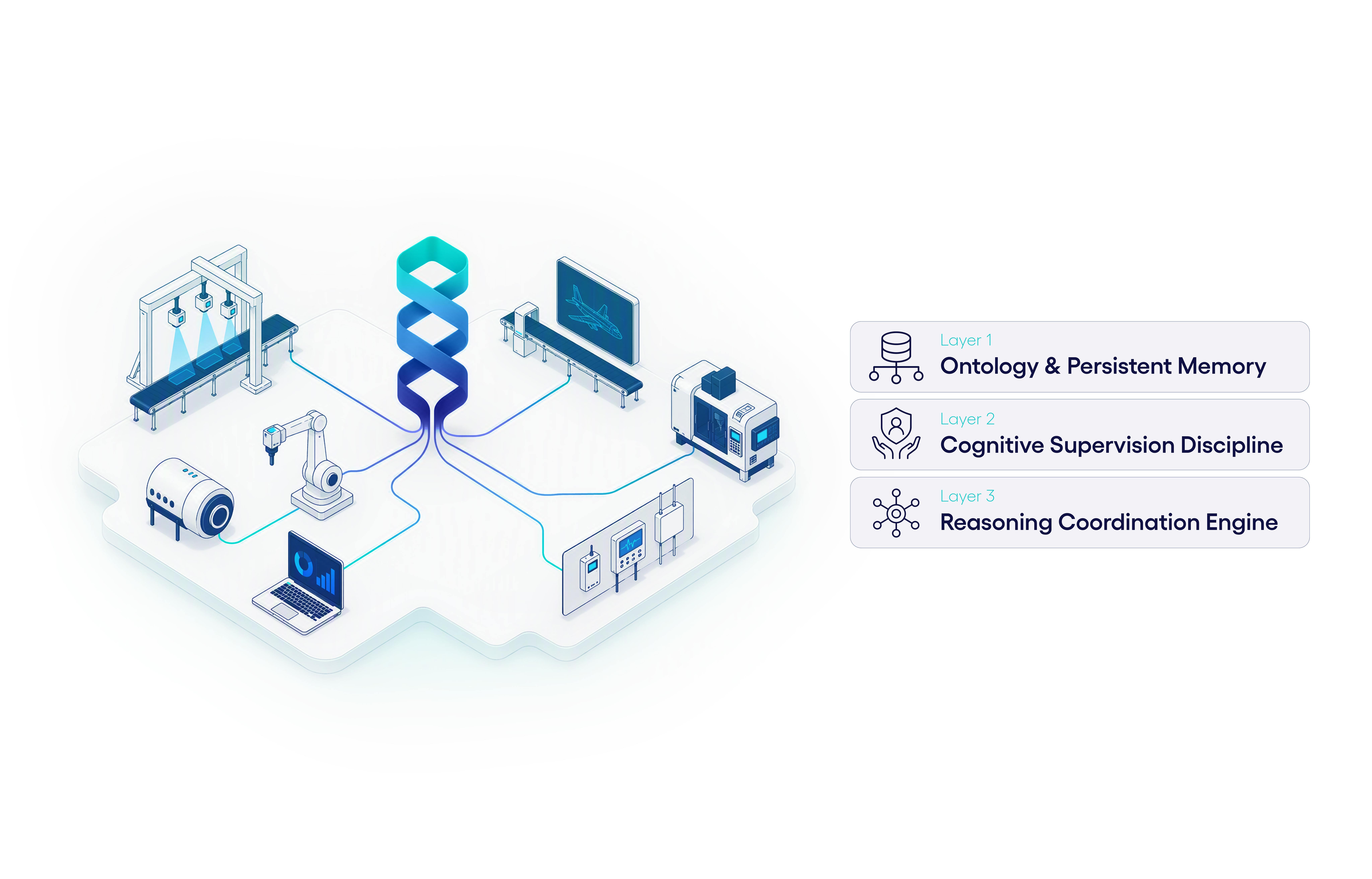
Cognizant Introduces Physical AI Platform to Integrate Agentic and Physical Systems
Cognizant has launched a physical AI platform-as-a-service called Intelligence Spine, designed to unify physical systems and agentic AI in manufacturing environments. This platform aims to connect various physical elements, such as sensors and robots, with an agentic layer that can reason and act, creating a cohesive system for ownership and governance. The significance of this launch lies in its potential to overcome the challenge of fragmented intelligence in manufacturing settings, where different AI agents operate independently. By providing a central nervous system-like framework, Cognizant's platform enables manufacturers to scale their AI capabilities across multiple plants and assembly lines, thereby enhancing operational efficiency and data sharing. Looking ahead, Cognizant's platform can be deployed across eight industries, including utilities, manufacturing, and healthcare. As manufacturers increasingly adopt AI technologies, the effectiveness of Cognizant's solution in fostering integration and collaboration among diverse AI systems will be crucial for its success in the market. No further timeline was disclosed at the time of publication.
Factory / Analytics
Blue Yonder Introduces Agentic AI Innovations for Retail Stockouts and Returns Management
Blue Yonder has unveiled new innovations in its 'Cognitive Solutions' portfolio aimed at enhancing retail operations through agentic AI. These advancements focus on integrating forecasting, inventory planning, fulfillment, customer service, and returns management on the Blue Yonder Platform, enabling retailers to respond more swiftly to demand fluctuations and optimize inventory productivity. The significance of these developments lies in their potential to transform retail decision-making. By connecting various functions rather than treating them in isolation, Blue Yonder allows retailers to leverage insights on demand to improve fulfillment and returns management. This holistic approach is expected to enhance customer experience while protecting profit margins, as noted by Gurdip Singh, chief product officer at Blue Yonder. Looking ahead, the introduction of predictive fulfillment intelligence and a unified workspace for customer service aims to streamline operations and reduce costs associated with returns. With U.S. consumers projected to return nearly $850 billion in merchandise in 2025, the new functionalities are designed to mitigate losses and improve resale opportunities. No further timeline was disclosed at the time of publication.
AI eFulfilment WMS & SCM Software Agentic AI for Retail Blue Yonder Smarter fulfilment
NVIDIA Groq 3 LPX Enters Full Production, Enhancing Agentic AI Inference Speed
NVIDIA has announced that the Groq 3 LPX, an interactive AI inference accelerator, is now in full production. This product, part of the NVIDIA Vera Rubin platform, significantly enhances AI inference by enabling rapid token generation, which is essential for agentic systems to perform complex tasks in real time. The importance of Groq 3 LPX lies in its ability to generate up to 3,400 output tokens per second, a record performance achieved while running the Gemma 4 31B model. This advancement allows agents to complete tasks such as coding in minutes rather than hours, providing a fourfold increase in responsiveness compared to other platforms, which is crucial as demand for AI computation grows globally. Looking ahead, Nebius plans to integrate Groq 3 LPX into its Nebius Token Factory, enhancing its production inference platform. This deployment will enable developers to leverage the high-speed token generation capabilities of Groq 3 LPX, ensuring a seamless experience for agentic AI applications. No further timeline was disclosed at the time of publication.
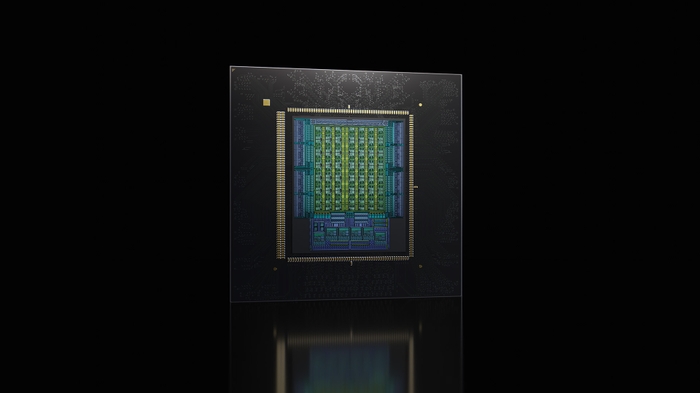
SpaceXAI Implements NVIDIA Vera CPUs for Enhanced Agentic AI Applications at Scale
NVIDIA has announced that SpaceXAI will utilize NVIDIA Vera CPUs to enhance its next generation of agentic AI applications. This deployment marks a significant step as it introduces the first CPU specifically designed for AI agents, which will help in orchestrating tools, executing code, processing data, and running simulations effectively. The integration of NVIDIA Vera CPUs is crucial for SpaceXAI as it aims to improve the performance of AI agents while ensuring that GPUs remain fully utilized. With plans to expand its AI infrastructure, SpaceXAI is set to leverage the capabilities of Vera Rubin and the optimized Vera Rubin NVL72 in its first-generation Starmind satellite, highlighting the importance of advanced computing in AI development. Looking ahead, SpaceXAI's collaboration with NVIDIA is poised to revolutionize AI computing not only on Earth but also in orbit. The unique challenges of space computing necessitate innovative solutions, and the deployment of NVIDIA Vera CPUs is a key component in addressing these challenges. No further timeline was disclosed at the time of publication.

Accelerating Root Cause Analysis in Semiconductor Manufacturing with Agentic AI
A recent webinar highlighted the challenges of yield excursions in semiconductor manufacturing, emphasizing that critical insights are often dispersed across various systems. Traditional dashboards struggle to provide timely and actionable data due to increasing volumes, complicating the root cause analysis process. The session introduced a semiconductor analytics platform that leverages Agentic AI to facilitate faster investigations by connecting insights across different domains without the need to move data. This approach aims to streamline the analysis of yield issues, enabling engineers to address problems more efficiently, even when dealing with billions of data points. Participants included yield, process, and integration engineers, as well as data and analytics leaders from wafer fabs and foundries. The webinar demonstrated how to conduct multi-domain root cause investigations using Spotfire® Industry Pro. No further timeline was disclosed at the time of publication.
Type-webinar Semiconductor-manufacturing Agentic-ai Root-cause-analysis Yield-analytics Fab-operations
Rockwell Automation and Augury Partner to Enhance Agentic AI for Manufacturing
Rockwell Automation and Augury have formed a partnership to integrate their AI workflows, focusing on agentic AI to enhance industrial performance and maintenance reliability. This collaboration combines Augury's Industrial AI Workforce with Rockwell's AI-infused products, including the Fiix CMMS and FactoryTalk Optix, aiming to streamline maintenance processes for manufacturers. The significance of this partnership lies in its potential to transform how manufacturers approach maintenance. By shifting from reactive measures to proactive maintenance planning, the integration of AI technologies can lead to improved operational efficiency and reduced downtime. The partnership seeks to create a connected workflow that enhances decision-making and task execution based on real-time machine health data. Looking ahead, the focus will be on how effectively this partnership can implement agentic AI in real-world manufacturing settings. The ability to turn machine data into actionable insights and prioritize maintenance tasks will be crucial for manufacturers aiming to optimize their operations. No further timeline was disclosed at the time of publication.
Factory / Analytics
NVIDIA Expands Nemotron Family with 3.5 Lightning for Enhanced Agentic AI Performance
NVIDIA has introduced the Nemotron 3.5 Lightning, the most efficient model in its Nemotron series, designed for long-running agentic AI workloads. This 30-billion-parameter mixture-of-experts model enhances the performance of specialized tasks within multi-agent systems, reflecting NVIDIA's ongoing commitment to improving open models for better accuracy and speed. The significance of this release lies in its ability to provide enterprises with greater control over AI deployment and efficiency. With the introduction of NeMo Switchyard, an open-source library for smart routing, organizations can tailor their AI systems to direct requests to the most suitable models without needing to rewrite applications. This flexibility is crucial as modern agentic systems evolve into ensembles of specialized models. Looking ahead, NVIDIA's Nemotron 3.5 Lightning is already being customized by industry leaders for various applications, including cybersecurity and legal services. The model's ability to run on local systems and its open nature for post-training with domain-specific data further enhance its appeal. No further timeline was disclosed at the time of publication.

Accelerating Software and Agentic AI to Enhance Mission Success in Classified Networks
The article discusses the critical role of software and agentic AI in achieving mission success, particularly in classified environments. It emphasizes that while commercial prototypes may function well in controlled settings, the real challenge lies in effectively deploying these technologies across secure networks. This distinction is crucial for military and defense operations, where reliability and security are paramount. Understanding the difference between sandbox testing and real-world application is essential for organizations aiming to leverage AI in sensitive operations. The deployment of advanced AI solutions can significantly enhance operational efficiency and decision-making capabilities, making it imperative for stakeholders to prioritize these technologies. The article highlights the need for a strategic approach to integrate AI into existing frameworks, ensuring that mission objectives are met without compromising security. Looking ahead, organizations must focus on overcoming the challenges associated with deploying AI in classified networks. Continuous innovation and adaptation will be key to ensuring that software and agentic AI remain at the forefront of mission-critical operations. No further timeline was disclosed at the time of publication.
Networks & Digital Warfare Sponsored Post accenture Accenture Federal Services AI cyber security
NVIDIA's Vera Rubin Enhances Intelligence per Dollar for Continuous Agentic AI Post-Training
NVIDIA's Vera Rubin is redefining post-training workloads for agentic AI, emphasizing continuous adaptation and refinement. Unlike traditional models, agentic AI requires ongoing adjustments as environments and tools evolve, making post-training a critical, never-ending process. This shift necessitates a new compute pattern, focusing on maximizing intelligence per dollar through efficient forward and backward passes in the learning cycle. The significance of this development lies in its potential to enhance the efficiency of AI models. By optimizing cost per token during inference, NVIDIA aims to improve the overall intelligence per dollar, ensuring that models remain valuable as they adapt to changing conditions. This continuous learning approach allows models to not only respond to prompts but also to plan and recover from challenges in real-time, thereby increasing their operational effectiveness. Looking ahead, the integration of NVIDIA's NeMo libraries will facilitate the transition from bespoke research to scalable infrastructure for post-training. As the demand for agentic AI grows, the focus will be on how effectively these models can adapt and learn in dynamic environments, ultimately determining their value in practical applications. No further timeline was disclosed at the time of publication.
AWS and NVIDIA Expand Collaboration with 2 Million Additional GPUs for AI Infrastructure
Amazon Web Services (AWS) and NVIDIA have announced a significant expansion of their partnership to address the increasing global demand for AI infrastructure. The companies plan to deploy an additional 2 million NVIDIA GPUs across AWS’s global infrastructure, enhancing their collaboration in AI factories, CPUs, networking, and robotics. This move aims to support the growing need for AI workloads, enabling customers to scale their operations in areas such as agentic AI and enterprise automation. This expansion is crucial as organizations transition from pilot projects to full-scale production, necessitating broader model choices and faster data processing capabilities. AWS and NVIDIA's joint efforts will provide customers with the confidence that their infrastructure can support innovative AI applications while maintaining security and reliability. The collaboration builds on 16 years of innovation, reflecting the increasing demand from various sectors, including frontier labs and governments. Looking ahead, AWS and NVIDIA's partnership is set to redefine AI compute capacity, with plans to introduce NVIDIA Blackwell Ultra GPUs and enhance networking performance for large-scale AI training. No further timeline was disclosed at the time of publication.

Celona Introduces Orion, a Unified Wireless Platform for Physical AI and Robotics
Celona has unveiled Celona Orion, a unified agentic wireless platform that integrates private 5G, Wi-Fi, public cellular, and satellite communications into a single network fabric. This innovative platform is designed to meet the connectivity needs of physical AI applications, including autonomous vehicles (AVs) and autonomous mobile robots (AMRs). The launch of Orion signifies a transition from traditional device-centric networks to a more intelligent, multi-network architecture tailored for automated enterprise operations. By offering private 5G and Wi-Fi 7 access points under a single subscription model, Celona aims to simplify infrastructure management for robotics manufacturers, enabling them to provide enhanced connectivity solutions for their clients. Looking ahead, Celona Orion's key innovation lies in its control-plane and data-plane convergence, allowing seamless network transitions for robots. This capability, along with built-in security features, positions Orion as a significant advancement in the robotics connectivity landscape. No further timeline was disclosed at the time of publication.
6-Axis Artificial Intelligence Autonomous Mobile Robots (AMRs) Networking / Connectivity News Self-Driving Vehicles
Governance Maturity in Autonomous AI Agents Remains a Significant Challenge
Recent research indicates that governance maturity in the autonomous AI sector is lacking, with only about 20% of organizations possessing a mature governance model for AI agents. This deficiency is particularly evident in manufacturing environments, where the need for effective governance is critical for operational success. The limited governance frameworks can hinder the deployment and effectiveness of autonomous AI agents, which are increasingly being integrated into various sectors. The gap in governance maturity poses risks not only to operational efficiency but also to compliance and ethical considerations in AI usage. As organizations strive to enhance their governance models, it will be essential to monitor developments in best practices and frameworks that can support the responsible deployment of autonomous AI agents. No further timeline was disclosed at the time of publication.

Applied Intuition Unveils Dana, an Innovative Platform for Physical AI Development
Applied Intuition, Inc. has launched Dana, the first agentic platform designed for the development, testing, deployment, and operation of physical AI systems across various industries. This platform integrates agentic AI capabilities with nearly a decade of Applied Intuition's expertise in tooling, data, and infrastructure. The introduction of Dana is significant as it aims to expedite the safe development of intelligent machines that operate in the physical world. By leveraging Applied Intuition's extensive engineering knowledge, Dana provides a unified system that enhances the efficiency of creating advanced AI solutions. Looking ahead, the industry will be keen to observe how Dana influences the landscape of physical AI development and its adoption across different sectors. No further timeline was disclosed at the time of publication.

DataSelf Corp. Launches Enhanced DataSelf ETL+ for Advanced Analytics Solutions
DataSelf Corp. has unveiled the latest version of DataSelf ETL+, an advanced reporting and analytics solution designed for mid-market businesses. This next-generation software integrates powerful AI capabilities to enhance data analytics and reporting processes. The introduction of DataSelf ETL+ is significant as it positions DataSelf Corp. as a leader in the mid-market data warehousing and analytics sector. By leveraging AI, the software aims to provide users with deeper insights and more efficient data management, addressing the growing demand for sophisticated analytics tools in the market. Looking ahead, it will be important to monitor the adoption of DataSelf ETL+ among mid-market companies and its impact on their data-driven decision-making processes. No further timeline was disclosed at the time of publication.

Microsoft Unveils MAI-Cyber-1-Flash and Perception AI Cybersecurity Platform
Microsoft has launched its first cybersecurity-specialized model, MAI-Cyber-1-Flash, and a new AI platform named Perception at an event in San Francisco. The MAI-Cyber-1-Flash model is designed to identify vulnerabilities in complex codebases and is integrated with MDASH, Microsoft's tool for software vulnerability management. This launch is significant as it positions Microsoft against major competitors like Anthropic, Google, and OpenAI in the AI cybersecurity space. The company claims that MAI-Cyber-1-Flash outperforms rival models based on established benchmarks, offering a more powerful and cost-effective solution for enterprises. Looking ahead, Microsoft plans to make these tools available in preview on November 3, entering a competitive market filled with AI cybersecurity solutions. As cybercriminals increasingly leverage AI, the effectiveness of Microsoft's new tools will be crucial for enterprise defenders seeking to protect against sophisticated threats.
AI Security cybersecurity Microsoft
NVIDIA Showcases Advances in Graphics and Simulation at SIGGRAPH Conference
At the SIGGRAPH conference in Los Angeles, NVIDIA is highlighting advancements in graphics and AI technologies. The keynote, featuring NVIDIA leaders, focuses on neural rendering and simulation methods that enhance creative workflows. With the introduction of the Model Context Protocol (MCP), AI agents can now assist artists in various tasks while maintaining human control over creative decisions. This development is significant as it marks a shift in how creative applications operate, making them agent-ready and improving efficiency in the production process. NVIDIA's technologies, including GPU-accelerated tools and real-time simulation, have been pivotal in the creative industries for over two decades, and the MCP is set to further enhance this by integrating AI capabilities directly into existing workflows. Looking ahead, the integration of MCP across creative platforms, including Adobe's expansion of its AI Assistant, indicates a growing trend towards more collaborative AI tools in creative environments. No further timeline was disclosed at the time of publication.

NVIDIA Vera CPU Opens the Way for Agentic Scientific AI at Los Alamos National Laboratory
Los Alamos National Laboratory (LANL) is set to enhance its computational capabilities with the development of new supercomputers, named Mission, Vision, and Veritas, in collaboration with HPE and NVIDIA. This initiative aims to harness NVIDIA Vera CPUs to significantly accelerate scientific discovery and advance the integration of agentic AI in scientific research. The project underscores LANL's commitment to leveraging cutting-edge technology to address complex scientific challenges. The supercomputers are expected to play a crucial role in various research domains, facilitating breakthroughs that could have far-reaching implications for science and technology.
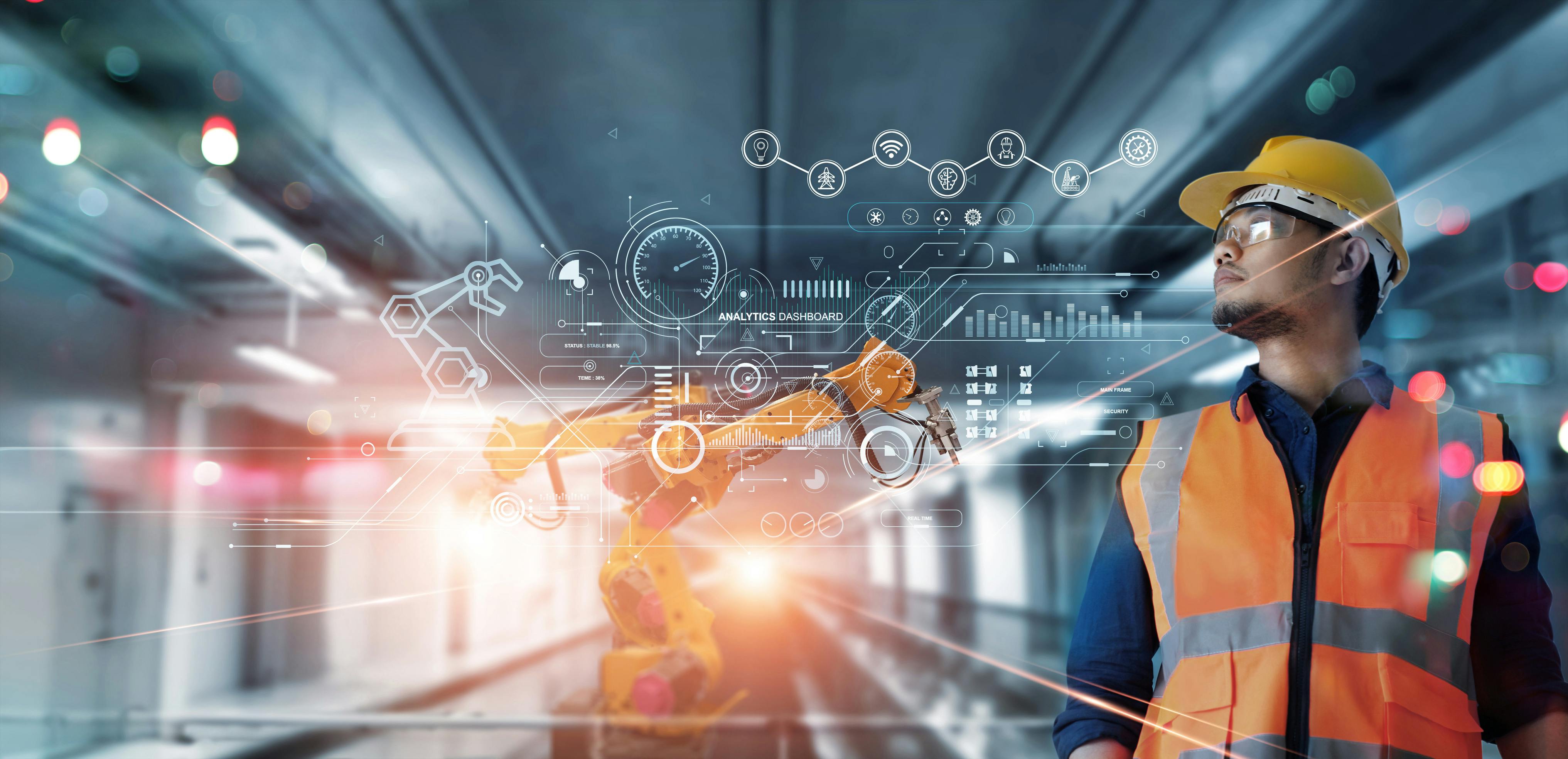
Turning Awareness Into Action With Agentic AI
In the evolving landscape of manufacturing, industry experts have identified three essential building blocks for effectively scaling AI agents across enterprises. As companies increasingly integrate artificial intelligence into their operations, these foundational elements are crucial for maximizing efficiency and productivity. The insights were shared in a recent industry report released in October 2023, highlighting the importance of strategic implementation in manufacturing settings. By focusing on these key components, organizations can better navigate the complexities of AI integration, ultimately driving innovation and competitiveness in the sector.
Technology and IIoT / Emerging Technologies
NVIDIA Blackwell Leads on First Agentic AI Infrastructure Benchmark
Artificial Analysis has launched AgentPerf, the industry's first benchmark for agentic AI, aimed at providing developers, enterprises, and infrastructure providers with a standardized method to evaluate and compare various systems designed for agentic AI capabilities. The initial results have highlighted NVIDIA's Blackwell as a leading performer in this emerging field. This development comes as the demand for advanced AI systems continues to grow, prompting the need for reliable metrics to assess their effectiveness and efficiency. By establishing a clear framework for comparison, AgentPerf seeks to facilitate informed decision-making among stakeholders in the AI sector.

Opal Security Secures $23M and Expands Leadership Team to Unify Identity Governance Across Human, Non-Human, and Agentic AI
Opal Security, an AI-native access governance platform, has secured $23 million in new funding to enhance its identity management solutions. The funding round was led by Greylock, a prominent venture capital firm. In conjunction with this financial boost, Opal has made five key senior leadership appointments, including Sameer Mehta as Chief Product Officer. Mehta previously worked at Veza, where he developed products focused on non-human identity and access intelligence. This strategic move aims to strengthen Opal's position in the identity security market and drive innovation in access governance for various identities.
AI Funding & Investment
NVIDIA Partners With Microsoft on Unified Stack for Agentic AI Deployment, From Windows Devices to Cloud to Local
NVIDIA and Microsoft have announced a significant advancement in artificial intelligence, highlighting the arrival of what they term the "agentic AI moment." This development emphasizes that realizing the full potential of AI technology necessitates not only sophisticated models but also the integration of high-speed hardware, secure operational environments, and a responsive data infrastructure. The companies are focusing on optimizing AI models for extended reasoning capabilities, which are crucial for complex decision-making processes. This collaboration aims to enhance the efficiency and effectiveness of AI applications, paving the way for more intelligent and autonomous systems in various sectors. The initiative underscores the importance of a comprehensive approach to AI development, combining cutting-edge technology with robust security measures to foster innovation.

NVIDIA Jetson Brings Agentic AI to the Physical World
At COMPUTEX on Tuesday, NVIDIA unveiled its latest advancements in artificial intelligence with the announcement of NVIDIA JetPack 7.2 and the introduction of NVIDIA NemoClaw support for the Jetson platform. This new version of JetPack enhances agentic AI capabilities, integrates Yocto project support, and includes NVIDIA CUDA 13 specifically for the NVIDIA Jetson Orin. These developments aim to empower developers and researchers by providing robust tools for creating intelligent applications that can operate in real-world environments. The launch reflects NVIDIA's commitment to advancing AI technology and its applications across various industries, showcasing the company's ongoing innovation in the field.

NVIDIA, Foxconn and Taiwan Medical Centers Bring Agentic and Physical AI to ‘Healthy Taiwan’
NVIDIA has announced a collaboration with Foxconn and prominent medical centers in Taiwan to implement AI-driven health systems in the region. This initiative aims to enhance healthcare services by deploying NVIDIA-powered special agent workforces. The partnership reflects a growing trend towards integrating advanced technology in medical practices, responding to the increasing demand for efficient and innovative healthcare solutions. The deployment is expected to take place in the coming months, marking a significant step in Taiwan's transition to modernized health systems that leverage artificial intelligence for improved patient care and operational efficiency.

NVIDIA Vera Rubin Ramps Into Full Production to Power Agentic AI Factories Worldwide
At the NVIDIA GTC event in Taipei, the company unveiled that its NVIDIA Vera Rubin platform is set to enter full production. This new platform aims to enhance the capabilities of agentic AI factories globally. The announcement marks a significant step in NVIDIA's efforts to advance artificial intelligence technologies and support the growing demand for automated manufacturing solutions. By leveraging the Vera Rubin platform, NVIDIA intends to empower industries to optimize their operations and improve efficiency through AI-driven processes.

NVIDIA Vera BlueField-4 STX Brings Agentic AI Storage Processing With In-Silicon Security
NVIDIA has unveiled new security innovations under its DOCA™ framework for the NVIDIA Vera BlueField-4 STX, marking a significant advancement in secure storage solutions tailored for agentic AI factories. This announcement, made today, highlights the company's commitment to enhancing data security in increasingly automated environments. The innovations aim to provide a robust infrastructure that ensures data integrity and protection against potential cyber threats, addressing the growing need for secure-by-design systems in the rapidly evolving AI landscape. By integrating these advanced security measures, NVIDIA seeks to empower businesses to leverage AI technologies while safeguarding their critical data assets.

Nvidia, Schneider Electric Launch Agentic AI Platform
Nvidia has announced the launch of a new platform designed to enhance artificial intelligence capabilities in factory environments, with support from Schneider's innovative designs. This initiative aims to streamline operations and improve efficiency in manufacturing processes. The platform is expected to leverage advanced AI technologies to optimize production workflows, reduce downtime, and ultimately drive higher productivity levels. By integrating Schneider's design expertise, Nvidia seeks to provide manufacturers with cutting-edge tools that can adapt to the evolving demands of the industry. The announcement comes as part of Nvidia's ongoing commitment to advancing AI solutions across various sectors, particularly in industrial applications.
Factory / Analytics
Agentic AI for Robot Teams
Researchers at the Johns Hopkins Applied Physics Laboratory are making strides in the development of agentic artificial intelligence aimed at enhancing collaborative robotic teams. During a recent presentation, they outlined the significant challenges associated with achieving autonomy, coordination, and adaptability among diverse robotic systems. To address these issues, the team introduced a scalable architecture designed to facilitate agentic behaviors in multi-robot environments. The presentation also featured demonstrations of this innovative approach, showcasing its application in hardware with a varied group of robots. Additionally, the researchers shared valuable insights gained from their ongoing research and development efforts, highlighting key challenges faced and lessons learned throughout the process. This work not only advances the field of robotics but also sets the stage for future developments in agentic AI technology.
Type-webinar Agentic-ai Robotics Llms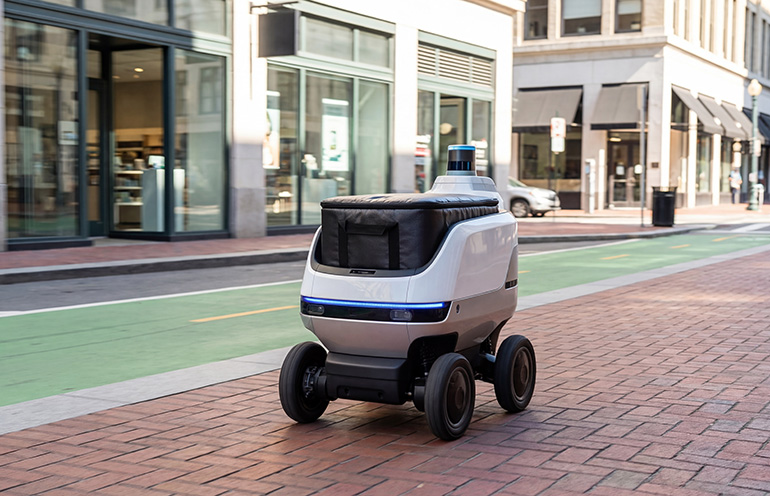
How agentic AI can enable general-purpose robotic navigation
Researchers are exploring the capabilities of agentic AI to enhance robotic navigation by integrating perception, simultaneous localization and mapping (SLAM), reasoning, and planning. This innovative approach aims to improve the performance of robots operating in dynamic environments. The findings were discussed in a recent article published by The Robot Report, highlighting the potential of agentic AI to transform how robots navigate and interact with their surroundings. By leveraging advanced algorithms and technologies, this method seeks to address the challenges faced by robots in real-world scenarios, ultimately paving the way for more versatile and efficient robotic systems.
Artificial Intelligence Artificial Intelligence / Cognition Autonomous Mobile Robots (AMRs) Cameras / Imaging / Vision Mobility / Navigation Motion Control
Nokia Launches Agentic AI for Fixed Networks, Targeting $6B Telecom Automation Market
Nokia has launched new agentic AI capabilities within its fixed network portfolio, which includes the Altiplano, Corteca, and Broadband Easy platforms. This advancement aims to empower telecom operators to proactively address network issues, significantly enhancing operational efficiency. The implementation of these AI features is expected to lead to first-call resolution rates exceeding 50% and a reduction in field visits by half, marking a significant step forward in the cognitive broadband era. The introduction of this technology reflects Nokia's commitment to improving service delivery and customer satisfaction in the telecommunications industry.
AI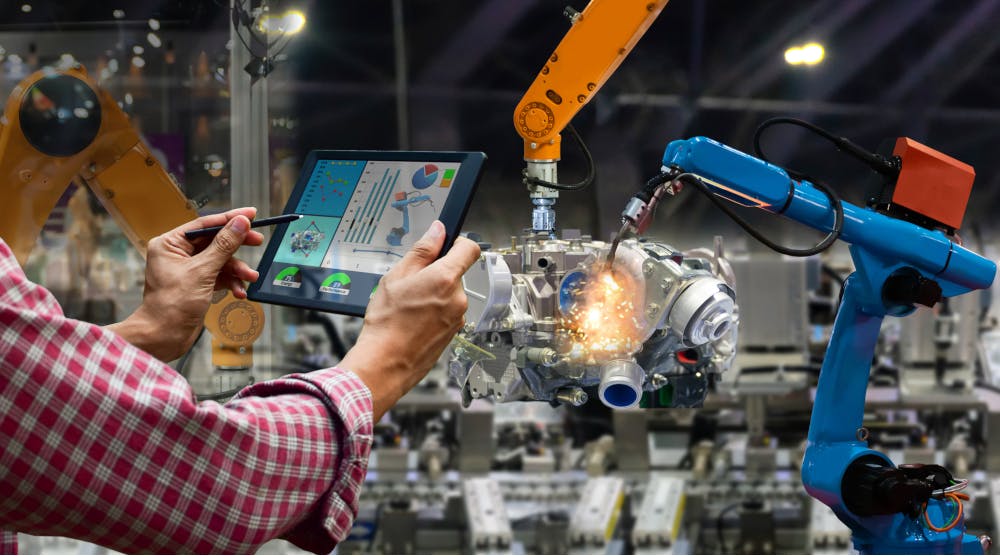
Agentic AI Could Make Robots Affordable for Small Businesses
At the Hannover Messe, Siemens unveiled innovative software designed to enhance automation and integration processes within industrial settings. This new technology aims to accelerate the return on investment (ROI) for businesses by streamlining operations and improving efficiency. The announcement, made during the prominent trade fair, underscores Siemens' commitment to advancing digital solutions in manufacturing. By leveraging this software, companies can expect to optimize their workflows and reduce operational costs, ultimately driving growth and competitiveness in the market.
Technology and IIoT / Digital Tools
NVIDIA and Google Cloud Collaborate to Advance Agentic and Physical AI
NVIDIA and Google Cloud have announced a significant milestone in their long-standing partnership, which has lasted over ten years. Together, they have developed a comprehensive AI platform that integrates various technology layers, including performance-optimized libraries, frameworks, and robust cloud services tailored for enterprise needs. This collaboration aims to enhance the capabilities of artificial intelligence applications, providing businesses with advanced tools and resources to leverage AI effectively. The initiative reflects both companies' commitment to driving innovation in the AI space and supporting organizations in their digital transformation journeys.
From RTX to Spark: NVIDIA Accelerates Gemma 4 for Local Agentic AI
A new wave of on-device artificial intelligence is being propelled by open models, which are shifting innovation from the cloud to everyday devices. This advancement is significant as it allows for the integration of local, real-time context, enabling these models to generate meaningful insights that enhance user experiences. As technology evolves, the reliance on immediate data from users' environments is becoming crucial for maximizing the effectiveness of AI applications. This trend marks a pivotal moment in the development of AI, as it seeks to provide more personalized and responsive solutions directly on devices, rather than solely through cloud-based systems. The implications of this shift are expected to reshape how consumers interact with technology in their daily lives.

NVIDIA Vera Rubin Opens Agentic AI Frontier
NVIDIA has unveiled its latest innovation, the NVIDIA Vera Rubin platform, which aims to advance the capabilities of agentic AI. This announcement, made today, highlights the company’s commitment to scaling AI technology, as it has commenced full production of seven new chips designed to support the world's largest AI factories. By enhancing the processing power and efficiency of AI systems, NVIDIA seeks to push the boundaries of artificial intelligence applications across various industries. The launch of this platform marks a significant step forward in the evolution of AI, positioning NVIDIA at the forefront of technological advancement in this rapidly growing field.
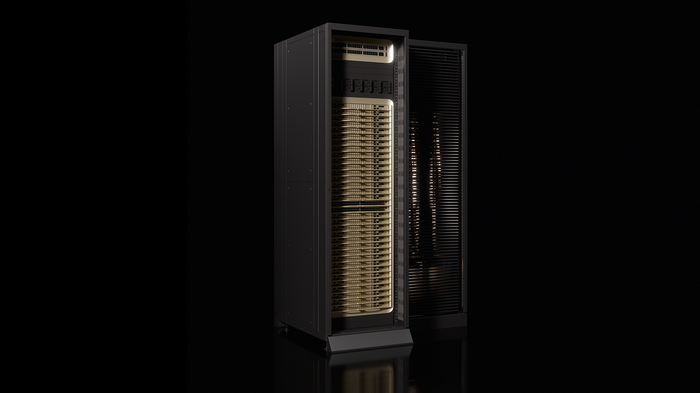
NVIDIA Launches Vera CPU, Purpose-Built for Agentic AI
NVIDIA has unveiled the NVIDIA Vera CPU, marking a significant advancement in computing technology tailored for agentic AI and reinforcement learning. This groundbreaking processor, introduced today, boasts double the efficiency and operates 50% faster than conventional rack-scale CPUs. The launch underscores NVIDIA's commitment to enhancing AI capabilities, positioning the Vera CPU as a vital tool for developers and researchers aiming to push the boundaries of artificial intelligence. By optimizing performance specifically for AI applications, NVIDIA aims to meet the growing demands of the tech industry and facilitate more sophisticated AI solutions.

NVIDIA Expands Open Model Families to Power the Next Wave of Agentic, Physical and Healthcare AI
NVIDIA has unveiled an expansion of its open model families aimed at advancing artificial intelligence in physical and healthcare applications. This announcement, made today, highlights the introduction of new models designed to empower developers and scientists to create intelligent systems capable of reasoning and taking action in complex environments. The initiative reflects NVIDIA's commitment to driving innovation in AI technology, enabling more sophisticated and responsive solutions in various sectors. By providing these advanced tools, the company aims to facilitate the development of AI systems that can effectively address real-world challenges.
New NVIDIA Nemotron 3 Super Delivers 5x Higher Throughput for Agentic AI
NVIDIA has officially launched the Nemotron 3 Super, a groundbreaking AI model featuring 120 billion parameters, with 12 billion of those actively utilized. This innovative model is designed to support the deployment of complex agentic AI systems at scale, showcasing advanced reasoning capabilities that enhance efficiency. The release, which took place today, marks a significant advancement in AI technology, reflecting NVIDIA's commitment to pushing the boundaries of artificial intelligence and machine learning. The Nemotron 3 Super is now available for use, promising to transform how AI systems operate across various applications.

NVIDIA Advances Autonomous Networks With Agentic AI Blueprints and Telco Reasoning Models
Telecom operators are increasingly prioritizing the development of autonomous networks, which are intelligent systems capable of self-managing telecommunications operations. This shift is highlighted in the latest NVIDIA State of AI in Telecommunications report, which reveals that network automation is no longer just a futuristic concept but a pressing focus for the industry. As the demand for efficient and adaptive telecommunications solutions grows, operators are exploring advanced technologies to enhance their network management capabilities. This transition aims to improve service quality and reduce operational costs, ultimately benefiting consumers and businesses alike. The report underscores the urgency for telecom companies to adopt these innovations to stay competitive in a rapidly evolving market.

From Cobots to Decision Makers: How Agentic AI Is Rewiring Industrial Robotics
As businesses navigate an increasingly competitive landscape, the shift from traditional decision-making to proactive, strategic responses is emerging as a critical automation upgrade for the next decade. This transformation emphasizes the importance of resilience, quality, and speed in operations, enabling organizations to move beyond merely following established protocols. By empowering teams to determine necessary actions based on real-time data and insights, companies can enhance their adaptability and responsiveness to market changes. This evolution in decision-making processes is set to redefine operational efficiency and drive innovation across various sectors, positioning organizations to better meet the demands of a dynamic environment.
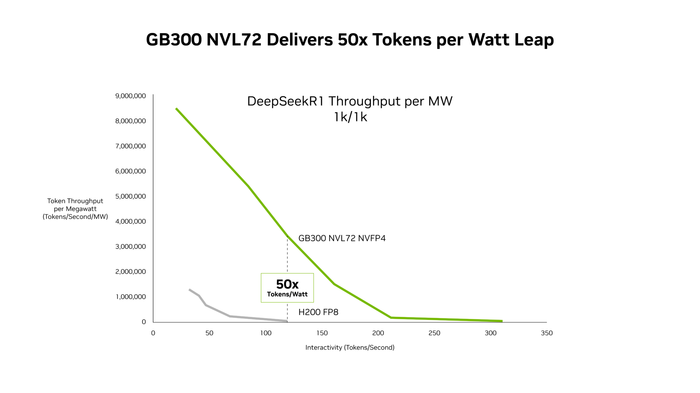
New Data Shows NVIDIA Blackwell Ultra Delivers up to 50x Better Performance and 35x Lower Costs for Agentic AI
The NVIDIA Blackwell platform has gained significant traction among top inference providers, including Baseten, DeepInfra, Fireworks AI, and Together AI, achieving reductions in cost per token by as much as 10 times. Building on this success, NVIDIA has introduced the Blackwell Ultra platform, which aims to enhance these cost efficiencies further. This development reflects NVIDIA's commitment to advancing AI technology and providing more affordable solutions for inference tasks, thereby supporting the growing demand for cost-effective AI applications in various industries.
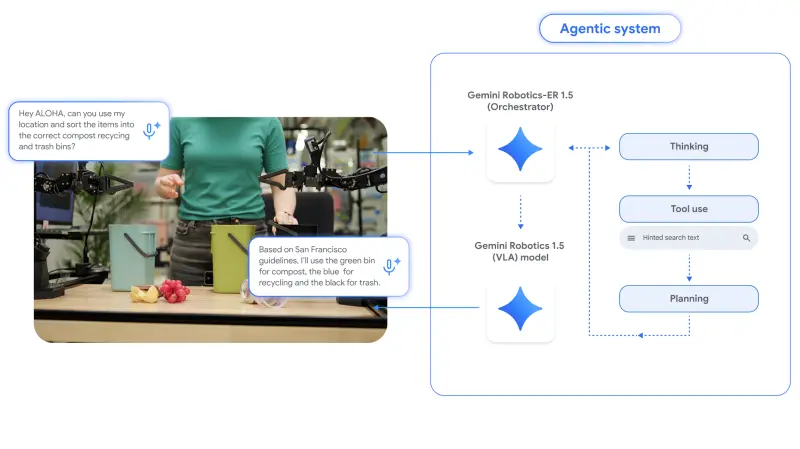
Google DeepMind Gives Robots a 'Thinking' Brain with Agentic Gemini 1.5 Models
Google DeepMind has introduced Gemini Robotics 1.5, an advanced AI framework aimed at enhancing the capabilities of robots. This new system allows robots to evolve from merely following commands to becoming 'physical agents' capable of reasoning, planning, and acquiring skills across various hardware platforms, including Apptronik's Apollo humanoid robot. The announcement marks a significant step in the development of intelligent robotics, reflecting the company's commitment to pushing the boundaries of artificial intelligence. By enabling robots to learn and adapt, DeepMind seeks to revolutionize the way machines interact with their environments and perform complex tasks. The unveiling of this framework comes as part of a broader trend in the tech industry to create more autonomous and versatile robotic systems.
ai-agents vla Gemini Apptronik google-deepmind roboticsRobotics needs a service framework.
RSF defines a common language for robot service capability, lifecycle operations, certification pathways, and service-provider networks.
Join the RobotToday community on LinkedIn
Daily robotics news, in-depth analysis, conference highlights, and discussions with professionals worldwide.