Industry Briefing
A single destination for timely, editor-curated robotics news from around the world.
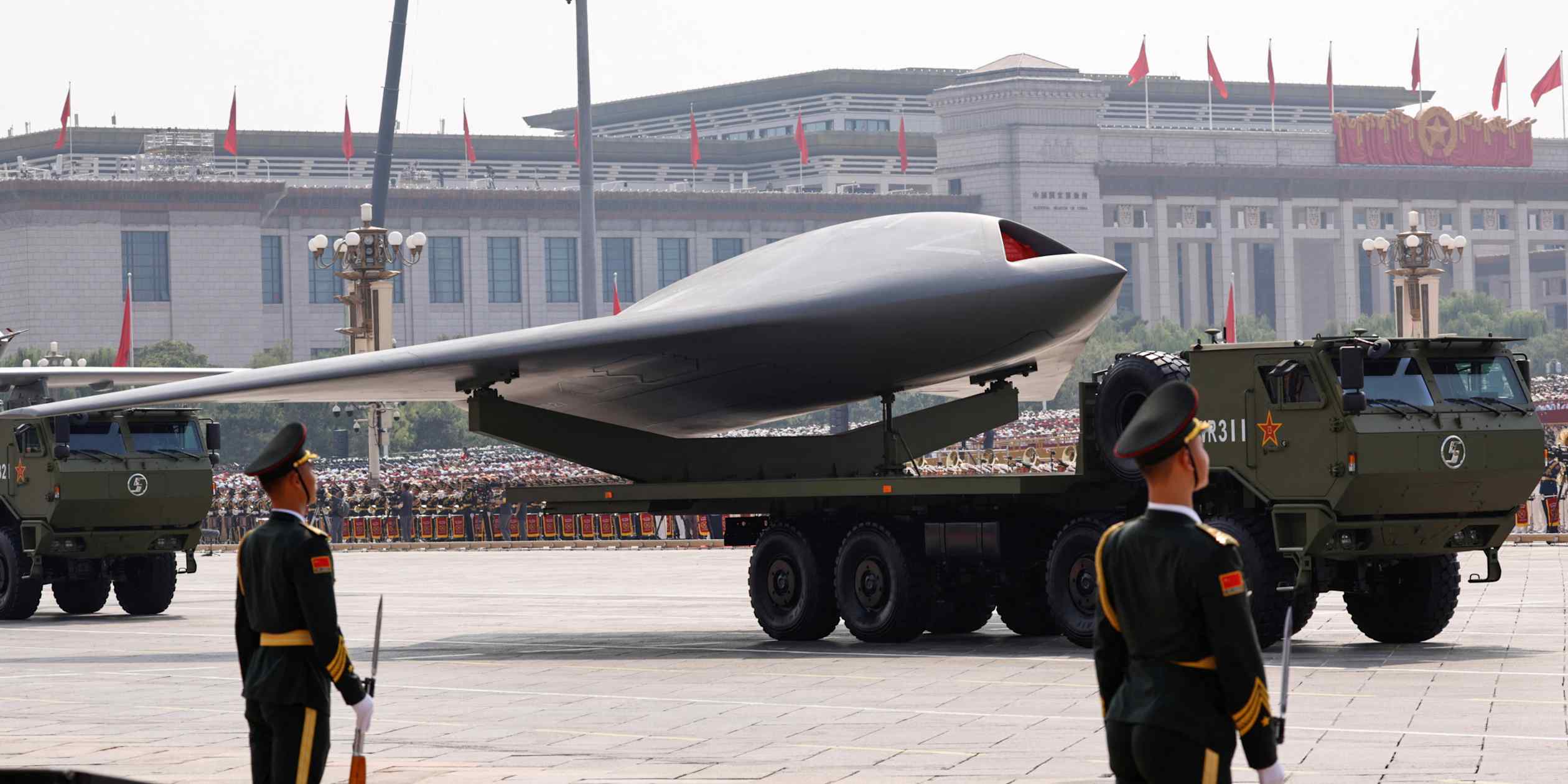
Taiwan's Aerospace Contractor Develops Countermeasures Against China's Drone Advancements
Taiwan's leading aerospace contractor is shifting focus from traditional aircraft manufacturing to developing counter-drone systems. This strategic move comes in response to the increasing capabilities of China's unmanned aircraft systems (UAS), as emphasized by an executive from the company, who highlighted the urgent need for a counter-UAS system. The significance of this development lies in Taiwan's heightened concerns regarding China's aggressive drone development. The shift towards counter-drone technology reflects Taiwan's proactive approach to enhancing its defense capabilities amid rising tensions in the region. The need for a dedicated, low-cost shield against potential threats underscores the urgency of this initiative. Looking ahead, it will be crucial to monitor Taiwan's advancements in counter-drone systems and how these developments may influence regional security dynamics. No further timeline was disclosed at the time of publication.

Isar Aerospace Aims for Historic Launch from Norway with Spectrum Rocket Today
Isar Aerospace is set to make history today by launching its Spectrum rocket from Andøya Space Center in Norway, potentially marking the first successful orbital launch from European soil. The launch window opens at 4 p.m. EDT, with live coverage starting an hour earlier. This launch is significant as it follows a previous attempt in March 2025, which ended in failure due to an anomaly shortly after liftoff. Isar Aerospace has since addressed the issues identified during the investigation, and today's mission will carry viable payloads, including five cubesats and a scientific experiment, showcasing the rocket's capabilities. Looking ahead, Isar Aerospace envisions Spectrum as a key player in the small to medium satellite launch market, with a production capacity of over 30 rockets annually from its facility near Munich. The success of this launch could greatly enhance Europe's position in the global space transportation sector, as noted by Toni Tolker-Nielsen from the European Space Agency.
Launches & Spacecraft Space Exploration
GE Aerospace to Supply LM2500+G4 Engines for South Korea's KDDX-Class Destroyers
GE Aerospace has announced that it will provide 12 LM2500+G4 marine gas turbine engines for six KDDX-class destroyers being constructed for the Republic of Korea Navy (RoKN). The integration of the LM2500+G4 with the KDDX's full electric propulsion system is expected to enhance operational flexibility, fuel efficiency, and survivability for the vessels. This development is significant as it marks a step towards advanced naval propulsion systems, with GE Aerospace's technology reinforcing its collaboration with South Korea. The RoKN has previously procured 163 GE Aerospace marine gas turbines for 95 ships, indicating a strong track record in the region. Looking ahead, Hanwha Aerospace, GE's local partner, will manufacture engine components and support assembly and testing. The KDDX program is projected to cost 7.8 trillion won ($5.75 billion), with Hanwha Ocean as the preferred bidder for the lead ship's construction. No further timeline was disclosed at the time of publication.
Global Naval Warfare Asia GE Aerospace Hanwha Indo-Pacific
NEC to Pursue Manufacturer Acquisitions in Physical AI and Aerospace Sectors
NEC, the Japanese technology group, is set to explore acquisitions within the manufacturing sector, focusing on growth opportunities in physical artificial intelligence, aerospace, and defense. This strategic move aligns with NEC's broader ambition to enhance its capabilities and market presence in these emerging fields. The significance of this initiative lies in NEC's commitment to not limit its mergers and acquisitions to any specific market, as stated by the company's CFO. This approach reflects a proactive strategy to adapt to evolving industry demands and technological advancements, particularly in sectors like aerospace and defense, which are increasingly reliant on innovative AI solutions. Looking ahead, industry observers will be keen to see how NEC's acquisition strategy unfolds and which specific manufacturers it targets. No further timeline was disclosed at the time of publication.

FANUC UK Restructures Leadership to Boost Aerospace and Defence Growth
FANUC UK has announced a significant restructuring of its sales leadership to enhance growth in the aerospace and defence sectors. Effective September 1, 2026, Oliver Selby will transition from Head of Sales to Strategic Key Account Manager for Aerospace & Defence, a role aimed at strengthening support for UK and Ireland manufacturers. This strategic move underscores FANUC UK's commitment to the aerospace and defence industries, which are critical to its long-term growth strategy. With over 20 years of experience in robotics and automation, Selby will focus on developing partnerships and identifying automation opportunities to enhance productivity and competitiveness in these sectors. Looking ahead, FANUC UK aims to leverage Selby's extensive industry experience and network to drive automation adoption in aerospace and defence. No further timeline was disclosed at the time of publication.
Industry News
GoPro Acquired by Starman Holding for $285 Million, Expanding into Defense and Aerospace
GoPro has been acquired by Starman Holding for $285 million, marking a significant shift for the company. Previously known for consumer action cameras, GoPro's CEO Nick Woodman now positions the company as a leader in imaging and optical solutions for national security, focusing on defense and aerospace sectors. This acquisition comes shortly after YouTuber Mark 'Markiplier' Fischbach became GoPro's largest shareholder, holding 8.5% of the company. Starman Holding's CEO Charles Tebele emphasized the merger's potential to combine GoPro's optical expertise with Starman's manufacturing capabilities, aiming to bring critical component production back to the U.S. Looking ahead, GoPro plans to maintain its consumer product lines while exploring new opportunities in defense and aerospace consulting. The deal is expected to close by the end of the year, although further details regarding the transition and shareholder plans remain undisclosed.
Cameras Gadgets News Tech
SolarWindow Technologies Launches 24.4% Efficient ElectroFlex Solar Film for Aerospace and Transport
SolarWindow Technologies has commenced commercial production of its 0.85 mm thick solar laminate, ElectroFlex, featuring interdigitated back-contact (IBC) cells with a 24.4% efficiency rating. This innovative product offers a power-to-weight ratio of approximately 73 W/kg and is designed for direct application on various surfaces without the need for traditional mounting hardware. The introduction of ElectroFlex is significant as it addresses the limitations of conventional silicon solar setups, which require heavy structural components. By providing a flexible and lightweight solution, ElectroFlex can be installed on load-sensitive surfaces such as aircraft fuselages and train exteriors, enabling energy generation in previously unsuitable locations. Looking ahead, SolarWindow Technologies plans to deliver ElectroFlex to selected industrial partners in North America and Asia in the coming quarters. The company aims to expand its offerings beyond liquid coatings, focusing on engineered electrical systems that integrate seamlessly into transport and mobile machinery applications, converting exterior surfaces into auxiliary power sources.
Energy Innovation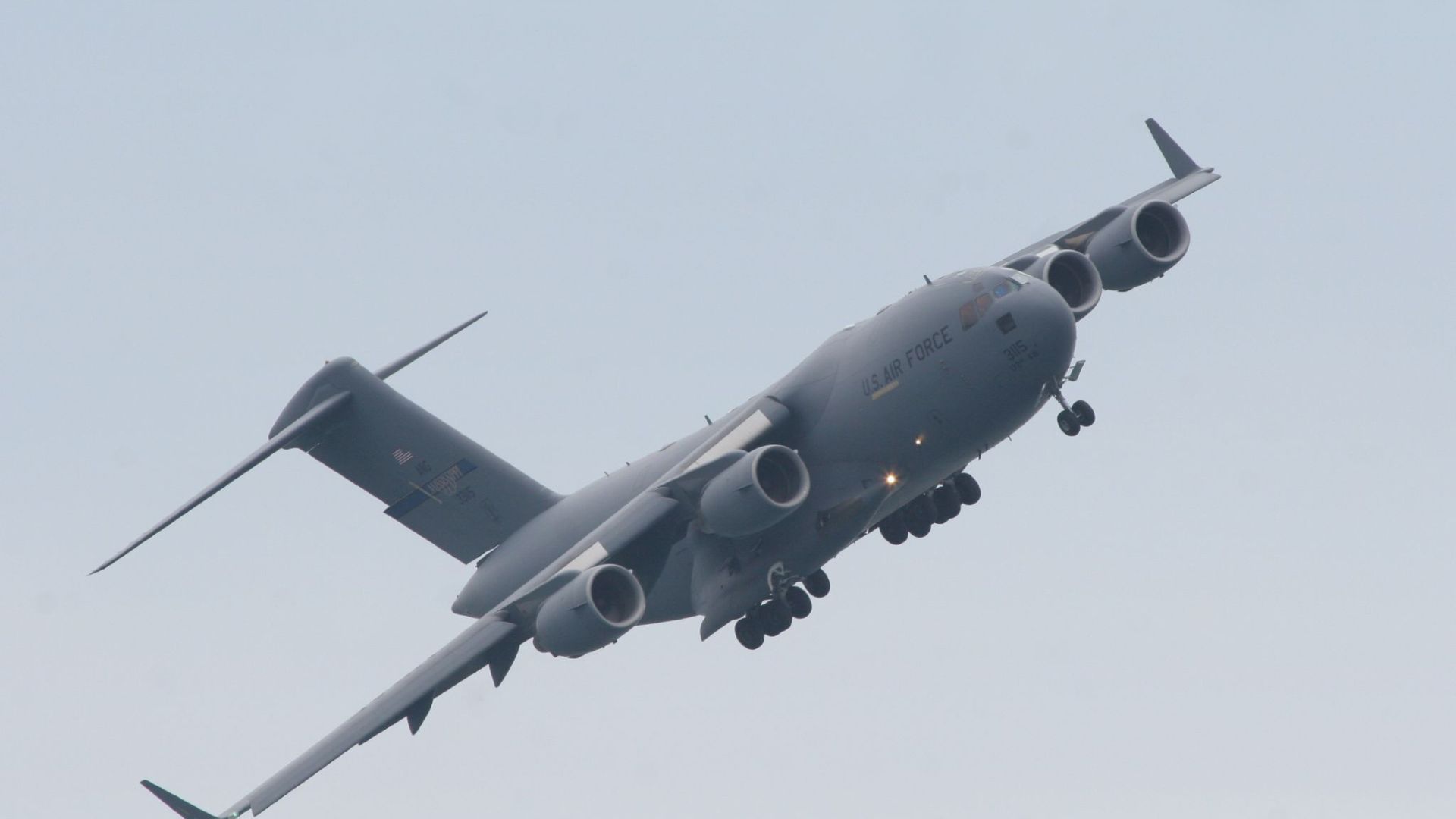
U.S. Air Force C-17 Globemaster Returns from Antarctica Due to Russian Aerospace Activity
A U.S. Air Force C-17 Globemaster transport aircraft was forced to turn back from its mission to Antarctica due to a warning about potentially hazardous Russian aerospace activity. The aircraft, operating under the call sign ICE28, departed from Christchurch, New Zealand, on August 18 but was redirected after receiving a NOTAM regarding a planned Russian missile launch. This incident underscores the risks associated with aviation in remote regions like the Southern Ocean, where emergency landing options are severely limited. The warning was issued by New Zealand's Civil Aviation Authority after being informed by Russia's State Air Traffic Management Corporation about the potential hazards in international airspace. The flight was part of the U.S. Air Force's winter fly season, which is crucial for transporting researchers and equipment to Antarctica ahead of the summer research season. No further timeline was disclosed at the time of publication.
Military
Turkish Aerospace Aims to Develop Naval Version of Hurjet for NATO Exports
Turkish Aerospace has announced plans to develop a naval variant of its HÜRJET aircraft, aiming to enhance its export capabilities within NATO. CEO Mehmet Demiroglu expressed confidence that HÜRJET could serve as a trainer aircraft not only for Türkiye and Spain but also as a training platform for NATO forces. This initiative is significant as it aligns with Turkey's strategy to expand its defense exports and strengthen its position within NATO. The development of a naval version of HÜRJET could meet the growing demand for versatile training aircraft among NATO allies, potentially increasing collaboration and interoperability among member nations. Looking ahead, industry observers will be keen to see how Turkish Aerospace progresses with the naval variant and its impact on NATO training programs. No further timeline was disclosed at the time of publication.
Global air Hurjet Middle East NATO naval
China Restricts Exports of Key Optical and Aerospace Metals to Taiwan
China has begun to restrict or delay exports of essential aerospace and optical materials to Taiwan, leading to significant supply chain disruptions in the region's technology sector. This move affects materials such as germanium and quartz, which are critical for various industries. The implications of these restrictions are profound, as Taiwan relies heavily on these materials for its tech manufacturing processes. The bottlenecks created by these export delays could hinder production capabilities and impact the broader supply chain, which is already under pressure from global economic conditions. Looking ahead, industry stakeholders will need to monitor the situation closely, as further restrictions could exacerbate existing challenges in securing necessary materials. No further timeline was disclosed at the time of publication.

NASA to Host 'Max Power' Aerospace Expo at Kennedy Space Center This November
NASA has announced a two-day aerospace exposition named 'Max Power' scheduled for November 7 and 8 at Kennedy Space Center in Florida. The event is expected to attract fans of the show 'The Simpsons,' as the title references a famous pseudonym used by Homer Simpson. The expo will feature immersive experiences, including air shows, skydiving stunts, and technology demonstrations. The significance of the 'Max Power' expo lies in its aim to engage the public with aerospace technology and space exploration. Attendees will have the opportunity to meet astronauts and participate in talks led by NASA experts. NASA Administrator Jared Isaacman, who is also a private astronaut, plans to take part in the air show, highlighting the event's focus on interactive and educational experiences. Looking ahead, Isaacman indicated that 'Max Power' is intended to be the first of many similar events, suggesting a commitment to ongoing public engagement in aerospace activities. No further timeline was disclosed at the time of publication.
Space Exploration
Collins Aerospace Secures Up to $472 Million Contract for Chinook Avionics Services
Collins Aerospace has been awarded a contract by the US Army, potentially worth up to $472 million, to provide engineering services for the CH-47 Chinook fleet. This contract highlights the ongoing commitment to enhance the capabilities of the Chinook helicopters. The significance of this contract lies in its potential to improve the avionics systems of the Chinook fleet, ensuring that these helicopters remain effective and reliable for military operations. Upgrading the avionics is crucial for maintaining operational readiness and adapting to modern technological advancements. Looking ahead, industry stakeholders will be monitoring the progress of the avionics upgrades and their impact on the performance of the Chinook helicopters. No further timeline was disclosed at the time of publication.
News
Cambridge Aerospace Secures $300 Million in Series C Funding for Defense Drone Development
Cambridge Aerospace Ltd. has successfully raised $300 million in Series C funding, increasing its valuation to $3.4 billion. This funding will support the expansion of its manufacturing capabilities and the development of its next product, Starhammer, expected to launch in 2027. The company has also secured several contracts from the U.K. Ministry of Defence, including low-cost interceptors for the British Armed Forces. This funding round, led by DFJ Growth and supported by several investors, follows a $200 million Series B round earlier this year. CEO Steven Barrett emphasized the importance of this funding in scaling manufacturing to meet the growing threats faced by allied nations. Cambridge Aerospace aims to enhance its existing products and introduce new capabilities to the market, reinforcing its position in the defense sector. Looking ahead, the company is focused on the spiral development of its products, particularly the Skyhammer system, which has demonstrated effective interception of aerial threats. No further timeline was disclosed at the time of publication.
Aerospace Defense / Security Drones Financial Investments Markets / Industries
Hadrian Secures $1.37 Billion to Enhance U.S. Defense and Aerospace Manufacturing
Hadrian Automation announced the successful acquisition of $1.37 billion in equity financing aimed at bolstering domestic manufacturing capabilities for U.S. military and aerospace sectors. CEO Chris Power emphasized the critical role of production in national defense, stating that the funding will facilitate the development of advanced factories and enhance the workforce needed for America’s industrial resurgence. The funding will enable Hadrian to expand its manufacturing footprint and invest in new technologies, including AI and robotics, to meet the growing demand for reliable U.S. manufacturing. With a focus on building 'Factories of the Future,' Hadrian aims to compete with China's industrial capabilities and deliver complete mission-critical systems efficiently. Looking ahead, Hadrian plans to open additional factories and diversify its production lines, including munitions and autonomous systems. The company is also committed to creating a new workforce model by hiring and training skilled professionals to integrate advanced technologies on the factory floor. No further timeline was disclosed at the time of publication.
Aerospace Automation Defense / Security Financial Investments Manufacturing
BQP and Modovolo Transform Aerospace Design with Quantum-Inspired Software
BQP and Modovolo have announced a significant advancement in aerospace design through the use of quantum-inspired computing. By leveraging BQP's advanced computing platform, Modovolo has managed to bypass traditional lengthy design cycles, achieving remarkable performance in drone manufacturing. This collaboration is crucial as it highlights the potential of quantum-accelerated simulation software to revolutionize heavy engineering sectors. Modovolo's ability to produce high-performance drones at drastically reduced costs signifies a shift in the aerospace industry, enabling faster innovation and deployment. Looking ahead, the impact of this technology on engineering practices will be significant. Stakeholders should monitor how BQP's quantum-inspired solutions continue to influence design processes and the broader implications for manufacturing efficiency. No further timeline was disclosed at the time of publication.

Honeywell Aerospace Adjusts Earnings Forecast Due to Supply Chain Challenges
Honeywell Aerospace has revised its earnings forecast downward, attributing the change to ongoing supply chain issues. CEO James Currier indicated that the company had anticipated improvements in supply chain operations would enhance production rates more rapidly this year. This adjustment is significant as it highlights the persistent challenges faced by manufacturers in the aerospace sector, particularly in managing supply chain disruptions. The inability to resolve these issues as expected may impact Honeywell's overall performance and investor confidence. Looking ahead, stakeholders should monitor Honeywell's strategies for addressing these supply chain hurdles and any potential timelines for recovery. No further timeline was disclosed at the time of publication.

China Achieves Milestone with First Pediatric Dual Artificial Heart Surgery Using Aerospace Technology
A pediatric patient at Tianjin Taida International Cardiovascular Hospital underwent the world's first surgery involving dual fully-implantable artificial hearts. These hearts were custom-engineered from Aerospace Taixin magnetically levitated pumps, marking a significant advancement in pediatric cardiac care. This achievement highlights the growing capabilities of Chinese firms in the ventricular assist device (VAD) market, with five companies now holding six approved products. The use of aerospace-derived technology in medical applications demonstrates the potential for innovation in healthcare, particularly in addressing complex pediatric conditions. Looking ahead, the success of this surgery may pave the way for further advancements in artificial heart technology and its applications in children. No further timeline was disclosed at the time of publication.

Sift Launches Sift Edge for Zero-Loss Telemetry in Aerospace Hardware Testing
Sift has unveiled Sift Edge, a software platform designed to capture engineering test data directly at test sites, ensuring data collection continues despite network or power disruptions. This innovation addresses a significant challenge in aerospace and defense hardware development, where tests often occur in remote or secure locations with unreliable connectivity. The ability to maintain telemetry during critical tests is crucial, as losing data can hinder development efforts. Sift Edge operates locally with test equipment, storing data on-site and syncing with the cloud when connectivity is restored. This streamlined approach eliminates the need for separate infrastructure, allowing engineers to focus on data collection without the complexities of managing multiple systems. Looking ahead, Sift anticipates that the demand for robust data preservation will grow as the industry increasingly adopts data-driven methodologies and AI for performance analysis. No further timeline was disclosed at the time of publication.
Innovation
XTI Aerospace to Join Needham's 15th Annual Virtual Industrial Tech Conference in 2026
XTI Aerospace, Inc. will participate in the 15th Annual Needham Virtual Industrial Tech, Robotics & Power Conference scheduled for August 17-18, 2026. The company's executive leadership team is set to discuss its second quarter results, strategic direction, and growth opportunities with institutional investors. This participation is significant as it highlights XTI Aerospace's commitment to engaging with investors and stakeholders in the aerospace and technology sectors. By sharing insights on its performance and future strategies, the company aims to strengthen its position in the market and attract potential investment. Looking ahead, industry observers should monitor XTI Aerospace's discussions during the conference for insights into its growth trajectory and strategic initiatives. No further timeline was disclosed at the time of publication.
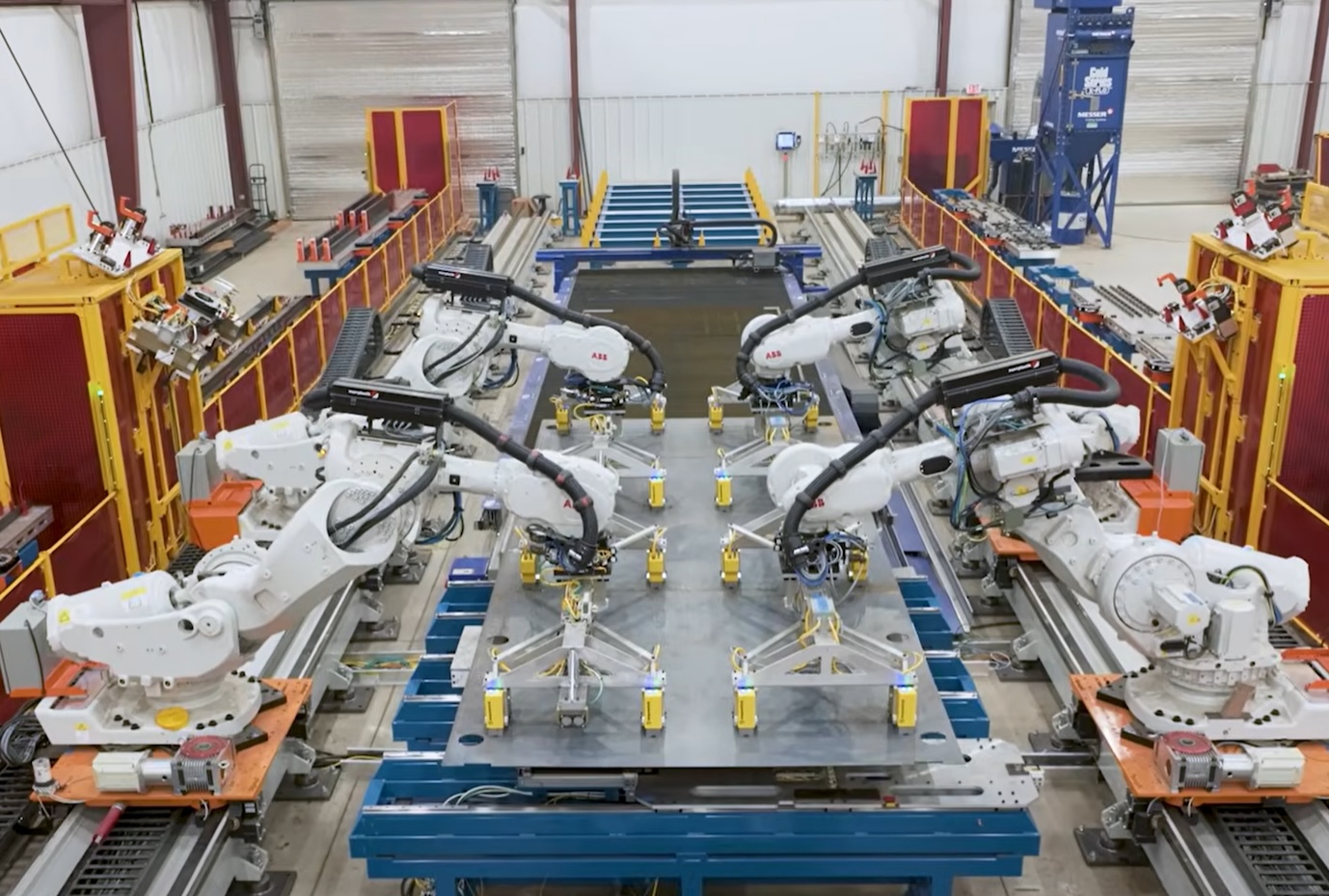
GE Aerospace Chooses StandardAero for CT7-2E1 Engine Support in UK Helicopters
GE Aerospace has appointed StandardAero to handle the assembly, maintenance, and overhaul of its CT7-2E1 engines. These engines are set to power the UK Ministry of Defence's new fleet of Leonardo AW149 helicopters. This collaboration is significant as it underscores the commitment of GE Aerospace to ensure reliable engine support for the UK MoD's aviation capabilities. The CT7-2E1 engines are crucial for the operational readiness of the AW149 helicopters, which are expected to enhance the UK's defense operations. Looking ahead, the partnership between GE Aerospace and StandardAero will be pivotal in maintaining the performance and reliability of the CT7-2E1 engines. No further timeline was disclosed at the time of publication.
News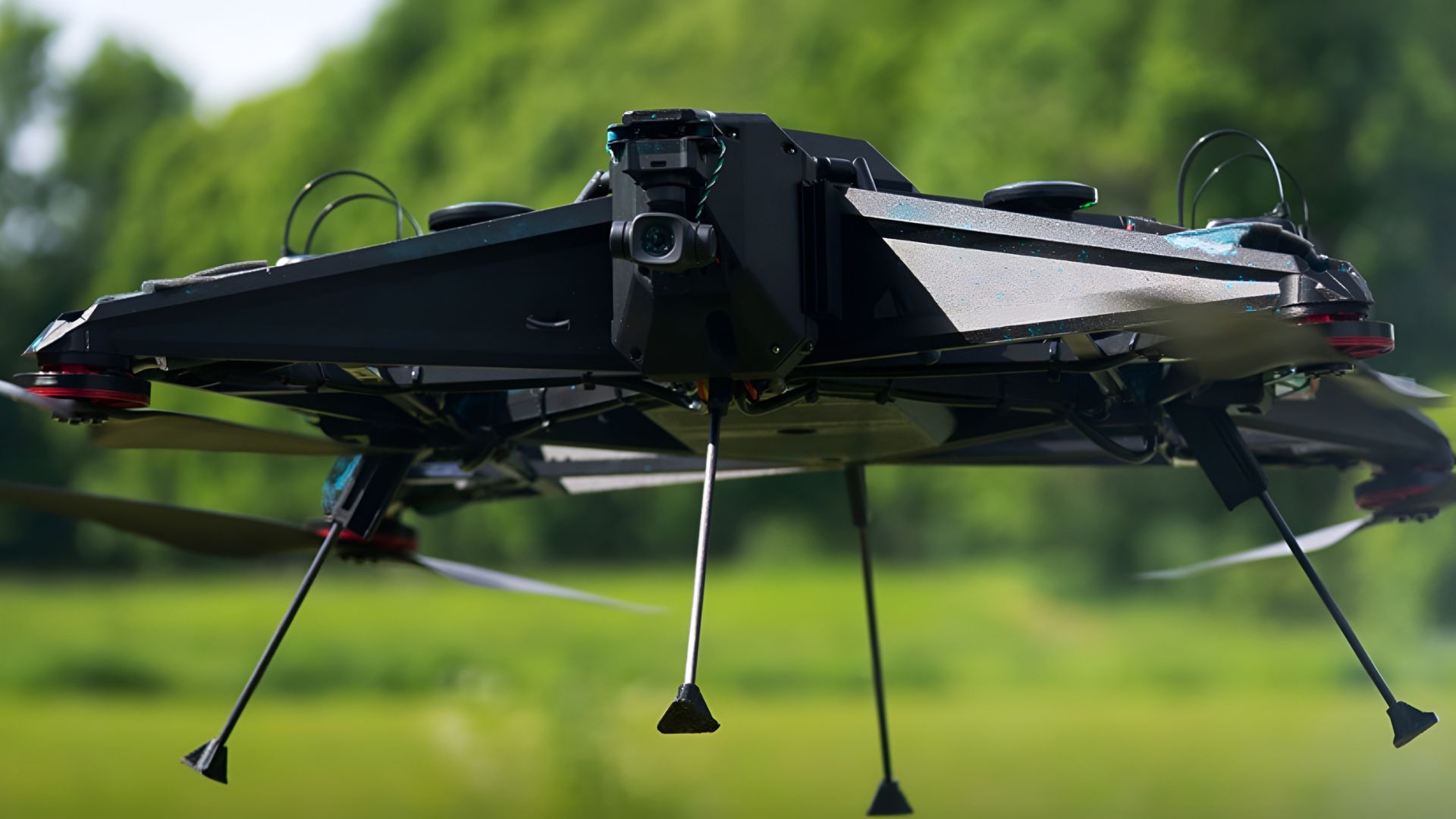
Modovolo Enhances Aerospace 3D Printer with Lyten's Graphene Filament for Stronger Parts
Modovolo, a US 3D printer manufacturer, is upgrading its BFP platform by integrating Lyten's graphene-enhanced PA1205 filament. This partnership aims to produce aerospace-grade components that are lighter and stronger, supporting domestic manufacturing and reducing reliance on overseas supply chains. The integration of Lyten's PA1205 filament, which boasts 50% greater impact resistance and double the X-Y tensile strength compared to carbon fiber filaments, is significant for industries requiring large and complex parts. Modovolo's CEO, Justin Call, emphasized the material's role in enhancing print quality and speed, making it a vital part of their product roadmap. Looking ahead, Modovolo and Lyten plan to demonstrate their integrated platform at various aerospace and motorsports events later this year. This collaboration not only showcases advanced manufacturing capabilities but also highlights the potential for local sourcing of high-performance materials in the aerospace sector. No further timeline was disclosed at the time of publication.
Innovation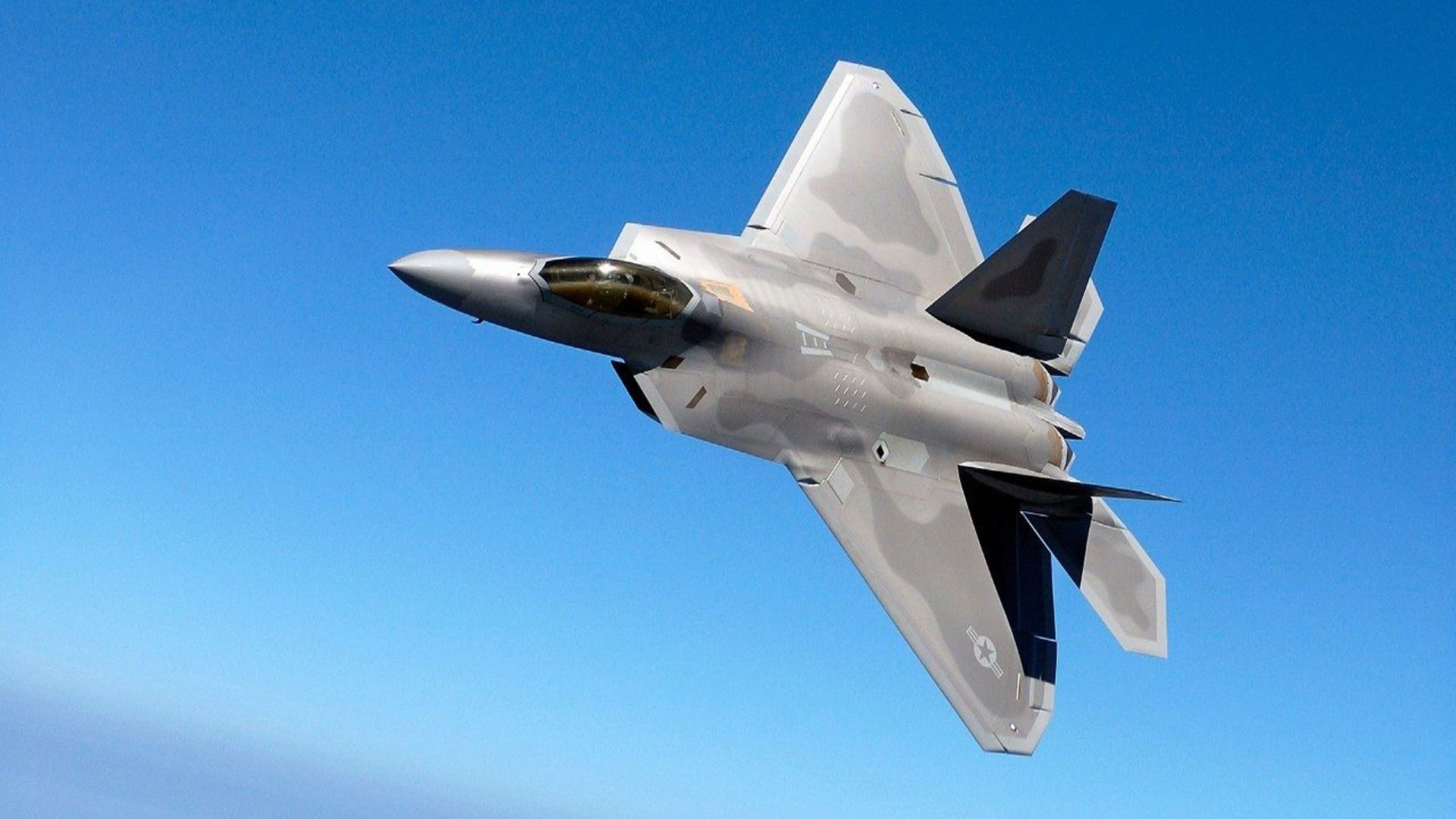
Qarbon Aerospace Secures Contract for F-22 Composite Structures Sustainment
Qarbon Aerospace, based in Texas, has been awarded a contract to produce composite structures for the sustainment of the F-22 fleet, which currently consists of approximately 183 airframes. This contract builds on Qarbon's previous contributions to the F-22 program, including the production of horizontal stabilizers during its development in the early 2000s. The significance of this contract lies in the F-22's reliance on carbon-fiber-reinforced polymer structures, which constitute 25 percent of the aircraft's airframe by weight. Maintaining production capabilities for these composite parts is crucial for the U.S. Air Force, especially given the complexities involved in sustaining composite structures on a mature military platform like the F-22, which has over 350 composite parts. Looking ahead, the contract enhances Qarbon's defense aerostructures portfolio and underscores the importance of reliable suppliers for the F-22 program. No further timeline was disclosed at the time of publication, but the ongoing need for composite parts will be critical for the aircraft's operational readiness and performance in the future.
Military
Lockheed Martin and Venus Aerospace Collaborate on Advancing RDRE Rocket Technology
Lockheed Martin has entered into a joint technology development agreement with Venus Aerospace to explore and enhance Rotating Detonation Rocket Engine (RDRE) technology. This collaboration aims to support the development of future long-range precision fires systems. The partnership is significant as it focuses on advancing rocket technology that could improve the efficiency and effectiveness of military operations. RDRE technology is known for its potential to provide higher performance and reduced fuel consumption, making it a critical area of research for defense applications. Looking ahead, stakeholders will be keen to monitor the progress of this collaboration and its implications for future military capabilities. No further timeline was disclosed at the time of publication.
News
Turkish Aerospace Secures Export License for KAAN Fighter Engines from US
Turkish Aerospace has confirmed that it has received the export license for the KAAN fighter engines from the United States. CEO Mehmet Demiroglu stated that the company will collaborate with General Electric to ensure timely delivery of the engines, which are crucial for the serial production of the KAAN fighter jet. This development is significant as it marks a key step in the production timeline for the Turkish Air Force's KAAN fighter program, which is projected to begin serial production in at least two and a half years. The successful acquisition of the export license indicates strong international cooperation and support for Turkey's defense capabilities. Looking ahead, industry observers will be monitoring the collaboration between Turkish Aerospace and General Electric, particularly regarding the delivery schedule of the engines. No further timeline was disclosed at the time of publication.
Global CAATSA Congress F110 engines Farnborough 2026 General Electric
Honeywell Aerospace Prioritizes Organic Growth While Considering M&A Opportunities
Honeywell Aerospace's CEO has outlined a strategic focus on capital allocation, emphasizing organic growth as the top priority. The company is also open to pursuing mergers and acquisitions (M&A) as part of its growth strategy. This approach reflects Honeywell's commitment to enhancing its market position and driving innovation in the aerospace sector. The emphasis on organic growth indicates Honeywell Aerospace's intention to strengthen its existing operations and capabilities. By prioritizing internal development, the company aims to foster innovation and improve efficiency, which are crucial in the competitive aerospace industry. The potential for M&A suggests that Honeywell is also considering external opportunities to accelerate its growth trajectory. Looking ahead, stakeholders should monitor Honeywell Aerospace's capital allocation decisions, particularly any announcements regarding M&A activities. The company's strategic choices will be pivotal in shaping its future growth and competitive standing in the aerospace market. No further timeline was disclosed at the time of publication.
Air Warfare Air Force Business & Industry buybacks dividends Europe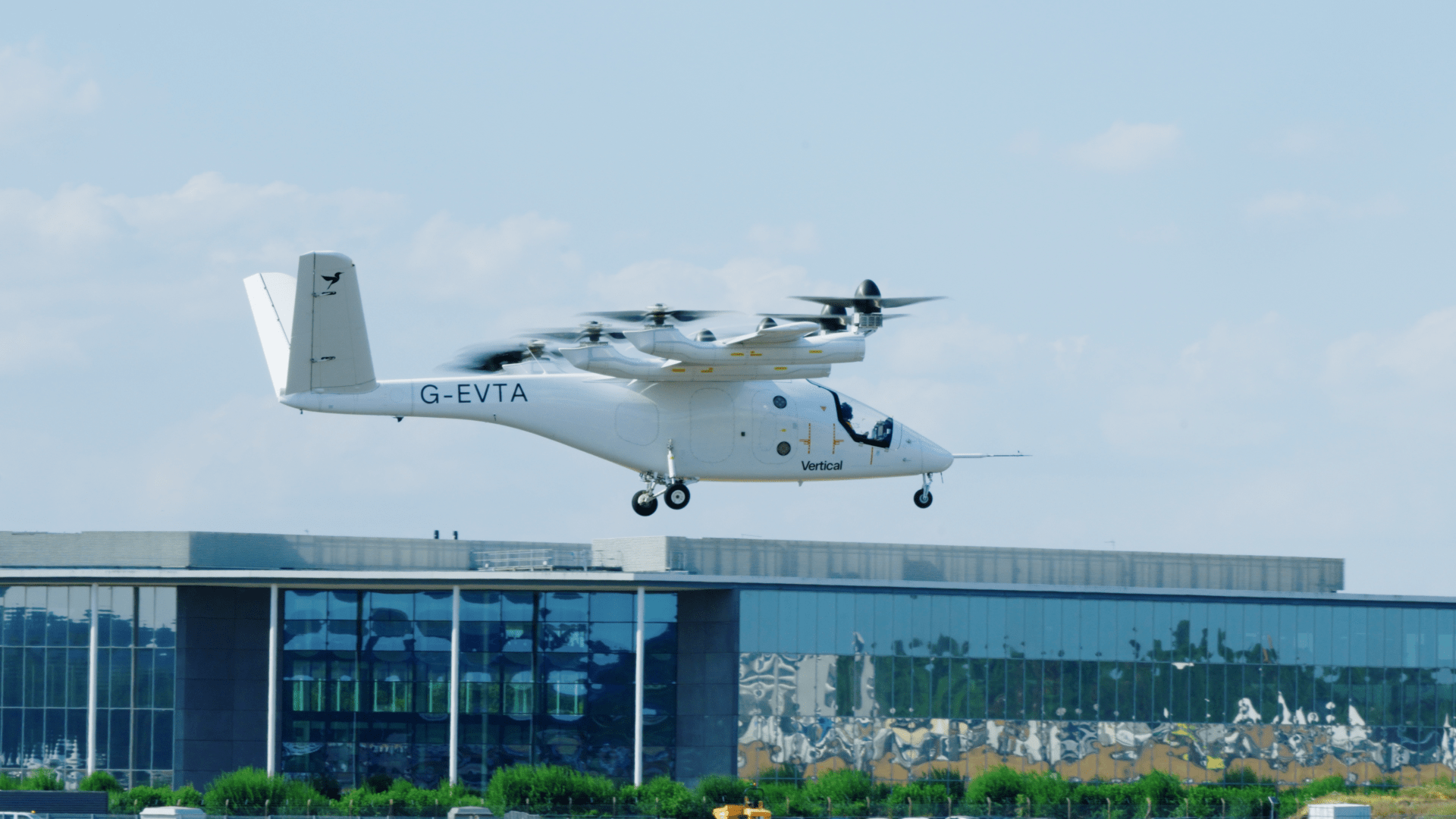
Vertical Aerospace to Showcase First Public eVTOL Flight Demonstrations at Farnborough Airshow
British aerospace company Vertical Aerospace is preparing to conduct its inaugural public electric vertical take-off and landing (eVTOL) flight demonstrations at the Farnborough International Airshow. This event marks a significant milestone in the company's journey toward certification and the launch of commercial electric aircraft services. The demonstrations are crucial as Vertical Aerospace has recently unveiled its Valo aircraft and completed successful piloted transition flights. The company has also strengthened its financial position and expanded its global technology partnerships, all while advancing its certification program. CEO Stuart Simpson emphasized that these milestones are vital for reducing risk and enhancing the company's competitive stance in the electric aerospace sector. Looking ahead, Vertical Aerospace aims to complete its Critical Design Review by the end of 2026, which will establish the certifiable design baseline for its aircraft. The company plans to bring its early production aircraft assembly facility online in Q3 2026 and begin hybrid-electric flight testing in the first half of 2027. No further timeline was disclosed at the time of publication.
Transportation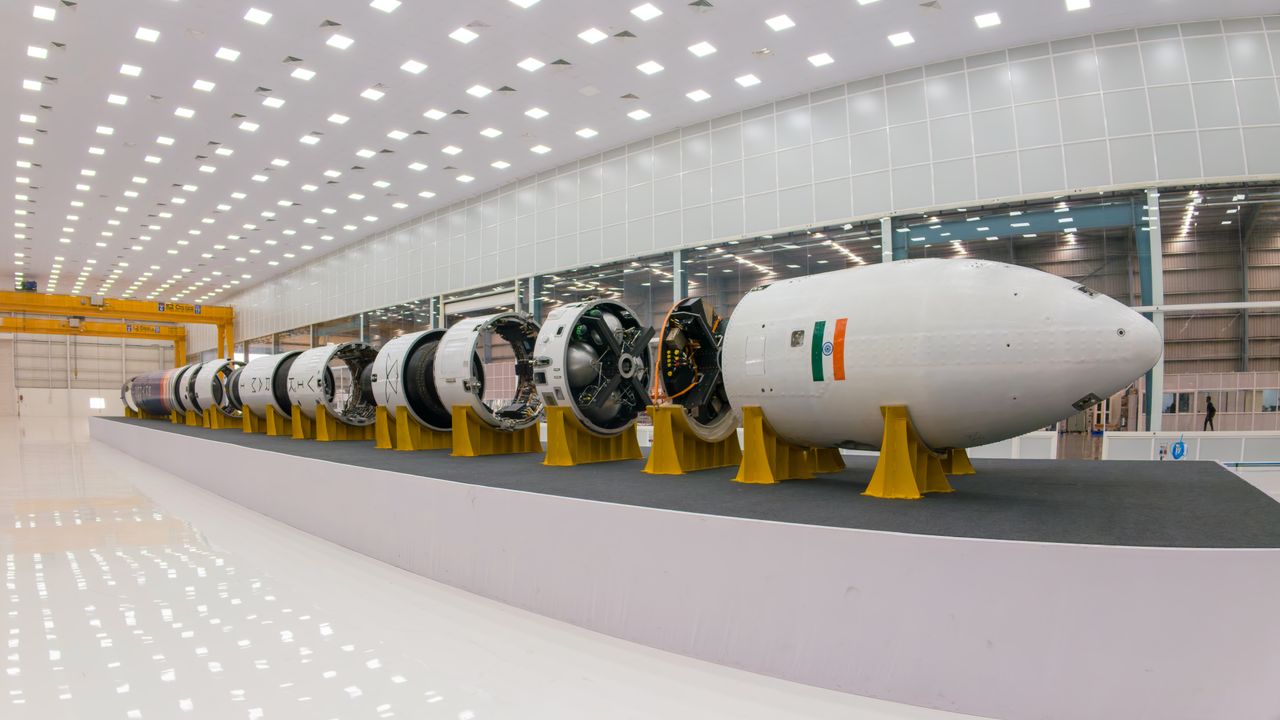
Skyroot Aerospace Prepares for Historic Vikram-1 Launch to Orbit Multiple Satellites
Skyroot Aerospace is on the verge of launching its first orbital rocket, Vikram-1, from the Satish Dhawan Space Centre, with a launch window from July 12 to August 4. The rocket features a unique liquid-fueled upper stage that allows for multiple satellite deployments during a single mission, marking a significant milestone for private spaceflight in India. The successful launch of Vikram-1, named Aagaman, would be a historic achievement as it would make Skyroot the first private Indian company to place satellites into orbit. The mission includes various payloads, such as Skyroot's SCOPE satellite and technology demonstrations from international partners, showcasing the company's capability to cater to specific orbital requirements for small satellites. Looking ahead, Skyroot aims to validate Vikram-1 through three development flights before commencing commercial operations. The company plans to scale production to one rocket per month, positioning itself in the market for dedicated satellite launches, akin to a 'cab' service for orbital missions, as stated by co-founder and CEO Pawan Kumar Chandana.
Launches & Spacecraft Space Exploration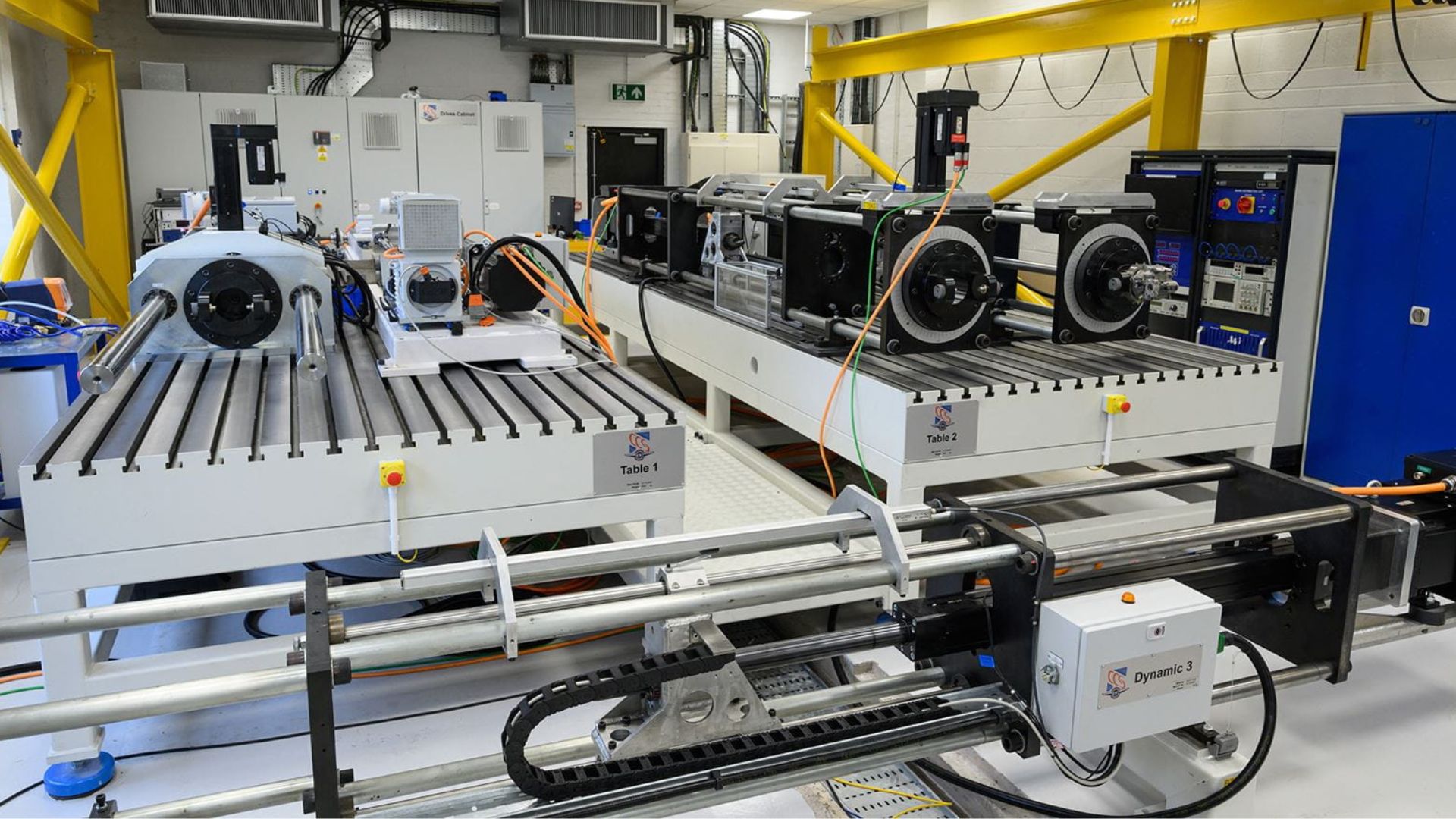
Collins Aerospace Launches U.K. Hub for Electric Thrust Reverser Development
Collins Aerospace has inaugurated a new engineering hub in Wolverhampton, U.K., aimed at accelerating the development of electric thrust reverser systems for next-gen aircraft. The Engineering Center of Excellence is now operational and features a modular test environment designed to simulate real-world conditions for evaluating aircraft components and systems, enhancing the design scalability for future applications. This initiative is significant as the aerospace industry shifts towards electric alternatives to hydraulic systems, which can reduce weight by 15% to 20% in nacelle actuation. The elecTRAS technology, which eliminates hydraulic interfaces, is expected to improve fuel efficiency and operational performance while simplifying maintenance. This aligns with the long-term electrification strategies of original equipment manufacturers (OEMs). Looking ahead, Collins Aerospace aims to streamline development by consolidating its elecTRAS systems engineering and nacelle actuation design teams at the new facility. The company’s technology is already in service on the Airbus A350 family, having logged over 15 million flight hours by 2025. No further timeline was disclosed at the time of publication.
Transportation
Syensqo Expands Havre de Grace Facility to Boost Aerospace Material Production by 30%
Syensqo, a global aerospace company, is expanding its Havre de Grace facility to enhance its manufacturing capabilities by over 30%. This multi-million-dollar investment aims to strengthen the company's U.S. manufacturing footprint and support the growing demand for advanced material solutions in aerospace, defense, and automotive sectors. The expansion focuses on producing high-performance structural adhesives and surfacing products, crucial for commercial aerospace and space exploration applications. The significance of this expansion lies in Syensqo's commitment to supplying high-performance materials that contribute to safer and more sustainable products across various industries. By reinforcing its global manufacturing network, the company aims to improve supply reliability and efficiency, addressing the increasing customer demand for adhesive and bonding materials. This move is part of Syensqo's broader strategy to lead in advanced materials and sustainable specialty chemicals, particularly in the aerospace sector, which is its largest market. Looking ahead, Syensqo's expansion at the Havre de Grace site marks a pivotal milestone in its growth trajectory. The company is expected to accelerate its efforts in supporting customers as they scale production, particularly in high-performance materials. No further timeline was disclosed at the time of publication, but the investment aligns with Syensqo's ongoing initiatives in electric vehicle batteries and clean energy technologies.
Science
Isar Aerospace Secures $150 Million Lease for Canadian Launch Pad to Support Spectrum Rocket
Isar Aerospace, a German aerospace company, has signed a $150 million lease agreement with Maritime Launch Services for the use of Spaceport Nova Scotia. This 10-year lease, with an option to extend for another decade, allows Isar to develop the launch pad infrastructure tailored to its Spectrum rocket's requirements. The facility is expected to support vehicle integration, testing, and mission control operations, with development set to begin later this year. The significance of this agreement lies in Isar's ambition to establish a reliable orbital launch capability from Canada, which is crucial for nations seeking independent access to space data. By 2029, Isar aims to conduct up to 40 launches annually from the new site, enhancing the operational landscape for satellite deployment and national defense. This collaboration marks a strategic move in the competitive space launch market, where few nations possess comprehensive launch capabilities. Looking ahead, Isar Aerospace plans to initiate its first orbital launches from Spaceport Nova Scotia by 2028. The company has faced challenges with its Spectrum rocket, including a failed launch in March 2025, but remains committed to overcoming technical and weather-related obstacles. No further timeline was disclosed at the time of publication regarding subsequent launches or developments at the Canadian site.
Launches & Spacecraft Space Exploration
Hanwha Aerospace Introduces K9 Howitzer Concept Featuring VTOL Drone Integration
Hanwha Aerospace has introduced a novel operating concept for its K9 self-propelled howitzer, incorporating vertical take-off and landing (VTOL) drones. This integration is designed to enhance artillery operations by improving targeting and battle assessment capabilities, which are crucial for modern warfare. The significance of this development lies in its potential to transform artillery effectiveness on future battlefields. By leveraging VTOL drones, Hanwha aims to provide real-time data and situational awareness, thereby increasing the responsiveness and precision of artillery units in combat scenarios. Looking ahead, the integration of VTOL drones with the K9 howitzer could set a new standard for military operations. Observers will be keen to see how this concept evolves and whether it leads to practical applications in defense strategies. No further timeline was disclosed at the time of publication.
News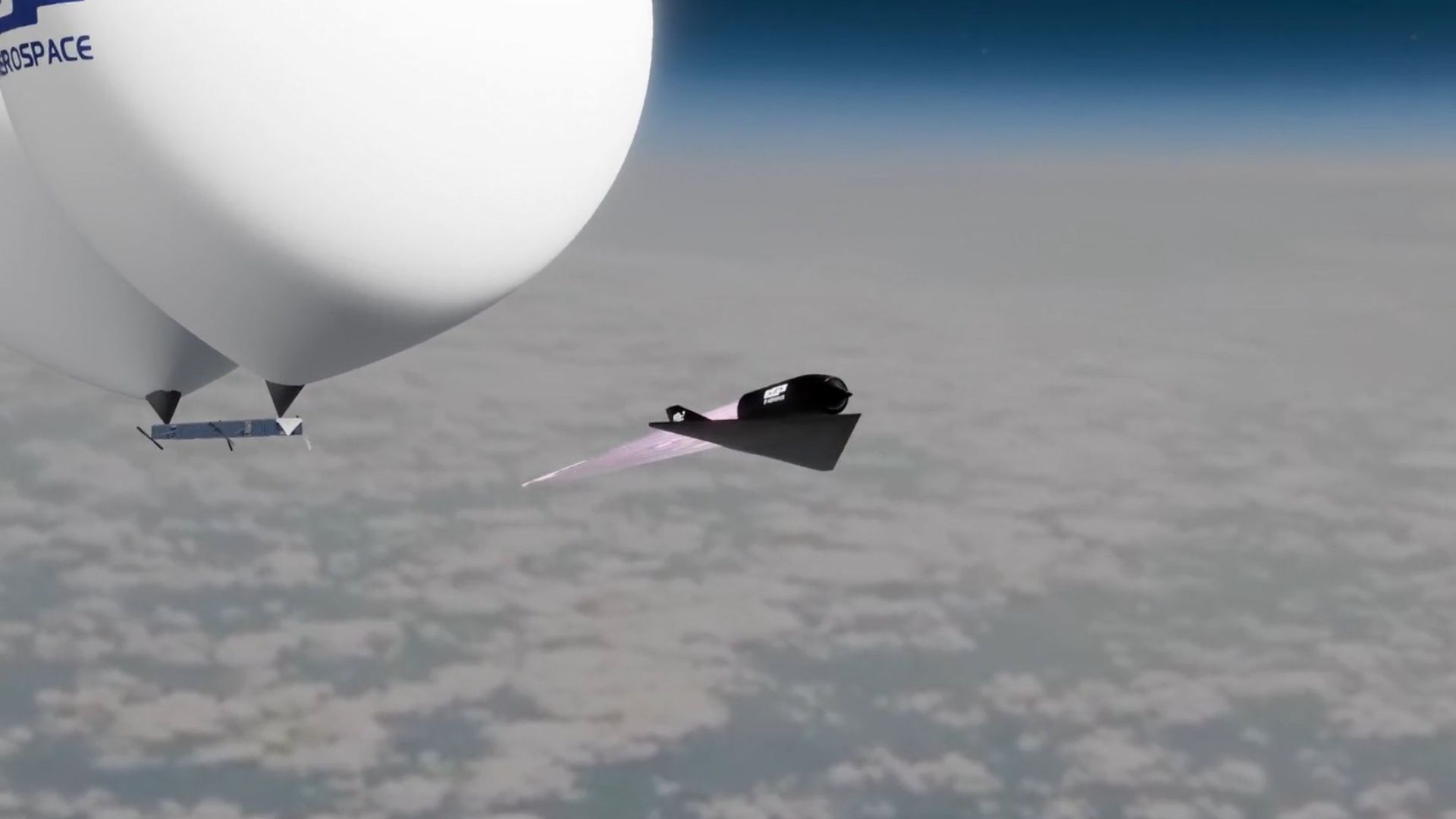
JP Aerospace Unveils Hazel Hypersonic Aircraft Concept for Space Access via Airships
JP Aerospace has introduced new computer-generated images of its Hazel vehicle, which aims to reach orbit without traditional rockets. The concept involves launching Hazel from a high-altitude airship named SuperTandem, as shared by company president John Powell. This innovative approach is part of a long-term vision to transport people and cargo to orbit using lighter-than-air vehicles. The significance of this project lies in its potential to revolutionize space travel. Unlike conventional rockets that provide quick, high-energy launches, JP Aerospace's Airship to Orbit program proposes a gradual ascent to space. Passengers and cargo would first be transported to a high-altitude base called Dark Sky Station before a larger orbital airship accelerates to orbital velocity using electric engines. Looking ahead, JP Aerospace's plans for the Hazel aircraft and its orbital-class airships remain ambitious yet unconfirmed in terms of construction and flight testing. No further timeline was disclosed at the time of publication.
Transportation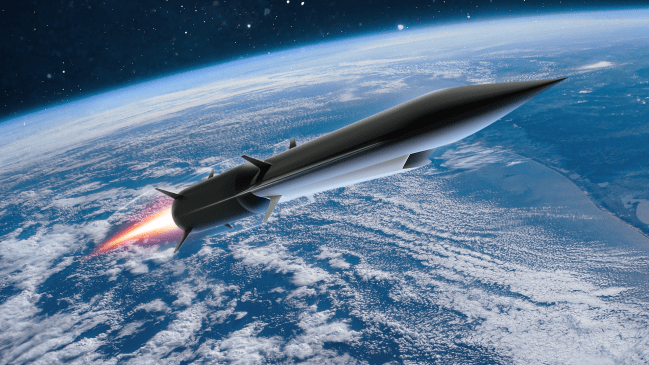
GE Aerospace Secures Contract to Develop Next-Gen Hypersonic Test Platform for US Military
GE Aerospace has been awarded a contract by the Defense Innovation Unit (DIU) to enhance the development of a liquid-fueled hypersonic test platform under the HyCAT program. This initiative aims to expedite hypersonic flight testing, addressing critical bottlenecks in systems designed for speeds exceeding Mach 5. The new test platform will serve as a test bed for flight demonstrations and data generation for future hypersonic systems. This contract builds on initial funding received in 2023, with GE Aerospace set to design a combined booster and cruiser configuration, facilitating more efficient testing without the need for dedicated flight-test vehicles. Looking ahead, the project is on track for significant milestones, including preliminary design reviews and subsystem testing scheduled for 2025 and 2026. This aligns with the US military's goal to enhance hypersonic flight-test infrastructure, enabling faster identification of issues and quicker iterations in technology development.
Military
OPEN MIND Partners with FANUC to Enhance 5-Axis Technology for Aerospace Manufacturing
OPEN MIND has joined the FANUC 5-Axis Integrated Technology Initiative, aimed at enhancing manufacturing processes. This collaboration focuses on improving efficiency, accuracy, and repeatability in the production of complex parts. The initiative is particularly significant for the U.S. aerospace market, where precision and reliability are critical. By leveraging advanced 5-axis technology, manufacturers can achieve better outcomes in their production lines, ultimately leading to higher quality products. As the initiative progresses, stakeholders should monitor developments in technology integration and its impact on manufacturing practices. No further timeline was disclosed at the time of publication.

CycloKinetics Tests CycloRP Fuel in Venus Aerospace's Rotating Detonation Rocket Engine
CycloKinetics is conducting tests on its alternative rocket fuel, CycloRP, in collaboration with Venus Aerospace using a rotating detonation rocket engine (RDRE). This program aims to determine if CycloRP can effectively replace traditional RP-1 and RP-2 propellants without necessitating hardware changes. The initial testing phase concluded in July 2026, confirming that CycloRP can successfully detonate within the RDRE, which is crucial for enhancing propulsion efficiency through controlled detonation waves. The significance of this testing lies in its potential to advance propulsion technology by evaluating alternative fuels in advanced rocket systems. Supported by the U.S. Air Force Research Laboratory and the Department of War’s Office of the Under Secretary of War for Research and Engineering, the results could provide insights into the performance of CycloRP under the extreme conditions of an RDRE. Efficient fuel is essential for the propulsion advancements Venus Aerospace aims to achieve, as highlighted by CEO Sassie Duggleby. Looking ahead, the second phase of testing will focus on CycloRP's cooling performance, a critical aspect given the high heat generated by rocket engines. Engineers will assess how well CycloRP can manage thermal conditions compared to RP-1 and RP-2, which will be pivotal in determining its viability as a primary propellant in future applications. No further timeline was disclosed at the time of publication.
Energy Military
GE Aerospace Secures $2.9 Billion Contract for F/A-18 Engine Parts and Production Expansion
The Pentagon has awarded GE Aerospace a contract valued at nearly $2.9 billion to supply parts for the F414 engine, which powers the Navy's F/A-18 Super Hornet and EA-18G Growler. This performance-based logistics contract is set to run until August 2031, focusing on outcome-based payments. This contract is significant as GE Aerospace navigates the production of both the larger F414 engines for the Navy's aging fleet and the older F404 engines for the Air Force's T-7 Red Hawk training jet. The company anticipates doubling its F404 production output over the next five years, reflecting a strategic shift in its manufacturing focus. Looking ahead, GE is exploring innovative production methods, including additive manufacturing, to enhance the efficiency and cost-effectiveness of its engine components. As demand for military aircraft, such as Boeing's F-15EX, increases, GE aims to overcome supply chain challenges while ramping up its manufacturing capabilities.
Air Warfare Air Force Amy Gowder Boeing Defense Innovation Unit DIU EA-18G
Avidrone Aerospace Achieves Significant Milestone in Heavy-Lift Drone Performance
Avidrone Aerospace, a Canadian drone manufacturer, recently won a contest organized by a U.S. Department of Defense agency, achieving a remarkable payload-to-weight ratio of 3.84:1 at the DARPA Lift Challenge in Dayton, Ohio. This competition required drones to weigh 55 pounds or less while lifting four times their weight over a five-mile course. The achievement is significant as it approaches a benchmark previously deemed nearly impossible, akin to breaking the four-minute mile in running. Avidrone's CEO, Scott Gray, emphasized the challenge of redesigning their drone to meet these stringent requirements, ultimately creating a 29-pound aircraft capable of lifting up to 115 pounds. Looking ahead, Avidrone plans to refine this prototype further, with potential commercialization of the drone anticipated as early as next year. This development highlights the advancements in drone technology and the increasing capabilities of heavy-lift drones in various applications.
Applications defense Delivery Drone News Drone News Feeds Heavy Lift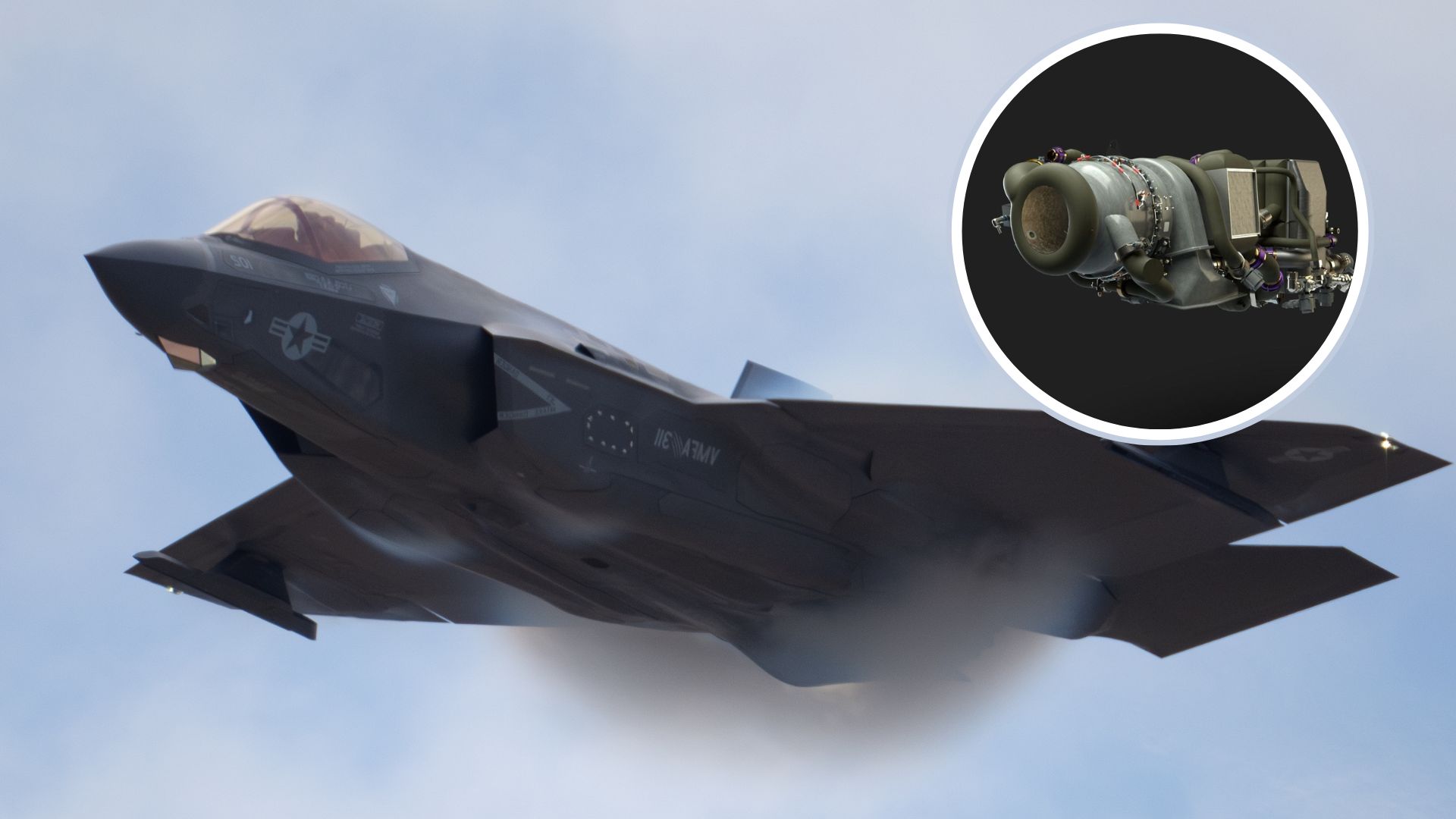
Collins Aerospace Completes Altitude Testing of Enhanced Power and Cooling System for F-35
Collins Aerospace has successfully completed altitude testing of its Enhanced Power and Cooling System (EPACS) for the F-35 jet. This new system is designed to enhance the thermal capacity of the aircraft, enabling it to support future technology upgrades. The testing involved simulating various mission demands and altitude conditions to evaluate the system's performance. The significance of EPACS lies in its ability to meet the increasing thermal and power demands of modern aircraft electronics. As new sensors and mission systems are integrated into the F-35, they generate more heat and require additional electrical power. EPACS aims to provide the necessary thermal margin to accommodate these upgrades without exceeding the aircraft's thermal limits. Looking ahead, the successful altitude testing marks a critical milestone in the development of EPACS, increasing confidence in its performance under real-world conditions. No further timeline was disclosed at the time of publication.
Military
AEVEX Aerospace Secures $41 Million Contract for One-Way Attack Drones
AEVEX Aerospace has secured a significant $41 million contract to provide one-way attack uncrewed systems to US government clients. This contract highlights AEVEX's role in advancing military drone technology and its commitment to supporting defense operations. The importance of this contract lies in the growing demand for innovative unmanned systems in military applications. One-way attack drones are becoming increasingly vital for modern warfare, offering strategic advantages in various combat scenarios. AEVEX's expertise in this field positions it as a key player in the defense sector. Looking ahead, industry observers will be keen to monitor AEVEX's progress in fulfilling this contract and any potential future contracts that may arise from the increasing focus on unmanned aerial systems. No further timeline was disclosed at the time of publication.
News
Rice University Develops Technique to Stabilize Diamond During Thermal Processing for Aerospace Applications
Researchers at Rice University have developed a new manufacturing technique that stabilizes diamond during thermal processing at low pressures, resulting in a durable composite material. This advancement, detailed in Materials Today, demonstrates how combining powder materials can overcome previous manufacturing challenges, particularly in creating tougher materials for aerospace and defense applications. The significance of this research lies in its ability to transform diamond into graphite in millionths of a second under hypersonic projectile strikes, a rapid phase change that absorbs kinetic energy. Abhijit Biswas, the study's first author, noted that the resulting composite is nearly nonmachinable and tough, making it suitable for extreme conditions faced in various technologies. Looking ahead, the team utilized spark plasma sintering to create a composite where diamond grains are embedded within a cubic boron nitride structure, offering a practical method for large-scale production of diamond-based parts. Future studies may focus on further evaluating the mechanical limits of this composite and its potential applications in high-performance environments. No further timeline was disclosed at the time of publication.
Innovation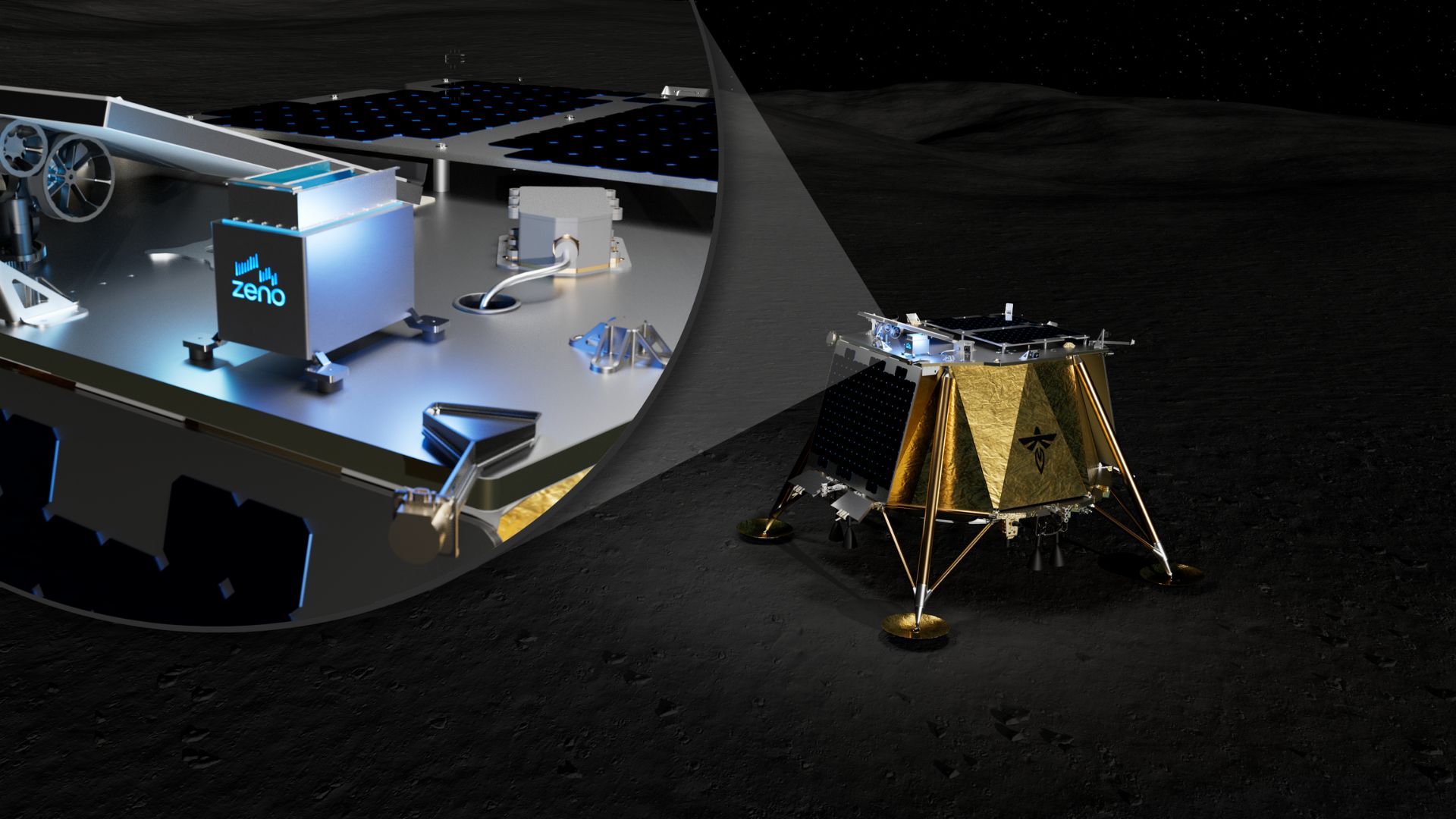
Firefly Aerospace to Test Nuclear-Powered Heating Technology on Moon by 2028
Firefly Aerospace plans to send a nuclear-powered heating technology to the Moon in 2028, aiming to test spacecraft survival during the lunar night’s extreme cold. This initiative involves Zeno Power Systems' Survive-the-Night Package, which will be launched aboard the Blue Ghost mission, addressing a significant challenge for lunar exploration. The importance of this experiment lies in its potential to ensure spacecraft can operate beyond the lunar day, where temperatures can plummet below minus 275°F. As solar-powered systems face limitations after sunset, the nuclear heating solution could be crucial for sustaining operations during the two-week lunar night, especially in permanently shadowed regions that never receive sunlight. Looking ahead, the demonstration will provide valuable data on the performance of nuclear heating technology in harsh lunar conditions. This information is vital as NASA and commercial entities aim to establish long-term lunar infrastructure and conduct missions in areas with extreme thermal environments. No further timeline was disclosed at the time of publication.
Space
Korea Aerospace Industries and Hyundai Rotem Collaborate on KF-21 Air-to-Air Missiles
Korea Aerospace Industries (KAI) and Hyundai Rotem have entered into a memorandum of understanding (MoU) to collaborate on the development and integration of advanced airborne weaponry, specifically focusing on air-to-air missiles for the KF-21 fighter jet. This partnership is significant as it underscores the growing emphasis on enhancing the capabilities of the KF-21, which is a key component of South Korea's defense strategy. The collaboration aims to leverage both companies' expertise in aerospace and defense technology to create more effective and advanced weapon systems. Looking ahead, industry stakeholders will be keen to observe the progress of this collaboration and its impact on the KF-21 program. No further timeline was disclosed at the time of publication.
News
Shield AI and GE Aerospace Adapt 1990s Thrust-Vectoring Tech for X-BAT Drone's Vertical Flight
Shield AI and GE Aerospace have successfully integrated a 1990s thrust-vectoring technology, the Axisymmetric Vectoring Exhaust Nozzle (AVEN), with the GE F110-GE-129E engine for the X-BAT unmanned combat aircraft. This innovative approach allows the X-BAT to take off and land vertically without the need for a runway. The adaptation of AVEN, originally developed for improving fighter maneuverability, represents a significant advancement in controlling aircraft during vertical flight. Unlike traditional aircraft that rely on aerodynamic surfaces, the X-BAT's propulsion system becomes crucial for maintaining control during vertical operations, utilizing thrust vectoring to redirect engine exhaust. As Shield AI continues to develop the AI-piloted X-BAT, the integration of AVEN could enable operations from diverse locations, enhancing the aircraft's versatility. The teams have conducted extensive testing, including integration and engine light-off testing at GE Aerospace’s facility in Ohio. No further timeline was disclosed at the time of publication.
Military
Tiberius Aerospace Partners with US Army to Develop 155mm Sceptre Artillery Munition
Tiberius Aerospace has signed a Cooperative Research and Development Agreement (CRADA) with the US Army to advance the development of the 155mm Sceptre artillery munition. This collaboration is significant as it aims to enhance the capabilities of the US Army's artillery systems, potentially leading to improved operational effectiveness on the battlefield. The 155mm Sceptre munition is expected to play a crucial role in modernizing artillery operations. Looking ahead, industry stakeholders will be keen to monitor the progress of this partnership and the subsequent developments in the Sceptre munition project. No further timeline was disclosed at the time of publication.
News
Tiberius Aerospace Partners with US Army to Develop Mach 3 Sceptre Artillery Munition
Tiberius Aerospace has entered into a Cooperative Research and Development Agreement with the U.S. Army to enhance the Sceptre, a ramjet-powered 155mm artillery munition. This collaboration aims to improve the precision and range of existing artillery systems without necessitating new launcher purchases, allowing for strikes beyond Mach 3 and up to 93 miles away. The significance of this partnership lies in its potential to transform artillery capabilities, particularly in environments where GPS signals may be compromised. Sceptre's design enables it to reach altitudes above 65,000 feet and maintain propulsion throughout its flight, distinguishing it from traditional projectiles. This advancement could provide a strategic advantage in contested battlefields. Looking ahead, the focus will be on validating and refining the technologies essential for transitioning Sceptre from an experimental round to a fully operational artillery capability. No further timeline was disclosed at the time of publication.
Military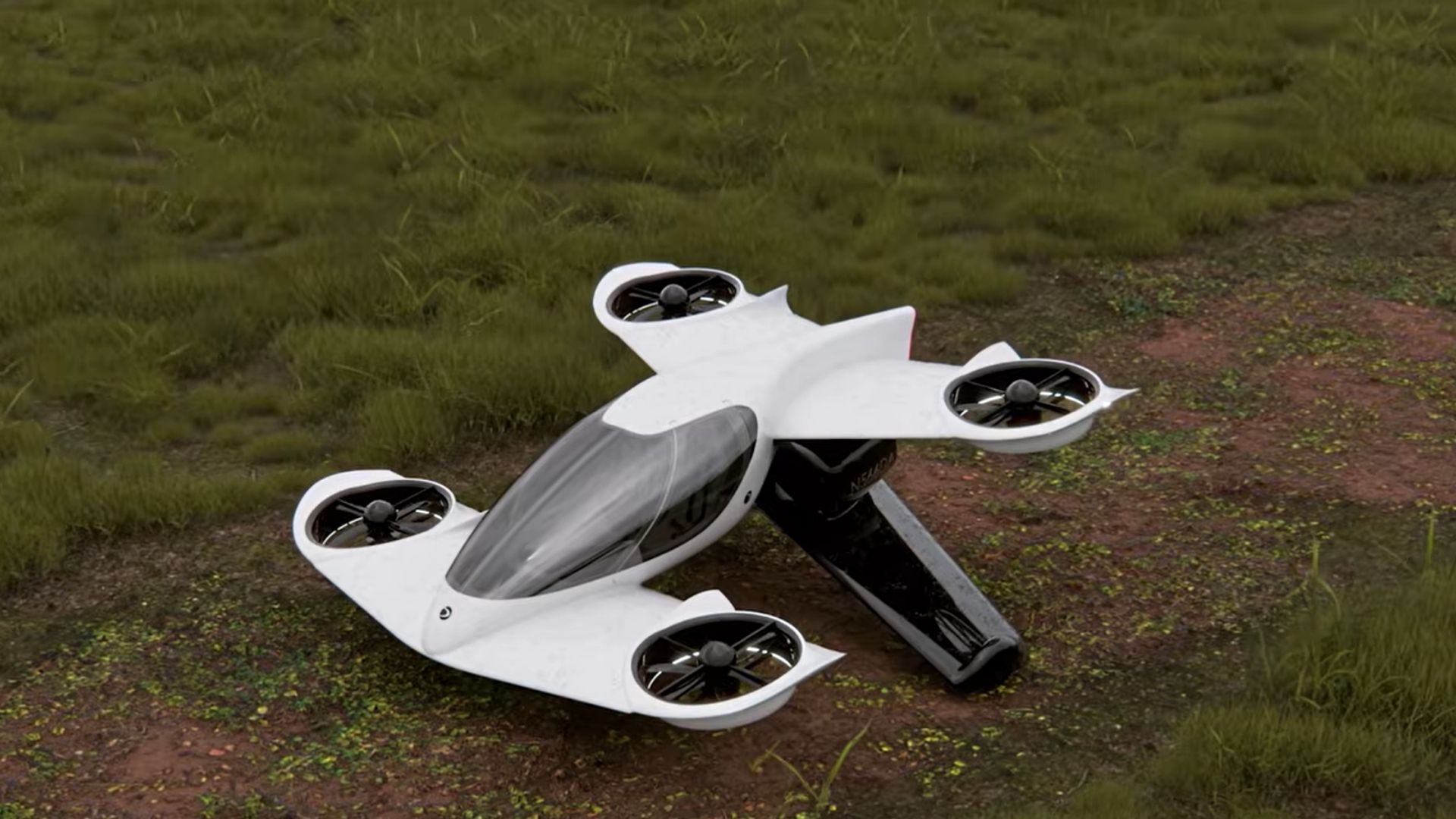
SES AI Partners with Doroni Aerospace to Develop High Energy Density Battery for eVTOL Aircraft
Battery technology company SES AI has signed a framework agreement with Doroni Aerospace to create battery systems for the H1-X electric vertical takeoff and landing (eVTOL) aircraft. This partnership, valued at up to $1.09 million, includes an initial commitment of $65,000 and will unfold in phases throughout 2026 and 2027. The collaboration is significant as it aims to enhance the H1-X's ground and flight-test program, with testing expected to commence as early as 2027. SES AI's lithium-metal batteries, designed to achieve energy densities nearing 400 Wh/kg, will play a crucial role in meeting the demanding performance and safety requirements of eVTOL platforms, which are critical for urban air mobility. Looking ahead, the agreement allows for potential expansion to include additional test systems and future production. As the eVTOL industry evolves, the focus on battery technology will be pivotal in determining the operational efficiency and range of aircraft like Doroni's H1-X, which is designed for short-distance travel with a range of 100 miles and a top speed of 120 miles per hour.
Energy Transportation
Aerospace Industries Association CEO Discusses Congress' Continuing Resolution Plans
During the Farnborough International Airshow, Eric Fanning, CEO of the Aerospace Industries Association, addressed the likelihood of Congress passing a continuing resolution instead of a comprehensive budget. This discussion highlights the ongoing uncertainty in federal funding for the aerospace sector. The potential for a continuing resolution is significant as it may impact various aerospace projects and funding allocations. Industry leaders, including Fanning, are concerned about the implications of such a decision on long-term planning and investment within the sector. Looking ahead, stakeholders in the aerospace industry will be closely monitoring Congress's actions regarding budgetary decisions. The outcome will likely influence future investments and operational strategies in the aerospace field. No further timeline was disclosed at the time of publication.
Congress Pentagon Congressional Roundup Video Series continuing resolution Eric Fanning House
GE Aerospace and Magellan Aerospace Plan Engine Overhaul Capability for Gripen E in Canada
GE Aerospace and Magellan Aerospace have signed a memorandum of understanding to establish maintenance, repair, and overhaul capabilities in Canada for the F414-GE-39E engine, which powers the Saab JAS 39 Gripen E fighter. This agreement, announced on July 22, is contingent upon the Canadian government selecting the Gripen E for the Royal Canadian Air Force's fleet. The establishment of this capability is significant as it aims to enhance the Royal Canadian Air Force's operational readiness by providing in-country engine sustainment services. This move would reduce reliance on foreign maintenance networks and improve access to repair capacity during high operational demand periods. The initiative also aligns with Canada's goal to strengthen its domestic defense industrial base. Looking ahead, if the Gripen E is chosen, Magellan Aerospace will be positioned to deliver advanced engine maintenance services, fostering a skilled workforce and technical expertise in Canada. No further timeline was disclosed at the time of publication.
Military
Vertical Aerospace Secures $4.6M for Electric Aircraft Charging and Cooling Project
Vertical Aerospace is spearheading a UK-supported initiative to enhance electric aircraft charging and liquid-cooling systems, addressing critical infrastructure challenges that could accelerate the commercial viability of electric aviation. The ECLiPSE project, which includes collaboration with the University of Bath and InnCat Ltd., aims to develop high-power charging and thermal management solutions to lower costs and improve operational efficiency for electric aircraft. This project is significant as it aligns with the growing demand for electric vertical take-off and landing (eVTOL) aircraft, which necessitate rapid recharging capabilities at airports and vertiports. With a total investment of approximately $4.5 million, including $2.3 million in government funding, ECLiPSE is set to enhance charging performance and reduce infrastructure size, ultimately facilitating more frequent flights from existing facilities. Looking ahead, the technologies developed through ECLiPSE may extend beyond aviation, potentially benefiting other electrified transport sectors. Vertical Aerospace is also in discussions with the UK Government for additional funding to support its global production sites, emphasizing the need for robust charging infrastructure to support the transition to zero-emission flight.
Transportation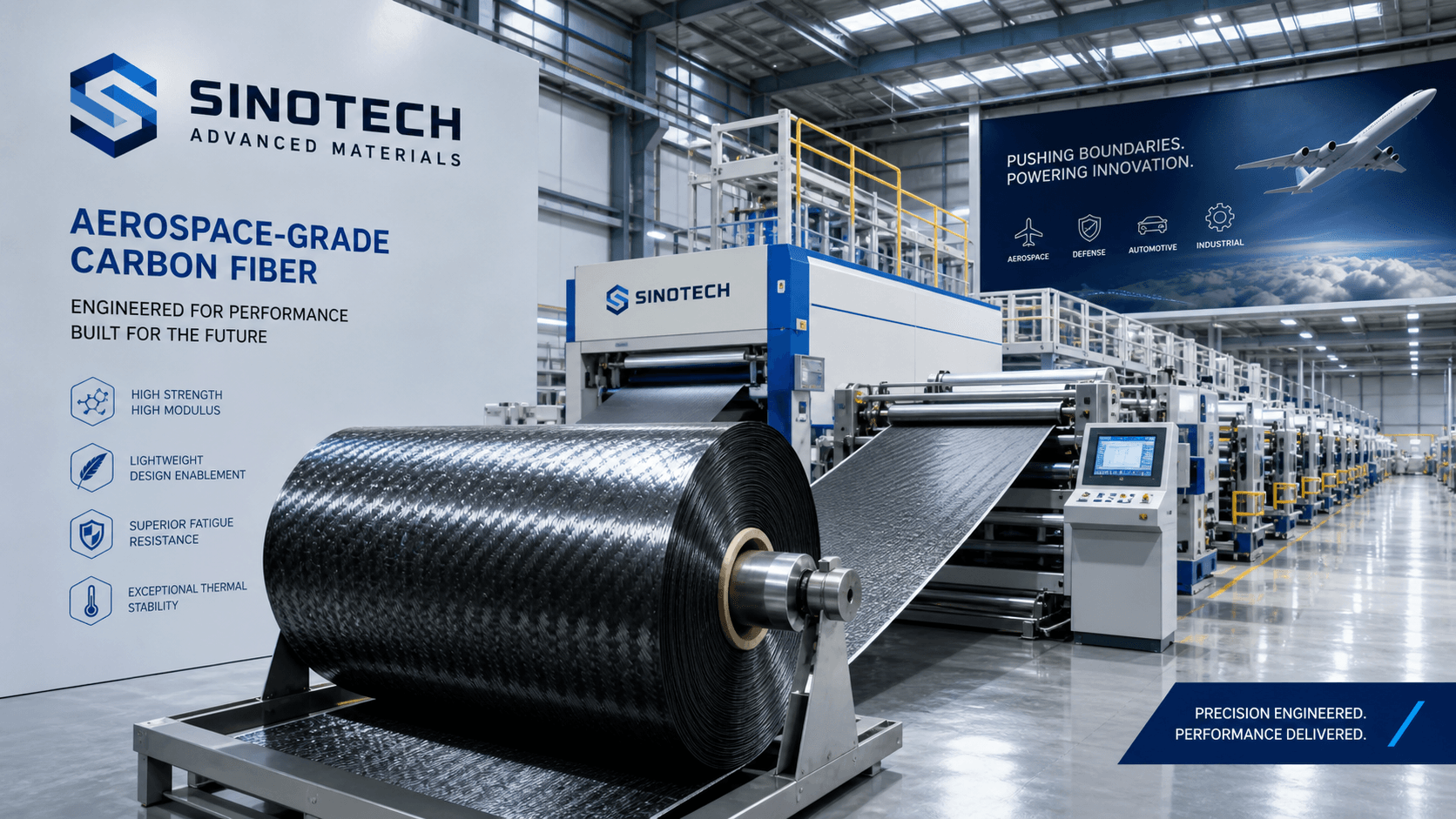
Sinotech Achieves T1100-Grade Carbon Fiber Breakthrough with 5,000-Ton Capacity
Sinotech has successfully developed T1100-grade carbon fiber through both wet and dry-jet wet spinning methods, establishing a 5,000-ton aerospace-grade production capacity. This advancement positions Sinotech to compete with Toray, a leading player in the high-end carbon fiber market. The significance of this breakthrough lies in its potential to disrupt the existing dominance of Toray in the high-end carbon fiber sector. By achieving T1100-class technology, Sinotech not only enhances its production capabilities but also opens new avenues for applications in aerospace and other industries that require high-performance materials. Looking ahead, industry observers will be keen to see how Sinotech's advancements will influence market dynamics and whether it can successfully penetrate the high-end carbon fiber market traditionally held by Toray. No further timeline was disclosed at the time of publication.
TechnologyRobotics needs a service framework.
RSF defines a common language for robot service capability, lifecycle operations, certification pathways, and service-provider networks.
Join the RobotToday community on LinkedIn
Daily robotics news, in-depth analysis, conference highlights, and discussions with professionals worldwide.