Industry Briefing
A single destination for timely, editor-curated robotics news from around the world.
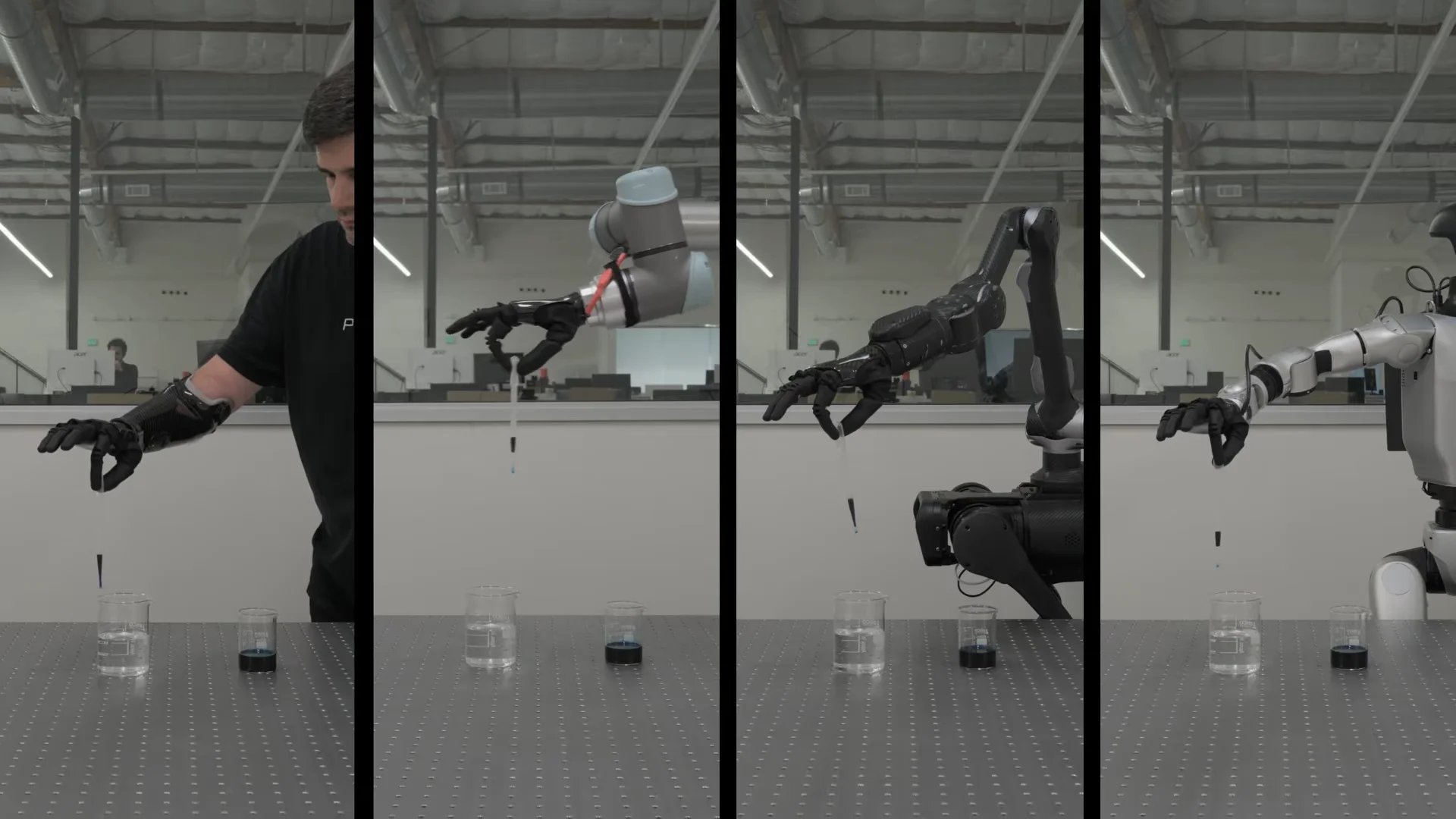
From Prosthetics to Pixels: PSYONIC and NVIDIA Bridge the Robotics "Data Gap" with Real-to-Real Transfer
PSYONIC has integrated its Ability Hand into NVIDIA's Isaac Lab, marking a significant advancement in robotic manipulation technology. This collaboration introduces a "real-to-real" transfer pipeline that leverages human-driven data to enhance the training of dexterous robots. By utilizing data collected up to October 2023, the initiative aims to improve the precision and effectiveness of robotic tasks, ultimately bridging the gap between human and robotic capabilities. This innovative approach is expected to accelerate the development of more sophisticated and adaptable robotic systems, paving the way for broader applications in various industries.
NVIDIA US hand PSYONIC Ability Hand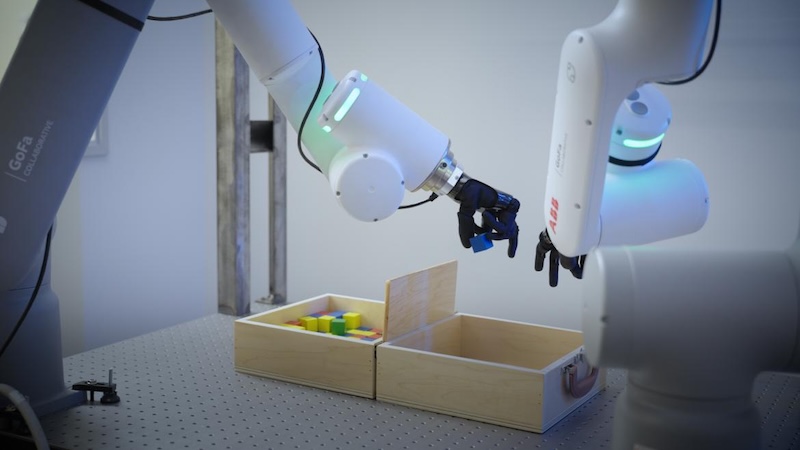
ABB Robotics and Psyonic use human-generated data to advance robotic dexterity
ABB Robotics is partnering with California-based bionics firm Psyonic to enhance robotic gripping and dexterity, addressing a significant challenge in the industry. This collaboration aims to leverage real-world manipulation data derived from human prosthetic use, which could lead to a reduction in engineering time by as much as 30%. The initiative involves integrating the Psyonic Ability Hand with ABB's GoFa robotic arm, creating a more efficient and adaptable solution for various applications. This innovative approach seeks to improve the functionality of robotic systems, making them more effective in handling tasks that require precision and flexibility.
Components Design Engineering abb robotics ai robotics automation news
ABB Robotics and PSYONIC Use Human-Generated Data to Advance Robotic Dexterity
ABB Robotics has partnered with California-based bionics company PSYONIC to enhance robotic dexterity and grasping capabilities by utilizing human-generated data from prosthetic use. Announced on June 16, 2026, this collaboration aims to address the significant challenge of replicating human-like dexterity in industrial robotics, which is essential for the development of Autonomous Versatile Robotics (AVR™). By integrating the PSYONIC Ability Hand with ABB's GoFa™ collaborative robot, the two companies will explore how real-world manipulation data can train robots to perform delicate tasks that are typically difficult to automate. This initiative is expected to reduce engineering time by up to 30% and improve productivity, flexibility, and workplace safety across various industries, including automotive, aerospace, packaging, logistics, and life sciences. Marc Segura, President of ABB Robotics, emphasized the importance of bridging the gap between human and robotic dexterity to enable robots to learn and interact with their environments more intuitively. Dr. Aadeel Akhtar, Founder and CEO of PSYONIC, highlighted that the collaboration will leverage high-fidelity data on movement and grip force to enhance robotic performance in complex tasks. The GoFa™ robot will provide the precision necessary for industrial applications, ensuring consistent execution of intricate movements, which is crucial for handling fragile or irregular objects. This partnership represents a significant step towards advancing physical AI in robotics, allowing for more effective collaboration between humans and machines.
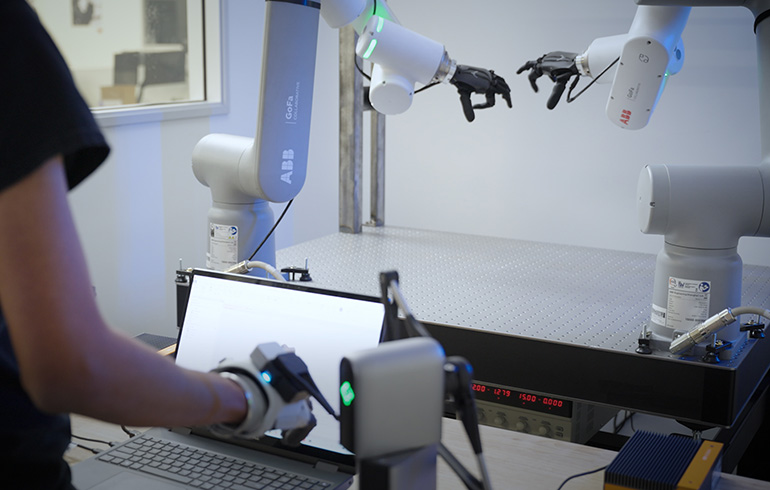
PSYONIC partners with ABB Robotics to apply human touch to robot dexterity
PSYONIC has announced a collaboration with ABB Robotics to enhance robotic dexterity by integrating its Ability Hand prosthetic with ABB's GoFa collaborative robot arm. This partnership aims to leverage data collected from prosthetic users to improve the robot's grasping capabilities, effectively mimicking human touch. The initiative underscores the growing intersection of robotics and prosthetics, with the goal of creating more intuitive and responsive robotic systems. The collaboration reflects a commitment to advancing technology that not only aids individuals with disabilities but also enhances the functionality of robotic devices in various applications.
Arms / Manipulators Artificial Intelligence Automotive Cobot Arms Collaborative Robots End Effectors / Grippers
Robotic Hands Prices Plummet from 100,000 to 10,000 Yuan, Humanoid Robots Enter Homes
In a robotics lab in Shenzhen, engineer Huang Junlin is training a six-degree-of-freedom robotic hand for home use. Unlike industrial applications, home scenarios demand higher standards for weight, cost, and usability, prompting a significant reduction in humanoid robot costs. The robotic hand, a crucial and complex component, previously priced at 100,000 Yuan, now costs around 10,000 Yuan due to advancements in supply chain maturity and technology breakthroughs. The reduction in price is pivotal as it opens the door for consumer-grade humanoid robots, with the global market projected to exceed 20 billion Yuan by 2026. In 2025, the market is expected to reach 17 billion Yuan, with a shipment volume of approximately 18,000 units, marking a year-on-year growth of over 500%. China's share is anticipated to surpass 50%, with shipments expected to rise to 62,500 units by 2026, indicating a robust demand for humanoid robots. The surge in consumer humanoid robots is catalyzing the formation of a new supply chain ecosystem, including advancements in bionic skin, tactile sensors, and flexible materials. A new materials company in Jiaxing has developed third-generation electronic skin capable of multimodal perception and real-time feedback. As robotic hands become more affordable and tactile sensing technology advances, the integration of humanoid robots into homes may occur sooner than anticipated, marking the beginning of a revolution in robotics.
Humanoid Robots Robotic Hands AI Technology Consumer Robotics
1X Unveils NEO Robot Hand with Unmatched Precision for Household Tasks
1X has introduced the NEO robot hand, showcasing its ability to perform intricate tasks with remarkable precision. The hand features 25 degrees of freedom and utilizes a tendon-driven structure, mimicking human muscle and tendon systems, allowing for smooth and natural movements. The NEO hand can perform tasks such as separating grapes, twisting light bulbs, and pulling zippers, demonstrating capabilities that closely resemble human dexterity. The significance of the NEO robot hand lies in its potential applications as a household assistant, capable of performing chores, caring for the elderly, and aiding in rehabilitation. Its design incorporates numerous sensors that enable it to not only grasp objects but also assess how to grip them without causing damage. This advancement marks a critical step towards creating robots that can seamlessly integrate into daily life. Looking ahead, the NEO hand's uncanny resemblance to human hands raises questions about the 'uncanny valley' effect, where human-like robots elicit discomfort. As 1X aims to position the NEO as a versatile home assistant, the balance between functionality and human likeness will be crucial in its acceptance. No further timeline was disclosed at the time of publication.
Robotics Dexterous Manipulation AI Technology Human-Robot Interaction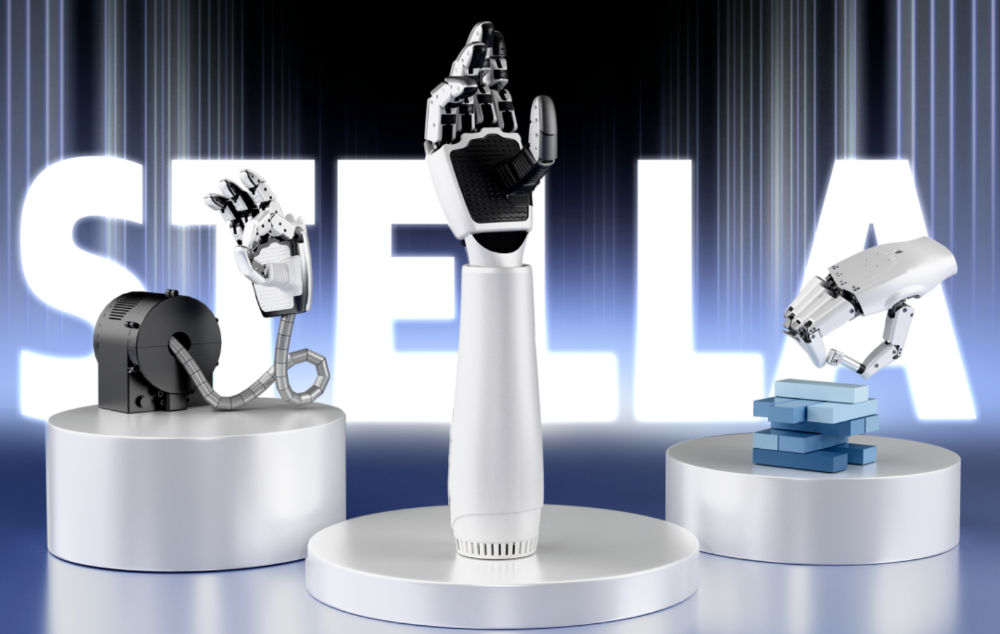
Shenzhen Company Stella-Robot Introduces Affordable Robotic Hands with High Performance
At the 2026 World Artificial Intelligence Conference, Shenzhen-based Stella-Robot unveiled its innovative robotic hands, the Pantheon Hand 20 and Gaia Hand 20. The Pantheon Hand 20, weighing only 290 grams, can grip up to 50 kilograms, thanks to its unique 'drive separation' technology that relocates the drive unit away from the hand itself. This breakthrough in design allows for a lightweight yet powerful robotic hand, making advanced robotics more accessible. The Gaia Hand 20 features a modular design with a quick-change joint system, enabling easy repairs without returning the entire unit. Priced at 16,999 yuan, the affordability of these products marks a significant shift in the robotics market, previously dominated by high-cost alternatives. Stella-Robot's products are already being utilized in top universities and research institutions, indicating their potential impact on the field of embodied intelligence. As the cost of robotic hands drops from the millions to tens of thousands, the company is poised to democratize advanced robotic capabilities for developers everywhere. No further timeline was disclosed at the time of publication.
Robotic Hands Modular Robotics AI Technology Automation Precision Engineering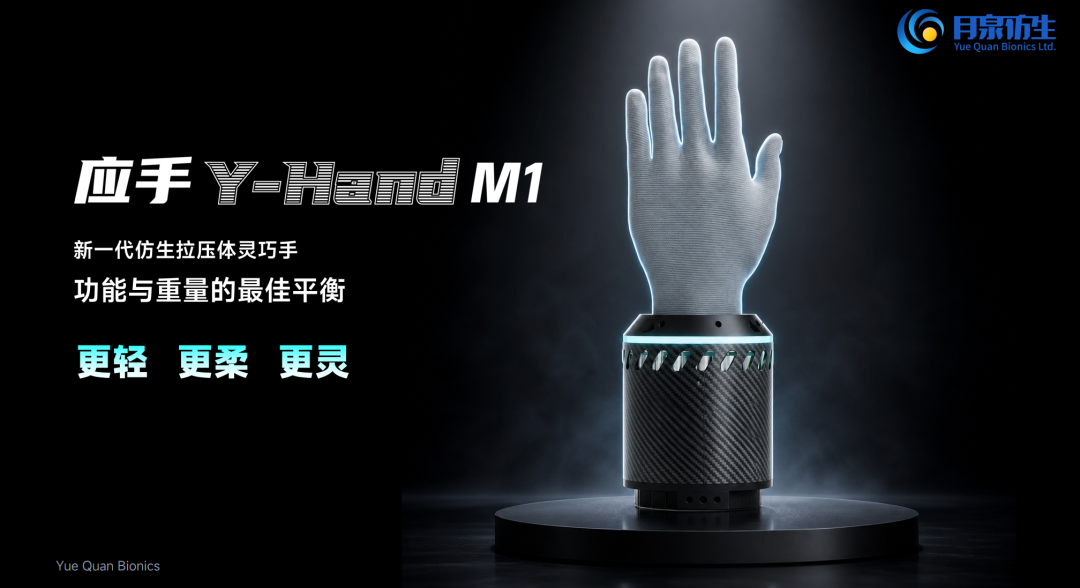
Yuequan Bionics Launches Innovative 299.7g Y-Hand M1 with Unique Biomechanical Technology
On July 3, Yuequan Bionics unveiled the Y-Hand M1, a dexterous robotic hand weighing 299.7 grams. Unlike competitors that focus on increasing degrees of freedom, the Y-Hand M1 employs a unique bionic tension-compression technology, achieving significant dexterity with only 26 degrees of freedom. This innovation is crucial as the robotics industry grapples with the challenge of balancing performance, cost, and reliability in dexterous hands. The Y-Hand M1 represents a paradigm shift, addressing the industry's 'impossible triangle' where high performance often leads to increased costs and reduced reliability. Looking ahead, the dexterous hand market in China is projected to grow significantly, with sales expected to reach 70,200 units in 2026. As investment in this sector surges, the Y-Hand M1's unique approach may set a new standard for future developments in robotic manipulation technology. No further timeline was disclosed at the time of publication.
Dexterous Hands Bionic Technology Robotics Innovation Embodied Intelligence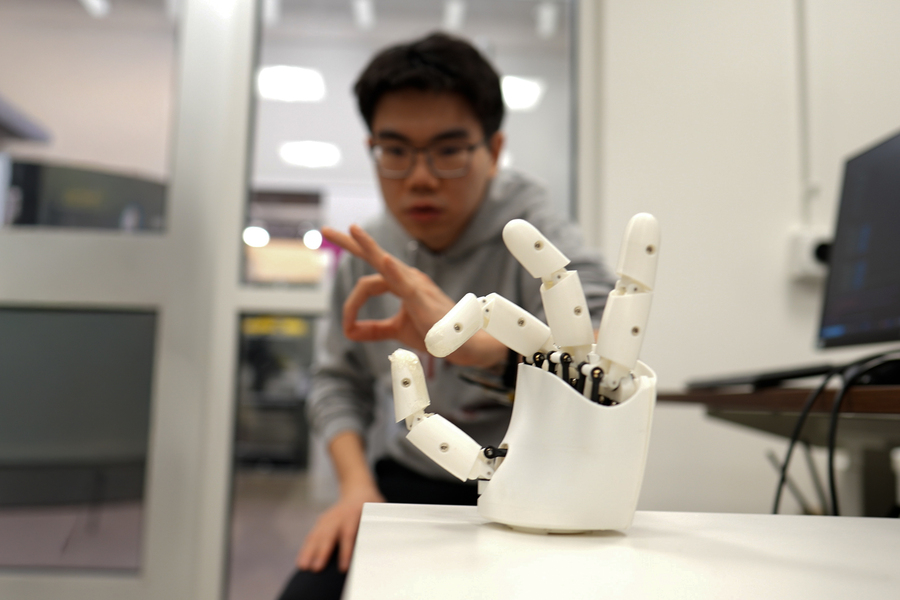
MIT Engineers Develop Ultrasound Wristband for Real-Time Robotic Hand Control
MIT engineers have created an innovative ultrasound wristband that allows wearers to control a robotic hand through their own movements. This wristband captures real-time images of the wrist's muscles and tendons, translating them into the positions of the fingers and palm using an AI algorithm. Demonstrations have shown that users can wirelessly manipulate a robotic hand to perform tasks like playing the piano or shooting a basketball. This technology is significant as it offers a new method for hand tracking in robotics and virtual reality, potentially replacing traditional techniques that rely on cameras or sensor-laden gloves. The wristband's ability to gather diverse hand motion data could lead to advancements in training humanoid robots for dexterous tasks, including surgical procedures. Xuanhe Zhao, a professor at MIT, emphasizes the immediate impact this work could have on both virtual environments and robotic dexterity. Looking ahead, the research team aims to expand their dataset of hand motions by collecting data from users with varying hand sizes and gestures. This could enhance the capabilities of humanoid robots and improve interactions in virtual settings. No further timeline was disclosed at the time of publication.
1X Enhances NEO Humanoid Robot with Advanced 25-DOF Hands for Versatile Tasks
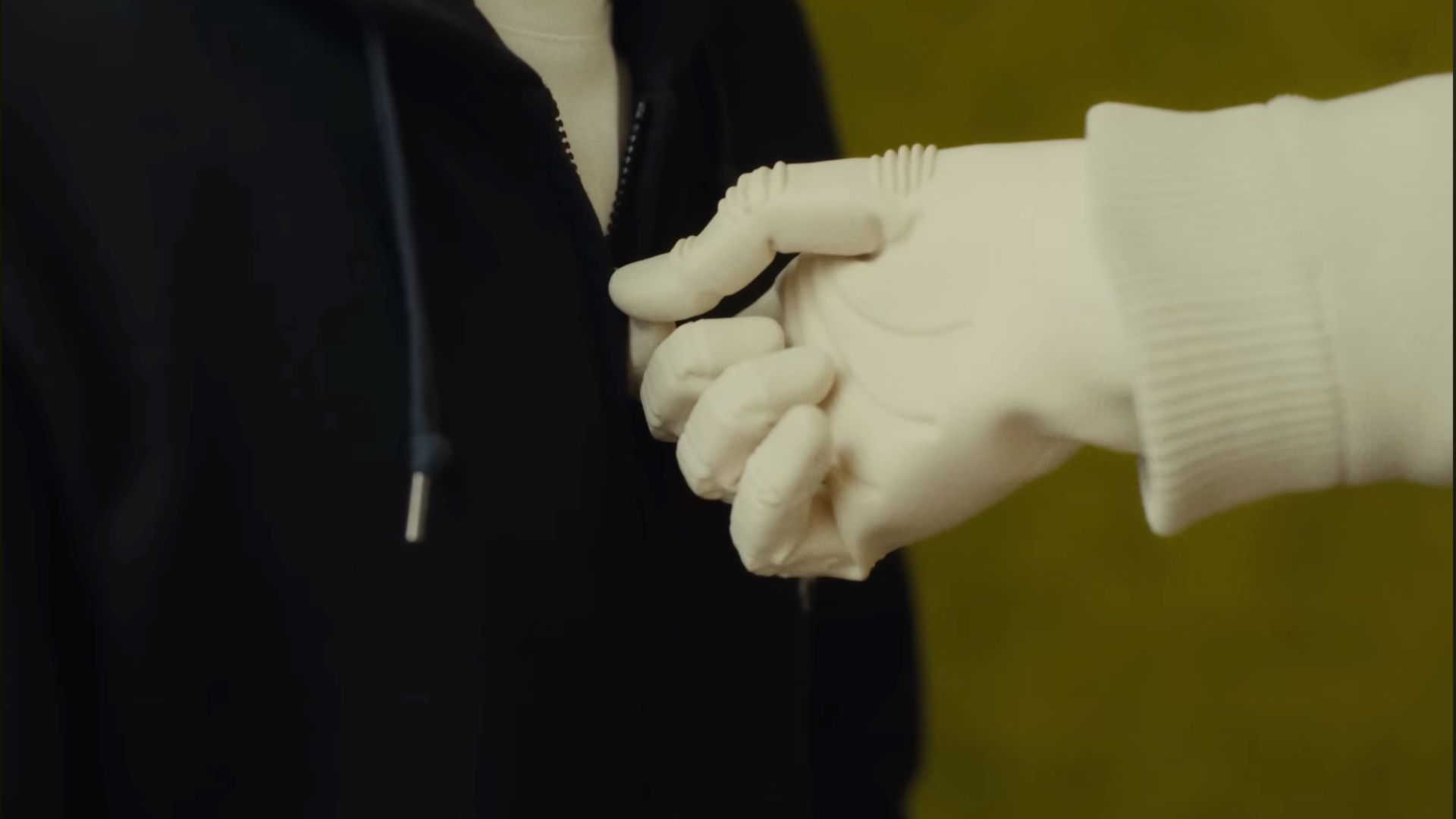
Norwegian robotics firm 1X has introduced new 25-degree-of-freedom (DOF) tendon-driven hands for its NEO humanoid robot, marking a significant advancement in robotic dexterity. These hands feature 22 actuated joints across the fingers and palm, along with three at the wrist, enabling NEO to perform tasks such as assembling LEGO models and catching balls with precision and strength. The redesigned hands allow for force sensing and durability, overcoming previous hardware limitations in robotic manipulation. With a unique tendon-drive system and low gear ratios, the hands can detect contact forces and provide continuous proprioception, enhancing the robot's ability to manipulate objects safely and effectively. The hands' human-like joint distribution, particularly the opposable thumb, facilitates a wide range of fine manipulation tasks, making NEO suitable for various household applications. 1X has commenced mass production of the NEO robot at its new California facility, aiming to commercialize home robots for daily assistance. The company emphasizes the hands' combination of precision, strength, and safety features, including IP68 waterproofing and self-cleaning capabilities. No further timeline was disclosed at the time of publication.
AI and Robotics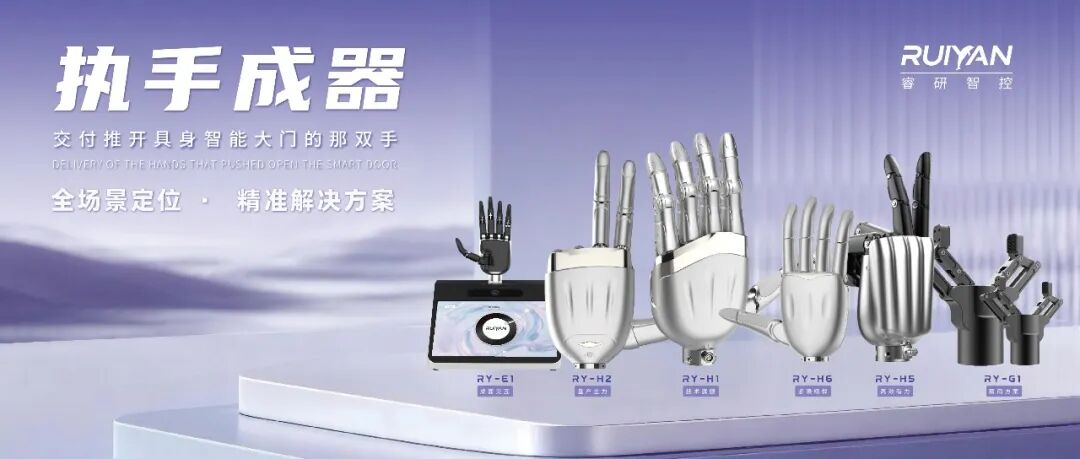
How Ruiyan Intelligent Control Became a Leading Supplier of Dexterous Hands in Robotics
Shenzhen-based Ruiyan Intelligent Control has swiftly established itself as a prominent supplier of dexterous hands for leading embodied AI companies in China. The firm has gained significant market traction by prioritizing reliability and innovative engineering, effectively addressing critical challenges within the industry. Notably, Ruiyan has achieved this success without relying on traditional marketing strategies. Their dedication to quality and performance has resulted in impressive customer retention rates, solidifying their growing influence in the robotics sector.
Dexterous Hands Robotics Embodied Intelligence Engineering Reliability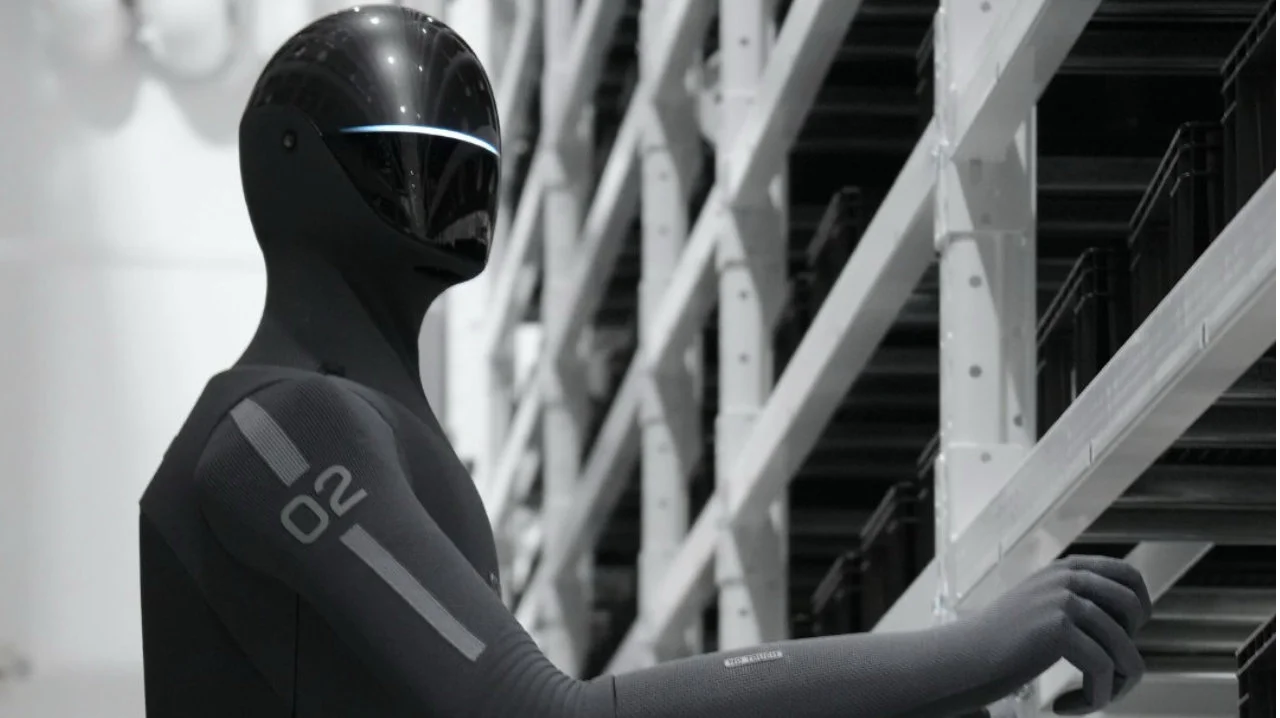
Sweating the Details: Xiaomi Unveils Upgraded CyberOne Hand with "Bionic Glands" and Full-Palm Touch
Xiaomi has unveiled a newly redesigned humanoid hand following a successful pilot program at its electric vehicle factory. The innovative hand features a 1:1 human form factor and boasts an impressive durability of 150,000 cycles, making it suitable for various applications. To address motor heat management, the design incorporates an advanced evaporative liquid-cooling system. This development marks a significant step in Xiaomi's efforts to enhance robotics technology, reflecting the company's commitment to integrating cutting-edge solutions in its manufacturing processes.
xiaomi CyberOne Xiaomi Robotics hand hands China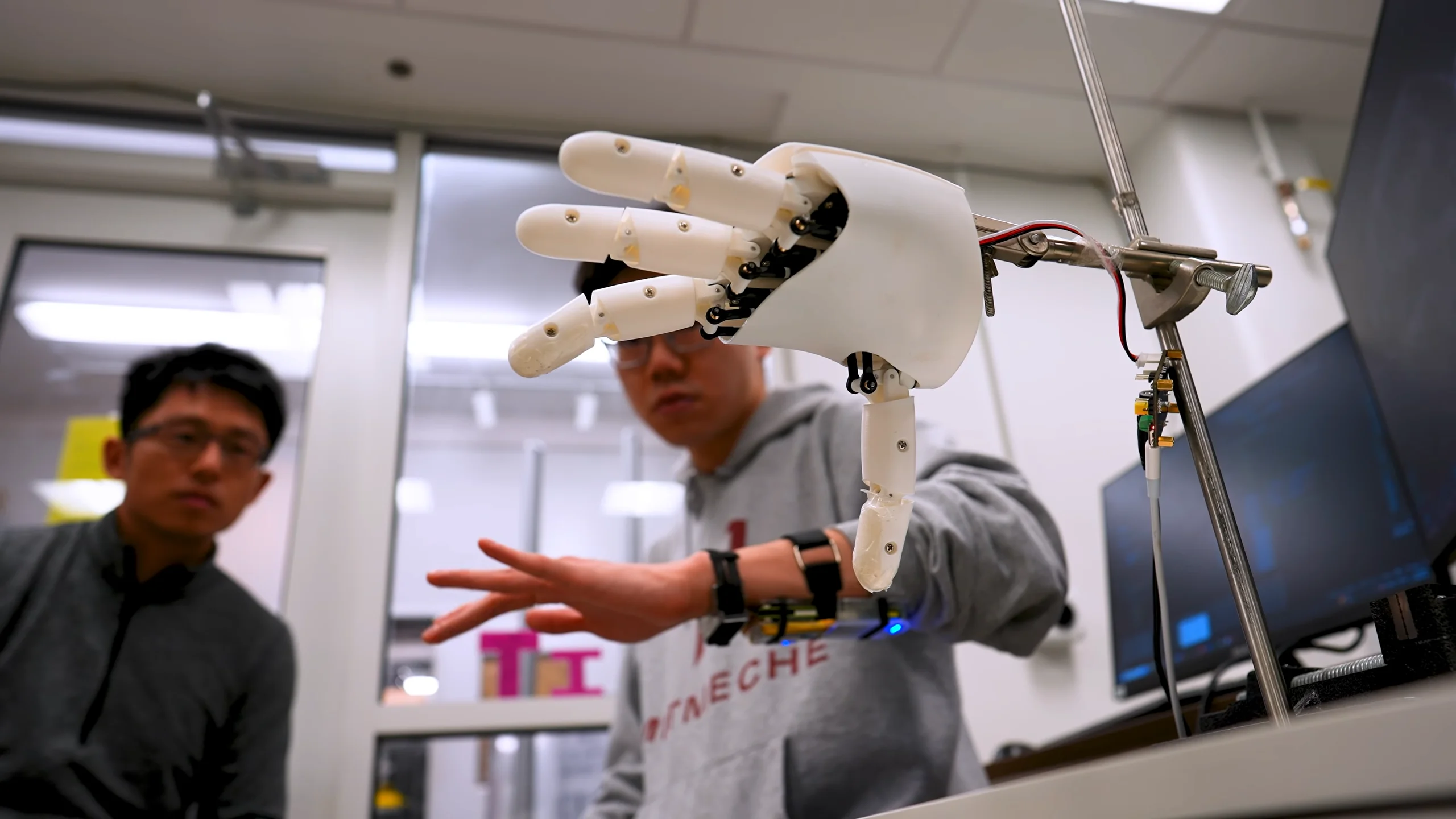
The Puppet Strings of AI: MIT’s Ultrasound Wristband Predicts Hand Dexterity
Engineers at the Massachusetts Institute of Technology (MIT) have unveiled a groundbreaking wearable ultrasound wristband designed to monitor hand movements by capturing images of internal muscle and tendon activity. This innovative technology aims to address the significant data bottlenecks that currently hinder humanoid teleoperation, a field where precise control and feedback are crucial. The wristband's development comes in response to the growing demand for more effective remote manipulation systems, particularly in robotics and telemedicine. By utilizing ultrasound imaging, the device provides real-time insights into muscular and tendinous functions, enhancing the ability to operate humanoid robots with greater accuracy. This advancement could pave the way for improved applications in various sectors, including healthcare and remote work, where effective hand movement tracking is essential.
MIT hand hands
Video: Figure Offers First Look at 7th-Gen Hand Aiming for "Human Parity"
Brett Adcock, the CEO of Figure, recently unveiled a preview of the company's latest innovation, the 7th-generation robotic hand. This advanced device features enhanced capabilities, including thumb rotation and the ability for fingers to move apart and together, demonstrating significant improvements in dexterity and functionality. The announcement highlights Figure's commitment to pushing the boundaries of robotics technology, aiming to improve human-robot interaction and expand the potential applications of robotic hands in various fields.
Brett Adcock US Figure Figure-03 hand hands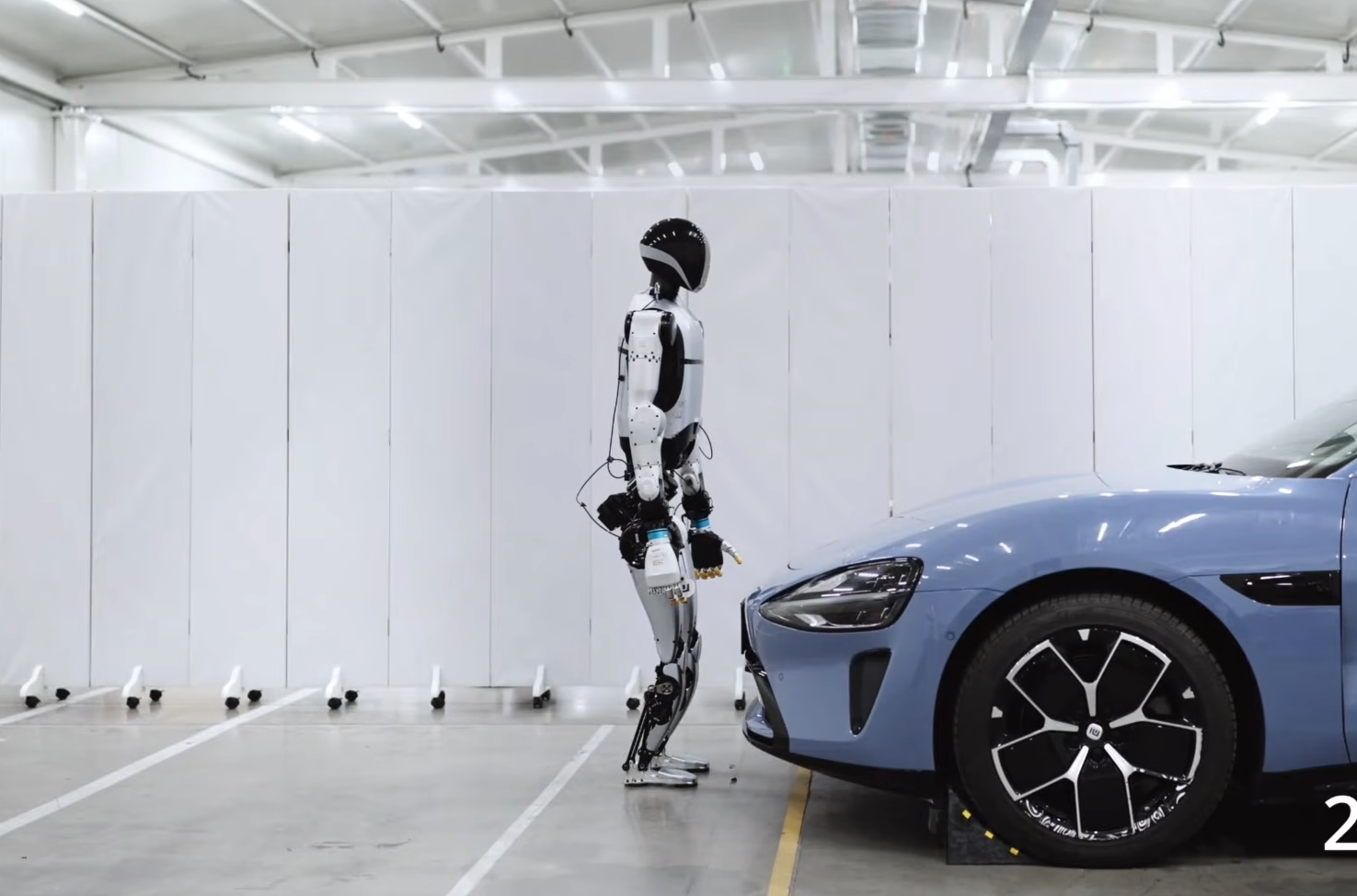
Xiaomi's Humanoid Robot Achieves 98% Success Rate in Automotive Production Tasks
Xiaomi has made significant advancements in deploying its humanoid robot on automotive production lines, achieving a 98% success rate at a self-tapping nut loading station. This improvement narrows the gap to human workers' qualification rates to just one percentage point, showcasing the robot's enhanced capabilities after four months of development. The importance of this development lies in Xiaomi's ability to expand the robot's role in manufacturing, as it has successfully taken on additional tasks such as center console side panel sorting and parts bin folding and recycling, both achieving a 90% success rate. This marks a significant milestone in the robot's operational capabilities, particularly in handling flexible workpieces, which are typically more challenging than rigid components. Looking ahead, Xiaomi's continued focus on refining its humanoid robot's perception and manipulation skills will be crucial for further integration into automotive assembly operations. No further timeline was disclosed at the time of publication.
AI and Robotics
Humanoid Robots Enhance Performance in Real-World Applications with New Testing Metrics
Recent advancements in humanoid robotics have led to the development of new testing methods that evaluate how effectively these robots can handle real-world forces. This shift is significant as humanoid robots transition from novelty items to practical tools in various industries, including manufacturing and logistics, where they perform tasks such as lifting heavy boxes and moving furniture. The importance of this testing lies in its ability to measure the robots' capabilities in dynamic environments, ensuring they can operate safely and efficiently alongside human workers. As these robots take on more demanding roles, understanding their physical interactions with the environment becomes crucial for their integration into workplaces, enhancing productivity and safety. Looking ahead, the continued evolution of testing methodologies will be essential for the deployment of humanoid robots in more complex scenarios. No further timeline was disclosed at the time of publication, but ongoing research is expected to yield more robust performance metrics that will guide future developments in this field.
Robotics
Bentley prices drop to 270,000; second-hand luxury fuel car prices plummet; Cambrian loses 70 billion in market value in a
OpenAI has reportedly achieved a significant technological breakthrough, successfully reducing the operational costs of its AI model inference by over 50% through a series of system optimizations. This development was disclosed by engineers within the company on June 30. Meanwhile, in the automotive sector, the price of second-hand luxury fuel vehicles has seen a dramatic decline, with a Bentley listed at approximately 26,800 yuan and a Porsche Macan at around 15,000 yuan as of July 1 in Qingdao. This drop is attributed to a notable increase in depreciation rates, which reached 30% in May alone, a stark contrast to the previous annual average of 30%. In the realm of artificial intelligence, Anthropic announced that its Claude model is now fully available on Microsoft Foundry, allowing enterprise users to deploy the model within the Azure environment. Additionally, Amazon Web Services revealed plans to invest $1 billion to establish a new AI department aimed at assisting clients in building AI systems. In financial news, Warren Buffett has paused his annual donations to the Bill and Melinda Gates Foundation, pending the outcome of an investigation related to the late Jeffrey Epstein. Furthermore, the U.S. Federal Reserve Chairman emphasized the ongoing challenge of high inflation levels in the country, indicating a commitment to maintaining price stability. As for the tech industry, Meta is reportedly planning to sell excess AI computing resources to external clients, intensifying competition with major cloud service providers.
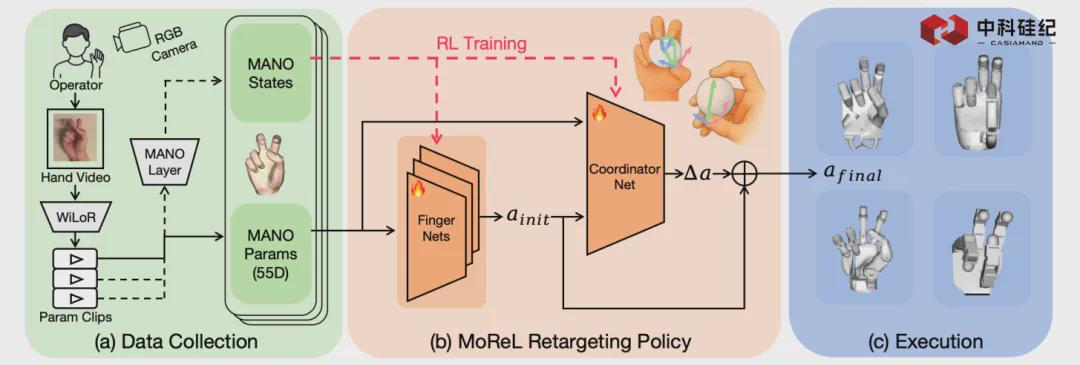
Breaking Through Data Bottlenecks: Si 0.5 Enables Millisecond Mapping from Human to Dexterous Hands
Zhongke Silicon Memory has unveiled MoReL, an innovative modular reinforcement learning framework designed to enhance embodied intelligence by facilitating real-time mapping of human hand movements to a variety of dexterous robotic hands. This significant advancement, announced recently, aims to tackle the prevalent issues of data scarcity and compatibility that have hindered the effective control of robotic systems. By enabling precise and efficient manipulation across different robotic platforms, MoReL eliminates the necessity for extensive reconfiguration, thereby streamlining the integration of human-like dexterity in robotics. This development marks a pivotal step forward in the field, promising to enhance the functionality and adaptability of robotic hands in various applications.
Robotic Manipulation Reinforcement Learning Dexterous Robotics Human-Robot Interaction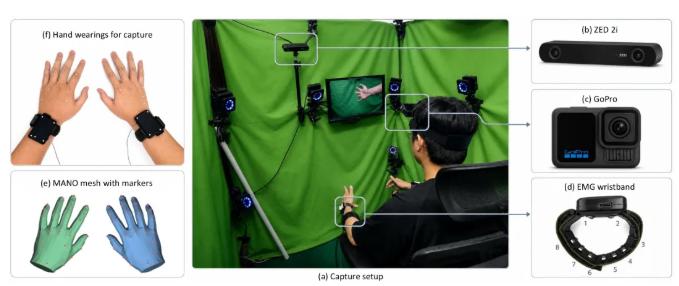
Tsinghua University and Shouyi Technology Launch EgoEMG Dataset for Hand Pose Estimation
A groundbreaking dataset, known as EgoEMG, has been launched through a collaboration between Tsinghua University and Shouyi Technology. This dataset is notable for being the first public resource to offer synchronized multimodal data specifically designed for hand pose estimation, incorporating both electromyography (EMG) and visual signals. Released in October 2023, EgoEMG aims to address existing challenges in hand perception for robotics. By providing comprehensive data that reflects human hand movements, the dataset seeks to enhance the capability of machines to learn and perform dexterous tasks through human demonstration. This initiative represents a significant step forward in the field of robotics, potentially improving the interaction between humans and machines in various applications.
Hand Pose Estimation Multimodal Data Robotics EMG Technology
MIT researchers channel AI to turn hand gestures into robot training data
Researchers have developed an innovative method to enhance the capabilities of humanoid robots, particularly in tasks such as grasping objects. This advancement involves the use of a specialized ultrasound wristband worn by a human instructor, which captures the intricate movements of muscles, tendons, and ligaments beneath the skin. By analyzing this data, the robots can learn to replicate these movements more effectively. The initiative, which began in late 2023, aims to improve the dexterity and functionality of robots in various applications, from manufacturing to personal assistance. The ultrasound technology provides real-time feedback, allowing the robots to adjust their movements based on the instructor's actions. This approach not only enhances the robots' ability to perform complex tasks but also opens new avenues for human-robot interaction. The research is being conducted at a leading robotics lab, where experts are focused on bridging the gap between human-like movement and robotic precision. By mimicking the natural motion of human hands, the robots are expected to achieve greater efficiency and adaptability in their operations. This breakthrough could significantly impact industries that rely on automation, making robots more versatile and capable of handling delicate tasks that require a human touch.
Robotics
Microsoft criticizes disclosure of zero-day vulnerability without prior sharing, clashes with bug hunters.
On May 27, Microsoft publicly criticized the practice of disclosing zero-day vulnerabilities—security flaws that have not yet been patched—without prior notice. In a statement on its official blog, the company emphasized its ongoing commitment to protecting customers through round-the-clock monitoring and response efforts. Microsoft reiterated the importance of Collaborative Vulnerability Disclosure (CVD) as a more responsible approach to handling such vulnerabilities, highlighting the need for cooperation between security researchers and software developers to ensure user safety.
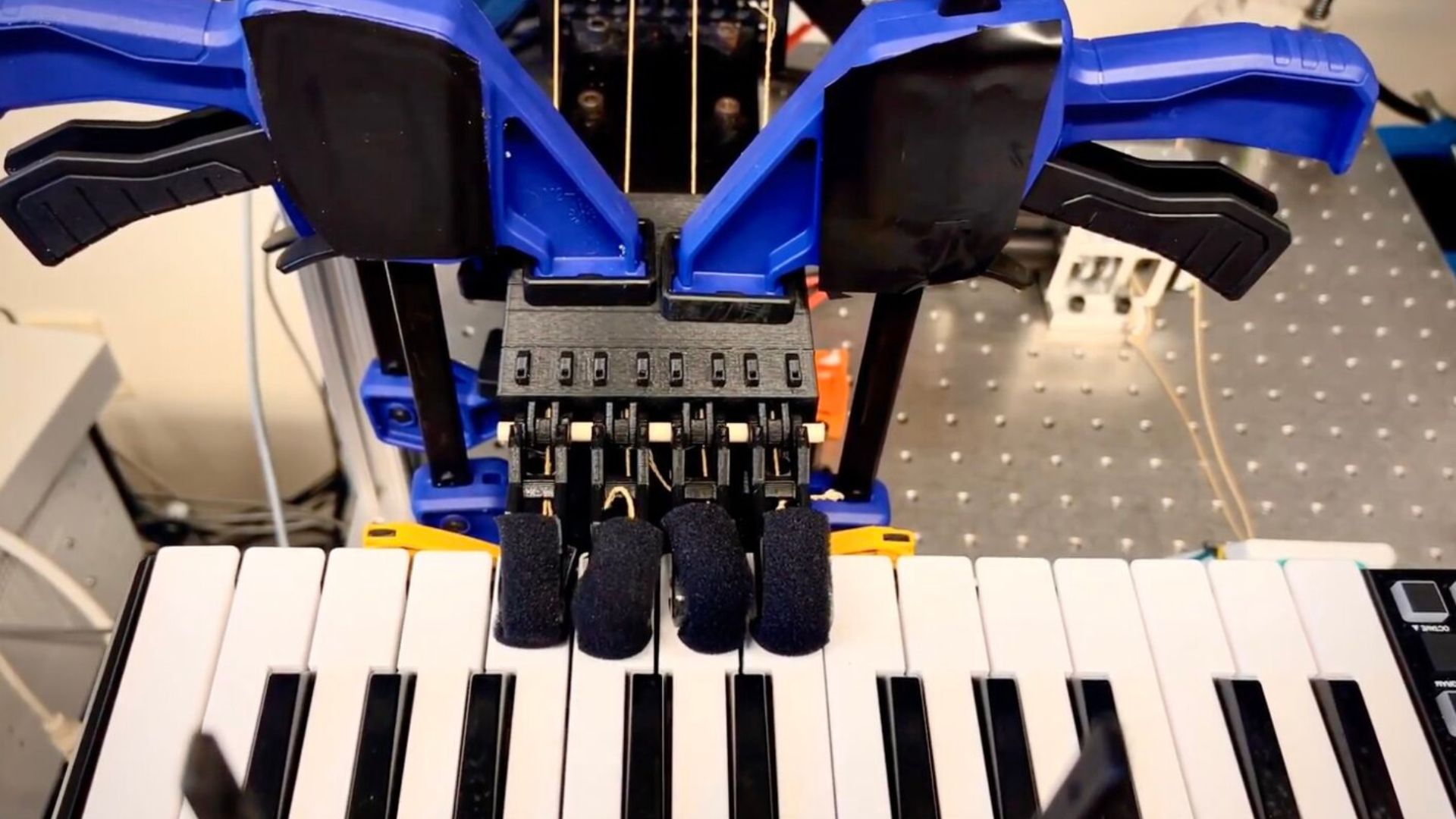
New piano-playing robotic hand learns notes after just two minutes of practice
A team of researchers has introduced an innovative robotic system known as the “Musician Hand,” capable of listening to and interpreting music in real-time. This groundbreaking technology was revealed during a recent conference focused on advancements in robotics and artificial intelligence. The unveiling took place in October 2023, showcasing the system's ability to analyze musical compositions and respond with precise movements that mimic human musicians. The motivation behind developing the “Musician Hand” stems from a desire to enhance the interaction between humans and machines in creative fields, particularly in music. By integrating advanced auditory processing capabilities, the robotic hand can not only play instruments but also adapt its performance based on the nuances of the music it hears. This innovation aims to bridge the gap between technology and artistry, providing new opportunities for collaboration between musicians and robots. The researchers demonstrated the system's functionality by having it perform alongside live musicians, illustrating its potential to revolutionize music education and performance. The “Musician Hand” represents a significant step forward in the field of robotics, highlighting the increasing role of artificial intelligence in creative endeavors. As the technology continues to evolve, it may pave the way for more sophisticated applications in various artistic domains, fostering a deeper connection between human creativity and robotic assistance.
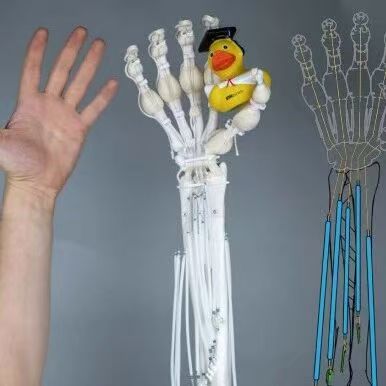
ETH Zurich's Breakthrough: Highly Biomimetic Pneumatic Muscle Robotic Hand Replicating Human Anatomy
Researchers from ETH Zurich have unveiled a groundbreaking robotic hand that mimics human anatomy, utilizing advanced 3D printing techniques and 22 independently controlled pneumatic artificial muscles. This innovative development, which was announced recently, aims to significantly improve dexterity and adaptability in robotic applications. The design is rooted in detailed human anatomical data, allowing the robotic hand to perform a wide range of tasks with precision. The project is poised to advance the fields of prosthetics and enhance collaboration between humans and robots, addressing the growing need for more versatile and functional robotic systems in various sectors.
Soft Robotics Pneumatic Actuators 3D Printing Prosthetics Biomimicry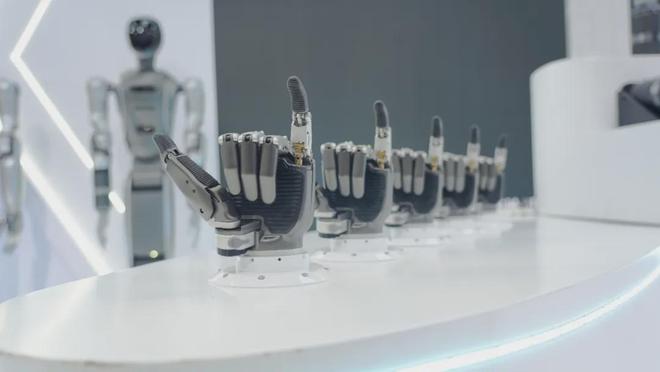
Breaking the 'Impossible Triangle' of Dexterous Hands: Global Launch of the Y-Hand M2 by Yuequan Biomimetic
At the AI Show 2026, Beijing Daqi Yuequan Biomimetic Technology introduced the Y-Hand M2, an advanced robotic hand boasting 38 degrees of freedom. This cutting-edge technology aims to overcome existing challenges in robotic manipulation, including performance, cost, and reliability. The unveiling of the Y-Hand M2 represents a notable milestone in the evolution of robotics, showcasing the company's commitment to innovation in the field.
Dexterous Hands Robotics Technology Biomimetic Robotics AI and Automation
Breaking the Delivery Barrier: Who Can Solve the Impossible Triangle of Dexterous Robot Hands?
In 2025, InTime Robotics marked a significant achievement by delivering more than 10,000 dexterous robot hands within a single year, setting a new industry record. This milestone underscores the complexities involved in scaling production while ensuring performance, cost-effectiveness, and reliability. Fang Hainan, the Chief Marketing Officer of InTime Robotics, addressed these challenges during his presentation at the China Embodied Intelligence and Humanoid Robotics Industry Conference. The event served as a platform for discussing advancements in robotics and the future of automation, highlighting the company's commitment to innovation in the field.
Dexterous Robotics Manufacturing Supply Chain Robotics Technology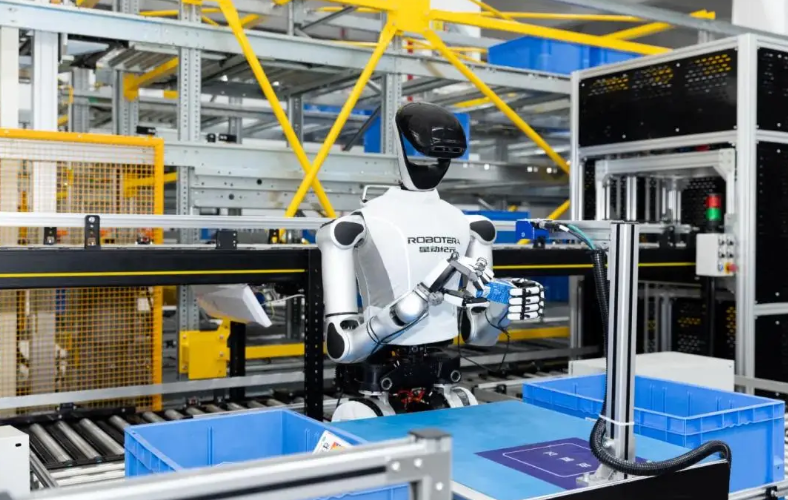
From 'Dexterous' to 'Intelligent': The Logic Behind XHand's 'Hand-Brain' Synergy
Researchers are advancing the field of robotics by developing dexterous hands that enhance the capabilities of artificial intelligence. A key focus of this evolution is XHand, a pioneering project that aims to create a harmonious integration between hardware and AI algorithms. By prioritizing this symbiotic relationship, XHand seeks to improve performance and adaptability, making robotic hands more effective in real-world applications. This innovative approach is crucial as the demand for sophisticated robotic solutions continues to grow, necessitating hardware that can effectively support complex AI functionalities. The ongoing research and development efforts are expected to significantly impact various industries, from manufacturing to healthcare, by enabling robots to perform tasks with greater precision and flexibility.
Dexterous Robotics AI Integration Robotic Hands Embodied Intelligence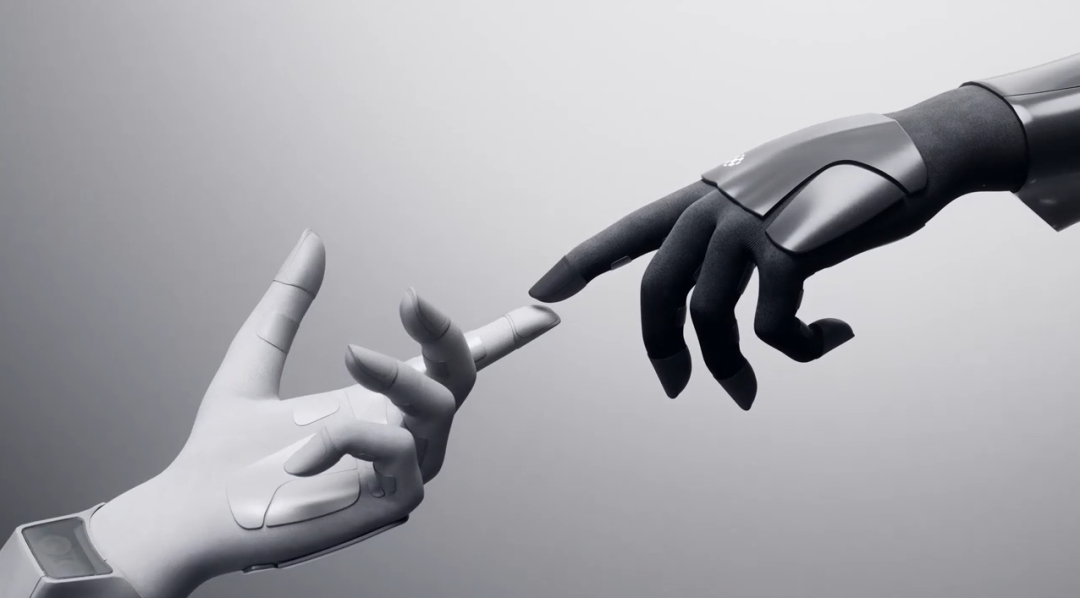
A New Hybrid-Driven Dexterous Hand Learns to Perform Tasks Done by Human Hands
The Xynova Flex 2, an innovative bionic dexterous hand, has been unveiled to enhance manufacturing processes, especially within the 3C consumer electronics industry. This next-generation device employs a hybrid tendon-motor drive system, enabling it to perform complex tasks with remarkable precision and adaptability. By mimicking human dexterity, the Xynova Flex 2 aims to improve automation in manufacturing settings, addressing the growing demand for efficiency and accuracy in production. This development represents a significant advancement in robotics, showcasing how technology can bridge the gap between human skills and automated processes.
Dexterous Hands Automation Technology Robotics Manufacturing 3C Electronics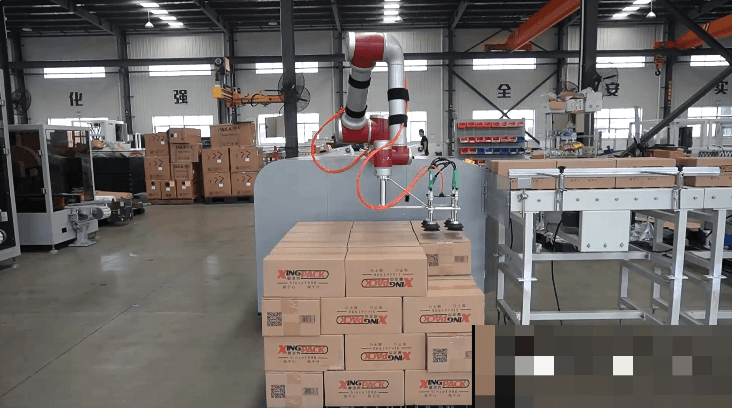
Understanding the Load Capacity and Duty Cycle of a Handling Robot
In the realm of industrial automation, JAKA has introduced its Zu series of robotic arms, which balance load capacity and duty cycle to enhance production line efficiency. The JAKA Zu12, for instance, boasts a 12 kg load capacity and a 1327 mm working radius while weighing only 41 kg, making it a versatile choice for heavy-duty applications such as packaging and palletizing. Understanding the importance of load capacity, JAKA emphasizes that the total weight a robot can handle includes not only the workpiece but also the End-of-Arm Tooling (EOAT). The company warns that exceeding a robot's load limit, especially with a significant load offset, can lead to decreased precision and reduced motor lifespan. Additionally, the duty cycle, which measures the robot's operational time versus idle periods, is crucial for maintaining performance. Operating beyond the recommended duty cycle can cause overheating and potential shutdowns, making it vital for manufacturers to select robots with efficient motors and effective heat dissipation. JAKA's robots are designed with integrated joints that provide real-time torque feedback, ensuring they operate safely within their limits. The JAKA App allows users to monitor performance data wirelessly, ensuring long-term reliability and precision. This innovation aims to meet the demands of modern smart factories, optimizing both productivity and return on investment.
Interview with Yuquan Biomimetic's Hu Zheqi: Deeply Engaging in the Dexterous Hand Sector to Reshape the Humanoid Robot Industry with Core Technology
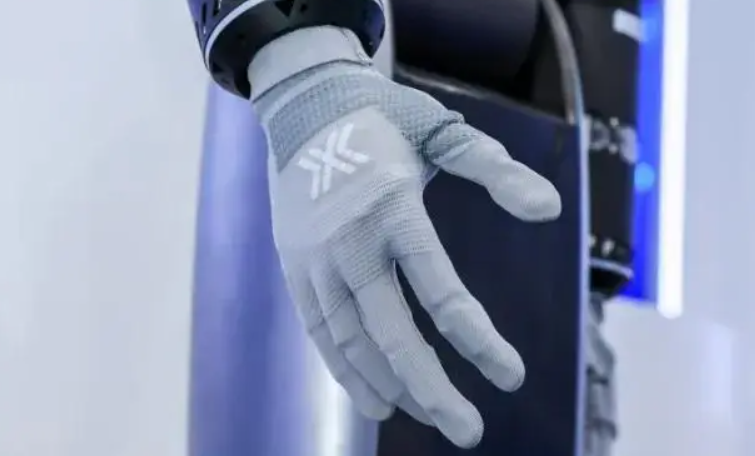
In a significant development for the humanoid robot industry, Hu Zheqi of Yuquan Biomimetic has unveiled advancements in dexterous hand technology, which are crucial for the commercial success of robotic systems. During a recent presentation, he highlighted the capabilities of the Y-Hand M2 and W-Bot 2.0, both of which feature cutting-edge designs that closely mimic human biomechanics. These innovations aim to improve the performance and reliability of robots in practical applications, addressing a key challenge in the field. The breakthroughs are expected to enhance the functionality of humanoid robots, making them more adaptable for various tasks in everyday environments.
Humanoid Robots Dexterous Hands Biomimetic Technology Robotics Innovation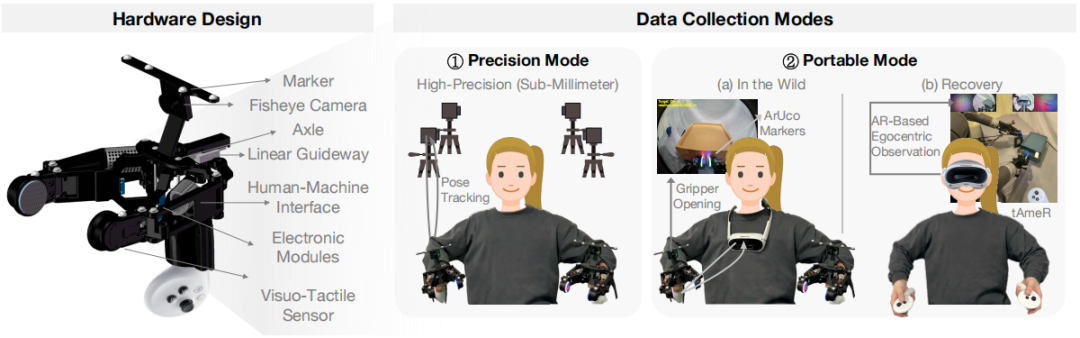
Sub-Millimeter Tactile Control and 100% Reproduction! HKU and Fudan University Launch TAMEn to Solve Data Collection Challenges for Dual-Handed Robots
Researchers from the University of Hong Kong (HKU), in collaboration with Fudan University and other institutions, have unveiled the TAMEn tactile perception manipulation engine. This innovative technology is designed to tackle significant challenges associated with dual-handed robotic tasks. By seamlessly integrating visual and tactile data collection, the TAMEn engine enhances the precision and adaptability of robots, enabling them to perform complex manipulation tasks more effectively. The development of this engine marks a significant advancement in robotics, potentially transforming how robots interact with their environment and improving their functionality in various applications.
Tactile Robotics Dual-Handed Manipulation Data Collection Technology Robotics Research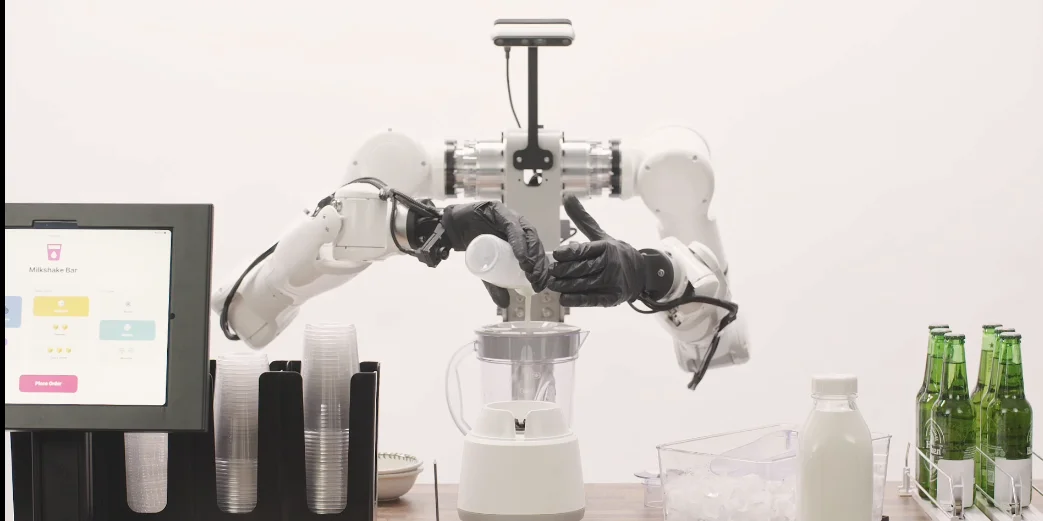
Genesis AI Unveils Foundation Model, Hand & Data Collection System to Develop Human-Level Physical Manipulation for Robotics
Genesis AI has introduced a groundbreaking robotics foundation model named GENE-26.5, accompanied by a proprietary robotic hand and a data collection system aimed at enhancing the ability of robots to learn complex physical tasks by observing human behavior. This innovative system seeks to tackle the challenges associated with gathering substantial amounts of usable training data necessary for teaching robots to perform intricate tasks effectively. The unveiling of GENE-26.5 marks a significant advancement in the field of robotics, as it promises to streamline the learning process for robots, making them more adept at mimicking human actions.
AI AI Use Cases Robotics Eclipse Eric Schmidt Foundation AI Model for Robotics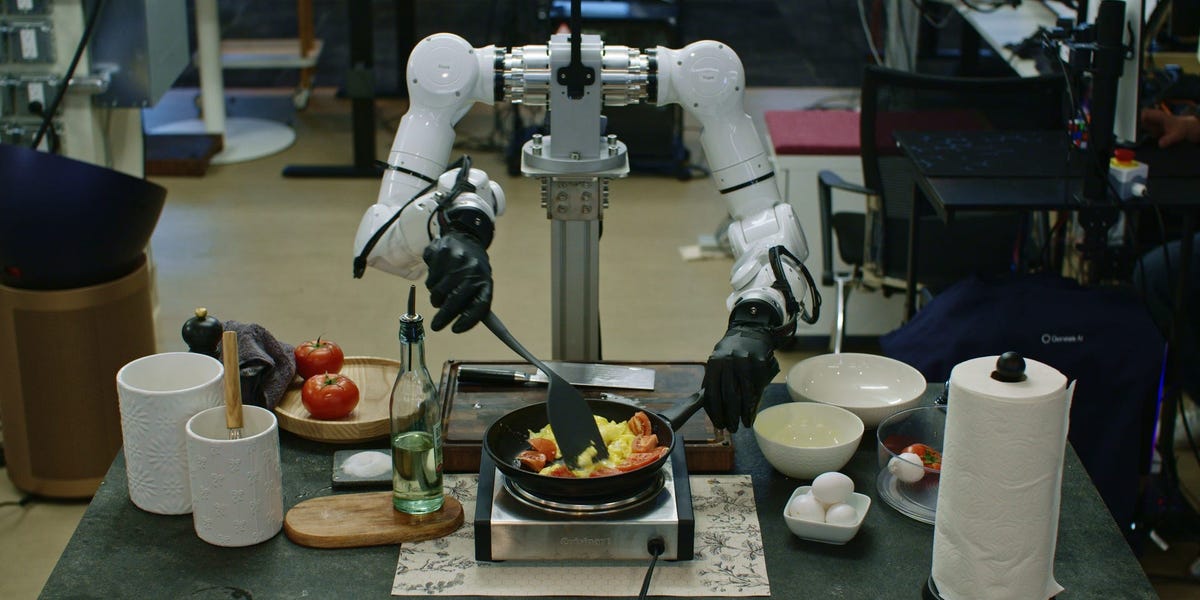
Take a look at these hands: Genesis AI says it taught a robot to cook and play piano close to human-level performance
Genesis AI has announced the development of advanced robotic hands that exhibit dexterity and performance comparable to that of human hands. CEO Zhou Xian revealed this breakthrough during a recent presentation, highlighting the company's commitment to pushing the boundaries of artificial intelligence and robotics. The announcement comes as part of Genesis AI's ongoing efforts to innovate within the tech industry and enhance the capabilities of robotic systems. This advancement could have significant implications for various sectors, including manufacturing, healthcare, and service industries, where precision and adaptability are crucial. The technology is expected to be further refined and tested in the coming months, with the potential for commercial applications in the near future.
Tech robots
FingerEye bridges touch and vision to improve robot handling before and after contact
Researchers are advancing the capabilities of robots to perform a wider range of manual tasks by enhancing their ability to manipulate various objects. While many robotic systems have successfully mastered basic functions like picking up and transporting items, they still face challenges with more complex tasks that require dexterous handling. This development is crucial as it aims to improve the efficiency and versatility of robots in both household and professional environments. The ongoing efforts in robotics research are focused on overcoming these limitations, which could lead to significant improvements in how robots assist in everyday tasks and specialized applications.
Robotics
Bananas, cups and peelers: Robots learn how to handle curved objects like fruits and tools
Recent observations have highlighted the limitations of robotic systems in handling objects of varying shapes. While robots excel at manipulating simple, uniform items such as boxes, they frequently struggle with more complex forms, exemplified by the common banana. This disparity in performance raises questions about the current capabilities of robotic technology and its adaptability to diverse tasks. The findings underscore the need for advancements in robotic design and programming to improve their efficiency in dealing with irregularly shaped objects. As the field of robotics continues to evolve, researchers are exploring innovative solutions to enhance the versatility and functionality of these machines, aiming to bridge the gap between simple and complex object manipulation.
Robotics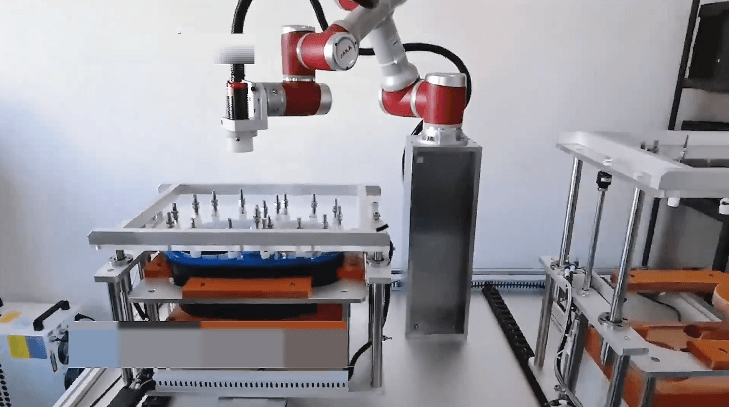
Designing Flexible Robotic Handling Systems for Irregular Product Shapes
In the evolving landscape of manufacturing, JAKA is addressing the significant challenge of efficiently handling irregular product shapes through advanced robotic systems. These systems, designed for flexibility and precision, can adapt to complex geometries and unconventional designs while maintaining high performance. By employing sophisticated control algorithms and modular components, JAKA's robotic handling solutions seamlessly accommodate variations in size, weight, and shape, ultimately enhancing production rates and reducing management costs. The JAKA Zu30, a key innovation, exemplifies the importance of precision and repeatability in industrial applications. Its ability to spray complex curves with accuracy ensures that products meet stringent quality standards, minimizing rework and scrap, which lowers operational costs. The adaptable end-effectors of the system enable secure manipulation of diverse items, reducing the risk of damage during handling. JAKA's robotic solutions are engineered for smooth integration into existing production lines, supporting various tasks from welding to packing without extensive retooling. This modular design allows manufacturers to quickly adapt to new product lines, responding efficiently to market demands while maintaining high quality. By replacing repetitive manual tasks, JAKA's systems not only optimize operational efficiency but also enhance product quality. The JAKA Zu30's precision control reduces human error in processes like painting and welding, facilitating scalable production that accommodates design changes. As manufacturers face the need for flexibility in an ever-changing market, JAKA's commitment to balancing adaptability, precision, and efficiency positions them as a leader in robotic handling solutions.
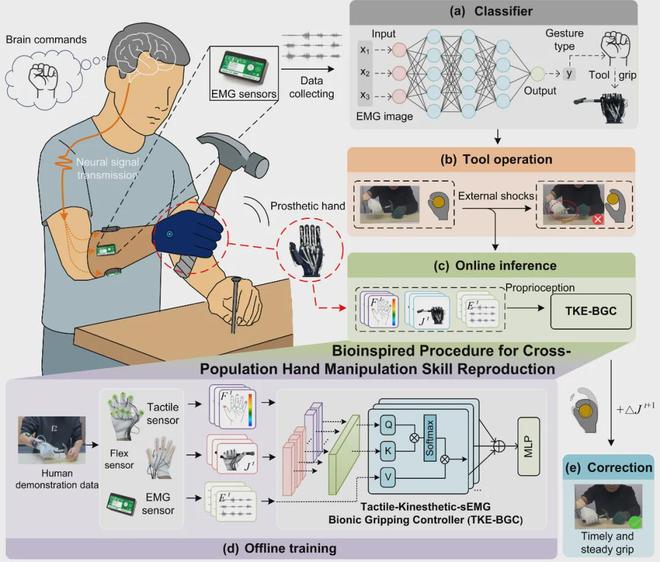
Dynamic Skill Learning for Tactile Myoelectric Prosthetic Hands in Tool Handling
A collaborative research team from Beijing University of Posts and Telecommunications, Tsinghua University, and Wuhan University of Science and Technology has unveiled a groundbreaking multimodal control framework designed for myoelectric prosthetic hands. This innovative technology, introduced recently, aims to enhance the stability and efficiency of dynamic tool handling, thereby significantly improving the daily independence of amputees. By integrating advanced control mechanisms, the framework allows users to perform tasks with greater ease and precision, marking a notable advancement in prosthetic technology.
Myoelectric Prosthetics Bionic Systems Assistive Technology Robotics
Hand Tracking Streamer: A Practical Bridge from Quest Hand Tracking to Robotics Teleoperation and Data Collection
In the field of research, the integration of high-fidelity hand-telemetry systems is frequently achieved through the use of specialized coding and tailored interfaces. These solutions are typically designed to function effectively within the confines of a specific laboratory setup, a particular machine, or a singular demonstration. This approach, while effective in isolated environments, raises concerns about scalability and adaptability across different research contexts. As researchers strive for more versatile and universally applicable systems, the reliance on bespoke solutions may hinder collaboration and innovation in the broader scientific community. The ongoing challenge is to develop standardized frameworks that can accommodate diverse setups while maintaining the high fidelity required for accurate telemetry data.

ROKAE Embodied Intelligent Robots Take the Stage at the Shandong Robot Spring Festival Gala
On New Year's Eve, over 50 ROKAE robots took center stage at the Shandong Robot Spring Festival Gala, showcasing a unique blend of robotics, music, and traditional art. This live event highlighted the evolving capabilities of embodied intelligent robots, demonstrating their ability to move, interact, and create in harmony with human performers. The gala not only entertained attendees but also provided a glimpse into the future of robotic integration in cultural expressions, marking a significant step in the advancement of robotics technology.
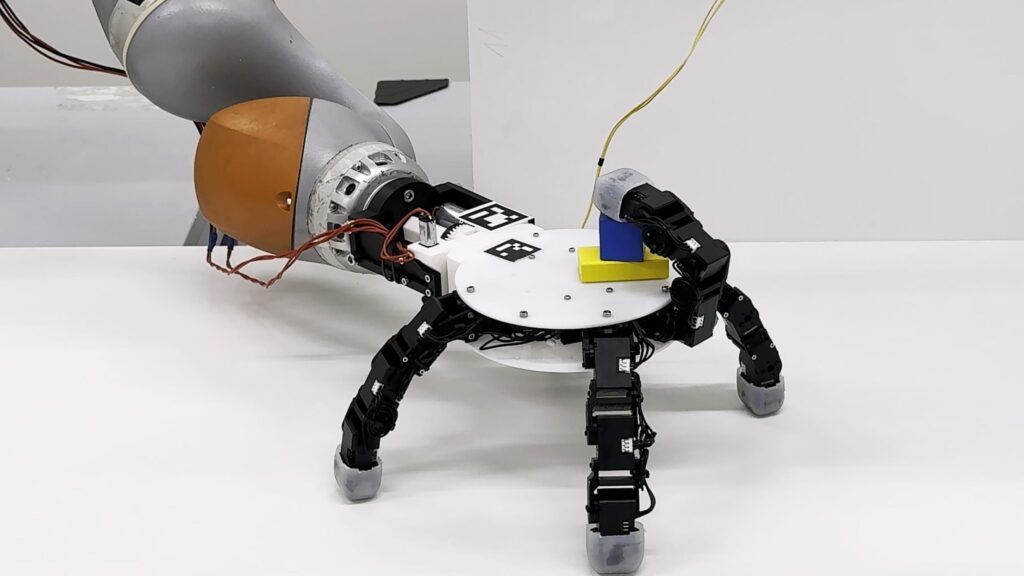
Reversible, detachable robotic hand redefines dexterity
Researchers at the École Polytechnique Fédérale de Lausanne (EPFL) are exploring the limitations of human hand design to enhance robotic dexterity. In a study led by Celia Luterbacher, the team highlights that while human hands, with their opposable thumbs and intricate joint structures, are often viewed as the epitome of dexterity, they are not the most efficient design. The research, conducted in 2025, aims to identify the evolutionary constraints that have shaped human hands over time and to apply these insights to develop more advanced robotic hands. By analyzing the mechanics and functionality of human hands, the researchers hope to create robotic systems that can perform tasks with greater precision and adaptability. This innovative approach could significantly impact fields such as robotics, prosthetics, and automation, ultimately leading to more effective and versatile robotic applications.

IFOY Competition Names 17 Finalists for Material Handling Awards
The IFOY competition has announced its 17 finalists in the material handling sector, highlighting innovative automation solutions that are transforming warehouse operations. Among the contenders is Locus Robotics, a company known for its cutting-edge technology in logistics and automation. The finalists were selected based on their ability to enhance efficiency and productivity within the industry. This year's competition aims to showcase advancements that not only streamline processes but also address the growing demand for automation in supply chain management. The winners will be revealed during the IFOY Awards ceremony, which is set to take place later this year, emphasizing the importance of innovation in the evolving landscape of material handling.
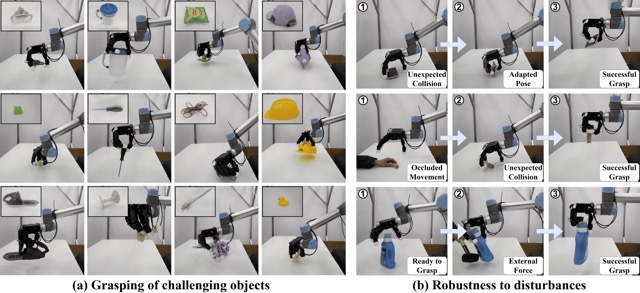
CoRL2025 – RobustDexGrasp: dexterous robot hand grasping of nearly any object
Researchers are increasingly focused on bridging the dexterity gap between human and robotic hands, a challenge that has significant implications for various industries. Human hands, with their remarkable 20 degrees of freedom, exhibit an unparalleled ability to perform intricate tasks, from gripping tools to making quick adjustments in response to unexpected changes. This natural dexterity allows humans to engage in a wide range of activities with ease and precision. The quest to replicate this level of skill in robotic hands has gained momentum in recent years, driven by the growing demand for advanced automation in sectors such as manufacturing, healthcare, and service industries. As of October 2023, experts are exploring innovative designs and technologies that could enhance the functionality and adaptability of robotic hands, aiming to create machines that can perform complex tasks with the same fluidity as human hands. By leveraging advancements in artificial intelligence, machine learning, and materials science, researchers are developing robotic systems that can learn from their environment and improve their performance over time. This ongoing effort not only seeks to enhance the capabilities of robots but also aims to expand their applications, potentially transforming the way humans and machines interact in everyday tasks. The successful integration of dexterous robotic hands could lead to significant improvements in efficiency and safety across various fields, marking a pivotal step toward a future where robots can seamlessly assist humans in their daily lives.
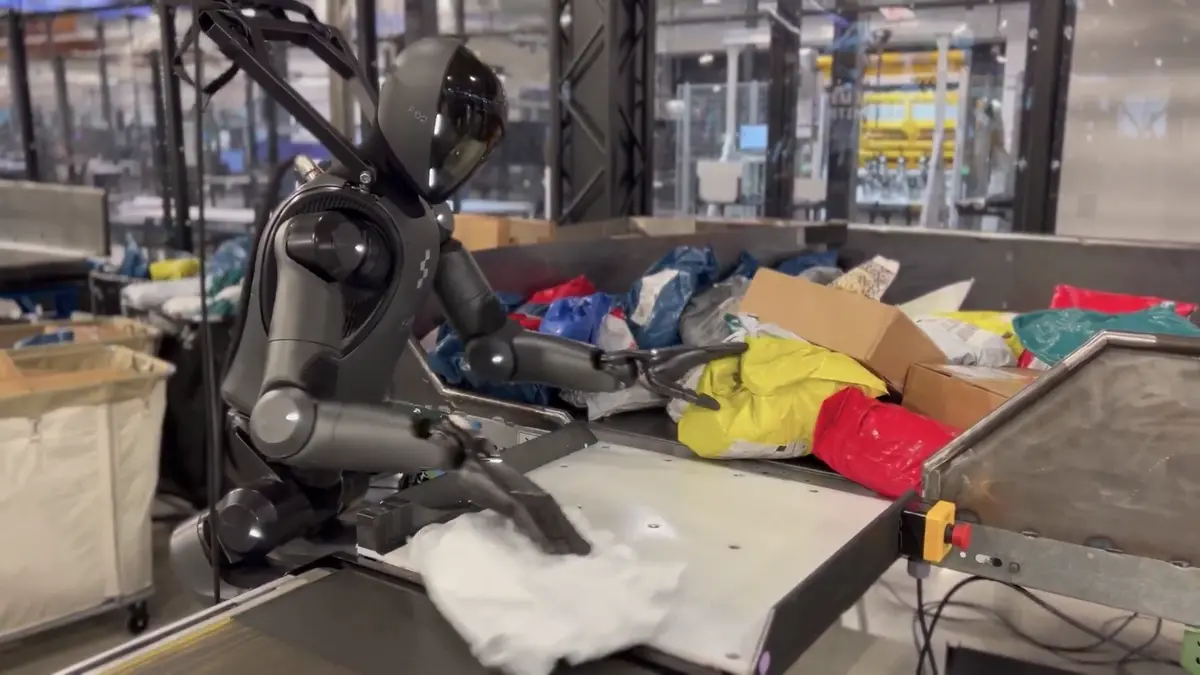
Figure 02 Humanoid Shows Off Rapid, Dexterous Package Handling in New Helix-Powered Demo
Brett Adcock, CEO of Figure, recently released a video featuring the Figure 02 humanoid robot, which demonstrated advanced capabilities in sorting and scanning a variety of packages, including those with deformities. The showcase, powered by the company's Helix AI, highlighted the robot's ability to flatten packages for more efficient scanning. This demonstration has garnered positive feedback from industry experts, who praised the robot's speed and efficiency in handling complex tasks. The video serves as a testament to the advancements in robotic technology and its potential applications in logistics and package management.
Brett Adcock Figure helix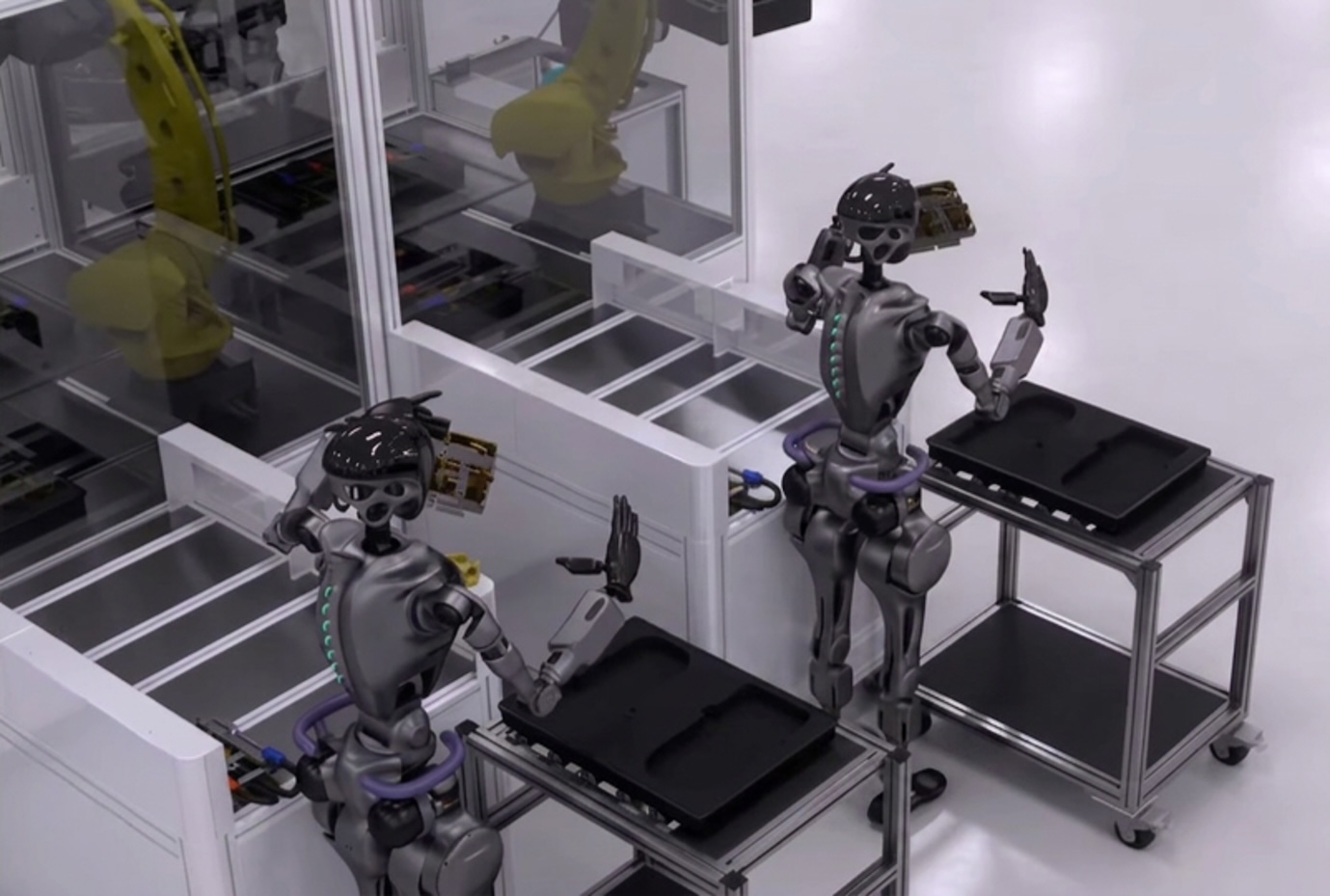
DJI launches DJI Flip, a foldable drone with hand launch and AI features
Chinese drone manufacturer DJI unveiled its latest product, the DJI Flip, on Tuesday. This innovative foldable drone is equipped with a 1/1.3-inch image sensor, allowing it to capture high-quality 4K/60fps HDR videos. Weighing less than 249 grams, the DJI Flip is designed for portability and convenience, featuring a protective cover and an impressive flight time of 31 minutes. Additionally, it offers advanced capabilities such as AI smart tracking and the ability to be launched by hand without the need for a remote control. The launch of the DJI Flip highlights the company's commitment to enhancing user experience by combining cutting-edge technology with ease of use, catering to both amateur and professional drone enthusiasts.
On the Cusp Content and entertainment Hardware Highlight News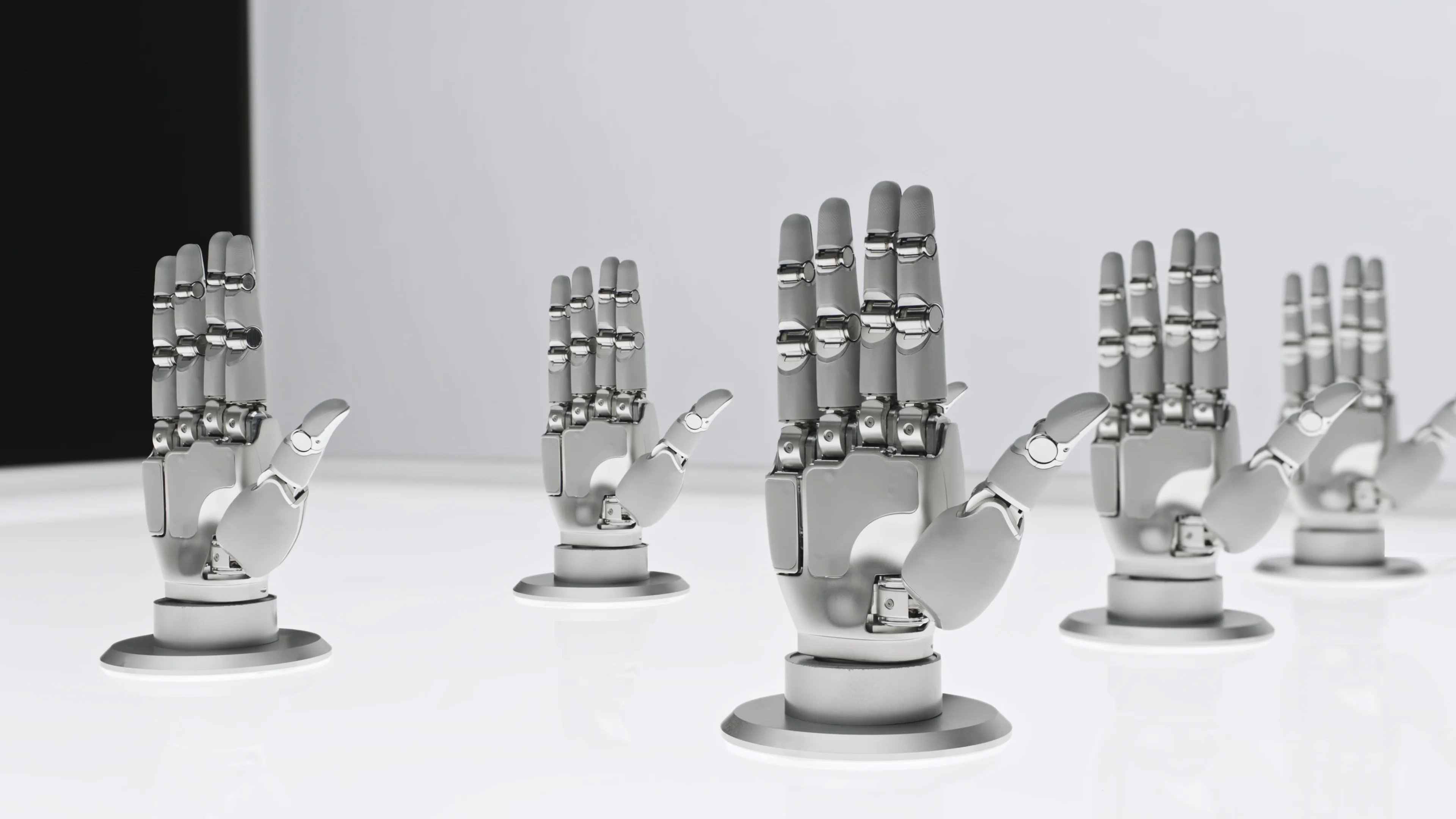
Sharpa Robotics Ramps Up Mass Production of "Vision-Based" Tactile Hand
As CES 2026 approaches, a Singapore-based robotics firm has announced significant advancements in its SharpaWave end-effector. The company revealed details about its rigorous reliability testing, showcasing the product's durability and effectiveness in various applications. Additionally, the firm confirmed that the SharpaWave features a modular design, allowing for enhanced adaptability and customization in robotic systems. This strategic development aims to position the company as a leader in the robotics industry, responding to the growing demand for versatile and reliable robotic solutions. The unveiling of these innovations is expected to attract attention at the upcoming technology showcase in Las Vegas, where industry leaders and enthusiasts will gather to explore the latest advancements in robotics and automation.
SharpaWave Sharpa Robotics hands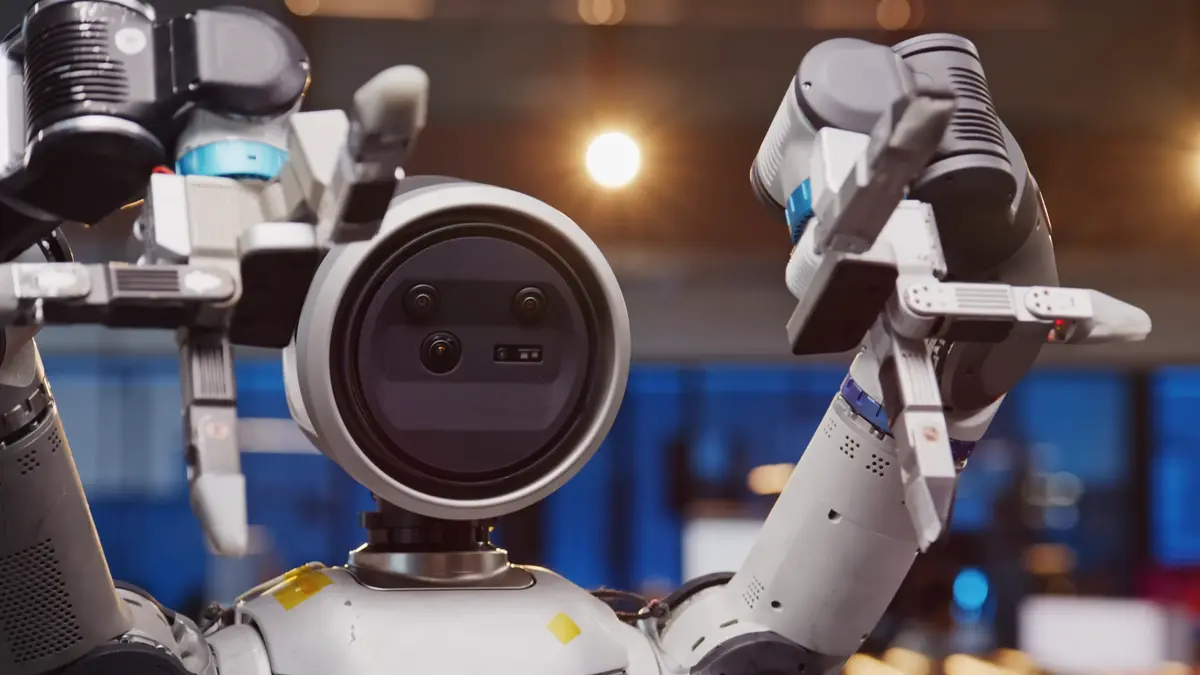
Boston Dynamics Details its 'Good Enough' Approach to Humanoid Hands
Boston Dynamics engineers have released a new video detailing the design philosophy behind the electric Atlas robot's innovative three-fingered grippers. The engineers highlight their approach, which focuses on achieving a practical balance between dexterity, reliability, and simplified complexity to enhance the robot's ability to manipulate objects in real-world scenarios. This development reflects the company's ongoing commitment to advancing robotic technology for practical applications. The video aims to provide insights into the engineering challenges and solutions that shape the Atlas's functionality, showcasing how these grippers are designed to perform effectively in diverse environments.
hand Atlas hands grippers Boston Dynamics
EcoVadis awards KION Group Platinum rating for sustainability commitment for the first time
KION Group has received a prestigious Platinum rating from EcoVadis for its sustainability efforts, positioning the company among the top one percent of over 150,000 evaluated organizations. This achievement, announced recently, highlights KION's dedication to sustainable practices, as evidenced by its impressive score of 86 out of 100, which marks a 10-point improvement from the previous year. The enhanced rating underscores the company's ongoing commitment to integrating environmentally responsible strategies into its operations, reinforcing its status as a leader in sustainability within the industry.
intralogistics supply chain solutions industrial trucks forklift trucks warehouse trucks automation technology
KION with strong financial year 2024: significant increase in profitability
KION Group has announced impressive financial results for 2024, achieving a revenue of €11.503 billion and a notable increase in adjusted EBIT to €917.2 million. The company attributes this strong performance to its strategic emphasis on innovation and operational efficiency, even amid a difficult macroeconomic landscape. In light of these results, KION Group intends to propose a dividend of €0.82 per share, signaling confidence in its ongoing growth and stability.
intralogistics supply chain solutions industrial trucks forklift trucks warehouse trucks automation technology
KION GROUP AG included in Dow Jones Best-in-Class Europe Index as one of Europe's top sustainability performers
KION GROUP AG has made its debut in the Dow Jones Best-in-Class Europe Index, marking a significant recognition of its sustainability efforts. This inclusion highlights the company's position as a leading performer in sustainability within Europe. Additionally, KION achieved its highest score to date in the S&P Global Corporate Sustainability Assessment, underscoring its dedication to excellence in environmental, social, and governance practices. This recognition reflects KION's ongoing commitment to integrating sustainable practices into its operations and strategy, reinforcing its reputation as a responsible corporate leader in the industry.
intralogistics supply chain solutions industrial trucks forklift trucks warehouse trucks automation technology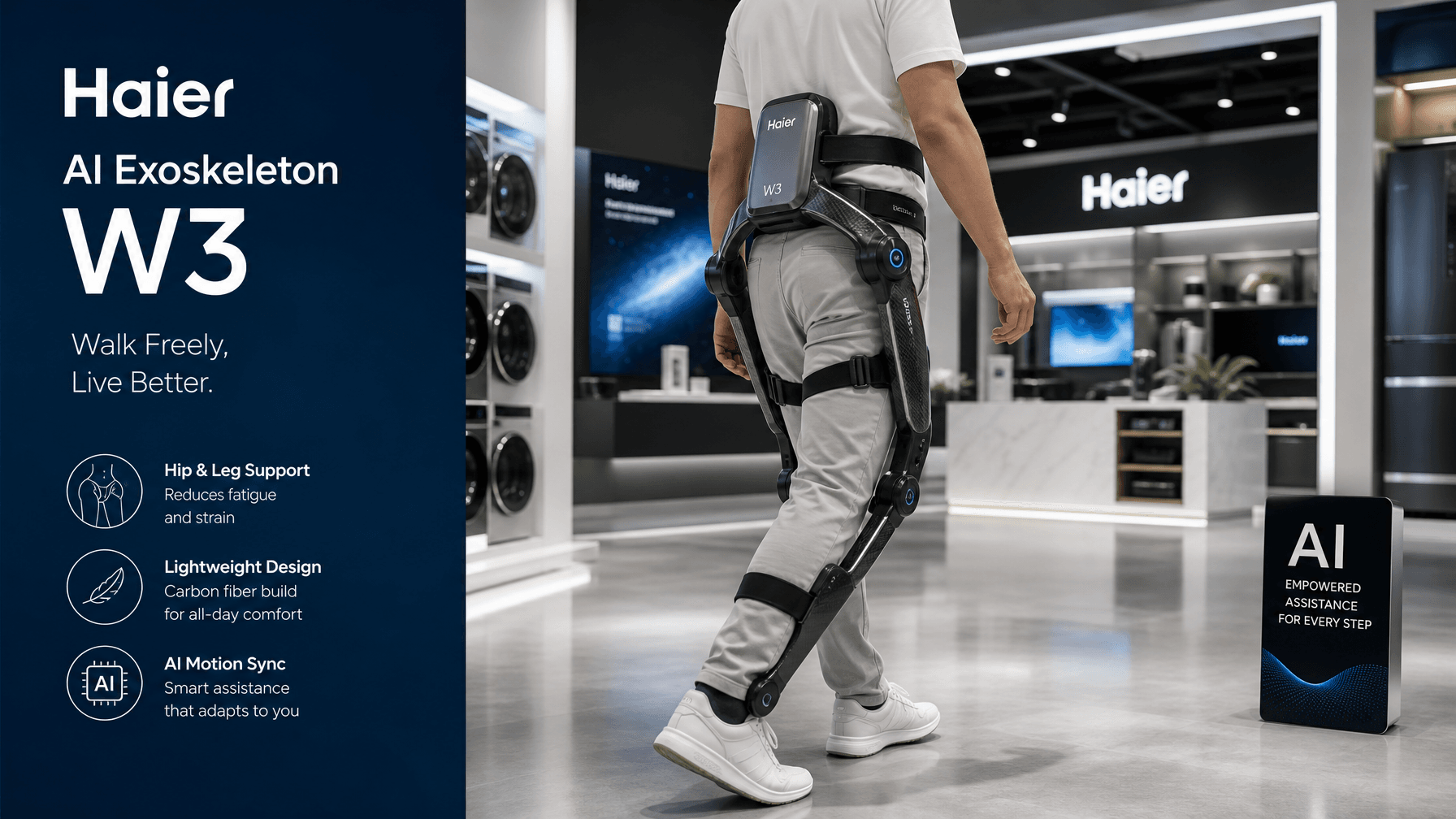
Haier Launches Lightweight AI Exoskeleton W3 for $2200 in Guangzhou Stores
Haier has introduced its third-generation AI exoskeleton, the W3, which weighs only 1.75 kg and is priced at $2200. This wearable robot is now available in physical stores located in Guangzhou, marking a significant step in consumer robotics. The W3 features advanced AI gait learning technology that adapts to the user's walking patterns in real time, enhancing usability and comfort. The introduction of the W3 is significant as it represents Haier's commitment to integrating AI into wearable technology, making it more accessible for everyday use. The lightweight design and real-time adaptation capabilities position the W3 as a practical solution for individuals seeking mobility assistance. This development reflects a growing trend in the market towards more user-friendly and adaptable robotic solutions. Looking ahead, it will be important to monitor consumer feedback and sales performance of the W3 in the coming months. No further timeline was disclosed at the time of publication regarding additional features or expansions beyond the Guangzhou market.
Technology
Smart Hand valued at $1 billion after 5 months, achieves profit in first quarter; DeepSeek plans to double all departments.
On June 26, 2026, Wuliangye announced the removal of Zeng Zongqin from his position as chairman due to his inability to fulfill his duties. The decision was made during the company's annual shareholder meeting, where a proposal to appoint Deng Min as the new chairman was approved. Zeng's departure, effective immediately, will not affect the company's operations, as he held no shares and had no outstanding commitments. In Yantai, JD Pharmacy has established a new company, JD Pharmacy (Yantai) Co., Ltd., with a registered capital of 100,000 RMB. The company, fully owned by JD Pharmacy (Qingdao) Chain Co., Ltd., will engage in retailing pharmaceuticals and providing medical device services. SpaceX, led by Elon Musk, plans to launch a new Starlink mobile service in the U.S. and develop its own ground mobile network, aiming to compete with major carriers like Verizon, AT&T, and T-Mobile. He Xiaopeng announced on June 25 that XPeng Motors is set to expand globally, with the second-generation VLA model expected to enter international markets by 2027, coinciding with new EU regulations on autonomous driving. Meanwhile, Lingqiao Shou, a company spun off from Zhiyuan Robotics, has achieved a valuation of $1 billion within just five months of its establishment, following significant funding rounds. Beijing Tongrentang Medical and Health Investment Co. plans to raise up to HKD 671.6 million through an IPO in Hong Kong, with shares priced between HKD 5.48 and HKD 6.21, expected to begin trading on July 7. Lastly, DeepSeek announced plans to double its workforce across all departments, while Apple reported a surge in memory demand due to the rapid expansion of AI data centers, presenting challenges for the electronics industry.
Robotics needs a service framework.
RSF defines a common language for robot service capability, lifecycle operations, certification pathways, and service-provider networks.