Industry Briefing
A single destination for timely, editor-curated robotics news from around the world.
Xspark AI Raises Nearly $15 Million to Advance Physical AI Technology Development
Xspark AI has successfully completed its first round of angel financing, securing nearly 100 million yuan (approximately $15 million). This funding round was led by Dinghui VGC, Chuxin Capital, and the SEE Fund, with participation from several financial investment institutions. The capital will primarily be allocated towards core technology research and development, product iteration, and the large-scale implementation of Physical AI. The significance of this funding lies in addressing the challenges faced by Physical AI in real-world applications. Despite advancements in AI capabilities, many models that perform well in laboratory settings struggle to adapt to dynamic real-world environments. Factors such as lighting changes in factories and the arrangement of objects in homes complicate the deployment of these technologies, highlighting the need for reliable safety mechanisms to prevent equipment failures and accidents. Looking ahead, Xspark AI's CEO, Xiong Qi, emphasizes the importance of accumulating real-world data to enhance the stability and safety of Physical AI systems. As the company aims to overcome existing barriers, the development trajectory of Physical AI is expected to mirror that of the autonomous driving industry, where practical application and data-driven iterations are crucial for achieving commercial success.
Physical AI Robotics Funding Technology Development
Startup Revolutionizes Restaurant Kitchens with World Models and AI Technology
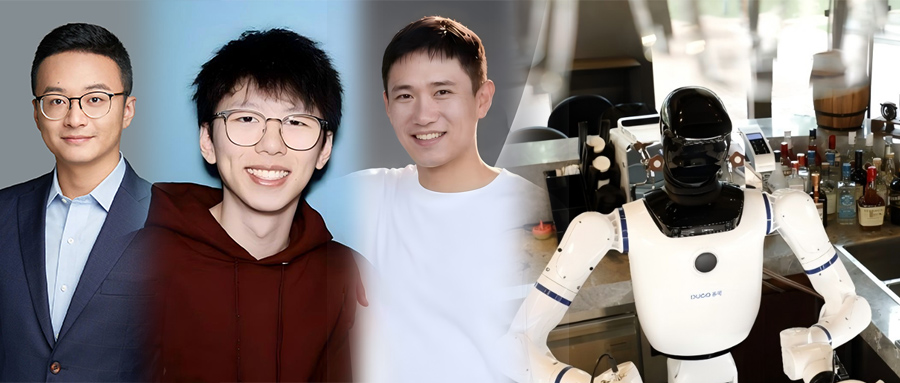
Yuanjie Intelligent, a startup founded in March 2026 and led by former Meituan executive Dr. Wang Dong, has successfully raised millions in seed funding within just two months of its inception. The company aims to tackle the pressing labor shortages in the restaurant industry by developing intelligent kitchen robots designed to enhance operational efficiency and reduce costs. Utilizing advanced world action models, these robots are engineered to navigate the complexities of kitchen environments effectively. By addressing critical pain points in food delivery operations, Yuanjie Intelligent is positioning itself to revolutionize the culinary sector, promising a smarter and more automated future for restaurants.
Restaurant Automation AI Technology Robotics Food Delivery Solutions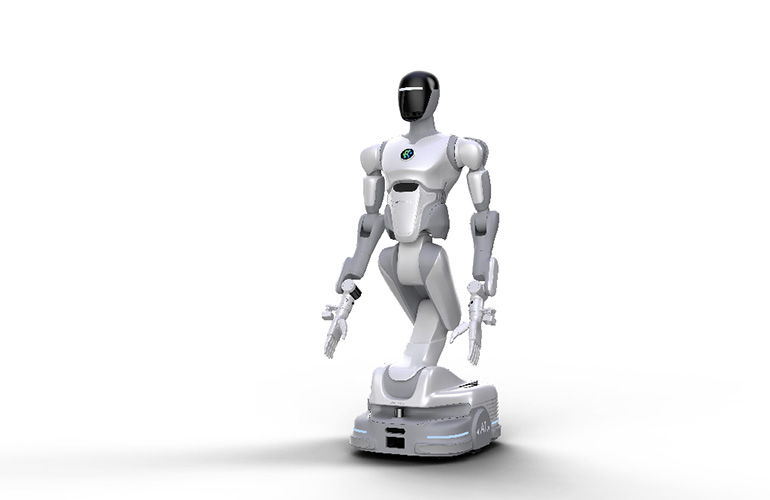
AI² Robotics Secures $735 Million Funding for Wheeled Humanoid Robots Development
AI² Robotics has successfully raised approximately $735 million in a recent funding round, elevating its valuation to around $2.8 billion. The Shenzhen-based company specializes in wheeled humanoid robots, which feature a humanoid torso and five-fingered hands, offering a unique alternative to traditional bipedal systems. This funding round attracted a diverse group of investors, including government-backed entities and major corporations, highlighting the growing importance of physical AI technology in China. The strategic choice to develop wheeled robots instead of bipedal models allows AI² Robotics to focus on mechanical simplicity and durability, making their robots more cost-effective and easier to deploy in public spaces. With over 34 degrees of freedom and a custom lifting mechanism, the robots are designed for various industrial applications, including logistics, manufacturing, and retail. The company’s proprietary Alpha Brain software enhances the robots' capabilities in real-time spatial reasoning and task planning, positioning them as practical solutions in structured environments. Looking ahead, AI² Robotics aims to further penetrate industrial markets while steering clear of the consumer robotics hype. The company is actively deploying its AlphaBot 2 in practical settings, emphasizing its utility in sectors such as biotech and public service. No further timeline was disclosed at the time of publication regarding future funding or product releases.
Artificial Intelligence / Cognition China Financial Humanoids Investments News
Over 10,000 Agricultural Robots Exported to Malaysia by Maima Technology
Maima Technology Group has announced a significant milestone in its expansion into the agricultural sector by securing an order for more than 10,000 agricultural robots in Malaysia. This deal, which underscores the growing influence of China's agricultural AI technology, is set to transform local farming practices through the implementation of intelligent management systems and data-driven decision-making. The deployment of these robots is scheduled to take place over the next one to two years, aiming to enhance productivity and efficiency in Malaysian agriculture.
Agricultural Robots AI Technology Smart Farming Robotics
AGIRobots unveils new semi-humanoid robot "AGIRobots Worker" to enhance physical AI in manufacturing and logistics.
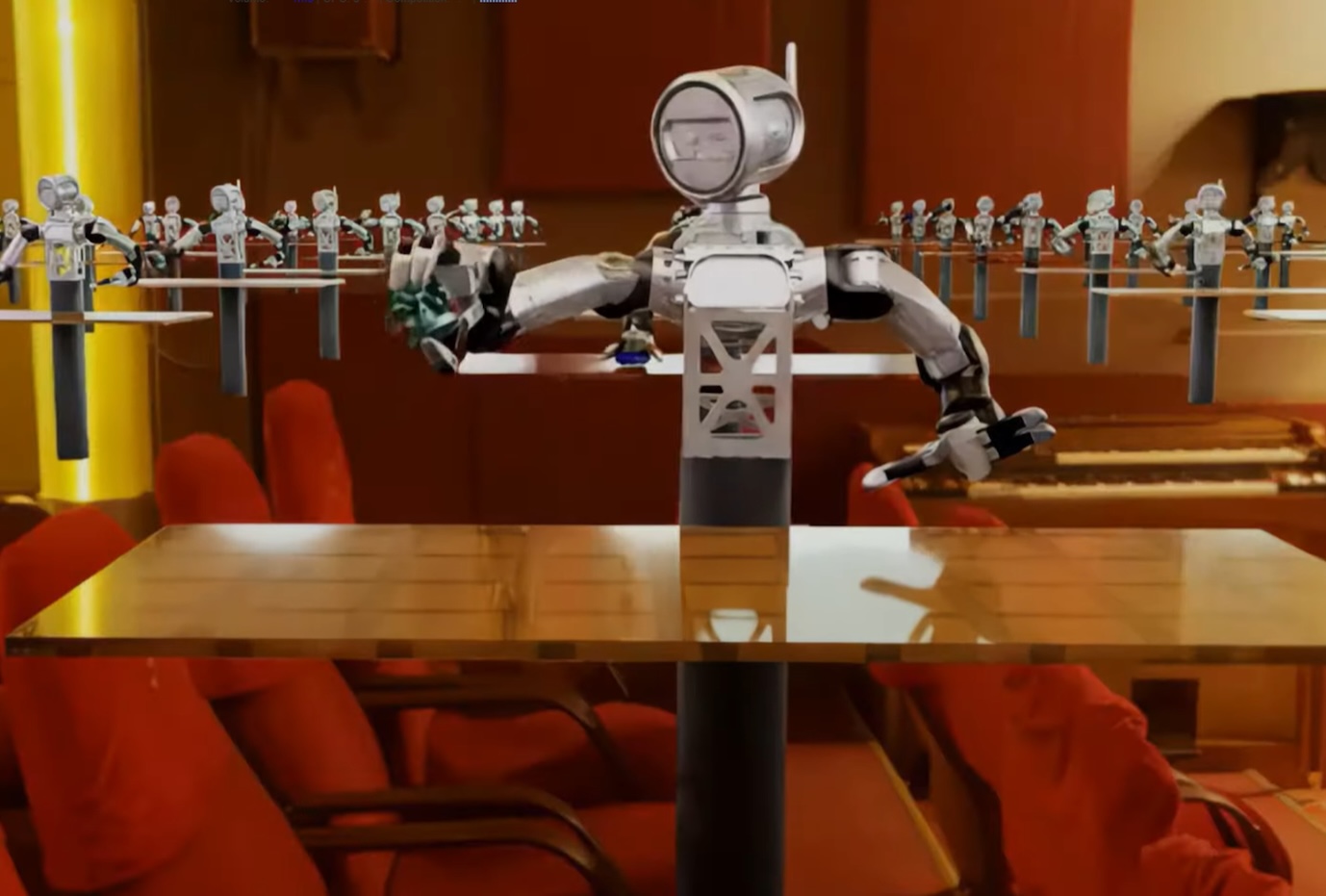
AGIRobots has unveiled its latest semi-humanoid robot, the "AGIRobots Worker," aimed at enhancing the use of physical AI in the manufacturing and logistics sectors. This announcement was made recently as part of the company's ongoing efforts to innovate and improve operational efficiency in these industries. The AGIRobots Worker is designed to assist in various tasks, streamlining processes and potentially reducing labor costs. By integrating advanced AI technology, the robot is expected to play a crucial role in transforming traditional workflows, making them more efficient and adaptable to modern demands. The launch reflects AGIRobots' commitment to driving technological advancements that support the evolving needs of the manufacturing and logistics landscapes.
CIA Reports AI Drones Reduce Russian Soldiers' Battlefield Survival to 30 Minutes
CIA Director John Ratcliffe revealed that Russian soldiers face a grim average survival time of just 20 to 30 minutes on the battlefield. This alarming statistic is attributed to the effectiveness of Ukraine's artificial intelligence attack drones. The implications of this development are significant, as it highlights the transformative impact of AI technology in modern warfare. The ability of these drones to swiftly neutralize threats poses a serious challenge to Russian military operations and strategy. Looking ahead, the ongoing advancements in AI drone technology will be crucial to monitor. The evolving capabilities of these systems may continue to shape the dynamics of battlefield engagements and influence military tactics on both sides.

Microsoft Releases Record 570 Security Patches, Leveraging AI for Vulnerability Discovery
Microsoft has issued a record 570 security patches for its products, including Windows and Office, during its monthly 'Patch Tuesday' release. This significant update includes fixes for at least two zero-day vulnerabilities, one affecting Windows Server and another impacting SharePoint, which the U.S. government's CISA has warned is being actively exploited by hackers. The importance of this release lies in Microsoft's integration of AI technology, which has enhanced its ability to identify previously undiscovered vulnerabilities. Windows boss Pavan Davuluri stated that as AI aids in the discovery of security issues, customers can expect a higher volume of updates in future releases. This shift indicates a proactive approach to cybersecurity, addressing threats before they can be exploited. Looking ahead, the trend of increasing security patches is likely to continue as AI models evolve and become more adept at identifying vulnerabilities. No further timeline was disclosed at the time of publication, but organizations should remain vigilant and prepared for ongoing updates as Microsoft enhances its security measures through AI advancements.
AI Security cyberattack cybersecurity In Brief sharepoint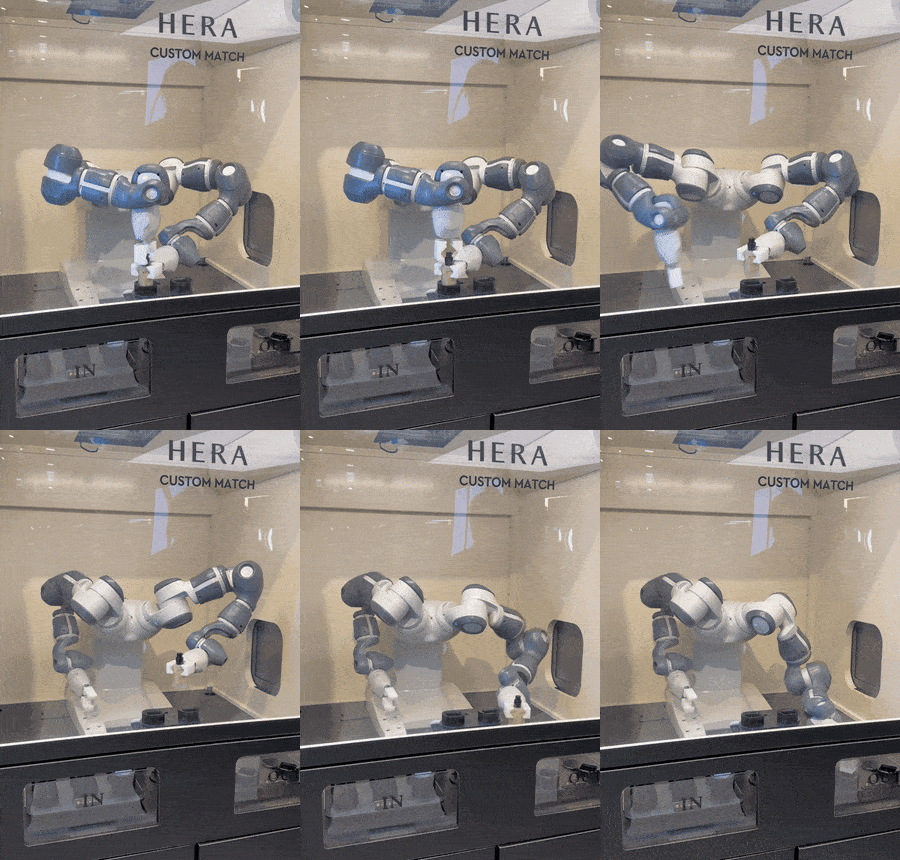
Amorepacific's AI Beauty Lab Offers Customized Products at Amore Yongsan Store
Amorepacific has launched its flagship store, Amore Yongsan, where AI and robotics create personalized beauty products, including foundations and lip cosmetics. Customers engage in a 15-minute AI consultation to select from 335 shades, with the Hera Custom Match service being particularly popular. The store also features a scalp diagnostic program and a fragrance lab, enhancing the customer experience. This innovative approach to beauty customization is significant as it positions Amore Yongsan as a potential new beauty district in Seoul, attracting both local and foreign customers. The store manager noted a nearly equal ratio of Korean and foreign clients, with a higher percentage of foreigners opting for product creation services. The bespoke essence service, inspired by Japanese preferences, further emphasizes the demand for tailored beauty solutions. Looking ahead, Amorepacific's integration of AI technology in beauty consultations and product creation may set a new standard in the industry. The store's research-focused environment, including AI skin scans and fragrance development, showcases the brand's commitment to innovation. No further timeline was disclosed at the time of publication.
All News
AI Agents Develop Virtual Environments for Essential Robot Training Data
Robots are becoming more visible in public spaces, captivating onlookers. However, they still lack the versatility needed for tasks in kitchens or factories, primarily due to a significant data bottleneck. Similar to human learning, robots acquire skills through experience, but the process of physically training them in various environments is labor-intensive and time-consuming. This challenge highlights the need for innovative solutions to streamline robot training. By utilizing AI agents to create virtual playgrounds, developers can simulate diverse scenarios, allowing robots to learn efficiently without the constraints of physical environments. This approach could significantly reduce the time and resources required for training, ultimately accelerating the deployment of robots in practical applications. Looking ahead, the development of these virtual training environments may pave the way for more capable robots in various industries. As AI technology continues to evolve, it will be essential to monitor advancements in virtual training methodologies and their impact on robot performance and adaptability. No further timeline was disclosed at the time of publication.
Robotics
University of Illinois Researchers Challenge Traditional Views on Brain Decision Making
Researchers at the University of Illinois Urbana Champaign have revealed new insights into brain decision-making processes, suggesting that these processes begin earlier than previously thought. This research, led by Professor Yurii Vlasov, indicates that early sensory brain regions play a crucial role in decision-making, contradicting the long-held belief that decisions are made only after information passes through a strict hierarchy of brain regions. The implications of this study are significant for both neuroscience and artificial intelligence. By understanding that decision-making involves interconnected feedback loops rather than a linear progression, researchers can design AI systems that mimic this biological architecture. This could lead to the development of AI that is not only more capable but also more energy-efficient, addressing current limitations in AI technology. Moving forward, the research team aims to further explore how biological intelligence, refined through evolution, can inform AI development. No further timeline was disclosed at the time of publication.

Exploring Automation Intelligence: Opportunities and Challenges in AI for Manufacturing
The manufacturing sector is experiencing a surge in artificial intelligence (AI) applications, driven by recent advancements in speech, language, and content generation technologies. Engineers and technology leaders are keenly observing these developments to enhance quality, minimize rework, and increase throughput. However, many organizations face challenges in translating AI demonstrations into tangible business value, revealing the complexities of deploying AI in production environments. Despite significant investments in AI and machine learning (ML), the manufacturing industry is encountering hurdles similar to those faced during the initial wave of data science and ML in the context of Industry 4.0. Many early projects failed to deliver operational value due to the misalignment of algorithms designed for consumer behavior with the deterministic needs of industrial settings. As manufacturers increasingly seek actionable insights from their data, the need for a deeper understanding of AI technology and its application in industrial contexts becomes critical. Looking ahead, the emergence of automation intelligence, which integrates lessons from past experiences with current AI tools, offers a promising framework for addressing complex industrial challenges. As AI technologies like generative AI and foundation models continue to evolve, their successful implementation will depend on ensuring real-time grounding, safety, and regulatory compliance in manufacturing processes. No further timeline was disclosed at the time of publication.
Factory / Workforce
Inside Momenta: Elon Musk-style CEO, AI obsession, and mass production machines.
Momenta, a Chinese autonomous driving company, has made significant strides in the industry, achieving a market capitalization of HKD 70 billion on its IPO debut on July 8. Founded by Cao Xudong, who frequently travels to the U.S. to experience Tesla's Full Self-Driving (FSD) technology, the company boasts over 50% market share in designated vehicle models and over 60% in mass-produced vehicles. Cao's strategic decision to focus on L2-level mass production, rather than the more commonly pursued L4 direction, has been pivotal in establishing Momenta's competitive edge. Despite initial skepticism and funding challenges, his commitment to engineering efficiency has driven the company to achieve a gross margin increase from 17.5% to 71.6% over three years, alongside a doubling of revenue and narrowing losses. As the market for L2 technology becomes increasingly crowded with competitors like Huawei and Horizon Robotics, Momenta faces mounting pressure. The company is also navigating rapid advancements in AI technology, with a focus on world models and robotics as future growth areas. Cao's vision includes integrating hardware and software to enhance cost-effectiveness and maintain a competitive advantage. Despite the challenges, Cao remains optimistic about Momenta's potential, emphasizing the importance of a passionate team dedicated to AI innovation. As the industry evolves, the company's past successes may serve as a foundation for navigating future uncertainties.

AI agents enhance autonomous inspections, revamping manual approval processes for drones and ground robots by DataRobot, Chevron, and NVIDIA.
DataRobot has announced a collaboration with Chevron U.S.A. Inc., a subsidiary of Chevron Corporation, to implement agent-based AI in edge environments. This partnership aims to enhance autonomous patrol and inspection operations at Chevron facilities. By leveraging advanced AI technology, the initiative seeks to improve operational efficiency and safety in the company's infrastructure.

Microsoft announces seven self-developed AI models for image editing and voice recognition.
Microsoft has unveiled a suite of seven AI models, collectively known as "Microsoft AI Models." This announcement was made recently as the tech giant continues to expand its capabilities in artificial intelligence. The launch aims to enhance various applications across industries, reflecting Microsoft's commitment to innovation and leadership in AI technology. By leveraging these models, businesses and developers can integrate advanced AI functionalities into their products and services, thereby improving efficiency and user experience. The introduction of these models underscores Microsoft's strategy to provide robust AI solutions that cater to the evolving needs of the market.
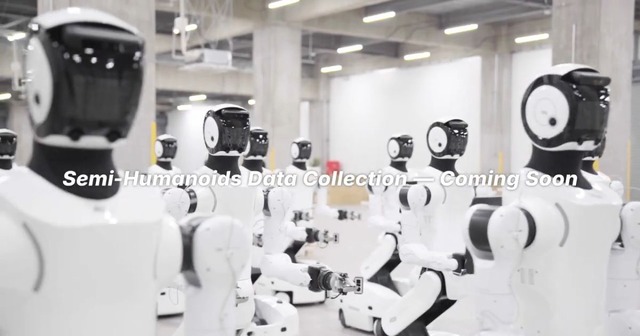
AIRoA collects 80,000 hours of robot operation data through industry-academia collaboration for physical AI infrastructure.
The AI Robot Association (AIRoA) released a YouTube video on May 29, 2026, showcasing a groundbreaking initiative titled "A Massive Collaborative Physical AI Data Initiative." The video highlights the ongoing operations of robots across various universities and research institutions, illustrating the accumulation of a global data infrastructure. This initiative aims to enhance the development of artificial intelligence by creating a comprehensive database that supports collaborative research and innovation in robotics. Through this project, AIRoA seeks to foster advancements in AI technology and improve its applications in real-world scenarios.

ShengShu Technology Unveils World Action Model "Motubrain": One Brain, Infinite Possibilities for Robotic Intelligence
Motubrain has emerged as a leader in the field of embodied artificial intelligence, achieving top rankings in two global benchmarks that assess its capabilities in understanding and generating information about the world. This significant milestone was reached in October 2023, highlighting the company's innovative approach to AI technology. By redefining the standards of embodied AI, Motubrain aims to enhance the interaction between humans and machines, making AI systems more intuitive and responsive. The advancements made by Motubrain are expected to have a profound impact on various industries, paving the way for more sophisticated applications of AI in everyday life.
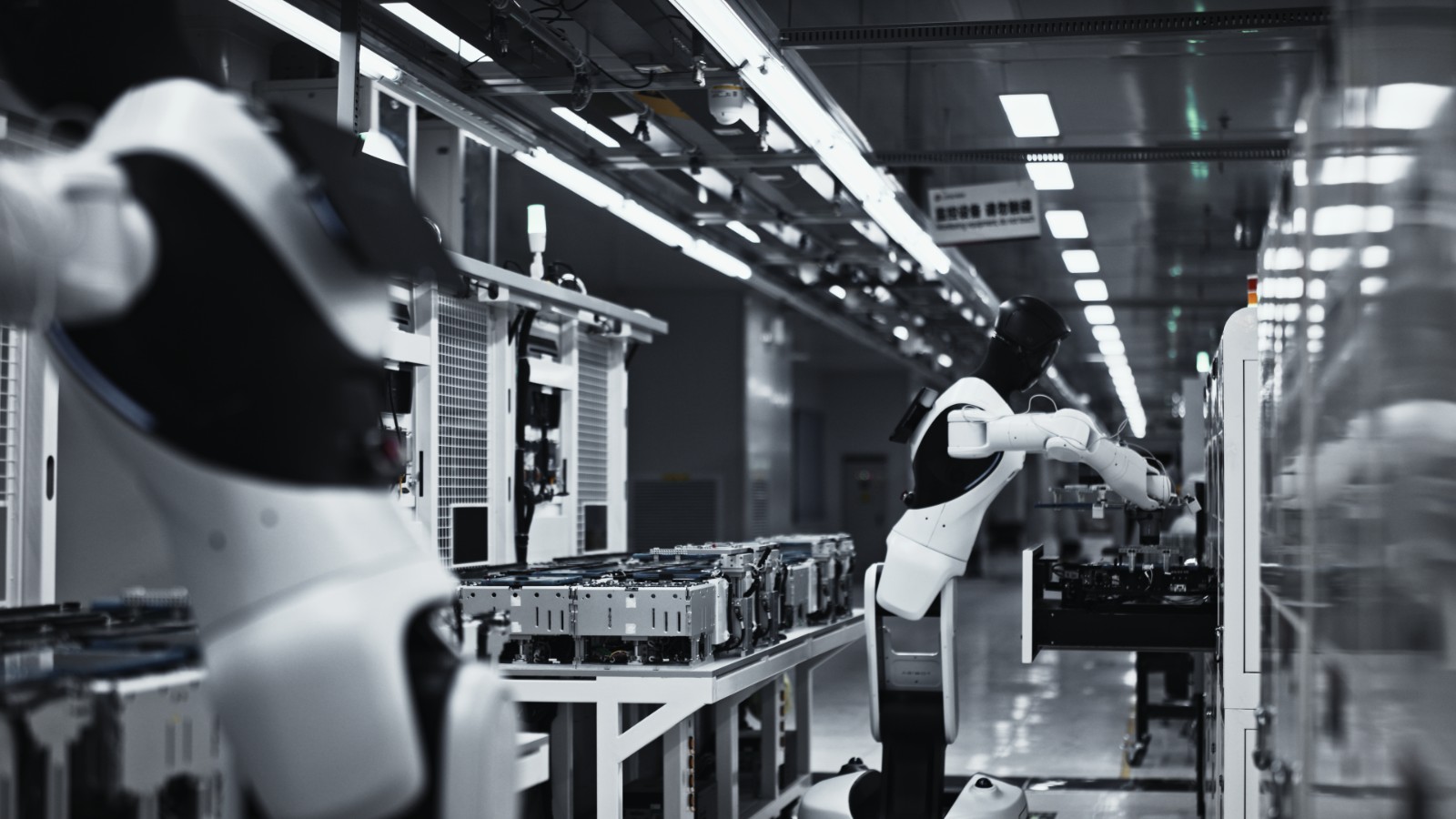
AGIBOT and Longcheer Technology Achieve World’s First Embodied AI Deployment in Consumer Electronics Precision Manufacturing Mass
AGIBOT and Longcheer Technology have successfully deployed the world’s first embodied AI system in a consumer electronics precision manufacturing setting, integrating AGIBOT G2 robots into Longcheer’s production lines. This milestone, achieved recently, signifies a transformative advancement from experimental AI to practical and scalable solutions in the manufacturing sector. The integration aims to enhance flexibility and efficiency within production workflows, showcasing the potential of AI technology to revolutionize traditional manufacturing processes.
Embodied AI Consumer Electronics Manufacturing Robotics Automation
NVIDIA CEO Jensen Huang and Global Technology Leaders to Showcase Age of AI at GTC 2026
NVIDIA has announced that the Global Technology Conference (GTC), recognized as the leading event in artificial intelligence and accelerated computing, is scheduled to occur from March 16 to March 19 in San Jose, California. This annual conference serves as a platform for industry leaders, researchers, and developers to explore advancements in AI technology and share insights on the future of computing. By bringing together experts and innovators, NVIDIA aims to foster collaboration and drive progress in the rapidly evolving field of AI.
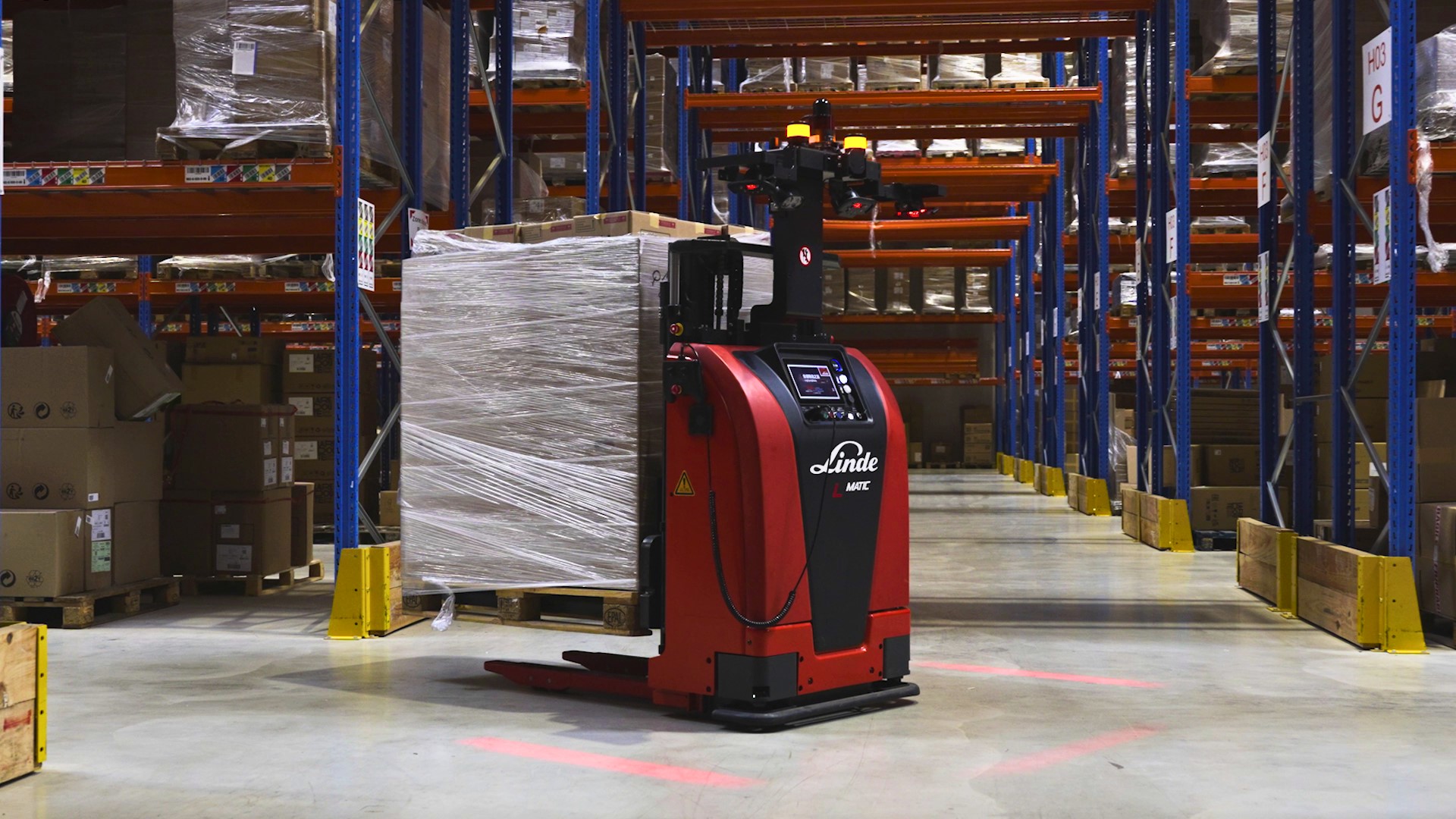
KION brings physical AI into live warehouse operations at GTC 2026 in San José, California
At the GTC 2026 conference, KION Group presented its latest developments in physical AI, highlighting the capabilities of autonomous industrial trucks and AI-driven automated trailer loading systems during live demonstrations in warehouse settings. This initiative is designed to tackle ongoing labor shortages and improve efficiency within supply chains, representing a crucial advancement in the application of AI technology in logistics operations.
intralogistics supply chain solutions industrial trucks forklift trucks warehouse trucks automation technology
SoftBank to Enhance Store Management with AI and Autonomous Robots in Seven & i Investment Talks
SoftBank is reportedly in discussions to invest in Seven & i Holdings, focusing on enhancing store management through its proprietary AI technology. The investment aims to integrate autonomous robots into the retail operations, potentially transforming customer service and inventory management. Specific figures regarding the investment or timeline for implementation were not disclosed at the time of publication. This initiative is significant as it aligns with the growing trend of utilizing AI and robotics in retail to streamline operations and improve efficiency. By leveraging its in-house AI capabilities, SoftBank seeks to address challenges in store management, which can lead to better resource allocation and enhanced customer experiences. The integration of autonomous robots could also reduce labor costs and improve operational accuracy. Looking ahead, industry observers will be keen to see how this potential investment unfolds and its impact on Seven & i's operations. The timeline for the rollout of AI and robotic solutions remains unclear, with no further details disclosed at this time. Stakeholders will monitor developments closely as the retail sector continues to evolve with technology adoption.
News ai Japan paypay Retail Seven & i Holdings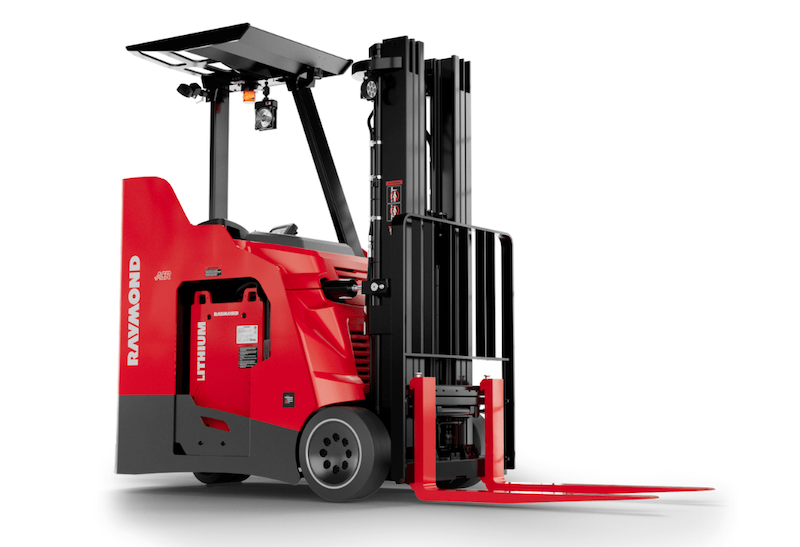
Raymond partners with Third Wave Automation to expand physical AI across lift truck fleets
Third Wave Automation has partnered with The Raymond Corporation, a subsidiary of Toyota Material Handling North America, to enhance AI-enabled physical automation capabilities in select automated Raymond lift trucks. This collaboration, which builds on years of joint development and operational insights since 2021, is supported by investments from Toyota Ventures. The initiative aims to improve efficiency and productivity in material handling operations, reflecting the growing trend towards automation in the industry. The integration of advanced AI technology into Raymond's lift trucks is expected to streamline processes and optimize performance in various operational settings.
Artificial Intelligence Material handling News AI-powered forklifts automation news autonomous forklifts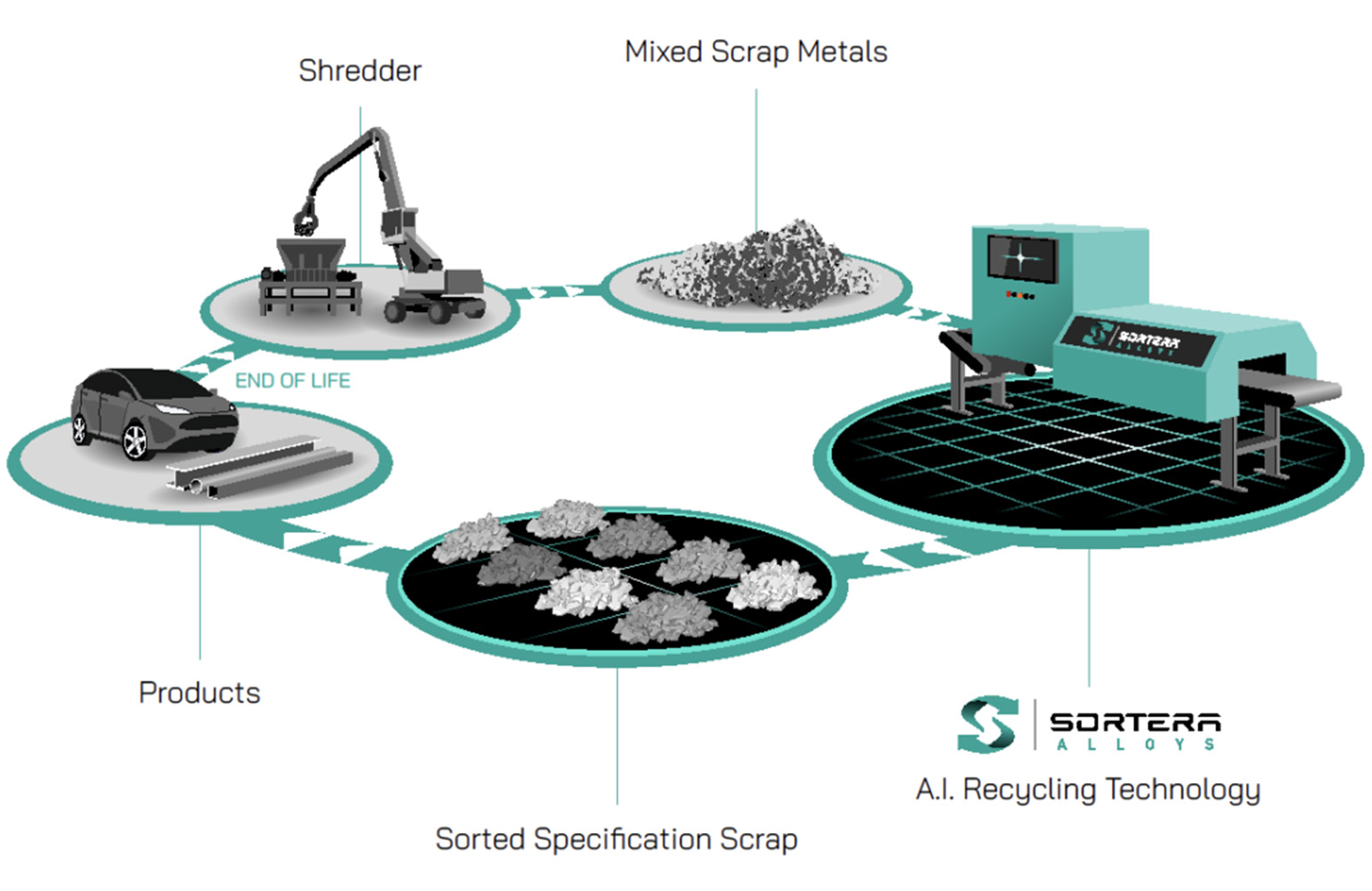
Sortera uses physical AI to double capacity in a Tennessee sorting facility
Sortera has significantly enhanced its operational capabilities by doubling the processing capacity at its Tennessee sorting facility, now estimated at 240 million pounds annually. This expansion, achieved through the implementation of physical AI technology, marks a pivotal development for the company as it seeks to improve efficiency and meet growing demand in the recycling industry. The upgrade not only positions Sortera as a leader in innovative sorting solutions but also reflects the increasing importance of advanced technologies in waste management.
Aerospace Artificial Intelligence Artificial Intelligence / Cognition Automotive Construction Design / Development
Rime Secures $24 Million Series A to Enhance Enterprise Voice AI Solutions
Rime, a San Francisco-based voice AI startup, has successfully raised $24 million in a Series A funding round led by M13 Ventures. Founded in 2022 by Lily Clifford, Brooke Larson, and Ares Geovanos, Rime aims to improve enterprise customer interactions by utilizing its own conversational data to train voice models, reducing the customization burden for clients. The significance of Rime's approach lies in its focus on enhancing voice AI technology to better compete with traditional IVR systems, which many enterprises still prefer. Rime's phoneme-based architecture allows for accurate pronunciation of brand names and industry-specific terms, making it easier for clients to implement without extensive retraining. Looking ahead, Rime plans to expand its team and shift its focus towards developing advanced speech-to-speech models to improve call interactions. The company has already secured contracts with notable clients such as Mayo Clinic and Dialpad, indicating a strong market presence. No further timeline was disclosed at the time of publication.
AI Fundraising M13 Ventures Rime voice AI
What Makes AI Art Worth Collecting?
In May, an anonymous artist who goes by SHL0MS on X posted that he had used AI to generate an image inspired by Claude Monet and asked people to weigh in on how it missed the mark. More than 600 responses called out issues, saying the colors were off, the depth was all wrong, and that AI didn’t understand how light worked.SHL0MS then revealed that the image was of a real Monet, one of around 250 variations of water lilies the artist had painted in his lifetime. He had simply downloaded a high-resolution image from Wikimedia and cropped out the signature. He minted the exchange as an NFT (a unique digital collectible recording ownership of the work), titled it “Inferior Image,” and sold it for just over US $40,000 after 28 bids.The stunt exposed how charged the conversation around AI art has become, and how quick people are to dismiss anything AI-generated as slop—even when it’s not. Yet even as those arguments continue, a market for AI-generated art has begun to form anyway. It’s fragmented and contested, but bigger than most people realize.Jediwolf, an anonymous collector who says he has spent more than 20 years acquiring digital and AI art, was watching the experiment unfold in real time on X. He had never interacted with SHL0MS before, but when the NFT went up for auction he made a bid and won. “I was buying a unique moment in time,” he says, “captured by an artist and preserved as a token.”The Monet was not AI art, but most of what Jediwolf buys is. One of Jediwolf’s digital collections, which he calls UnderTheGAN—a play on GANs, or generative adversarial networks, the AI technology that preceded today’s diffusion models—comprises roughly 100 works valued at around $72,000, focused on early AI art from 2015 to 2020, before the medium went mainstream. He describes his role as part collector, part researcher, part curator, trying to document a fast-moving field.“A decade ago, digital art was often treated as peripheral to the ‘serious’ art world,” he says. “Today, it is increasingly difficult to separate contemporary culture from the internet.”AI Art Moves Into MuseumsThe market for AI art extends beyond NFTs: AI-generated pieces are also finding their way into physical installations. Last month saw the opening of Dataland, the world’s first generative AI museum, in downtown Los Angeles. It was spearheaded by Refik Anadol, a digital artist who has built a career out of transforming data into large-scale immersive experiences. The opening exhibition has pieces that use data that Anadol collected from rainforests around the world, with real-time weather information from 16 rainforests feeding into all five galleries. In three of the rooms, the imagery also shifts in response to visitors’ own biometric data, tracked by bracelets they wear. Like any museum it sells tickets, ranging from $49 to $79, and has a gift shop. This shop, however, uses visitors’ biometric data collected during their visit to generate a unique design printed on a T-shirt. For $15,000, a robotic painting system called Qualia creates a one-of-a-kind canvas from that same data, painted once a day, with a waiting list already forming. A founding collection of 1,000 AI data sculptures that evolve based on environmental data from global rainforests sold out in 34 minutes at $5,000 each.The system running it all, which Anadol calls the Large Nature Model, was trained on more than 500 million nature images representing 2.2 million species, gathered through field expeditions to 16 rainforests and partnerships with institutions including the Smithsonian and the Cornell Lab of Ornithology.For Anadol, AI art requires a different kind of transparency than any medium that came before it. Because commercial AI tools have shaped how most people understand the technology, artists working with it seriously have to be more open about their process than painters or photographers ever did.“For AI art, we have to know where the data comes from, we have to know which model is trained and how it’s trained,” he says. “We can’t just think about authenticity and uniqueness if a service and product is the fundamental layer of the artwork.”The reviews for Dataland have mostly been positive, with one critic calling it the Citizen Kane of immersive experiences. But Anadol is used to a more divided reception. His 2022 installation at MoMA—a 7-by-7-meter screen of AI-generated fluid forms with shifting colors and sounds—drew 3 million visitors and entered the permanent collection, even as New York Magazine called it “a massive techno lava lamp.” Anadol sees the skepticism as nothing new, just the latest version of a resistance that has greeted all new media. “Every art form has gone through similar cycles of denial,” he says. “We are living in a renaissance that started 10 years ago, and I just don’t think everyone is aware of it yet.”Who Is Buying AI Art?The broader market data points in multiple directions at once. According to the Art Basel and UBS Art Market Report 2026, digital art’s share of sales nearly tripled between 2024 and 2025, and just over half of all fine art collectors surveyed had purchased a digital artwork in 2025, making it the third most popular category after painting and sculpture (the report does not break out AI art specifically).Meanwhile, Christie’s shuttered its pioneering digital art department in September, folding digital works back into its broader contemporary sales after none of its dedicated auctions broke $400,000.The most data-rich window into buyer behavior comes from a less glamorous corner of the market. After one major stock image platform allowed AI-generated images, monthly sales jumped 80 percent, according to Samuel Goldberg, an economist at Stanford Graduate School of Business who published a research paper about the shift. Traditional contributors began leaving the platform as generative images flooded in, and creators using AI tools rushed to fill the gap. “It looks like consumers like generative AI,” Goldberg says, “and it seems like nongenerative artists could be getting crowded out of the market.” Stock images are essentially a commodity version of art, according to Goldberg, and because image-generating models are already very good at producing them, what’s happening there may be a preview of what’s coming for other creative goods markets—including fine arts—as the technology improves.Artists are typically among the first to test the limits of a new technology; early adopters have created AI art since the 1970s. What’s new now is the ability for anyone to generate an image in seconds with a text prompt. That, according to Christiane Paul, curator of digital art at the Whitney Museum of American Art, is not the same thing at all. What fills those stock-image platforms, and what most people encounter when they think of AI art, does not qualify as art.True AI art, Paul says, is a subcategory of digital art that uses artificial intelligence as both a tool and a medium, engaging with it practically and conceptually, doing things like training custom models, building extensions, and layering control systems. “A visual created by a prompt is not art,” she says. What serious AI artists are actually doing is much more than typing a few words into DALL-E.Far from the shortcut most people assume, working seriously with AI as an artistic medium is, by her account, brutally hard. Every artist she talks to says the same thing. “It is much, much harder than a paintbrush to handle,” she says. “You are literally communicating with a system with a completely different logic.”Thanks to bubblemaps.io for its research assistance on the NFT market.
Ai-art Generative-ai Digital-art Blockchain
Midjourney wants Hollywood studios to reveal the details of their AI usage
Midjourney, an artificial intelligence company, is currently engaged in a legal battle with three Hollywood studios, aiming to compel them to disclose their own AI usage practices. This dispute arises from concerns over the studios' potential misuse of AI technology and its implications for intellectual property rights. The ongoing case highlights the increasing scrutiny surrounding AI applications in the entertainment industry, as stakeholders seek clarity on how these technologies are being integrated into creative processes. The outcome of this legal confrontation could set significant precedents for the future of AI in Hollywood and beyond.
AI Media & Entertainment Disney MidJourney Universal Warner Bros
Cobots become simpler, smarter with AI
In recent years, the rise of collaborative robots, or cobots, has transformed various industries, driven by advancements in artificial intelligence. These robots are increasingly being integrated into workplaces due to their ability to perform a diverse range of tasks alongside human workers. The surge in their adoption can be attributed to the growing demand for automation and efficiency in manufacturing, logistics, and service sectors. As businesses seek to enhance productivity while ensuring safety and flexibility, cobots are emerging as a viable solution. This trend is expected to continue, with further innovations in AI technology likely to expand the capabilities and applications of collaborative robots.

The AI jobs debate just got messier
A recent report has revealed that companies classified as "high-intensity AI adopters" experienced a significant increase in their workforce, with an overall headcount rise of 10.2%. Notably, these firms saw a 12% increase in entry-level positions, challenging the prevailing narrative that artificial intelligence threatens junior job opportunities. The findings suggest that rather than eliminating jobs, the integration of AI technology may be contributing to job growth, particularly for those at the beginning of their careers. This report, based on data available until October 2023, highlights the evolving relationship between AI adoption and employment trends in the workforce.
AI Ramp ai job loss revelio labs
AI Is Learning to Read the Room
Recent advancements in emotion AI technology are reshaping how machines interpret human feelings, particularly in professional settings. Companies like Meta and startups such as Hume AI are developing systems that analyze facial expressions, voice tones, and behaviors to gauge emotions during interactions like performance reviews. This technology, which has applications in employee well-being, recruitment, and customer service, aims to enhance communication by providing real-time feedback. Despite its rapid growth, current emotion AI systems often struggle to capture the complexity of human emotions, typically categorizing feelings into simplistic labels like "happy" or "sad." Researchers are now focusing on a new approach called human-context AI, which combines multiple inputs—such as facial dynamics and voice modulation—with situational context to better understand emotional nuances. This shift aims to close the gap between human emotional expression and machine interpretation. The origins of emotion AI trace back to the MIT Media Lab, where Rosalind Picard pioneered the concept of affective computing. Over the years, advancements in data collection and analysis have improved the accuracy of emotion detection. However, ethical concerns remain, particularly regarding privacy and the potential for misuse in workplaces and public spaces. As this technology evolves, it promises to enhance various applications, from professional development platforms to health care, by providing a deeper understanding of human emotions. Yet, experts caution against over-reliance on AI for critical decisions, emphasizing the importance of human insight in interpreting emotional signals.
Emotions Affective-computing Facial-expressions Companion-robots Multimodal-ai Machine-learning
AI May Unlock Early Disease Clues Hidden in Routine Eye Exams
A recent study conducted by an interdisciplinary team of scientists at The University of Manchester has revealed that advancements in artificial intelligence could revolutionize routine eye tests by detecting early signs of heart and brain diseases. This innovative approach aims to identify potential health issues long before symptoms manifest, offering a proactive strategy for disease management. The findings underscore the potential of AI technology in enhancing diagnostic capabilities, paving the way for earlier interventions and improved patient outcomes. As the research progresses, it could significantly change how healthcare professionals monitor and address cardiovascular and neurological conditions.

Equal AI raises $30M to screen calls so Indians don’t have to
Equal AI has announced that its AI-powered call assistant has surpassed one million monthly active users. This milestone reflects the growing adoption of AI technology in communication tools, highlighting the increasing reliance on automated solutions for enhancing efficiency in customer interactions. The announcement comes as the company continues to innovate and improve its offerings, aiming to meet the demands of a rapidly evolving digital landscape. With data training completed up to October 2023, Equal AI is poised to further expand its user base and enhance the capabilities of its call assistant, catering to businesses seeking to streamline their communication processes.
Apps Fundraising AI assistant call screen India Prosus Ventures
AI robot cleaners leave the lab for China's living rooms
In Beijing, cleaner Lin Meiqiong experienced a significant change in her daily routine when she was assigned to work alongside a new robotic colleague. This tall, wheeled robot, equipped with advanced AI technology, is designed to assist with cleaning tasks, making Lin's job more efficient. The introduction of this innovative technology aims to enhance productivity and streamline operations in urban environments. By integrating AI into the workforce, the initiative seeks to address labor shortages and improve service quality in the city. Lin's positive experience highlights the potential benefits of human-robot collaboration in the cleaning industry.
Robotics
Teradyne Robotics Unveils Wide Range of Production-Ready Physical AI Applications at Automate 2026
A technology company is set to demonstrate practical applications of artificial intelligence, moving beyond theoretical discussions to showcase tangible solutions. The event, scheduled for later this month, will take place at their headquarters and will highlight advancements in various sectors, including electronics manufacturing and logistics. The motivation behind this initiative is to illustrate the real-world benefits of AI technology and its potential to enhance operational efficiency across industries. Attendees will have the opportunity to see firsthand how these deployable AI solutions can be integrated into existing workflows, providing insights into their functionality and effectiveness.
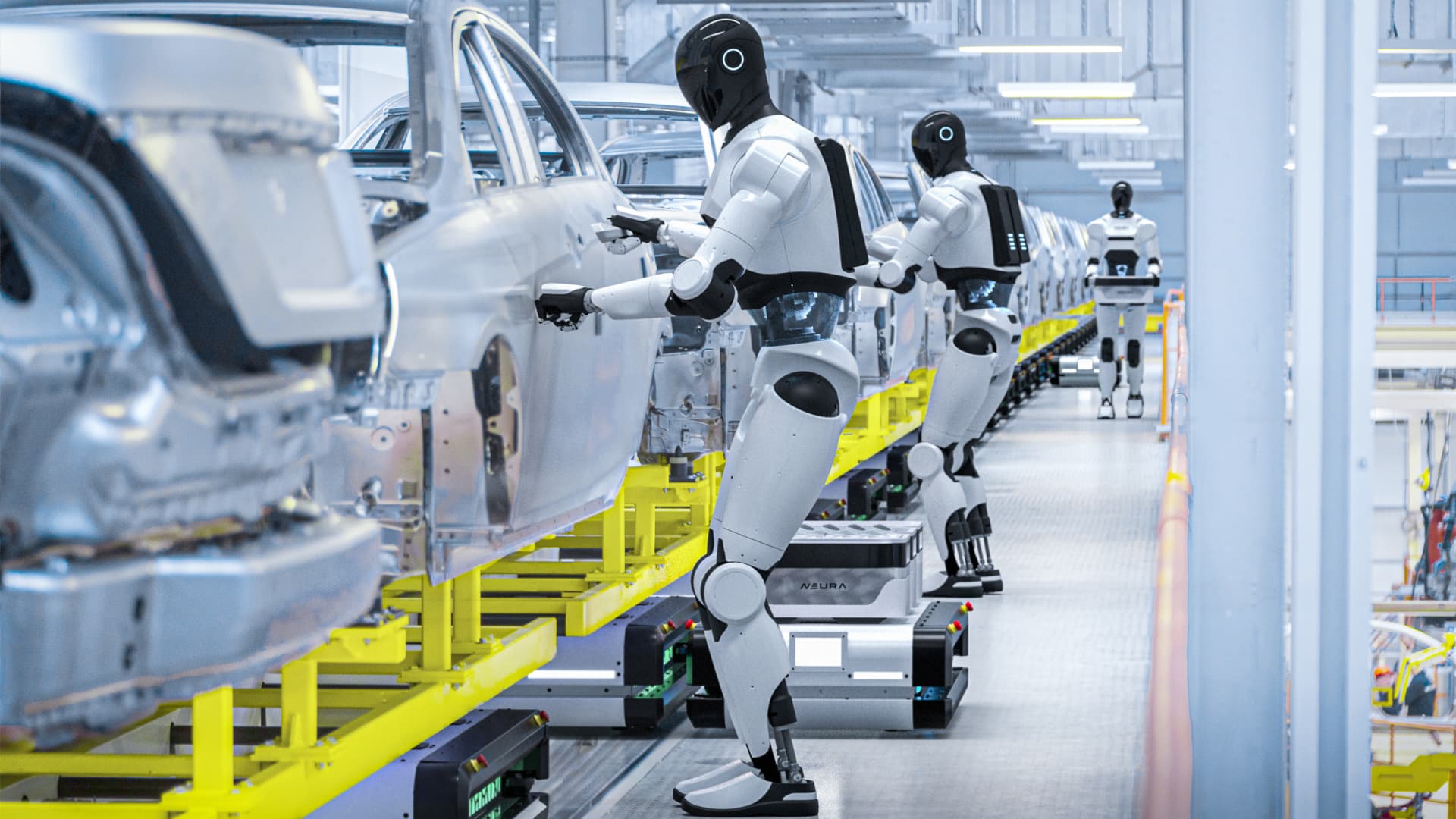
Humaniod robotics company raises up to $1.4 billion from Nvidia, Amazon and others
In recent months, investors have increasingly turned their attention to companies specializing in physical artificial intelligence (AI), signaling a growing confidence in the sector's potential. This surge in investment comes as advancements in AI technology continue to reshape various industries, from robotics to automation. The trend has been particularly pronounced since early 2023, with venture capital firms and private investors seeking to capitalize on the transformative capabilities of physical AI solutions. The influx of funding is driven by the recognition of AI's ability to enhance operational efficiency and reduce costs across sectors such as manufacturing, logistics, and healthcare. As businesses look to innovate and stay competitive, the demand for physical AI applications is expected to rise, prompting investors to support startups and established companies in this field. This investment wave is taking place primarily in technology hubs across North America and Europe, where many of these companies are based. As the physical AI market continues to evolve, it is likely to attract even more attention from investors eager to be part of a rapidly growing industry that promises to redefine the future of work and productivity.
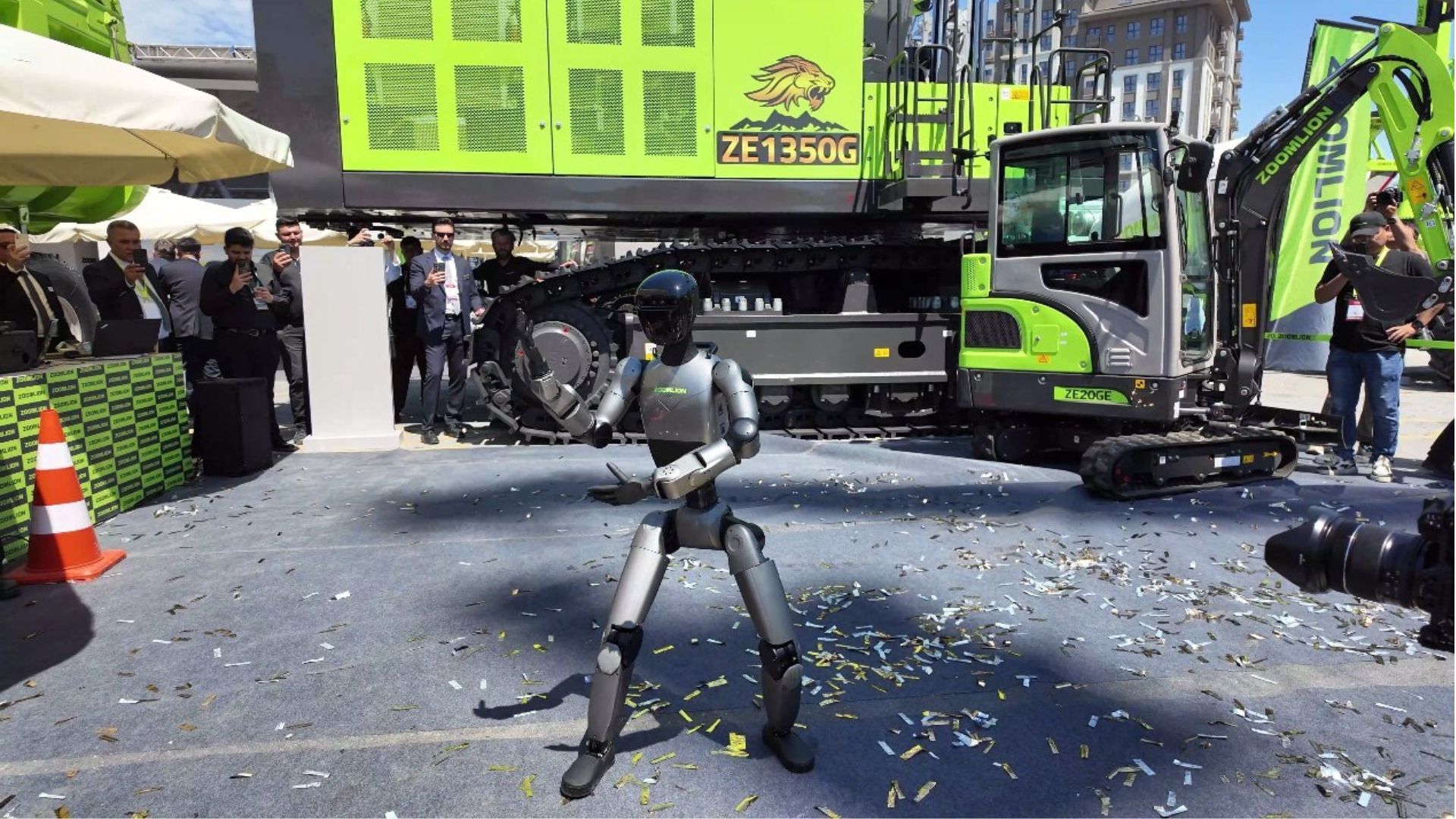
China’s Z01 humanoid robot masters Tai Chi moves with human-like balance and control
A new humanoid robot from China has emerged as a highlight at a prominent technology exhibition held in Shanghai this week. The robot, designed to mimic human movements and interactions, showcases advanced artificial intelligence capabilities that have captivated attendees and industry experts alike. This development reflects China's growing investment in robotics and AI technology, aiming to position itself as a leader in the global tech landscape. Demonstrations of the robot's abilities, including its capacity for conversation and physical tasks, have sparked discussions about the future of automation and human-robot collaboration. The exhibition serves as a platform for innovation, drawing significant attention to the potential applications of such technology in various sectors, including healthcare, education, and entertainment. As interest in robotics continues to rise, this humanoid robot stands as a testament to the rapid advancements being made in the field.
AI and Robotics
Generalist AI raises $400 million to scale robot intelligence platform
Generalist AI, a startup focused on creating foundation models for robotics, has successfully secured $400 million in a recent funding round. This investment aims to expedite the development of what the company refers to as “physical AGI,” or artificial general intelligence that can function in the physical world through robotic systems. Following this funding, Generalist AI's valuation has reached approximately $2 billion. The influx of capital will enable the company to enhance its research and development efforts, positioning it at the forefront of advancements in robotics and AI technology.
Computing News Software 8VC ai funding AI models
New Microsoft tool lets devs spin up AI behavior tests using text descriptions
On Tuesday, Microsoft unveiled its new open-source framework, Adaptive Spec-driven Scoring for Evaluation and Regression Testing, designed to enhance AI evaluations. This innovative tool aims to streamline the process of assessing AI models by providing a structured approach to scoring, which can significantly improve the accuracy and efficiency of evaluations. The announcement highlights Microsoft's commitment to advancing AI technology and making powerful tools accessible to developers and researchers. By leveraging this framework, users can better manage the complexities of AI testing, ensuring that models perform reliably in various scenarios. The initiative reflects the growing importance of robust evaluation methods in the rapidly evolving field of artificial intelligence.
AI ai evaluations AI regression testing Microsoft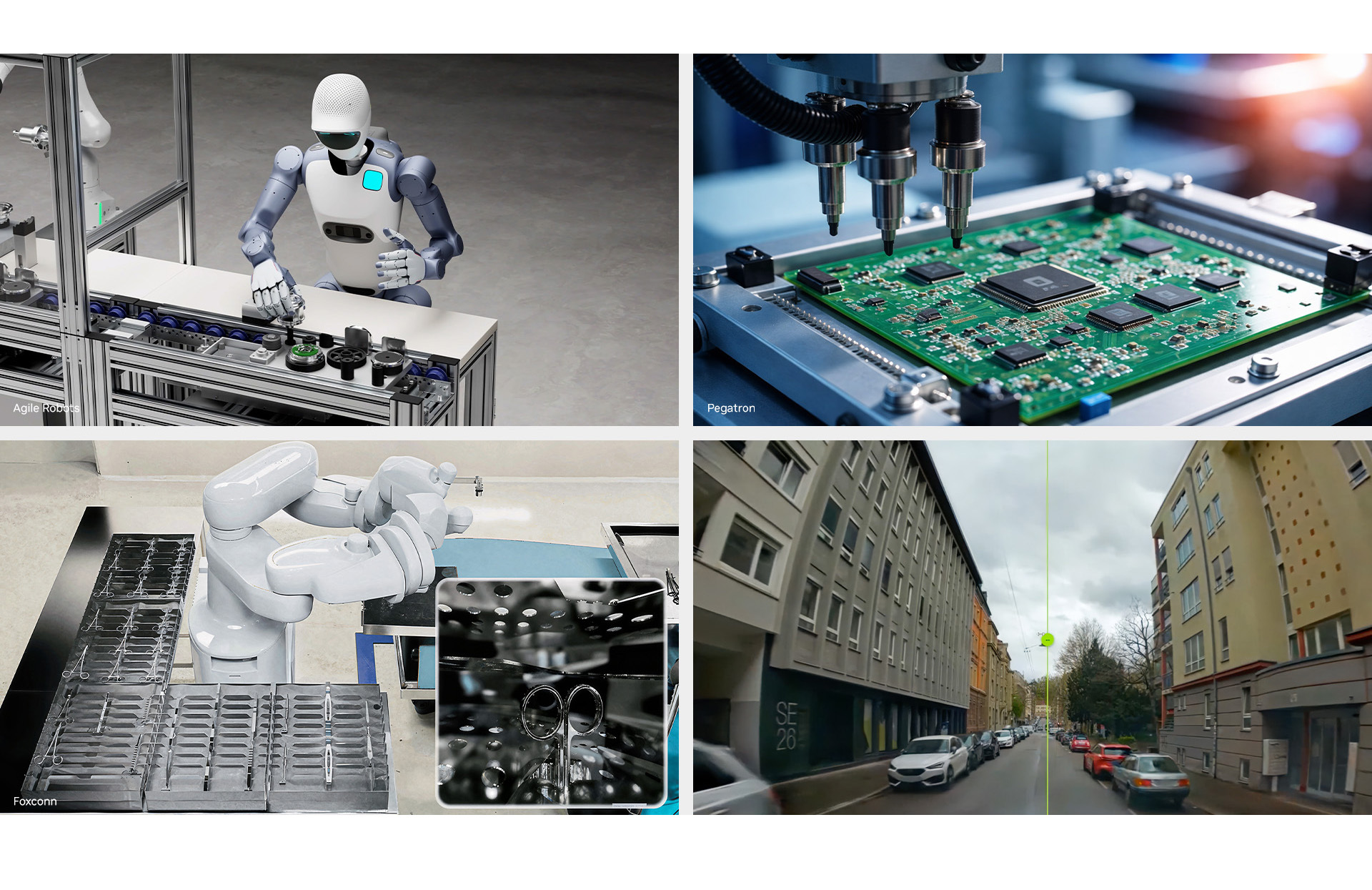
NVIDIA releases new and updated tools for physical AI developers
NVIDIA has unveiled a suite of open-source tools and skills designed for developers working with physical AI agents, alongside the introduction of the Isaac GR00T humanoid reference robot. This announcement, aimed at enhancing the capabilities of AI in real-world applications, reflects NVIDIA's commitment to advancing robotics and AI technology. The release is part of the company's ongoing efforts to foster innovation within the AI community, providing developers with the resources necessary to create more sophisticated and capable physical AI systems. The tools and the humanoid robot were made available recently, signaling a significant step forward in the integration of AI into practical robotics.
Artificial Intelligence Artificial Intelligence / Cognition Automotive Autonomous Mobile Robots (AMRs) Development Tools / SDKs / Libraries Healthcare Robotics
SAP SE (SAP), Cyberwave Deploy Autonomous AI Robots in Logistics Warehouse
SAP SE and Cyberwave have successfully deployed fully autonomous, AI-powered robots in SAP's logistics warehouse located in St. Leon-Rot, Germany, as of May 11, 2026. This initiative represents a significant advancement for SAP, transitioning its Physical AI technology from research to practical application. The robots, powered by SAP’s cloud-native Logistics Management solution and the SAP Business Technology Platform, are now capable of performing various tasks including box folding, packaging, and shipping fulfillment. The deployment addresses common challenges in logistics robotics, such as unpredictable environments and diverse object shapes that often hinder traditional systems. Cyberwave's innovative platform utilizes Vision-Language-Action and Reinforcement Learning models, enabling non-expert operators to teach robots new tasks through simple demonstrations. This approach significantly reduces training time from weeks to hours and allows robots to adapt to dynamic conditions in real-time. As a result of this integration, SAP has reported increased warehouse throughput and a decrease in physically demanding tasks for human workers. The project serves as a successful reference implementation, showcasing how a robust digital infrastructure combined with adaptive AI can enhance logistics operations. Both SAP and Cyberwave are now focused on further developing these Embodied AI capabilities to support future large-scale deployments.

Enterprise Software Leaders Build AI Agents With NVIDIA
NVIDIA has unveiled a series of new software solutions, open-source models, and strategic partnerships with prominent software platform providers aimed at developing autonomous AI agents tailored for various industries, including engineering, healthcare, and software development. This announcement, made today, underscores NVIDIA's commitment to advancing AI technology and its applications across diverse sectors. By collaborating with leading companies, NVIDIA seeks to enhance the capabilities of AI agents, enabling them to perform complex tasks and improve operational efficiency. The initiative reflects a growing trend in the tech industry to leverage AI for transformative solutions that address specific challenges faced by enterprises.
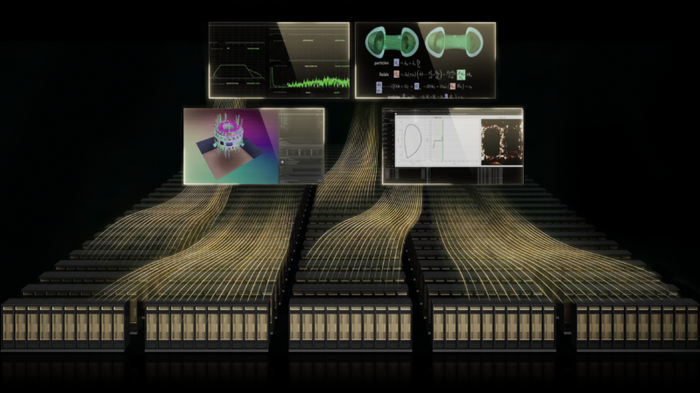
AI Factories: The New Infrastructure of Intelligence
In a significant advancement for the tech industry, AI factories are emerging as pivotal centers for transforming energy into intelligence. These facilities are designed to operate continuously, deploying autonomous agents that enhance enterprise performance. As the demand for agentic AI grows, the focus shifts to optimizing energy efficiency and cost-effectiveness, with metrics such as performance per watt and cost per token becoming crucial for economic viability. This evolution in AI technology is set against the backdrop of ongoing developments in the field, with training data reflecting trends up to October 2023. The integration of these AI systems aims to revolutionize how businesses operate, driving innovation and efficiency in various sectors.
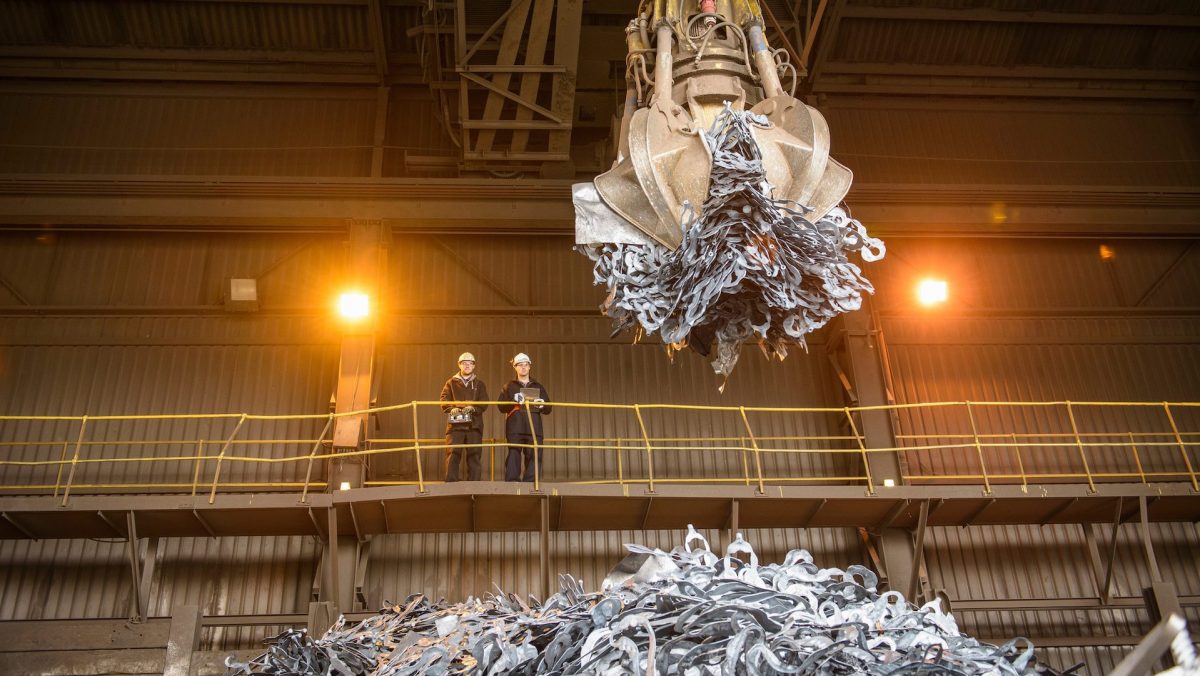
With aluminum prices up 20%, recycling startups bet on AI to cash in
A number of recycling startups are leveraging artificial intelligence to enhance the recovery of essential minerals, particularly aluminum, in a bid to establish a substantial supply source for the metal. This innovative approach comes in response to the growing demand for aluminum in various industries, driven by its lightweight properties and versatility. By integrating AI technology into their recycling processes, these companies aim to increase efficiency and yield, ultimately contributing to a more sustainable circular economy. The initiative reflects a broader trend towards utilizing advanced technologies to address resource scarcity and environmental challenges. As these startups continue to refine their methods, they are poised to play a significant role in reshaping the recycling landscape and meeting the rising needs of the market.
AI Climate Aluminum AMP Robotics Exclusive recycling
Kawasaki Heavy to partner with Nvidia on physical AI, open US robot center
Kawasaki Heavy Industries is collaborating with Nvidia to develop innovative solutions that merge robotics with physical artificial intelligence. This partnership, which includes contributions from Microsoft and Fujitsu, will establish a joint development center in Silicon Valley. The initiative aims to enhance Kawasaki's robotics applications by integrating Nvidia's advanced AI technology. This strategic move comes as the demand for AI-driven solutions in various industries continues to grow, with expectations that physical AI will significantly impact a large portion of companies in the coming years. The collaboration reflects a broader trend of Japanese and U.S. firms working together to advance AI technologies, particularly in sectors such as manufacturing and healthcare.
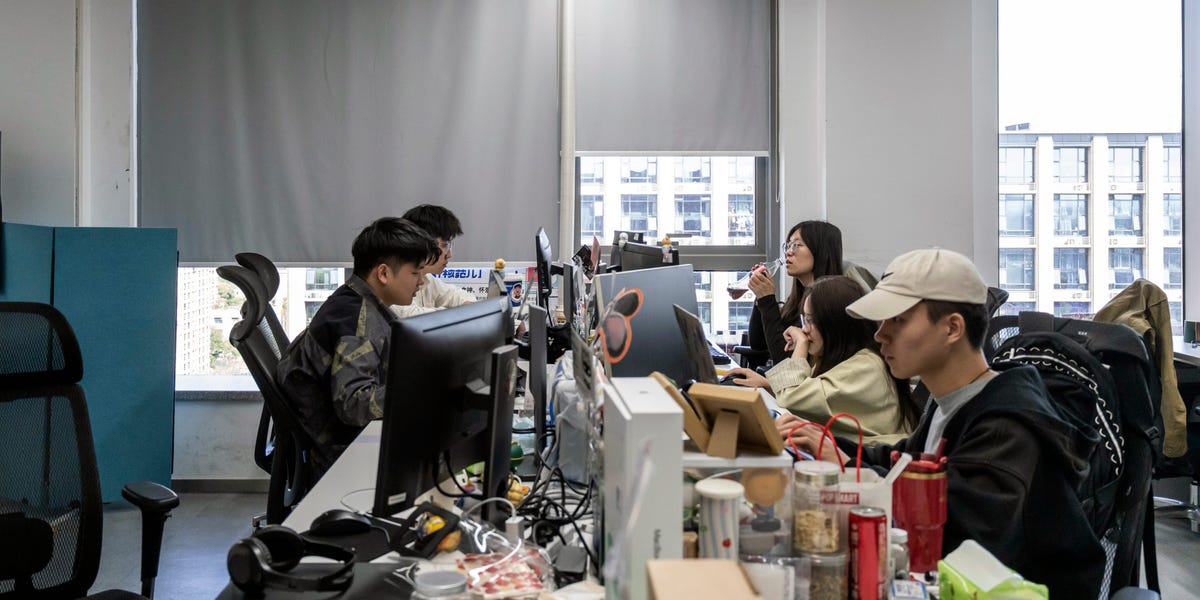
Bad news, 30-somethings: You'll likely never be truly AI native
Caitlin Kalinowski, the former leader of robotics at OpenAI, has highlighted a notable trend in the workforce shaped by artificial intelligence. In a recent statement, she pointed out that the majority of individuals who can be considered truly AI-native workers are predominantly aged 20 and 21. This demographic has grown up in an environment where AI technology is deeply integrated into daily life, influencing their skills and adaptability in the job market. Kalinowski's observations come at a time when industries are increasingly seeking employees who can effectively leverage AI tools and technologies. Her insights underscore the importance of understanding how younger generations are uniquely positioned to thrive in an AI-driven economy, suggesting that their familiarity with these technologies could reshape future workforce dynamics.
AI ai artificial-intelligence gen-z millenial trending-uk
Agentic AI for Robot Teams
Researchers at the Johns Hopkins Applied Physics Laboratory are making strides in the development of agentic artificial intelligence aimed at enhancing collaborative robotic teams. During a recent presentation, they outlined the significant challenges associated with achieving autonomy, coordination, and adaptability among diverse robotic systems. To address these issues, the team introduced a scalable architecture designed to facilitate agentic behaviors in multi-robot environments. The presentation also featured demonstrations of this innovative approach, showcasing its application in hardware with a varied group of robots. Additionally, the researchers shared valuable insights gained from their ongoing research and development efforts, highlighting key challenges faced and lessons learned throughout the process. This work not only advances the field of robotics but also sets the stage for future developments in agentic AI technology.
Type-webinar Agentic-ai Robotics Llms
US Navy unveils ShipOS, targets submarine supply chain bottlenecks amid China rivalry
The U.S. Navy has introduced ShipOS, an advanced artificial intelligence system, to enhance its submarine construction processes. This rollout, which began in October 2023, aims to streamline operations and improve efficiency in building submarines. By leveraging AI technology, the Navy seeks to address challenges in production timelines and resource management, ultimately ensuring that its fleet remains modern and capable. The implementation of ShipOS is part of a broader initiative to integrate cutting-edge technology into military operations, reflecting the Navy's commitment to innovation and maintaining a competitive edge.

Deepfake Detection Dataset Aims to Keep Up With Generative AI
A collaborative effort involving researchers from Microsoft, Northwestern University, and the non-profit organization Witness has led to the development of a new dataset aimed at enhancing the detection of AI-generated media. Announced in a study published on April 10 in IEEE Intelligent Systems, the Microsoft-Northwestern-Witness (MNW) deepfake detection benchmark is designed to address the growing challenge of distinguishing real from fake content in an era where generative AI technology is rapidly advancing. The dataset includes a diverse array of AI-generated images, audio, and videos, reflecting the current landscape of generative AI. Thomas Roca, a principal research scientist at Microsoft, emphasized the increasing sophistication of AI-generated media, which can easily be produced by anyone using accessible applications. This proliferation raises significant concerns, including identity fraud and the creation of harmful content. The MNW benchmark aims to improve the effectiveness of detection systems by providing a wider variety of AI-generated materials, including those that have undergone post-processing manipulations. Researchers acknowledge that while this dataset could potentially be misused to develop new evasion techniques, it is crucial for enhancing the ability to assess the authenticity of media as generative AI continues to evolve. The team plans to update the dataset biannually to incorporate the latest developments in generative AI and detection challenges, with the goal of fostering transparency and raising standards in the fight against deepfake content.
Deepfakes Generative-ai Artificial-intelligence Microsoft Journal-watch
Siemens and Humanoid bring Physical AI to the factory floor: deploying humanoids in industrial operations with NVIDIA
Siemens and Humanoid have achieved a significant milestone in integrating physical AI into industrial operations with the successful testing of the HMND 01 Alpha humanoid robot at Siemens' electronics factory in Erlangen, Germany. This event, which took place on April 16, 2026, marks a key development in their strategic partnership with NVIDIA, aimed at creating fully AI-driven, adaptive manufacturing environments. The HMND 01 Alpha, equipped with NVIDIA's physical AI technology, autonomously performed logistics tasks such as picking, transporting, and placing containers, meeting all target performance metrics. It achieved a throughput of 60 tote moves per hour, maintained over 8 hours of uptime, and demonstrated a pick-and-place success rate exceeding 90 percent. Siemens' Xcelerator portfolio plays a crucial role in this integration, providing the necessary digital infrastructure for real-time data exchange and synchronized workflows between the humanoid robot, other machinery, and human operators. This collaboration aims to address labor shortages and operational complexities in modern manufacturing. Humanoid’s development process was accelerated through the use of NVIDIA's AI stack, enabling a reduction in prototype development time from 18-24 months to just 7 months. This deployment signifies a step forward in the evolution of humanoid robots, positioning them as valuable assets in factory settings capable of adapting to dynamic conditions alongside human workers.

HII Teams with GrayMatter Robotics to Integrate Physical AI into Manned and Unmanned Shipbuilding
HII and GrayMatter Robotics (GMR) have entered into a memorandum of understanding to explore the integration of GMR’s Physical AI technology into shipbuilding operations. The agreement, signed at GMR's headquarters, aims to enhance production efficiency, bolster the maritime industrial base, and support the shipbuilding workforce. Key technologies under consideration include autonomous surface preparation, coating, and inspection processes. The signing ceremony featured Eric Chewning, HII’s executive vice president of maritime systems and corporate strategy, alongside Ariyan Kabir, CEO and co-founder of GrayMatter Robotics. This collaboration seeks to innovate and modernize shipbuilding practices, ultimately improving throughput and operational effectiveness in the industry.
hii graymatter robotics physical ai unmanned shipbuilding
NVIDIA and Emerald AI Join Leading Energy Companies to Pioneer Flexible AI Factories as Grid Assets
NVIDIA and Emerald AI have partnered with several major energy companies, including AES, Constellation, Invenergy, NextEra Energy, Nscale Energy & Power, and Vistra, to develop a new generation of AI factories. This initiative aims to enhance the integration of these facilities with the power grid, enabling them to operate more efficiently and generate valuable artificial intelligence applications. The collaboration was announced today, highlighting the growing intersection of AI technology and energy production. By leveraging advanced AI capabilities, the project seeks to optimize energy usage and improve operational performance in the energy sector.
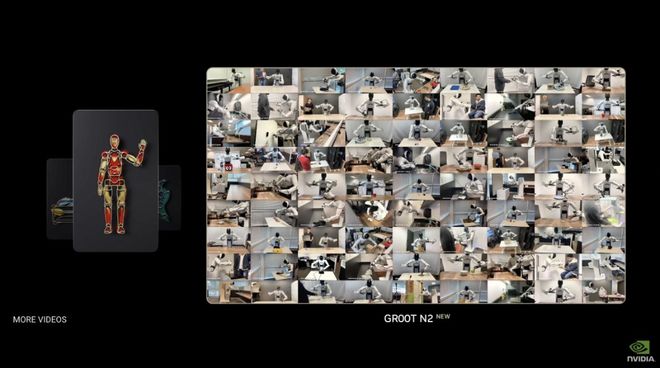
GTC 2026: ZhiYuan Partners with NVIDIA to Establish Physical AI Standards for Global Deployment
During the GTC 2026 event, NVIDIA's CEO Jensen Huang unveiled a strategic collaboration with ZhiYuan Robotics and several industry leaders to advance the implementation of physical AI across multiple sectors. This partnership is designed to establish industry standards for robotics, with the goal of improving operational efficiencies in manufacturing, logistics, and healthcare. The initiative reflects a growing commitment to harnessing AI technology to enhance productivity and innovation in these critical areas.
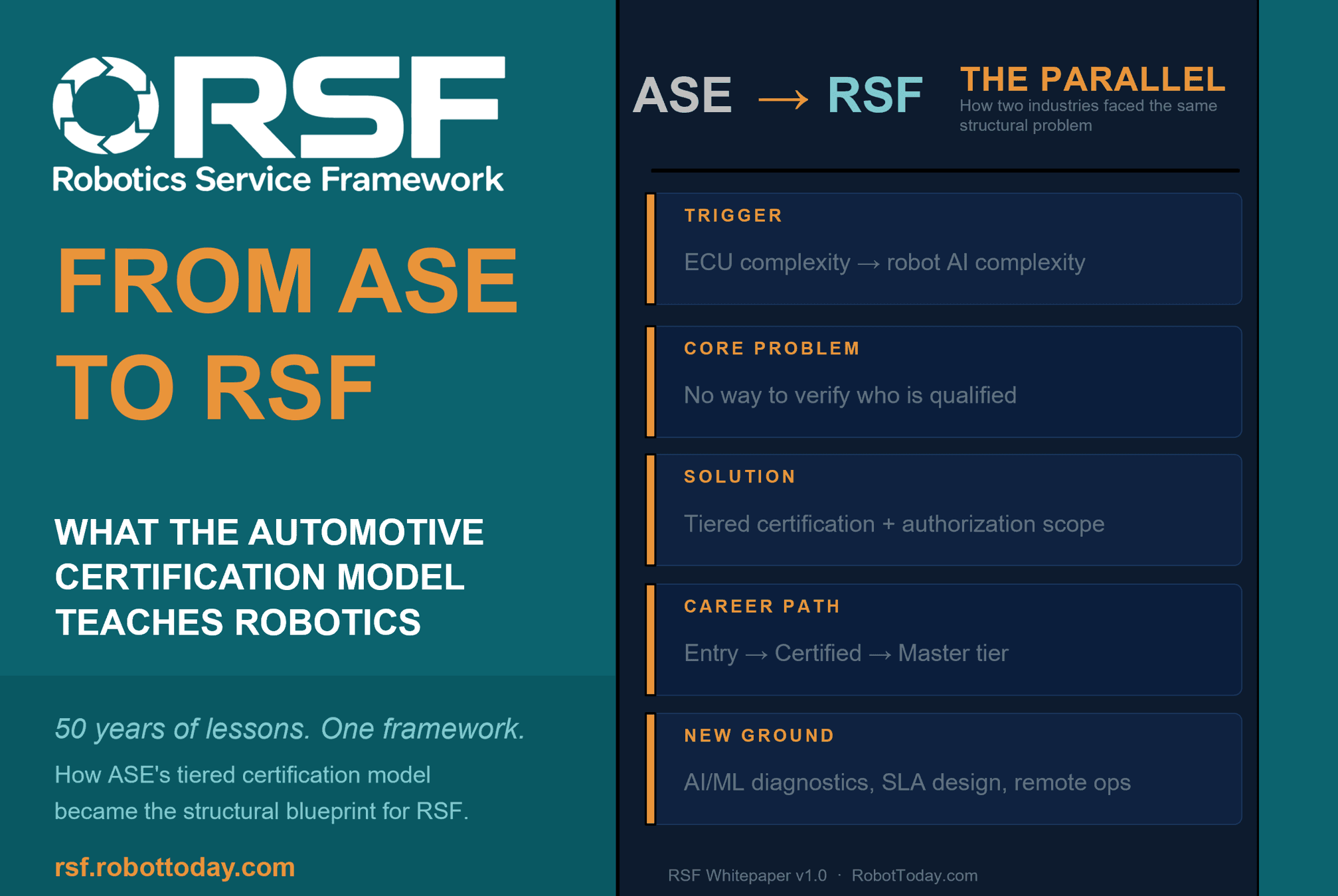
Physical AI Robotics NVIDIA Industry Standards AutomationRobotics needs a service framework.
RSF defines a common language for robot service capability, lifecycle operations, certification pathways, and service-provider networks.