A single destination for timely, editor-curated robotics news from around the world.
NVIDIA is set to showcase its cutting-edge edge AI systems, robotic automation, lightweight VLM deployment, and agentic AI workflows through live demonstrations. These events will highlight the capabilities of real-time AI processing at the edge, illustrating the potential applications and advancements in technology. The demonstrations are scheduled to take place in the coming weeks, providing attendees with a firsthand experience of the latest innovations in AI. By presenting these technologies, NVIDIA aims to emphasize the importance of edge computing in enhancing efficiency and performance across various industries. The demonstrations will allow participants to observe how these systems operate in real-time, showcasing their practical applications and benefits.
RoboticsTomorrow.com May 21, 2026
Wistron has inaugurated its first U.S. manufacturing facility in Fort Worth, Texas, covering 324,000 square feet. This plant will produce superchips integral to advanced AI systems, including the NVIDIA GB300 Grace Blackwell Ultra Superchip and the upcoming NVIDIA Vera Rubin Superchip. The opening ceremony featured NVIDIA CEO Jensen Huang and Wistron Chairman Simon Lin, emphasizing the importance of manufacturing in the AI era. The establishment of the Fort Worth plant represents a significant $700 million investment in U.S. advanced manufacturing, creating over 500 jobs with plans to expand to 1,000 by year-end. Huang highlighted the diverse job opportunities generated in various sectors, including plumbing, construction, and manufacturing. This facility aims to support the growing demand for AI infrastructure and enhance the domestic manufacturing base. Looking ahead, Wistron’s D1 facility is set to scale production to tens of thousands of boards per month, reinforcing the U.S. commitment to reindustrialization. NVIDIA's pledge to manufacture up to $500 billion in advanced AI platforms underscores the strategic importance of this facility in the broader AI landscape. No further timeline was disclosed at the time of publication.
NvidiaNews By NVIDIA Jul 21, 2026
Engineers developing distributed AI platforms are facing a new challenge known as "quiet failure," where systems appear operational but produce incorrect outcomes over time. This issue arises as autonomy in software systems increases, complicating traditional methods of monitoring and observability. In late-stage testing, engineers find that while monitoring dashboards indicate a healthy status, users report that the system's decisions are increasingly flawed. For instance, an AI assistant designed to summarize regulatory updates may continue to function technically but rely on outdated information due to a failure to update its document retrieval process. This disconnect highlights the limitations of conventional observability metrics, which focus on uptime and error rates rather than the ongoing alignment of system behavior with intended outcomes. As autonomous systems operate continuously and make decisions based on evolving contexts, engineers must shift their focus from merely ensuring component functionality to actively supervising overall system behavior. This requires the implementation of supervisory control architectures that can monitor and intervene in real-time, preventing behavior drift before it leads to significant issues. The growing prevalence of quiet failures calls for a rethinking of reliability in engineering, emphasizing the need for continuous behavioral monitoring and control. As AI systems become more autonomous, this new approach will likely extend across various domains, transforming how engineers ensure that systems not only function correctly but also remain aligned with their intended purposes over time.
IEEESpectrumAI By Varun Raj Apr 07, 2026 Software-failure Software-reliability Software-engineering Cloud-computing Autonomous-systems
Doosan Group announced on Monday its intention to strengthen its partnership with US technology leader Nvidia, focusing on the development of physical AI-driven robotics and AI factories. This collaboration aims to extend beyond their existing work with collaborative robots, creating a more comprehensive AI value chain. By leveraging Doosan's manufacturing expertise in robotics, energy solutions, and advanced materials for AI semiconductors alongside Nvidia's advanced computing and Physical AI platforms, the two companies plan to explore new business opportunities. This strategic alliance is expected to yield significant synergies, enhancing both firms' capabilities in the rapidly evolving AI landscape.
KoreaHerald.com By The Korea Herald Jun 08, 2026 All News
NVIDIA and NAVER have joined forces to enhance sovereign AI infrastructure, initiating a project that will start with a capacity of 55 megawatts and aims to scale up to gigawatt levels. This collaboration leverages the NVIDIA DSX™ platform, which will facilitate the rapid design, construction, and scaling of comprehensive AI platforms. The announcement marks a significant step in advancing AI capabilities, reflecting both companies' commitment to expanding their technological influence in the AI sector.
NvidiaNews By NVIDIA Jun 07, 2026
NVIDIA and its partner companies are collaborating to advance the NVIDIA Jetson platform, focusing on the development of next-generation systems, including the upcoming Jetson Thor. This initiative aims to create commercially supported, production-ready edge AI platforms designed for the future of intelligent systems. The partnership underscores a commitment to enhancing AI capabilities and ensuring that these technologies are viable for widespread commercial use. The evolution of the Jetson platform is expected to significantly impact various industries by providing robust solutions for edge computing and artificial intelligence applications.
RoboticsTomorrow.com Jun 02, 2026
Recent advancements in on-site AI platforms are transforming manufacturing processes by integrating rugged industrial PCs with specialized machine learning acceleration. These innovations empower machines to perform real-time visual inspections, make decisions, and implement corrections autonomously. As a result, manufacturers can achieve 100% inspection rates, significantly reduce scrap, and mitigate the impact of workforce shortages and cloud computing limitations. This technological evolution is reshaping operational efficiency and quality control in various industries, enhancing productivity and reliability in production environments.
AutomationWorld.com By (Gene Juknevicius) Apr 15, 2026 Factory / Analytics
Tencent has intensified its recruitment efforts by hiring senior personnel from ByteDance's Seed AI team, focusing on expertise in visual AI platforms, infrastructure engineering, training infrastructure, and reinforcement learning algorithms. This strategic move aligns with Tencent's initiative to expedite the development of its large language models, as the company prepares for the anticipated launch of its next-generation Hunyuan 3.0 system in the second half of the year. The hiring spree reflects Tencent's commitment to enhancing its AI capabilities amid increasing competition in the tech industry.
TechNode.com By TechNode Feed Mar 25, 2026 News Feed
DeepSeek, a Hangzhou-based company, has introduced its latest AI model, the V4 Pro, with significant price reductions aimed at intensifying competition in the artificial intelligence sector as China seeks to rival the United States. Announced last week, the company is offering developers a remarkable 75 percent discount on the new model. Additionally, fees for input cache hits across its AI platforms have been drastically reduced to just 10 percent of the original price, benefiting users who regularly make similar or repeat requests. This strategic pricing move is designed to attract more developers and enhance the accessibility of AI technology in a rapidly evolving market.
SCMPTech By Brian Rhoads,Raymond Ma Apr 27, 2026
As artificial intelligence continues to capture public attention, experts emphasize that the future of robotics hinges on more than just advanced software. While numerous companies are focused on creating sophisticated AI systems and foundation models, there is a growing consensus that the true challenge lies in integrating this intelligence with reliable hardware capable of functioning effectively in the physical environment. This perspective highlights the need for a holistic approach to robotics, where both software and hardware advancements are essential for achieving practical and efficient robotic solutions.
RoboticsAndAutomationNews.com By Sam Francis Jun 05, 2026 Features Robotics AI platforms ai robotics artificial intelligence automation news
BETA Technologies is advocating for a broader approach to advanced air mobility, emphasizing practical transportation solutions over futuristic passenger services. At the Korea Drone and UAM Expo, Patrick Buckles, Regional Head of Aircraft Sales, highlighted the company's strategy that integrates electric aircraft, charging infrastructure, and pilot training for various missions. Founded in 2017, BETA has developed its operations around electric aircraft, multimodal charging systems, and enabling technologies such as electric propulsion and battery technology. The company has successfully flown over 300,000 kilometers and is targeting applications in cargo, defense, medical transport, and passenger services with its two aircraft platforms: the ALIA CTOL and ALIA VTOL, which share design commonality for enhanced safety and simplicity. Looking ahead, BETA's focus on operational advantages, such as lower energy and maintenance costs, positions electric aviation as a viable alternative to conventional aircraft. The potential for zero emissions and reduced noise levels could facilitate community acceptance and support critical missions like medical transport in remote areas. No further timeline was disclosed at the time of publication.
Dronelife.com By Miriam McNabb Jul 20, 2026 Advanced Air Mobility DL Exclusive Drone News Drone News Feeds eVTOL News
Panasonic Connect is at the forefront of transforming manufacturing systems as electronics become smaller and more complex. The company offers smart manufacturing solutions that integrate surface-mount technology (SMT), robotics, AI analytics, and connected factory platforms. Through its Gemba Process Innovation strategy, Panasonic Connect aims to enhance productivity and operational resilience in factories. The increasing complexity of electronics, particularly in vehicles and industrial systems, is reshaping production line design and operations. Scott Zerkle, associate director of technical operations at Panasonic Connect North America, emphasizes that AI's primary value lies in supporting factory workers through predictive maintenance and defect detection, rather than replacing them. He highlights the need for manufacturers to connect data across various production elements to foster continuous improvement. Looking ahead, Zerkle predicts that the next significant advancement in smart manufacturing will involve integrating AI tools with data from machines and materials. This integration will enable factories to learn from their production history, ultimately enhancing efficiency and adaptability in high-mix production environments. No further timeline was disclosed at the time of publication.
RoboticsAndAutomationNews.com By Sam Francis Jul 18, 2026 Communications Computing Digital Automation Features Manufacturing ai
On July 16, Beijing officially opened the Humanoid Robot Training Base at the Ice Ribbon, a 2,000 square meter innovation workshop. This facility will serve as a core venue for the upcoming second World Humanoid Robot Games in August. It was co-established by several organizations, including the Chaoyang Park Management Committee and Beijing Olympic Group, featuring research labs and testing areas. The establishment of this workshop is significant as it aligns with Chaoyang District's three-year action plan for the robotics industry, which has seen over 100 humanoid robot companies emerge in the area. The workshop aims to facilitate technology transfer and support the development of public service platforms for financing and research collaboration, enhancing the local robotics ecosystem. Looking ahead, the Olympic Village Street will actively participate in the workshop's development, providing real-world urban governance scenarios for companies. With the introduction of new application scenarios in various sectors, including environmental monitoring and elder care, the Ice Ribbon is evolving from an Olympic landmark into a major incubator for embodied intelligence in Beijing. No further timeline was disclosed at the time of publication.
leaderobot.com By Leaderobot Jul 17, 2026 Humanoid Robots Robot Training Innovation Workshop AI Technology
Kraken Technology Group and Capewell, in collaboration with the Royal Navy, have successfully executed the world's first airdrop of an uncrewed surface vessel (USV) from an A400M military transport aircraft. This milestone was achieved during trials where the K3 SCOUT USV was deployed from 1,300 feet into waters with Sea State 4 conditions, demonstrating a new capability for rapid insertion of maritime vessels into challenging environments. The significance of this achievement lies in its potential to enhance military operations by allowing for quick deployment of high-performance USVs in contested areas. The trials utilized Kraken's K3 SCOUT airdrop kit and Capewell's Universal Maritime Craft Aerial Delivery System (UMCADS), showcasing a new IN-Release system that ensures reliable load disconnect across various applications, thereby improving operational flexibility and response times. Looking ahead, Kraken and Capewell plan to further develop their partnership to enhance operational capabilities with their modular platforms. No further timeline was disclosed at the time of publication, but the successful completion of four live airdrops in six days indicates a strong foundation for future advancements in USV deployment strategies.
ROVplanet.com By ROV Planet Jul 08, 2026 usv airdrop kraken technology group capewell royal navy project beehive
AGIBOT unveiled four new embodied AI products at the World Artificial Intelligence Conference (WAIC) 2026, expanding its portfolio with humanoid platforms, industrial robots, and dexterous manipulation systems. The new offerings include the AGIBOT A3 Ultra, G2 Max, and OmniHand 3 Ultra-M, designed to address the challenges of reliable manufacturing and integration in real-world environments. The significance of these launches lies in AGIBOT's commitment to moving beyond mere demonstrations of robotic capabilities. Co-founder Peng Zhihui emphasized the importance of consistent performance in operational settings, highlighting the company's focus on delivering practical value at scale. AGIBOT's recent production milestone of 15,000 robots underscores its rapid growth and ambition in the robotics sector. Looking ahead, AGIBOT aims to further develop its “Three Intelligences in One” architecture, which integrates locomotion, interaction, and manipulation. The company is also set to showcase its products and capabilities at its exhibition space in Shanghai, with a focus on commercial, service, and educational applications. No further timeline was disclosed at the time of publication.
RoboticsBusinessReview.com By The Robot Report Staff Jul 20, 2026 Arms / Manipulators Artificial Intelligence Artificial Intelligence / Cognition Autonomous Mobile Robots (AMRs) Cameras / Imaging / Vision China
AGIBOT introduced four new robotic products at the World Artificial Intelligence Conference (WAIC) 2026 in Shanghai, enhancing its humanoid robots and industrial automation systems. The new offerings include the AGIBOT A3 Ultra humanoid robot, X2 EDU education platform, G2 Max industrial robot, and OmniHand 3 Ultra-M dexterous robotic hand, alongside the deployment of over 30 robots for visitor assistance at the event. This expansion is significant as it underscores AGIBOT's commitment to advancing embodied AI technology, moving beyond mere demonstrations to reliable integration in real-world applications. The A3 Ultra, G2 Max, and OmniHand 3 Ultra-M are designed to tackle critical challenges in humanoid platforms, industrial tasks, and dexterous manipulation, reflecting the company's focus on delivering practical value at scale. Looking ahead, AGIBOT's strategy aims to transition embodied AI from laboratory settings to consistent commercial and industrial workflows. No further timeline was disclosed at the time of publication.
RoboticsAndAutomationNews.com By Sam Francis Jul 20, 2026 Events Humanoids News A3 Ultra agibot artificial intelligence
NVIDIA has announced that Japan's leaders in physical AI are utilizing the NVIDIA Cosmos™, Isaac™, Metropolis, and Jetson™ platforms to enhance the deployment of intelligent machines across various sectors including manufacturing and robotics. The introduction of Cosmos 3 Edge aims to provide advanced capabilities for real-time reasoning and action prediction in robots, marking a significant step in integrating intelligence into physical systems. This initiative is crucial as Japan's established strengths in robotics and manufacturing position it to lead in the next wave of AI development. Jensen Huang, NVIDIA's CEO, emphasized the unique opportunity for Japan to reinvent modern manufacturing through intelligent technologies, combining its heritage in precision engineering with NVIDIA's advanced platforms. Looking ahead, NVIDIA is expanding the Cosmos Coalition to include Japan's physical AI leaders, enabling collaboration on open world models. This coalition will facilitate the testing and optimization of physical AI systems, potentially transforming operations across various industries such as logistics, healthcare, and construction. No further timeline was disclosed at the time of publication.
NvidiaNews By NVIDIA Jul 15, 2026
Nemotron Labs highlights the advantages of open models in developing specialized AI systems tailored to enterprise needs. By utilizing NVIDIA platforms, businesses can create AI that improves workflows and meets high standards for accuracy and trust. The flexibility of open models allows organizations to customize and control their AI applications, ensuring they align with specific business requirements. The significance of open models lies in their ability to provide enterprises with full ownership and control over their AI systems. Unlike closed models, which limit inspection and tuning, open models enable organizations to evaluate performance against their own data and workflows. This is particularly crucial in sectors like healthcare and legal, where accuracy and transparency are paramount. Looking ahead, companies are increasingly adopting Nemotron to enhance their domain-specific AI capabilities. As enterprises continue to specialize their models, the focus will be on improving efficiency and accuracy through customization. No further timeline was disclosed at the time of publication.
NvidiaNews By NVIDIA Jul 14, 2026
In a recent blog post, Microsoft CEO Satya Nadella raised concerns about the risks associated with using AI models from proprietary labs like OpenAI and Anthropic. He highlighted that companies are not only paying for AI usage but are also inadvertently sharing sensitive business information, which could be exploited by these labs as they learn from user interactions. Nadella emphasized that enterprises are effectively teaching AI models about their unique business nuances, which could lead to competitors gaining access to invaluable institutional knowledge. He criticized the current model where AI companies can freely train on public data while imposing restrictions on how enterprises can learn from their models. To address these concerns, Nadella suggested that companies should retain ownership of their data and develop proprietary learning environments on cloud platforms. He advocated for the creation of orchestration layers that allow businesses to switch between different AI models, thus avoiding dependency on a single provider. No further timeline was disclosed at the time of publication.
TechCrunch By Julie Bort Jul 13, 2026 AI Enterprise Microsoft open source ai Satya Nadella
Mistral AI has launched Robostral Navigate, the first AI model specifically designed for robotic navigation. This marks a significant shift for the French company, which has previously focused on large language models, as it ventures into Physical AI. The goal is to enable robots to understand natural language instructions, interpret their surroundings using a standard RGB camera, and plan routes without relying on complex sensor infrastructures. The introduction of Robostral Navigate is important as it simplifies the navigation process, traditionally reliant on multiple technologies like LiDAR and depth cameras, which are costly and complex to integrate. By utilizing only RGB images and natural language commands, Mistral AI's approach could significantly reduce costs for robot manufacturers. An RGB camera is much cheaper than industrial LiDAR sensors, making this technology more accessible. Robostral Navigate operates on a model with 8 billion parameters, balancing computational power and operational efficiency. This size allows for faster execution on embedded platforms with limited resources, crucial for timely navigation decisions. Mistral AI trained the model on nearly 400,000 trajectories across over 6,000 simulated environments, showcasing its potential for real-world applications. No further timeline was disclosed at the time of publication.
RobotMagazine By Christophe Carl Louis Jul 13, 2026 À la une IA Industrie Robotique AMR benchmark R2R-CE
Asylon has secured a Phase Three contract with the U.S. Air Force's Warner Robins Air Logistics Complex to deploy its Multi-modal Autonomous Robotics for Inspection of Aircraft (MARIA) system. This initiative aims to streamline aircraft inspections by integrating air and ground robotic platforms, significantly reducing the time for general visual inspections while enhancing consistency in maintenance tasks. The MARIA system combines Asylon's Guardian unmanned aircraft with the DroneDog Q-UGV, utilizing the Range autonomy software and DroneIQ command-and-control system for efficient inspection management. The significance of this deployment lies in its potential to transform aircraft maintenance operations. By automating inspections, the MARIA system not only improves inspection quality but also mitigates the risks associated with labor-intensive tasks. The integration of imagery, LiDAR data, and telemetry into a single platform allows maintenance personnel to make informed decisions quickly, thereby enhancing aircraft readiness without increasing manpower demands. This project marks a pivotal shift in how the Air Force approaches maintenance, leveraging autonomous technologies to optimize operational efficiency. Looking ahead, the success of the MARIA deployment at Warner Robins could lead to broader adoption of these technologies across military maintenance organizations. No further timeline was disclosed at the time of publication, but the ongoing collaboration between Asylon and the Air Force may pave the way for future advancements in defense sustainment operations, particularly in the realm of autonomous inspections and maintenance support.
InterestingEngineering.com By Aamir Khollam Jul 10, 2026 Military
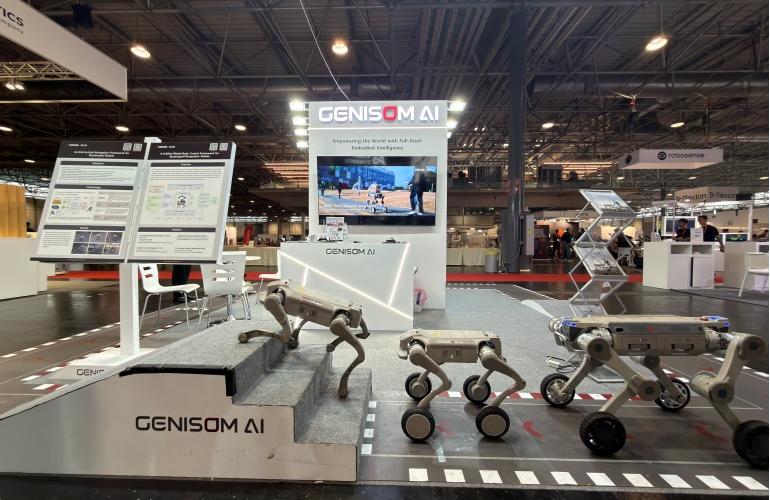
At the International Conference on Robotics and Automation (ICRA) 2026, GENISOM AI showcased its innovative deployable robotics platforms, marking its presence as a significant player in the robotics industry. Although the company may have been unfamiliar to many attendees, it is not a fledgling startup but rather an established entity with advanced technology ready for practical application. The event, held in May 2026, provided a platform for GENISOM AI to demonstrate its cutting-edge solutions, aimed at enhancing operational efficiency in various sectors. By unveiling these robotics platforms, the company seeks to address the growing demand for automation and intelligent systems in an increasingly competitive market. Through live demonstrations and presentations, GENISOM AI illustrated how its technology can be integrated into existing workflows, showcasing its potential to revolutionize industries reliant on robotics.
RoboticsBusinessReview.com By Sponsored Content Jun 05, 2026 Actuators / Motors / Servos Artificial Intelligence Controllers Development Tools / SDKs / Libraries Mobility / Navigation News
The manufacturing sector is undergoing a significant digital transformation, marked by substantial investments in Internet of Things (IoT) sensors, Manufacturing Execution Systems (MES), industrial analytics, and predictive maintenance solutions over the past decade. This shift has provided manufacturers with unparalleled operational visibility, enabling real-time monitoring of equipment, production lines, quality metrics, and material flows. Despite these advancements, production managers continue to face challenges in optimizing processes and improving efficiency. The integration of these technologies aims to enhance productivity and streamline operations, ultimately driving the industry towards a more data-driven future.
RoboticsAndAutomationNews.com By Sam Francis Jul 02, 2026 AI agents Manufacturing ai agents autonomous manufacturing digital manufacturing ERP integration

Dietsmann, a leading independent provider of operation and maintenance services for energy production facilities, has announced its participation as a Bronze Sponsor at the upcoming African Energy Week (AEW) 2026. This significant event is scheduled to take place from October 12 to 16 in Cape Town, South Africa. The sponsorship underscores Dietsmann's longstanding commitment to the African energy sector, which has been a focus for the company for decades. By engaging in this prominent industry gathering, Dietsmann aims to enhance its visibility and influence within the region, reflecting its evolving role in supporting energy production and sustainability initiatives across Africa.
RoboticsAndAutomationNews.com By Sam Francis Jun 15, 2026 Events Features AEW 2026 African Energy Week AI analytics automation news
Genisom AI made a significant impact at the 2026 World Artificial Intelligence Conference by unveiling a complete product matrix, including industry-grade quadruped robots, bomb-proof special robots, humanoid robots, and simulation training platforms. The company reported a cumulative production of over 15,000 units by June 2026, with a monthly production exceeding 5,000 units in June alone. This achievement highlights Genisom AI's ability to address critical questions in industrialization, focusing on mass production, speed, and stability. The quadruped robot, Steel Coin L2, integrates advanced navigation and autonomous following technologies, offering users a reliable productivity tool at lower costs and shorter deployment times. The bomb-proof inspection robot, Lead Ball SP1, is designed for hazardous environments, providing automated inspection solutions with high-level explosion-proof certifications. Looking ahead, Genisom AI's humanoid robot, Silver Wing NE01, signifies the company's expansion into bipedal robotics, demonstrating reliability in extreme tests. The MATRiX 2.0 simulation platform aims to bridge the gap between virtual training and real-world applications. With over 300 ecosystem partners, Genisom AI is building a comprehensive end-to-end chain from core components to full product deployment, marking a significant milestone in China's industrialization efforts.
leaderobot.com By Leaderobot 12 hours ago Quadrupedal Robots Humanoid Robots Industrial Automation AI Robotics
AGIBOT has launched four new products at the World Artificial Intelligence Conference 2026 in Shanghai, showcasing advancements in embodied AI. The new offerings include the AGIBOT A3 Ultra, X2 Edu, G2 Max, and OmniHand 3 Ultra-M, which enhance AGIBOT's range of humanoid platforms, industrial task robots, and dexterous manipulation systems. This product unveiling is significant as it demonstrates AGIBOT's commitment to transforming robotic capabilities into practical, repeatable workflows in real-world settings. With over 30 AGIBOT robots currently operational at WAIC venues, the company is making strides in integrating advanced robotics into various applications. Looking ahead, industry observers will be keen to see how these new products perform in live demonstrations and their potential impact on industrial deployments. No further timeline was disclosed at the time of publication.
RoboticsTomorrow.com Jul 19, 2026
The second-generation ByteDance Doubao phone, the Nubia NaviX Ultra, was unveiled at the WAIC. This device features multi-app task queuing, a proactive memory system, and the ability to operate autonomously across more than ten platforms. This launch is significant as it showcases advancements in mobile technology, particularly in AI integration. The Nubia NaviX Ultra's capabilities in managing multiple applications simultaneously and its proactive memory system could enhance user experience and productivity. Looking ahead, the focus will be on how the Nubia NaviX Ultra performs in real-world applications and its reception among consumers. No further timeline was disclosed at the time of publication.
PanDaily.com By [email protected] (Pandaily) Jul 19, 2026 Gadgets
Tencent has launched the WorkBuddy agent desktop app across HarmonyOS, iOS, and Android, marking a significant step in mobile AI integration. This launch positions HarmonyOS as the first native agent application, facilitating seamless interaction between mobile devices and PCs for workplace AI tasks. The introduction of the WorkBuddy app is important as it bridges the gap between mobile and desktop environments, enhancing productivity and efficiency in workplace settings. By enabling AI-driven tasks on mobile platforms, Tencent aims to streamline workflows and improve user experience across devices. Looking ahead, the focus will be on how users adopt the WorkBuddy app and its impact on workplace productivity. No further timeline was disclosed at the time of publication.
PanDaily.com By [email protected] (Pandaily) Jul 18, 2026 Technology
On July 15, Mianbi Intelligence announced the completion of a new funding round, attracting investments from national funds, state-owned enterprises, and automotive manufacturers. This brings the total funding raised by Mianbi Intelligence in the first half of 2026 to over 5 billion yuan, with a valuation exceeding 20 billion yuan, making it the highest-valued unicorn in the end-side AI sector. The significance of this funding is underscored by Mianbi Intelligence's rapid financing activity, which includes multiple rounds led by prominent investors such as China Telecom and Shenzhen Capital Group. The company, which originated from Tsinghua University's NLP lab, has made substantial strides in the AI field, particularly with its MiniCPM series of models that have seen over 38 million downloads across platforms like GitHub and Hugging Face. Looking ahead, Mianbi Intelligence is set to release its MiniCPM-2.4B model in February 2024, focusing on end-side AI applications. The company has already established a strong presence in the automotive sector, with several models from manufacturers like Changan and SAIC expected to integrate its technology. No further timeline was disclosed at the time of publication.
leaderobot.com By Leaderobot Jul 15, 2026 End-Side AI Funding Automotive Technology Artificial Intelligence Startups
StepFun, a Shanghai-based AI unicorn, has introduced the STEPX Neo, an innovative phone equipped with the agent-native Step AOS and Amoo agent. This device integrates over 10 major platforms, including Alipay, Meituan, Didi, and Baidu, enabling autonomous task execution across applications. The launch of STEPX Neo is significant as it represents a leap forward in mobile technology, allowing users to perform tasks seamlessly across multiple applications without manual intervention. By leveraging the capabilities of various platforms, the STEPX Neo aims to enhance user experience and efficiency in daily tasks. Looking ahead, the impact of STEPX Neo on the market will be worth monitoring, particularly in how it influences user adoption of AI-driven mobile solutions. No further timeline was disclosed at the time of publication.
PanDaily.com By [email protected] (Pandaily) Jul 14, 2026 Technology
Waze, the navigation app owned by Google, is launching new AI-powered features and customization options. These updates include conversational reporting of road changes and personalized navigation, utilizing Google’s Gemini AI assistant to enhance user experience and compete with services like Apple Maps. The introduction of personalized navigation allows Waze to suggest routes based on a user's trip history and traffic patterns, catering to individual preferences such as highway driving. Users can opt for alternate routes or disable personalization if desired. This feature is currently being rolled out globally on both Android and iOS platforms. Additionally, Waze is launching a Motorcycle mode that leverages AI to provide two-wheeler-specific routes and hazard alerts, with availability in several countries including Argentina and Brazil. The ability to report road updates conversationally is also being implemented, enhancing user interaction with the app. No further timeline was disclosed at the time of publication.
TechCrunch By Aisha Malik Jul 13, 2026 AI Apps Google Maps navigation waze
The China Internet Association has introduced a self-regulatory agreement focused on personal information protection for AI agents during a forum in Beijing. Major companies including Baidu, Tencent, Alibaba, and Volcengine are among the initial signatories of this pact, which aims to establish standards for the collection, processing, and usage of personal data by AI agents as their services proliferate across various internet platforms. This initiative is significant as it seeks to address growing concerns regarding data privacy and security in the rapidly evolving landscape of AI technologies. By standardizing practices, the pact aims to enhance consumer trust and ensure responsible handling of personal information, which is crucial as AI agents become increasingly integrated into daily online interactions. Looking ahead, the China Internet Association also unveiled a separate self-regulatory pact for mini-program ecosystems, signed by Tencent, Ant Group, and Baidu, among others. This indicates a broader commitment to data protection across different digital services. No further timeline was disclosed at the time of publication.
TechNode.com By TechNode Feed Jul 13, 2026 News Feed
OpenAI has launched its latest family of models, GPT-5.6, featuring three variants: Sol, Terra, and Luna. Announced on Thursday, these models promise significant advancements in enterprise applications, coding, and scientific research. Notably, Sol is reported to be 54% more token efficient for coding tasks, positioning it as a leading option in the AI landscape. The introduction of GPT-5.6 is significant as it aims to enhance cybersecurity capabilities, with OpenAI claiming it is their strongest model yet in this area. The model supports various defensive activities such as threat modeling and code review, addressing concerns raised by previous regulatory scrutiny. This launch is strategically timed to compete with offerings from rivals like Anthropic, with OpenAI asserting that its models outperform competitors in key metrics. Looking ahead, OpenAI's new models are now available across platforms including ChatGPT and Codex, with pricing structured per million tokens. The company has not disclosed specific timelines for future updates or enhancements, but the competitive landscape suggests ongoing developments in AI model capabilities and market positioning.
TechCrunch By Lucas Ropek Jul 09, 2026 AI ChatGPT gpt-5.6 OpenAI sam altman
Microsoft has reported a rise in phishing attacks, fraudulent advertisements, and exploitation of search results that misuse the popularity of AI services. These attacks are being carried out under the guise of well-known platforms such as ChatGPT, Claude, and DeepSeek. Cybercriminals are employing these tactics to steal authentication and payment information, as well as to distribute malware. The increase in such malicious activities highlights the vulnerabilities associated with the growing reliance on AI technologies.
ITmedia.co.jp Jun 11, 2026
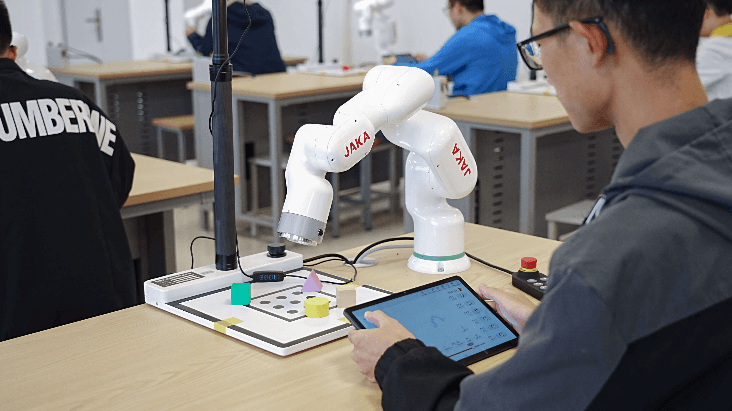
JAKA, a leader in industrial automation and robotics, is revolutionizing technical education by integrating hands-on experience with industrial cobot systems into learning environments. This initiative aims to prepare students for future careers in manufacturing and engineering by providing practical knowledge that complements traditional theoretical studies. The company has developed training programs centered around the JAKA Pro16, an industrial cobot designed to operate in challenging environments, allowing students to engage in tasks such as palletizing, machine tending, and precision welding without damaging sensitive equipment. This hands-on approach helps learners understand the practical challenges of modern industrial settings. JAKA's modular platforms facilitate both individual and collaborative learning, enabling students to program trajectories, test automation sequences, and analyze data from integrated sensors. This immersive experience connects theoretical concepts with real-world applications, enhancing problem-solving skills and technical confidence. The goal of these educational programs is to equip students with the skills necessary for careers in manufacturing, engineering, and technology. By interacting with advanced robotics like the JAKA Pro16, students gain insights into mechanical operations, control systems, and safety protocols. JAKA also provides instructor guides and safety materials to ensure effective and secure learning. Through this commitment to integrating automation and robotics into education, JAKA is helping to bridge the gap between classroom learning and industry requirements, ultimately preparing the next generation for the evolving challenges of modern manufacturing.
jaka.com By JAKA Mar 23, 2026
NVIDIA, alongside a coalition of major technology and telecommunications companies including Booz Allen, BT Group, Cisco, Deutsche Telekom, Ericsson, MITRE, Nokia, OCUDU Ecosystem Foundation, ODC, SK Telecom, SoftBank Corp., and T-Mobile, has announced a significant commitment to develop the next generation of wireless technology. This initiative, revealed today, aims to enhance connectivity and drive innovation in the telecommunications sector. The collaboration seeks to leverage the expertise and resources of each partner to create advanced wireless solutions that meet the growing demands of users and industries worldwide. By pooling their knowledge and capabilities, these companies intend to set new standards in wireless communication, ultimately improving network performance and accessibility for consumers and businesses alike.
NvidiaNews By NVIDIA Feb 28, 2026
Douyin, the Chinese counterpart of TikTok, is significantly enhancing its travel business by introducing a series of promotional initiatives aimed at boosting hotel bookings. The platform is allocating hundreds of millions of RMB in subsidies and has unveiled various discount packages, which include hotel calendar deals, livestream-exclusive vouchers, and brand membership bundles. This strategic move is designed to intensify competition among internet companies across different sectors, reflecting the growing importance of the travel market in the digital economy. By leveraging these promotions, Douyin aims to attract more users and increase engagement on its platform, positioning itself as a key player in the travel industry.
TechNode.com By Shuang Jing Jul 16, 2025 News ByteDance Douyin E-commerce and New Retail Highlight
Alibaba's Qwen AI model is set to be integrated into Apple Intelligence, enhancing user experiences in China across various Apple operating systems including iOS, iPadOS, macOS, and visionOS. This integration allows users to utilize Qwen's features such as text and image understanding and content generation without the need to switch between applications. The significance of this integration lies in its potential to streamline AI-powered interactions for Apple users in China, aligning with the growing trend of incorporating advanced AI capabilities into consumer technology. The announcement coincides with the Cyberspace Administration of China filing for seven on-device generative AI services for smartphones, highlighting the competitive landscape among major tech players like Huawei and OPPO. Looking ahead, the integration of Qwen into Apple Intelligence marks a notable development in the AI sector, particularly in the context of mobile technology. No further timeline was disclosed at the time of publication.
TechNode.com By TechNode Feed Jul 15, 2026 News Feed
Tencent has officially released Just Dance: Party, a mobile rhythm game inspired by Ubisoft’s popular Just Dance franchise. The game is now available for download on iOS, Android, and HarmonyOS devices. Utilizing a proprietary AI-powered skeletal tracking algorithm, Just Dance: Party allows players to engage in full-body motion capture using only their smartphone's front-facing camera, removing the necessity for additional accessories like dance mats or motion controllers. This innovative approach aims to enhance accessibility and convenience for users, making it easier for fans to enjoy the dance experience anytime and anywhere.
TechNode.com By TechNode Feed Jul 02, 2026 News Feed
Meta has unveiled a series of new artificial intelligence features for Facebook, marking a significant step in the company's strategy to enhance user engagement and compete in the rapidly evolving AI landscape. This announcement, made on Monday, reflects Meta's commitment to integrating advanced technology into its platform to attract and retain users. The rollout aims to provide innovative tools and experiences that leverage AI capabilities, thereby positioning Facebook as a more dynamic and interactive social media platform.
TechCrunch By Lauren Forristal Jun 15, 2026 AI Apps Social Facebook Generative AI Meta
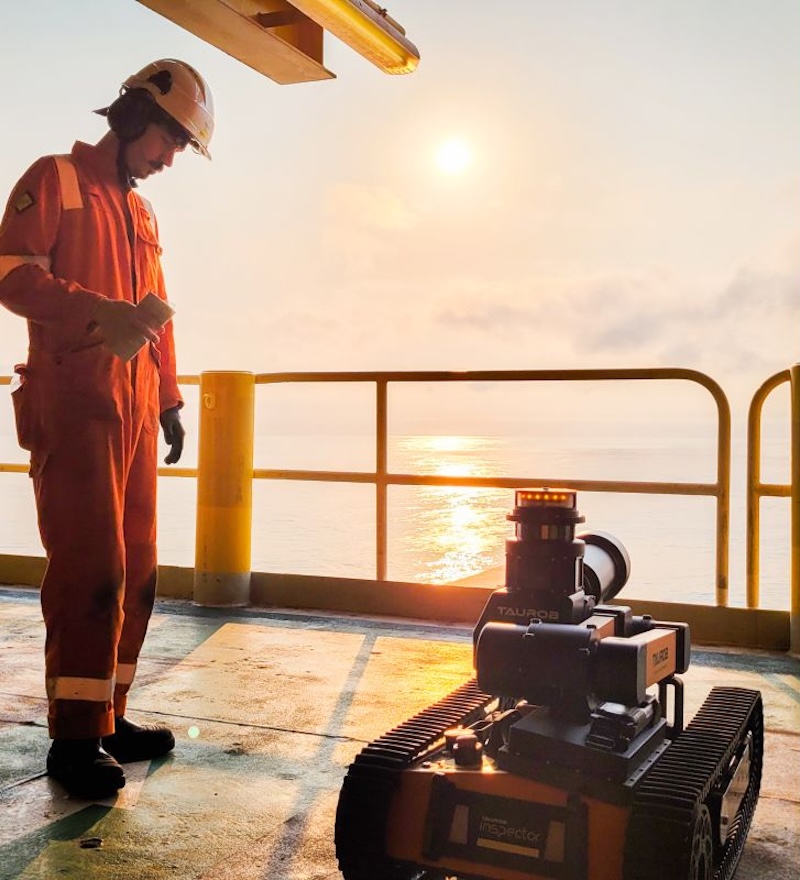
A newly certified payload is set to enhance the capabilities of drones, robots, and radiation detection systems, facilitating faster deployment of mapping in environments where GPS signals are unavailable. This innovative technology aims to improve the efficiency of fused Chemical, Biological, Radiological, and Nuclear (CBRN) visualizations, which are critical for various applications, including emergency response and environmental monitoring. The certification, achieved in October 2023, underscores the growing importance of advanced technological solutions in navigating complex and hazardous situations. By integrating these systems, operators can obtain real-time data and insights, significantly improving situational awareness and decision-making in challenging scenarios.
RoboticsTomorrow.com Apr 28, 2026
Healthcare organizations are rapidly adopting artificial intelligence tools, but many are facing significant challenges in integrating these systems with existing Electronic Health Record (EHR) platforms. Practitioners often initiate the use of automation platforms and conduct pilot programs, only to encounter a critical barrier: the inability of new AI systems to communicate with EHRs. This lack of interoperability leads to increased manual workloads, undermining the intended efficiency gains of automation. As healthcare providers strive to enhance operational efficiency through technology, the disconnect between AI tools and EHR systems poses a substantial hurdle that must be addressed to realize the full potential of these innovations.
RoboticsAndAutomationNews.com By Sam Francis Jun 25, 2026 Digital Automation Health ai in healthcare AI scheduling automation news bidirectional integration
JD.com has announced a strategic partnership with two robot leasing platforms, marking a significant step in expanding its service offerings beyond mere equipment rental. This collaboration comes in response to the increasing demand for robot leasing, which is primarily fueled by the need for cost-effectiveness and operational flexibility among businesses looking to integrate robotic solutions for diverse applications without the financial burden of ownership. By enhancing its capabilities in logistics, maintenance, and data collection, JD.com aims to position itself as a key player in the burgeoning robot leasing market.
leaderobot.com By Leaderobot Jun 15, 2026 Robot Leasing Logistics Services Maintenance Solutions Data Collection AI Robotics
LeoSight has announced a new integration with AirData UAV that enables real-time streaming of flight data, telemetry, and operational insights directly into its command software, LeoCommand. This integration aims to enhance collaboration between dispatchers and field teams by providing shared visibility across drone and DFR (Drone First Response) operations. The partnership leverages AirData's status as one of the most widely used platforms in commercial drone operations, allowing public safety agencies to improve their operational efficiency. The integration is expected to streamline communication and data sharing, ultimately enhancing response capabilities in critical situations.
Dronelife.com By Ian McNabb Jun 10, 2026 Disaster Response drone fleets Drone News Drone News Feeds emergency response Fire and Police
MatrixSpace, a portable radar manufacturer, has successfully integrated its technology with Anduril Lattice and IBCS-M, receiving validation from the U.S. Army during a recent exercise at Fort Carson. This achievement is part of Operation Jailbreak, the Army's largest initiative aimed at incorporating emerging technologies into command-and-control systems. The validation places MatrixSpace among 55 companies participating in this significant interoperability effort, showcasing its sensor capabilities within the Anduril framework. The integration is expected to enhance the Army's operational effectiveness by streamlining communication and coordination among various technological platforms.
Dronelife.com By staff Jun 02, 2026 Defense Drone News Drone News Feeds Military News air defense
Leidos and Havoc have announced a strategic partnership aimed at enhancing unmanned systems through the integration of collaborative autonomy technology. This innovative collaboration will empower a single operator to effectively command and coordinate fleets of unmanned platforms over extensive and contested areas. The initiative is set to revolutionize operational capabilities in various sectors, including defense and logistics, by streamlining control and improving efficiency in complex environments. The partnership reflects a growing trend towards advanced automation in military and civilian applications, responding to the increasing demand for sophisticated unmanned solutions in modern operations.
ROVplanet.com By ROV Planet Apr 20, 2026 leidos havoc maritime and air autonomy
In a recent podcast episode hosted by Scott Walter, David Reger, CEO of Neura Robotics, elaborated on the company's vision for cognitive robotics and the significance of their Neuraverse platform. During the discussion, Reger provided insights into the engineering processes that underpin their humanoid robots, particularly focusing on the 4NE-1 model. He emphasized the company's commitment to in-house development as a strategy to enhance human-robot interaction in a rapidly evolving technological landscape. The conversation sheds light on Neura Robotics' innovative approach and its implications for the future of robotics.
HumanoidsDaily By [email protected] (Humanoids Daily Staff) Jun 01, 2025 David Reger Scott Walter 4NE-1 Neura Robotics Europe
The U.S. Department of Defense is initiating the Massed Modular Aircraft (MMA) program to develop low-cost combat drones capable of performing missions similar to the MQ-9A Reaper. This initiative reflects a strategic shift towards utilizing affordable, expendable drones in modern warfare, particularly in light of recent conflicts that have exposed the vulnerabilities of high-value aircraft in contested airspace. The Pentagon aims to create a fleet of modular, long-range unmanned aircraft that can be rapidly reconfigured for various missions, significantly reducing operational costs while maintaining effectiveness against advanced enemy defenses. This shift is driven by the need for a more sustainable military approach, as the loss of MQ-9 Reapers during operations against Iran has highlighted the financial burden of relying on expensive platforms. With each MQ-9 costing approximately $30 million, military planners recognize that a strategy focused solely on high-value aircraft is increasingly untenable. The MMA initiative seeks to provide a flexible, risk-tolerant option that can deploy large numbers of drones to overwhelm enemy defenses, thereby ensuring operational capability despite potential losses. Looking ahead, the Pentagon's focus on massed modular aircraft indicates a significant evolution in military tactics. The ability to deploy swarms of low-cost drones could complicate enemy air defenses and enhance reconnaissance and strike capabilities. No further timeline was disclosed at the time of publication, but the emphasis on affordability and modularity suggests a proactive response to the changing dynamics of modern warfare and the need for cost-effective solutions in defense operations.
InterestingEngineering.com By Prabhat Ranjan Mishra Jul 11, 2026 Military
In May, an anonymous artist who goes by SHL0MS on X posted that he had used AI to generate an image inspired by Claude Monet and asked people to weigh in on how it missed the mark. More than 600 responses called out issues, saying the colors were off, the depth was all wrong, and that AI didn’t understand how light worked.SHL0MS then revealed that the image was of a real Monet, one of around 250 variations of water lilies the artist had painted in his lifetime. He had simply downloaded a high-resolution image from Wikimedia and cropped out the signature. He minted the exchange as an NFT (a unique digital collectible recording ownership of the work), titled it “Inferior Image,” and sold it for just over US $40,000 after 28 bids.The stunt exposed how charged the conversation around AI art has become, and how quick people are to dismiss anything AI-generated as slop—even when it’s not. Yet even as those arguments continue, a market for AI-generated art has begun to form anyway. It’s fragmented and contested, but bigger than most people realize.Jediwolf, an anonymous collector who says he has spent more than 20 years acquiring digital and AI art, was watching the experiment unfold in real time on X. He had never interacted with SHL0MS before, but when the NFT went up for auction he made a bid and won. “I was buying a unique moment in time,” he says, “captured by an artist and preserved as a token.”The Monet was not AI art, but most of what Jediwolf buys is. One of Jediwolf’s digital collections, which he calls UnderTheGAN—a play on GANs, or generative adversarial networks, the AI technology that preceded today’s diffusion models—comprises roughly 100 works valued at around $72,000, focused on early AI art from 2015 to 2020, before the medium went mainstream. He describes his role as part collector, part researcher, part curator, trying to document a fast-moving field.“A decade ago, digital art was often treated as peripheral to the ‘serious’ art world,” he says. “Today, it is increasingly difficult to separate contemporary culture from the internet.”AI Art Moves Into MuseumsThe market for AI art extends beyond NFTs: AI-generated pieces are also finding their way into physical installations. Last month saw the opening of Dataland, the world’s first generative AI museum, in downtown Los Angeles. It was spearheaded by Refik Anadol, a digital artist who has built a career out of transforming data into large-scale immersive experiences. The opening exhibition has pieces that use data that Anadol collected from rainforests around the world, with real-time weather information from 16 rainforests feeding into all five galleries. In three of the rooms, the imagery also shifts in response to visitors’ own biometric data, tracked by bracelets they wear. Like any museum it sells tickets, ranging from $49 to $79, and has a gift shop. This shop, however, uses visitors’ biometric data collected during their visit to generate a unique design printed on a T-shirt. For $15,000, a robotic painting system called Qualia creates a one-of-a-kind canvas from that same data, painted once a day, with a waiting list already forming. A founding collection of 1,000 AI data sculptures that evolve based on environmental data from global rainforests sold out in 34 minutes at $5,000 each.The system running it all, which Anadol calls the Large Nature Model, was trained on more than 500 million nature images representing 2.2 million species, gathered through field expeditions to 16 rainforests and partnerships with institutions including the Smithsonian and the Cornell Lab of Ornithology.For Anadol, AI art requires a different kind of transparency than any medium that came before it. Because commercial AI tools have shaped how most people understand the technology, artists working with it seriously have to be more open about their process than painters or photographers ever did.“For AI art, we have to know where the data comes from, we have to know which model is trained and how it’s trained,” he says. “We can’t just think about authenticity and uniqueness if a service and product is the fundamental layer of the artwork.”The reviews for Dataland have mostly been positive, with one critic calling it the Citizen Kane of immersive experiences. But Anadol is used to a more divided reception. His 2022 installation at MoMA—a 7-by-7-meter screen of AI-generated fluid forms with shifting colors and sounds—drew 3 million visitors and entered the permanent collection, even as New York Magazine called it “a massive techno lava lamp.” Anadol sees the skepticism as nothing new, just the latest version of a resistance that has greeted all new media. “Every art form has gone through similar cycles of denial,” he says. “We are living in a renaissance that started 10 years ago, and I just don’t think everyone is aware of it yet.”Who Is Buying AI Art?The broader market data points in multiple directions at once. According to the Art Basel and UBS Art Market Report 2026, digital art’s share of sales nearly tripled between 2024 and 2025, and just over half of all fine art collectors surveyed had purchased a digital artwork in 2025, making it the third most popular category after painting and sculpture (the report does not break out AI art specifically).Meanwhile, Christie’s shuttered its pioneering digital art department in September, folding digital works back into its broader contemporary sales after none of its dedicated auctions broke $400,000.The most data-rich window into buyer behavior comes from a less glamorous corner of the market. After one major stock image platform allowed AI-generated images, monthly sales jumped 80 percent, according to Samuel Goldberg, an economist at Stanford Graduate School of Business who published a research paper about the shift. Traditional contributors began leaving the platform as generative images flooded in, and creators using AI tools rushed to fill the gap. “It looks like consumers like generative AI,” Goldberg says, “and it seems like nongenerative artists could be getting crowded out of the market.” Stock images are essentially a commodity version of art, according to Goldberg, and because image-generating models are already very good at producing them, what’s happening there may be a preview of what’s coming for other creative goods markets—including fine arts—as the technology improves.Artists are typically among the first to test the limits of a new technology; early adopters have created AI art since the 1970s. What’s new now is the ability for anyone to generate an image in seconds with a text prompt. That, according to Christiane Paul, curator of digital art at the Whitney Museum of American Art, is not the same thing at all. What fills those stock-image platforms, and what most people encounter when they think of AI art, does not qualify as art.True AI art, Paul says, is a subcategory of digital art that uses artificial intelligence as both a tool and a medium, engaging with it practically and conceptually, doing things like training custom models, building extensions, and layering control systems. “A visual created by a prompt is not art,” she says. What serious AI artists are actually doing is much more than typing a few words into DALL-E.Far from the shortcut most people assume, working seriously with AI as an artistic medium is, by her account, brutally hard. Every artist she talks to says the same thing. “It is much, much harder than a paintbrush to handle,” she says. “You are literally communicating with a system with a completely different logic.”Thanks to bubblemaps.io for its research assistance on the NFT market.
IEEESpectrumAI By Jackie Snow Jul 07, 2026 Ai-art Generative-ai Digital-art Blockchain
In 2016, Peng Jun founded Pony.ai with the foresight that the widespread implementation of Robotaxi services would require at least a decade of effort, considering technological advancements, legal frameworks, and societal acceptance. Today, companies like Waymo in San Francisco and Pony.ai in Shenzhen have successfully integrated autonomous vehicles into commercial operations. However, Peng noted that the absence of human drivers has created challenges in operational logistics, such as vehicle maintenance and customer assistance, which were previously managed by drivers. In a recent interview, Peng discussed Pony.ai's strategies for supporting its autonomous fleet, including the establishment of an operations team to create logistics standards that encompass remote safety personnel and ground support staff. He emphasized that even as the fleet expands, the ratio of personnel to vehicles will not significantly increase, a factor often overlooked by traditional ride-hailing companies entering the Robotaxi market. Despite the challenges, Pony.ai's seventh-generation vehicles have achieved profitability in cities like Guangzhou and Shenzhen, with plans to scale the fleet to 3,500 vehicles this year. Peng expressed skepticism about the ability of traditional automakers and ride-hailing platforms to transition into the Robotaxi space, highlighting the complexities involved in achieving Level 4 autonomy. While competitors are rapidly announcing their own Robotaxi initiatives, Peng cautioned that execution is far more challenging than mere declarations. He believes that operational efficiency, rather than manufacturing capability, will be the key determinant of success in the Robotaxi sector. As the industry evolves, Pony.ai remains focused on refining its business model while navigating the complexities of autonomous vehicle operations.
36kr.com Jul 01, 2026RSF defines a common language for robot service capability, lifecycle operations, certification pathways, and service-provider networks.