Industry Briefing
A single destination for timely, editor-curated robotics news from around the world.
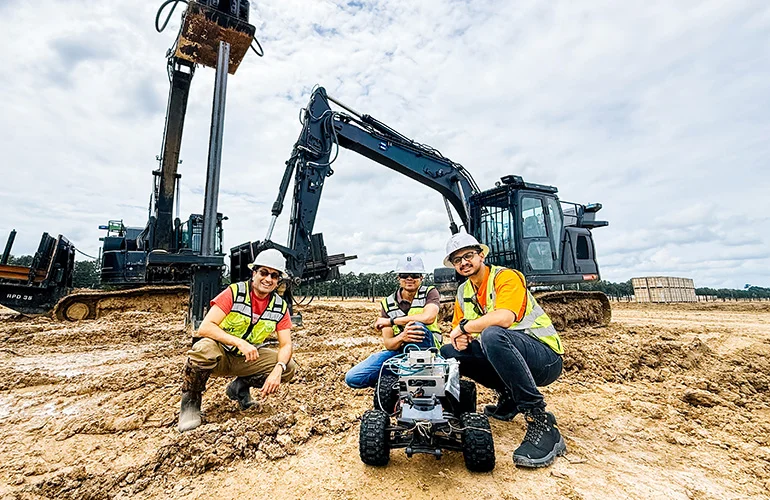
Built Robotics and Penn Engineering’s xLAB Partner for Physical AI in Construction
Built Robotics is partnering with the University of Pennsylvania’s Safe Autonomous Systems Lab, known as xLAB, to advance research in physical AI aimed at creating autonomous construction systems capable of safe operation in real-world environments. This collaboration combines Built Robotics' expertise in deploying autonomous technologies on construction sites with xLAB's cutting-edge research in safety and automation. The initiative seeks to enhance the efficiency and safety of construction processes by leveraging innovative AI solutions.
AI AI Funding & Investment AI Research & Advances Robotics Built Robotics Partnership
Built Robotics and Penn Engineering's xLAB Partner to Advance Physical AI in Construction
A new collaboration has emerged between xLAB and Built Robotics, focusing on enhancing safety in autonomous systems. This partnership aims to combine xLAB's extensive experience in developing high-performance, safety-critical technologies with Built Robotics' advanced edge AI model, which specializes in personnel detection and ensuring human safety. The initiative is designed to address growing concerns about safety in automated environments, particularly as the use of autonomous systems becomes more prevalent across various industries. By integrating their expertise, the two companies hope to create solutions that not only improve operational efficiency but also prioritize the well-being of individuals working alongside these technologies.
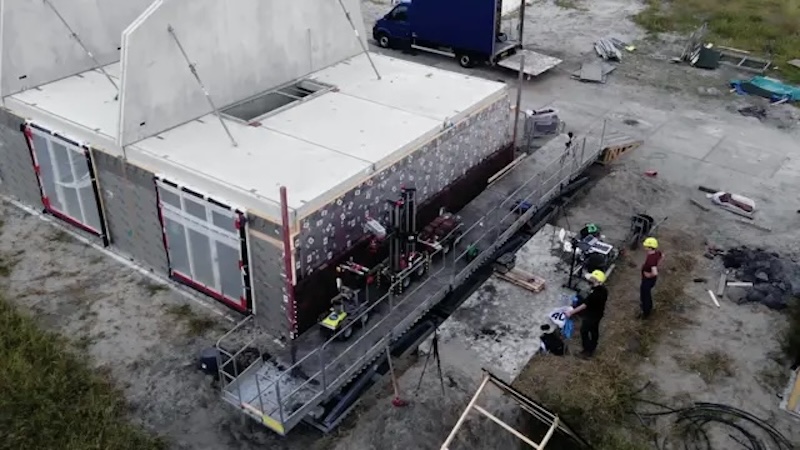
Monumental Secures $32 Million to Enhance Autonomous Construction Robot Deployment
Monumental, a tech company based in Amsterdam, has successfully raised $32 million in a Series B funding round led by Khosla Ventures, with participation from existing investors Plural and Hummingbird. This funding will enable Monumental to expand its team of engineers, increase the deployment of its autonomous construction robots across Europe and the UK, and facilitate its entry into the US market. The significance of this funding lies in addressing the labor shortage in the UK construction sector, where the Home Builders Federation estimates a need for 20,000 additional bricklayers to meet the government’s target of 1.5 million new homes. Monumental's fleet of over 150 robots is already operational as autonomous subcontractors, demonstrating the potential to alleviate this gap in labor and enhance construction efficiency. Looking ahead, Monumental aims to broaden the range of construction tasks its robots can perform while deepening its presence in the UK and expanding into the US. No further timeline was disclosed at the time of publication.
Construction News Technology AI in construction Atrium AI platform automation
Specialized Robots Enhance Efficiency in Solar Farm Construction and Maintenance
A rising number of robotics companies are developing specialized machines aimed at alleviating labor bottlenecks in solar farm construction and maintenance. These innovations are crucial as they address the unique challenges posed by solar farm terrains, optimizing both construction timelines and operational efficiency. The significance of these advancements lies in their potential to streamline processes and reduce reliance on manual labor, which can be both costly and time-consuming. By integrating specialized robots, companies can enhance productivity and improve safety standards on solar farms, making the sector more sustainable and economically viable. Looking ahead, the continued evolution of robotics in this field will be essential to meet the growing demand for renewable energy solutions. Stakeholders should monitor developments in robot capabilities and their impact on solar farm operations. No further timeline was disclosed at the time of publication.
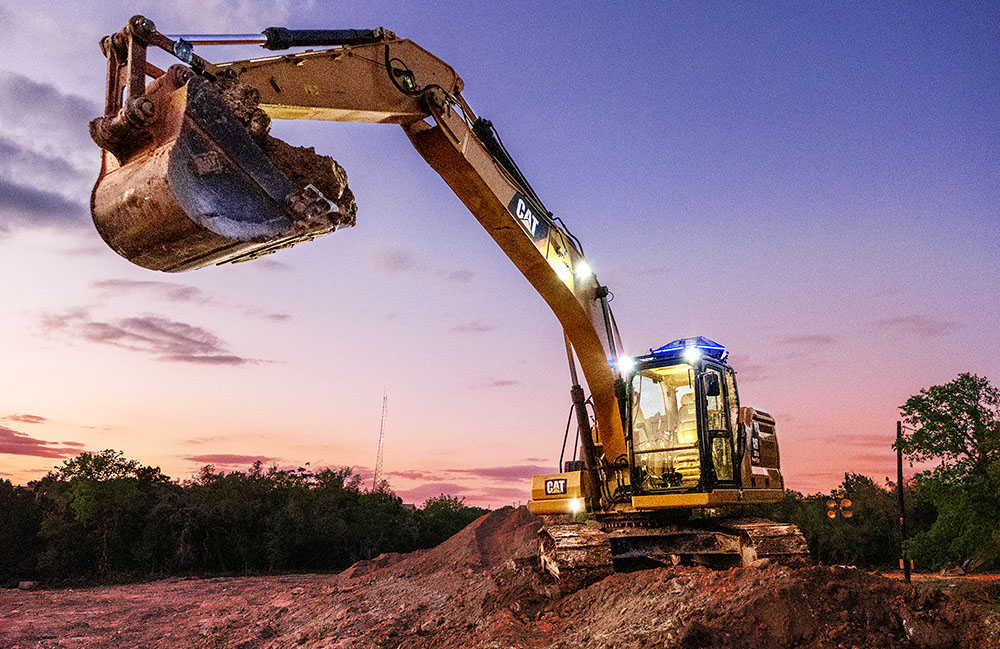
TerraFirma Secures $115M Series A Funding to Enhance Robotic Construction Infrastructure
TerraFirma has successfully raised $115 million in Series A funding to bolster its engineering, manufacturing, and construction teams while advancing its semi-autonomous heavy equipment. Co-founder and CEO Noah Schochet emphasized the need for innovation in construction, citing historical achievements and the potential for significant improvements in speed, cost, and safety. The construction industry has faced declining productivity for decades, with U.S. construction labor productivity decreasing by an average of 0.6% annually since 1965, contrasting with a 1.6% growth in the broader economy. TerraFirma aims to address this issue by developing a full-stack platform that integrates AI-driven pre-construction software and retrofitted semi-autonomous machinery, enhancing operational efficiency and job safety. Looking ahead, TerraFirma is engaged in various projects across multiple sectors, including housing and energy, with recent initiatives in Texas. The company’s approach combines technology and operations to create a more effective construction ecosystem, with the potential to revolutionize the industry. No further timeline was disclosed at the time of publication.
Construction Energy / Solar / Renewables Financial Investments Manufacturing Markets / Industries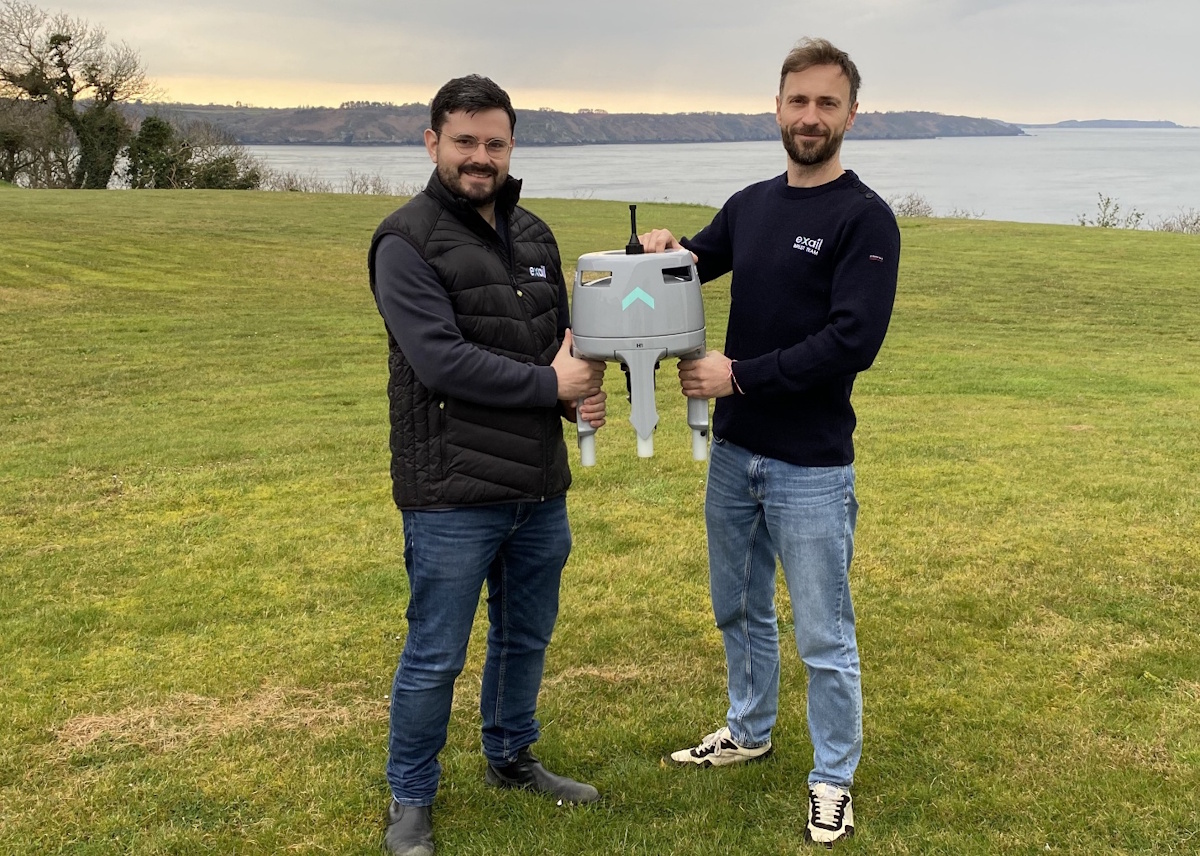
Exail Secures First Sale of Gaps M3 USBL System to Major Asian Offshore Construction Group
Exail has announced its inaugural sale of the Gaps M3 compact USBL (Ultra-Short Baseline) positioning system to a prominent offshore construction group in Asia. This advanced system is set to be utilized in a subsea cable laying project, ensuring accurate underwater positioning in challenging coastal conditions. The deployment of the Gaps M3 is expected to enhance operational efficiency and precision for the construction group as they undertake this critical infrastructure task.
exail gaps m3 usbl offshore construction group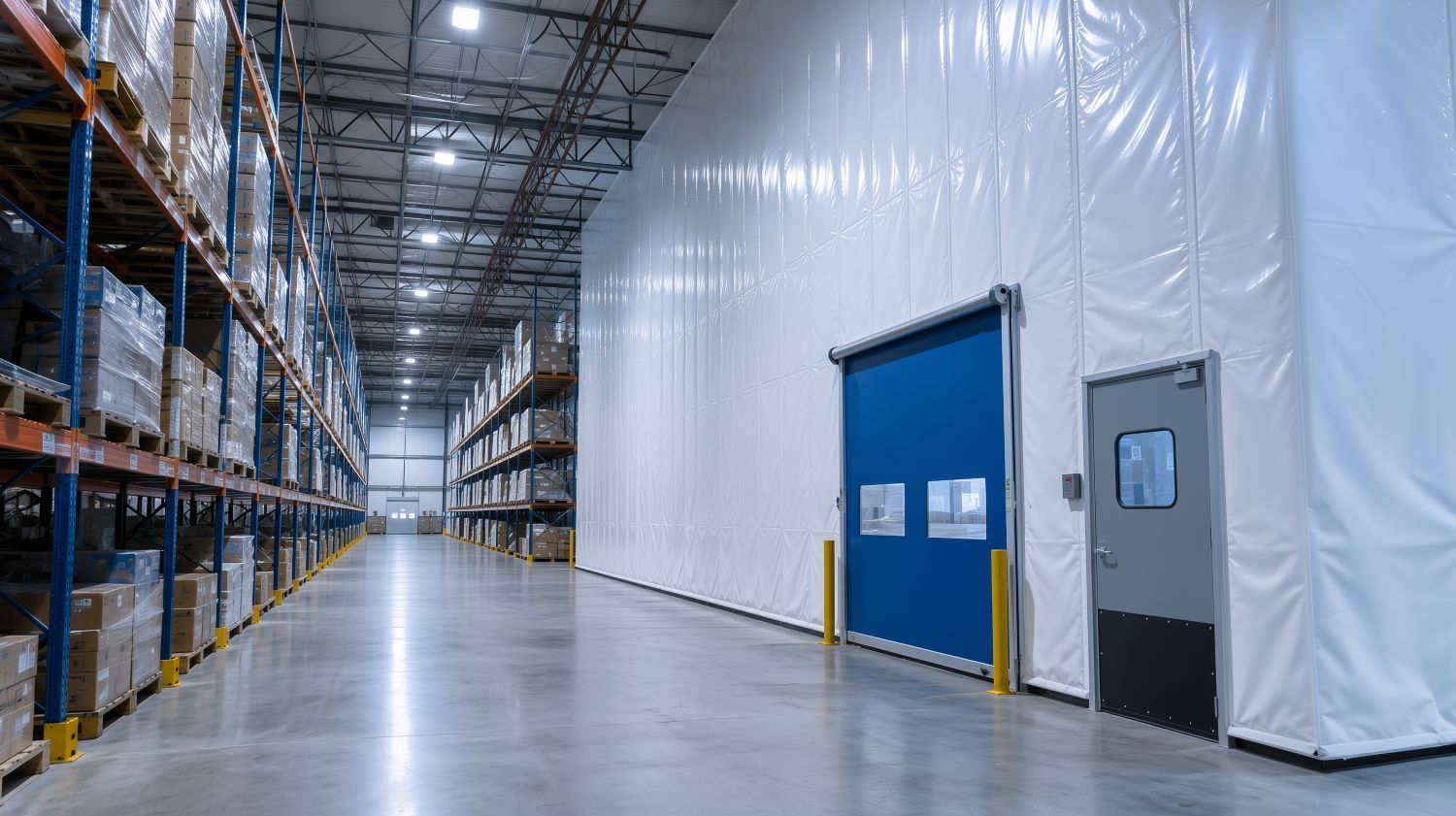
Zone Separation Innovations Could Enhance Cold Chain Efficiency in the UK
The UK, holding the largest cold storage market in Europe, faces significant challenges as cold-chain energy costs surged by 46% in 2023. The Cold Chain Federation highlights that the temperature-controlled sector contributes £14 billion to the economy, making energy management a critical operational factor for logistics operators. A major energy drain in distribution centers arises from the movement of goods between temperature zones, with air infiltration accounting for over half of the refrigeration load in high-traffic facilities. Implementing physical zone separation, such as temperature-separating curtain walls and PVC strip curtains, can significantly reduce energy loss by minimizing uncontrolled air exchange. As the cold chain sector moves towards energy efficiency, particularly in light of the UK's 2050 Net Zero target, the adaptability of curtain systems offers a practical solution. These systems allow for flexible reconfiguration of temperature zones without extensive construction, aligning with the industry's evolving needs while promoting energy savings without major facility overhauls. No further timeline was disclosed at the time of publication.
Cold Chain Logistics Storage & Racking Transport and Distribution Warehouse Property Warehousing cold chain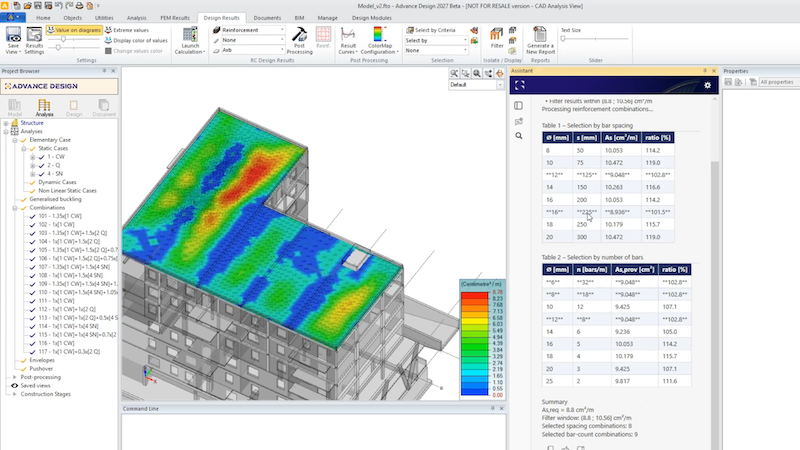
Graitec outlines AI roadmap focused on accountability in engineering and construction
Graitec, a software provider, has announced a comprehensive three-stage artificial intelligence strategy tailored for the architecture, engineering, construction, and operations (AECO) sector. The company emphasizes that the primary challenge facing the industry is not the creation of content through AI, but rather the reliability of these AI-generated results in practical applications. To address this concern, Graitec plans to integrate AI directly into various processes, including engineering, fabrication, and construction. This initiative aims to enhance trust and efficiency within the AECO industry, ultimately improving project outcomes.
Construction News Software AECO AI software architecture and engineering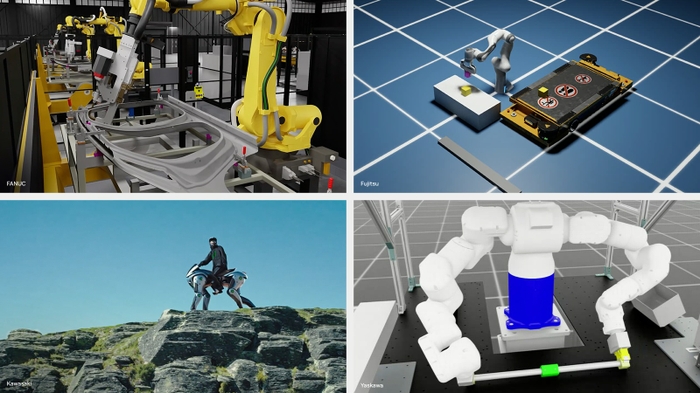
Japan's Leaders in Robotics and Manufacturing Leverage NVIDIA Cosmos for Physical AI Advancements
NVIDIA has announced that Japan's leaders in physical AI are utilizing the NVIDIA Cosmos™, Isaac™, Metropolis, and Jetson™ platforms to enhance the deployment of intelligent machines across various sectors including manufacturing and robotics. The introduction of Cosmos 3 Edge aims to provide advanced capabilities for real-time reasoning and action prediction in robots, marking a significant step in integrating intelligence into physical systems. This initiative is crucial as Japan's established strengths in robotics and manufacturing position it to lead in the next wave of AI development. Jensen Huang, NVIDIA's CEO, emphasized the unique opportunity for Japan to reinvent modern manufacturing through intelligent technologies, combining its heritage in precision engineering with NVIDIA's advanced platforms. Looking ahead, NVIDIA is expanding the Cosmos Coalition to include Japan's physical AI leaders, enabling collaboration on open world models. This coalition will facilitate the testing and optimization of physical AI systems, potentially transforming operations across various industries such as logistics, healthcare, and construction. No further timeline was disclosed at the time of publication.

Tesla's Optimus Robots to Support Starmind Satellite Production, Not Maintenance
Tesla's Optimus robots will not be used to repair Starmind satellites in orbit, as confirmed by recent statements from Elon Musk. Instead, these robots are intended to assist in the construction and operation of the Terafab chip manufacturing facility in Texas. The AI1 satellites, designed to disintegrate upon reentry, highlight the company's swap-and-replace strategy rather than traditional maintenance practices. This approach is significant as it reflects a broader trend in satellite management, where mass-produced satellites are replaced rather than repaired. The economics of servicing missions are prohibitive, with the cost of launching a replacement satellite being significantly lower than conducting a repair mission. This model aligns with SpaceX's operational history, where rapid replacement of satellites is more efficient than attempting to maintain them in orbit. Looking ahead, the focus will remain on the production capabilities of the Gigasat factory, which is expected to support the continuous replacement of satellites. No further timeline was disclosed at the time of publication, but the demand for rapid satellite turnover suggests a robust future for Optimus robots in terrestrial manufacturing rather than in-space servicing.
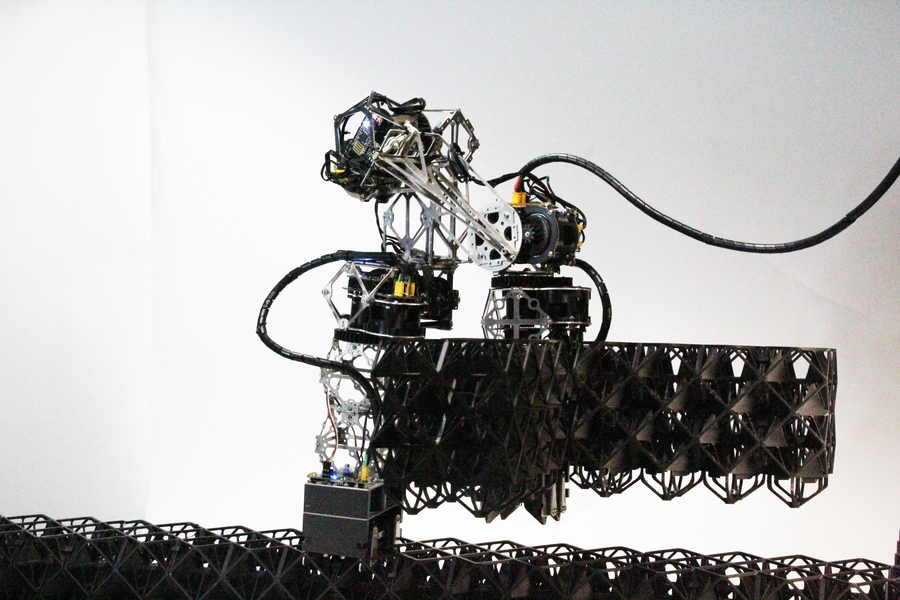
Robotically assembled building blocks could make construction more efficient and sustainable
Recent research indicates that the construction of buildings using interlocking subunits is not only mechanically viable but also significantly reduces carbon emissions. This innovative approach to building design aims to address environmental concerns associated with traditional construction methods. The findings, which emerged from a study conducted by a team of engineers and architects, highlight the potential for a more sustainable future in the construction industry. By utilizing modular components that fit together seamlessly, this method could streamline the building process while minimizing waste and energy consumption. The research, completed in late 2023, emphasizes the urgent need for eco-friendly practices in architecture and construction, as the industry seeks to lower its carbon footprint and contribute to global sustainability efforts.
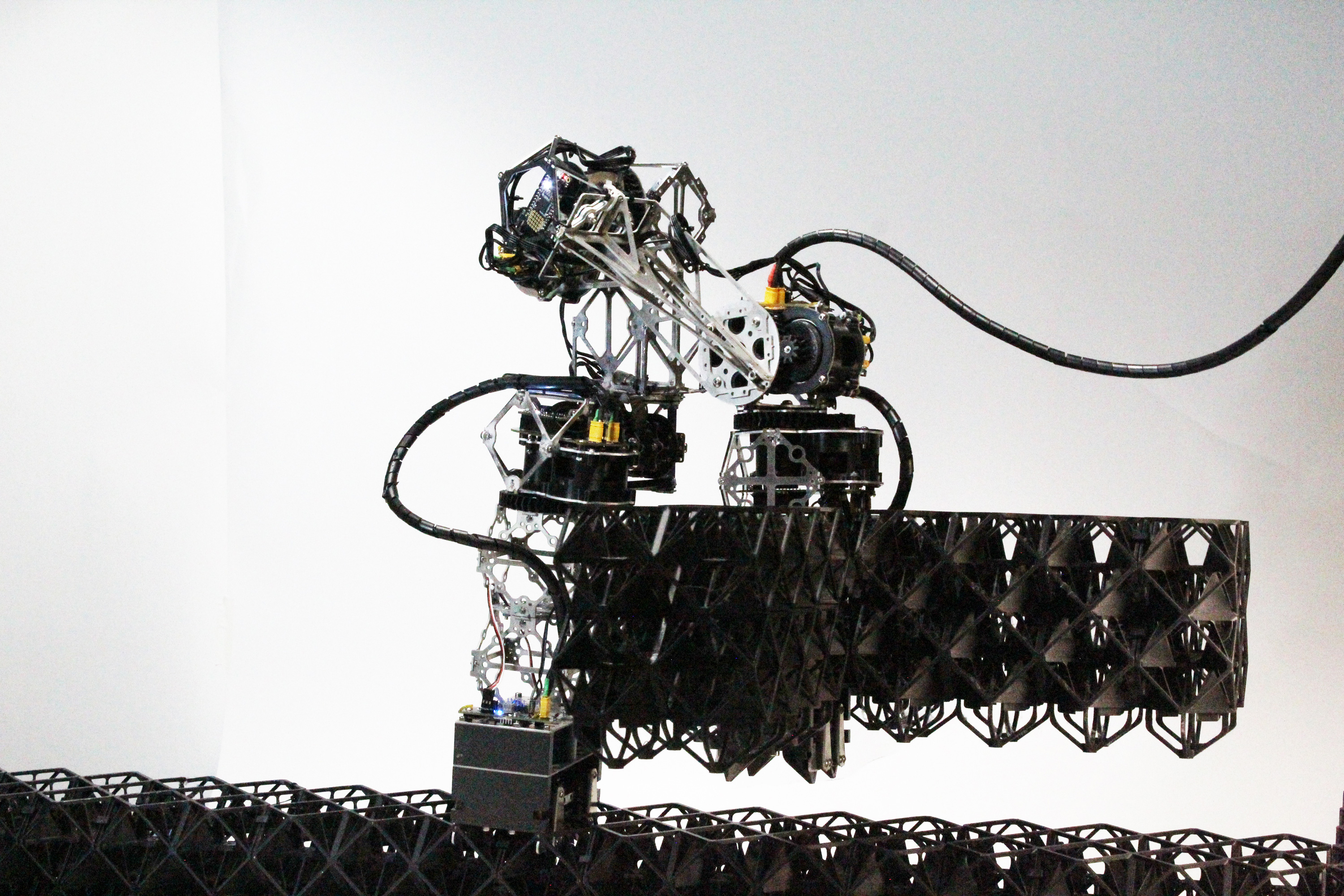
Robotically assembled building blocks could make construction more efficient and sustainable
Recent research indicates that the construction of simple buildings using interlocking subunits is not only mechanically viable but also significantly reduces carbon emissions. This innovative approach to building design could transform the construction industry by offering a sustainable alternative to traditional methods. The findings, which emerged from a study conducted by a team of engineers and architects, highlight the potential for these modular structures to minimize environmental impact while maintaining structural integrity. The research underscores the urgent need for more eco-friendly construction practices in response to growing concerns about climate change and resource depletion. By utilizing interlocking components, builders can streamline the construction process, reduce waste, and enhance energy efficiency, ultimately contributing to a greener future for urban development.
Research Construction Robotics Self-assembly Concrete Additive manufacturing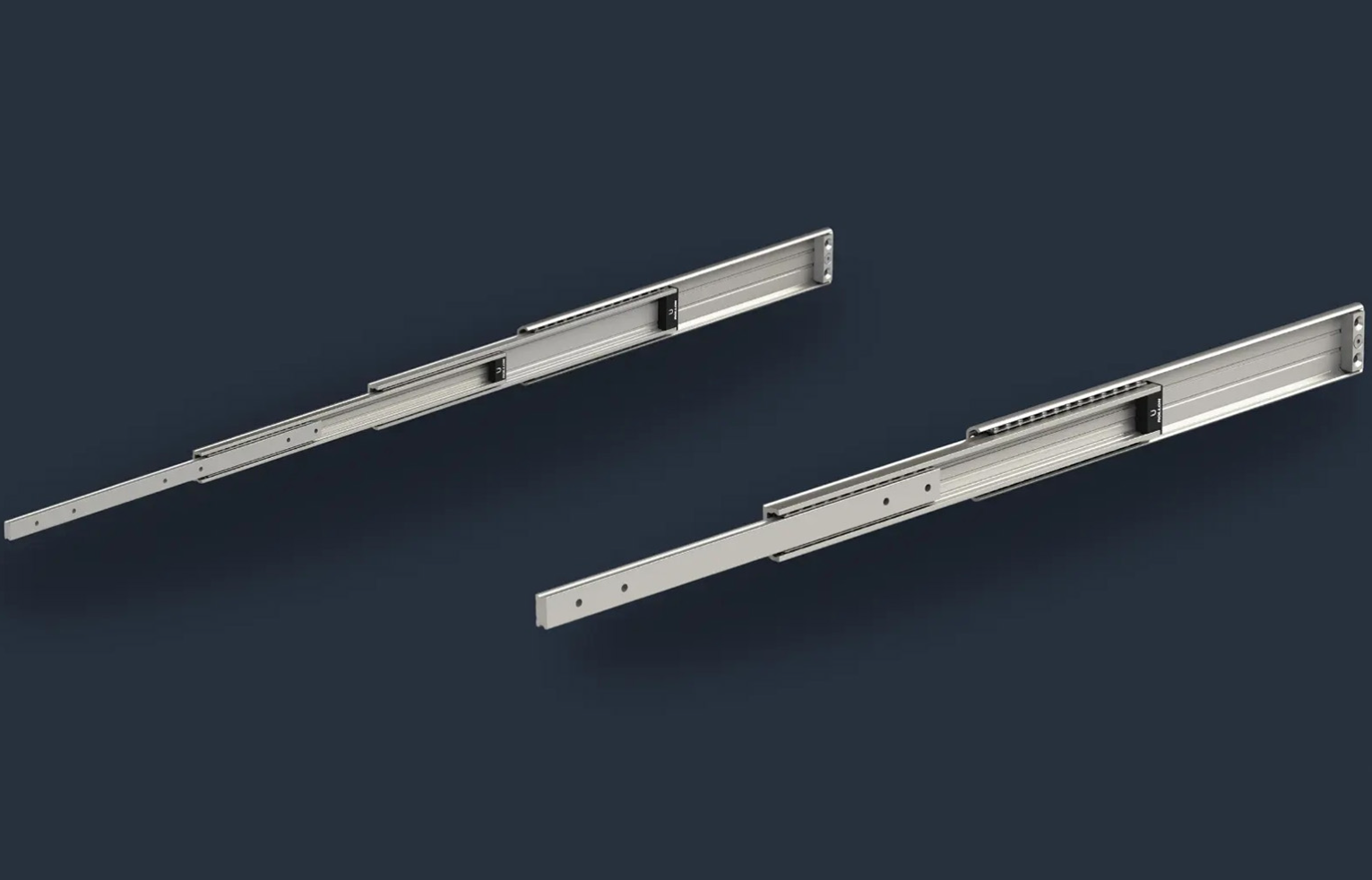
Rollon Launches Magnetic Telescopic Rails to Enhance Railway Maintenance Efficiency
Rollon, a leader in linear motion systems, has introduced the HVC-MG and H1C-MG integrated magnetic telescopic rails. These rails, designed for high-load applications, incorporate magnets into the rail structure to improve control and reduce effort during maintenance tasks. The new technology was unveiled this week and aims to enhance the efficiency and safety of railway maintenance operations by allowing engineers to easily pull out heavy battery compartments weighing hundreds of kilograms. The significance of this innovation lies in its ability to provide a seamless operation under heavy loads, addressing the challenges faced by maintenance personnel in the railway sector. The integrated magnets facilitate a sequential opening of the rail components, which minimizes simultaneous stress and enhances load distribution. This results in smoother operation, reduced manual effort, and extended rail lifespan, making it particularly suitable for the demanding environments of high-speed rail and subway systems. Looking ahead, Rollon plans to expand its magnetic control sequential motion technology across more product lines. The HVC and H1C series rails offer full extension and super extension options, maximizing accessibility while minimizing space usage. No further timeline was disclosed at the time of publication for additional product releases or enhancements.
Railway Maintenance Linear Motion Systems Heavy Equipment Automation Technology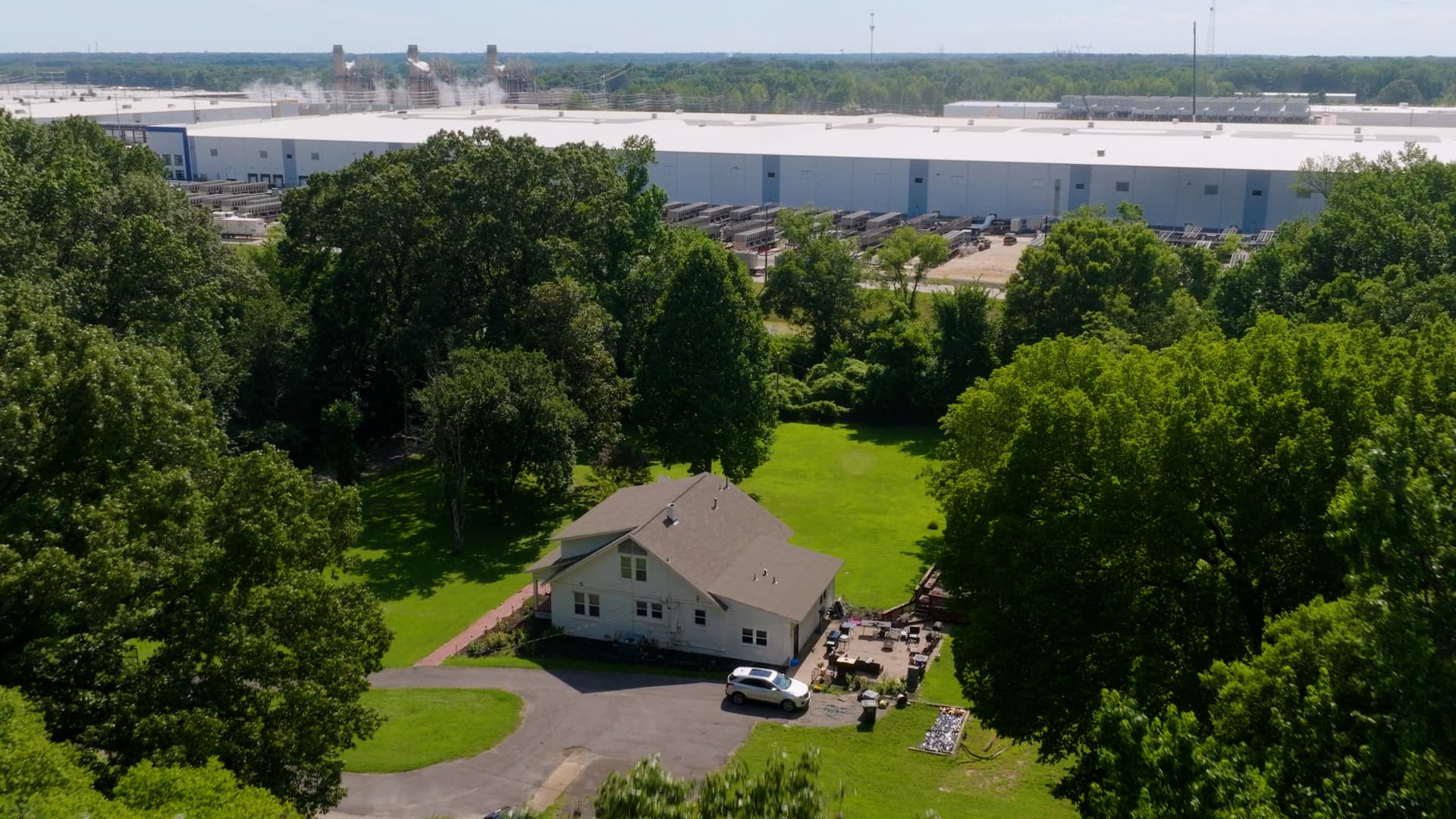
Elon Musk's AI Data Centers in Memphis Spark Nationwide Backlash Against Development
Elon Musk's rapid establishment of AI data centers in Memphis has led to significant local discontent due to noise and emissions from gas-burning turbines. This situation has become a cautionary example for other communities facing similar developments, prompting protests and policy proposals across the U.S. Public opposition is growing against data centers from major tech companies, with a recent Gallup poll indicating that 70% of Americans oppose local AI data center construction. The backlash against Musk's SpaceXAI facilities, Colossus and Colossus II, highlights the challenges of balancing technological advancement with community concerns. Local residents report feeling ignored during the planning stages, and many are now involved in legal actions against SpaceX. The controversy has also influenced state-level policies, such as New York's moratorium on AI data center construction and New Jersey's legislation requiring fair electricity costs for data center operators. As the debate over AI data centers continues, stakeholders are watching for further developments in regulations and community responses. The experiences of Memphis residents serve as a blueprint for other areas grappling with the implications of such facilities, emphasizing the need for better engagement and consideration of local impacts in future projects. No further timeline was disclosed at the time of publication.
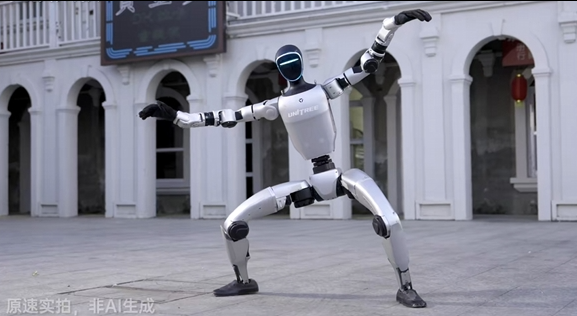
Obayashi Corporation Launches 18-Month Project with Humanoid Robots in Construction
Obayashi Corporation has initiated an 18-month joint verification project utilizing humanoid robots at a construction site near Tokyo. The project aims to address the critical labor shortage in Japan's construction industry, where over one-third of workers are aged 65 and older, while less than 10% are under 30. The introduction of humanoid robots is seen as a survival strategy rather than a gimmick. The selected humanoid robot, UTree H1, features 19 degrees of freedom and is designed for repetitive material handling tasks in uneven environments. Obayashi's technology lead emphasized that the project's core metric is not replacement rate but rather the enhancement of human-robot collaboration efficiency, indicating that the initial role of the robots will be to assist rather than fully replace human workers. The project also highlights the cost advantages of UTree's supply chain, which is over 40% lower than similar products from Europe and the U.S. This affordability makes the UTree H1 accessible to large rental companies in Japan. Experts note that successful integration of humanoid robots into existing construction workflows will be crucial for scaling up their use in the industry. No further timeline was disclosed at the time of publication.
Humanoid Robots Construction Automation Robotics AI Building Technology
Kawasaki Heavy and Nvidia Collaborate on AI-Driven Shipyard in Japan
Kawasaki Heavy Industries and Nvidia have announced a partnership to create a cutting-edge shipyard in Japan that will utilize artificial intelligence. This initiative aims to enhance productivity and address labor shortages in the shipbuilding sector by leveraging Nvidia's digital twin technology. The collaboration is significant as it represents a strategic move by Kawasaki Heavy to modernize its operations and improve efficiency through advanced technology. By integrating AI and robotics, the shipyard is expected to streamline processes such as welding, which is critical in ship construction, thereby mitigating the impact of the ongoing labor crunch in the industry. Looking ahead, the development of autonomous robots capable of performing essential tasks at shipyards will be a key focus of this partnership. No further timeline was disclosed at the time of publication.
Dewalt Launches DALE Downward-Drilling Robot for Data Center Construction
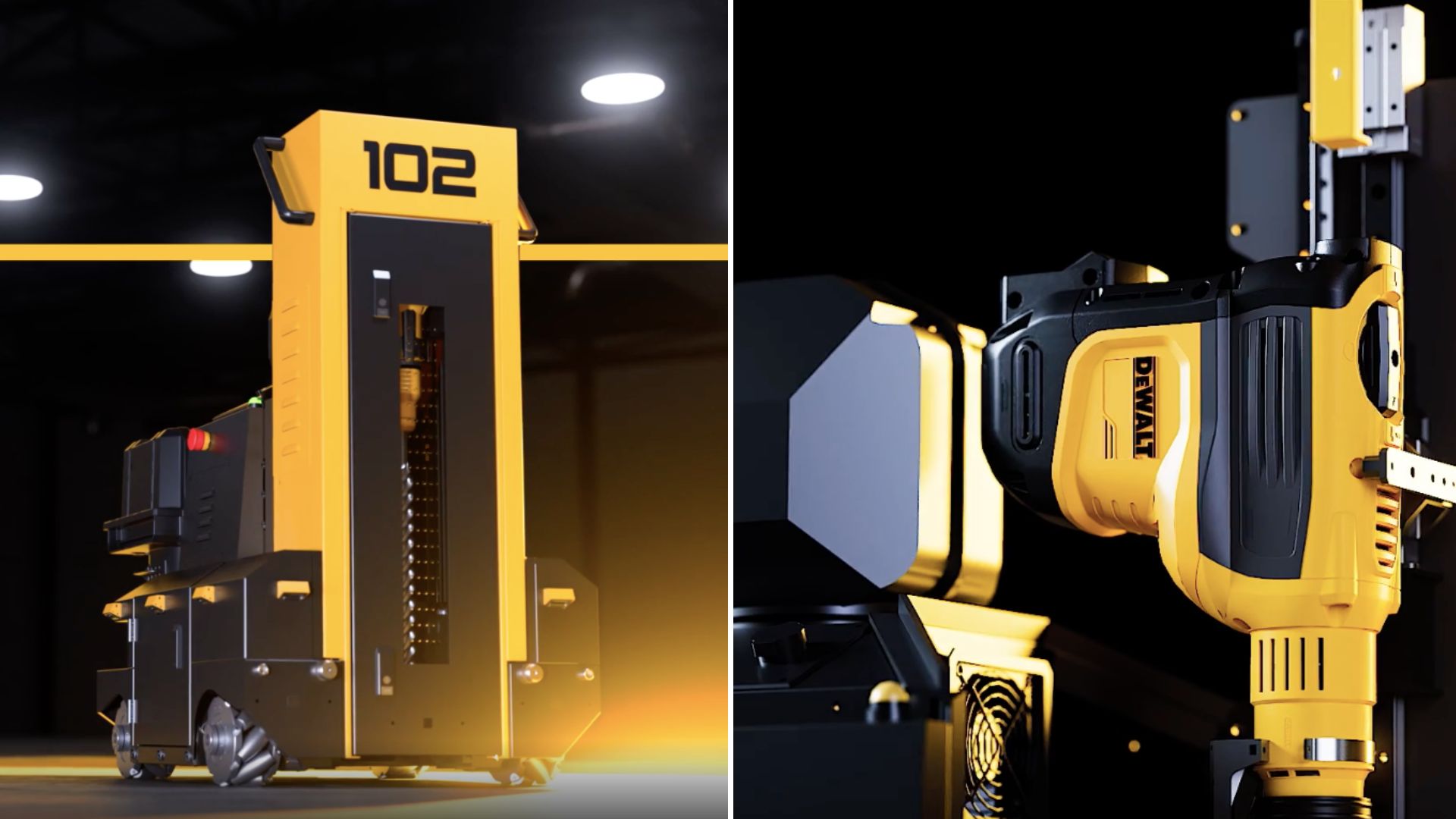
Dewalt, in collaboration with August Robotics, has launched DALE, the world's first fleet-capable downward-drilling robot, at the World of Concrete event. This innovative robot is designed to enhance efficiency in data center construction, achieving drilling speeds up to ten times faster than traditional methods. During a year-long pilot, DALE drilled over 230,000 holes with 99.97% accuracy, significantly reducing project timelines by 190 weeks across 26 phases. The introduction of DALE is significant for the construction industry, particularly in the rapidly growing data center sector. Dewalt's robot not only accelerates drilling processes but also integrates advanced features such as fast-swap batteries, remote monitoring, and automatic dust extraction. These capabilities allow for enhanced safety and precision, making it a valuable asset for construction teams facing tight deadlines and labor challenges. Looking ahead, DALE is now available for commercial orders, marking a pivotal moment for construction automation. The robot's ability to operate in fleets and drill through rebar positions it as a versatile tool for various construction applications. No further timeline was disclosed at the time of publication regarding additional features or expansions in its deployment.
AI and Robotics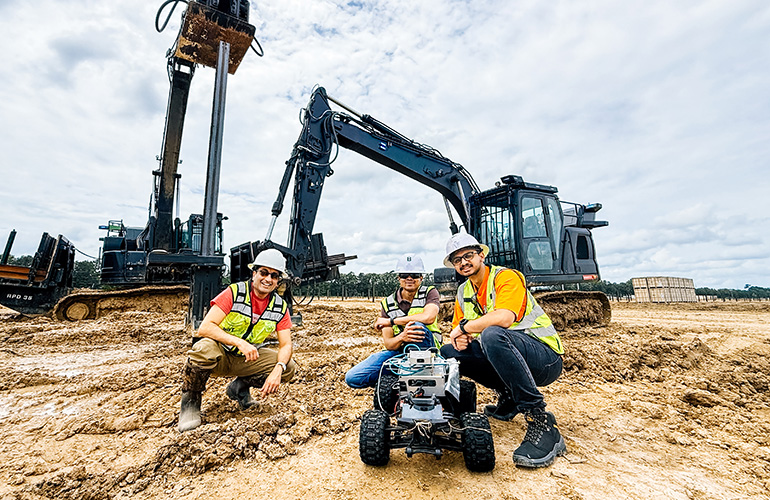
Built Robotics, Penn xLAB to develop physical AI for construction
xLAB and Built Robotics have announced a partnership aimed at enhancing construction site safety through advanced artificial intelligence. This collaboration focuses on capturing additional data to refine AI models that can better predict and mitigate risks in construction environments. The initiative comes at a time when the construction industry is increasingly prioritizing safety measures, driven by the need to reduce accidents and improve operational efficiency. By leveraging innovative technology, the two organizations aim to create a more secure working environment for construction workers. The development of this physical AI is expected to take place over the coming months, with both companies committed to integrating their expertise to achieve significant advancements in the field.
Academia / Research Artificial Intelligence Autonomous Mobile Robots (AMRs) Construction Mining News
GS E&C, Daedong Robotics team up on AI construction robots
GS Engineering & Construction (GS E&C) announced on Monday that it has entered into a partnership with Daedong Robotics to develop artificial intelligence-powered autonomous robots specifically designed for construction sites. This collaboration, formalized on June 5 at GS E&C's R&D Center in Seoul, aims to enhance safety and productivity in the construction industry, which is increasingly turning to automation. The partnership will involve field trials of Daedong Robotics' existing autonomous robots and the joint development of new models tailored to meet the unique challenges of construction environments. Established in 2024, Daedong Robotics is expanding its focus beyond agricultural applications to address the growing demands of the construction sector.
All News
All3 raises $25m in Seed funding to triple productivity in the construction industry through robotics and AI
All3, a London-based startup focused on revolutionizing the construction industry, has successfully raised $25 million in seed funding to enhance productivity through robotics and artificial intelligence. The funding round, led by RTP Global and supported by SuperSeed, Begin Capital, s16vc, and VNV Global, aims to develop an integrated system that includes an AI architecture platform, robotic factories, and Mantis, an autonomous robot designed for on-site assembly. With Mantis already operational and initial commercial deployments set for Germany later this year, All3's innovative approach promises significant cost savings and efficiency improvements, potentially reducing construction timelines by up to 50% and embodied carbon by 25%. The founding team, which previously established the successful grocery delivery service Samokat, is applying their expertise to address the stagnation in construction productivity, which has seen little advancement in the past 50 years. The funding will primarily support research and development efforts in London and Belgrade, as well as the deployment of robots across active construction sites in Germany, where there is a pressing need for approximately 700,000 new homes. CEO Rodion Shishkov emphasized the company's mission to tackle the housing crisis and improve access to quality housing through advanced technology. Early market demand has already validated All3's model, with over 100,000 square meters of residential projects processed using their AI-powered design software, laying the groundwork for a robust construction pipeline in the coming years.

Robotically assembled building blocks could make construction more efficient and sustainable
Researchers at MIT have unveiled a study suggesting that robotically assembled building blocks may offer a more sustainable alternative to traditional construction methods for large-scale structures. Published in the journal Automation in Construction, the study highlights the potential environmental benefits of this innovative approach. By utilizing robotic technology, the process of constructing buildings could become more efficient and reduce waste, addressing growing concerns about the ecological impact of conventional construction practices. The findings indicate that adopting such methods could significantly lower the carbon footprint associated with building projects, making it a timely solution in the face of increasing environmental challenges.
Robotics
UK Robotic Construction Company All3 Raises $25M in Seed Round Funding
UK-based construction robotics startup All3 has successfully secured $25 million in seed funding, with RTP Global leading the investment round. The company is focused on revolutionizing the construction industry by developing an integrated platform that utilizes autonomous robots to assemble buildings directly on-site. In addition to the robotic assembly, All3's innovative approach incorporates artificial intelligence to design building components and robotic factories that manufacture these parts prior to their arrival at construction sites. This funding will enable All3 to advance its technology and streamline the construction process, addressing the growing demand for efficiency and automation in the sector.
AI AI Funding & Investment Robotics ALL3 autonomous construction autonomous robots
Kinetix AI Introduces KAI Halo to Enhance Data Infrastructure for Robotics
As the robotics industry enters a phase of large-scale development, a critical question arises: how long does it take for newly collected real-world data to translate into actionable capabilities for robots? The data journey, from collection to deployment, is complex and any delays can hinder progress. Kinetix AI is addressing this challenge by connecting every stage of data production rather than simply expanding data volume. The Kai Ego Dataset has amassed over 100,000 hours of first-person multimodal data, covering more than 2,000 atomic skills across various real-world scenarios such as homes, retail, hotels, and factories. This dataset captures the nuances of continuous tasks, allowing robots to learn complex behaviors rather than isolated actions. It integrates diverse information, including visual data, body posture, and motion semantics, providing a unified data foundation for cross-domain transfer. KAI Halo, a standardized data collection tool developed by Kinetix AI, addresses common issues encountered in real data production, such as occlusion and data quality fluctuations. By employing a four-way fisheye global shutter RGB camera and a 200Hz IMU, KAI Halo synchronizes multiple perspectives, enabling a comprehensive reconstruction of human actions and interactions with the environment. No further timeline was disclosed at the time of publication.
Embodied Intelligence Data Infrastructure Robotics AI Data Processing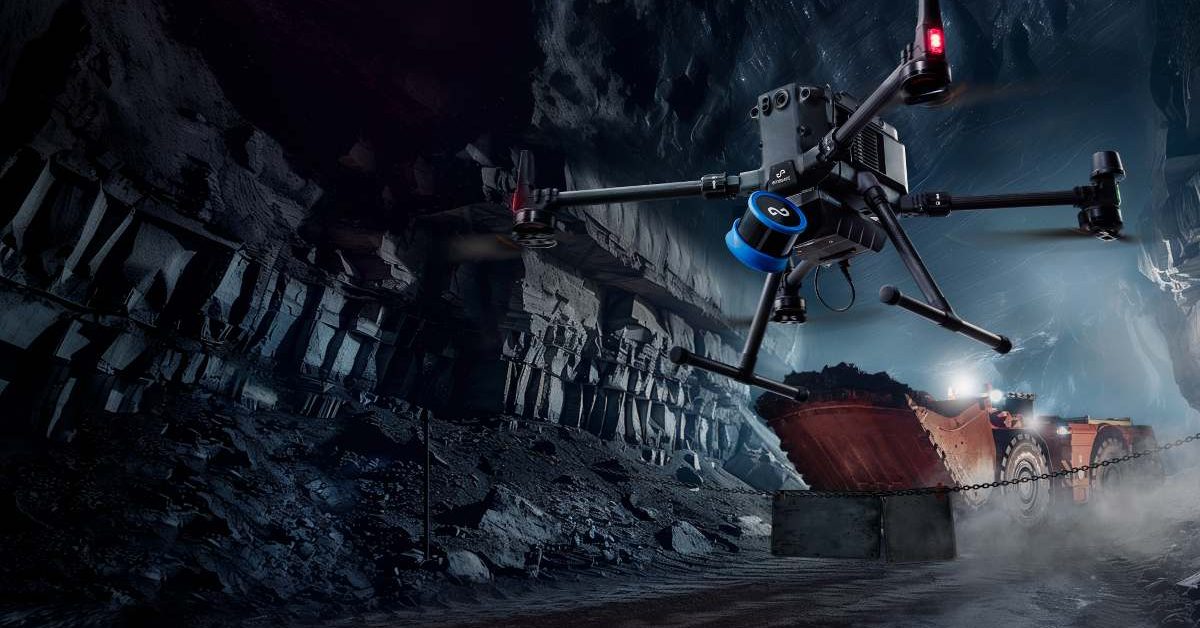
Emesent Secures $17 Million to Enhance AI-Driven Drone Operations and Expand Manufacturing
Emesent, an Australian drone mapping company, has raised $17 million to boost its AI-powered autonomous operations. This funding includes a $7 million venture debt facility from the National Reconstruction Fund Corporation and a $10 million equity round from notable investors such as Main Sequence and QIC Ventures. The investment aims to enhance the capabilities of drones in complex environments with minimal human intervention. The significance of this funding lies in Emesent's strategy to focus on software advancements alongside hardware improvements. The company plans to develop its Cortex AI autonomy software and Aura cloud platform, which will enable drones to operate in GPS-denied areas and process 3D mapping data efficiently. Emesent's existing Hovermap LiDAR payload is already utilized in over 200 mine sites globally, showcasing its established presence in the industrial drone sector. Looking ahead, Emesent intends to expand its manufacturing capabilities in Queensland while pursuing growth in international markets. CEO Charles Miller emphasized the importance of this investment in enhancing AI and autonomy for industries such as mining and defense. No further timeline was disclosed at the time of publication for the anticipated developments from this funding round.
News
Fleet-Capable Downward Drilling Robot Launches with 10x Speed Advantage
A new fleet-capable downward drilling robot has been launched, achieving drilling speeds up to 10 times faster than traditional methods. This innovation has significantly reduced construction timelines by an impressive 190 weeks across 26 major projects, marking a substantial advancement in construction technology for data centers. The introduction of this robot is significant for the construction industry, particularly in the data center sector, where efficiency and speed are critical. Media outlets, including Fast Company, have highlighted the robot's potential to transform construction processes, emphasizing its ability to drastically accelerate project timelines and improve overall productivity. Looking ahead, industry professionals are keen to observe the robot's performance in upcoming projects and its impact on construction efficiency. No further timeline was disclosed at the time of publication regarding future deployments or additional features planned for this innovative technology.

Starmind's Orbital Compute vs. Terrestrial Data Centers: Analyzing Resource Advantages
Starmind's orbital compute technology presents a significant advantage over traditional ground-based data centers by eliminating constraints related to land, water, and grid permitting. While terrestrial data centers are currently cheaper and faster to construct, with U.S. data center spending reaching $85.3 billion in 2026, Starmind's approach focuses on addressing the growing resource limitations faced by hyperscale facilities. The significance of Starmind's technology lies in its ability to sidestep the increasing challenges of land and water usage. For instance, a 100 MW data center can consume approximately 530,000 gallons of water daily for cooling, while Starmind's AI1 utilizes deployable liquid radiators that require no water. This structural advantage could resonate with investors as the demand for AI computing continues to escalate, potentially leading to annual water withdrawals of up to 1.7 trillion gallons by 2027. Looking ahead, Starmind's next milestones include the launch of AI1 prototypes scheduled for early 2027. However, the technology's claims regarding cooling efficiency and operational reliability remain unverified until real flight data is available. As the industry evolves, the competition between orbital and terrestrial solutions will become increasingly relevant, particularly in the context of resource management and sustainability.

Physical AI and Autonomy in the Construction Industry
Bedrock is leveraging the increased availability of GPUs and advanced frameworks for large-scale data access and training to enhance its development of autonomy solutions. By integrating these technological advancements with its specialized expertise, the company aims to accelerate the creation and implementation of innovative autonomous systems. This strategic approach reflects Bedrock's commitment to staying at the forefront of the industry, utilizing cutting-edge resources to streamline the development process and deliver efficient solutions.
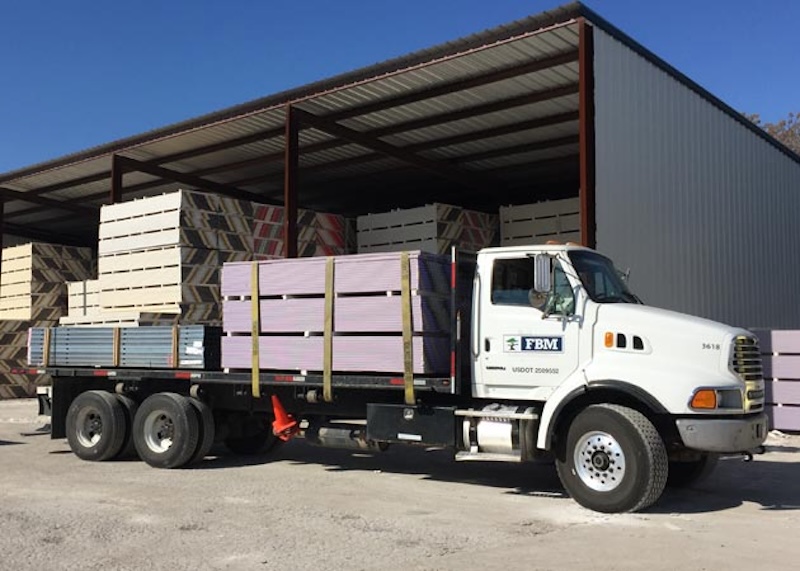
Improving efficiency in modern construction projects
On construction sites, efficiency is crucial, and even minor delays can lead to significant setbacks that disrupt project timelines. Industry professionals have observed that as material costs rise and deadlines tighten, the need for precise time management becomes increasingly important. This shift in focus has prompted workers and managers alike to adopt more strategic approaches to scheduling and resource allocation. By analyzing data and implementing effective planning techniques, construction teams aim to mitigate the impact of unforeseen delays and maintain project momentum. As the industry evolves, the emphasis on optimizing efficiency is expected to play a vital role in meeting the demands of modern construction projects.
Business Construction automation news building industry building materials construction automation
IDS: Digital precision transforms aircraft construction with Ensenso 3D vision
In a significant advancement for aircraft manufacturing, an Ensenso 3D camera has been integrated into an automated process chain to enhance the precision of drilling position detection and alignment during cabin assembly. This innovative technology aims to streamline operations and improve accuracy in the assembly line, ultimately contributing to higher quality standards in aircraft production. The implementation of the 3D camera system is expected to reduce errors and increase efficiency, addressing the industry's ongoing need for precision in complex assembly tasks. This development marks a crucial step forward in the integration of advanced imaging technology within the aerospace sector, reflecting the industry's commitment to leveraging automation for improved manufacturing processes.
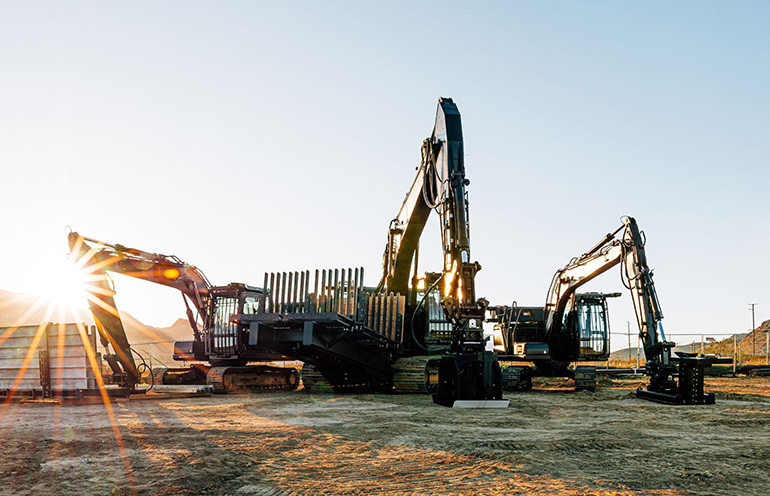
Blattner awards Built Robotics $75M contract for physical AI to help meet energy demand
Blattner has announced an expansion of its partnership with Built Robotics, awarding the company a substantial $75 million contract aimed at enhancing autonomous systems for solar construction projects. This collaboration is part of Blattner's strategy to address the growing energy demand by integrating advanced physical AI technologies into their operations. The partnership underscores the increasing reliance on automation in the renewable energy sector, particularly in solar energy development. By leveraging Built Robotics' expertise, Blattner aims to improve efficiency and scalability in its construction processes, ultimately contributing to a more sustainable energy future.
Artificial Intelligence Construction Energy / Solar / Renewables Mobility / Navigation News Self-Driving Vehicles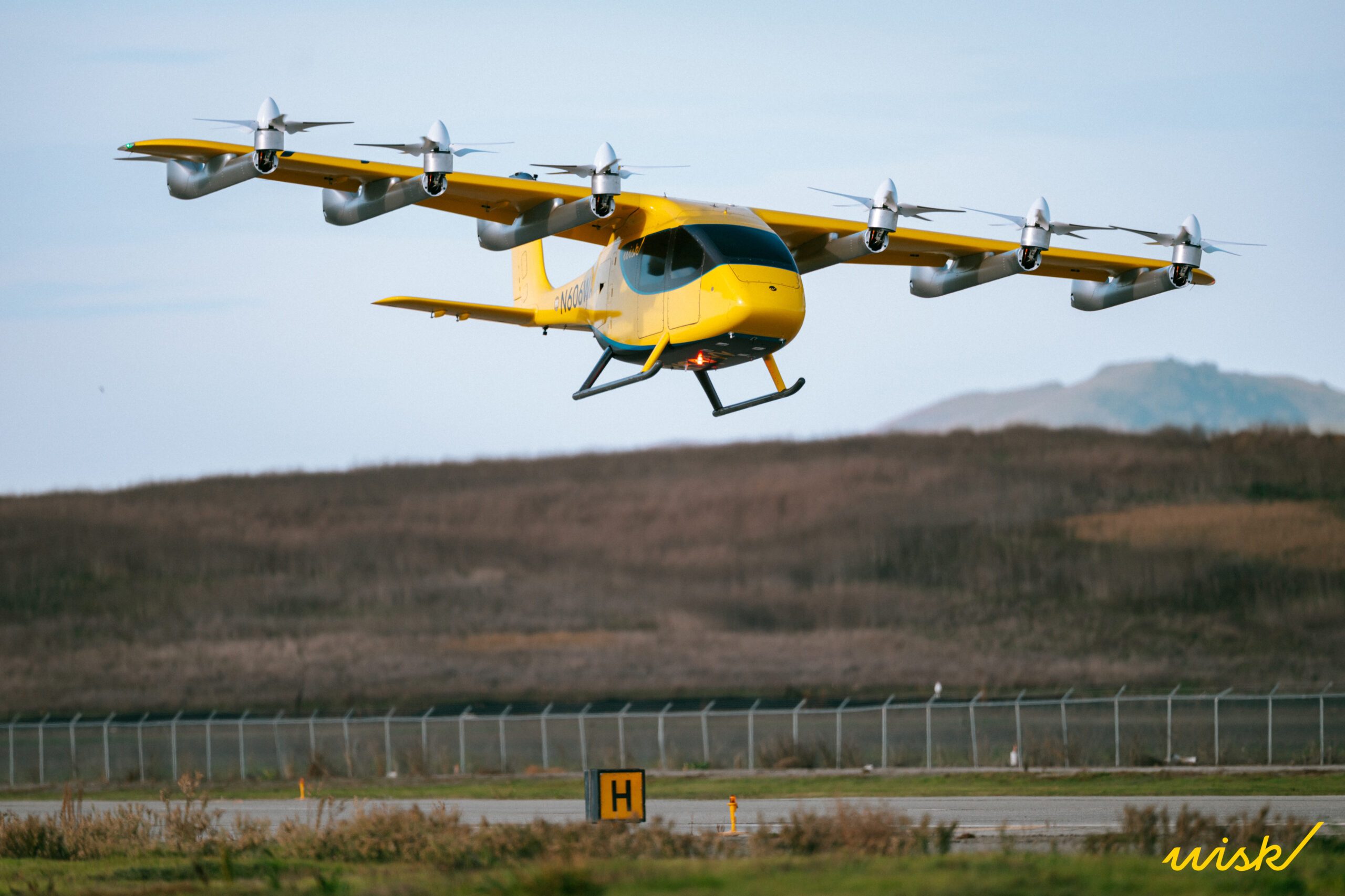
FAA Moves from Planning to Building for Advanced Air Mobility
The Federal Aviation Administration (FAA) has commenced construction on a new research facility aimed at advancing the integration of advanced air mobility (AAM) into the National Airspace System (NAS). This initiative, which began this week, marks a significant transition from policy development to operational readiness for next-generation vertical flight aircraft. The facility will focus on studying the safe operation of these aircraft alongside existing air traffic, reflecting the FAA's commitment to enhancing air transportation capabilities. This move is part of a broader strategy to ensure that emerging aviation technologies can be effectively and safely incorporated into the national airspace.
Air Taxi Applications Drone News Drone News Feeds eVTOL FAA
Next Geosolutions and Rana Subsea Integrate Contracts Under the Bouri Gas Utilization Project with Saipem
Next Geosolutions (NextGeo), a prominent international company specializing in marine geoscience and offshore construction support services for the energy sector, has announced a significant update regarding its contracts with Saipem S.p.A. These contracts, originally awarded for the Bouri Gas Utilisation (BGUP) project in North Africa and valued at over €70 million, have undergone a contractual amendment. The changes reflect ongoing developments in the project, although specific details regarding the nature of the amendments have not been disclosed. This adjustment highlights the dynamic nature of offshore energy projects and the need for flexibility in contractual agreements within the sector.
next geosolutions rana subsea contracts bouri gas utilization project saipem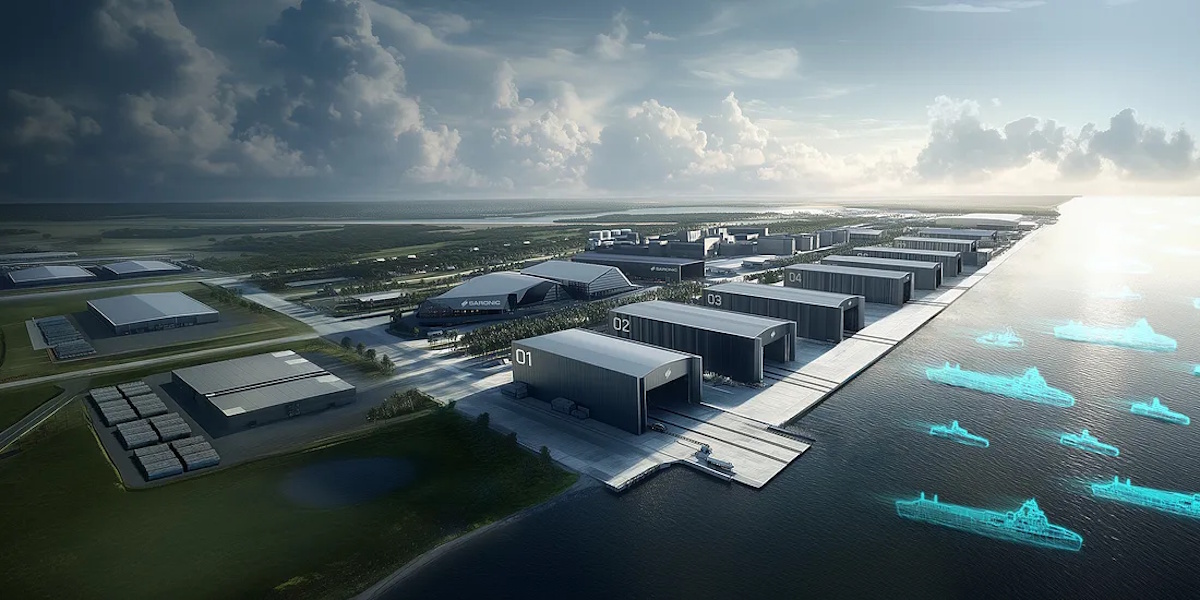
Saronic Raises $600M Series C to Take on Autonomous Shipbuilding
Saronic is set to inaugurate Port Alpha, a state-of-the-art shipyard dedicated to the construction of autonomous vessels for its hybrid fleet. The event will take place on [insert date], marking a significant advancement in maritime technology. Located in [insert location], Port Alpha aims to position Saronic at the forefront of the evolving shipping industry, responding to the growing demand for innovative and sustainable shipping solutions. The shipyard will utilize cutting-edge technology and engineering practices to enhance efficiency and reduce environmental impact, reflecting a commitment to modernizing maritime operations. This initiative underscores Saronic's strategic vision to lead in the development of autonomous shipping, aligning with global trends towards automation and sustainability in the maritime sector.
saronic capital raise series c autonomous shipbuilding
ROBOTS Secures Seed Funding for Integrated Control Platform Development with NTT Docomo and Incubate Fund
ROBOTS has announced the completion of a seed funding round through third-party allocation from Incubate Fund and NTT Docomo. The startup focuses on developing an integrated control platform for robots that become smarter through on-site operations. The funding will accelerate research and development of this platform and physical AI, particularly for implementation in the security sector. The significance of this development lies in addressing the severe labor shortages in the security industry, where high turnover rates and an aging workforce pose challenges. By integrating various robots and sensors into a cohesive system, ROBOTS aims to enhance operational efficiency and reduce the burden on security personnel. This approach allows for a flexible response to diverse on-site tasks, which is crucial given the unique demands of different environments. Looking ahead, ROBOTS plans to leverage insights gained from security applications to expand into other sectors such as equipment inspection and construction. CEO Koki Kawauchi emphasized the importance of robotics in addressing real-world challenges, aiming for a future where diverse robots work alongside humans seamlessly.
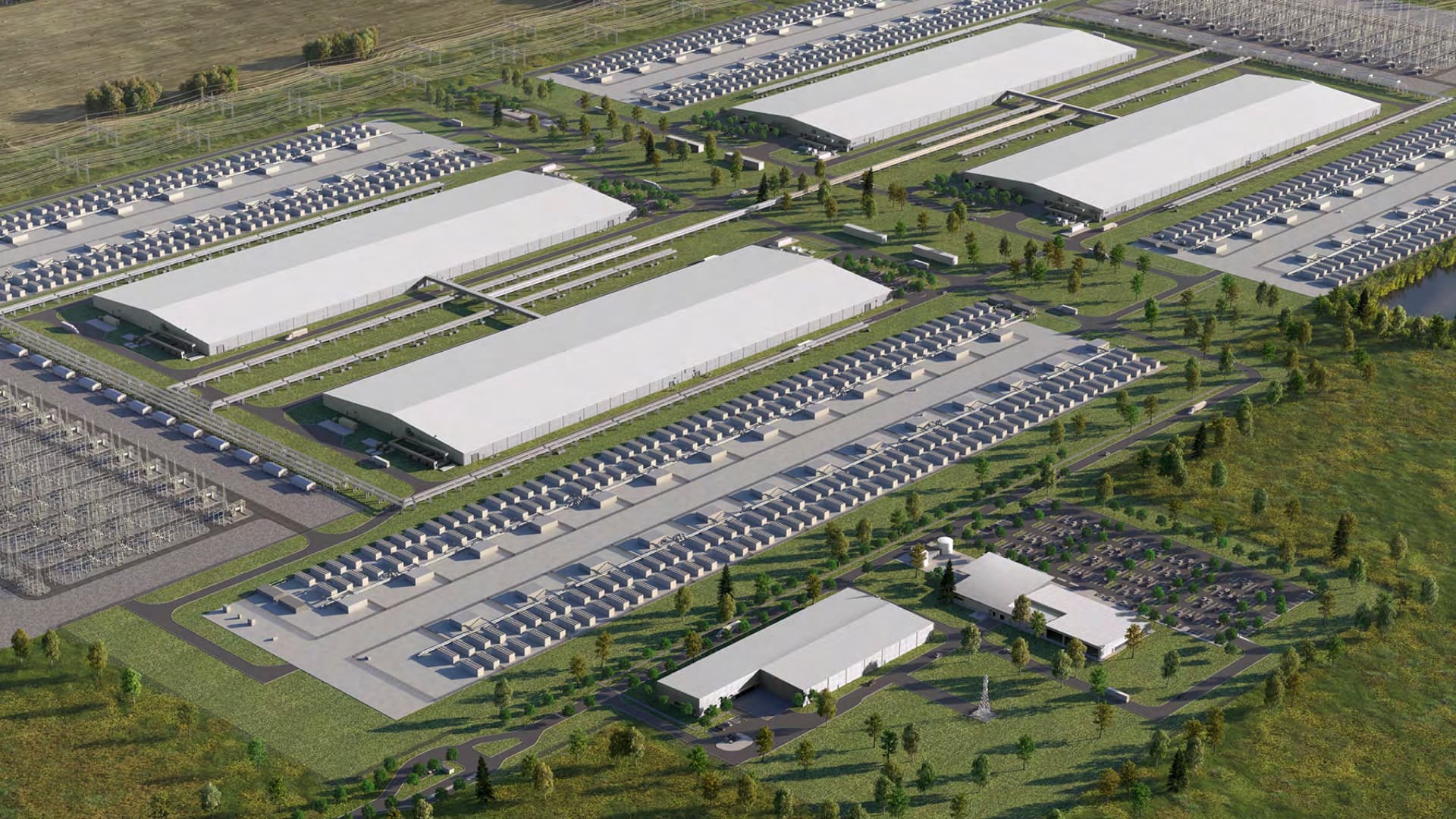
Meta is building its first big Canadian data center as AI expansion crosses the border
Meta is set to establish its inaugural large-scale data center in Canada, marking a significant step in the company's expansion of artificial intelligence capabilities beyond the United States. The announcement comes as part of Meta's broader strategy to enhance its infrastructure to support AI technologies. This development is expected to create numerous jobs and stimulate local economies, reflecting the growing demand for data processing and storage solutions. The data center will be located in a yet-to-be-disclosed area in Canada, with construction anticipated to begin in the near future. Meta's investment underscores its commitment to harnessing AI advancements while also addressing the increasing need for robust data management systems in the tech industry.
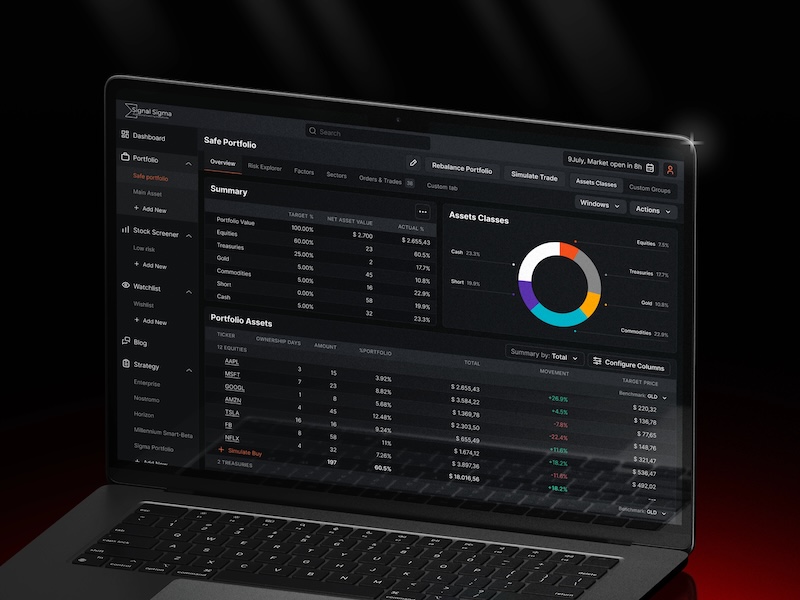
How Modern Software Helps Construction Companies in Qatar Work Smarter and Safer
Qatar is positioning itself as a leader in various industries by setting ambitious goals and achieving remarkable milestones. The nation is striving for excellence without limits, particularly in sectors such as construction, where it aims to establish higher standards than those found globally. Despite the inherent challenges associated with construction projects, Qatari companies are determined to meet and exceed these ambitious benchmarks. This drive for innovation and quality reflects Qatar's broader vision of becoming a hub for excellence across multiple fields, showcasing its commitment to progress and development on the world stage.
Construction Engineering Software automation in construction construction analytics construction automation
Queue raises funding to build fully autonomous pharmacy
Queue is advancing its initiative to enhance prescription access by developing fully automated pharmacies. This effort aims to serve hospitals, retail locations, and underserved communities, addressing the growing demand for efficient pharmaceutical services. Recently, the company secured funding to support the construction of these autonomous pharmacies, which are designed to streamline the dispensing process and improve patient care. By leveraging automation, Queue intends to reduce wait times and increase the availability of medications, particularly in areas where access to traditional pharmacy services is limited. The project represents a significant step towards modernizing healthcare delivery and ensuring that essential prescriptions are readily available to those in need.
Healthcare Robotics Investments News AlleyCorp pharmaceutical Queue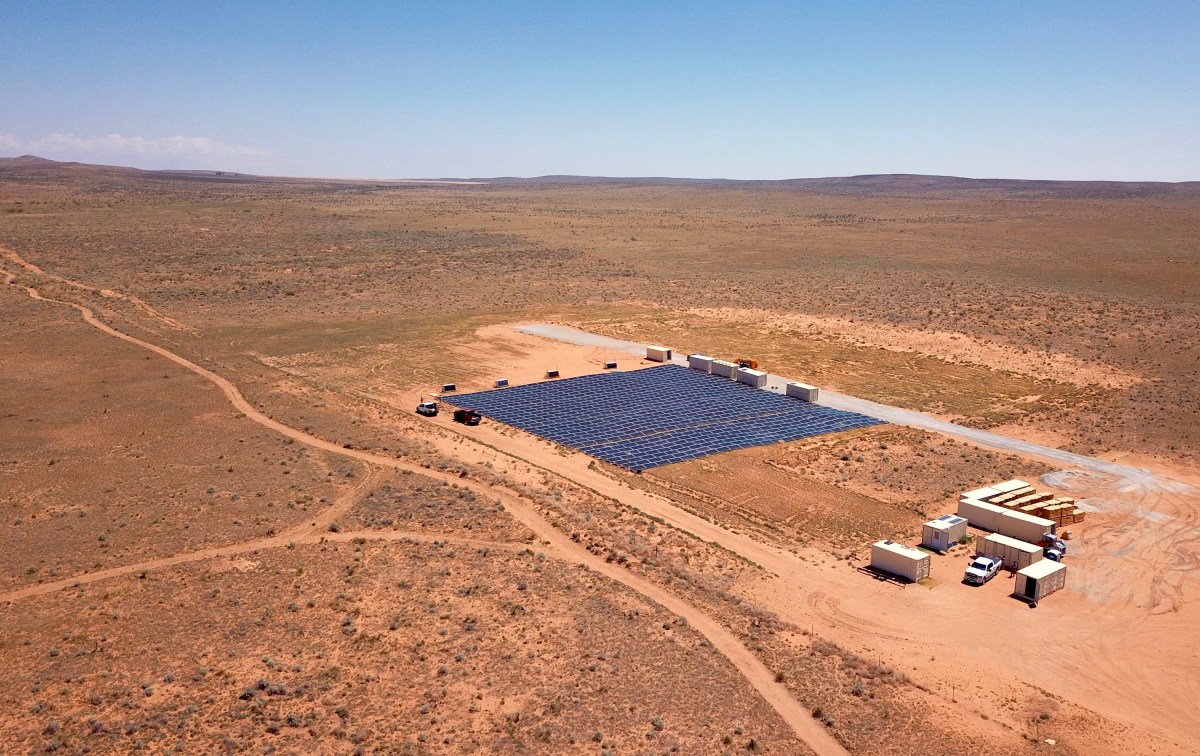
Why two SpaceX alumni are betting on solar and batteries to power the AI craze
Ambrosia Energy is planning to construct power plants within the next year, aiming to provide energy at a lower cost than natural gas. The company has set an ambitious goal to develop gigawatts of energy capacity by 2030. This initiative reflects a growing trend towards renewable energy solutions as the demand for sustainable power sources increases. By leveraging innovative technologies and efficient construction methods, Ambrosia Energy seeks to position itself as a competitive player in the energy market, responding to both economic and environmental pressures.
Climate Fundraising Ambrosia Energy energy storage Exclusive Solar Power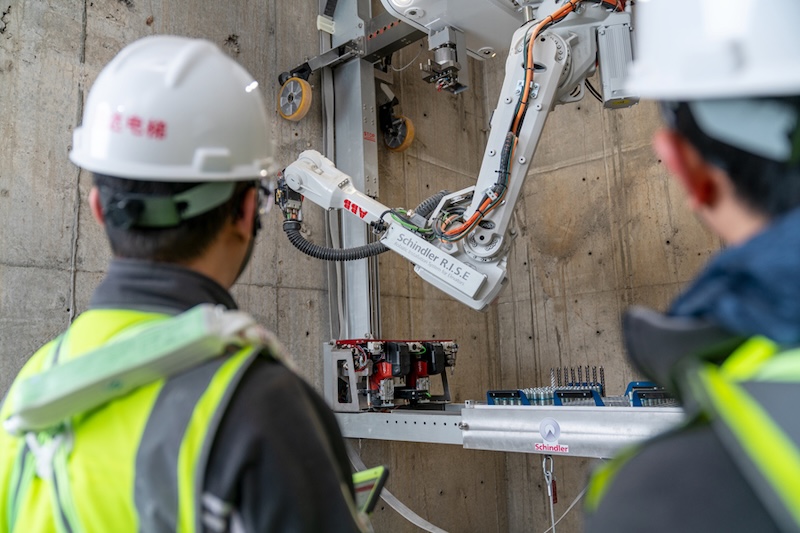
Schindler expands elevator installation robot fleet as demand for construction automation grows
Schindler is enhancing its global fleet of elevator installation robots in response to the growing trend among construction companies to adopt automation for improved productivity, safety, and efficiency in project delivery. The company has recently added two new units of its Robotic Installation System for Elevators (RISE), increasing its total to seven robots that are now operational in various international markets. This expansion reflects Schindler's commitment to leveraging advanced technology in the construction sector, aiming to streamline installation processes and meet the rising demand for faster and safer construction solutions.
Infrastructure News Robotics automated drilling automation news Autonomous robots
Niantic Spatial and Spexi Turn Drone Imagery Into Physical AI
Niantic Spatial and Spexi Geospatial have formed a strategic partnership to enhance the use of aerial drone imagery for enterprise applications. This collaboration integrates Spexi’s extensive aerial data network with Niantic Spatial’s advanced 3D reconstruction technology, enabling the creation of city-scale 3D Gaussian splats. Announced recently, this initiative aims to provide businesses with on-demand access to drone imagery, facilitating the development of physical AI solutions. The partnership is expected to streamline the process of transforming aerial captures into actionable data for various industries, marking a significant advancement in the utilization of drone technology for commercial purposes.
AI Drone News Drone News Feeds Mapping News 3D reconstruction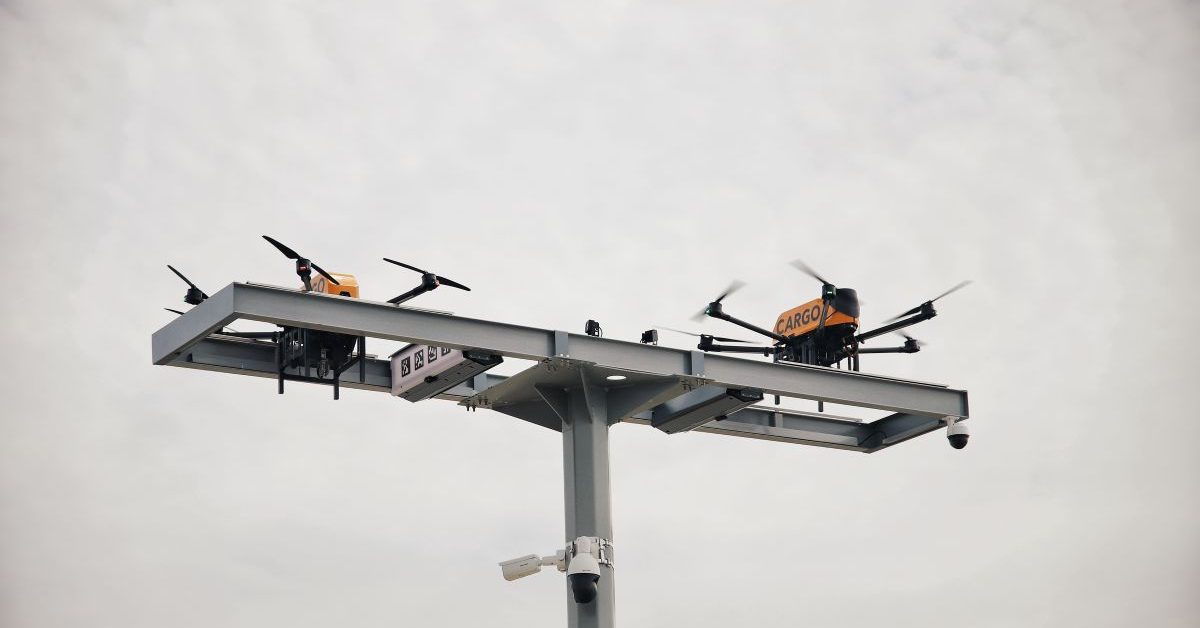
Kazakhstan is designing a city around drone deliveries and air taxis
Kazakhstan is embarking on an ambitious project to construct a new smart city that will integrate drones and flying transportation systems from its inception. This initiative aims to position the country as a leader in innovative urban development within Central Asia. The project reflects Kazakhstan's commitment to modernizing its infrastructure and embracing advanced technologies to enhance urban living. By focusing on aerial transportation, the city is expected to alleviate ground traffic congestion and improve overall mobility for residents. The development is part of a broader strategy to diversify the economy and attract investment in cutting-edge technologies. As construction progresses, the city is set to become a model for future urban planning, showcasing how advanced transport solutions can be seamlessly integrated into everyday life.
News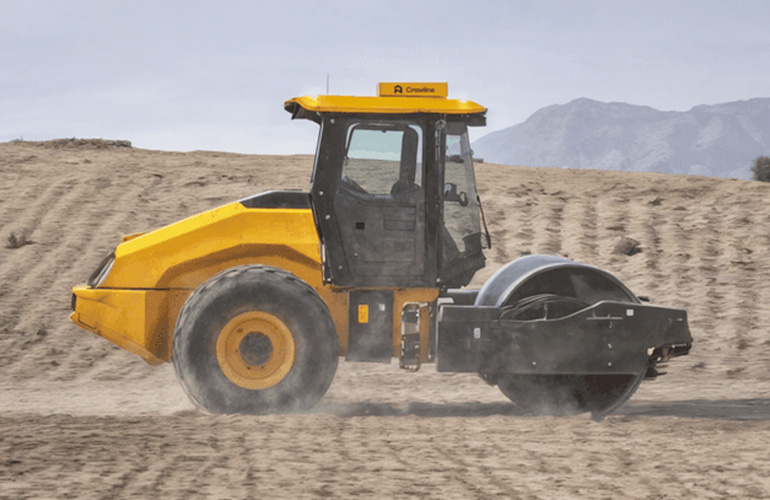
Crewline secures $7.1M to automate construction’s most repetitive task
Crewline has announced the successful completion of a $7.1 million seed funding round aimed at automating construction rollers, a critical yet repetitive task in the industry. This initiative comes in response to ongoing labor shortages that have been affecting construction projects. The company is currently facing a substantial demand, with a waitlist of $26 million, indicating strong interest in its retrofit kits designed to enhance efficiency on job sites. By leveraging this funding, Crewline aims to streamline operations and address workforce challenges in the construction sector.
Autonomous Mobile Robots (AMRs) Construction News Self-Driving Vehicles crewline Nvidia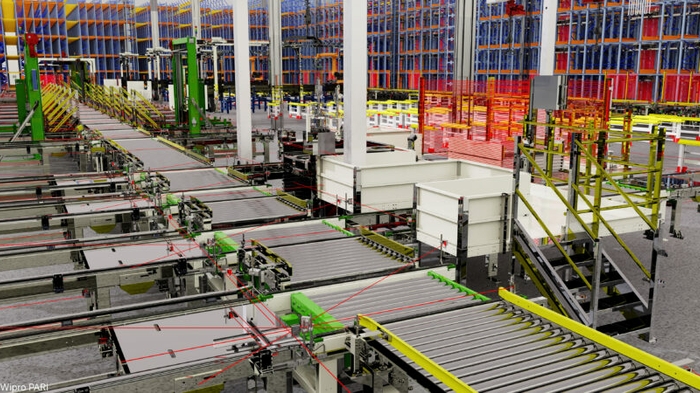
NVIDIA and Global Industrial Software Leaders Partner With India’s Largest Manufacturers to Drive AI Boom
India is poised to embark on a significant transformation in its industrial landscape, driven by advancements in artificial intelligence. The government has announced a substantial investment of $134 billion aimed at enhancing manufacturing capabilities across various sectors, including construction and automotive. This initiative reflects India's commitment to modernizing its industrial framework and adapting to the evolving global market. By leveraging AI technologies, the country aims to improve the design, production, and operational efficiency of physical products and systems. This strategic move is expected to position India as a competitive player in the global manufacturing arena, fostering innovation and economic growth in the coming years.
Fives Selected by Coop to Build Automated Distribution Center in Tortona, Italy
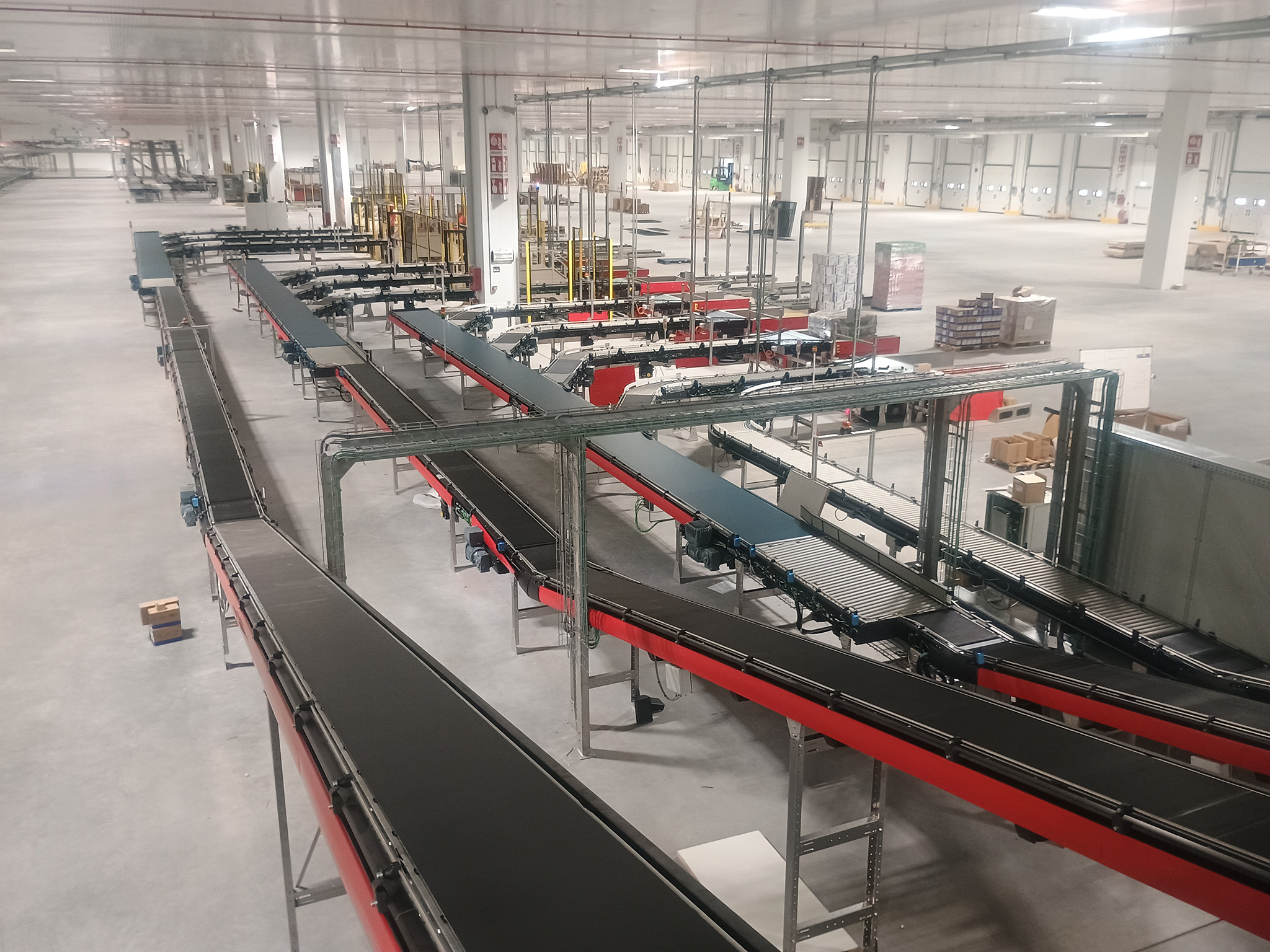
Fives has been selected by Coop Consorzio Nord-Ovest to construct a highly automated distribution center in Tortona, Italy. This greenfield facility aims to become a flagship site for the Italian retail sector, focusing on the logistics of fresh products such as meat, dairy, and cold cuts. The investment by Coop is significant as it seeks to enhance logistics flow management, ensuring greater accuracy, speed, and operational continuity across its supply chain. The automated system will optimize sorting operations, improve order preparation quality, and reduce manual errors, thereby reinforcing Coop's commitment to high service quality and competitiveness. Looking ahead, this project represents a major advancement in Coop's logistics network. No further timeline was disclosed at the time of publication.
AMR and AGV Automation Systems and Shuttles Materials Handling Warehousing automation distribution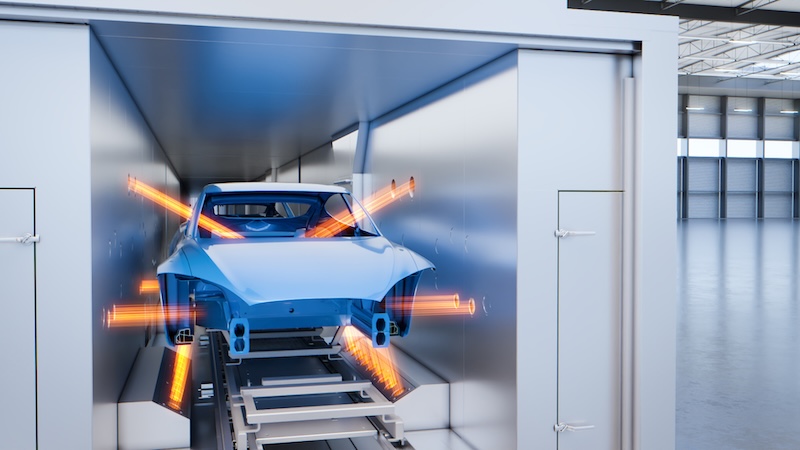
Dürr implementing a CO2-efficient paint shop with cross-plant system integration
Dürr is undertaking a significant project to construct a fully integrated paint shop for Volkswagen Autoeuropa, which includes the deployment of an advanced software solution. This initiative, set to be completed by 2024, aims to enhance efficiency in vehicle production by utilizing cutting-edge application and drying technologies that focus on maximizing CO2 reduction. The project also features an innovative SCADA integration, which will unify three separate paint shops into a single cohesive system. By the end of the project, it is anticipated that the facility will support the production of 236,100 vehicles annually, reflecting a commitment to sustainability and operational excellence in the automotive industry.
Industrial robots News automotive manufacturing automotive production co2 reduction digital manufacturing
Safety Beyond the Pavement: Lighting and Traction for Dangerous Terrains
As daylight faded on the track, conditions deteriorated significantly by 5 PM, transforming from packed dirt to loose shale. This unexpected change left participants with only thirty meters of visibility ahead, making it difficult to react to potential hazards. The situation highlights the challenges faced by those involved, as many are unprepared for such abrupt shifts in terrain. The incident underscores the importance of readiness and adaptability in unpredictable environments.
Engineering Environment Health adas systems agricultural machinery all-terrain vehicles
Container terminal in Republic of the Congo expands fleet
A container terminal in the Republic of the Congo is set to enhance its operations with a new order of Konecranes equipment, aimed at accommodating the rising container volumes. This order, placed in the first quarter of 2026, is expected to be delivered in the second half of the same year. Situated on the west coast of the country, the terminal plays a crucial role in facilitating regional container traffic across Central Africa, reflecting the growing demand for efficient logistics solutions in the area. The expansion of the terminal's fleet underscores its commitment to supporting increased trade and improving service capabilities in the region.
Forklifts and Warehouse Vehicles Materials Handling Ports & Maritime Congo containers fleet
SEKIKAIJI to Introduce SMD Trencher and Advanced Cable-Tracker Technology to Japanese Offshore Wind Market
SEKIKAIJI Industry, a submarine cable installation specialist based in Japan, has enhanced its operational capabilities by acquiring advanced trenching equipment from the subsea technology and services provider, SMD. This strategic investment aims to improve the efficiency and effectiveness of underwater cable installations, addressing the growing demand for reliable subsea infrastructure. The acquisition reflects SEKIKAIJI's commitment to maintaining its competitive edge in the industry and meeting the evolving needs of its clients. The new equipment is expected to streamline the installation process, allowing for quicker project turnaround times and increased operational capacity.
sekikaiji smd trencher advanced cable-tracker technology offshore wind market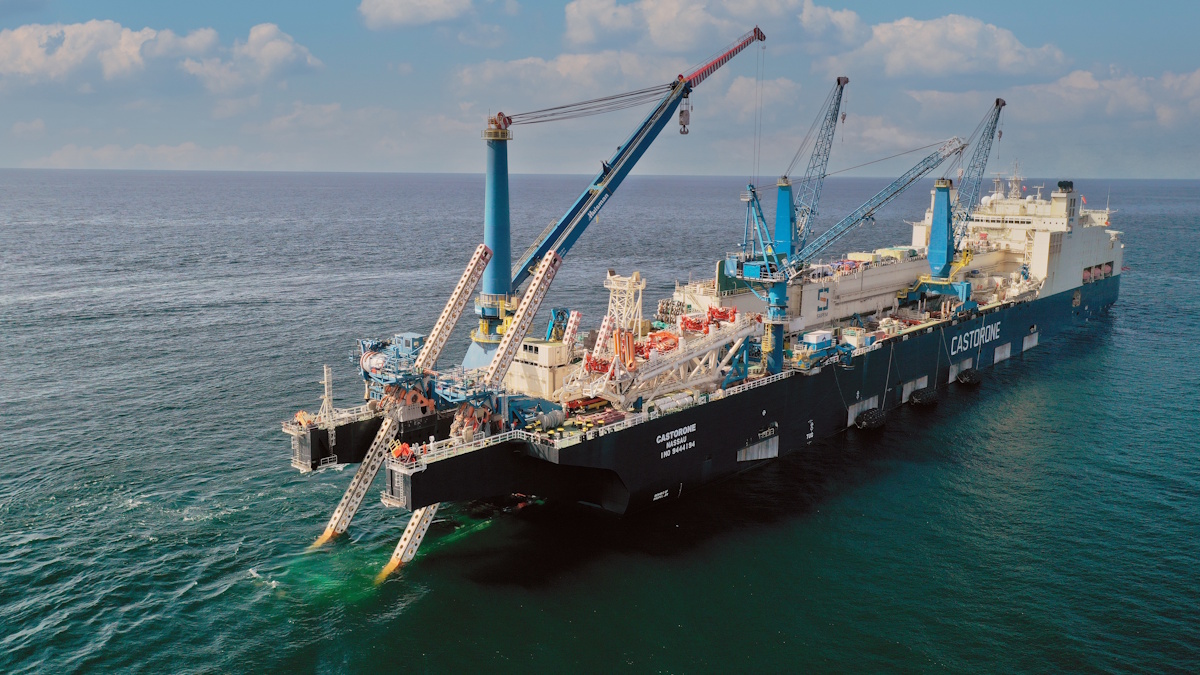
Saipem Successfully Completes Pipeline Installation for Equinor's Irpa Project in the Norwegian Sea
Saipem has announced the successful installation of a subsea pipeline for the Irpa project, which is being developed by Equinor in the Norwegian Sea. The offshore operations were executed using the Castorone, a flagship pipelay vessel operated by Saipem. This milestone marks a significant advancement in the project's development, contributing to the growing energy infrastructure in the region. The completion of the pipeline installation underscores Saipem's expertise in subsea engineering and its commitment to supporting major energy projects.
saipem pipeline installation equinor irpa project norwegian sea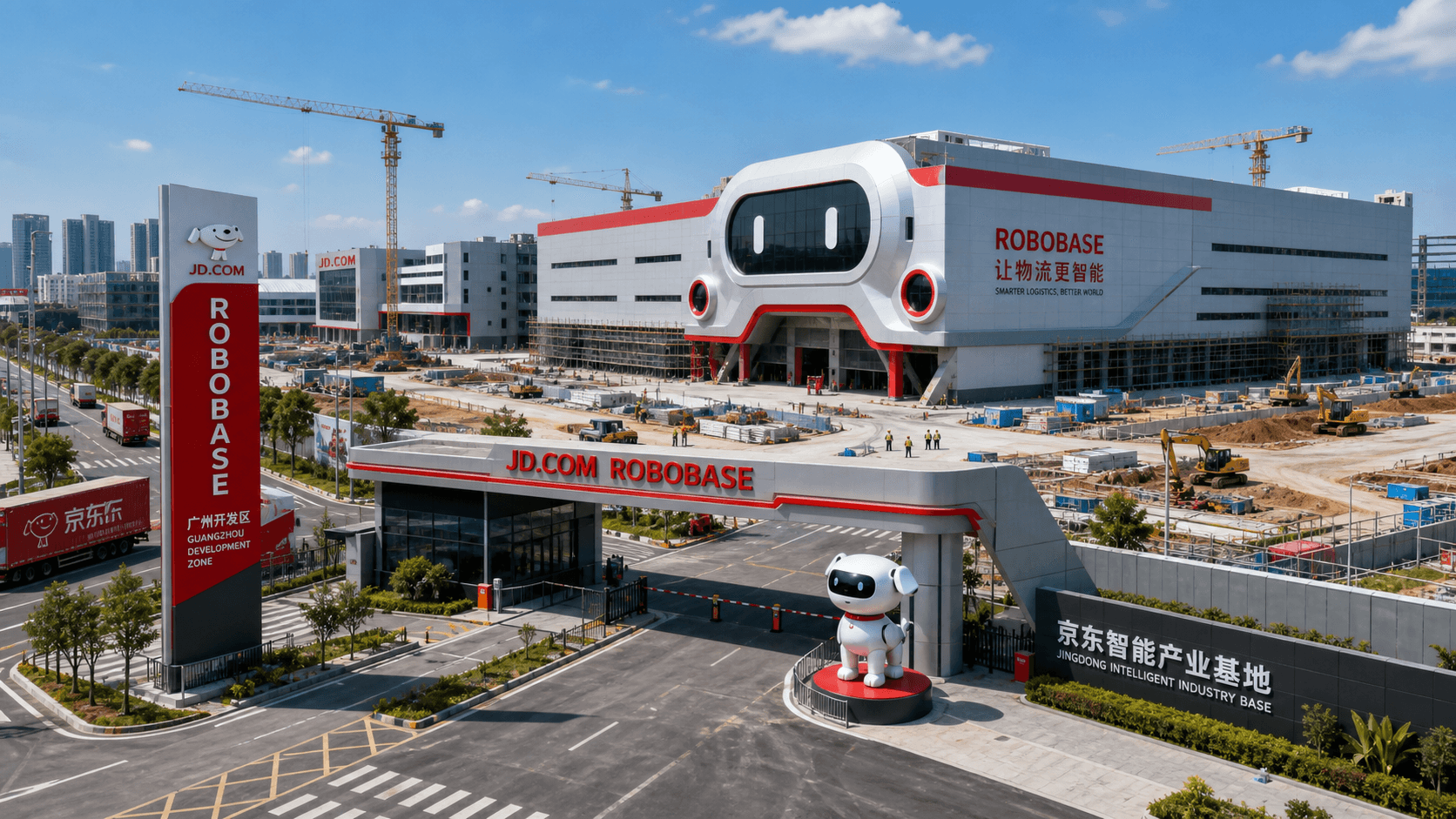
JD.com Invests $1.4B in RoboBase Network, Launches First Facility in Guangzhou
JD.com has announced a significant investment of $1.4 billion to establish a nationwide RoboBase network, marking its transition from a logistics giant to an embodied AI platform. The initiative includes plans for the procurement of 300 million robots and the construction of over 80 bases throughout China. This strategic move is crucial as JD.com aims to enhance its technological capabilities and expand its operational reach in the rapidly evolving field of embodied AI. The establishment of the first RoboBase facility in Guangzhou signifies the company's commitment to integrating advanced robotics into its logistics and supply chain operations. Looking ahead, industry observers will be keen to see how JD.com executes its ambitious plans for robot procurement and the development of its RoboBase network. No further timeline was disclosed at the time of publication.
TechnologyRobotics needs a service framework.
RSF defines a common language for robot service capability, lifecycle operations, certification pathways, and service-provider networks.