Industry Briefing
A single destination for timely, editor-curated robotics news from around the world.
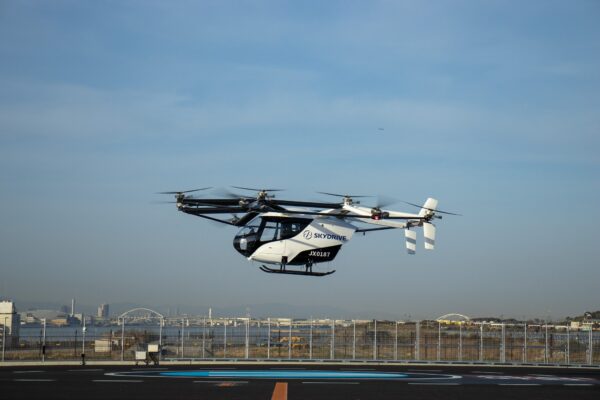
SkyDrive Conducts Successful SD-05 Flights in Yamaguchi for 2028 Tourism Initiative
SkyDrive Inc. successfully conducted two demonstration flights of its SD-05 eVTOL aircraft in Yamaguchi Prefecture on July 13, 2026. These flights were part of a test aimed at showcasing the aircraft's potential for tourism, with a commercial launch planned for 2028. The flights simulated a scenic tour over the Seto Inland Sea, highlighting the seamless transition from ground transport to air travel. The significance of these flights lies in their demonstration of SkyDrive's commitment to urban air mobility and tourism integration. Witnessed by notable figures including Yamaguchi Prefecture's governor and the president of Suzuki Motor Corporation, the flights operated autonomously, emphasizing safety and efficiency. The successful execution of these flights marks a critical step toward the company's goal of launching commercial eVTOL services by 2028. Looking ahead, SkyDrive aims to enhance its eVTOL infrastructure further, with plans to collaborate with rail partners for integrated travel solutions. While tourism is a primary focus, the company envisions broader applications of eVTOL technology, including disaster relief and emergency medical services. No further timeline was disclosed at the time of publication.
Advanced Air Mobility Drone News Drone News Feeds Japan Drone Industry Japan Drone News News
SkyDrive Partners with Japan Biz Aviation for 2028 eVTOL Launch Framework
SkyDrive Inc., a Toyota-based eVTOL manufacturer, has partnered with Japan Biz Aviation Co., Ltd. to establish a commercial framework for its eVTOL launch by 2028. This memorandum of understanding, announced on July 9, 2026, will leverage JBZ's expertise in operating HondaJet and Bell 429 helicopters to facilitate eVTOL flights in Japan. SkyDrive currently holds orders for 427 aircraft, including 354 pre-orders and 73 purchase agreements, with a notable 20-unit order from AeroGulf Services in Dubai. The collaboration is significant as it aims to bridge the operational gap for domestic buyers, many of whom lack an air operator’s certificate. SkyDrive plans to engage experienced operators to support commercial flights, enhancing the viability of eVTOL technology in Japan. The agreement follows SkyDrive's earlier partnership with a Japanese helicopter operator and underscores the importance of operational frameworks in promoting advanced air mobility. Looking ahead, SkyDrive is actively pursuing type certification with civil aviation authorities in both Japan and the United States, with a target service entry in 2028. Production of the SKYDRIVE aircraft commenced in March 2024, and the company plans to showcase its eVTOL capabilities during demonstration flights at the 2025 Osaka Expo. No further timeline was disclosed at the time of publication.
Advanced Air Mobility Air Taxi Drone News Drone News Feeds Japan Drone Industry Japan Drone News
SpaceX Launches Starmind Project for 1 Million AI Satellites by 2028
SpaceX has officially named its orbital AI infrastructure project 'Starmind,' which aims to deploy a constellation of up to 1 million satellites. This initiative, confirmed by Elon Musk on June 22, 2026, will enable AI inference directly in space, utilizing solar energy rather than terrestrial power sources. The first satellite, designated AI1, was unveiled on June 8, 2026, and is designed to operate in sun-synchronous orbits. The significance of Starmind lies in its potential to overcome the limitations faced by ground-based data centers, such as land, power, and water constraints. By running AI computations in orbit, Starmind can provide a more efficient solution to the growing demand for AI computing power. The project leverages the existing Starlink infrastructure for data transmission, distinguishing its function from Starlink's internet relay capabilities. Looking ahead, SpaceX plans to begin hardware deployment with the AI1 satellite, while full-scale production and deployment of the satellite constellation are targeted for 2028. As of now, no Starmind satellites have been launched, and further engineering challenges remain to be addressed, particularly regarding the scalability of the satellite design.

Commercial UAV Expo Launches DRONERESPONDERS Course with FIFA Airspace Security Insights
The Commercial UAV Expo has introduced a two-day DRONERESPONDERS Program Management Course, coinciding with the 2026 DRONERESPONDERS Public Safety Summit. Scheduled for September 1-3, 2026, at Caesars Forum in Las Vegas, the course aims to provide insights from the FIFA World Cup airspace security operations, where over 600 drones were seized across 11 U.S. host cities since the tournament began on June 11. This initiative is significant as it highlights the challenges and lessons learned from managing airspace security during high-profile events like the World Cup. Federal agencies reported detecting more than 1,000 drones near venues, emphasizing the need for effective public safety airspace management. The insights gained will also inform preparations for the upcoming 2028 Summer Olympics in Los Angeles, supported by a $250 million FEMA grant for counter-UAS measures. Looking ahead, the program will feature panels on various topics relevant to public safety agencies, including UAS operations and interagency collaboration. No further timeline was disclosed at the time of publication regarding additional sessions or future developments in the program's curriculum.
Drone News Drone News Feeds Expos and Drone Shows News 2028 LA Olympics AAM
Commercial UAV Expo Launches DRONERESPONDERS Training for Public Safety Applications
The Commercial UAV Expo has introduced a new two-day program management training course as part of its Public Safety Summit. This initiative focuses on various applications of drones in public safety, including their use as first responders, in fire services, crash-scene management, and shared-airspace operations. The course will also feature a two-part session discussing counter-UAS strategies learned from the 2026 FIFA World Cup. This new training program is significant as it addresses the growing integration of drones in emergency response and public safety sectors. By equipping program managers with specialized knowledge, the initiative aims to enhance operational efficiency and safety in critical situations. The inclusion of counter-UAS lessons from a major international event like the FIFA World Cup underscores the importance of preparedness in managing drone-related challenges. Looking ahead, the next milestone for the Public Safety Summit will be the execution of this training course, scheduled to take place soon. No further timeline was disclosed at the time of publication, but the program's launch indicates a proactive approach to improving drone operations in public safety contexts.
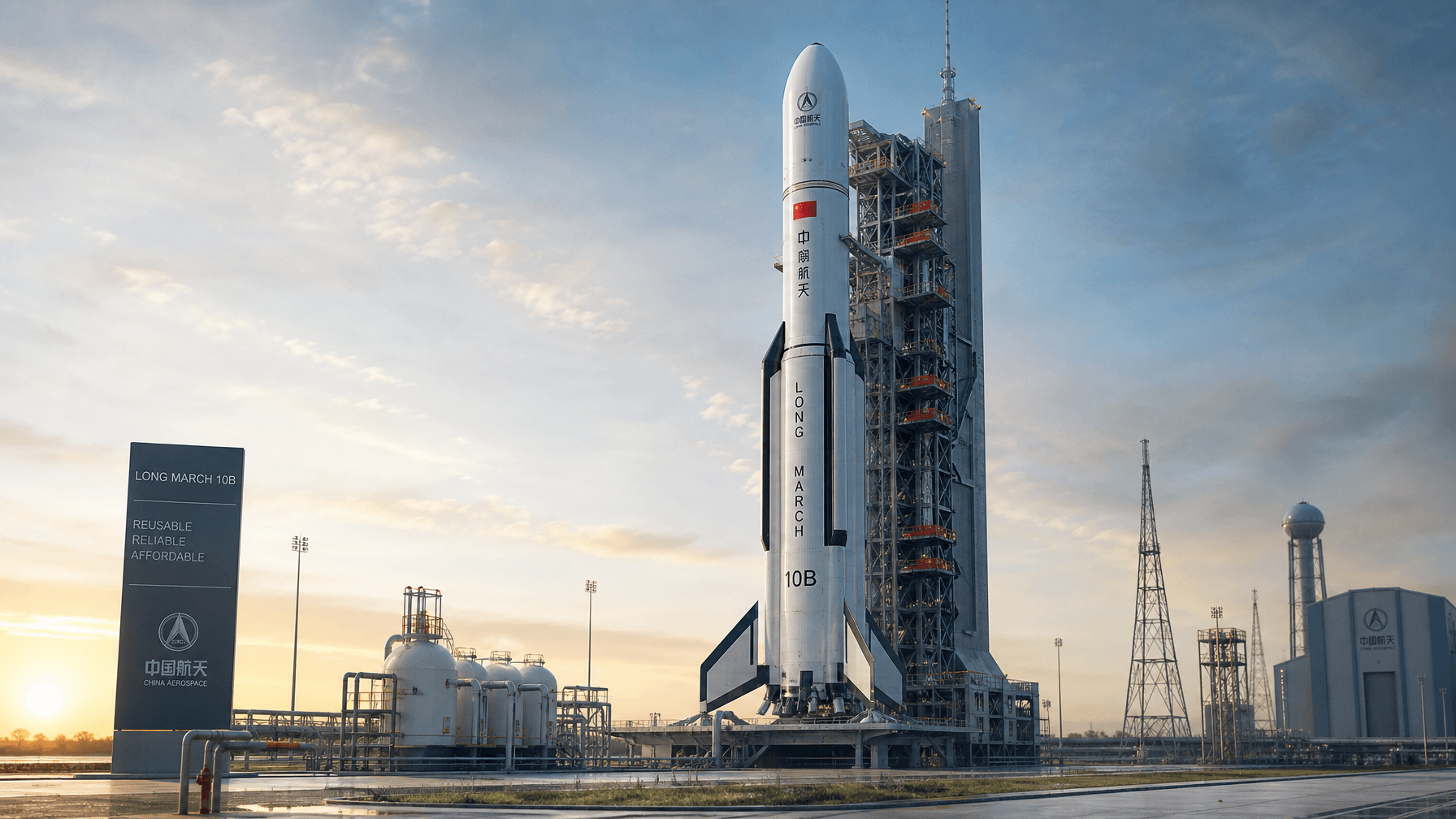
Long March 10B Achieves Successful Recovery, Boosting China's Commercial Space Efforts
China's Long March 10B rocket successfully completed its first flight recovery, marking a significant milestone in the country's commercial space sector. This achievement is expected to accelerate competition among companies like LandSpace and JianYuan, which are also aiming for reflight milestones by the end of 2023. The successful recovery of the Long March 10B is crucial as it demonstrates China's growing capabilities in reusable rocket technology, which is essential for reducing launch costs and increasing launch frequency. This development positions China as a formidable player in the global commercial space race, potentially attracting more investments and partnerships in the sector. Looking ahead, both LandSpace's Zhuque-3 and JianYuan's YX-1 are targeting their own reflight milestones within the same timeframe. No further timeline was disclosed at the time of publication, but the ongoing advancements suggest a rapidly evolving landscape in China's commercial space endeavors.
Technology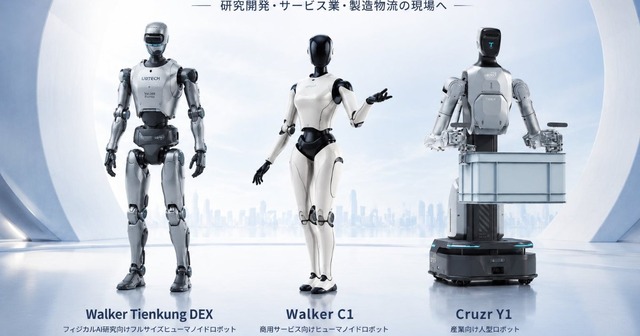
GA Robotics launches three models of UBTECH humanoids for research, commercial, and industrial use in Japan.
GA Robotics, the official distributor of UBTECH humanoid robots in Japan, announced the launch of three new models set to be available domestically starting June 30, 2026. The models include the "Walker Tienkung DEX" designed for research and development, the "Walker C1" tailored for commercial services, and the "Cruzr Y1" intended for industrial applications. This initiative aims to enhance technological innovation and support various sectors in Japan by providing advanced robotic solutions.

LandSpace Successfully Launches Improved Zhuque-2 Rocket, Marking Milestone in Chinese Commercial Space Race
On June 9, Chinese commercial aerospace company LandSpace successfully launched its upgraded Zhuque-2E Y6 rocket, marking a significant milestone in its efforts to develop reusable rocket technology. The launch took place as part of the company's ongoing Zhuque-3 program, which aims to enhance capabilities in the competitive space industry. During this mission, the rocket delivered two satellites into orbit, demonstrating LandSpace's growing expertise in satellite deployment and propulsion systems. This achievement not only showcases the company's advancements in aerospace technology but also positions it strategically in the rapidly evolving global space market.
Technology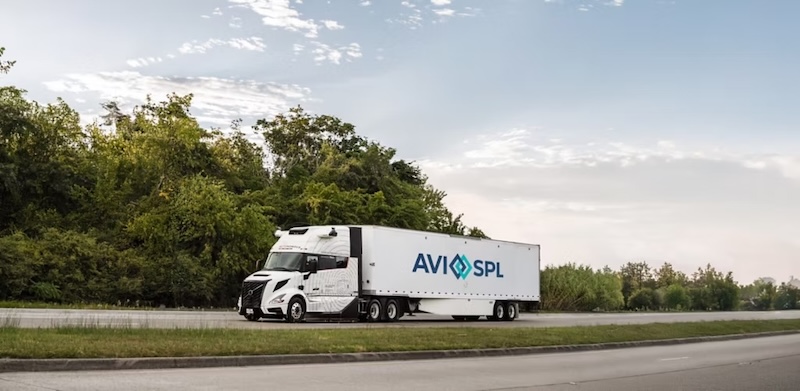
AVI-SPL and Volvo Autonomous Solutions Launch Freight Operations Between Dallas and Houston
AVI-SPL, in partnership with Volvo Autonomous Solutions, has initiated commercial autonomous freight operations between Dallas and Houston using the Volvo VNL Autonomous vehicle powered by the Aurora Driver. This operation will facilitate the transport of audio-visual electronics, including new products and end-of-life equipment for recycling, enhancing AVI-SPL's Electronic Recycling Program. This collaboration is significant as it addresses the increasing freight demand in the U.S. amid a shortage of qualified drivers and delivery capacity constraints. By leveraging autonomous transport technologies, AVI-SPL aims to improve logistics operations, enhance service delivery, and meet the needs of time-sensitive freight, thereby reinforcing its position as a leader in the industry. Looking ahead, this partnership represents a pivotal advancement in the application of autonomous trucking in logistics. As freight capacity demand escalates, the focus will be on how these technologies can enhance supply chain efficiency, improve asset utilization, and ensure cargo security. No further timeline was disclosed at the time of publication.
Autonomous Vehicles News Technology aurora driver autonomous freight autonomous trucking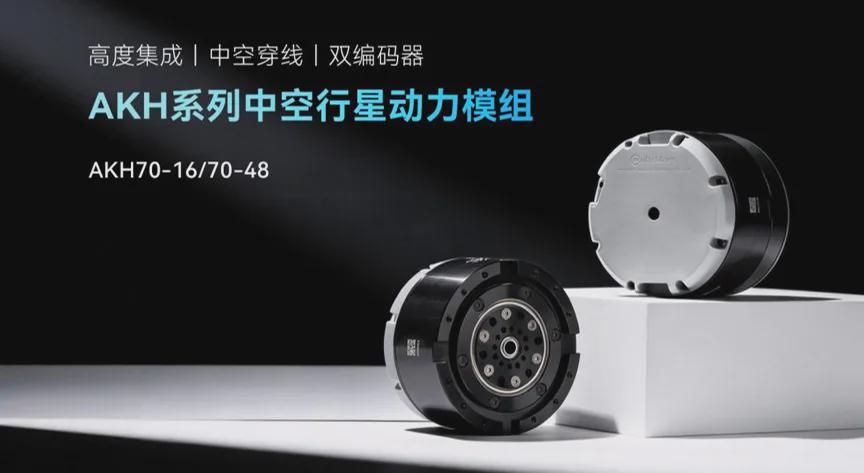
CubeMars Launches New Hollow Planetary Power Modules for Humanoid Robot Joints
In 2026, humanoid robots are approaching a critical point for industrial application. CubeMars has launched two specialized hollow planetary power modules, AKH70-16 and AKH70-48, which are crucial for enhancing flexibility and load capacity in robotic joints. These modules integrate brushless motors, planetary gear reducers, encoders, and driver boards, addressing common wiring issues with a 7mm hollow structure. The AKH70-16 focuses on lightweight applications, featuring a peak torque of 85Nm and a compact design, making it suitable for joints like the neck and elbow. In contrast, the AKH70-48 emphasizes high torque and stability, with a peak torque of 222Nm, ideal for heavy-load joints such as hips and knees. Both modules share advanced technologies, including dual encoder feedback and multi-mode control, which improve precision and operational efficiency. As the humanoid robot industry transitions from prototype development to commercial production, CubeMars's ability to control the entire manufacturing process positions it as a key player. The company’s self-developed capabilities ensure stable delivery and quality, addressing the challenges faced by robotic enterprises in scaling production and meeting market demands. No further timeline was disclosed at the time of publication.
Humanoid Robots Robotic Joints Power Modules Automation Technology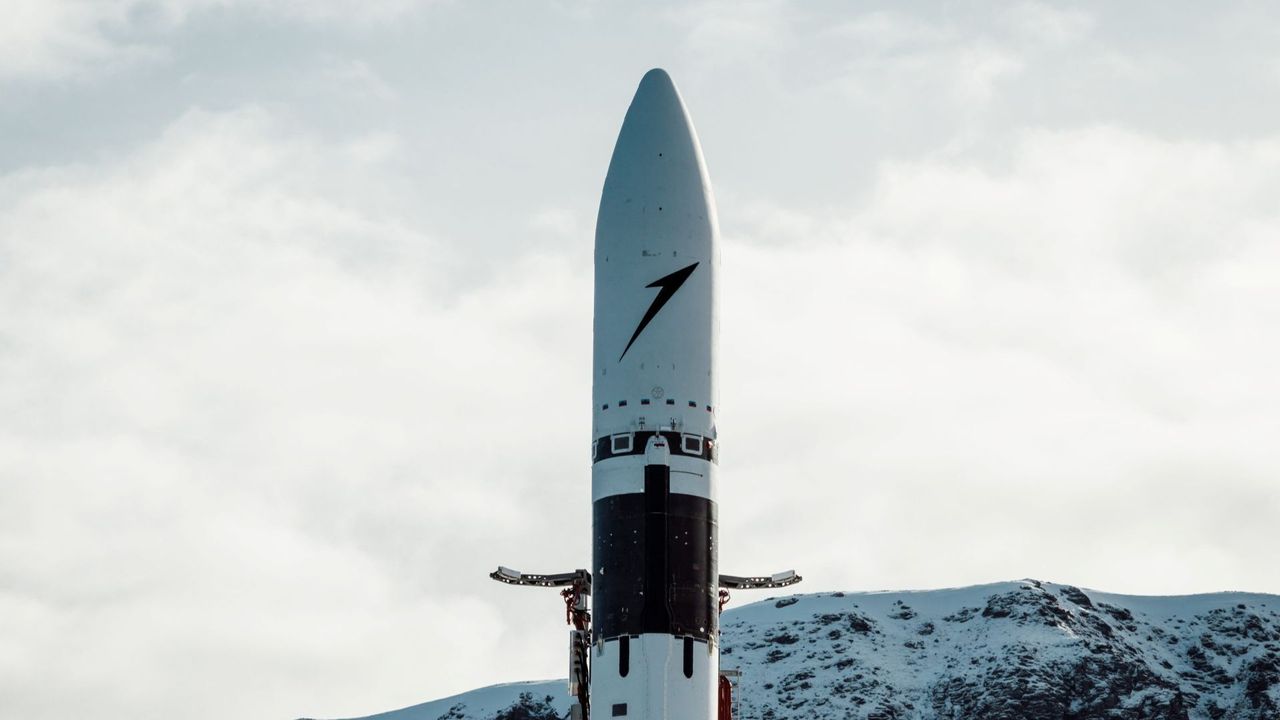
Isar Aerospace Secures $150 Million Lease for Canadian Launch Pad to Support Spectrum Rocket
Isar Aerospace, a German aerospace company, has signed a $150 million lease agreement with Maritime Launch Services for the use of Spaceport Nova Scotia. This 10-year lease, with an option to extend for another decade, allows Isar to develop the launch pad infrastructure tailored to its Spectrum rocket's requirements. The facility is expected to support vehicle integration, testing, and mission control operations, with development set to begin later this year. The significance of this agreement lies in Isar's ambition to establish a reliable orbital launch capability from Canada, which is crucial for nations seeking independent access to space data. By 2029, Isar aims to conduct up to 40 launches annually from the new site, enhancing the operational landscape for satellite deployment and national defense. This collaboration marks a strategic move in the competitive space launch market, where few nations possess comprehensive launch capabilities. Looking ahead, Isar Aerospace plans to initiate its first orbital launches from Spaceport Nova Scotia by 2028. The company has faced challenges with its Spectrum rocket, including a failed launch in March 2025, but remains committed to overcoming technical and weather-related obstacles. No further timeline was disclosed at the time of publication regarding subsequent launches or developments at the Canadian site.
Launches & Spacecraft Space Exploration
Yuanli Lingji Launches DM0.5 Model and Apex Robot at Action 2026 Conference
On July 9, Yuanli Lingji introduced three key products, including the DM0.5 model and Apex robot, during the Action 2026 Developer Conference. This event highlighted the company's commitment to full-stack capabilities in embodied intelligence, a crucial factor in addressing industry fragmentation and enhancing model architecture with high-quality data. The significance of these product launches lies in their potential to drive commercialization within the embodied intelligence sector. By focusing on full-stack solutions, Yuanli Lingji aims to set itself apart in a competitive market, where the integration of robust data and model frameworks is essential for success. Looking ahead, industry observers will be keen to see how these products perform in the market and whether they can effectively address the challenges of fragmentation. No further timeline was disclosed at the time of publication regarding future developments or additional product releases.
Embodied Intelligence Robotics AI Machine Learning Automation
SpaceX Proposes 1 Million AI Satellites to Address Ground Data Center Constraints
On January 30, 2026, SpaceX filed with the FCC to launch up to 1 million AI compute satellites, positioning orbital data centers as a solution to the increasing demand for AI computing power. Ground data centers are facing significant challenges, with energy consumption projected to reach approximately 1,050 TWh in 2026, making them the fifth-largest electricity consumer globally. The demand for new data center capacity is outpacing the growth of power generation infrastructure, leading to a critical bottleneck in the grid system. The significance of this initiative lies in the structural constraints faced by ground data centers, including power delivery limitations, high water consumption, and local opposition to new projects. The Uptime Institute's 2026 outlook identifies power as the primary constraint on data center growth, with capacity clearing prices in the PJM grid skyrocketing to $329.17/MW, driven by data center expansion. Additionally, cooling requirements are becoming increasingly unsustainable, with facilities consuming vast amounts of water, further complicating their operational viability. Looking ahead, SpaceX's orbital AI compute initiative aims to circumvent these challenges by leveraging the advantages of space, such as continuous solar power and minimal local opposition. The first AI prototypes are expected to launch in early 2027, with operational deployments planned for 2028. No further timeline was disclosed at the time of publication.
SpaceX's Starship V3 Plans for 1 Million Starmind Satellites by 2030
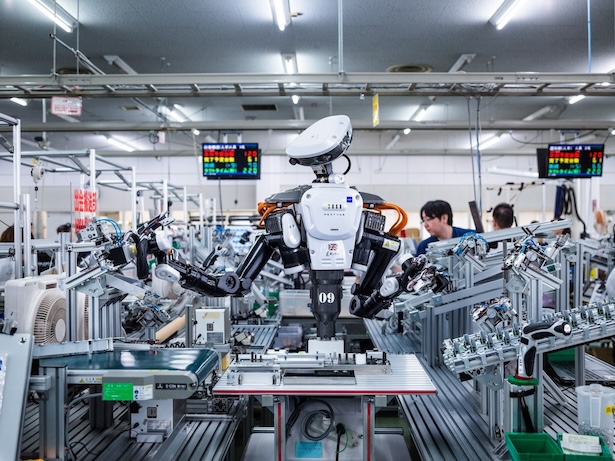
SpaceX's Starship V3 is set to revolutionize satellite deployment, aiming to launch 1 million Starmind satellites by 2030. The spacecraft can carry over 100 tonnes to low Earth orbit (LEO), significantly more than the Falcon 9's capacity. As of May 2026, Starship has completed 12 flights, with the next mission scheduled for late July 2026, focusing on operational payloads including AI1 prototypes in early 2027. This ambitious plan is crucial for expanding orbital compute capacity, targeting an annual addition of 100 GW through a million tonnes of satellite hardware. SpaceX's strategy hinges on achieving a launch cadence of approximately 12,000 flights, equating to about three launches per day. The company has invested over $15 billion in the Starship program, with expectations to begin payload deliveries in the second half of 2026, starting with Starlink V3 satellites. Looking ahead, the successful deployment of the Starmind constellation will depend on Starship's ability to meet its cost targets of $10–20 million per flight. If achieved, this would make launching satellites more economical than building ground data centers. The next significant milestone will be the launch of AI1 prototypes in early 2027, with full-scale deployments commencing in 2028 from the new Gigasat factory in Texas.

SpaceX's Starmind Plans 1 Million AI Satellites Amid Collision Risks
SpaceX has announced its ambitious Starmind project, which aims to deploy 1 million AI satellites in orbits between 500 and 2,000 km. This initiative, confirmed by Elon Musk on June 23, 2026, follows a merger with xAI, valuing the combined entity at $1.25 trillion. The satellites will function as orbital data centers, processing AI workloads powered by solar arrays and linked by optical lasers. The significance of Starmind lies in its potential to add 100 gigawatts of AI compute capacity annually, contingent on the successful operation of the Starship launch system. However, the project raises concerns regarding space debris, as the current orbital environment is already congested, with a 20% increase in collision risk reported since 2024. The European Space Agency has highlighted that the density of debris in low Earth orbit is now comparable to that of active satellites, complicating the operational landscape for new entrants like Starmind. Looking ahead, the first operational orbital AI deployments are targeted for 2028, with test launches expected in early 2027. However, the project faces scrutiny regarding its impact on space debris, as even a 1% failure rate could significantly increase the number of uncontrollable objects in orbit, exacerbating existing risks. No further timeline was disclosed at the time of publication.
JD Group Launches First RoboBase Project in Guangzhou to Foster Robotics Ecosystem
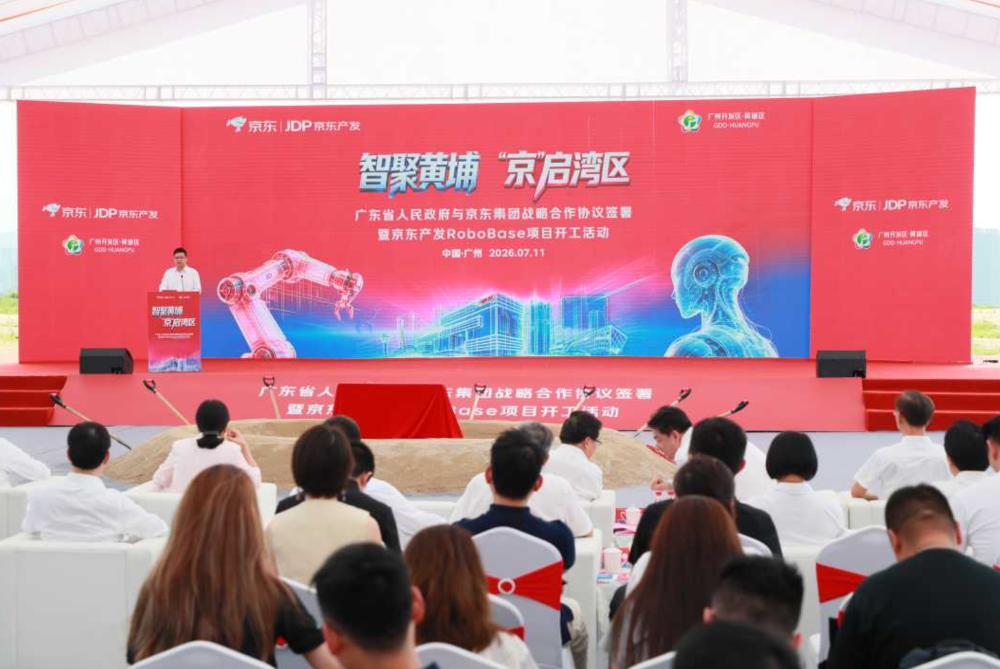
On July 11, JD Group signed a comprehensive strategic cooperation agreement with the Guangdong provincial government, focusing on nine key areas including digital economy and modern logistics. The first physical benchmark of this agreement, the RoboBase project, commenced construction in the Huangpu Science City, Guangzhou. This marks JD's first RoboBase globally, covering approximately 190,000 square meters, with completion expected by the end of 2028 and an anticipated annual output value of about 1.75 billion yuan. The RoboBase project aims to integrate high-end manufacturing, technological innovation, and ecological services, concentrating on core robotic components, complete machine manufacturing, and high-end intelligent equipment. JD's approach is unique as it positions itself as an 'industrial infrastructure operator' rather than directly engaging in robot manufacturing. This strategy is designed to support robotics companies by providing a conducive environment for their operations. Looking ahead, JD's RoboBase will facilitate long-term testing for robots across various real-world scenarios, including JD MALL and logistics parks. The project also emphasizes talent development through partnerships with vocational schools in Guangdong. No further timeline was disclosed at the time of publication.
Robotics Ecosystem High-End Manufacturing Technological Innovation Supply Chain Solutions
Fleet-Capable Downward Drilling Robot Launches with 10x Speed Advantage
A new fleet-capable downward drilling robot has been launched, achieving drilling speeds up to 10 times faster than traditional methods. This innovation has significantly reduced construction timelines by an impressive 190 weeks across 26 major projects, marking a substantial advancement in construction technology for data centers. The introduction of this robot is significant for the construction industry, particularly in the data center sector, where efficiency and speed are critical. Media outlets, including Fast Company, have highlighted the robot's potential to transform construction processes, emphasizing its ability to drastically accelerate project timelines and improve overall productivity. Looking ahead, industry professionals are keen to observe the robot's performance in upcoming projects and its impact on construction efficiency. No further timeline was disclosed at the time of publication regarding future deployments or additional features planned for this innovative technology.

Tesla's Optimus Robots to Support Starmind Satellite Production, Not Maintenance
Tesla's Optimus robots will not be used to repair Starmind satellites in orbit, as confirmed by recent statements from Elon Musk. Instead, these robots are intended to assist in the construction and operation of the Terafab chip manufacturing facility in Texas. The AI1 satellites, designed to disintegrate upon reentry, highlight the company's swap-and-replace strategy rather than traditional maintenance practices. This approach is significant as it reflects a broader trend in satellite management, where mass-produced satellites are replaced rather than repaired. The economics of servicing missions are prohibitive, with the cost of launching a replacement satellite being significantly lower than conducting a repair mission. This model aligns with SpaceX's operational history, where rapid replacement of satellites is more efficient than attempting to maintain them in orbit. Looking ahead, the focus will remain on the production capabilities of the Gigasat factory, which is expected to support the continuous replacement of satellites. No further timeline was disclosed at the time of publication, but the demand for rapid satellite turnover suggests a robust future for Optimus robots in terrestrial manufacturing rather than in-space servicing.

OLO Robotics completes commercial launch with three international manufacturing and distribution partnerships
A Sheffield-based startup has launched an innovative platform that enables mainstream developers to create robotics applications directly through their web browsers. This groundbreaking development, announced recently, aims to democratize access to robotics technology, making it easier for developers without extensive technical backgrounds to engage in robotics programming. By leveraging cloud-based tools, the platform simplifies the process of designing and testing robotic systems, allowing users to experiment and iterate in real-time. The initiative is part of a broader effort to foster innovation in the robotics sector and encourage more developers to explore this rapidly evolving field.

Changan Automobile Launches Robotics Subsidiary, Targeting 2028 for Humanoid Mass Production
Changan, a leading Chinese automotive manufacturer, has officially launched Tianshu Intelligent Robot Co., Ltd. This new venture reflects a broader trend among automakers increasingly focusing on the integration of embodied artificial intelligence and humanoid robotics into their operations. The establishment of Tianshu marks a strategic move by Changan to enhance its technological capabilities and innovate within the automotive sector. As the industry evolves, the company aims to leverage advancements in AI to improve efficiency and productivity in manufacturing processes.
Changan Automobile China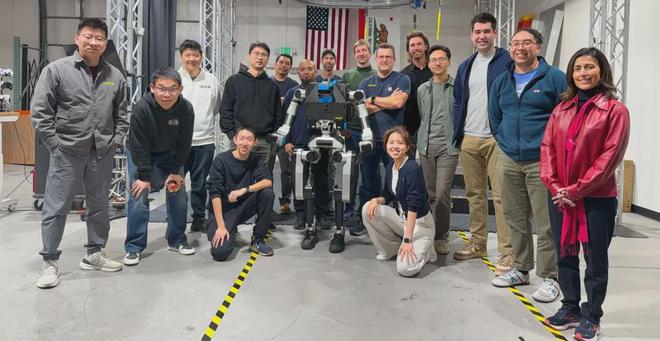
Silicon Valley Startup Launches Humanoid Robot Company! Commercial Deployment Achieved in 18 Months with Orders from Apple, SpaceX, and NASA!
Noble Machines, a California startup established by former engineers from Apple, SpaceX, and NASA, has announced the successful deployment of its first industrial humanoid robot, Moby, in a remarkable timeframe of just 18 months. Moby is engineered to operate in challenging industrial settings, featuring advanced load handling capabilities and adaptability. The introduction of this robot is intended to improve safety and efficiency in heavy industry, addressing the growing demand for automation in such environments.
Humanoid Robots Industrial Automation AI Robotics
São Paulo Becomes First City to Implement Citywide Drone Detection as a Service Network
R2 Wireless and Ôguen Tecnologias have partnered to launch a managed drone detection service in São Paulo, Brazil, making it the first city to implement a municipal-scale Drone Detection as a Service (DDaaS) network. This initiative aims to address rising concerns over the use of drones by criminal organizations, offering a cost-effective alternative to traditional counter-drone systems. The DDaaS network will provide continuous monitoring of urban airspace through a subscription model, allowing public agencies and private organizations to access drone detection, geolocation, and real-time airspace awareness without the need for hardware purchases. R2 Wireless's technology operates at the physical RF layer, enabling it to detect and geolocate various types of drones, including modified and spoofed systems. As commercial drones evolve, the demand for adaptable counter-drone solutions grows. The partnership aims to support a wide range of users, including critical infrastructure operators and government sites, and reflects a broader trend towards service-based approaches in airspace security. No further timeline was disclosed at the time of publication.
Anti-drone technology C-UAS Drones in the News News ADaaS airspace monitoring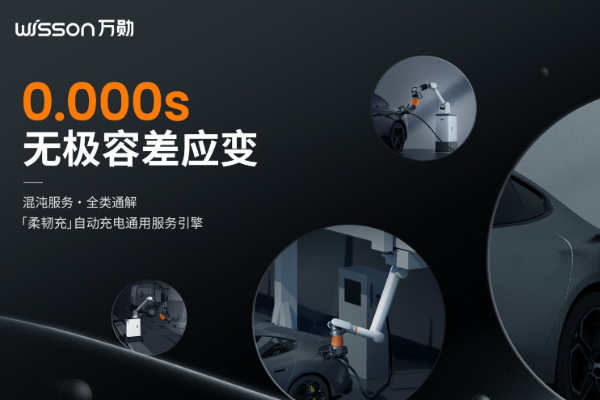
Wanxun Technology Launches Universal Charging Service Engine with 0.000s Tolerance
On July 9, Wanxun Technology unveiled its 'Flexible Charging' universal charging service engine in Beijing, marking the industry's first comprehensive solution for public, dedicated, and home charging applications. This engine features a unique 0.000s tolerance technology, which addresses the core challenges of automatic charging in chaotic environments, enabling reliable and scalable commercial applications across various scenarios. The significance of this launch lies in its potential to overcome the limitations of existing automatic charging solutions, which often struggle with unpredictable variables such as diverse vehicle models, environmental conditions, and user behaviors. Wanxun's technology promises to enhance safety, reliability, and adaptability, making it suitable for a wide range of charging situations, from public stations to private homes. Looking ahead, Wanxun Technology aims to expand its automatic charging solutions across various sectors, including unmanned logistics and public transportation. The company has already initiated collaborations with manufacturers, operators, and government entities to accelerate the deployment of its solutions. No further timeline was disclosed at the time of publication.
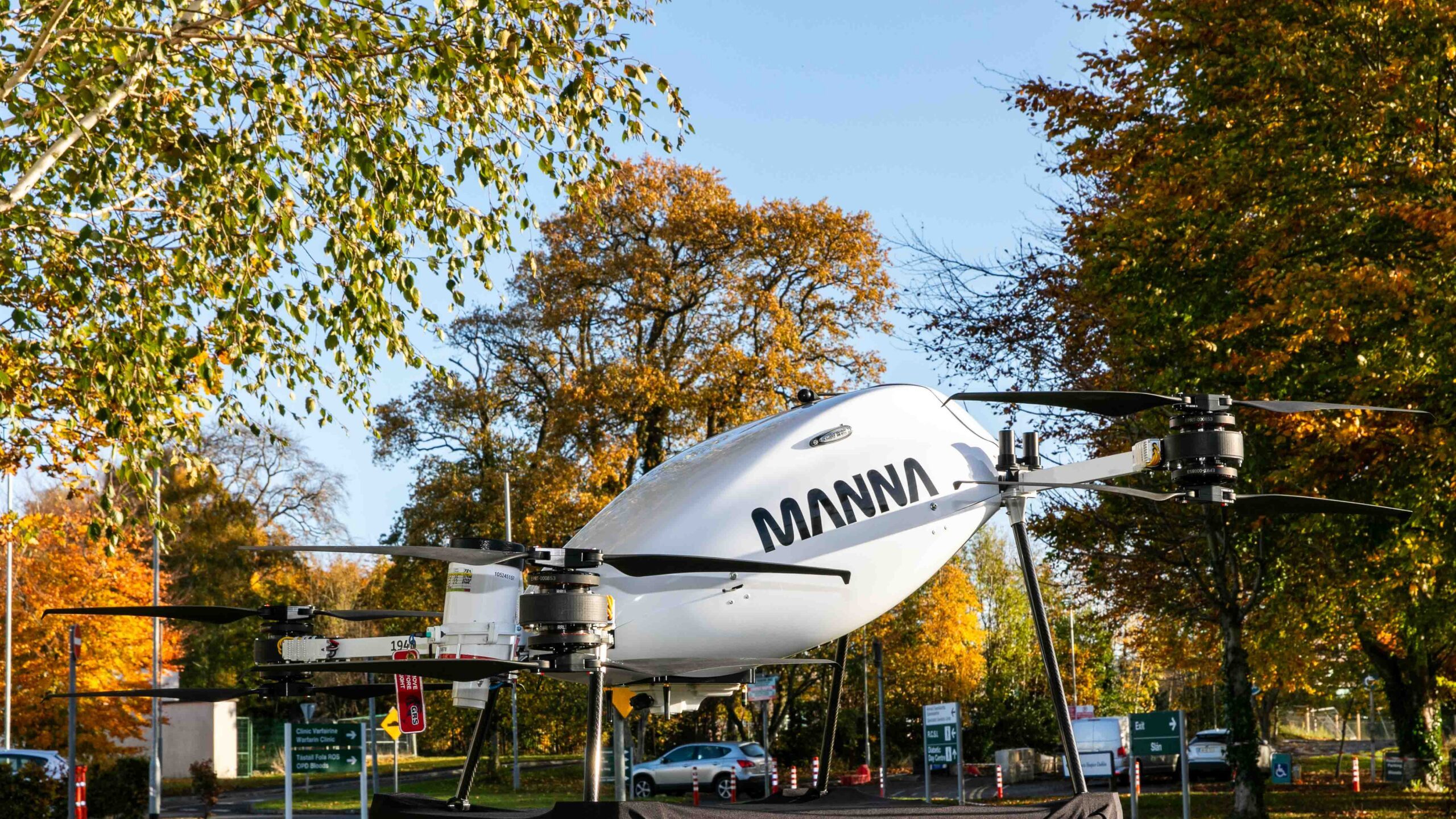
Manna Establishes First U.S. Drone Delivery Hub in Tulsa with Job Creation Plans
Manna, an Irish drone delivery company, has officially launched its first metropolitan drone delivery hub in Tulsa, Oklahoma. This initiative marks a significant step in Manna's American expansion, which includes plans for U.S. manufacturing and the creation of over 1,000 jobs in the region. The hub aims to enhance commercial drone operations in urban areas across the United States. The establishment of this hub is significant as it positions Manna to capitalize on the growing demand for drone delivery services in metropolitan areas. With the U.S. drone delivery market projected to expand rapidly, Manna's operations in Tulsa could serve as a model for future hubs in other cities. The company's focus on local manufacturing also indicates a commitment to integrating into the American economy. Looking ahead, Manna's next steps will likely involve scaling its operations and exploring additional locations for drone delivery services. No further timeline was disclosed at the time of publication, but the company’s ambitious plans suggest a proactive approach to expanding its footprint in the U.S. market.
Applications Delivery Drone News Drone News Feeds News Advanced Air Mobility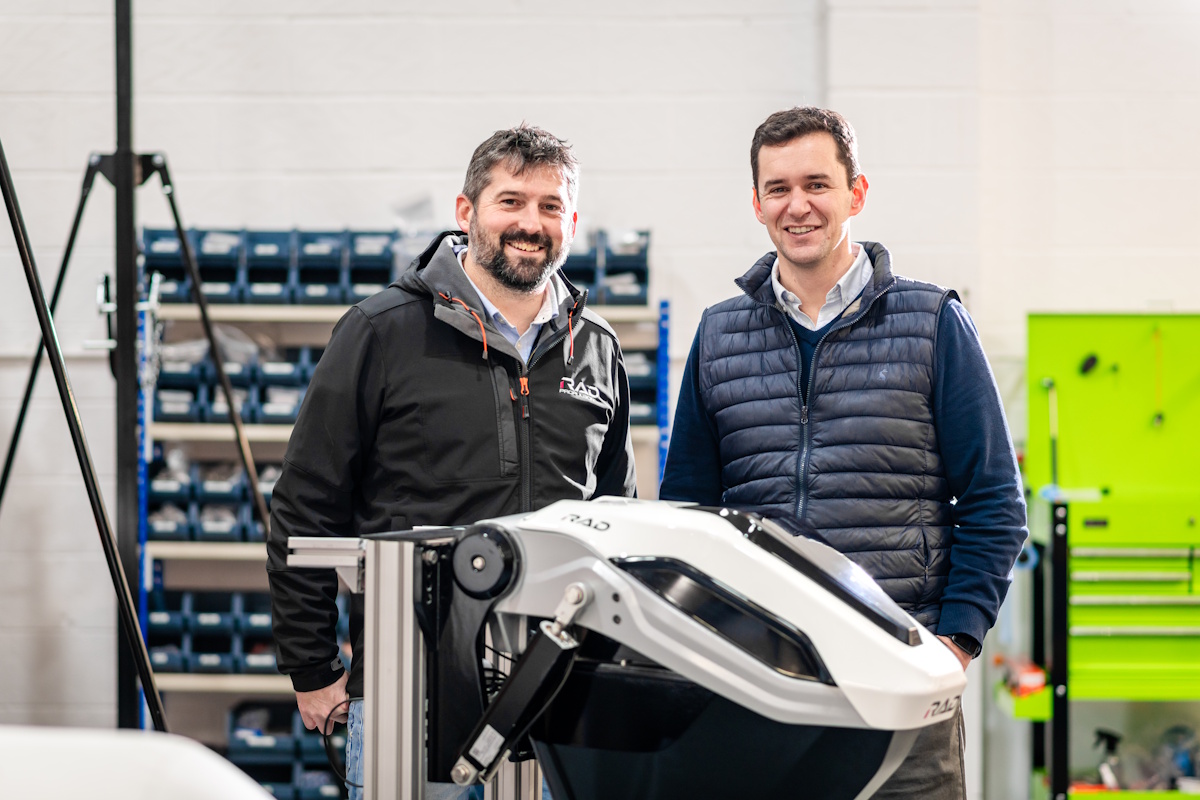
RAD Secures £4.4 Million Funding to Enhance Autonomous Marine Technology and Electric Propulsion Systems
RAD, a marine technology firm, has successfully raised £4.4 million in funding to accelerate the commercialization of its autonomous vessel technologies and expand its electric propulsion systems. This funding round, led by Mercia Ventures, comes after a year of significant product development and customer engagement, including the launch of the Axon open systems architecture for uncrewed vessels at the Combined Naval Event in May 2026. The funding is crucial as RAD aims to capitalize on the growing demand for flexible and scalable marine solutions in both defense and commercial sectors. The Axon architecture allows for rapid development and integration of uncrewed vessel capabilities, which is expected to enhance operational efficiency and reduce vendor lock-in for operators. With this investment, RAD is positioned to lead the electrification shift in marine technology, similar to trends seen in road transport. Looking ahead, RAD plans to utilize the funds for international expansion, including establishing a presence in the U.S. market, and further developing its electric propulsion systems and energy management technologies. The company is also focused on enhancing its engineering capabilities to meet the increasing demand from its diverse customer base. No further timeline was disclosed at the time of publication.
rad raise investment commercialisation autonomous marine technology propulsion systems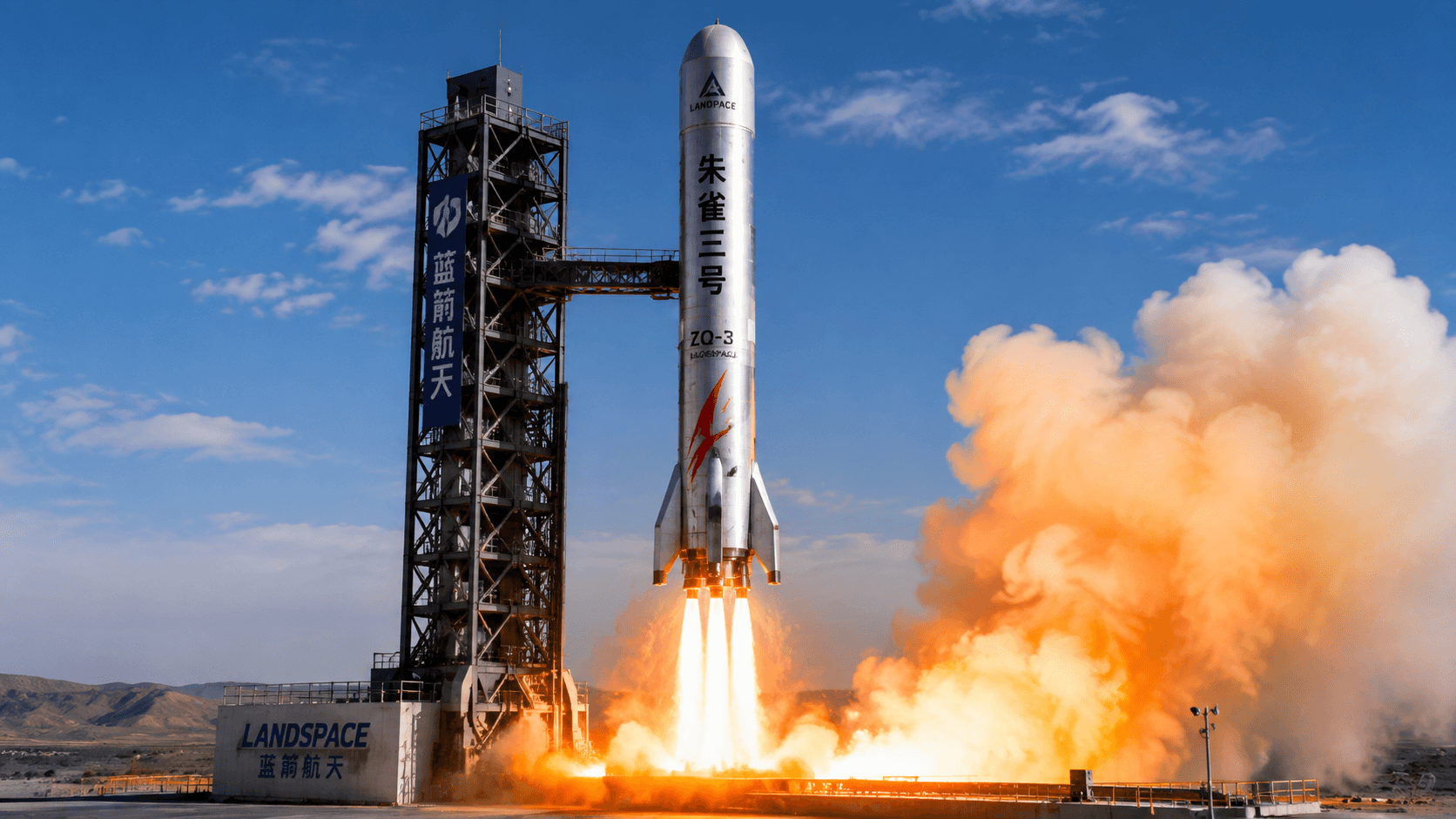
LandSpace's Zhuque-3 Static Fire Test Succeeds as Commercial Aerospace Scales Up
LandSpace's Zhuque-3 reusable rocket successfully completed a static fire test on October 15, 2023, at the Dongfeng Commercial Aerospace Innovation Zone. This milestone is significant for the company as it advances its efforts in developing reliable and cost-effective space launch solutions. The static fire test, which involves igniting the rocket's engines while it remains secured to the ground, is a crucial part of the testing process to ensure the vehicle's performance and safety before its first flight. This achievement underscores LandSpace's commitment to innovation in the aerospace sector and positions the company to contribute to the growing demand for satellite launches and space exploration initiatives.
Industry News
Unastella, a South Korean rocket startup that launched from home, raises $24M
A Seoul-based rocket startup is making strides in the aerospace industry by developing its own launch vehicles and engines. This initiative aims to enhance South Korea's capabilities in space exploration and satellite deployment. The company is leveraging advanced technology and innovative engineering practices to create reliable and efficient rocket systems. As the demand for satellite launches continues to grow, the startup seeks to position itself as a key player in the competitive space market. With plans to conduct test flights in the near future, the company is focused on achieving successful launches that could pave the way for commercial opportunities and partnerships in the global space sector.
Space south korea launch vehicle Unastella Hanwha aerospace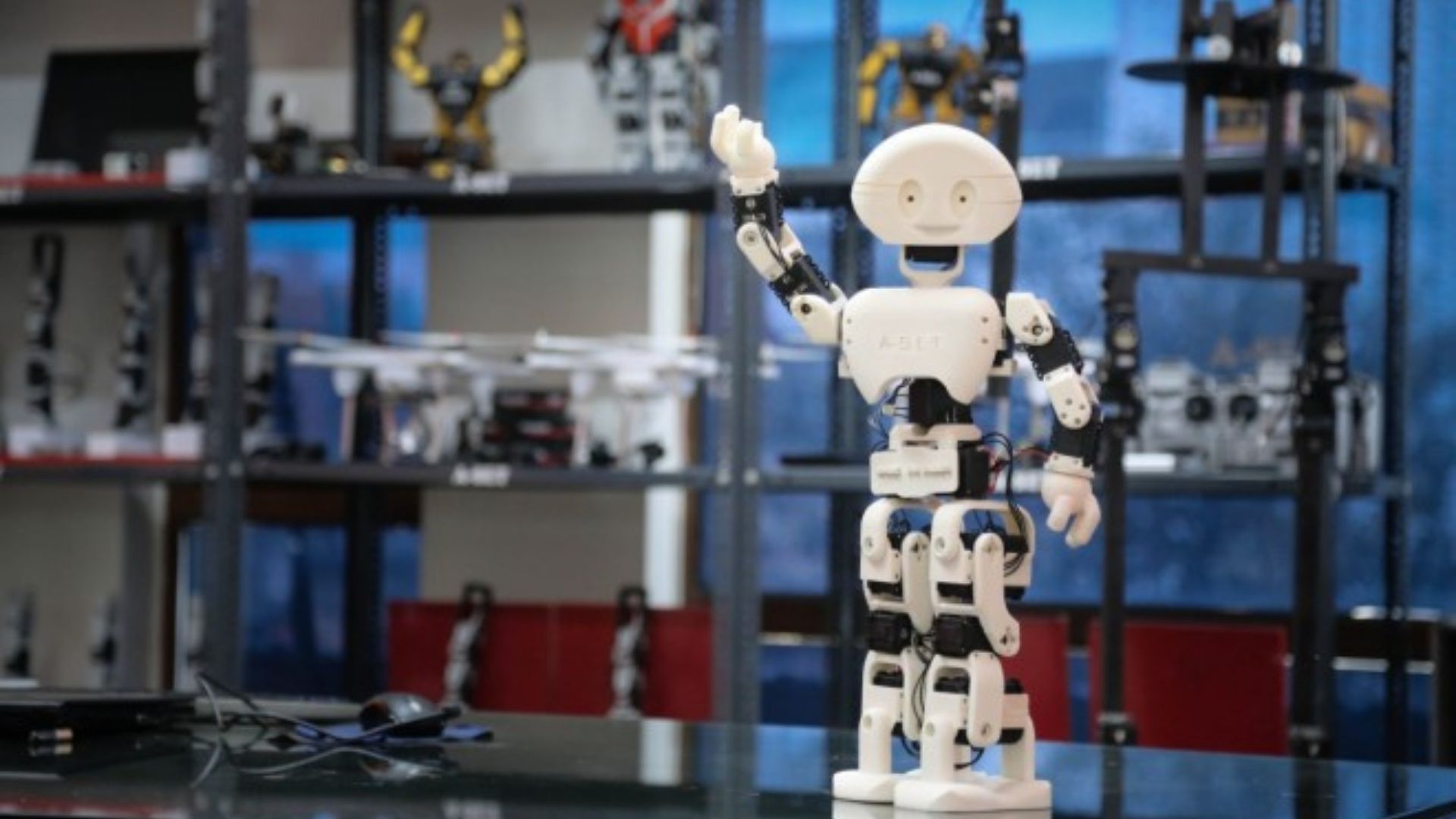
Chinese firm eyes 2027 home robot launch with Wuhan pilot and sub-$15K pricing
Chinese tech company GigaAI has launched what it claims to be the first commercial robotic butler, marking a significant advancement in home automation technology. The unveiling took place at a technology expo in Beijing on October 15, 2023. This innovative device aims to enhance everyday living by performing various household tasks, such as cleaning, cooking, and providing companionship, thereby addressing the growing demand for smart home solutions. The motivation behind GigaAI's development of the robotic butler stems from the increasing interest in automation and artificial intelligence among consumers, who seek convenience and efficiency in their daily routines. The company has integrated advanced AI algorithms and machine learning capabilities into the device, allowing it to adapt to individual household needs and preferences. During the launch event, GigaAI demonstrated the butler's functionalities, showcasing its ability to navigate complex home environments and interact with family members. The company plans to begin commercial sales in early 2024, with the goal of making this technology accessible to a broader audience. As the market for smart home devices continues to expand, GigaAI's robotic butler could potentially revolutionize the way people manage their households, setting a new standard in the industry.

Chery's Humanoid Robot Mornine M1 Launched on JD.com for 285,800 Yuan
Chery has officially launched its Mornine M1 humanoid robot on JD.com, with a price tag of 285,800 yuan. This release represents a notable advancement in the commercialization of humanoid robots by traditional automotive manufacturers. The Mornine M1 is equipped with advanced capabilities tailored for diverse applications, such as sales and training, highlighting the growing intersection of robotics and various industries.
Humanoid Robots Robotics AI Automation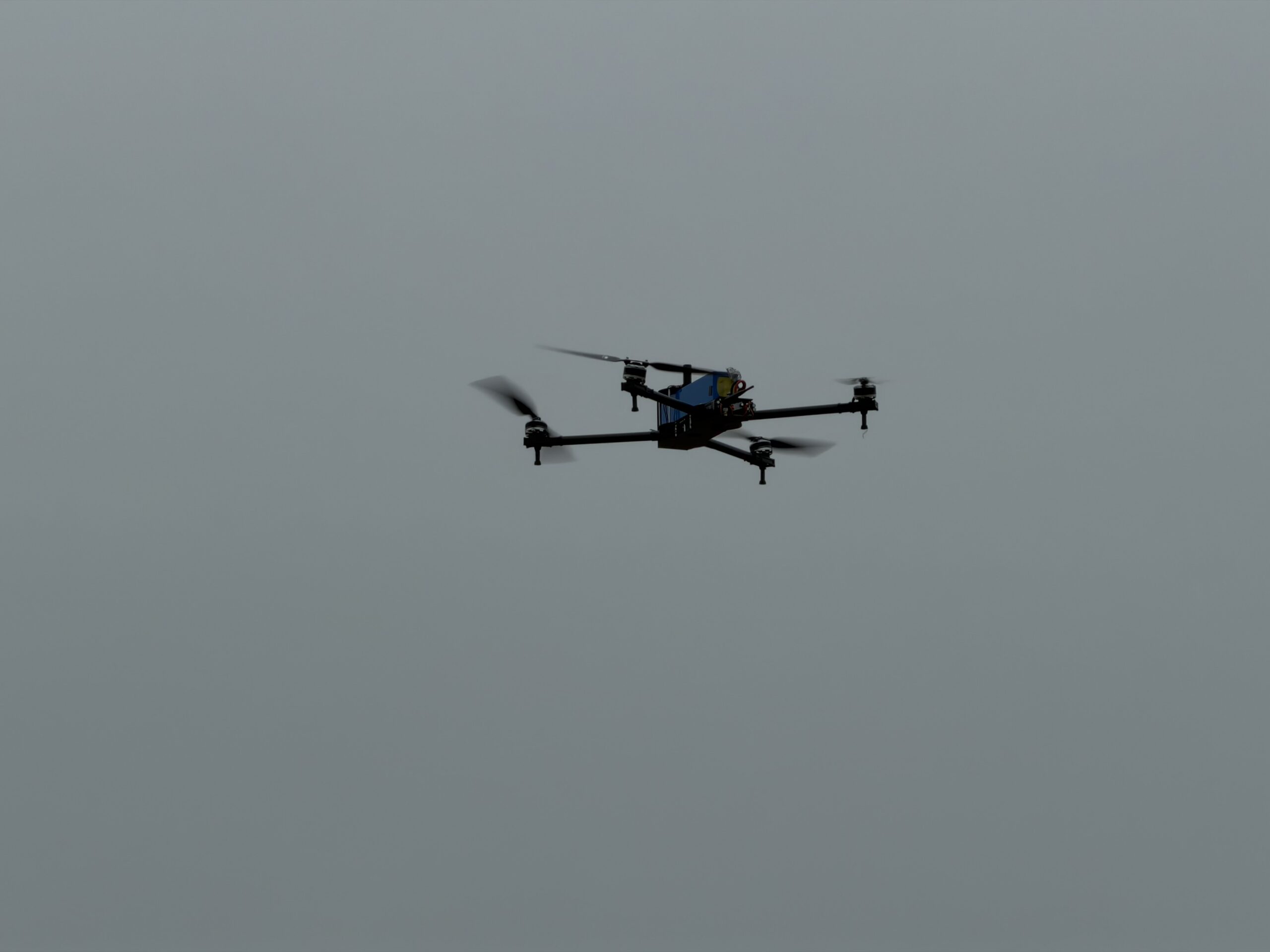
Applied Aeronautics Launches SkyBeam Heavy Lift Drone Platform
Applied Aeronautics has unveiled its latest heavy lift quadrotor platform, named SkyBeam, aimed at enhancing capabilities in defense, public safety, and commercial sectors. The Chicago-based company emphasizes the drone's modular design, which allows for increased payload flexibility and rapid deployment, making it suitable for demanding field missions. This innovative aircraft is positioned to meet the growing needs for efficient aerial solutions in various operational environments, combining endurance with cost-effectiveness. The launch of SkyBeam marks a significant advancement in drone technology, catering to a diverse range of applications.
Cargo Drone Manufacturing Drone News Drone News Feeds News Products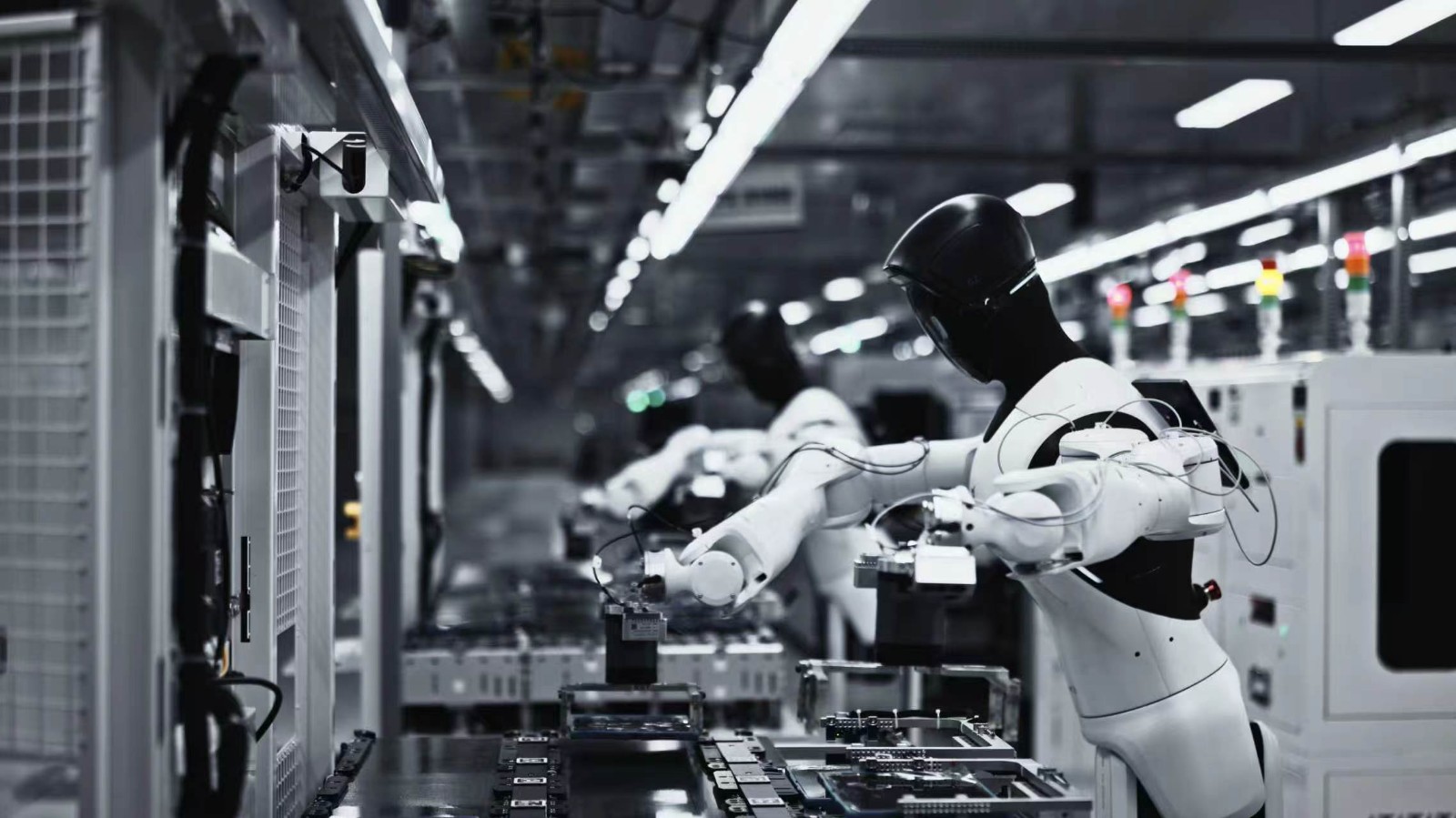
How AGIBOT’s Seven Solutions Are Reframing the Commercialization of Embodied AI ?
AGIBOT is set to transform the commercialization of embodied artificial intelligence with the launch of seven standardized productivity solutions designed to improve both deployability and scalability in practical applications. By addressing specific industry needs and enhancing capabilities through real-world deployment, AGIBOT seeks to facilitate the transition from pilot projects to broader adoption of robotics across various sectors. This initiative aims to redefine the integration of robotics, making them more accessible and effective in meeting contemporary challenges.
Embodied AI Robotics Commercialization Automation Industry Solutions
Robot Combat Enters the Ring: REK and UFB Launch Competing US Fighting Leagues
Two new leagues, REK (Robot Embodied Kombat) and UFB (Ultimate Fighting Bots), have launched competing humanoid robot fighting events in the United States, collaborating with Unitree to bring this innovative concept to life. This initiative marks a significant commercial effort to popularize VR-piloted combat reminiscent of the film "Real Steel." However, the leagues face substantial technical and safety challenges as they seek to establish a viable and entertaining format for audiences.
G1 H1 Unitree Robotics UFB REK H2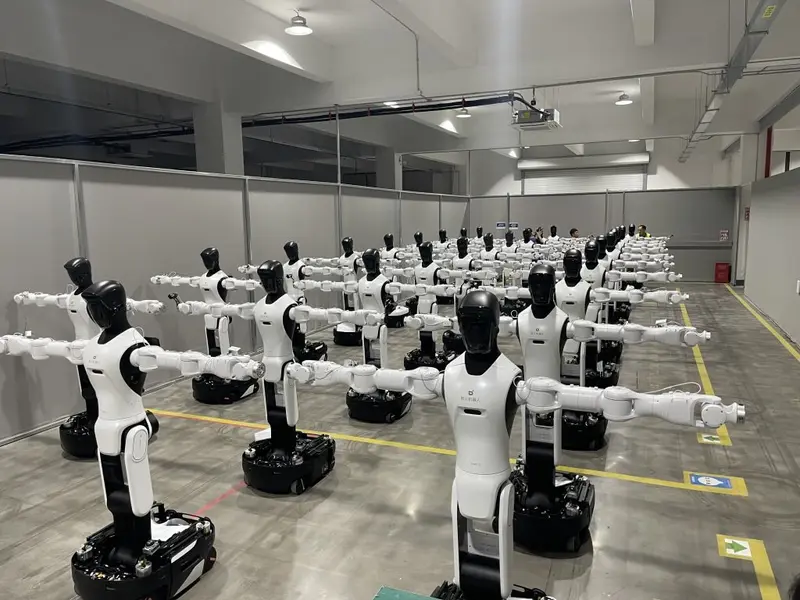
Agibot Launches G2, an Industrial Robot Aimed at Factories and Beyond
Agibot has unveiled its latest innovation, the G2 robot, which integrates advanced artificial intelligence with robust industrial-grade hardware. This versatile robot is designed for a range of applications, including auto manufacturing and art gallery tours. The launch comes at a time when the demand for automation solutions is rapidly increasing across various sectors. Agibot's G2 is already supported by substantial early commercial contracts, indicating strong market interest and confidence in its capabilities. This development highlights the company's commitment to advancing robotic technology and meeting the evolving needs of industries seeking efficiency and innovation.
AGIBOT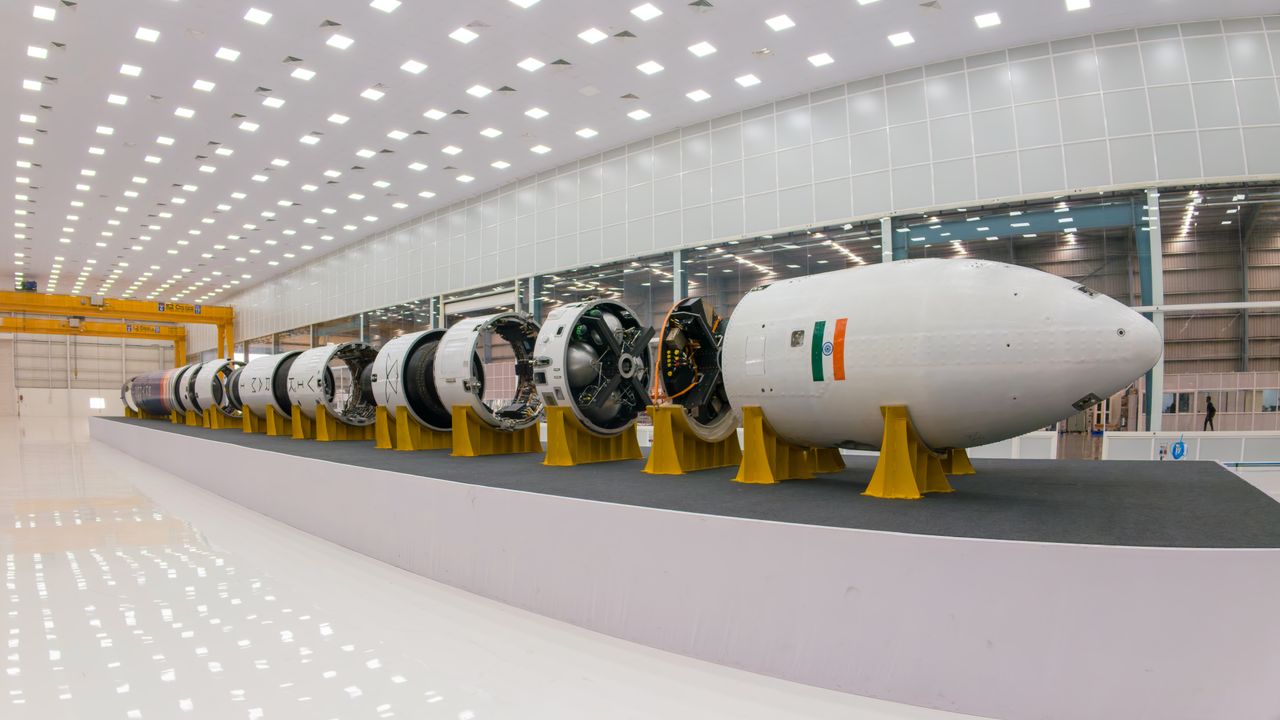
Skyroot Aerospace Prepares for Historic Vikram-1 Launch to Orbit Multiple Satellites
Skyroot Aerospace is on the verge of launching its first orbital rocket, Vikram-1, from the Satish Dhawan Space Centre, with a launch window from July 12 to August 4. The rocket features a unique liquid-fueled upper stage that allows for multiple satellite deployments during a single mission, marking a significant milestone for private spaceflight in India. The successful launch of Vikram-1, named Aagaman, would be a historic achievement as it would make Skyroot the first private Indian company to place satellites into orbit. The mission includes various payloads, such as Skyroot's SCOPE satellite and technology demonstrations from international partners, showcasing the company's capability to cater to specific orbital requirements for small satellites. Looking ahead, Skyroot aims to validate Vikram-1 through three development flights before commencing commercial operations. The company plans to scale production to one rocket per month, positioning itself in the market for dedicated satellite launches, akin to a 'cab' service for orbital missions, as stated by co-founder and CEO Pawan Kumar Chandana.
Launches & Spacecraft Space Exploration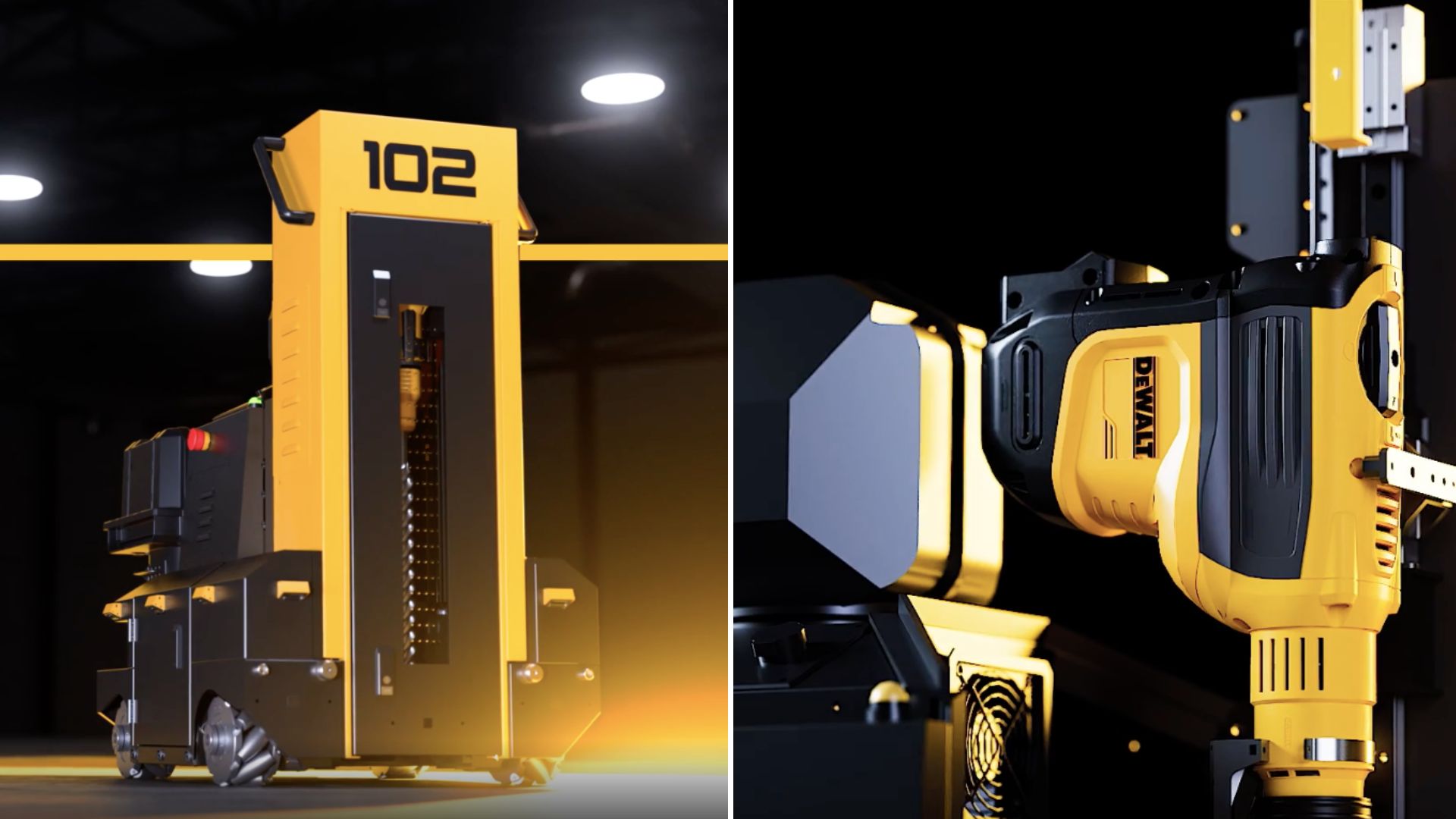
Dewalt Launches DALE Downward-Drilling Robot for Data Center Construction
Dewalt, in collaboration with August Robotics, has launched DALE, the world's first fleet-capable downward-drilling robot, at the World of Concrete event. This innovative robot is designed to enhance efficiency in data center construction, achieving drilling speeds up to ten times faster than traditional methods. During a year-long pilot, DALE drilled over 230,000 holes with 99.97% accuracy, significantly reducing project timelines by 190 weeks across 26 phases. The introduction of DALE is significant for the construction industry, particularly in the rapidly growing data center sector. Dewalt's robot not only accelerates drilling processes but also integrates advanced features such as fast-swap batteries, remote monitoring, and automatic dust extraction. These capabilities allow for enhanced safety and precision, making it a valuable asset for construction teams facing tight deadlines and labor challenges. Looking ahead, DALE is now available for commercial orders, marking a pivotal moment for construction automation. The robot's ability to operate in fleets and drill through rebar positions it as a versatile tool for various construction applications. No further timeline was disclosed at the time of publication regarding additional features or expansions in its deployment.
AI and Robotics
DJI Introduces EV50 VTOL Cargo Drone with Everest Altitude Record Achievement
DJI has launched the EV50, its inaugural vertical takeoff and landing (VTOL) fixed-wing cargo drone, designed for long-range transport. The drone achieved a remarkable operating altitude of 8,861 meters during a scientific expedition on Mount Everest, surpassing the mountain's peak by 12 meters. Over a 12-day period, the EV50 completed 32 flights, including 12 missions focused on atmospheric monitoring, taking off from Everest Base Camp at 5,200 meters. The significance of the EV50 lies in its ability to facilitate continuous atmospheric observation above 8,000 meters, a feat previously hindered by the limitations of manned expeditions and other aircraft. The drone's all-electric propulsion system allows researchers to gather crucial data on glacier winds and atmospheric conditions, contributing to climate change studies. With a maximum payload of 50 kilograms and a range of 150 kilometers, the EV50 is equipped with advanced features such as dual thermal management systems and an emergency parachute. Looking ahead, the EV50 is expected to be utilized in various applications, including emergency response and logistics in remote areas. No further timeline was disclosed at the time of publication regarding its commercial deployment. This launch marks a significant expansion of DJI's industrial drone offerings, particularly for challenging environments like high-altitude regions.
On the Cusp Content and entertainment E-commerce and New Retail Highlight News
SpaceX's Starmind Project: Supplier Strategy and Chip Manufacturing Plans for 2026
SpaceX's Starmind project, aimed at deploying up to 1 million AI satellites, was filed with the FCC on January 30, 2026. The initiative is designed to minimize reliance on external suppliers, with CEO Elon Musk stating that current chip production capabilities only meet 2% of the projected needs. The first satellite, AI1, is set for prototype launches in early 2027, featuring a 70-meter wingspan and a modular payload system that allows for interchangeable chips from various suppliers. The significance of Starmind lies in its ambitious supply chain strategy, which seeks to transition from external hardware suppliers to a fully integrated Musk-owned facility by 2028. The Gigasat manufacturing site in Bastrop, Texas, is expected to be operational by the end of 2027, with plans for high-volume production of the D3 chip, specifically designed for space applications. This approach aims to consolidate chip manufacturing processes under the Terafab joint venture, which has an estimated initial investment of $55 billion. Looking ahead, the next milestone for Starmind is the launch of AI1 prototypes in early 2027, while the full-scale chip production at Terafab is projected to ramp up significantly thereafter. However, analysts express skepticism regarding the feasibility of achieving Musk's ambitious compute goals, which may require substantial investment and time to establish the necessary manufacturing capabilities.
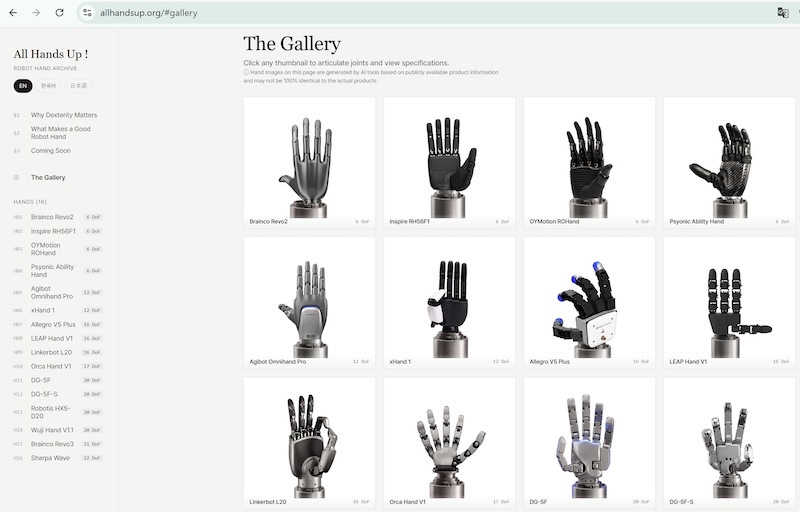
RLWRLD launches open platform to benchmark dexterous robotic hands
RLWRLD, a physical AI company with a proprietary robotics foundation model, RLDX-1, has announced the launch of “All Hands Up!”, an open web platform that provides technical reports and visualization tools based on the company’s firsthand experience operating a wide range of commercially available dexterous robot hands. All Hands Up! is designed to analyze and […]
Computing Robot simulation All Hands Up DexBench dexterous hands dexterous manipulation
Tsinghua alumni launch AI startup, securing hundreds of millions in angel funding for the automotive industry.
Embodied intelligence company Guangxiang Technology has successfully secured hundreds of millions in angel funding, with significant participation from leading investors including Zhuhai Technology Industry Group, Xingsheng Capital, and several others. Founded in April 2025 through a collaboration between Tsinghua University's Vehicle and Transportation Institute and its AI Institute, Guangxiang aims to advance the development of its physical native base model and commercialize embodied intelligent robots for industrial applications. The company's founder and CEO, Zhang Tao, previously led the spatial perception engine at Amap, while co-founder Professor Li Shengbo is a renowned expert in reinforcement learning and autonomous driving. The team, which includes members from major tech firms like Alibaba and Huawei, is focused on a unique technological approach that diverges from mainstream visual-language-action models. Guangxiang's flagship product, the Phi-Bot X1, was launched in June 2026 and is designed for industrial environments. The robot has demonstrated impressive capabilities, completing a full welding operation on an automotive production line without errors during a 21.5-hour continuous run at the 2026 ATC exhibition. The company plans to expand its applications in the automotive sector, targeting the remaining 30% of automation gaps that traditional methods cannot address. Zhang envisions a robust market for automotive production line robots, estimating a potential market size of around 100 billion yuan in China. Guangxiang Technology is committed to refining its products and scaling operations, with a focus on real-world applications and continuous feedback to enhance its offerings.

Boruikang's IPO: Over 100 Million in Revenue but 230 Million in Losses, Facing Commercialization Challenges
Boruikang Technology has launched its initial public offering (IPO) process with the goal of raising 2.5 billion yuan to further develop its brain-computer interface (BCI) technology. The company, which has generated over 100 million yuan in revenue from its non-invasive BCI products, is currently grappling with substantial financial losses. Its leading product, the NEO brain-computer interface, has recently gained regulatory approval; however, it faces significant challenges in the commercialization phase, particularly regarding market acceptance and the sustainability of its operations.
Brain-Computer Interfaces Medical Devices Healthcare Technology Clinical Applications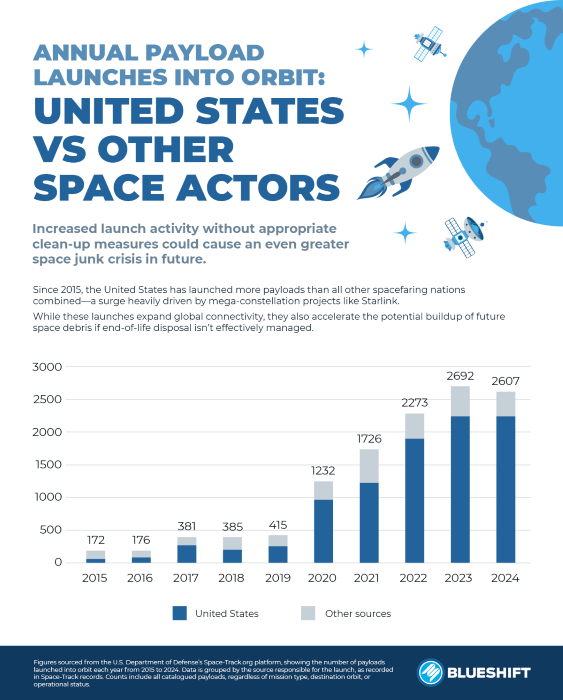
Billionaire Space Race Fuels 5,000% Surge in Launches – Who Clears Up the Debris?
Recent research indicates that the number of objects launched from the United States has skyrocketed by over 5,000% compared to a decade ago. This dramatic increase is primarily attributed to the rise of private spaceflight companies, which have significantly expanded their operations and capabilities in recent years. The findings highlight a transformative shift in the space industry, showcasing how private ventures are reshaping the landscape of space exploration and satellite deployment. This surge in launches reflects a growing trend towards commercialization in space, as private entities take on roles traditionally held by government agencies. The study underscores the evolving dynamics of the space sector and raises questions about the implications for regulation, sustainability, and international cooperation in outer space activities.

Saronic’s Marauder Enters On-Water Trials: Designed, Built, and Launched in Under a Year
Saronic has unveiled its inaugural Marauder Medium Unmanned Surface Vessel (MUSV), which is engineered to provide autonomous capabilities for both defense and commercial uses far from shore. This significant launch marks a remarkable achievement in American shipbuilding, as the transition from initial design to on-water trials was completed in less than a year—a pace not recorded since World War II. The swift development underscores Saronic's innovative approach and the effectiveness of its integrated production model.
saronic marauder usv on-water trials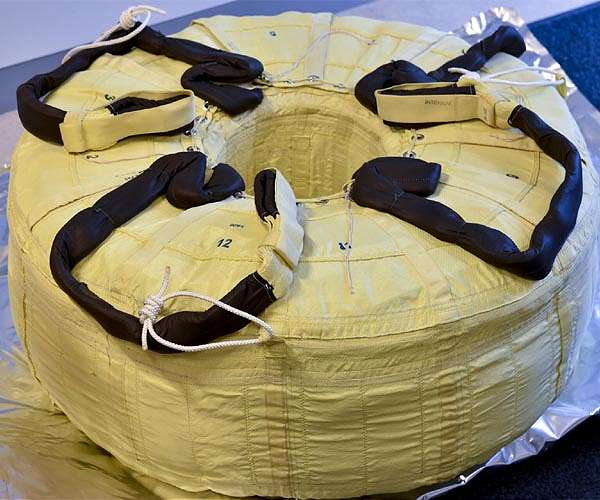
ExoMars Rosalind Franklin Parachute Baked Sterile at ESTEC Ahead of 2028 Mars Mission
A significant milestone has been achieved in the ExoMars mission, as a 35-meter diameter parachute designed to slow the Rosalind Franklin rover during its descent through Mars' atmosphere has successfully undergone heat sterilization. This critical process took place at the European Space Agency's technical center in the Netherlands and is essential for ensuring planetary protection. The sterilization of the 74-kilogram parachute is a key step as the mission prepares for its scheduled launch in 2028. The ExoMars program aims to explore the Martian surface and search for signs of past life, highlighting the importance of maintaining the integrity of the Martian environment.

ABB Robotics launches high-speed PoWa cobot family
ABB Robotics has launched its new PoWa™ cobot family, designed to enhance industrial automation by combining high-speed performance with higher payload capacities. Announced on April 22, 2026, this launch aims to address the growing demand for collaborative robots (cobots) among small and medium-sized enterprises (SMEs) as well as large corporations, as the global market for collaborative robotics is projected to grow by 20 percent annually until 2028. The PoWa cobots, which can handle payloads ranging from 7kg to 30kg and achieve top speeds of 5.8 m/s, fill a crucial gap in the market by offering industrial-grade capabilities in a compact design. This makes them suitable for various applications, including machine tending, palletizing, screwdriving, and arc welding. The cobots are powered by the ABB OmniCore™ controller platform, ensuring superior motion control and precision, and are compatible with ABB’s suite of AI-powered software tools for easy programming and deployment. Andrea Cassoni, Head of Collaborative Robots at ABB Robotics, emphasized that the PoWa family meets the needs of manufacturers looking for efficient automation solutions without the complexity of traditional industrial robots. With user-friendly features, including programmable buttons and no-code programming, the PoWa cobots can be operational within an hour, enabling manufacturers to automate processes quickly and effectively. This launch reflects ABB Robotics' commitment to advancing the capabilities of collaborative robots, making them faster, safer, and more versatile for a wide range of industrial applications.
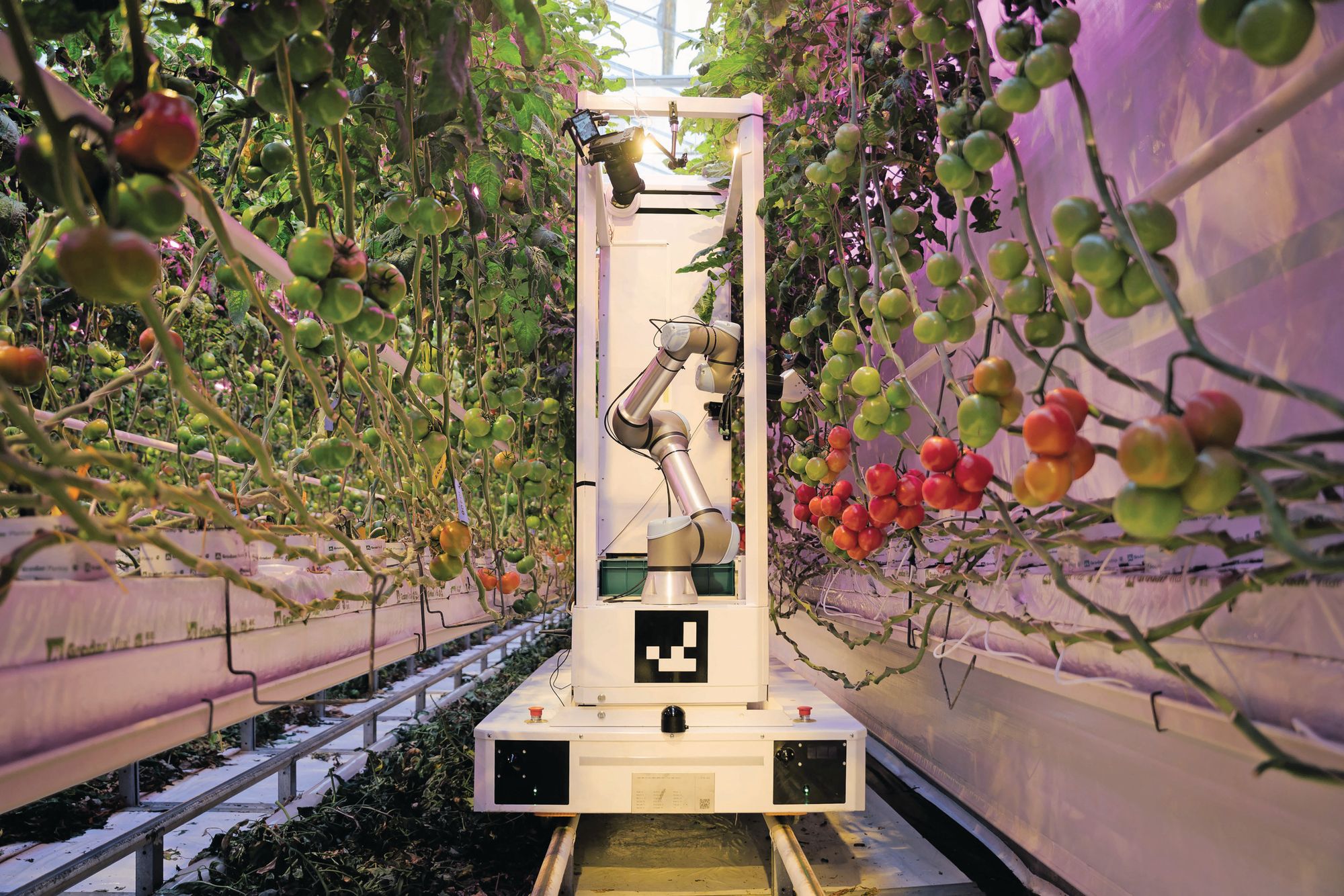
Eternal.ag launches Harvester: a fully autonomous tomato harvesting robot
Eternal.ag, a technology company specializing in agricultural automation, has unveiled its inaugural commercial product: a fully autonomous harvesting robot designed specifically for truss cocktail tomatoes. This innovative solution aims to revolutionize the harvesting process by eliminating the need for human operators, a significant advancement compared to existing robotic systems that typically require one operator for every five to six machines. Co-founder and CEO Renji John highlighted the efficiency of the new robot, stating that it can operate effectively with just one unit per hectare, making it suitable for larger farming operations. The launch of this robot marks a pivotal step in addressing labor shortages in agriculture and enhancing productivity in tomato harvesting.
Field robots field robots harvesting robots
WeRide begins commercial deployment of driverless robotaxis in Abu Dhabi
WeRide, a Chinese company specializing in autonomous driving technology, has made a significant breakthrough by securing the world’s first city-level Level 4 (L4) driverless commercial operation license outside the United States. This milestone was announced on Monday and is backed by the approval of the UAE federal government. The newly granted license allows WeRide to launch Robotaxi services in Abu Dhabi, operating without the need for in-vehicle safety drivers. The approval was facilitated by the RegLab, which oversees regulatory frameworks for innovative technologies in the region. This development marks a pivotal step in the advancement of autonomous transportation and reflects the UAE's commitment to embracing cutting-edge technologies in urban mobility.
News Feed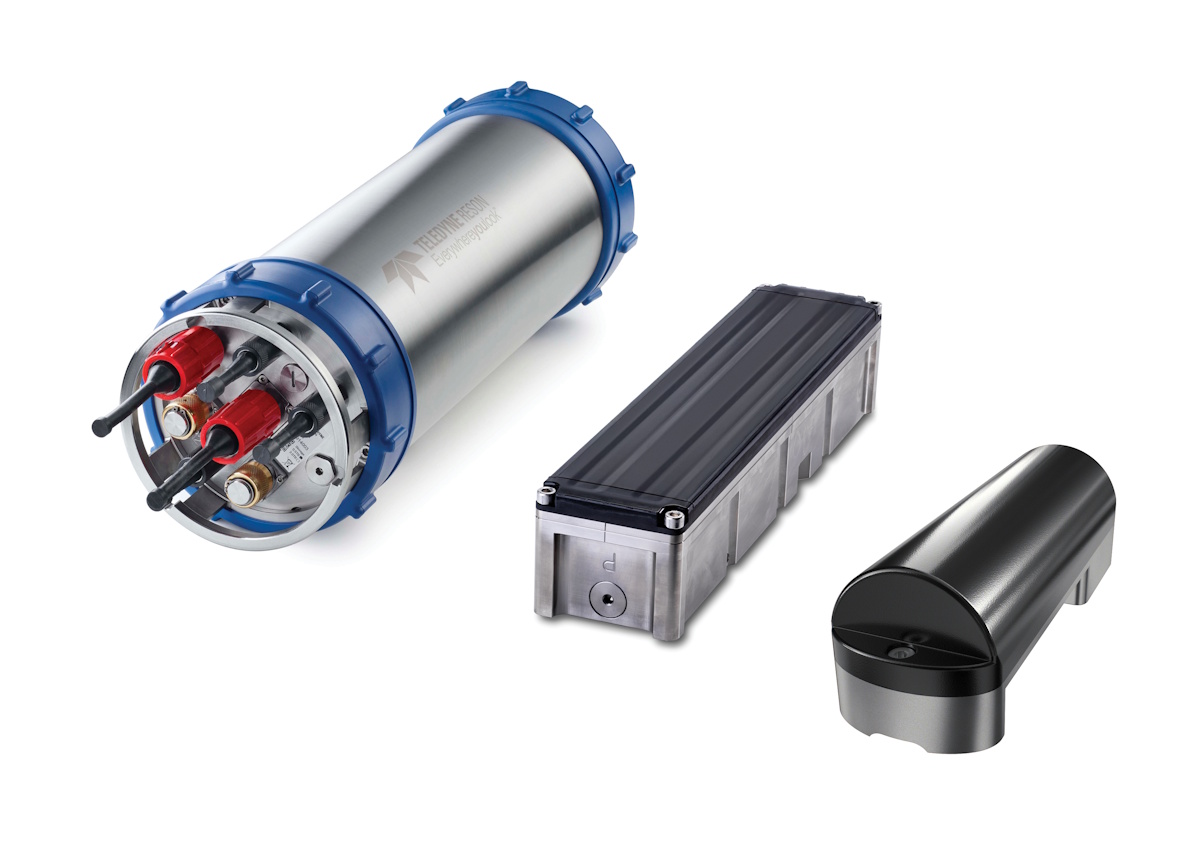
Teledyne Marine Launches SeaBat T51-S Multibeam, Setting a New Standard in High Resolution Subsea Mapping
Teledyne Marine has unveiled the SeaBat T51-S multibeam echosounder, the newest addition to its SeaBat T-series, aimed at enhancing subsea exploration capabilities. This advanced echosounder is specifically engineered for deployment on remotely operated vehicles (ROVs) and autonomous underwater vehicles (AUVs), facilitating deep-sea exploration and underwater surveys. The launch follows the success of the flagship SeaBat T51-R, reflecting Teledyne Marine's commitment to innovation in marine technology. The SeaBat T51-S is expected to significantly improve data collection and mapping in challenging underwater environments, supporting various marine research and commercial applications.
teledyne marine seabat t51-s multibeam subsea mapping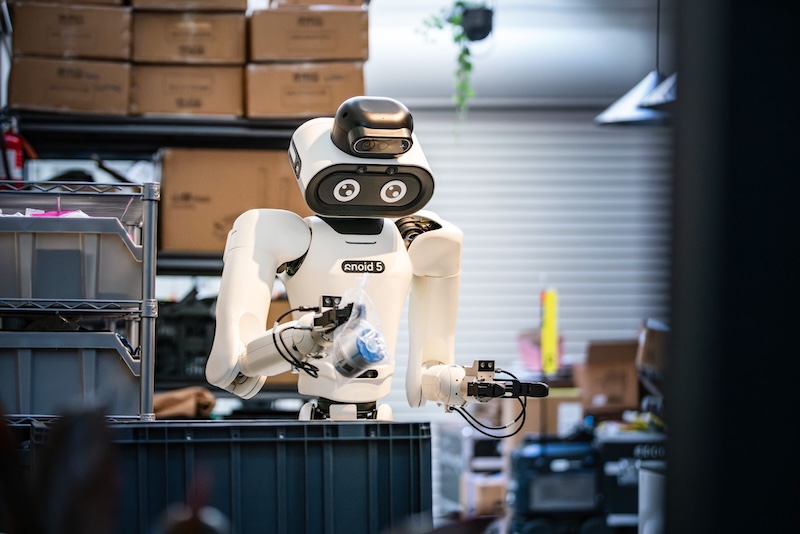
Robot.com Introduces R-noid Humanoid Robot for Challenging Labor Markets
Robot.com has officially launched R-noid, a humanoid robot designed to tackle repetitive and hard-to-fill jobs across various industries. Deployed under a Robot-as-a-Service model, R-noid can achieve autonomous operation within eight to twelve weeks, addressing significant staffing challenges in sectors like healthcare and food services. The introduction of R-noid is crucial as industries face high turnover rates, with quick-service restaurants experiencing over 130 percent staff turnover and hotel operators reporting critical staffing gaps. R-noid aims to alleviate these issues by taking on roles that are difficult to staff, allowing human workers to focus on more skilled tasks. Looking ahead, Robot.com is collaborating with FieldAI to integrate advanced AI capabilities into R-noid, enhancing its operational efficiency in dynamic environments. No further timeline was disclosed at the time of publication.
Humanoids News automation fieldai formic hospitality automation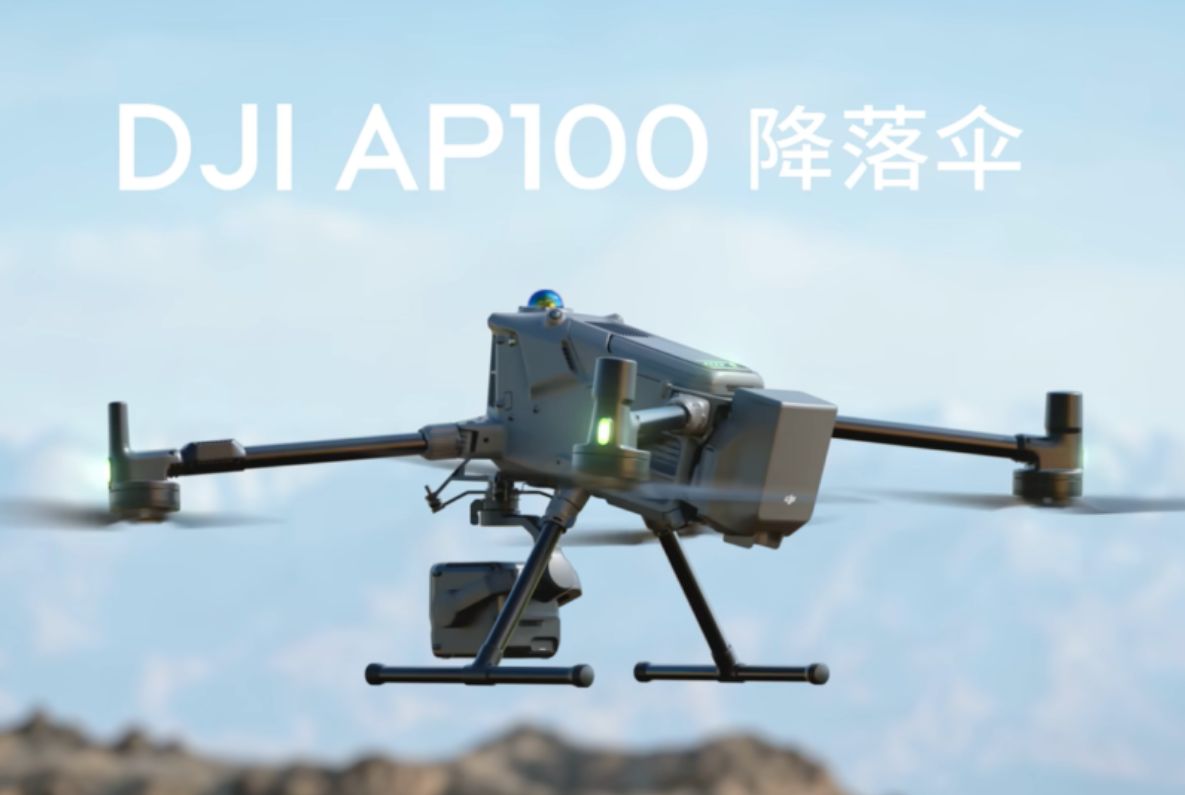
DJI launches AP100 parachute system for Matrice 400 enterprise drone
DJI has introduced the DJI AP100 Parachute, marking its first parachute system tailored for enterprise drone applications. Launched on Wednesday, this new safety feature is specifically designed for the Matrice 400 drone and is priced at 7,488 yuan (approximately $1,100). The AP100, which weighs around 935 grams and boasts an IP55 protection rating, is currently available exclusively through authorized distributors. This development aims to enhance safety measures for drone operations, providing an additional layer of security for users in various industries.
News Feed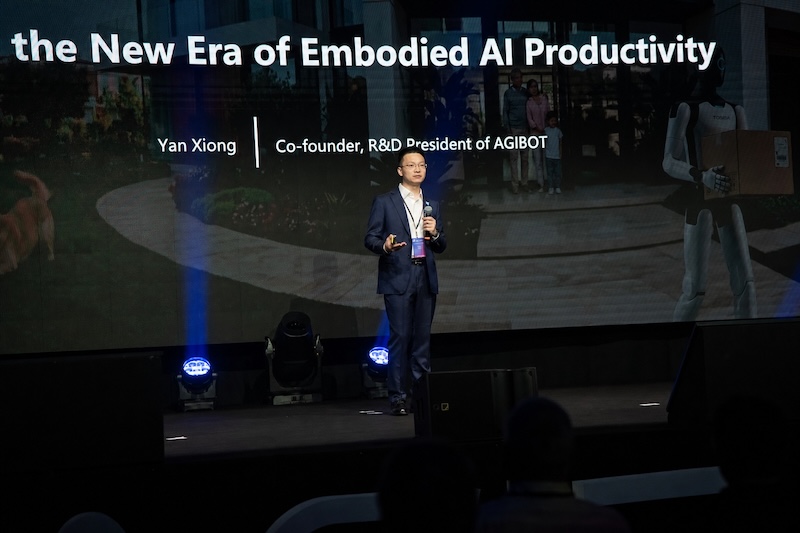
AGIBOT debuts A3 humanoid robot in Europe and launches UK Robot-as-a-Service model
AGIBOT, a prominent developer in the field of embodied AI and robotics, recently convened the UK AGIBOT Partner Conference (APC) 2026 in London. This event represents a significant milestone in the company's strategy to expand its presence in Europe and enhance the commercial viability of humanoid robotics. The conference focused on AGIBOT's dedication to technological innovation, practical applications, and fostering local partnerships to drive long-term value in the robotics sector. Through discussions and presentations, AGIBOT highlighted its vision for the future of humanoid robotics and the importance of collaboration in achieving its objectives.
Humanoids News agibot AGIBOT A3 artificial intelligence commercial roboticsRobotics needs a service framework.
RSF defines a common language for robot service capability, lifecycle operations, certification pathways, and service-provider networks.