

Sanctuary AI
Sanctuary AI develops general-purpose humanoid robots for complex manual tasks. Its Phoenix platform integrates multi-DOF manipulation, tactile sensing, and a cognitive control architecture to enable task learning, teleoperation-assisted training, and autonomous execution in structured work environments.


RobotToday Initiative
Robotics needs a service framework.
RSF defines a common language for robot service capability, lifecycle operations, certification pathways, and service-provider networks.

Silicon-Based Girl Evolves: The World's First Fully Biomimetic Robot is Here!
At the 2026 Zhangjiang EAI conference, Moya, the world's first fully biomimetic robot, demonstrated her advanced capabilities in human interaction by expressing emotions and engaging in conversation. This significant development in humanoid robotics highlights a shift from simple imitation of human appearance to fostering genuine companionship, emphasizing safety and emotional intelligence. As technological advancements continue and the market for humanoid robots expands, the future of this field appears increasingly promising.
Humanoid Robots Biomimetic Technology AI Interaction Robotics Innovation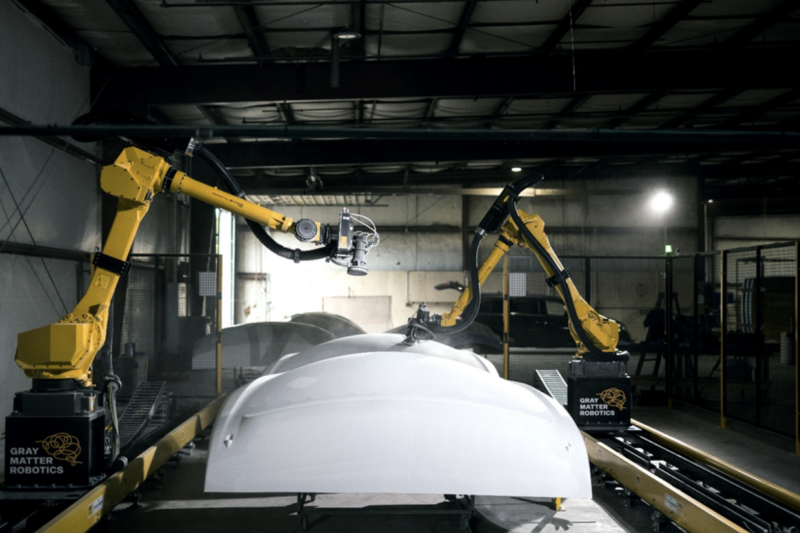
Evaluating humanoids for surface finishing applications
In response to the health risks and ergonomic challenges associated with manufacturing processes like sanding, polishing, blasting, grinding, coating, and painting, there is a growing interest in automating these tasks with robotic technology. Industries are exploring the potential of humanoid robots to enhance efficiency and safety in surface finishing applications. As the demand for automation increases, particularly for handling larger parts, the design and capabilities of robotic arms are being evaluated to meet these specific operational needs. This shift aims to reduce the physical strain on workers while improving productivity across various manufacturing sectors.
Humanoids Manufacturing News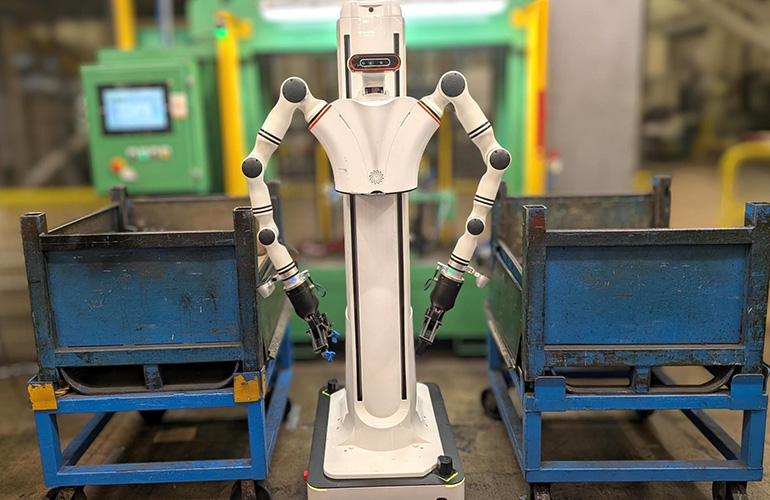
Autonomique deploys semi-humanoid robots and AI at Canadian Tier 1
Autonomique has successfully transitioned its AI-powered semi-humanoid robots from pilot testing to full production at F&P Manufacturing. This significant development marks a pivotal step in the company’s strategy to enhance automation and efficiency within the manufacturing sector. The robots are set to be deployed across F-tech's global network, indicating a broader commitment to integrating advanced robotics into various operational frameworks. This move aims to streamline processes and improve productivity, reflecting the growing trend of utilizing artificial intelligence in industrial applications. The deployment is expected to commence shortly, further solidifying Autonomique's position in the robotics industry.
Aerospace Artificial Intelligence Artificial Intelligence / Cognition Automotive Industrial Robots Manufacturing
Advanced Humanoid Forum 2027 to be held in Germany
Germany is pushing to expedite the transition of humanoid robots from laboratory settings to industrial applications. As these robots gain increasing attention in media and announcements from major tech companies, a pressing question arises regarding their large-scale deployment in factories, warehouses, hospitals, and construction sites. This initiative was highlighted at the Advanced Humanoid Forum 2027, which took place in Germany, where industry leaders discussed the future integration of these advanced machines into various sectors. The motivation behind this acceleration is to enhance efficiency and productivity across industries, addressing the growing demand for automation.
À la une IA Industrie Robotique Santé Advanced Humanoid Forum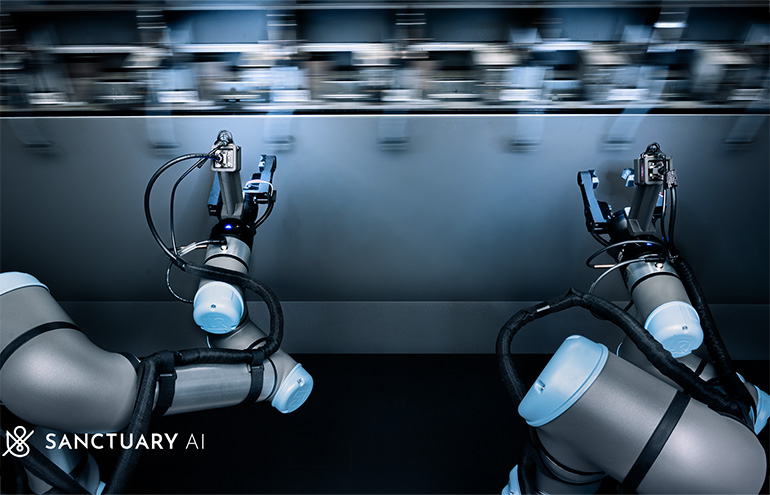
Sanctuary AI validates physical AI performance at Tier 1 automotive supplier
Sanctuary AI has made significant strides in the field of physical artificial intelligence by validating its performance at a Tier 1 automotive supplier. This development showcases the company's commitment to advancing AI technology without waiting for the advent of humanoid robots. The demonstration of production-ready capabilities marks a pivotal moment in the integration of AI within the automotive industry, highlighting Sanctuary AI's innovative approach to enhancing manufacturing processes. The event underscores the growing importance of AI in automating and optimizing production lines, paving the way for more efficient and effective operations in the sector.
Arms / Manipulators Artificial Intelligence Artificial Intelligence / Cognition Automotive End Effectors / Grippers Grippers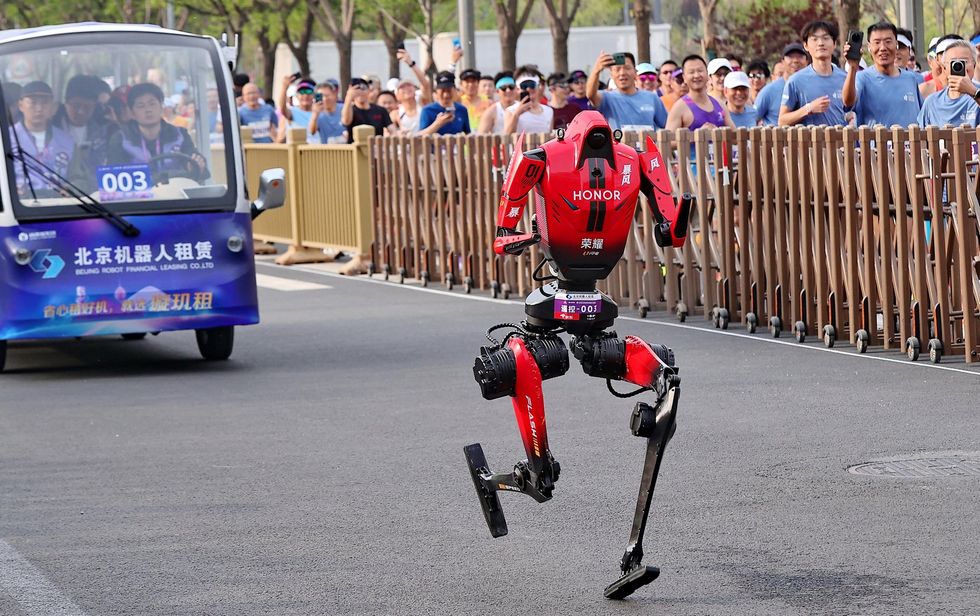
The Secret to Marathon-Winning Humanoid Robots
On April 19, 2026, the Honor Lightning humanoid robot set a remarkable record by completing a half-marathon in just 50 minutes and 26 seconds, surpassing the previous human world record by seven minutes and outperforming the best robot time from 2025 by nearly two hours. This achievement has sparked interest in the technology behind its performance, particularly in comparison to competitors like Unitree, which struggled with overheating issues during the race. The Lightning's success can be attributed to its innovative design, particularly its advanced liquid cooling system that prevents overheating during prolonged exertion. Unlike traditional air cooling methods, the robot utilizes capillary-like liquid cooling pipes that circulate over four liters of coolant per minute through its motors, allowing it to maintain optimal performance without succumbing to heat-related limitations. While the robot's motor specifications remain undisclosed, its engineering emphasizes an optimal gear ratio of 45:1, which balances torque and speed effectively for running. This design contrasts with other humanoid robots, which may be optimized for walking but struggle with the demands of running, resulting in higher power consumption and inefficiencies. Honor's achievement highlights not only the potential of humanoid robots in athletic endeavors but also the engineering trade-offs necessary for different tasks. While the Lightning excels in speed, it may not be as versatile for other applications, underscoring the importance of targeted engineering in robotics. The event has reignited discussions about the capabilities of machines versus humans, emphasizing that comparisons between the two should be approached with caution, as their strengths and limitations differ significantly.
Robotics Running-robots Robot-sports Humanoid-robots
Upsampling method sharpens AI vision with up to 16 times less GPU memory
A collaborative research team from KAIST and various international institutions has made significant advancements in computer vision technology, enhancing artificial intelligence's ability to perceive its surroundings. This new technology improves GPU memory efficiency by up to 16 times, allowing AI systems to operate with minimal memory usage. The breakthrough, announced recently, is expected to play a crucial role in advancing the development of humanoid robots and on-device AI, potentially transforming how these technologies are integrated into everyday life. The innovation underscores the growing importance of efficient AI systems in various applications, from smartphones to robotics.
Robotics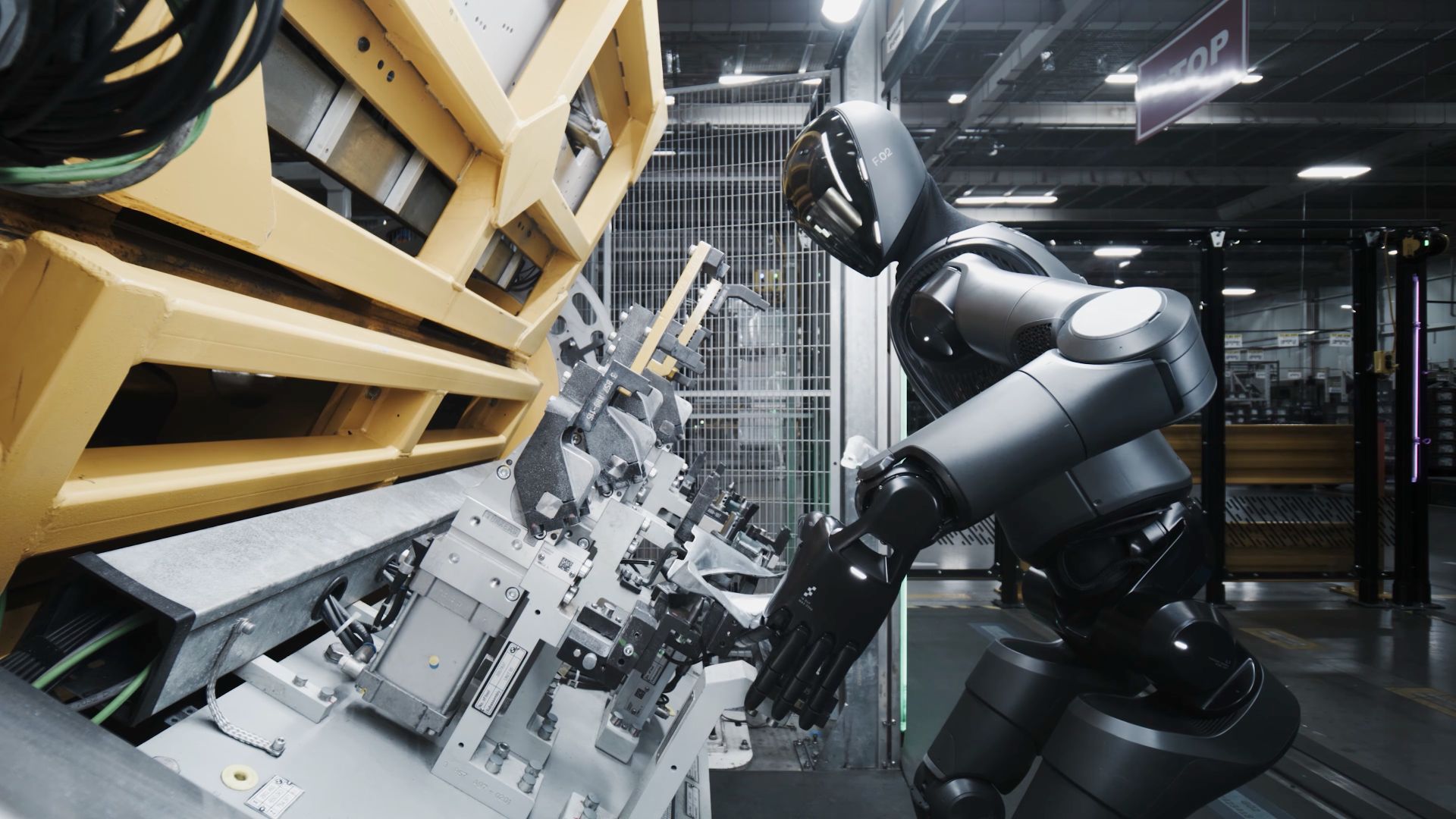
Chinese automaker unveils Xiaosai humanoid robot for inspection and production roles
Chinese automaker Seres has made a significant leap into the robotics sector by unveiling its first humanoid robot, Xiaosai. The announcement took place during a technology showcase event in Beijing, where the company highlighted its commitment to innovation and diversification beyond traditional automotive manufacturing. Xiaosai is designed to assist in various tasks, showcasing advanced artificial intelligence capabilities and a human-like appearance, which aims to enhance user interaction. This move comes as part of Seres' strategy to tap into the growing demand for robotics in both domestic and international markets, reflecting a broader trend among automakers to explore new technological frontiers. The introduction of Xiaosai is expected to position Seres competitively within the rapidly evolving landscape of robotics and automation.
AI and Robotics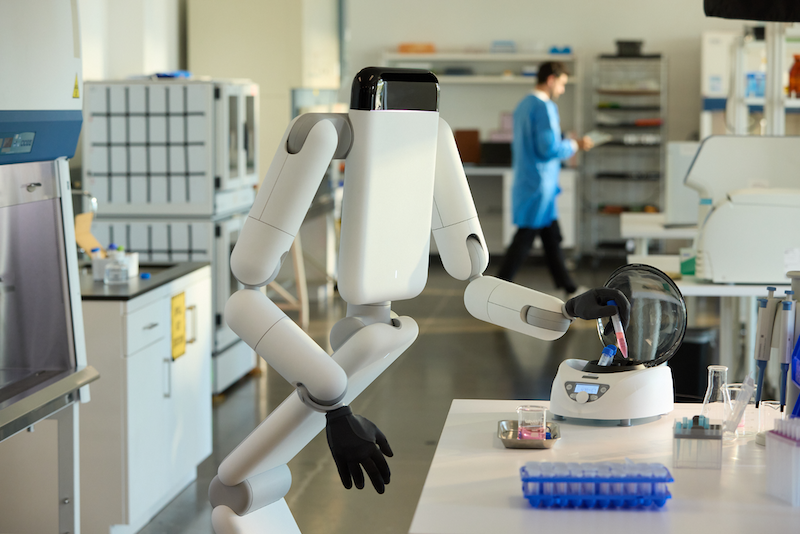
Genesis AI launches first general-purpose humanoid robot
Genesis AI, a global leader in robotics, has introduced Eno, its inaugural general-purpose robot. Launched recently, Eno is characterized by its minimalist design, which sets it apart from conventional robotic forms. Powered by GENE, the company's advanced foundation model, Eno is designed to function as a true physical agent, capable of reasoning and performing tasks autonomously. This innovation aims to redefine the capabilities of robots in various applications, reflecting Genesis AI's commitment to pushing the boundaries of technology in the robotics sector.
Humanoids News agentic ai ai robotics automation news Autonomous robots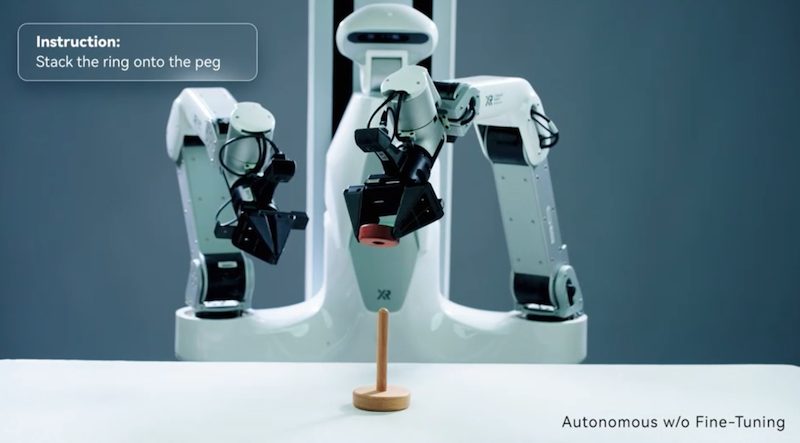
From backflips to folding laundry: How X Square Robot is building the missing ‘brain’ for embodied AI
A Chinese robotics company, X Square Robot, is focusing on a challenging objective: developing robots capable of functioning in the unpredictable and complex environments typical of human settings. Unlike many firms that highlight humanoid robots performing impressive feats like backflips and obstacle courses, X Square Robot aims to create machines that can adapt to real-world conditions where people live and work. The company's founder emphasizes the importance of this endeavor, suggesting that successfully teaching robots to navigate such environments could have significant implications for various industries. This initiative reflects a broader trend in robotics, where the emphasis is shifting from mere performance demonstrations to practical applications that enhance everyday life.
Computing Humanoids News Robot simulation ai robotics artificial intelligence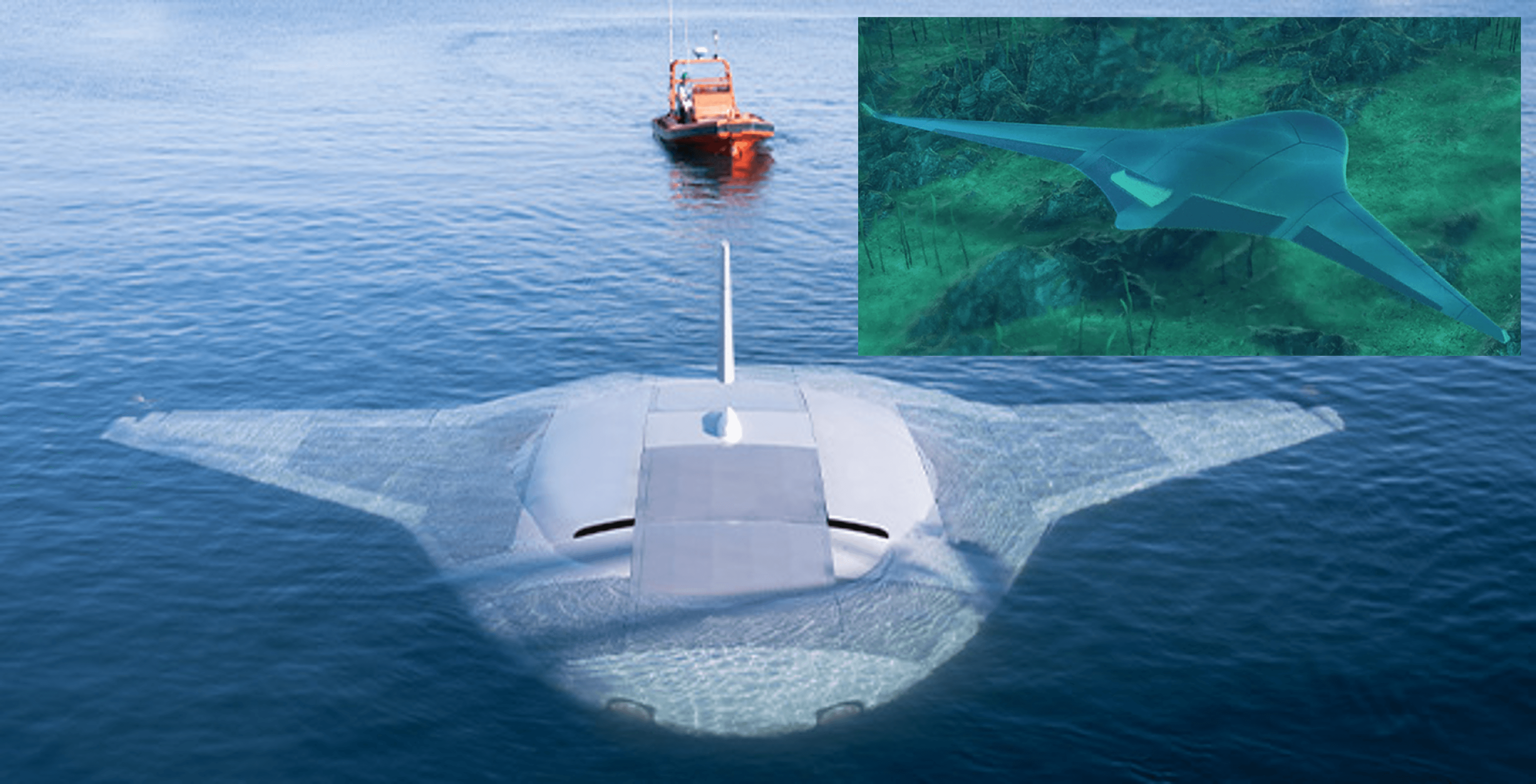
FUTURE WARFARE | Sea - Autonomous Surface Vessels & Unmanned Underwater Vehicles — The Hybrid Fleet Takes Shape
Ukraine’s ‘Sub Sea Baby’ autonomous torpedo struck a Russian Kilo-class submarine inside Novorossiysk harbour in December 2025 — the first confirmed underwater drone attack on a submarine in history. The U.S. Navy is requesting $5.3 billion for unmanned maritime systems in FY2026, a 70 percent year-on-year increase. Saronic Technologies went from prototype to $392 million production contract in under 12 months. And DARPA’s Manta Ray XL-UUV completed full-scale sea trials. This article maps the maritime autonomous systems revolution — from Ukraine’s improvised Black Sea fleet to the Pentagon’s hybrid manned–unmanned force of the 2030s, and from Saronic’s Franklin, Louisiana shipyard to Boeing’s 85-tonne robot submarine.

ROBOTTODAY Weekly Industry Briefing March 30 – April 4, 2026
Your weekly robotics briefing: AGIBOT ships its 10,000th humanoid, UBTech reports a 23-fold revenue surge, Baidu robotaxis freeze in Wuhan, Saronic raises $1.75B, and Generalist’s GEN-1 hits 99% task success. March 30 – April 4, 2026.
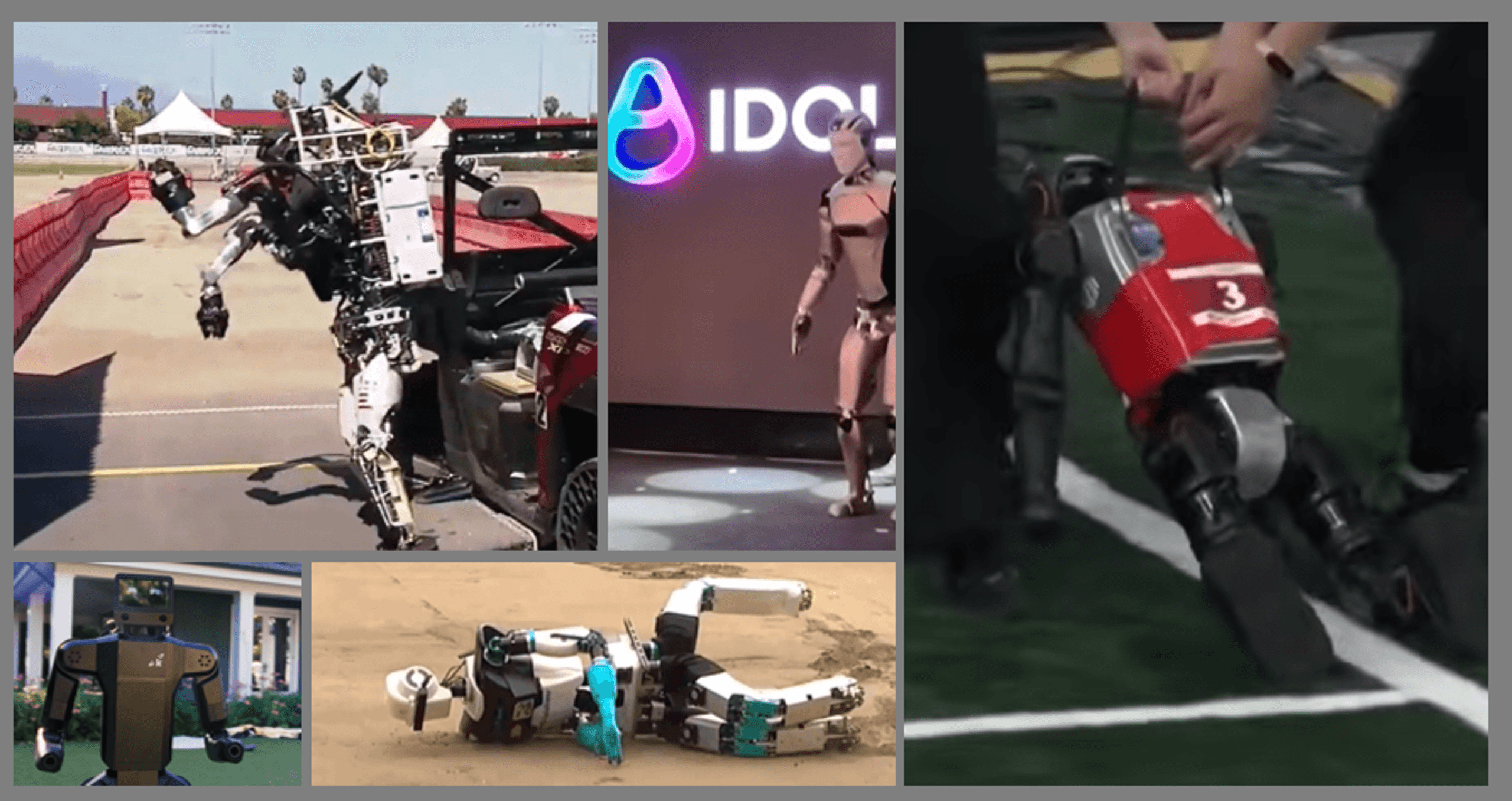
How Humanoid Robots Overcome The Reliability Challenge Why They Fail And How Global Leaders Are Engineering Real Stability
Humanoid robot reliability remains the biggest barrier to scale. Explore failure modes, actuator durability, MTBF challenges, and global engineering solutions.



Leave a comment