


In just over a year, the number of robot retail stores in China has surged, with at least 38 locations expected by mid-2026. This trend raises questions about profitability and the motivations behind these openings. Industry leaders are primarily driving this movement, with many companies using physical stores to demonstrate their products to investors as they prepare for IPOs.
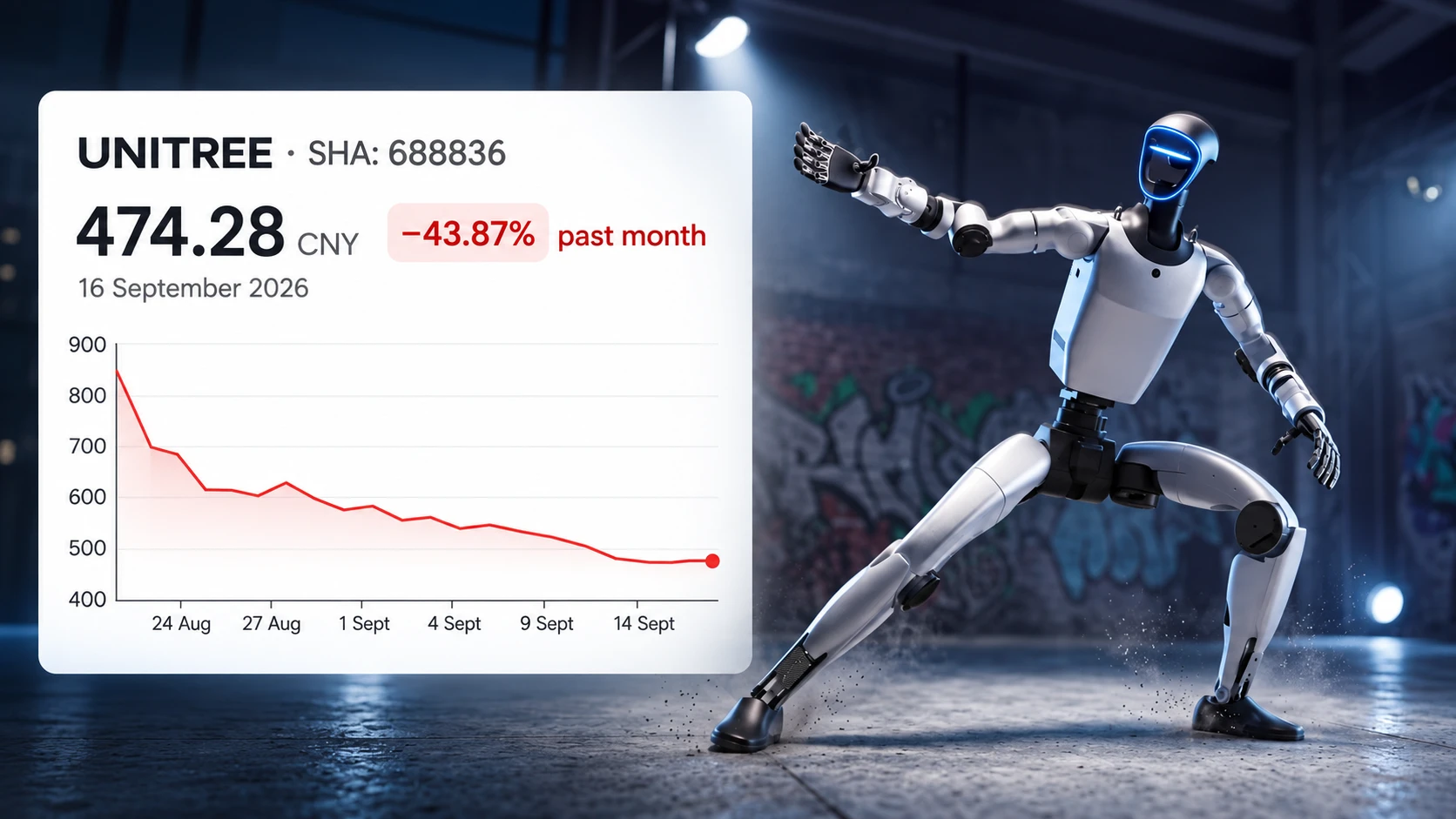
The push for robot stores is not solely based on market demand but is significantly influenced by pressures from the capital market. Companies feel compelled to open stores to avoid being perceived as lacking operational capability. Even if these stores operate at a loss, they serve as proof of action and commitment to brand visibility and asset value.
The strategies for opening these stores vary widely among companies, with three main types emerging: mall stores, brand showcase stores, and technology experience centers. For many firms, these locations are more about brand exposure and business connections than direct sales, highlighting the evolving landscape of robotics in retail.
Editor's Note
The rapid expansion of robot retail stores reflects a strategic response to investor expectations and market pressures. As companies prepare for IPOs, physical locations serve as tangible proof of their operational capabilities. This trend underscores the importance of brand visibility and the need for companies to differentiate themselves in a competitive landscape.




















Leave a comment