


Max Robotics (Maximo)
"Solar, accelerated."
AI-enabled field robot, Maximo, that automates end-to-end mechanical installation of solar modules twice as fast as manual crews.

Company Facts
Founded
2024
Primary Role
RaaS
Company Size
-
Primary Region
North America
Annual Sales
-
Funding Stage
-
Funding Total
-
Certifications & Memberships
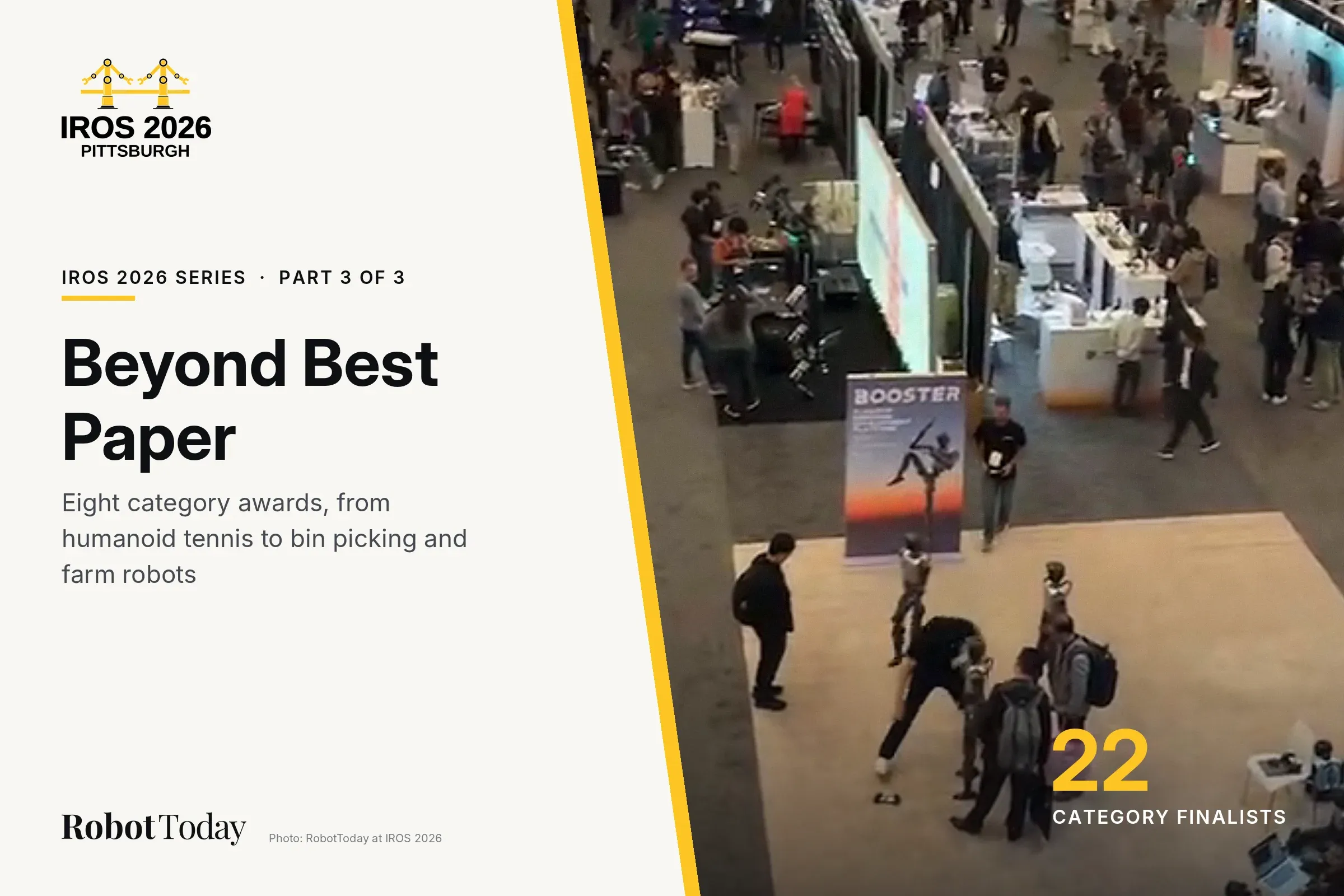
IROS 2026 Category Award Finalists: All 22 Papers
From humanoid tennis to bin picking and farm robots: the 22 finalists for IROS 2026's eight category awards, and what each one means for industry.

Aquatic Soft Robot Inspired by Feather Stars Achieves 3D Movement with Two Actuators
Researchers have developed an innovative aquatic soft robot modeled after feather stars, capable of navigating through water in three dimensions using just two actuators. This breakthrough was detailed in the paper titled "Minimal-Actuation Feather Star–Inspired Soft Swimmers for Multimodal 3D Maneuverability," published in Science Advances. The significance of this research lies in its potential applications in underwater exploration and robotics, showcasing how minimal actuation can lead to complex movement capabilities. The feather star robot exemplifies how biomimicry can inspire advancements in soft robotics, providing a new perspective on design efficiency and functionality. Looking ahead, the implications of this research could influence the development of future underwater robots, particularly in environments where agility and maneuverability are crucial. No further timeline was disclosed at the time of publication.
Robotics
EPFL Researchers Unveil World's First Fiber Pump for Flexible Robotic Devices
In 2023, researchers from the Soft Transducers Laboratory at EPFL's School of Engineering introduced an innovative pump designed as a fiber. This groundbreaking technology features flexible tubing capable of generating its own fluid pressure and flow rate. The significance of this development lies in its potential applications in smart textiles, where it can facilitate fluid circulation for thermoregulation and haptic feedback. Additionally, the fiber pump can be integrated into wearable assistive devices, enhancing their functionality and user experience. Looking ahead, the integration of this fiber pump technology into various applications could revolutionize the design of flexible robotic devices. No further timeline was disclosed at the time of publication.
Robotics
AGILINK's OmniHand 3 Ultra Robot Hand Excels in Silk Embroidery Techniques
Chinese robotics startup AGILINK has showcased its OmniHand 3 Ultra robot hand executing intricate embroidery techniques with silk thread. The demonstration included tasks such as separating a silk thread into 16 finer strands, threading a needle, and making initial stitches, all requiring precise finger control. The robot's ability to maintain tension while manipulating delicate materials highlights the challenges faced in robotic embroidery. This advancement is significant as it demonstrates the potential of robotic hands to perform tasks traditionally reliant on human dexterity, particularly in the realm of Suzhou embroidery, which demands meticulous handling of silk. The training process involved teleoperation data and reinforcement learning, allowing the robot to adapt its movements dynamically, essential for dealing with the unpredictable nature of silk. Looking ahead, AGILINK's OmniHand 3 Ultra, equipped with 21 active degrees of freedom and advanced tactile sensors, represents a leap in robotic manipulation capabilities. No further timeline was disclosed at the time of publication.
AI and Robotics
Picker AgRobotics Innovates with Flexible Arms for Autonomous Fruit Harvesting
Israeli startup Picker AgRobotics is developing a novel approach to autonomous fruit harvesting using flexible, hollow robotic arms. Unlike traditional rigid arms that pick and place fruit, these innovative arms can navigate through branches, cut fruit from the stem, and funnel it directly into a bin, a method they call 'Snip-N-Roll.' Co-founder Yossi Rosenblum emphasized the inefficiencies of conventional pick-and-place systems, which are costly and labor-intensive. This new technology addresses the significant labor challenges faced by orchard growers, as highlighted by Rosenblum. He noted that existing robotic harvesters have struggled to solve the labor problem effectively, primarily due to their rigid designs. Picker AgRobotics aims to revolutionize the sector by introducing flexible robotics, which have yet to be utilized in agriculture despite their growing prevalence in other fields. Looking ahead, Picker AgRobotics plans to initiate customer pilots in 2027, marking a significant step towards practical application of their technology. The company believes that their unique approach could lead to more efficient harvesting solutions, potentially transforming the economics of fruit harvesting in orchards.
Agtech Artificial intelligence Deeptech EMEA Precision agriculture Startups & funding
Shibaura Machine Expands THE Range of SCARA Robots with High Payload and Speed
Shibaura Machine has introduced the THE range of SCARA robots, featuring models with arm lengths of 400mm, 600mm, 800mm, and 1000mm. The latest model, THE1000, offers a payload capacity of 20kg and a cycle time of just 0.44 seconds, making it suitable for various industrial applications including assembly and pick and place processes. This range is recognized as a price-to-performance leader among SCARA robots, providing impressive speed and payload capacity that enhances operational efficiency. The ability to handle large components quickly is crucial for industries requiring high-speed automation solutions. Looking ahead, the modular and configurable architecture of the robots allows for easy integration into existing systems, whether in new or established facilities. No further timeline was disclosed at the time of publication.

RECF World Championship 2027, St. Louis, Apr 27-May 6
RECF World Championship 2027, successor to VEX Worlds, runs Apr 27-May 6, 2027 at America's Center, St. Louis, adding drone events and multi-vendor kits.
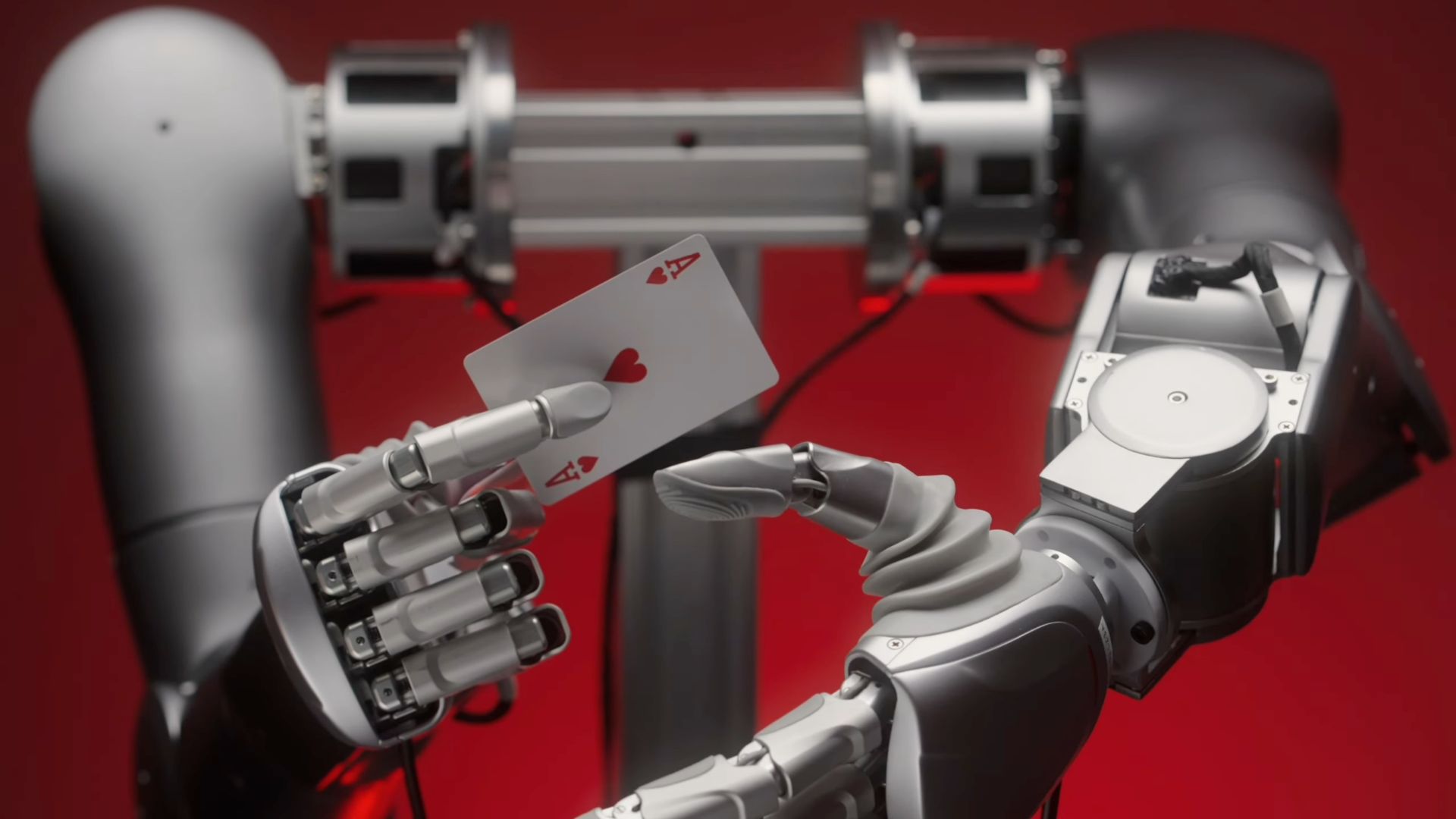
LinkerBot's Robotic Hand O30 Demonstrates Precision with 20 Independent Joints
Chinese robotics startup LinkerBot has showcased its LinkerHand O30, a robotic hand capable of performing magic tricks with remarkable dexterity. The hand features a direct-drive architecture with 20 active degrees of freedom, enabling independent control of its joints for human-like movements. During demonstrations, the O30 successfully executed tricks such as a card change and coin disappearance, highlighting its fine motor control and ability to handle delicate objects. The significance of the LinkerHand O30 lies in its advanced design, which combines brushless motors and a precision transmission system to achieve high power density while maintaining a lightweight structure of 1.6 pounds (730 grams). This robotic hand is not only intended for entertainment but also serves as a versatile platform for advanced robotics research and practical applications in industrial settings. Its ability to communicate with other systems and execute commands at high frequencies enhances its functionality. Looking ahead, LinkerBot's O30 is poised to impact various sectors requiring dexterous manipulation, thanks to its impressive specifications, including a maximum load capacity of 66 pounds (30 kilograms) and precise control capabilities. No further timeline was disclosed at the time of publication.
AI and Robotics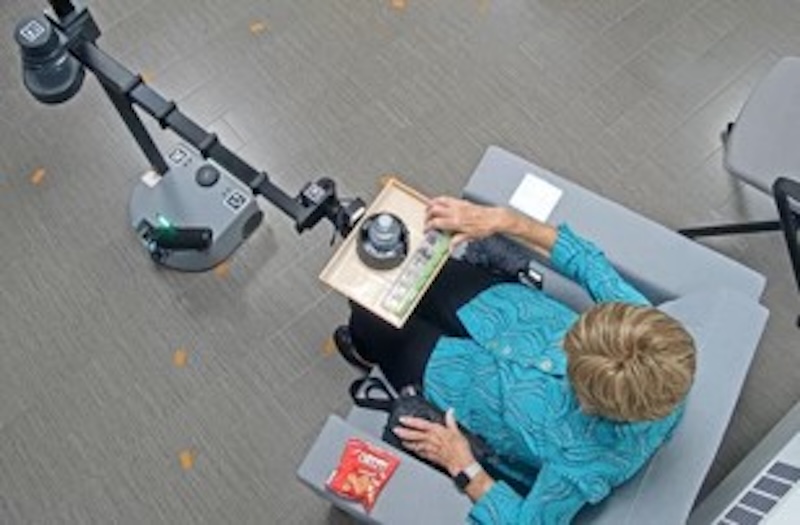
Hello Robot Secures $3 Million Grant for Stretch Robot Development in Elder Care
Hello Robot has been awarded a Phase IIB Small Business Innovation Research grant totaling nearly $3 million from the National Institute on Aging. This funding aims to enhance the Stretch mobile manipulator robot's capabilities in assisting older adults with mild cognitive impairment and early Alzheimer’s dementia. The project, in collaboration with the University of Illinois Urbana-Champaign, focuses on cognitive assistance, social engagement, and safety management. The significance of this grant lies in its potential to advance the commercialization of the Stretch robot, preparing it for in-home use and care settings. The project, titled “Stretching their Reach: Robotic Support for Older Individuals with Mild Cognitive Impairment and Early Alzheimer’s Dementia,” will leverage the unique research environment of the McKechnie Family LIFE Home to evaluate the robot's effectiveness in real-life scenarios. This initiative reflects a commitment to improving the quality of life for older adults through innovative technology. Looking ahead, the interdisciplinary research team will develop implementation protocols for the long-term use of Stretch in various settings, with initial testing occurring in the LIFE Home. No further timeline was disclosed at the time of publication.
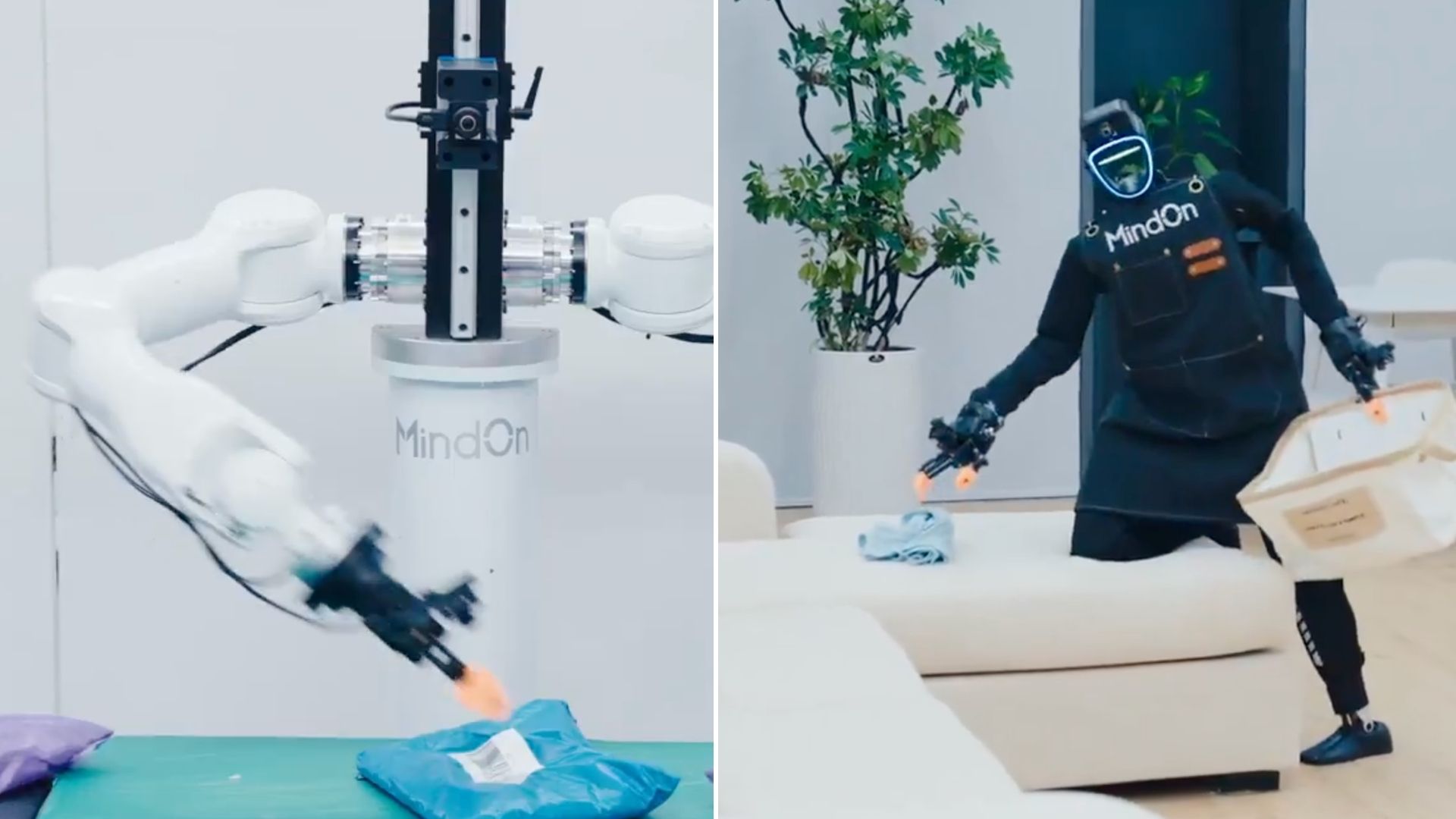
MindOn Introduces Mind-1 Model for Human-Speed Robotic Manipulation Tasks
MindOn has launched the Mind-1, a new AI model aimed at enabling robots to execute everyday manipulation tasks at human-level speeds. Demonstrated on September 30, the Mind-1 showcased robots handling parcels, folding shirts, and collecting laundry, all marked as 'Fully Autonomous' and operating at '1.0x Speed.' Rather than focusing on humanoid designs, MindOn emphasizes Mind-1 as an intelligence system adaptable to various robotic platforms. The significance of this development lies in MindOn's goal to enhance physical AI capabilities beyond mere task completion, targeting operational speeds suitable for real-world applications. The demonstration featured dual-arm robots managing parcels and folding clothing, while humanoid robots navigated through environments to collect laundry. MindOn's approach aims to create a universal intelligence model that integrates perception, reasoning, and action, moving away from task-specific models. Looking ahead, the industry will be keen to see if Mind-1's reported capabilities translate into sustained productivity in practical settings. While the demonstration highlighted the robots' speed, it did not provide quantitative comparisons with human performance, which are crucial for assessing the practical value of these robots in logistics and manufacturing environments. No further timeline was disclosed at the time of publication.
AI and Robotics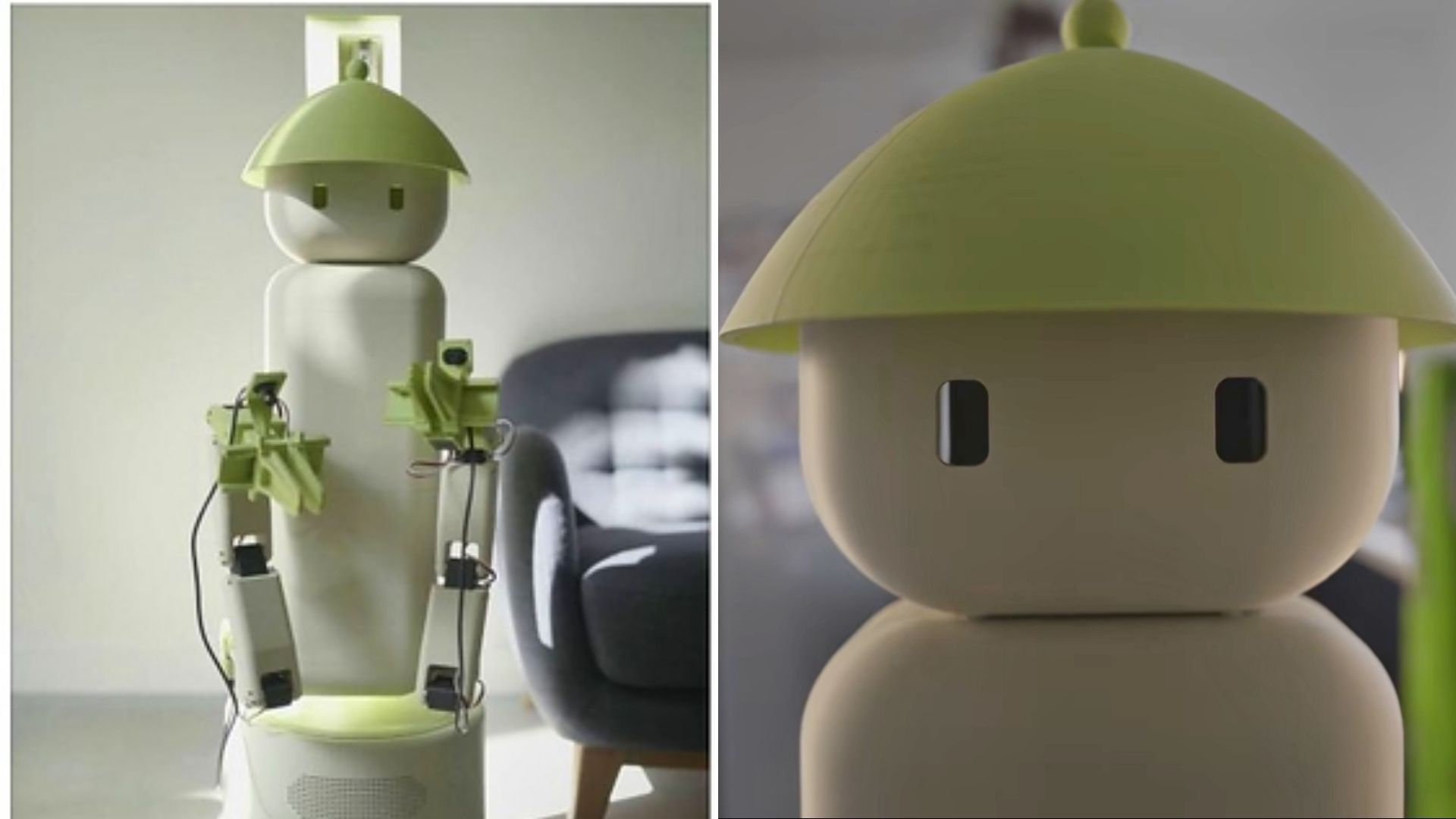
Flourish Robots Launches Flourish 1: Affordable Home Robot with 12-Hour Battery Life
Flourish Robots, a San Francisco startup, has unveiled its home robot, Flourish 1, priced at $3,555, which can learn household chores in approximately 30 minutes. The robot, designed specifically for home use, stands 3 feet 7 inches tall and weighs 44 pounds, capable of operating for up to 12 hours on a single charge while lifting a maximum of 3.3 pounds. This innovative approach focuses on simplifying the robot's design to cater to household tasks rather than industrial capabilities. Flourish 1 can perform various chores, including picking up items, wiping surfaces, and loading dishwashers, by learning tasks through user demonstrations via a mobile app. The robot's slower task execution is intentional, prioritizing utility over speed, as stated by founder Antoine Marcel. Looking ahead, Flourish aims to refine its robot learning methods by customizing pretrained models for individual homes. While the robot's adaptability to changing environments is limited, it is designed to manage variations in object positions and clutter. No further timeline was disclosed at the time of publication.
AI and Robotics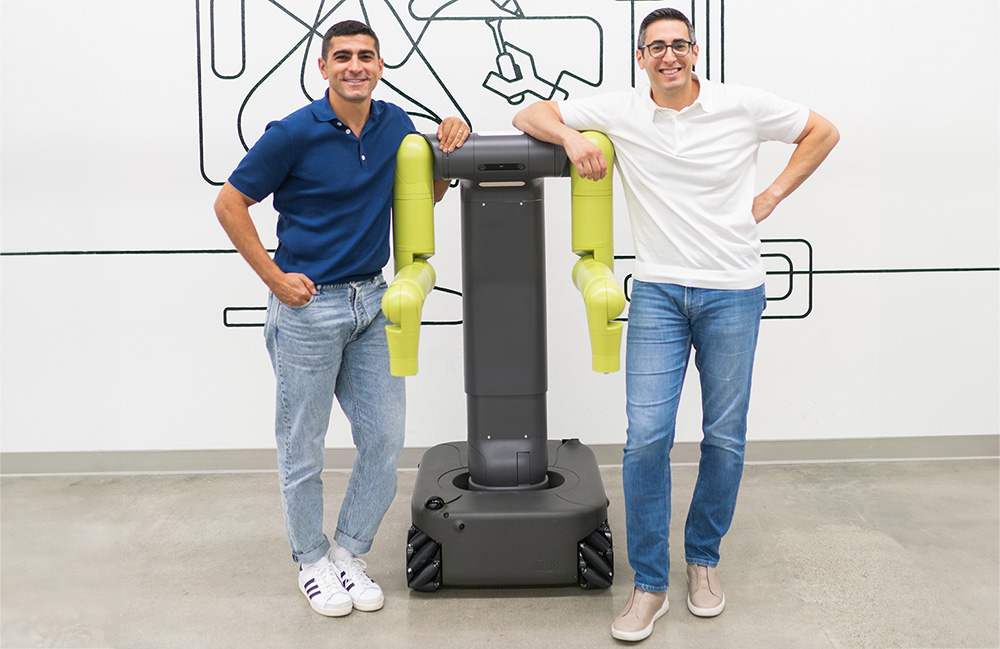
Maven Robotics Advances Industrial Automation with Innovative Mobile Manipulators
Maven Robotics, founded in 2024, has developed four versions of its mobile manipulator and secured a production contract with its first customer after raising $100 million. The company operates robots for 16 hours daily with up to 99% uptime, addressing the growing labor shortage in the U.S. manufacturing sector, which currently has over half a million unfilled jobs. The founders, Khalid and Hamza Derbas, recognized the urgent need for increased industrial output amidst a dwindling workforce. They aim to tackle this challenge by focusing on practical solutions rather than conventional humanoid designs. Their approach emphasizes understanding the specific tasks robots need to perform in real-world environments, leading to the development of a compact robot capable of reaching high storage areas while carrying significant payloads. Maven Robotics' system not only includes the mobile robots but also features the Maven Network, which allows for shared learning among robots globally. This innovative approach positions Maven to significantly impact the automation landscape as it continues to refine its technology and expand its market presence. No further timeline was disclosed at the time of publication.
Arms / Manipulators Autonomous Mobile Robots (AMRs) Grippers Logistics Manufacturing Markets / Industries
ROBOTTODAY Weekly August 10 – 14, 2026
Your weekly robotics briefing: Unitree's IPO is swamped by retail demand, the US puts 100% tariffs on imported drones, LG and Nvidia commit to a 2027 humanoid, and Uber and Pony.ai bring 2,000 robotaxis to Europe.
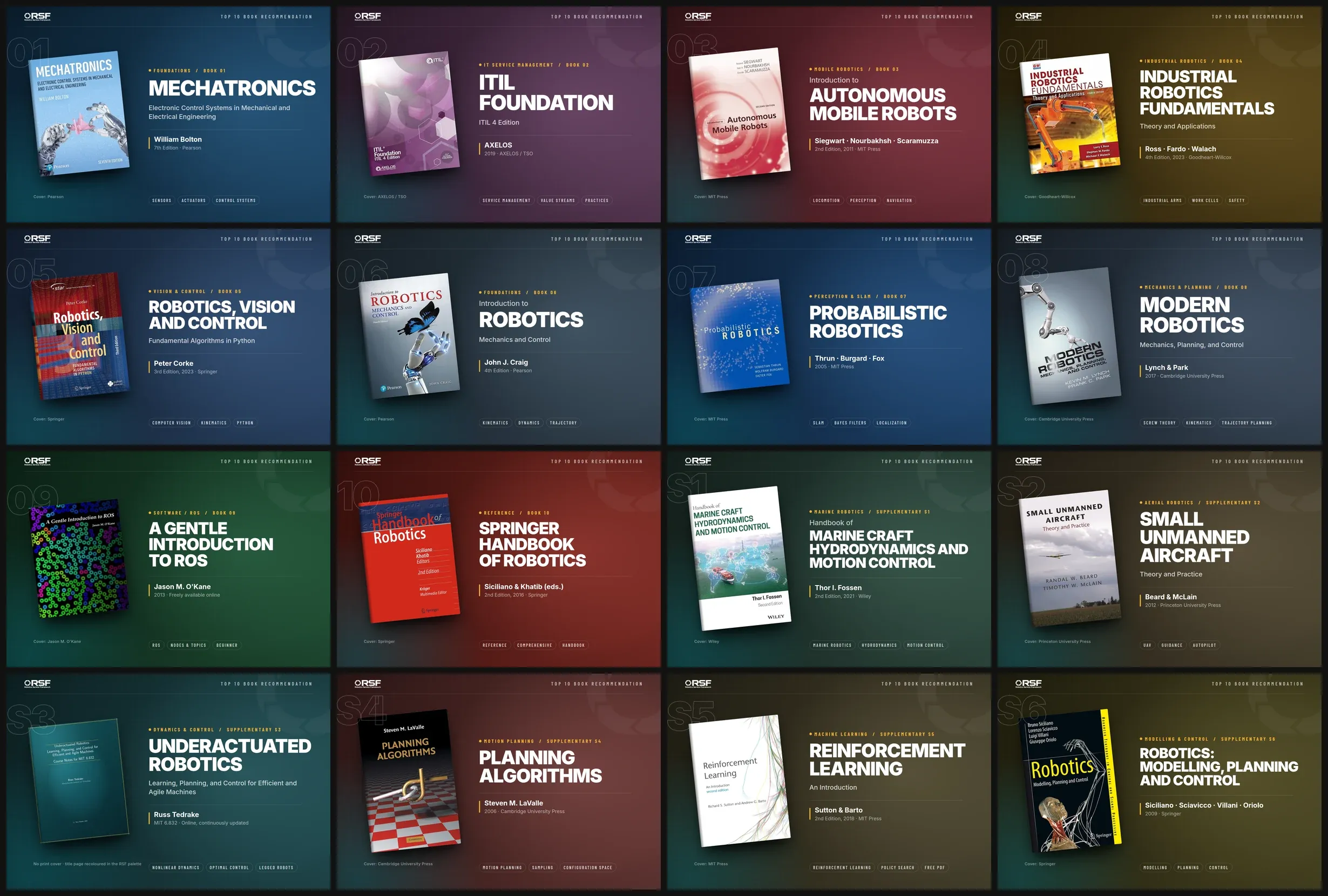
RSF Top 10 Robot Education Textbooks
Robotics has a canon; robot service does not. Ten books scored on adoption, RSF layer coverage, field value and difficulty, plus six specialist picks.

ROBOTTODAY Weekly July 20 – 24, 2026
Your weekly robotics briefing: AGIBOT unveils four new robots at WAIC 2026, the NDAA bars Chinese humanoids from the U.S. military, SoftBank eyes Gravis Robotics for its Roze vehicle, and Anduril reveals its Thunder autonomous attack tiltrotor at Farnborough.

AI for Science 2026: The Global Race for Scientific Discovery
2026 AI for Science landscape report: WAIC 2026 exhibitor breakdown, MIT Boltz-2 and CMU Coscientist case studies, US/China/EU policy comparison, Anthropic Claude Science, and US academic cautionary views.

WAIC 2026: Embodied Intelligence Enters Industrial Deployment Era
WAIC 2026 in Shanghai (July 17–20) saw 200+ embodied intelligence companies, 300+ live robots, and first confirmed humanoid deployments in logistics and pharmacy. RobotToday engineering analysis.

Piaggio Fast Forward Brings kilo® Autonomous Mobile Robot to Automate 2026
Piaggio Fast Forward showcases kilo®, an infrastructure-free collaborative AMR (300 lb payload, 360° LiDAR), at Automate 2026 booth #17054.
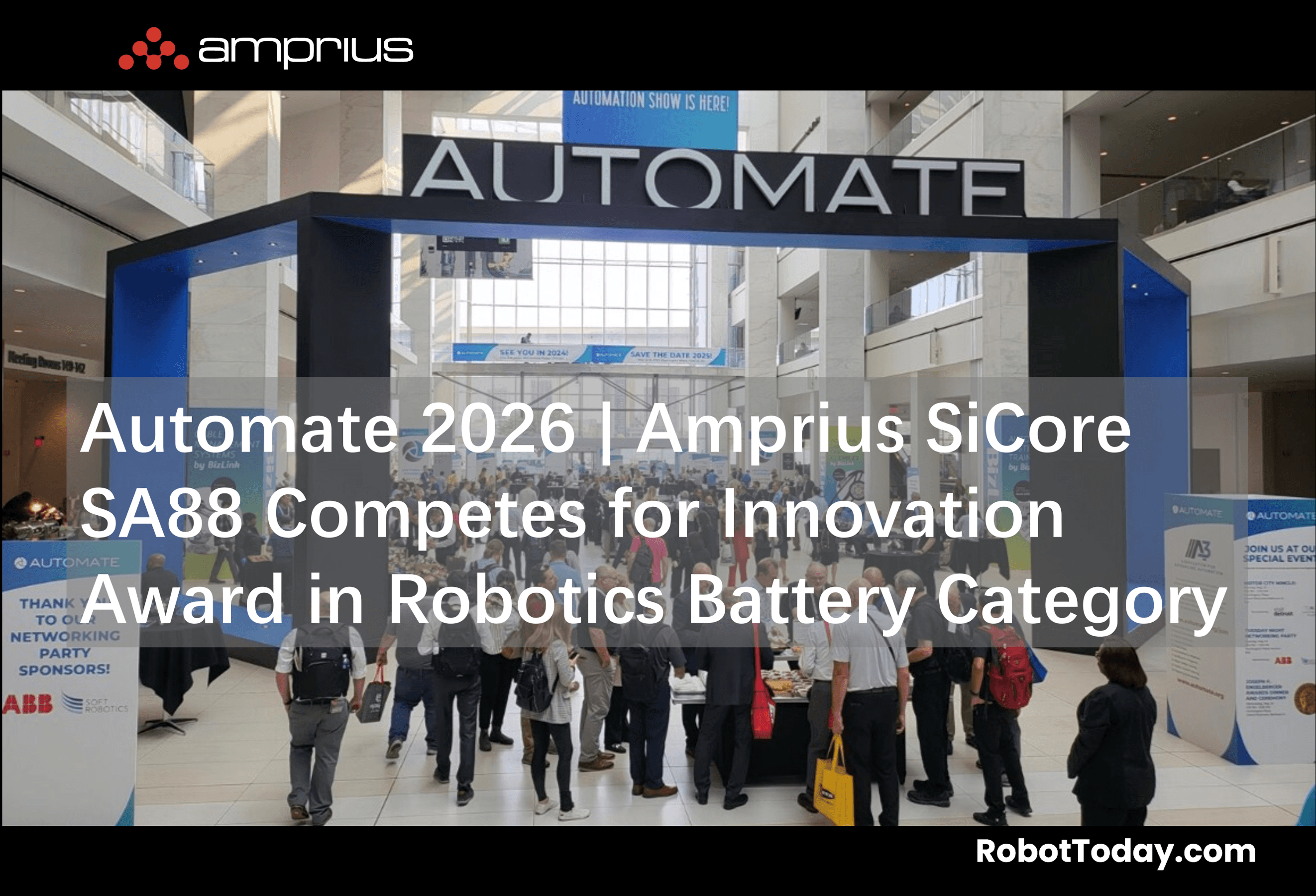
Automate 2026 | Amprius SiCore SA88 Competes for Innovation Award in Robotics Battery Category
At Automate 2026 in Chicago, Amprius Technologies exhibited its SiCore SA88 silicon-anode pouch cell — 358 Wh/kg, 750 Wh/L — as a finalist in the Components, Hardware & Enabling Technologies category. Analysis of implications for AMR, UAV, and aerial mobility platforms.
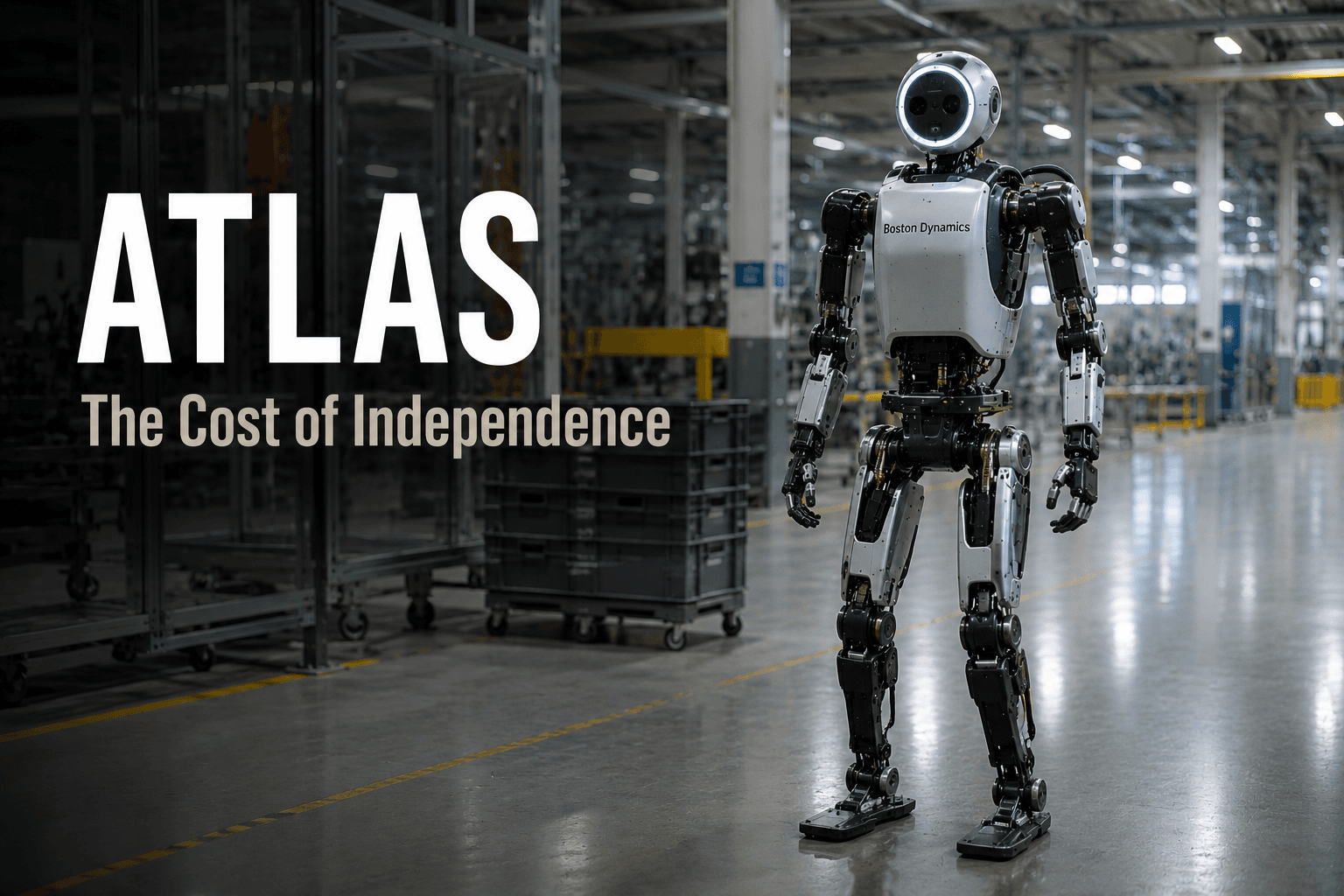
Supply Chain Reckoning: Can Boston Dynamics Avoid Becoming the Next iRobot?
A data-driven analysis comparing Boston Dynamics Atlas and Tesla Optimus supply chain strategies in 2026. Examines actuator costs, production ramp speeds, and how Boston Dynamics can avoid iRobot's bankruptcy by adopting a tiered supply chain approach. Includes component cost tables, risk heat maps, and strategic frameworks.


