

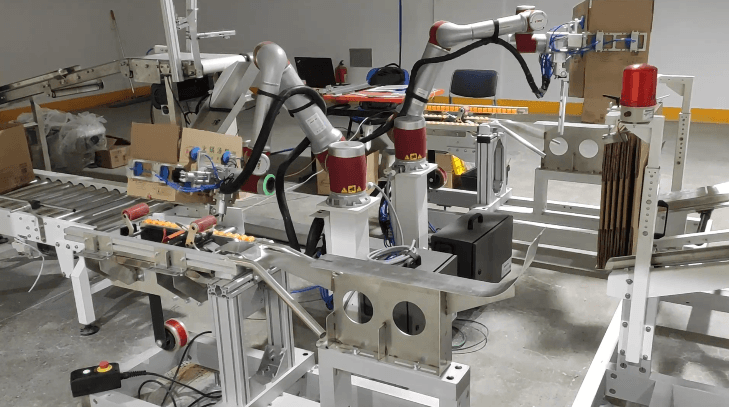
Manufacturers utilizing articulated and collaborative robots in automated production face significant challenges related to joint wear, which can lead to decreased accuracy, increased maintenance costs, and unplanned downtime. JAKA emphasizes the importance of incorporating joint protection during the design phase of robotic systems to prevent performance issues before they arise. By managing motion behavior and programming logic from the outset, manufacturers can reduce wear and maintain productivity.
To extend the service life of articulated robots, JAKA focuses on optimizing motion profiles. This involves designing smoother acceleration and deceleration trajectories to minimize peak joint loads, particularly in collaborative environments where robots work closely with humans. Stable motion paths during repetitive tasks, such as loading and unloading, help decrease mechanical fluctuations and joint wear.
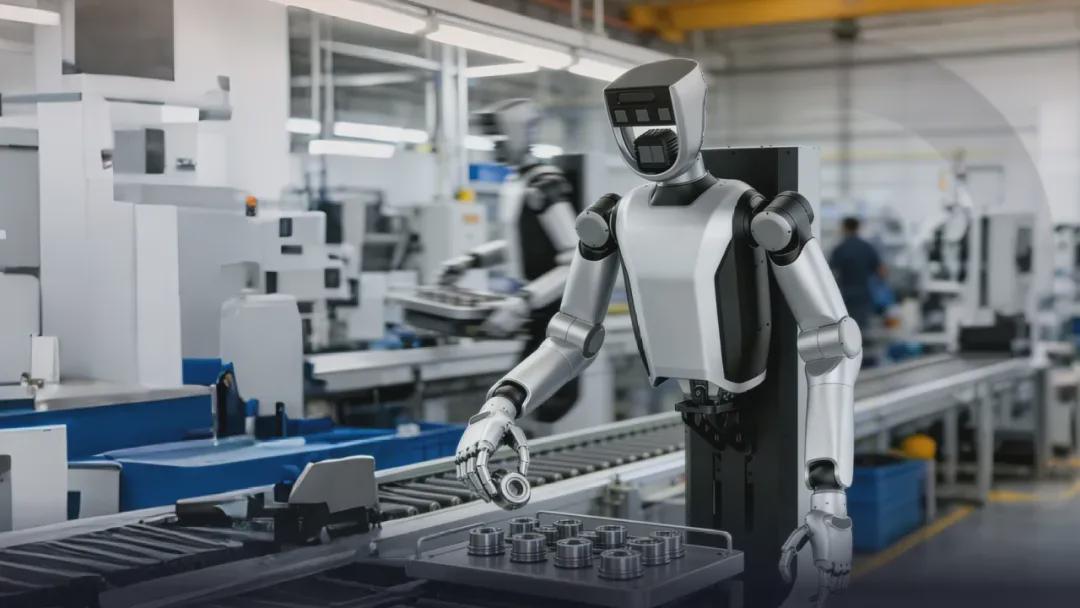
Additionally, JAKA highlights the role of efficient programming in reducing joint stress. Simplified programming methods allow operators to quickly adjust robot paths, enhancing operational efficiency while preserving joint stability. The JAKA Zu7 robot supports rapid deployment in machine tending scenarios, enabling flexible adaptation to changing production layouts without extensive mechanical adjustments. This capability not only replaces repetitive manual labor but also improves overall production efficiency.
Ultimately, JAKA advocates for a system-level design approach that combines motion control, application planning, and operational simplicity to ensure sustainable joint performance. By aligning the flexibility of collaborative robots with stable mechanical operations, manufacturers can create reliable automation systems that support product quality and operational continuity in dynamic manufacturing environments.


























Leave a comment