


Unlimited Tomorrow
US company developing TrueLimb, an affordable custom 3D-printed multi-articulating bionic prosthetic arm for people with upper limb differences.
Contact Unlimited Tomorrow
WEBSITE
https://www.unlimitedtomorrow.comPHONE
2545352419HEADQUARTERS
United States

Company Facts
Founded
2014
Primary Role
Manufacturer
Company Size
employees 10-50
Primary Region
North America
Annual Sales
-
Funding Stage
-
Funding Total
-
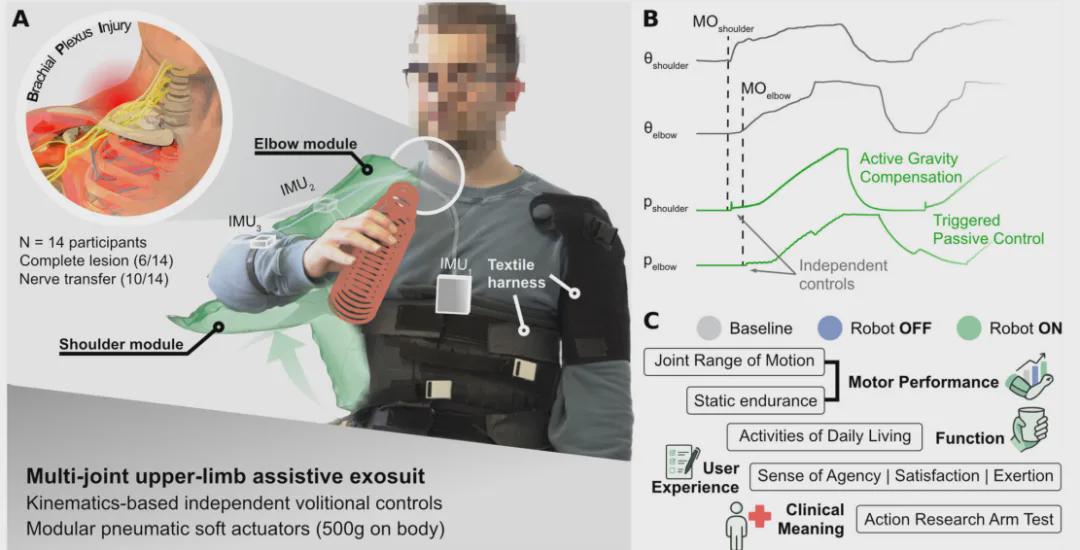
Soft Exosuit Increases Arm Mobility by 80-180% for Patients with Brachial Plexus Injuries
A team from the BioRobotics Institute of Scuola Superiore Sant'Anna, University of Turin, and CTO Hospital in Turin has developed a soft exosuit that significantly enhances arm mobility for patients with chronic brachial plexus injuries (BPI). The exosuit, weighing approximately 0.6 kg, was tested on 14 patients, resulting in an 80% to 180% increase in active range of motion and a 160% improvement in static endurance. This advancement is crucial as BPI often leads to severe loss of sensation and motor control in the upper limb, primarily affecting young males under 30, with motorcycle accidents being the leading cause. The exosuit employs soft pneumatic actuators to assist shoulder and elbow movements, providing a novel solution that addresses the critical joint often overlooked in previous wearable robotics. Future developments in this technology could further enhance rehabilitation for BPI patients. The study's findings indicate that the exosuit not only improves mobility but also reduces the effort required for movement, as evidenced by a significant decrease in muscle activity during use. No further timeline was disclosed at the time of publication.
Soft Robotics Wearable Technology Rehabilitation Devices Medical Innovation
Nanyang Technological University Develops MMG-Driven Variable Stiffness Glove for Tremor Control
Nanyang Technological University (NTU) has unveiled a variable stiffness glove driven by mechanomyography (MMG) to suppress tremors associated with conditions like Parkinson's disease. This innovative wearable device utilizes a 3D-printed exoskeleton structure that adjusts its stiffness in response to detected muscle vibrations, providing support only when tremors occur. The significance of this development lies in its ability to enhance daily activities for individuals suffering from tremors without compromising joint flexibility. The glove's design incorporates a lightweight, high-strength nylon structure that can quickly transition from soft to rigid, ensuring optimal performance during tremor episodes. The research findings have been accepted for publication in IEEE Robotics and Automation Letters. Looking ahead, the team aims to further validate the glove's effectiveness in real-world applications. The rapid response time of the device, achieving 90% of maximum stiffness in approximately 0.63 seconds, positions it as a promising solution for tremor suppression. No further timeline was disclosed at the time of publication.
Wearable Technology Tremor Suppression Assistive Devices Healthcare Innovation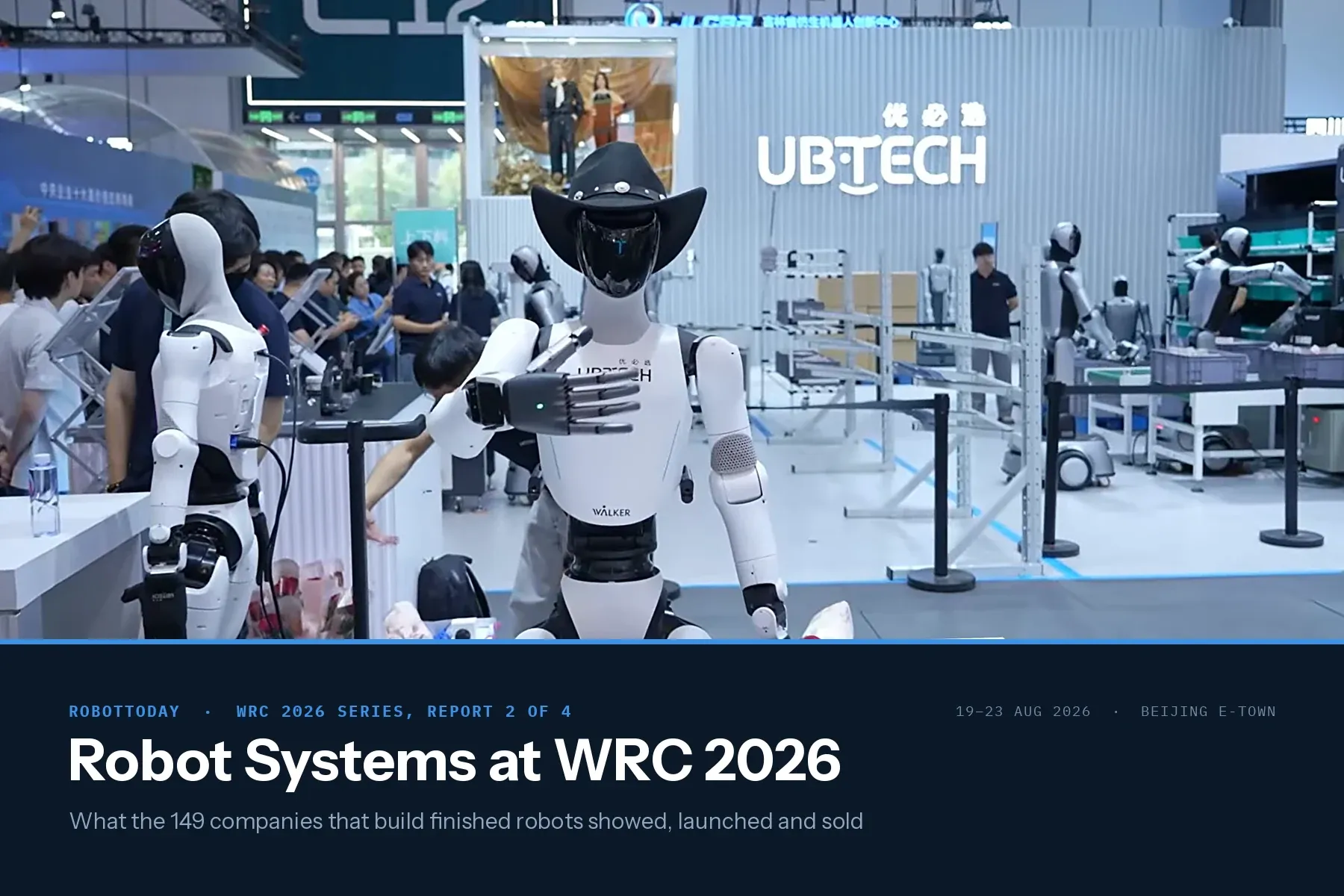
WRC 2026 Robot Systems: 149 Companies That Build Robots
149 of the 248 classified WRC 2026 exhibitors build finished robots. 93 build humanoid or legged machines. The audited humanoid sales number is one unit.

Five Key Trends Emerging from WRC 2026: Shift to Product Validation in Robotics
The World Robot Conference 2026 showcased a unique robot 'wedding' on Qixi and highlighted five significant trends in the robotics industry. Notably, robots are transitioning from technology validation to product validation, indicating a maturation in the field. This shift is crucial as it reflects the industry's movement towards practical applications and market readiness, rather than just experimental technologies. Additionally, while world models are still relevant, they did not generate as much excitement as anticipated, suggesting a need for further innovation. Looking ahead, tactile sensing is emerging as a key focus for dexterous robotic hands, while exoskeletons are beginning to show promise. Furthermore, the competition among component suppliers is intensifying, particularly concerning joints. No further timeline was disclosed at the time of publication.
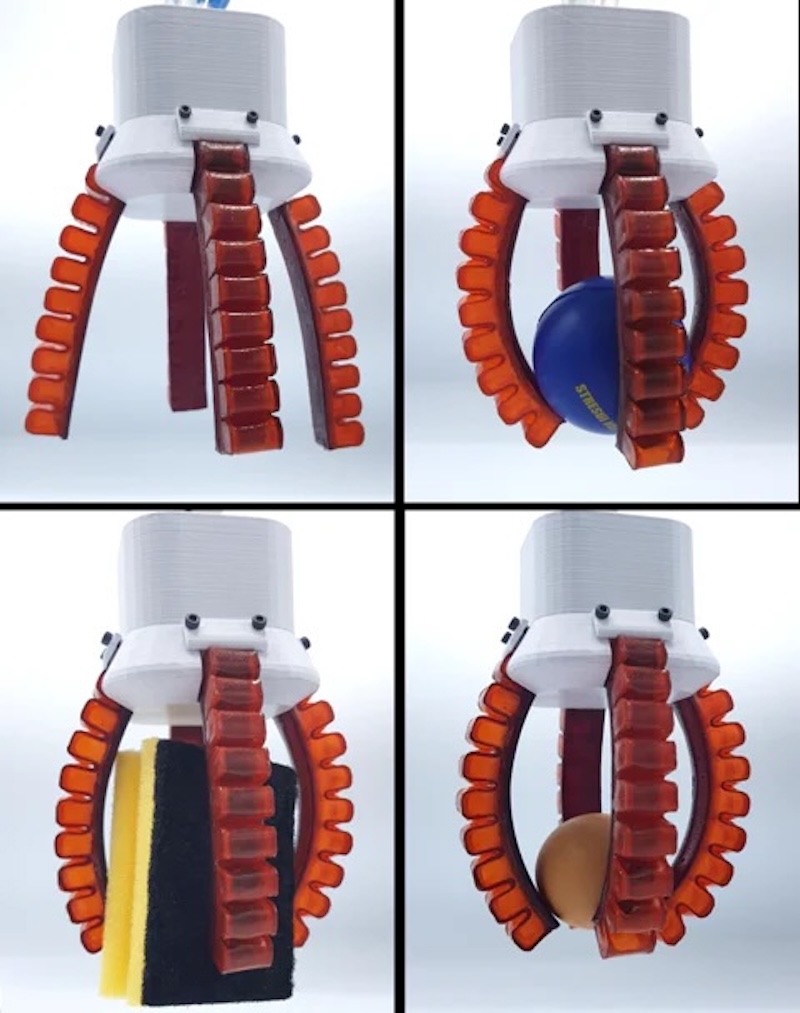
VUB Leads RESSORT Project to Enhance Soft Robots with Sensing and Adaptation Capabilities
Vrije Universiteit Brussel (VUB) is spearheading the RESSORT project, a four-year initiative funded by the European Union's Horizon Europe program. This project aims to advance soft robotics by enabling these robots to sense, repair, and adapt to their environments, with applications in healthcare, food handling, and industrial inspection. The significance of RESSORT lies in its potential to transform soft robots into more sustainable and reliable solutions. By integrating innovative technologies such as self-healing materials and variable-stiffness structures, the project seeks to overcome existing limitations that have kept soft robots primarily in laboratory settings. This advancement could lead to safer interactions with humans and delicate objects. Looking ahead, RESSORT plans to develop three demonstrators to validate its technologies in real-world scenarios. One key application is a personalized soft exosuit for rehabilitation, designed to provide tailored support to patients. The project also aims to create an adaptive robotic system for the food industry, enhancing the ability to handle fragile products effectively.
Features Research Robotics Science adaptive robots brubotics
New Muscle-Sensing Technology Poised to Transform $1.6 Billion Exoskeleton Market
The exoskeleton market in China is projected to exceed 1.6 billion yuan by 2025, with approximately 26,000 units expected to be shipped annually. The medical rehabilitation sector remains the primary market driver, while consumer applications account for over 70% of shipments. Industries such as logistics, automotive manufacturing, energy, and emergency rescue are also beginning to adopt exoskeleton technology. Despite the growing sales of exoskeletons, a fundamental challenge persists: these devices can enhance human strength but often lack the ability to accurately gauge the user's exertion levels. Recent research from the University of Queensland introduces a solution by employing ultra-wideband radar (UWB) technology to measure muscle force without invasive procedures. This advancement offers a more direct method of assessing muscle exertion compared to traditional electromyography (EMG) techniques. As the field evolves, the integration of UWB technology could significantly improve the functionality of exoskeletons, making them more responsive to the user's actual physical output. Future developments in this area will be crucial to enhancing the effectiveness of rehabilitation and training applications. No further timeline was disclosed at the time of publication.
Exoskeletons Muscle Sensing Technology Healthcare Robotics Wearable Devices
Springer Handbook of Robotics B. Siciliano & O. Khatib (eds.) — RSF Top 10 Robot Education Textbooks · No. 10
Eighty-plus chapters, 2,300 pages, nobody reads it cover to cover. It ranks for one reason: when a fault crosses domains, this is the reference of record.
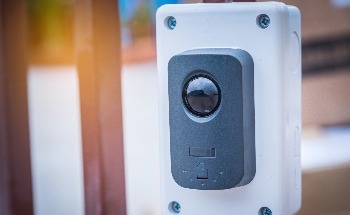
University of Queensland Develops Non-Invasive Sensors for Wearable Robotic Limbs
Researchers at the University of Queensland have developed new non-invasive sensors that measure muscle forces. This innovation unlocks new possibilities for wearable robotic mobility devices, enhancing their functionality and user experience. The development of these sensors is significant as it paves the way for improved integration of robotics with human movement. By accurately measuring muscle forces, these sensors can enable more responsive and adaptive robotic limbs, potentially transforming mobility solutions for individuals with disabilities. Looking ahead, the impact of these sensors on the design and functionality of wearable robotic devices will be crucial. No further timeline was disclosed at the time of publication.

Hyundai E&C Launches X-ble Shoulder Exoskeleton for Construction Workers
Hyundai Engineering & Construction announced the introduction of the X-ble Shoulder exoskeleton, developed by Hyundai Motor Group Robotics Lab, specifically for the construction industry. This innovative wearable device aims to reduce fatigue associated with repetitive tasks, enhance focus, and minimize the risk of musculoskeletal disorders. The significance of the X-ble Shoulder exoskeleton lies in its potential to improve overall work efficiency in construction, a sector often plagued by physical strain on workers. By addressing these challenges, Hyundai E&C is positioning itself as a leader in integrating advanced robotics into traditional industries, which could set a precedent for future developments. Looking ahead, the impact of the X-ble Shoulder exoskeleton on worker productivity and safety will be closely monitored. No further timeline was disclosed at the time of publication.
All News
Jiangsu's AI Innovations Showcase Rapid Robotics Training and Practical Applications
Jiangsu is demonstrating the capabilities of AI through various practical applications, including a quadruped robot conducting inspections and individuals mastering laser welding in just three days. This was highlighted during the 'Vibrant China Research Tour' organized by the Publicity Department, where over 100 journalists explored AI practices across eight cities in Jiangsu. The 'AI Mirror' ecosystem in Nanjing features an exoskeleton device that enhances user strength and a development center that connects product innovation with market testing. Since its launch in November, the center has engaged over 200 companies and facilitated nearly 70 million yuan in transactions, showcasing a successful model of technology integration. In Wuxi, various robots are being trained for precision tasks, while Nantong is transforming traditional manufacturing with AI systems. Suzhou's collaboration with local chip manufacturers is accelerating the laser industry. Jiangsu's diverse AI applications are providing concrete answers to the fundamental question of what technology can achieve in today's era.
AI Robotics Manufacturing Laser Technology
The Most Important AI at WAIC Wasn't a Robot
At WAIC 2026, AI-native platforms quietly replaced interpreter hardware — what invisible AI infrastructure means for robotics and embodied AI.
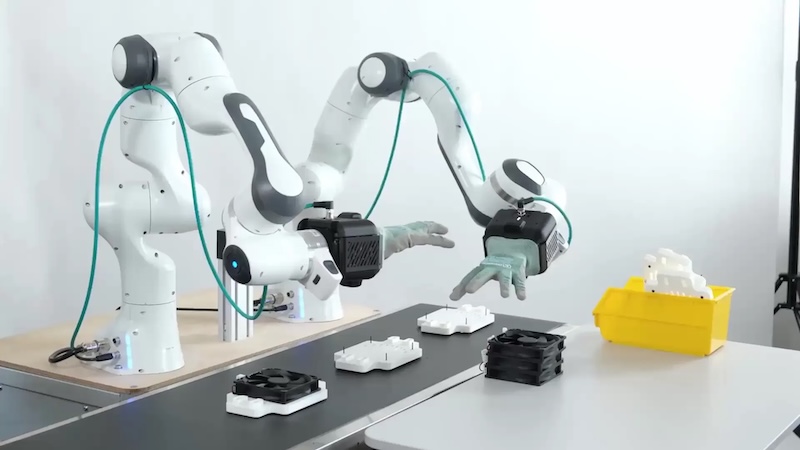
mimic Robotics Launches Comprehensive Platform for Advanced Dexterous Robot Manipulation
mimic Robotics has unveiled a new robotic hand, the mimic hand M1, along with the mimic wearable U1 exoskeleton and a proprietary software platform. This integrated system aims to enhance general-purpose dexterous manipulation in industrial robots by addressing the challenge of collecting high-quality training data for AI models that perform human-like tasks. The significance of this launch lies in mimic Robotics' approach to design, which focuses on human hand morphology rather than traditional two-finger grippers. The mimic hand M1 features 15 actuated degrees of freedom and is capable of handling payloads over 25 kg, while the mimic wearable U1 allows human operators to demonstrate tasks in real-time, improving data collection for AI training. Looking ahead, the company’s innovative middleware and teleoperation software are expected to enhance robot control and AI inference speed. No further timeline was disclosed at the time of publication.
Components Computing News ai automation dexterous manipulation
Aoyi Technology Showcases Innovative Products at WAIC 2026 Addressing Real-World Needs
On July 17, 2026, the World Artificial Intelligence Conference (WAIC) opened in Shanghai, attended by President Xi Jinping, who emphasized the importance of global AI cooperation. Aoyi Technology presented its full range of self-developed hardware, including the CeRelax EEG headset, gForce Ultra EMG wristband, and lower limb rehabilitation exoskeleton, focusing on practical applications in real environments. The showcased products aim to address specific pain points in various scenarios, such as the lower limb exoskeleton, which assists users in walking without the need for muscle signal collection. The gForce Ultra wristband captures minute muscle contractions to aid rehabilitation and optimize robotic operations, while the CeRelax headset bridges the gap between high-end research and consumer needs in brain health. Looking ahead, Aoyi Technology's Vice President Zhang Qi highlighted the industry's shift towards functional product development. The company plans to extend its capabilities into the education sector with a new matrix of embodied intelligence educational products designed for vocational schools, aiming to cultivate practical engineering talent. No further timeline was disclosed at the time of publication.
Brain-Machine Interfaces Wearable Technology Rehabilitation Robotics Educational Technology
CONSTRUCTION ROBOTICS | FUTURE HORIZONS: 2025–2030 & BEYOND
Construction robotics is entering its decisive decade. Autonomous jobsites, swarm coordination, humanoid integration, and a potential $60 billion market reshape every strategic decision in the industry.
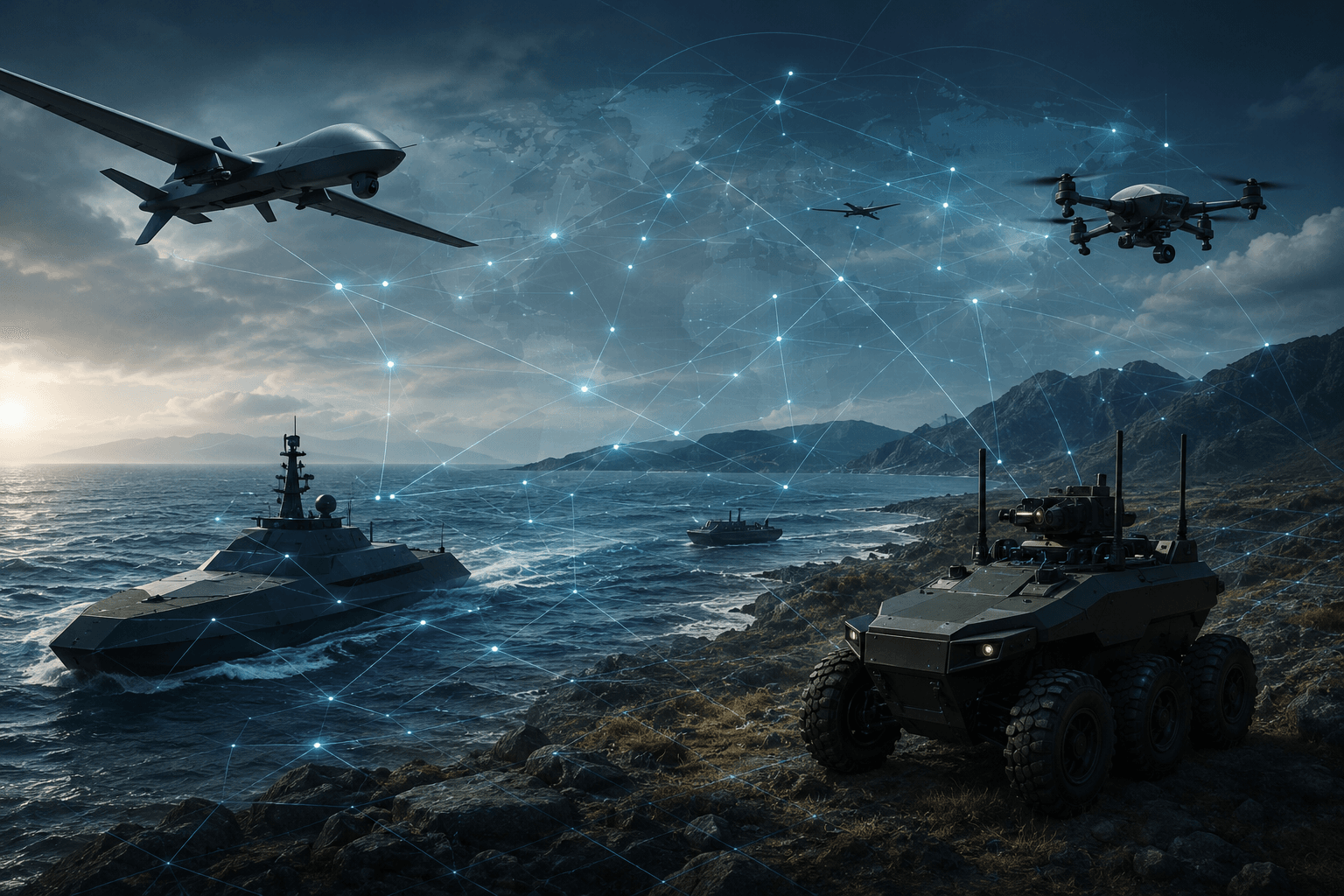
FUTURE WARFARE | Cross-Domain Integration - Integration How Land, Sea, Air and Software Are Converging Into a Single Kill Chain
Cross-domain robotics is reshaping modern warfare as drones, UGVs, AI targeting systems, and autonomous logistics converge into a single networked kill chain across land, sea, air, and software.

ROBOTTODAY WEEKLY May 11 - 15, 2026
This week in robotics: Figure AI's humanoids hit a 24/7 nonstop autonomous work milestone, Mind Robotics raises $400M to top $1B, Waymo recalls 3,800 robotaxis over flooding, Unitree debuts the world's first mass-produced human-carrying mecha, and WIRobotics closes a $68M Series B. May 11–15, 2026.
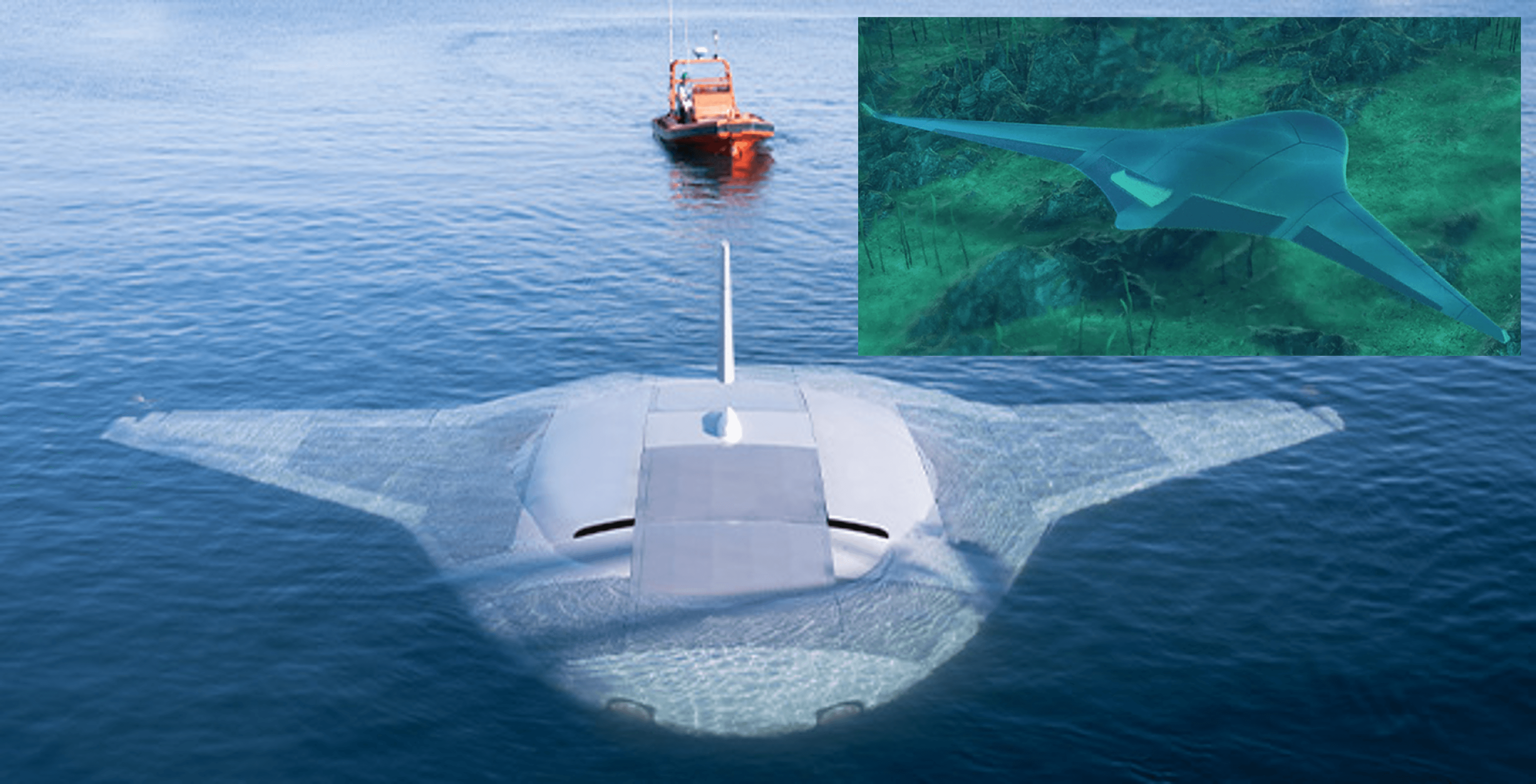
FUTURE WARFARE | Sea - Autonomous Surface Vessels & Unmanned Underwater Vehicles — The Hybrid Fleet Takes Shape
Ukraine’s ‘Sub Sea Baby’ autonomous torpedo struck a Russian Kilo-class submarine inside Novorossiysk harbour in December 2025 — the first confirmed underwater drone attack on a submarine in history. The U.S. Navy is requesting $5.3 billion for unmanned maritime systems in FY2026, a 70 percent year-on-year increase. Saronic Technologies went from prototype to $392 million production contract in under 12 months. And DARPA’s Manta Ray XL-UUV completed full-scale sea trials. This article maps the maritime autonomous systems revolution — from Ukraine’s improvised Black Sea fleet to the Pentagon’s hybrid manned–unmanned force of the 2030s, and from Saronic’s Franklin, Louisiana shipyard to Boeing’s 85-tonne robot submarine.
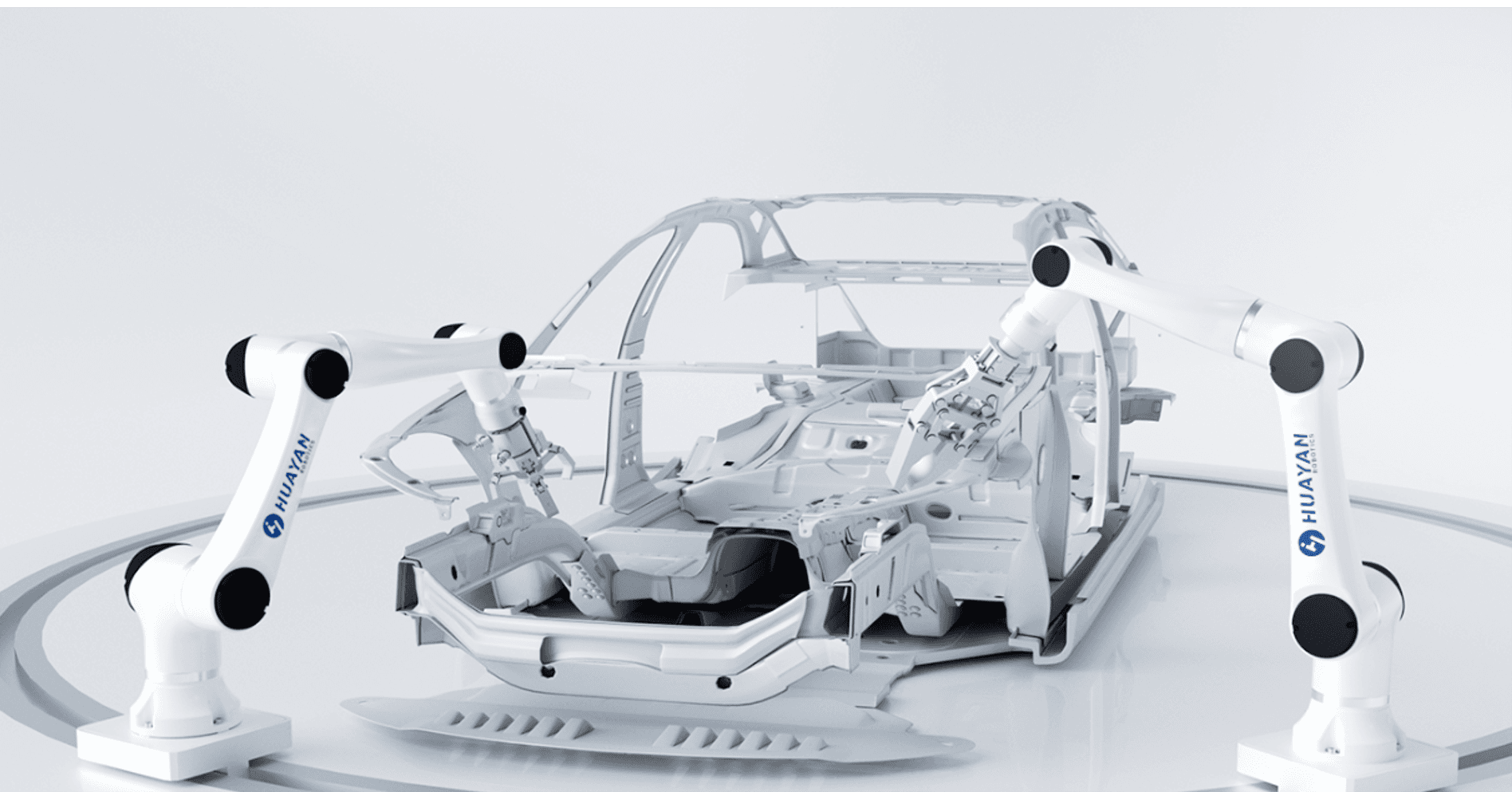
Guangdong Huayan Robotics Files for Hong Kong Mainboard IPO
Guangdong Huayan Robotics (formerly Han’s Robot) files for Hong Kong Mainboard IPO seeking HK$1.37 billion at HK$17.00 per share. China’s leading full-stack cobot manufacturer reported RMB 310.4 million revenue in 2024 (+77% YoY) and carries strong cornerstone backing. Analysis of financial highlights, technology stack, market position, and related-party risk.

Space Robot- Building Skyscrapers in Space: ISMA's Industrial Revolution
ISAM technology breaks rocket fairing limits through robotic space manufacturing. Market grows from $3.5B to $14.5B by 2032. See how 3D printing, autonomous assembly, and orbital fabrication are creating off-Earth factories.
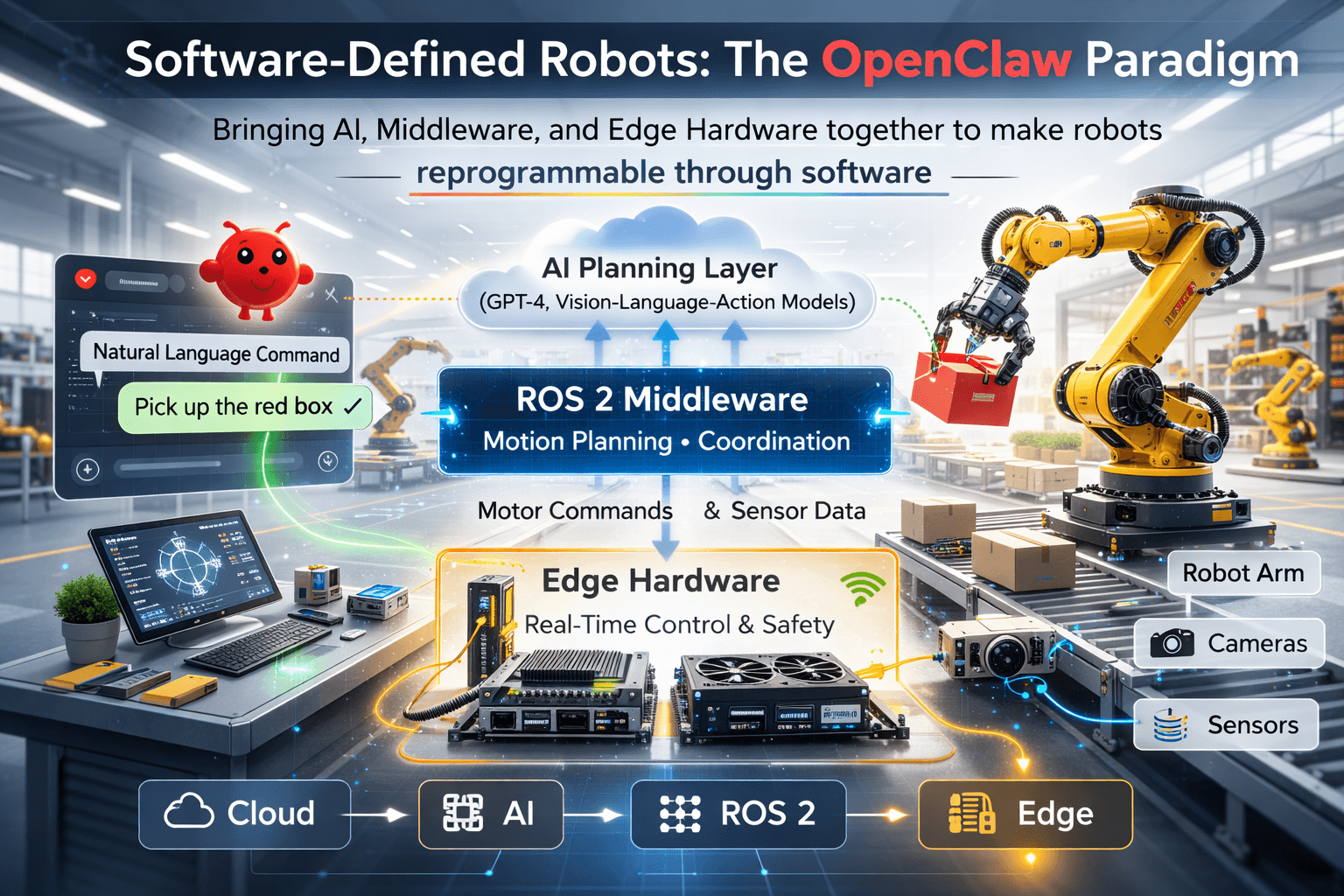
Software-Defined Robots: The OpenClaw Paradigm
How OpenClaw's digital AI agent pattern is revolutionizing physical robotics through natural language control, ROS 2 middleware, and edge AI hardware—making robots reprogrammable through software instead of mechanical retooling.


