Kawasaki Robotics

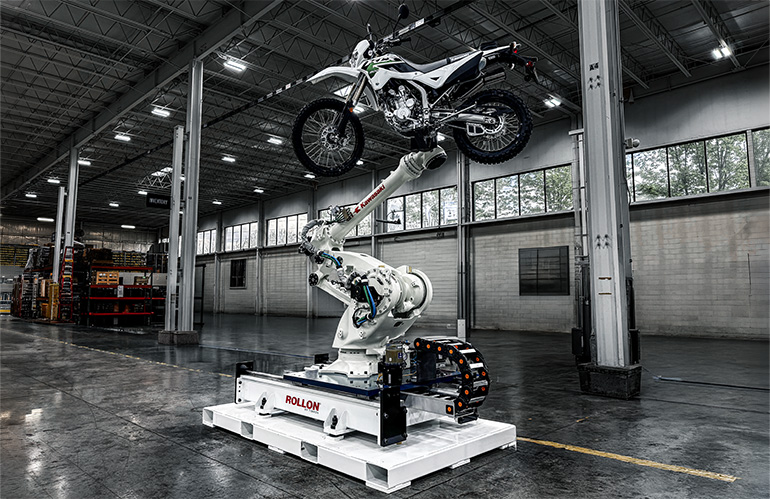
Kawasaki Robotics offers a comprehensive lineup of industrial robots, ranging from 3 to 1,500 kg payload capacity. Their advanced controllers facilitate seamless integration and real-time operation. The product suite includes simulation tools, offline programming, and vision systems, enhancing automation efficiency. K-AddOn products from partner companies ensure compatibility, while extensive training and support services optimize user experience in diverse applications.

Share
Kawasaki Robotics
28140 Lakeview Drive
Wixom 48393
United States
RobotToday Initiative

Robotics needs a service framework.

RSF defines a common language for robot service capability, lifecycle operations, certification pathways, and service-provider networks.

Share

Related Content

Kawasaki Robotics Unveils Dexterous Physical AI Robot Platform, Advanced Automation Technologies at Automate 2026

Kawasaki Robotics Unveils Dexterous Physical AI Robot Platform, Advanced Automation Technologies at Automate 2026

Kawasaki Robotics introduced its latest advancements in automation technology at Automate 2026, held in Chicago on June 17, 2026. The company showcased the new RL030N robot platform, which features eight degrees of freedom specifically designed for Physical AI applications, alongside its patented Pulseboard inspection technology. These innovations highlight Kawasaki's commitment to enhancing industrial automation through the integration of robotics, artificial intelligence, and machine learning. The RL030N robot stands out as the industry's first 8-axis platform, enabling high-speed motion and enhanced dexterity for complex tasks in dynamic environments. This robot is engineered to support AI-driven applications that require adaptive motion and obstacle avoidance, setting it apart from traditional industrial robots optimized for repetitive tasks. Additionally, Kawasaki demonstrated the Pulseboard technology in a robotic weld inspection system developed with Fives DyAG. This system significantly improves inspection efficiency by synchronizing image acquisition with the robot's movements, allowing for up to ten times faster weld inspections without compromising accuracy. Seiji Amazawa, President of Kawasaki Robotics, emphasized the importance of these technologies in shaping the future of automation, stating that they are designed to support emerging Physical AI applications while maintaining the reliability that manufacturers expect. The event marks a pivotal moment for Kawasaki Robotics as it continues to lead in intelligent automation solutions.

Kawasaki Robotics to debut RL030N physical AI platform at Automate

Kawasaki Robotics to debut RL030N physical AI platform at Automate

Kawasaki Robotics is set to unveil its RL030N physical AI platform, along with its 8-DoF robot and Pulseboard inspection technology, at the upcoming Automate event. This showcase, scheduled for later this month, aims to demonstrate the company's vision for intelligent automation solutions. By integrating advanced robotics with AI capabilities, Kawasaki Robotics seeks to enhance operational efficiency and precision in various industries. The introduction of these innovative systems reflects the growing demand for automation technologies that can adapt to complex tasks and improve productivity in manufacturing and beyond.

Arms / Manipulators Artificial Intelligence Automotive Cobot Arms Controllers Events
Robot Programming Languages 2026: From G-Code & FANUC KAREL to ROS2 — Complete History & Industrial Guide

Robot Programming Languages 2026: From G-Code & FANUC KAREL to ROS2 — Complete History & Industrial Guide

A comprehensive guide to industrial robot programming language evolution: G-code and NC origins, FANUC KAREL/TP, ABB RAPID, KUKA KRL, Yaskawa INFORM, the ROS open-source revolution, ROS2 architecture, ROS-Industrial consortium, OPC-UA, TSN, and real-time Linux — how six decades of software history define today's factory floor.

ROBOTTODAY Weekly May 18 – 22, 2026

ROBOTTODAY Weekly May 18 – 22, 2026

This week in robotics: Hyundai plans 25,000 Atlas robots for its factories, XPENG rolls off China’s first mass-produced L4 robotaxi, Singapore launches its first multi-operator physical AI testbed, and Kawasaki Heavy opens a Silicon Valley physical AI center with NVIDIA. May 18–22, 2026.

iREX 2025: Asia’s Industrial Robotics Engine Shows Its Real Strength—Far Beyond the Humanoid Hype

iREX 2025: Asia’s Industrial Robotics Engine Shows Its Real Strength—Far Beyond the Humanoid Hype

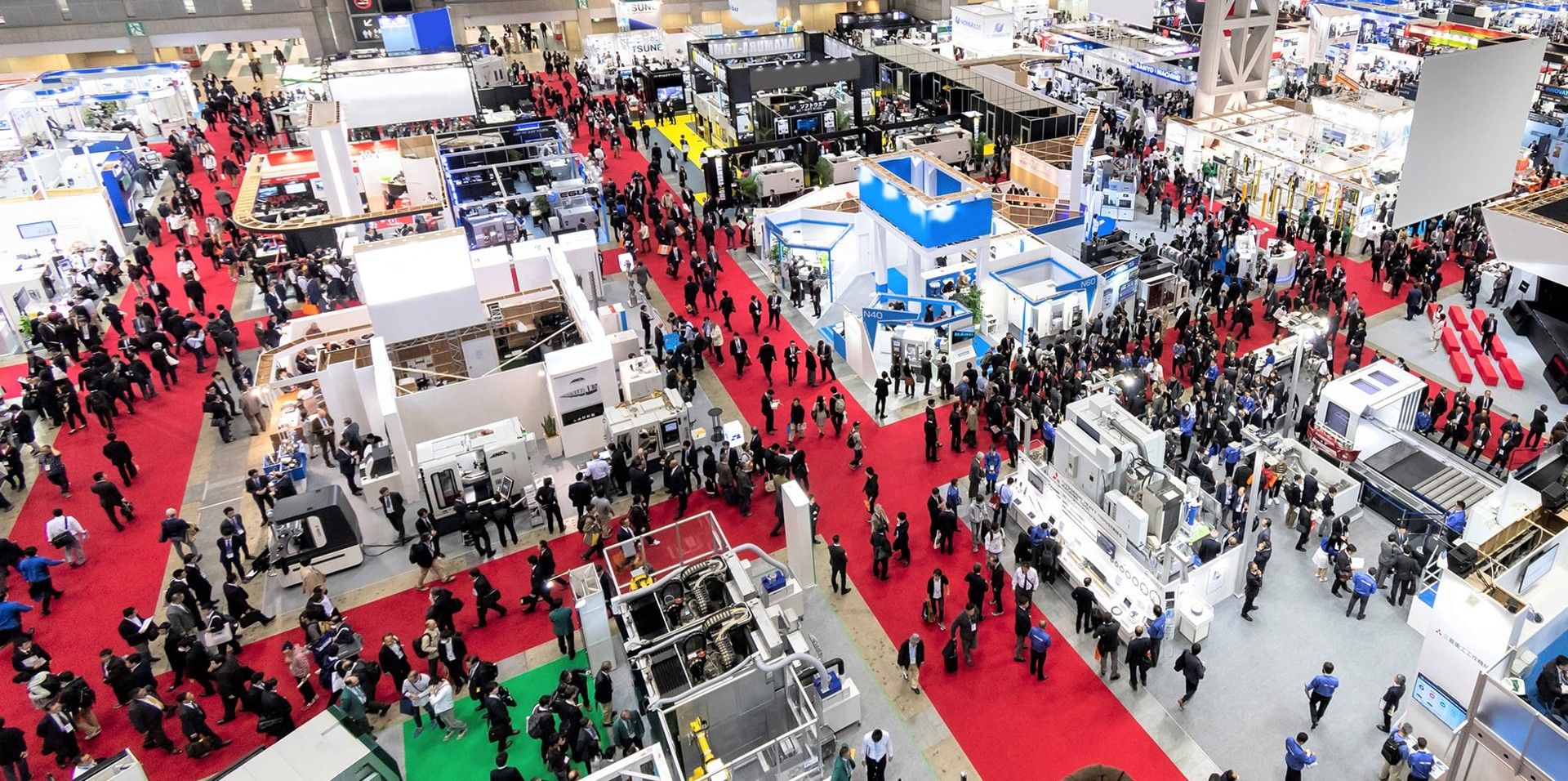
iREX 2025 revealed Asia’s dominance in industrial robotics, with Japan, China, Korea, and Taiwan shaping the global automation supply chain far beyond humanoid hype.

iRex 2025: Asia Leads Industrial Robotics as Japan and China Reinvent Automantion

iRex 2025: Asia Leads Industrial Robotics as Japan and China Reinvent Automantion

iREX 2025 revealed Asia’s dominance in industrial robotics, with Japan, China, Korea, and Taiwan shaping the global automation supply chain far beyond humanoid hype.

How Japan, Korea, Singapore and Vietnam Are Shaping the Next Global Automation Era

How Japan, Korea, Singapore and Vietnam Are Shaping the Next Global Automation Era

Japan, Korea, Singapore, and Vietnam are driving the next wave of global automation with strategic robotics innovation, manufacturing excellence, and policy support.

German Humanoid Robotics Pioneer Neura Robotics Teams Up with Chinese Mechatronics Giant HZF — A Cross-Border Alliance Redefines the Global Robotics Landscape

German Humanoid Robotics Pioneer Neura Robotics Teams Up with Chinese Mechatronics Giant HZF — A Cross-Border Alliance Redefines the Global Robotics Landscape

Neura Robotics and HZF form a cross-border alliance to accelerate global robotics innovation, combining strengths in hardware, AI, and market reach.