

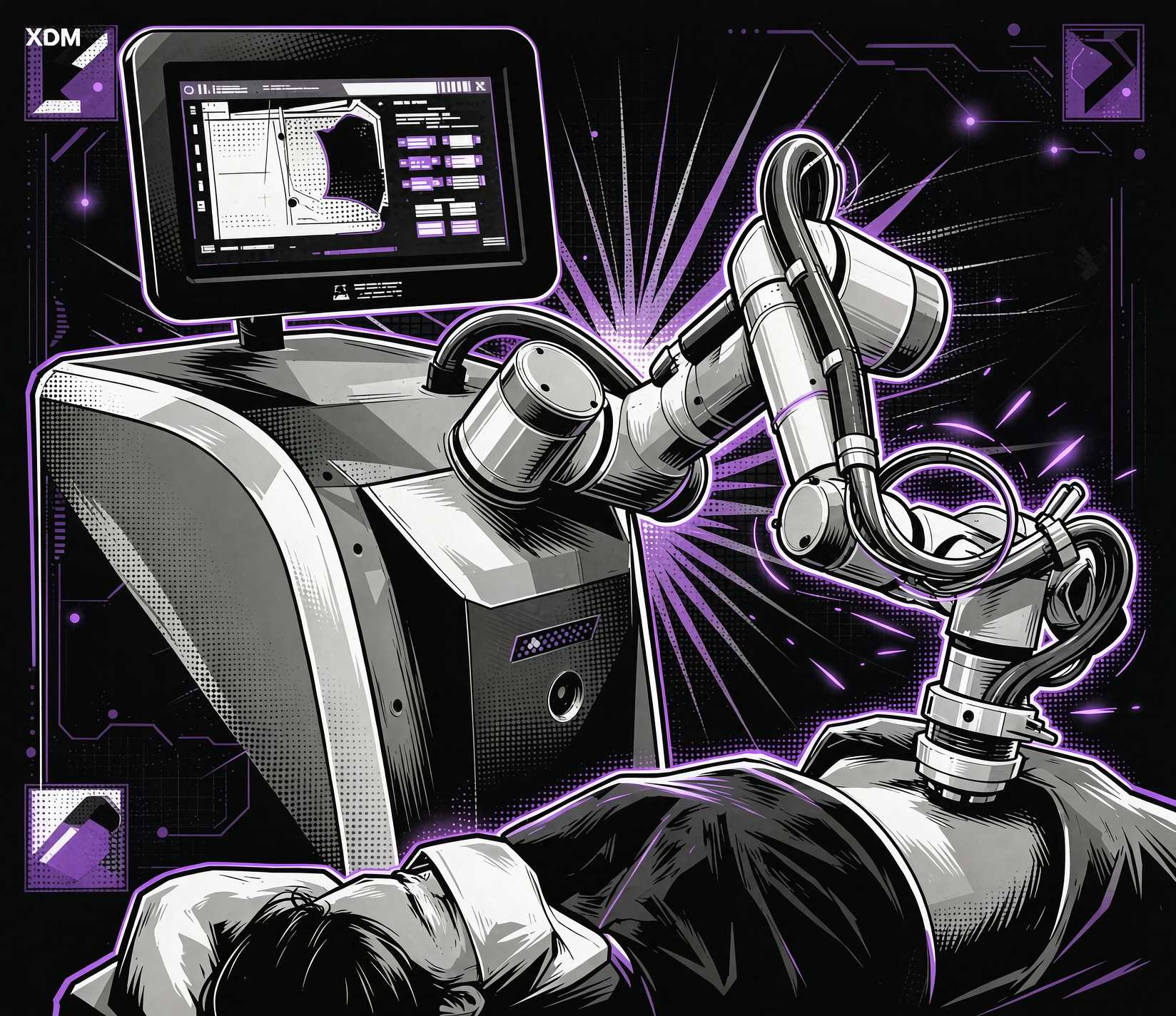
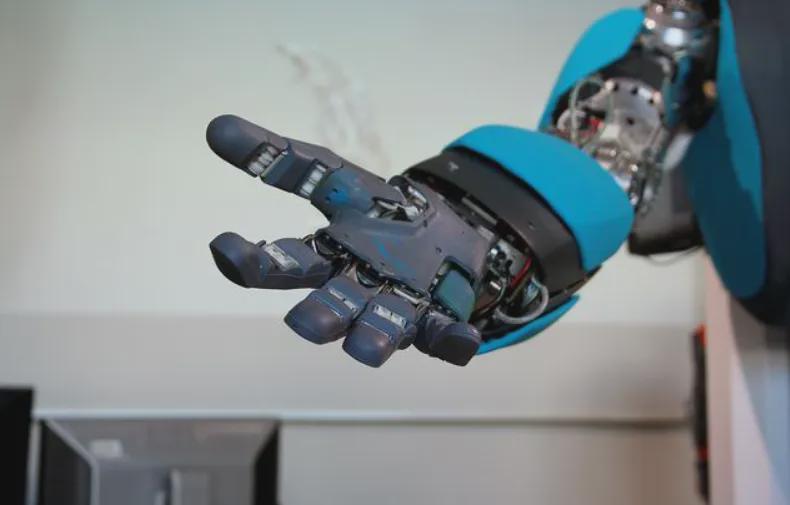
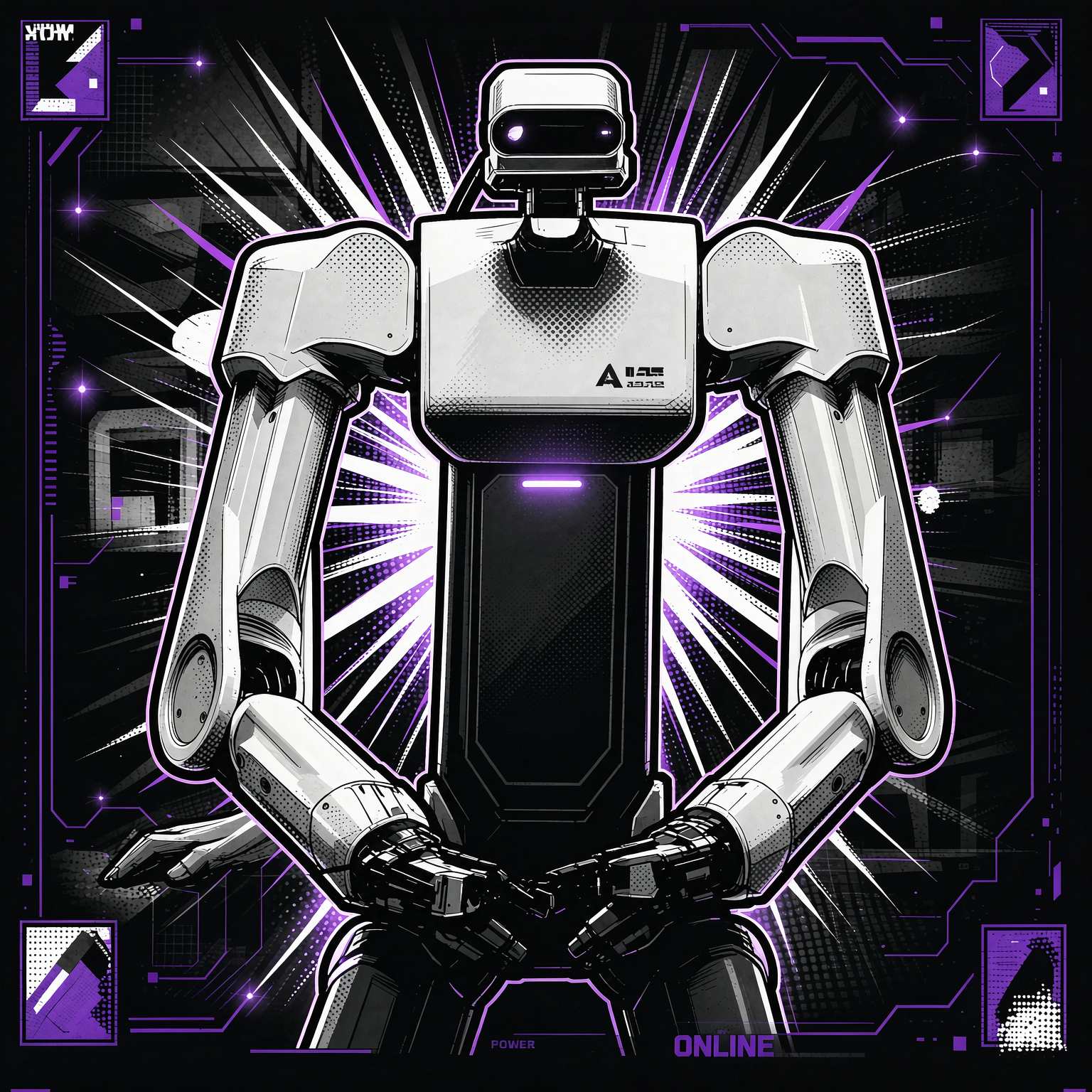
On September 20, a massage robot was publicly launched in Huizhou, Guangdong, showcasing the application of AI and robotics in traditional Chinese medicine. During the event, a visitor underwent a digital assessment where facial and tongue images were collected and combined with health consultation data to create a personalized massage plan. After the service order was sent to the robot, the user scanned a QR code, allowing the robotic arm to position itself and begin treatment, with options for real-time adjustments.
This innovation is part of a broader effort to integrate digital technology into traditional Chinese medicine. Companies like Daan Health Technology and Beijing Zhuangzhi Medical Equipment are applying AI for standardized image collection and health assessments. Experts believe that while such technology can provide practitioners with more objective information, further development is needed. The challenge lies not just in making the robot operational but in replicating the techniques used by human practitioners, which rely heavily on touch and experience.
The massage robot addresses the standardization issues in traditional therapies, where outcomes vary significantly based on the practitioner's skill. If the robot can maintain consistent control over pressure, angle, and rhythm, it could enhance the user experience. However, many aspects of traditional massage depend on tactile feedback and real-time adjustments, indicating that full replication of human capabilities will require more time and advancement.
Editor's Note
The introduction of AI-driven massage robots highlights a significant shift in the integration of technology within traditional healthcare practices. This development could reshape how personalized treatments are delivered, potentially improving consistency and outcomes in therapeutic settings. As the industry evolves, the balance between automation and the nuanced skills of human practitioners will be crucial for success.

























Leave a comment