


Varian Medical Systems
Radiation oncology technology leader providing TrueBeam linear accelerators, radiosurgery systems, and AI-driven treatment planning software.
Contact Varian Medical Systems
WEBSITE
https://www.varian.comPHONE
+1 650-493-4000HEADQUARTERS
United States

Company Facts
Founded
1948
Primary Role
Manufacturer
Company Size
employees 5000-10000
Primary Region
North America
Annual Sales
-
Funding Stage
-
Funding Total
-
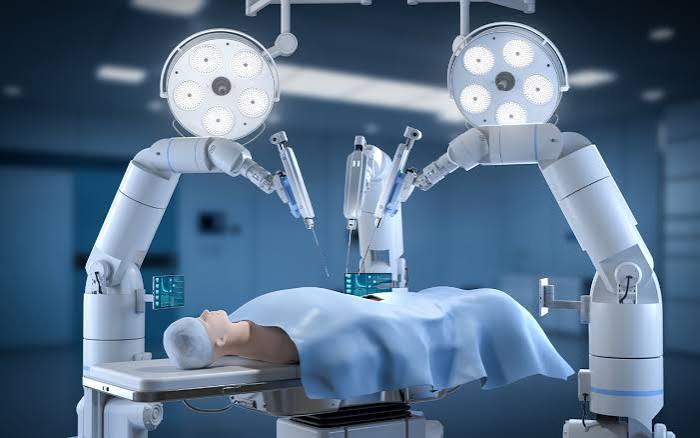
Samsung Medical Center Performs First Surgery with Humanoid Robots Assisting Surgeons
On September 16, Samsung Medical Center in Seoul conducted a simulated surgery with two humanoid robots assisting a surgical team. The robots, dressed in surgical attire, successfully collaborated with the lead surgeon, Professor Woo Nam-ki, by retrieving and delivering surgical instruments upon request. This marks a significant advancement in robotic assistance in surgery, showcasing the potential for robots to work alongside human medical professionals. The importance of this development lies in its potential to address staffing challenges in hospitals, particularly in smaller facilities where skilled surgical assistants may be scarce. Professor Jung Yong-ki emphasized that if a robot can effectively replace a human assistant, it could lead to cost-effective solutions for maintaining surgical operations around the clock. The robots demonstrated a 100% success rate in grasping surgical instruments and a 98.7% success rate in instrument delivery, highlighting their reliability in the operating room. Looking ahead, the project is set to progress with plans for commercialization led by Rainbow Robotics and AIDIN ROBOTICS. The first clinical trials are expected to begin in 2029, starting with low-risk endoscopic tasks before expanding to more complex procedures. The ongoing development of AI capabilities, including tactile feedback and predictive analytics, will further enhance the robots' performance in surgical environments.
Humanoid Robots Surgical Robotics AI in Healthcare Medical Technology
Professor Meng Qinghu Recognized as Fellow of the Royal Society of Canada for 2026
Professor Meng Qinghu, head of the Department of Electronic and Electrical Engineering at Southern University of Science and Technology and chief scientist at Yuanhua Intelligent Technology, has been elected as a Fellow of the Royal Society of Canada (RSC) for 2026. He is the only scholar from a mainland Chinese university among the 105 new fellows announced. This recognition highlights Professor Meng's significant contributions to the fields of robotics and intelligent systems, particularly in medical robotics, where he is regarded as a pioneering researcher. His work includes advancements in control algorithms, robotic prosthetics, and orthopedic surgical robots, which have been successfully applied in over 5,000 surgeries, providing substantial clinical value. Looking ahead, Professor Meng's election underscores the growing international recognition of his research and the capabilities of Yuanhua Intelligent Technology in advancing medical robotics technology. No further timeline was disclosed at the time of publication.
Medical Robotics Intelligent Systems Robotics Research AI
Humanoid Robot Successfully Performs Gallbladder Surgery on Live Pigs, According to Nature Study
A research team from the University of California, San Diego, utilized the humanoid robot developed by Yushu Technology to perform gallbladder surgeries on live pigs, marking a significant milestone in robotic surgery. This is the first instance of a humanoid robot conducting live surgeries, showcasing its potential in clinical settings. The significance of this research lies in its exploration of humanoid robots in surgical environments, which have traditionally relied on specialized robotic systems like the da Vinci Surgical System. The study highlights the humanoid robot's ability to operate in existing surgical environments without requiring extensive modifications, potentially reducing costs and increasing accessibility. Looking ahead, while the humanoid robot demonstrated notable advancements, it still faces challenges in precision compared to specialized surgical robots. The study indicates that further developments are needed before humanoid robots can be considered for clinical use. No further timeline was disclosed at the time of publication.
Humanoid Robots Surgical Robotics Medical Technology Robotic Surgery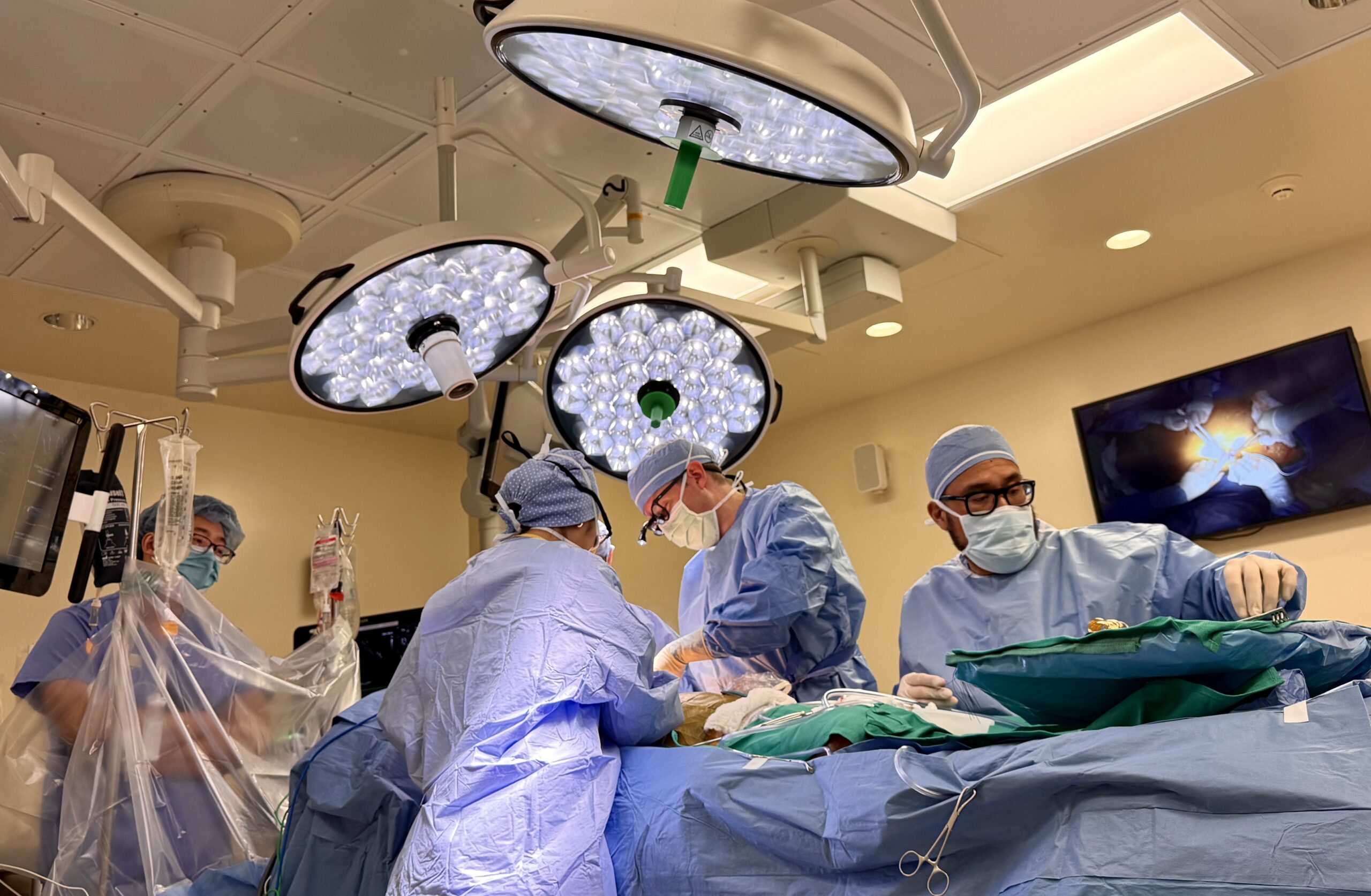
Advancements in Surgical Robots and Real-World Warehouse Automation Explored
The September 2026 digital issue of The Robot Report highlights significant advancements in surgical robotics and warehouse automation. It features case studies from El Camino Health, where the da Vinci system from Intuitive Surgical is utilized for coronary artery bypass grafting, emphasizing the need for precise motion control to enhance patient outcomes and reduce complications. This report is crucial for commercial robotics developers and end users as it illustrates the successful integration of robotic systems in healthcare and logistics. El Camino Health's implementation of robotic surgery not only alleviates cognitive burdens on staff but also improves care consistency and accessibility, showcasing the potential of surgical robots in modern medicine. Additionally, the report discusses the integration of autonomous mobile robots (AMRs) in warehouse operations, highlighting their independent capabilities compared to traditional automated guided vehicles. As AMRs become more prevalent in third-party logistics, retailers, and manufacturing, best practices for their deployment and maintenance will be essential for maximizing efficiency and investment returns. No further timeline was disclosed at the time of publication.
Autonomous Mobile Robots (AMRs) Case Study Controllers Digital Issues Healthcare Robotics Logistics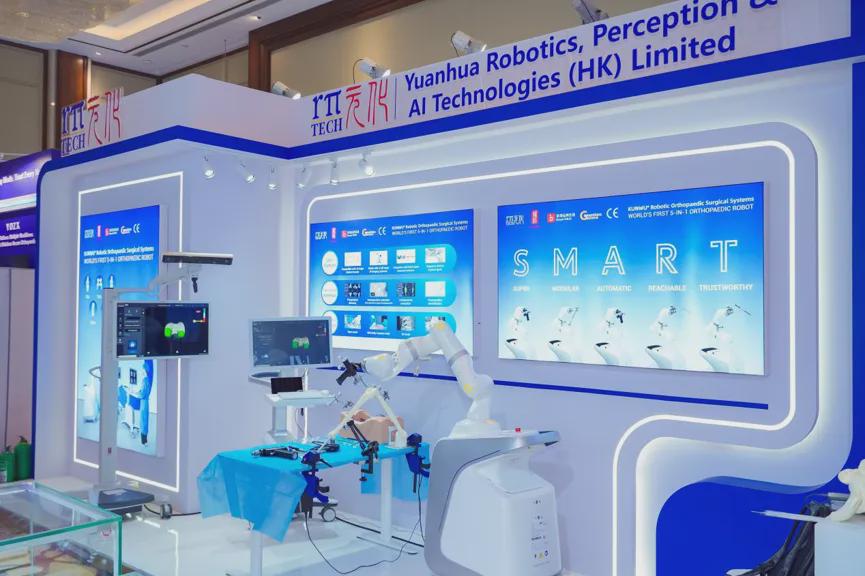
New Insights on Domestic Orthopedic Surgical Robots: Advancements in Complex Joint Replacement
The maturity of surgical robots is evaluated not just by their ability to perform standard joint replacements but also by their effectiveness in complex cases. At the 12th Asian Joint Society Annual Meeting held from September 10 to 12, 2023, in Boao, Hainan, experts discussed the challenges of robotic-assisted surgeries for patients with significant anatomical deviations. The event showcased the Kuntuo® orthopedic surgical robot in various scenarios, including live surgeries and workshops, emphasizing its role in addressing complex cases. A notable case involved a 66-year-old woman with developmental dysplasia of the hip, highlighting the need for personalized planning in joint replacement surgeries. The robot's capabilities extend beyond precision to include individualized preoperative planning based on patient-specific anatomical conditions. Future developments in robotic-assisted surgeries will likely focus on enhancing the robot's ability to adapt to unique anatomical challenges. The Kuntuo robot has previously been utilized in complex cases, indicating its growing relevance in orthopedic surgery. No further timeline was disclosed at the time of publication.
Orthopedic Robotics Surgical Automation Complex Case Management Medical Technology
Impact of Task Complexity on Skill Retention in Surgical Robot Teleoperation Training
A recent study has revealed the influence of task complexity on skill retention in the teleoperation of surgical robots. This research provides a framework aimed at enhancing training methodologies for surgeons operating robotic systems. Understanding how different levels of task complexity affect surgeons' ability to retain skills is crucial for developing effective training programs. Improved training methods can lead to better surgical outcomes and increased efficiency in robotic surgeries, which is vital in the evolving landscape of medical technology. Looking ahead, the focus will be on implementing the proposed framework in surgical training programs to assess its effectiveness. No further timeline was disclosed at the time of publication.

Healthcare Bureau Urges Caution in Surgical Robot Operations to Prevent Misuse
The installation of surgical robots in China is projected to rise significantly, with 97 units expected in 2025 and 136 in 2026, marking a 40% increase. The market size is anticipated to grow from 3.9 billion to 4.4 billion. Notably, domestic systems have surpassed 41% of new installations, with prices 30-40% lower than imported models. The Healthcare Bureau convened seven manufacturers and five hospitals, emphasizing the need to avoid using surgical robots merely for show and to prevent unnecessary surgeries that could inflate costs. The core issues surrounding surgical robots are not related to pricing or insurance reimbursements, which have been addressed through new payment structures and classifications for robotic-assisted surgeries. Looking ahead, the focus should be on establishing a regular cross-brand training mechanism for surgeons, as current training is heavily influenced by the brand of the robot used. The industry must also consider the implications of the BMJ article highlighting the need for structured training paths to ensure safety and effectiveness in robotic surgeries, as the performance of these expensive tools heavily relies on the skill of the operating physician.
Surgical Robots Medical Training Healthcare Innovation Robotic Surgery Medical Devices
AI Ultrasound Robots Revolutionize Congenital Heart Defect Surgery with Intelligent Imaging
Recently, a medical team in China successfully performed a congenital heart defect closure surgery using an AI-assisted ultrasound robot. This operation, conducted by the Sixth Medical Center of the PLA General Hospital, involved a 48-year-old male patient and marks the first global use of an AI ultrasound robot with intelligent imaging capabilities for such minimally invasive treatment. This breakthrough signifies a shift in medical robotics from traditional execution tools to intelligent assistance systems. Previously, interventional surgical robots primarily handled mechanical tasks, while physicians relied on their experience to interpret ultrasound images. The AI ultrasound robot enhances this process by integrating image recognition, real-time analysis, and operational guidance, enabling automatic image acquisition and abnormal structure identification, which is crucial for precise placement of occluders in complex cardiac structures. As the field of medical robotics rapidly evolves, the cardiovascular sector is a key area for AI exploration due to the high precision and risk involved in heart interventions. The successful application of AI ultrasound robots in China reflects a significant trend towards redistributing medical resources, potentially improving access to high-quality healthcare in underserved regions. No further timeline was disclosed at the time of publication.
AI in Healthcare Surgical Robotics Cardiovascular Technology Medical Imaging Precision Medicine
China Achieves First AI-Guided Surgery for Congenital Heart Disease Using Intelligent Robotics
Recently, a medical team in China completed the world's first AI ultrasound robot-assisted interventional procedure for congenital heart disease. Conducted by the Cardiovascular Medicine Department of the Sixth Medical Center of the PLA General Hospital, this surgery marks a significant milestone in the clinical application of intelligent technology in healthcare. This breakthrough is crucial as it signifies the integration of artificial intelligence into one of the most critical aspects of surgical procedures: interpreting images, assessing positions, and aiding doctors in formulating operational plans. Traditionally, cardiovascular interventions heavily relied on physician experience, particularly in complex cases where accurate understanding of heart structure changes is essential. Looking ahead, the focus may shift from merely achieving higher precision with robotic arms to whether robots can comprehend medical images, analyze patient conditions, and adapt strategies in real-time. The integration of AI models, medical imaging, and robotic control systems will be vital for advancing surgical capabilities, especially in areas lacking experienced specialists.
AI in Healthcare Surgical Robotics Medical Imaging Cardiovascular Surgery
China Achieves World-First with AI-Driven Ultrasound Robot for Heart Surgery
A groundbreaking achievement in cardiology occurred when a Chinese medical team successfully utilized an AI-driven, ultrasound-guided robot to perform a transcatheter closure for congenital heart disease in a 48-year-old patient. This milestone was reached at the Sixth Medical Center of the Chinese PLA General Hospital, also known as 301 Hospital, marking a significant advancement in surgical techniques. The importance of this development lies in its potential to enhance surgical precision and transform cardiovascular care. Unlike existing surgical robots that require direct human control, this innovative system employs deep learning algorithms to autonomously navigate and perform the procedure, significantly reducing radiation exposure for both patients and medical staff. Looking ahead, the implications of this technology are profound, as it could facilitate the expansion of specialized healthcare access globally. The intelligent automation of complex ultrasound-guided procedures may streamline workflows, reduce human error, and ultimately improve patient outcomes in cardiovascular interventions. No further timeline was disclosed at the time of publication.
Science
China’s Dexterous Hand Industry, 2026 Part 3 — The Players
Five vendor archetypes, MIR’s composite top ten, eight company profiles and six field deployments — every firm linked to the RobotToday supplier directory.

Inside Saga Robotics: UVC Light vs. Crop Disease
Saga Robotics CPO Damian Flynn on the Thorvald platform's UVC treatment system, its jump from UK strawberries to California wine grapes, and why he's “incredibly bullish” on applying automation and robotics into industries “most chaotic environment.”

Introduction to Robotics J. J. Craig — RSF Top 10 Robot Education Textbooks · No. 6
Six of ten benchmark universities teach kinematics from Craig. Frames, transforms and D-H parameters: the language vendor manuals already speak.
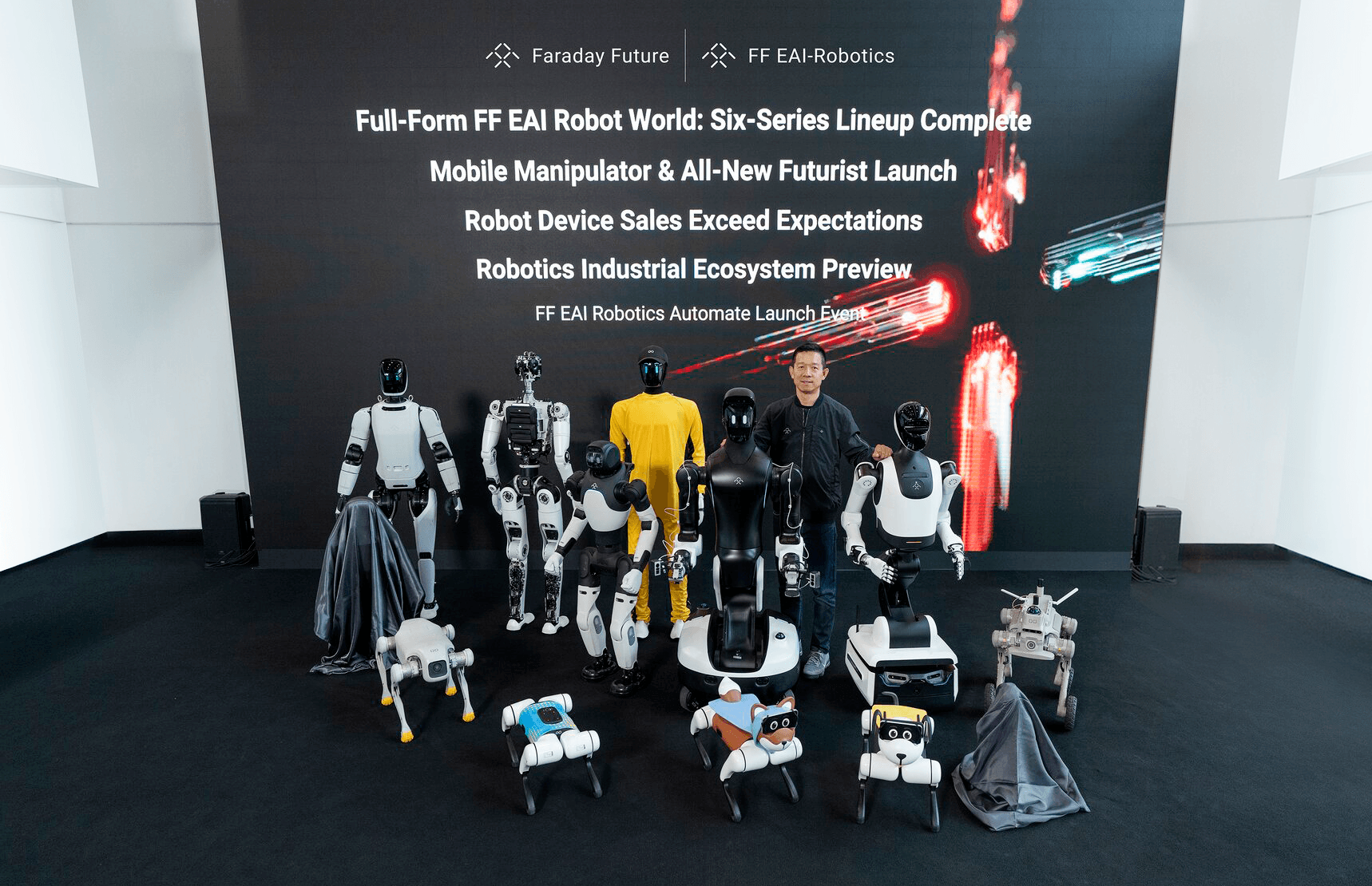
Faraday Future Completes Six-Series EAI Robot Lineup, Launches Faber Mobile Manipulator
Faraday Future unveils its full six-series EAI Robot World portfolio at Automate 2026, featuring the $89,900 All-New Futurist humanoid and the commercial release of the Faber mobile manipulator.

Integrated Joint Actuators 2026: Technology, Global Suppliers & China's Leap Forward
From rotary joints hitting 530 N·m+ to linear joints with planetary roller screws, integrated actuators are replacing the three-part drivetrain. Full supplier map: Tihu, PhyArc, RobStride, Schaeffler, maxon — and China's path from 1,000-RMB modules to global standard-setter.

The Core Components Battle of Indutrial Robot, Reducers, Servo Systems & Controllers
A technology-first analysis of the three pillars driving industrial robot capability: precision reducers, servo systems, and motion controllers. Maps the full global supplier ecosystem — Japan, Europe, and China — from component specs to product generations and integration architectures.

FUTURE WARFARE | Air - Collaborative Combat Aircraft, Drone Motherships & the Autonomy Race Above the Battlefield
Anduril’s YFQ-44A Fury flew its first semi-autonomous mission on 31 October 2025 — 556 days from contract to flight. By February 2026 it was carrying live missiles and swapping autonomy software mid-flight. China’s Jiutian drone mothership flew on 11 December 2025, capable of releasing over 100 loitering munitions from its internal bay at 15,000 metres. And the U.S. Air Force is standing up its second experimental one-way attack drone unit for mid-2026. This article maps the most consequential aerial autonomous systems competition in history: the CCA programme that will determine U.S. air dominance in the 2030s, the Valkyrie’s surprising rebirth, the A-GRA open-architecture breakthrough, and the Chinese drone mothership that has no Western equivalent.

Unitree's IPO Review: What It Means for China's Humanoid Robot IPO Landscape
On 1 April 2026, China's Securities Association (CSAC) randomly selected Unitree Robotics for a mandatory on-site IPO inspection — just 12 days after its STAR Market application was accepted. The event has generated significant market commentary. This analysis examines the regulatory context, what the inspection actually means, the four core controversies in Unitree's prospectus, and the implications for competing humanoid robot companies pursuing public listings.

FUTURE WARFARE | Sea - Autonomous Surface Vessels & Unmanned Underwater Vehicles — The Hybrid Fleet Takes Shape
Ukraine’s ‘Sub Sea Baby’ autonomous torpedo struck a Russian Kilo-class submarine inside Novorossiysk harbour in December 2025 — the first confirmed underwater drone attack on a submarine in history. The U.S. Navy is requesting $5.3 billion for unmanned maritime systems in FY2026, a 70 percent year-on-year increase. Saronic Technologies went from prototype to $392 million production contract in under 12 months. And DARPA’s Manta Ray XL-UUV completed full-scale sea trials. This article maps the maritime autonomous systems revolution — from Ukraine’s improvised Black Sea fleet to the Pentagon’s hybrid manned–unmanned force of the 2030s, and from Saronic’s Franklin, Louisiana shipyard to Boeing’s 85-tonne robot submarine.
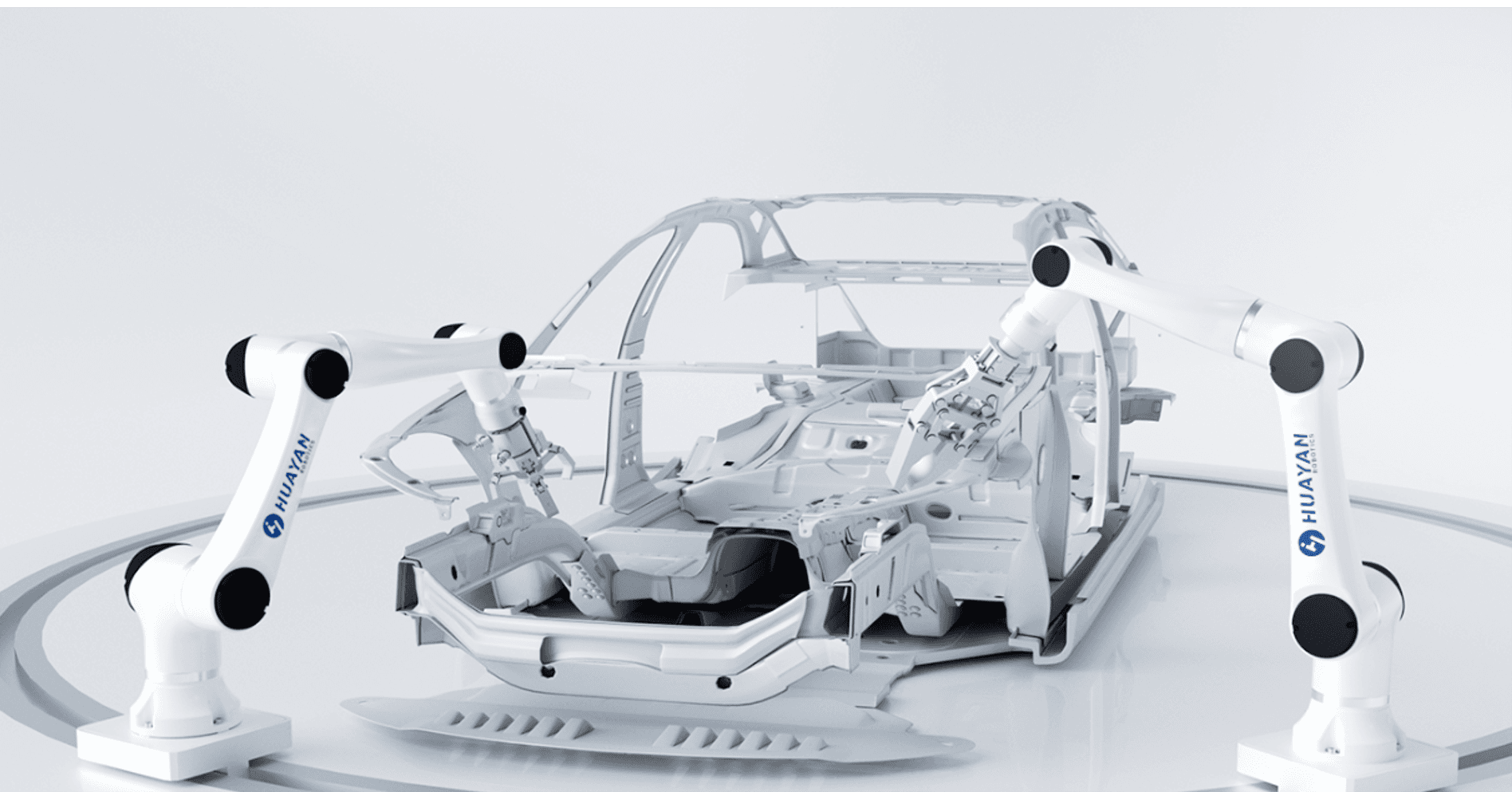
Guangdong Huayan Robotics Files for Hong Kong Mainboard IPO
Guangdong Huayan Robotics (formerly Han’s Robot) files for Hong Kong Mainboard IPO seeking HK$1.37 billion at HK$17.00 per share. China’s leading full-stack cobot manufacturer reported RMB 310.4 million revenue in 2024 (+77% YoY) and carries strong cornerstone backing. Analysis of financial highlights, technology stack, market position, and related-party risk.


