


Under Control Robotics (UCR)
"Built for the world's toughest jobs"
Santa Clara humanoid robot startup building Moby for heavy industry; rebranded as Noble Machines in March 2026 after first Fortune 500 deployment.
Contact Under Control Robotics (UCR)
WEBSITE
https://ucr.botHEADQUARTERS
United States

Company Facts
Founded
2024
Primary Role
Manufacturer
Company Size
-
Primary Region
North America
Annual Sales
-
Funding Stage
-
Funding Total
-

SiMa.ai Secures $150 Million in Series C Funding to Enhance Physical AI Platform
SiMa.ai has successfully raised $150 million in Series C funding, achieving a valuation of $1.45 billion. This funding round, which was co-led by Fidelity Management & Research Company and Amplify, aims to support the expansion of SiMa.ai's physical AI platform into various sectors, including humanoid robots, vehicles, and drones. The significance of this funding lies in SiMa.ai's strategic focus on enhancing its capabilities in the physical AI domain. With the increasing demand for advanced AI solutions in robotics and automation, this investment positions SiMa.ai to capitalize on emerging opportunities in these rapidly evolving markets. Looking ahead, industry observers will be keen to see how SiMa.ai utilizes this funding to further develop its technology and expand its market presence. No further timeline was disclosed at the time of publication.
AI AI Funding & Investment Robotics +ND Capital AllianceBernstein Alter Venture Partners
Figure Joins NVIDIA's Open Agent Safety Platform to Enhance Humanoid Robot Safety
Figure has officially joined NVIDIA's Open Agent Safety Platform, a collaborative initiative aimed at establishing safety protocols for advanced AI agents. Announced by NVIDIA CEO Jensen Huang on September 28, the platform includes over 100 industry partners, emphasizing the importance of safety as humanoid robots begin to integrate into homes and workplaces. The collaboration is significant as it highlights Figure's commitment to ensuring that humanoid robots are safe and trusted by users. Figure CEO Brett Adcock noted that the presence of humanoid robots in everyday environments necessitates stringent safety measures. While specific contributions from Figure to the initiative remain undisclosed, the partnership underscores the relevance of safety in the development of humanoid robotics. Looking ahead, the focus will be on how Figure and other partners will implement the safety measures outlined by NVIDIA's platform. No further timeline was disclosed at the time of publication, but the initiative aims to create a foundation for trustworthy AI systems, which is crucial for unlocking the economic potential of AI technologies in various applications.
Brett Adcock NVIDIA Jensen Huang Figure cybersecurity
China Dominates Humanoid Robot Patents with 60.8% Share, Impacting Global Competition
China has significantly increased its share of humanoid robot patents, reaching 60.8% as of the first half of 2026, according to data from the Intellectual Property Office. This rise marks an increase from 51.8% in 2024, while the US and South Korea saw declines in their shares, holding 21.8% and 4.6%, respectively. The implications of China's patent dominance are profound for South Korea, which is striving to compete in the rapidly evolving robotics sector. The decline in South Korea's patent share from 6.3% in 2024 highlights the challenges it faces. Additionally, China leads in robot foundation models, holding 66.3% of IP5 patents in this area, further emphasizing its technological advancements. Looking ahead, the Korea Institute of S&T Evaluation and Planning indicates that South Korea is lagging in core robotics capabilities, with concerns that a delay in innovation could result in a significant technological gap. No further timeline was disclosed at the time of publication.
All News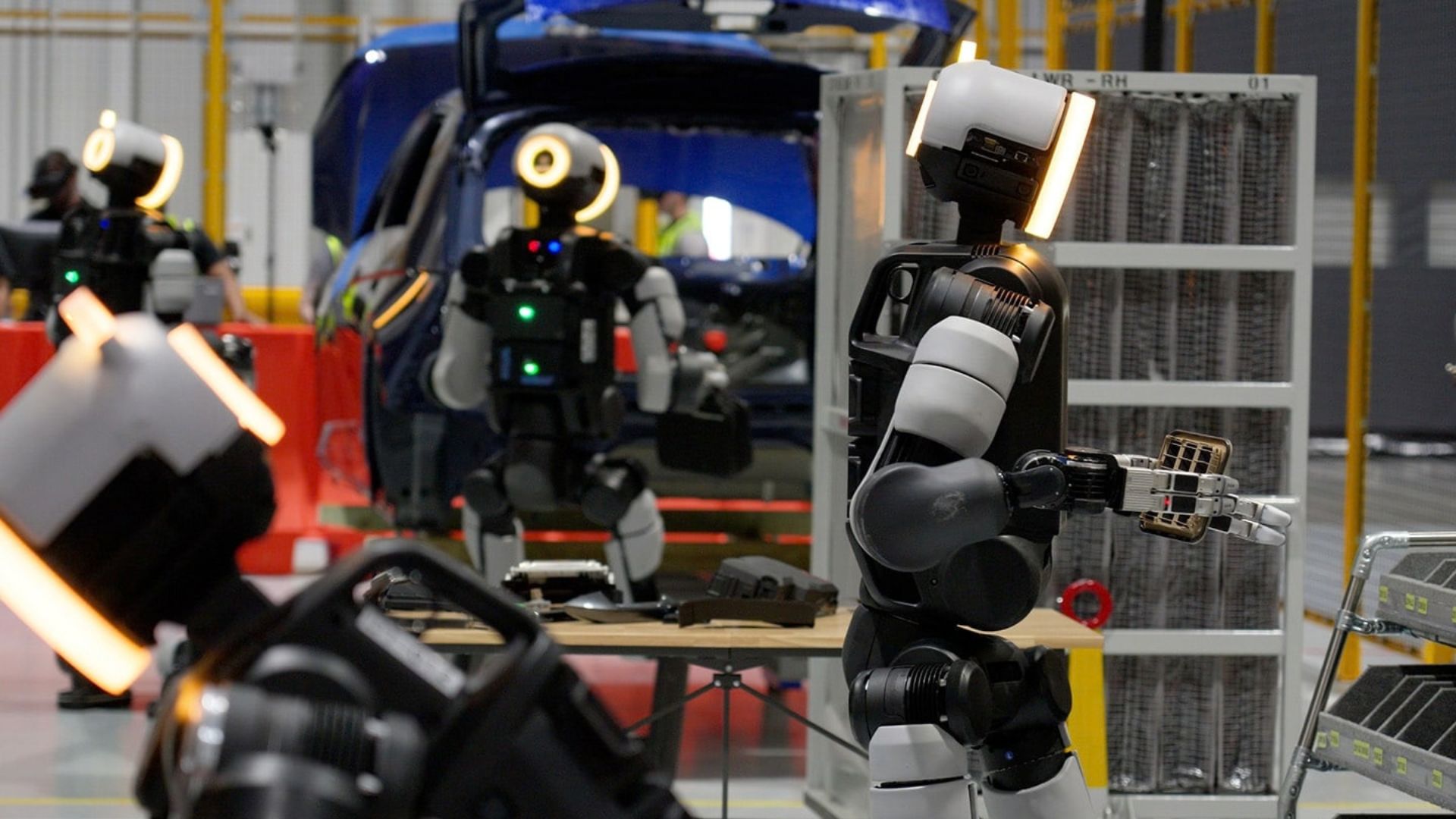
Boston Dynamics Launches Atlas Robot Testing at Hyundai's Metaplant for 25,000 Unit Rollout
Boston Dynamics has initiated testing of its Atlas humanoid robot at the Robotics Metaplant Application Center (RMAC) within Hyundai Motor Group’s Metaplant America in Georgia. This facility aims to serve as a dedicated hub for physical AI and robotics training, with plans for Hyundai to deploy 25,000 Atlas units globally by 2030. The collaboration between Boston Dynamics and Hyundai is significant as it marks a shift towards integrating humanoid robots into manufacturing processes. Atlas is expected to handle complex tasks such as component assembly and heavy lifting, which will enhance productivity and safety in the workplace. The robot's capabilities include lifting up to 50 kg and operating in extreme temperatures, making it suitable for various industrial applications. Looking ahead, the partnership plans to expand testing into non-automotive sectors by relocating operations to a larger facility in 2027. This initiative aims to reduce physical strain on human workers by automating high-risk tasks, while also addressing labor concerns regarding job security in an increasingly automated environment. No further timeline was disclosed at the time of publication.
AI and Robotics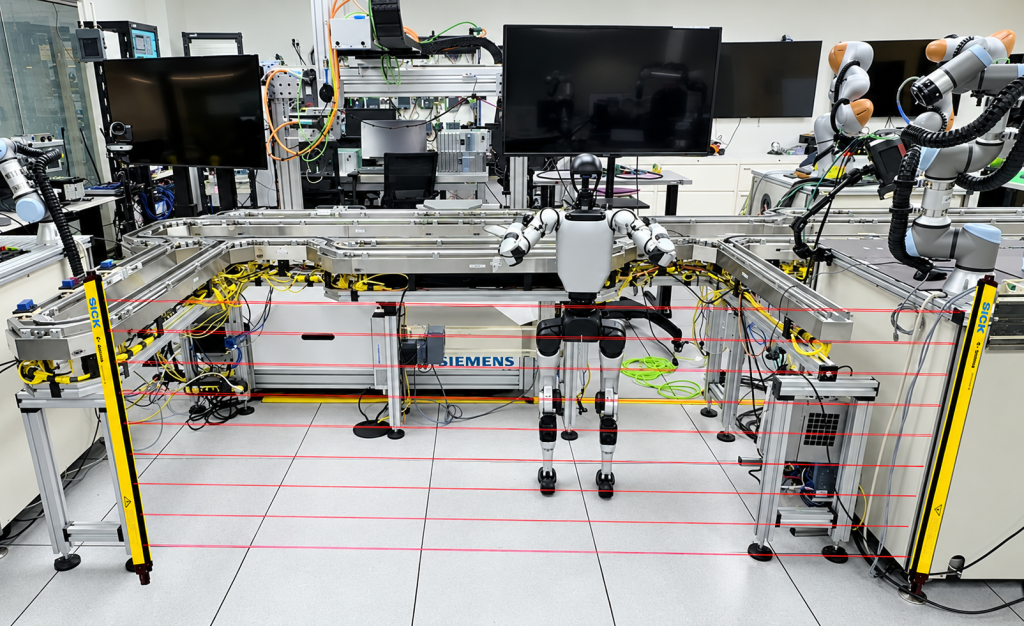
Carnegie Mellon Researchers Develop New Safety Measures for Humanoid Robots
Researchers at Carnegie Mellon University are exploring innovative safety measures for humanoid robots as they become more prevalent in various environments. Changliu Liu, an associate professor at CMU's Robotics Institute, emphasizes the importance of improved safety protocols, especially after observing numerous incidents where humanoids have caused harm. The partnership with Siemens has led to the development of a method to assess the 'safe stoppability' of these robots, aiming to enhance their operational safety. The significance of this research lies in the increasing integration of humanoid robots into workplaces, public spaces, and homes, where the potential for accidents is heightened. Liu and her team are working towards a future where humanoids can autonomously assess their safety and avoid dangerous situations. Current emergency stop mechanisms are inadequate for humanoids, as simply cutting power can lead to falls and injuries, necessitating a more nuanced approach to robot safety. Looking ahead, the researchers are focused on defining the operational conditions under which humanoids can safely stop. This involves understanding the context in which a robot operates, as various factors such as surrounding obstacles or the robot's current actions can influence its ability to halt safely. No further timeline was disclosed at the time of publication.
Research
Humanoid Robot Industry Growth: Profitability and Market Dynamics Explored
The humanoid robot industry is projected to experience significant growth, with global shipments reaching approximately 19,000 units in the first half of 2026, a nearly threefold increase year-on-year. Goldman Sachs has raised its 2035 market forecast from $38 billion to $138 billion, predicting sales of 6.48 million units, a 4.7-fold increase from previous estimates. However, a closer look at the financial reports reveals that the profits of leading companies in the sector are primarily derived from traditional industrial robotics and automotive components, with humanoid robot business contributions often below 5%. Despite the promising growth figures, the financial health of several leading firms in the humanoid robotics sector raises concerns. In the first half of 2026, these companies reported a combined net profit of approximately 900 million yuan, while their market capitalization stood at around 140 billion yuan, resulting in a median static price-to-earnings ratio of 90 times. The losses reported by these companies are not solely attributed to research and development but also include significant financial expenses, highlighting the challenges faced by firms heavily invested in the humanoid robotics space. As the industry approaches 2027, the risk of cash flow disruptions looms large, particularly for companies relying on high-leverage balance sheets. While China accounted for 97% of global humanoid robot shipments in August, translating to only 20,000 to 30,000 units annually, the actual profitability remains elusive. The current focus on showcasing capabilities rather than delivering cost-saving solutions for factories indicates a disconnect between market share and financial viability, emphasizing the need for a shift towards sustainable revenue generation in the humanoid robotics sector.
Humanoid Robots Industrial Automation Market Analysis Robotics Industry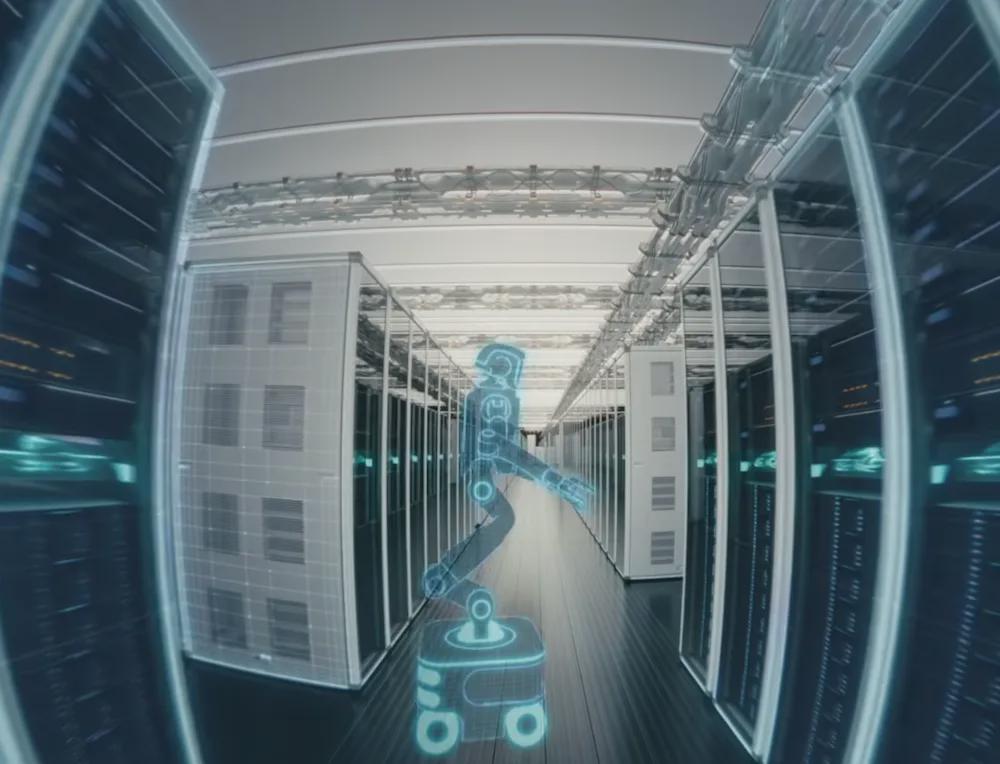
Agility Robotics Unveils Digit 5 and Explores Wheeled Robot Designs
In mid-September, Agility Robotics launched its fifth-generation humanoid robot, Digit 5. The company, which has been developing bipedal robots for over a decade, has seen its flagship product, Digit, deployed in various facilities including Amazon and Toyota Canada. According to the company, it has achieved continuous commercial deployment for nearly three years. The exploration of wheeled designs was confirmed by co-founder and Chief Robotics Officer Jonathan Hurst, who noted that while the company is investigating various robot forms to meet different operational environments, bipedal robots are expected to remain the solution for many scenarios as their safety and reliability improve. Hurst emphasized that the goal is to enable robots to operate in more environments quickly, although it is too early to determine if a wheeled version of Digit will be released. Digit 5 features significant design changes, including a switch from bird-like legs to human-like legs, allowing it to squat and lift loads of up to 50 pounds. Hurst stated that this capability is sufficient for single-person handling tasks in OSHA-regulated areas. The robot's ability to operate without fixed safety zones and its involvement in standard-setting for industrial mobile robots are crucial for its integration into workplaces, as current humanoid robots often operate in isolated areas, limiting their value.
Bipedal Robots Wheeled Robots Industrial Automation Robot Safety Standards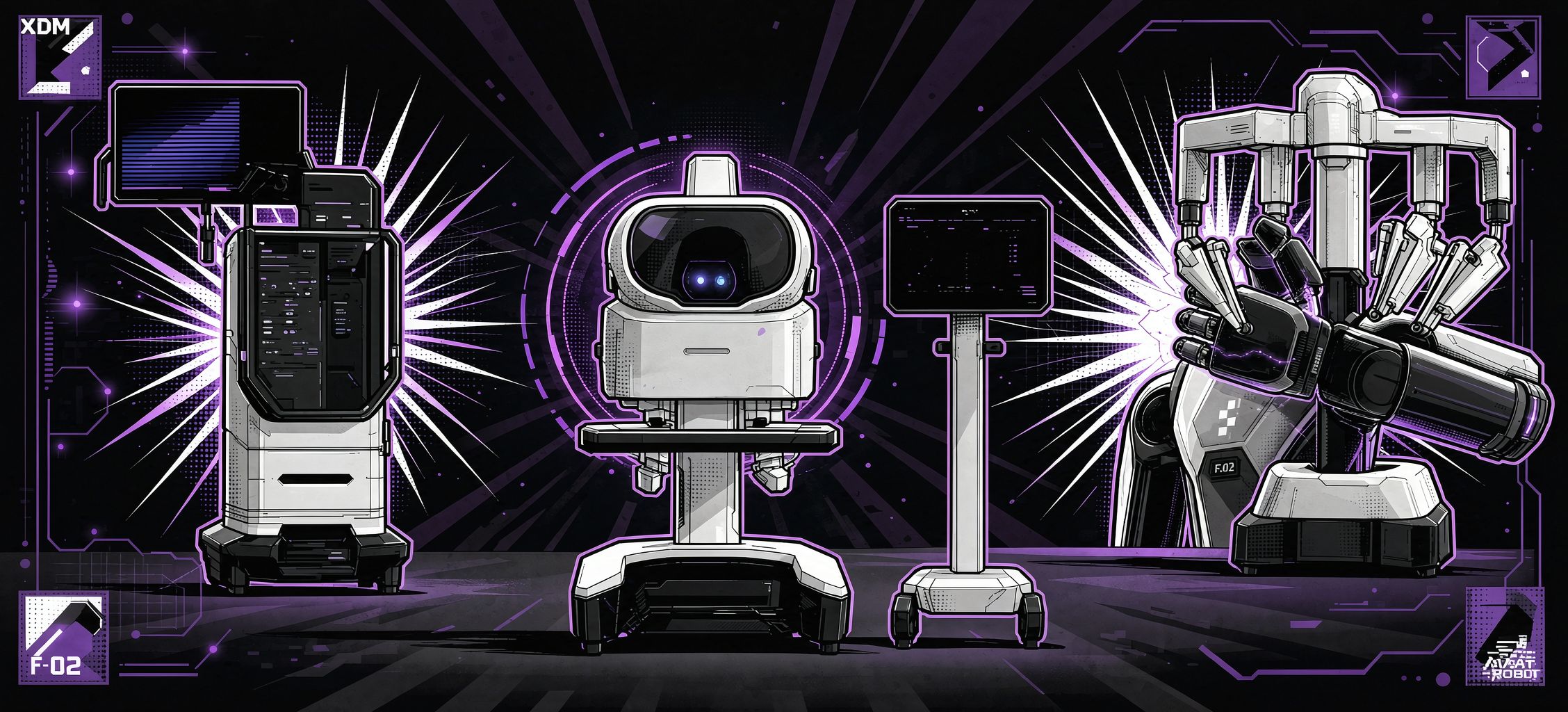
Robot Industry Faces Discrepancy: 1.7 Billion Orders Against 90 Billion Financing
In the first half of 2026, 218 humanoid and embodied robot projects were awarded in China, totaling 1.723 billion yuan. Meanwhile, financing in the embodied intelligence sector exceeded 90 billion yuan, highlighting a staggering 52-fold discrepancy. This situation reflects a broader issue within the industry regarding the definition of orders, as many reported orders do not translate into actual demand. The significance of this disparity lies in the potential misrepresentation of the market's health. Many orders stem from government procurement for display purposes rather than genuine production needs. Additionally, agreements between suppliers and manufacturers often inflate order numbers without real customer demand. The structure of awarded projects indicates that a majority are linked to educational and governmental entities, with industrial orders primarily involving prototypes and testing rather than regular commercial use. Looking ahead, the industry must monitor key indicators such as the repurchase rate among industrial clients, accounts receivable turnover days, and the payment cycles of local governments. These metrics will provide insight into the sustainability of reported orders and the overall health of the market. No further timeline was disclosed at the time of publication.
Humanoid Robots Embodied Intelligence Market Analysis Financial Sustainability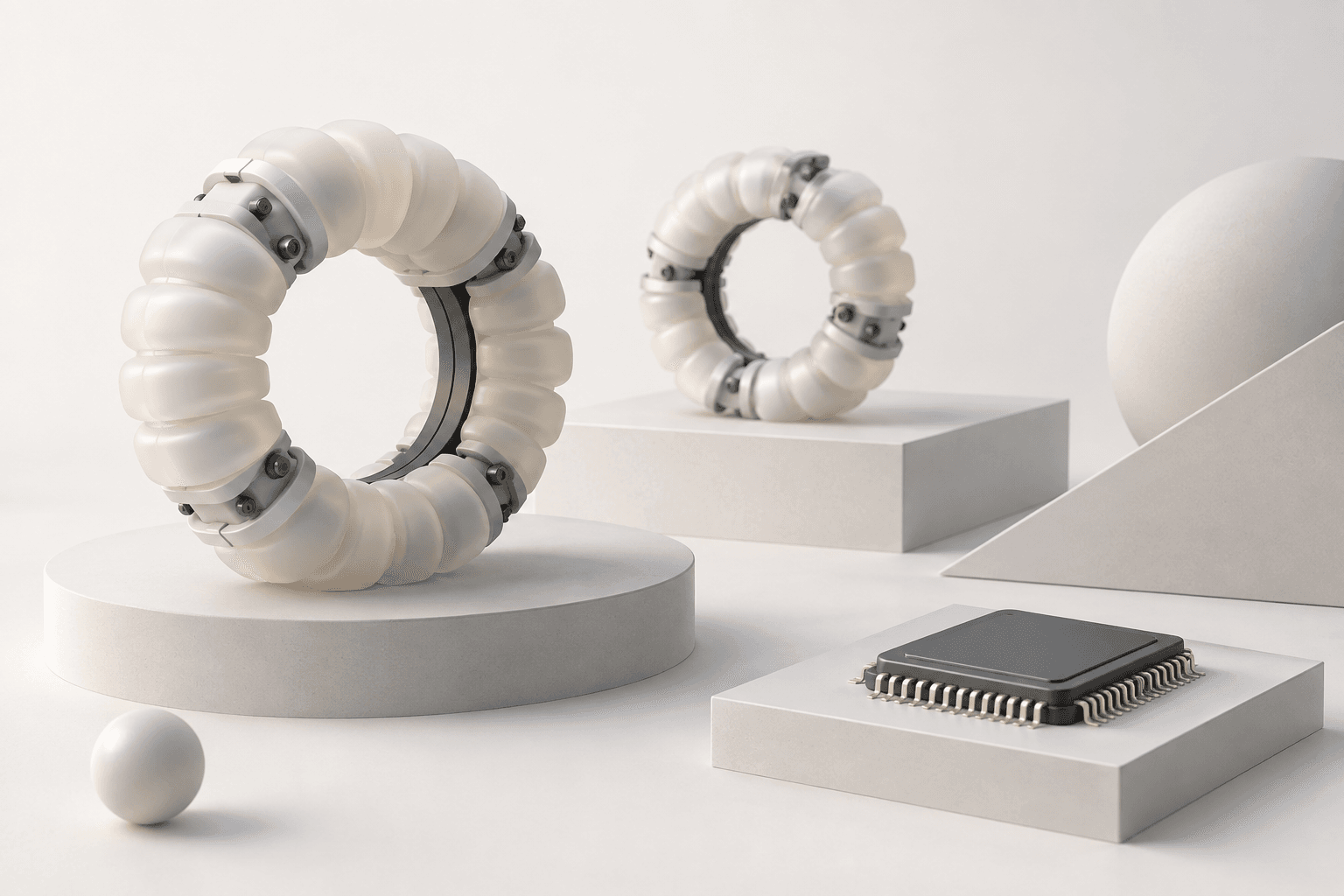
Nations Technologies and SIAT Launch N32H785 Dual-Core MCU for Humanoid Joint Motors
On September 23, 2026, Nations Technologies and SIAT introduced the N32H785, a dual-core MCU designed for joint-motor drives. This reference design boasts a rated torque of 20 N·m and a peak torque of 60 N·m, along with a current loop frequency of 20 kHz. The launch of the N32H785 is significant as it addresses the growing demand for advanced motor control solutions in robotics, particularly for humanoid applications. The specifications indicate a robust capability for handling complex movements, which is crucial for the development of more agile and responsive humanoid robots. Looking ahead, industry stakeholders should monitor the adoption of the N32H785 in various robotic applications. Its performance metrics could set a new standard for joint-motor control, influencing future designs and innovations in humanoid robotics. No further timeline was disclosed at the time of publication.

RobotToday Weekly September 21 – 25, 2026
Cognex buys RealSense, Qualcomm acquires PickNik, the IFR counts 5 million factory robots, AGIBOT deploys 300 robots at Chimelong, and Tekever raises $580 million.

Siemens on Robots, Agentic AI and the "Last 3%" Problem
Siemens tells RobotToday at IMTS 2026 why AI robot demos are only the tip of the iceberg, and why agentic AI depends on PLM data and business context.

Innovation Works Venture Expo 2026: 58 Pittsburgh Startups Pitch to Investors
58 health, deep tech and robotics startups pitched at Innovation Works Venture Expo 2026 in Pittsburgh. Full company list, program and 2025 funding data.
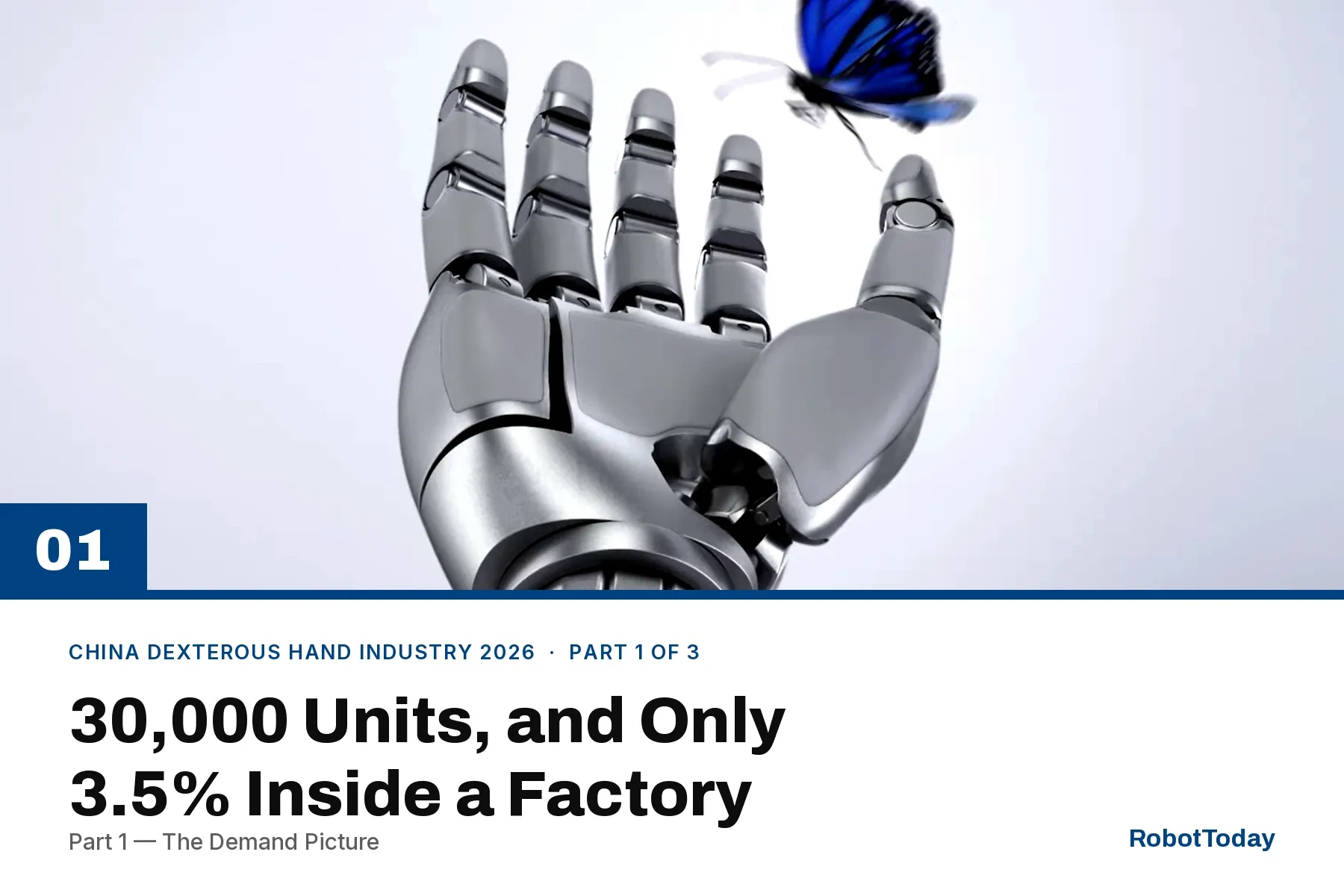
China’s Dexterous Hand Industry, 2026 Part 1 — The Demand Picture
MIR Databank puts China dexterous hand shipments above 30,000 units in 2026, yet only 3.5% of 2025 demand came from factory production. Part 1 of 3.
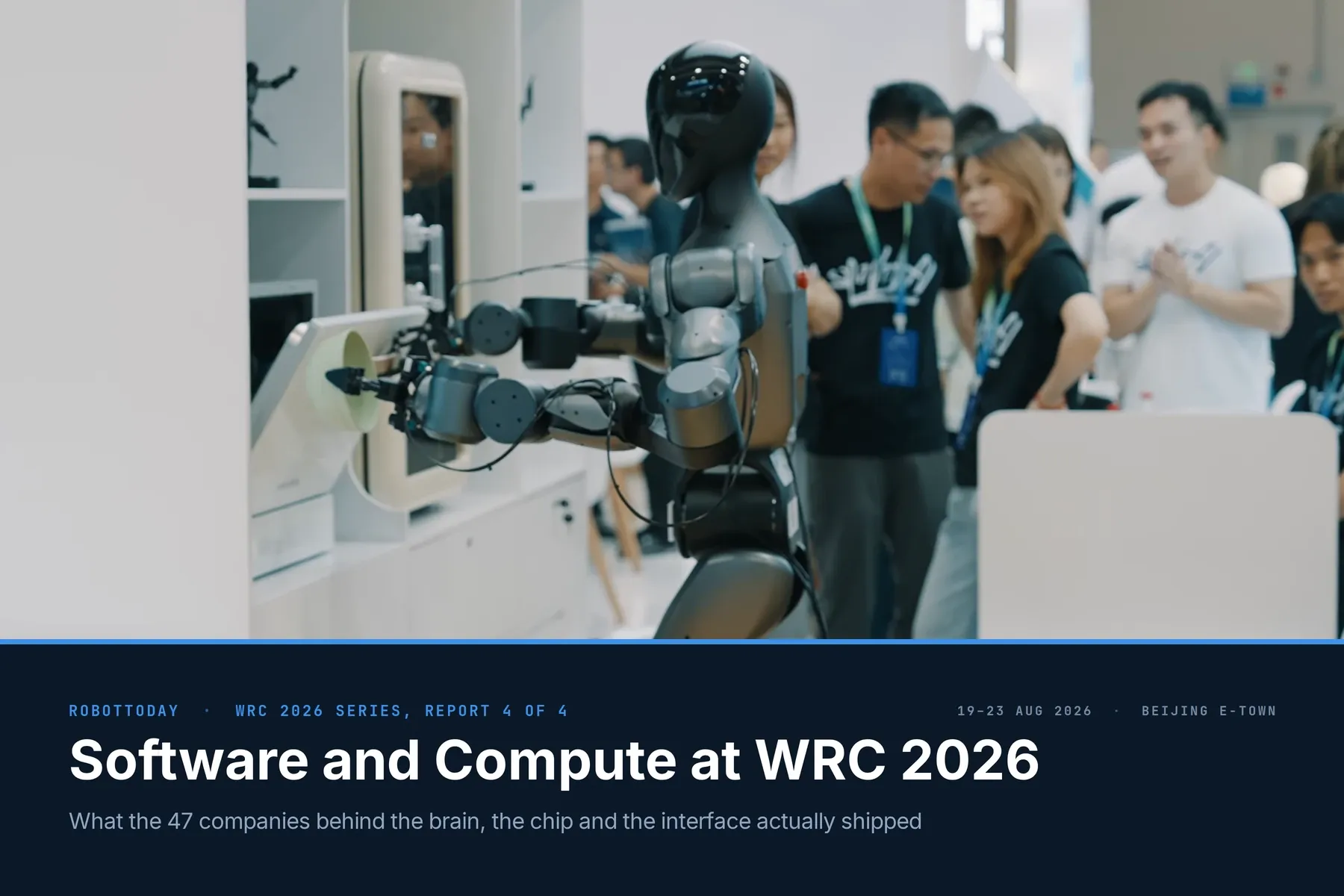
Software, Compute and Interaction at WRC 2026
47 WRC 2026 exhibitors supply robot software, compute or interaction — but only 19 call themselves software companies. Five open artefacts, licence-checked.
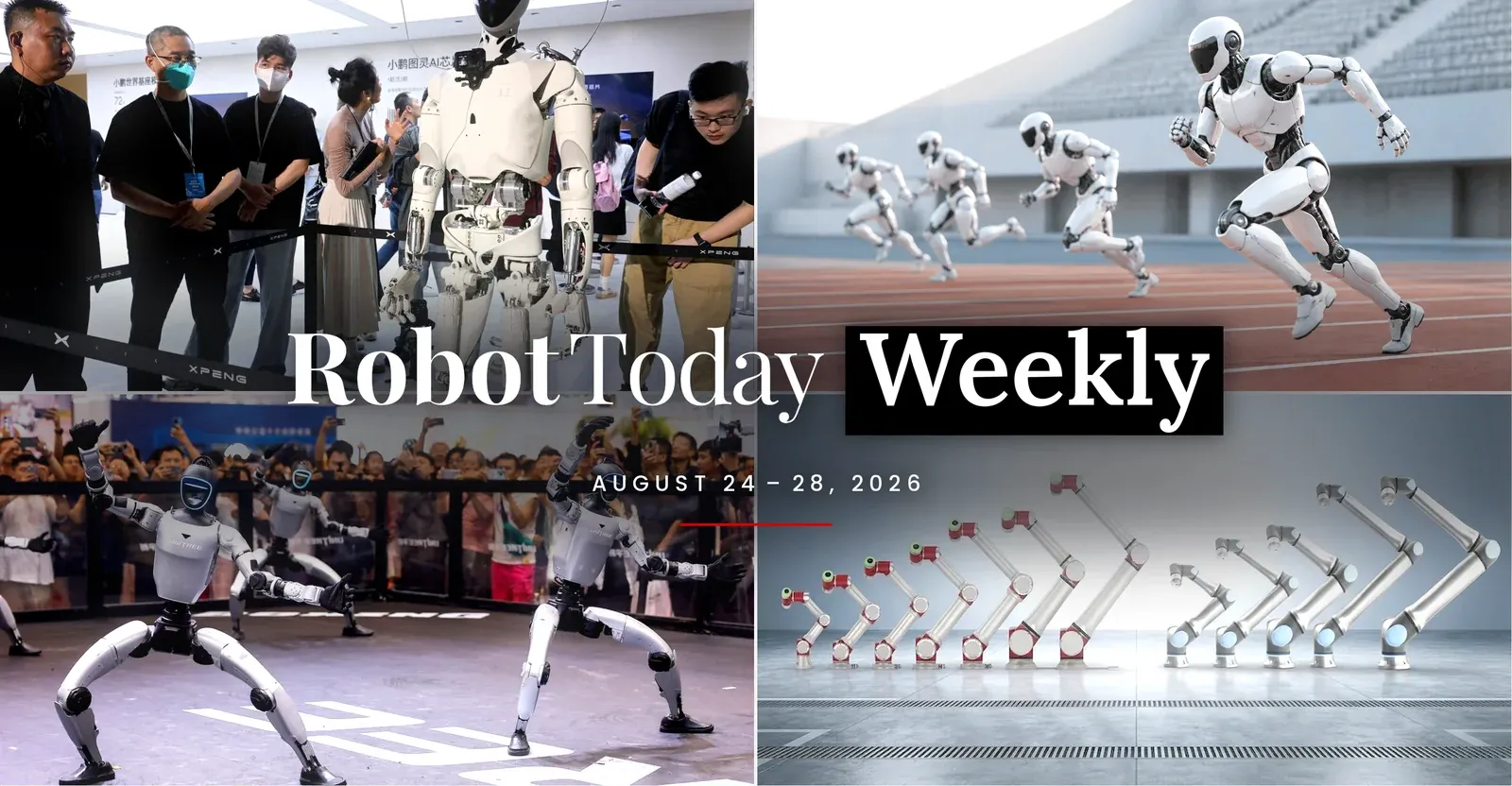
ROBOTTODAY WEEKLY BRIEFING August 24 – 28, 2026
This week in robotics: XPeng's Dogotix raises over $900 million at a $6.3 billion valuation, Unitree's post-IPO slump revives bubble talk, Beijing's World Humanoid Robot Games close with a shift to real-world tasks, and Teradyne sues JAKA at Europe's Unified Patent Court. August 24–28, 2026.
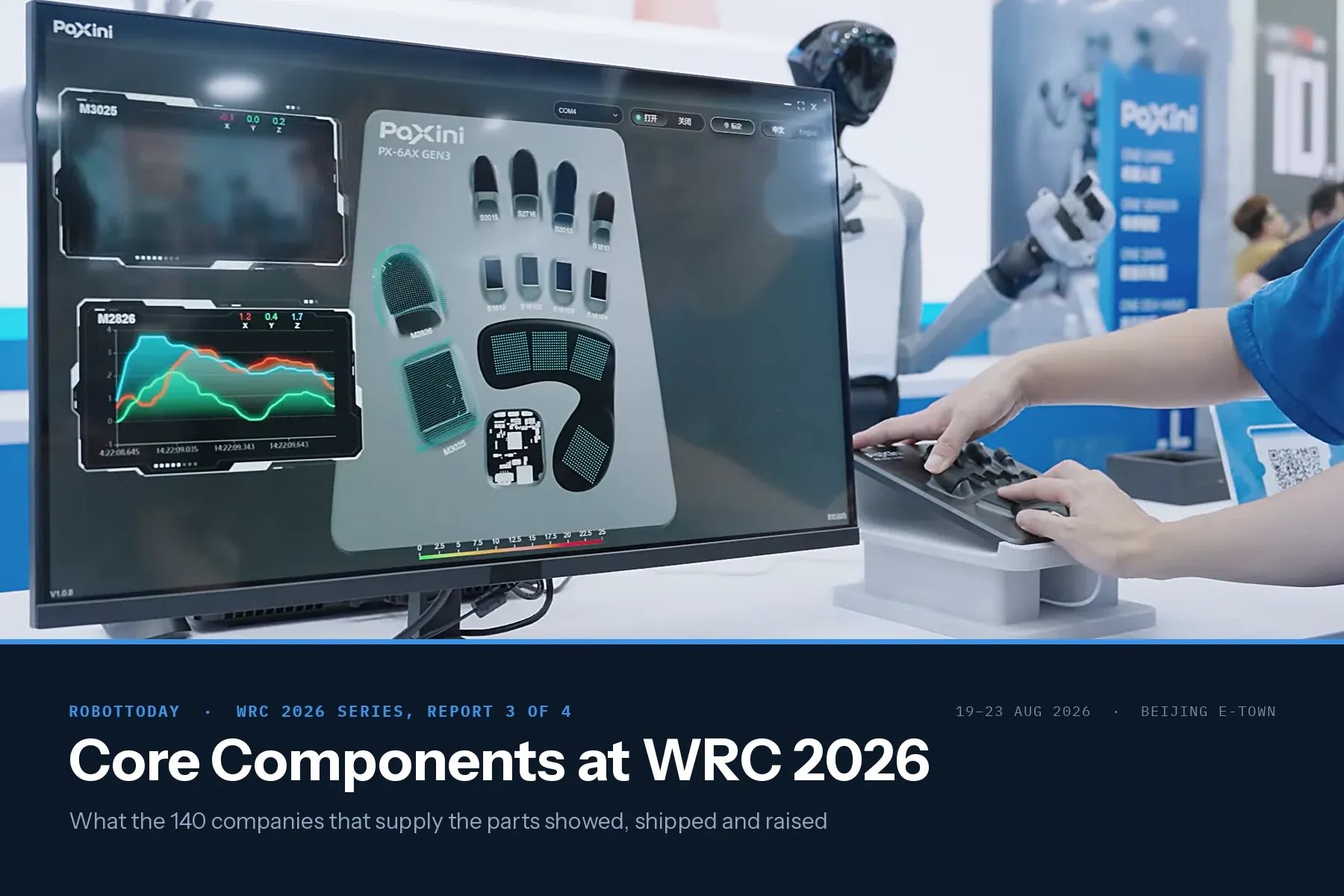
WRC 2026 Core Components: 137 Robot Parts Suppliers
The third report in the WRC 2026 series. Report 1 mapped all 248 exhibitors by category and Report 2 covered the 139 that build finished robots. This one covers the 137 that build what goes inside them.
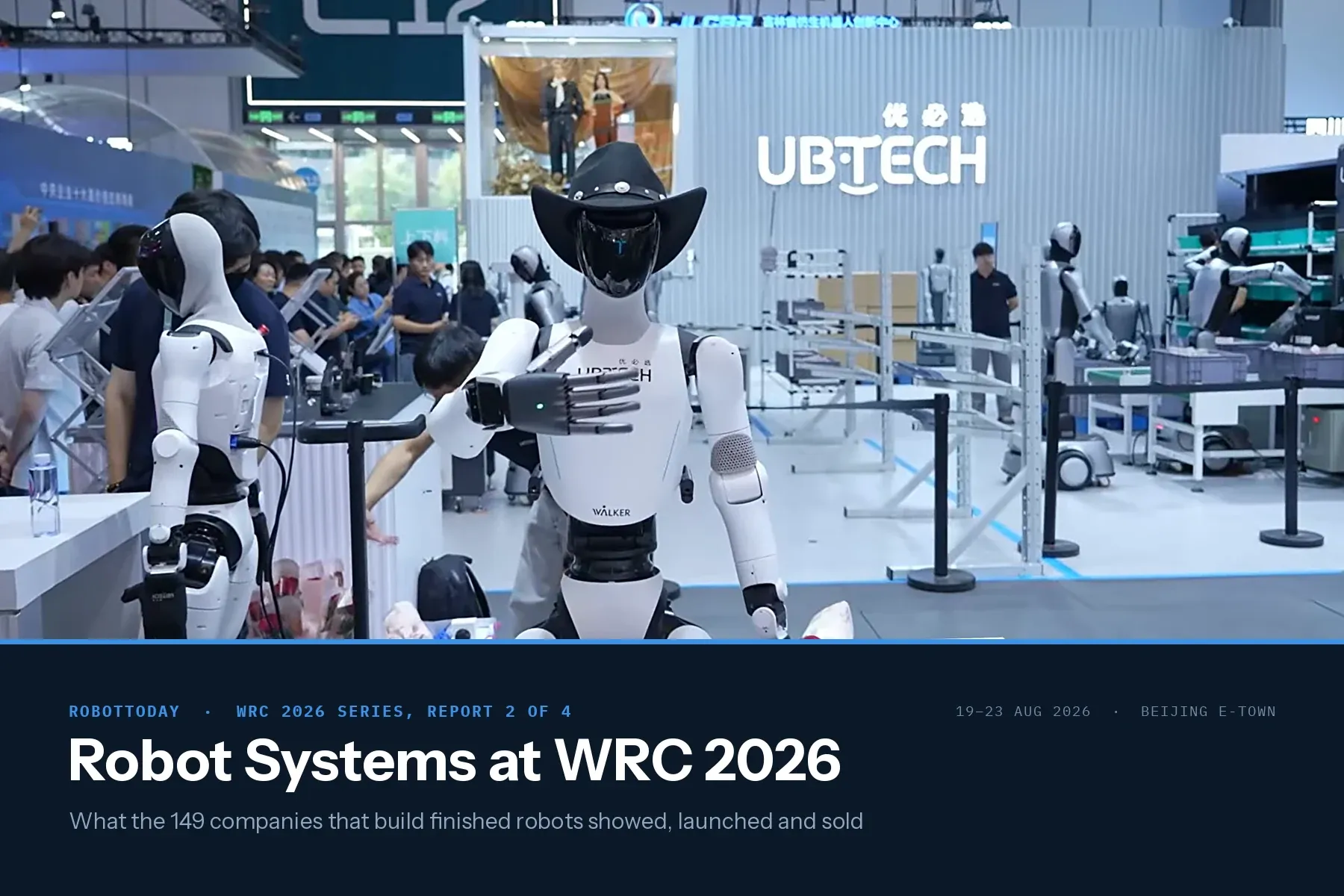
WRC 2026 Robot Systems: 149 Companies That Build Robots
149 of the 248 classified WRC 2026 exhibitors build finished robots. 93 build humanoid or legged machines. The audited humanoid sales number is one unit.

ROBOTTODAY Weekly August 10 – 14, 2026
Your weekly robotics briefing: Unitree's IPO is swamped by retail demand, the US puts 100% tariffs on imported drones, LG and Nvidia commit to a 2027 humanoid, and Uber and Pony.ai bring 2,000 robotaxis to Europe.

Inside Saga Robotics: UVC Light vs. Crop Disease
Saga Robotics CPO Damian Flynn on the Thorvald platform's UVC treatment system, its jump from UK strawberries to California wine grapes, and why he's “incredibly bullish” on applying automation and robotics into industries “most chaotic environment.”
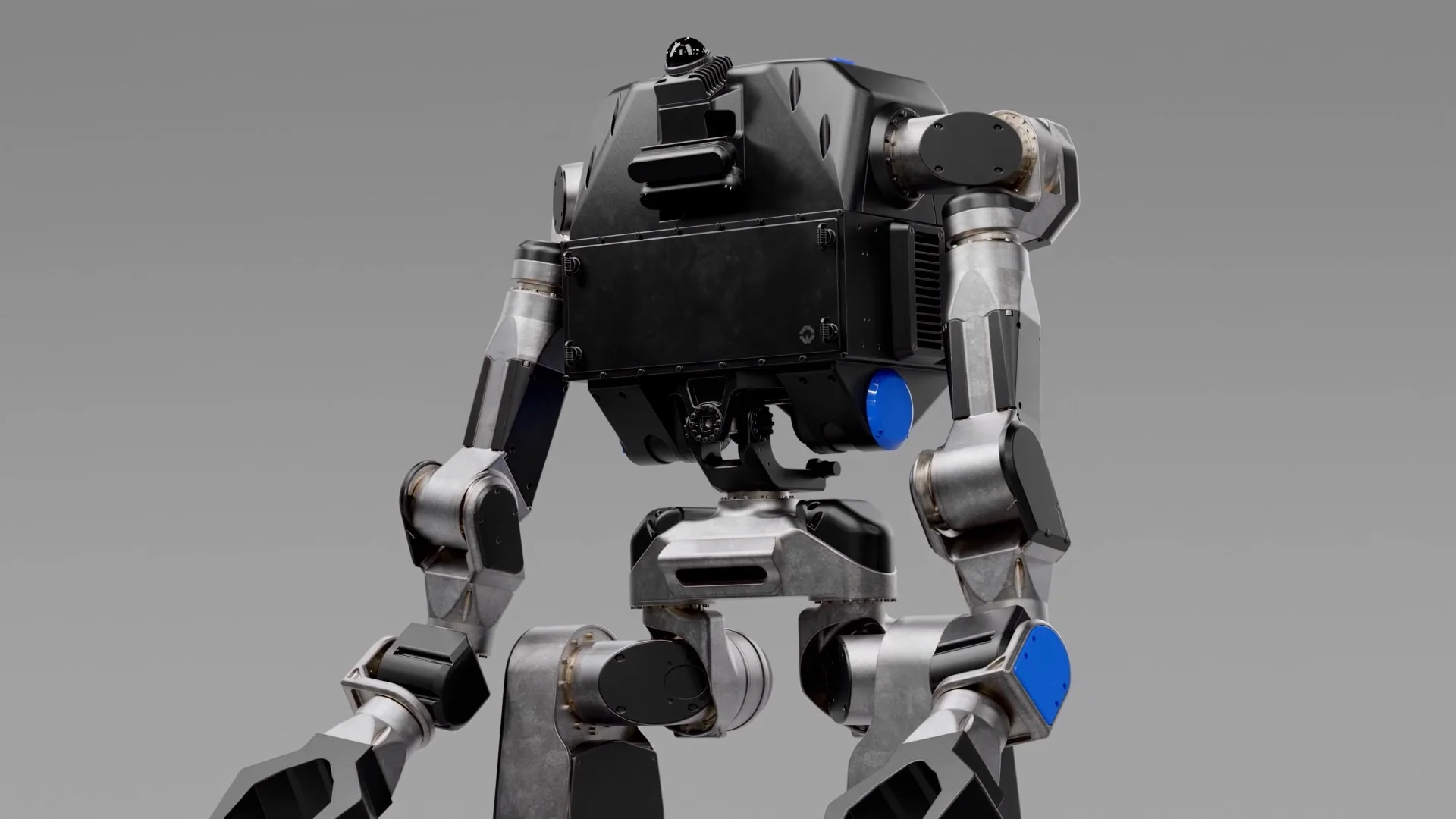
Noble Machines Exits Stealth: The "Anti-Human" Approach to Industrial Humanoids
Noble Machines, a Sunnyvale-based company formerly known as Under Control Robotics (UCR), has officially launched its operations, marking a significant shift in the industrial robotics sector. The company is set to specialize in heavy-duty, general-purpose robots designed to prioritize payload capacity and durability, distinguishing itself from competitors that focus on biomimetic designs. This strategic pivot aims to meet the growing demand for robust industrial solutions that can withstand the rigors of various manufacturing environments. With this launch, Noble Machines seeks to establish itself as a leader in the industrial robotics market, addressing the needs of industries that require reliable and powerful robotic solutions.
US Noble Machines Schaeffler product-launch

