Star Seiki Co (JP)

Japanese manufacturer of injection molding machine (IMM) automation robots. Produces Cartesian servo-driven unloaders, sprue pickers, conveyors, and pallet changers for plastic molding facilities; markets in North America through Star Automation Inc.

Share
Star Seiki Co (JP)
1-9-52 Nagayoshi-deto
Osaka 547-0011
RobotToday Initiative

Robotics needs a service framework.

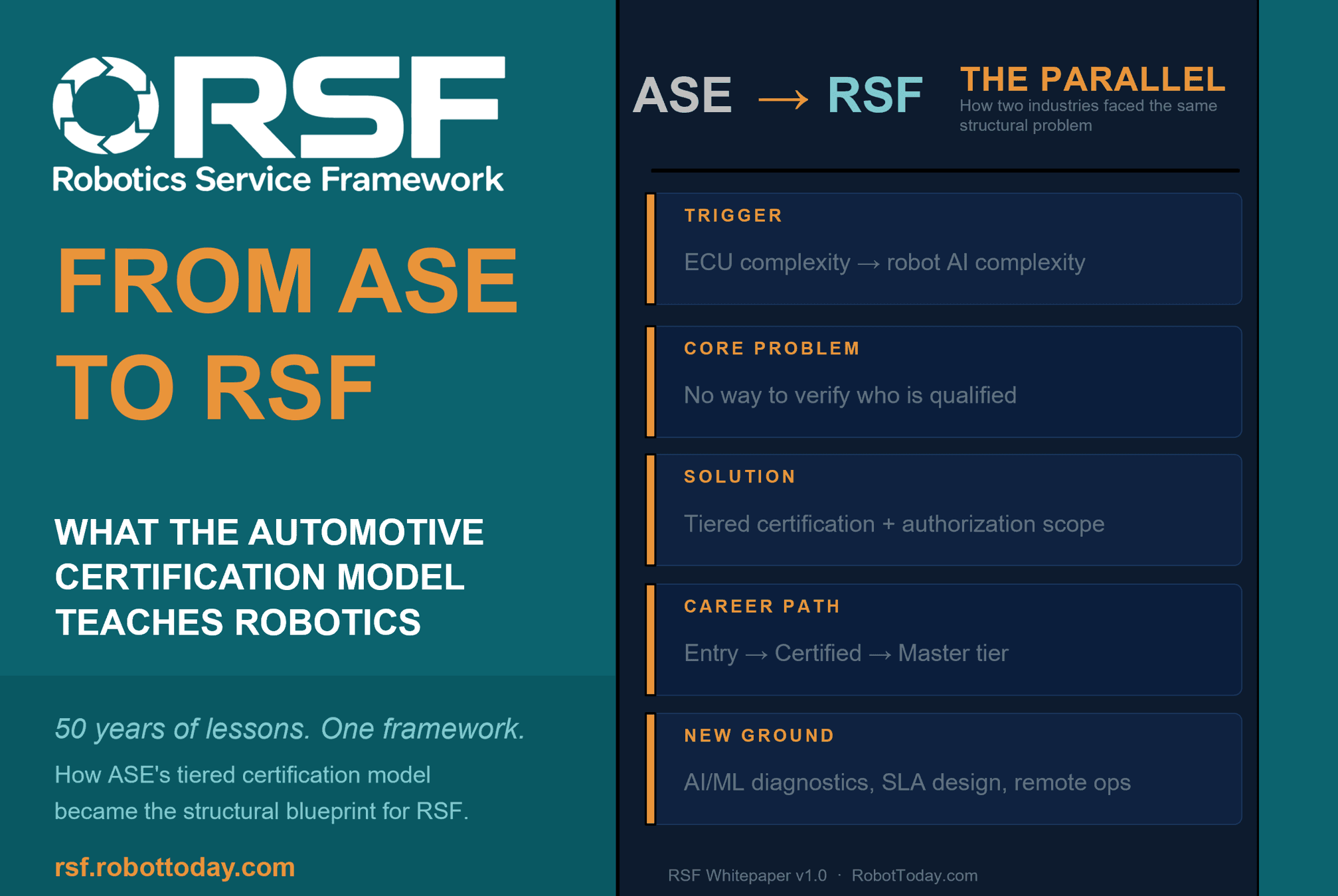
RSF defines a common language for robot service capability, lifecycle operations, certification pathways, and service-provider networks.

Share

Related Content

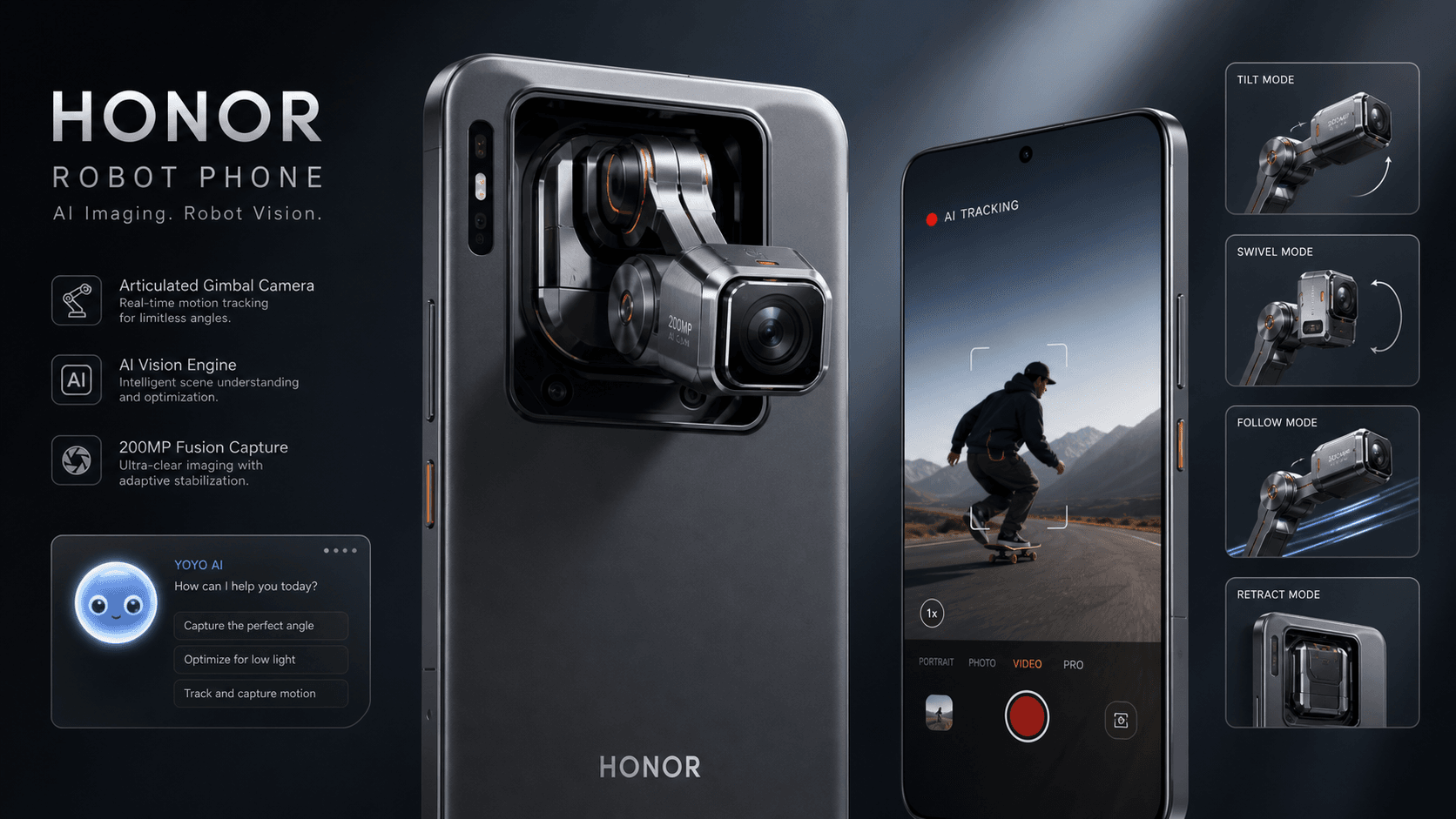
Honor Robot Phone Launches with 4DoF Gimbal and YOYO AI at WAIC

Honor Robot Phone Launches with 4DoF Gimbal and YOYO AI at WAIC

The Honor Robot Phone has made its global debut at the WAIC, showcasing a 4DoF titanium mechanical gimbal system. This innovative device features YOYO proactive AI, a 200MP camera, and advanced stabilization technology with CIPA 5.5, enhancing its functionality and user experience. This launch is significant as it represents a breakthrough in mobile technology, combining robotics and artificial intelligence in a smartphone. The proactive AI capabilities allow the device to perform unique tasks, including World Cup predictions, setting a new standard for smart devices in the market. Looking ahead, the integration of advanced AI and mechanical systems in smartphones will likely influence future product developments. No further timeline was disclosed at the time of publication.

Gadgets
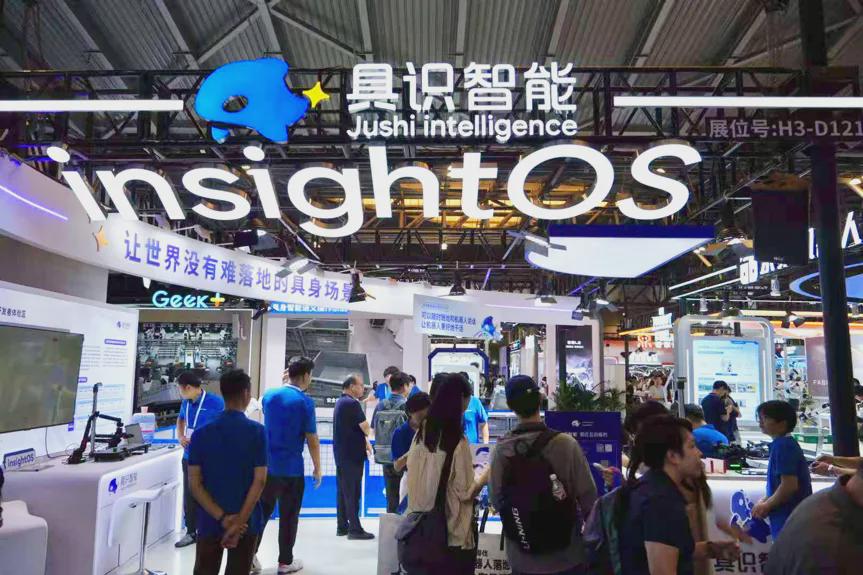
WAIC 2026: Insight AI Unveils First Embodied Semantic Intelligence System, insightOS Semantic

WAIC 2026: Insight AI Unveils First Embodied Semantic Intelligence System, insightOS Semantic

At the 2026 World Artificial Intelligence Conference in Shanghai, Insight AI launched the world's first embodied semantic intelligence system, insightOS Semantic. This system represents a pivotal shift in the embodied intelligence industry, moving from mere demonstration capabilities to practical applications in real-world scenarios. The significance of this development lies in its comprehensive approach to embodied intelligence, which now requires not only technical prowess but also a robust operating system, scenario validation, and a thriving developer ecosystem. Insight AI aims to address the critical challenges of understanding, adaptability, and evolution in robotics, which have hindered the large-scale deployment of embodied systems. Looking ahead, Insight AI's insightOS Semantic is designed to facilitate seamless communication between humans and robots, enabling task execution through natural language. The system's architecture integrates semantic understanding with physical operation capabilities, promising to enhance the efficiency and intelligence of robots in dynamic environments. No further timeline was disclosed at the time of publication.

Embodied Intelligence Robotic Systems AI Technology Natural Language Processing
Bank of America Updates Tesla Forecast Ahead of Earnings Report

Bank of America Updates Tesla Forecast Ahead of Earnings Report

Bank of America has revised its forecasts for Tesla (TSLA) in light of the company's stronger-than-expected delivery performance. This update comes as Tesla prepares for its second-quarter earnings report scheduled for July 22, 2026. The revisions reflect optimism surrounding Tesla's expanding robotaxi operations and advancements in its Optimus and energy storage technologies. The significance of this forecast adjustment lies in the potential for Tesla to convert its ambitious plans into tangible results that investors can support. After a series of disappointing quarterly reports, the focus now shifts to whether Tesla can deliver on its promises and improve its financial performance. Bank of America has maintained a Buy rating and set a price target of $460, suggesting a potential upside of 17.6% from Tesla's recent closing price of $391.06. As Tesla approaches its earnings report, stakeholders will be closely monitoring the company's ability to meet expectations and the impact of its evolving business strategies. No further timeline was disclosed at the time of publication.

Biren Develops Next-Gen Optical Links for Enhanced AI Chip Connectivity

Biren Develops Next-Gen Optical Links for Enhanced AI Chip Connectivity

Biren, a Shanghai-based startup, is pioneering optical technology to connect thousands of AI accelerators into unified computing systems. As AI models grow increasingly complex, the demand for efficient interconnectivity among GPUs has intensified, with traditional copper connections reaching their limits. Biren's innovative near-packaged optics (NPO) architecture aims to support clusters of up to 1,024 AI accelerator cards, significantly enhancing computing capabilities. This advancement is crucial for AI infrastructure companies striving to meet the needs of models with trillions of parameters. Biren's approach addresses the scalability challenges faced by conventional server architectures, which typically cap at around 128 GPUs. By positioning optical fibers closer to chips, the company enhances bandwidth and data transmission efficiency, positioning itself against competitors like MetaX and Alibaba. Looking ahead, Biren is testing its NPO interconnect system while also developing an orthogonal hardware architecture in collaboration with ZTE. Although the semiconductor industry is still in the early stages of optical interconnect technology, widespread adoption is projected for around 2028, contingent on further advancements and real-world validation of these systems.

AI and Robotics

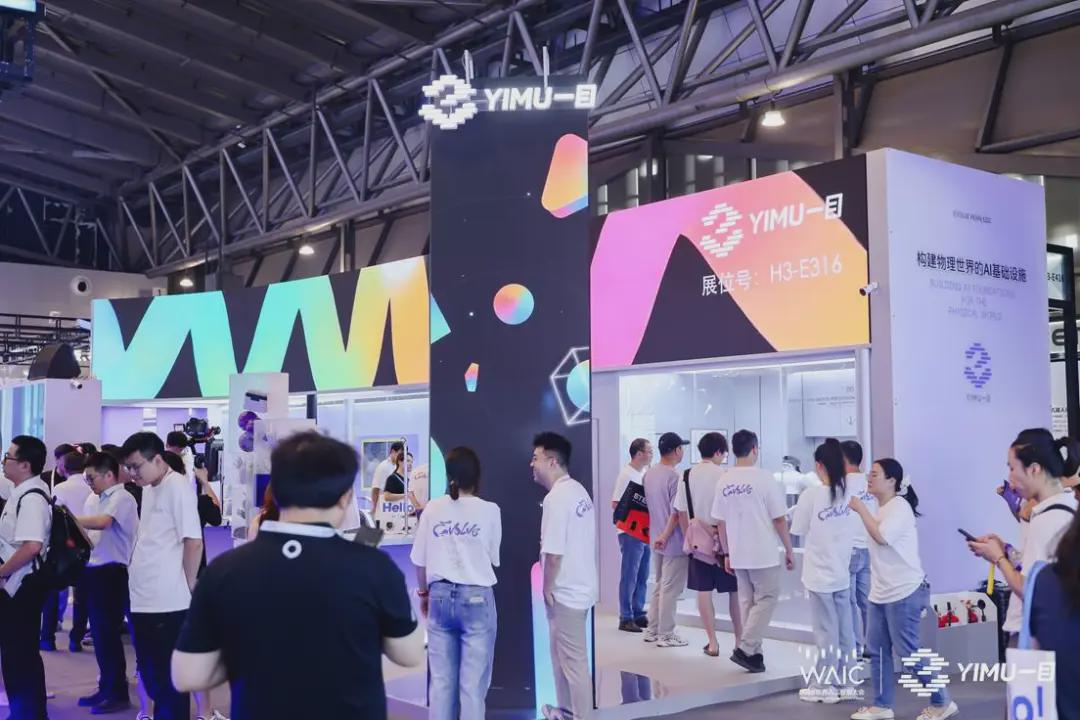
Yimu Technology Showcases Physical AI's Capabilities at WAIC 2026

Yimu Technology Showcases Physical AI's Capabilities at WAIC 2026

At WAIC 2026, Yimu Technology attracted significant attention with its demonstration involving two identical peanuts. The exhibit illustrated the concept that while visual cues may be indistinguishable, tactile feedback reveals critical differences in texture and resilience. This highlights the importance of physical interaction in understanding the physical world. The significance of this demonstration lies in its implications for Physical AI. Traditional robots have struggled to interpret tactile information, often failing in tasks requiring sensitivity, such as handling fragile items. Yimu Technology emphasizes that the key to advancing robotics is not merely increasing model size but ensuring robots receive accurate physical feedback from their environment. Looking ahead, the focus will be on how effectively robots can integrate this tactile feedback into their operations. Yimu Technology's approach, which utilizes optical systems to measure minute deformations, could revolutionize how robots interact with their surroundings. No further timeline was disclosed at the time of publication.

Physical AI Tactile Sensors Robotics Machine Learning
MIT Develops GIFT Framework to Enhance CAD Design Accuracy Using AI Failures

MIT Develops GIFT Framework to Enhance CAD Design Accuracy Using AI Failures

Researchers from MIT, IBM, and Red Hat have introduced the Geometric Inference Feedback Tuning (GIFT) framework, which enhances AI's ability to convert 2D images into functional CAD programs. This innovation significantly improves design accuracy while reducing inference computation by approximately 80%. The GIFT framework addresses the challenge of limited high-quality CAD training data by utilizing the AI's own mistakes as a learning tool. The importance of this development lies in its potential to streamline the CAD design process, which is often hindered by the need for extensive datasets linking images to CAD programs. By focusing on 'near-misses'—outputs that are close to correct—the GIFT framework provides valuable insights into the AI's understanding, ultimately leading to better training examples and more reliable designs. Looking ahead, the GIFT framework's dual techniques, including GIFT-REJECT, promise to further refine AI-generated CAD outputs. As the research progresses, the effectiveness of GIFT in real-world applications will be closely monitored, particularly in industries reliant on precise CAD designs, such as aerospace and automotive engineering. No further timeline was disclosed at the time of publication.

AI and Robotics

Palm Garden AI Introduces Coherence Guard for Enhanced Human-Robot Interaction

Palm Garden AI Introduces Coherence Guard for Enhanced Human-Robot Interaction

Palm Garden AI has developed Coherence Guard, a relational decision layer aimed at improving the behavior of service robots in human environments. This platform-agnostic technology evaluates actions before execution, ensuring they are relationally coherent by considering factors such as timing, proximity, and emotional tone. The significance of Coherence Guard lies in its potential to enhance the interaction between humanoid robots and humans in various sectors, including hospitality, care, and education. CEO Joachim Scheuerer emphasized that the technology does not replace existing systems but adds a crucial layer for evaluating social appropriateness, which is essential as robots become more integrated into everyday life. Looking ahead, the demand for such relational decision-making capabilities is expected to grow as service robots become more prevalent in human-centric environments. No further timeline was disclosed at the time of publication.

Artificial Intelligence Artificial Intelligence / Cognition Development Tools / SDKs / Libraries Healthcare Robotics Human Robot Interaction / Haptics Humanoids
Faraday Future's FFAI Accelerates Robotics Expansion and Exceeds Shipment Goals at Automate 2026

Faraday Future's FFAI Accelerates Robotics Expansion and Exceeds Shipment Goals at Automate 2026

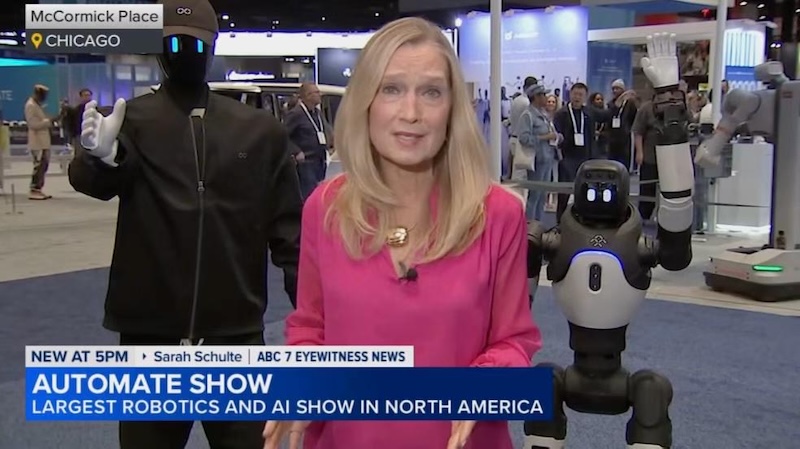
Faraday Future's AI subsidiary, FFAI, announced its accelerated expansion into commercial robotics at Automate 2026 in Chicago. The company showcased its 'one brain, multiple forms' robotics platform and revealed that June robot shipments are expected to exceed 100 units, bringing total first-half deliveries to over 220 units, surpassing its initial target ahead of schedule. This milestone is significant as it marks FFAI's transition from an education-focused robotics business to industrial automation, targeting commercial deployments across manufacturing, logistics, and research. The company presented a range of robotics products, including the All-New Futurist humanoid robot and the FF Faber mobile manipulator series, highlighting its commitment to integrating advanced AI technologies into various applications. Looking ahead, FFAI outlined a broader strategy focused on an open embodied AI ecosystem, which includes its EAI Brain software platform and an EAI Data Factory for operational data collection. No further timeline was disclosed at the time of publication.

Artificial Intelligence Events News ai All-New Futurist Automate 2026
Nvidia and Hugging Face Enhance LeRobot with Advanced Open Robotics AI Tools

Nvidia and Hugging Face Enhance LeRobot with Advanced Open Robotics AI Tools

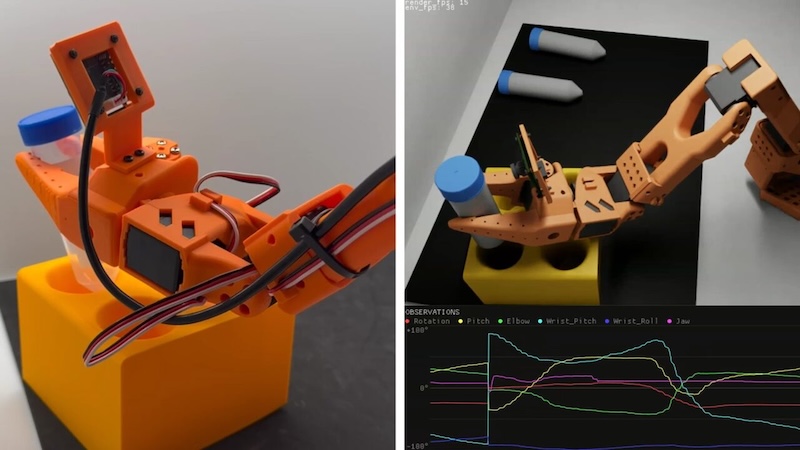
Nvidia and Hugging Face have expanded their partnership to introduce new AI models and robotics frameworks to the LeRobot platform, enhancing accessibility for developers. The integration of Nvidia Isaac GR00T 1.7, a vision-language-action foundation model, and the Isaac Teleop framework aims to streamline the development process for AI-powered robots. This collaboration is significant as it combines Nvidia's community of over three million robotics developers with Hugging Face's 16 million AI developers, fostering a broader access to physical AI technologies. The new tools will enable standardized workflows for data collection, model training, and performance evaluation, making it easier for developers to create and deploy robotic solutions. Looking ahead, the planned support for Nvidia Cosmos 3 will further empower developers by allowing the generation of synthetic data and simulation of environments. No further timeline was disclosed at the time of publication.

Artificial Intelligence Computing ai Hugging Face humanoid robots Isaac GR00T 1.7
Fujitsu Collaborates with Fanuc, Yaskawa, and Kawasaki to Enhance Physical AI with Nvidia

Fujitsu Collaborates with Fanuc, Yaskawa, and Kawasaki to Enhance Physical AI with Nvidia

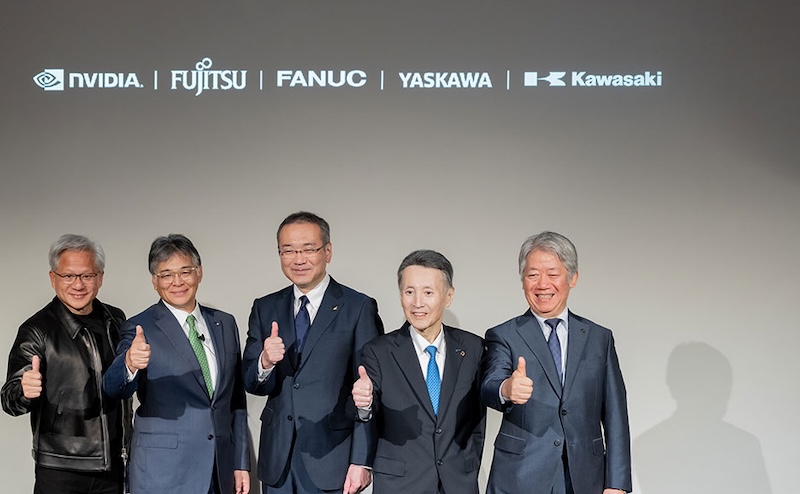
Fujitsu has initiated a partnership with Japanese robotics firms Fanuc, Yaskawa Electric, and Kawasaki Heavy Industries to advance the development and deployment of physical AI in sectors such as manufacturing, logistics, and healthcare. This collaboration will leverage Nvidia's physical AI technologies to create a collaborative control platform that connects digital systems with robots and physical equipment. The initiative aims to accelerate the adoption of physical AI, addressing challenges like labor shortages and an aging workforce while enhancing global competitiveness. The platform will optimize production planning in manufacturing, automate material handling in logistics, and improve healthcare operations by automating the transport of medical supplies and assisting with patient interactions. Fujitsu plans to develop an open collaborative control platform that integrates AI, robotics, and data analysis technologies, ensuring interoperability and addressing cybersecurity concerns. No further timeline was disclosed at the time of publication.

Artificial Intelligence Industry News ai factory automation fanuc
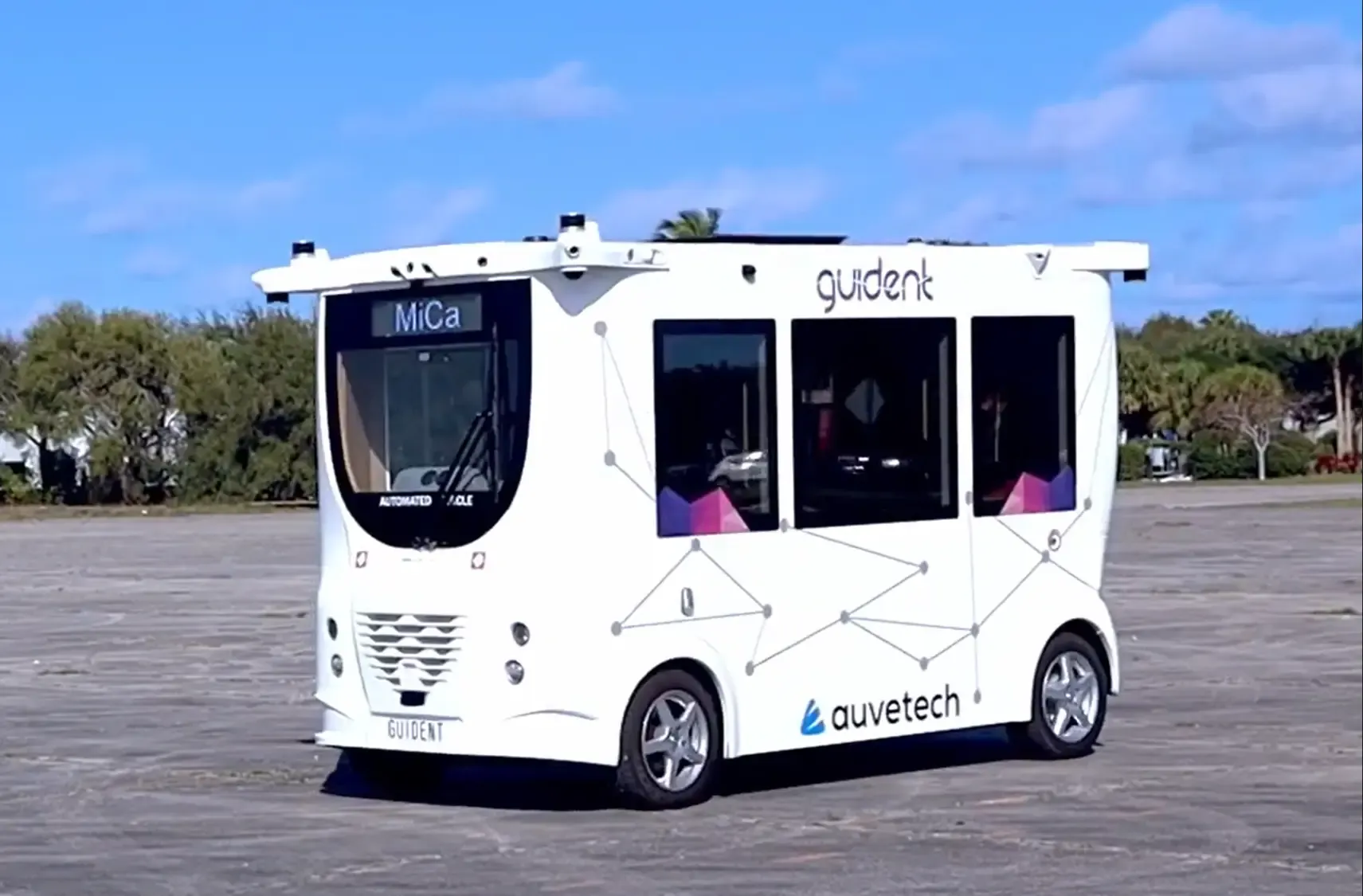
Inside Guident: How Harald Braun Is Building the Safety Layer Every Autonomous Vehicle Needs

Inside Guident: How Harald Braun Is Building the Safety Layer Every Autonomous Vehicle Needs

Guident CEO Harald Braun on the RMCC architecture, IRLS risk identification system, and why California’s 2026 AV mandates validate six years of platform development.

ROBOTTODAY Weekly June 30 – July 4, 2026

ROBOTTODAY Weekly June 30 – July 4, 2026

Unitree wins CSRC approval for China’s first humanoid IPO, Korea unveils ₩312T AI investment, RoboCup 2026 opens in Incheon, and Paris launches Europe’s inaugural Physical AI summit.

Capex Analysis 2025: AI Hyperscalers vs Humanoid Robots — Financing Risk Deep Dive

Capex Analysis 2025: AI Hyperscalers vs Humanoid Robots — Financing Risk Deep Dive

Compare how Microsoft, Google, Oracle, Tesla Optimus, Figure AI and UBTECH finance their Capex. Supply chain risk, ROIC analysis and a 3-dimension investment framework included.

Supply Chain Reckoning: Can Boston Dynamics Avoid Becoming the Next iRobot?

Supply Chain Reckoning: Can Boston Dynamics Avoid Becoming the Next iRobot?

A data-driven analysis comparing Boston Dynamics Atlas and Tesla Optimus supply chain strategies in 2026. Examines actuator costs, production ramp speeds, and how Boston Dynamics can avoid iRobot's bankruptcy by adopting a tiered supply chain approach. Includes component cost tables, risk heat maps, and strategic frameworks.

ROBOTTODAY Weekly May 23 – 29, 2026

ROBOTTODAY Weekly May 23 – 29, 2026

This week in robotics: the Humanoids Summit debuts in Tokyo, China assigns every humanoid robot a digital ID, Figure signs a Catalyst Brands deployment deal, and Unitree heads to a June 1 IPO hearing. May 23–29, 2026.

ROBOTTODAY Weekly May 18 – 22, 2026

ROBOTTODAY Weekly May 18 – 22, 2026

This week in robotics: Hyundai plans 25,000 Atlas robots for its factories, XPENG rolls off China’s first mass-produced L4 robotaxi, Singapore launches its first multi-operator physical AI testbed, and Kawasaki Heavy opens a Silicon Valley physical AI center with NVIDIA. May 18–22, 2026.

Unitree's IPO Review: What It Means for China's Humanoid Robot IPO Landscape

Unitree's IPO Review: What It Means for China's Humanoid Robot IPO Landscape

On 1 April 2026, China's Securities Association (CSAC) randomly selected Unitree Robotics for a mandatory on-site IPO inspection — just 12 days after its STAR Market application was accepted. The event has generated significant market commentary. This analysis examines the regulatory context, what the inspection actually means, the four core controversies in Unitree's prospectus, and the implications for competing humanoid robot companies pursuing public listings.

TARS AI Closes $455M Pre-A Round, Setting China Embodied-AI Financing Record

TARS AI Closes $455M Pre-A Round, Setting China Embodied-AI Financing Record

TARS AI closes a record $455M Pre-A round led by Hillhouse, Sequoia China and Meituan, setting China’s largest single embodied-AI funding round. Full briefing.

U.S. Moves to Ban Chinese Robots: Supply Chain Shock or Strategic Decoupling?

U.S. Moves to Ban Chinese Robots: Supply Chain Shock or Strategic Decoupling?

A bipartisan U.S. bill targets Chinese humanoid and autonomous robots in federal procurement. We analyse the supply chain, investor, and geopolitical implications for both China and U.S. robotics markets.

Laboratory Robotics in 2026: Technology, Companies & Vertical Maturity

Laboratory Robotics in 2026: Technology, Companies & Vertical Maturity

From clinical diagnostics to self-driving labs: a deep analysis of laboratory robotics technologies, mass-production maturity timelines across 12 vertical sectors, 26 key companies, and the investment landscape shaping lab automation through 2030.