


Prescient Technologies Pvt Ltd
Pune-based engineering software company offering CAD/PLM, digital factory, and AI/IoT solutions since 2000; ISO & CMMI certified.
Contact Prescient Technologies Pvt Ltd
WEBSITE
https://www.pre-scient.comPHONE
+91 20 66477900HEADQUARTERS
India

Company Facts
Founded
2000
Primary Role
Software/Algorithm
Company Size
-
Primary Region
Asia-Pacific
Annual Sales
-
Funding Stage
-
Funding Total
-

Understanding the Concept of 'Open' in Industrial Automation
The term 'Open' has become ubiquitous in industrial automation, but its meaning is often vague. It encompasses various measures, and suppliers may be open in some aspects while closed in others. Buyers should ask specific questions to discern the true openness of a platform or system. Historically, Open Automation 1.0 focused on interoperability, allowing different systems to communicate without custom drivers. With standards like OPC UA and MQTT, this challenge has largely been addressed. Open Automation 2.0 shifts the focus to application freedom, enabling users to run third-party software on devices, which enhances flexibility and reduces costs. As suppliers navigate the balance between openness and security, buyers must recognize that openness involves trade-offs. While opening systems can increase vulnerability, established standards like ISA/IEC 62443 provide frameworks for maintaining security. Understanding these dynamics is crucial for making informed decisions in industrial automation.
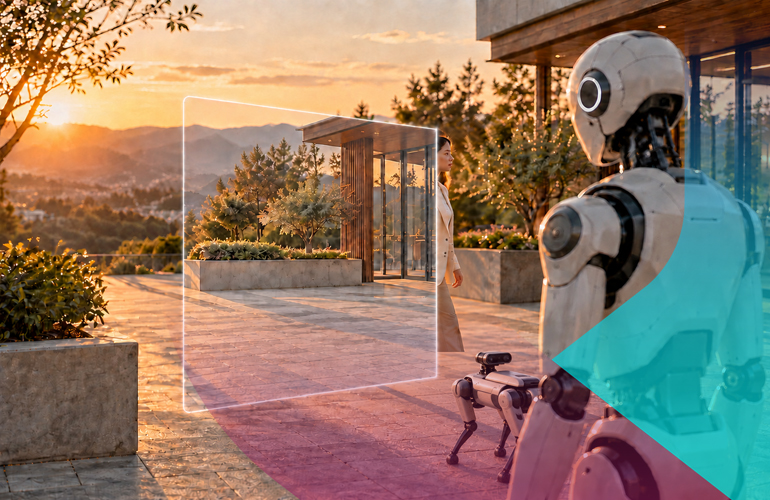
Exploring the Impact of Manipulated Inputs on Robot Safety Functions
VicOne LAB R7 investigates how manipulated inputs can affect robot behavior and safety. Mobile robots, collaborative arms, and humanoids rely on accurate environmental data to function safely. When inputs are incorrect, whether due to faults or deliberate manipulation, robots may respond inappropriately, raising concerns about safety protocols. Understanding the implications of these findings is crucial for safety and security teams. Research indicates that adversarial inputs can lead to unintended robot actions, as demonstrated in various tests involving vision-language-action models and audio manipulation. These studies highlight the need for robust safety assessments that account for both accidental faults and deliberate cyber threats. Looking ahead, organizations must evaluate their safety measures to ensure they can detect manipulated inputs effectively. The potential for attackers to exploit vulnerabilities in robot systems necessitates a reevaluation of risk assessments and safety protocols. No further timeline was disclosed at the time of publication.
Sponsored Content VicOne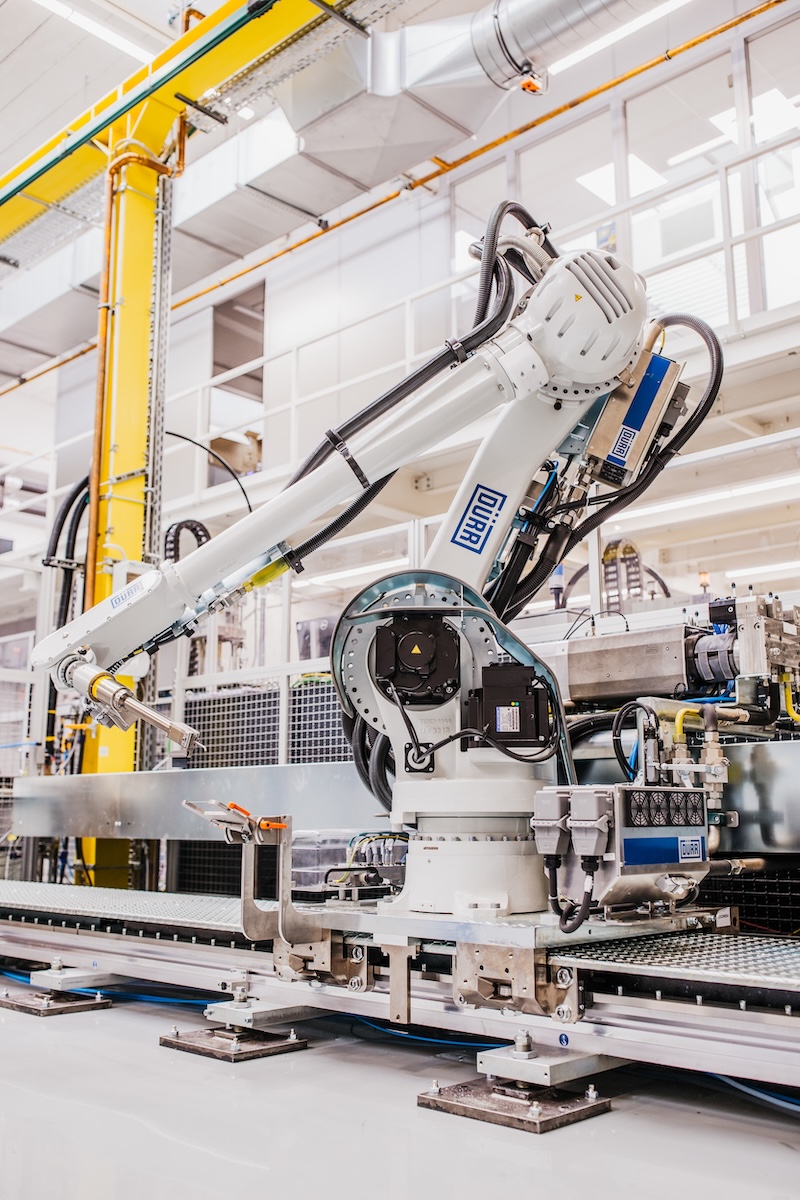
Dürr Introduces Four New EcoRS Generation 2 Robots for Automotive Paint Shops
Dürr has unveiled four new industrial robots tailored for automotive paint shops, with payload capacities ranging from 20 kg to 150 kg. The EcoRS Generation 2 series is designed for various applications, including sealing, cleaning, and material handling, and features a reach of up to 3,100 mm. This standardized platform aims to streamline paint-shop automation planning and maintenance. The introduction of the EcoRS Generation 2 robots is significant as it establishes a standardized solution for sealing applications, enhancing process quality and availability while reducing complexity throughout the equipment's lifecycle. Martin Wurst, product manager at Dürr, emphasized the benefits of this new platform for customers, particularly in achieving consistent seams across vehicle bodies. Looking ahead, Dürr's focus on integrating robot mechanics, control systems, and application technology is expected to improve path accuracy and operational flexibility. The redesigned EcoRS platform, with its internal component relocation, not only minimizes interference but also simplifies cleaning and reduces space requirements. No further timeline was disclosed at the time of publication.

Physical AI Requires a Fourth Verb: Verification for Production Accuracy
Physical AI is commonly defined as machines that perceive, reason, and act in the physical world. However, this definition lacks a crucial fourth verb: verify. In production environments, acting does not equate to producing conforming parts, as demonstrated by a humanoid robot at BMW's Spartanburg plant, which successfully placed over 90,000 components with a 99% success rate per shift. The importance of verification lies in ensuring that produced parts meet specified tolerances. While the robot's execution rate is impressive, it does not guarantee that the assemblies are within acceptable limits due to various factors such as fixture wear and thermal drift. The introduction of in-line dimensional inspection has made it feasible to measure critical characteristics and compare conformance rates against reported success rates, highlighting the need for this fourth verb in the definition of Physical AI. Going forward, the industry must focus on integrating verification into the acceptance criteria for Physical AI systems. This shift will enhance the reliability of production processes, ensuring that machines not only report their actions but also the quality of their outputs. No further timeline was disclosed at the time of publication.
Factory / Digital Transformation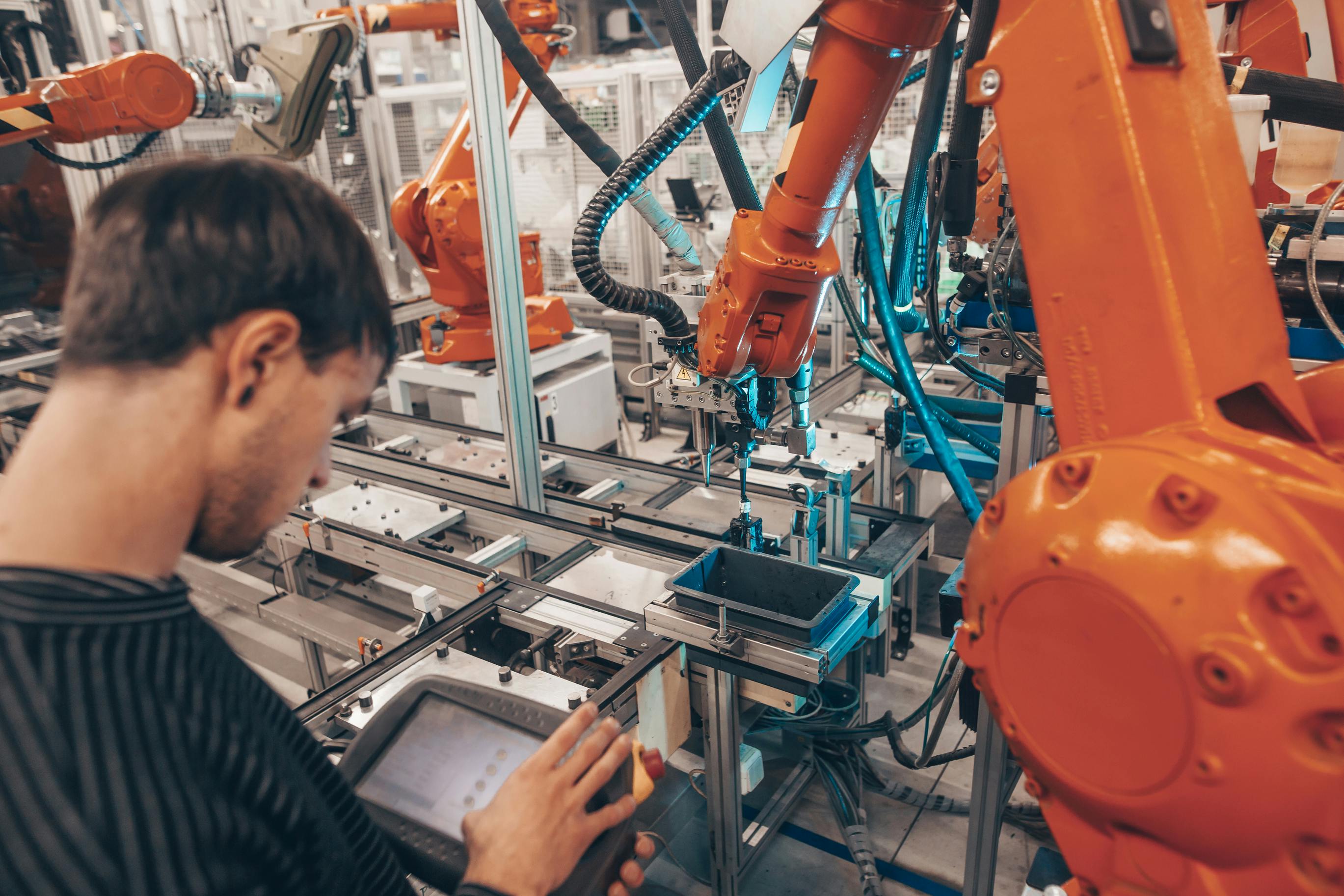
The Challenge of Implementing Spatial and Agentic AI in Smart Factories
Smart factories are equipped with advanced technologies like artificial intelligence, spatial computing, and autonomous robotics, yet many manufacturers are not fully leveraging these capabilities. A 2025 State of AI in Manufacturing Survey reveals that while over 77% of manufacturers have adopted AI, 56% are uncertain about their systems' readiness for complete integration. This indicates that the gap between technology adoption and operational value stems from implementation challenges rather than technological limitations. Spatial AI enables machines to understand and act within three-dimensional environments, while agentic AI allows systems to autonomously pursue goals across workflows. This combination could transform factory operations into dynamic, self-correcting systems. However, the effectiveness of these technologies is hindered by fragmented data ecosystems, where inconsistent and poorly contextualized data leads to misleading AI outputs. The need for a unified data layer is critical for effective smart factory operations. Looking ahead, manufacturers must prioritize the integration of legacy systems and establish shared data standards to fully realize the potential of smart factories. A Deloitte survey indicates that 41% of manufacturing executives plan to invest in automation hardware in the next two years, but these investments will only yield benefits if the underlying data infrastructure is robust enough to support them. No further timeline was disclosed at the time of publication.
Factory / Analytics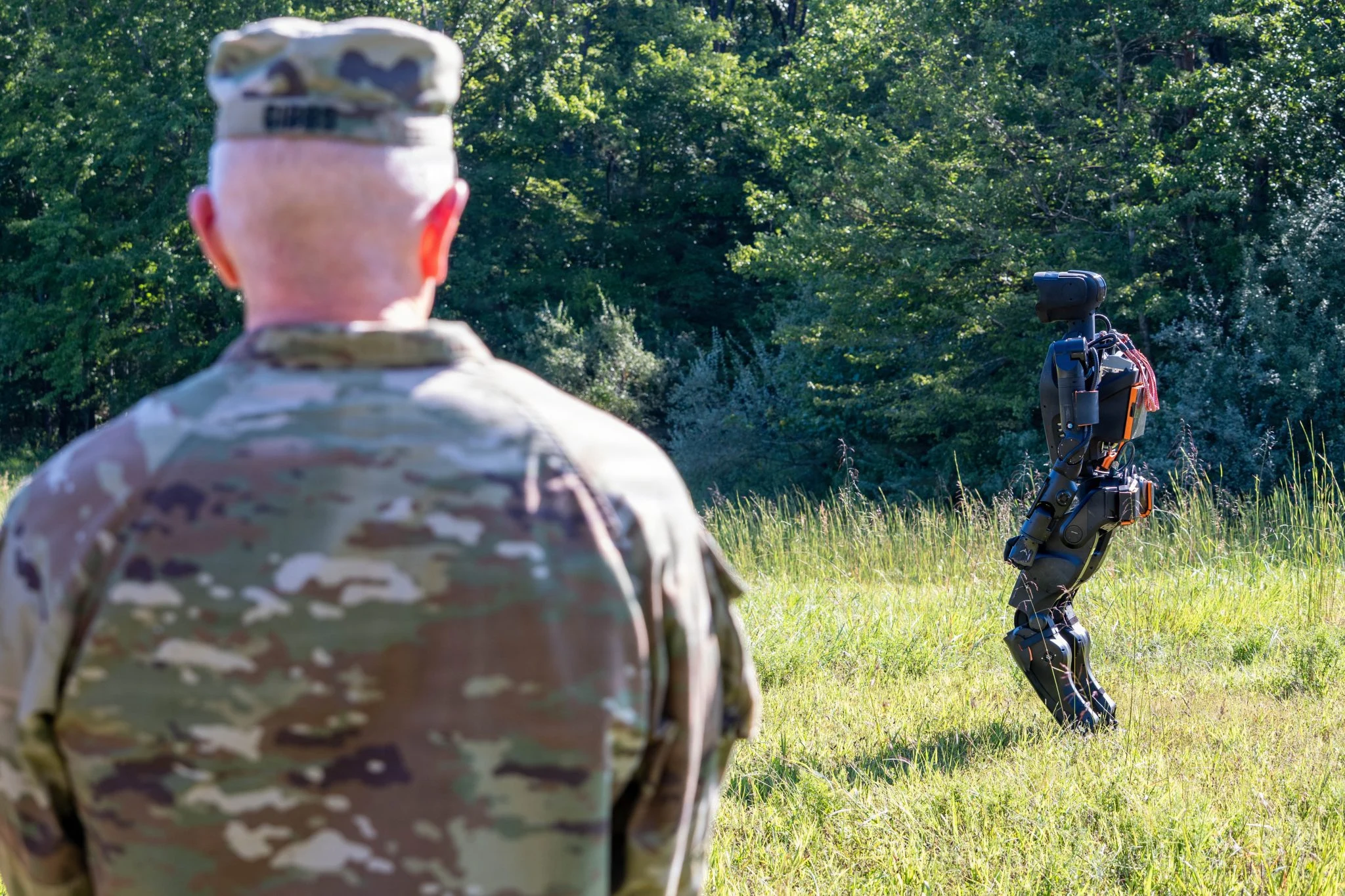
U.S. Army Trials Military Humanoids Amid Diverse Development Stages and Ambitions
The U.S. Army has concluded a competition showcasing military humanoid robotics, with various developers from the U.S. and Poland presenting their innovations. IHMC's Alex emerged as a winner, demonstrating advanced capabilities in resilience and autonomy. However, the competition revealed a wide gap in development stages among entrants, highlighting the challenges in transitioning from ambitious concepts to practical deployment. This competition, known as xTechHumanoid, received 103 submissions, with ten finalists demonstrating their technologies at Marine Corps Base Quantico. While IHMC's Alex was recognized for its hybrid autonomy and robust design, other entrants like Vision One and Si Robotics are still refining their products. The varying stages of development underscore the complexities of integrating humanoid robots into military operations, where energy, sensing, and control technologies are crucial. Looking ahead, the focus will be on how these technologies evolve and whether they can meet military needs effectively. IHMC's ongoing development contract with the Office of Naval Research and the ambitions of other companies like Vision One and Si Robotics will be critical in shaping the future of military humanoids. No further timeline was disclosed at the time of publication.
Skylark Labs Foundation IHMC
Igus Introduces New DeviceNet Cable for Dynamic Robotics with Enhanced Durability
Igus has launched a new DeviceNet cable as part of its CFROBOT8.PLUS robot cable family, designed to endure up to ±360°/m of torsion and 10 million torsional cycles. This innovation is particularly beneficial for dynamic robotic applications where space is limited, thanks to its reduced diameter. The introduction of this DeviceNet cable is significant as it addresses the growing demand for robust and flexible solutions in robotics. With the ability to withstand extensive torsion, it enhances the reliability and performance of robotic systems, making it a vital component for engineers and manufacturers in the field. Looking ahead, the focus will be on how this new cable performs in real-world applications and its adoption across various industries. No further timeline was disclosed at the time of publication.
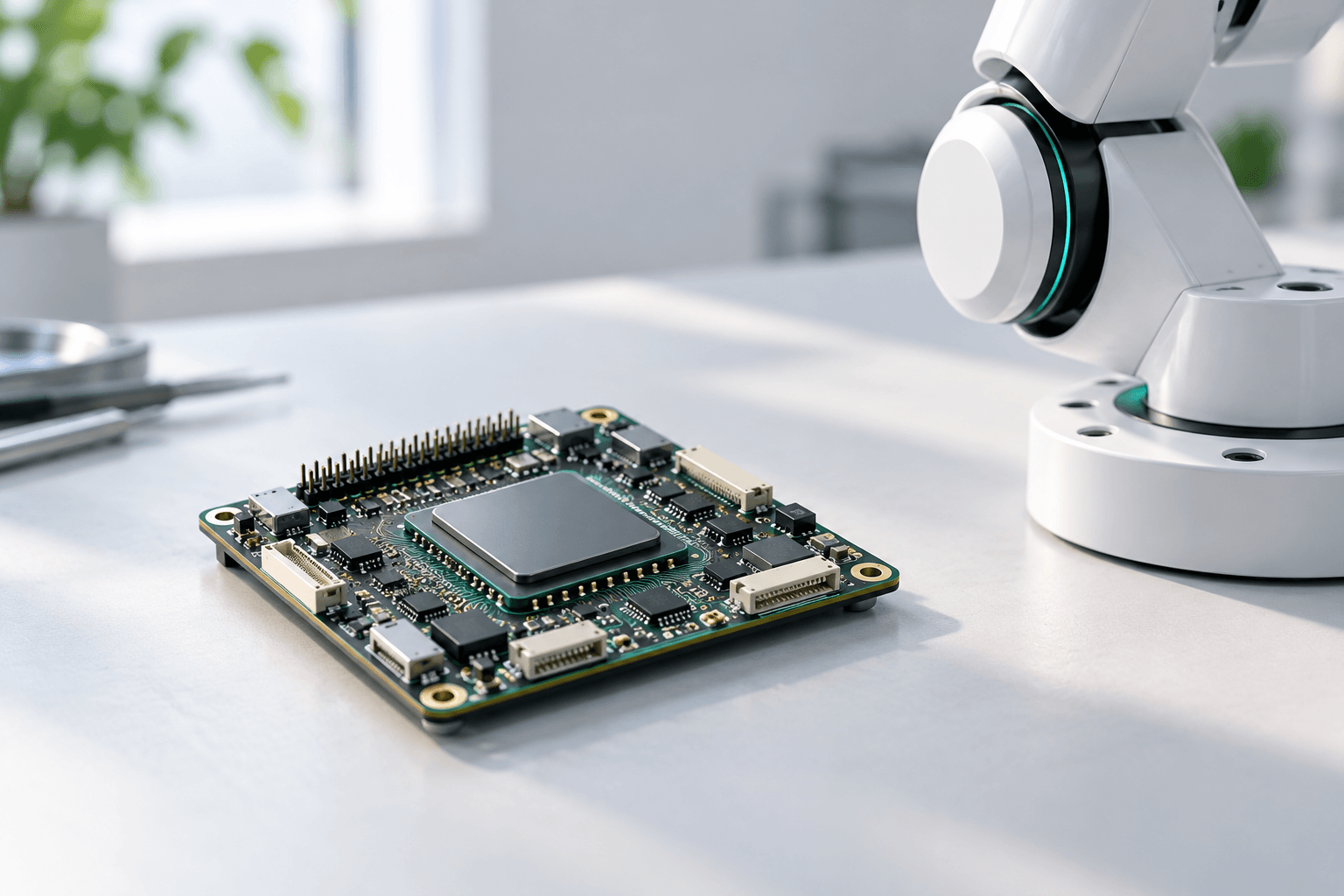
SemiDrive and Radxa Introduce RoboX D9M Robot Motion Controller Featuring D9-Max Chip
SemiDrive and Radxa have unveiled the RoboX D9M, a compact robot motion controller measuring 100 x 100 mm. This innovative controller is powered by the ASIL-B D9-Max chip, which boasts 12 CPU cores and an 8 TOPS NPU, along with support for EtherCAT and CAN-FD protocols. Additionally, the RoboX D9M comes with ROS 2 preinstalled, enhancing its usability in robotic applications. The launch of the RoboX D9M is significant as it combines advanced processing capabilities with a small form factor, making it suitable for various robotic applications. The integration of EtherCAT and CAN-FD allows for efficient communication in complex robotic systems, while the preinstalled ROS 2 framework facilitates easier development and deployment of robotic solutions. This product is expected to appeal to engineers and developers looking for high-performance motion control solutions. Looking ahead, the RoboX D9M's capabilities may lead to increased adoption in sectors requiring sophisticated robotic control. As industries continue to embrace automation, the demand for versatile and powerful motion controllers like the RoboX D9M is likely to grow. No further timeline was disclosed at the time of publication.
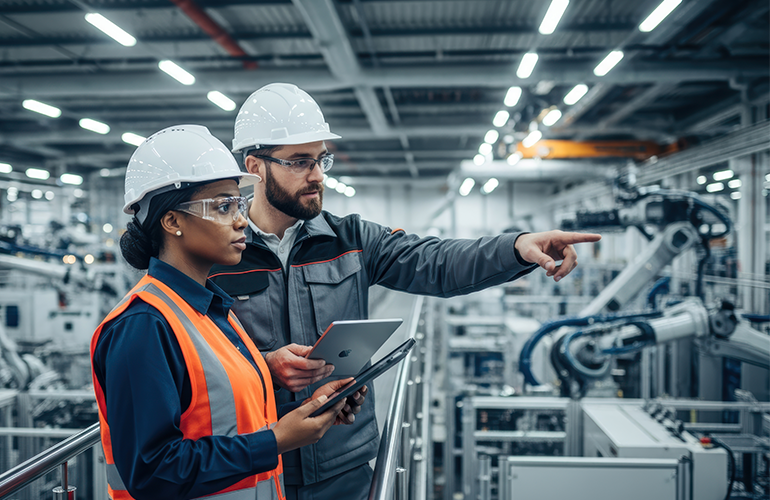
Advancements in Robotics Transforming Manufacturing Landscape
Recent reports highlight significant advancements in robotics for manufacturing, moving beyond traditional robot arms to more versatile models. The evolution of industrial automation is driven by improved perception, autonomy, and actuation, alongside a growing demand for robots due to skilled labor shortages across various sectors, including electronics and pharmaceuticals. The International Federation of Robotics indicates that industrial robot installations have doubled in the decade ending in 2024, with countries like South Korea, Singapore, Germany, and Japan leading in robot density. The emergence of collaborative robots and autonomous mobile robots is enabling factories to automate a wider range of tasks, enhancing operational flexibility and efficiency. Looking ahead, the Association for Advancing Automation reported a 6.6% increase in robot order value year over year in the first half of 2026, driven by rising orders in non-automotive sectors. As the industry continues to explore new applications and integration strategies, the challenge remains to ensure a solid return on investment while adapting to the evolving landscape of robotics in manufacturing.
eBooks Industrial Robots Manufacturing News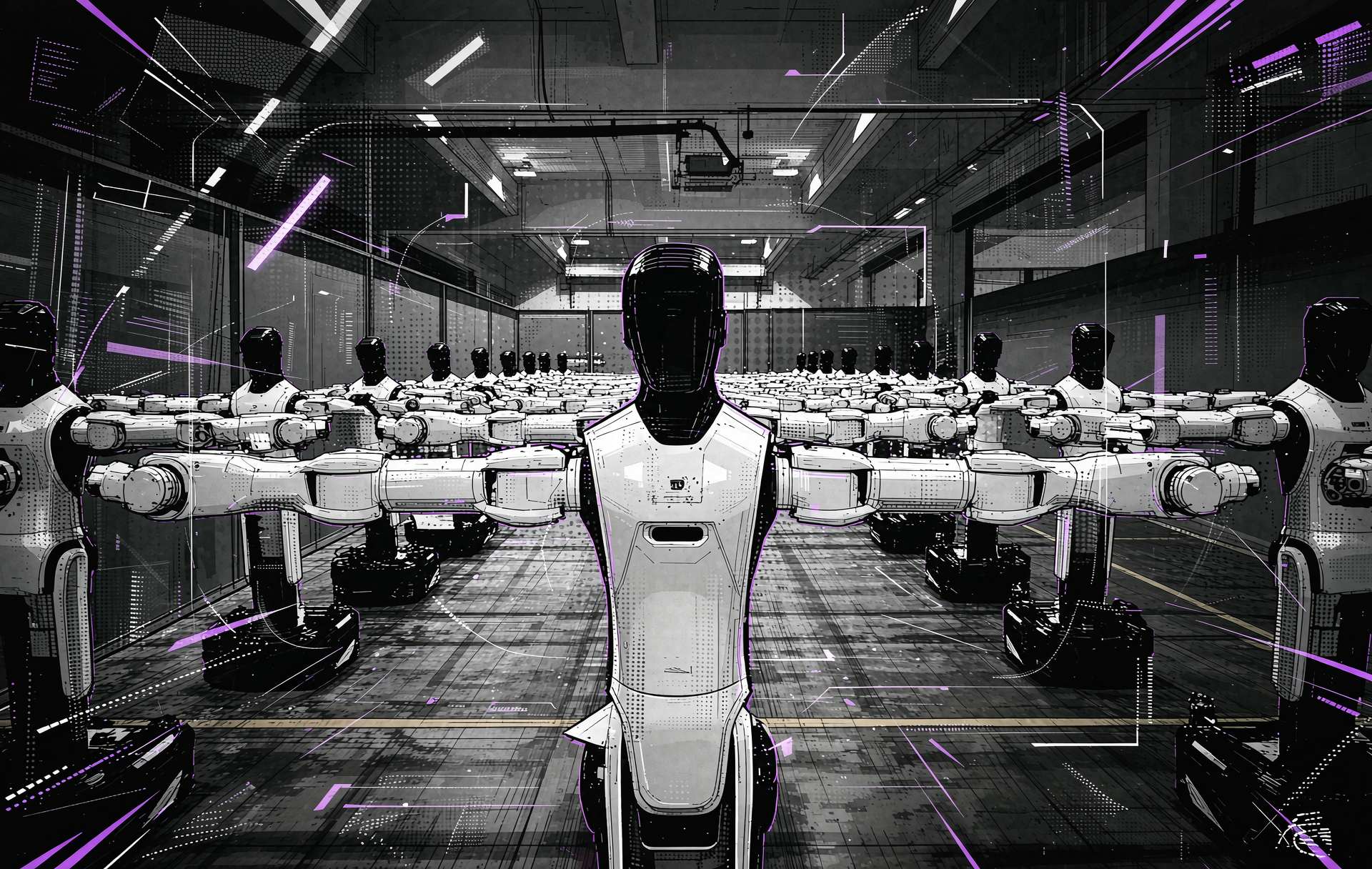
First Domestic Humanoid Robot Showcases Fully Localized Electronic Architecture
On September 28, the first humanoid robot featuring a fully localized electronic architecture was unveiled in Yichang, Hubei. This innovative architecture, developed by Dongtu Technology, serves as the robot's intelligent nervous system, integrating an operating system, network, software tools, and AI computing chips. The localized architecture is designed to enhance performance and security, offering advantages over traditional foreign solutions. The significance of this development lies in its potential to ensure data transmission and control security within robotics. The fully localized architecture aims to provide a robust safety framework for autonomous robot behavior, preventing disruptions in production and ensuring personnel safety. This initiative reflects a broader industry trend towards self-sufficiency and sovereignty in technology. Looking ahead, the key focus will be on the architecture's adaptability across various robotic platforms and its ability to meet commercial performance, power consumption, and development toolchain requirements. No further timeline was disclosed at the time of publication.
Humanoid Robots AI Robotics Safety Industrial Automation
Innovation Works Venture Expo 2026: 58 Pittsburgh Startups Pitch to Investors
58 health, deep tech and robotics startups pitched at Innovation Works Venture Expo 2026 in Pittsburgh. Full company list, program and 2025 funding data.

IMTS 2026 Preview: Record Orders and the Automation Story
IMTS 2026 opens in Chicago with 1,788 exhibitors and record H1 machine tool orders. What the USMTO data says about automation, and the booths to see.
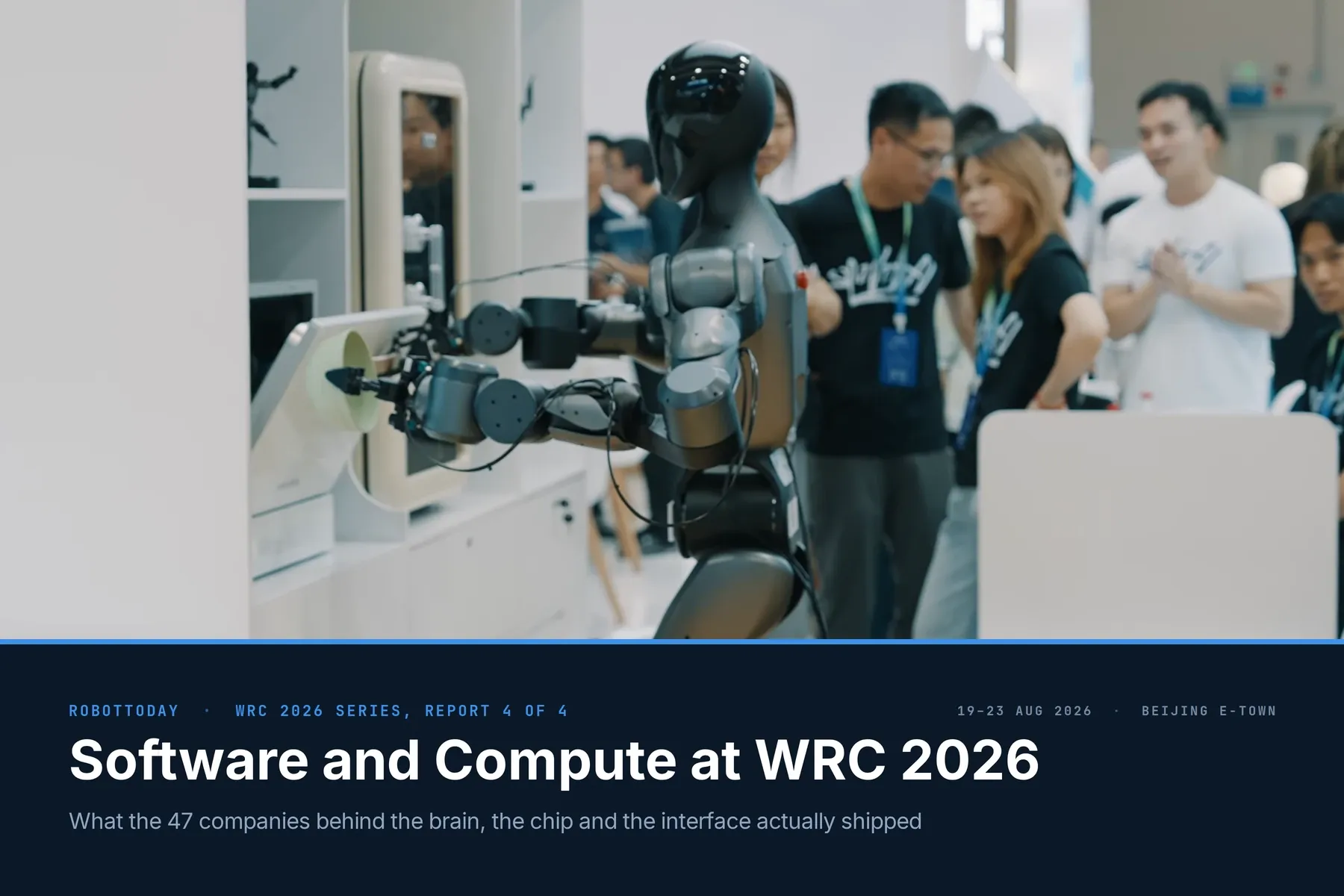
Software, Compute and Interaction at WRC 2026
47 WRC 2026 exhibitors supply robot software, compute or interaction — but only 19 call themselves software companies. Five open artefacts, licence-checked.

ROBOTTODAY Weekly June 30 – July 4, 2026
Unitree wins CSRC approval for China’s first humanoid IPO, Korea unveils ₩312T AI investment, RoboCup 2026 opens in Incheon, and Paris launches Europe’s inaugural Physical AI summit.
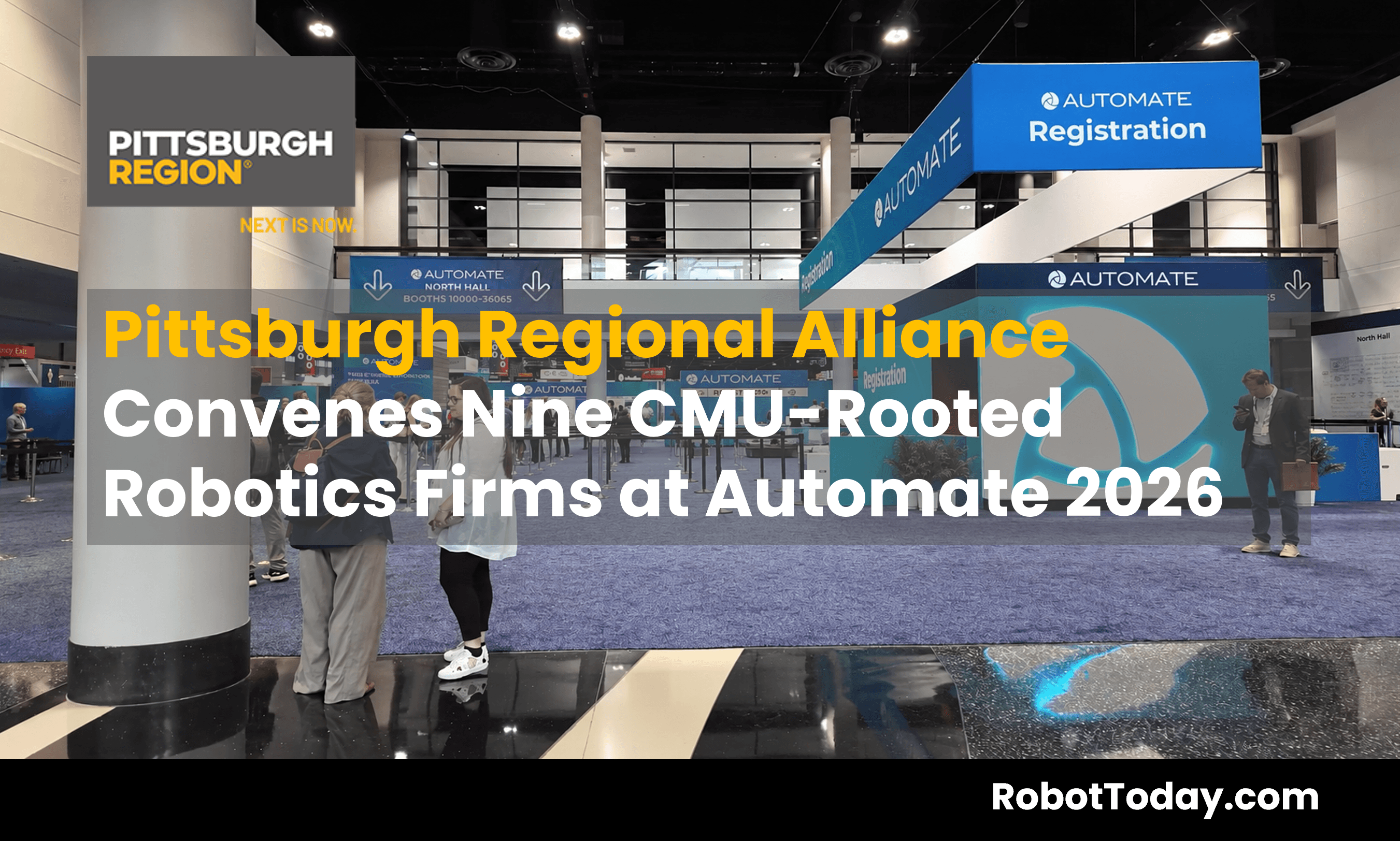
Pittsburgh Regional Alliance Convenes Nine CMU-Rooted Robotics Firms at Automate 2026
At Automate 2026, the Pittsburgh Regional Alliance convened nine robotics firms — most spun out of Carnegie Mellon — spanning materials, perception and AMRs.
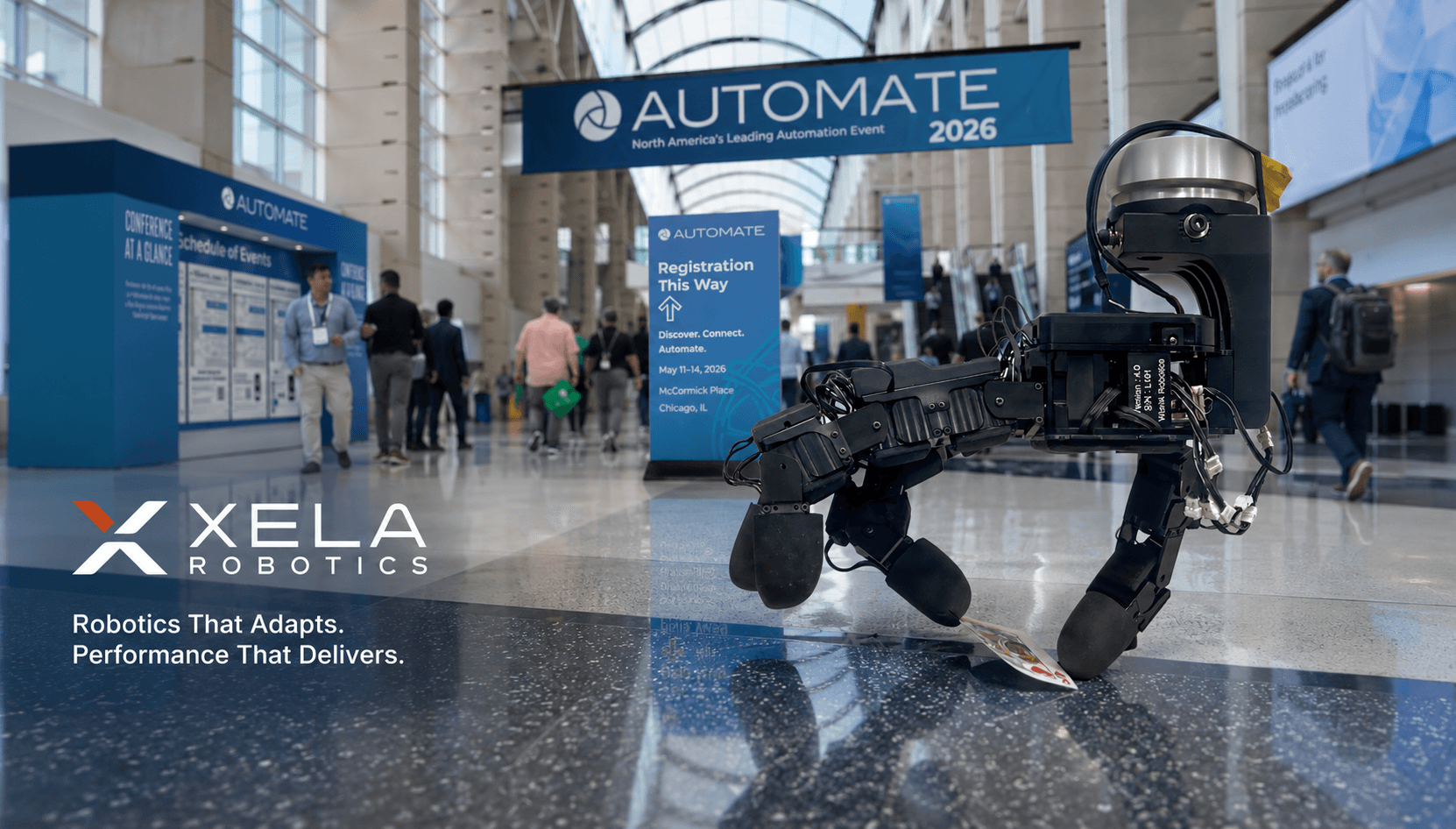
XELA Robotics Launches Next-Gen Tactile Sensors at Automate 2026
XELA Robotics unveiled five major uSkin® tactile sensor advances at Automate 2026 — including a force-sensitive nail fingertip, UMI AI integration, and fragile object handling. Full product report by RobotToday.com.

OMRON Robotics to Demonstrate Next-Generation Autonomous Mobile Robots at Automate 2026
OMRON Robotics introduces the next-generation LD-150 and LD-300 autonomous mobile robots at Automate 2026, featuring higher payloads, 30-minute wireless charging, 360° safety scanning, and FLOW Core fleet integration for high-throughput manufacturing.
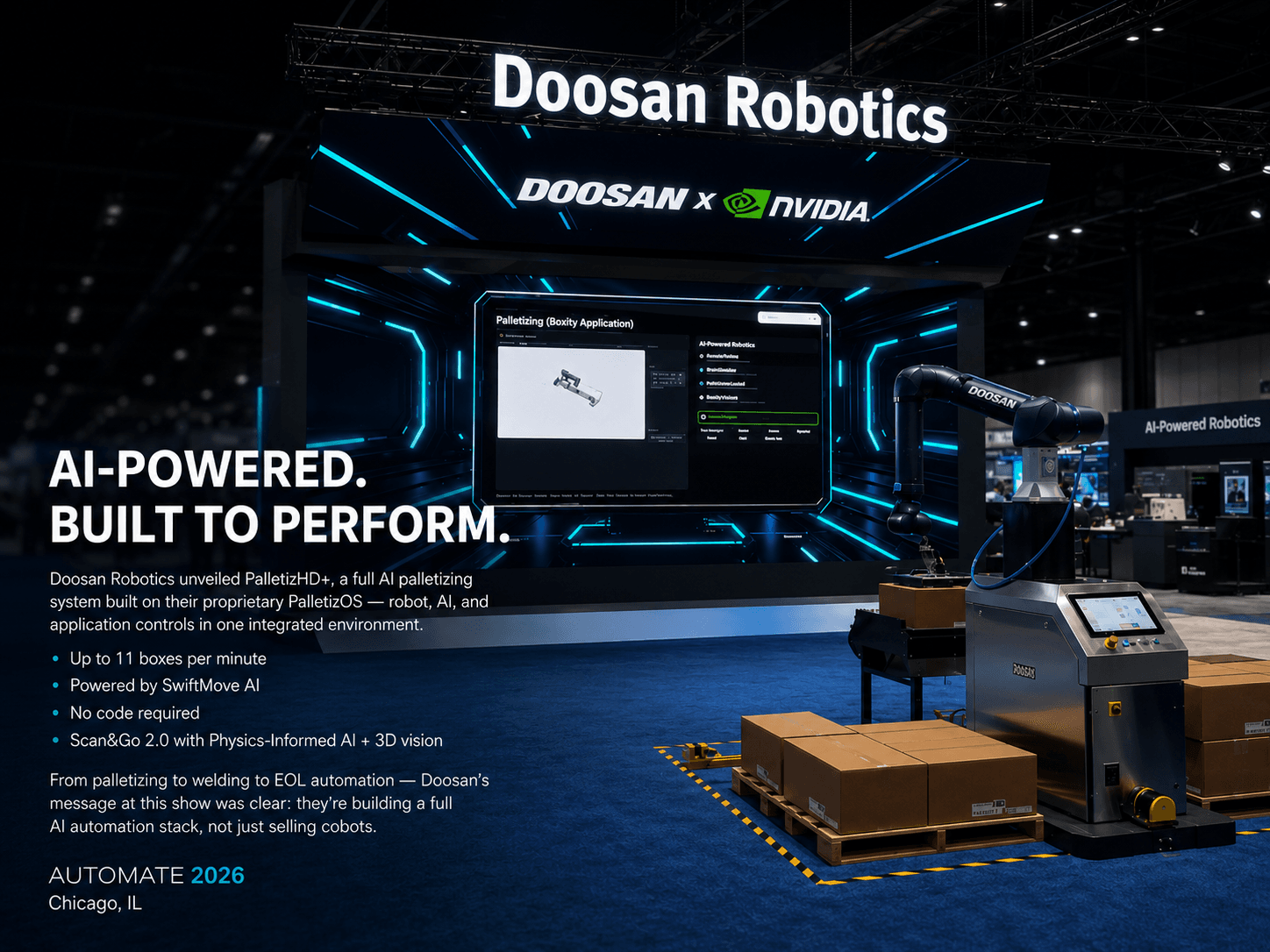
Doosan Robotics Unveils AI Palletizing Solution PalletizHD+ at Automate 2026
Doosan Robotics unveils PalletizHD+ at Automate 2026 — an AI-powered palletizing solution with PalletizOS, SwiftMove technology, and up to 11 boxes per minute throughput for smarter factory automation.
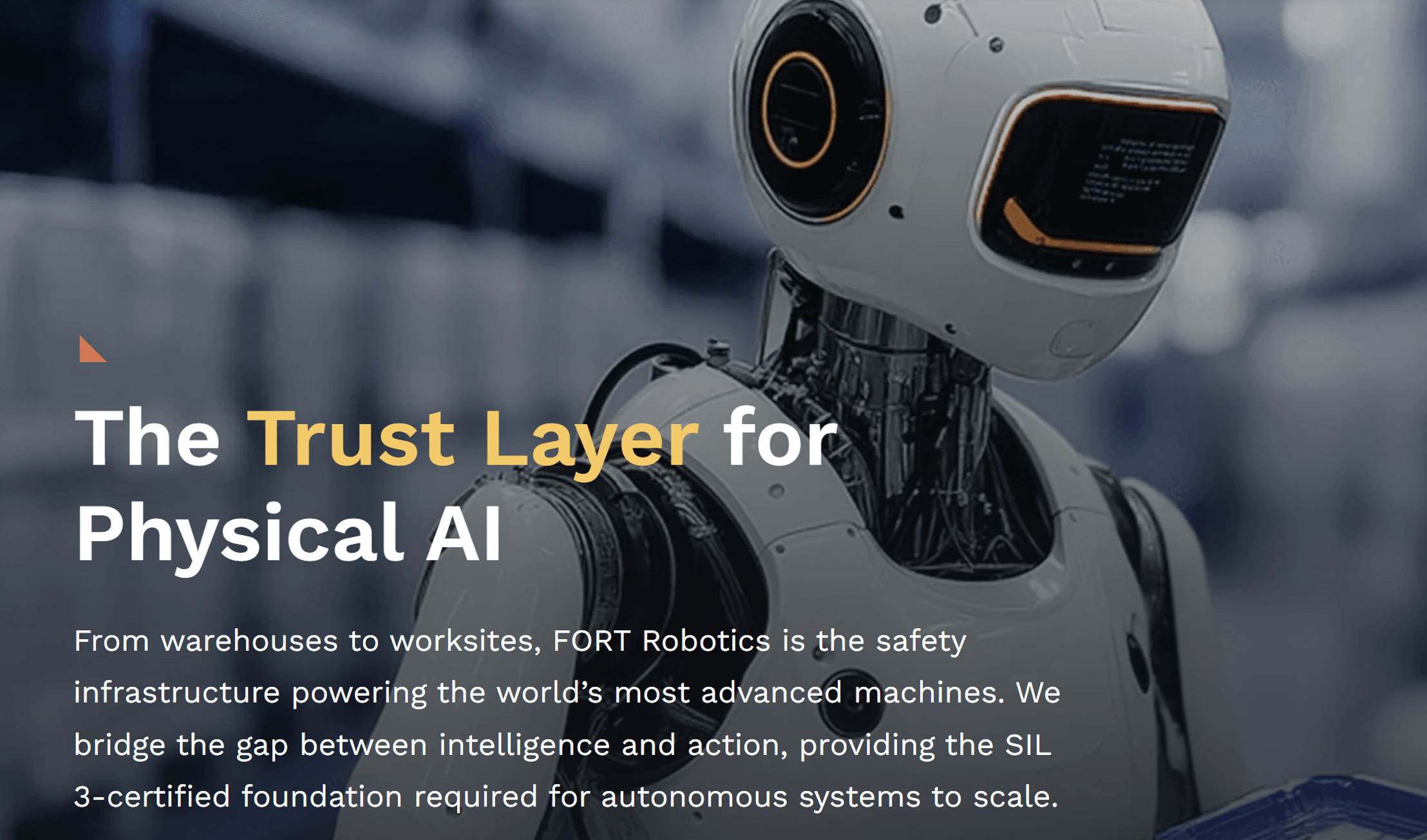
FORT Robotics Joins NVIDIA Halos to Launch Outside-In Safety for Physical AI | Automate 2026
FORT Robotics integrates with NVIDIA Halos for Robotics to deliver Outside-In Safety — extending robot perception beyond onboard sensors via external infrastructure and visual AI agents for safer, higher-throughput autonomous operations.

The Association for Advancing Automation Hires Aaron Prather as Director of Market Intelligence
Aaron Prather joins the Association for Advancing Automation (A3) as Director of Market Intelligence, bringing expertise from FedEx and ASTM International to drive robotics industry insights.


