Perbetum Smart Automation
Perbetum is a packaging automation provider offering automated systems for industrial production lines; current web presence is limited.
Company Facts
Founded
-
Primary Role
System Integrator
Company Size
-
Primary Region
Europe
Annual Sales
-
Funding Stage
-
Funding Total
-
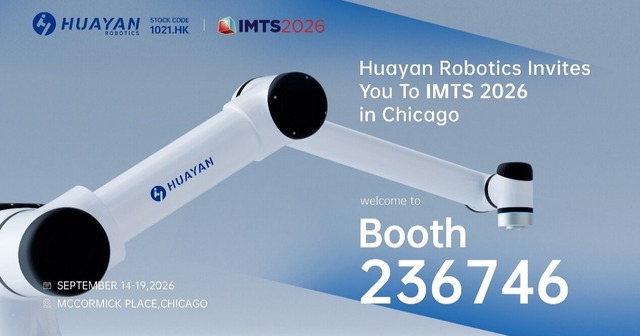
Huayan Robotics to Showcase 7-Axis Humanoid Arms at IMTS 2026 in Chicago
Chinese robotics manufacturer Huayan Robotics will exhibit at the International Manufacturing Technology Show (IMTS 2026) in Chicago from September 14 to 19, 2026. The company plans to showcase its advanced manufacturing capabilities, including welding, palletizing, CNC machine tending, vision inspection, and force control polishing. The IMTS, a historic manufacturing technology exhibition established in 1927, is expected to host over 2,000 exhibitors and attract more than 90,000 visitors in 2026. Huayan Robotics will present its collaborative robots, including the E12-Pro welding robot with a reach of 1.8 meters and a payload capacity of 60 kg, designed for large or irregular welding tasks. Additionally, Huayan Robotics will display its 7-axis humanoid robot arms, the HY 7 and Echo 5, which offer flexibility and obstacle avoidance in confined spaces. The company has over 20 years of experience in technology development and has implemented its collaborative robots across more than 60 process scenes in over 50 countries. No further timeline was disclosed at the time of publication.
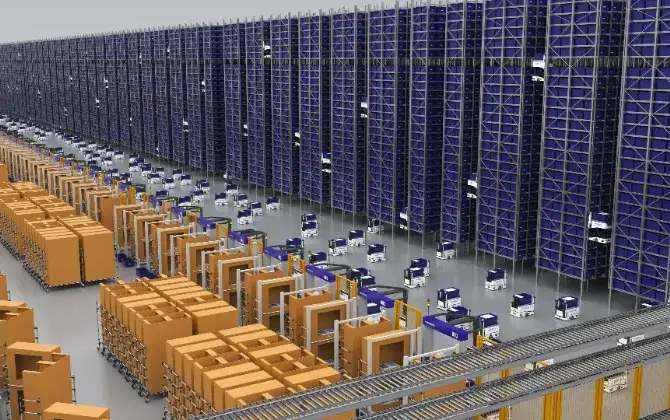
Hai Robotics Chosen for Largest Deployment of Rack-Climbing Warehouse Robots Worldwide
Hai Robotics has been selected to implement automation technology for a new large-scale e-commerce fulfillment center operated by a major European fashion retailer. This project features the HaiPick Climb system, marking the largest deployment of rack-climbing warehouse robots globally, with over 1,500 units set to enhance operational efficiency. The significance of this deployment lies in its potential to revolutionize warehouse automation, establishing a new benchmark in the industry. The retailer's expansion of its partnership with Hai Robotics underscores the reliability of the HaiPick Climb solution in managing high-volume online orders, with a throughput exceeding 24,000 totes per hour across a 30,000m² automated fulfillment operation. Looking ahead, the project exemplifies the increasing trend towards scalable robotic automation in large-scale fulfillment operations. No further timeline was disclosed at the time of publication, but the successful integration of over 1,500 HaiPick Climb robots is expected to enhance the retailer's capacity for omnichannel fulfillment significantly.
Warehouse Automation E-commerce Fulfillment Robotic Systems Logistics Supply Chain Management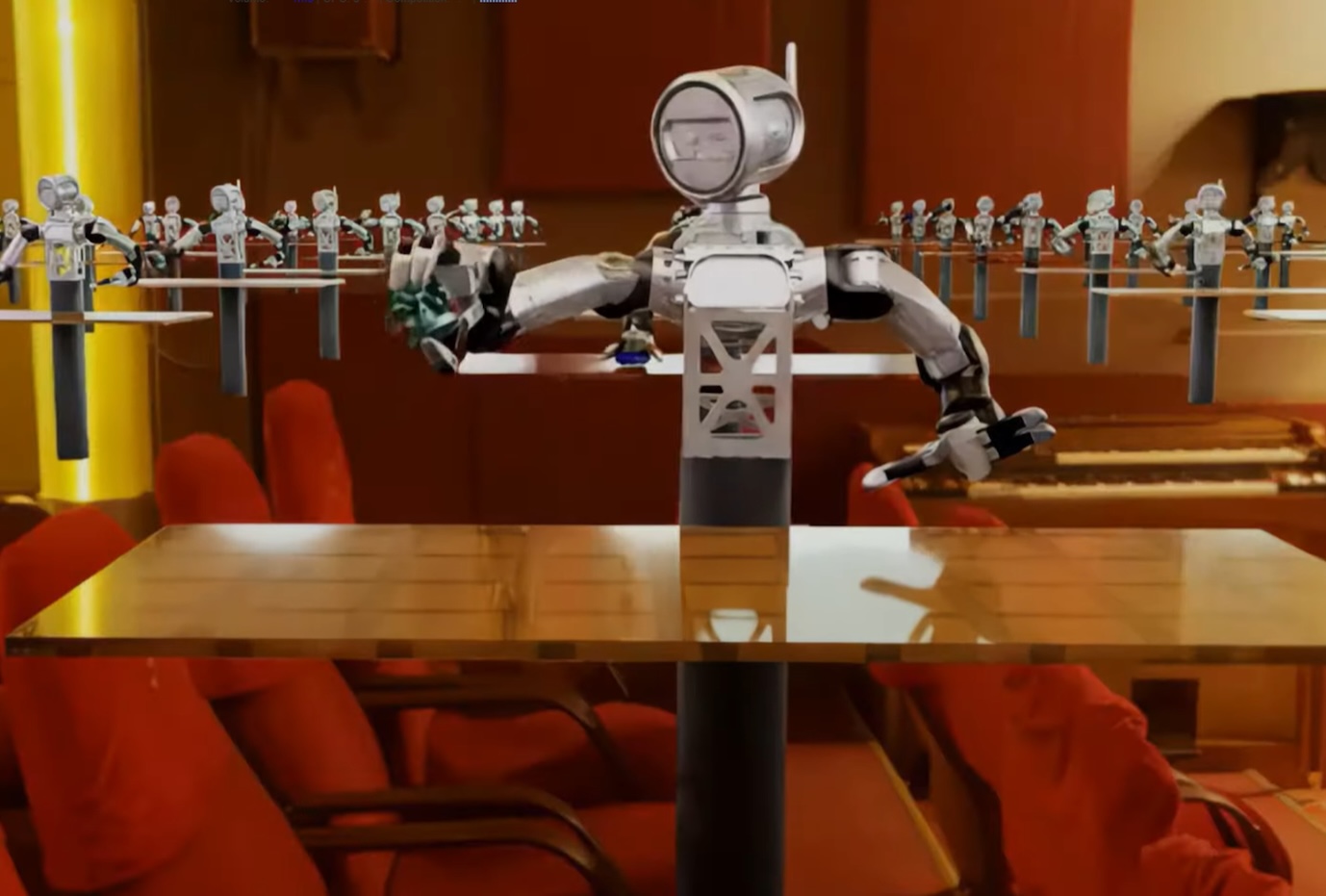
BigWave Robotics Partners with Space Factory to Deploy Humanoid Robots in Construction by 2026
BigWave Robotics, a South Korean AI company, has announced a partnership with modular housing manufacturer Space Factory to deploy humanoid robots in housing production starting in 2026. This initiative marks a significant shift in the construction industry, which has traditionally relied on human expertise, as robots begin to automate complex tasks such as insulation installation. The entry of humanoid robots into the construction sector is crucial as it addresses labor shortages and enhances production efficiency amid rising housing demands. Modular housing, which involves factory prefabrication and on-site assembly, is increasingly seen as a solution to expedite housing construction, and the integration of robotics is expected to further advance this trend towards smart manufacturing. Looking ahead, the success of humanoid robots in various industries will depend on their cost, reliability, and efficiency. While BigWave Robotics is focusing on the construction sector, the broader implications of this technology could lead to its application in logistics, energy maintenance, and public facility management, marking a new era in industrial automation.
Humanoid Robots Construction Automation Smart Manufacturing Modular Housing AI Technology
Challenges in Commercializing Embodied Intelligence: Hardware and Engineering Focus
As robots demonstrate capabilities like running and jumping, the industry consensus is clear: technical prototypes do not equate to commercial products. The competition in the embodied intelligence sector has shifted from algorithmic prowess to a comprehensive evaluation of hardware engineering, supply chain systems, and cost-benefit analysis in real-world scenarios. By 2026, advancements in technologies such as large models and dexterous hands are expected to accelerate. However, as numerous prototypes enter operational environments, issues like stability, maintenance costs, and parts supply have surfaced, revealing a significant gap between technological capabilities and industrial demands. While robots may achieve high success rates in laboratory settings, industrial applications require thousands of operational cycles, where even minor failures can halt entire processes. The industry recognizes that universal robots are not a feasible path at this stage. Instead, addressing gaps left by traditional automation is a more pragmatic approach. The logistics and warehousing sectors, characterized by structured environments, are the first to undergo large-scale validation. However, not all tasks are suitable for robots, and traditional automation still holds advantages in many areas. The maturity of the supply chain will ultimately determine the limits of industry expansion, as companies begin to build collaborative platforms to support large-scale delivery and address current mismatches in planned capacity and actual output.
Robotics Hardware Engineering Supply Chain Management Industrial Automation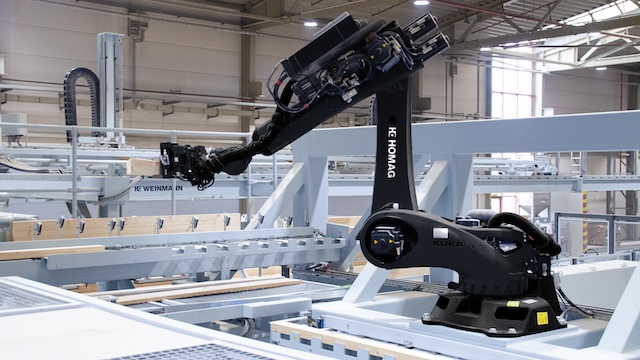
Ji'er 2.0: The First Humanoid Robot Transforming Smart Breeding in China
On September 4, 2026, at the 33rd China Beijing Seed Industry Conference, the team led by Xu Cao from the Institute of Genetics and Developmental Biology of the Chinese Academy of Sciences unveiled Ji'er 2.0, the world's first humanoid intelligent breeding robot. This fully domestically produced robot can autonomously navigate through tomato flowers and perform pollination in under 10 seconds. The significance of Ji'er lies in its innovative strategy called 'crop-robot collaborative design.' Traditional hybrid pollination relies heavily on manual labor, with hybrid varieties accounting for over 90% of commercial seeds. The Xu Cao team has re-engineered flower structures through gene editing, allowing the robot to effectively perform pollination tasks, improving the accuracy of stigma recognition from 85% to 92.8%. The upgraded Ji'er 2.0 features a dual-arm system, enhancing its adaptability. It can autonomously operate in various conditions, significantly reducing labor intensity in hybrid pollination. The technology has also been validated in soybean breeding, and future applications may extend to extraterrestrial environments, potentially aiding in greenhouse construction on the Moon or Mars. No further timeline was disclosed at the time of publication.
Smart Breeding Agricultural Robotics AI Technology Genetic Engineering
Xpeng Launches Automated Production Line for Humanoid Robots with High-Level Capabilities
Xpeng has successfully activated an automated production line dedicated to humanoid robots, marking a significant milestone in robotics. The company claims that the first high-level general-purpose humanoid robot has completed its assembly and autonomously walked off the production line. This production line is engineered for mass production, boasting an automation rate exceeding 80% in its essential processes. The establishment of this production line is crucial as it positions Xpeng to meet the growing demand for humanoid robots in various sectors. With plans to initiate volume production by the end of 2026, Xpeng aims to deliver these advanced robots to both domestic and international markets starting in 2027. This move highlights the company's commitment to innovation and leadership in the robotics industry. Looking ahead, stakeholders should monitor Xpeng's progress toward its production and delivery timelines. The successful launch of this automated line could set a precedent for other companies in the robotics sector, potentially influencing market dynamics and technological advancements. No further timeline was disclosed at the time of publication.
News Feed
EcoPro Co. Targets Humanoid Robotics for Growth Beyond Electric Vehicles
EcoPro Co. is set to engage in the South Korean battery-materials sector's initiative to support the humanoid robotics industry. The company is betting on the increasing demand for lightweight and powerful batteries, which is expected to create a new growth market beyond the traditional electric vehicle sector. This strategic move is significant as it highlights the evolving landscape of battery applications, where the need for advanced battery technology is expanding into new domains like humanoid robotics. The shift could lead to innovative developments in both battery design and robotics, potentially transforming how these technologies are integrated. Looking ahead, industry stakeholders will be keen to observe how EcoPro Co. and other battery manufacturers adapt their technologies to meet the specific needs of the humanoid robotics market. No further timeline was disclosed at the time of publication.
Robotics Must Address Major Ecological and Societal Challenges, Says Catherine Simon
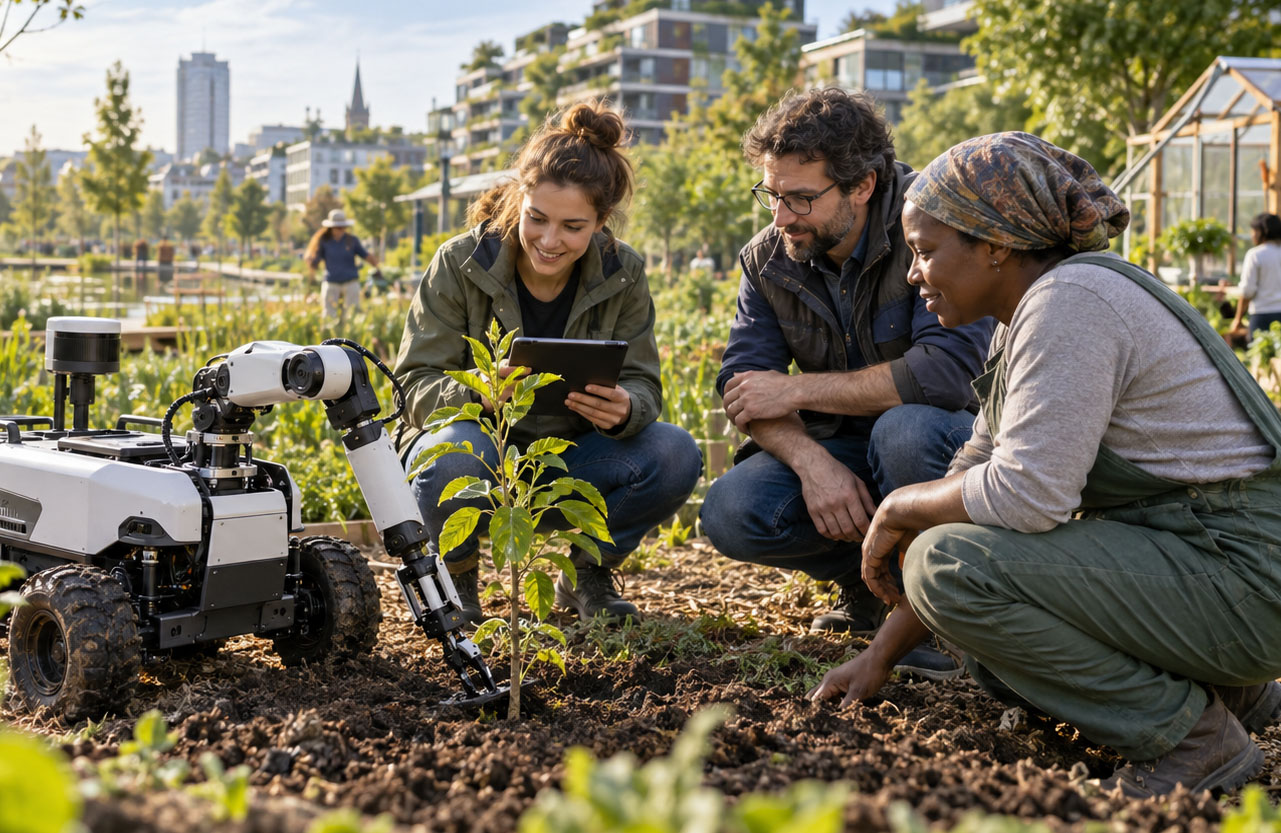
Catherine Simon, an Industrial Digital Advisor at the General Secretariat for Investment, discusses the significant transformations in the robotics industry, from the era of Innorobo to the rise of Physical AI. She emphasizes the potential of service robotics across various sectors, including healthcare, logistics, and agriculture, highlighting its evolution from specialized industrial tools to a General Purpose Technology. The rapid advancement of generative AI and Physical AI is fundamentally changing robotics, moving it beyond niche applications and technological demonstrations. Simon argues that France and Europe have the potential to become global leaders in robotics by adopting a demand-driven strategy that focuses on addressing urgent economic and environmental needs, rather than merely pushing technological advancements. Looking ahead, Simon suggests that identifying promising markets where the demand for robotics is both urgent and substantial will be crucial. France and Europe can leverage a robust industrial ecosystem that includes international corporations, innovative SMEs, and top-tier research laboratories to ensure a seamless transition from innovation to practical applications in the robotics sector.
À la une Humanoide IA Interview Robotique Santé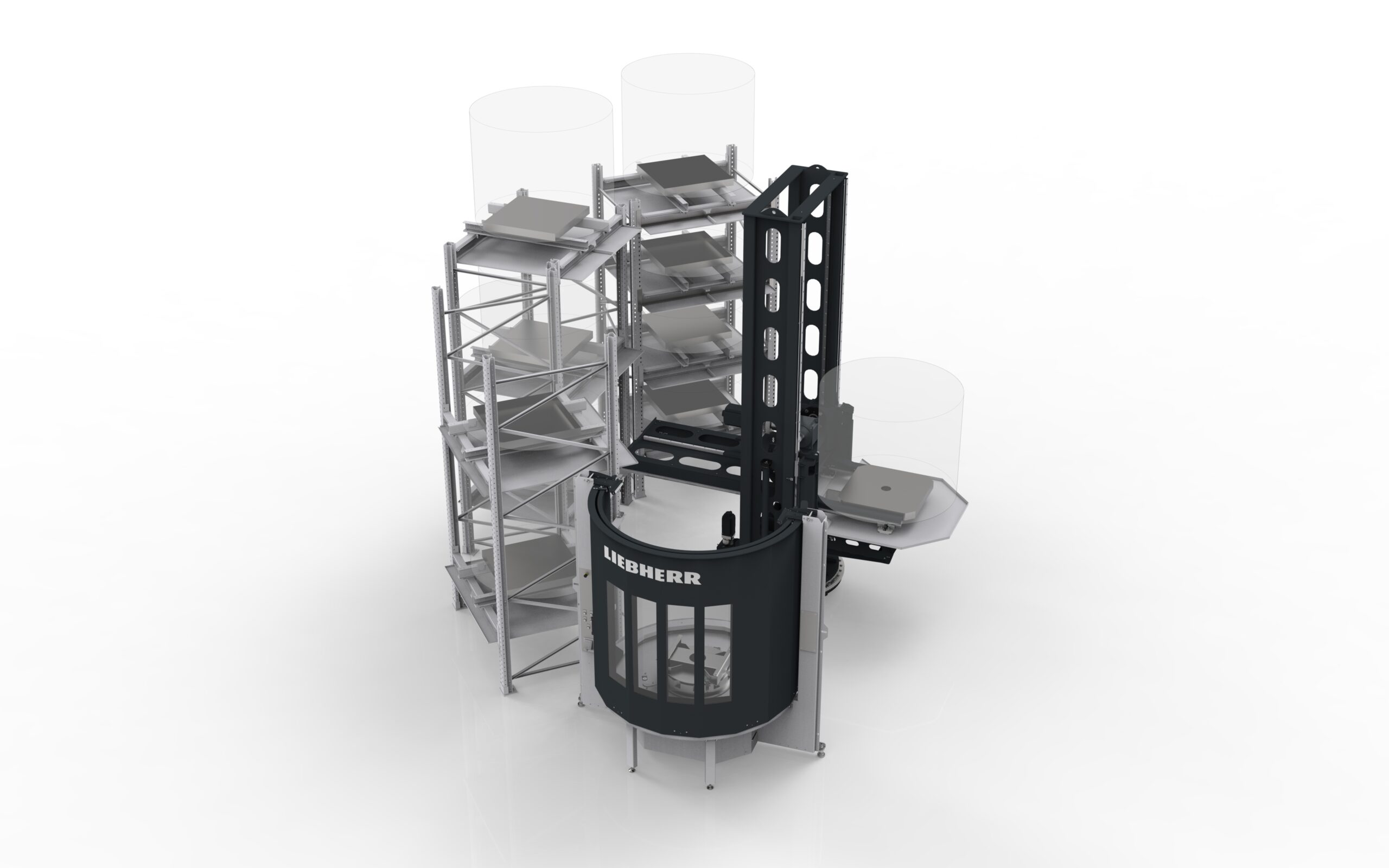
Liebherr Enhances RLS System with 2000 kg Load Capacity for Industrial Automation
Liebherr-Verzahntechnik has upgraded its RLS rotary loading system to support industrial automation in machining workshops. The new system features an increased load capacity of up to 2,000 kg, enhanced storage density, and wider acceptable diameters, facilitating the automated loading of heavy parts while minimizing the footprint around machine tools. This advancement is significant as it addresses the growing demand for automation in diverse production environments, including those involving heavy and bulky components. The RLS system is designed to ensure the automatic storage, preparation, and feeding of machines, now accommodating larger components with its new load class, complementing existing capacities of 800 kg and 1,500 kg. Looking ahead, the RLS system's compact design allows for the automation of two machining centers while maintaining a limited ground area. This approach aims to enhance productivity without requiring additional floor space, making it a valuable solution for manufacturers seeking to optimize machine tool capabilities and reduce manual handling interventions. No further timeline was disclosed at the time of publication.
À la une IA Industrie Robotique automatisation industrielle. Automatisation pièces lourdes
Jinan's Three-Year Action Plan for AI Integration in Manufacturing
In September 2026, Jinan's Bureau of Industry and Information Technology, along with 13 other departments, released the 'Action Plan for Implementing AI + Manufacturing (2026-2028)'. This plan aims to address the critical transition from AI as a concept to its practical application in manufacturing, particularly focusing on overcoming data fragmentation and inaccessibility in factories. The plan is significant for Jinan, a major industrial city projected to achieve over 1 trillion yuan in industrial revenue by 2025. It emphasizes the need for a comprehensive data resource inventory and the development of ready-to-use data products, establishing an integrated mechanism for data collaboration, model training, application development, and security assurance. Jinan's AI core industry is expected to grow from 640 billion yuan in 2025 to over 800 billion yuan in 2026, with nearly 600 AI companies contributing to this growth. Looking ahead, the plan sets ambitious goals, including the creation of over 40 specialized industrial models and intelligent systems by 2028, and the promotion of more than 30 typical application scenarios. Jinan aims to leverage its strategic advantages to spread AI empowerment from leading enterprises to small and medium-sized businesses, fundamentally transforming the future of this industrial city.
AI in Manufacturing Industrial Automation Data Integration Smart Manufacturing
China’s Dexterous Hand Industry, 2026 Part 3 — The Players
Five vendor archetypes, MIR’s composite top ten, eight company profiles and six field deployments — every firm linked to the RobotToday supplier directory.

China’s Dexterous Hand Industry, 2026 Part 2 — The Technology
Linkage, tendon, direct drive or hybrid — and why hardware is converging while the DL1–DL5 manipulation scale decides who wins. Part 2 of 3.
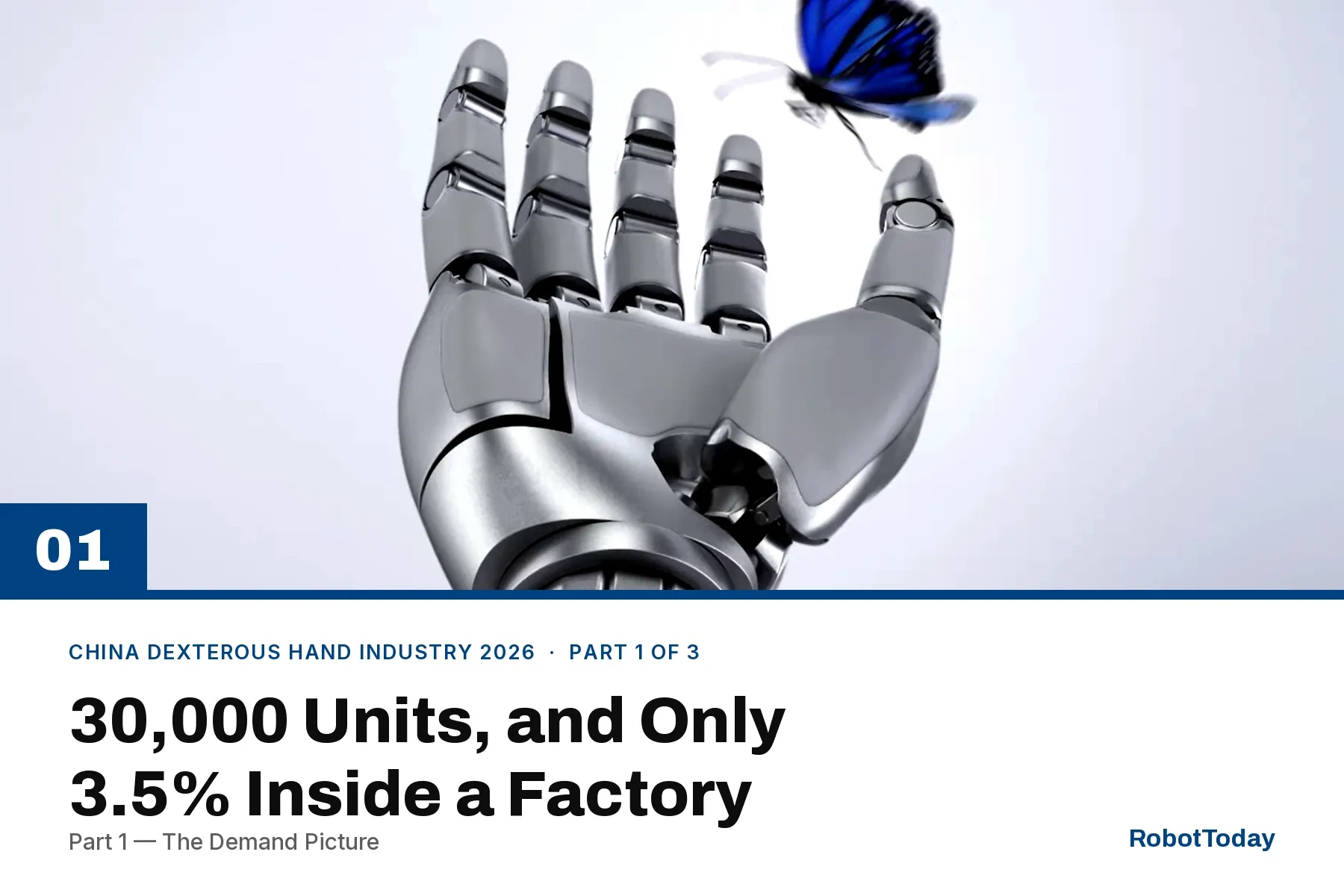
China’s Dexterous Hand Industry, 2026 Part 1 — The Demand Picture
MIR Databank puts China dexterous hand shipments above 30,000 units in 2026, yet only 3.5% of 2025 demand came from factory production. Part 1 of 3.
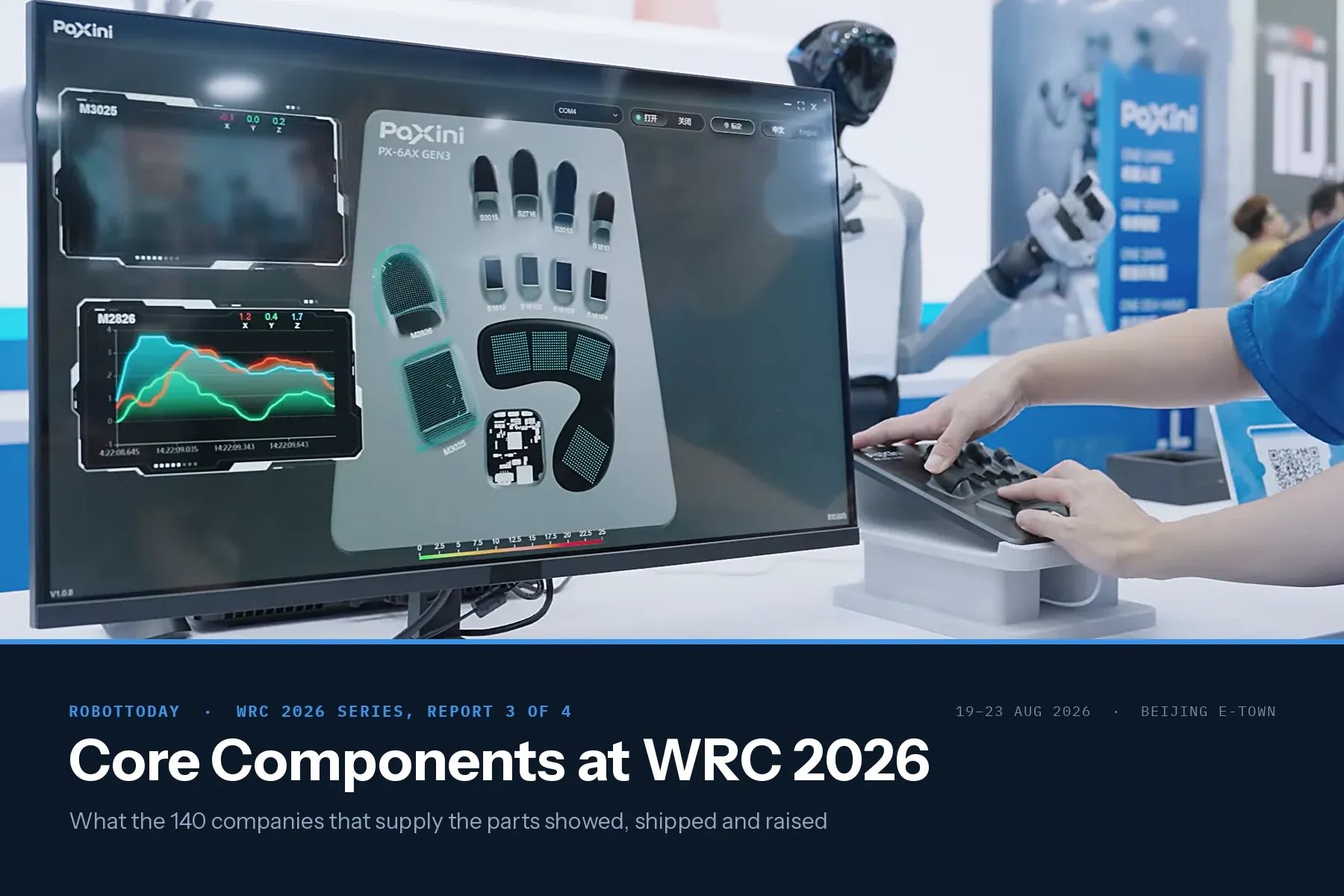
WRC 2026 Core Components: 137 Robot Parts Suppliers
The third report in the WRC 2026 series. Report 1 mapped all 248 exhibitors by category and Report 2 covered the 139 that build finished robots. This one covers the 137 that build what goes inside them.

Modern Robotics K. M. Lynch & F. C. Park — RSF Top 10 Robot Education Textbooks · No. 8
The book the field agreed to make free: full preprint PDF, video lectures and open code from the authors. Screw theory and kinematics, taught rigorously.

Robotics, Vision and Control Peter Corke — RSF Top 10 Robot Education Textbooks · No. 5
Most books you read; Corke's you run. Every concept ships as executable Python via the open Robotics Toolbox. The code softens the maths.
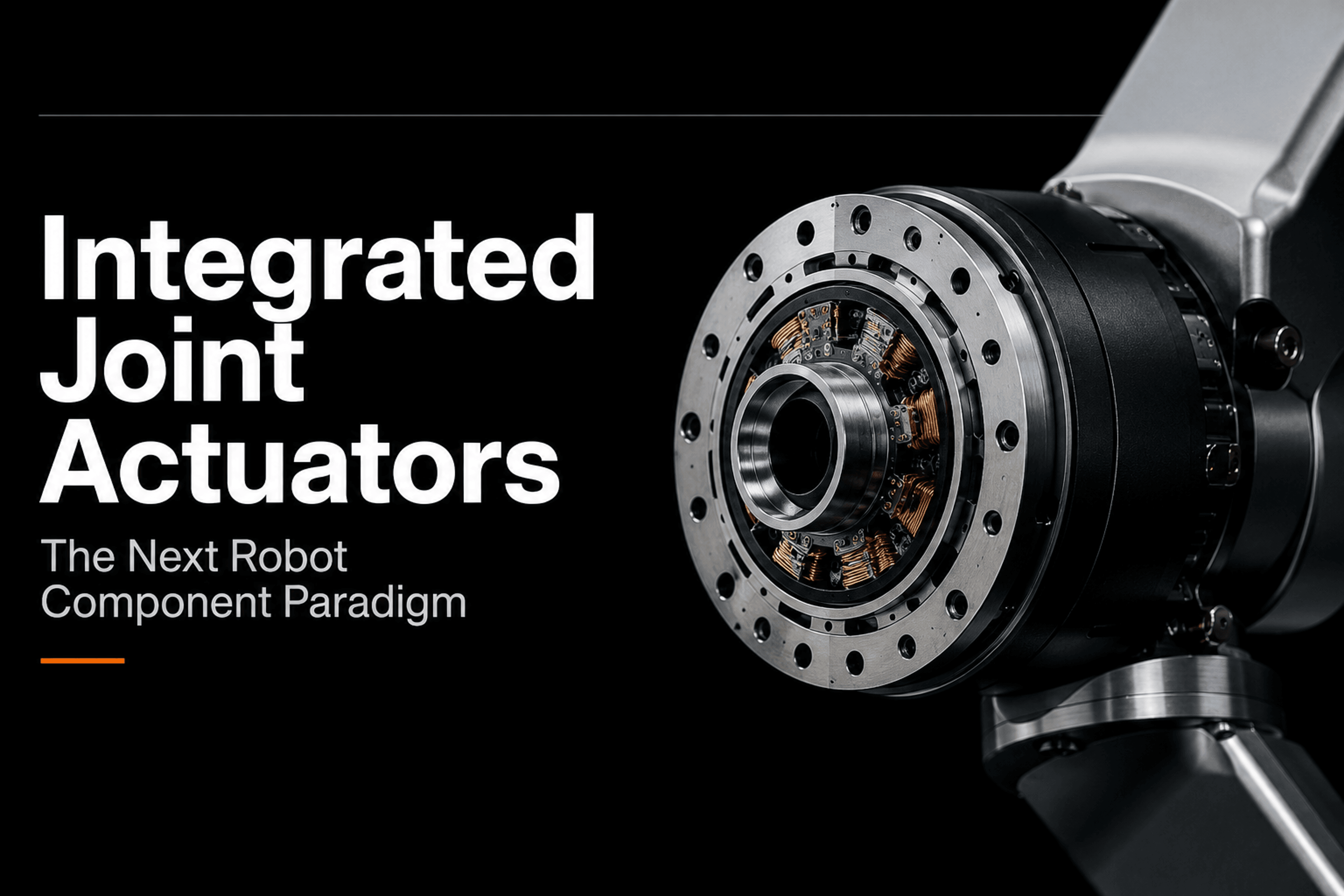
Integrated Joint Actuators 2026: Technology, Global Suppliers & China's Leap Forward
From rotary joints hitting 530 N·m+ to linear joints with planetary roller screws, integrated actuators are replacing the three-part drivetrain. Full supplier map: Tihu, PhyArc, RobStride, Schaeffler, maxon — and China's path from 1,000-RMB modules to global standard-setter.
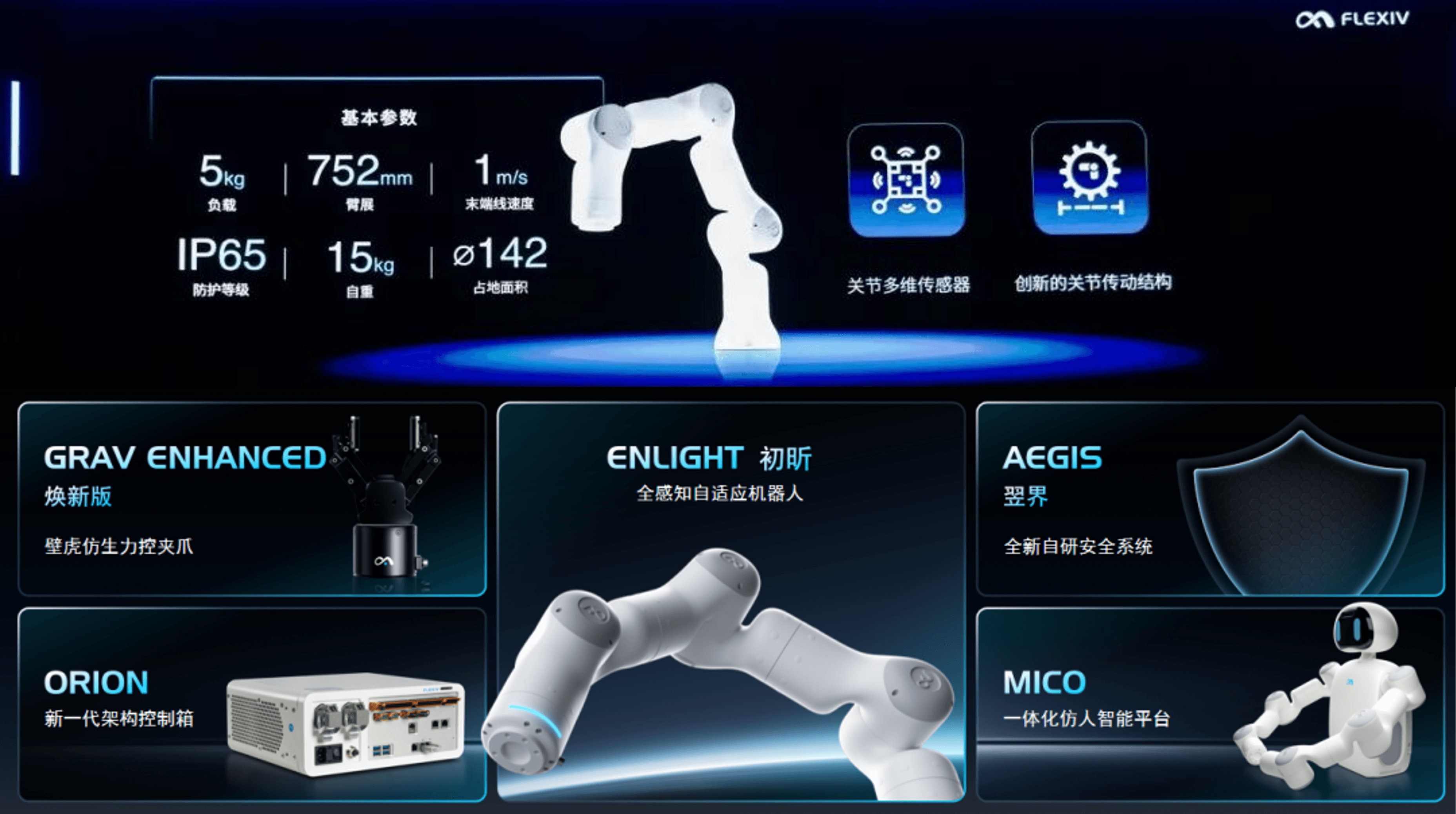
Flexiv Launches “Enlight” Platform to Expand General-Purpose Robotics Capabilities
Flexiv unveils the Enlight robotics platform, Orion controller, and MICO system—advancing force-centric, general-purpose robots for real-world applications.
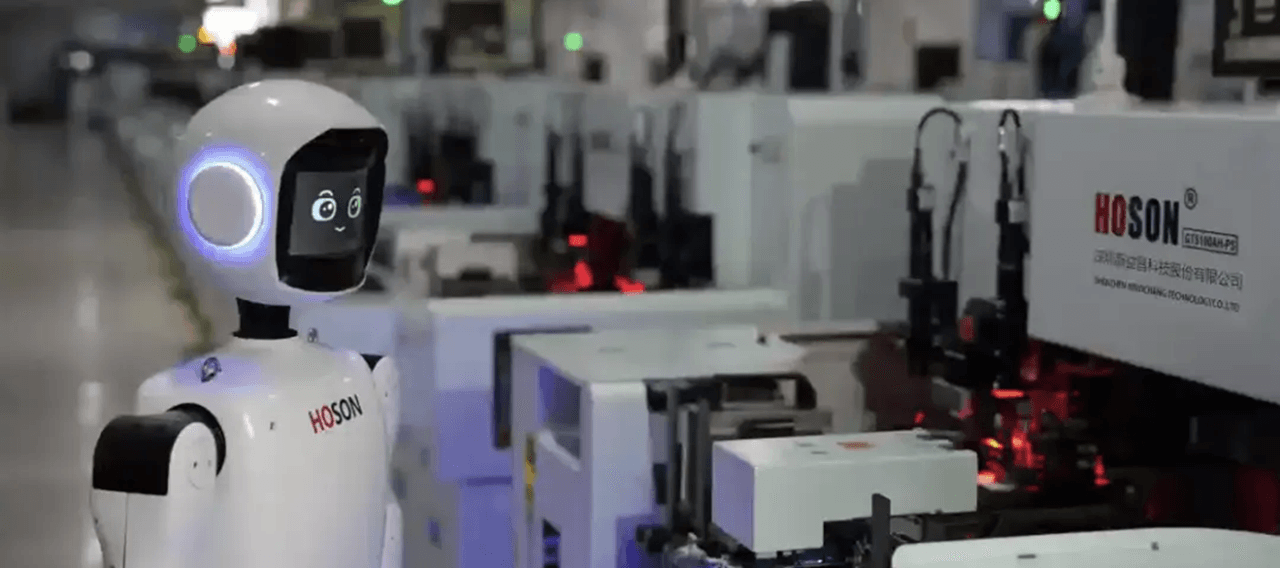
Hoson Tech Enters Humanoid Robotics with Hoson Robot
Hoson Tech expands into humanoid robotics with the Hoson Robot, bringing semiconductor-grade precision and embodied intelligence to real-world automation.
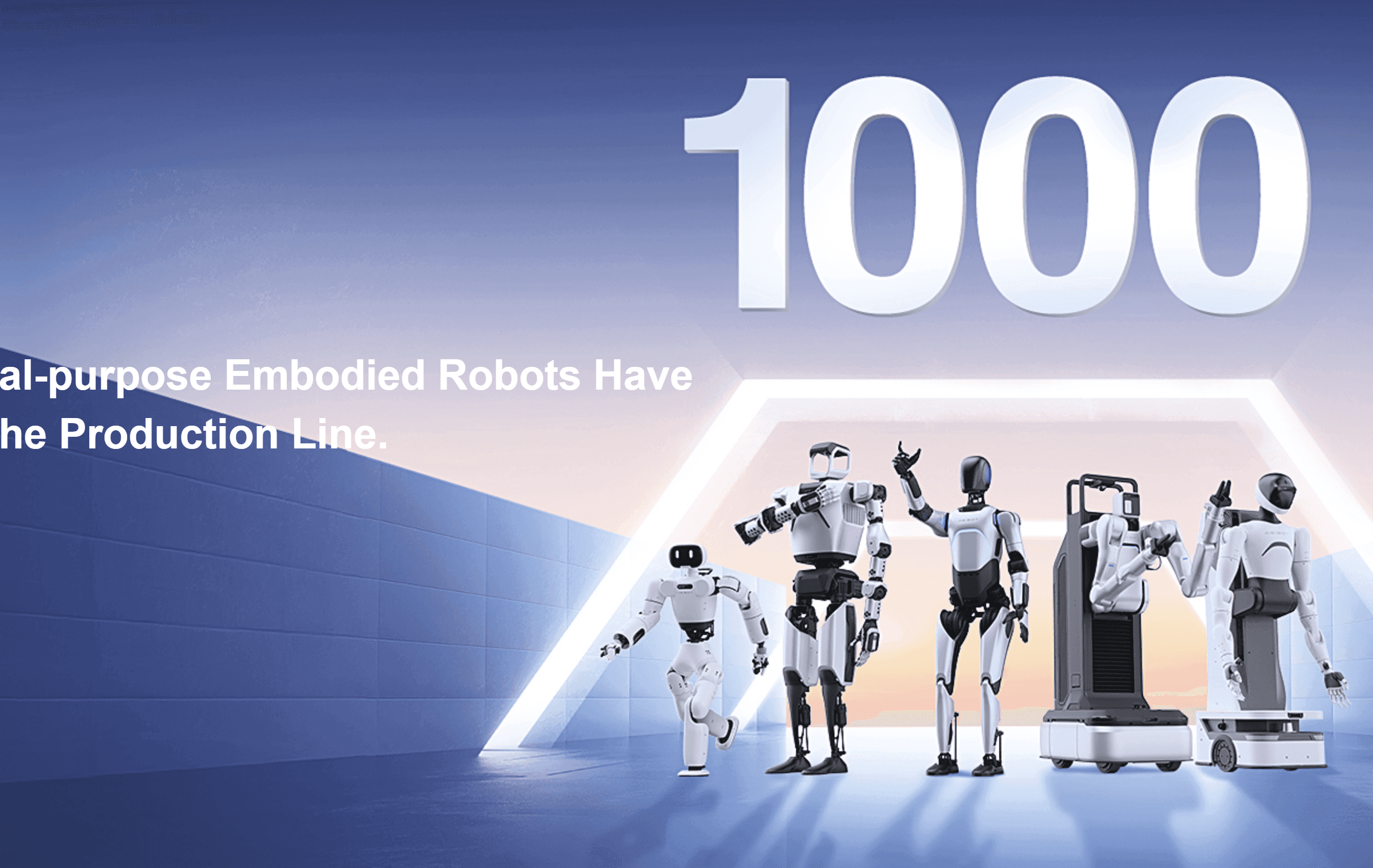
Agibot and Longcheer Technology Forge a New Benchmark for AI Manufacturing
Agibot and Longcheer Technology announce a strategic partnership to advance AI-driven manufacturing and set a new benchmark in integrating intelligent robotics into production processes.