


Modular
"Inference reimagined, from Kernel to Cloud. One unified stack."
Modular built the Mojo language and MAX AI-inference platform for GPUs/CPUs before Qualcomm completed its acquisition of the firm in July 2026.


Company Facts
Founded
2022
Primary Role
Software/Algorithm
Company Size
-
Primary Region
North America
Annual Sales
-
Funding Stage
Subsidiary / Acquired
Funding Total
-
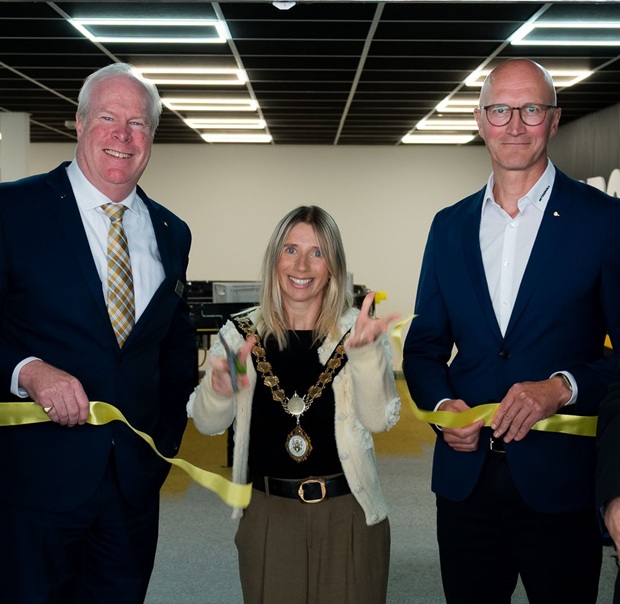
Interroll Launches Refurbished UK Customer Experience Centre in Kettering
Interroll has inaugurated its newly refurbished UK customer experience centre in Kettering, featuring a successful launch event attended by customers, system integrators, and industry partners. The event showcased Interroll's latest material handling and automation technologies, including the MCP PLAY modular conveyor platform and the Modular ChainBelt Sorter MC-S. This new facility aims to enhance customer engagement and support throughout the project lifecycle, allowing visitors to see the MCP PLAY and MC-S systems in action. The launch event facilitated technical presentations and discussions, highlighting the growing demand for practical insights into automation and efficiency challenges in operations today. Looking ahead, Interroll's customer experience centre is set to play a crucial role in demonstrating advanced technologies and fostering collaboration with clients. No further timeline was disclosed at the time of publication.
Industry News
University of Stuttgart Researchers Develop Robot Swarms for Autonomous Construction Projects
Researchers at the University of Stuttgart in Germany are advancing two autonomous robotic systems aimed at enhancing construction efficiency and sustainability. The SCALAR and COBRAS projects, funded by the European Innovation Council’s EIC Pathfinder Challenge with approximately €4 million each, will explore robotic assembly methods with minimal human involvement, set to commence in November 2026. The significance of these projects lies in their potential to revolutionize construction practices. SCALAR focuses on modular timber construction, utilizing autonomous machines to assemble prefabricated components, while COBRAS aims to employ swarm intelligence for the assembly of lightweight space-frame structures. Both approaches promise to reduce waste and improve productivity in building processes. Looking ahead, the research will emphasize the development of digital control systems and sensors capable of functioning in challenging construction environments. No further timeline was disclosed at the time of publication.
AI and Robotics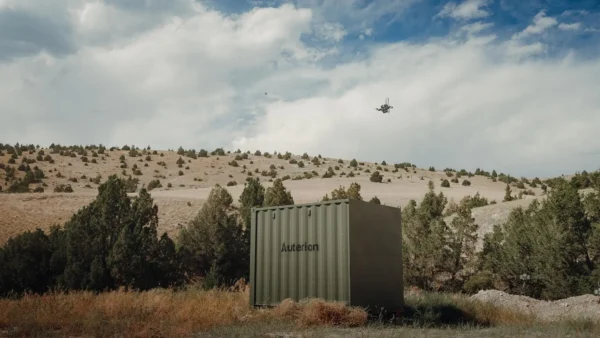
Auterion Unveils Nemyx Vertical Launch System for Enhanced Drone Operations
On October 5, 2026, Auterion launched the Nemyx Vertical Launch System (Nemyx VLS), a modular drone launcher designed to accommodate multiple drone types from various manufacturers. This innovative system allows for vertical stacking of drones, increasing capacity by 30% compared to traditional launchers without an elevator, while ensuring each drone remains charged and updated. The significance of the Nemyx VLS lies in its versatility and efficiency, enabling operators to utilize high-volume commercial drones, strike drones, and interceptors without the need for multiple launch systems. The design allows for easy integration with existing armored vehicles, facilitating both single and swarm launches, all while maintaining a powered standby for the drones. Looking ahead, Auterion is currently working with first integration partners to deploy the Nemyx VLS. The system's ability to adapt to various drone suppliers and its environmentally sealed design for extended deployment make it a noteworthy advancement in drone launch technology. No further timeline was disclosed at the time of publication.
Drone News Drone News Feeds Drone Swarms drone technology infrastructure Launch Technology
Shibaura Machine Expands THE Range of SCARA Robots with High Payload and Speed
Shibaura Machine has introduced the THE range of SCARA robots, featuring models with arm lengths of 400mm, 600mm, 800mm, and 1000mm. The latest model, THE1000, offers a payload capacity of 20kg and a cycle time of just 0.44 seconds, making it suitable for various industrial applications including assembly and pick and place processes. This range is recognized as a price-to-performance leader among SCARA robots, providing impressive speed and payload capacity that enhances operational efficiency. The ability to handle large components quickly is crucial for industries requiring high-speed automation solutions. Looking ahead, the modular and configurable architecture of the robots allows for easy integration into existing systems, whether in new or established facilities. No further timeline was disclosed at the time of publication.
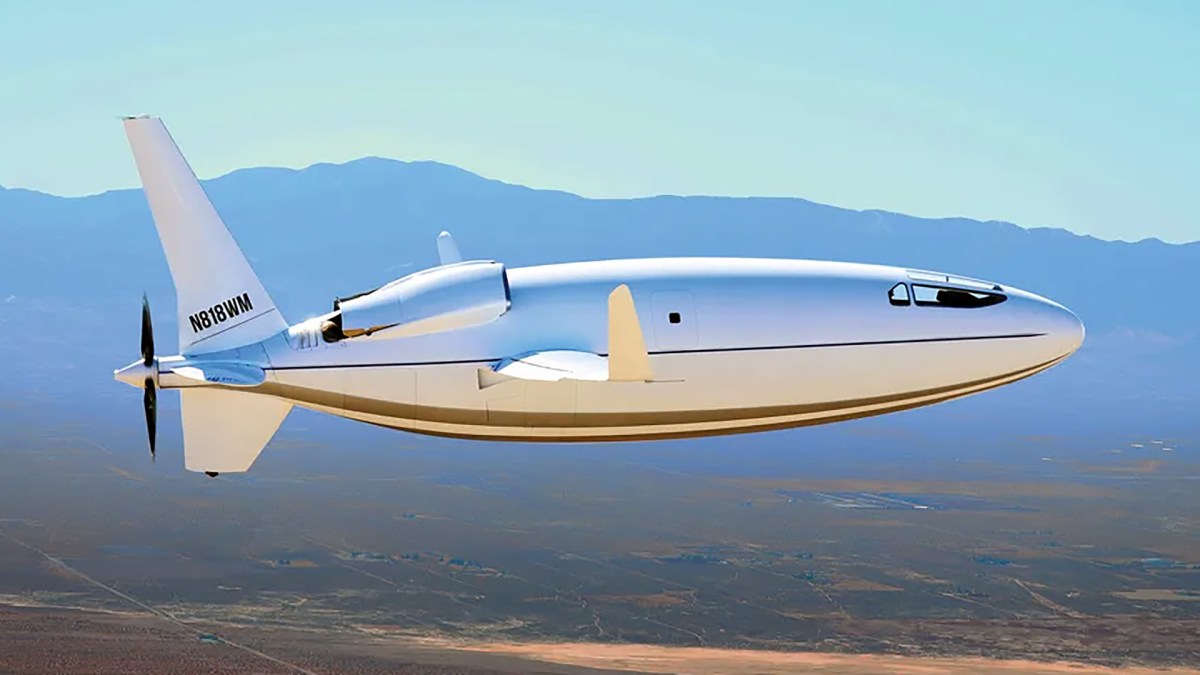
Otto Aerospace Joins Seven Companies Competing to Develop MQ-9 Reaper Successor
Seven companies, including Otto Aerospace, are competing to create a cost-effective, modular drone to replace the MQ-9A Reaper. Otto's unexpected inclusion highlights its ambition to disrupt aviation with innovative designs that could serve both military and civilian purposes. The Air Force aims to establish a fleet of at least 500 of these drones by 2032, with the MMA program officially launched in July. The significance of Otto Aerospace's participation lies in its focus on laminar flow technology, which enhances aerodynamic efficiency and reduces operational costs. This approach could lead to improved fuel economy and extended range for the new drone designs. Otto's previous work, including the Celera 500L, showcases its commitment to optimizing aircraft performance through innovative design principles. Looking ahead, the development of the MMA program will be closely monitored as the Air Force collaborates with industry partners to refine requirements and explore potential solutions. Otto's advancements in laminar flow technology may play a crucial role in shaping the future capabilities of military drones. No further timeline was disclosed at the time of publication.
News & Features Air Air Forces Drones Q-9 U.S. Air Force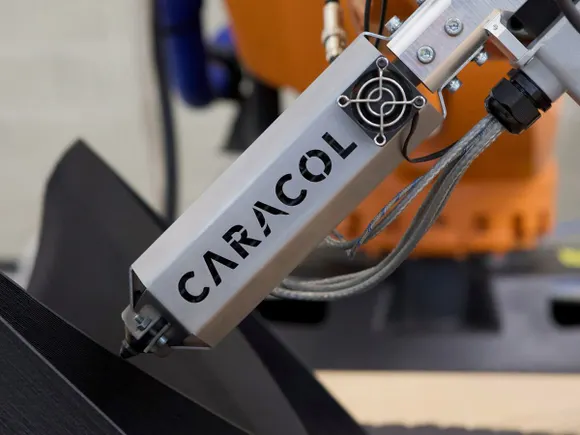
Microfactories Revolutionizing Manufacturing with Additive Technologies and Robotics
Manufacturers are increasingly adopting microfactories and additive manufacturing to enhance operational efficiency and reduce costs. The COVID-19 pandemic and geopolitical tensions have disrupted traditional supply chains, prompting companies to seek faster solutions. Francesco De Stefano, CEO of Caracol, emphasizes the need for immediate production capabilities, particularly in military applications where delays can be critical. Microfactories, characterized by their small, automated setups, are emerging as agile alternatives to conventional manufacturing plants. At the International Manufacturing Technology Show in Chicago, a demonstration showcased the ability to produce quadcopter airframes every four minutes using advanced technologies. This shift towards smaller, interconnected factories is seen as the future of manufacturing, according to industry leaders. The global market for modular microfactories is projected to grow significantly, reaching $12.8 billion by 2030. North America leads in adoption, driven by reshoring efforts and the flexibility of microfactory setups. While not suitable for all manufacturing scenarios, microfactories offer distinct advantages in high-mix production environments, such as military parts fabrication.

Astribot Launches T1 Humanoid Robot in North America at IROS 2026 for $18,000
Astribot has introduced its T1 humanoid robot to the North American market, with a starting price of $18,000. The robot is being showcased at IROS 2026 in Pittsburgh, featuring a cable-driven architecture and in-house developed Lumo AI models. This platform is designed for researchers and developers to transform AI capabilities into practical physical tasks. The significance of the T1 lies in its integrated approach, combining AI, software, and hardware design under the concept of 'Design for AI.' Standing at approximately 1.55 meters and weighing around 66 kg, the T1 is equipped with modular hardware that supports various end effectors and sensors, enhancing its dexterous manipulation abilities. Looking ahead, the North American launch provides an opportunity for researchers to explore the T1's capabilities in real-world applications. While Astribot has demonstrated the robot's ability to gather items autonomously, the company notes that more complex tasks will require additional training. No further timeline was disclosed at the time of publication.
US AstriBot China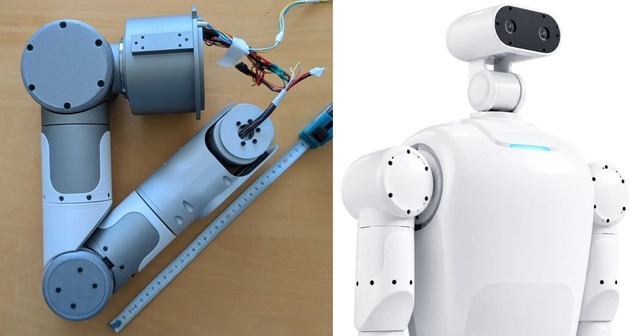
AGIRobots Launches HA1, a 7-Axis Robot Arm for Humanoid Development
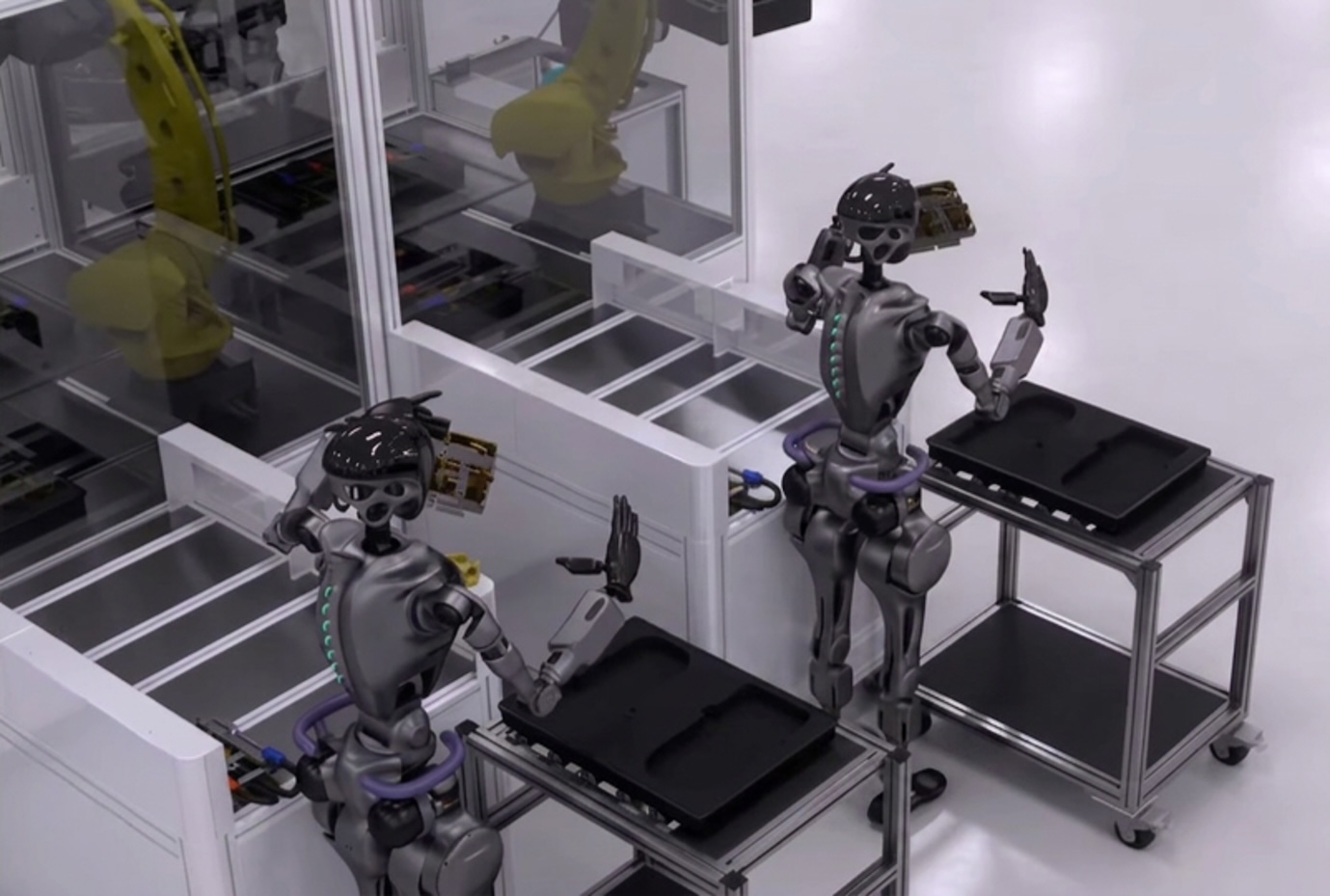
AGIRobots has commenced sales of the HA1, a 7-axis robot arm designed for humanoid robotics and physical AI research. The arm features a metal structure, internal wiring for hand devices, and a 24V power supply, facilitating easy integration with robotic hands, cameras, and sensors. The HA1 is significant as it addresses the growing interest in physical AI, which requires not only AI models but also hardware for recognition, control, data collection, and evaluation. Its design allows for redundancy in motion generation, enabling complex tasks like object manipulation and obstacle avoidance, essential for humanoid robots. Looking ahead, the HA1 is targeted at companies and research institutions eager to start with physical AI through arm integration. The arm's modular design and flexible actuation system suggest it will be adaptable for various applications, including collaborative research and dynamic movements, although no further timeline was disclosed at the time of publication.
Comau Innovates Robotic Order Preparation System for Decathlon's E-commerce Fulfillment
Comau has developed and validated a robotic order preparation solution for Decathlon's e-commerce operations as part of the European initiative MASTERLY. This system utilizes Comau's MyCo collaborative robot, equipped with a ROS2-based software architecture, intelligent sensors, and an advanced modular gripper to autonomously handle various tasks such as picking, handling, and palletizing. The significance of this development lies in its ability to address evolving production challenges, including supply chain disruptions and the need for rapid reconfiguration. By collaborating with Decathlon and other technology partners, Comau's solution emphasizes scalable automation that enhances workplace ergonomics and operational flexibility in human-centric environments. Looking ahead, the insights and functionalities validated during the MASTERLY project will enhance Comau's MyCo collaborative robotics platform and contribute to its advanced intralogistics capabilities. No further timeline was disclosed at the time of publication.

Introducing HaiPick Climb: A High-Density Warehouse Automation Solution
Hai Robotics has launched the HaiPick Climb, a high-density Automated Storage and Retrieval System (AS/RS) designed to enhance warehouse storage and order fulfillment. This innovative system integrates compact HaiClimber robots, high-density racking, configurable workstations, and HaiQ software, allowing warehouses to store more inventory and fulfill orders faster while minimizing operational complexity. The significance of HaiPick Climb lies in its ability to deliver high storage density and throughput without extensive infrastructure requirements. With capabilities to support double-deep storage of up to 45,000 totes in a compact footprint, the system can deliver totes to workstations in under two minutes and achieve throughput of up to 4,000 totes per hour. This modular solution allows customers to scale their operations as needed, adapting to changing demands in various sectors such as e-commerce, retail, and healthcare. Looking ahead, HaiPick Climb's development will continue to evolve based on customer feedback and operational requirements. The system's design focuses on reducing manual handling and improving efficiency, making it a viable option for warehouses facing challenges like limited space and increasing customer expectations. No further timeline was disclosed at the time of publication.

RobotToday Weekly September 21 – 25, 2026
Cognex buys RealSense, Qualcomm acquires PickNik, the IFR counts 5 million factory robots, AGIBOT deploys 300 robots at Chimelong, and Tekever raises $580 million.

Innovation Works Venture Expo 2026: 58 Pittsburgh Startups Pitch to Investors
58 health, deep tech and robotics startups pitched at Innovation Works Venture Expo 2026 in Pittsburgh. Full company list, program and 2025 funding data.

ROBOTTODAY WEEKLY September 7 – 11, 2026
This week in robotics: JD.com plans to deploy three million robots across its logistics network, XPeng commissions its IRON humanoid production line, FANUC and Google launch an AI arc-welding agent, and Unitree shares fall 53% from their post-IPO high. September 7–11, 2026.

World Robot Conference 2026 Opens in Beijing Aug. 19–23, Days After Unitree's $9B IPO
WRC 2026 opens August 19 in Beijing with 300+ exhibitors, a first-ever SOE pavilion and a new Procurement Day, days after Unitree priced China's first mainland-listed humanoid robot IPO at a $9.04 billion valuation.

WAIC Review 3/4: What Scientists and Skeptics Really Think About Embodied AI: The Sober Voices at WAIC 2026
UCL and HKUST researchers, plus robotics CEOs, challenged embodied AI hype at WAIC 2026, citing generalization limits and no third-party evaluation standard.

Planning Algorithms Steven M. LaValle — RSF Specialist Shelf · Book S4 of 6
The reference that treats planning as a subject in its own right: configuration space, sampling-based methods, RRT. Free online, dual difficulty 4/5-2/5.

Physical AI Landscape: From Digital Intelligence to the Embodied Physical World
A comprehensive industry analysis of Physical AI — covering Embodied AI, Field AI, Factory AI, VLM, World Model, VLA, and the VLA vs WAM architecture debate. Includes 20+ companies, 28 references, and the RobotToday Physical AI Landscape diagram. July 2026.
Humanoid Robot Wire Harnesses Emerge as a Critical System Technology
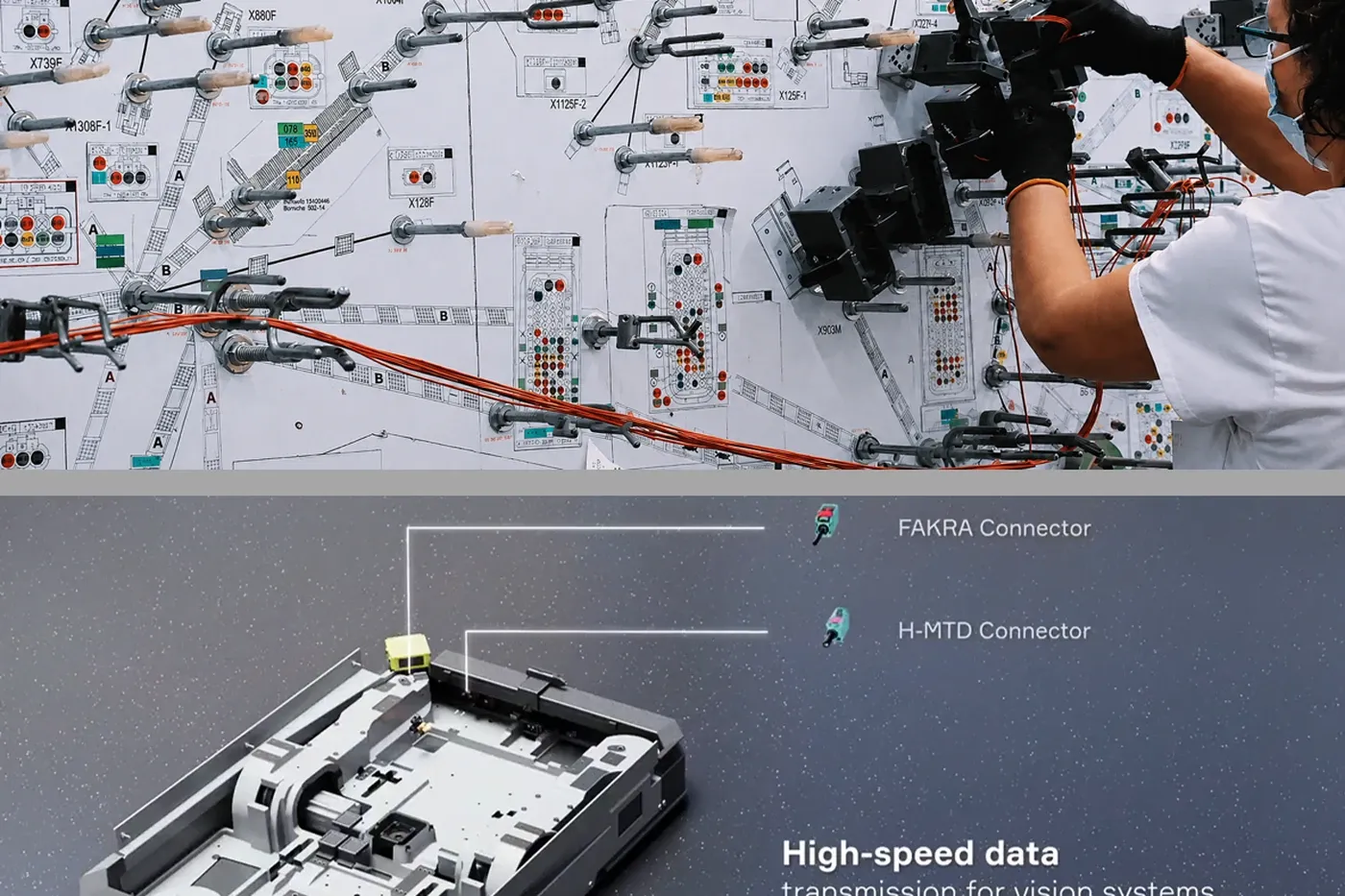
A RobotToday engineering deep dive into humanoid robot wire harnesses: 3D dynamic fatigue, 10-100 Gbps EMI shielding, FPC cost reduction, and global standards.

Pittsburgh Regional Alliance Convenes Nine CMU-Rooted Robotics Firms at Automate 2026
At Automate 2026, the Pittsburgh Regional Alliance convened nine robotics firms — most spun out of Carnegie Mellon — spanning materials, perception and AMRs.

ROBOTTODAY Weekly June 23 – 27, 2026
This week in robotics: Agility Robotics $2.5B SPAC deal for first humanoid IPO, BMW Figure 03 logistics deployment, Morgan Stanley doubles China humanoid forecast, ON Semiconductor acquires Synaptics for $7B, Sony halts aibo in Japan. June 23–27, 2026.


