


DEEPX
"Pioneering innovation in edge AI semiconductors"
Seongnam fabless AI semiconductor company; DX-M1 NPU delivers 25 TOPS at under 5W for edge robotics, drones, and autonomous vehicles.
Contact DEEPX
WEBSITE
https://deepx.ai/PHONE
+82 31-603-9877HEADQUARTERS
Korea, Republic of (South)

Company Facts
Founded
2018
Primary Role
Component Supplier
Company Size
-
Primary Region
Asia-Pacific
Annual Sales
-
Funding Stage
-
Funding Total
-
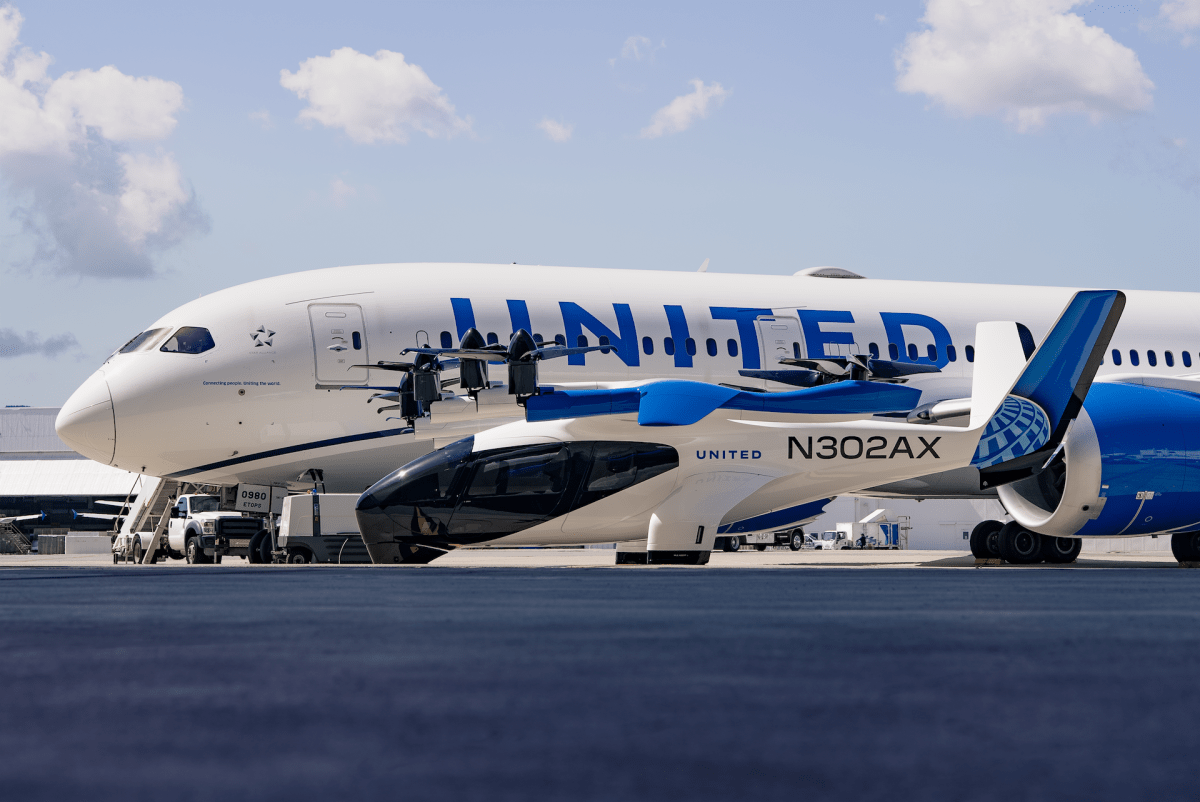
FAA to Implement $875 Million AI Program to Enhance Air Traffic Management
The Federal Aviation Administration (FAA) is addressing a nationwide air traffic control shortage with an innovative solution: an $875 million AI software program. This initiative, known as SMART (Strategic Management of Airspace, Routes, and Trajectories), aims to assist air traffic controllers in managing workflows and ensuring safer flight navigation. The significance of this program lies in its potential to transform air traffic operations by utilizing AI to analyze various factors such as airline schedules, weather conditions, and airport capacity. By predicting traffic flows and identifying conflicts before they arise, SMART is expected to enhance the efficiency and safety of air traffic management across the country. The rollout of SMART will begin in the Washington, D.C., metropolitan area, with plans for expansion to other regions. Additionally, the FAA has introduced a new hiring plan to address staffing shortages and is actively working on modernizing the nation's air traffic systems. No further timeline was disclosed at the time of publication.
AI Government & Policy air traffic control In Brief
Aetina Launches AIE-KT78 and AIE-KT68 for Advanced AI in Robotics Control
Aetina Corporation has announced the general availability of its DeviceEdge AIE-KT78 and AIE-KT68 edge AI systems. These systems support local multimodal generative AI, LLM, VLM, and VLA model execution, enabling seamless integration with high-resolution sensors, motors, joints, and actuators through high-bandwidth interfaces and EtherCAT control. The introduction of these systems is significant as they are powered by NVIDIA Jetson Thor and utilize the NVIDIA Blackwell architecture, providing high-performance AI compute and deterministic industrial control. This makes them ideal for Collaborative Robots (Cobots), humanoid robots, and next-generation autonomous machines, enhancing their ability to perceive, reason, decide, and act in real-world environments. Looking ahead, the focus will be on how developers leverage the capabilities of the AIE-KT78 and AIE-KT68 systems to create more sophisticated robotic applications. No further timeline was disclosed at the time of publication.
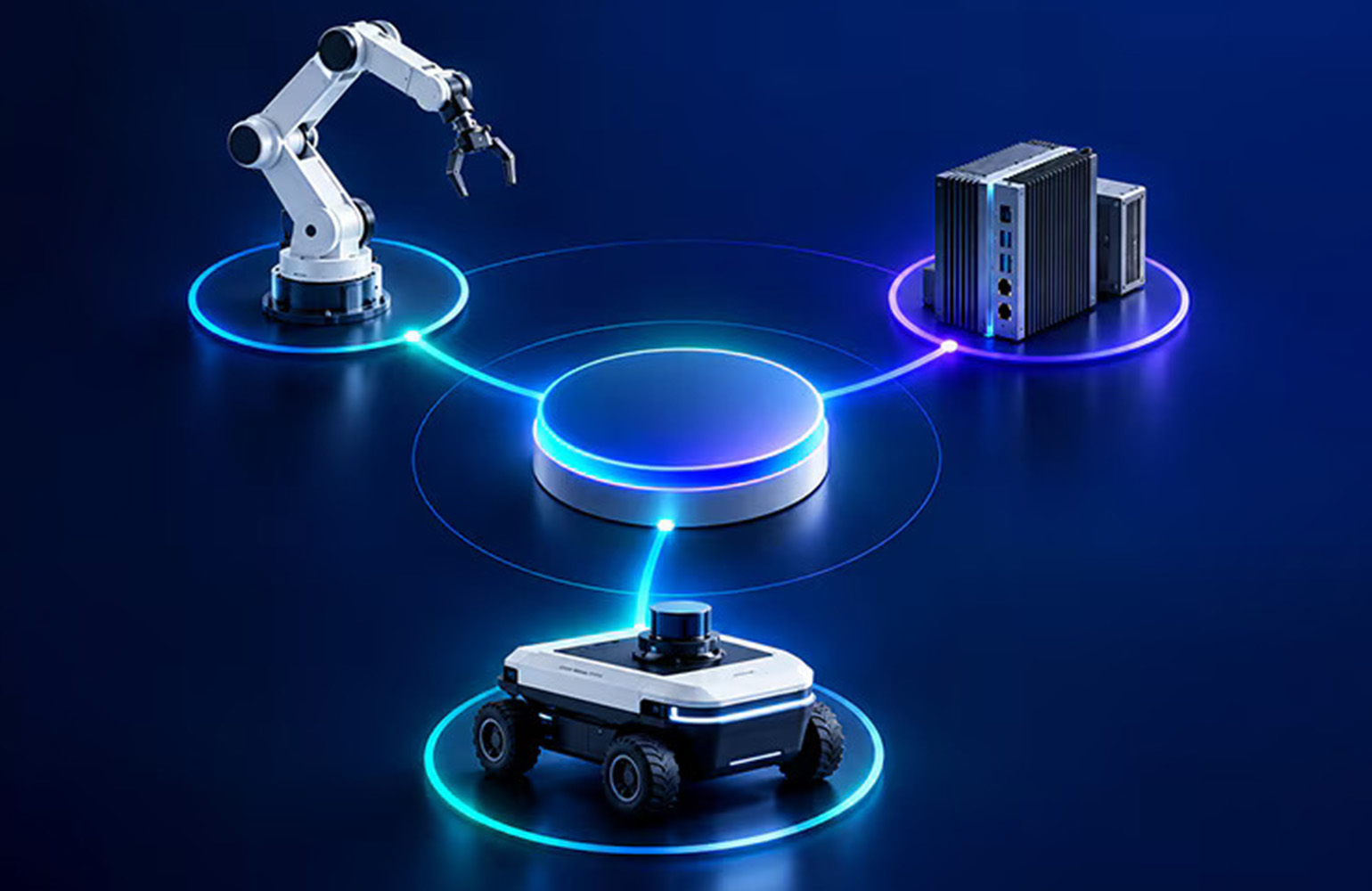
Arm Launches Total Design for Physical AI, Uniting Over 80 Developers in Robotics
Arm Holdings PLC has introduced Arm Total Design for Physical AI, a program that unites over 80 companies involved in the physical AI technology stack. This initiative aims to foster collaboration among participants in the physical AI space, addressing challenges in perception, AI, real-time control, and safety. The significance of this program lies in its potential to streamline the fragmented robotics industry, which often sees companies struggling to collaborate effectively. Dermot O’Driscoll, vice president at Arm, emphasized the need for a cohesive ecosystem where technology and ideas can be shared, enhancing the development of interoperable systems. Looking ahead, Arm's Robotics Capability Framework will categorize robotic systems into six levels of sophistication, from basic reactive robots to advanced systems that learn and self-optimize. Arm is seeking industry feedback to refine these levels, indicating a commitment to evolving the understanding and capabilities of robotics in the market.
Artificial Intelligence Artificial Intelligence / Cognition Automotive Design / Development Development Tools / SDKs / Libraries Markets / Industries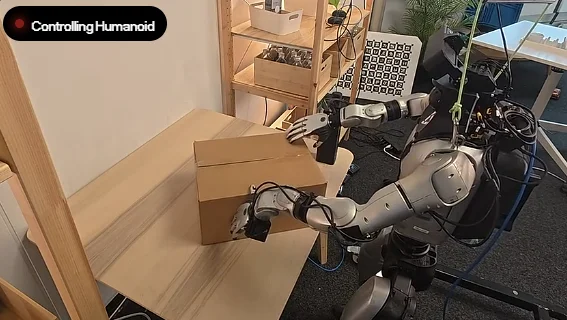
Odyssey Launches Odyssey-3 World Model for Robots, Humanoids, and Drones
Odyssey has unveiled Odyssey-3, a versatile world model designed to control robots, humanoids, autonomous vehicles, and drones using a unified AI system. This autoregressive diffusion transformer is trained on a diverse set of visual observations, allowing it to adapt with minimal task-specific data. The model has been pre-trained to understand physics, motion, and human behavior, enabling developers to create tailored action decoders for various systems. The significance of Odyssey-3 lies in its potential to streamline the training process for humanoid robots. In collaboration with Flexion, Odyssey is exploring how pretraining can minimize the data required for teaching new skills. Flexion has successfully developed control policies for tasks like object manipulation using only a small amount of teleoperation data, demonstrating improved generalization over traditional models. Looking ahead, Odyssey plans to publicly release Odyssey-3 in the coming weeks. The company is also collaborating with Poke & Wiggle to assess the model's adaptability across different robot types and control systems. This initiative could reshape how robots learn and adapt to new environments, enhancing their operational capabilities significantly.
AI AI Funding & Investment Robotics autonomous vehicles Flexion humanoid robotics
Scalabot Introduces HERON-CRA with Enhanced Memory and Reinforcement Learning Engine
Songyan Dynamics' Scalabot brand has launched HERON-CRA, which integrates a 4D Context Expert memory and a plug-in Reinforcement Learning (RL) Engine. This innovative combination has significantly improved the sock-folding success rate from 38.5% to an impressive 97.8%. The introduction of HERON-CRA is significant as it showcases advancements in embodied control, enhancing the capabilities of robotic systems in performing complex tasks. The integration of context memory and RL technology allows for more adaptive and efficient learning processes in robotics. Looking ahead, the impact of HERON-CRA on the robotics landscape will be noteworthy, particularly in applications requiring fine motor skills and contextual understanding. No further timeline was disclosed at the time of publication.
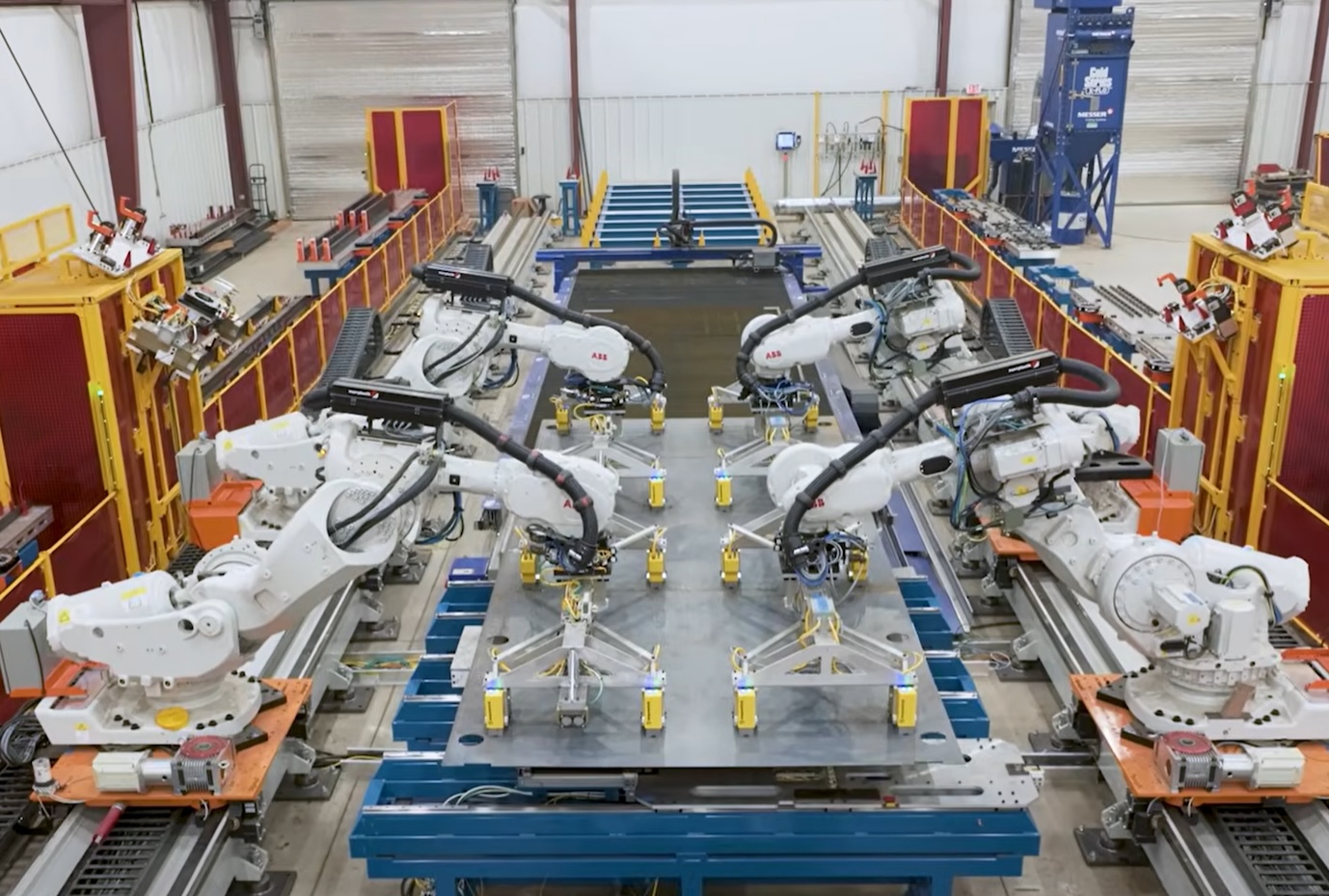
Nipper Enhances Driverless Pallet Transport Vehicles with B&R Automation Technology
Nipper has equipped its driverless pallet transport vehicles with automation technology from B&R to optimize space in modern production and warehouse environments. These vehicles are designed to operate in tight spaces where every square meter counts, sharing work areas with employees and pallets. The integration of B&R's technology enables safe, predictable, and efficient movements within centimeter precision. This development is significant as it addresses the challenges of maximizing space utilization in contemporary manufacturing and logistics settings. With limited room for error, the collaboration between Nipper and B&R aims to enhance operational efficiency and safety in environments where autonomous transport systems are increasingly common. The focus on centimeter-level movement precision is crucial for maintaining workflow in congested areas. Looking ahead, the industry will likely see more innovations in automation technology that cater to the needs of compact workspaces. As companies strive for greater efficiency and safety in their operations, the advancements made by Nipper and B&R could set a benchmark for future developments in driverless transport solutions. No further timeline was disclosed at the time of publication.
Allgemein Anwendungen & Lösungen Automation Fördertechnik & Handling Lagerlogistik & Materialfluss Mobile Robotik
Polyplan Develops Robotic Inline Measurement System for Automotive Manufacturing Quality
Automotive manufacturers face challenges in maintaining uniform gap dimensions and precise alignment of body components, which are critical indicators of production quality. These factors significantly impact vehicle sealing, wind noise reduction, and the proper functioning of doors and hoods. To address these challenges, Polyplan has developed a robotic inline measurement system that has already been delivered to initial production facilities. The ability to ensure consistent gap and flush measurements is essential for manufacturers and their suppliers, as it directly correlates with vehicle quality and customer satisfaction. The introduction of Polyplan's system aims to enhance manufacturing processes by providing accurate measurements in real-time, thus improving overall production efficiency and product quality. Looking ahead, the automotive industry will continue to prioritize precision in manufacturing to meet consumer expectations. Polyplan's innovative solution may set a new standard for inline measurement systems, and further developments or deployments could be anticipated as the technology gains traction in the market. No further timeline was disclosed at the time of publication.
Allgemein Anwendungen & Lösungen Automobilbau & Zulieferer Lösungen Robot Vision & Inspection
Innovation Works Venture Expo 2026: 58 Pittsburgh Startups Pitch to Investors
58 health, deep tech and robotics startups pitched at Innovation Works Venture Expo 2026 in Pittsburgh. Full company list, program and 2025 funding data.
Why Pittsburgh Compressed 12 Events Into One Week | StartUP PGH 2026
Pittsburgh companies raised $2.29 billion last year, but the region's own investors have just $23.2 million left to deploy, less than one average deal. StartUP PGH 2026, opening September 14 with 250-plus robotics exhibitors and 65-plus pitching startups, is built to bring outside investors to town.
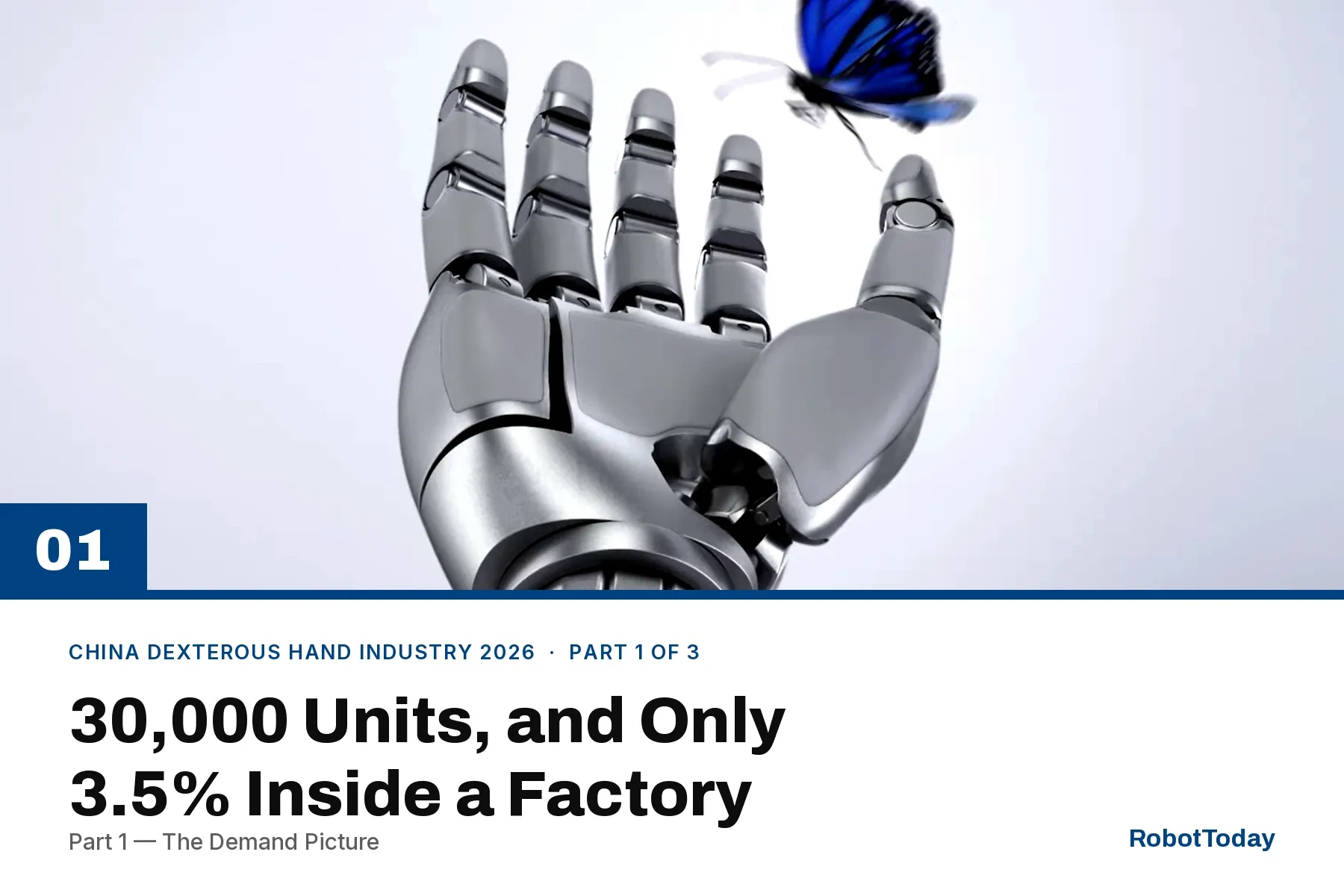
China’s Dexterous Hand Industry, 2026 Part 1 — The Demand Picture
MIR Databank puts China dexterous hand shipments above 30,000 units in 2026, yet only 3.5% of 2025 demand came from factory production. Part 1 of 3.
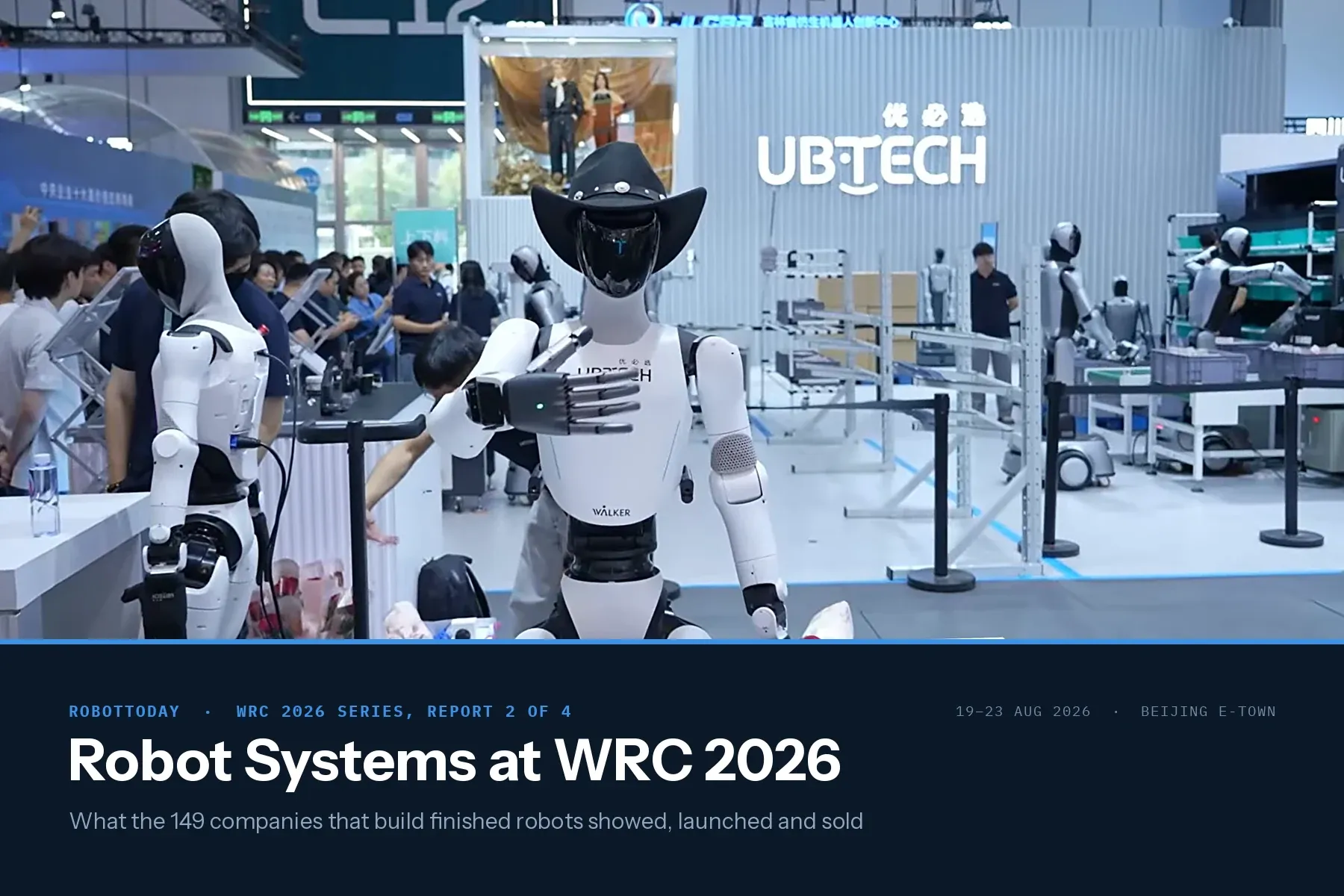
WRC 2026 Robot Systems: 149 Companies That Build Robots
149 of the 248 classified WRC 2026 exhibitors build finished robots. 93 build humanoid or legged machines. The audited humanoid sales number is one unit.

ROBOTTODAY WEEKLY August 17 – 21, 2026
This week in robotics: Unitree surges 629% in its Shanghai STAR Market debut at a $66 billion valuation, Nevada approves 7,000 robotaxis, Amazon Prime Air expands to nearly 500 US cities, and Beijing's World Robot Conference marks the industry's pivot from spectacle to scale. August 17–21, 2026.

ROBOTTODAY Weekly August 10 – 14, 2026
Your weekly robotics briefing: Unitree's IPO is swamped by retail demand, the US puts 100% tariffs on imported drones, LG and Nvidia commit to a 2027 humanoid, and Uber and Pony.ai bring 2,000 robotaxis to Europe.

ROBOTTODAY Weekly August 3 – 7, 2026
This week in robotics: Unitree prices its Shanghai STAR Market IPO with DeepSeek taking a strategic stake, the FCC expands its foreign-robot ban as China threatens retaliation, BMW commits to Figure 03 humanoids, and Zoox goes paid in Las Vegas. August 3–7, 2026.
World Robot Conference 2026 Opens in Beijing Aug. 19–23, Days After Unitree's $9B IPO
WRC 2026 opens August 19 in Beijing with 300+ exhibitors, a first-ever SOE pavilion and a new Procurement Day, days after Unitree priced China's first mainland-listed humanoid robot IPO at a $9.04 billion valuation.

DEEPX and Sixfab Launch 'DEEPX AI HAT' to Drive Edge Physical AI on Raspberry Pi
A new partnership has emerged to enhance the Raspberry Pi ecosystem by providing high-performance, low-power AI acceleration. This initiative aims to eliminate the reliance on cloud services for real-time inference, particularly benefiting applications in robotics and smart automation. The collaboration has introduced a production-ready Starter Kit and software development kits (SDKs) designed to lower entry barriers for developers worldwide. By making these tools accessible, the partnership seeks to empower a broader range of innovators to integrate advanced AI capabilities into their projects, fostering growth and development within the global tech community.

ROBOTTODAY Weekly, June 8 – 12, 2026
This week in robotics: Bezos’ Prometheus raises $12B for physical AI, NEURA Robotics closes $1.4B Series C, NVIDIA deepens partnerships with Hyundai and LG in Seoul, and Hyundai’s Boston Dynamics robot dogs debut at FIFA World Cup 2026. June 8–12, 2026.
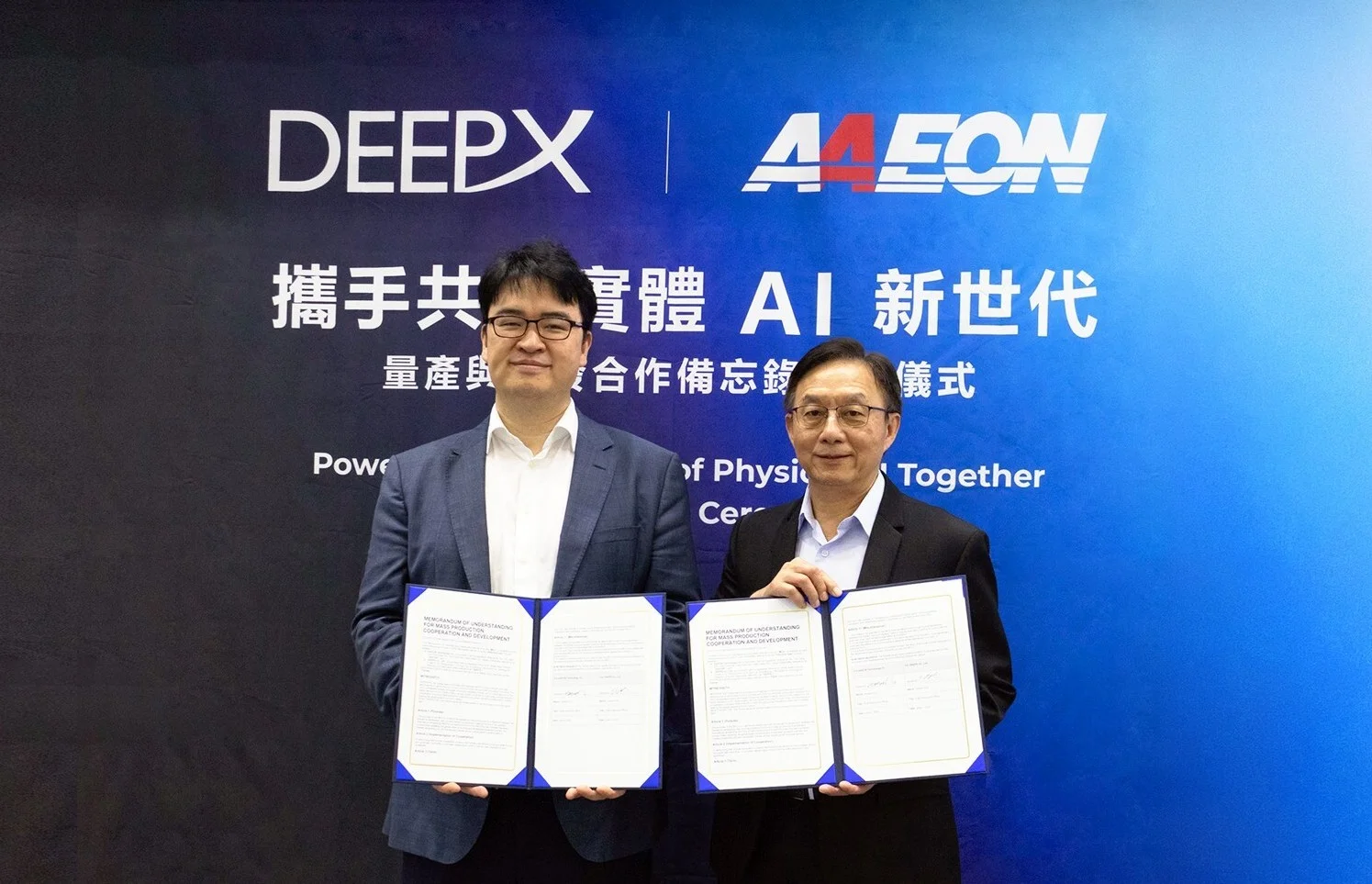
DeepX Announces Global Physical AI Mass Production Partnership with Aaeon
DeepX and Aaeon Technology have entered into a three-year manufacturing agreement to scale the integration of DeepX’s AI chips into industrial and edge computing systems. This collaboration was announced during Computex Taipei 2026 and aims to establish a commercialization pipeline for DeepX’s neural processing units (NPUs). The agreement will facilitate the incorporation of these advanced chips into Aaeon’s range of products, including industrial computers, single-board computers, and edge gateway devices. This partnership reflects a growing demand for enhanced AI capabilities in various computing applications, positioning both companies to capitalize on the expanding market for intelligent edge solutions.
AI AI Funding & Investment AI Infrastructure & Compute Robotics Aaeon Technologies DEEPX
DEEPX and Hyundai Motor Group Robotics LAB Partner to Develop Next-Generation Physical AI Compute Platform for Robotics
A new collaboration has been announced to enhance robotic AI infrastructure, focusing on the development of DX-M2-based technologies. This initiative aims to expand into VLA (Vision-Language-Action) and VLM (Vision-Language-Model) technologies, which are crucial for the advancement of next-generation intelligent robots. The partnership, involving key players in the robotics and AI sectors, seeks to leverage cutting-edge research and innovation to improve the capabilities of robotic systems. By integrating these advanced technologies, the collaboration aims to create robots that can better understand and interact with their environments, ultimately leading to more efficient and versatile applications in various industries. The project is set to unfold over the coming months, with initial developments expected to be showcased by early 2024. This strategic move is driven by the growing demand for intelligent automation solutions that can enhance productivity and address complex tasks across multiple sectors.

RobotToday Weekly Industry Briefing: January 4 - january 9, 2026
Global robotics shifts from CES 2026: humanoid commercialization accelerates, industrial AI deepens, labor tensions rise, and robotics markets recalibrate.


