Audio-technica (Autec) (JP)
Japanese manufacturer of food-processing robots including sushi-making, nori-maki, and onigiri robots for commercial food service establishments. Products automate rice preparation and forming tasks. Provides AR installation simulation tools for kitchen and production floor layout planning.
Contact Audio-technica (Autec) (JP)
WEBSITE
https://www.autec.jp/enPHONE
0427399131HEADQUARTERS
Japan

Company Facts
Founded
-
Primary Role
-
Company Size
-
Primary Region
-
Annual Sales
-
Funding Stage
-
Funding Total
-
Hyundai's Atlas Robot Deployment Sparks Labor Concerns in Korea, Not in the US
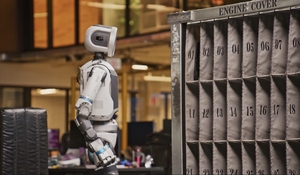
Hyundai Motor Group plans to deploy Atlas humanoid robots at its Georgia plant in 2028, highlighting a significant labor debate between Korea and the US. In Korea, union workers are advocating for job protections amid rising automation concerns, while no organized resistance has emerged in Hyundai's nonunion US factories. The Korean union has raised issues regarding the impact of physical artificial intelligence and robotics during labor negotiations, seeking transparency and safeguards against job losses. Although the union has not outright rejected the technology, a tentative agreement acknowledges the necessity of AI and robotics for Hyundai's competitiveness, emphasizing shared information and joint management of the transition. In contrast, the US lacks a comparable collective response, attributed to the weak presence of organized labor in the South and Hyundai's expanding workforce. Experts question whether the current calm will persist as humanoid robots transition from demonstrations to actual factory operations. No further timeline was disclosed at the time of publication.
All News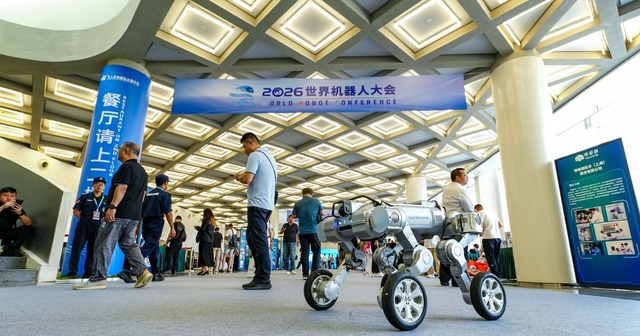
Galileo Unveils Next-Gen Ground Mobility Platform Galileo X at WRC 2026
Chinese embodied AI robotics company Galileo has introduced its next-generation ground mobility platform, Galileo X, at WRC 2026. This platform features the company's proprietary Embodied Ground Mobility System, positioning it as a new paradigm for future ground robots. Galileo X is designed as a versatile ground mobility platform to meet diverse operational needs. It bridges the hardware structures, kinematic models, and control algorithms of wheeled, vehicle-type, and legged platforms through an integrated hardware architecture and unified control framework, creating advanced technological advantages. The introduction of Galileo X aims to establish a unique technological foundation for all-terrain mobile robots, enhancing the company's leadership in multimodal ground mobility solutions. Galileo plans to open its core hardware-software interface to collaborate with algorithm developers, application service providers, and industry partners to build an open ecosystem centered around Galileo X.
Insights from the World Championships Highlight Advancements and Challenges in Humanoid Robotics
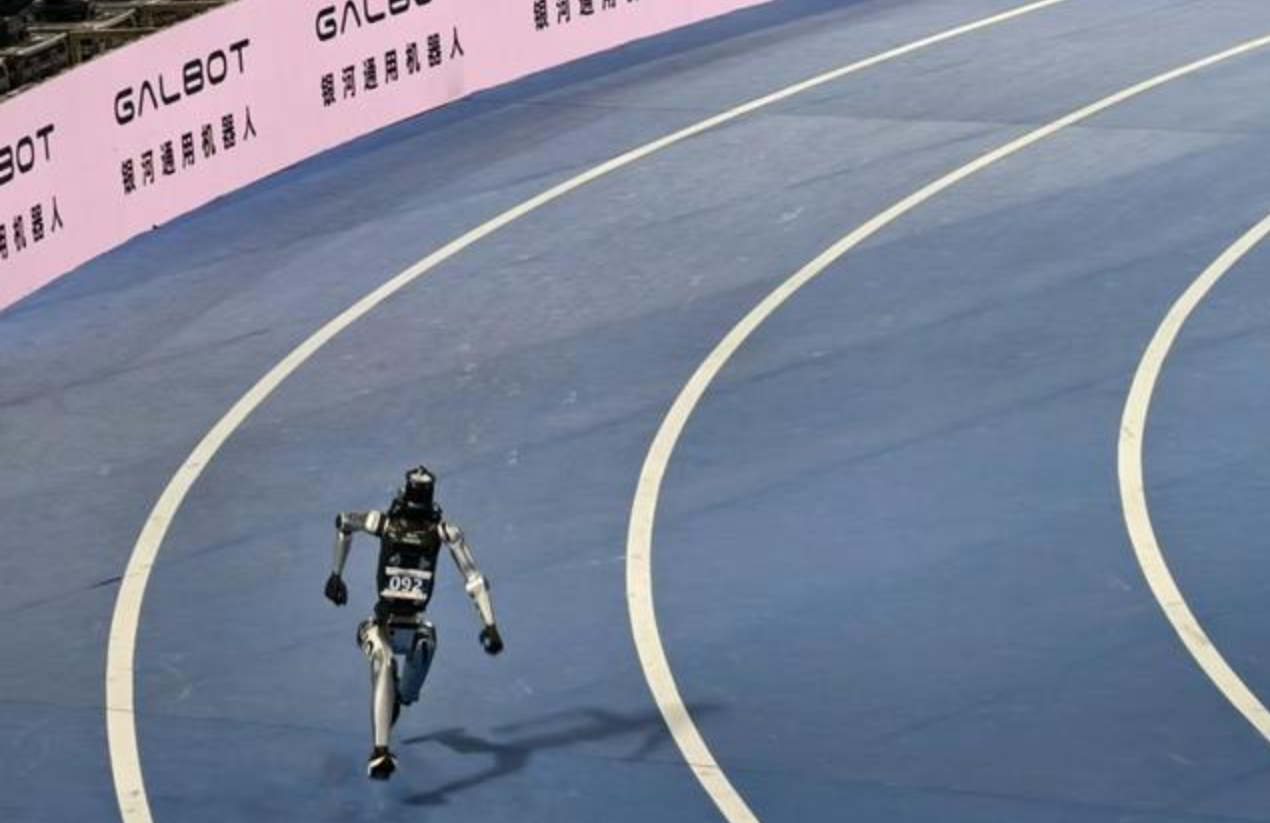
The second World Humanoid Robotics Championships took place from August 22 to 26 at the National Speed Skating Hall in Beijing, featuring 666 teams and 2056 robots from 16 countries. The event expanded significantly, showcasing 51 events including soccer, athletics, and boxing. The Beijing Humanoid Robotics Innovation Center emerged as a major winner, securing 8 gold, 4 silver, and 12 bronze medals, along with setting 4 new world records in various running events. The advancements in humanoid robotics were evident, with notable improvements in performance metrics. For instance, the 100-meter sprint record improved from 20 seconds last year to 9.32 seconds this year. However, challenges were also apparent, as some robots struggled with navigation and control during competitions, leading to humorous mishaps. According to Cao Xu, Vice President of the General Business Department at Zhiyuan, while there are still visible flaws, the rapid development in robotics is promising, especially with ongoing data collection efforts. Looking ahead, the event emphasized the need for robots to transition from competitions to real-world applications. Industry experts believe that while pure athletic capabilities may have limited practical value, foundational technologies like balance control and recovery from falls can be applied in various sectors. With over 40,000 humanoid robots shipped in China in the first half of the year, the evolution of robotics continues to progress, with expectations for further improvements in the coming years.
Humanoid Robots Robotics Competitions AI Development Robotic Applications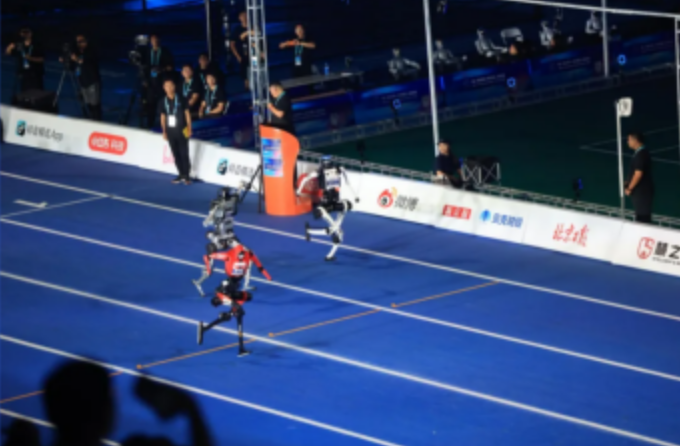
Humanoid Robots Achieve Breakthroughs in Speed and Jumping at World Championships
On August 22, the National Speed Skating Hall hosted the grand opening of the second World Humanoid Robot Games, featuring 666 teams and 2056 robots from 16 countries. The Tian Gong Ultra humanoid robot set a new speed record of 9.32 seconds for the 100-meter dash and achieved a high jump of 2.8843 meters, surpassing human athletic limits. This event signals a significant shift in the robotics industry, showcasing advancements in autonomous capabilities. Key racing events like the 400-meter and 1500-meter races eliminated manual remote control, requiring robots to rely on their sensors for environmental perception, obstacle recognition, and autonomous route planning. While humanoid robots are not yet ready for large-scale human replacement, the integration of competition and production is accelerating the commercialization of technology. As these robots transition from the competition arena to industrial applications, the transformation of the robotics sector is just beginning.
Humanoid Robots Robot Autonomy Sports Robotics Industrial Automation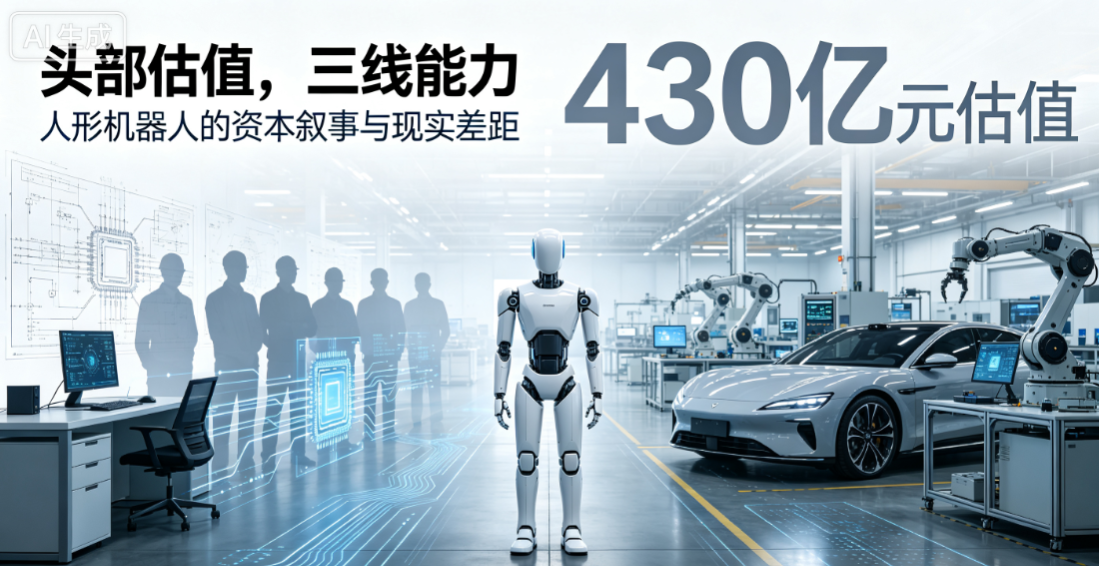
Analyzing Xiaopeng Robotics' $43 Billion Valuation Amidst Challenges
Xiaopeng Robotics has recently been valued at $43 billion, a figure that raises questions about its underlying business fundamentals. The valuation reflects a significant investment round led by IDG Capital, with participation from high-profile investors like Tencent and Alibaba, marking a record in the domestic embodied intelligence sector. However, the company faces challenges, including a net loss of 1.24 billion yuan in Q2 and a low automotive gross margin of 12.1%. The valuation appears to be driven by the need for a new narrative as the core business struggles. Key team members have departed, including founder Zhao Tongyang, who left due to strategic differences, leading to concerns about leadership stability. Additionally, the technology underpinning Xiaopeng's vision-language-action (VLA) model is still being validated, with its performance in complex scenarios yet to be proven at scale. Looking ahead, Xiaopeng Robotics' $43 billion valuation represents a gamble on the potential of its autonomous driving technology and its transition from a car manufacturer to a physical AI company. However, the uncertainties surrounding team stability and technological advancement pose significant risks that could impact the company's future trajectory. No further timeline was disclosed at the time of publication.
Robotics AI Investment Technology Validation
Yushu Robotics Expands International Rental Business with G1 Robots for Events
At a lively private birthday party in the United States, two silver Yushu G1 robots danced on stage, delighting guests. This scene exemplifies Yushu Robotics' overseas rental business, with daily rental fees reaching $3,000, excluding shipping and operator costs. Robonow Global has assembled a fleet of over 50 G1 robots, covering the entire U.S. market. The significance of this rental model lies in its ability to lower ownership costs for businesses and assist in calculating return on investment, as noted by Ethan Qi, Deputy Director at Counterpoint Research. However, the actual tasks performed by these rented robots often focus on entertainment and educational demonstrations rather than industrial applications, indicating a gap in their deployment in manufacturing. Looking ahead, Yushu Robotics' founder Wang Xingxing highlighted the industry's challenge of insufficient embodiment intelligence. He predicts that humanoid robots may achieve capabilities similar to ChatGPT within 2 to 10 years. As of August 25, Yushu's stock price has seen a decline, reflecting market skepticism about the robots' practical applications in production lines, suggesting that significant advancements are still needed before widespread industrial adoption occurs.
Service Robots Entertainment Robotics Robot Rental Research and Development Industrial Automation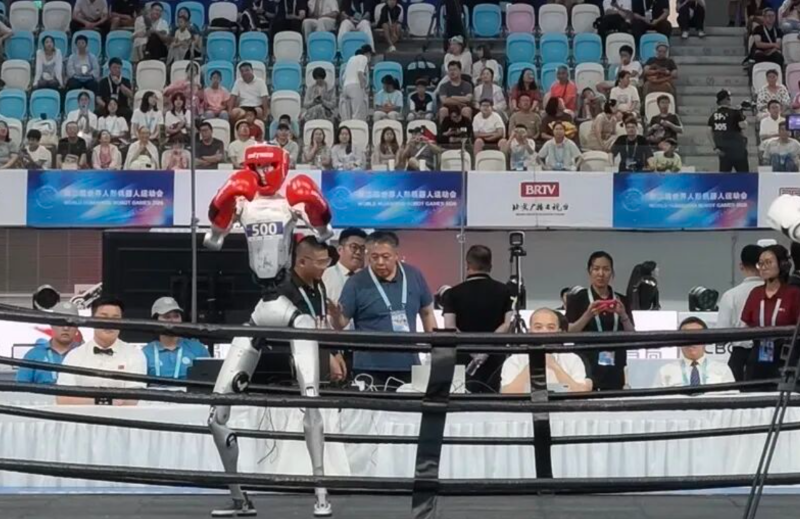
Insights from the Humanoid Robot Olympics: Challenges and Investment Strategies
During the second World Humanoid Robot Olympics, unexpected failures highlighted critical reliability issues in robotics, according to Kang Yu, General Manager of the Capital Markets Department at Shoucheng Holdings. She emphasized that the event serves as an extreme test for robots, revealing the challenges they must overcome before mass production. Kang noted that this year's competition featured an increased focus on autonomy, with robots attempting to perceive and understand their environment. However, the complexities of ensuring consistency among multiple robots and maintaining stability during unexpected scenarios remain significant hurdles for the industry. Looking ahead, Kang indicated that Shoucheng Holdings plans to analyze the problems observed during the competition to identify investment opportunities across the robotics supply chain. The company is diversifying its investments beyond humanoid robots to include joints, materials, data, and computational power, emphasizing a holistic approach to developing embodied intelligence in robotics.
Humanoid Robots Robot Reliability AI Development Investment Strategy Robotics Industry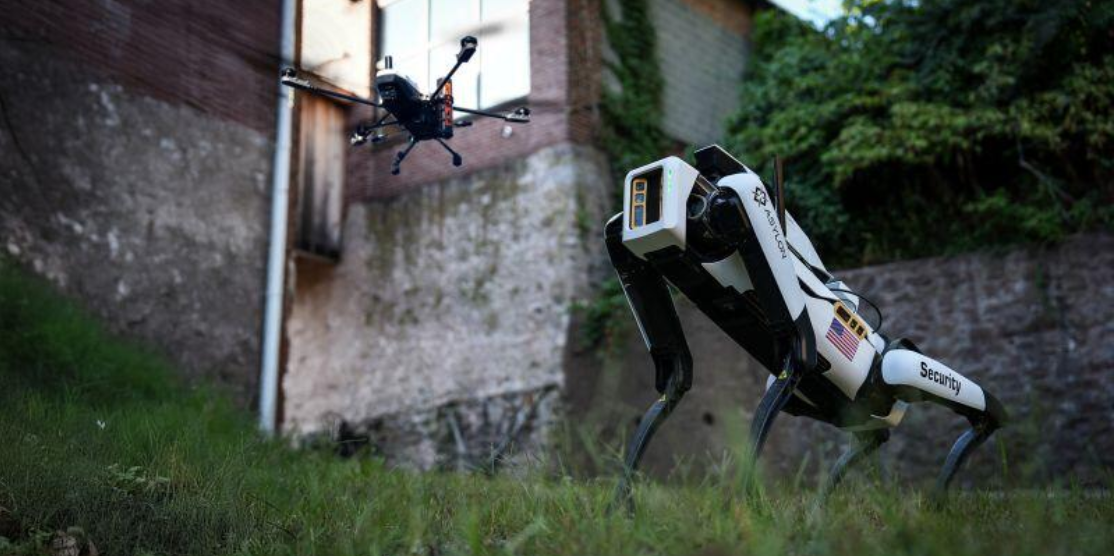
U.S. Air Force Transforms Aircraft Inspections with Asylon's Robot Dog and Drones
The U.S. Air Force's Warner Robins Air Logistics Center has awarded Asylon a Phase III SBIR contract to advance the MARIA system, integrating the Guardian drone and DroneDog robot dog for automated aircraft inspections. This system allows for rapid digital mapping of aircraft, significantly reducing inspection time from days to hours while eliminating the risks associated with manual high-altitude checks. The collaboration between the DroneDog and Guardian drone enables comprehensive inspections, identifying anomalies and defects autonomously. The data is transmitted in real-time to the DroneIQ platform, allowing maintenance personnel to review results through 2D workflows or 3D digital twin views. The system's core value lies in its speed and consistency, ensuring that inspections cover the same points each time, thus minimizing the randomness of manual checks. Currently programmed for the Lockheed C-5 and C-130 aircraft, the long-term goal is to expand the system's capabilities across all Warner Robins aircraft types and the broader Air Force logistics framework. Asylon aims to enhance the MARIA system with advanced AI anomaly detection and explore humanoid fleet management for concurrent maintenance tasks.
Robotic Inspection Aerospace Technology Drone Technology Automation Military Logistics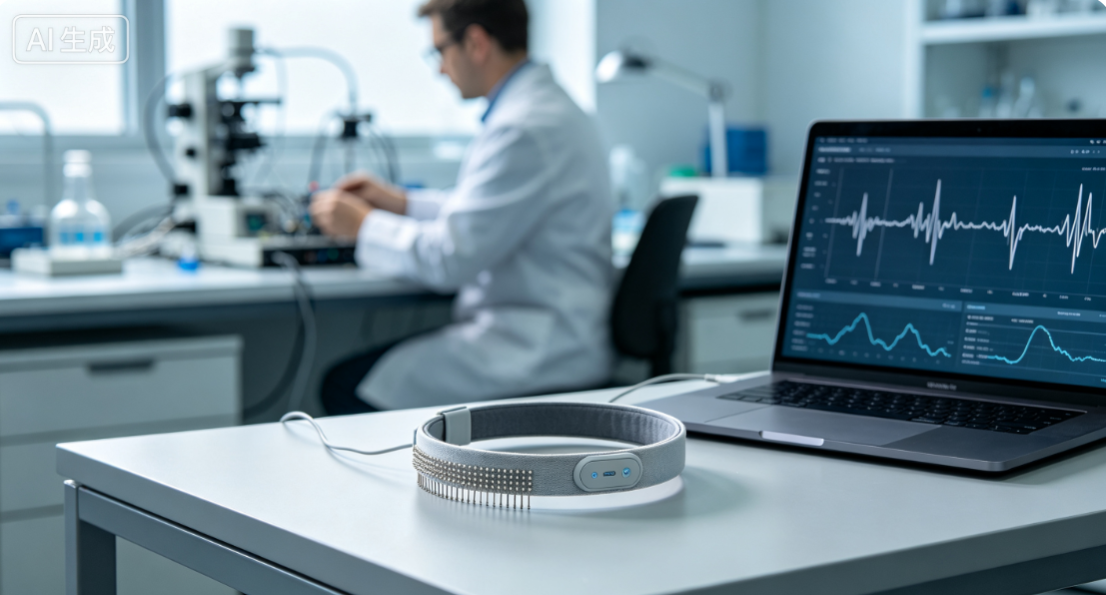
Shanghai Startup LeapTech Develops Brain-Computer Interface for Stress Relief, Secures Funding
LeapTech, a startup from Shanghai, has developed a brain-computer interface (BCI) aimed at stress relief and has recently completed a seed funding round of nearly 10 million yuan. The funding, provided by angel investors with expertise in hard technology, consumer electronics, and manufacturing, will support the iteration of a non-invasive wearable BCI, the refinement of neural feedback algorithms, and the establishment of a production supply chain. Founded in October 2025 by Sun Huihua, a PhD from Shanghai Jiao Tong University, LeapTech focuses on consumer-grade BCI products that manage mental order, brain stability, and emotional energy. The non-invasive device collects EEG signals in real-time and intervenes acoustically when it detects stress or anxiety, guiding users into states of relaxation, meditation, focus, or sleep. Looking ahead, LeapTech plans to launch several wearable BCI products targeting relaxation, menstrual comfort, and energy maintenance. The company also aims to provide EEG collection hardware and acoustic solutions for smart headphones and wellness brands. As BCIs transition from medical devices to everyday consumer electronics, LeapTech seeks to address the challenge of maintaining mental well-being in an information-saturated world. No further timeline was disclosed at the time of publication.
Brain-Computer Interfaces Mental Health Technology Wearable Devices AI Solutions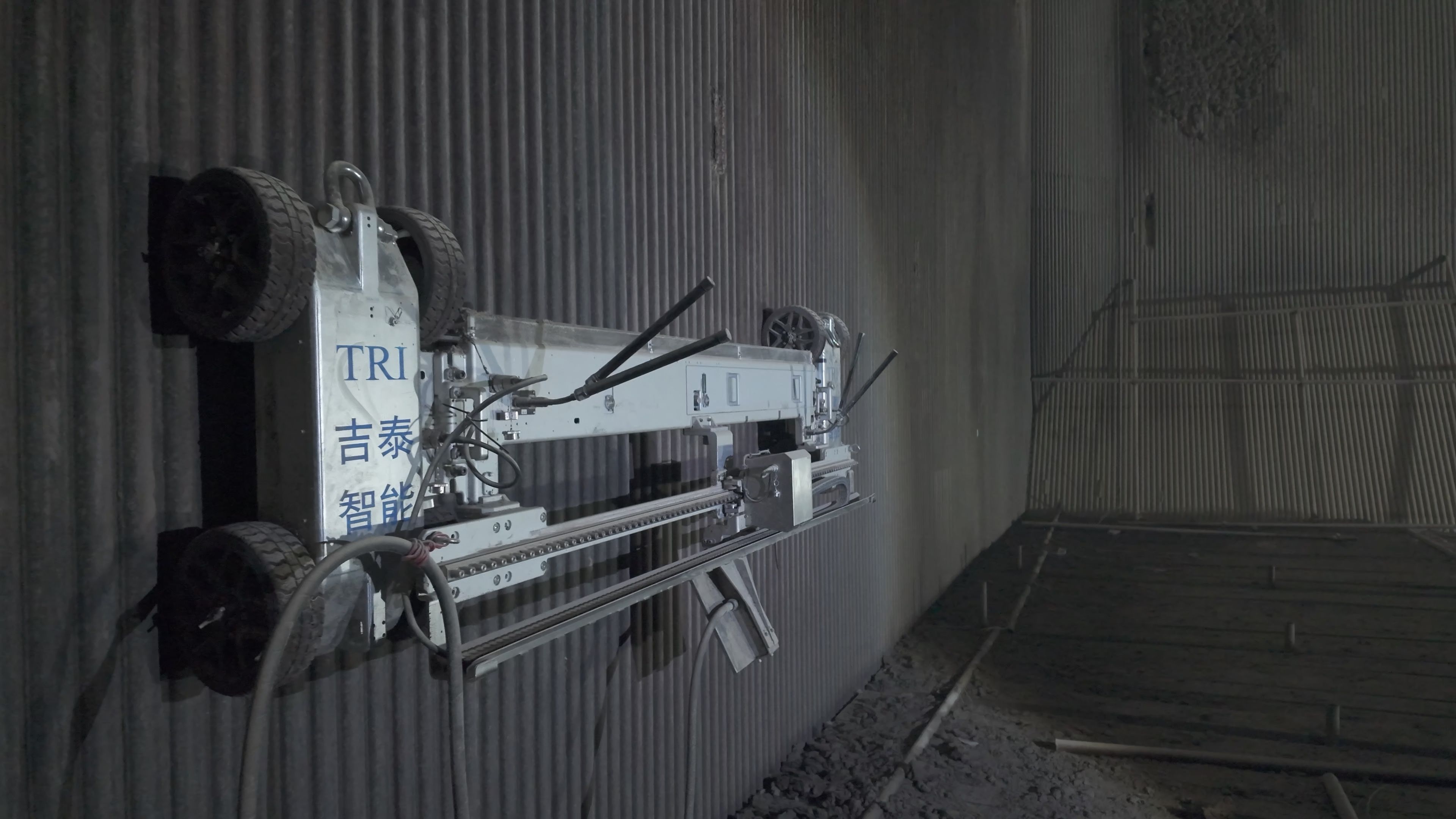
Jitai Intelligent Introduces Specialized Robots for High-Risk Energy Supply Chain Operations
At the World Robot Conference in Beijing, Jitai Intelligent showcased two specialized wall-climbing robots designed for high-risk energy operations. One robot is tailored for inspecting water-cooled walls in thermal power plants, while the other is for external inspections of wind turbine blades. These innovations address significant safety concerns and operational inefficiencies in energy supply chains. The importance of these robots lies in their ability to enhance safety and efficiency in hazardous environments. Traditional inspection methods in thermal power plants require scaffolding and expose workers to extreme risks, while wind turbine inspections often suffer from high error rates and limited operational windows. Jitai's robots utilize advanced technologies such as permanent magnetic adhesion and vacuum suction, significantly improving inspection accuracy and reducing the risk of accidents. Looking ahead, Jitai Intelligent aims to further develop its technology to meet the evolving needs of the energy sector. The company has established a comprehensive technology framework and is working on a national standard for boiler inspection robots, expected to be released by the end of 2026. As the demand for predictive maintenance grows, Jitai's focus on integrating robotics into existing safety management frameworks will be crucial for future deployments.
Wall-Climbing Robots Energy Sector Automation Safety Technology Predictive Maintenance
WAIC Review 2/4: World Models vs. VLA: Robotics' Next 'ChatGPT Moment'
At WAIC 2026, world-model and VLA camps staked rival paths to generalist robots; Zhiyuan, SenseTime and NVIDIA predict a robot 'ChatGPT moment' in 2-5 years.

The Most Important AI at WAIC Wasn't a Robot
At WAIC 2026, AI-native platforms quietly replaced interpreter hardware — what invisible AI infrastructure means for robotics and embodied AI.
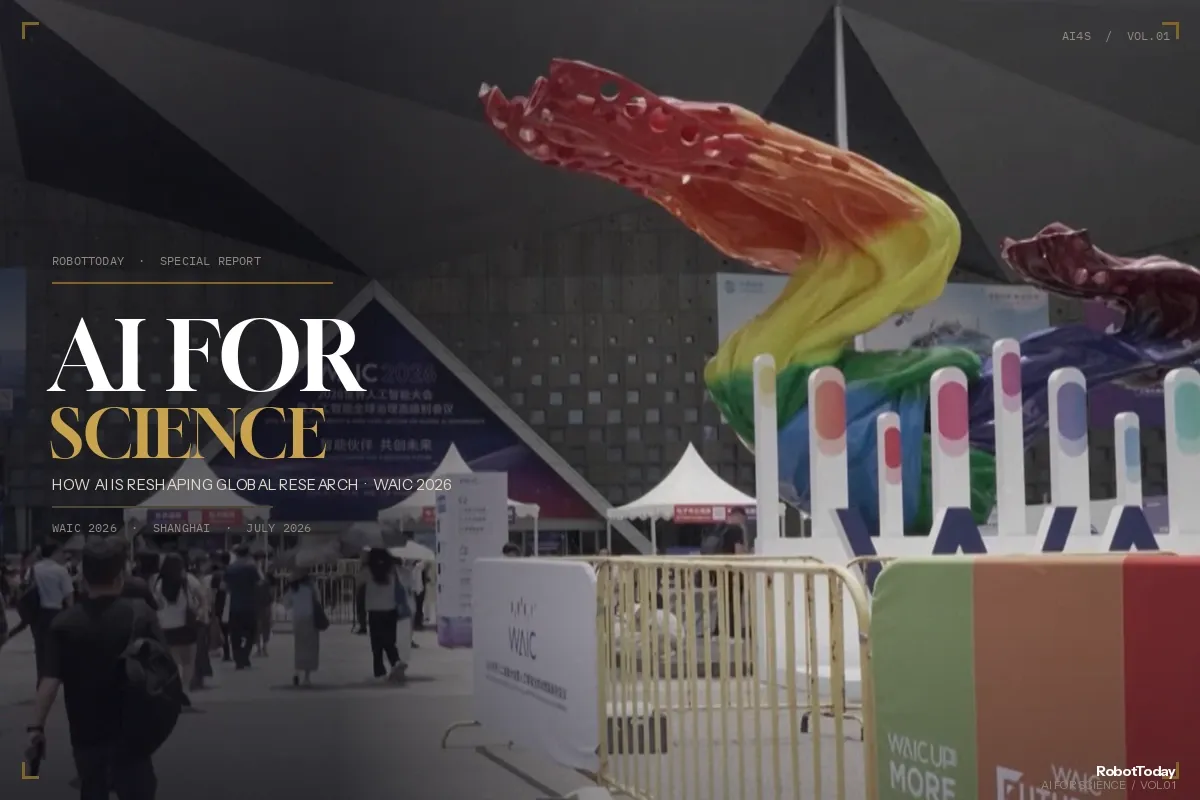
AI for Science 2026: The Global Race for Scientific Discovery
2026 AI for Science landscape report: WAIC 2026 exhibitor breakdown, MIT Boltz-2 and CMU Coscientist case studies, US/China/EU policy comparison, Anthropic Claude Science, and US academic cautionary views.
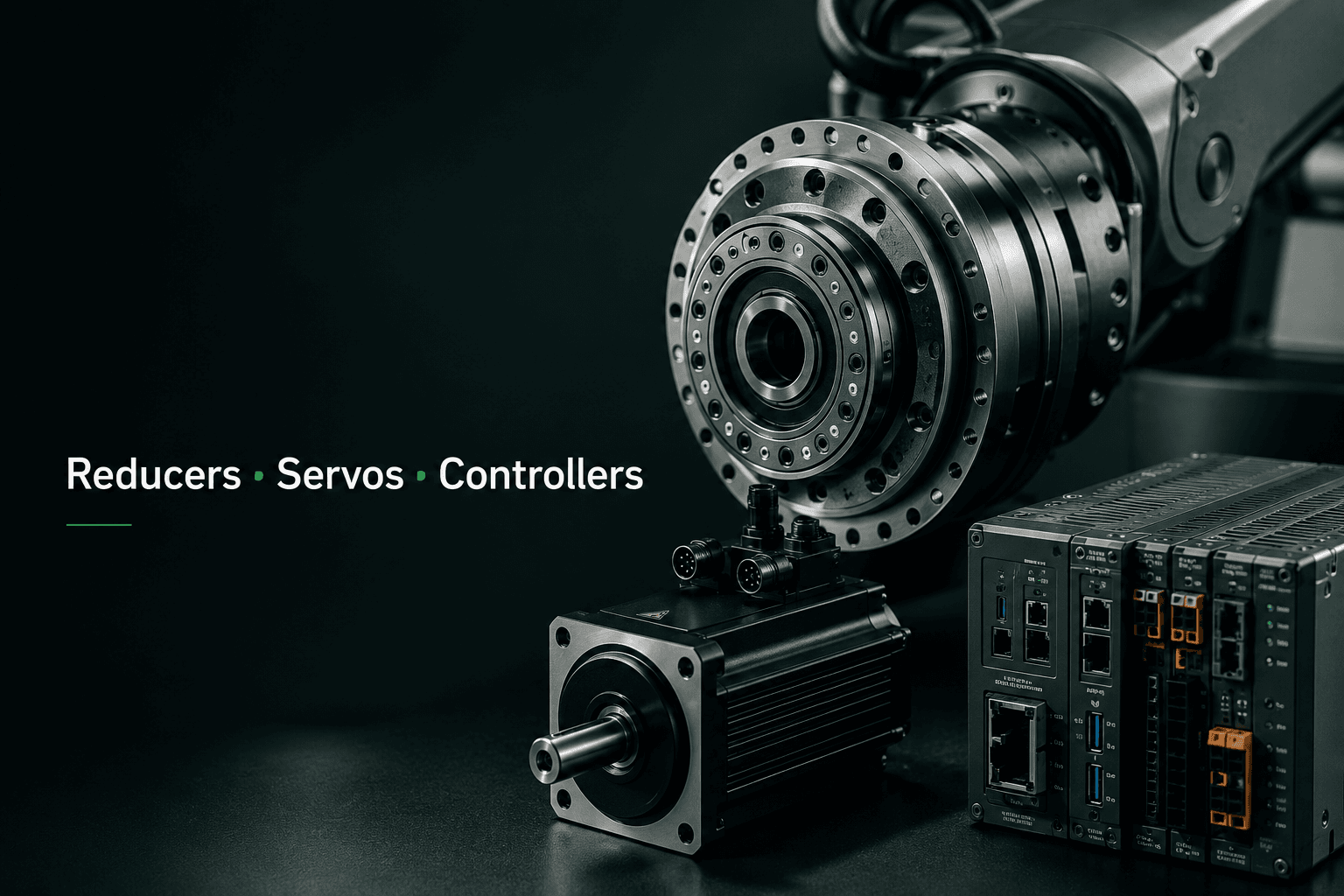
The Core Components Battle of Indutrial Robot, Reducers, Servo Systems & Controllers
A technology-first analysis of the three pillars driving industrial robot capability: precision reducers, servo systems, and motion controllers. Maps the full global supplier ecosystem — Japan, Europe, and China — from component specs to product generations and integration architectures.

FUTURE WARFARE | The Autonomy Spectrum
How modern weapons shattered the concept of human control — from kill-switch confirmation to AI systems that select targets independently.
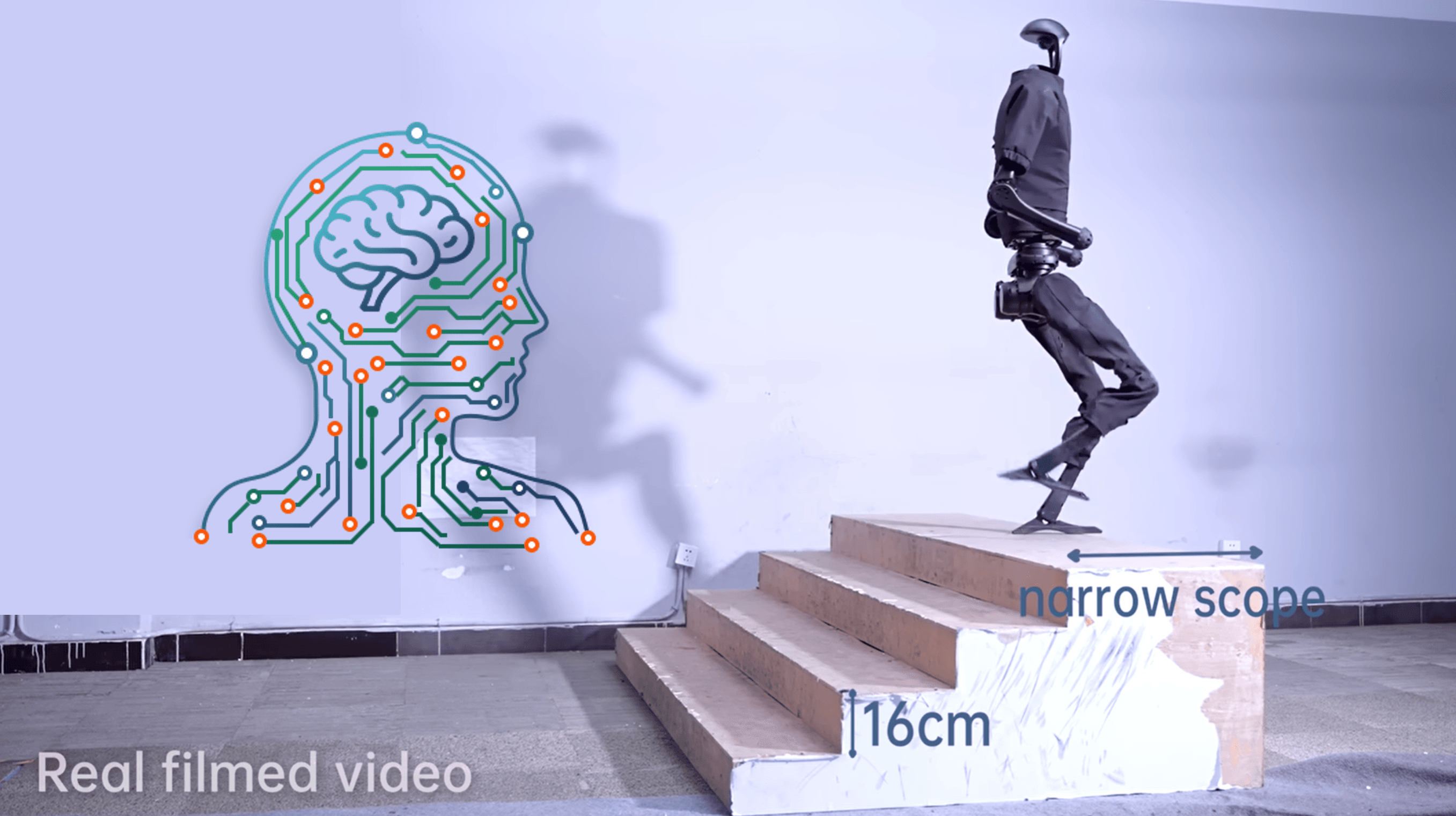
China's Humanoid Robot & Embodied Intelligence Standard System (HEIS 2026)
China's HEIS 2026 framework — the world's first comprehensive national standard for humanoid robots and embodied AI — sets technical specs across six pillars covering AI models, components, safety, and ethics. Here's what every EU and North American robotics manufacturer, integrator, and policy maker needs to know, and why the international standards race is already underway.
China VS TESLA Two Paths to Humanoid Robot (Mass Production III)
China’s humanoid companies are rushing to scale, while Tesla tightens supplier audits. This article examines the manufacturing, supply-chain, and operational logic behind two contrasting paths to humanoid robot mass production.

Wuzhou Xinchun The Rising Mechanical Power Behind Tesla‘s Optimus Humanoid Robot
Discover how Wuzhou Xinchun is becoming a critical mechanical transmission supplier for Tesla’s Optimus humanoid robots with planetary roller screws, micro ball screws, and precision bearings.

Rongtai‘s Surge In The Tesla Optimus Supply Chain
Learn how Zhejiang Rongtai is emerging as a strategic supplier in Tesla’s Optimus humanoid robot supply chain, providing critical insulation and safety materials.