

Applied Dexterity
Applied Dexterity develops and distributes the RAVEN open-source surgical robotics testbed, deployed at sixteen robotics research centers globally. The platform provides a shared, high-fidelity robotic manipulator for collaborative surgical robotics research and development across the academic community.

RobotToday Initiative
Robotics needs a service framework.
RSF defines a common language for robot service capability, lifecycle operations, certification pathways, and service-provider networks.

WAIC 2026: Embodied Intelligence Enters Industrial Deployment Era
WAIC 2026 in Shanghai (July 17–20) saw 200+ embodied intelligence companies, 300+ live robots, and first confirmed humanoid deployments in logistics and pharmacy. RobotToday engineering analysis.
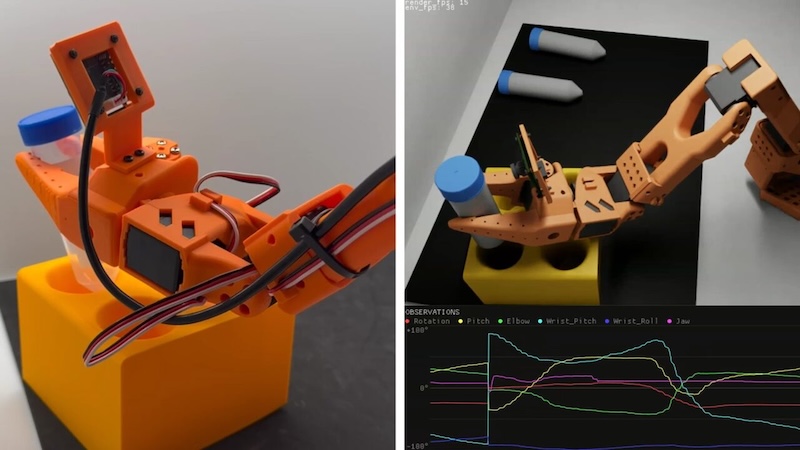
Nvidia and Hugging Face Enhance LeRobot with Advanced Open Robotics AI Tools
Nvidia and Hugging Face have expanded their partnership to introduce new AI models and robotics frameworks to the LeRobot platform, enhancing accessibility for developers. The integration of Nvidia Isaac GR00T 1.7, a vision-language-action foundation model, and the Isaac Teleop framework aims to streamline the development process for AI-powered robots. This collaboration is significant as it combines Nvidia's community of over three million robotics developers with Hugging Face's 16 million AI developers, fostering a broader access to physical AI technologies. The new tools will enable standardized workflows for data collection, model training, and performance evaluation, making it easier for developers to create and deploy robotic solutions. Looking ahead, the planned support for Nvidia Cosmos 3 will further empower developers by allowing the generation of synthetic data and simulation of environments. No further timeline was disclosed at the time of publication.
Artificial Intelligence Computing ai Hugging Face humanoid robots Isaac GR00T 1.7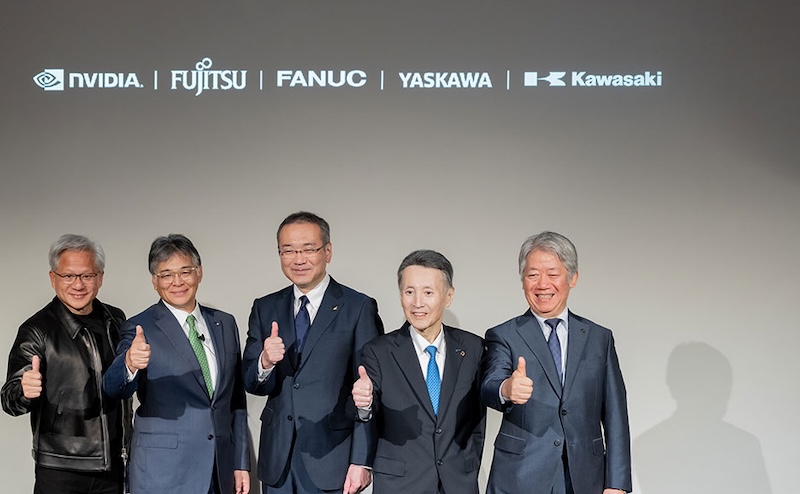
Fujitsu Collaborates with Fanuc, Yaskawa, and Kawasaki to Enhance Physical AI with Nvidia
Fujitsu has initiated a partnership with Japanese robotics firms Fanuc, Yaskawa Electric, and Kawasaki Heavy Industries to advance the development and deployment of physical AI in sectors such as manufacturing, logistics, and healthcare. This collaboration will leverage Nvidia's physical AI technologies to create a collaborative control platform that connects digital systems with robots and physical equipment. The initiative aims to accelerate the adoption of physical AI, addressing challenges like labor shortages and an aging workforce while enhancing global competitiveness. The platform will optimize production planning in manufacturing, automate material handling in logistics, and improve healthcare operations by automating the transport of medical supplies and assisting with patient interactions. Fujitsu plans to develop an open collaborative control platform that integrates AI, robotics, and data analysis technologies, ensuring interoperability and addressing cybersecurity concerns. No further timeline was disclosed at the time of publication.
Artificial Intelligence Industry News ai factory automation fanuc
WAIC 2026 Highlights Six Key AI Trends Shifting Focus from Models to Systems
The World AI Conference 2026 (WAIC 2026) showcased six significant trends in artificial intelligence, emphasizing a shift from model competition to system efficiency. Notably, the integration of robots into real factory environments marks a pivotal moment for industrial automation, indicating a growing reliance on intelligent systems. This transition is crucial as it reflects the industry's evolution towards more efficient and effective AI systems, moving beyond traditional model-centric approaches. The emergence of domestic chips reaching a tipping point further underscores the importance of localized technology development in enhancing AI capabilities. Looking ahead, stakeholders should monitor how these trends will influence the deployment of AI systems in various sectors. The increasing presence of robots in factories and advancements in chip technology could reshape operational strategies and drive innovation in the coming years. No further timeline was disclosed at the time of publication.
News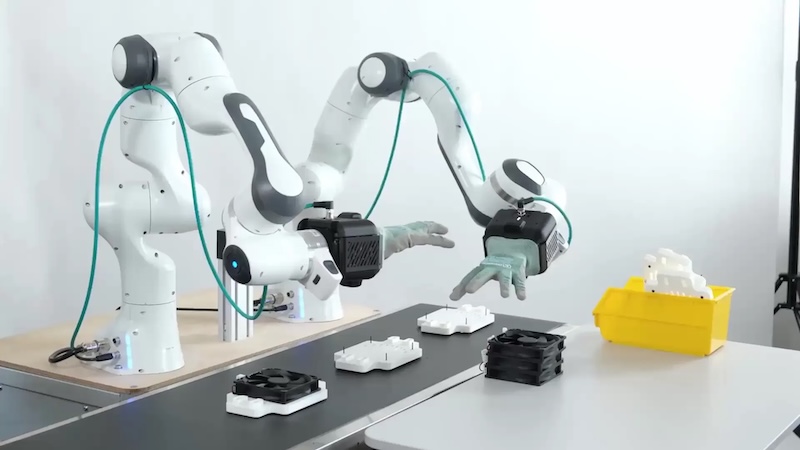
mimic Robotics Launches Comprehensive Platform for Advanced Dexterous Robot Manipulation
mimic Robotics has unveiled a new robotic hand, the mimic hand M1, along with the mimic wearable U1 exoskeleton and a proprietary software platform. This integrated system aims to enhance general-purpose dexterous manipulation in industrial robots by addressing the challenge of collecting high-quality training data for AI models that perform human-like tasks. The significance of this launch lies in mimic Robotics' approach to design, which focuses on human hand morphology rather than traditional two-finger grippers. The mimic hand M1 features 15 actuated degrees of freedom and is capable of handling payloads over 25 kg, while the mimic wearable U1 allows human operators to demonstrate tasks in real-time, improving data collection for AI training. Looking ahead, the company’s innovative middleware and teleoperation software are expected to enhance robot control and AI inference speed. No further timeline was disclosed at the time of publication.
Components Computing News ai automation dexterous manipulation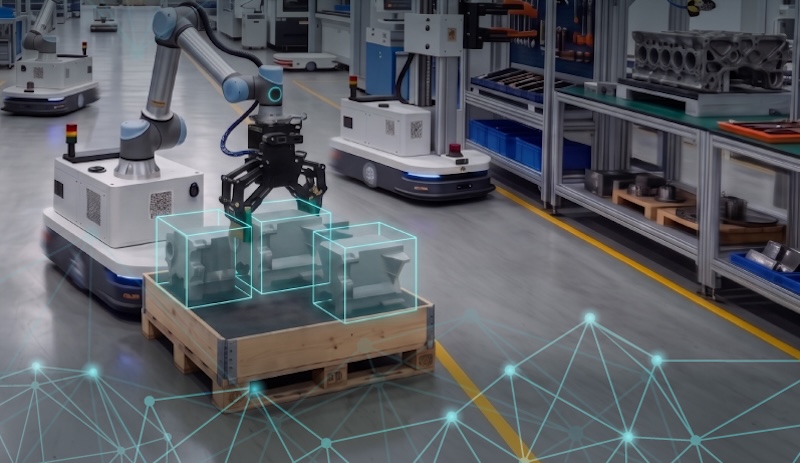
Aetina Expands Nvidia Jetson Support with T3000 and T2000 AI Modules
Aetina, a specialist in edge AI computing, is set to enhance its offerings by adding support for the newly unveiled Nvidia Jetson T3000 and T2000 modules. These modules are designed for robotics and industrial edge AI applications, and Aetina plans to integrate them into its DeviceEdge AIE-KT and AIE-PT systems, providing scalable and efficient AI computing solutions. This expansion is significant as it allows Aetina to leverage Nvidia's advanced AI capabilities, including the ability to run generative AI models with low latency, which is crucial for applications like humanoid robots. The Nvidia Jetson T3000 module boasts up to 865 FP4 TFLOPS, while the T2000 offers up to 400 FP4 TFLOPS, catering to a range of robotics applications from visual AI agents to autonomous mobile robots. Looking ahead, Aetina is among the first partners to support these new modules, with Nvidia expecting them to be available in the first quarter of 2027. The company plans to provide further details on system specifications and developer support as the launch date approaches, making it a key player in the evolving landscape of AI-driven robotics solutions.
Computing Industry Aetina automation Autonomous robots DeviceEdge AIE-KT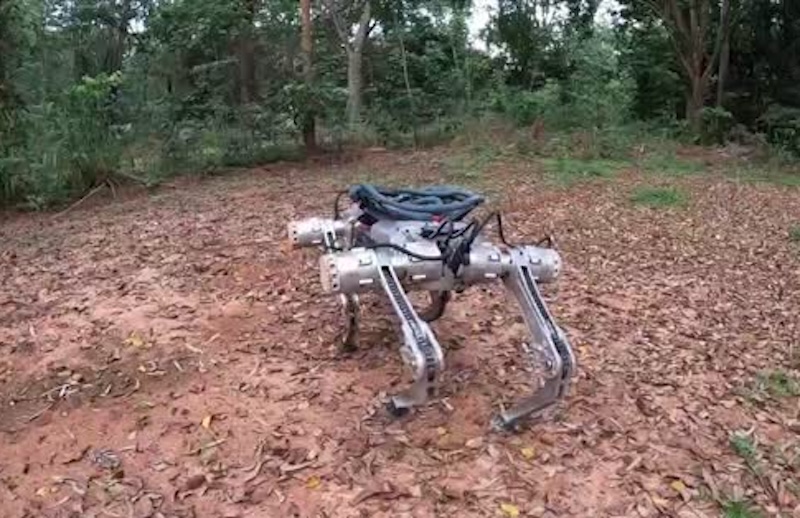
Strider Robotics Unveils 40 kg Payload Quadruped Robot Amid Commercial Deployments
Strider Robotics, an Indian startup, has successfully demonstrated a quadruped robot capable of carrying a 40 kg payload across challenging terrains. This marks a significant step as the Bengaluru-based company transitions from prototype development to commercial deployment, with field pilots currently underway with a major oil and gas company and an automotive manufacturer. The importance of this development lies in Strider's focus on enhancing India's domestic robotics manufacturing capabilities, as over 80 percent of the robot's components are sourced locally. Quadruped robots are gaining traction in industries where traditional wheeled vehicles face limitations, such as energy, mining, and infrastructure inspection, due to their ability to navigate uneven surfaces and carry equipment. Looking ahead, Strider Robotics aims to solidify India's position as a key player in the development of intelligent legged robotic systems for industrial and defense applications. No further timeline was disclosed at the time of publication.
Robotics Robotics and Automation Robotics and Automation News Robotics News AI software artificial intelligence
RoboScience Unveils First Cloud-Based Large Model for Robotics at WAIC
At the WAIC, RoboScience showcased a groundbreaking cloud-based embodied large model named Visics, capable of controlling multiple robotic hands. This innovation allows for seamless switching between different robotic hands while maintaining operational efficiency, demonstrating the ability to recognize and grasp various objects autonomously within 30 seconds. The significance of this development lies in its potential to revolutionize robotic operations across diverse applications. By enabling a single model to adapt to various hand configurations, Visics enhances the versatility of robotic systems, allowing them to perform complex tasks without the need for extensive retraining when hardware changes occur. Looking ahead, the industry will be keen to observe how Visics performs in real-world scenarios and its ability to execute long-term tasks by integrating multiple actions. No further timeline was disclosed at the time of publication.
Robotics Cloud Computing AI Automation Object Recognition
China's Embodied AI Models Gear Up for Competition Ahead of WAIC 2026
China's leading tech companies are intensifying their efforts in embodied AI as they prepare for the WAIC 2026 event in Shanghai, scheduled for July 17. This year's competition is marked by the launch of several advanced models, including Xiaomi's X0, a multimodal generative model with 38 billion parameters designed to enhance robotic training data generation. The significance of this competition lies in the critical need for physical interaction data, which is currently lacking by over 99%. Xiaomi's generative model aims to address this gap by autonomously generating and augmenting training data without the need for new data collection, thereby improving efficiency by 83 times. The event will showcase over 200 companies, highlighting the growing importance of embodied intelligence in the tech landscape. As the industry evolves, companies like Tencent Cloud and RoboScience are also making strides with cloud-based embodied AI services. The competition at WAIC 2026 will be pivotal, as companies vie for dominance in the emerging ecosystem of embodied intelligence, with advancements in visual understanding and cognitive reasoning being key areas of focus.
Embodied AI Robotics Data Synthesis Open Source Cognitive Computing
AGIBOT Introduces Four Innovative Products at WAIC 2026, Highlighting Embodied AI Advancements
AGIBOT unveiled four new products at the WAIC 2026, including the AGIBOT A3 Ultra and G2 Max, which emphasize the company's advancements in embodied AI and robotics. The showcase featured over 30 robots demonstrating their capabilities in various applications, reinforcing AGIBOT's commitment to integrating robotic systems into real-world workflows. This event is significant as it illustrates AGIBOT's dedication to enhancing robotics for commercial and industrial environments, showcasing how embodied AI can improve operational efficiency. The introduction of these products reflects the growing trend of utilizing advanced robotics to address practical challenges in various sectors. Looking ahead, industry observers should monitor AGIBOT's future developments and product deployments, as the company continues to push the boundaries of robotics and AI integration. No further timeline was disclosed at the time of publication.
Robotics Embodied AI Industrial Automation Technology Artificial Intelligence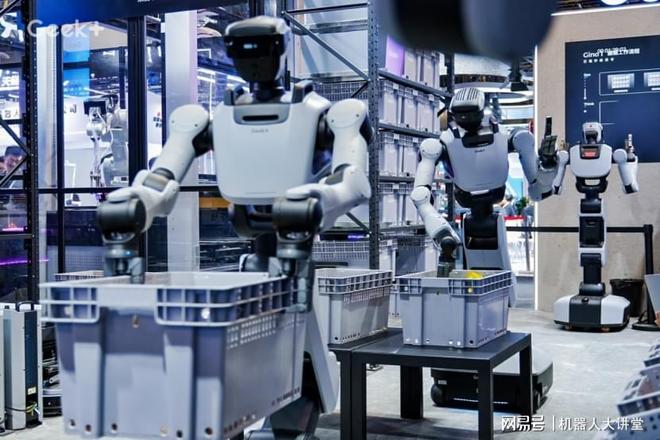
Gino 1 Robot Showcases Speed and Versatility at WAIC 2023
At the WAIC exhibition, the Gino 1 humanoid robot from Geek+ stood out by combining generalization capabilities with operational efficiency in real-world tasks. Unlike other robots that either excelled in speed or adaptability, Gino 1 demonstrated its ability to perform end-to-end workflows, including precise item picking and collaborative operations with mobile robots. The significance of Gino 1 lies in its advanced full-body parallel control, which reduces task completion time by approximately 30%. This innovative approach allows simultaneous movement and manipulation, resulting in smooth and stable operations without interruptions. The robot's integration with Geek+'s AI scheduling system enhances its efficiency across entire workflows rather than focusing on individual machine performance. Looking ahead, Gino 1's ability to adapt to various physical conditions and its dynamic response to unexpected challenges highlight its potential in real-world applications. As it continues to learn from each task, Gino 1 exemplifies the concept of self-evolution, making it a noteworthy development in the field of intelligent robotics. No further timeline was disclosed at the time of publication.
Humanoid Robots AI Warehouse Automation Robotics Technology
Pittsburgh Regional Alliance Convenes Nine CMU-Rooted Robotics Firms at Automate 2026
At Automate 2026, the Pittsburgh Regional Alliance convened nine robotics firms — most spun out of Carnegie Mellon — spanning materials, perception and AMRs.
The EV Déjà Vu: Why China's Humanoid Robot Blitz May Be Winning the Battle — but Losing the War
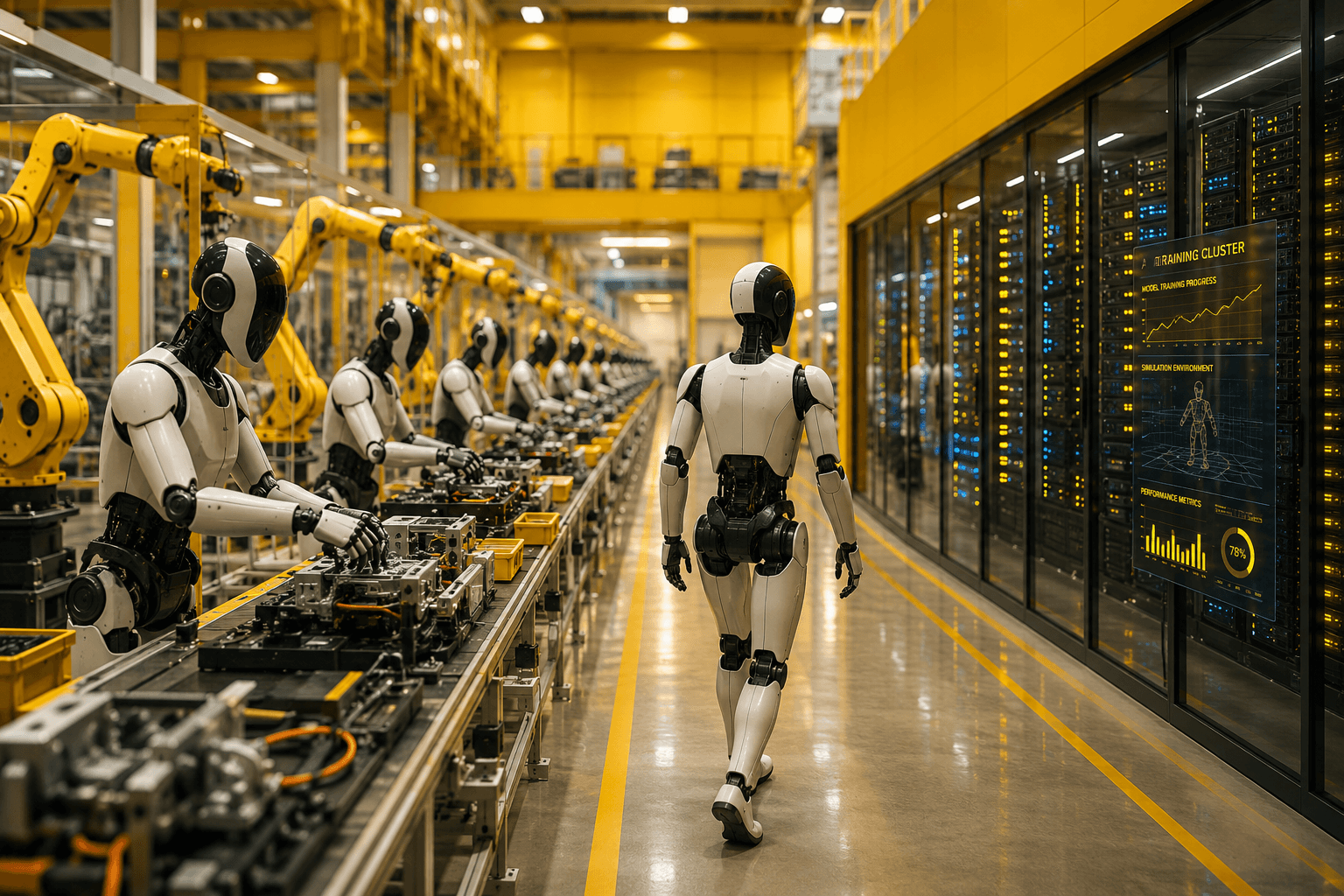
China controls 80% of humanoid robot shipments and crushes hardware costs. But is winning the body enough? A deep analysis of the US-China robot war beyond the EV analogy.
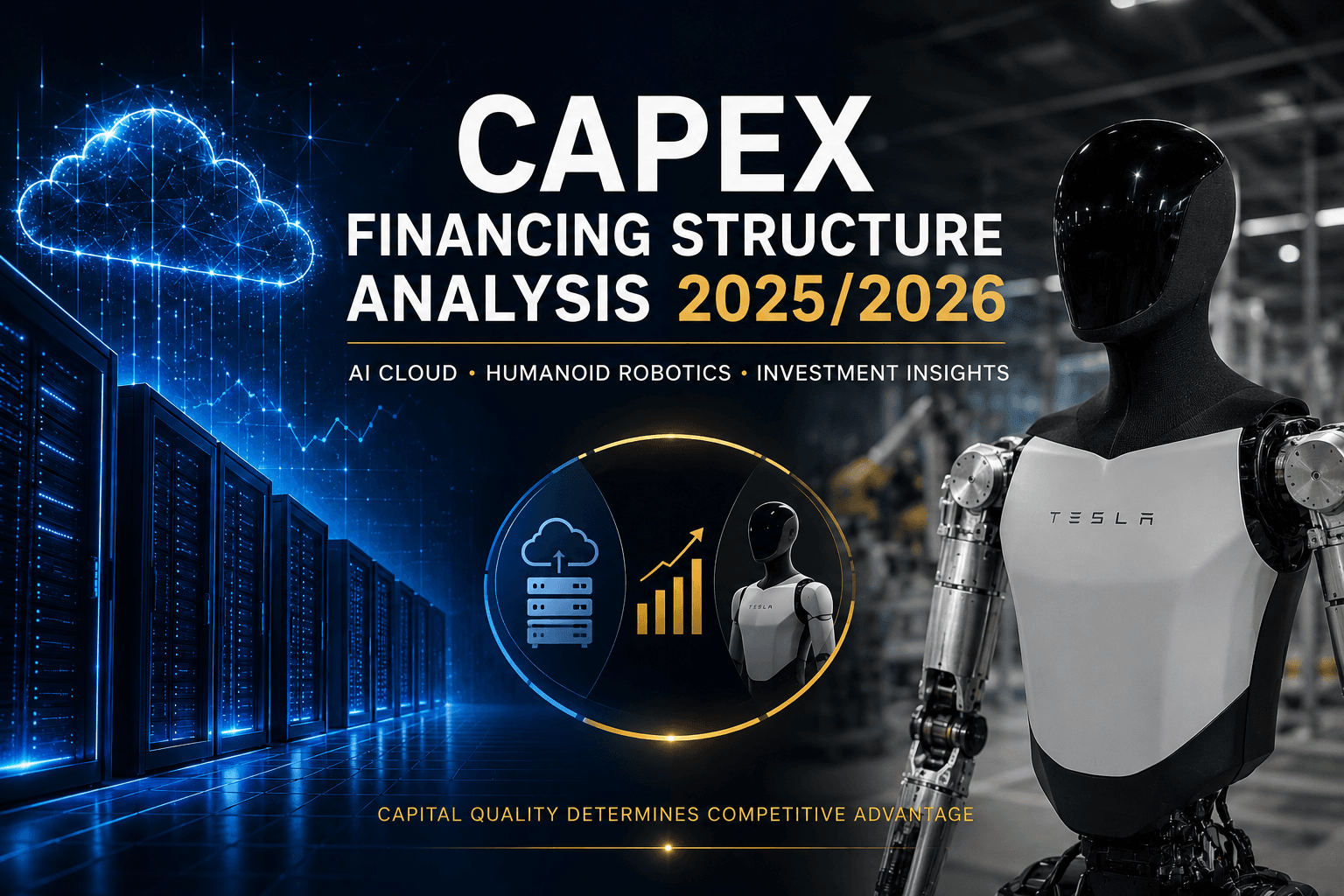
Capex Analysis 2025: AI Hyperscalers vs Humanoid Robots — Financing Risk Deep Dive
Compare how Microsoft, Google, Oracle, Tesla Optimus, Figure AI and UBTECH finance their Capex. Supply chain risk, ROIC analysis and a 3-dimension investment framework included.
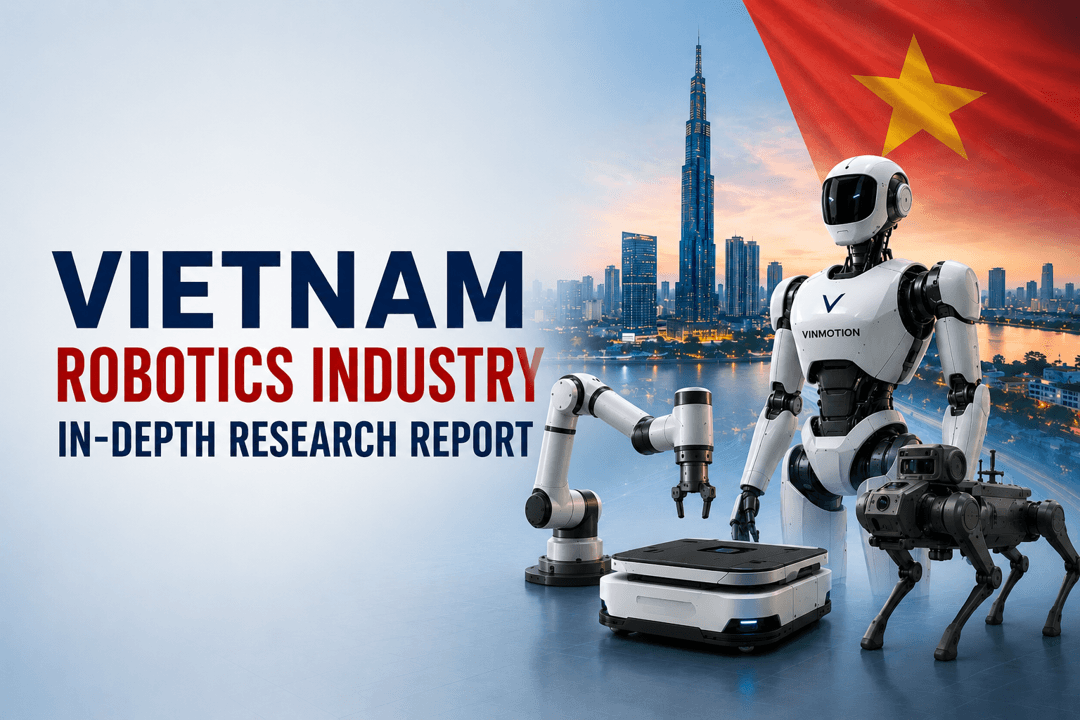
Vietnam Robotics Industry Report 2026
Comprehensive analysis of Vietnam's robotics industry: market size, industrial policy, key companies (Vingroup, Apicoo, Phenikaa-X), geopolitical dynamics, and 2030 growth opportunities.
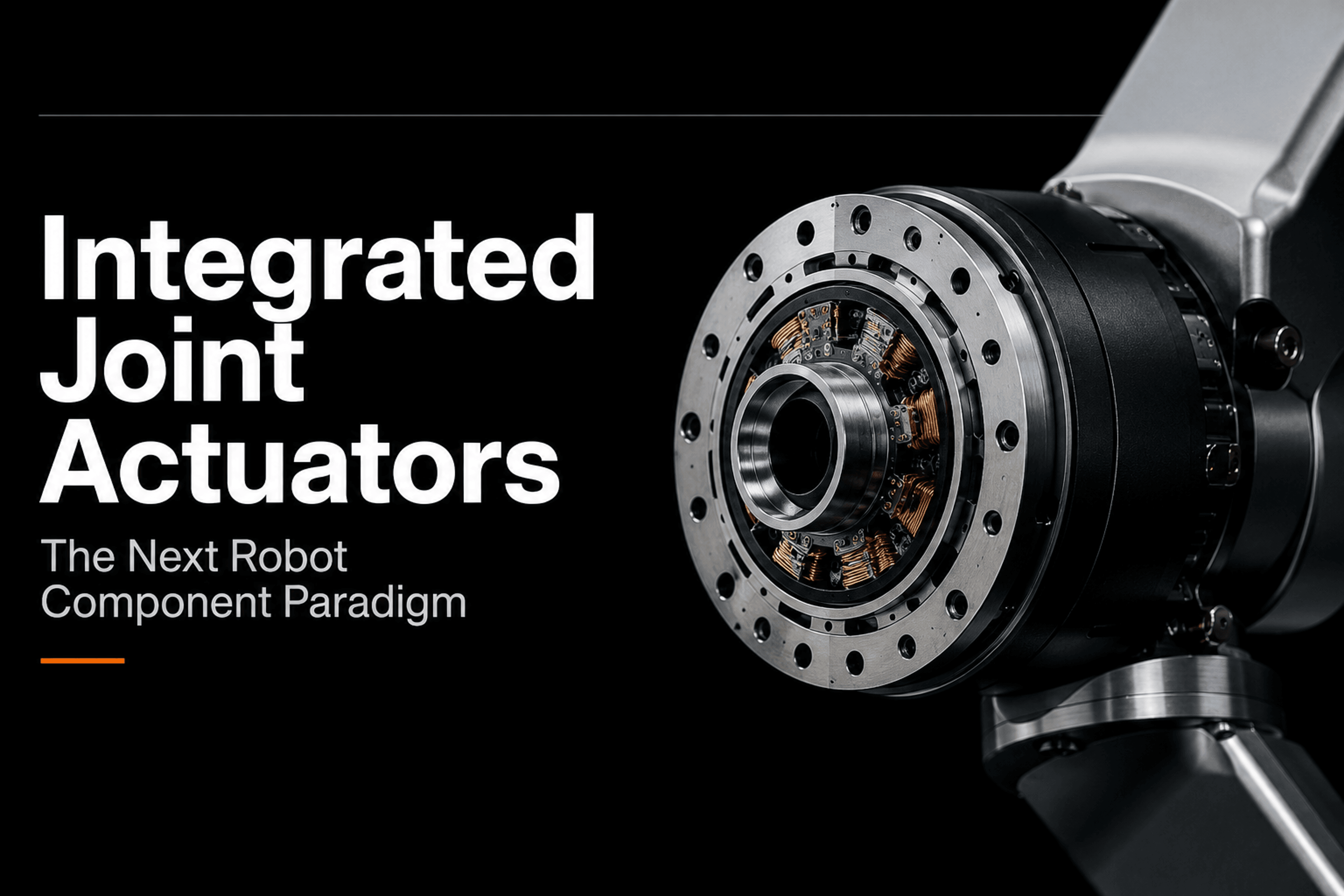
Integrated Joint Actuators 2026: Technology, Global Suppliers & China's Leap Forward
From rotary joints hitting 530 N·m+ to linear joints with planetary roller screws, integrated actuators are replacing the three-part drivetrain. Full supplier map: Tihu, PhyArc, RobStride, Schaeffler, maxon — and China's path from 1,000-RMB modules to global standard-setter.
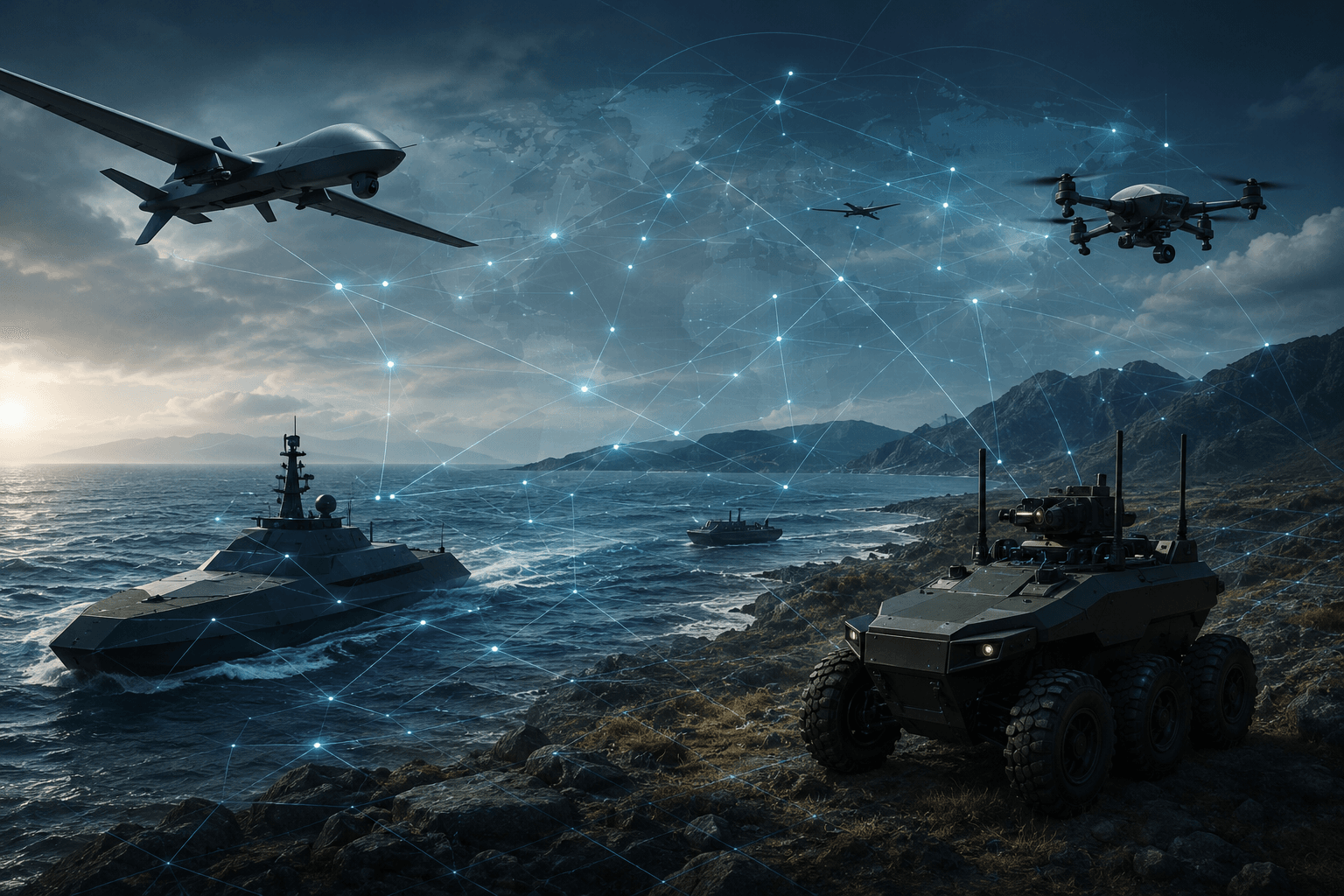
FUTURE WARFARE | Cross-Domain Integration - Integration How Land, Sea, Air and Software Are Converging Into a Single Kill Chain
Cross-domain robotics is reshaping modern warfare as drones, UGVs, AI targeting systems, and autonomous logistics converge into a single networked kill chain across land, sea, air, and software.

CONSTRUCTION ROBOTICS | EXOSKELETONS & HUMAN AUGMENTATION
Construction musculoskeletal injuries cost US employers over $2 billion annually. Exoskeletons are moving from pilots to standard practice. Ottobock, German Bionic, Hyundai, and Innophys launched major products in 2024–2025. Korea and Japan lead adoption. AI is turning passive suits into connected safety platforms.

Unitree's IPO Review: What It Means for China's Humanoid Robot IPO Landscape
On 1 April 2026, China's Securities Association (CSAC) randomly selected Unitree Robotics for a mandatory on-site IPO inspection — just 12 days after its STAR Market application was accepted. The event has generated significant market commentary. This analysis examines the regulatory context, what the inspection actually means, the four core controversies in Unitree's prospectus, and the implications for competing humanoid robot companies pursuing public listings.
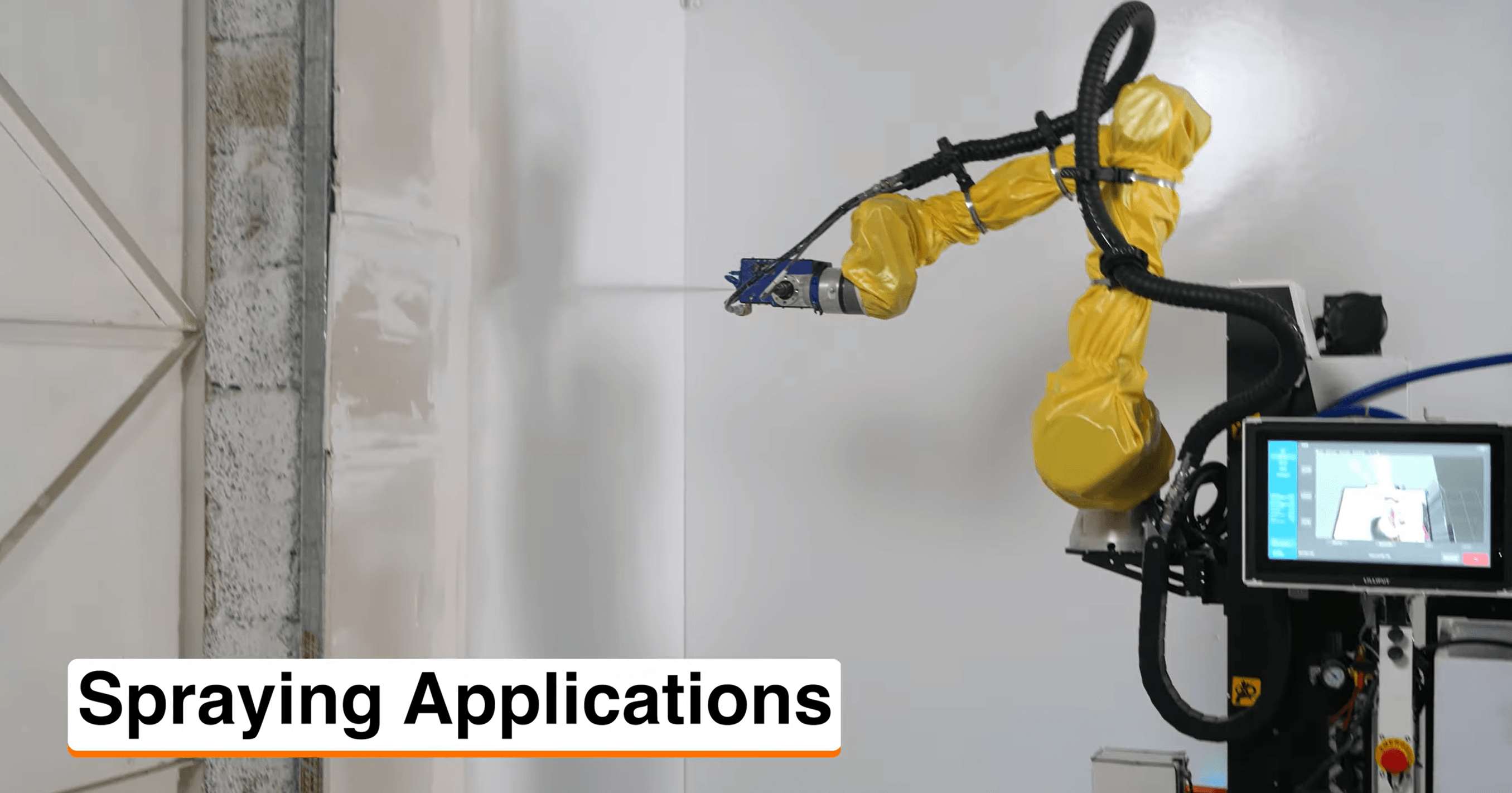
CONSTRUCTION ROBOTICS | Surface Finishing & Painting
Surface finishing robots are construction's hottest automation segment. Okibo, Canvas, Dusty Robotics, Pictobot, and Brightrobot are rewriting the economics of painting, drywall, and tile-setting. Key stat: Okibo's EG7+ cuts finishing labor costs 50% and operates 10x faster than manual crews.





Leave a comment