


Activ Surgical
Boston-based surgical intelligence company developing AI and sensing platforms to enhance intraoperative decision-making and surgical safety.
Contact Activ Surgical
WEBSITE
https://www.activsurgical.comPHONE
+1617-333-8162HEADQUARTERS
United States

Company Facts
Founded
2017
Primary Role
Software/Algorithm
Company Size
-
Primary Region
North America
Annual Sales
-
Funding Stage
-
Funding Total
-
Certifications & Memberships
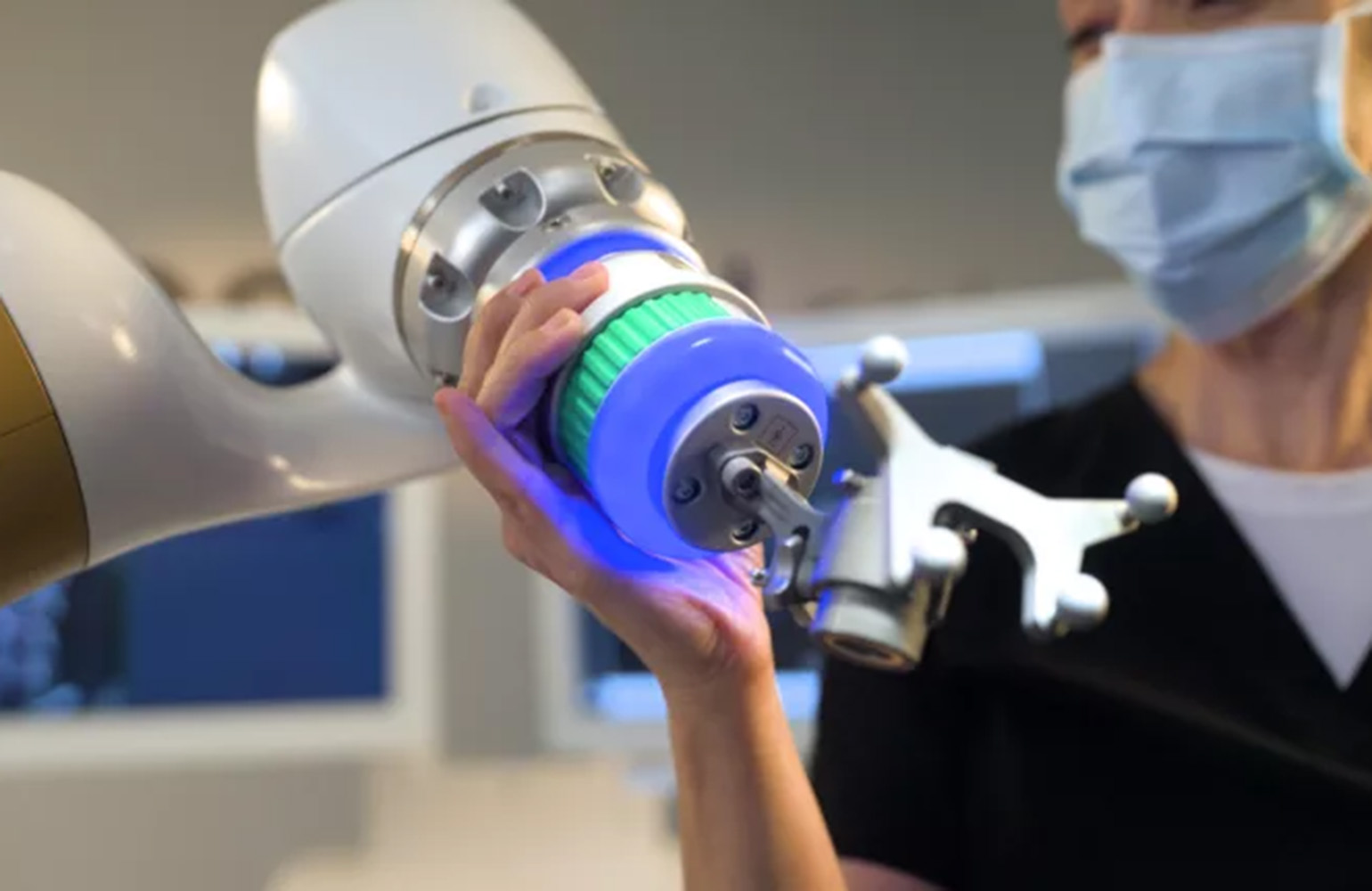
Enovis to Acquire eCential Robotics for Over $180 Million to Enhance Surgical Technology
Enovis Corp. has announced a binding offer to acquire eCential Robotics for approximately €155 million, exceeding $180 million. This acquisition aims to integrate eCential's modular surgical robotics platform into Enovis' ASTRA technology platform, enhancing its capabilities in orthopedic surgery. The addition of eCential's robotic technology is significant as it aligns with Enovis' strategy to provide surgeons with diverse technological options. CEO Damien McDonald emphasized that this move will strengthen their market position and expand strategic opportunities in robotic-assisted surgery, addressing evolving market demands. Looking ahead, Enovis plans to finalize the acquisition by the end of 2026, with an initial payment of €176 million and potential additional payments based on performance milestones. The integration of eCential's expertise is expected to accelerate the development of next-generation robotic solutions, particularly in knee and shoulder surgeries, within the next two years.
Financial Healthcare Robotics Markets / Industries Mergers & Acquisitions News Robots / Platforms
China’s Dexterous Hand Industry, 2026 Part 2 — The Technology
Linkage, tendon, direct drive or hybrid — and why hardware is converging while the DL1–DL5 manipulation scale decides who wins. Part 2 of 3.

China Establishes Reimbursement Group for Robot-Assisted Surgery in DRG/DIP 3.0 Plan
China's National Healthcare Security Administration has officially created a distinct reimbursement group for robot-assisted surgery within the DRG/DIP 3.0 plan. This significant move addresses a pricing gap that could have adversely affected hospitals that choose to adopt surgical robots. The establishment of this reimbursement group is crucial as it encourages the integration of advanced robotic technologies in surgical procedures. By providing a clear reimbursement framework, hospitals may be more inclined to invest in surgical robots, ultimately enhancing patient care and operational efficiency. Looking ahead, stakeholders in the healthcare sector should monitor the impact of this new reimbursement structure on the adoption rates of robotic surgical systems. No further timeline was disclosed at the time of publication.

Enovis Acquires eCential Robotics for €155 Million to Enhance Surgical Orthopedic Robots
Enovis announced its acquisition of eCential Robotics for €155 million (approximately $180 million) to advance the development of surgical robots for orthopedic procedures. This strategic move aims to close a competitive gap and formalize an existing collaboration with eCential, which previously developed Johnson & Johnson's Velys Spine surgical robot. Enovis plans to launch a knee robot in late 2028 and a shoulder robot in 2029, enhancing its Astra enabling technology system with robotics capabilities. The acquisition is significant as it positions Enovis to compete more effectively in the orthopedic surgical robot market, where rivals like Johnson & Johnson and Stryker are already active. Enovis CEO Damien McDonald emphasized that integrating robotics technology is crucial for the company's long-term growth strategy. The planned knee and shoulder robots are expected to feature unique capabilities, including a robotic arm with seven degrees of freedom, setting them apart from existing offerings in the market. Looking ahead, Enovis aims to leverage eCential's expertise to accelerate product development and respond more effectively to clinician needs. The acquisition includes an upfront payment and potential milestone payments totaling up to €35 million, contingent on the successful development of the new devices. No further timeline was disclosed at the time of publication.

Five Innovative Robots Transforming Modern Medicine and Patient Care
The integration of robots in healthcare has evolved from a futuristic concept to a reality, with machines now playing vital roles in operating rooms and rehabilitation centers worldwide. These robots enhance surgical precision, disinfect hospital environments, and assist in patient recovery, showcasing their diverse applications in modern medicine. The da Vinci Surgical System, developed by Intuitive Surgical, stands out as the most widely adopted surgical robot globally, approved by the FDA since 2000. It enables surgeons to perform complex procedures with enhanced dexterity and reduced tremors, impacting various specialties such as urology and gynecology. Meanwhile, the Xenex LightStrike robot addresses the critical issue of hospital-acquired infections by using ultraviolet light to disinfect rooms quickly and effectively, contributing to patient safety and infection control. As the healthcare landscape continues to embrace robotic technology, stakeholders should monitor advancements in robotic applications and their implications for patient care. The ongoing development of robots like the da Vinci and LightStrike highlights the potential for improved outcomes in surgery and infection management. No further timeline was disclosed at the time of publication.
Lists
Noah Medical Plans Hong Kong IPO to Support Expansion in Mainland China
Noah Medical, a surgical robotics firm backed by SoftBank, is preparing to file for a Hong Kong listing as early as next year. The company aims to raise over $100 million to bolster its expansion efforts in mainland China. Founder Zhang Jian emphasized that Hong Kong's status as an international financial center makes it an ideal location for their listing. The move is significant as Noah Medical seeks to tap into the growing demand for surgical robotics in China. With regulatory approval from China's drug regulator obtained in November, the company is targeting hospitals such as Sir Run Run Shaw Hospital for its products. Currently, 90% of Noah Medical's revenue comes from the U.S., where its surgical robots have successfully treated around 15,000 patients. Looking ahead, the company’s listing could provide the necessary capital to enhance its market presence in China. No further timeline was disclosed at the time of publication.

Surgical Robots Shine at International Medical Expo: Domestic Innovations Reshape Operating Rooms
From August 14 to 16, the 32nd China International Medical Instrument and Equipment Exhibition took place at the National Convention Center. Surgical robots became the highlight of the event, which focused on showcasing innovative medical devices and digital healthcare technologies. Attendees observed demonstrations of various surgical robots, including both international models like the da Vinci and domestic innovations, highlighting their evolution from auxiliary tools to primary surgical instruments. The significance of this event lies in the emergence of domestic surgical robot companies, whose products span laparoscopic, orthopedic, and neurosurgical applications. Some of these robots have already completed thousands of surgeries in top-tier hospitals, and their competitive pricing compared to imported devices is expected to accelerate their adoption in grassroots healthcare facilities. The exhibition also featured China's medical equipment applications in Africa, reflecting the growing export of Chinese medical devices, with a notable increase in high-value products like surgical robots. Looking ahead, industry experts noted that as the costs of surgical robots decrease and demand from grassroots hospitals rises, the Chinese medical robot market is entering a growth phase. According to Frost & Sullivan, the market size for surgical robots in China is projected to exceed 50 billion yuan by 2030, with domestic production rates expected to surpass 50%. No further timeline was disclosed at the time of publication.
Surgical Robots Medical Devices Healthcare Technology AI in Medicine
Joint Robot Training in Guiyang Achieves Success with Over 2.04 Million Views
On August 7, 2026, a training program on the safety and effectiveness of domestic joint surgery robots was successfully held at Guizhou Provincial People's Hospital. This event was organized by the Sichuan International Medical Exchange Promotion Association and featured experts from various prestigious hospitals, including Sichuan University West China Hospital and the PLA General Hospital. The training included surgical demonstrations and academic discussions, showcasing the capabilities of Yuanhua Intelligent Technology's surgical robots. The significance of this training lies in its demonstration of advanced robotic technology in orthopedic surgeries, particularly in total knee arthroplasty (TKA) and total hip arthroplasty (THA). Yuanhua Intelligent's robots, equipped with precise navigation capabilities, received high praise from attending experts. The event highlighted the importance of integrating robotics into surgical practices, which can enhance surgical precision and improve patient outcomes. Looking ahead, the continued development and application of robotic-assisted surgeries will be crucial in the orthopedic field. Experts shared insights on the future of robotic surgery, emphasizing the need for ongoing training and knowledge sharing among medical professionals. No further timeline was disclosed at the time of publication.
Orthopedic Robotics Surgical Training Medical Technology Healthcare Innovation
Nanyang Technological University Develops 5-in-1 Seed-Sized Surgical Robot
Scientists at Nanyang Technological University (NTU Singapore) have created a seed-sized surgical robot capable of performing five functions wirelessly. Measuring just 4.4 mm, the robot can navigate soft surfaces to cut tissues, release drugs, grip samples, and generate heat, all controlled by magnetic fields. This innovation aims to enhance precision in surgeries and medical treatments. The significance of this development lies in its potential to revolutionize minimally invasive procedures. Unlike traditional magnetic robots that perform limited functions, this new robot can switch between tasks in under a second, making it a versatile tool for targeted surgeries. Associate Professor Lum Guo Zhan, leading the project, envisions its use in navigating the body for precise treatments without large incisions. Looking ahead, the NTU team has successfully tested the robot on biological tissues, demonstrating its capabilities in cutting and heat generation. Future research may focus on further refining its functions and exploring its applications in clinical settings. No further timeline was disclosed at the time of publication.

Domestic Surgical Robots Achieve Enhanced Vision with New 8mm Endoscope Technology
On August 6, Tuge Medical, a subsidiary of Jian Shi Medical, received EU CE certification for its 8mm 3D+4K+fluorescence endoscope. This follows its approval from the National Medical Products Administration for domestic market entry two months prior. The new 8mm endoscope enables surgical robots to operate through standard 8mm instrument ports, reducing the need for larger incisions and improving surgical efficiency. The 8mm endoscope represents a significant advancement in the surgical robot industry, allowing for full compatibility with all instrument channels. Surgeons can switch viewing angles without repositioning patients, minimizing trauma and risk while enhancing operational efficiency. According to Jian Shi Medical's CTO, Wang Yanggang, integrating dual-camera systems into the compact 8mm design posed substantial engineering challenges, but domestic suppliers have now stabilized the supply of high-precision optical components. Looking ahead, by 2025, domestic surgical robot bids are expected to surpass those of imported brands. The evolution of the endoscope not only enhances visibility during procedures but also captures valuable clinical data that will be crucial for AI in healthcare. This leap from 10mm to 8mm signifies a transformative step for China's high-end medical equipment towards self-innovation.
Surgical Robots Endoscopy Medical Technology AI in Healthcare
Shenzhen's Robot Exports Increase Tenfold in First Half of the Year
In the first half of the year, Shenzhen's robot exports reached 6.94 billion yuan, marking a tenfold increase compared to the previous year. This surge reflects the city's significant role in the global robotics market, accounting for 25.5% of China's total robot exports. The growth is driven by various sectors, including industrial and surgical robots, which saw increases of 36% and 3.3 times, respectively. The rise in exports is crucial as it indicates a shift in China's robotics industry from manufacturing to global sales and ecosystem building. Companies like Purui Robotics have established extensive networks and services to support international clients, enhancing their competitive edge. The introduction of specialized tax categories for intelligent bionic and cleaning robots further facilitates international trade. Looking ahead, the trend of increasing robot exports is expected to continue, with production schedules extending to 2027. This indicates strong demand in the global market, as evidenced by the establishment of local offices and service networks by Chinese companies. No further timeline was disclosed at the time of publication.
Robot Exports Industrial Robotics Service Robots Global Trade Automation Technology
ROBOTTODAY Weekly May 23 – 29, 2026
This week in robotics: the Humanoids Summit debuts in Tokyo, China assigns every humanoid robot a digital ID, Figure signs a Catalyst Brands deployment deal, and Unitree heads to a June 1 IPO hearing. May 23–29, 2026.

Integrated Joint Actuators 2026: Technology, Global Suppliers & China's Leap Forward
From rotary joints hitting 530 N·m+ to linear joints with planetary roller screws, integrated actuators are replacing the three-part drivetrain. Full supplier map: Tihu, PhyArc, RobStride, Schaeffler, maxon — and China's path from 1,000-RMB modules to global standard-setter.

The Core Components Battle of Indutrial Robot, Reducers, Servo Systems & Controllers
A technology-first analysis of the three pillars driving industrial robot capability: precision reducers, servo systems, and motion controllers. Maps the full global supplier ecosystem — Japan, Europe, and China — from component specs to product generations and integration architectures.

GLOBAL ROBOTICS INDUSTRY Comprehensive Sector Overview
A comprehensive global robotics industry overview for 2025, analyzing 14 key market segments — from industrial and humanoid robots to logistics AMRs, military systems, and service robots — with expert market sizing, US case studies, five-year forecasts, and bilingual English-Chinese analysis for executives and investors.

Vision-Based Tactile Sensing: The Race to Build What Tesla's Optimus Needs
Vision-based tactile sensing (VBT) is emerging as the critical missing piece for Tesla Optimus dexterous hands. This briefing covers the technology, six global milestones, a ten-company competitive landscape, and the Chinese startup ecosystem — including PaXini, Daimon Robotics, DouDong, WeiTi and QianJue.

The World's Top 10 Universities in Robotics — And Why CMU Leads the Field
A strategic briefing on the world’s top 10 robotics universities, led by Carnegie Mellon University, examining institutional history, DARPA-era field deployment, commercialization models, and next-generation embodied AI infrastructure across MIT, Stanford, Berkeley, ETH Zurich, and others.

RobotToday Weekly Industry Briefing: Feb 9 – 13, 2026
Feb 9-13, 2026: Apptronik raises $520M for humanoid production, GE Aerospace deploys AI robots for jet maintenance, Weave ships first laundry-folding robot, and IFR releases AI in robotics position paper. Physical AI reaches commercial scale across industry and home.

Revolutionizing Robotics: LCE-Integrated Soft Skin for Enhanced Medical Applications
Discover a new class of millimeter-scale, fully soft everting robots featuring LCE-integrated skins for high-dexterity steering. This Science Advances study details how Liquid Crystal Elastomer actuators enable large bending angles and multi-point control for advanced surgical and industrial navigation.
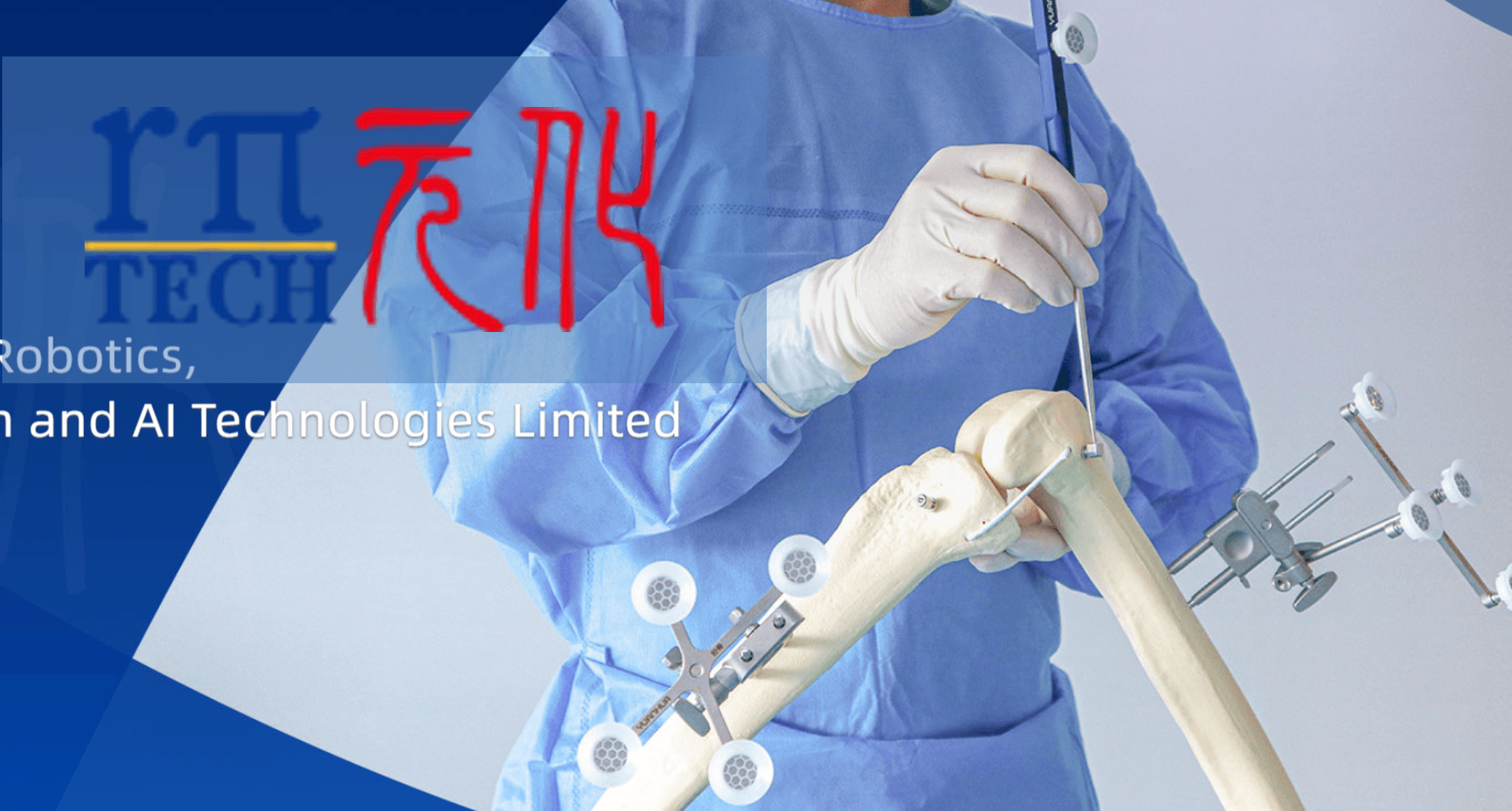
How Yuanhua Robotics’ 5,000 Surgeries Are Redefining Trust in China’s AI Surgical Robots
Yuanhua Robotics’ AI surgical robots have completed over 5,000 procedures in China, showcasing reliability, clinical trust, and growing adoption in precision surgery.


