


ACS
Wisconsin-based systems integrator that designs and builds custom industrial automation, robotics, and facility solutions for manufacturing and aerospace.
Contact ACS
WEBSITE
https://www.acscm.comPHONE
608.663.1590HEADQUARTERS
United States

Company Facts
Founded
1994
Primary Role
System Integrator
Company Size
-
Primary Region
North America
Annual Sales
-
Funding Stage
-
Funding Total
-
Certifications & Memberships

RobotToday Weekly September 21 – 25, 2026
Cognex buys RealSense, Qualcomm acquires PickNik, the IFR counts 5 million factory robots, AGIBOT deploys 300 robots at Chimelong, and Tekever raises $580 million.

Siemens on Robots, Agentic AI and the "Last 3%" Problem
Siemens tells RobotToday at IMTS 2026 why AI robot demos are only the tip of the iceberg, and why agentic AI depends on PLM data and business context.

Glacian: Physics Model Vets AI Data Center Cooling
Glacian Technologies pairs AI with a physics-based digital twin that rejects unsafe commands. CEO Jie Zhao on cutting data center cooling energy 15-30%.

RobotToday Weekly September 14 – 18, 2026
Toyota weighs 400,000 factory robots, SoftBank buys Hyundai's Robotics and AI Institute, Agility unveils Digit 5, Figure's Helix 2.5 generalises to 30 homes, and August robotics funding hits $4.87 billion.

Innovation Works Venture Expo 2026: 58 Pittsburgh Startups Pitch to Investors
58 health, deep tech and robotics startups pitched at Innovation Works Venture Expo 2026 in Pittsburgh. Full company list, program and 2025 funding data.
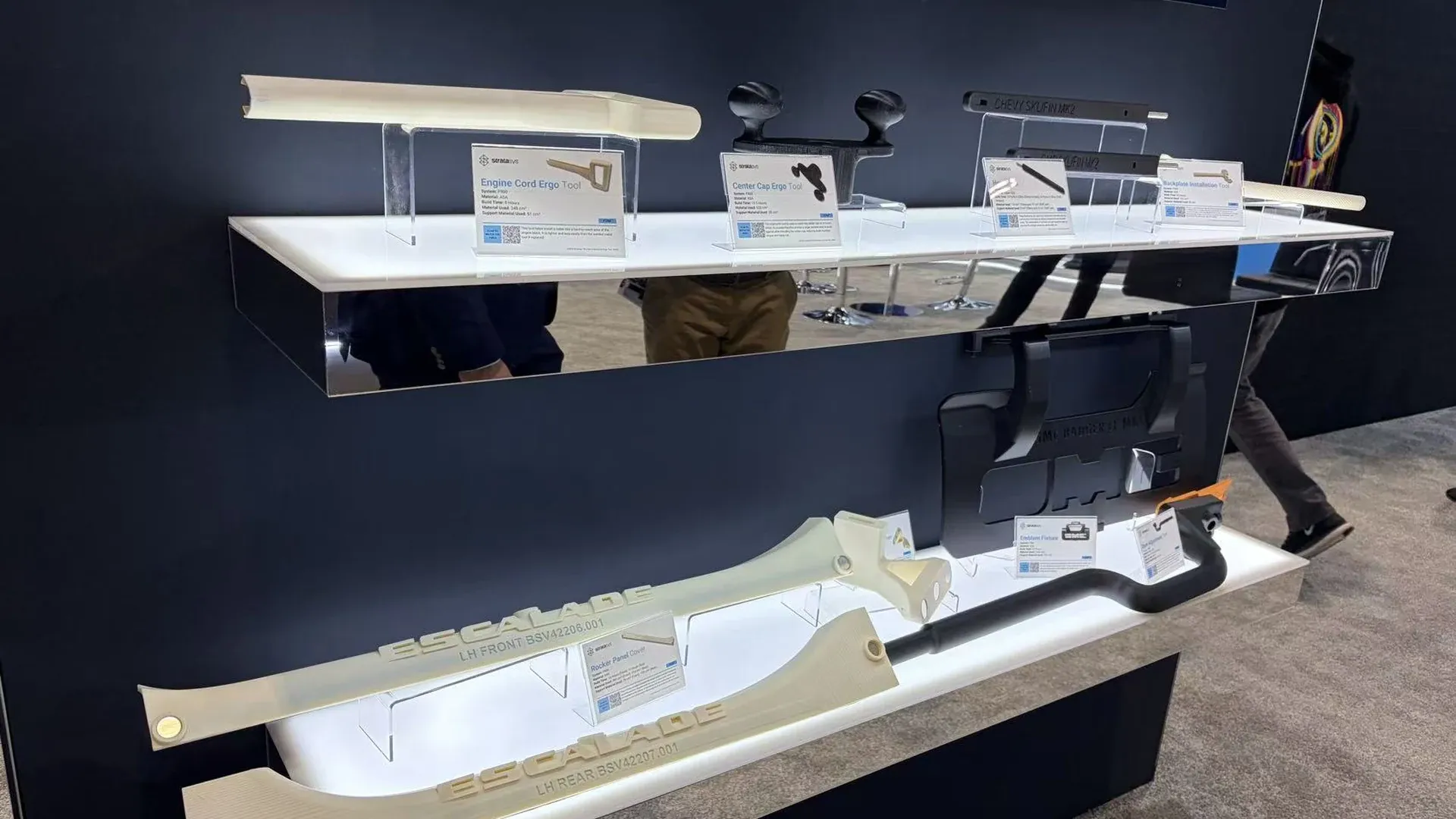
Stratasys at IMTS 2026: GM Scales Additive to 20+ Plants
Stratasys is rolling additive out across 20+ GM plants while Toyota prints robot grippers. Booth build data, the F870, and where the cost case breaks.

The Missing Price: What Non-Disclosure Reveals About the Humanoid Market
Of 131 announced robot models, 33 publish no price. US makers withhold at twice the rate of Chinese ones — and the reason is stage, not strategy.

IMTS 2026 Preview: Record Orders and the Automation Story
IMTS 2026 opens in Chicago with 1,788 exhibitors and record H1 machine tool orders. What the USMTO data says about automation, and the booths to see.

Honeywell Aerospace Agrees to $2 Million Settlement with DOJ Over Cybersecurity Violations
Honeywell Aerospace has reached a $2 million settlement with the Department of Justice (DOJ) regarding allegations of cybersecurity violations. The lawsuit claimed that Honeywell engaged in a fraudulent scheme related to a quantum computing contract awarded in 2020, coinciding with the SolarWinds cyberattack that compromised numerous organizations. The DOJ asserted that Honeywell failed to report cybersecurity incidents and submitted false claims for payment, particularly concerning its Advanced Connected Sustainability Technologies (ACST) unit, which was responsible for safeguarding sensitive government information. This settlement highlights the increasing scrutiny on government contractors regarding compliance with cybersecurity regulations mandated by the Department of Defense (DOD) and the National Institute of Standards and Technology (NIST). The DOD's Cybersecurity Maturity Model Certification program, which has been in development since 2019, requires contractors to report cyber incidents and maintain robust cybersecurity practices. The Honeywell case is part of a broader trend, as the DOJ has pursued several contractors for similar violations, emphasizing the legal risks associated with cybersecurity compliance. Looking ahead, organizations engaged in federal contracts must prioritize cybersecurity compliance to mitigate legal risks. The Honeywell settlement serves as a reminder that cybersecurity deficiencies can have significant implications beyond IT issues, especially as new verification requirements under the Cybersecurity Maturity Model Certification are implemented. No further timeline was disclosed at the time of publication.
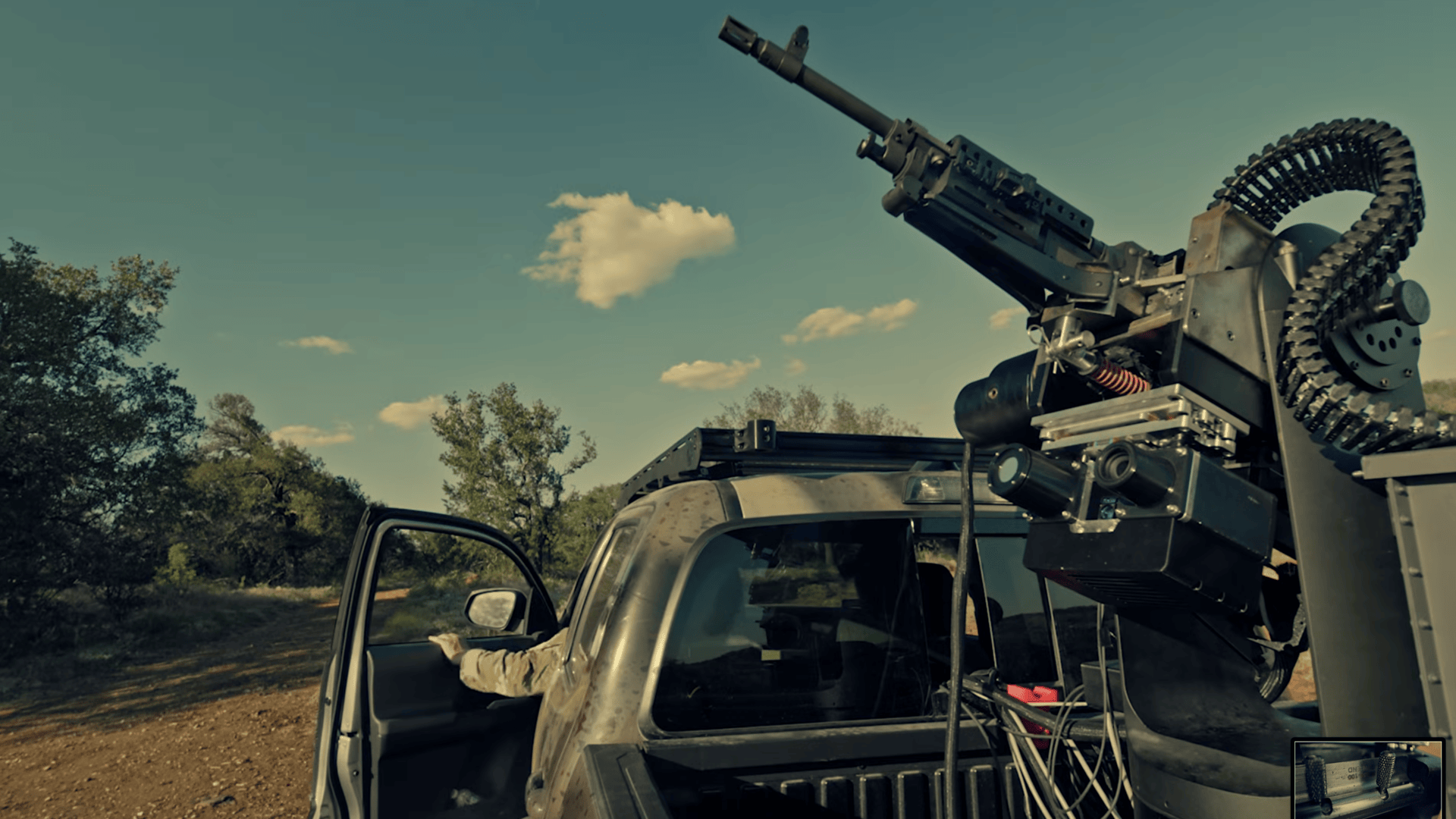
Alien Control Systems Opens 191,000-Square-Foot Facility for Bullfrog Counter-Drone Production
Alien Control Systems (ACS) is launching a new 191,000-square-foot manufacturing facility in Austin, Texas, to enhance production of its Bullfrog counter-drone system. This expansion is a direct response to increased demand from the U.S. and allied nations for effective countermeasures against weaponized drones. The new facility will allow ACS to rapidly scale production of Bullfrog, which integrates computer vision, autonomous control, and precision robotics. The system has already been deployed by the U.S. Army and Navy, and it has contracts with Joint Interagency Task Force 401 and several allied militaries, underscoring its significance in safeguarding critical infrastructure. Looking ahead, ACS aims to further expand Bullfrog's deployment across U.S. military services, following its recent selection by the U.S. Marine Corps for the Ground Based Air Defense program. No further timeline was disclosed at the time of publication.
Military
ROBOTTODAY WEEKLY September 7 – 11, 2026
This week in robotics: JD.com plans to deploy three million robots across its logistics network, XPeng commissions its IRON humanoid production line, FANUC and Google launch an AI arc-welding agent, and Unitree shares fall 53% from their post-IPO high. September 7–11, 2026.

Ailoys Brings Acoustic Industrial AI to IMTS 2026
Berlin's Ailoys brings acoustic industrial AI to IMTS 2026, Booth 237629. Edge sensors catch process drift on existing machines before scrap appears.

Household Robots Face Challenges: Market Growth and Open Source Solutions Ahead
The shipment of humanoid robots is surging, with IDC projecting around 18,000 units globally by 2025, a 508% increase. However, the penetration of these robots into households remains minimal, as most are still used in entertainment, education, and data collection. Ecovacs Group Chairman Qian Dongqi noted that it may take three to five years for humanoid robots to enter homes, citing a decade-long journey for their vacuum robots to achieve household integration. Despite technological advancements, the industry faces significant challenges, particularly high component costs and the lack of a robust supply chain. The performance of humanoid robots drops dramatically in real home environments, with a success rate of only 12% compared to 89.4% in simulated settings. This disparity highlights the complexities of domestic environments, which present unpredictable variables that robots struggle to navigate. To address these issues, leading companies are shifting towards open-source ecosystems. Ecovacs launched the “Eight Realms” open-source robot platform, allowing community contributions to improve functionality. Similarly, Lexiang Technology is focusing on community-driven product development. While the widespread adoption of household robots may take longer than anticipated, the path forward is becoming clearer as companies seek to engage users in defining practical applications.
Humanoid Robots Open Source Robotics Household Automation AI Robotics Development
Leading Research Institutions Unite to Advance Soft Robotics and Physical AI
In recent years, advancements in large models have enhanced machines' language, visual, and reasoning capabilities. Concurrently, robotics is transitioning from traditional rigid systems to more flexible, perceptive forms. A significant intersection is emerging between Physical AI and Soft Robotics, prompting a shift in focus towards integrating materials, structures, mechanics, and perception systems into robotic intelligence. In 2026, the prestigious journal ACS Nano will publish a collaborative article by 37 scientists from 28 global research institutions, including Nanyang Technological University, Hebrew University of Jerusalem, MIT, ETH Zurich, Tsinghua University, Cornell University, and Northwestern University. The article, titled "Emerging Frontiers and Technological Challenges in Soft Robotics," will explore the paradigm shift in soft robotics and outline key scientific questions and technological challenges for the future. This article not only serves as a roadmap for soft robotics technology but also points towards a broader future of Embodied Physical Intelligence, where the body itself becomes part of the intelligence. The research framework connects fundamental scientific questions with cutting-edge studies in soft robotics, focusing on issues related to intelligence, perception, functionality, and adaptability, which are crucial for overcoming key technical challenges in deployment and integration.
Soft Robotics Physical AI Adaptive Systems Machine Learning Biomimicry
Anker and Mammotion Introduce New Robot Lawnmowers with Built-in Edgers
Anker and Mammotion have unveiled their latest robot lawnmowers featuring integrated edgers. At IFA 2026, Anker announced the Eufy Robot Lawn Mower S2 Max, which includes an extendable trimming arm for precise grass cutting around driveways and flowerbeds. This dual-blade mower utilizes vSLAM navigation to create a 3D map of the yard, eliminating the need for boundary wires and RTK base stations. It can manage up to 3.7 acres and navigate slopes of up to 38 degrees, with a launch scheduled for May 2027 at a price of €3,999. The introduction of built-in edgers in robot mowers is becoming a trend, with models from Segway, Ecovacs, Roborock, and now Anker leading the way. Mammotion's new Luba 4 AWD also features an edge-cutting attachment, allowing it to trim along walls and garden borders. Equipped with four cameras and a 360-degree LiDAR system, the Luba 4 AWD ensures comprehensive navigation and zero dead zones. It comes in three models, with the largest capable of mowing up to 3 acres, although it lacks the edge-trimming feature. As the market for robotic lawn care continues to evolve, the integration of advanced navigation and trimming capabilities is noteworthy. Mammotion plans to open preorders for the Luba 4 AWD later this year, but pricing details remain undisclosed. The competition among manufacturers to enhance robotic lawnmowers with innovative features will be an important trend to monitor in the coming months.
News Robot Smart Home Tech
JUIDA Coordinates 10-Day Response to Kumamoto Earthquake Using Drones and AI
The Japan UAS Industrial Development Association (JUIDA) led a coordinated response to the Kumamoto earthquake, utilizing drones and AI for effective disaster management. Teams conducted indoor searches at Aeon Mall Kumamoto and mapped affected areas using fixed-wing aircraft and drones, integrating SAR satellite data to create a comprehensive operational picture for responders. This initiative is significant as it showcases the capabilities of drone technology in disaster response, enhancing situational awareness and operational efficiency. The collaboration among six industry members under JUIDA-D³ highlights the importance of collective efforts in managing natural disasters, providing timely and accurate data to aid rescue operations. Looking ahead, JUIDA plans to continue updating its response log only when new activities arise, emphasizing the ongoing need for technological integration in disaster management. The use of advanced aerial imagery and AI analysis will be crucial in assessing damage and coordinating recovery efforts in the aftermath of the earthquake.
DFR Disaster Response Environmental Research Japan Drone Industry Japan Drone News 8th Reconnaissance Regiment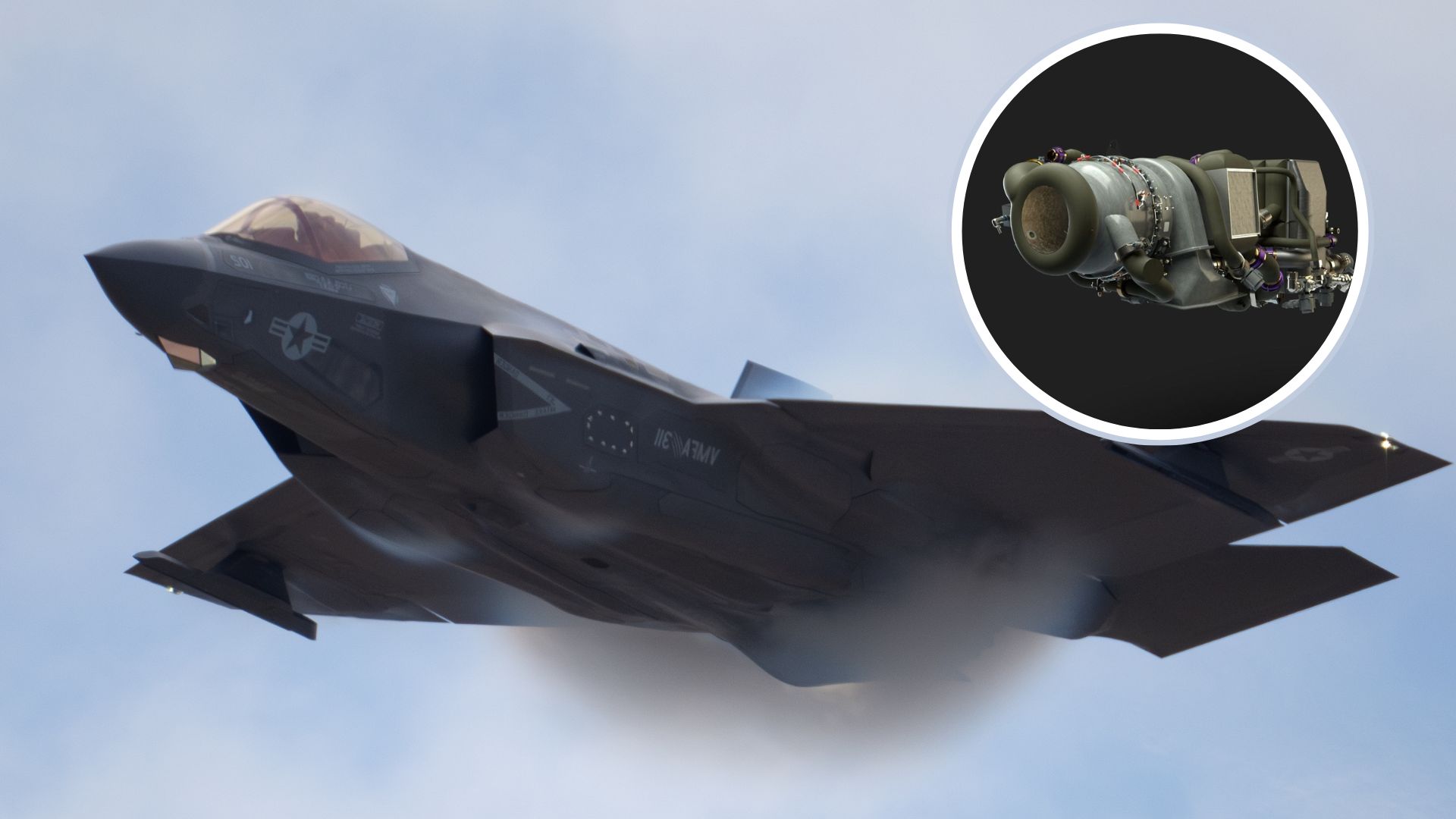
Collins Aerospace Completes Altitude Testing of Enhanced Power and Cooling System for F-35
Collins Aerospace has successfully completed altitude testing of its Enhanced Power and Cooling System (EPACS) for the F-35 jet. This new system is designed to enhance the thermal capacity of the aircraft, enabling it to support future technology upgrades. The testing involved simulating various mission demands and altitude conditions to evaluate the system's performance. The significance of EPACS lies in its ability to meet the increasing thermal and power demands of modern aircraft electronics. As new sensors and mission systems are integrated into the F-35, they generate more heat and require additional electrical power. EPACS aims to provide the necessary thermal margin to accommodate these upgrades without exceeding the aircraft's thermal limits. Looking ahead, the successful altitude testing marks a critical milestone in the development of EPACS, increasing confidence in its performance under real-world conditions. No further timeline was disclosed at the time of publication.
Military
Fort Robotics Plans $500 Million SPAC Deal for Public Listing Under FROB
Fort Robotics, a robotics startup based in Philadelphia and backed by Mark Cuban, is set to go public through a SPAC deal valued at $500 million. The company aims to list on Nasdaq under the ticker FROB. CEO Samuel Reeves highlighted that the choice of a SPAC over a traditional IPO was influenced by the need for rapid scaling of technology and operations. This move is significant as it reflects the growing trend of startups opting for SPACs to expedite their public offerings. Fort Robotics is focused on enhancing its go-to-market strategy and expanding internationally, which are crucial for its growth in the competitive robotics sector. Investors and industry watchers should keep an eye on Fort Robotics as it navigates this transition to public status. No further timeline was disclosed at the time of publication.

HII and MetalCraft Marine's Autonomous ROMULUS USV Passes Critical DoW Test for U.S. Navy
HII announced that its autonomous Watcher small Unmanned Surface Vessel (sUSV), based on the ROMULUS-25, has successfully passed a critical test recognized by the U.S. Defense Innovation Unit (DIU). This achievement marks the completion of the Production-Ready, Inexpensive, Maritime Expeditionary (PRIME) prototype project, which aims to develop smaller autonomous vessels for the U.S. Marine Corps. The successful testing of the Watcher sUSV is significant as it meets the operational needs of the Department of the Navy for interceptors capable of autonomous operations in contested waters. HII's Odyssey Autonomous Control System (ACS) enhances the vessel's capabilities, allowing for intelligent navigation and mission planning, which are crucial for modern naval operations. Looking ahead, HII is positioned for a potential transition to production under Other Transaction Authority (OTA) agreements. The company aims to continue delivering innovative autonomous solutions that enhance naval readiness and operational flexibility, as stated by HII's leadership and MetalCraft Marine's General Manager.
hii metalcraft romulus usv autonomy critical dow test
ACSL CTO Chris Raabe Reflects on Pandemic Lessons for Drone Manufacturing in 2026
In a recent commentary, Chris Raabe, CTO of ACSL, discusses the lasting impact of the pandemic on global manufacturing, particularly in the drone sector. He highlights how the crisis revealed vulnerabilities in supply chains and engineering processes, which continue to influence the industry in 2026. Raabe emphasizes that the challenges faced during the pandemic forced manufacturers, including ACSL, to adapt by enhancing their supply chain strategies and engineering practices. The shift towards remote collaboration and rapid prototyping has led to more efficient decision-making and product development, making companies more resilient. Looking ahead, Raabe notes that while supply chain pressures persist, ACSL is committed to proactive planning and building robust partnerships. The company aims to support customers throughout the entire product lifecycle, ensuring reliability and consistency in manufacturing even after the initial product release. No further timeline was disclosed at the time of publication.
DL Exclusive Drone News Drone News Feeds drone parts Dual Use Feature 1
