

Industry Briefing
A single destination for timely, editor-curated robotics news from around the world.

Alibaba unveils HappyHorse 1.1 video generation model, launches global AI filmmaking competition
On Monday, Alibaba unveiled HappyHorse 1.1, the latest iteration of its video generation model, marking a significant upgrade from its predecessor, HappyHorse 1.0. This new version boasts enhancements in motion dynamics, subject consistency, prompt adherence, visual quality, and audio generation capabilities. In conjunction with this release, Alibaba announced the HorsePower AI Video Competition, collaborating with Huajing Entertainment Group to encourage innovation in video content creation. The competition aims to engage developers and creators in exploring the potential of the upgraded model, fostering creativity and technological advancement in the field of AI-generated video.
News Feed
NVIDIA and ComfyUI Streamline Local AI Video Generation for Game Developers and Creators at GDC
At the Game Developers Conference (GDC) held this week in San Francisco, NVIDIA unveiled a series of updates aimed at enhancing the capabilities of game developers and artists. The company showcased how its RTX AI PCs are enabling the creation of cinematic worlds and iconic characters, significantly elevating the standard for immersive gaming experiences. This initiative reflects NVIDIA's commitment to pushing the boundaries of technology in the gaming industry, providing developers with advanced tools to craft more engaging and visually stunning content. The updates are expected to empower creators to leverage artificial intelligence in innovative ways, ultimately transforming the gaming landscape.

NVIDIA RTX Accelerates 4K AI Video Generation on PC With LTX-2 and ComfyUI Upgrades
In 2025, advancements in artificial intelligence on personal computers reached a significant milestone, with small language models (SLMs) achieving nearly double the accuracy compared to the previous year. This improvement has notably narrowed the performance gap between these PC-class models and larger, cloud-based language models (LLMs). The surge in AI development is attributed to enhanced developer tools and techniques that have emerged, enabling more efficient training and deployment of SLMs. As a result, users can now access more powerful AI capabilities directly on their PCs, marking a pivotal shift in the landscape of AI technology.

PixVerse Secures $439M in Series C Extension, Valuation Exceeds $2B
Singapore-based video-generation startup PixVerse announced the closure of its Series C extension, raising a total of $439 million. This funding has propelled its valuation past $2 billion, enabling the company to enhance its world model offerings and expand its customer base globally. The significance of this funding round lies in PixVerse's ambition to solidify its position in the competitive video generation market. Founded in 2023 by Wang Changhu and Jaden Xie, the company has already attracted notable investors, including Alibaba and Lollapalooza Capital, and boasts over 150 million registered users for its consumer product. Looking ahead, PixVerse plans to launch a new V-Series model for video generation and a new version of its world model within the year. The company is also focused on expanding its enterprise outreach and hiring additional researchers to support its growth strategy. No further timeline was disclosed at the time of publication.
AI Fundraising alibaba pixverse video generation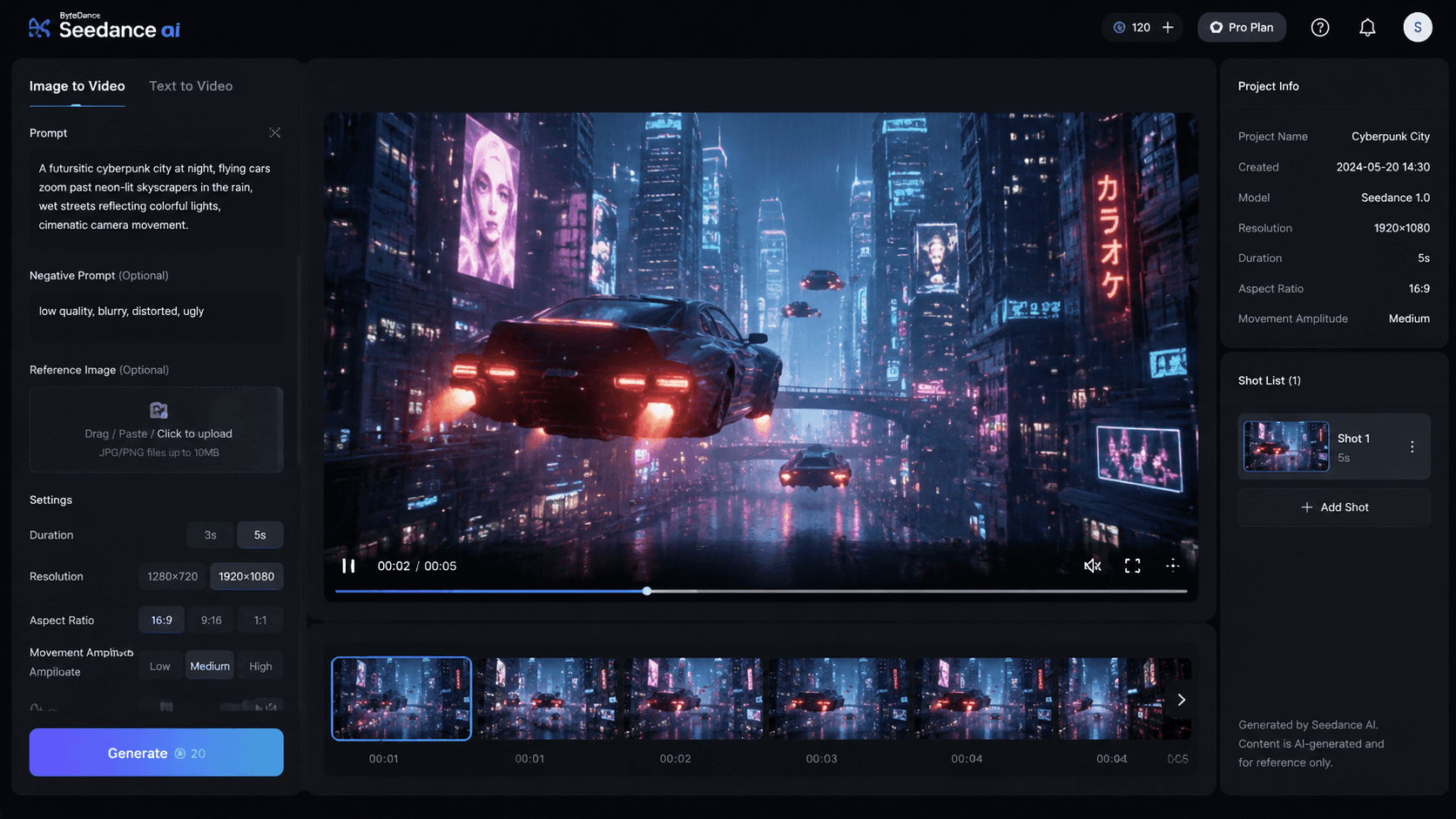
ByteDance Seedance: How China's Video-Gen Model Turned the Tide
ByteDance has unveiled Seedance 2.0, marking a significant advancement in the realm of video generation technology in China. This innovative model has quickly established itself as the leading force in the market, boasting impressive gross margins ranging from 70% to 90%. The launch, which took place in October 2023, is poised to redefine the artificial intelligence business landscape by setting new standards for profitability and efficiency in video content creation. By leveraging cutting-edge technology and extensive data analysis, ByteDance aims to capitalize on the growing demand for high-quality video content, positioning itself at the forefront of the industry.
News
Huawei's Young Talent Wang Yuxin Launches New Venture, Secures Millions in First Month: Can Streaming Video Open New Horizons?
Wang Yuxin, a notable figure from Huawei and a key member of Yuanstone Technology, has launched a new venture named Xingjie Intelligent, dedicated to advancing 'streaming video generation.' Within just one month of its inception, the company has successfully raised millions in angel funding. Xingjie Intelligent aims to transform video interactivity by enabling real-time user engagement, thereby surpassing conventional video creation techniques. This innovative strategy is designed to tackle the evolving challenges associated with content creation in interactive environments.
Streaming Video AI Technology Interactive Media Video Generation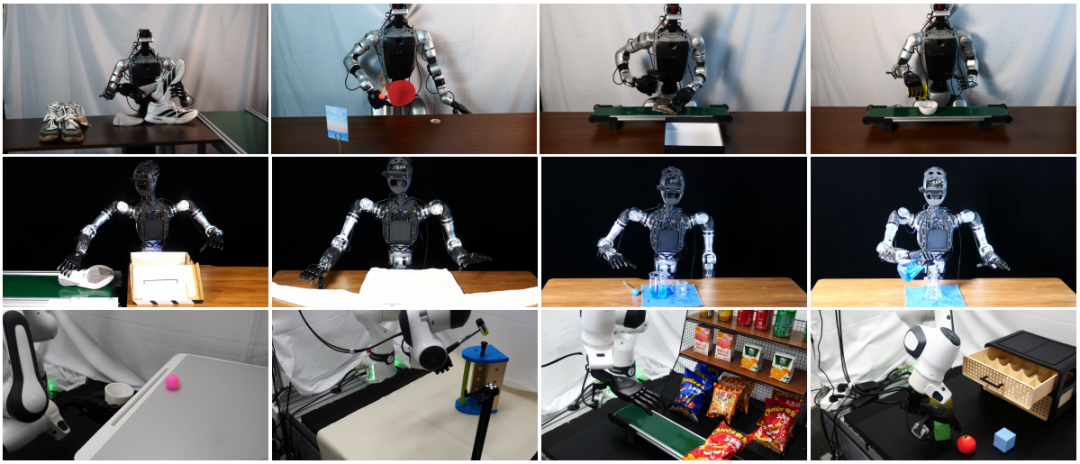
Predicting the World Without Future Frames: BeingBeyond Launches Next-Generation Embodied Intelligence Model Being-H0.7
BeingBeyond has introduced its latest innovation, the Being-H0.7 embodied intelligence model, which revolutionizes the approach to video generation. This new model distinguishes itself by eliminating the need for traditional rendering of future frames, allowing for accurate physical reasoning and dynamic predictions. As a result, Being-H0.7 not only cuts down on training expenses but also ensures a high inference speed. This advancement marks a significant step forward in the field of artificial intelligence, promising enhanced efficiency and effectiveness in various applications.
Embodied Intelligence Robotics AI Machine Learning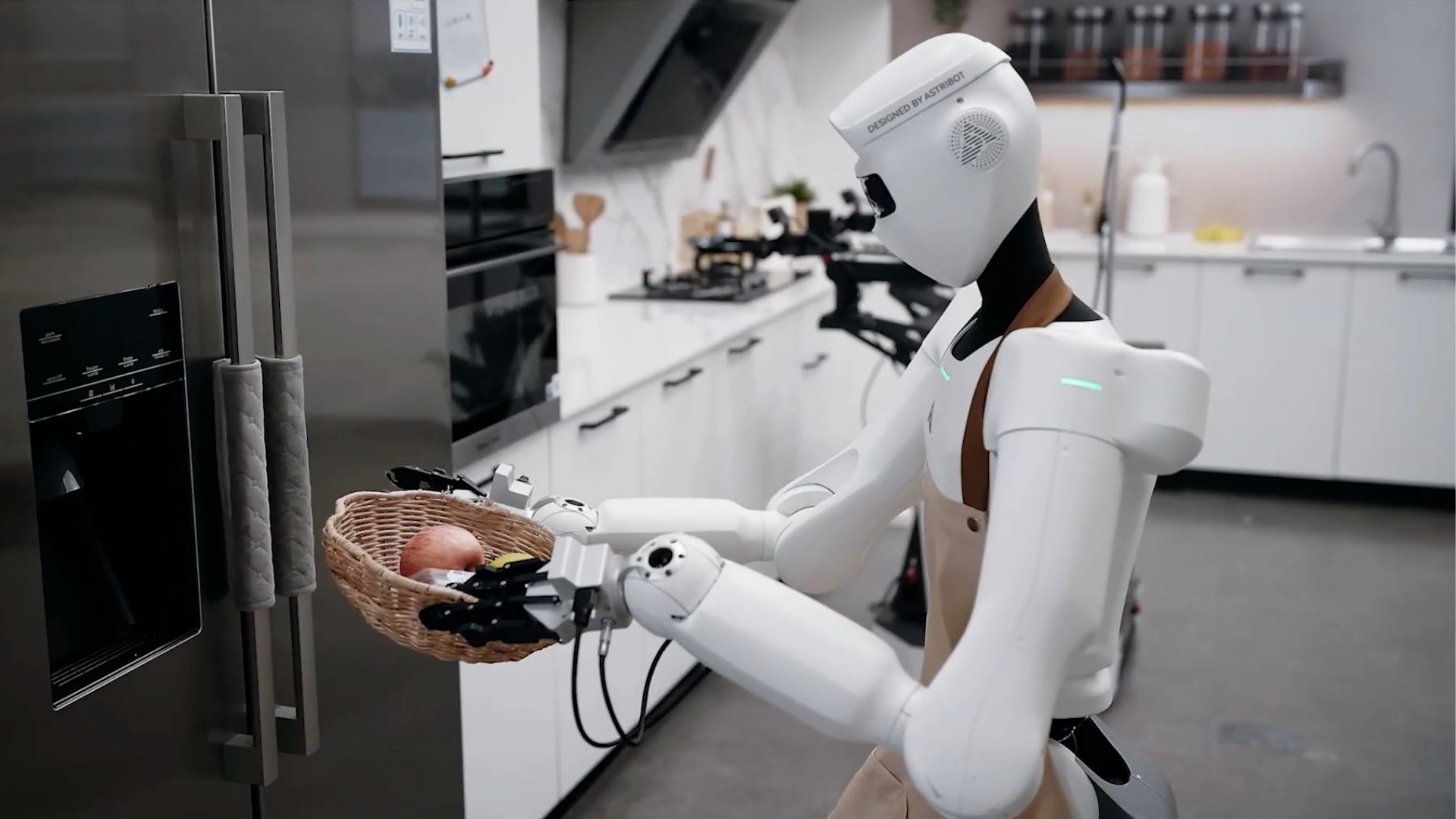
Robbyant Launches LingBot-VA 2.0, the First Embodied-Native AI Model for Robotics
Robbyant, a company under China's Ant Group, has introduced LingBot-VA 2.0, touted as the first embodied-native video-action world model specifically designed for robotics. Unlike traditional models adapted from digital content, LingBot-VA 2.0 is built from the ground up for physical-world tasks, enhancing physical accuracy and execution efficiency through its autoregressive architecture. This innovation is significant as it marks a departure from conventional robotics models that often compromise real-world performance by relying on video generation systems. Robbyant's approach allows for better prediction of how robot actions affect their environment, thus improving generalization and operational effectiveness in real-world applications. Looking ahead, Robbyant's LingBot-VA 2.0 is expected to advance the capabilities of robots in various tasks, demonstrated through its performance in complex scenarios such as preparing breakfast and unpacking deliveries. No further timeline was disclosed at the time of publication.
AI and Robotics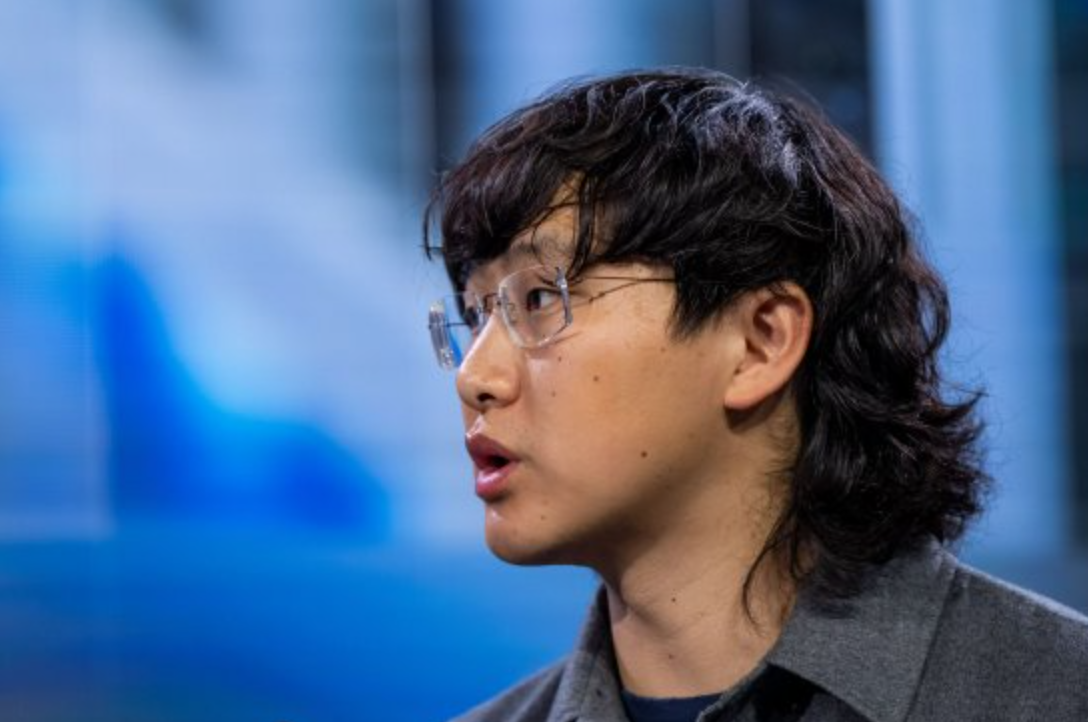
Meta Launches Muse Image: AI Image Model Integrated with Instagram and WhatsApp
Meta has introduced its latest AI image generation model, Muse Image, enabling users to create high-quality visuals using natural language prompts. This innovative tool is integrated with popular platforms Instagram and WhatsApp, allowing users to generate images based on public Instagram photos as references. However, the automatic inclusion of users' public photos without prior notification has sparked privacy concerns among users. Muse Image is available for free, though a subscription is required for more extensive use. Additionally, Meta is currently developing a video generation model to complement this new offering.
AI Image Generation Social Media Integration Privacy Concerns Digital Content Creation
The Enlightenment World Model tops evaluations in RoboTwin 2.0 and other embodied intelligence tests.
Recently, DaXiao Robotics announced that its Kairos world model has achieved top rankings in several global evaluations focused on embodied intelligence, including RoboTwin 2.0, LIBERO-Plus, WorldModelBench Robot, and DreamGen. This model employs an integrated architecture that combines multimodal understanding, generation, and prediction. In a significant move for the industry, DaXiao Robotics has made the Kairos model open-source, allowing broader access and collaboration in the field of AI-driven video generation and state prediction.
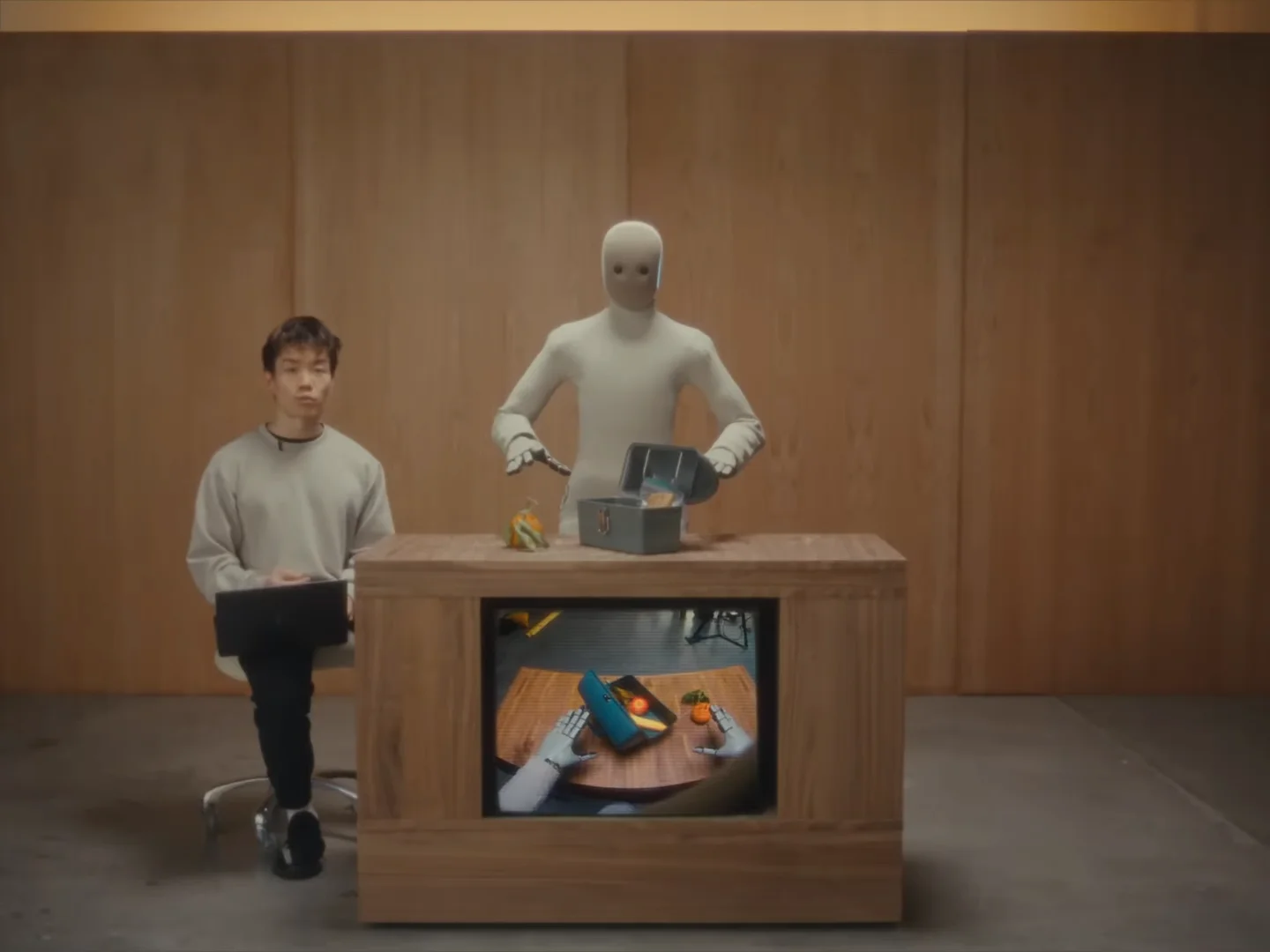
Imagination as Policy: 1X Director Daniel Ho on Leveraging the World Model Flywheel
In a recent episode of the Robo Papers podcast, Daniel Ho, the Director of Evaluations at 1X, discussed the innovative use of video generation technology in robotics. He highlighted how this advancement enables humanoid robots to execute tasks without the need for extensive, robot-specific training data, a process known as zero-shot learning. This development, which leverages the concept of "imagination" in machines, marks a significant step forward in the field of robotics, potentially transforming how robots are trained and utilized across various applications. The conversation sheds light on the future of humanoid capabilities and the implications of integrating advanced AI techniques in robotic systems.
1X-technologies US World-Models embodied-ai
Testing at the Speed of Light: Enabling Scalable Optical Testing for Silicon Photonics and CPO
A recent analysis reveals that a single query made through ChatGPT now requires approximately ten times the energy of a standard Google search. This significant energy consumption is expected to escalate as artificial intelligence technologies expand to include image and video generation capabilities. The findings highlight growing concerns about the environmental impact of AI advancements, prompting discussions on the sustainability of such technologies. As the demand for AI-driven services increases, experts are calling for more efficient energy solutions to mitigate the ecological footprint associated with these innovations.

5 Best Audio to Video AI Generators for Modern Content Workflows
The audio to video AI generator sector has become an essential component of contemporary content production, facilitating the conversion of spoken audio, voiceovers, and scripts into cohesive visual narratives. This innovative technology streamlines the content creation process by automating scene generation, timing alignment, and visual selection, thereby eliminating the need for traditional editing methods. As a result, users can produce high-quality content at scale, significantly enhancing efficiency and creativity in various media projects. The advancements in this field reflect the growing demand for automated solutions in content creation, driven by the need for faster turnaround times and increased output in an ever-evolving digital landscape.
Business Design Software ai avatars AI content tools AI storytelling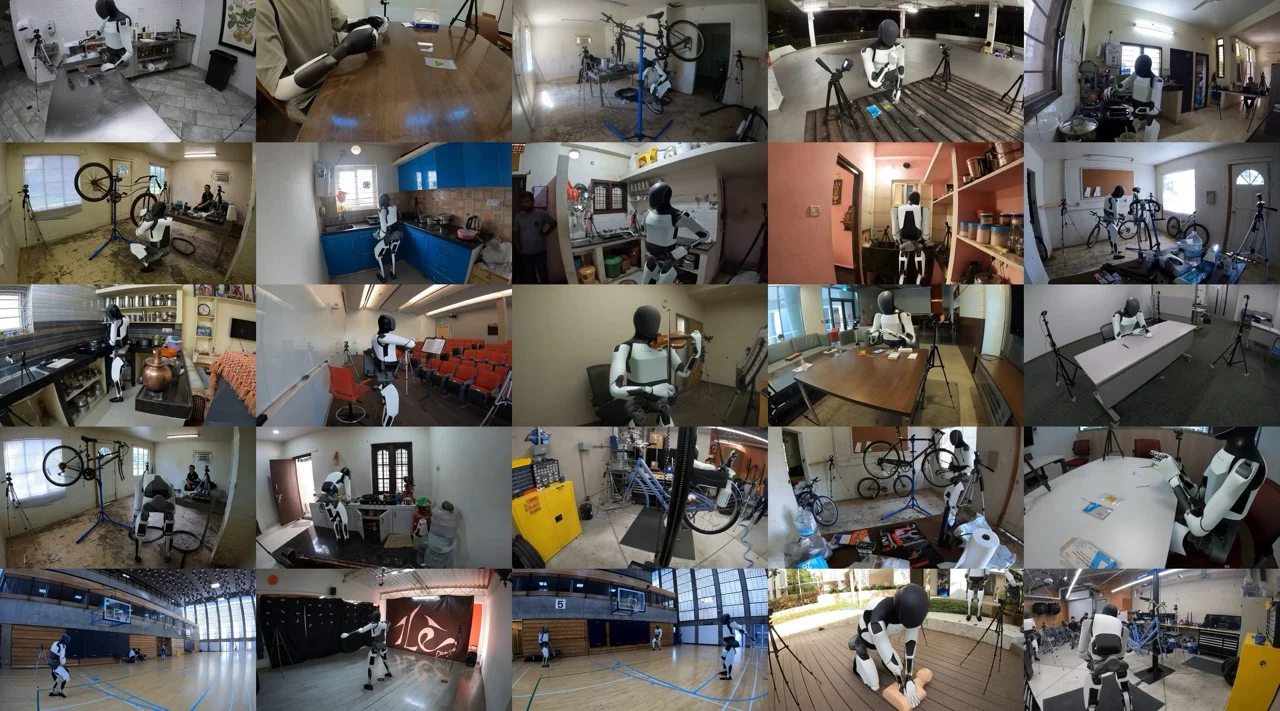
Research Spotlight: X-Humanoid ‘Robotizes’ Human Videos to Train the Next Generation of Androids
Researchers at the National University of Singapore have unveiled an innovative generative video pipeline designed to transform third-person footage of human activities into synthetic training data for humanoid robots. This groundbreaking development aims to address the embodiment gap in robotics, enabling more effective training of robots by providing them with diverse and realistic scenarios. The project, which leverages advanced video synthesis techniques, represents a significant advancement in the field of robotics and artificial intelligence. By creating a scalable solution for generating training data, the researchers hope to enhance the capabilities of humanoid robots, making them more adept at understanding and interacting with the world around them.
Data Collection embodied-ai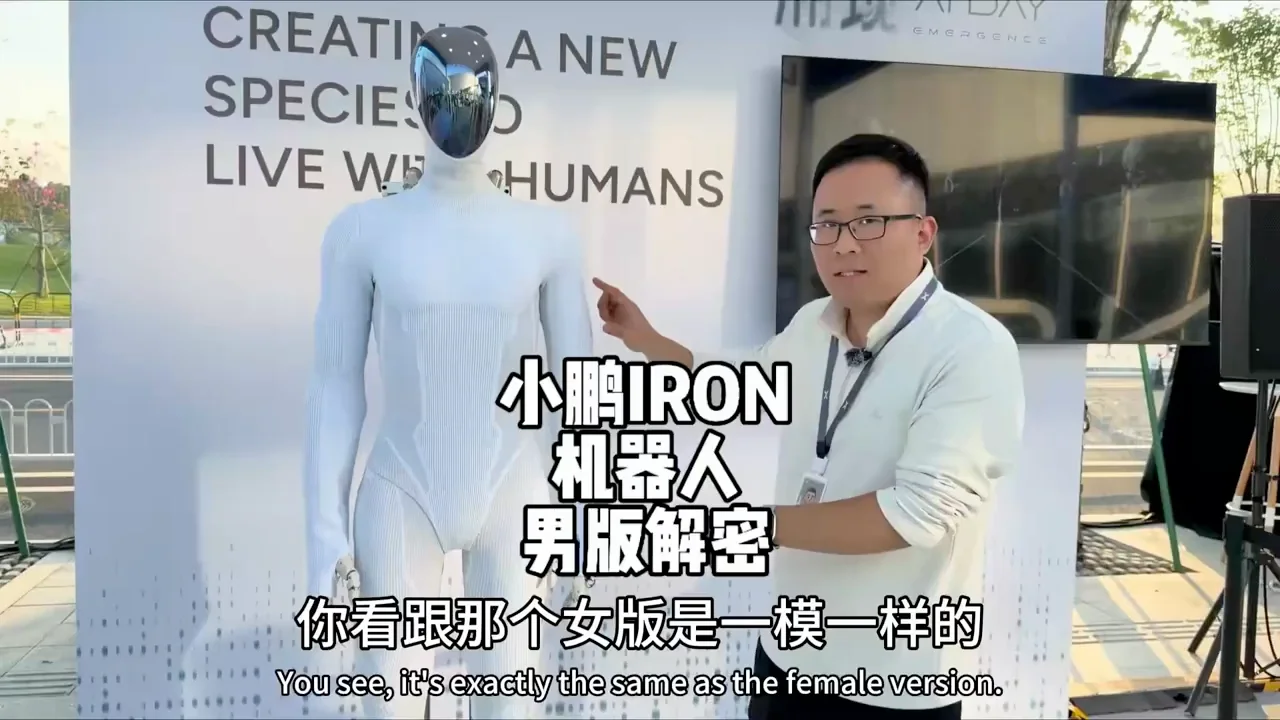
New ''Iron'' Robot Display Model Inspected in Video, Appears to Use Older-Generation Hands
A recent video released by a Chinese journalist offers a detailed examination of Xpeng's humanoid robot, known as "Iron," showcased during the company's AI Day event. The footage highlights the robot's innovative "bionic muscle"-like padding, confirming previously shared design elements. Notably, the video also supports earlier speculation that the models presented at the event do not yet include the advanced "dexterous hands" mentioned in the keynote address. This revelation raises questions about the current capabilities of the robot and its readiness for future applications in artificial intelligence and robotics.
XPeng IRON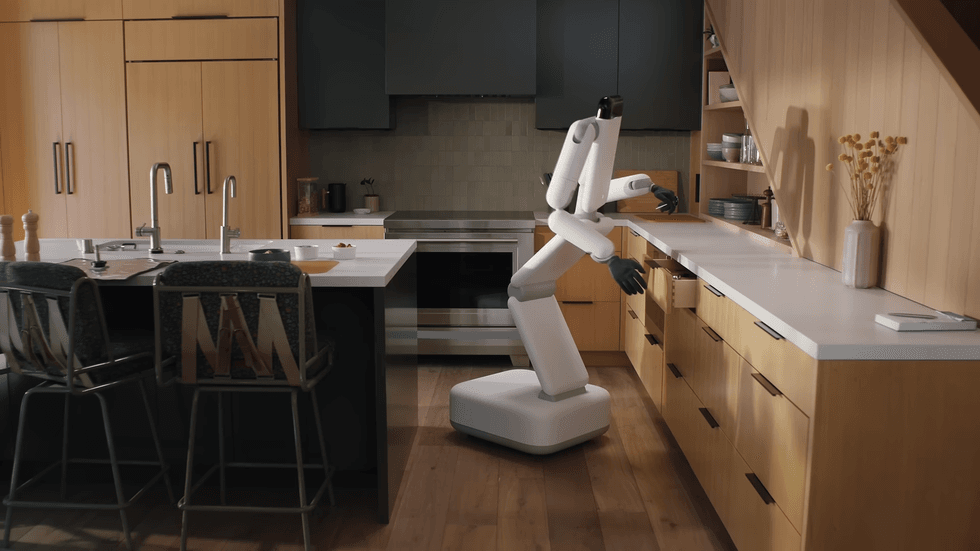
Video Friday: Do Robots Even Need Legs?
In the latest edition of Video Friday, IEEE Spectrum robotics showcases a variety of innovative robotics videos and announces upcoming events in the field. Notable events include RSS 2026 scheduled for July 13-17 in Sydney, the Summer School on Multi-Robot Systems from July 29 to August 4 in Prague, Actuate 2026 on August 18-19 in San Francisco, and IROS 2026 from September 27 to October 1 in Pittsburgh. Among the featured projects, Eno, an advanced AI and general-purpose robot developed by Genesis, exemplifies a new generation of robots designed to enhance human capabilities. Meanwhile, NASA's Jet Propulsion Laboratory is testing the ERNEST rover in California's Colorado Desert, which is being developed for future lunar missions and can operate autonomously over challenging terrain. Sony AI's Ace project demonstrates a robotic system capable of adapting to unpredictable scenarios in table tennis, while ANYbotics highlights the economic benefits of their quadruped robots in industrial inspections, preventing significant production losses. GITAI is preparing for a robotic satellite servicing demo, and Bi-AQUA is exploring underwater photography challenges for robots. Sanctuary AI has achieved impressive results in wire plugging tasks for a major automotive supplier, showcasing a success rate exceeding 99.5%. Additionally, various other robotics projects are highlighted, including a bipedal robot named GrowBot, which operates on a low-cost Raspberry Pi and aims to make physical AI accessible to a broader audience.
Video-friday Robot-videos Lunar-rover Inspection-robots Robot-hands Robot-ai
Spotify to adopt Apple’s new video podcast tech, offering creators easier cross-platform distribution
Spotify has announced a new initiative that allows creators to distribute and monetize their video podcasts on Apple Podcasts. This development, which utilizes Apple’s HLS streaming technology, aims to streamline the process for podcasters, enabling them to maintain their current workflows without any significant changes. The move reflects Spotify's commitment to expanding its podcasting ecosystem and providing creators with more opportunities for revenue generation. By integrating with Apple Podcasts, Spotify is positioning itself to reach a broader audience and enhance the visibility of its content creators. This initiative is set to benefit both podcasters seeking to diversify their platforms and listeners looking for more varied content options.
Apps Media & Entertainment Apple apple podcasts podcasts Spotify
Video Friday: AI Gives Robot Hands Human-Like Dexterity
IEEE Spectrum robotics has released its weekly roundup of notable robotics videos, along with a calendar of upcoming robotics events scheduled for 2026. Key events include ICRA 2026 in Vienna from June 1-5, and the Summer School on Multi-Robot Systems in Prague from July 29 to August 4. Among the highlights is the introduction of GENE-26.5, an AI brain that enables robots to perform complex tasks such as cooking, conducting lab experiments, and playing the piano, showcasing significant advancements in robotic capabilities. Another featured robot, Labububot, is a unique creation that critiques social robots through its design, merging various pop culture elements into a single entity. In other developments, NASA's Jet Propulsion Laboratory is testing next-generation helicopter rotor blades on Mars, achieving speeds that exceed Mach 1 in a simulated Martian atmosphere. Additionally, Boston Dynamics is balancing commercial interests with robotics research through its Atlas robot, while the Robomechanics Lab has introduced Sally, a magnetic-wheeled robot designed for inspecting steel structures, capable of navigating challenging interior corners. These innovations reflect the ongoing evolution in robotics, driven by advancements in AI and engineering, as the field continues to explore new applications and capabilities.
Humanoid-robots Video-friday Manipulation Robot-videos Autonomous-robots Quadruped-robots
Spry Technocon and Partners Form Alliance for Unmanned Mine Countermeasure Solutions for Indian Navy
Spry Technocon Private Limited has formed a strategic partnership with Teledyne Marine, Klein Marine Systems, and VideoRay to develop advanced Unmanned Mine Countermeasure (MCM) Systems for the Indian Navy. This collaboration aims to leverage cutting-edge underwater sensing and imaging technologies alongside indigenous engineering capabilities to create a comprehensive MCM Suite. The partnership is significant as it aligns with India's Aatmanirbhar Bharat and Make in India initiatives, promoting self-reliance in defense technologies. By integrating advanced Autonomous Underwater Vehicles, high-resolution sonar systems, and remotely operated vehicles, the alliance seeks to enhance the Indian Navy's capabilities in mine warfare. Looking ahead, the focus will be on establishing a sustainable ecosystem for next-generation mine warfare technologies in India. No further timeline was disclosed at the time of publication.

Why this CEO thinks video games make better training data than the internet
Recent discussions in the field of artificial intelligence have highlighted the limitations of large language models, such as ChatGPT and Claude, in achieving artificial general intelligence (AGI). While these models excel in text generation, they struggle with understanding the dynamics of movement through space and time, a critical component for developing generalized intelligence. To address this gap, researchers are exploring the potential of gaming data as a solution. This innovative approach, known as General Intuition, aims to leverage the rich, interactive environments found in video games to enhance AI's understanding of real-world physics and dynamics. By integrating insights from gaming, experts believe they can create more sophisticated models capable of reasoning and adapting in complex scenarios. The exploration of this method is ongoing, with the hope of advancing the field of AGI significantly.
AI Startups AI Funding general intuition physical ai Pim DeWit
Peking University team develops new generation data acquisition device using EMG wristband, backed by Gong Hongjia, Lu Qi, and overseas
The SnowOrigin team, composed of researchers from Peking University, has secured investments from notable figures including Gong Hongjia and Lu Qi, as well as overseas institutions. This innovative team focuses on surface electromyography (sEMG) technology to develop a new generation of human control data collection solutions, utilizing wearable devices like neural wristbands and panoramic headsets, along with their proprietary Neural Math Hybrid (NMH) AI decoding model. As the fields of embodied intelligence and Physical AI rapidly evolve, there is an increasing demand for high-quality human control data. Current mainstream data collection methods, such as first-person video and motion capture, often fail to capture critical information about the intent and nuances of human actions. SnowOrigin's wearable devices aim to bridge this gap by integrating muscle and neural signal decoding technologies to create structured data that includes posture, force, and micro-control, thereby supporting the training of robots and world models. Founder Qin Xu emphasized that unlike traditional lab-based motion capture systems, their wearable solutions are cost-effective, lightweight, and suitable for long-term use without disrupting daily activities. The team is advancing two commercialization pathways: enhancing human-robot interaction for AI devices and building a foundational data infrastructure for Physical AI applications. With a strong academic background and a commitment to innovation, SnowOrigin is positioned to lead in the emerging market for embodied data collection, having already made significant strides in real-time decoding of sEMG signals into actionable insights. As the demand for comprehensive interaction data grows, the team is poised to capitalize on this shift in paradigm.

Video Friday: This Floor Lamp Will Do Your Chores
IEEE Spectrum robotics has released its weekly roundup of notable robotics videos, along with a calendar of upcoming events in the field. Key events include the International Conference on Robotics and Automation (ICRA) scheduled for June 1-5, 2026, in Vienna, and the Robotics Science and Systems (RSS) conference from July 13-17, 2026, in Sydney. Among the highlights is Lume, a sculptural floor lamp that reportedly can perform household chores such as making beds and folding laundry, though skepticism surrounds its capabilities due to the presentation of its functionality in promotional materials. Additionally, researchers from MIT Media Lab and Politecnico di Bari have introduced Electrofluidic Fiber Muscles, a new type of artificial muscle that is soft and flexible, utilizing electric fields to operate silently without external pumps. Another innovation is GEN-1, a general-purpose AI model that significantly improves success rates in physical tasks and enhances speed, marking a step towards achieving generalist intelligence in robotics. The report also discusses advancements in legged manipulators, which face challenges in interacting with diverse articulated objects, and highlights the development of Tether, a system for autonomous interactive play that enhances policy learning through efficient data generation. As the robotics community continues to innovate, these developments signal exciting possibilities for the future of robotics applications.
Home-robots Video-friday Artificial-muscle Agricultural-robots Robot-ai Quadruped-robots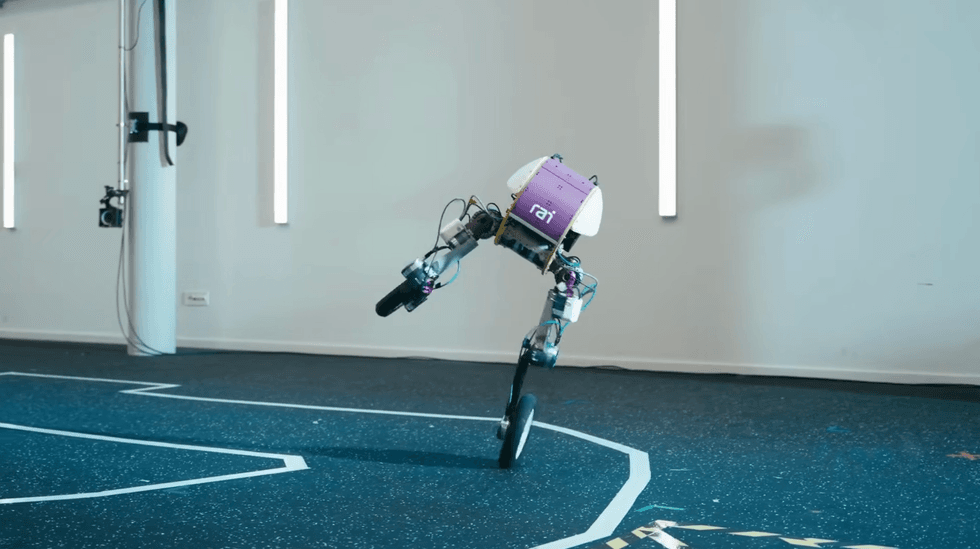
Video Friday: Beep! Beep! Roadrunner Bipedal Bot Breaks the Mold
IEEE Spectrum robotics has released its weekly roundup of notable robotics videos and events. Among the highlights is the introduction of "Roadrunner," a new bipedal wheeled robot prototype that can switch between various locomotion modes, designed for enhanced navigation. Weighing approximately 15 kg, it features symmetric legs that can adapt for obstacle avoidance and movement management. NASA has announced two ambitious missions: SkyFall, which will deploy next-generation helicopters on Mars to scout landing sites and map subsurface water ice, and MoonFall, aimed at preparing for future Artemis missions by sending drones to explore the lunar South Pole. These drones will operate independently for 14 Earth days, surveying challenging terrains. In research advancements, a team from MIT has developed Electrofluidic Fiber Muscles, a new class of soft and flexible artificial muscles for robots and wearables, promising improved agility and integration into textiles. Additionally, the open-source quadruped robot MEVIUS2 has been unveiled, capable of climbing stairs and steep slopes. Other innovations include a wristband from MIT that allows users to control a robotic hand through their own movements, and a cooking robot from Zhejiang Lab that autonomously processes ingredients and performs cooking tasks with high precision. The CMU Robotics Institute is set to host a seminar by Hadas Kress-Gazit from Cornell, focusing on the role of formal methods in robotics amidst the rise of big data.
Video-friday Nasa Bipedal-robots Quadruped-robots Artificial-muscles Humanoid-robots
Video: Figure Offers First Look at 7th-Gen Hand Aiming for "Human Parity"
Brett Adcock, the CEO of Figure, recently unveiled a preview of the company's latest innovation, the 7th-generation robotic hand. This advanced device features enhanced capabilities, including thumb rotation and the ability for fingers to move apart and together, demonstrating significant improvements in dexterity and functionality. The announcement highlights Figure's commitment to pushing the boundaries of robotics technology, aiming to improve human-robot interaction and expand the potential applications of robotic hands in various fields.
Brett Adcock US Figure Figure-03 hand hands
Japan Pioneered Humanoid Robots—Can It Now Catch China?
“In the future, the relationship between humans and robots will deepen, and the distinction between them will probably disappear.” This prediction, from one of the attendees at the recent Humanoids Summit in Tokyo, might have been unremarkable had it not come directly from an android that was first introduced to the world 20 years ago. Geminoid HI-6 is the sixth-generation of a robot originally designed in 2006. The mechanical twin of Osaka University professor Hiroshi Ishiguro, Geminoid HI-6 is now equipped with a large language model trained on Ishiguro’s own writings and interviews. It has advanced conversational skills and can even have a chat with its creator, an eerie spectacle. But at the Humanoids Summit, Geminoid was one of the few humanoid robots from Japan, the country that pioneered the form factor.While the event in Tokyo only had about 40 robots on display, Chinese systems outnumbered Japanese by roughly three to one. Some Japanese robotics firms were even using Chinese robots in their own technology demonstrations, something that would have been unthinkable in the recent past—one Japanese engineer described the situation as “sad.” The conference was a stark reminder of how Japan has ceded its early lead in humanoid robot development to overseas competitors, and the challenge it now faces to secure a place in an ecosystem increasingly dominated by general-purpose robots powered by AI. Twenty-five years ago, Japan was turning out groundbreaking humanoids that were showstopping in their abilities, but they were not commercialized as practical machines in any meaningful way. Heavily influenced by science fiction and lacking practical applications, they were mostly expensive technology demonstrations that were eventually mothballed. What Japan retains, however, is robotics design and know-how, which it must leverage to be a key player in the rapidly evolving humanoid ecosystem. Learning to Walk—Then Standing StillTo anyone who has seen recent videos of Chinese humanoids doing kung-fu and synchronized acrobatics, as well as half-marathon races, China’s remarkable progress in the field is nothing new. At the Humanoids Summit, Toyota showed a video of its latest basketball-playing robot, and Honda exhibited its latest robot hand, but the full-scale humanoids on the floor were mostly Chinese–the kid-size K1 machines from Booster Robotics of Beijing were dancing to Michael Jackson tunes. The full-scale G1 humanoid from Unitree Robotics of Hangzhou was also doing demos. “You cannot sell these bipedal systems in Japan for safety and compliance reasons,” says Shuichi Nagao, a frequent visitor to China as CTO of Omakase Robotics, a division of Zeals, a Japanese humanoid robot developer. Omakase was exhibiting a G1 modified with an external PC controller, a dextrous hand, a suction-cup manipulator and a sensor “hat” with an extra speaker, mic and camera. “In China, the government is pushing humanoid development. They didn’t have an industry 20 years ago. The people pushing it are young, in their 20s and 30s. It’s a really different mentality out there,” says Nagao. “Big players in Japan are still looking for use cases for humanoids. In China, they’re already doing mass production and reducing the cost, so other countries can’t compete with them anymore.”Another Japanese company showing off G1 bots was summit sponsor GMO AI & Robotics, a subsidiary of Japanese internet company GMO. It’s using the robots in partnership with Japan Airlines to load and unload cargo containers at Tokyo’s Haneda airport. The cargo project is a trial—like many other humanoid experiments—but the fact that Chinese machines have penetrated so far into Japan’s ecosystem upends a long history. In 1973, scientists at Waseda University in Tokyo built WABOT-1, considered the first full-scale humanoid robot and capable of slow bipedal locomotion, grasping objects and simple communication. It inspired Honda’s groundbreaking Asimo humanoid, but it was never commercialized. Asimo was eventually retired in 2022, the year ChatGPT was released. Two years later, Unitree’s G1 went on sale for US $16,000. China’s High Torque Technology Co. showed off its Mini Pi biped, customized with an anime-inspired head, at Humanoids Summit in Tokyo. The regular version is priced at $3,500. Tim HornyakSupply and DemandJapan’s development of humanoids happened before practical applications or widespread demand were in place, but bad timing is only part of the story—Japan also has a history of developing technologies that might appeal to domestic consumers but not necessarily those overseas. For example, decades after they first appeared, its highly engineered, multifunction toilets have only recently found a following abroad. Japan’s humanoid prowess was partly built on the back of its legendary industrial automation, yet even that stronghold has eroded. Ani Kelkar, a partner from McKinsey & Company in Boston who produces analytical reports about the robotics industry, told the summit audience that while Japan occupied the top spot in the world in manufacturing robot density (the number of multipurpose industrial robots in operation per 10,000 employees) from at least 1994 to 2009, it then slipped to second in 2014, third in 2019 and fifth in 2024. In that year, South Korea was at the top of the leaderboard with a robot density of 1,220 compared to Japan’s 446. The International Federation of Robotics estimates China now has the most operational industrial robots in the world, with around 2 million total units, approximately 4.5 times more than Japan. “The annual installation numbers are impressive too: 54 percent of all robots installed worldwide in 2024 were deployed in China,” the IFR said in a release in April 2026. “I think the loss of Japanese leadership is more to do with the rise of China as a manufacturing powerhouse including for sectors that Japan had high export levels,” Kelkar said in an email interview. “The recovery has not yet happened as Japan ‘missed’ the rapid acceleration in AI for robotics and is now playing catchup.”How Japan Can Adapt Kelkar believes Japan has a US $100 billion opportunity in general-purpose robotics, which are machines that can perform a wide variety of tasks, and it cannot rely on the slower-growing industrial robot market, which is centered on factory machines that do one simple and predictable task like welding car parts. He points to a McKinsey white paper suggesting that while Japan has much of the hardware and technology experience needed to support general purpose robot development, it must change its strategy to capture more share in AI, software, data collection and robotics platforms.Tetsuya Ogata is a professor of engineering and director of the Institute for AI and Robotics at Waseda University, the birthplace of humanoids in Japan. He briefed the summit on how a nonprofit he chairs, the AI Robot Association (AIRoA), is working with Toyota and other members to develop foundational technologies for collaborative use. For instance, AIRoA has collected some 80,000 hours of data on remote operation of mobile manipulators, and Ogata believes it’s the largest dataset of its kind. Using the data, it built and verified Vision-Language-Action (VLA) models, and it has also started data collection for dual-arm mobile manipulation. In an interview, Ogata acknowledged Japan’s struggle to find its place in the changing landscape. “The world of AI is inherently a game of scale,” says Ogata. “Therefore, Japan’s absolute prerequisite is to secure a competitive baseline of scale—in data, computing resources, and talent. Beyond that, what I consider most critical is a mindset shift: rather than trying to hoard scale within a single nation or company, we must grow stronger by collaborating with a diverse ecosystem of domestic and international players.” Specifically, this means creating a ‘collaborative domain’ to address data—the single biggest bottleneck—through industry-wide cooperation rather than data-siloing. By collectively nurturing a pre-competitive, shared data infrastructure and foundation model, individual companies can then compete on top of it with their own applications. “By offering this open ‘data ecosystem’ to the world, we can engage global players and establish a ‘third pole’ alongside the US and China,” says Ogata. “I believe this is how Japan can reclaim its global presence.”In 1999, Japan introduced the world’s first mobile internet services platform. But being first didn’t turn Japan into a smartphone manufacturing or design center—it’s now merely a supplier of parts to other countries who are leading the smartphone industry. If Japan can avoid a repeat of that experience and successfully deregulate, diversity, and commercialize its original humanoid dreams, it stands a better chance of influencing the direction of the industry and reaping billions in value. As automobiles and electronics were pillars of Japan’s industrial strategy in the last century, Japan could make humanoid robots one of its key value generators in the 21st century, an approach that would not only deliver economic benefits but give Japan greater clout in how the industry will evolve. Just like Japanese cars, electronics, and even toilets, Japanese humanoids could stand for craftsmanship and reliability. It’s a legacy that Japan can’t afford to give up.
Japan Robotics Humanoids Humanoid-robots
indie Launches Edge AI SoC to Power Smarter Perception Systems for Automotive and Humanoids
indie, an automotive solutions innovator based in Aliso Viejo, CA, has announced the launch of its next-generation edge AI system-on-chip (SoC), the iND881, designed to enhance smart camera technology for automotive and robotic applications. Unveiled on June 10, 2026, the iND881 integrates an AI compute engine with indie’s advanced low-latency multi-camera image signal processor (ISP), providing an efficient solution for developers. The iND881 is engineered for low power consumption and real-time responsiveness, featuring a Neural Processing Unit (NPU), a versatile Digital Signal Processor (DSP), and a quad-core ARM Cortex-A53 CPU. This architecture is tailored for demanding edge perception tasks, making it particularly beneficial for advanced driver assistance systems, including driver and occupant monitoring and smart mirrors with blind-spot detection. In addition to automotive applications, the iND881 supports robotics and physical AI automation, facilitating accurate sensing and navigation for autonomous mobile robots. The device's capabilities include multi-channel video compression, high-dynamic-range ISP, and compatibility with various sensor modalities such as infrared and LiDAR, ensuring robust performance in complex environments. The iND881 is ASIL-B compliant and automotive qualified, currently available for sampling. It will be showcased at the upcoming AutoSens and InCabin USA 2026 events. Fred Jarrar, indie's senior vice president, emphasized that the launch not only expands their product portfolio but also positions indie as a comprehensive solutions provider in the edge AI market.

36Kr Exclusive: Four Key Propositions for ByteDance's AI by 2026
ByteDance is setting ambitious goals for its AI initiatives in 2026, focusing on four key areas. The company aims to enhance world model training, targeting performance levels comparable to Google's leading model, Genie 3, by the end of the year. Additionally, ByteDance plans to maintain its leadership in video models while exploring new avenues like dynamic generation. The company is also committed to strengthening its coding capabilities, emphasizing the importance of data feedback and evaluation to improve agent performance, particularly in office applications. Despite recent advancements, including the launch of Seed 2.0 and Seedance 2.0, ByteDance faces challenges in the world model arena, having entered the field later than competitors. The company established a research group in 2025 to explore visual-language-action models and has since set a clear goal for world model development. However, internal assessments indicate that performance still lags behind global standards by approximately 10%. In parallel, ByteDance is accelerating the commercialization of its Doubao platform, which has seen a surge in daily active users, reaching 200 million. The company plans to introduce paid features and enhance its offerings for professional users, particularly in sectors like finance and law. Doubao's strategy includes differentiating itself in the crowded AI tools market and expanding its presence internationally, with a focus on small language markets. As ByteDance navigates these challenges, it aims to leverage its engineering expertise and data resources to emerge as a leader in the evolving AI landscape.

How to Get Started With Visual Generative AI on NVIDIA RTX PCs
AI-powered content generation has become an integral part of daily tools such as Adobe and Canva, as numerous agencies and studios increasingly adopt this technology into their workflows. This shift, which has gained momentum over recent months, allows for the creation of photorealistic images and videos, enhancing the quality and efficiency of digital content production. The integration of AI into these platforms is driven by the need for faster turnaround times and improved creative capabilities, enabling users to produce high-quality visuals with ease. As the technology continues to evolve, it is reshaping the landscape of content creation, making advanced tools accessible to a broader range of users.

NVIDIA DLSS 4.5, Path Tracing and G-SYNC Pulsar Supercharge Gameplay With Enhanced Performance and Visuals
At the CES trade show, NVIDIA unveiled its latest advancement in gaming technology, DLSS 4.5, which features Dynamic Multi Frame Generation. This new capability includes a 6X Multi Frame Generation mode and a second-generation transformer model for DLSS Super Resolution. The enhancements aim to provide gamers with an improved visual experience and smoother gameplay. By leveraging cutting-edge AI technology, NVIDIA continues to push the boundaries of gaming performance, addressing the growing demand for high-quality graphics and responsiveness in modern video games. The announcement is part of NVIDIA's ongoing commitment to innovation in the gaming industry, showcasing their leadership in developing tools that enhance user experience.

Figure Teases Imminent Reveal of Next-Gen Humanoid: 'This Week, Everything Changes'
Humanoid robotics company Figure is set to unveil its next-generation robot this week, following a series of enigmatic teaser videos and dramatic tweets from CEO Brett Adcock. The promotional campaign has generated significant speculation among industry observers, building on months of anticipation regarding a more advanced successor to the Figure 02 model. The announcement is expected to showcase the company's latest advancements in robotics technology, potentially reshaping the landscape of humanoid robots.
Brett Adcock Figure humanoid roboticsRobotics needs a service framework.
RSF defines a common language for robot service capability, lifecycle operations, certification pathways, and service-provider networks.







